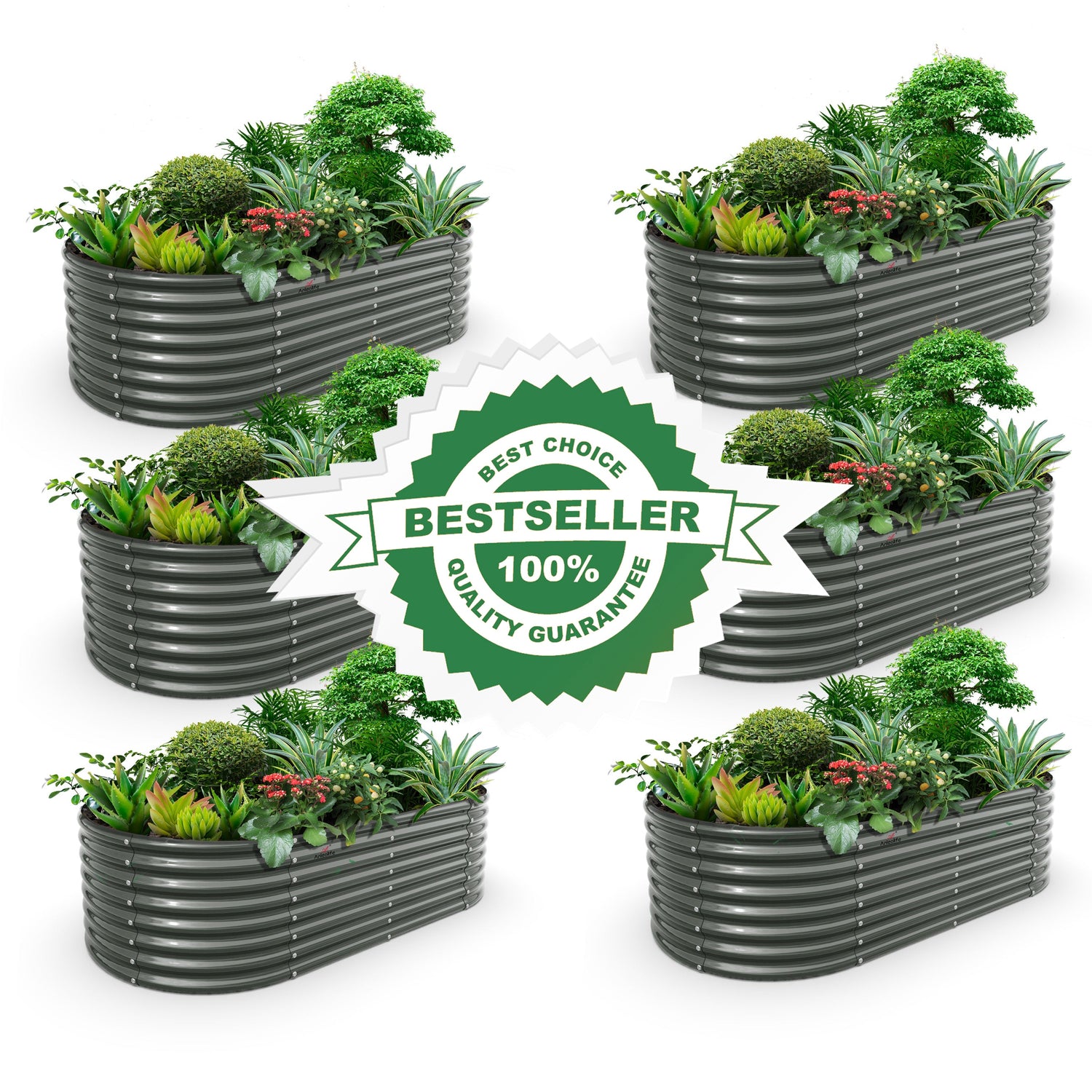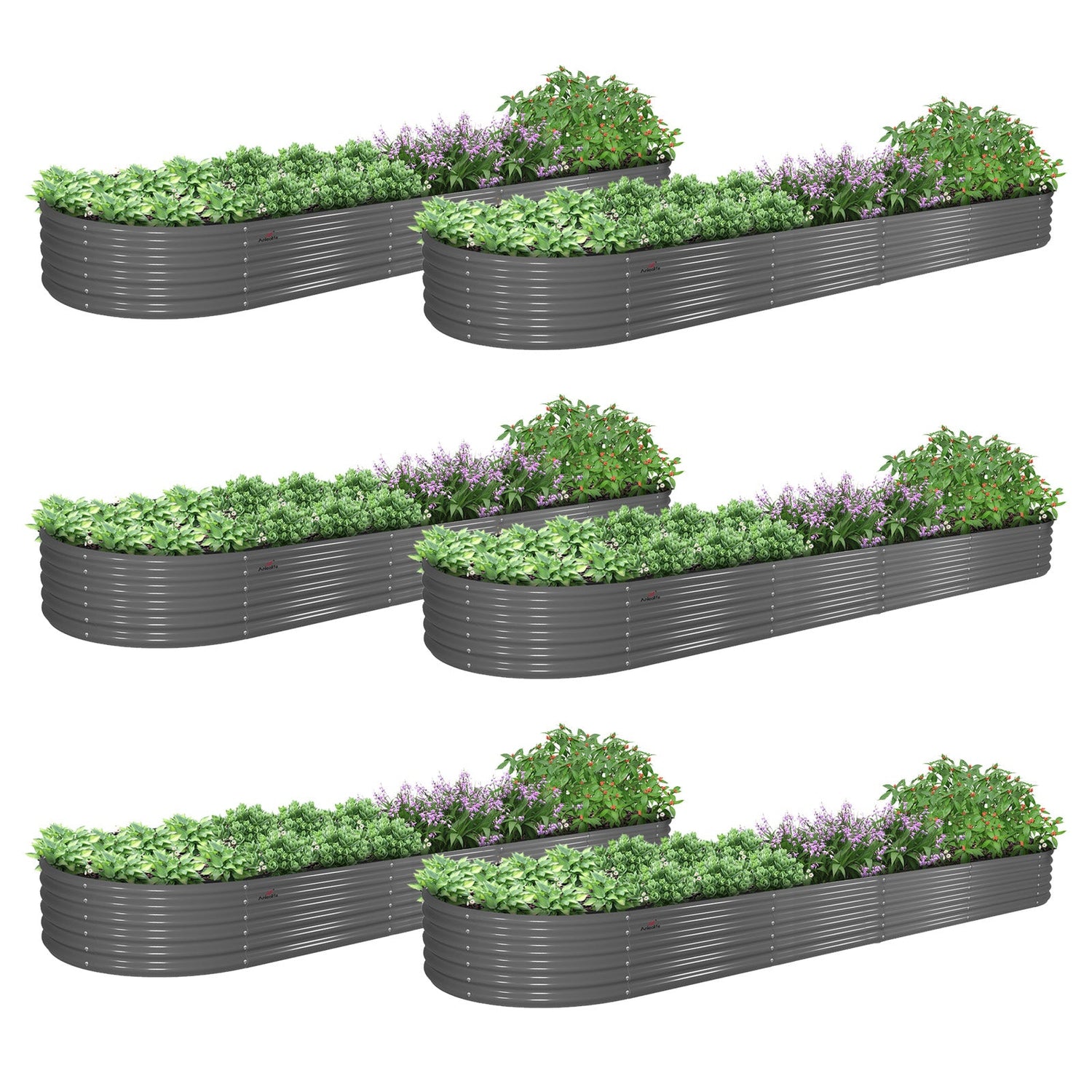



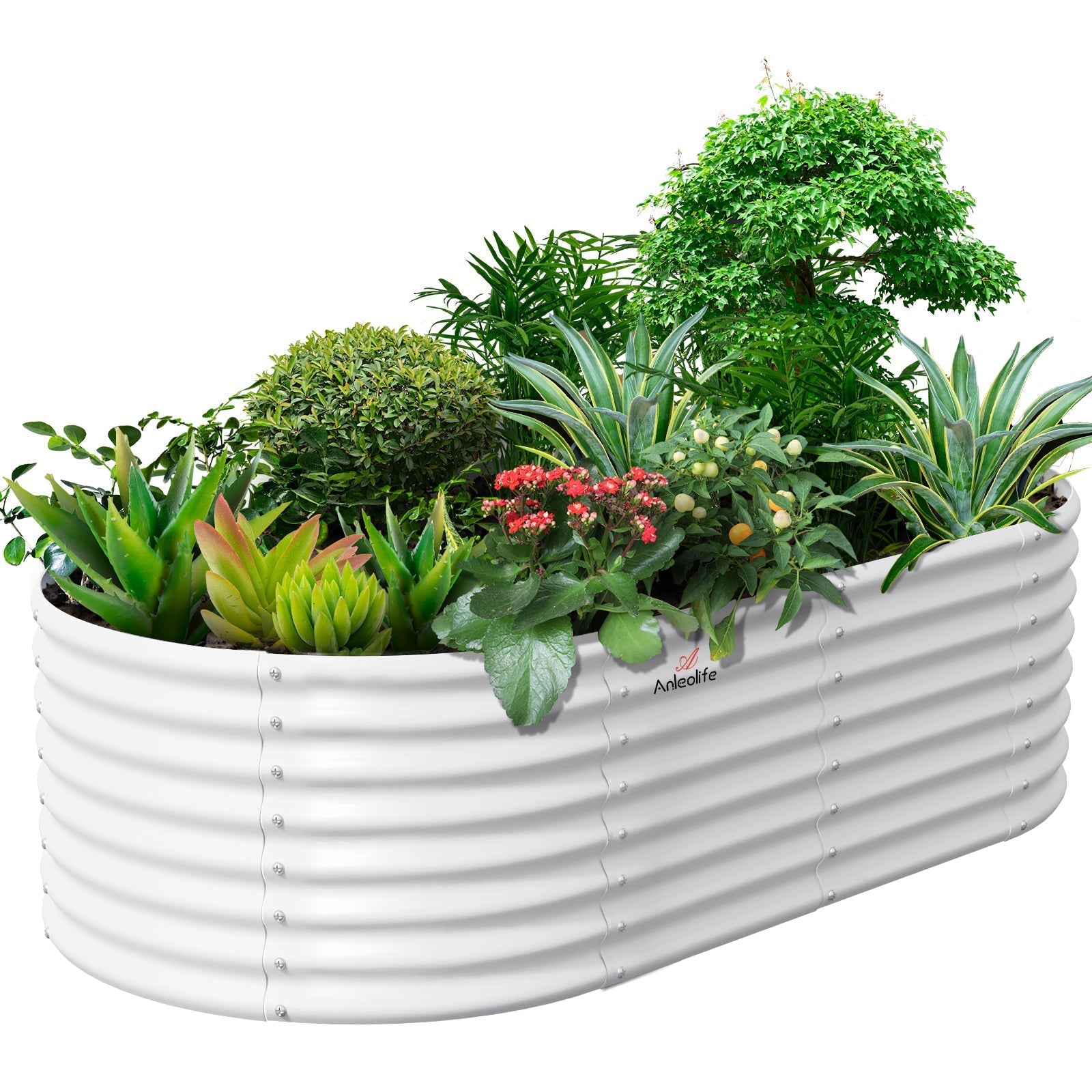
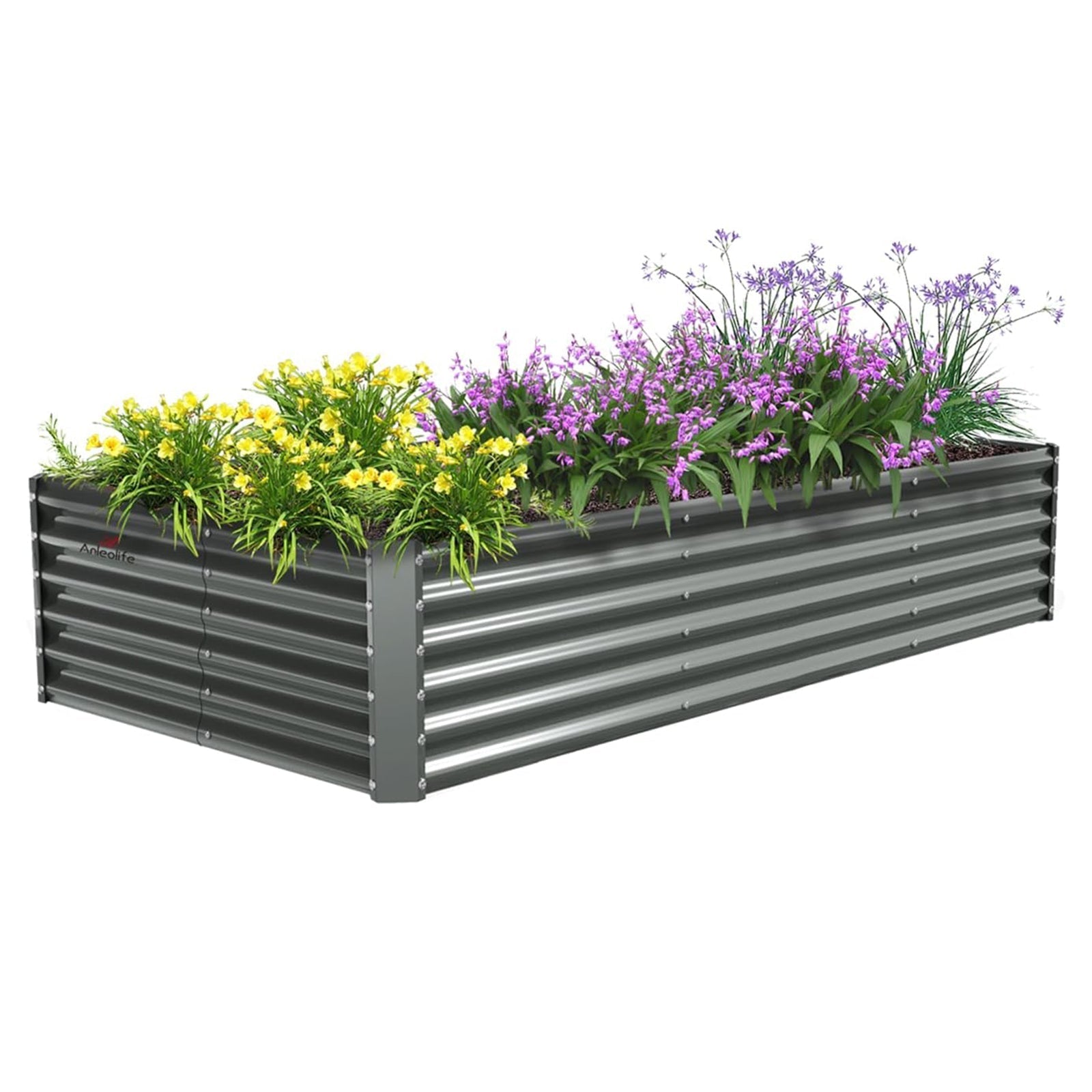

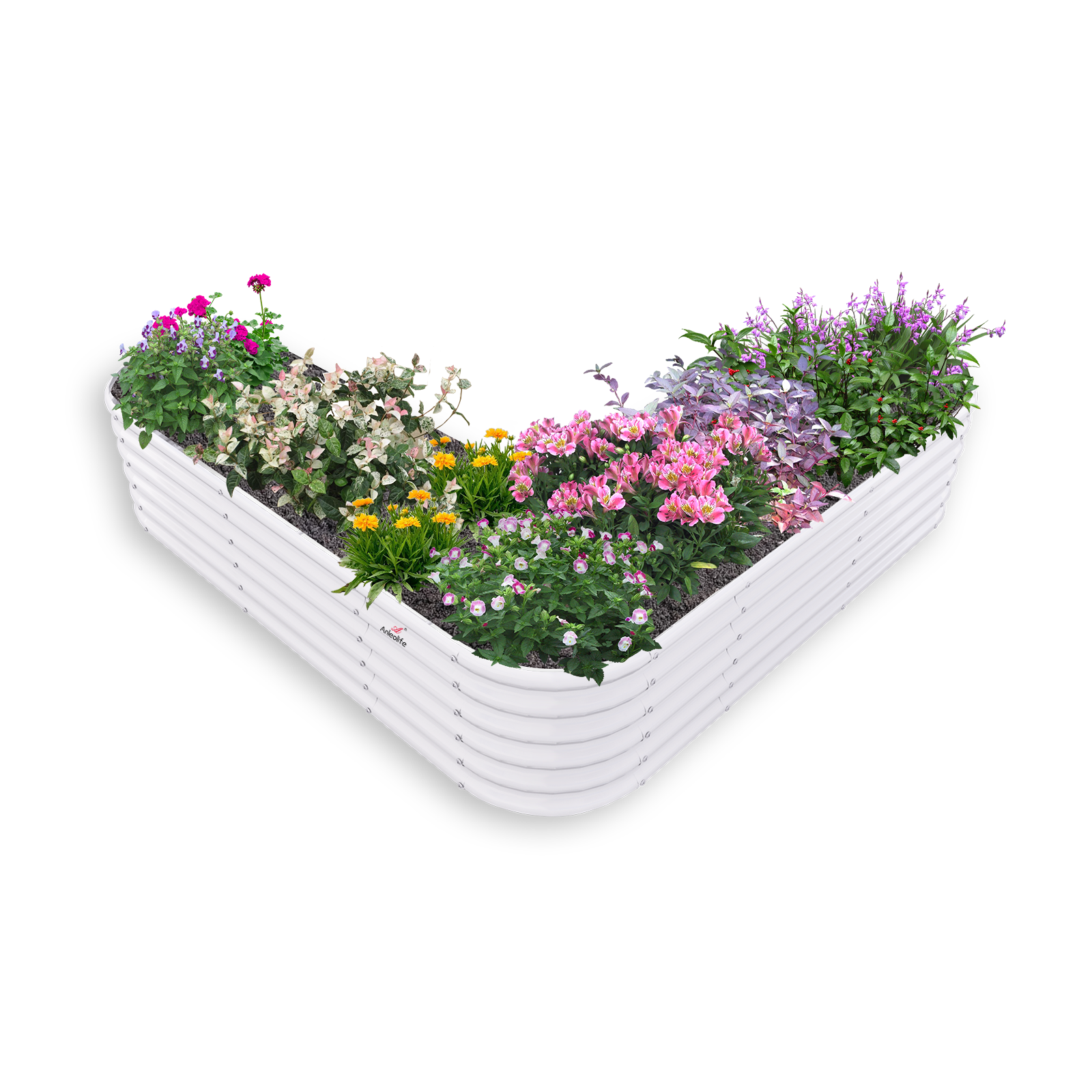
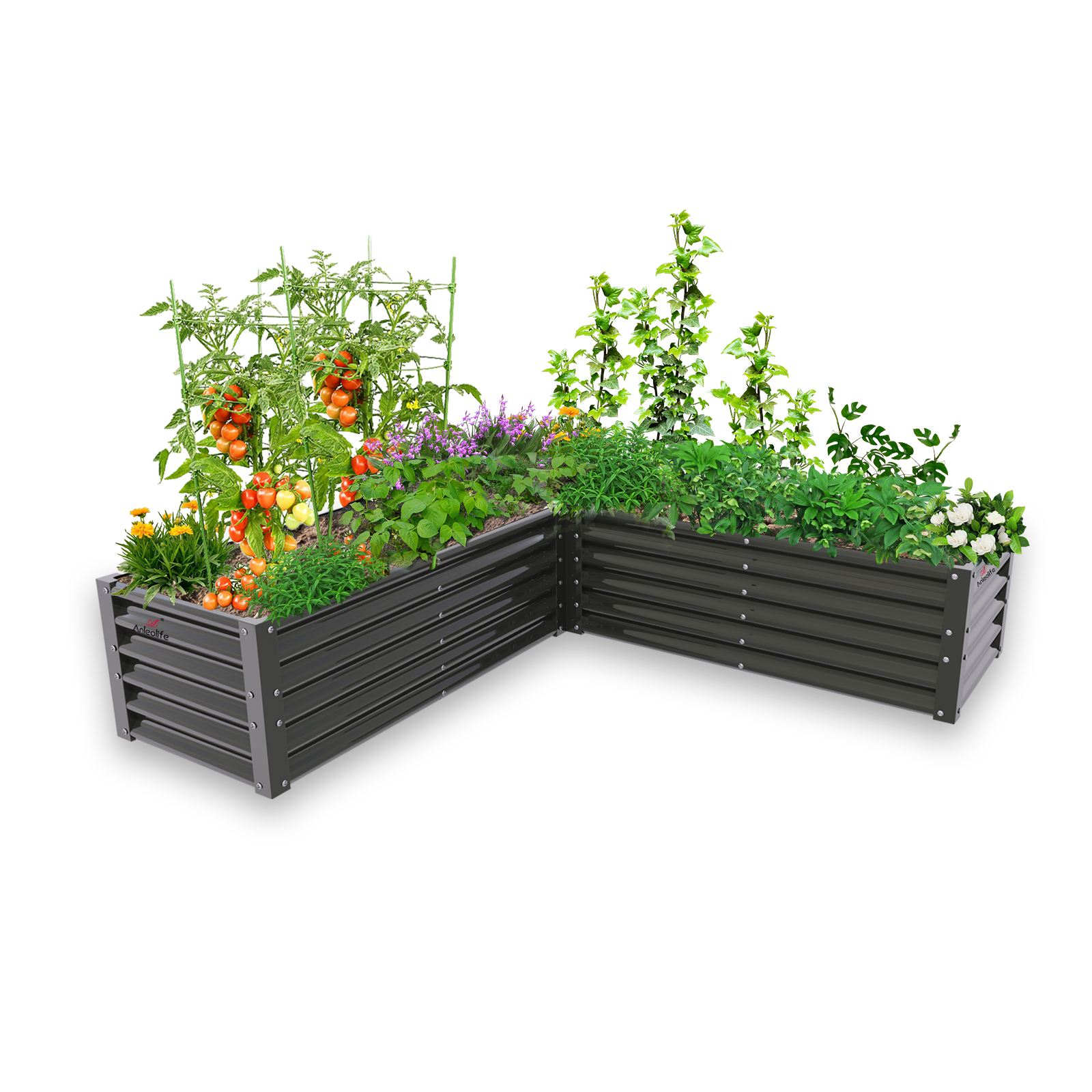
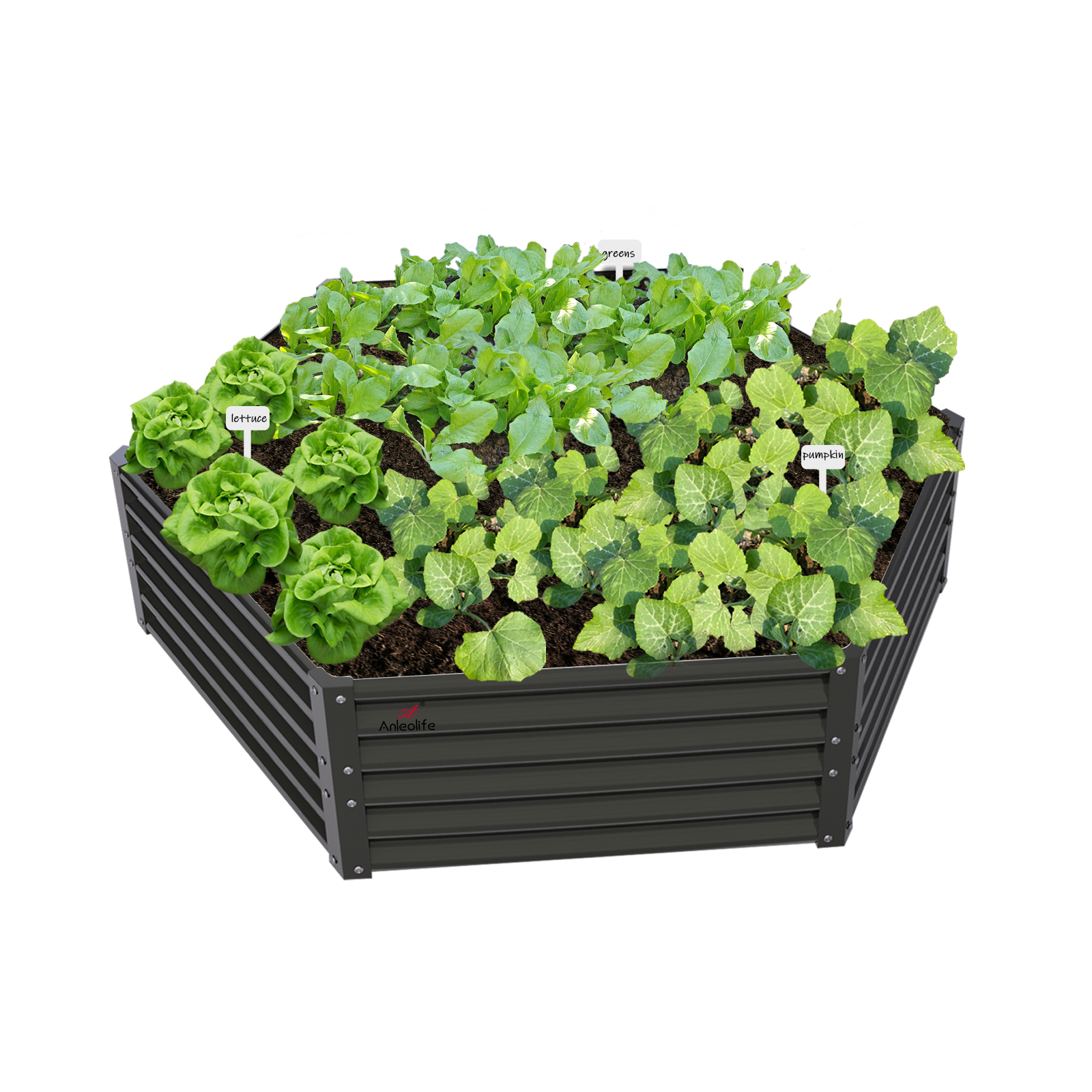
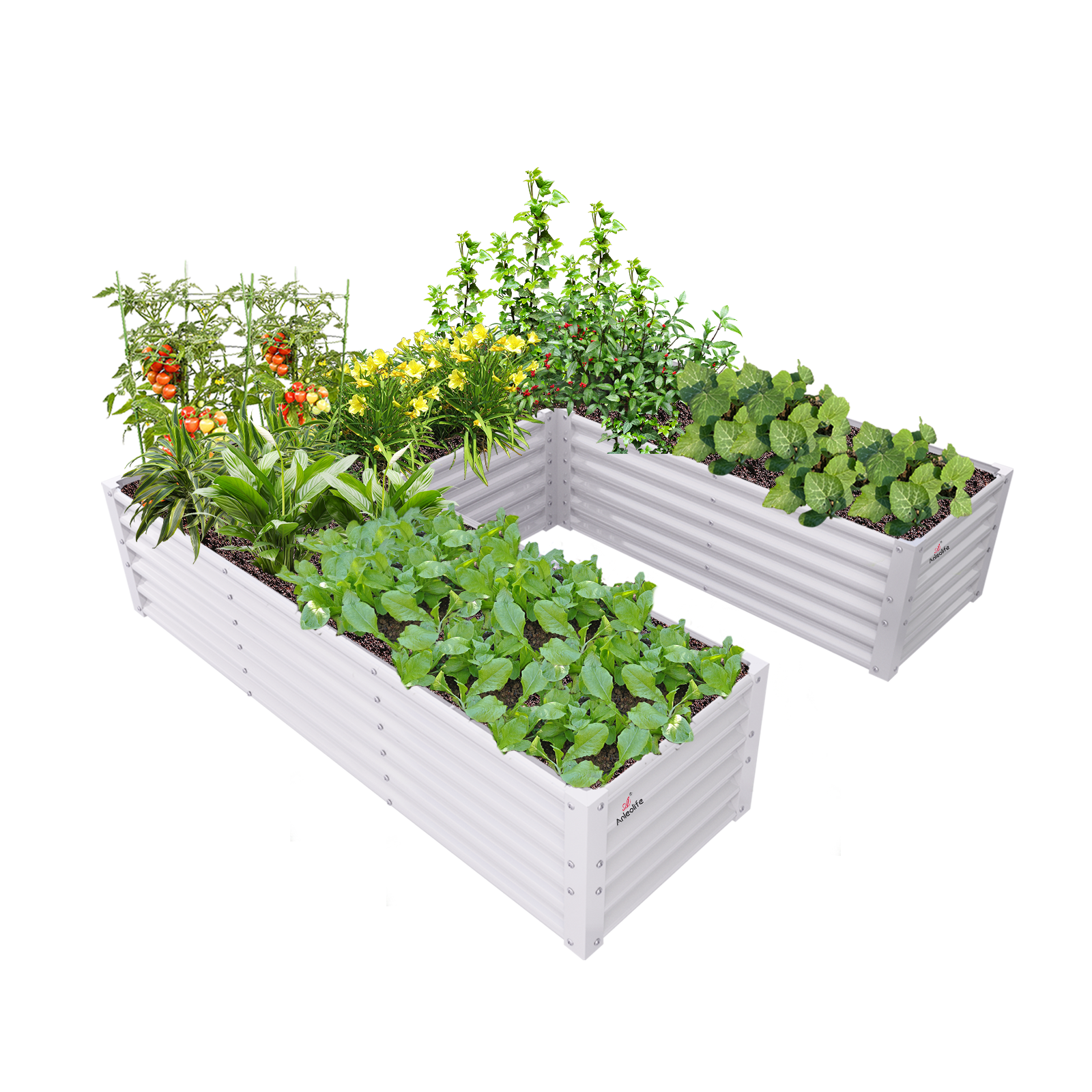







ALT: Beginner's guide to choosing galvanized steel raised garden beds for home vegetable growing
Why Galvanized Steel Raised Garden Beds Are the Smartest Investment for Beginner Gardeners
Key Conclusion: Galvanized steel raised garden beds have become the top choice for beginner home gardeners across North America, offering unmatched durability, excellent drainage control, and a modular raised bed planting layout that grows with your needs. Unlike traditional wooden beds that rot and warp within a few seasons, galvanized steel beds are engineered to last up to 20 years—making them a one-time investment that pays off season after season.
Starting a home garden for the first time can feel overwhelming. Which material should you choose? What size works best for a small patio or backyard? How do you set up proper drainage and soil layering? These questions stop many enthusiastic beginners before they ever put a seed in the ground.
The good news is that choosing galvanized steel raised garden beds simplifies nearly all of these decisions. With a sturdy, pre-formed structure that resists rust, rot, and pest intrusion, you can focus on what really matters—growing healthy, delicious food for your family. This complete buying guide walks you through everything you need to know, from understanding materials to setting up your very first bed the right way.
Who This Guide Is For
✅ Applicable Scenarios:
- First-time home gardeners who want a low-maintenance, long-lasting planting solution
- Urban micro-gardeners working with patios, balconies, or compact backyard spaces
- Health-conscious families looking to grow organic vegetables and herbs at home
- Empty nesters and retirees who want an ergonomic, easy-access garden that reduces bending and kneeling
- Eco-friendly growers who want to avoid chemically treated or rot-prone lumber
❌ Not Applicable/Cautions:
- Gardeners who prefer a completely natural, rustic aesthetic and want all-wood construction
- Renters in apartment complexes without access to outdoor ground-level or terrace space
- Growers who need deep-root space for large trees or shrubs (raised beds suit annual vegetables, herbs, and shallow-rooted crops best)
The Problem With Traditional Garden Beds (And Why Steel Is the Answer)
For decades, wooden raised garden beds were the default choice. Cedar, redwood, and pine were popular options—and while naturally rot-resistant woods like cedar do hold up reasonably well, even the best wood for raised garden beds that won't rot will eventually succumb to moisture, soil contact, and seasonal freeze-thaw cycles. Most untreated pine beds begin to degrade within two to three years. Cedar and redwood fare better but still require regular maintenance and eventual replacement.
The market has noticed this limitation. According to the National Gardening Association, home food gardening participation in the United States has grown significantly over the past decade, with millions of households now growing some of their own food. As more people invest in their gardens, demand for longer-lasting, lower-maintenance materials has surged. Galvanized steel has emerged as the clear frontrunner.
Recommended materials for raised garden beds that won't rot include galvanized steel, powder-coated metal, and food-safe composite materials. Among these, galvanized steel stands out for three key reasons:
- Longevity: A properly constructed galvanized steel raised bed can last up to 20 years, far outlasting any wood alternative.
- Structural integrity: Steel holds its shape through heavy soil loads, wet winters, and summer heat without warping, cracking, or splintering.
- Safety: High-quality galvanized steel uses a zinc coating process that is widely regarded as safe for food production, with no leaching of harmful chemicals into your soil.
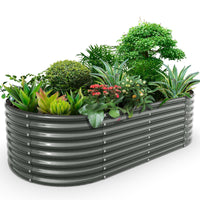
The rise of modular garden bed systems has further transformed the market. Today's gardeners aren't just buying a single box—they're building flexible, expandable planting ecosystems that adapt as their skills and ambitions grow. Whether you start with a compact 4x4 ft bed or jump into a sprawling 12x3 ft configuration, the right system makes scaling up effortless.
Your Complete Setup Guide: From Unboxing to First Planting
Three-Step Quick Start
Step 1: Choose the Right Size and Height for Your Space
Before buying, assess your available space and your physical comfort level. A wider bed might seem appealing, but remember that you should be able to reach the center from either side without stepping into the bed. Standard 18-inch-tall beds work well for most vegetables and herbs. If you have back pain or limited mobility, consider extra-tall options at 24 or even 30 inches—these waist-high configurations allow you to garden comfortably while standing. Take measurements of your outdoor space and leave at least 18–24 inches of pathway clearance around each bed. Allow approximately 30–60 minutes for this planning phase before purchasing.
Step 2: Prepare Your Site and Install Drainage
Once your bed arrives, site preparation is crucial. The best way to install a drainage system in raised beds begins before you add a single spoonful of soil. Place your bed on level ground—use a spirit level to check. If you're placing the bed on a hard surface like a patio, consider placing a layer of gravel or coarse sand beneath the bed to encourage water movement. For beds placed directly on lawn or soil, remove the grass beneath and loosen the native soil with a garden fork to prevent compaction. Many gardeners also line the bottom with a layer of hardware cloth or weed fabric to deter burrowing pests while still allowing drainage. This step typically takes 30–90 minutes depending on your site conditions.
Step 3: Layer Your Soil Correctly
Proper soil layering is the single biggest factor determining how productive your raised bed will be. The best way to layer soil in raised beds follows what many gardeners call the "lasagna" method: start with a bottom layer of coarse organic material such as wood chips, straw, or cardboard to improve drainage and gradually build organic matter. Follow with a middle layer of compost-rich garden soil, and top with a premium raised bed mix that is light, well-aerated, and nutrient-dense. A good top mix typically blends quality topsoil, aged compost, and perlite or vermiculite for drainage. Avoid using heavy clay soil straight from your yard—it compacts quickly in containers and suffocates roots. Filling a standard raised bed takes anywhere from one to three hours depending on bed size.
Comparing Your Options: Which Galvanized Steel Bed Type Is Right for You?
Not all galvanized steel raised garden beds are identical. Anleolife offers several distinct product lines, each engineered to suit different gardener needs and spaces. Understanding the differences helps you invest wisely from the start.
Here's a side-by-side comparison of the main bed categories:
| Comparison Dimension | Standard Galvanized Steel Beds | Rust-Resistant Beds | Modular Raised Garden Beds |
|---|---|---|---|
| Best For | General home vegetable growing | Wet climates or coastal environments | Gardeners who want flexible, expandable layouts |
| Height Options | 18" standard to 35" waist-high | 18" to 30" extra tall | 18" to 30" extra tall |
| Size Range | Compact 4x4 ft to large 12x3 ft | Compact 4x2 ft to large 8x4 ft | 6x2 ft to 12x3 ft |
| Expandability | Fixed once assembled | Fixed once assembled | Fully modular, sections can be added |
| Lifespan | Up to 20 years | Up to 20 years | Up to 20 years |
| Ideal User | Beginners and experienced growers | High-moisture environments | Growing households and serious growers |
| Aesthetic | Clean, modern metal look | Similar to galvanized, enhanced coating | Versatile, customizable configurations |
| Drainage | Excellent open-bottom design | Excellent open-bottom design | Excellent open-bottom design |
All three product lines share the core benefits of galvanized steel construction: rust resistance, food-safe materials, structural strength, and that 20-year lifespan that makes them a genuine long-term investment.
Deep Dive: Understanding Bed Sizes, Heights, and What to Grow in Each
Choosing the Right Height for Your Gardening Style
One of the most common mistakes beginners make is buying a bed that's either too shallow for their crops or too low for comfortable use. Let's break down what each height tier offers.
Standard 18-inch beds are the most versatile option and work beautifully for the widest range of vegetables and herbs. Tomatoes, peppers, lettuce, spinach, kale, carrots (shorter varieties), beans, and most culinary herbs thrive at this depth. Anleolife's standard galvanized steel beds come in a wide range of footprints—from the efficient 4x4 ft square to the generous 12x3 ft rectangular layout—giving beginners plenty of flexibility.
24-inch extra-tall beds provide additional root depth and are particularly prized by gardeners who grow root vegetables like parsnips or deep-rooted tomato varieties. The extra height also means less bending, which is a significant comfort advantage for gardeners over 50. These beds are a popular upgrade choice once a gardener outgrows their starter bed.
30-inch extra-tall and 35-inch waist-high beds represent the premium ergonomic tier. If you have back issues, use a wheelchair, or simply prefer to garden with the comfort of a standing workbench, these are transformative. The Anleolife 35-inch waist-high 4x1.5 ft model is a particularly elegant solution for patio gardeners, balcony growers, or anyone who wants a dedicated herb station at counter height.
Understanding Bed Footprints and Raised Bed Planting Layout
When planning your raised bed planting layout, the golden rule is accessibility. No point in your bed should be more than arm's reach from an edge. For most adults, that means beds wider than 4 feet should only be placed where you can access both sides.
- 4x4 ft beds are the ideal beginner footprint. They fit in most small spaces and allow access from all four sides.
- 8x4 ft beds offer significantly more growing area while remaining fully accessible from both long sides. This is the most popular size among intermediate growers.
- 12x3 ft beds are excellent for linear spaces—along a fence, deck edge, or driveway border—and allow continuous planting rows while remaining only 3 feet wide for easy reach.
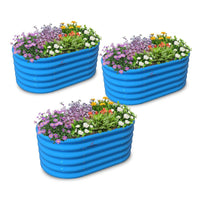
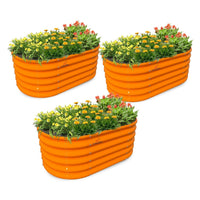
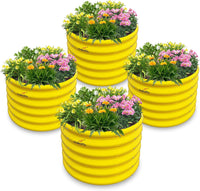
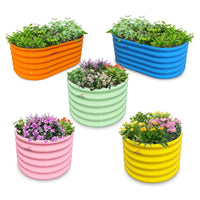
- Round 18-inch tall, 48-inch wide beds are a charming option for focal-point planting—perfect for a cottage herb garden or colorful flower display at the center of a patio.
What Causes Poor Drainage in Raised Beds and How to Fix It
Even with a steel bed, poor drainage is the number-one cause of plant failure for beginners. The most common culprits are:
- Heavy soil mixes: Using straight garden soil or clay-heavy blends causes waterlogging. Always use a raised bed-specific soil mix that incorporates perlite, compost, and lightweight organic material.
- Compacted bottom layer: If you place your bed on compacted clay or sealed paving without providing a drainage gap, water pools at the base. Elevate beds slightly or use coarse gravel beneath them.
- No organic matter turnover: Over time, soil in raised beds settles and compacts. Refresh your soil annually by adding a generous top-dressing of compost each spring to maintain structure and drainage.
- Overwatering: Raised beds drain faster than in-ground plots, but consistently soggy soil indicates you're watering too frequently. Use the finger test—insert a finger 2 inches into the soil; if it's still moist, wait before watering.
The fix is almost always structural: improve your soil mix, ensure physical drainage beneath the bed, and amend with organic matter regularly.
The Modular Advantage: Building a System That Grows With You
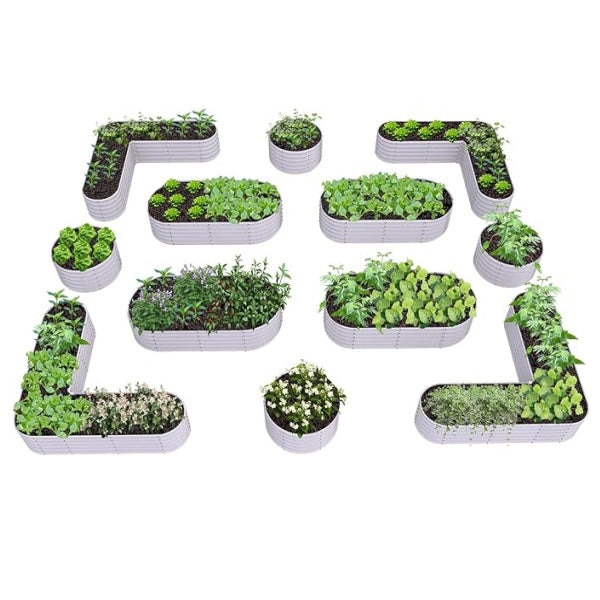
Modular raised garden beds deserve special attention for beginners who are thinking ahead. Rather than buying a single fixed bed, a modular system allows you to start small and expand progressively as your confidence and appetite for gardening grows.
Anleolife's modular beds are designed so that individual sections can be added over time, letting you transition from a starter 6x2 ft configuration to a more ambitious 12x3 ft or 8x4 ft layout without starting over from scratch. This modularity is especially valuable for families whose garden ambitions evolve quickly once they taste their first homegrown tomato.
The modular system also allows creative raised bed planting layout configurations—L-shapes, U-shapes, or cascading tiers that transform a flat backyard into a productive, visually dynamic growing space.
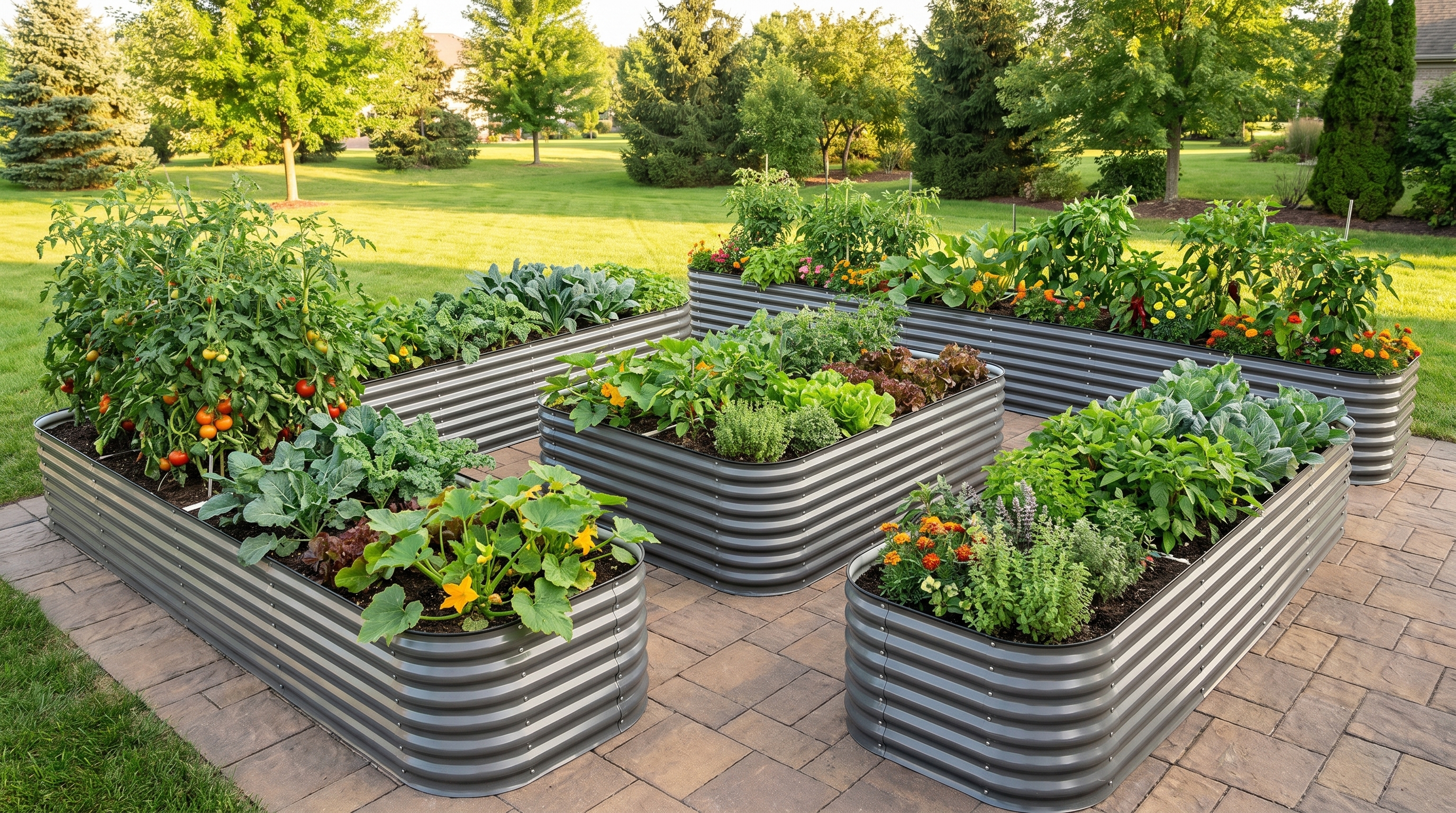
ALT: Modular galvanized steel raised garden beds arranged in U-shape layout for efficient home vegetable growing
Advanced Considerations: What Beginner Guides Often Miss
Soil Volume and Settling: Plan for More Than You Think
New gardeners consistently underestimate how much soil a raised bed requires—and how much it will settle in the first few weeks after filling. As a general principle, fill your bed to the very top on day one. Organic matter breaks down and compresses, and most beds will settle by several inches within the first month. Top-dressing with fresh compost each spring restores depth and nutrients simultaneously.
The Galvanization Question: Is Steel Safe for Food Growing?
A common concern among eco-conscious gardeners is whether zinc from galvanized steel can leach into soil and affect food safety. The scientific consensus, including guidance from university cooperative extension programs, is that the zinc coating on modern galvanized steel poses minimal risk to food crops. Zinc is actually a micronutrient that plants need in small quantities. The coating is stable and does not leach meaningfully into soil under normal garden conditions. For gardeners with very acidic soil (below pH 6), it's worth monitoring, but for the vast majority of home growers, galvanized steel is a safe and appropriate choice.
Common Misconception: Raised Beds Don't Need Fertilizing
Many beginners assume that because they filled their bed with premium soil and compost, they're set indefinitely. In reality, plants extract nutrients aggressively from the contained soil volume of a raised bed. A regular feeding schedule—using balanced organic fertilizers, compost teas, or slow-release granular fertilizers—is essential from the second season onward. Think of your raised bed soil as a living system that needs to be replenished, not just refilled.
Pairing Your Bed With the Right Accessories
A raised bed is most productive when paired with complementary tools and systems. Consider adding drip irrigation on a timer to ensure consistent moisture without daily effort. Row cover hoops protect young seedlings from late frosts and extend your growing season. A layer of organic mulch on the soil surface reduces water evaporation and suppresses weeds between plants.
Frequently Asked Questions FAQ
Q1: How do I choose between an 18-inch standard bed and a 24-inch extra-tall bed for my first raised garden?
The choice comes down to two factors: what you're growing and your physical comfort. An 18-inch bed provides ample depth for most vegetables, herbs, and flowers—it's the most versatile starting point for beginners. A 24-inch extra-tall bed is worth the investment if you plan to grow deeper-rooted crops, or if bending down is uncomfortable for you. Many gardeners find that once they try a taller bed, they never want to go back. If budget allows, start with at least one extra-tall option to compare.
Q2: Are galvanized steel raised garden beds safe for growing vegetables and edible herbs?
Yes. High-quality galvanized steel raised garden beds are widely considered safe for food production. The zinc coating that gives galvanized steel its rust resistance is stable under normal soil conditions and does not leach harmful quantities of heavy metals into your growing medium. University extension programs and organic gardening experts consistently confirm that galvanized steel is an appropriate material for vegetable gardening. Anleolife's beds are constructed with food-safety-conscious materials, making them suitable for growing everything from leafy greens to root vegetables.
Q3: How long will a galvanized steel raised garden bed last, and is it worth the cost compared to wood?
Anleolife galvanized steel raised garden beds are built to last up to 20 years—dramatically longer than even the best rot-resistant wood options, which typically last 5–15 years depending on species and climate. When you calculate cost per year of use, steel beds almost always come out ahead. Beyond lifespan, you also eliminate the ongoing costs of repairs, replacements, and wood treatments. For a family that's serious about home growing, a galvanized steel bed is one of the most cost-effective garden investments you can make.
Summary
Choosing your first raised garden bed doesn't have to be complicated—but it does benefit enormously from making the right decision upfront. This guide has covered the three most important takeaways for beginner gardeners:
- Material matters for the long term. Galvanized steel is the most durable, low-maintenance material available for raised bed gardening, delivering up to 20 years of reliable service without rotting, warping, or requiring chemical treatments. It's the clear winner over wood for anyone thinking beyond a single growing season.
- Size, height, and layout are deeply personal choices. The best bed for you depends on your space, your crops, your physical comfort, and your long-term gardening ambitions. From compact 4x4 ft starter beds to waist-high ergonomic designs and fully flexible modular systems, there is a galvanized steel bed perfectly suited to your situation.
- Setup is simple when you follow the right steps. Proper drainage preparation, smart soil layering using the lasagna method, and annual soil amendment are the three habits that separate thriving raised beds from disappointing ones. Get these right from day one and your garden will reward you season after season.
Your next step is to measure your available space, decide on a size and height, and choose the product line that fits your needs and aesthetic. If you're unsure where to start, the Anleolife team and product pages offer detailed guidance to help you make a confident, well-informed choice.
Nationwide U.S. warehouse network: Strategically located in California, Texas, Florida, New York, Illinois, and Washington to ensure delivery within 3–8 business days—so your garden upgrade plans never have to wait.
Multi-channel sales network: Products are available on major e-commerce platforms including Amazon, Walmart, Home Depot, Lowe's, and Wayfair, as well as the official website Anleolife.com, providing consistent quality assurance and after-sales service.
Three core scenarios: Planting (metal raised garden beds, soil systems), Raising (chicken coops, rabbit hutches), and Beautification (decorative accessories, pathway systems)—meeting complete needs from functionality to aesthetics.
Upgrade your garden with Anleolife. We understand that an ideal garden is not built overnight, but gradually improved over time. Our modular product design allows flexible expansion based on your needs—from your first compact garden bed to a fully integrated planting-and-raising ecosystem. We grow with you every step of the way.
References
- National Gardening Association. "Garden to Table: A Guide to Home Food Gardening".
https://garden.org - University of California Agriculture and Natural Resources. "Raised Bed Gardening".
https://ucanr.edu/ - Penn State Extension. "Building and Managing Raised Bed Gardens".
https://extension.psu.edu - U.S. Department of Agriculture (USDA). "Home Gardening and Soil Health Resources".
https://www.usda.gov
Note: Standards and recommendations may be updated over time. Please refer to the latest official documents or consult a professional horticultural advisor for the most current guidance.
About Anleolife
Anleolife is a leading outdoor garden solutions provider in North America, dedicated to offering a full-scenario product ecosystem for home gardening enthusiasts, covering planting, raising, and garden beautification. Since its founding, we have upheld our brand mission, "Made for Garden Life," continuously innovating products and optimizing services to help hundreds of thousands of users upgrade their gardens, reconnect with nature, and enjoy a better garden lifestyle.