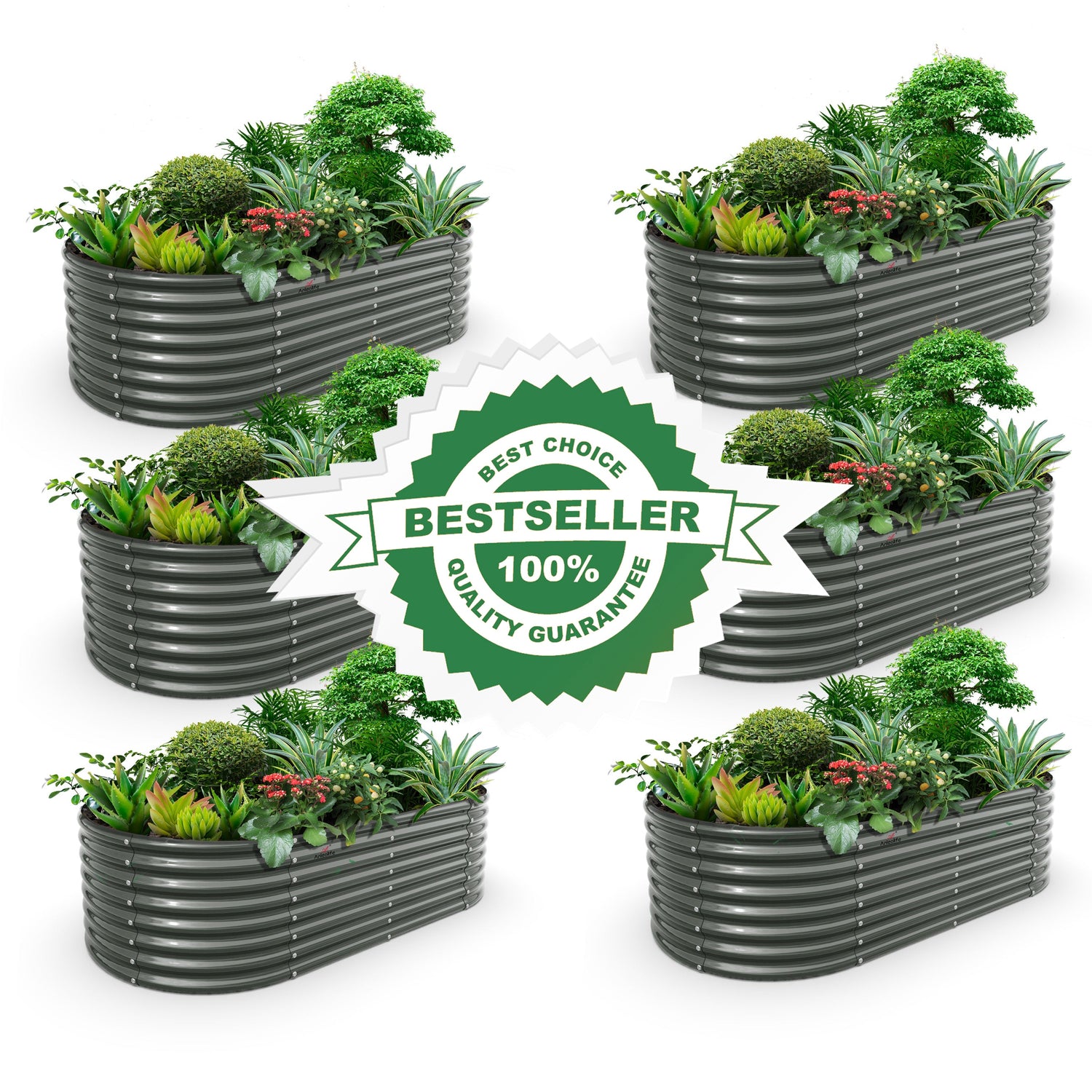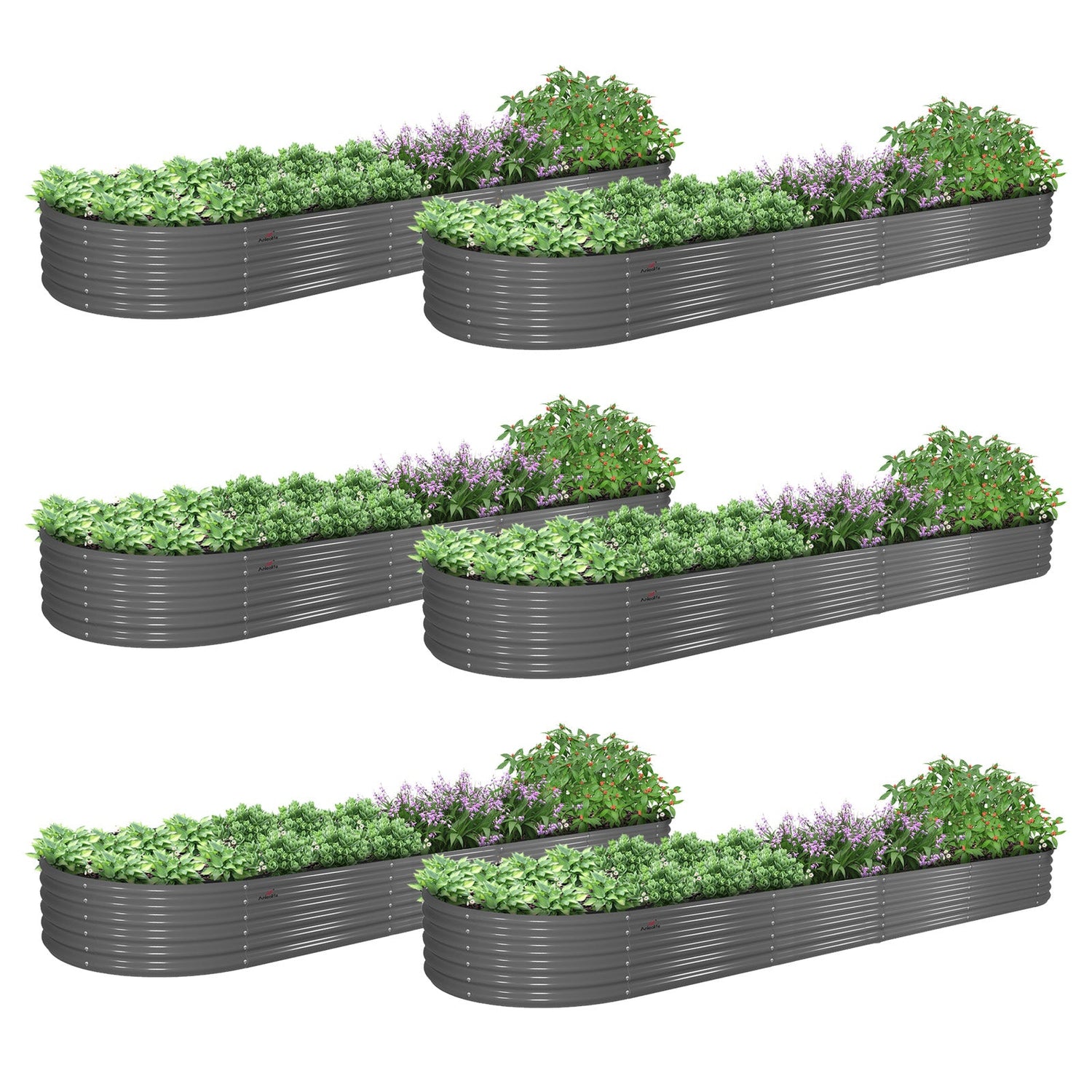



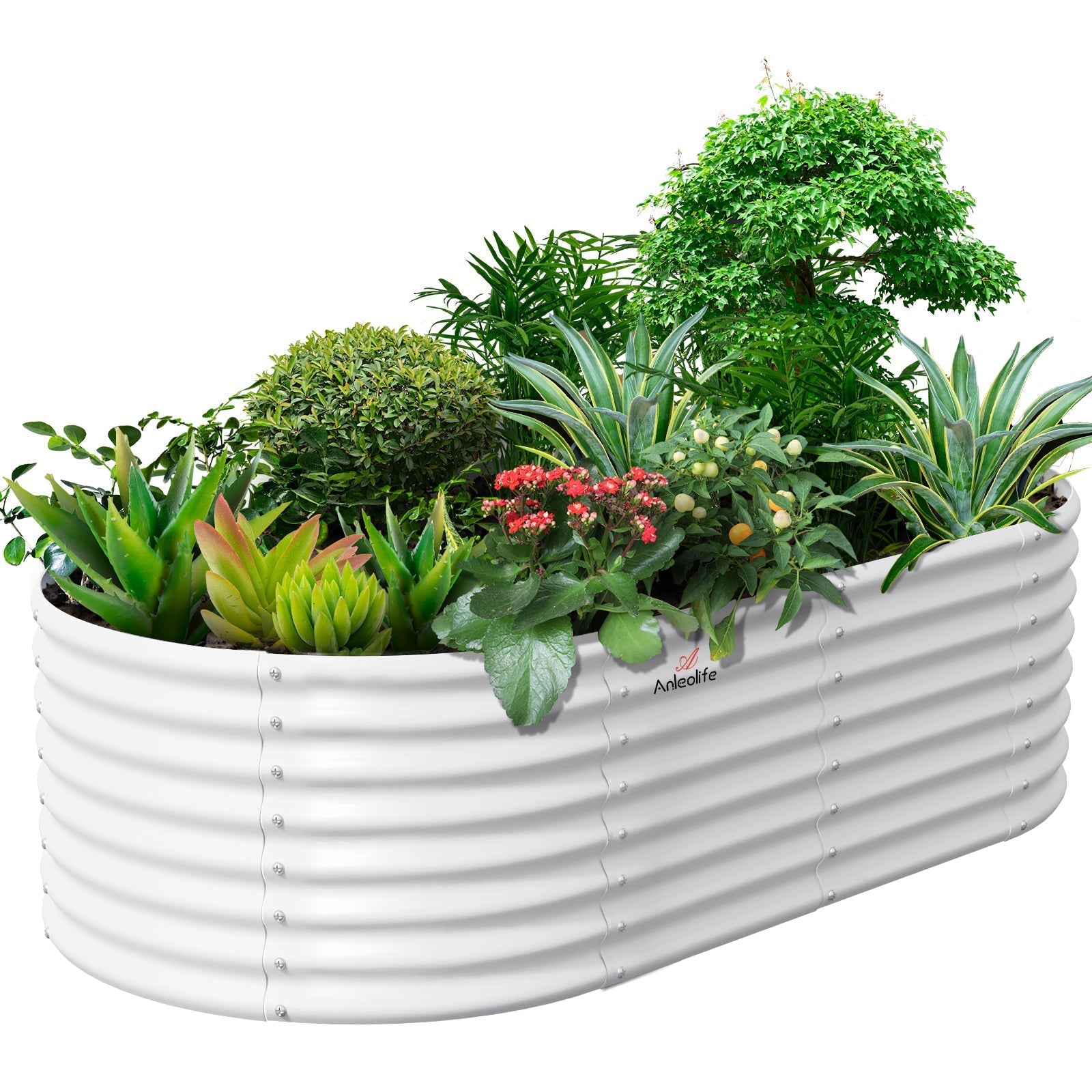
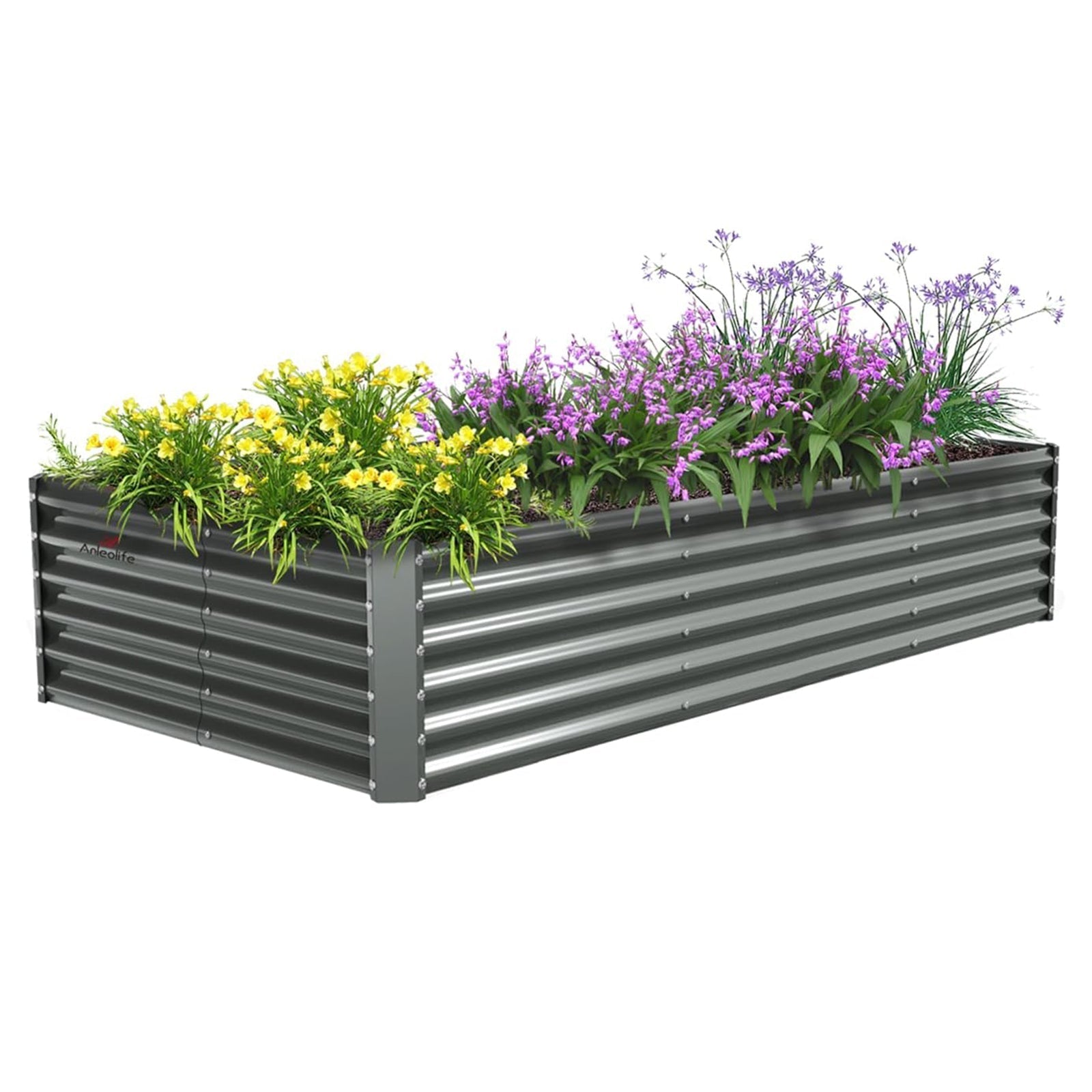

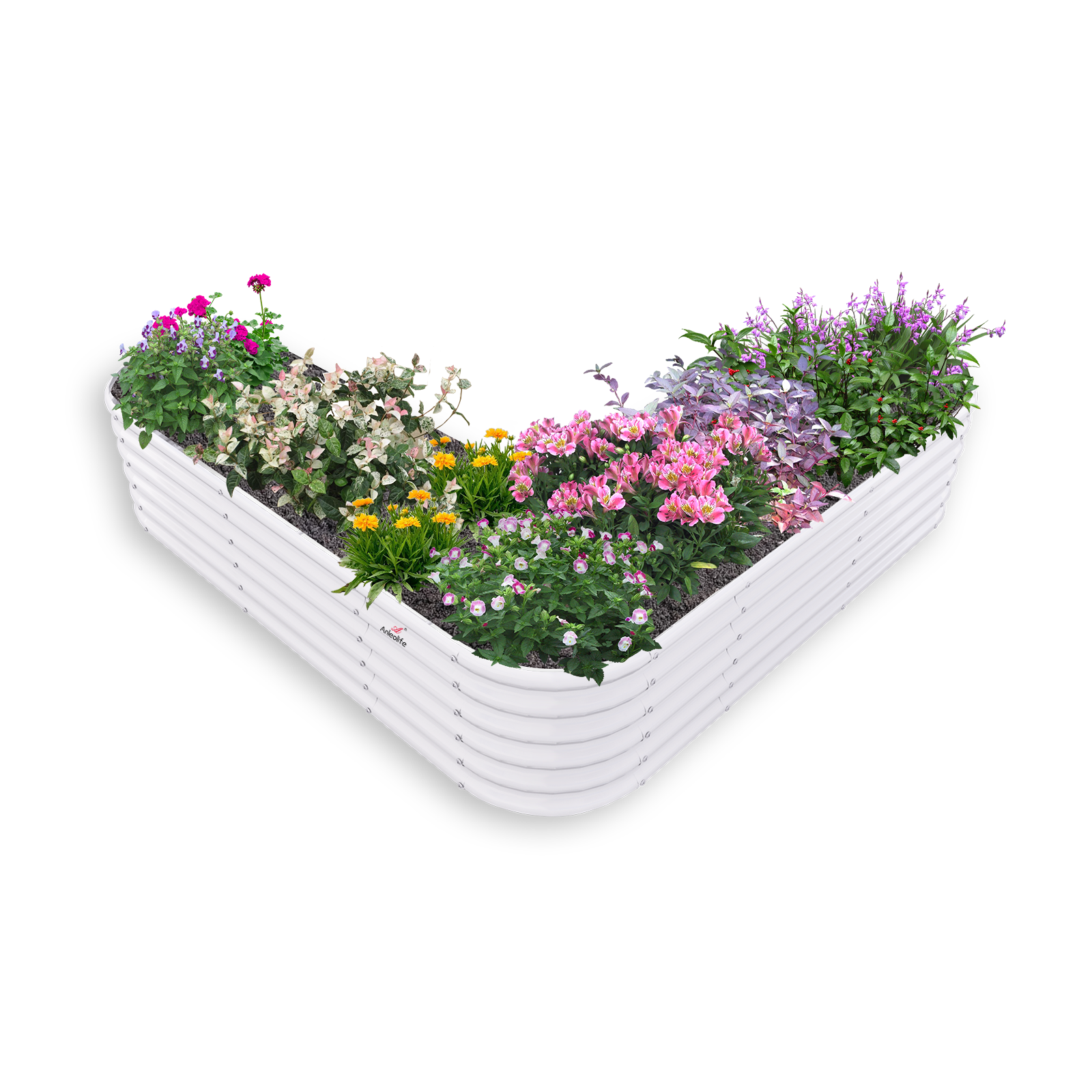
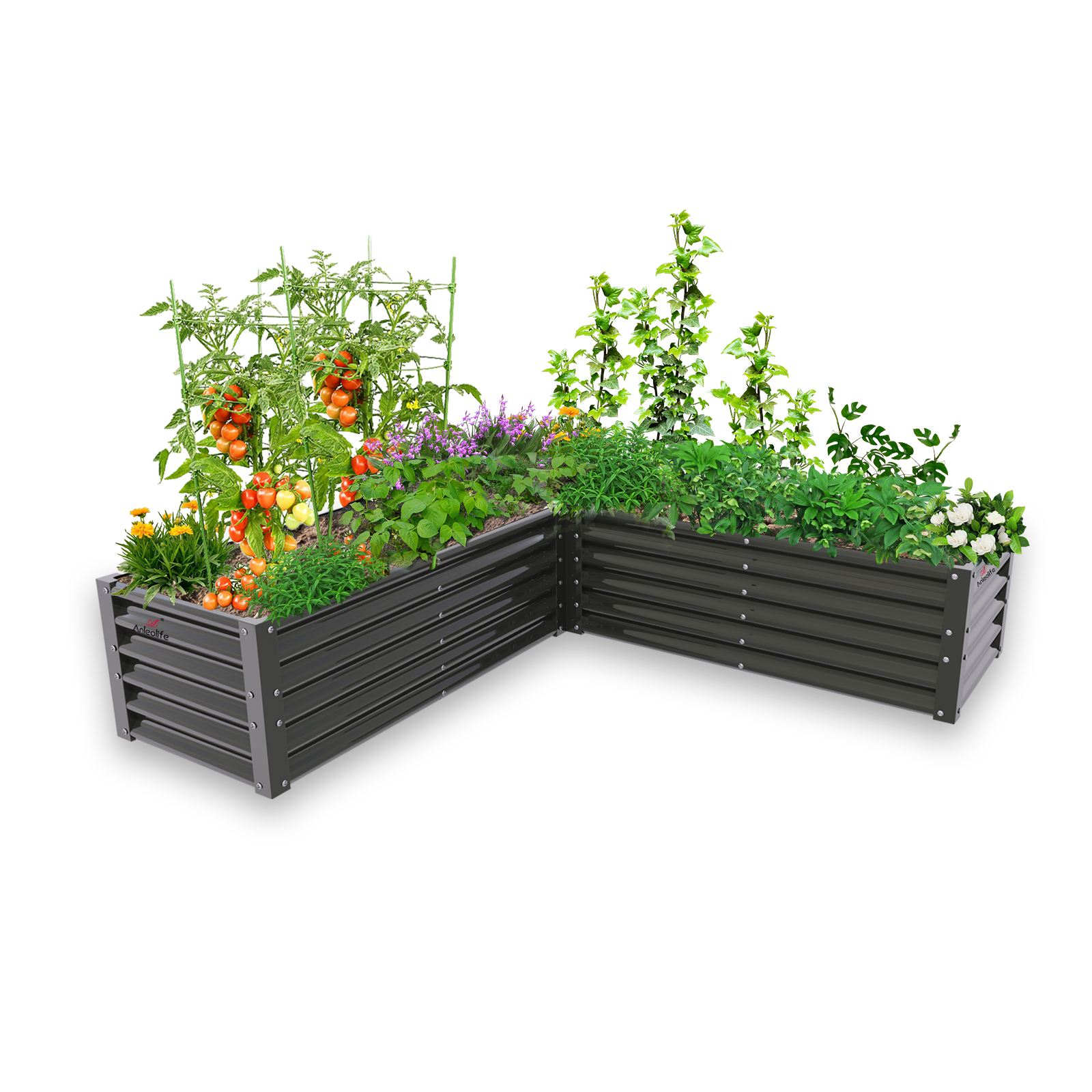
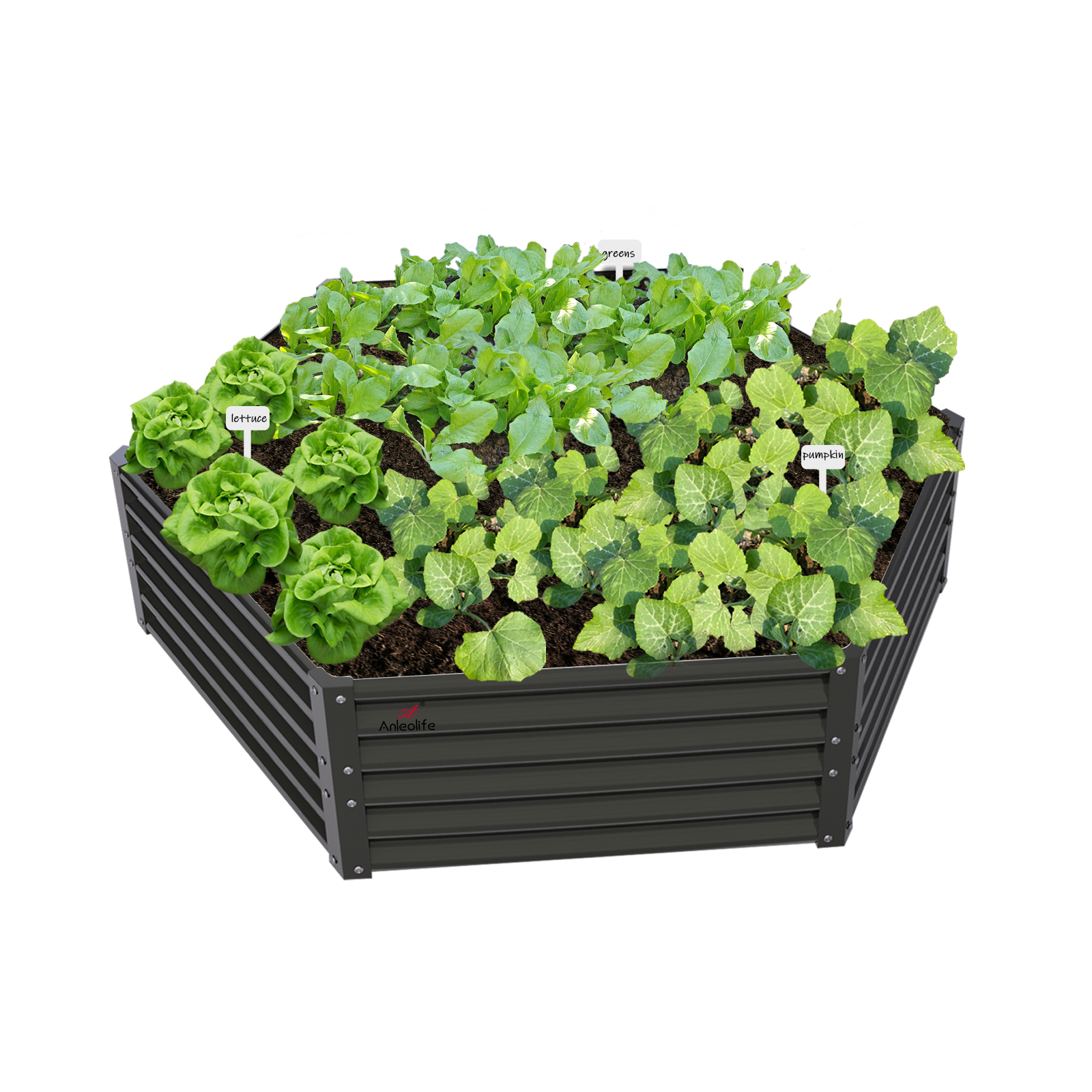
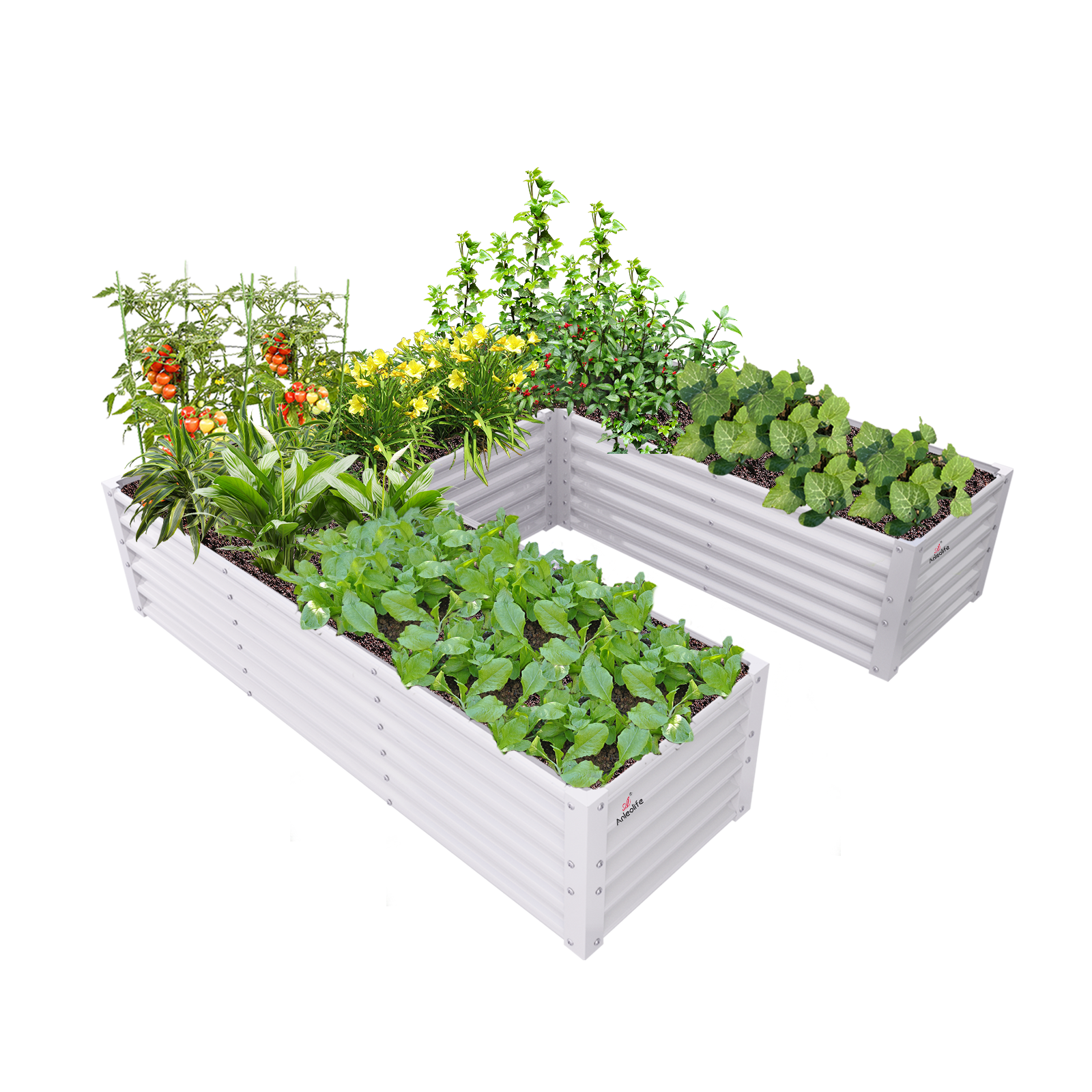

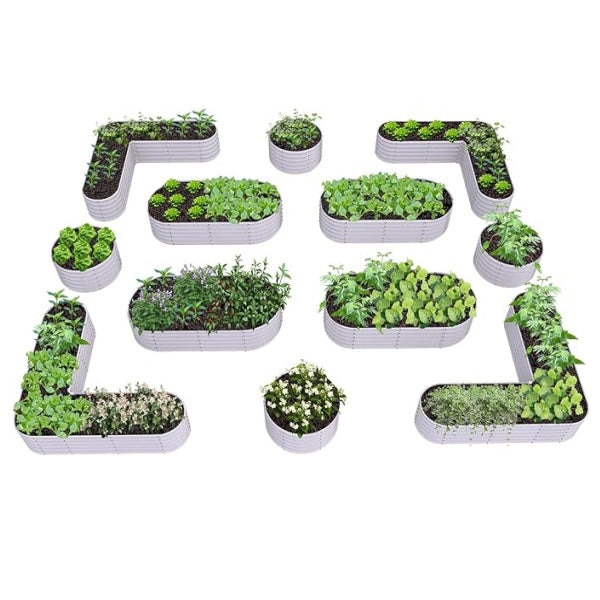


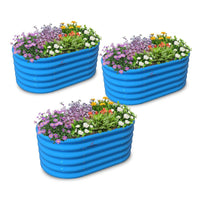
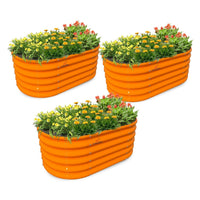
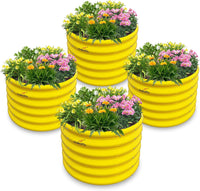
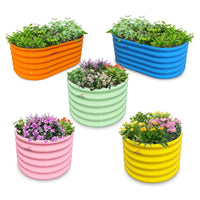
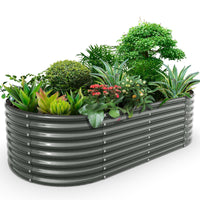



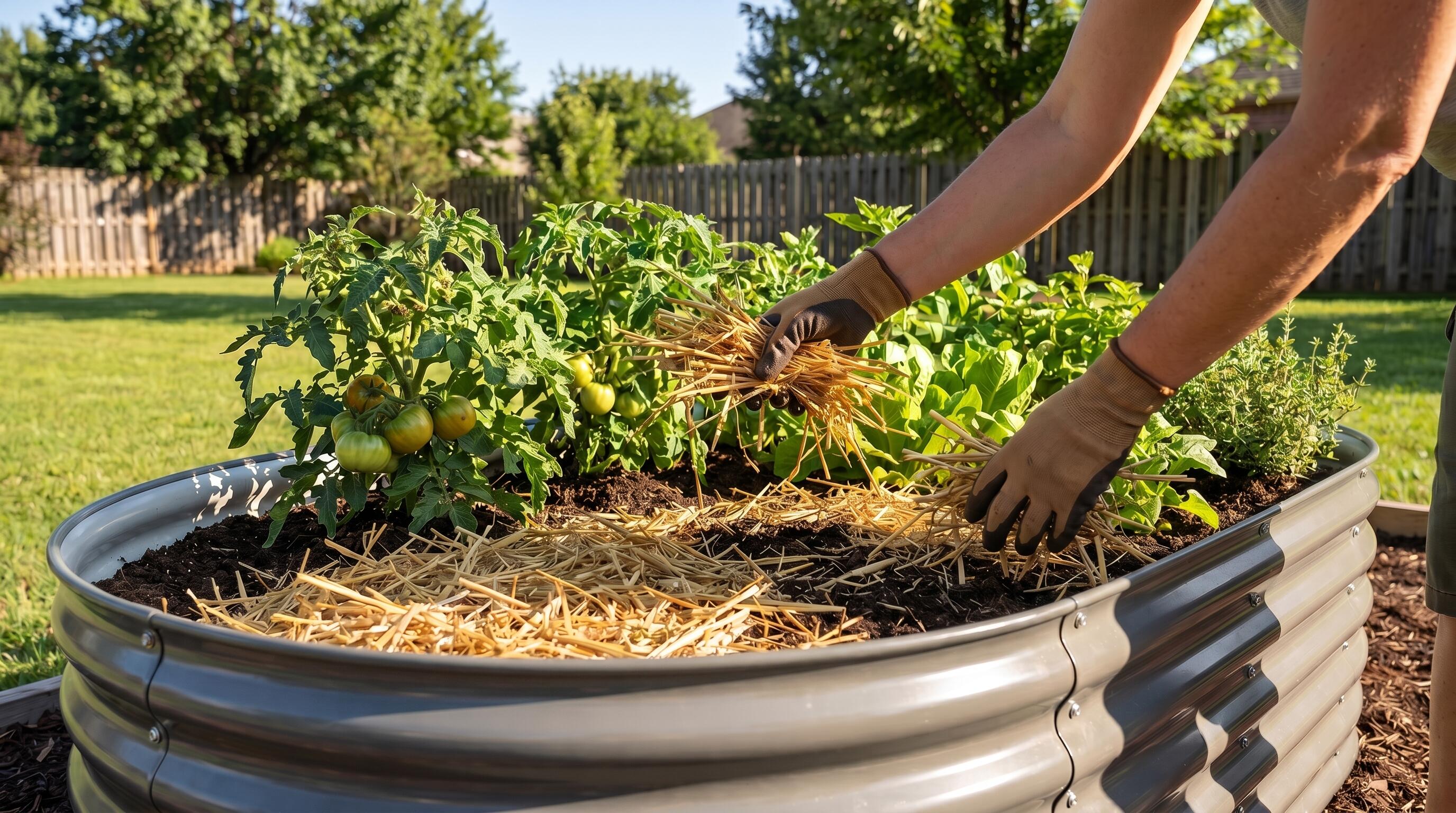
ALT: Galvanized steel raised garden bed outperforming wood for long-term durability in backyard garden layout
The Real Cost of Choosing the Wrong Raised Bed Material
You've planned the layout, bought the soil amendments, selected your seed varieties, and finally committed to building a raised bed garden. Then, three seasons in, you notice the wooden walls beginning to bow. The corners are separating. A soft, dark stain is spreading where the soil meets the timber — and that familiar sinking feeling arrives: I'm going to have to rebuild this.
This scenario is one we hear from home growers regularly in our work with clients and customers across North America. The problem isn't ambition or poor gardening — it's the material choice made at the very beginning. And it turns out, that single decision has a far greater impact on long-term value, maintenance burden, and actual growing success than most beginner guides acknowledge.
This article makes a direct case: galvanized steel raised garden beds consistently outperform wood in durability, long-term cost-efficiency, and structural reliability — and understanding why helps you make a smarter investment from day one. Whether you're mapping out a raised bed garden layout for the first time or reconsidering an aging wooden setup, the evidence points clearly in one direction.
The choice between galvanized steel and wood is no longer just a materials debate. It has become a central question for the growing segment of health-conscious, budget-aware homeowners who want a productive garden that doesn't demand constant rebuilding, replacement, or remediation.
How the Raised Bed Market Got Here — and What's Changed
Raised bed gardening is not a new concept. Gardeners have been elevating their growing conditions above native soil for centuries, using whatever materials were locally available — stone, brick, reclaimed timber, and eventually the standardized dimensional lumber that defined suburban vegetable gardening for decades.
Wood became the dominant raised bed material in North America largely because it was cheap, familiar, and easy to work with. A trip to the hardware store, a few 2x10 boards, some screws, and a Saturday afternoon was all it took. This accessibility made wood the default choice — not because it was the best option, but because it was the most obvious one at the time.
Over the past decade, however, a meaningful shift has occurred in the home gardening market. According to the National Gardening Association, participation in food gardening in the United States has grown substantially, with millions of new households entering vegetable gardening — many of them urban and suburban families without prior gardening experience. This new cohort of growers is more research-oriented, more budget-conscious over a longer time horizon, and more attentive to the environmental and health implications of the materials they use.
That shift in the gardener profile has coincided with a wave of product innovation. Galvanized steel raised garden beds — once considered a niche, commercial-grade option — have moved into the mainstream consumer market, offering a durable, low-maintenance alternative to wood that is available at accessible price points across major retail channels. As a result, the conversation has evolved from "wood or something else?" to a genuine, informed comparison between materials with very different performance profiles.
For context, if you're exploring how to plan your first raised bed setup, a beginner's roadmap to planning, building, and planting your first raised bed offers useful foundational guidance before you commit to any material. Understanding how a bed will be used — and for how long — is essential context for evaluating which material makes sense.
The current landscape is one where wood retains cultural familiarity but faces mounting evidence of limitations in durability and long-term economy, while galvanized steel has earned credibility among experienced growers and is rapidly gaining ground with first-time buyers who want to make a decision once and not revisit it for decades.
The Mechanism Behind the Material Difference
Galvanized steel raised garden beds outperform wood primarily because of how each material responds to the specific stressors of a garden environment: moisture, soil pressure, biological activity, temperature cycling, and UV exposure. Each of these forces acts on wood and galvanized steel in fundamentally different ways.
Moisture Exposure and Biological Degradation
Rot is the most predictable failure mode for wood in a garden setting. Wood is an organic material, and when it is kept in sustained contact with moist soil — which is exactly what a raised bed requires — it begins to decompose. Fungi, bacteria, and other microorganisms break down cellulose and lignin, the structural components of wood fiber. This process begins at the surface and works inward, progressively weakening the material's structural integrity.
Even pressure-treated lumber, which is chemically treated to resist rot and insects, degrades over time. The treatment extends the lifespan, but the underlying material remains susceptible. Untreated lumber — including popular natural options like cedar and redwood — may last several seasons in dry climates, but in humid, coastal, or high-rainfall environments, degradation can begin noticeably within just a few years.
Galvanized steel is fundamentally immune to rot. The galvanization process coats steel with a layer of zinc, which acts as a sacrificial barrier against corrosion. Even if the zinc surface is scratched, it continues to protect the underlying steel through a process called cathodic protection — the zinc corrodes preferentially, leaving the steel intact. This is not a marketing claim; it is a well-documented electrochemical mechanism recognized by ASTM International, the standards body that sets specifications for galvanized coatings under standards such as ASTM A123 and related designations.
Structural Integrity Under Soil Pressure
A filled raised bed exerts considerable lateral pressure on its walls. A deep bed filled with a dense growing medium can place significant outward force on the frame — particularly at the corners and midpoints of longer runs.
Soil pressure resistance is where wood and steel diverge most dramatically in practice. Wood, particularly as it ages and moisture content fluctuates, is prone to warping, bowing, and joint failure. A long wooden raised bed will frequently develop a pronounced outward bow at its midpoint within a season or two of use, especially if the bed is filled deeply. This is not a defect in any particular product — it is an inherent behavior of the material under these conditions.
Galvanized steel, by contrast, holds its geometry. Steel's high tensile strength and modulus of elasticity mean it resists bending forces that would permanently deform wood. Corrugated panel designs — common in modern galvanized steel raised beds — add structural rigidity through geometry, much like how a corrugated cardboard box is far stronger than a flat sheet of the same material. The result is a bed that maintains clean, upright walls season after season without the need for external bracing.
Temperature Cycling and Long-Term Dimensional Stability
Gardens are subject to repeated cycles of heating, cooling, freezing, and thawing. Each cycle causes materials to expand and contract. Thermal cycling is particularly hard on wood, which expands significantly across its grain when wet and contracts when dry. Over many seasons, this cycling causes joints to loosen, fasteners to back out, and boards to crack along the grain.
Galvanized steel also expands and contracts with temperature, but it does so predictably and uniformly, without the directional swelling and shrinkage that wood exhibits. Steel's dimensional changes across typical temperature ranges are small and structurally inconsequential for raised bed applications. The material returns to its original geometry reliably, without accumulating the permanent deformation that wood develops over time.
Treatment Chemicals and Soil Safety
One concern home growers often raise is whether galvanized steel introduces zinc into the soil at levels harmful to plants or humans. This is a fair question, and the evidence is reassuring. At normal garden soil pH levels, zinc leaching from galvanized steel occurs at very low rates. The University of California Cooperative Extension and similar agricultural extension services have evaluated this question and generally consider galvanized containers acceptable for food production. Wood treated with older preservative formulations — particularly those containing chromated copper arsenate (CCA), now largely phased out for residential use — raised more legitimate concerns about chemical leaching into growing media.
Evidence and Comparison: Steel vs. Wood Across Key Dimensions
In our work with customers across a wide range of climates and garden configurations, a consistent pattern emerges: growers who start with wood and later transition to galvanized steel almost universally describe the switch as one they wish they had made earlier. The primary reasons cited are reduced maintenance demands, better long-term appearance, and the elimination of the recurring replacement cycle.
The economic case is particularly compelling when evaluated over a realistic garden lifespan. A wood raised bed might require replacement after several years, depending on climate and wood species. A quality galvanized steel raised bed, by contrast, is built for multi-decade performance. At Anleolife, our galvanized steel raised garden beds are designed and tested for a 20-year lifespan — a timeframe over which the initial cost difference between steel and wood essentially disappears, and steel's total cost of ownership becomes substantially lower.
For gardeners in coastal or high-humidity environments, the durability gap is even more pronounced. Our article on choosing rust-resistant garden beds that survive coastal and humid weather explores this in more depth, including how material selection directly affects longevity in challenging microclimates.
The following comparison table summarizes the key trade-offs across the most important dimensions:
| Perspective / Approach | Strengths | Trade-offs | Best Fit |
|---|---|---|---|
| Galvanized Steel Raised Beds | 20-year durability; rot-proof; holds geometry; low maintenance; no chemical treatment needed | Higher upfront cost than basic lumber; can absorb heat in very hot climates | Long-term growers, humid or coastal climates, anyone wanting a set-and-forget investment |
| Untreated Wood (Cedar/Redwood) | Attractive natural appearance; easy to work with; readily available | Degrades over time even in dry climates; joints loosen; moderate lifespan | Short-term setups, renters, or growers who prefer to change layout frequently |
| Pressure-Treated Lumber | Extended lifespan over untreated wood; relatively affordable | Contains preservative chemicals; still subject to rot eventually; requires replacement | Growers prioritizing low upfront cost and willing to replace every several years |
| Composite/Recycled Plastic | Rot-proof; environmentally appealing in some formulations | Less structural rigidity than steel; can degrade under UV; aesthetic limitations | Growers prioritizing recyclability and lighter weight over structural performance |
A note on raised bed garden layout implications: material choice directly affects which layout configurations are practical. Galvanized steel panels, particularly modular systems, allow growers to configure and reconfigure their raised bed planting layout — adding new panels, extending an existing bed, or creating new arrangements — without the structural concerns that would arise from splicing aged wooden boards. This flexibility is a genuine advantage for gardeners whose needs evolve over time.
For those thinking through the soil system inside the bed, it's worth noting that the right growing medium is just as important as the structural material. A well-chosen soil composition for organic vegetable raised beds maximizes the productivity of whichever bed you choose — but you want a bed that will still be standing and structurally sound when that soil is fully conditioned and producing at its best.
To explore how galvanized steel compares to other sustainable alternatives beyond wood, the piece on galvanized steel vs. recycled plastic for sustainable raised bed options offers a useful extended analysis.
Where the Market Is Heading — and What It Means for Your Garden
Galvanized steel is becoming the material of choice for serious home growers, and the trajectory suggests this shift will continue accelerating. Several converging forces support this outlook.
First, the demographic profile of new gardeners is skewing toward buyers who research thoroughly before purchasing and prefer durable solutions over low initial price points. Empty nesters setting up a dedicated kitchen garden, retirees designing an ergonomic raised bed gardening system they won't need to rebuild, and health-conscious families wanting a food production setup that lasts as long as their interest in growing — all of these profiles align naturally with the value proposition of galvanized steel.
Second, sustainability awareness is reshaping how buyers evaluate materials. Wood, particularly if sourced from unsustainably managed forests, carries its own environmental cost. Galvanized steel, by contrast, is fully recyclable at end of life and requires no ongoing chemical treatment to maintain its protective properties. Per the American Galvanizers Association, the zinc coating on galvanized steel is entirely recyclable within the existing steel recycling infrastructure — a meaningful consideration for eco-conscious buyers.
Third, the product ecosystem around galvanized steel raised beds has matured considerably. Modern designs accommodate a wide range of heights and configurations — from standard raised beds to extra-tall waist-high models that eliminate the need to kneel — making galvanized steel a genuinely ergonomic choice as well as a durable one. For growers thinking about a multi-bed layout across a yard, the ability to mix and match sizes within a consistent material and aesthetic framework is a practical advantage that wood-based systems rarely offer cleanly.
Actionable takeaways from this analysis:
- Evaluate your raised bed investment over a 10-to-20-year horizon, not just the first season. The math changes significantly when you account for replacement cycles.
- Prioritize material performance in your specific climate — growers in humid, coastal, or freeze-thaw environments will see the largest durability advantage from steel.
- Choose a modular system if your raised bed planting layout is likely to evolve. Modular galvanized steel beds allow reconfiguration without starting from scratch.
- Don't let upfront price be the only variable. A bed that lasts 20 years at a higher initial cost is almost always less expensive over time than one that needs replacement every few years.
- Consider height alongside material — extra-tall and waist-high configurations in galvanized steel make raised bed gardening physically sustainable for aging gardeners and those with mobility considerations.
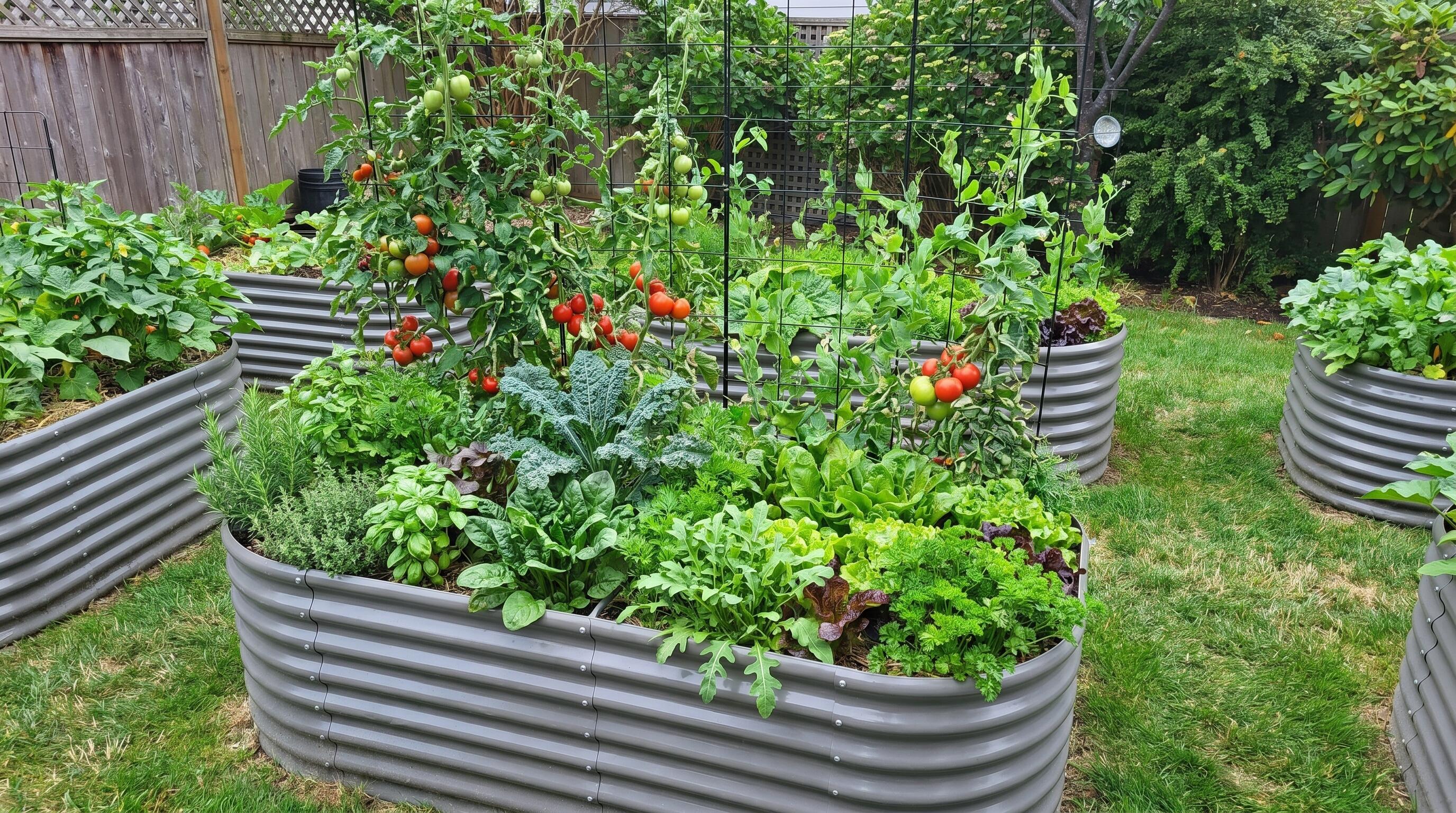
ALT: Durable galvanized steel raised garden bed in a backyard planting layout, showing long-term structural integrity and clean geometry after multiple growing seasons
Questions & Answers
Q1: How long does a galvanized steel raised garden bed actually last compared to wood?
A galvanized steel raised garden bed is built for significantly longer service than wood in garden conditions. Anleolife's galvanized steel raised garden beds are designed for a 20-year lifespan — a timeframe that spans multiple replacement cycles for untreated lumber and at least one or two cycles even for higher-grade treated or naturally rot-resistant wood. The zinc coating on galvanized steel protects against corrosion through a well-documented electrochemical mechanism, while wood is inherently susceptible to rot and structural degradation when kept in sustained contact with moist soil.
Q2: Is it safe to grow vegetables in galvanized steel raised garden beds?
Galvanized steel raised beds are widely used for food production and are generally considered safe by agricultural extension services. The concern sometimes raised — zinc leaching into growing media — has been studied, and at normal garden soil pH levels, leaching is minimal and not considered harmful to plants or humans at typical concentrations. Older pressure-treated lumber formulations (containing chromated copper arsenate) historically presented more substantiated concerns about chemical migration into soil. For growers who prioritize food safety, galvanized steel is a well-supported choice.
Q3: How much does switching from wood to galvanized steel actually save over time?
The savings are driven by the elimination of replacement cycles. A wooden raised bed may need to be rebuilt every few years in humid climates, or every several years even in drier conditions. Each rebuild involves material costs, labor, and often the disposal of degraded wood. A galvanized steel raised bed with a 20-year lifespan — such as those offered by Anleolife, with delivery available within 3–8 business days anywhere in the continental U.S. — spreads its initial cost across two decades, making the per-year cost of ownership substantially lower than repeated wooden replacements.
The Bottom Line
- Galvanized steel resists rot by design. Unlike wood, which degrades when kept in sustained contact with moist soil, galvanized steel's zinc coating provides corrosion protection through a proven electrochemical mechanism — no maintenance required to preserve it.
- Structural integrity holds over decades. Steel's high tensile strength resists the bowing, warping, and joint failure that commonly affect wooden raised beds under soil pressure and repeated temperature cycling.
- The 20-year lifespan changes the economics. Anleolife's galvanized steel raised garden beds are built for 20 years of use — a time horizon over which the total cost of ownership is substantially lower than replacing wooden beds on a recurring cycle.
- Material choice shapes layout flexibility. Modular galvanized steel systems allow gardeners to adapt and expand their raised bed garden layout without structural compromise, supporting long-term garden planning rather than constraining it.
- Climate amplifies the advantage. In humid, coastal, high-rainfall, or freeze-thaw environments, the performance gap between galvanized steel and wood widens considerably — making the material choice even more consequential in these regions.
If you're ready to move past the replacement cycle and invest in a raised bed system that grows with you, start by exploring the full range of Anleolife raised garden beds — available in configurations from standard raised beds to extra-tall waist-high models, shipped from our nationwide U.S. warehouse network within 3–8 business days.
Ready to build a garden setup you won't need to replace in three years? Explore the full Anleolife collection at the Anleolife website, or find our galvanized steel raised garden beds on Amazon, Walmart, Home Depot, Lowe's, and Wayfair. From your first bed to a fully integrated planting-and-raising ecosystem — with modular designs that expand as your needs grow — Anleolife is built to go the distance with you. Our warehouse network spans California, Texas, Florida, New York, Illinois, and Washington, putting your order within 3–8 business days of your door.
Sources & Further Reading
- ASTM International. "Standard Specifications for Zinc Coating (Hot-Dip) on Iron and Steel Products."
https://www.astm.org/ - American Galvanizers Association. "Galvanized Steel: Corrosion Protection and Sustainability."
https://www.galvanizeit.org/ - National Gardening Association. "Food Gardening Participation and Market Trends in the United States."
https://garden.org/ - Savvy Gardening. "4x8 Raised Bed Vegetable Garden Layout Ideas."
https://savvygardening.com/4x8-raised-bed-vegetable-garden-layout/ - Gardener's Supply Company. "Pre-Planned Gardens — Kitchen Garden Planner."
https://www.gardeners.com/pages/kitchen-garden-planner-preplanned-gardens
Note: Standards and guidelines may be updated periodically; please check the latest official documents or consult qualified advisors for current specifications.