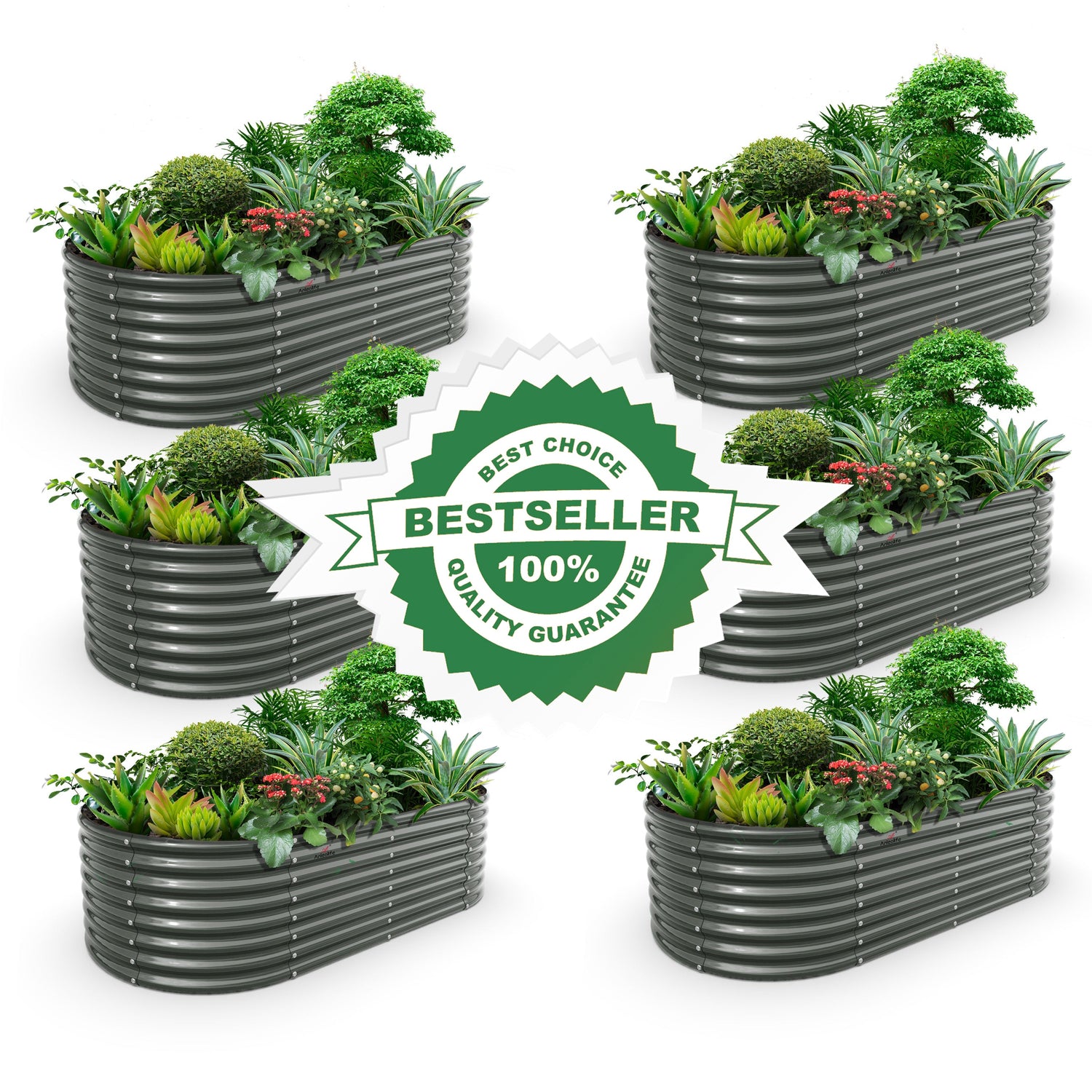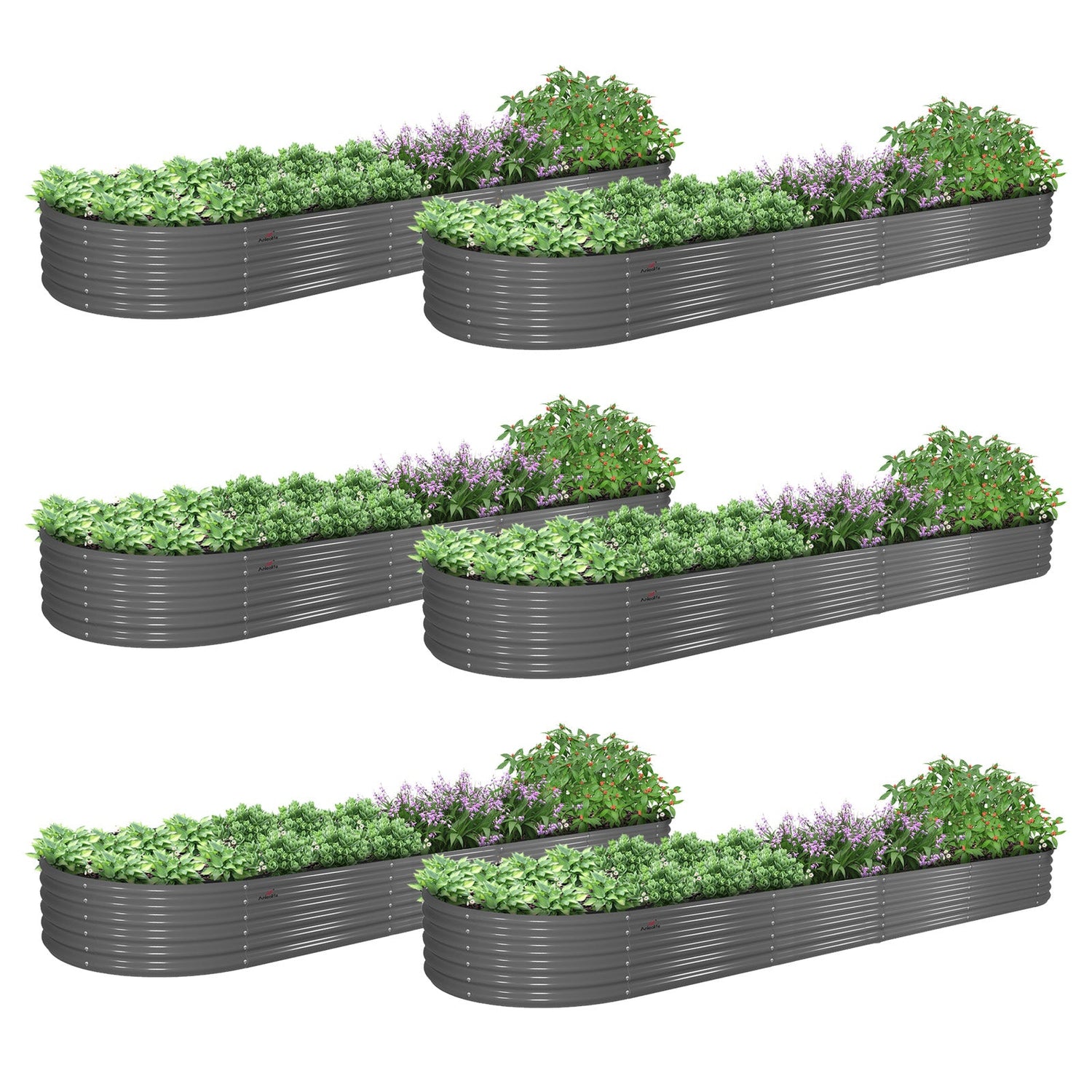



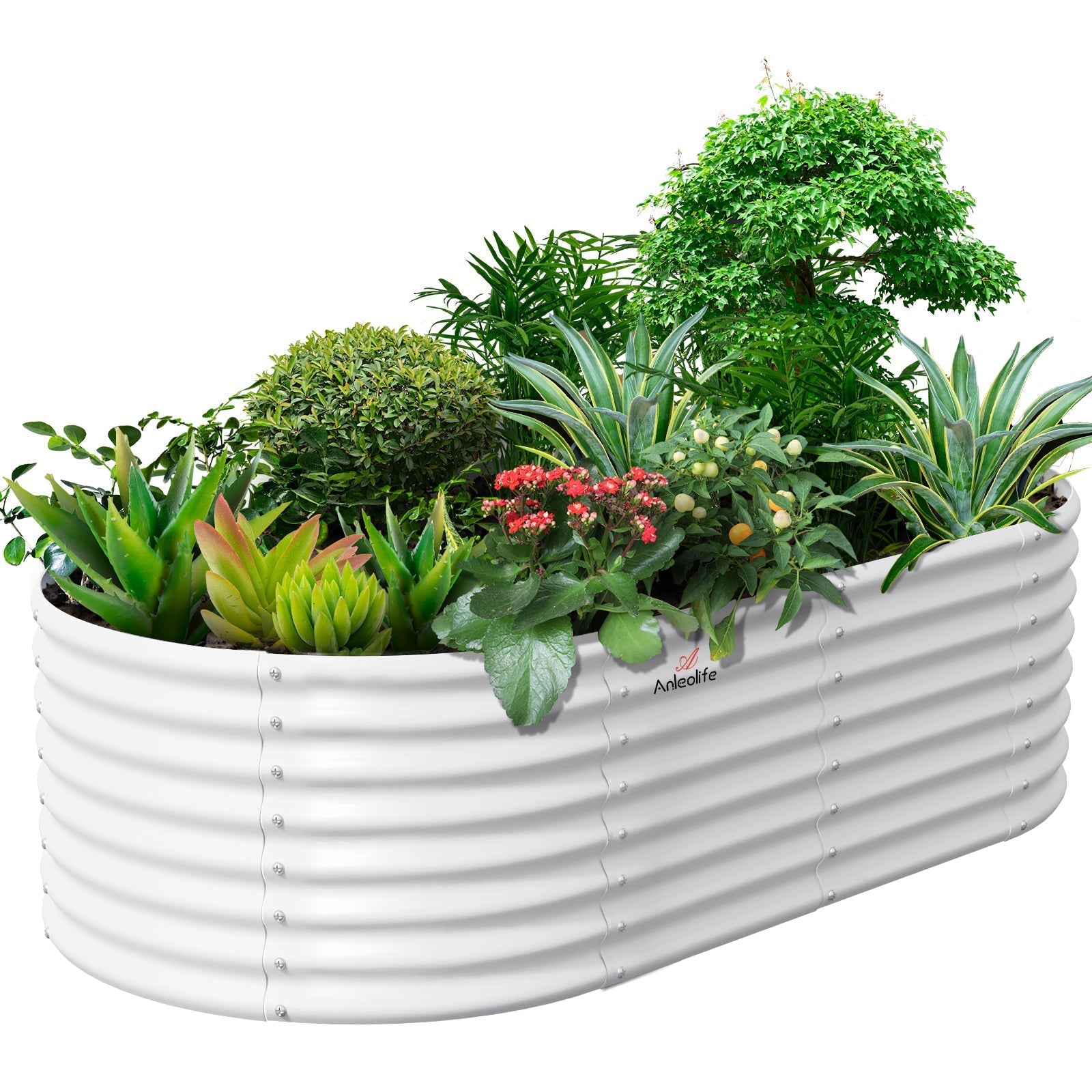
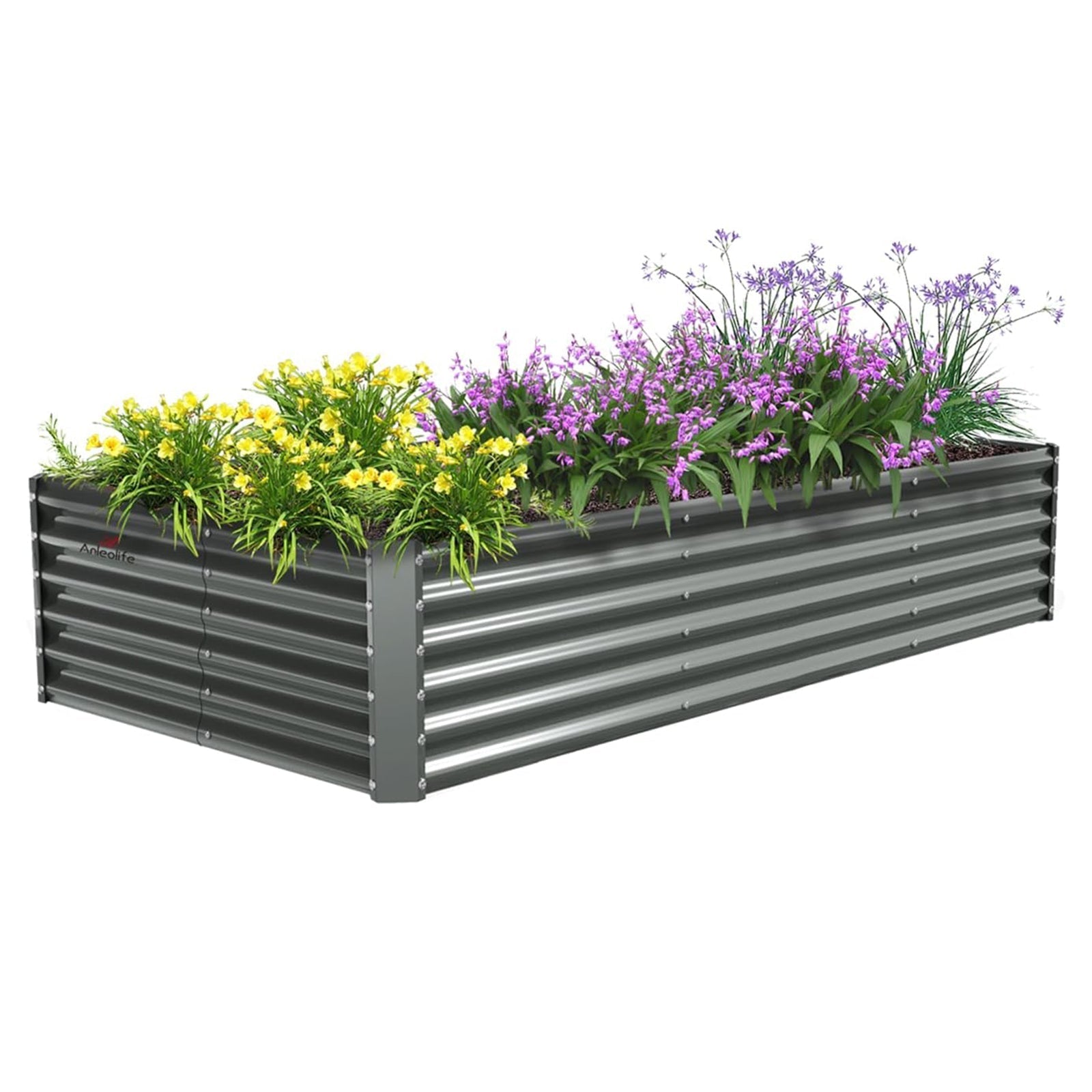

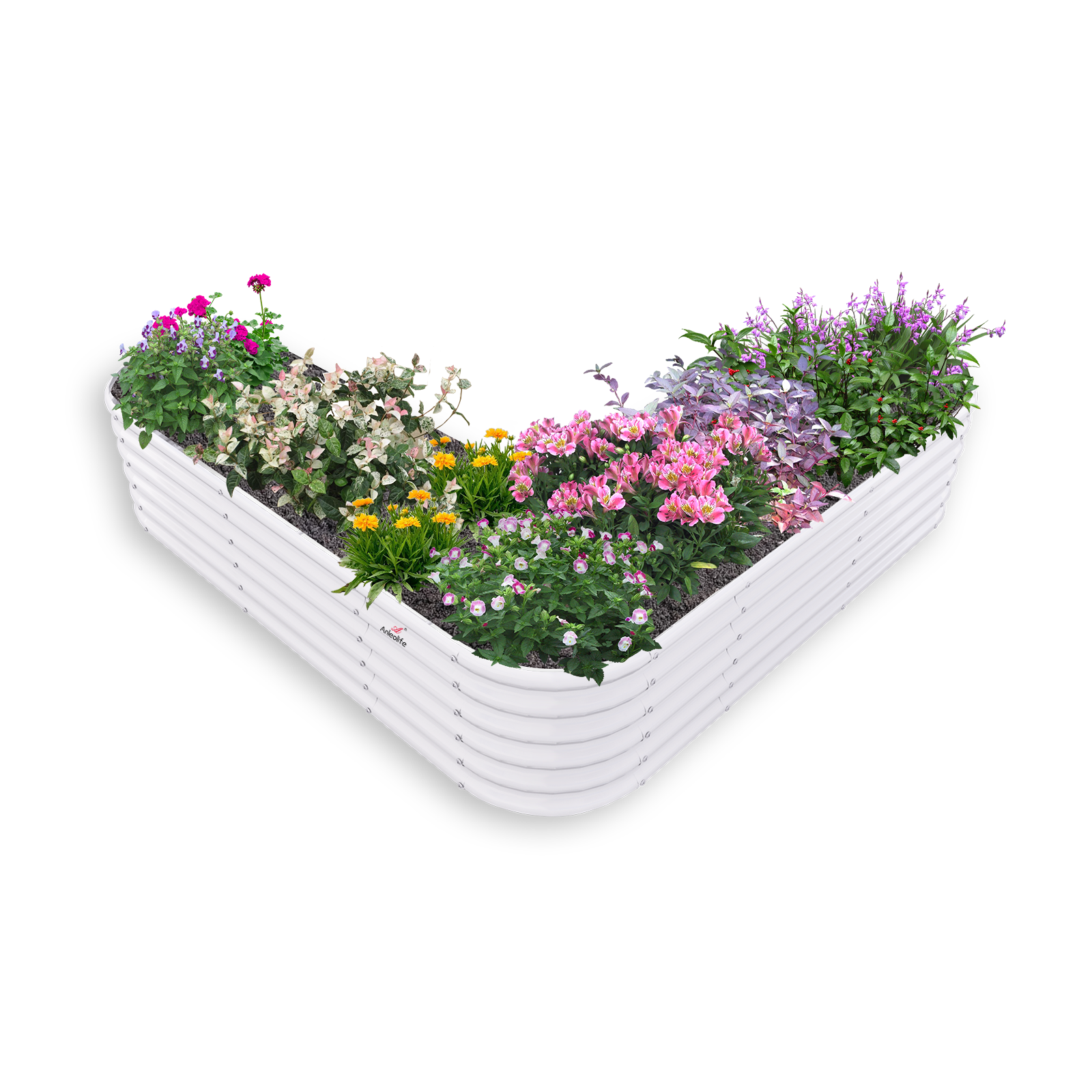
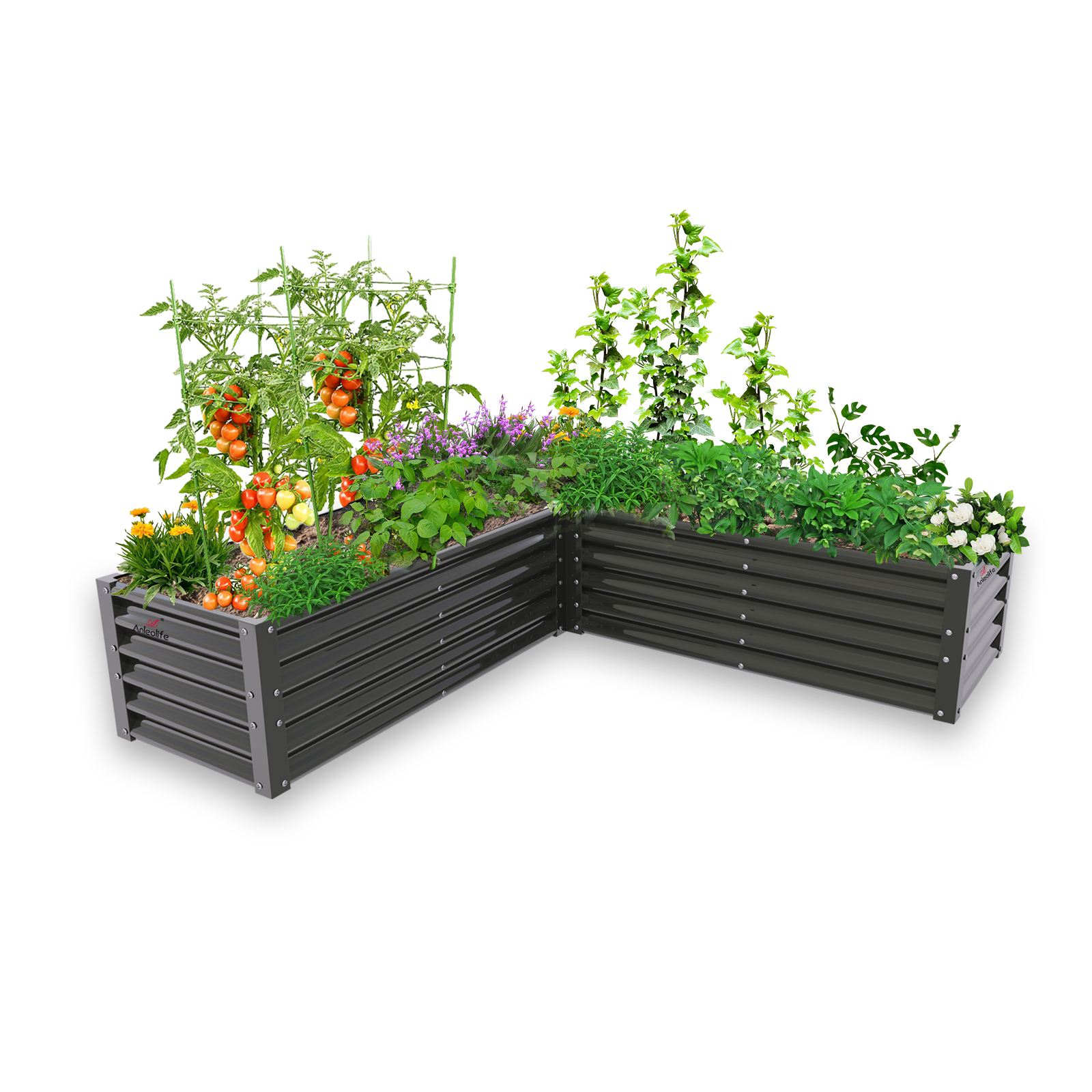
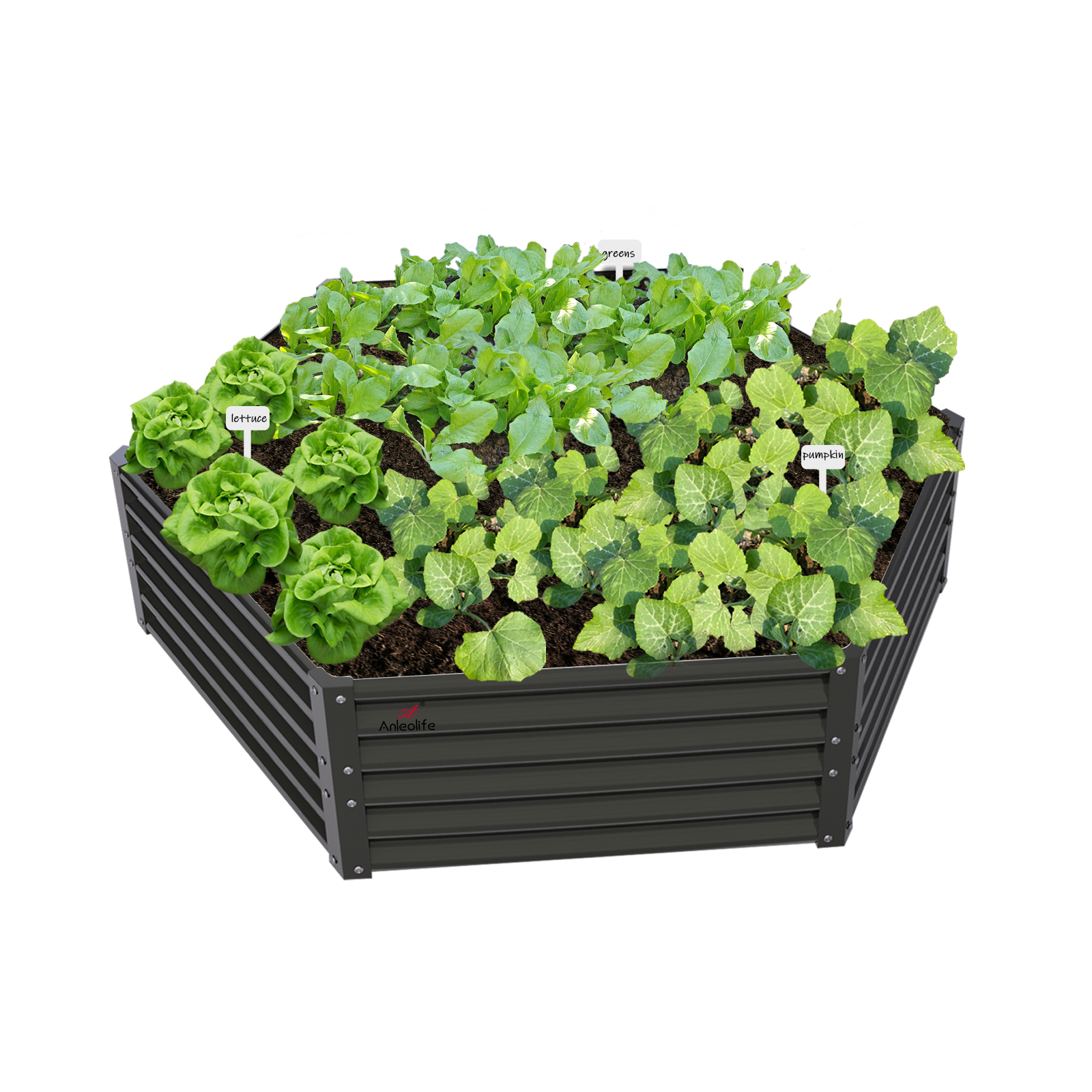
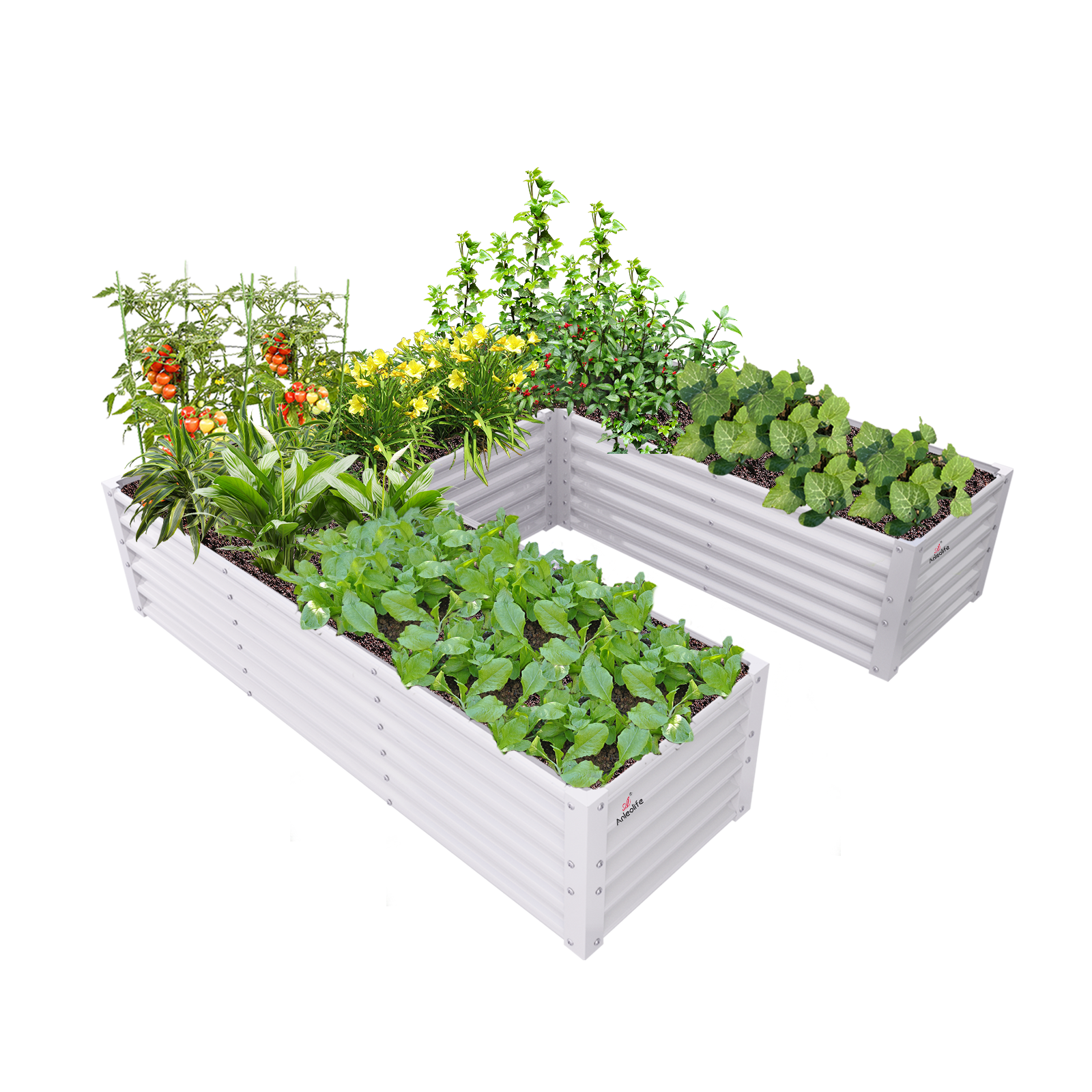

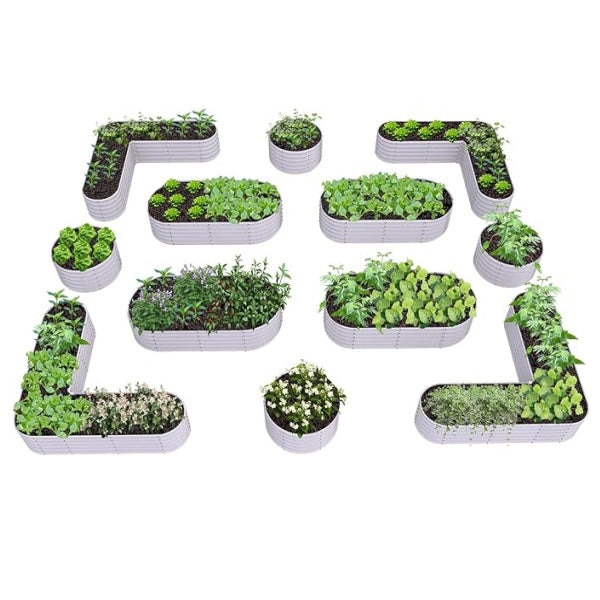


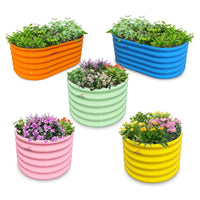
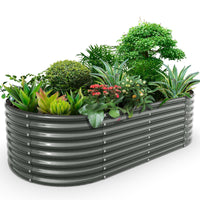



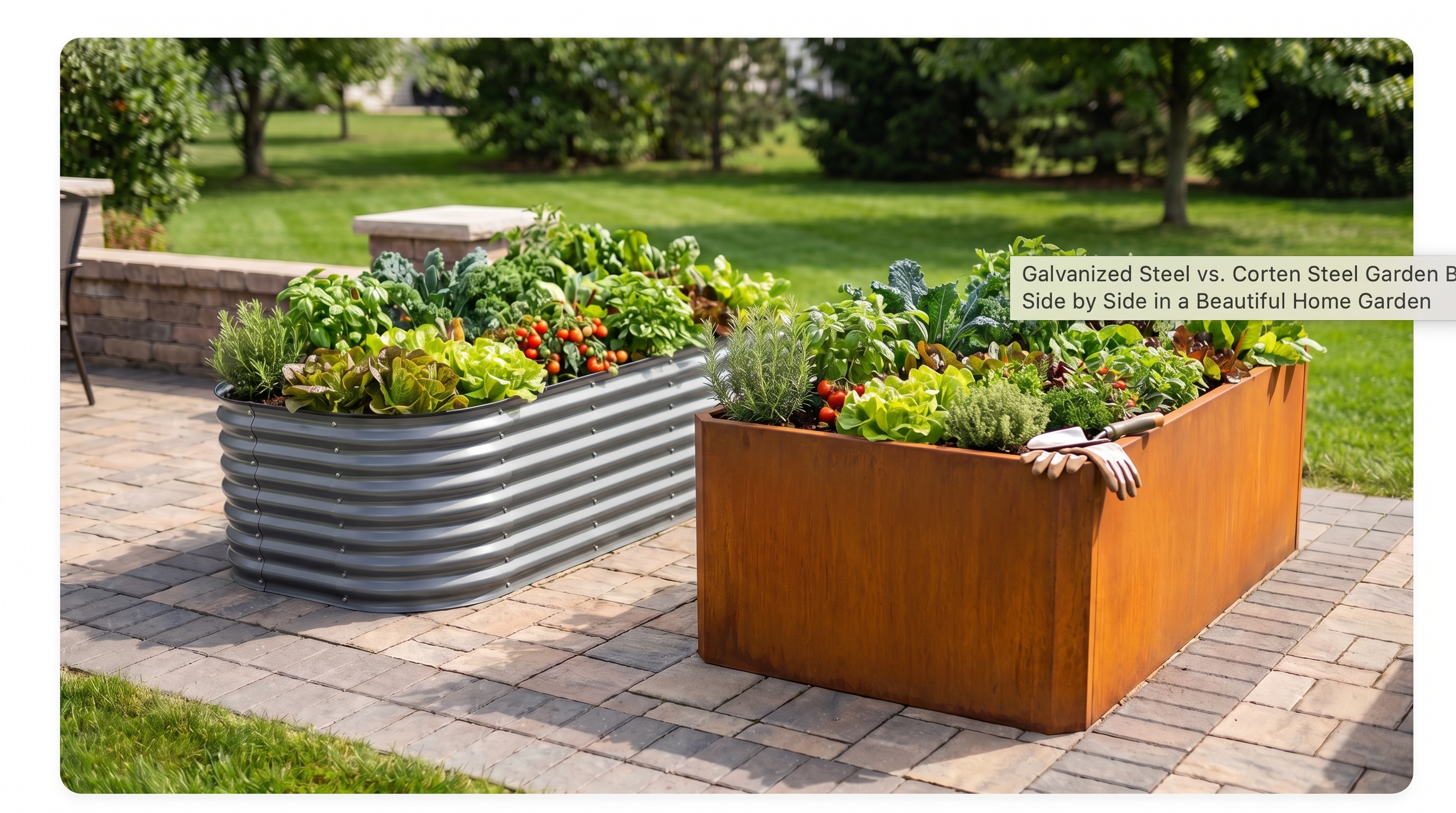
ALT: Galvanized steel and corten steel raised garden beds compared side by side in a lush backyard setting
Galvanized Steel vs. Corten Steel Garden Beds: Which Material Is Right for Your Garden?
Key Conclusion: Choosing the right material for your raised bed garden layout is one of the most important decisions a home gardener can make. Galvanized steel offers affordability, clean aesthetics, and proven longevity, making it ideal for beginners and budget-focused gardeners. Corten steel, on the other hand, delivers a distinctive rustic character and exceptional weather resistance that suits design-forward outdoor spaces. Understanding the real differences between these two materials will help you create a raised bed planting layout that performs beautifully for years—and with proper raised bed layout planning, either option can be transformative.
When you start planning a home garden, the material you choose for your raised beds sets the tone for everything that follows—from how you manage soil and drainage to how the space looks year-round. Both galvanized steel and corten steel are popular choices for raised garden beds, but they serve different needs, budgets, and aesthetic visions.
In this guide, we'll break down the science, the practicalities, and the real-world performance of each material so you can make a confident decision—whether you're a first-time gardener investing in a beginner setup or a seasoned enthusiast curating a picture-perfect outdoor retreat.
Who Should Read This Guide? Matching Materials to Your Gardening Goals
✅ Applicable Scenarios:
- Homeowners looking for the best materials for raised garden beds that balance cost, durability, and appearance
- Eco-conscious gardeners who want food-safe, long-lasting beds without frequent replacement
- Urban micro-gardeners and empty nesters seeking low-maintenance options that enhance curb appeal
- Beginners exploring the best budget raised beds under $200 who want to understand material trade-offs before buying
❌ Not Applicable/Cautions:
- Gardeners in highly acidic soil environments who haven't consulted about potential metal interaction over decades
- Those expecting zero visual change over time—both metals evolve in appearance with age and weather exposure
- Buyers seeking lightweight, portable containers rather than permanent in-ground raised bed installations
Why Material Choice Is the Foundation of Every Great Raised Bed Layout
If you've spent any time researching raised garden beds, you've probably noticed the overwhelming variety of materials available—wood, plastic, composite, and metal. Among metal options, galvanized steel and corten steel dominate for good reason. They're durable, attractive, and capable of creating structured raised bed garden layouts that look intentional and professional.
The global raised garden bed market has grown substantially over the past decade, driven by urban farming trends, the farm-to-table movement, and a broader cultural shift toward growing your own food. According to the National Gardening Association, food gardening participation in the U.S. has seen millions of new households join since the early 2020s—and metal raised beds have become a top choice among those households.
But here's the thing: not all metal beds are created equal. The differences between galvanized and corten steel go beyond surface appearance. They affect how long your beds last, how they look in five or ten years, whether they're safe for food growing, and how much maintenance they require.
Understanding these distinctions helps you build a raised bed planting layout that works with your climate, your gardening style, and your long-term vision. At Anleolife, we specialize in helping gardeners make these decisions with confidence—offering metal raised garden beds designed to last up to 20 years, combining material quality with thoughtful design.
Let's dig into the details.
The Core Comparison: Galvanized Steel vs. Corten Steel Garden Beds
Three Steps to Choosing the Right Material for Your Garden
Step 1: Assess Your Climate and Environment
Your local climate is the single biggest factor in material selection. Do you live in a rainy, humid region like the Pacific Northwest, or a dry, sunny area like the Southwest? Corten steel forms its protective rust layer most effectively in environments with regular wet-dry cycles, while galvanized steel performs consistently across nearly all climates. Spend a few minutes identifying your USDA Hardiness Zone and average annual rainfall before moving forward—this alone can narrow your choice significantly.
Step 2: Define Your Aesthetic Vision and Garden Layout Goals
Before purchasing, sketch out your raised bed garden layout. How many beds do you want? Will they be the focal point of your garden or functional tools tucked into a corner? Galvanized steel has a clean, modern, silvery finish that suits contemporary and minimalist garden styles. Corten steel's warm amber-to-brown tones complement naturalistic, cottage, or farmhouse aesthetics. Your layout design and the look you're going for should influence the material you select just as much as performance specs.
Step 3: Set a Realistic Budget Including Long-Term Costs
When evaluating the best budget raised beds under $200 for beginners, it's important to factor in total cost of ownership, not just upfront price. Galvanized steel beds typically come in at a lower price point and are widely available. Corten steel beds cost more initially but can require less intervention over time due to their self-protecting rust layer. Consider not just what you'll spend today, but what you'd spend replacing a cheaper bed that doesn't last—and weigh that against a 20-year investment in quality metal.
Head-to-Head Comparison: Galvanized Steel vs. Corten Steel
Both materials bring genuine strengths to the table. The table below organizes the most critical comparison points to help you evaluate them side by side.
| Comparison Dimension | Galvanized Steel | Corten Steel | Key Consideration |
|---|---|---|---|
| Corrosion Protection Method | Zinc coating acts as sacrificial barrier | Forms a self-sealing rust patina layer | Both protect the base metal, through different mechanisms |
| Aesthetic Appearance | Clean silver/gray, modern look | Warm amber/rust tones, rustic character | Depends on garden style preference |
| Initial Cost | Generally lower | Generally higher | Budget-sensitive buyers often prefer galvanized |
| Long-Term Durability | High—up to 20 years with quality construction | High—patina continues protecting over decades | Both are excellent long-term investments |
| Maintenance Requirements | Minimal—occasional rinse or wipe | Very low—patina is self-maintaining | Corten requires even less active maintenance |
| Food Safety | Safe when high-quality zinc coatings are used | Safe for food growing | Both are appropriate for vegetable gardens |
| Climate Performance | Consistent across most climates | Best in wet-dry cycle climates | Important for gardeners in very dry or coastal areas |
| Appearance Over Time | Remains relatively consistent | Evolves to deeper brown tones | Corten's look changes; galvanized stays stable |
| Availability | Widely available, many sizes/styles | Increasingly available, fewer budget options | Galvanized has broader market selection |
| Best For | Beginners, budget-focused, modern aesthetics | Design-forward gardens, long-term investors | Match to your priorities |
Galvanized Steel Garden Beds: A Deep Dive
What Is Galvanized Steel?
Galvanized steel is carbon steel that has been coated with a layer of zinc through a process called hot-dip galvanization. The zinc layer acts as a protective barrier, preventing moisture and oxygen from reaching the steel beneath. Even if the surface is scratched, zinc provides "sacrificial" protection—it corrodes before the steel does, effectively extending the life of the bed dramatically.
Durability and Longevity
Quality galvanized steel raised beds are built to last. At Anleolife, our metal raised garden beds are engineered for a lifespan of up to 20 years, giving home gardeners a genuinely long-term growing solution. This longevity is a major reason galvanized steel has become the go-to choice for raised bed gardeners across North America—you invest once and grow for decades.
Aesthetic and Design Flexibility
Galvanized steel has a clean, slightly reflective silver-gray appearance that works beautifully in modern, contemporary, and Scandinavian-inspired garden styles. Its neutral color doesn't compete with the plants—it frames them. For gardeners designing a structured raised bed garden layout with clean lines and symmetry, galvanized steel creates a polished, professional look.
The appearance of galvanized steel remains relatively consistent over time. While it may develop minor weathering, it won't undergo the dramatic color transformation that corten steel does. For gardeners who prefer predictability in their raised bed planting layout design, this is a significant advantage.
Cost and Accessibility
Galvanized steel beds represent some of the best value in the raised bed market. They're available across a wide range of price points, making them a strong candidate when evaluating the best budget raised beds under $200 for beginners. Availability is broad—on platforms like Amazon, Walmart, Home Depot, Lowe's, and Wayfair, as well as directly through brand websites like Anleolife.com.
Food Safety Considerations
A common concern among first-time metal bed buyers is whether galvanized steel is safe for growing vegetables and herbs. Research from agricultural universities and extension services consistently indicates that high-quality galvanized steel is safe for food gardening. The zinc in galvanized coatings is an essential micronutrient, and the amount that leaches into soil is minimal and well within safe ranges for edible crops. Always choose beds from reputable brands that use food-safe, high-quality zinc coatings.
Climate Performance
Galvanized steel performs reliably across nearly all North American climates—from the humid Southeast to the arid Southwest, from coastal environments to high-altitude mountain gardens. This climate versatility makes it a low-risk choice for gardeners in a wide range of locations.
Corten Steel Garden Beds: A Deep Dive
What Is Corten Steel?
Corten steel (also called weathering steel) is an alloy designed to form a stable, adherent rust-like patina when exposed to the atmosphere. Unlike ordinary rust—which is flaky, expansive, and damaging—corten's patina is dense, tightly bonded, and acts as a barrier that prevents further corrosion. The name "corten" comes from its two key properties: CORrosion resistance and TENsile strength.
The Patina Process
When corten steel is first installed, it begins as a standard steel color. Over several weeks to months (depending on climate), it develops a rich amber-to-brown surface that deepens over time. This patina is not just cosmetic—it's a functional, self-healing protective layer. If scratched, the surrounding patina continues to protect the underlying metal. This is fundamentally different from galvanized steel, where damage to the zinc coating leaves the steel more exposed.
For the patina to form correctly and consistently, corten performs best in climates with alternating wet and dry cycles. In very dry climates or constantly wet coastal environments, patina development may be uneven or slower.
Aesthetic Character
Corten steel's warm, earthy tones have made it a darling of landscape architects and garden designers. The material looks intentional and sophisticated—like something you'd see in a high-end botanical garden or a curated outdoor living space featured in a design magazine. For empty nesters and retirees who've invested in transforming their outdoor space into a personal sanctuary, corten adds a distinctive character that galvanized steel simply cannot replicate.
As the patina deepens and matures, the color shifts from bright orange-rust to a rich chocolate brown. Many gardeners specifically choose corten because they love watching their garden beds evolve visually—it becomes part of the organic, living character of the garden.
Long-Term Value
Corten is an investment material. Its higher upfront cost is justified by exceptional durability and minimal maintenance requirements. Once the patina is established, you essentially never need to paint, treat, or refinish it. The self-protecting chemistry continues working indefinitely, making it one of the most hands-off materials available for raised bed construction.
Important Caveat: Initial Rust Runoff
During the first season of weathering, corten steel will produce rust-colored runoff during rain. This is normal and expected—it's part of the patina formation process. However, it can temporarily stain adjacent concrete, stone pavers, or decking. If your raised bed planting layout includes corten beds positioned near light-colored hardscaping, plan ahead by placing beds on gravel, mulch, or dark-colored surfaces, or by using a collection system during the initial weathering period.
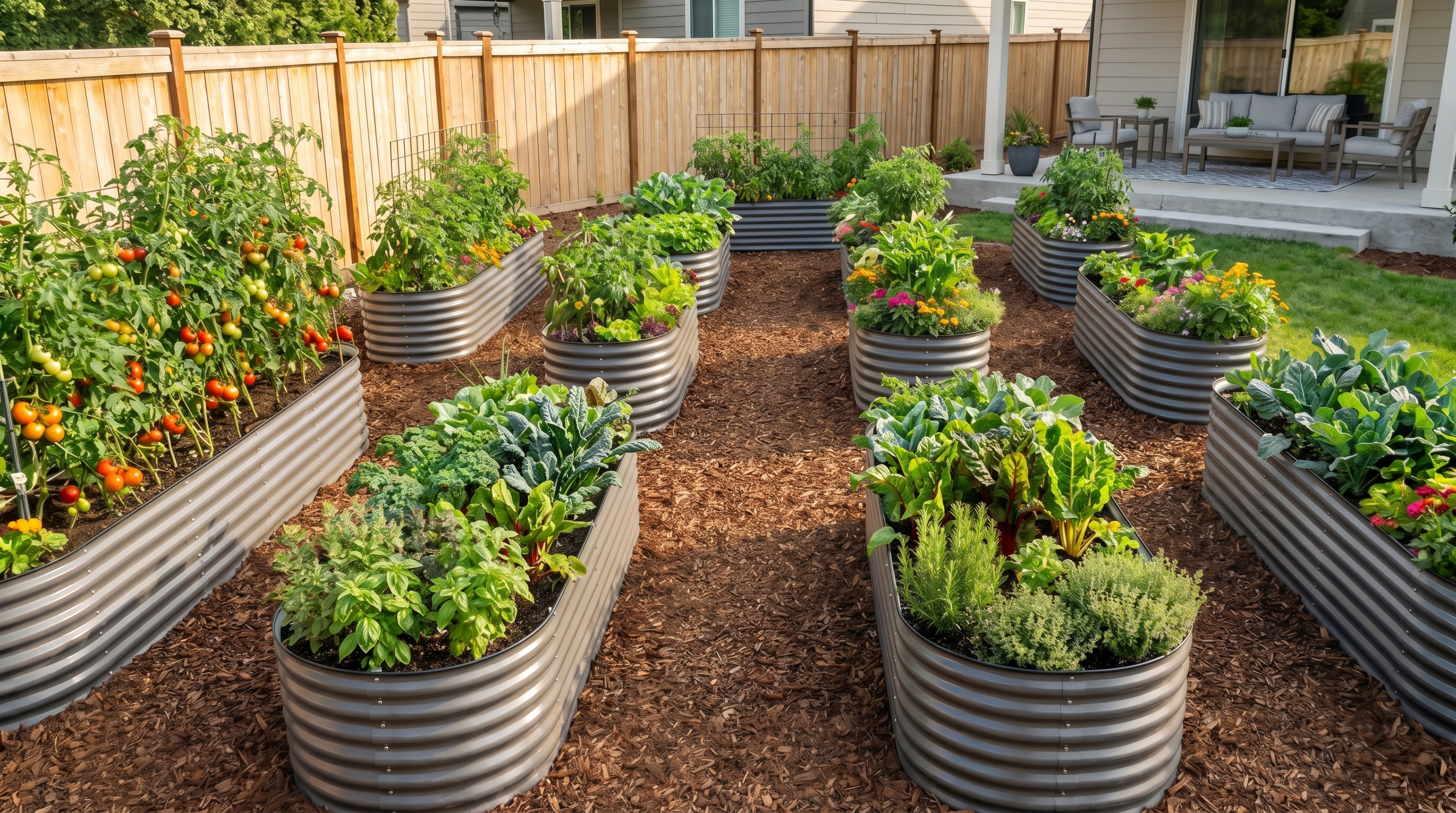
ALT: Corten steel raised garden beds developing warm rust patina in a well-designed backyard vegetable garden layout
Advanced Considerations: What Most Buyers Don't Think About
Soil Systems, Fertilizer, and What Goes Inside
Regardless of whether you choose galvanized or corten steel, what you put inside your beds matters enormously for plant success. The best fertilizer for small raised garden beds typically combines slow-release organic matter (like compost or worm castings) with targeted amendments based on soil tests. Metal beds retain heat effectively—especially in darker finishes—which can accelerate soil drying in summer. Plan to mulch the surface and water consistently.
Protecting Your Garden in Challenging Conditions
If your garden is in an exposed or windy location, consider the best garden netting for windy climates to protect young plants. Netting or row covers can be attached to the top rails of metal raised beds using clips or clamps—a setup that works equally well with both galvanized and corten steel frames.
Creating a Comfortable Garden Space Around Your Beds
One underrated aspect of raised bed garden design is the surrounding space—pathways, seating, and accessories that make the garden a place you actually want to spend time in. If you're designing a covered porch or pergola area adjacent to your beds, the best seating for a covered porch area pairs beautifully with both metal bed styles. Galvanized steel beds complement industrial or modern furniture; corten steel harmonizes with natural wood or wicker seating that echoes its earthy tones.
The Misconception About Metal Beds and Soil Temperature
A common concern is that metal beds overheat soil and harm plant roots in summer. In reality, studies have shown that soil temperature at root depth in raised metal beds is comparable to other bed types when proper mulching is applied. The walls do absorb heat, which can actually benefit cool-season crops and extend your growing season in spring and fall.
Galvanized vs. Corten: Does One Outlast the Other?
Both materials, when well-made, are capable of exceptional longevity. Anleolife's galvanized steel garden beds are built for a 20-year lifespan—a benchmark that reflects the quality of materials and construction rather than just marketing language. Corten steel, with its self-healing patina, can match or exceed this in the right conditions. The honest answer is: with quality construction and proper placement, both materials will outlast most wood alternatives by many years.
Frequently Asked Questions FAQ
Q1: How do I know which material is best for my raised bed garden layout?
The best way to decide is to evaluate three factors: climate, aesthetics, and budget. If you live in a climate with regular rain, love earthy tones, and are prepared to invest more upfront, corten steel's self-healing patina makes it a superb long-term choice. If you want a lower entry price, consistent appearance, and broad availability, galvanized steel—especially from quality brands offering a 20-year lifespan—is an outstanding value. Your raised bed garden layout style should also guide the decision: modern layouts suit galvanized; naturalistic designs suit corten.
Q2: Is galvanized steel safe for growing vegetables and edible herbs?
Yes. High-quality galvanized steel is widely considered safe for food gardening. Zinc—the protective coating used in galvanization—is an essential plant and human micronutrient. Research from agricultural extension programs confirms that zinc leaching from quality galvanized beds occurs at levels well below any safety concern for edible crops. The key is choosing beds made with food-safe, high-quality coatings from reputable brands, rather than repurposed industrial materials that may contain other coatings or contaminants.
Q3: How long does it take for corten steel to develop its rust patina, and what does it cost compared to galvanized?
Corten steel typically begins showing visible patina within a few weeks of outdoor exposure, with a stable, fully formed patina developing over one to two growing seasons depending on your climate's humidity and rainfall. The richer, deeper brown tones continue maturing for years. Cost-wise, corten beds generally run higher than comparable galvanized options—making galvanized steel the more accessible choice if you're evaluating the best budget raised beds under $200 for beginners. However, corten's minimal maintenance needs can offset its higher initial investment over time.
Summary
Choosing between galvanized steel and corten steel for your raised garden beds ultimately comes down to three core considerations:
- Performance and longevity: Both materials offer exceptional durability when well-constructed. Anleolife's galvanized steel beds are built to last up to 20 years, giving you a foundation that grows with you season after season. Corten's self-protecting patina offers similarly impressive long-term performance.
- Aesthetics and design alignment: Galvanized steel suits modern, clean, structured raised bed garden layouts. Corten steel creates a living, evolving visual that complements naturalistic and design-forward outdoor spaces. Let your garden's personality guide your choice.
- Budget and accessibility: Galvanized steel remains the more accessible option, with broader availability and lower entry costs. Corten steel is an investment in character and minimal maintenance. Both represent far better long-term value than wood alternatives that require regular replacement.
If you're just starting out and wondering about the best materials for raised garden beds that won't break the bank, galvanized steel from a quality brand is your safest starting point. If you're designing a mature garden space and want materials that grow more beautiful with time, corten is worth every penny.
The most important thing is to start. Whatever material you choose, a well-planned raised bed planting layout will reward you with healthier plants, better harvests, and a more beautiful outdoor space year after year.
Upgrade Your Garden with Anleolife
Nationwide U.S. warehouse network: Strategically located in California, Texas, Florida, New York, Illinois, and Washington, Anleolife ensures delivery within 3–8 business days—so your garden upgrade plans never have to wait through long shipping delays.
Multi-channel sales network: Anleolife.com products are available on major e-commerce platforms including Amazon, Walmart, Home Depot, Lowe's, and Wayfair, as well as directly through the official Anleolife website, providing consistent quality assurance and after-sales service no matter where you shop.
Three core gardening scenarios: Planting (metal raised garden beds, soil systems), Raising (chicken coops, rabbit hutches), and Beautification (decorative accessories, pathway systems)—meeting complete needs from functionality to aesthetics in one integrated brand ecosystem.
We understand that an ideal garden is not built overnight, but gradually improved over time. Our modular product design allows flexible expansion based on your needs—from your first raised garden bed to a fully integrated planting-and-raising ecosystem. We grow with you every step of the way.
👉 Explore Anleolife's Full Garden Bed Collection at Anleolife.com
References
- National Gardening Association. "Food Gardening in the United States."
https://garden.org - University of Minnesota Extension. "Raised Bed Gardening: Soil, Materials, and Safety."
https://extension.umn.edu - UC Agriculture and Natural Resources. "Metal Raised Beds and Soil Safety for Home Vegetable Gardens."
https://ucanr.edu - United States Department of Agriculture (USDA). "Urban Agriculture and Community Gardening Resources."
https://www.usda.gov/topics/urban - Purdue University Extension. "Raised Bed Gardening: Design, Materials, and Soil Management."
https://extension.purdue.edu
Note: Standards and research findings may be updated over time. Please check the latest official documents or consult professional advisors for the most current information.
About Anleolife
Anleolife is a leading outdoor garden solutions provider in North America, dedicated to offering a full-scenario product ecosystem for home gardening enthusiasts, covering planting, raising, and garden beautification. Since its founding, we have upheld our brand mission, "Made for Garden Life," continuously innovating products and optimizing services to help hundreds of thousands of users upgrade their gardens, reconnect with nature, and enjoy a better garden lifestyle.
Whether you're building your first raised bed garden layout or expanding an established growing space, Anleolife provides the products, knowledge, and support to help you garden with confidence—for seasons and decades to come.