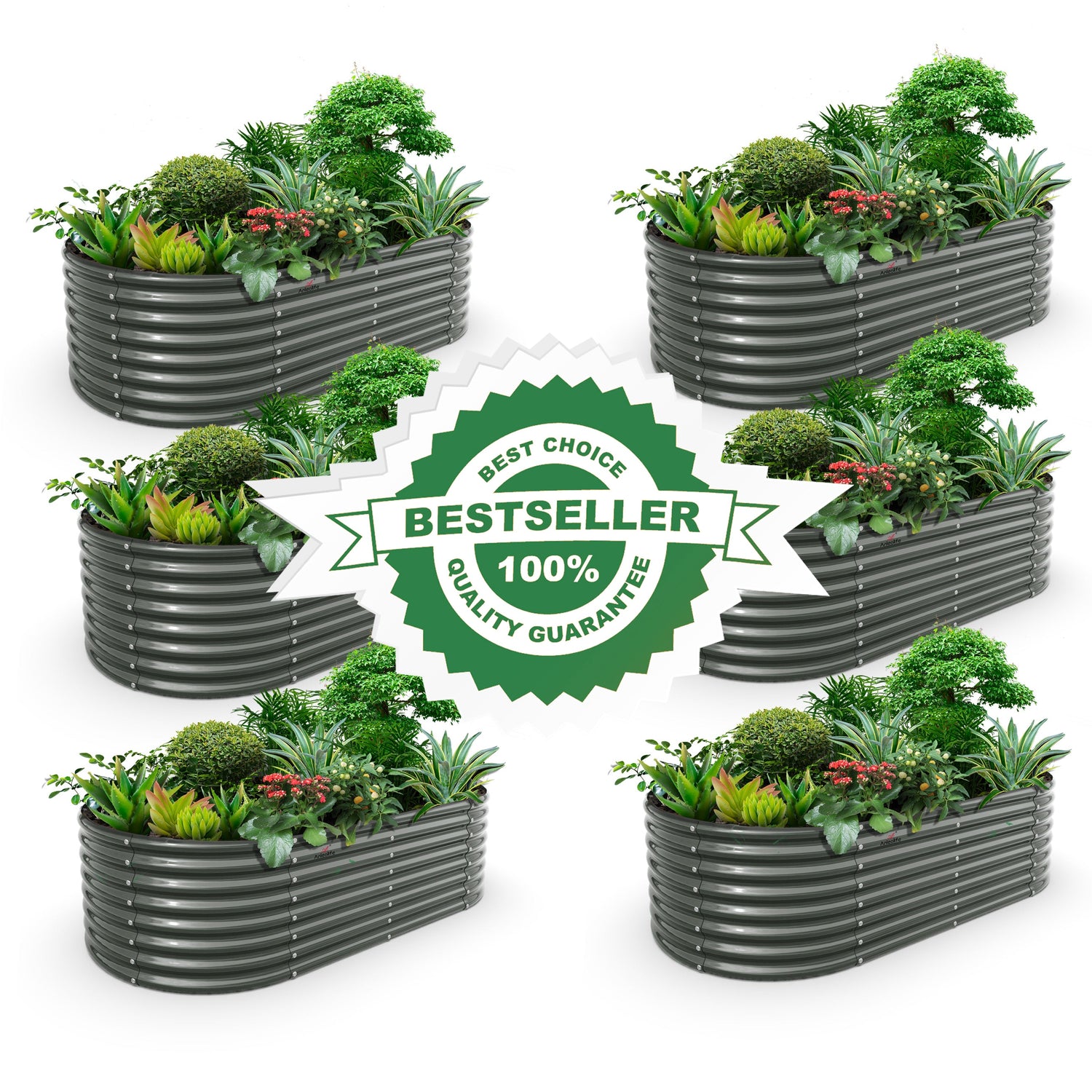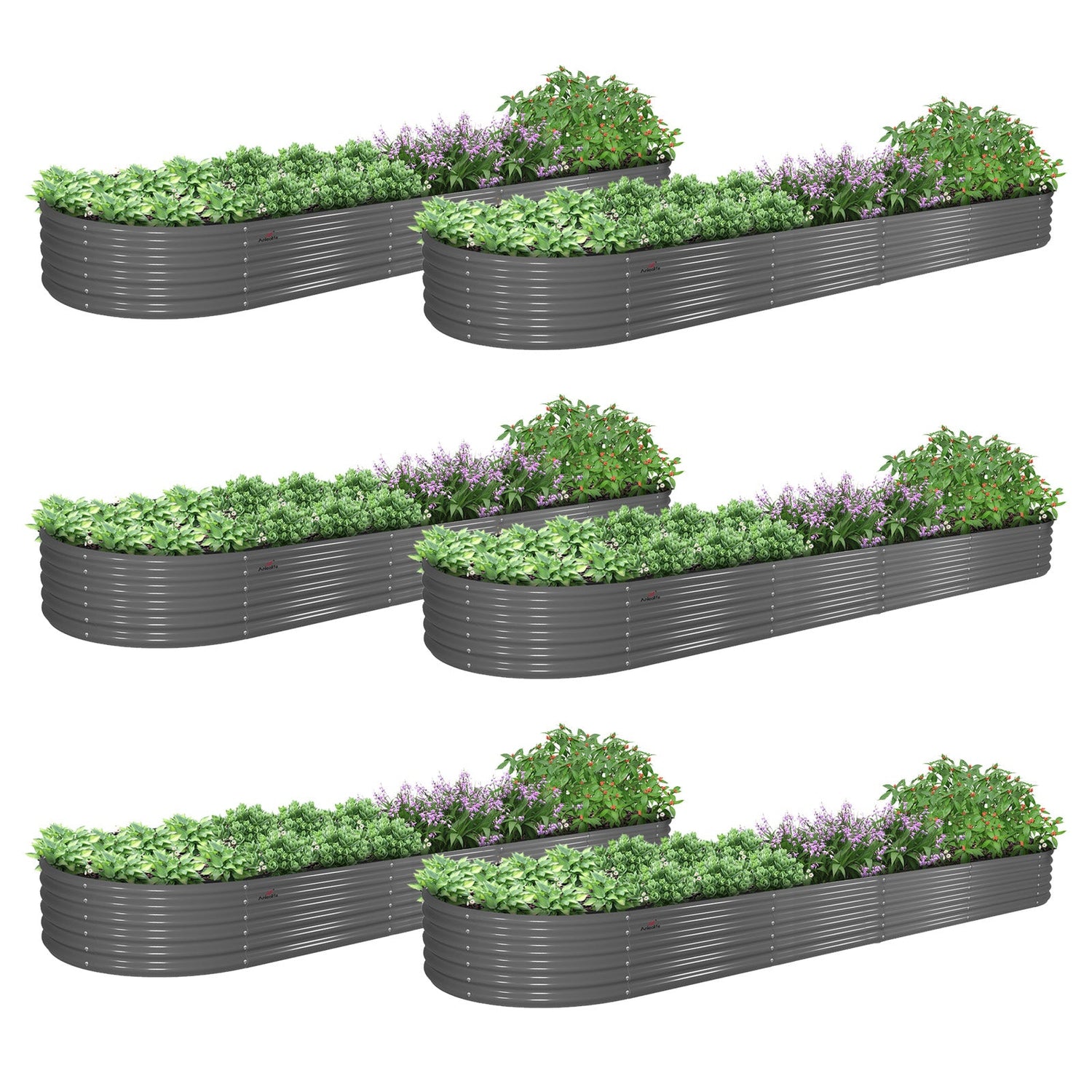



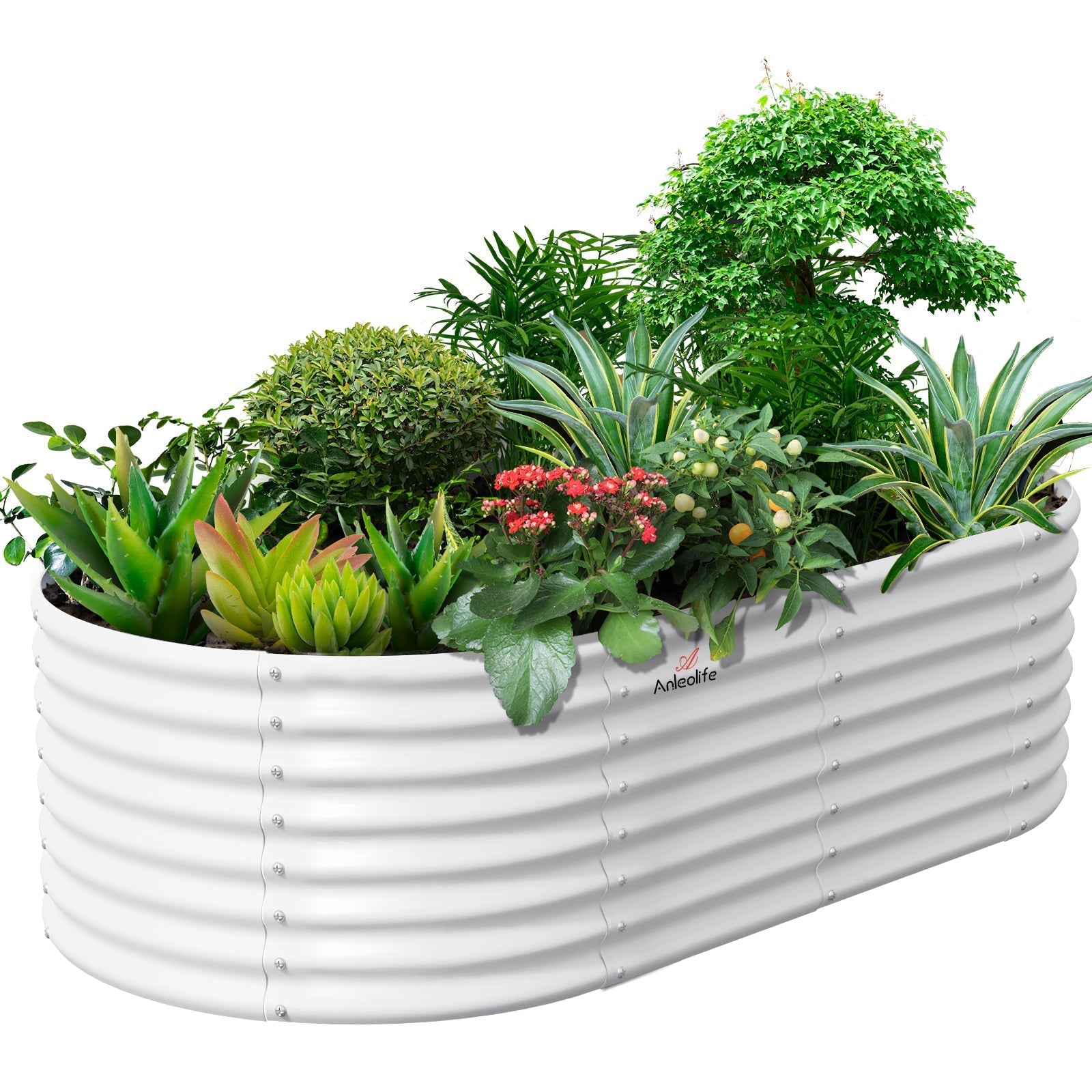
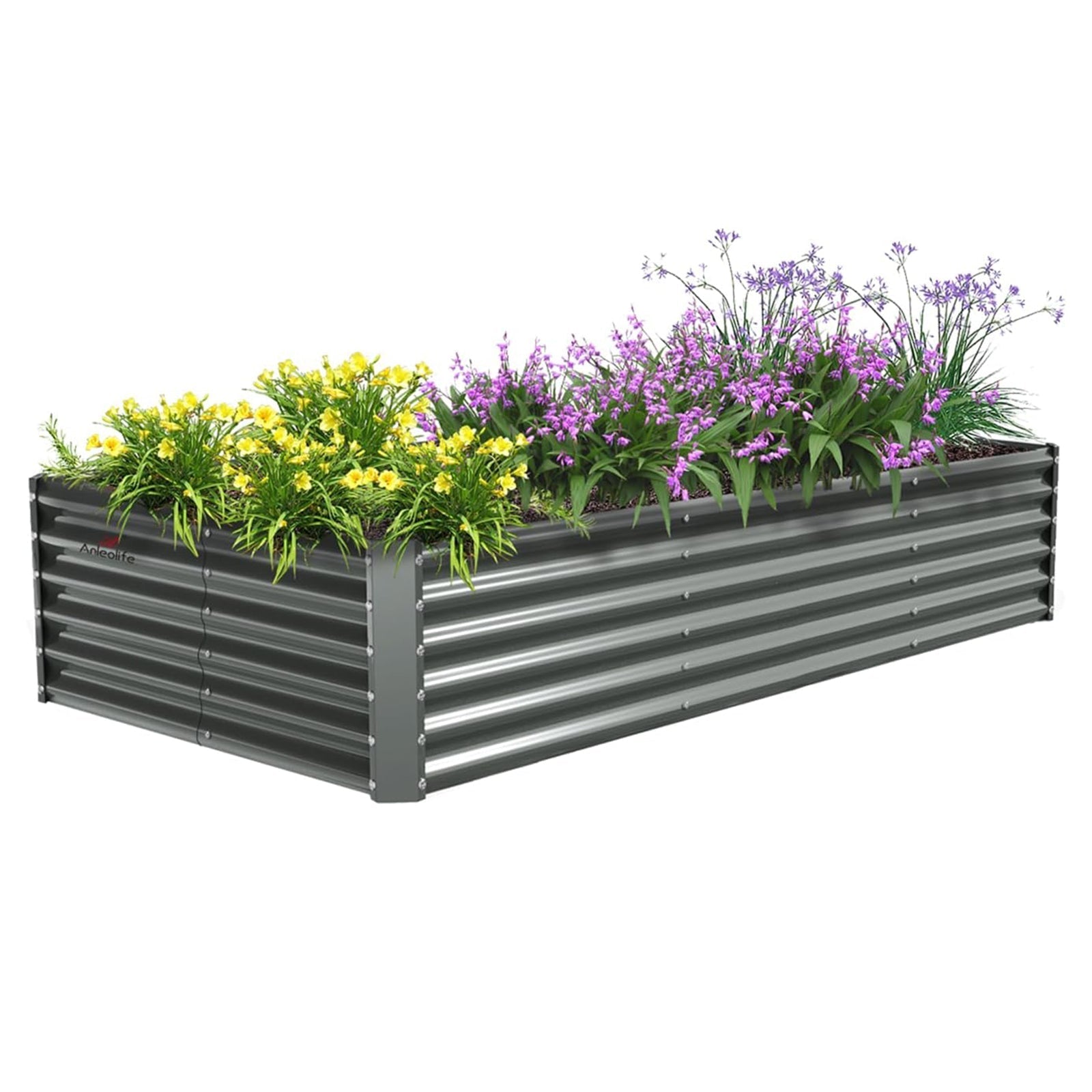

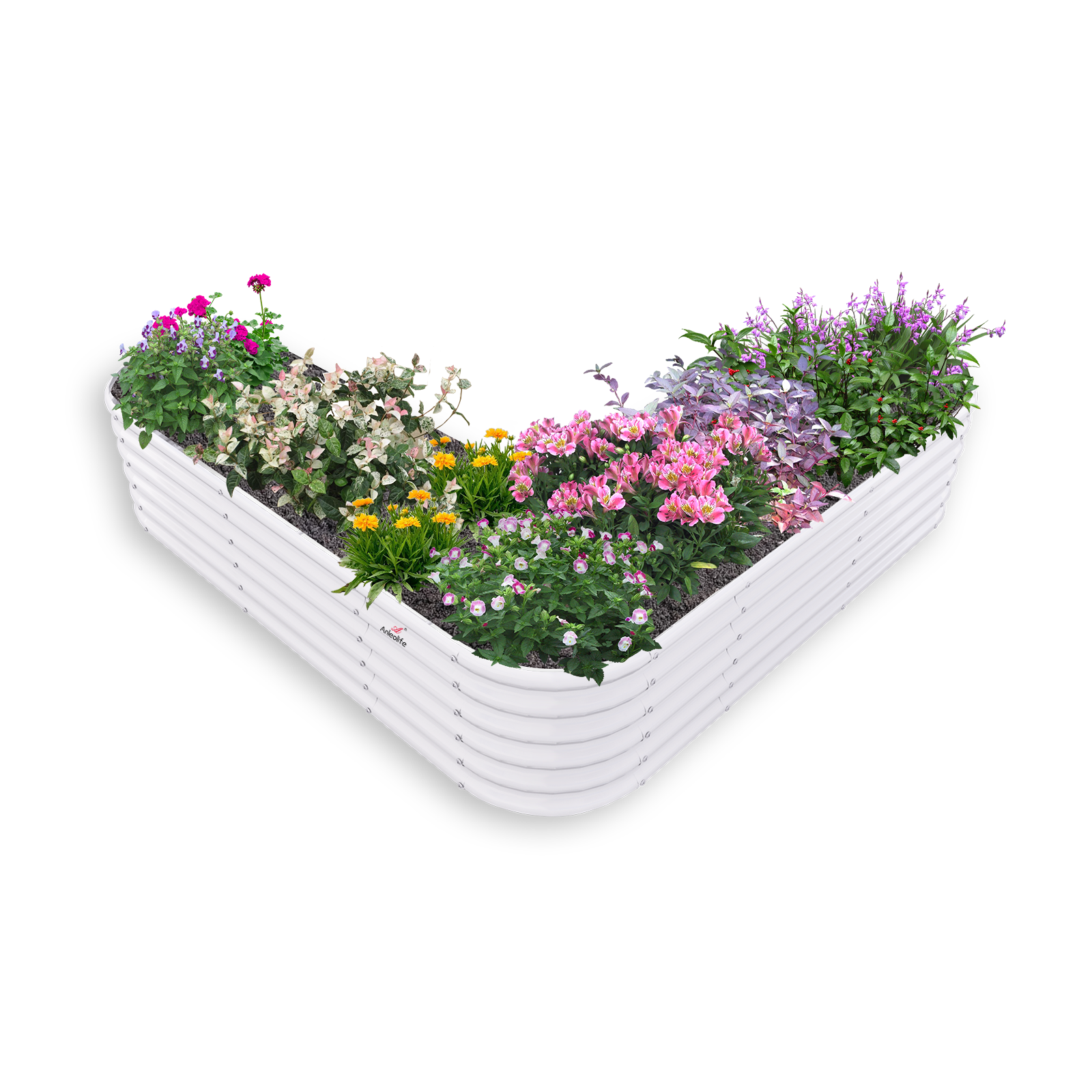
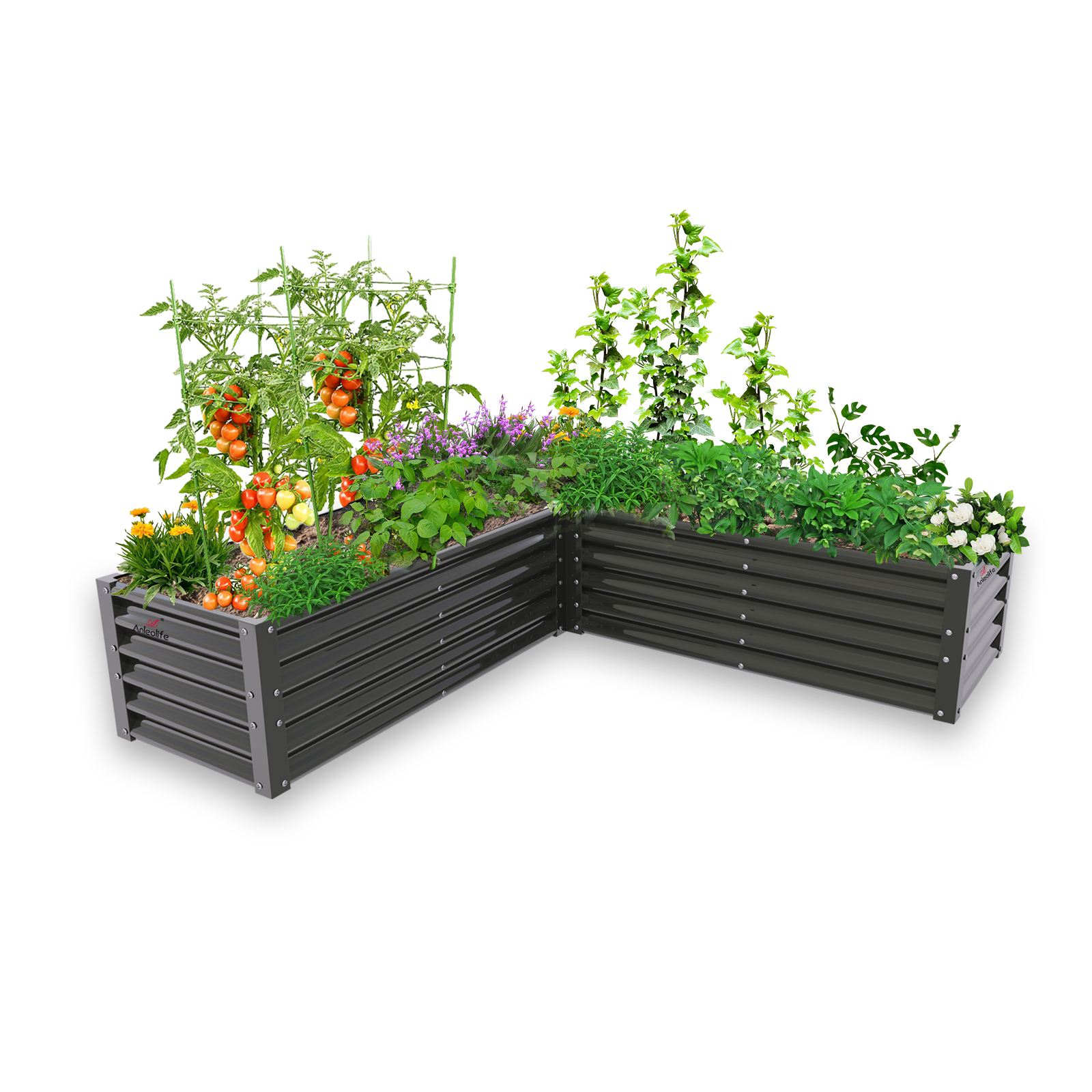
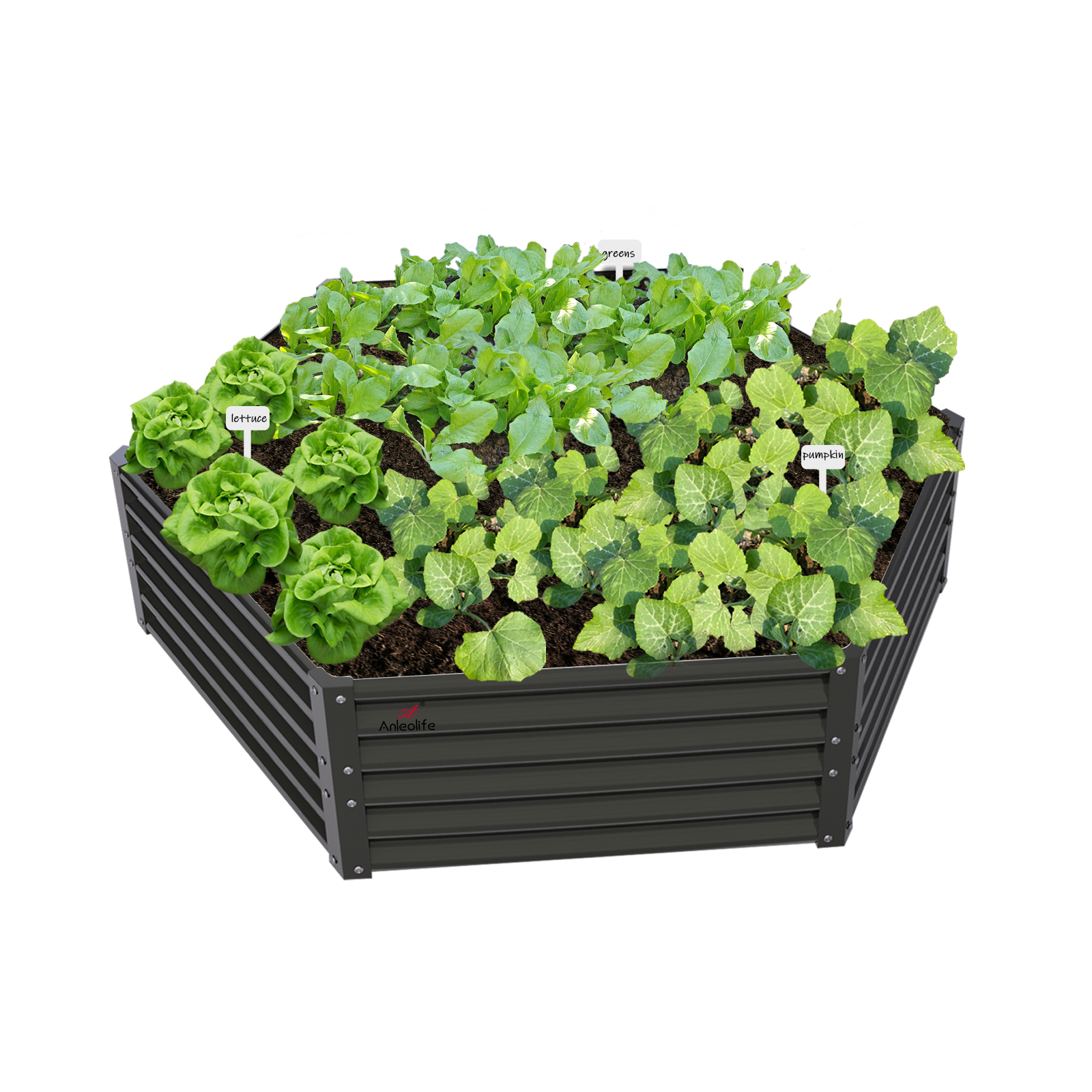
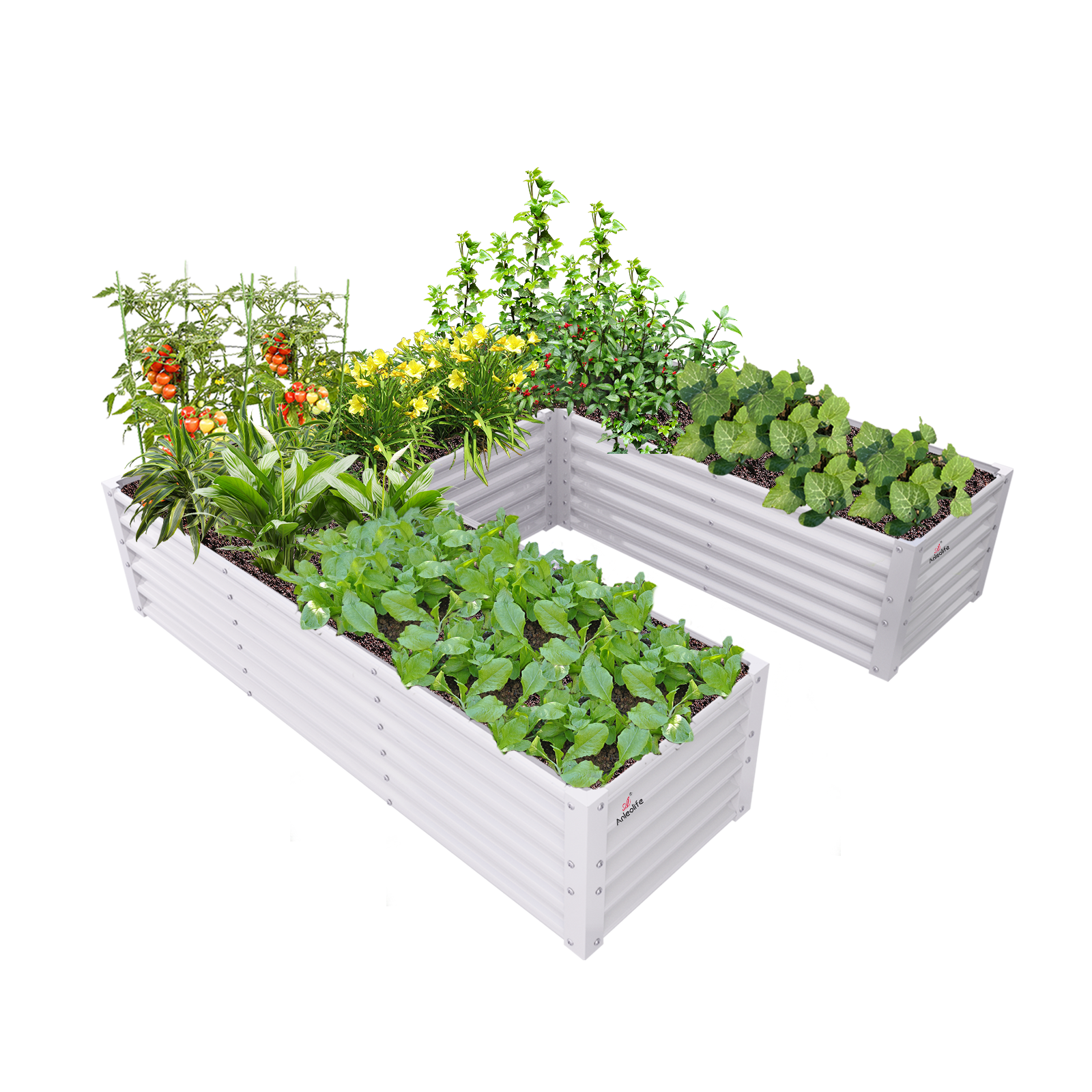

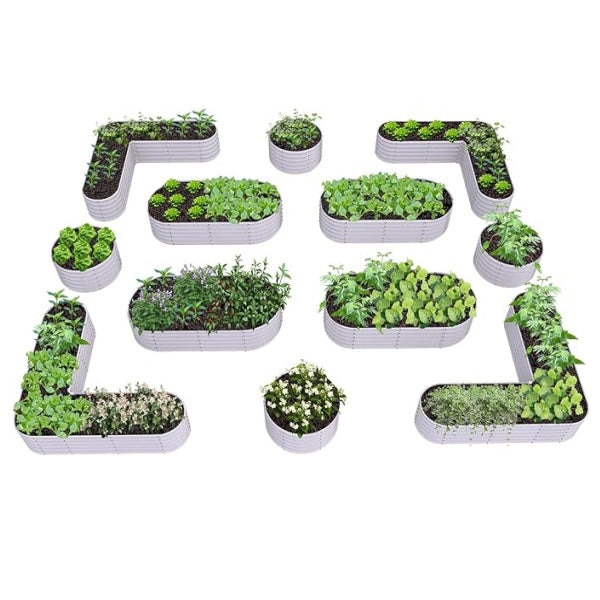


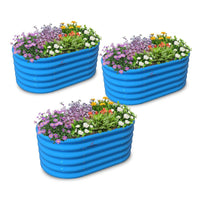
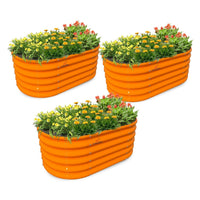
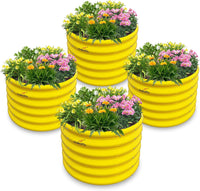
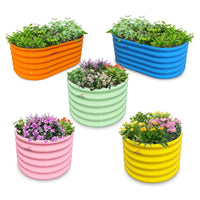
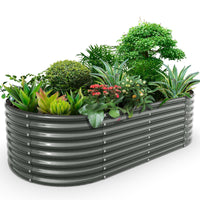



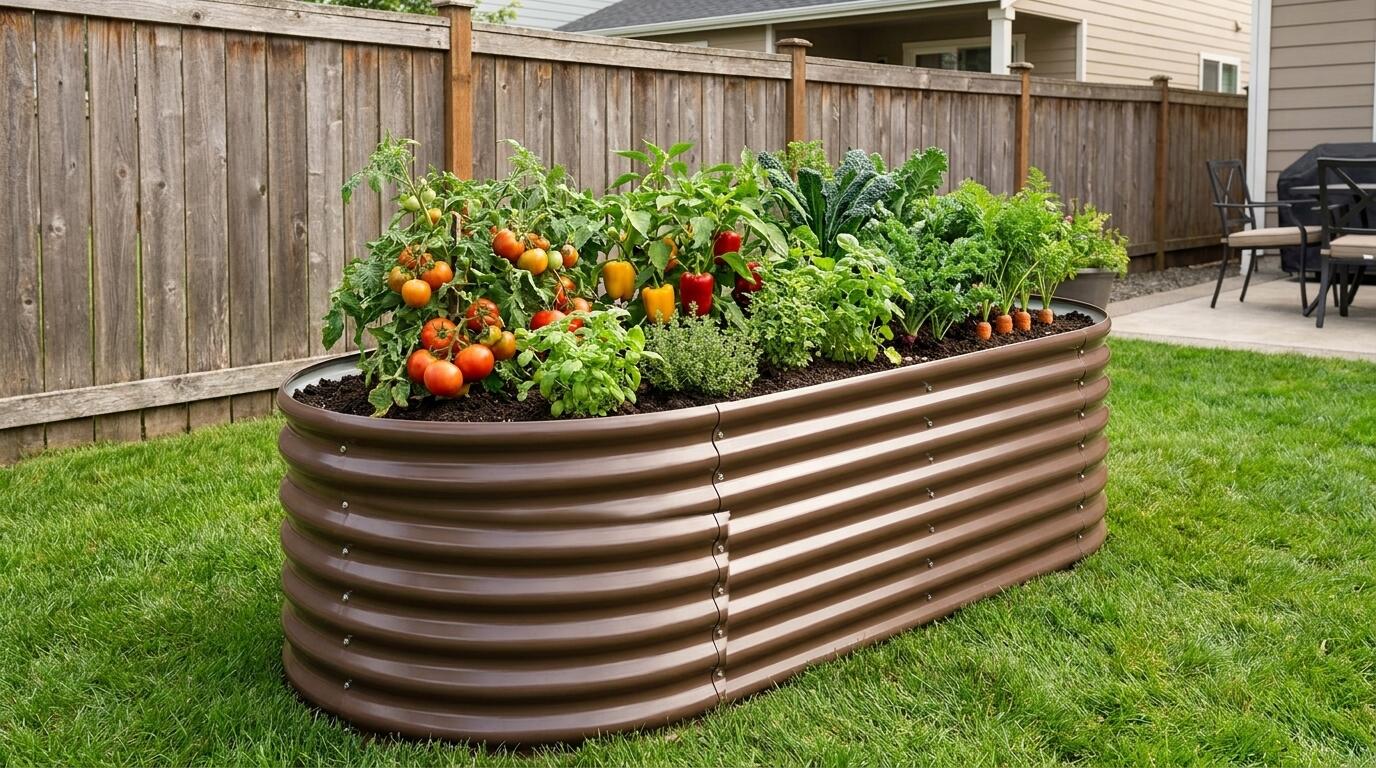
ALT: Galvanized steel vs recycled plastic raised garden beds compared for sustainable raised bed layout choices
Galvanized Steel vs. Recycled Plastic: Which Material Wins for Your Raised Bed Garden Layout?
You've cleared the space, sketched out your raised bed planting layout, and now you're standing in front of two very different material choices — galvanized steel and recycled plastic — wondering which one will actually serve your garden for years to come. In our work helping home growers across North America design productive planting spaces, this is one of the most consistent questions we encounter. Both materials carry genuine sustainability credentials, but they perform very differently depending on how you garden, where you live, and what you value most.
This article compares galvanized steel and recycled plastic raised garden beds across six practical criteria — durability, environmental impact, aesthetics, safety, ease of setup, and long-term cost — so you can make a well-informed decision that suits your specific raised bed layout goals.
Evaluation Criteria: How We Judge a Sustainable Raised Bed Option
A raised bed is not just a container for soil — it is a long-term infrastructure investment that shapes how you grow food, interact with your outdoor space, and manage your garden year after year. Judging these materials on price alone misses most of what matters. Here are the six criteria we use when evaluating sustainable raised bed options, and why each one deserves your attention.
Durability and lifespan. A bed that degrades, warps, or collapses within a few seasons forces you to restart — spending money, time, and materials all over again. Longevity is the foundation of true sustainability.
Environmental footprint. Sustainable gardening should extend beyond the plants themselves. The manufacturing process, the raw materials used, and what happens to the bed at end-of-life all factor into its true ecological cost.
Aesthetics and design flexibility. Your raised bed planting layout is also a visual statement about your home and outdoor lifestyle. Material appearance, color options, and compatibility with different garden styles influence how satisfying your space feels day to day.
Food safety. Anything that contacts the soil in which you grow edible plants warrants scrutiny. Some materials can leach compounds into soil over time; others are inert. This is a non-negotiable criterion for home food growers.
Ease of assembly and adaptability. Whether you are a weekend DIY enthusiast or someone setting up their first raised bed layout, the ease of building and reconfiguring the bed matters — especially as your garden evolves.
Long-term cost value. The upfront price rarely tells the full story. Replacement frequency, maintenance demands, and the operational cost of running a bed over a decade shape the true economics of your choice.
The Contenders: Galvanized Steel and Recycled Plastic Raised Beds
Galvanized Steel Raised Garden Beds: Built for the Long Game
Galvanized steel raised garden beds are made from steel that has been coated with a layer of zinc through a hot-dip or electro-galvanizing process. The zinc coating acts as a sacrificial barrier — it oxidizes slowly over time to protect the underlying steel from rust and corrosion. The result is a structurally robust container that holds its shape under soil pressure, resists denting, and maintains a clean, modern profile season after season.
At Anleolife, galvanized steel is the material we've built our raised bed lineup around, and the reason is straightforward: in our experience working with home growers across a wide range of climates and garden styles, steel consistently outperforms other materials on the criteria that matter most over a multi-year horizon. Our beds are engineered to last up to 20 years — a benchmark that makes the cost-per-season economics genuinely compelling compared to materials that require replacement every few years.
Galvanized steel raised garden beds are available across a wide range of sizes and heights to suit virtually any raised bed garden layout. Anleolife's catalog includes beds ranging from compact configurations ideal for patios and balconies all the way to large-footprint beds suited to serious kitchen gardens. Height options span from standard 18-inch beds to extra-tall 24-inch and even 30-inch and 35-inch waist-high models — a feature especially appreciated by gardeners with mobility considerations or those who simply prefer to tend their plants without kneeling.
Key characteristics of galvanized steel raised beds include high structural rigidity, resistance to warping in heat or cold, compatibility with soil systems that hold significant weight, and a polished, professional aesthetic that suits both contemporary and traditional garden styles.
Recycled Plastic Raised Garden Beds: The Eco-Repurposed Alternative
Recycled plastic raised garden beds — also commonly called composite lumber beds or plastic lumber beds — are manufactured from post-consumer or post-industrial plastic waste, most often high-density polyethylene (HDPE) or a blend of plastics recovered from packaging, bottles, and industrial offcuts. The material is processed into board-like planks or panels that mimic the profile of wood, often with a wood-grain texture.
The primary sustainability argument for recycled plastic is the diversion of plastic waste from landfill. By giving recovered plastic a second functional life as garden infrastructure, manufacturers reduce demand for virgin materials and keep plastic out of waste streams. This is a genuine and meaningful environmental benefit.
From a performance standpoint, recycled plastic beds resist moisture and will not rot — advantages over untreated natural wood. They are typically lightweight, which makes transportation and initial setup manageable. However, a pattern we consistently observe is that recycled plastic beds introduce performance trade-offs that become more apparent over a longer time horizon: they can fade, warp under sustained heat, or become brittle in prolonged cold, and their structural rigidity under the pressure of a full soil load is generally lower than that of galvanized steel.
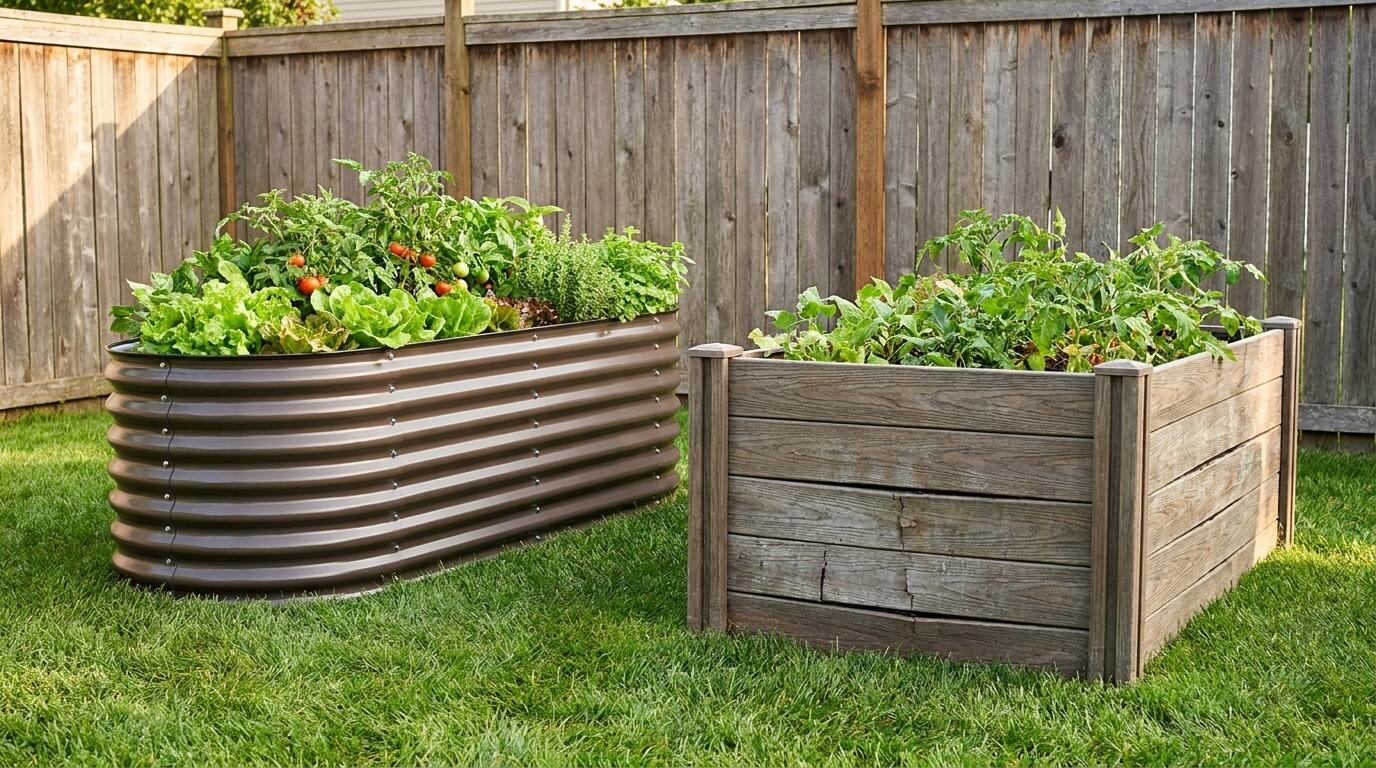
ALT: Side-by-side raised bed garden layout comparison showing galvanized steel bed with thriving vegetables and recycled plastic bed in a backyard setting
Head-to-Head Comparison: Galvanized Steel vs. Recycled Plastic Across Six Criteria
| Criterion | Galvanized Steel | Recycled Plastic |
|---|---|---|
| Durability & Lifespan | Up to 20 years; zinc coating resists corrosion; structurally rigid under full soil load | Moderate; resistant to rot but can warp in heat, become brittle in cold, and fade over time |
| Environmental Footprint | Steel is highly recyclable at end-of-life; manufacturing is energy-intensive but offset by long service life | Diverts post-consumer plastic from landfill; end-of-life recyclability varies by plastic blend |
| Aesthetics | Clean, modern profile; holds shape and finish over years; suits contemporary and traditional raised bed layouts | Wood-grain texture mimics lumber; fades over time; range of colors typically limited |
| Food Safety | Zinc at typical galvanized coating levels is not considered a food-safety risk by agricultural authorities; soil acts as a further buffer | Quality varies by manufacturer; some blends may contain trace additives; HDPE is generally considered food-safe |
| Assembly & Adaptability | Modular panel designs allow straightforward assembly; compatible with extensions and reconfiguration | Lightweight and easy to handle; panel connections can loosen over time as plastic expands and contracts |
| Long-Term Cost Value | Higher upfront investment; lowest cost per year over 20-year lifespan | Lower upfront cost; replacement cycles reduce long-term value; ongoing maintenance possible |
Interpreting the durability gap. The single most important difference between these two materials is what happens over time. A galvanized steel bed rated for up to 20 years represents a fundamentally different investment proposition than a recycled plastic bed that may need partial or full replacement within a shorter window. According to the United States Department of Agriculture (USDA), raised bed gardening is increasingly recommended as a long-term food-production strategy for home growers — and matching bed material to that long-term orientation makes sound practical sense.
The nuance in environmental claims. Both materials carry legitimate sustainability credentials, but the full picture requires honest accounting. Recycled plastic diverts waste from landfill — a tangible benefit at the point of manufacture. Galvanized steel, by contrast, is one of the most recyclable materials on earth, with well-established global recycling infrastructure. The World Steel Association notes that steel retains its properties through multiple recycling cycles without quality loss. When you factor in the 20-year service life of a galvanized steel bed before recycling is even relevant, the lifecycle environmental math favors steel for the long-term gardener.
Food safety: a practical perspective. The zinc used in galvanized coatings has been a subject of home grower concern, and it deserves a clear answer. According to guidance from the USDA, zinc is an essential micronutrient for plants, and the trace amounts that may migrate from a galvanized coating into surrounding soil are not considered a health risk under normal garden conditions. Soil chemistry, organic matter content, and the natural buffering capacity of a well-managed soil system all moderate any incidental zinc exposure. For gardeners who prefer additional peace of mind, a food-safe liner between the bed wall and the soil provides a further buffer.
Which Should You Choose? Scenario Recommendations for Your Raised Bed Layout
If you are setting up a permanent kitchen garden and want infrastructure that grows with you, galvanized steel is the clear choice. The 20-year lifespan means the bed becomes part of your garden's permanent architecture rather than a temporary fixture. Anleolife's range of sizes — from compact 4x1.5-foot waist-high beds to expansive 12x3-foot configurations — gives you the flexibility to design a raised bed planting layout that scales as your growing ambitions expand. Modular designs mean you can start with one bed and add more over time without visual inconsistency.
If you are primarily motivated by diverting plastic waste and are comfortable with a medium-term replacement horizon, recycled plastic may align well with your values for an initial garden setup. It is worth understanding, however, that the replacement cycle itself has an environmental cost — materials, manufacturing energy, and transportation — that narrows the sustainability advantage over steel's longer service life.
If your raised bed layout needs to be frequently moved or reconfigured, consider the weight implications carefully. Galvanized steel beds, once filled with soil, are semi-permanent structures. Recycled plastic is lighter before filling, but a bed full of soil is heavy regardless of the wall material. If true portability is your priority, look for modular designs in either material that allow disassembly and reassembly.
If aesthetics are a priority and your raised bed garden layout is a focal point of your outdoor living space, galvanized steel maintains its appearance far longer. The clean metallic finish of a well-made steel bed holds its color and profile over years of outdoor exposure, while many recycled plastic products exhibit visible fading and surface weathering within a few seasons — an important consideration if curb appeal or backyard aesthetics matter to you.
If budget is the primary constraint and you need to get growing this season, recycled plastic offers a lower entry cost. Just factor the full lifecycle cost into your planning: a less expensive bed that needs replacement in a few years may cost more over a decade than a higher-quality steel alternative purchased once.
Pros and cons at a glance:
Galvanized steel — long lifespan, superior rigidity, food-safe, modern aesthetic, highly recyclable, higher upfront cost, semi-permanent once filled.
Recycled plastic — lower upfront cost, lightweight before filling, diverts waste from landfill, but subject to warping, fading, and potentially shorter functional lifespan.
Common Questions
Q1: How does galvanized steel affect the soil and the food I grow in a raised bed?
Galvanized steel is coated with zinc, which is both an essential plant micronutrient and a naturally occurring element in most soils. According to the USDA, the trace zinc that may migrate from a galvanized coating into surrounding soil is not considered a food safety risk under typical garden conditions. The soil system itself — especially one enriched with organic matter — provides a natural buffer. Gardeners who want additional reassurance can use a food-safe liner against the bed wall.
Q2: Is recycled plastic genuinely more sustainable than galvanized steel for raised bed gardening?
Recycled plastic diverts post-consumer waste from landfill, which is a meaningful environmental benefit at the manufacturing stage. However, galvanized steel's full-lifecycle sustainability is competitive: steel is among the most recyclable materials on earth, retaining its properties through repeated recycling cycles (as noted by the World Steel Association), and a 20-year service life before recycling substantially reduces the per-year environmental impact. The most sustainable choice is ultimately the one that lasts longest and gets replaced least often.
Q3: What does a galvanized steel raised bed cost over time compared to recycled plastic?
Galvanized steel beds carry a higher upfront purchase price than many recycled plastic alternatives. However, with a lifespan of up to 20 years, the annualized cost per gardening season is typically lower than recycled plastic beds that may need replacement or significant repair within a shorter period. Factor in delivery — Anleolife ships within 3–8 business days from strategically located U.S. warehouses — and the total cost of ownership over a decade or more generally favors steel as the more economical long-term choice.
Summary
The comparison between galvanized steel and recycled plastic raised garden beds comes down to three core realities that every home grower should weigh clearly.
First, longevity defines true sustainability. A galvanized steel bed rated for up to 20 years produces far less per-season environmental impact — in materials, energy, and waste — than a bed replaced multiple times over the same period. Sustainability is not just about what a product is made from; it is about how long it stays out of the waste stream.
Second, performance under real garden conditions matters. Galvanized steel maintains its structural integrity, food safety profile, and visual appeal across decades of weather exposure, heavy soil loads, and seasonal temperature swings. Recycled plastic offers genuine advantages — particularly its role in diverting waste and its lower upfront cost — but it introduces performance variables over time that are worth honestly weighing.
Third, your raised bed layout is a long-term system. Choosing materials that support a stable, expandable, and visually cohesive raised bed planting layout pays dividends over years of growing. Whether you are starting with a single compact bed or planning a multi-bed kitchen garden, building on a foundation that will not need to be rebuilt is the most practical approach.
For gardeners ready to invest in a raised bed layout that delivers across all six criteria we assessed, galvanized steel is the material that consistently earns its place as the leading choice — and Anleolife's range of sizes and heights makes it straightforward to design a system that grows with you.
Browse the full range of Anleolife raised garden beds — available with delivery in 3–8 business days from warehouses across California, Texas, Florida, New York, Illinois, and Washington. Shop directly at Anleolife.com or through major platforms including Amazon, Walmart, Home Depot, Lowe's, and Wayfair. Whether you are starting with your first 8x4 bed or expanding into a complete planting-and-raising ecosystem, Anleolife's modular designs let you build at your own pace — one well-chosen bed at a time.
Sources & Further Reading
- Savvy Gardening. "4x8 Raised Bed Vegetable Garden Layout Ideas".
https://savvygardening.com/4x8-raised-bed-vegetable-garden-layout/ - Journey With Jill. "Raised Bed Layout Template".
https://journeywithjill.net/wp-content/uploads/2023/04/Raised-Bed-Layout-Designs.pdf - World Steel Association — Steel Recyclability and Lifecycle Information.
https://www.worldsteel.org/ - United States Department of Agriculture (USDA) — Home and Community Gardening Resources.
https://www.usda.gov/
Note: Standards and guidance documents may be updated; please check the latest official publications or consult professional advisors for current recommendations.