



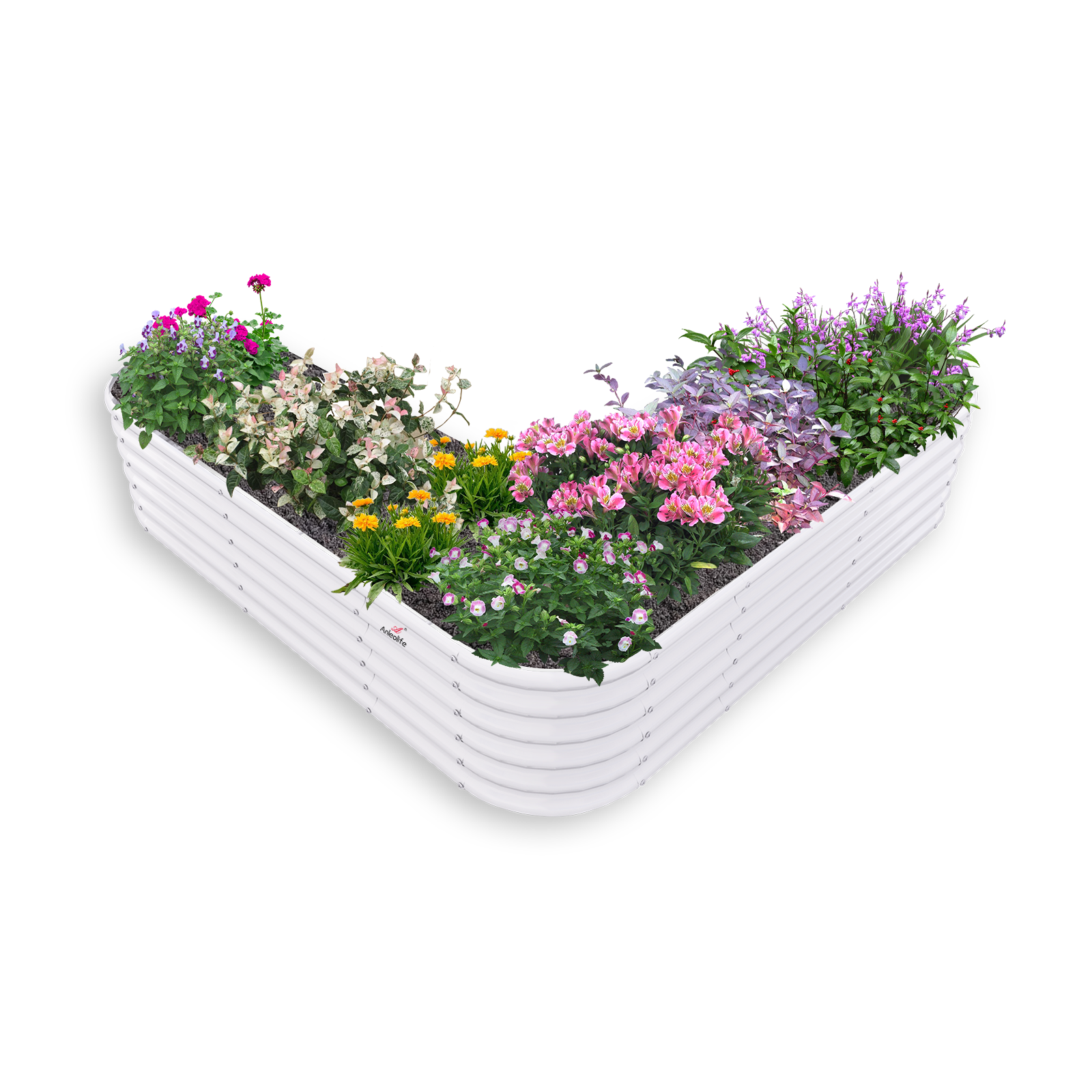
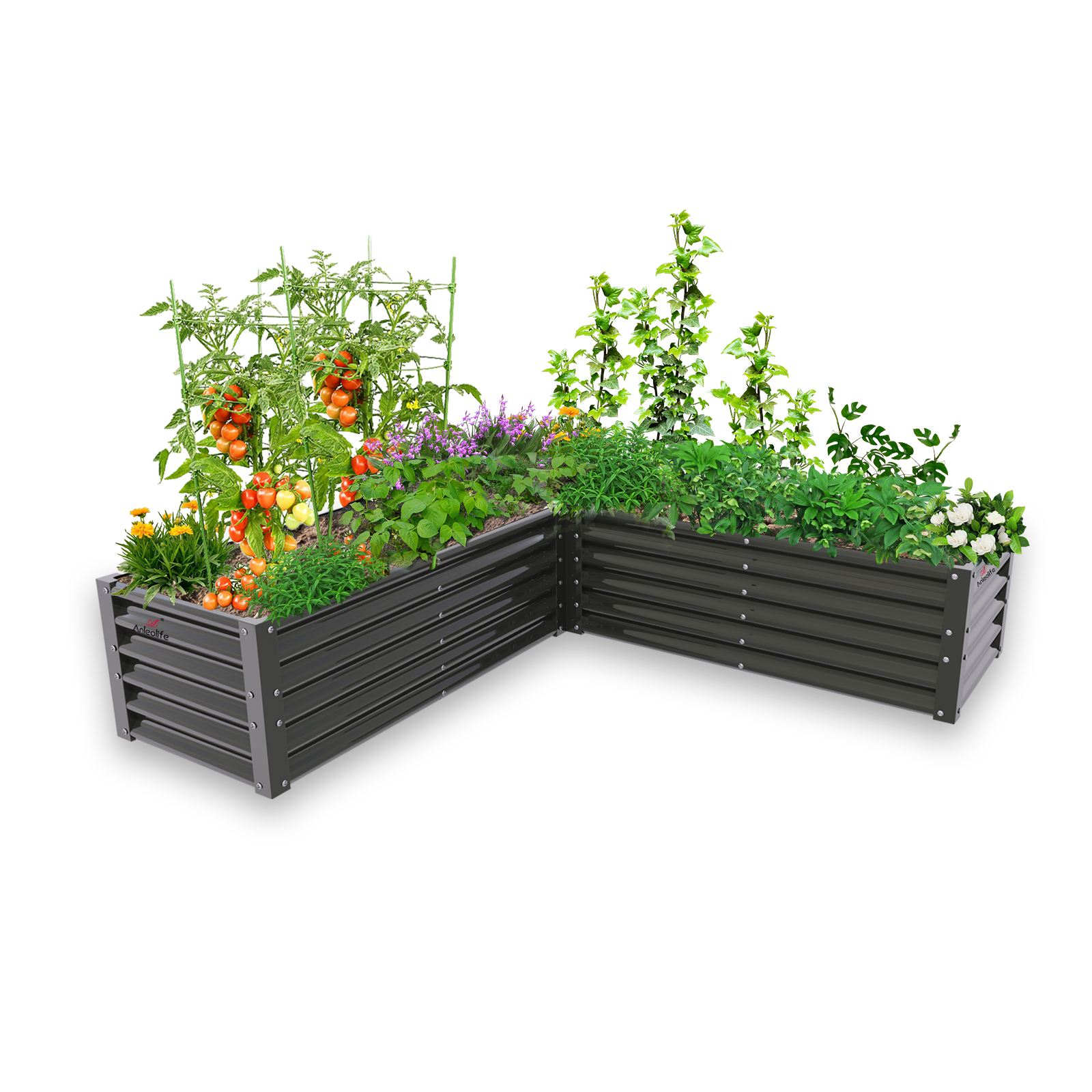
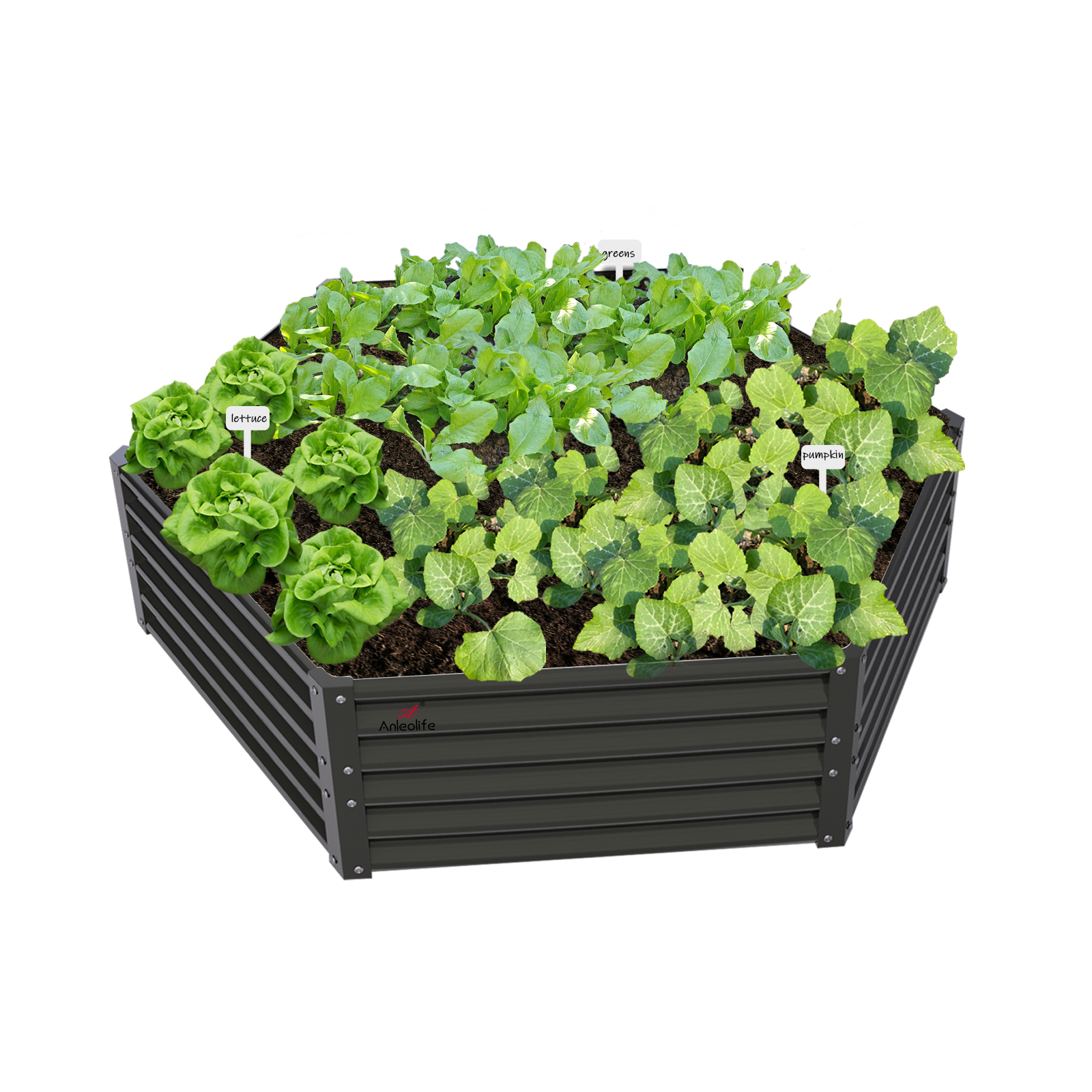
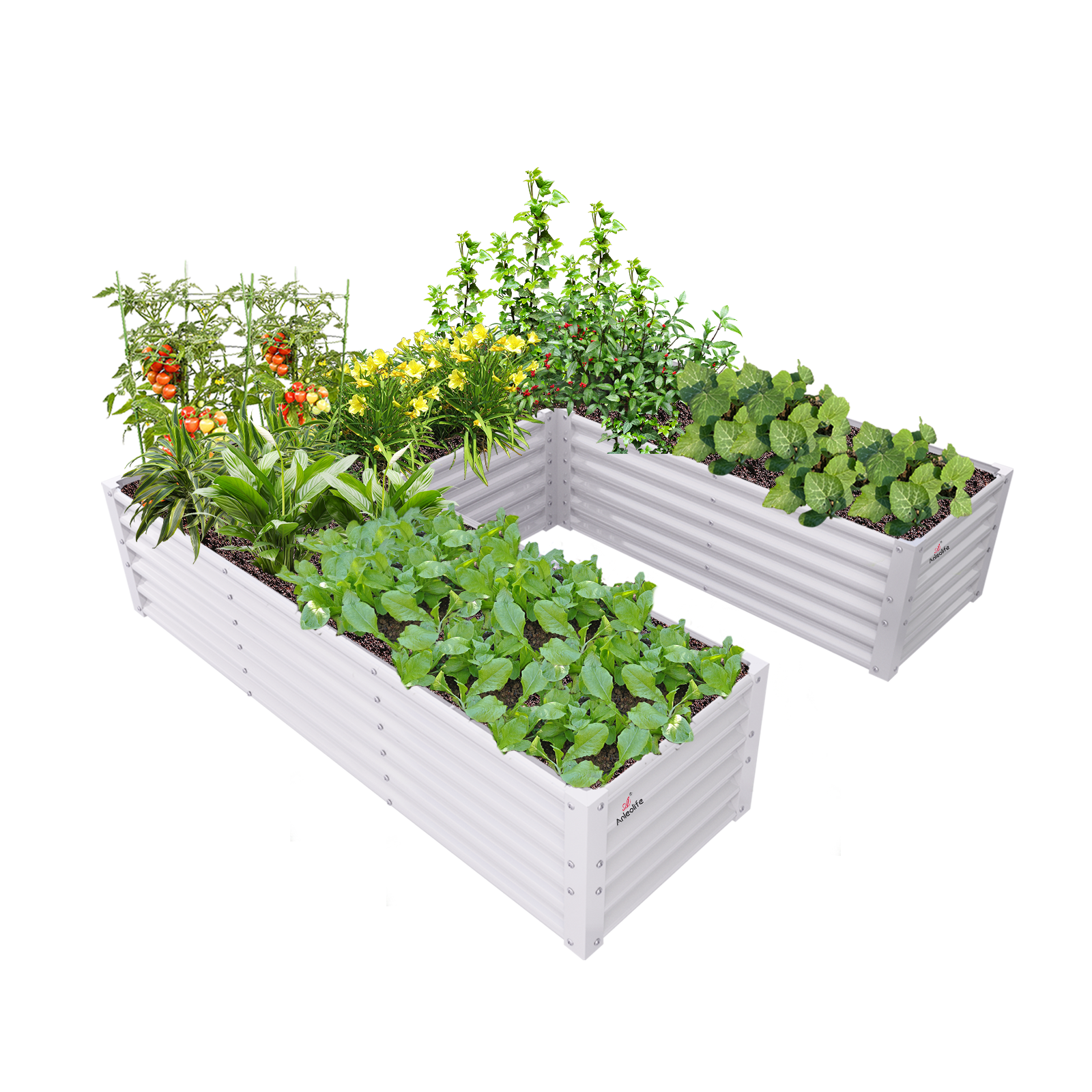

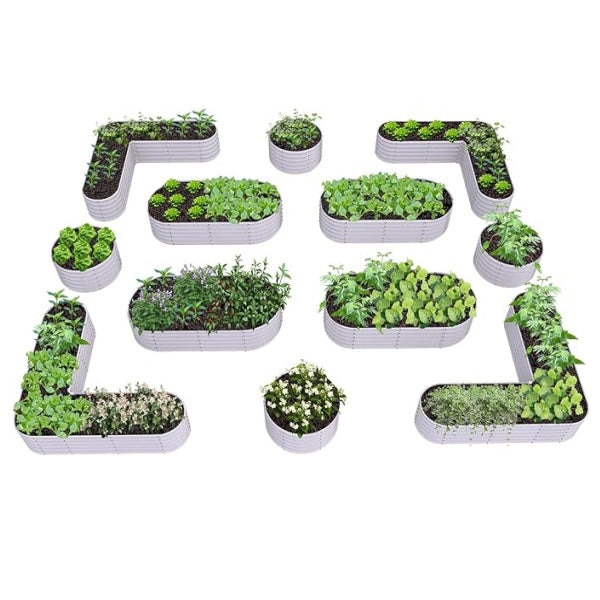


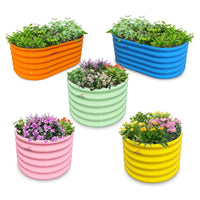
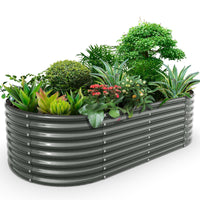



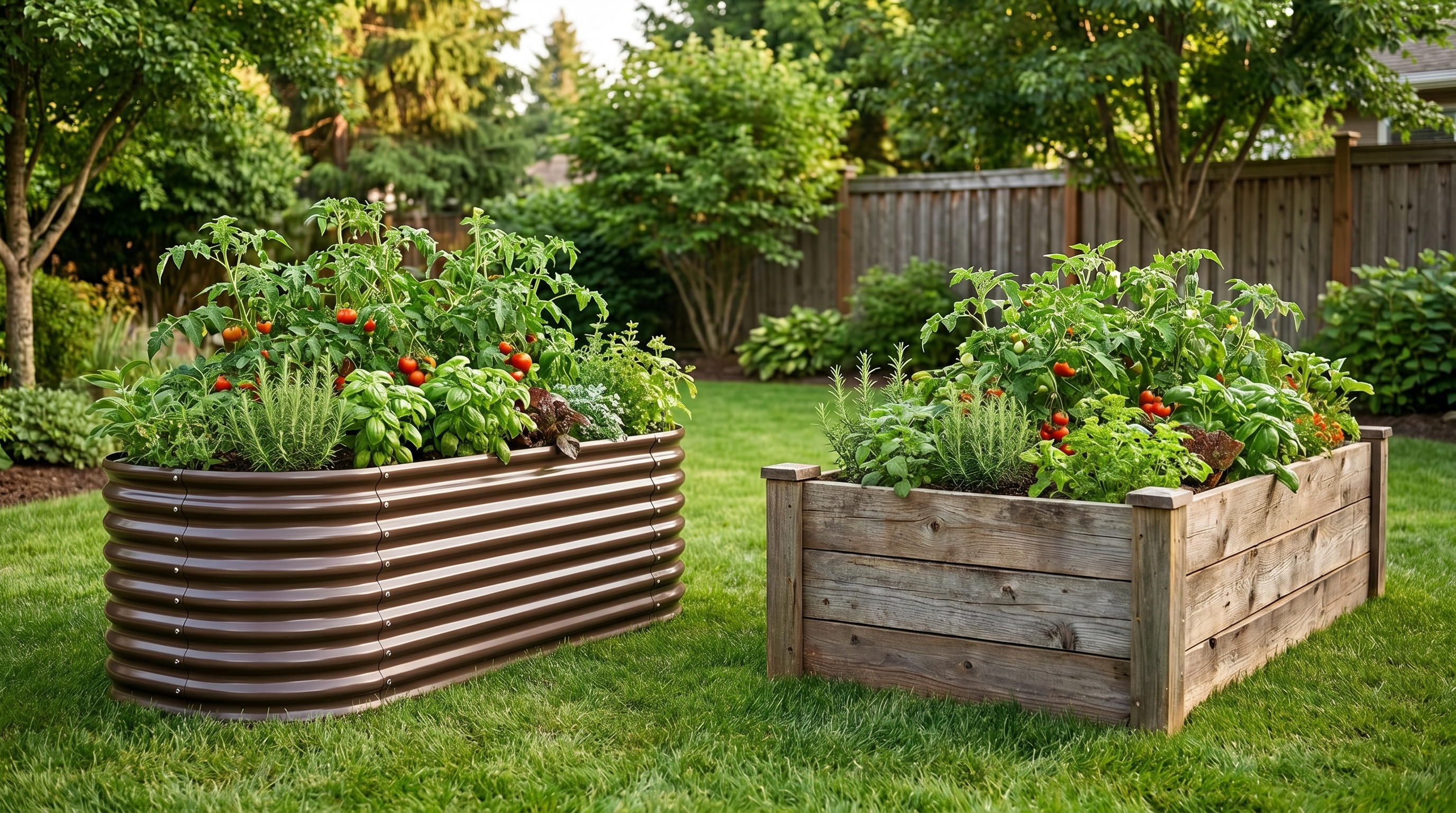
ALT: Galvanized steel vs. wood raised garden beds side-by-side comparison for backyard vegetable growing
Galvanized Steel vs. Wood Raised Garden Beds: Which Material Wins for Your Backyard Garden?
Key Conclusion: Choosing between galvanized steel and wood raised garden beds comes down to your priorities: durability, cost, aesthetics, and long-term maintenance. Galvanized steel raised garden beds offer exceptional longevity—up to 20 years—with minimal upkeep and superior pest resistance, making them an increasingly popular choice for serious home gardeners. Wood beds offer a classic look but typically require more frequent replacement and maintenance. Understanding the trade-offs of each material will help you build a more productive, beautiful, and sustainable backyard garden ecosystem.
Whether you're a first-time gardener carving out a patch of green in a compact suburban backyard or a seasoned home grower expanding your edible landscape, one foundational decision shapes everything else: what material should your raised garden bed be made from?
The debate between galvanized steel and wood raised garden beds has grown more nuanced in recent years as newer metal products have entered the market with improved coatings, modular designs, and longer warranties. At the same time, wood remains beloved for its natural warmth and DIY friendliness. Both materials have genuine strengths—and real limitations. This guide breaks down every critical factor so you can choose with confidence.
Who Should Read This Guide?
✅ Applicable Scenarios:
- Homeowners planning a long-term raised bed garden who want to maximize their investment over many growing seasons
- Urban micro-gardeners with limited space who need sleek, space-efficient bed designs that look great on patios or in small yards
- Eco-conscious and health-oriented growers concerned about chemical leaching, soil safety, and sustainable material choices
- Empty nesters and retirees looking for low-maintenance garden solutions that reduce bending and weeding effort
- Families wanting to grow organic vegetables, herbs, and fruits safely for their children
❌ Not Applicable/Cautions:
- Renters or temporary residents who need fully portable, ultra-lightweight setups that can be disassembled and moved without tools
- Gardeners in extreme saltwater coastal environments where even galvanized materials may face accelerated corrosion without proper protective measures
- Those with a strict budget looking only for the cheapest possible short-term solution, who may prefer untreated wooden planks as a starter option
Why the Raised Garden Bed Material Debate Matters More Than Ever
The raised bed gardening movement has exploded across North America. According to the National Gardening Association, vegetable gardening participation has surged significantly in recent years, with millions of households growing some portion of their own food at home. With this growth comes a flood of product options—and more consumer confusion about which materials are truly best.
Historically, wood—particularly cedar and redwood—dominated the raised bed market because of its natural availability, ease of cutting, and appealing aesthetic. A freshly built cedar raised bed looks beautifully organic in any garden setting. However, as wood prices have risen and quality lumber has become harder to source, many gardeners have started exploring galvanized steel raised garden beds as a premium alternative.
The shift is also driven by a deeper awareness of long-term costs. A wooden raised bed built from standard pine might last only three to five years before rotting, warping, or requiring replacement. A galvanized steel bed, by contrast, can serve your garden for up to 20 years—fundamentally changing the cost-per-season math for serious growers.
Beyond lifespan, today's gardeners are asking harder questions: Is the material safe for growing vegetables? Does it leach chemicals into the soil? How does it handle freeze-thaw cycles? Can I customize shapes and sizes as my garden evolves? These are exactly the questions we'll answer in the sections ahead.
How to Choose Your Raised Garden Bed Material: A Three-Step Decision Framework
Step 1: Assess Your Long-Term Gardening Goals
Before comparing materials side by side, spend five to ten minutes honestly evaluating your gardening timeline. Are you planning a one-season experiment, or are you building a garden system you want to enjoy for a decade or more? If your vision includes expanding your planting area year after year—adding beds, integrating companion planting zones, or even creating a full kitchen garden—you'll want a material that ages gracefully and can be added to modularly. This single question alone often resolves the steel-versus-wood debate for most serious home gardeners.
Step 2: Evaluate Your Site Conditions and Aesthetic Preferences
Walk through your backyard and note the conditions where your raised bed will live. Is the soil compacted clay that drains poorly? Is your yard shaded for portions of the day? Do you want a bed that blends into a naturalistic garden style, or do you prefer a clean, modern look? Consider how the material will weather in your local climate—wood in wetter climates like the Pacific Northwest degrades faster than wood in arid Arizona conditions, while galvanized steel performs consistently across most North American climate zones. Your aesthetic preferences matter too: both materials can look stunning with the right plant combinations and garden design choices.
Step 3: Calculate Total Cost of Ownership, Not Just Upfront Price
This is the step most beginner gardeners skip—and later regret. A lower upfront price on a pine raised bed might look appealing at checkout, but if that bed needs replacing in four years, you've paid twice (or three times) for the same growing space. Factor in the cost of replacement lumber, hardware, labor to rebuild, and fresh soil amendments each time you start over. When you calculate the true cost per growing season across ten or twenty years, galvanized steel often proves to be the more economical choice for committed gardeners.
Galvanized Steel vs. Wood Raised Garden Beds: Full Comparison
Before diving into detailed explanations of each factor, here's a comprehensive side-by-side look at how the two primary materials stack up across the dimensions that matter most to home gardeners.
| Comparison Dimension | Galvanized Steel | Cedar/Redwood | Standard Pine/Untreated Wood |
|---|---|---|---|
| Typical Lifespan | Up to 20 years | 10–15 years | 3–5 years |
| Maintenance Required | Very low | Moderate (periodic sealing) | High (frequent treatment or replacement) |
| Pest Resistance | Excellent (no rot, no termites) | Good (natural oils deter insects) | Poor (susceptible to rot and pests) |
| Soil Safety | Safe for vegetables | Safe (no treatments) | Varies (avoid pressure-treated wood) |
| Aesthetic Options | Modern, sleek, variety of heights | Natural, warm, traditional | Basic, natural |
| Weight & Portability | Heavier; more permanent | Moderate | Lightest |
| Customization/Modularity | High (modular systems available) | Limited | Limited |
| Freeze-Thaw Performance | Excellent | Good | Fair to poor |
| Cost Over 20 Years | Lower (one investment) | Moderate | Highest (multiple replacements) |
| Environmental Impact | Recyclable steel | Renewable if sourced sustainably | Varies widely |
Deep Dive: Every Factor That Separates Steel from Wood
Durability and Lifespan
Galvanized steel is coated with a layer of zinc that forms a protective barrier against rust and corrosion. High-quality galvanized steel raised garden beds are engineered to last up to 20 years under normal outdoor conditions—through wet springs, scorching summers, and hard freezes. This exceptional longevity is one of the most compelling arguments for choosing steel, especially for gardeners who want to invest once and garden for decades.
Wood, by contrast, is inherently subject to biological decay. Even premium cedar and redwood—the most rot-resistant lumber species commonly used for garden beds—typically last between ten and fifteen years with proper care. Standard pine or spruce boards may begin showing signs of rot, warping, and structural failure within three to five growing seasons, particularly in climates with significant rainfall or humidity.
The practical implication is significant: a galvanized steel bed you install this spring could still be producing vegetables when your children (or grandchildren) are helping in the garden.
Safety for Growing Edibles
One of the most common concerns among health-conscious gardeners is whether galvanized steel is safe for growing vegetables and herbs. The answer, supported by research from university extension programs, is yes—modern galvanized steel garden beds are considered safe for food production when made with quality materials.
The zinc coating on galvanized steel is food-safe and does not leach harmful chemicals into the soil at dangerous levels. In fact, small amounts of zinc that may enter the soil over time are actually a micronutrient beneficial to plants. The critical caution with metal beds is to avoid older galvanized materials made before modern standards, or any metal containers that previously held industrial chemicals.
With wood, the primary safety concern involves treated lumber. Pressure-treated wood (especially older versions containing arsenic-based preservatives) should never be used for food gardens. Modern pressure-treated lumber uses copper-based treatments that are considered safer, but many organic gardeners still prefer to avoid it. Untreated cedar and redwood are the gold standard for safe wooden garden beds.
Pest and Weed Control
Galvanized steel provides an impenetrable barrier against burrowing pests like gophers, voles, and moles when the bed is paired with a quality hardware cloth liner at the base. Steel walls also eliminate the habitat that termites, carpenter ants, and wood-boring beetles seek in wooden raised beds. For gardeners who've battled persistent ground pests, this alone can justify choosing steel.
Wood beds—even rot-resistant cedar—can eventually become home to wood-boring insects over time. Untreated pine is particularly vulnerable. That said, well-maintained wooden raised beds with clean soil practices can remain pest-free for many years in less problematic garden environments.
On the topic of best pest control methods for vegetable gardens: regardless of your bed material, combine physical barriers (hardware cloth base, copper tape for slugs), beneficial insect habitat, and crop rotation to create a naturally resilient growing system. A raised bed of either material is already a significant step up from in-ground growing in terms of weed suppression, since you control the soil that goes in.
Soil Performance and the Best Soil Mix for Raised Beds
Both galvanized steel and wood raised garden beds perform best when filled with a premium, well-structured growing medium. The best soil mix for container gardening plants and raised beds typically follows the classic "Mel's Mix" formula: one-third compost, one-third peat moss or coconut coir, and one-third coarse vermiculite or perlite. This blend delivers excellent drainage, aeration, and fertility that native garden soil often cannot match.
One note specific to metal beds: in very hot climates, the walls of a dark metal bed can absorb heat and slightly warm the soil, which can be advantageous for extending the growing season in spring and fall. In peak summer heat, this same effect requires thoughtful watering management to prevent root stress in heat-sensitive crops.
Liner Choices: What's the Best Liner for a Raised Garden Bed?
Whether you choose steel or wood, a quality liner serves multiple functions: it helps retain soil moisture, prevents root systems from pushing against the bed walls, and in the case of wooden beds, slows moisture transfer that leads to rot.
The best liner for a raised garden bed depends on your primary goal:
- Landscape fabric is ideal for weed suppression at the base while allowing drainage
- Hardware cloth (galvanized wire mesh) at the base is the best choice for gopher and vole protection
- Food-safe HDPE liner sheets help protect wooden sidewalls from moisture and soil contact, significantly extending the life of wooden beds
- For steel beds, a simple landscape fabric layer at the base and sides can help maintain soil moisture levels in dry climates
For most home gardeners, we recommend lining the bottom with hardware cloth for pest protection and adding landscape fabric along the interior sides of wooden beds to slow rot—regardless of which material you ultimately choose.
Modularity and Customization
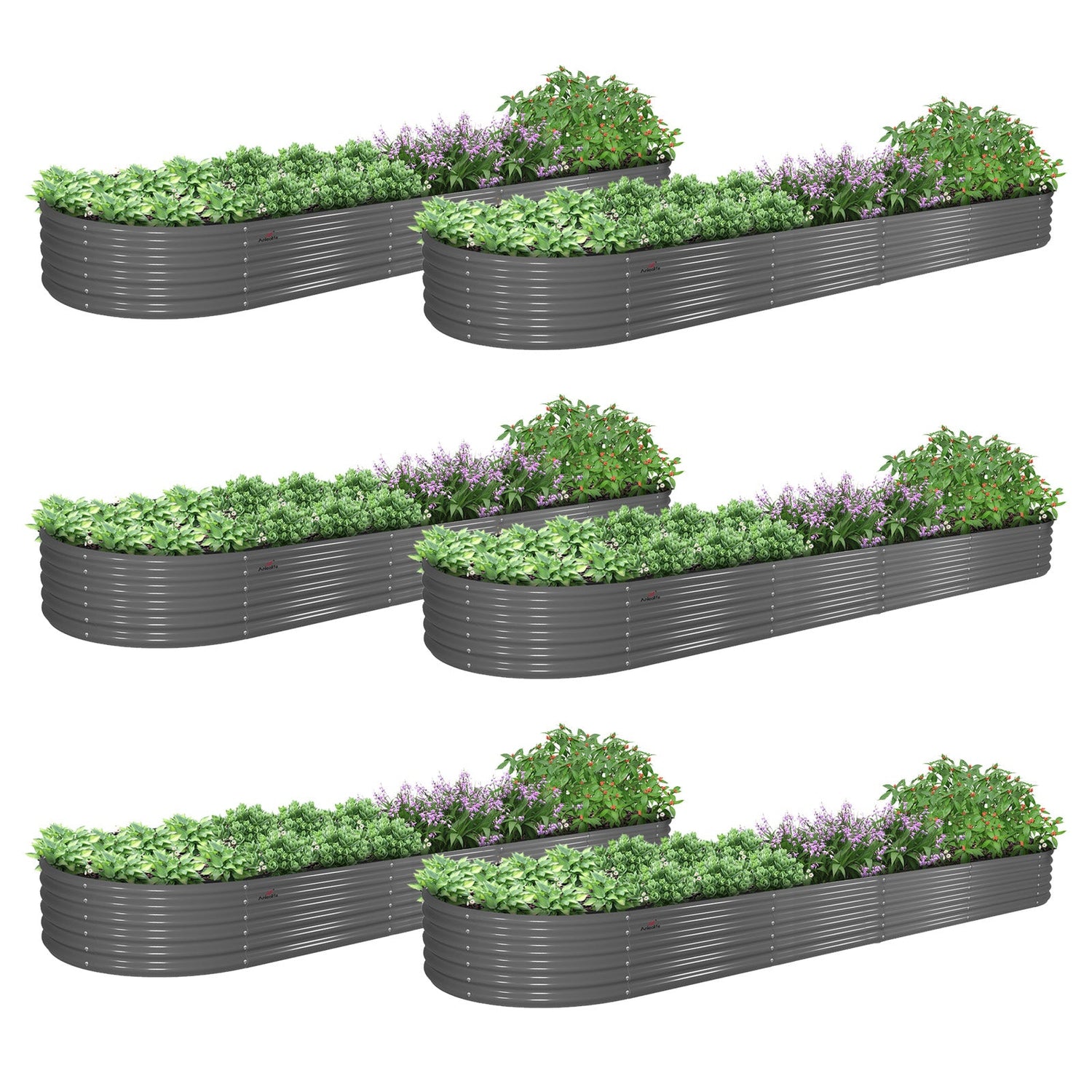
This is where galvanized steel raised garden beds truly shine for modern gardening enthusiasts. Many contemporary metal bed systems are designed with modular configurations, allowing you to build beds in a wide variety of shapes and sizes—and expand them as your garden grows.
A common question we hear from new customers is: "Can I customize shapes with Anleolife modular garden beds?" The answer is yes. Anleolife's modular raised garden bed line is designed for exactly this kind of flexible, expandable garden planning. Whether you're working with a narrow side yard that calls for a long rectangular configuration or a square courtyard patio layout that suits a compact 8x4 ft footprint, the modular system adapts to your space rather than forcing your design around fixed dimensions.
Wood beds can certainly be custom-built to any shape, but they require carpentry skills, power tools, and significant time investment. A modular steel system, by contrast, typically assembles with basic hand tools in under an hour.
Aesthetics and Garden Design
Let's be honest: aesthetics matter. Your garden should be a space you love spending time in, and the visual style of your raised beds contributes meaningfully to that experience.
Wood raised garden beds have a timeless, natural warmth that blends beautifully into traditional cottage gardens, woodland landscapes, and rustic backyard settings. Freshly milled cedar has a gorgeous grain and color that many gardeners find irreplaceable.
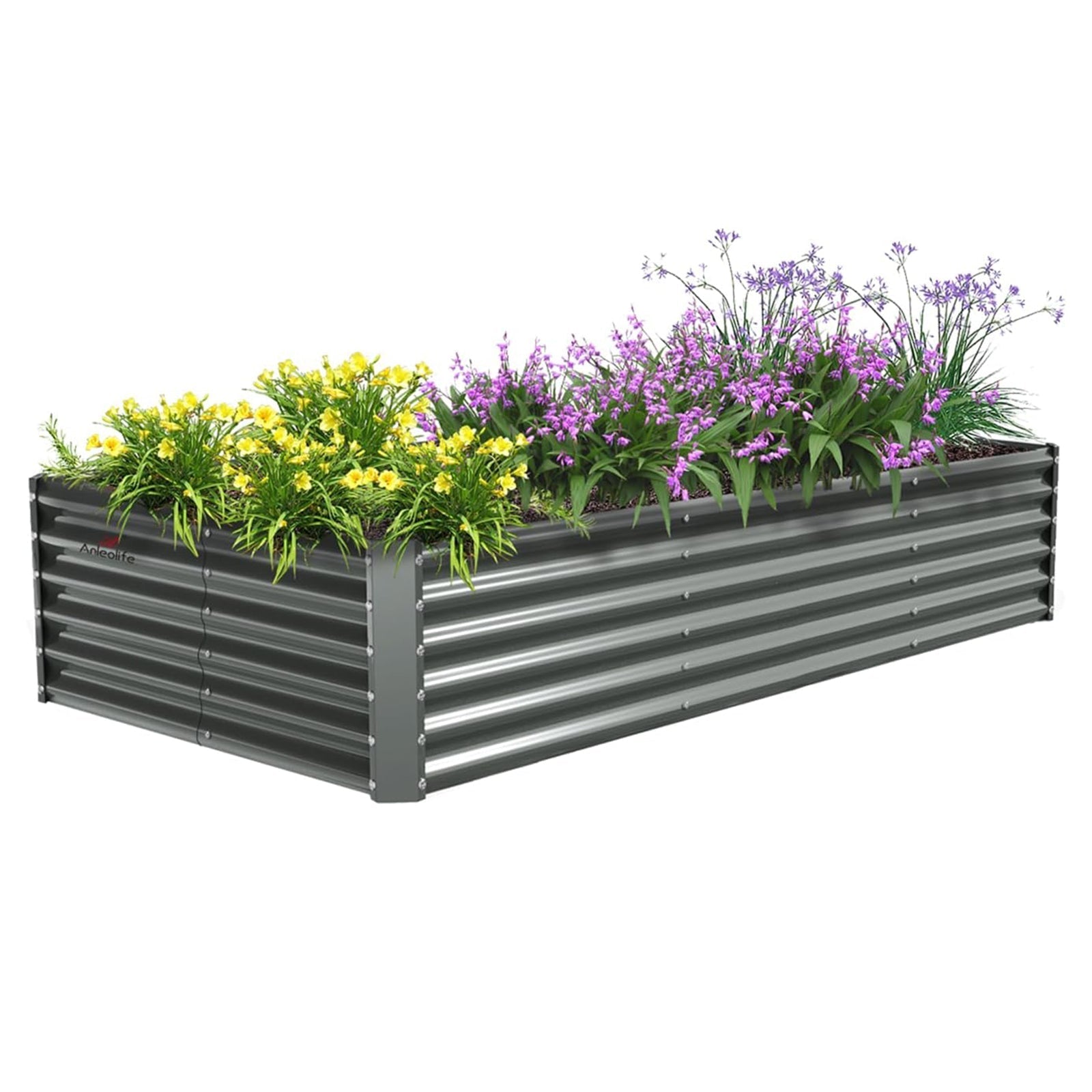
Galvanized steel raised garden beds bring a clean, contemporary look that suits modern and transitional outdoor spaces beautifully. The metallic finish works particularly well in urban gardens, minimalist backyard designs, and alongside hardscaping elements like concrete pavers or stone pathways.
The good news: both materials become more beautiful as they're surrounded by lush, productive plants. Cascading herbs, climbing tomatoes, and colorful flowers will soften any bed material's visual presence within a few weeks of active growth.
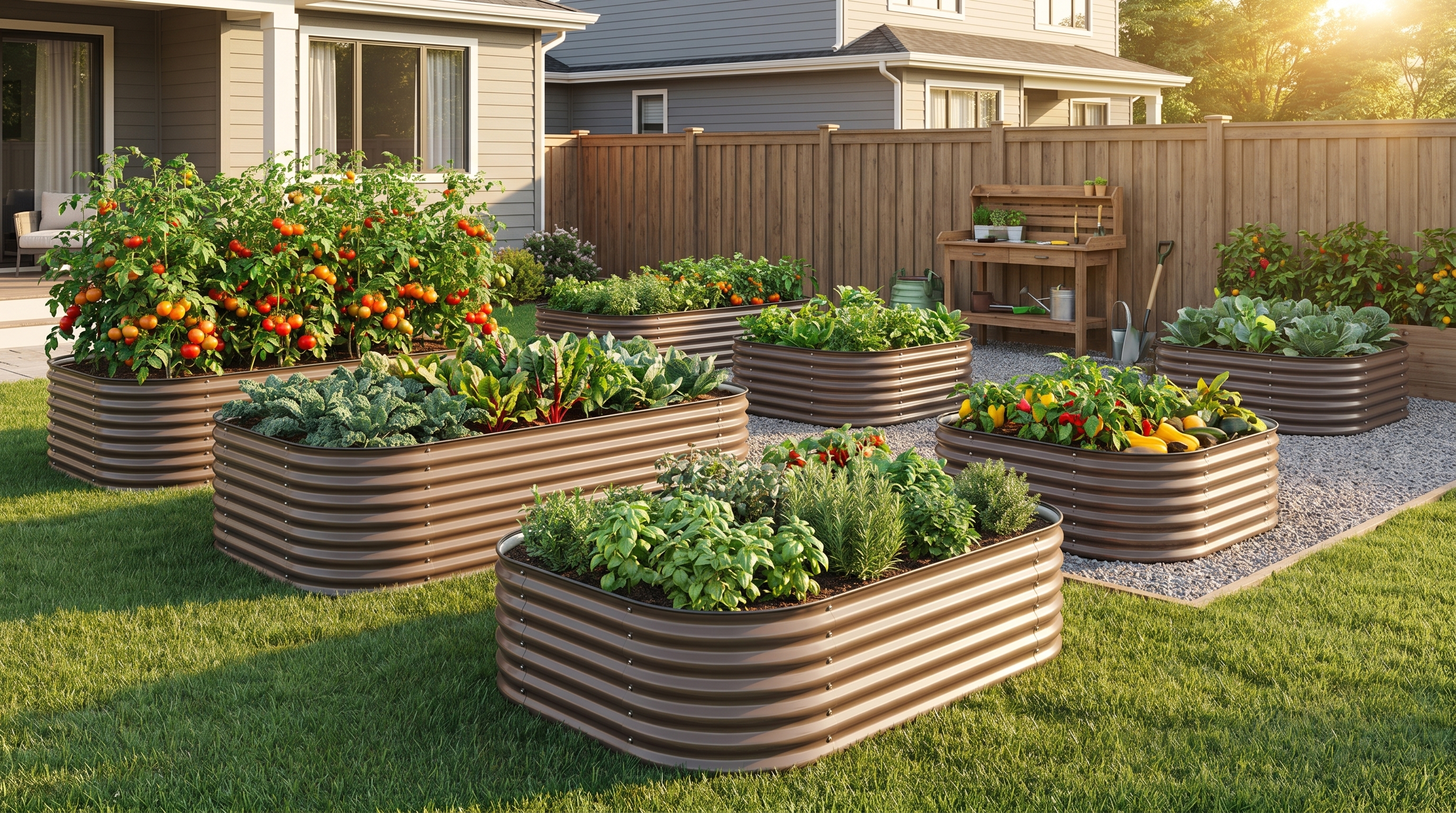
ALT: Productive vegetable garden growing in galvanized steel modular raised garden beds showing customizable layouts for backyard gardening
Advanced Considerations: Edge Cases, Misconceptions, and Complementary Strategies
Does Galvanized Steel Rust Over Time?
A persistent misconception is that any metal garden bed will eventually rust into an unusable state within a few seasons. In reality, quality galvanized steel uses a zinc coating process that creates a long-lasting protective barrier. Even if the surface develops minor weathering or a patina over years of outdoor exposure, this does not compromise structural integrity in the way that rust compromises untreated steel. High-quality galvanized beds are designed to maintain their structural integrity for up to 20 years.
Does Raised Bed Gardening Work in Small Spaces?
Absolutely—and this is where choosing the right bed dimensions becomes critical for urban micro-gardeners. Raised beds allow you to maximize growing density through intensive planting methods, turning even a small 4x4 ft bed into a surprisingly productive growing space for lettuce, herbs, radishes, and compact tomato varieties. For renters or apartment dwellers with access to a patio or rooftop, compact beds designed for patio use open up gardening possibilities that in-ground planting simply cannot.
Integrating Raised Beds with Your Broader Outdoor Living Space
Many gardeners overlook how raised beds can interact with other outdoor living elements. If you're considering best outdoor seating options for small patios, think about positioning your raised beds as natural dividers that create intimate seating alcoves—a raised bed along the perimeter of a patio can serve simultaneously as a planting space and an informal seating ledge, especially when the bed height is appropriate for sitting. Taller raised beds in the 24–30" height range are particularly valuable here, reducing bending strain for gardeners with back issues while doubling as casual outdoor seating dividers.
Frequently Asked Questions FAQ
Q1: How long do galvanized steel raised garden beds actually last compared to wood?
Quality galvanized steel raised garden beds are engineered to last up to 20 years under typical outdoor conditions, making them one of the longest-lasting raised bed materials available. Cedar and redwood beds typically offer 10–15 years with proper maintenance, while standard pine beds may need replacement in as few as 3–5 years. The significant lifespan advantage of galvanized steel makes it the most cost-effective choice per growing season for committed long-term gardeners, despite a potentially higher upfront investment.
Q2: Are galvanized steel raised garden beds safe for growing vegetables and edible plants?
Yes—modern galvanized steel raised garden beds are widely considered safe for vegetable and herb gardening. The zinc coating used in galvanization is food-safe and does not leach harmful compounds into the soil at dangerous concentrations. University extension programs and gardening researchers broadly support the use of galvanized steel for food production. The more important caution for edible gardens is avoiding older pressure-treated wood that may contain arsenic-based preservatives, which poses a genuine contamination risk for food crops.
Q3: How much does it cost to build a raised garden bed in wood versus buying a galvanized steel bed, and which is cheaper long-term?
Untreated pine lumber is typically the cheapest upfront option, while quality cedar costs more. Galvanized steel raised garden beds often carry a moderate to premium upfront price. However, when you calculate total cost over 20 years—accounting for wood's need for replacement every 3–15 years depending on species, plus the cost of fresh soil amendments, hardware, and labor each time—galvanized steel consistently delivers a lower total cost of ownership. For gardeners planning to grow for a decade or more, steel is almost always the smarter financial decision.
Summary
After weighing every dimension of the galvanized steel versus wood raised garden bed decision, three core conclusions emerge for most home gardeners:
1. Galvanized steel wins on longevity and low maintenance. A lifespan of up to 20 years with minimal upkeep means you invest your time growing plants, not rebuilding beds. For serious gardeners, this durability advantage is transformative.
2. Your material choice should reflect your long-term garden vision. If you're building a temporary starter bed to test the raised-bed concept, an inexpensive wooden planter may suffice. But if you're designing a garden space you'll cultivate and expand for years—adding beds, refining layouts, and deepening your soil ecosystem—galvanized steel's modularity and durability make it the foundational choice.
3. Both materials grow beautiful gardens when combined with quality soil, thoughtful design, and consistent care. The best raised garden bed is ultimately the one you commit to tending. Choose the material that removes barriers between you and regular time in the garden.
Your next step is simple: measure your available garden space, sketch out your ideal layout, and explore the modular configurations that fit your vision. Whether you're starting with a compact 4x4 ft bed or planning a multi-bed kitchen garden, the right foundation makes every growing season more rewarding.
Upgrade Your Garden with Anleolife
Anleolife's nationwide U.S. warehouse network—strategically located in California, Texas, Florida, New York, Illinois, and Washington—ensures delivery within 3–8 business days, so your garden upgrade plans never have to wait for the planting season.
Our products are available across major e-commerce platforms including Amazon, Walmart, Home Depot, Lowe's, and Wayfair, as well as directly through Anleolife.com, providing consistent quality assurance and responsive after-sales service no matter where you shop.
Anleolife's three core garden scenarios cover everything you need: Planting (galvanized steel raised garden beds, soil systems), Raising (chicken coops, rabbit hutches), and Beautification (decorative accessories, pathway systems)—meeting your complete needs from functionality to lasting aesthetics.
We understand that an ideal garden is not built overnight, but gradually improved over time. Anleolife's modular raised garden bed design allows flexible expansion based on your needs—from your first raised bed to a fully integrated planting-and-raising ecosystem. We grow with you every step of the way.
References
- National Gardening Association. "Edible Gardening in America: Market Research Summary".
https://garden.org - University of California Agriculture and Natural Resources. "Raised Bed Gardening".
https://ucanr.edu/sites/MarinMG/files/280591.pdf - U.S. Environmental Protection Agency (EPA). "Reusing Potentially Contaminated Landscapes: Growing Gardens in Urban Soils".
https://www.epa.gov/brownfields/urban-gardens - Penn State Extension. "Building a Raised Bed Garden".
https://extension.psu.edu/building-a-raised-bed-garden - Clemson Cooperative Extension. "Raised Bed Gardening".
https://hgic.clemson.edu/factsheet/raised-bed-gardening/
Note: Research standards and product guidelines may be updated. Please consult the latest official resources or a qualified gardening advisor for your specific situation.
About Anleolife
Anleolife is a leading outdoor garden solutions provider in North America, dedicated to offering a full-scenario product ecosystem for home gardening enthusiasts, covering planting, raising, and garden beautification. Since its founding, we have upheld our brand mission, "Made for Garden Life," continuously innovating products and optimizing services to help hundreds of thousands of users upgrade their gardens, reconnect with nature, and enjoy a better garden lifestyle.