



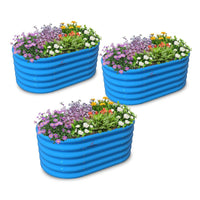
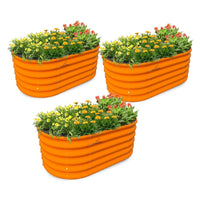
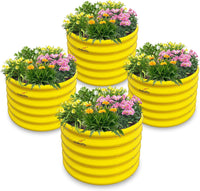
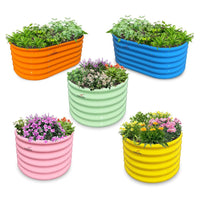



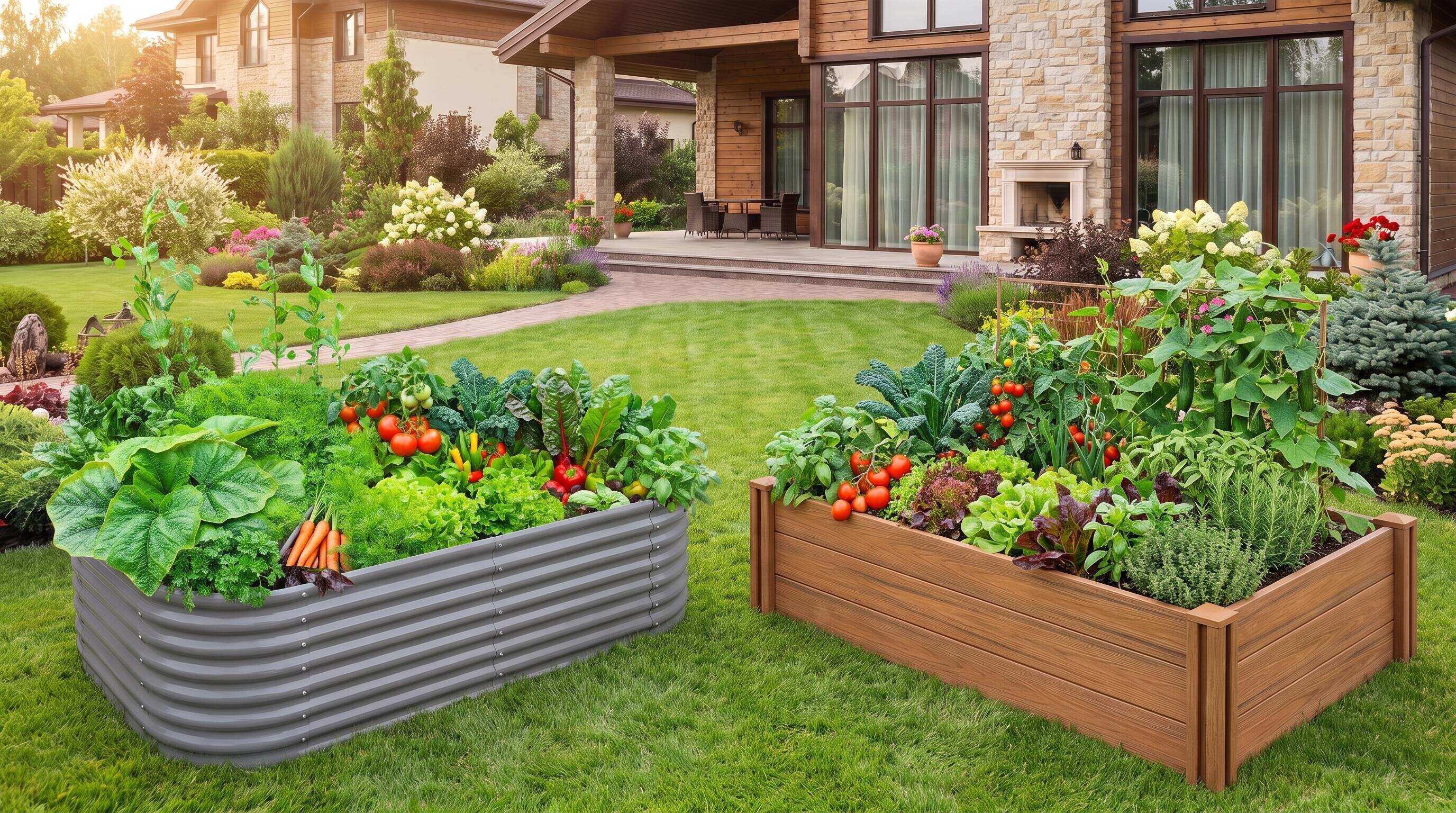
ALT: Galvanized steel raised garden bed versus wood raised bed comparison for long-lasting raised bed garden layout
Galvanized Steel vs. Wood Raised Beds: Which Material Wins the Decade-Long Durability Test?
The single question most gardeners ask before committing to a raised bed is simple: which material will still be holding soil — and looking good — ten years from now? The direct answer is this: galvanized steel consistently outlasts untreated or even treated wood across a full decade of outdoor use, and the gap only widens as the years accumulate. That said, "best" depends on more than longevity alone — cost of entry, soil system compatibility, aesthetics, and environmental impact all shape the right choice for your specific raised bed garden layout.
This comparison weighs galvanized steel against wood across six evidence-based criteria so you can make a confident, cost-effective decision — whether you're planning a compact urban micro-garden, a sprawling family planting layout, or a retirement-ready setup that demands minimal upkeep.
The Criteria That Matter Most for a Raised Bed Garden Layout
Choosing the right raised bed material is ultimately a value-for-money decision. A bed that costs less upfront but needs replacement every three to five years is rarely the bargain it appears to be. We evaluate both materials on the following six dimensions, each chosen because it directly affects your long-term investment and gardening experience.
Structural lifespan measures how long the bed holds its shape and integrity without warping, rotting, or corroding under real-world weather conditions. This is the headline criterion for anyone planning a raised bed garden layout designed to outlast short seasonal trends.
Upfront and lifetime cost captures both the initial purchase price and the total cost of ownership over a decade, including replacement, repair, and treatment expenses. A material that looks cheap at the register can prove expensive over time.
Soil system compatibility reflects how well the material walls interact with the moisture-rich environment inside a raised bed. Rot, chemical leaching, and soil compression all trace back to material choice.
Environmental footprint matters increasingly to eco-conscious home growers who want their garden to align with broader sustainability values, not contradict them.
Aesthetic flexibility and customization speaks to how easily each material fits into a backyard's visual design — a priority for middle-class homeowners and empty nesters who invest in curb appeal alongside crop yield.
Ease of installation and maintenance affects how much time you spend maintaining the bed structure versus actually gardening. Lower-maintenance materials free you to focus on planting, harvesting, and enjoying your outdoor space.
The Contenders: Galvanized Steel and Wood Raised Beds
Galvanized Steel Raised Garden Beds
Galvanized steel raised garden beds are metal planting enclosures constructed from zinc-coated steel panels engineered to resist corrosion and structural degradation in outdoor environments. The zinc coating creates a sacrificial barrier — if the surface is scratched or nicked, the surrounding zinc migrates to protect the exposed steel, dramatically extending the bed's usable life.
In our work helping home gardeners build durable raised bed planting layouts across North America, galvanized steel is consistently the material that generates the least maintenance-related friction over time. Beds arrive pre-formed, require minimal tool use to assemble, and maintain their dimensional stability whether planted in a dry California climate or a humid Florida yard.
Anleolife's galvanized steel raised garden beds are purpose-built for this demanding multi-season, multi-climate reality. The lineup spans a wide range of footprints and heights — from modest 4x4 ft configurations ideal for urban micro-gardeners, to expansive 12x3 ft and 10x3 ft layouts suited for serious food growers, to extra-tall 30-inch and 35-inch waist-high options that eliminate the need to kneel entirely. This depth and size variety makes it straightforward to design a raised bed garden layout that scales with your ambition without requiring a complete infrastructure overhaul.
A key specification worth anchoring to: Anleolife galvanized steel raised garden beds are built to last up to 20 years — a figure that transforms the per-year cost calculation dramatically compared to wood alternatives that typically require replacement within a fraction of that window.
Wood Raised Garden Beds
Wood raised garden beds are planting enclosures constructed from dimensional lumber — most commonly cedar, redwood, pine, or pressure-treated varieties. Wood has been the traditional material of choice in North American home gardening for generations, and its appeal is genuine: natural appearance, ease of sourcing, and immediate availability at most home improvement stores.
Cedar and redwood carry natural oils that resist rot, making them the preferred choices among wood advocates. Untreated pine, by contrast, can begin deteriorating within two to four years when in sustained contact with moist soil. Even premium cedar, which performs admirably in the early years of a raised bed planting layout, shows measurable degradation — softening, warping, and cracking — within a decade of continuous outdoor use, particularly in climates with significant rainfall or temperature swings.
Pressure-treated lumber extends wood's life but introduces a different concern: older formulations used arsenic-based preservatives, and while modern alternatives are considered safer, some eco-conscious gardeners remain cautious about chemical migration into the soil system where edible crops grow. This is an ongoing discussion in the gardening community, and growers should consult current guidance from their local cooperative extension service when making this decision.
Head-to-Head Comparison: Galvanized Steel vs. Wood Across Six Criteria
| Criterion | Galvanized Steel | Untreated/Cedar Wood | Pressure-Treated Wood |
|---|---|---|---|
| Structural Lifespan | Up to 20 years | 5–10 years (cedar); 2–4 years (pine) | 10–15 years (varies by treatment) |
| Upfront Cost | Moderate to higher | Low to moderate | Low to moderate |
| Lifetime Cost (10-yr view) | Low — no replacement needed | High — likely 1–2 replacements | Moderate — possible 1 replacement |
| Soil System Compatibility | Excellent — no leaching, no rot | Good (cedar/redwood); poor (pine) | Conditional — chemical migration concern |
| Environmental Footprint | Recyclable steel; long service life reduces waste | Renewable resource; short lifespan increases waste | Mixed — treatment chemicals add complexity |
| Aesthetic Flexibility | Sleek, modern; multiple sizes and configurations | Warm, natural; limited customization at scale | Similar to untreated wood; utilitarian appearance |
| Ease of Installation | Panel-and-bolt assembly; stable and level | Requires cutting, screwing, and squaring | Same as untreated wood |
| Maintenance Required | Minimal — inspect annually | Moderate — seal or oil periodically | Moderate — inspect for degradation |
Interpreting the key differences requires looking past the sticker price. Wood's lower upfront cost is its most persuasive argument, and it's a real one — particularly for gardeners who are experimenting with raised bed gardening for the first time and aren't yet sure how committed they'll be. But this advantage erodes quickly when you factor in the cost of replacement lumber, the labor of rebuilding, and the interruption to an established planting layout that replacement creates.
Galvanized steel's 20-year lifespan fundamentally changes the value equation. When you amortize the cost of a quality steel bed across two decades, the per-year investment is typically lower than the cumulative cost of multiple wood replacements — and that calculation doesn't even account for the soil disturbance and replanting disruption that accompanies structural failure.
The soil system compatibility difference is also more consequential than it appears on the surface. A raised bed's internal environment is persistently moist by design. Wood walls that are in constant contact with that moisture begin to degrade from the inside out, often before visible exterior wear signals a problem. Steel walls don't rot. They don't soften. They hold their geometry and their seal with the soil system indefinitely, which means your carefully built soil composition — your layered compost, your amended growing medium — stays exactly where you put it.
One area where wood genuinely holds an advantage is warmth of appearance. Many gardeners, especially those integrating beds into a manicured backyard or cottage-style landscape, appreciate wood's organic texture. The good news is that modern galvanized steel beds have largely closed this aesthetic gap: the natural zinc finish reads as clean and contemporary, and the wide range of configurations Anleolife offers — from compact round beds to modular layouts that can be rearranged as your needs change — allows for a raised bed garden layout that is visually intentional rather than purely utilitarian.
Which Should You Choose? Scenario Recommendations for Your Raised Bed Layout
The best material for your raised bed planting layout depends on your specific situation, timeline, and priorities. Here's how we'd frame the decision for different types of gardeners.
If you are building a permanent kitchen garden or food production setup, galvanized steel is the clear long-term choice. A well-designed raised bed planting layout that is meant to anchor your gardening practice for years — growing vegetables, herbs, or fruit crops season after season — deserves a structure that won't need rebuilding midway through. The 20-year lifespan of Anleolife's galvanized steel beds means the infrastructure you establish today is the infrastructure you'll be gardening with a decade from now.
If you are an empty nester or retiree looking for low-maintenance gardening, galvanized steel's minimal upkeep requirement is an outsized advantage. Waist-high models (such as the 35-inch tall options in Anleolife's lineup) eliminate the need to crouch or kneel, and the structural integrity means you're not spending weekends reinforcing or replacing beds when you'd rather be planting. Pairing these with a thoughtful raised bed garden layout that groups crops by harvest schedule can make the entire experience genuinely effortless.
If you are an urban micro-gardener with a small footprint, the modular galvanized steel options are purpose-suited to your situation. Beds that can be configured, reconfigured, and expanded without replacing the entire structure give you flexibility as your space and ambitions evolve. A 4x4 ft or 6x2 ft modular bed can anchor a balcony or narrow side yard layout without overwhelming the space visually.
If you are a first-time gardener testing the waters, a cedar or quality wood bed at a lower entry price is a defensible starting point — with the caveat that you should plan your soil system and planting layout as if you'll be upgrading to steel within five years, because most committed gardeners do. Building your initial raised bed garden layout with future steel expansion in mind (consistent row spacing, bed orientation, pathway placement) makes the eventual transition seamless.
If eco-consciousness is your primary driver, galvanized steel's recyclability and 20-year service life actually give it a stronger environmental argument than wood's "natural" framing suggests. A material that generates no replacement waste, requires no chemical retreatment, and is fully recyclable at end of life compares favorably to wood that must be replaced multiple times and may involve treatment chemicals.
Pros and cons summary:
- Galvanized steel: exceptional lifespan, low maintenance, soil-safe, recyclable, strong value over time; higher upfront cost than basic wood options.
- Cedar/redwood wood: warm natural aesthetic, low entry price, renewable material; shorter lifespan, requires maintenance, higher lifetime cost through replacements.
- Pressure-treated wood: improved lifespan over untreated wood; chemical migration concerns for edible gardens, mixed environmental profile.
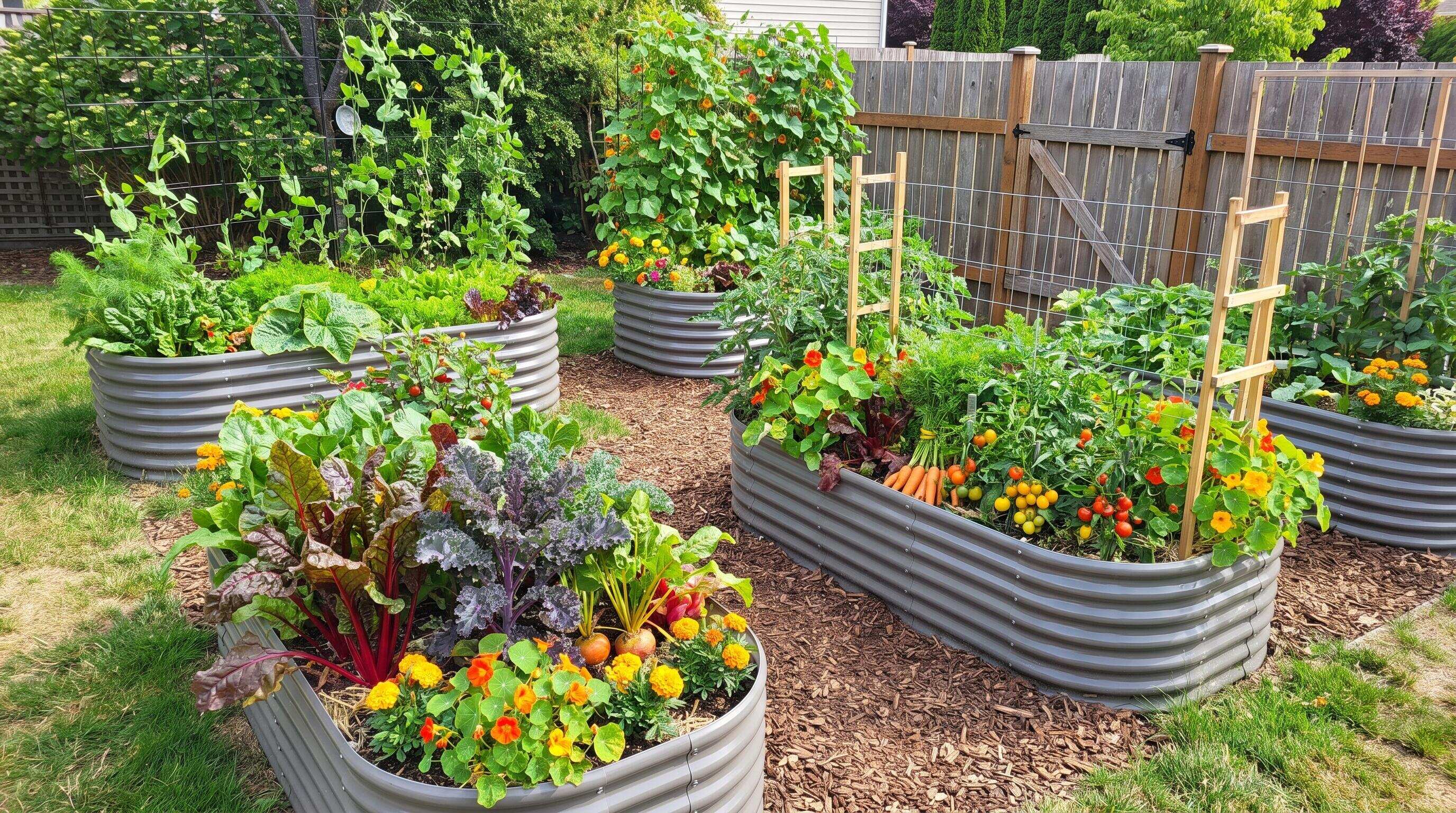
ALT: Galvanized steel raised garden beds arranged in a productive raised bed planting layout in a residential backyard garden
Frequently Asked Questions FAQ
Q1: How long does a galvanized steel raised garden bed actually last compared to wood?
Galvanized steel raised garden beds — specifically Anleolife's product line — are built to last up to 20 years under normal outdoor conditions. By comparison, cedar or redwood wood beds typically last between 5 and 10 years before significant structural degradation, while untreated pine may need replacement in as few as 2 to 4 years. The zinc coating on galvanized steel provides ongoing corrosion protection even when the surface sustains minor abrasions, making it the clear leader in structural longevity for a permanent raised bed garden layout.
Q2: Is galvanized steel safe for growing edible vegetables in a raised bed planting layout?
Galvanized steel is widely considered safe for vegetable gardening. The zinc coating that gives galvanized steel its corrosion resistance is the same mineral found naturally in soil and required by plants in trace amounts. Major gardening authorities and cooperative extension programs across the United States have not identified galvanized steel as a food safety concern in raised bed applications. For gardeners who remain cautious, lining the interior walls with a food-safe barrier adds an additional layer of separation between the steel and the soil system without affecting drainage or root growth.
Q3: What is the cost difference over ten years between galvanized steel and wood raised beds?
Galvanized steel beds typically have a higher upfront cost than basic wood options, but the ten-year total cost of ownership often favors steel substantially. A cedar bed may need one or two full replacements within a decade, multiplying the initial cost by two to three times and adding labor. A galvanized steel bed purchased today requires no replacement within that window and minimal maintenance investment. When you divide the cost of a 20-year steel bed across its full lifespan, the per-year value is consistently competitive with — and often lower than — the cumulative cost of wood over the same period.
Key Takeaways
- Galvanized steel lasts dramatically longer than wood. Anleolife galvanized steel raised garden beds are built to deliver up to 20 years of service life — roughly two to four times longer than cedar or redwood wood, and far longer than untreated alternatives.
- Lifetime cost favors steel. Despite higher upfront pricing, galvanized steel's 20-year lifespan eliminates the replacement cycles that make wood more expensive over a full decade of raised bed gardening.
- Soil system integrity is better protected by steel. Metal walls don't rot, warp, or leach compounds into your carefully built soil system, keeping your growing environment stable and predictable season after season.
- Size and configuration flexibility make steel the better choice for scaling. Anleolife's range of galvanized steel beds — from compact urban footprints to expansive 12x3 ft and 10x3 ft layouts and waist-high 35-inch options — means your raised bed garden layout can grow with your ambitions without starting from scratch.
- Wood is a viable entry point, not an endpoint. For first-time gardeners, a quality wood bed offers an accessible starting experience — but most committed growers migrate toward galvanized steel once they've experienced the maintenance demands and replacement cycles wood requires.
Ready to build a raised bed garden layout that lasts? The right time to invest in long-term infrastructure is before you've spent another season patching aging wood boards. Explore Anleolife's full galvanized steel raised bed lineup to find the configuration that fits your space, your planting goals, and your budget.
Anleolife ships from a nationwide U.S. warehouse network — strategically located in California, Texas, Florida, New York, Illinois, and Washington — ensuring delivery within 3–8 business days so your garden upgrade plans never have to wait. Products are available on Amazon, Walmart, Home Depot, Lowe's, Wayfair, and directly through the Anleolife website, with consistent quality assurance and after-sales service across every channel. Whether you're starting with a single 8x4 ft bed or building out a full planting-and-raising ecosystem, Anleolife's modular product design grows with you — every step of the way.
Sources & Further Reading
- How to Create a Raised Bed Garden Plan. "How to Create a Raised Bed Garden Plan".
https://scottsmiraclegro.com/en-us/learn/gardening/what-to-plant-in-a-raised-bed.html - What's the Best Raised Bed Layout for Your Space?. "What's the Best Raised Bed Layout for Your Space?".
https://www.gardenary.com/blog/whats-the-best-raised-bed-layout-for-your-space
Note: Standards and guidelines may be updated; please check the latest official documents or consult professional advisors for the most current recommendations.
- www.anleolife.com.
the Anleolife website