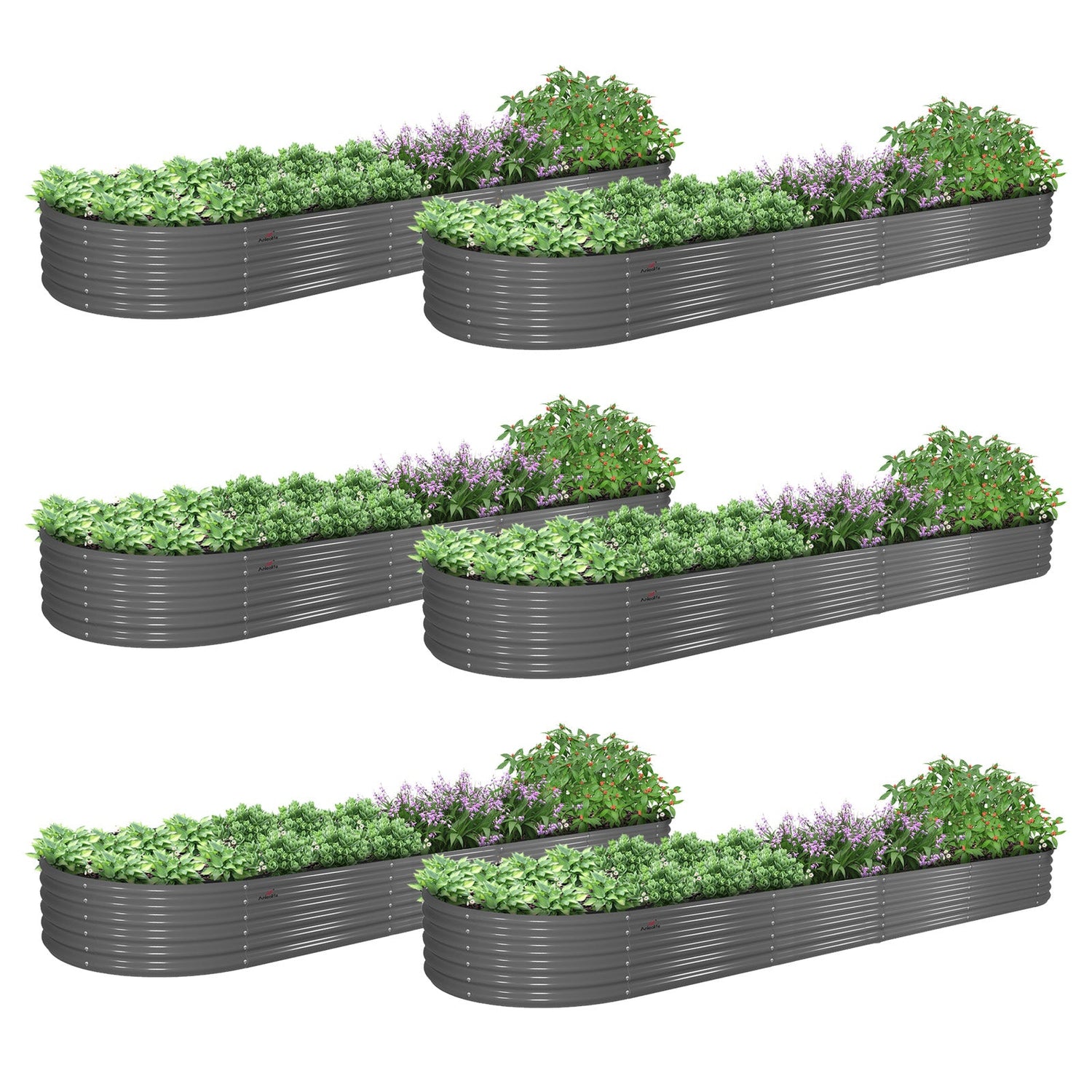



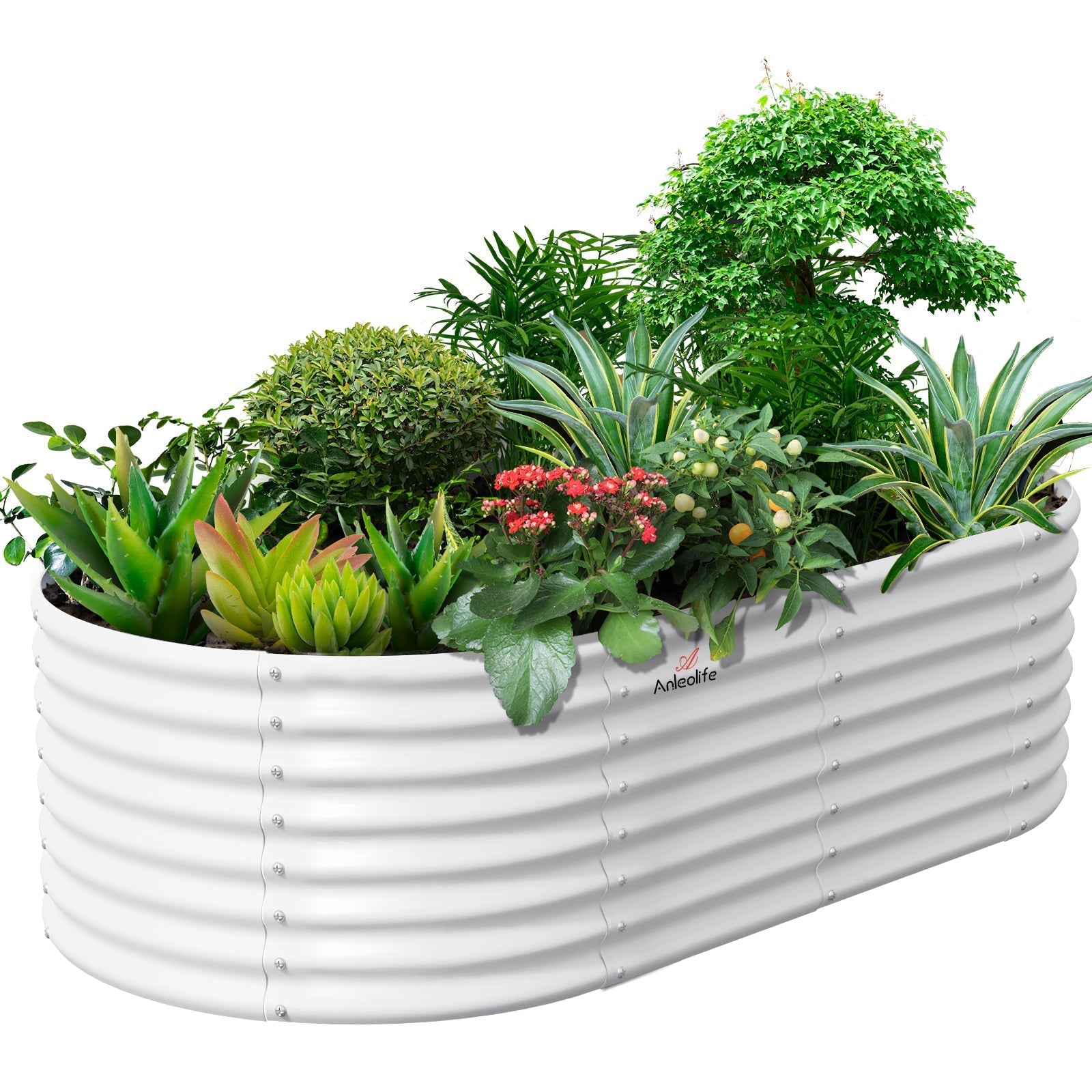
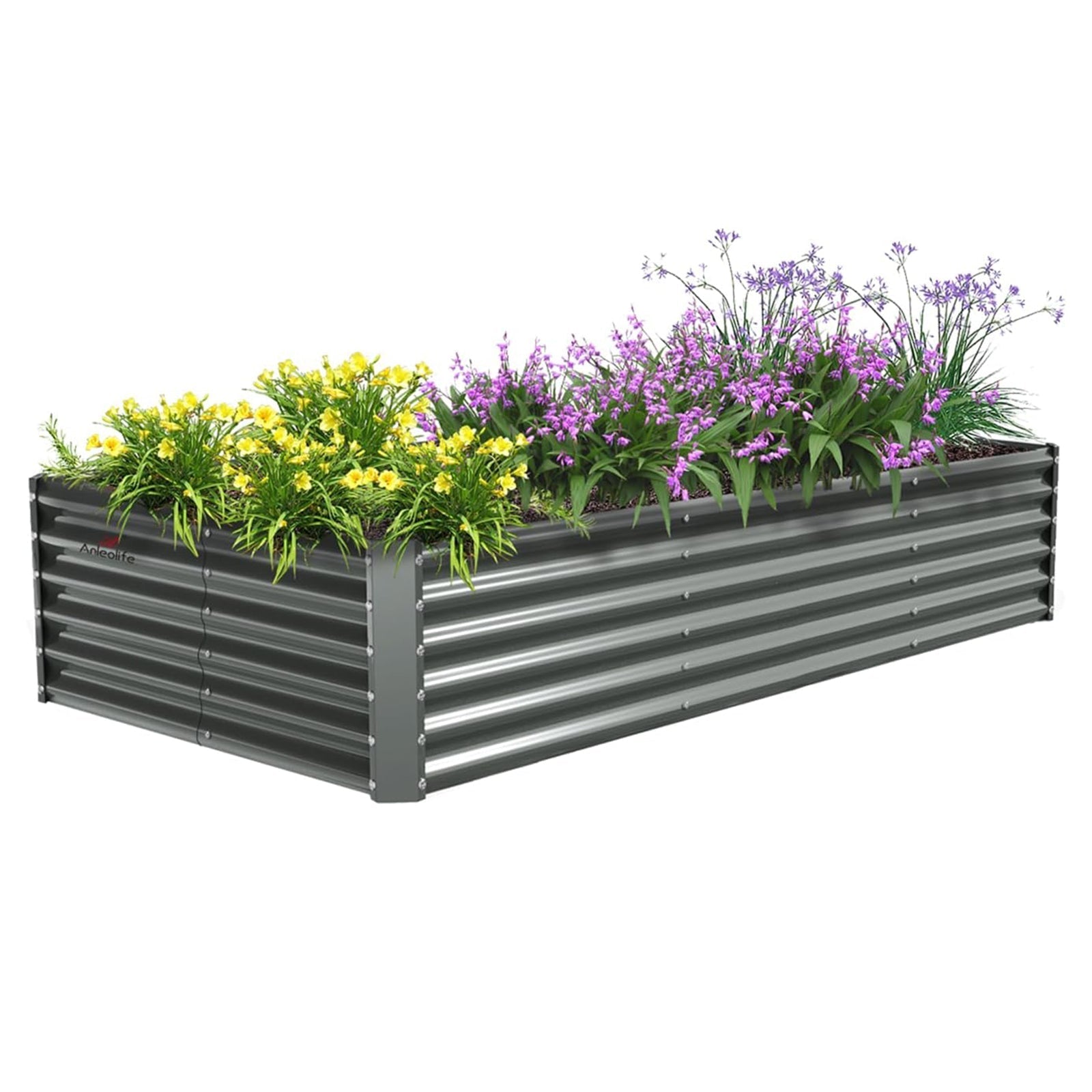

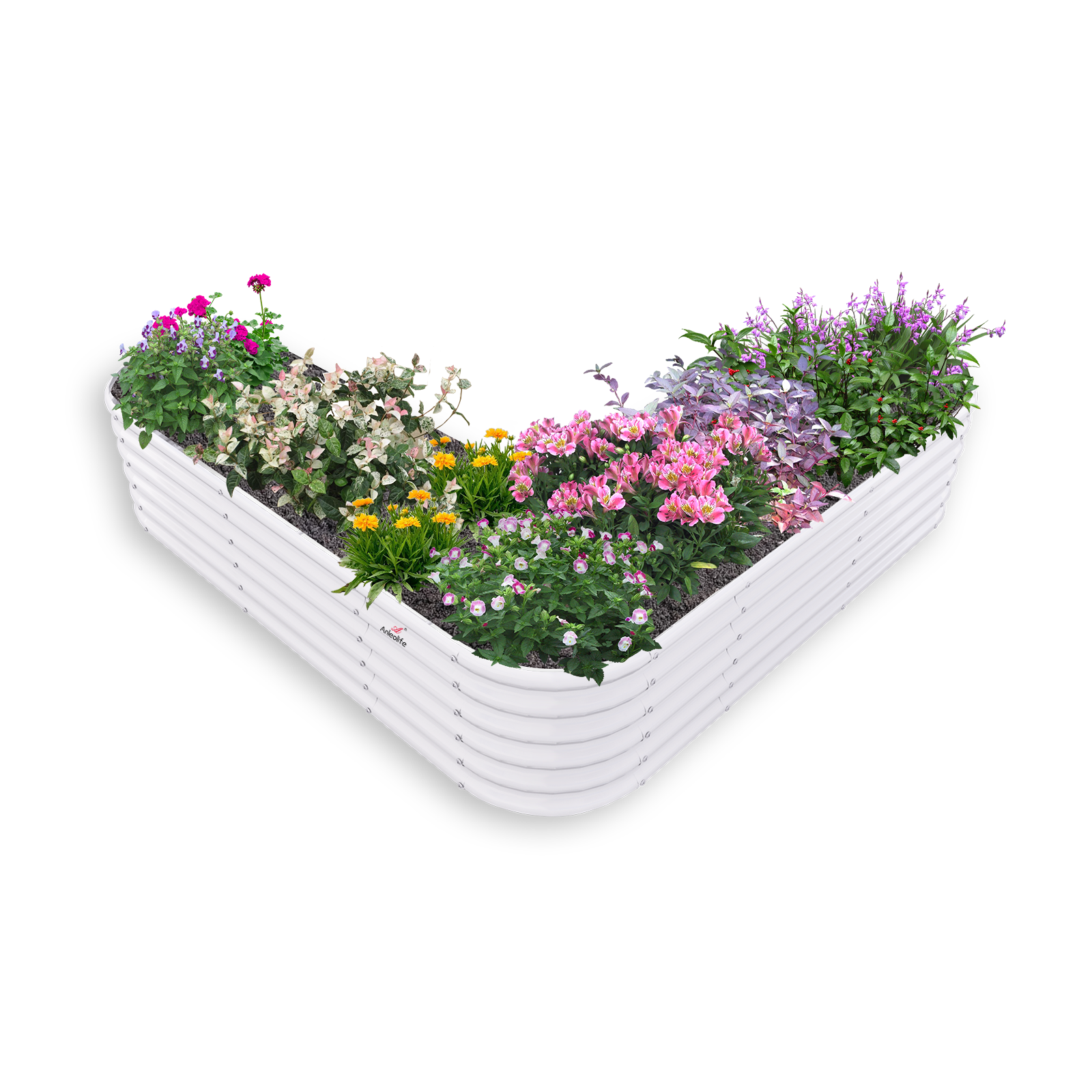
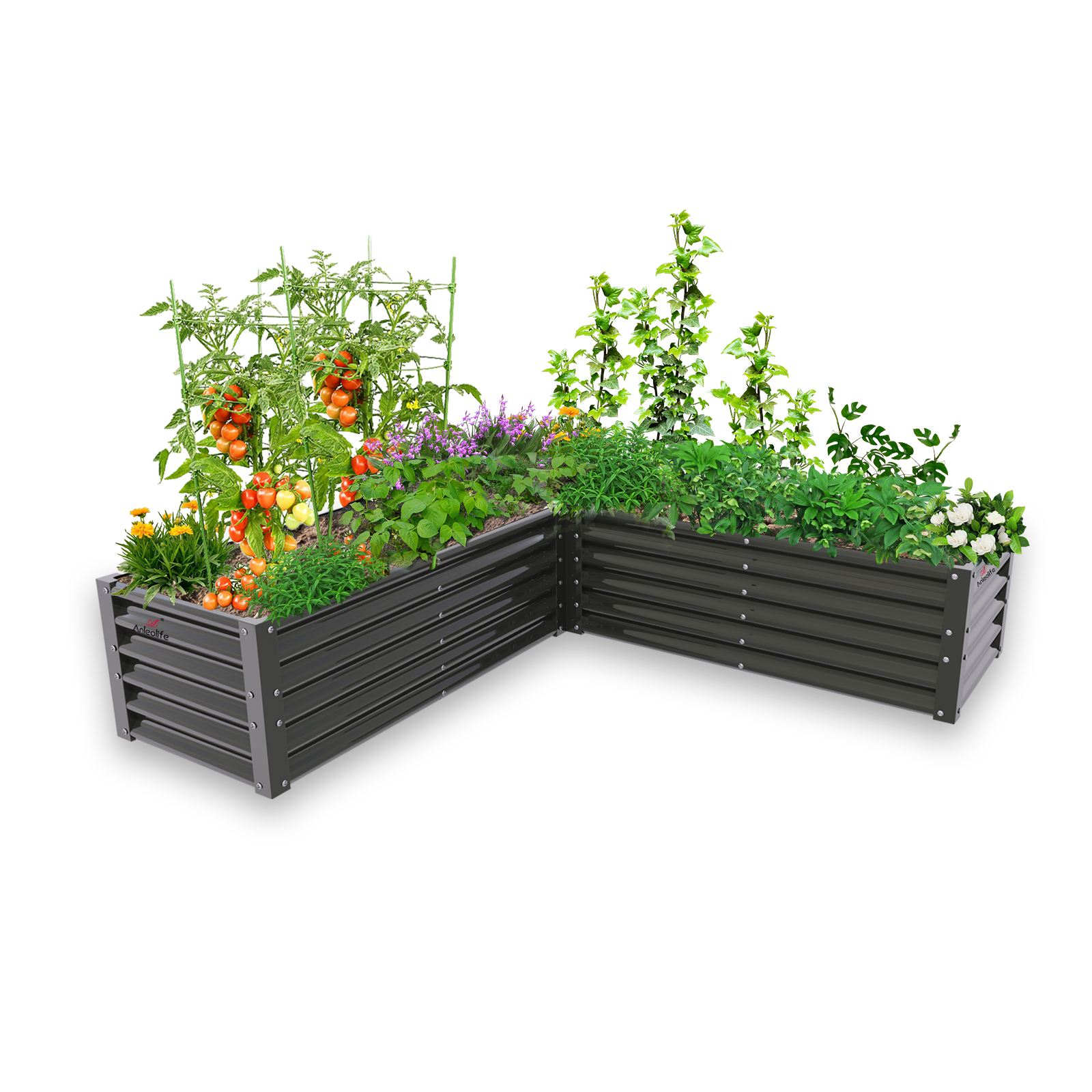
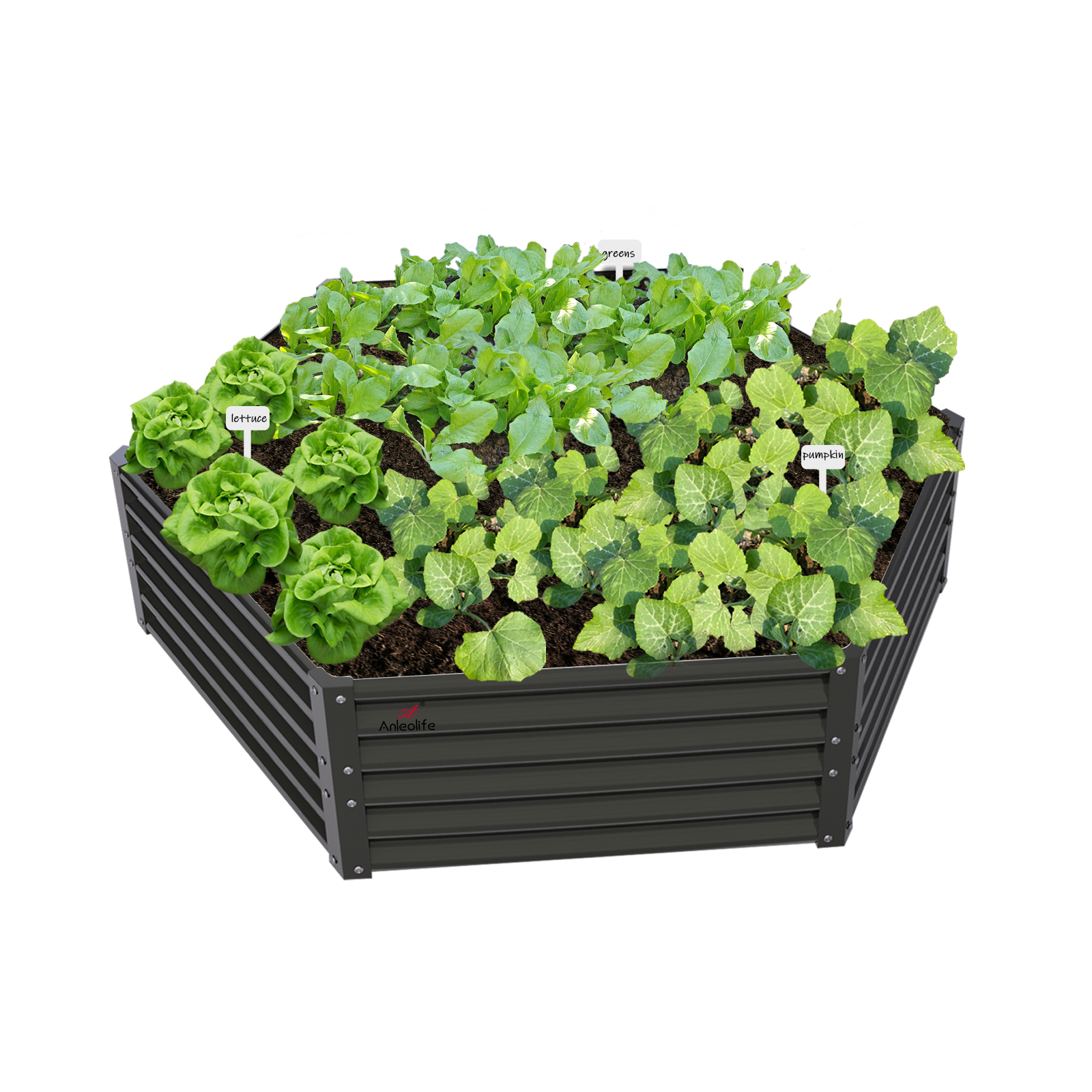
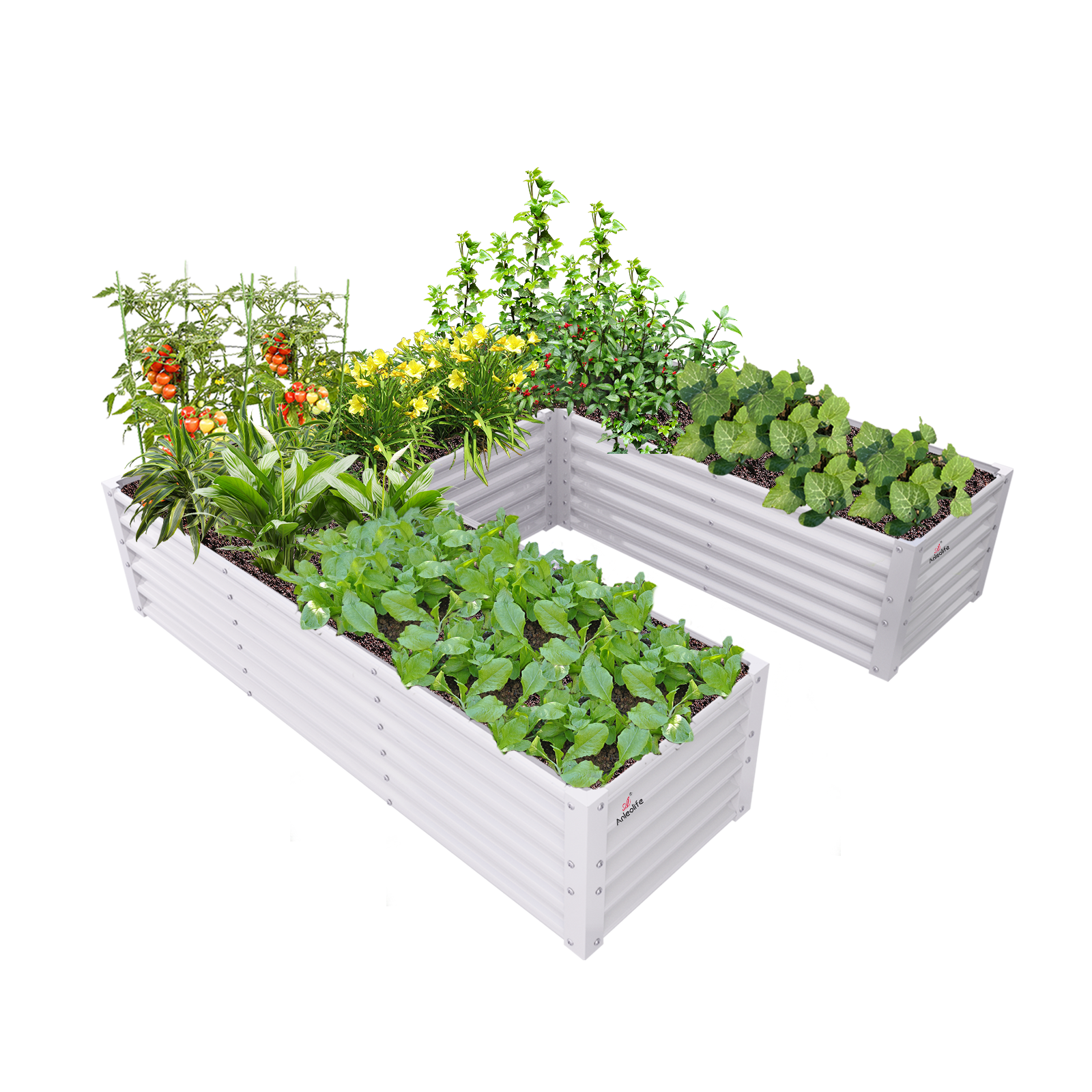

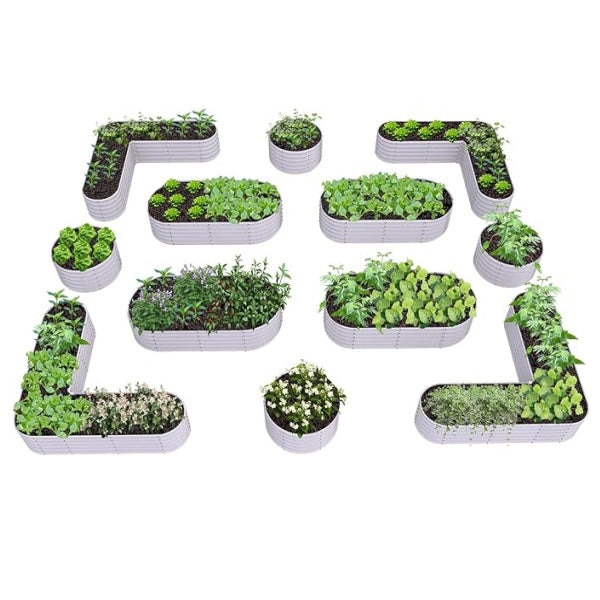


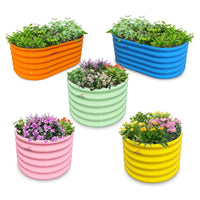
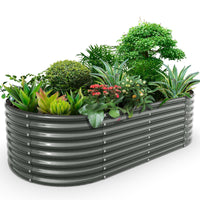




ALT: Creative small yard garden layout ideas using raised beds to maximize every square foot
Smart Garden Layout Ideas for Small Yards: Make the Most of Every Inch You Have
Key Conclusion: A well-planned raised bed garden layout can transform even the most compact outdoor space into a thriving, productive garden. Whether you're working with a 10x10 patio, a narrow side yard, or a modest suburban backyard, the right raised bed planting layout helps you grow more food, create more beauty, and enjoy more of your outdoor life — without needing a sprawling estate. A smart raised bed layout starts with understanding your space, your goals, and the tools available to help you succeed.
Small yards don't have to mean small dreams. With thoughtful planning and the right products, even a modest outdoor space can become a lush, productive, and beautiful garden retreat. This guide walks you through proven layout strategies, practical tips, and smart product choices that help you maximize every square foot — whether you're growing vegetables, raising a small flock, or simply creating a peaceful outdoor sanctuary.
The secret lies not in the size of your yard but in how intelligently you use it. From vertical gardening and modular raised beds to clever pathway systems and decorative accents, small-yard gardening has never been more accessible or rewarding.
Who This Guide Is For
✅ Applicable Scenarios:
- Homeowners with compact backyards, side yards, or narrow urban lots who want to grow food and beautify their space
- Apartment dwellers and renters with access to a balcony, rooftop terrace, or small shared outdoor area
- Empty nesters and retirees looking to downsize their garden footprint while maintaining a rich, productive growing life
- Eco-conscious families who want to grow organic food at home without the space demands of a traditional in-ground garden
- Urban micro-gardeners experimenting with container gardens, raised beds, and vertical planting systems
❌ Not Applicable/Cautions:
- Those managing large-scale commercial farming operations requiring heavy machinery and industrial growing infrastructure
- Gardeners with access to expansive rural acreage who do not face any meaningful space constraints
- Situations where local zoning or HOA rules strictly prohibit raised structures, planting beds, or poultry keeping (always check local regulations before installing)
Why Small-Yard Gardening Is Having a Major Moment
The interest in home gardening has surged dramatically over the past several years. According to data from the National Gardening Association, millions of American households have taken up food gardening, driven by concerns about food costs, health, and sustainability. And while traditional gardens once required sprawling lawns and wide open countryside, today's gardeners are proving that small spaces can be just as productive — if not more so.
The rise of raised bed gardening has been central to this shift. Raised beds allow gardeners to control soil quality, improve drainage, reduce weed pressure, and create clearly defined planting zones — all in a footprint that can be tailored to fit nearly any yard size. Unlike traditional row gardening, raised beds make efficient use of vertical and horizontal space, giving small-yard growers a significant advantage.
At the same time, more families are exploring holistic backyard ecosystems that go beyond just vegetables. Combining planting, raising small animals like chickens or rabbits, and thoughtful garden beautification allows homeowners to create a full outdoor lifestyle — not just a patch of plants. This three-pillar approach is exactly the philosophy behind Anleolife's product ecosystem, which is purpose-built to help home gardeners thrive in spaces of all sizes.
Whether you're starting from scratch or reimagining an underused corner of your yard, this guide will give you the layout strategies and product knowledge to make it happen.
Practical Layout Strategies and Solutions for Small Yards
Three-Step Quick Start: From Blank Yard to Beautiful Garden
Step 1: Map Your Space and Sunlight
Before purchasing a single product or moving a single shovel of soil, spend one to two hours mapping your outdoor space. Walk the area at different times of day and note where sunlight falls, where shade lingers, and where foot traffic naturally flows. Identify any structural constraints — fences, utility lines, downspouts — and measure your usable planting zones. A simple hand-drawn sketch works perfectly. This information will guide every layout decision that follows.
Step 2: Define Your Zones
Once you understand your space, divide it into functional zones: a planting zone for raised beds and vegetables, a raising zone if you plan to keep chickens or rabbits, and a beautification zone for decorative elements, seating, and pathways. Even in a small yard, creating these distinct zones prevents the space from feeling cluttered and helps each element serve its purpose efficiently. Think of your yard as a series of small "rooms," each with its own role.
Step 3: Choose Modular, Scalable Products
Start small and expand over time. A single raised garden bed is a perfect starting point — it requires minimal investment, produces immediate results, and can be supplemented with additional beds, pathway systems, or a small chicken coop as your confidence and budget grow. Choosing modular products designed to work together, like those in the Anleolife ecosystem, means your initial purchase is never wasted — it simply becomes part of a larger, more integrated garden over time.
Comparing Small-Yard Garden Layout Approaches
Not all small-yard garden layouts are created equal. Depending on your goals, budget, and available space, different approaches will suit different households. Here's a comparison of the most popular layout strategies:
| Comparison Dimension | Traditional In-Ground Beds | Container Gardening | Metal Raised Bed System |
|---|---|---|---|
| Space Efficiency | Moderate — requires wide rows | High — flexible placement | Very high — compact, stackable configurations |
| Soil Control | Low — depends on native soil quality | High — custom mix per container | High — complete control over soil composition |
| Weed Pressure | High — difficult to manage | Low — contained environment | Low to moderate — defined borders reduce weeds |
| Durability | Variable — depends on soil condition | Low to moderate — containers degrade over time | Up to 20 years with quality metal construction |
| Scalability | Limited — expansion requires more digging | Moderate — add more containers | High — modular systems expand easily |
| Aesthetic Appeal | Natural but informal | Flexible but can look cluttered | Clean, structured, and visually appealing |
| Best For | Rural yards with good native soil | Balconies, patios, rooftop gardens | Suburban and urban yards of all sizes |
| Approximate Cost Entry | Low (soil amendment needed) | Low to moderate | Budget options available under $200 for beginners |
For most small-yard gardeners, a metal raised bed system offers the best combination of durability, efficiency, and aesthetic appeal. And for beginners working with a tight budget, it's worth knowing that quality raised beds are available at accessible price points — some of the best budget raised beds under $200 for beginners can be found through major retailers including Amazon, Walmart, Home Depot, Lowe's, and Wayfair, as well as directly through Anleolife.com.
Detailed Layout Ideas That Work in Real Yards
The L-Shape Layout: Hug Your Fence Line
One of the most effective strategies for small yards is to place raised beds along two adjoining fence lines in an L-shape configuration. This approach frees up the center of your yard for movement, seating, or children's play, while making productive use of what is often wasted perimeter space. The L-shape also creates a natural visual anchor that makes the garden feel intentional and designed rather than improvised.
When planning an L-shape layout, place taller plants — tomatoes, trellised cucumbers, or pole beans — on the side that receives the most sun and where they won't cast shade on shorter crops. Shorter herbs, lettuce, and strawberries can fill the lower sections closer to pathways for easy harvesting.
The Parallel Row Layout: Maximize Productive Space
For narrow yards or side yards, a parallel row layout — two raised beds placed side by side with a central walking path between them — is highly efficient. This design mirrors traditional market garden layouts but scales beautifully to small spaces. A central path between 18 and 24 inches wide gives you comfortable access to both beds without needing to step into the planting zone.
Decorative pathway systems, like the ones available in Anleolife's beautification range, can elevate this layout from purely functional to genuinely attractive. Stone-effect stepping pads, gravel paths, or wooden slat pathways define the garden structure and make the space feel curated and welcoming.
The Corner Cluster Layout: Perfect for Patio Edges
If your primary outdoor area is a patio or deck, a corner cluster layout places multiple smaller raised beds in an L or U formation around the perimeter, leaving the center open for dining and seating. This is particularly effective for households that entertain outdoors and need to balance food production with social space.
When selecting outdoor dining furniture for a small patio garden, it helps to know that a round or square table seating six people typically fits comfortably in a space of about 10 feet by 10 feet when surrounded by chairs. Choosing a compact round table rather than a rectangular one maximizes the sense of space and makes movement around the garden beds easier.
The Vertical Layer Layout: Go Up, Not Out
When horizontal space is genuinely limited — as it often is on rooftops, balconies, or micro lots — vertical gardening is your most powerful tool. Trellises mounted behind raised beds allow climbing plants like cucumbers, peas, beans, and even some squash varieties to grow upward rather than outward, effectively doubling your productive surface area without claiming any additional footprint.
For the best seating for a rooftop or balcony garden, look for weather-resistant folding chairs or stackable stools that can be stowed when not in use. Combine these with narrow raised planters along railings and a compact herb wall, and even a small balcony becomes a productive, comfortable outdoor room.
The Full-Ecosystem Layout: Planting + Raising + Beautifying
For homeowners with a bit more yard to work with — even if it's still modest — integrating all three zones (planting, raising, and beautification) creates the richest small-yard experience. A typical layout might look like this:
- Planting Zone: Two to four raised metal garden beds arranged along the sunniest fence line, filled with vegetables, herbs, and edible flowers
- Raising Zone: A compact chicken coop or rabbit hutch positioned in a partially shaded corner, providing natural fertilizer for the garden beds
- Beautification Zone: Decorative pathway systems connecting the zones, with potted ornamental plants, garden lighting, and a small seating area rounding out the space
This full-ecosystem approach transforms a small yard from a neglected patch of lawn into a thriving, productive, and beautiful outdoor living space — one that delivers fresh food, potential eggs or companionship from small animals, and genuine aesthetic pleasure every day.
Protecting Your Garden: Dealing with Rabbits, Deer, and Insects
One of the most common challenges for small-yard gardeners is protecting plants from wildlife and pests. The best way to protect your garden from rabbits and deer is a combination of physical barriers and smart layout choices. Metal raised garden beds with sides that sit well above ground level already provide a natural deterrent for smaller ground-level pests like rabbits and rodents.
For deer, which can reach over standard fence heights, adding netting or a simple wire surround above the raised bed creates an effective barrier without blocking sunlight. When it comes to insects, top rated insect netting materials for vegetable gardens include fine-mesh row cover fabrics made from spunbonded polypropylene, which allow light and water to penetrate while blocking aphids, cabbage moths, and other common pests. These lightweight covers can be draped over hoops mounted on raised beds and removed easily for harvesting.
Keeping a small flock of chickens nearby also provides natural pest control — chickens are enthusiastic foragers that will happily patrol for slugs, beetles, and other garden pests when allowed supervised access to garden areas.

ALT: A complete small yard raised bed planting layout featuring metal garden beds, decorative pathways, and compact outdoor seating
Advanced Tips for Getting the Most From Your Small Garden
Soil Quality Is Your Greatest Asset
In a small yard, every planting square matters — which means soil quality has an outsized impact on your results. Raised beds allow you to build and maintain the ideal growing medium regardless of what lies beneath your feet. A high-quality mix of compost, topsoil, and other organic amendments creates the kind of loose, nutrient-rich, well-draining environment that plants genuinely thrive in.
Don't cut corners on soil. In a large in-ground garden, poor soil in one section can be compensated for elsewhere. In a compact raised bed setup, your soil is your entire growing environment, and it deserves your best investment.
Succession Planting: Keep Your Beds Productive Year-Round
One misconception among new small-yard gardeners is that a raised bed is either producing or not — that there are productive seasons and dead seasons. In reality, succession planting — sowing new seeds every two to three weeks and replacing harvested crops with new plantings — keeps beds productive for a much longer portion of the year.
As one crop finishes, another takes its place. Cool-season crops like lettuce, spinach, and kale give way to warm-season tomatoes and peppers, which in turn make room for fall brassicas and root vegetables. A well-managed raised bed can produce fresh food across eight or more months of the year, even in a relatively small footprint.
Don't Underestimate the Power of Edges and Paths
A common mistake in small-yard gardening is focusing exclusively on the planting beds and ignoring the spaces between them. Well-designed pathways, edging, and decorative transitions don't just look attractive — they make the garden more functional by preventing soil compaction, directing foot traffic, and creating a sense of visual order that makes a small space feel larger and more intentional.
Anleolife's beautification range includes pathway and decorative accessory options that complement raised bed setups beautifully, helping small-yard gardeners achieve a polished, cohesive aesthetic without needing a landscape architect.
Common Misconception: Bigger Beds Are Always Better
Many beginners assume that a single large raised bed is more productive than multiple smaller ones. In small yards, the opposite is often true. Multiple well-placed smaller beds offer better access (you can reach the center of each bed without stepping inside), more flexible layout options, and greater redundancy if one bed underperforms. Think of your layout as a network of small, highly productive zones rather than a single monolithic growing area.
Frequently Asked Questions FAQ
Q1: How do I plan a raised bed garden layout for a very small yard?
Start by measuring your available space and identifying the sunniest areas — most vegetables need six or more hours of direct sunlight daily. Then sketch out a simple layout that places raised beds along fence lines or in corners, preserving open areas for movement and seating. Choose modular raised beds that can expand over time as your confidence grows. Even a single bed is an excellent starting point — you can always add more as your gardening journey evolves.
Q2: Are metal raised garden beds worth the investment for small yards?
Absolutely. Quality metal raised garden beds — like those available through Anleolife — are built to last up to 20 years, making them one of the most cost-effective long-term investments a home gardener can make. They provide excellent soil control, resist rot and pest damage, and maintain a clean, attractive appearance over time. When you spread the cost across two decades of productive gardening, the value is exceptional compared to wooden or plastic alternatives that require frequent replacement.
Q3: How long does it take to set up a raised bed garden layout for a small yard?
Most homeowners can plan, assemble, and fill a basic raised bed garden in a single weekend. The planning phase — mapping sunlight, measuring space, and sketching a layout — typically takes an hour or two. Assembling the bed itself usually takes a few hours depending on the design. Filling with soil and planting can happen the same day. With Anleolife's nationwide U.S. warehouse network across California, Texas, Florida, New York, Illinois, and Washington, products are typically delivered within 3–8 business days, so your garden can go from concept to reality in well under two weeks.
Summary
Transforming a small yard into a productive, beautiful, and functional garden space is entirely achievable with the right plan and the right products. Here are the three core takeaways from this guide:
1. Plan Before You Plant: Understanding your space — its sunlight patterns, dimensions, and functional needs — is the foundation of every successful small-yard garden. A few hours of planning at the start saves significant time, money, and frustration down the line.
2. Choose Durable, Scalable Systems: Metal raised garden beds built to last up to 20 years, modular layouts that expand with your ambitions, and integrated planting-raising-beautification ecosystems all represent smart investments that grow in value over time rather than deprecating after a few seasons.
3. Think Holistically: The best small-yard gardens aren't just vegetable plots — they're integrated outdoor living spaces that combine food production, possibly small animal keeping, and genuine aesthetic beauty into a coherent, joyful whole.
Your next step? Choose one section of your yard, measure it, and identify your first raised bed location. Start small, start with quality, and let your garden grow from there.
Start Your Small-Yard Garden Journey with Anleolife
Nationwide U.S. warehouse network: Strategically located in California, Texas, Florida, New York, Illinois, and Washington to ensure delivery within 3–8 business days — so your garden upgrade plans never have to wait.
Multi-channel sales network: Products are available on major e-commerce platforms including Amazon, Walmart, Home Depot, Lowe's, and Wayfair, as well as the official website Anleolife.com, providing consistent quality assurance and after-sales service.
Three core scenarios: Planting (metal raised garden beds, soil systems), Raising (chicken coops, rabbit hutches), and Beautification (decorative accessories, pathway systems) — meeting complete needs from functionality to aesthetics.
We understand that an ideal garden is not built overnight, but gradually improved over time. Our modular product design allows flexible expansion based on your needs — from your first raised garden bed to a fully integrated planting-and-raising ecosystem. We grow with you every step of the way.
Explore Anleolife's full garden ecosystem at Anleolife.com →
References
- National Gardening Association. "Food Gardening in the United States".
https://garden.org/special/pdf/2014-NGA-Garden-to-Table.pdf - University of California Agriculture and Natural Resources. "Raised Bed Gardening".
https://ucanr.edu/sites/mgslo/Gardening/Raised_Beds/ - U.S. Department of Agriculture (USDA). "Backyard Conservation: Gardening for Wildlife and People".
https://www.nrcs.usda.gov/wps/portal/nrcs/detail/national/newsroom/features/?cid=nrcs143_023574 - Penn State Extension. "Vegetable Gardening in Small Spaces".
https://extension.psu.edu/vegetable-gardening - Cooperative Extension System (eXtension). "Urban and Community Gardening".
https://extension.org/urban_and_community_gardening/
Note: Standards and guidelines may be updated. Please check the latest official documents or consult professional advisors for the most current information.
About Anleolife
Anleolife is a leading outdoor garden solutions provider in North America, dedicated to offering a full-scenario product ecosystem for home gardening enthusiasts, covering planting, raising, and garden beautification. Since its founding, we have upheld our brand mission, "Made for Garden Life," continuously innovating products and optimizing services to help hundreds of thousands of users upgrade their gardens, reconnect with nature, and enjoy a better garden lifestyle.