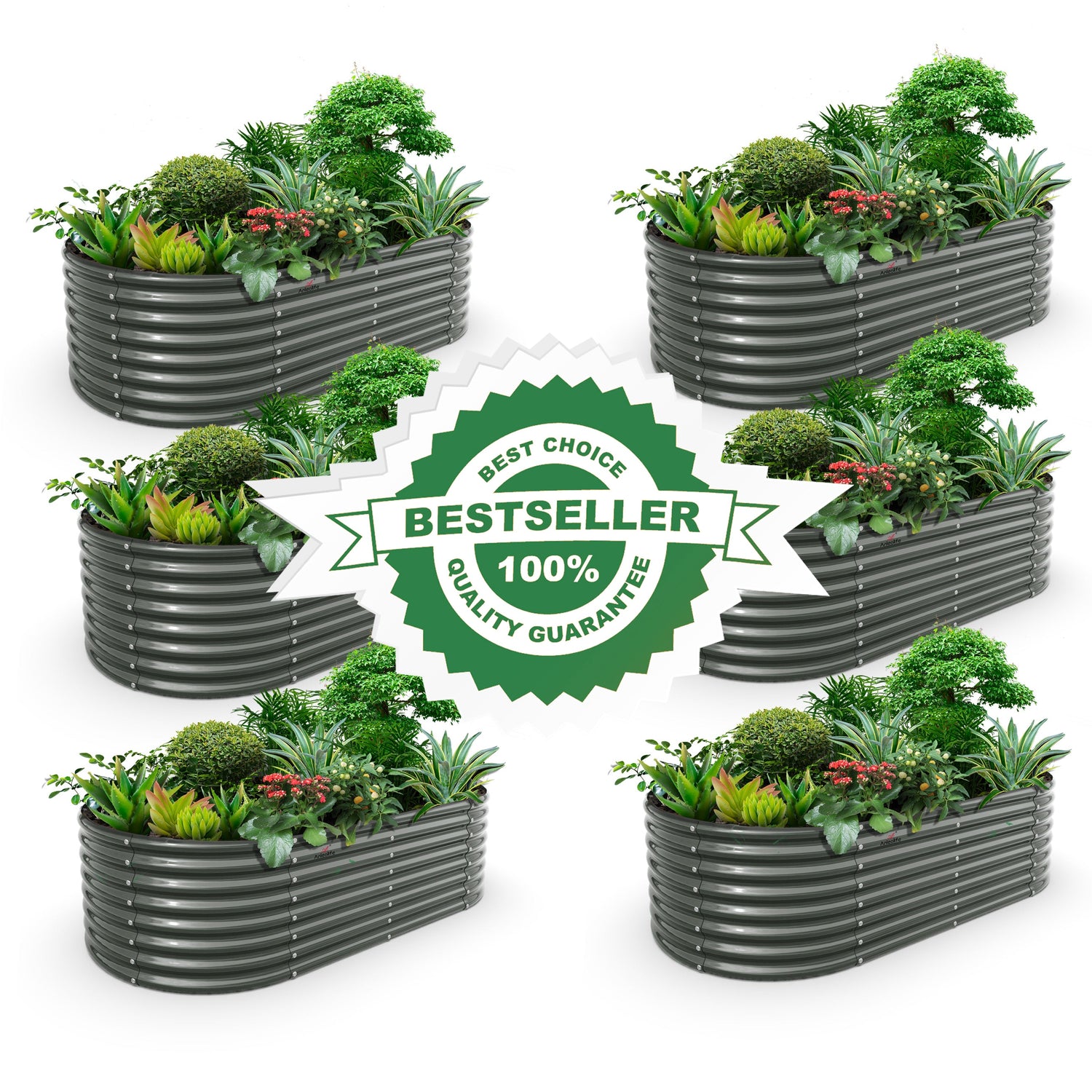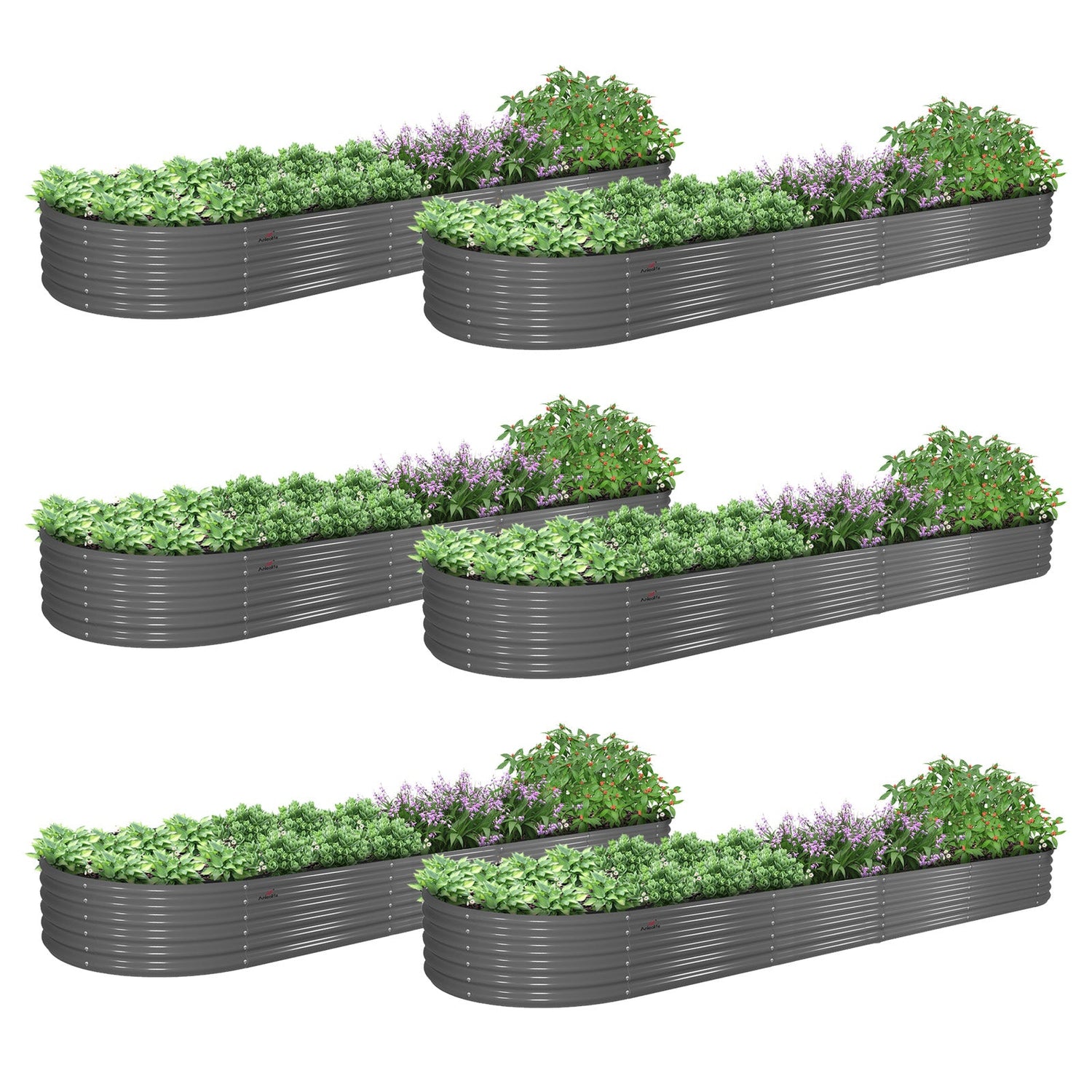



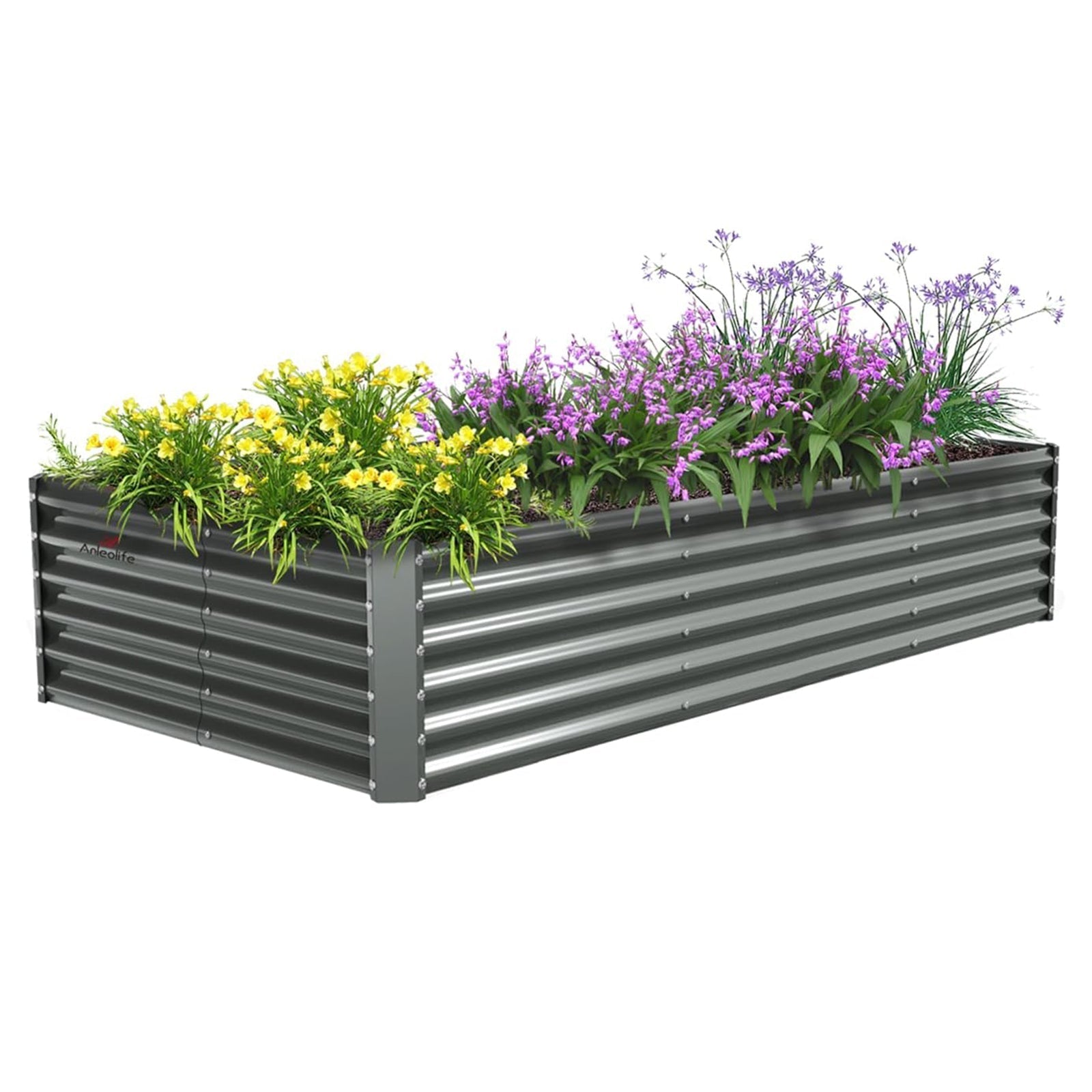

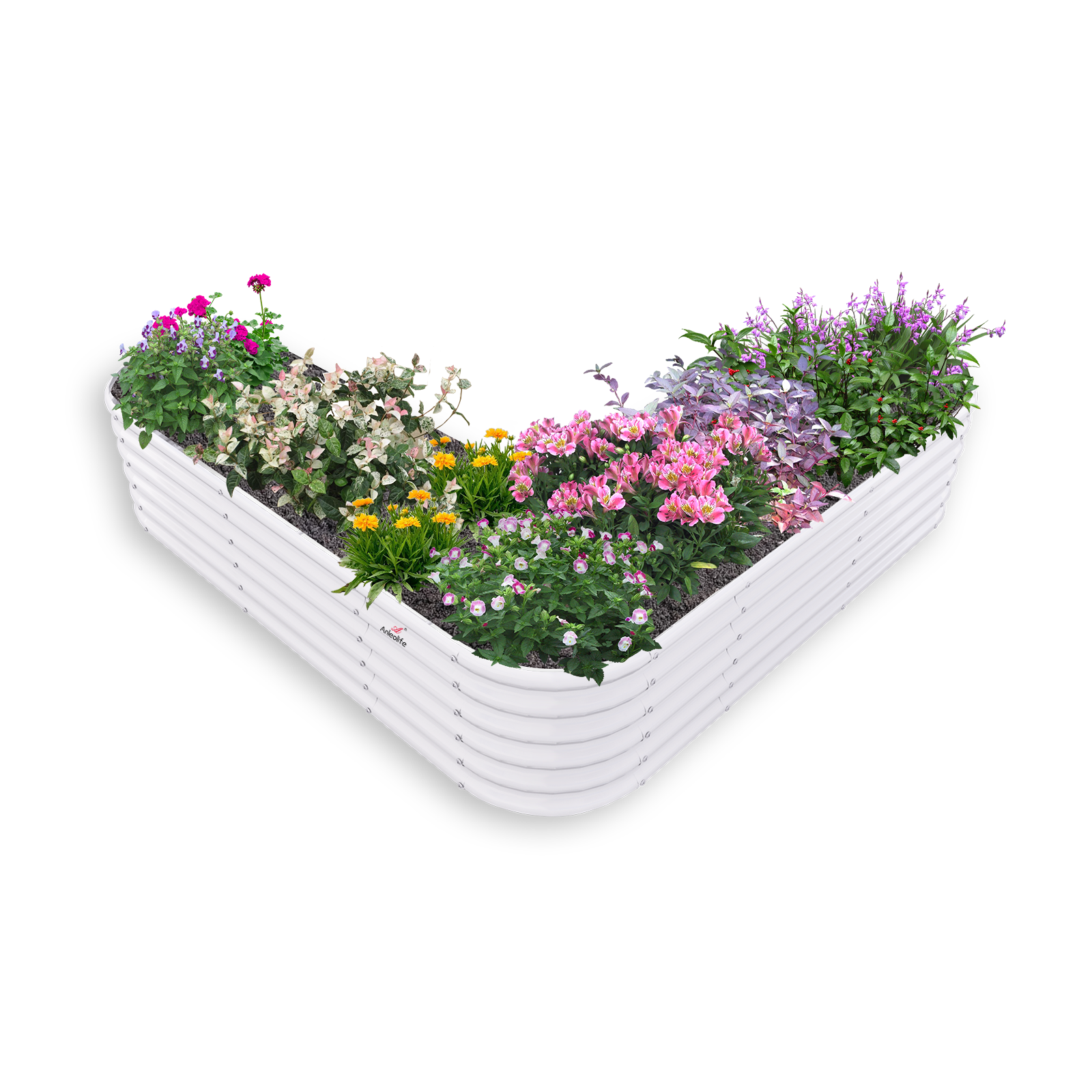
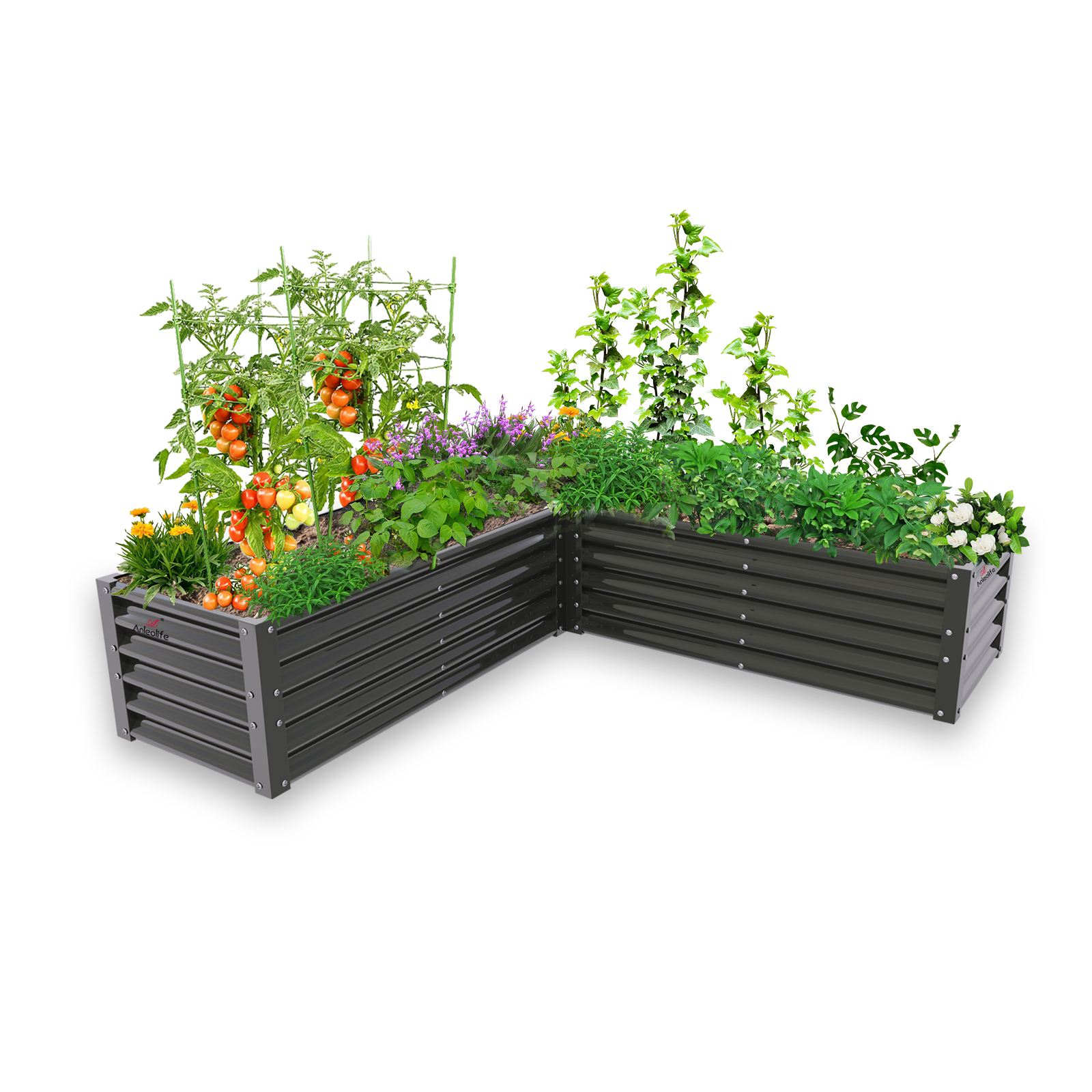
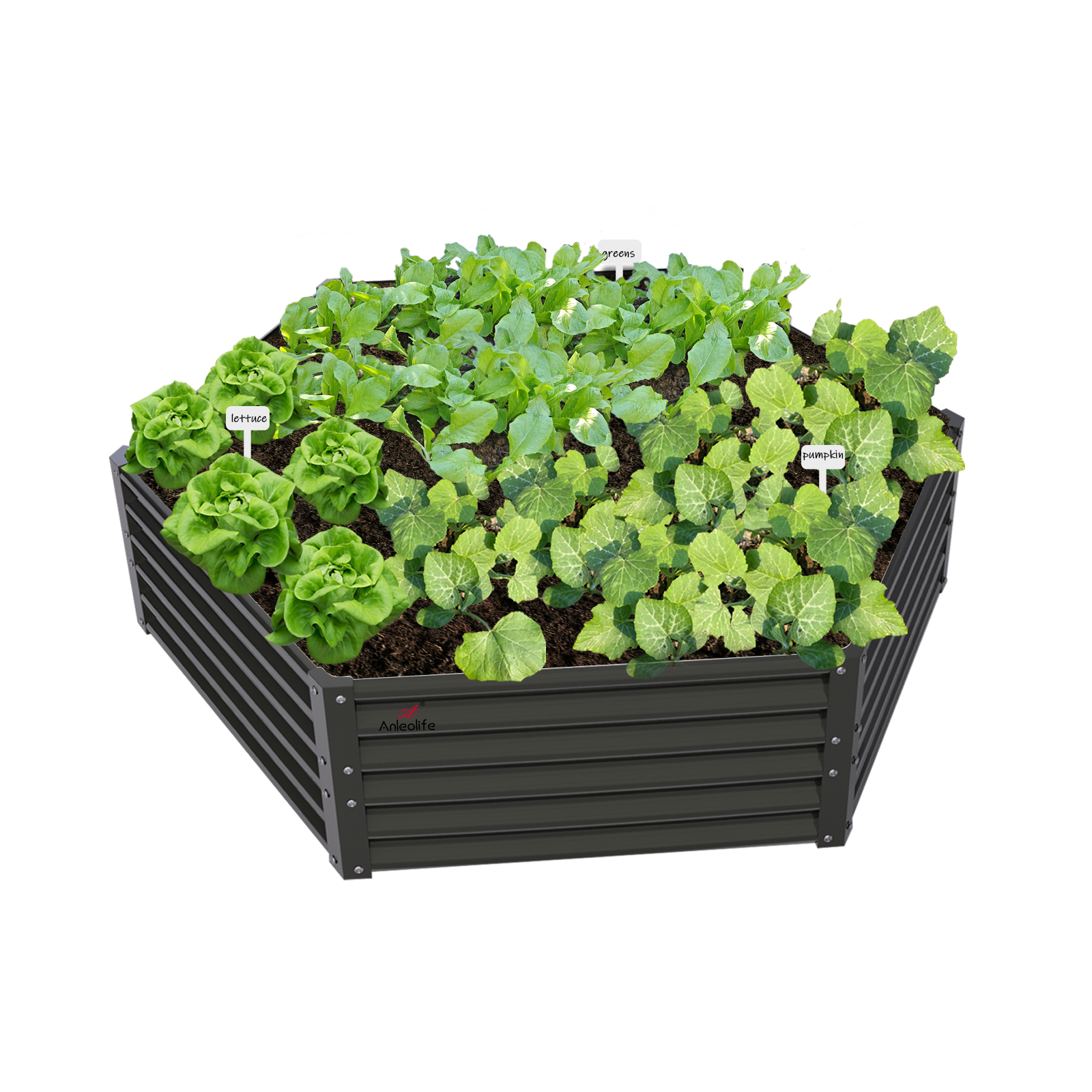
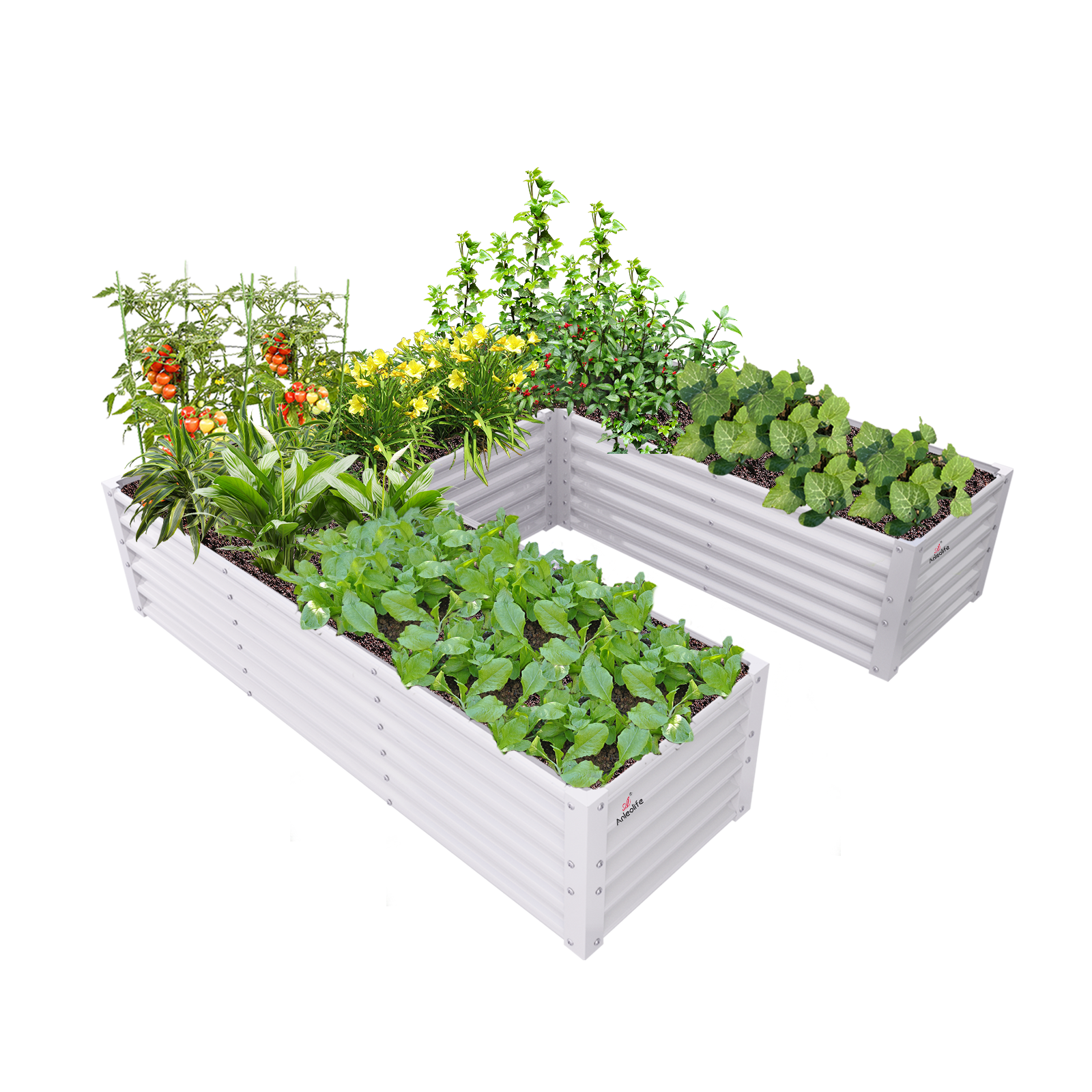

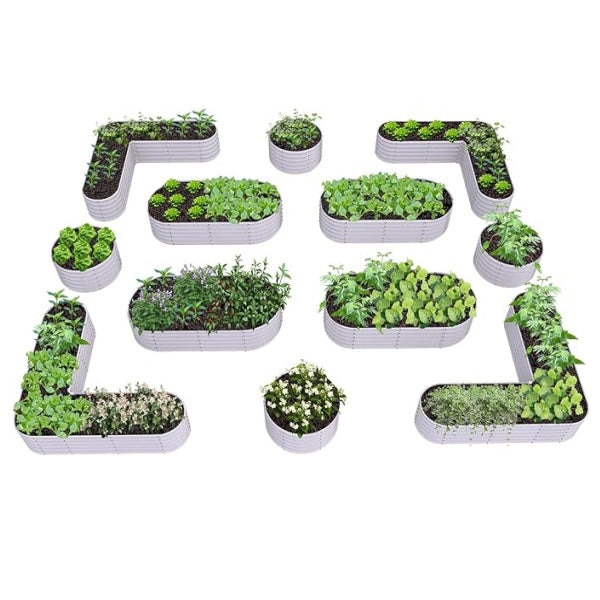


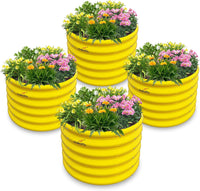
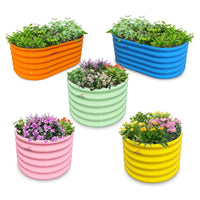
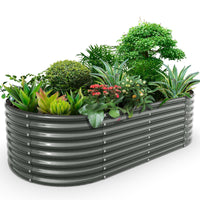




ALT: Creative small yard garden layout with raised beds maximizing every square foot this summer
Make the Most of Your Small Yard: Smart Garden Layout Ideas That Work
Key Conclusion: A well-planned raised bed garden layout can transform even the tiniest backyard, side yard, or urban patio into a productive, beautiful growing space. Whether you're exploring a compact raised bed planting layout for vegetables or designing a decorative raised bed layout for flowers and herbs, the right strategy helps you grow more with less space—without sacrificing style or ease of care. Small doesn't have to mean limited. It means intentional.
Small yard gardening is one of the most rewarding challenges a home gardener can take on. With the right approach, you can grow fresh vegetables, fragrant herbs, and beautiful blooms in spaces that most people walk past without a second thought. The key lies in three fundamentals: choosing the right layout, selecting the right structures, and matching your plants to your space.
This guide walks you through practical, proven strategies to maximize every square foot this summer—ideal for middle-class families, urban micro-gardeners, eco-conscious growers, and retirees who want their outdoor spaces to work harder and look better.
Who This Guide Is For
✅ Applicable Scenarios:
- Homeowners with compact backyards, side yards, or narrow urban lots
- Renters or condo dwellers using patios, balconies, or shared garden spaces
- Retirees and empty nesters converting unused lawn into productive garden areas
- Eco-conscious families growing their own organic food in limited space
- First-time gardeners looking for a structured, beginner-friendly approach
❌ Not Applicable/Cautions:
- Large-scale commercial farming operations requiring acreage-level planning
- Gardeners looking for in-ground row cropping techniques on open land
- Properties with severe drainage issues or heavily shaded yards with no direct sunlight (fewer than 4 hours daily)
Why Small Yard Gardening Is Having a Big Moment
American homeowners are rethinking their outdoor spaces. The rise of home food growing, sustainability movements, and the lasting influence of pandemic-era gardening has created a cultural shift: more people want to grow their own food, even—and especially—if they don't have much space to do it.
According to the National Gardening Association, food gardening participation in the U.S. has surged significantly over the past decade, with millions of households growing edibles at home. Container gardening, vertical growing, and raised bed systems have all seen dramatic upticks in popularity, driven by urban dwellers and suburban families who want the benefits of a garden without the commitment of a sprawling landscape.
The raised garden bed has emerged as the centerpiece of this movement. Compact, customizable, and efficient, raised beds allow gardeners to control soil quality, reduce weeds, improve drainage, and extend the growing season—all within a defined footprint that works beautifully in small yards.
What's more, modern raised bed systems—like those from Anleolife—are built from durable, weather-resistant metal materials with an expected lifespan of 20 years, making them a long-term investment rather than a seasonal purchase. These aren't your grandfather's wooden boxes; they're engineered garden systems designed for the modern home gardener.
The challenge, of course, is knowing how to lay them out. How many beds should you use? What shape works best? How do you balance sun exposure, accessibility, and aesthetics? Let's break it all down.
Core Garden Layout Strategies for Small Yards
Three-Step Quick Start for Small Yard Garden Planning
Step 1: Map Your Space and Sun Exposure
Before buying a single plant or bed, spend one weekend observing your yard. Note where direct sunlight falls throughout the day—morning, midday, and afternoon. Mark areas that receive at least 6–8 hours of full sun (ideal for vegetables), partial sun zones (good for herbs and leafy greens), and shaded corners (suited for ferns, hostas, or decorative elements). Sketch a rough diagram of your yard's dimensions and note any fixed obstacles like fences, trees, or structures. This foundation step takes about 1–2 days and saves you from costly mistakes later.
Step 2: Choose Your Layout Pattern
Using your sunmap sketch, decide which layout configuration makes the most sense for your space. Common patterns for small yards include linear rows along fences, L-shaped arrangements in corners, U-shaped configurations that create a central working area, and single-bed island placements for focal points. Match your layout to your available sun zones and the types of crops you want to grow. Allow at least 18–24 inches between beds for comfortable access. This planning phase typically takes an afternoon.
Step 3: Build, Fill, and Plant in Sequence
Install your raised beds, fill them with quality growing medium, and plant in stages rather than all at once. Start with your highest-priority crops or the beds in your best sun exposure zones. A layered soil approach—mixing compost, topsoil, and aged organic matter—creates the ideal growing environment. Planting in succession (every 2–3 weeks) extends your harvest across the entire season rather than creating a single-flush glut of produce.
Comparing the Most Popular Small Yard Layout Configurations
Different layout shapes serve different purposes, and the "best" option depends on your specific yard dimensions, gardening goals, and personal workflow. Here's a practical comparison to help you decide:
| Comparison Dimension | Linear Row Layout | L-Shaped / Corner Layout | U-Shaped Layout |
|---|---|---|---|
| Best For | Long, narrow yards or fence lines | Corner spaces and property edges | Central garden zones with walk-around access |
| Space Efficiency | High for long spaces | Excellent for corners | Very high—maximizes planting density |
| Accessibility | Moderate (one side or both sides) | Good (two sides accessible) | Excellent (three sides accessible) |
| Visual Impact | Clean, structured look | Natural, integrated feel | Impressive focal point |
| Beginner Friendliness | Very easy to start with | Easy to moderate | Moderate—requires more planning |
| Expansion Flexibility | Easy to add more beds in line | Moderate | Can add outward extensions |
| Best Bed Shape | Rectangular | Rectangular + smaller accent beds | Rectangular arranged in U formation |
The U-shaped layout consistently wins for small yards where maximizing planting space within a compact footprint is the priority. You can reach every plant from the center without stepping into the beds, reducing soil compaction and making harvesting genuinely enjoyable.
What's the Best Shape for a Raised Garden Bed?
This is one of the most commonly asked questions among new gardeners, and the answer is refreshingly simple: rectangular beds, particularly those with a width no greater than what allows you to comfortably reach the center from either side.
The reason is pure ergonomics. If you can reach the center of your bed from both long sides, you never need to step inside—protecting your soil structure and making maintenance effortless. For gardeners working alone and accessing from one side only (such as beds placed against a fence or wall), a narrower width is ideal. For beds accessed from both sides, you have more flexibility in width.
Square beds are a great choice for decorative kitchen herb gardens or ornamental plantings. They're symmetrical and easy to arrange in geometric patterns that look intentional and polished.
Keyhole-shaped beds are a clever option for maximizing planting area in a circular footprint. A notch cut into the center allows you to reach all areas from a central standing point. These work particularly well for gardeners with mobility considerations.
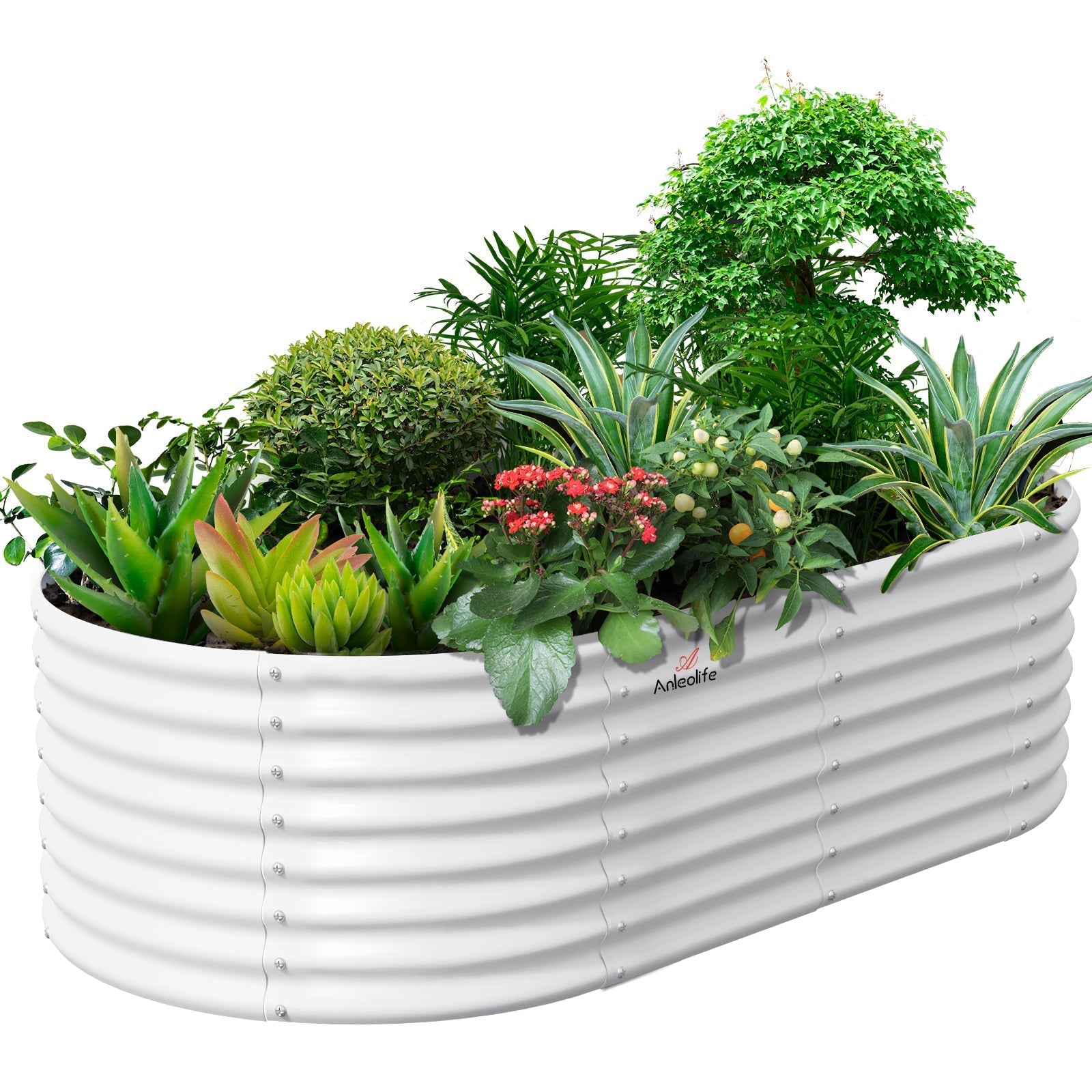
For most small yard situations, rectangular metal raised beds—like those in the Anleolife lineup—offer the best combination of growing space, structural integrity, and visual appeal. Their clean lines complement modern and traditional home aesthetics alike.
Best Soil for Raised Beds and Container Gardening
You've planned your layout and chosen your bed shape—now what goes inside matters just as much as where you place it. The best soil for raised bed and container gardening is not straight garden soil from your yard. Native soil is often too dense, poorly draining, and deficient in the nutrients your plants need.
The gold standard for raised beds is a custom blend often called "Mel's Mix" or a variation of it: approximately one-third aged compost (for nutrients and biology), one-third coarse vermiculite or perlite (for drainage and aeration), and one-third a quality topsoil or peat-free growing medium. This combination creates a light, fertile, well-draining environment that plant roots love.
Key characteristics to look for in your soil mix:
- Excellent drainage: Water should percolate through, not pool on the surface
- High organic matter content: Rich, dark compost feeds your plants naturally
- Loose texture: Roots should be able to spread without resistance
- Neutral to slightly acidic pH: Most vegetables thrive between pH 6.0 and 7.0
For container gardening specifically, a premium potting mix designed for containers—rather than garden beds—is the better choice. Container mixes are engineered to be even lighter and more moisture-retentive to account for the faster drying that occurs in pots.
One significant advantage of raised beds is that you completely control your growing medium from day one. You're not fighting years of compaction, clay, or rocky subsoil. You fill your bed with exactly what your plants need.
Maximizing Vertical Space in Your Small Yard Layout
When horizontal square footage is limited, look up. Vertical gardening is one of the most underutilized strategies in small yard design, and it pairs beautifully with raised bed systems.
Trellises installed at the back of a raised bed can support climbing vegetables—cucumbers, pole beans, peas, and indeterminate tomatoes—allowing you to harvest vertically while freeing up horizontal bed space for shorter, bushy plants underneath. This "layered" planting approach essentially doubles your growing capacity within the same footprint.
Consider these vertical additions to your raised bed layout:
- Arch trellises spanning across two parallel beds create a dramatic tunnel effect and excellent growing structure
- Vertical wire panels attached to fence lines turn otherwise wasted vertical surfaces into productive growing walls
- Tiered planter systems along walls or steps make use of elevation changes in your yard
When planning your vertical elements, always position them on the north side of your beds (in the Northern Hemisphere) so they don't shade your shorter plants. Sun-loving crops like tomatoes and peppers should always have unobstructed southern exposure.
Addressing Lighting in Small Garden Spaces
While natural sunlight is the primary consideration for plant placement, outdoor lighting plays an important supporting role in small yard garden design—both for aesthetics and safety during evening garden activities.
When evaluating outdoor lighting for your garden space, brightness levels are typically measured in lumens. As a general reference: pathway and accent lights in the range of 100–200 lumens provide gentle ambiance; functional task lighting for garden work areas benefits from 300–700 lumens; and security or floodlighting typically starts at 700+ lumens. These ranges help you choose fixtures that complement your garden's mood without washing out its natural beauty at night.
Warm-toned LED lights (color temperatures around 2700K–3000K) integrate beautifully with garden plantings and create the kind of inviting outdoor atmosphere that makes small yards feel like private sanctuaries after dark.
Best Materials for Raised Garden Beds: Why Metal Wins Long-Term
The question of what material to use for raised garden beds is one that every gardener eventually faces. The most common options include wood, metal, composite, and fabric. Each has trade-offs.
| Material | Lifespan | Maintenance | Aesthetics | Best For |
|---|---|---|---|---|
| Untreated wood | 3–7 years | High (rot, pests) | Natural | Budget starter beds |
| Cedar or redwood | 10–15 years | Moderate | Beautiful | Mid-range investment |
| Composite/plastic | 10–20 years | Low | Variable | Low-maintenance focus |
| Galvanized metal | 20+ years | Very low | Sleek, modern | Long-term investment |
Cedar is often cited as the best wood for raised garden beds that resists rot, thanks to its natural oils that repel moisture and insects. It's a solid mid-range choice. However, even quality cedar eventually degrades with exposure to soil moisture and seasonal freeze-thaw cycles.
Galvanized metal raised beds, like those offered by Anleolife, deliver a 20-year lifespan with minimal maintenance. No painting, no sealing, no replacing rotted boards. The initial investment pays for itself many times over across two decades of growing seasons. They're also safe—food-grade coatings ensure no harmful leaching into your soil.
For gardeners who want to maximize long-term value in their small yard garden investment, metal raised beds are the clear winner.

ALT: Efficient small yard raised bed garden layout featuring metal raised beds, vertical trellises, and maximized planting space for summer vegetables
Advanced Tips: Budget, Succession, and Common Mistakes
Finding the Best Budget-Friendly Raised Bed Options
You don't have to spend a fortune to build a productive small yard garden. There are excellent raised bed options available under $200 that deliver solid performance for beginning gardeners. When shopping on a budget, prioritize:
- Material durability: Even a budget metal bed should be powder-coated or galvanized for weather resistance
- Modularity: Can you expand it later as your budget grows?
- Depth: Adequate depth is non-negotiable for root crops and most vegetables
Anleolife offers options across multiple price points, available through Amazon, Walmart, Home Depot, Lowe's, Wayfair, and directly at Anleolife.com—so you can compare and find the right fit for your budget without compromising on quality.
Common Small Yard Garden Misconceptions
Misconception 1: "I need a big yard to grow meaningful amounts of food."
Not true. A pair of well-managed raised beds in full sun can produce a surprising quantity of vegetables across a growing season, particularly if you practice succession planting and choose high-yield crops like lettuce, kale, cherry tomatoes, and herbs.
Misconception 2: "More beds always means more harvest."
Quality beats quantity. Two well-maintained, properly filled, ideally positioned beds will consistently outperform six neglected, poorly filled, shade-compromised beds. Start small, succeed, and then expand.
Misconception 3: "Metal raised beds overheat the soil and damage roots."
Modern metal raised bed systems are designed with this concern in mind. Quality galvanized or powder-coated beds naturally regulate temperature through the surrounding soil mass, and the practical impact on plant health is minimal in properly managed beds.
Frequently Asked Questions FAQ
Q1: How do I choose the best layout for a very small backyard under 200 square feet?
For yards under 200 square feet, prioritize a single U-shaped or L-shaped configuration along the perimeter of your space, leaving the center open for movement. Position your beds against the sunniest wall or fence. Use vertical trellises to extend growing capacity upward rather than outward. Focus on compact, high-yield plants like lettuce, herbs, cherry tomatoes, and dwarf varieties. One or two well-chosen, well-placed raised beds will serve you far better than an overcrowded arrangement that's difficult to manage.
Q2: Are metal raised garden beds safe for growing vegetables?
Yes—quality metal raised garden beds designed for food gardening are safe for vegetable production. Reputable manufacturers use food-safe galvanized coatings or non-toxic powder coatings that prevent harmful leaching into the soil. Anleolife's metal raised garden beds are built with this food-safety standard in mind. With a designed lifespan of 20 years, they're engineered for long-term use in food-growing environments. When in doubt, look for beds that specifically state food-safe materials in their product descriptions.
Q3: How long does it take to set up a small yard raised bed garden, and how quickly can I expect delivery?
Most raised bed kits can be assembled in 1–3 hours depending on size and configuration. Filling the bed with soil mix takes another half-day depending on the volume needed. Planting can begin immediately after filling. If you order from Anleolife, their nationwide warehouse network—spanning California, Texas, Florida, New York, Illinois, and Washington—ensures delivery within 3–8 business days, so you can have your garden setup underway well within your target planting window.
Summary
Small yard gardening is not a compromise—it's a craft. When you apply thoughtful layout planning, choose the right structures, and match your design to your specific space and sunlight, even the most modest outdoor area becomes a source of fresh food, beauty, and daily satisfaction.
Here are the three core takeaways to carry forward:
- Layout first, plants second: Map your sun exposure, choose your configuration (U-shaped, L-shaped, or linear), and design for accessibility before buying anything.
- Invest in durable infrastructure: A metal raised garden bed with a 20-year lifespan is a long-term investment that pays dividends season after season—in reduced maintenance, better growing results, and enduring visual appeal.
- Start small and grow intentionally: One or two well-managed beds will teach you more and produce more than an overly ambitious setup you can't keep up with. Build your garden system gradually as your confidence and needs evolve.
Your ideal small yard garden is closer than you think. This summer is the perfect time to start.
Start Your Garden Upgrade with Anleolife
Anleolife supports your gardening journey from the first bed to a fully integrated outdoor ecosystem. With a nationwide U.S. warehouse network strategically located in California, Texas, Florida, New York, Illinois, and Washington, your order arrives in 3–8 business days—so your plans never have to wait for the season.
Shop through the channels that work best for you: Amazon, Walmart, Home Depot, Lowe's, Wayfair, or directly at Anleolife.com—with consistent quality and full after-sales support across every platform.
Anleolife's three core scenarios cover every dimension of your garden life:
- Planting: Metal raised garden beds and soil systems built to last 20 years
- Raising: Chicken coops and rabbit hutches for backyard homesteaders
- Beautification: Decorative accessories and pathway systems to make your space as beautiful as it is functional
We understand that a great garden isn't built overnight—it grows with you. Our modular product design lets you start with one bed and expand into a complete planting-and-raising ecosystem at your own pace. Anleolife grows with you every step of the way.
References
- National Gardening Association. "Food Gardening in the United States".
https://garden.org/special/pdf/2014-NGA-Garden-to-Table.pdf - University of California Agriculture and Natural Resources. "Raised Bed Gardening".
https://ucanr.edu/sites/placernevadasites/files/188825.pdf - U.S. Department of Agriculture (USDA). "Home Gardening Resources and Urban Agriculture".
https://www.usda.gov/topics/urban-agriculture - Penn State Extension. "Raised Bed Gardening: Soil Preparation and Planting".
https://extension.psu.edu/raised-bed-gardening - Cooperative Extension, University of Missouri. "Vegetable Planting Calendar and Small Garden Planning".
https://extension.missouri.edu/publications/g6201
Note: Standards and guidelines may be updated. Please check the latest official documents or consult professional gardening advisors for current recommendations.
About Anleolife
Anleolife is a leading outdoor garden solutions provider in North America, dedicated to offering a full-scenario product ecosystem for home gardening enthusiasts, covering planting, raising, and garden beautification. Since its founding, we have upheld our brand mission, "Made for Garden Life," continuously innovating products and optimizing services to help hundreds of thousands of users upgrade their gardens, reconnect with nature, and enjoy a better garden lifestyle.