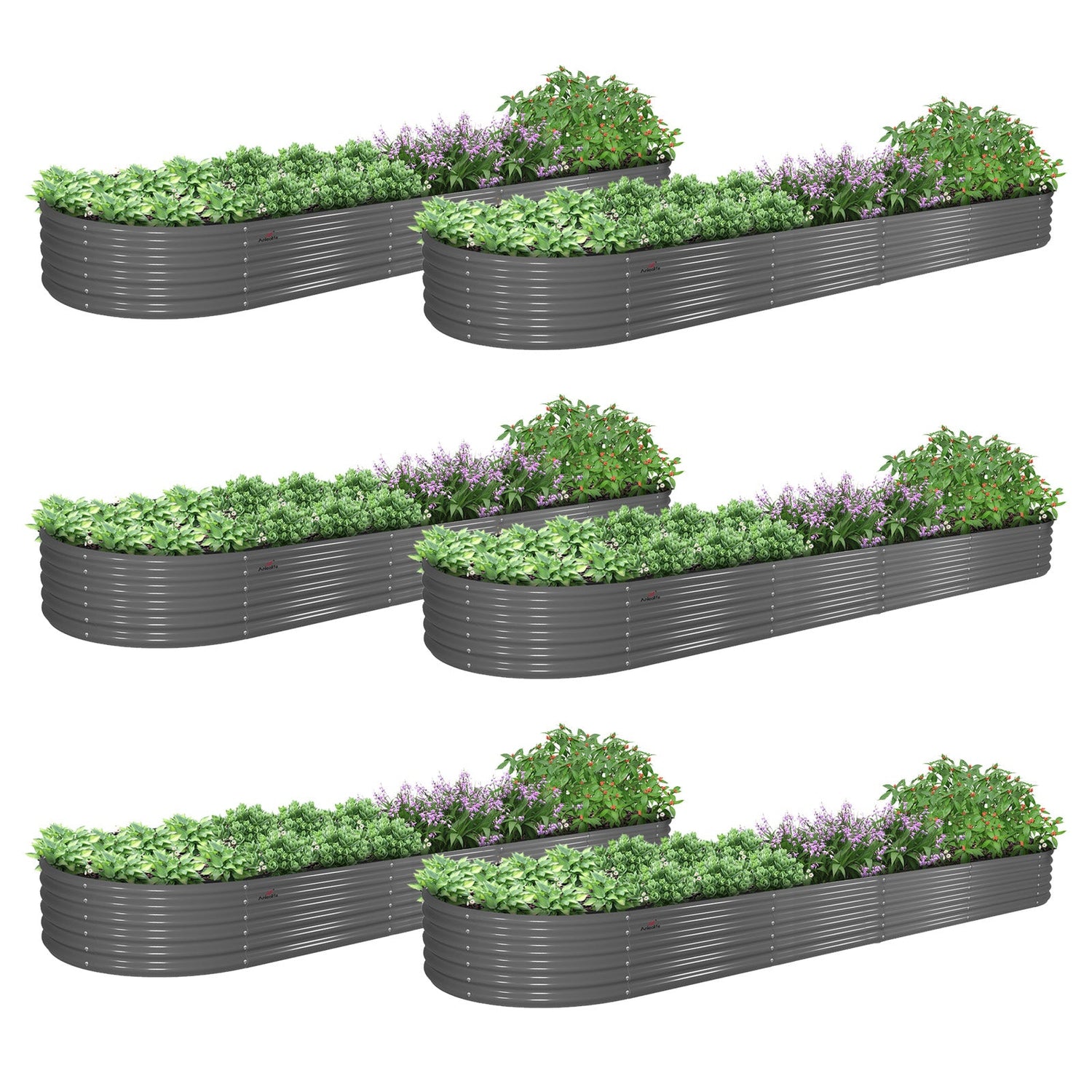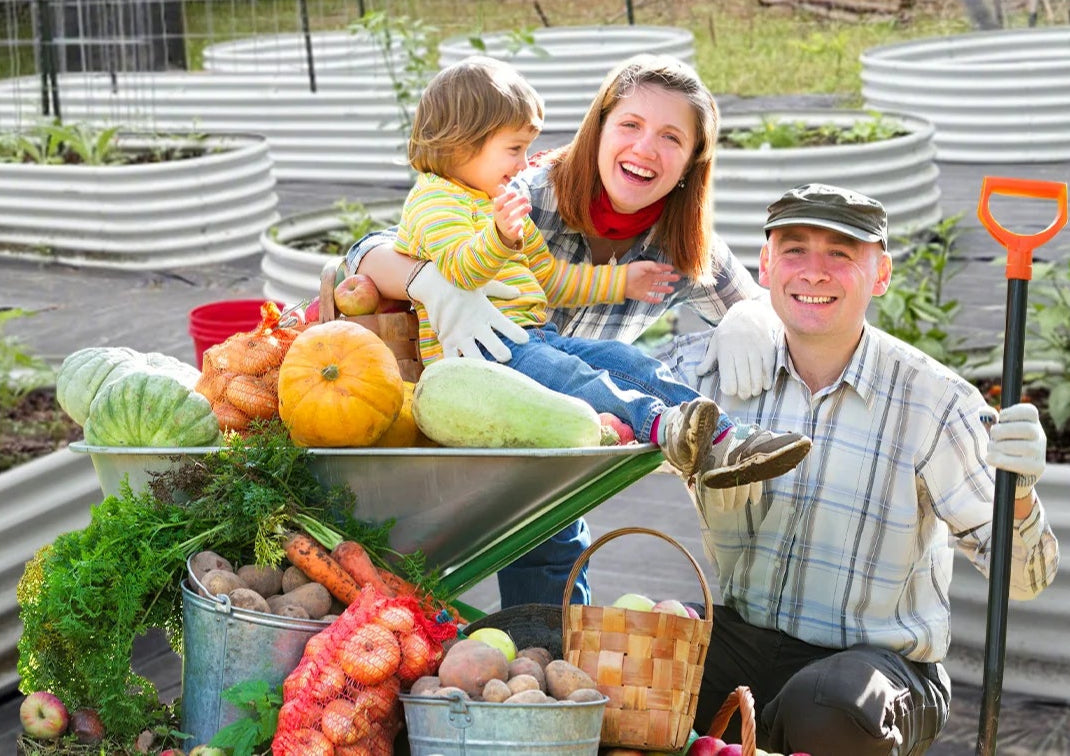



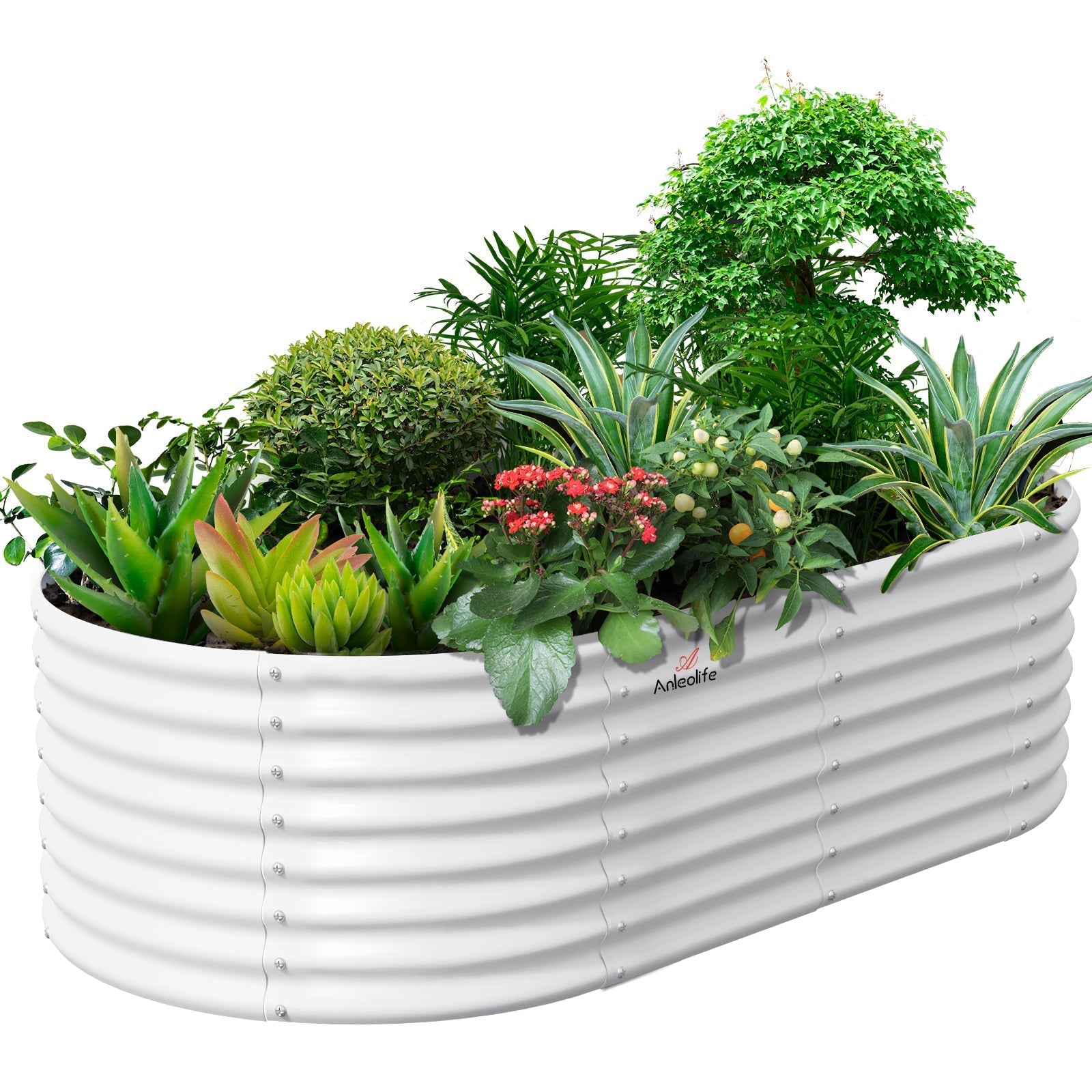
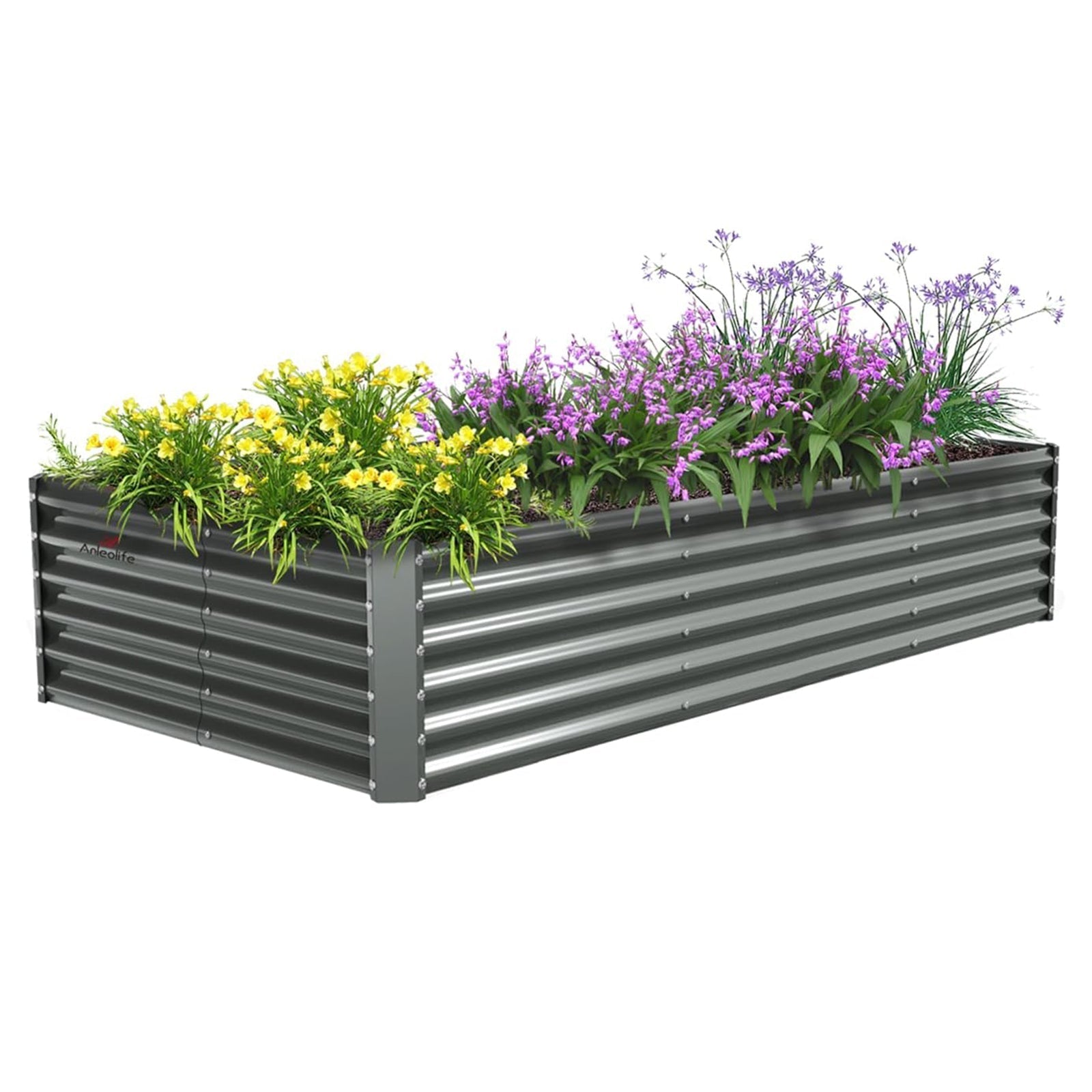

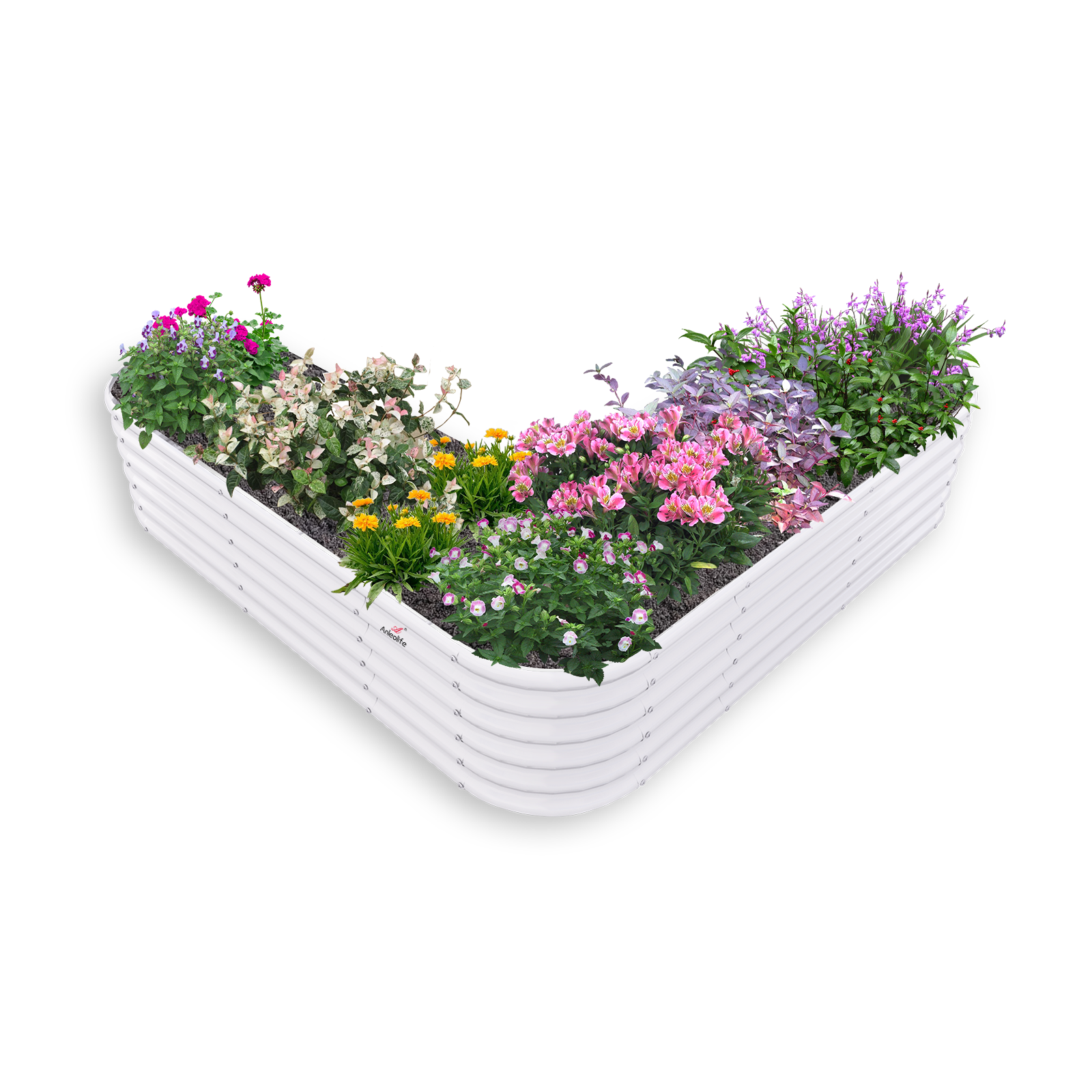
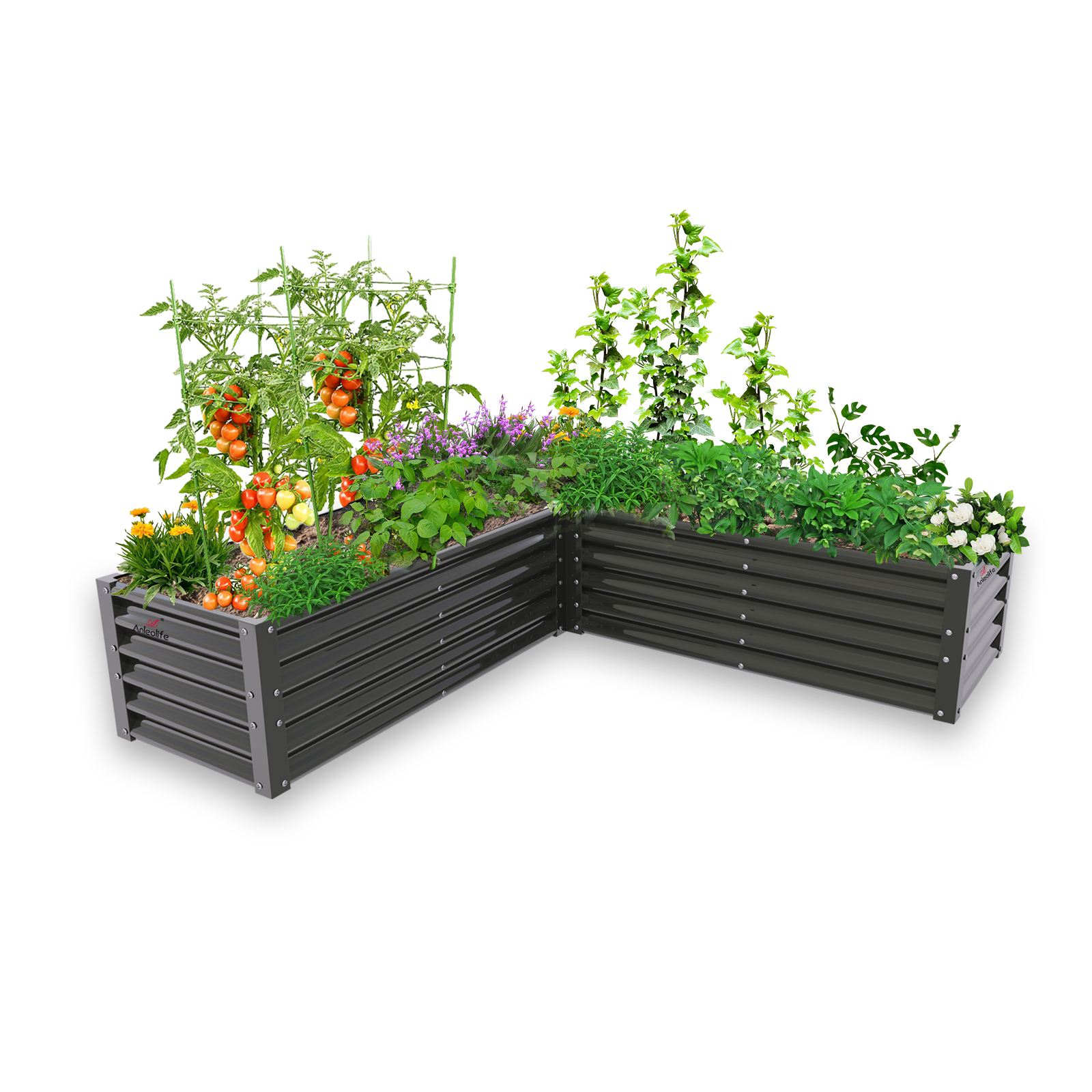
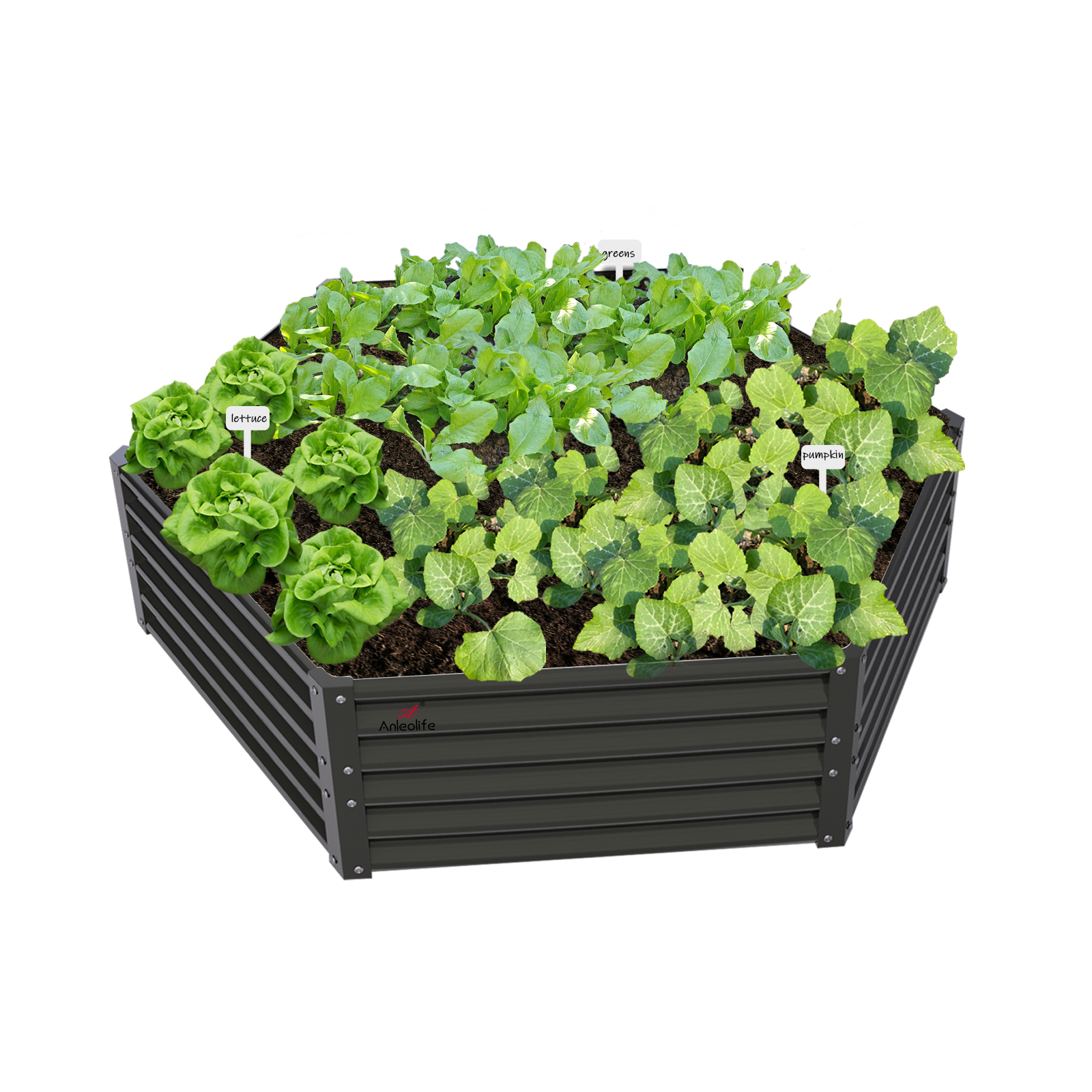
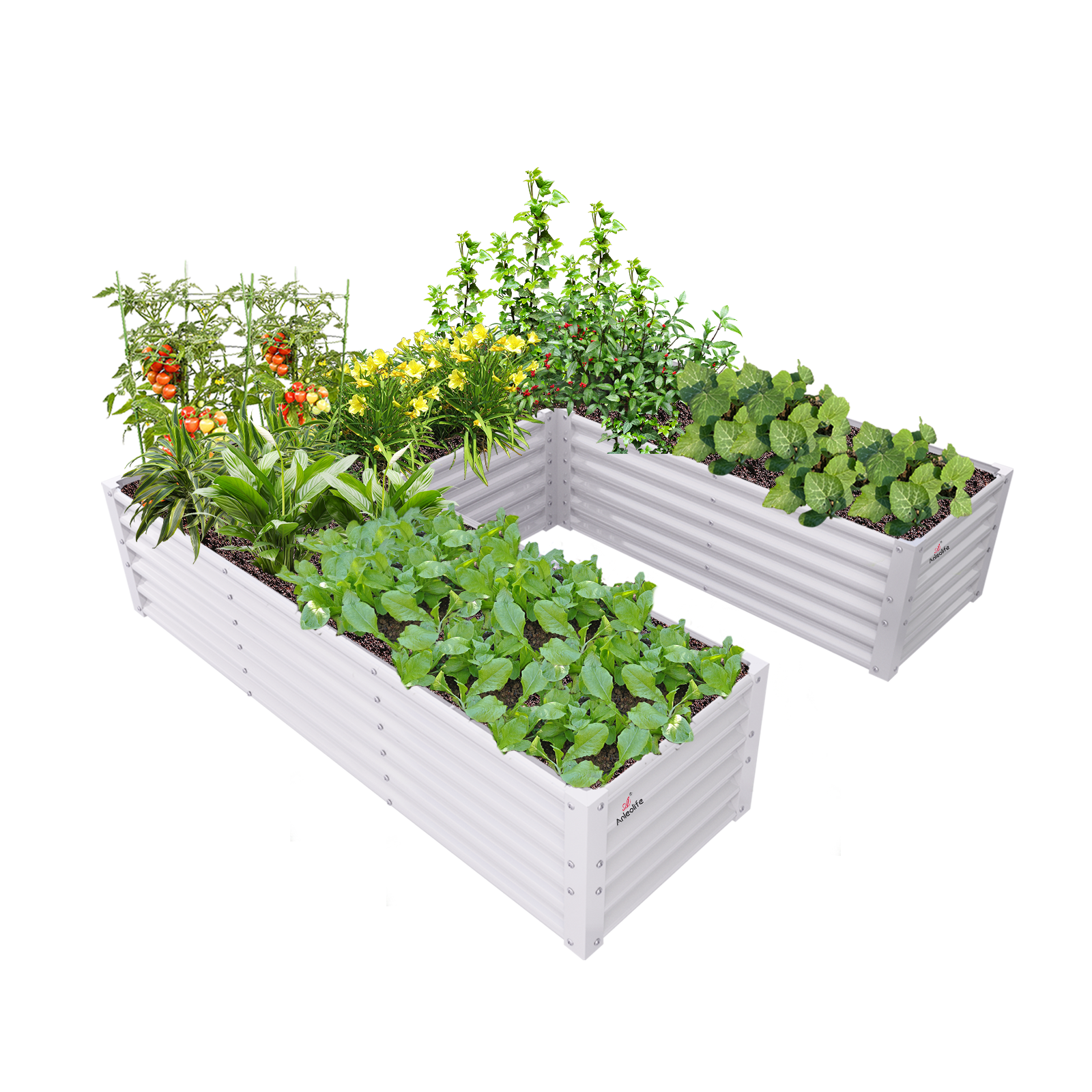

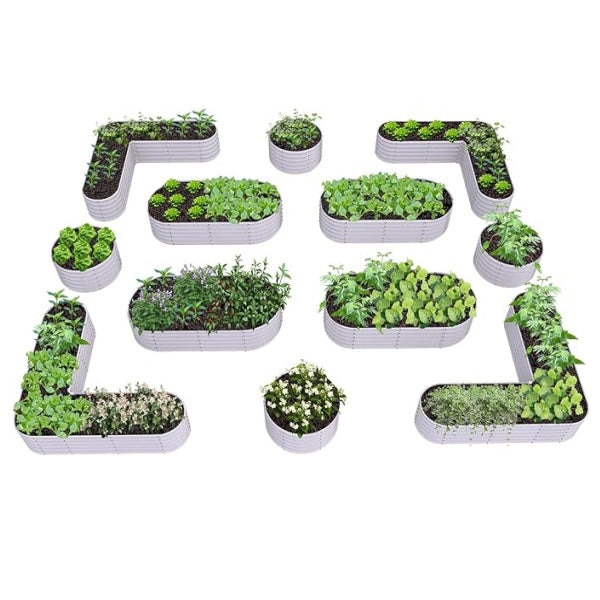


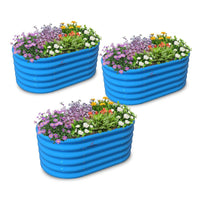
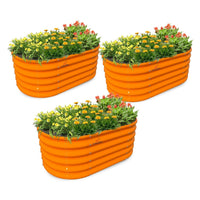
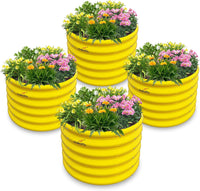
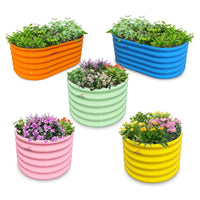





ALT: Early morning gardening meditation in a raised bed garden during summer, building a daily mindful routine
Gardening as Morning Meditation: How to Build a Calming Daily Routine This Summer
Key Conclusion: Summer mornings offer a golden window for combining mindfulness with productive garden work. Whether you're tending crops in a galvanized steel raised bed, checking on your backyard chickens through their tunnels, or watching kinetic wind spinners dance in the breeze beside your firewood log racks, these small rituals add up to a deeply restorative daily practice. Morning gardening isn't just about growing food — it's about growing a calmer, more intentional version of yourself. This guide will help you build that routine, step by intentional step.
Gardening has always been more than a hobby. For millions of Americans, it's a form of therapy — a way to reconnect with the earth, slow down the pace of modern life, and feel genuinely productive before the rest of the household stirs. But it's only recently that the wellness world has caught up with what gardeners have always known: the act of tending to plants, soil, and living systems is one of the most effective forms of mindfulness available to us.
This summer, rather than treating your garden as one more task on the to-do list, consider restructuring it as a morning meditation practice — a structured, sensory ritual that grounds your day. In this article, we'll explore how to design that ritual, what tools and setups make it sustainable, and why a well-organized raised bed garden is the perfect anchor for your daily mindfulness practice.
Who This Guide Is For: Matching the Right Routine to Your Life
✅ Applicable Scenarios:
- Home gardeners who want to combine wellness practices with productive growing
- Empty nesters or retirees with morning flexibility and a desire for purposeful outdoor time
- Urban micro-gardeners working with limited space who want to maximize both yield and mental health benefits
- Health-conscious families looking to grow their own food while modeling mindful habits for children
❌ Not Applicable/Cautions:
- Gardeners who are primarily interested in large-scale commercial production and have no interest in the meditative or wellness dimension of the practice
- Individuals with mobility limitations who haven't yet adapted their garden setup for accessibility (though raised beds can actually help — more on that below)
Why Summer Mornings Are the Most Powerful Time to Garden
There's a reason the phrase "the early bird catches the worm" has survived for centuries. In summer, mornings are biologically and environmentally optimal for gardening. Temperatures are cooler, light is soft and golden, and the garden is alive with sound — birdsong, rustling leaves, the gentle hum of pollinators just waking up.
Research from the field of horticultural therapy confirms what gardeners have long experienced intuitively. Studies cited by the American Horticultural Therapy Association suggest that regular engagement with plant-based activities can reduce cortisol levels, lower blood pressure, and improve mood. When that engagement happens in the early morning, before the cognitive demands of the day take over, the benefits are amplified. You're essentially giving your nervous system a soft landing into the day.
But there's another reason summer mornings matter specifically for raised bed gardeners: plant health. Watering in the early morning allows moisture to soak into the soil before evaporation peaks, reducing water waste and fungal risk. Checking for pests in low-angle morning light makes it easier to spot damage. Harvesting in the cool of the morning preserves flavor and nutritional value in leafy greens and herbs.
If you're just getting started with raised bed gardening, the Step-by-Step Raised Bed Garden Layout Planning for Summer 2026 Beginners guide offers an excellent foundation for setting up a space that works beautifully as both a productive garden and a morning sanctuary.
The combination of physical movement, sensory engagement, and purposeful activity makes morning gardening a near-perfect mindfulness practice — one that requires no app, no subscription, and no special training. All it requires is a consistent space, a reliable setup, and the intention to show up.
Building Your Morning Garden Meditation Routine: Core Content
Three-Step Quick Start
Step 1: Prepare Your Space the Night Before
Before you head to bed, spend 5–10 minutes preparing your garden for the morning ritual. Set out your tools where you can easily reach them — a trowel, gloves, watering can or hose attachment, and a small harvest basket if you're expecting ripe produce. If your raised beds have netting for pest protection, check that it's properly secured. This small act of preparation removes friction from the morning experience, so you step outside into calm, not chaos. The goal is to make showing up effortless.
Step 2: Begin with Observation, Not Action
When you first step into your garden each morning, resist the urge to immediately start working. Spend the first 3–5 minutes simply observing. Walk slowly around your beds. Notice what has changed overnight — new growth, a flower that has opened, an insect visiting a bloom. Touch the soil with your fingers to assess moisture. Look at the underside of leaves. This observational pause is the core of the meditative practice. It trains your attention, grounds your senses, and connects you to the living rhythm of your garden.
Step 3: Move Through a Consistent Task Sequence
After your observation period, move through a consistent sequence of tasks each morning. This might look like: water first (before the sun climbs too high), then check for pests, then harvest anything ready, then spend 10–15 minutes on a larger project like weeding, soil amendment, or pruning. Having a predictable sequence turns the routine into a ritual — and ritual, in any mindfulness tradition, is what creates depth and continuity. By the time you finish, you'll have accomplished real garden work and experienced genuine mental stillness.
Choosing the Right Garden Bed: A Comparison of Materials and Setups
One of the most important decisions in building a sustainable morning garden practice is choosing the right raised bed setup. The material, size, and height of your bed directly affects how enjoyable and ergonomic the morning experience will be. Here's how the main options compare:
When choosing a raised bed, it's worth understanding that Galvanized Steel Raised Beds: 7 Reasons They Outperform Wood for Summer Gardening — from longevity and pest resistance to clean aesthetics that enhance the meditative quality of your space.
| Comparison Dimension | Galvanized Steel | Untreated Wood | Plastic/Resin |
|---|---|---|---|
| Lifespan | Up to 20 years | 3–7 years | 5–10 years |
| Rust/Rot Resistance | High (galvanized coating) | Low (prone to rot) | Moderate |
| Aesthetic for Meditation Space | Clean, modern, calming | Rustic, but may weather poorly | Often looks utilitarian |
| Height Options Available | Multiple (18" to 35") | Limited customization | Generally low-profile |
| Eco-Friendliness | Recyclable metal | Concerns with treated wood chemicals | Non-recyclable plastic |
| Maintenance Required | Very low | Regular treatment/replacement needed | Low but fades over time |
| Best For | Long-term investment, ergonomics, aesthetics | Budget starter setups | Lightweight portability |
Anleolife's galvanized steel raised garden beds stand out in this comparison for one specific reason that matters enormously to the morning meditator: consistency. A bed that doesn't rot, warp, shift, or require annual repairs is a bed that stays stable and beautiful season after season. When your garden space is visually orderly and structurally sound, it's easier to arrive each morning with a calm mind.
Designing a Morning Meditation Garden: Detailed Guidance
Choosing the Right Bed Height for Your Practice
One underappreciated aspect of morning garden meditation is ergonomics. If bending over a low bed causes back discomfort, your morning session becomes associated with physical strain rather than ease. Anleolife offers beds ranging from 18-inch standard height all the way to 35-inch waist-high options — and for morning meditators, taller beds are often a game-changer.
The 24" Extra Tall and 30" Extra Tall ranges from Anleolife's galvanized steel collection are particularly well-suited for gardeners who want to work comfortably without kneeling. The 35" Waist-High 4x1.5 ft bed is ideal for those with mobility considerations or anyone who simply wants to tend their garden while standing upright, as if working at a peaceful outdoor counter. For retirees and empty nesters, this height can genuinely transform gardening from something effortful into something joyful.
What to Plant in Your Morning Ritual Garden
The plants you choose shape the sensory experience of your morning routine. For a meditative space, prioritize:
Aromatic herbs like lavender, rosemary, lemon balm, and mint — their scent is released by morning dew and touch, immediately engaging your olfactory senses in a calming way. Leafy greens and edible flowers provide daily harvest satisfaction — spinach, kale, nasturtiums, and Swiss chard reward consistent attention. Pollinator-friendly plants attract bees and butterflies in the morning hours, adding gentle movement and sound to your space.
For guidance on what to plant right now, Top 10 Vegetables to Grow in a Raised Bed This June and Beyond is an excellent starting point, especially if you're building your summer rotation.
Getting the Soil Right
No morning garden practice will feel truly grounding if your soil is compacted, waterlogged, or nutrient-poor. Poor soil creates frustration — plants that stall, seedlings that fail, crops that disappoint. Rich, well-structured soil, on the other hand, creates abundance and visual joy.
For raised beds, a high-quality mix of compost, topsoil, and drainage-enhancing materials like perlite gives plants what they need to thrive. The best approach is to think of your soil as a living system you tend a little each morning — adding compost, checking moisture levels, and observing texture. For a detailed seasonal recipe, explore The Best Soil Recipe for Raised Garden Beds in Summer 2026 to ensure your beds are set up for summer success from the ground up.
Protecting Your Garden Without Disrupting the Peace
Best garden netting for pest protection is a surprisingly important element in a morning meditation garden. Nothing disrupts morning calm quite like discovering that overnight visitors have eaten your seedlings. Row cover fabric and fine mesh netting stretched over hoops provide a gentle, low-maintenance barrier against insects, rabbits, and birds — without the need for chemicals.
Look for netting that's easy to lift and replace each morning during your inspection phase. Lightweight options that attach with clips or velcro allow you to flow through your observation routine without wrestling with heavy covers. The aesthetic matters too — white or neutral fabric maintains the clean visual order that supports a calm mindset.
For gardeners managing moisture alongside pest control, the Raised Bed Watering Guide: How to Conserve Water This Summer with Simple Systems offers practical strategies for efficient summer irrigation that won't eat into your meditative morning time.
The Role of Durability in Long-Term Practice
Here's something that isn't discussed enough in the wellness space: the best material for raised garden beds that lasts longest is also the material that best supports a long-term mindfulness practice. Durability is a mindfulness value. When you invest in a garden bed that will last 20 years — like Anleolife's galvanized steel range — you're making a commitment to showing up for two decades. That's not just a purchasing decision; it's a declaration of intention.
Anleolife's rust-resistant raised garden beds are engineered for exactly this kind of longevity. Using high-quality galvanized or specially coated steel, these beds resist corrosion through wet springs, hot summers, and freezing winters. The best materials for raised garden beds that won't rust combine adequate zinc coating thickness in galvanized options, or protective powder-coat finishes in rust-resistant variants — and Anleolife's product lines are specifically designed with these properties to serve gardeners season after season.
The Anleolife 8x4 galvanized raised garden bed is consistently praised in reviews for its combination of structural integrity, clean design, and ease of assembly — qualities that translate directly into a morning experience that feels solid and satisfying rather than makeshift or temporary. When your tools and infrastructure are reliable, your mind is free to be present.

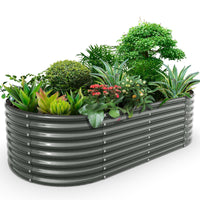
ALT: Anleolife galvanized steel raised garden bed in a morning meditation garden setting with summer vegetables and herbs growing
Advanced Practices: Deepening the Ritual Over Time
Once your basic morning garden routine is established, there are several ways to deepen the practice and troubleshoot common obstacles.
Handling Busy or Disrupted Mornings
Life doesn't always cooperate with rituals. Travel, family obligations, and weather can interrupt your sequence. The key is to hold the intention lightly — if you only have five minutes, spend them on the observation step. If it's raining, stand at the window with your coffee and look at your beds. A practice that adapts to real life is more sustainable than one that demands perfection.
Seasonal Transitions
Summer is the richest season for morning garden meditation, but building the habit now means you'll carry it forward into fall and beyond. As the season shifts, your task sequence will naturally evolve — from active harvesting and watering in June to mulching and cutting back in September. Embrace those transitions as part of the meditative arc of the year.
For gardeners navigating the mid-summer shift in crops, Mid-Summer Raised Bed Maintenance: Your Essential June–July Care Checklist provides a practical framework for keeping the routine fresh and your beds productive.
Common Misconception: You Need a Large Garden
Many people assume that a meaningful garden practice requires substantial space. This isn't true. Some of the most meditative and productive setups consist of just two or three raised beds — even a single 8x4 bed filled with a diverse mix of herbs, greens, and flowers can anchor a complete morning ritual. Urban micro-gardeners and balcony growers consistently report that smaller spaces demand sharper attention, which actually deepens the meditative quality of the practice.
Incorporating Other Elements
A truly immersive morning garden space often includes elements beyond the beds themselves. Kinetic wind spinners add gentle movement and sound that serves as a natural focal point for breathwork. A simple firewood log rack near the garden edge can double as a rustic shelf for small tools. Chicken tunnels, if you keep backyard hens, create a delightful layer of animal interaction that many gardeners find deeply grounding — watching chickens explore their run while you tend your beds is a form of inter-species mindfulness that's hard to replicate elsewhere.
Frequently Asked Questions FAQ
Q1: How do I choose the best soil for small raised garden beds used for daily meditation gardening?
The best soil for small raised garden beds combines high organic matter for nutrition, good drainage to prevent waterlogging, and a light texture that's easy to work with your hands. A classic recipe blends compost, topsoil, and perlite or coarse vermiculite. The sensory experience matters too — rich, dark, friable soil that smells alive is part of what makes morning gardening so grounding. Refresh the top layer with compost each season to maintain quality and keep your beds productive year after year.
Q2: Are galvanized steel raised garden beds safe for growing vegetables and herbs?
Yes — galvanized steel raised garden beds are widely considered safe for food growing. The zinc coating that gives galvanized steel its rust resistance is stable and doesn't leach harmful quantities into the soil at normal garden temperatures. Anleolife's galvanized steel beds are specifically designed for food gardening, and their 20-year lifespan reflects the durability of the materials involved. For additional peace of mind, you can line the inner walls with food-safe landscape fabric, which many gardeners do anyway to improve soil retention.
Q3: How much time does a daily morning garden meditation routine realistically take?
A sustainable morning garden ritual can be as short as 15–20 minutes or as long as an hour, depending on the season and the size of your setup. Most practitioners find that 30 minutes is the sweet spot — enough time for observation, basic maintenance, and a short focused task, without feeling rushed or consuming too much of the morning. The key is consistency over duration. A 20-minute daily practice every morning is far more transformative than a two-hour session once a week.
Summary
Building a morning garden meditation practice this summer is one of the most accessible and rewarding investments you can make in your mental and physical wellbeing. Three core insights stand out:
First, the structure matters. A consistent sequence of observation, maintenance tasks, and intentional presence transforms ordinary garden work into a genuine mindfulness practice. The routine itself is the meditation.
Second, your infrastructure shapes your experience. Choosing durable, well-designed raised beds — like Anleolife's galvanized steel or rust-resistant options with a 20-year lifespan — creates a stable, beautiful foundation that supports the practice long-term. When your garden is reliable, your mind can relax into it.
Third, start small and stay consistent. You don't need a large space, a complex layout, or hours of free time. A single well-chosen raised bed, the right soil mix, good pest protection, and 20–30 minutes of intentional morning time is genuinely enough to begin.
This summer, give yourself the gift of a morning practice rooted in the earth. Your garden is waiting.
Start Your Morning Garden Ritual with Anleolife
Nationwide U.S. warehouse network: Strategically located in California, Texas, Florida, New York, Illinois, and Washington, Anleolife ensures delivery within 3–8 business days — so your garden upgrade plans never have to wait for the season to pass you by.
Multi-channel availability: Anleolife products are available on Amazon, Walmart, Home Depot, Lowe's, Wayfair, and the official Anleolife.com website, providing consistent quality assurance and after-sales service wherever you prefer to shop.
Three complete garden scenarios: Planting (metal raised garden beds, soil systems), Raising (chicken coops, rabbit hutches), and Beautification (decorative accessories, pathway systems) — everything you need to create a morning sanctuary that's as functional as it is beautiful.
We understand that an ideal garden is not built overnight, but gradually improved over time. Anleolife's modular product design allows flexible expansion based on your needs — from your first raised bed to a fully integrated planting-and-raising ecosystem. We grow with you, every step of the way.
References
- American Horticultural Therapy Association. "What is Horticultural Therapy?".
https://www.ahta.org/horticultural-therapy - National Institutes of Health, National Library of Medicine. "Gardening Is Beneficial for Health: A Meta-Analysis".
https://www.ncbi.nlm.nih.gov/pmc/articles/PMC5153451/ - University of California Agriculture and Natural Resources. "Sustainable Home Gardening Practices".
https://ucanr.edu/ - Harvard Health Publishing. "Sour mood getting you down? Get back to nature".
https://www.health.harvard.edu/mind-and-mood/sour-mood-getting-you-down-get-back-to-nature - USDA National Institute of Food and Agriculture. "Community and School Gardens".
https://www.nifa.usda.gov/
Note: Research findings and horticultural guidelines may be updated. Please check the latest official publications or consult a certified horticultural therapist or extension service advisor for the most current guidance.
About Anleolife
Anleolife is a leading outdoor garden solutions provider in North America, dedicated to offering a full-scenario product ecosystem for home gardening enthusiasts, covering planting, raising, and garden beautification. Since its founding, we have upheld our brand mission, "Made for Garden Life," continuously innovating products and optimizing services to help hundreds of thousands of users upgrade their gardens, reconnect with nature, and enjoy a better garden lifestyle.