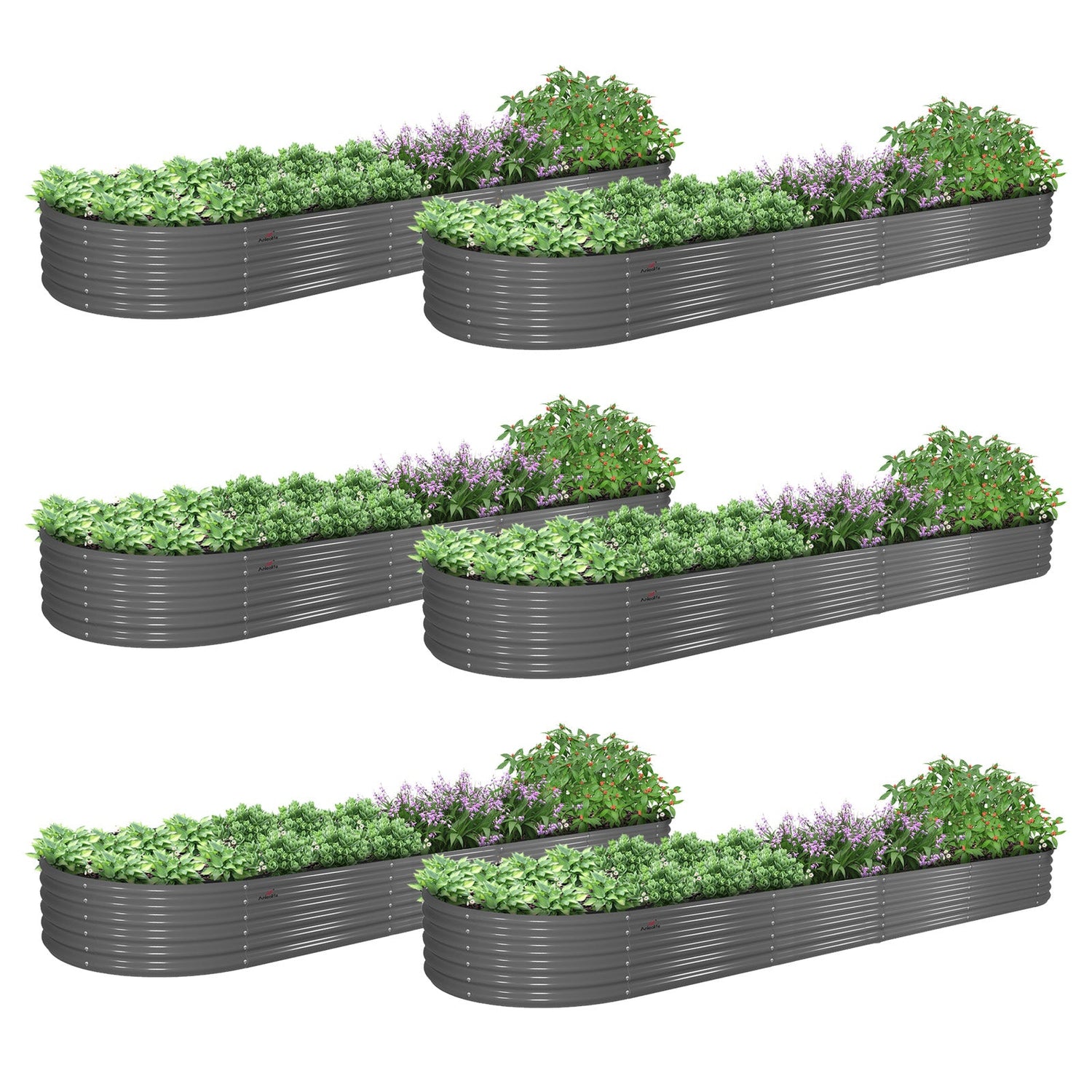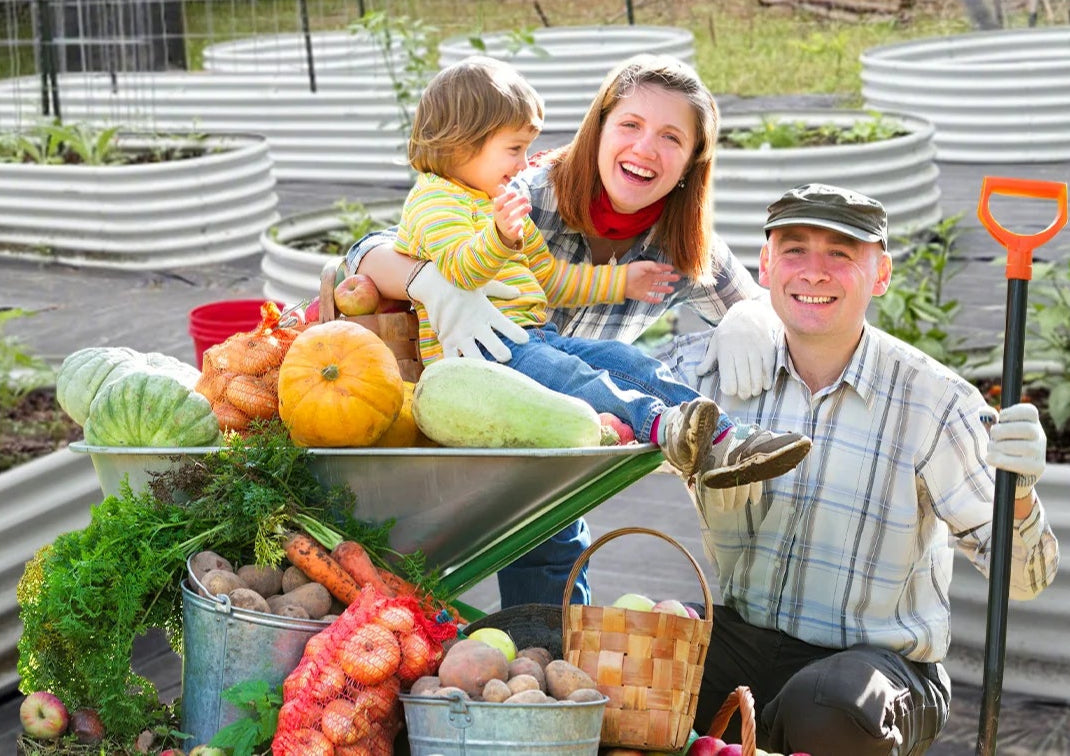




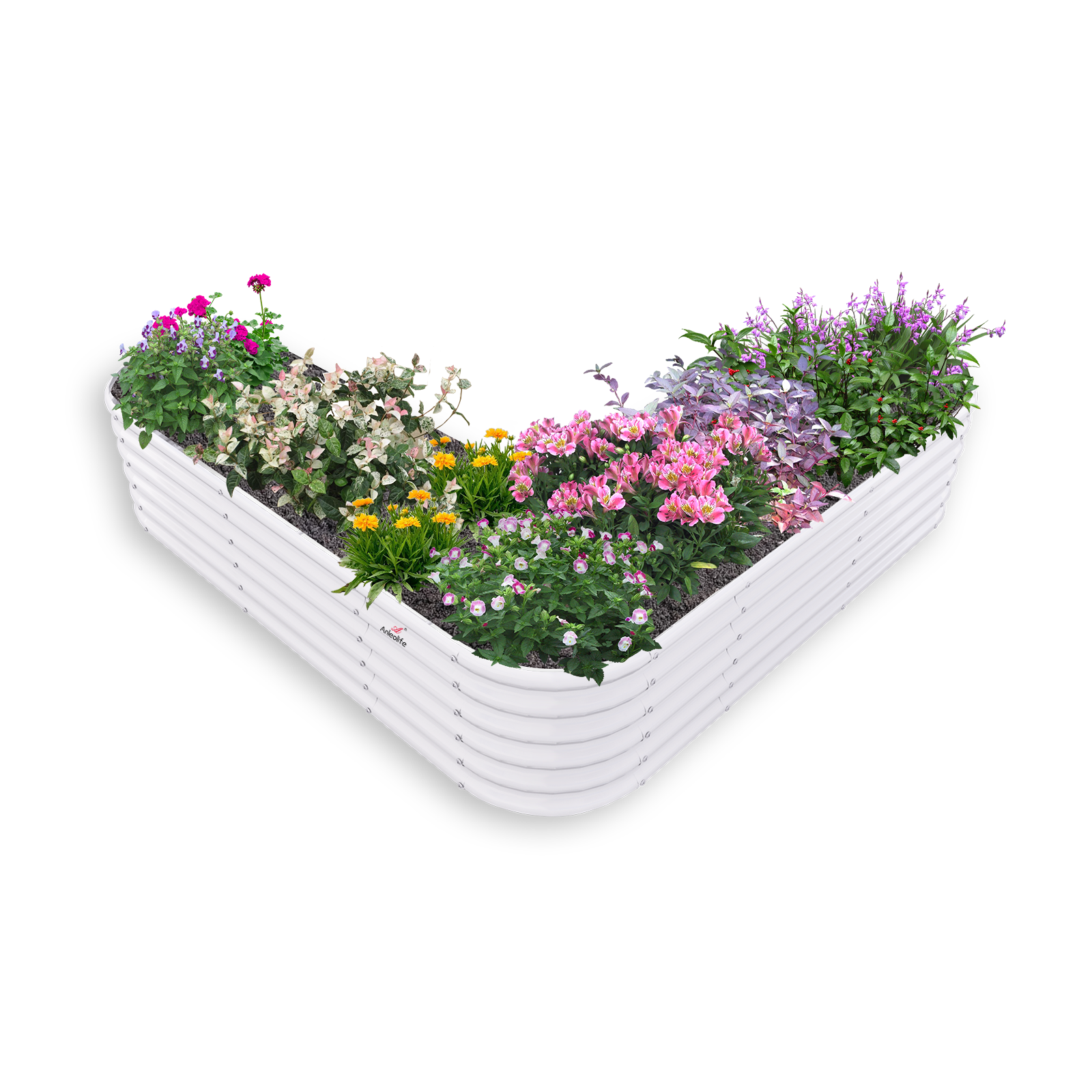
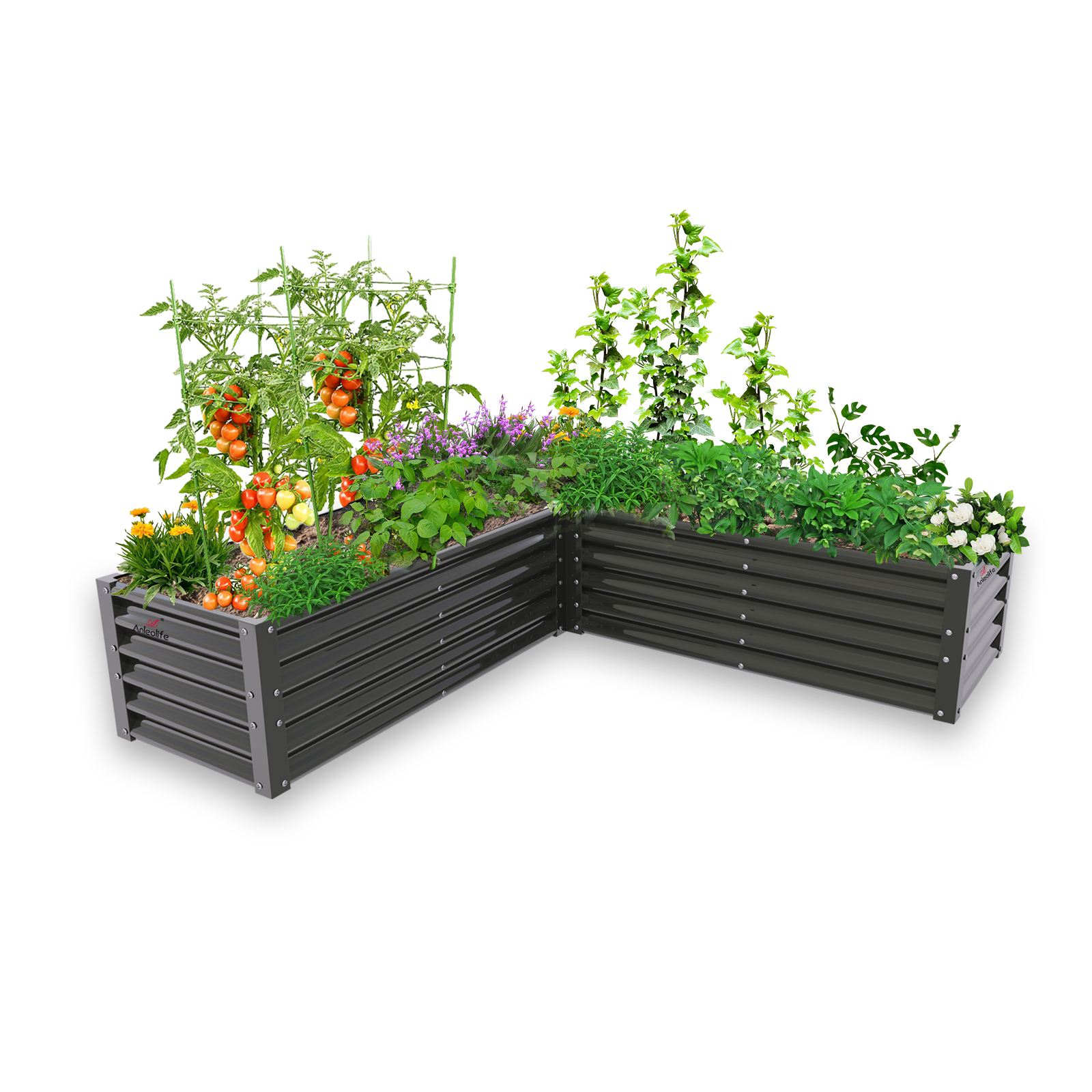
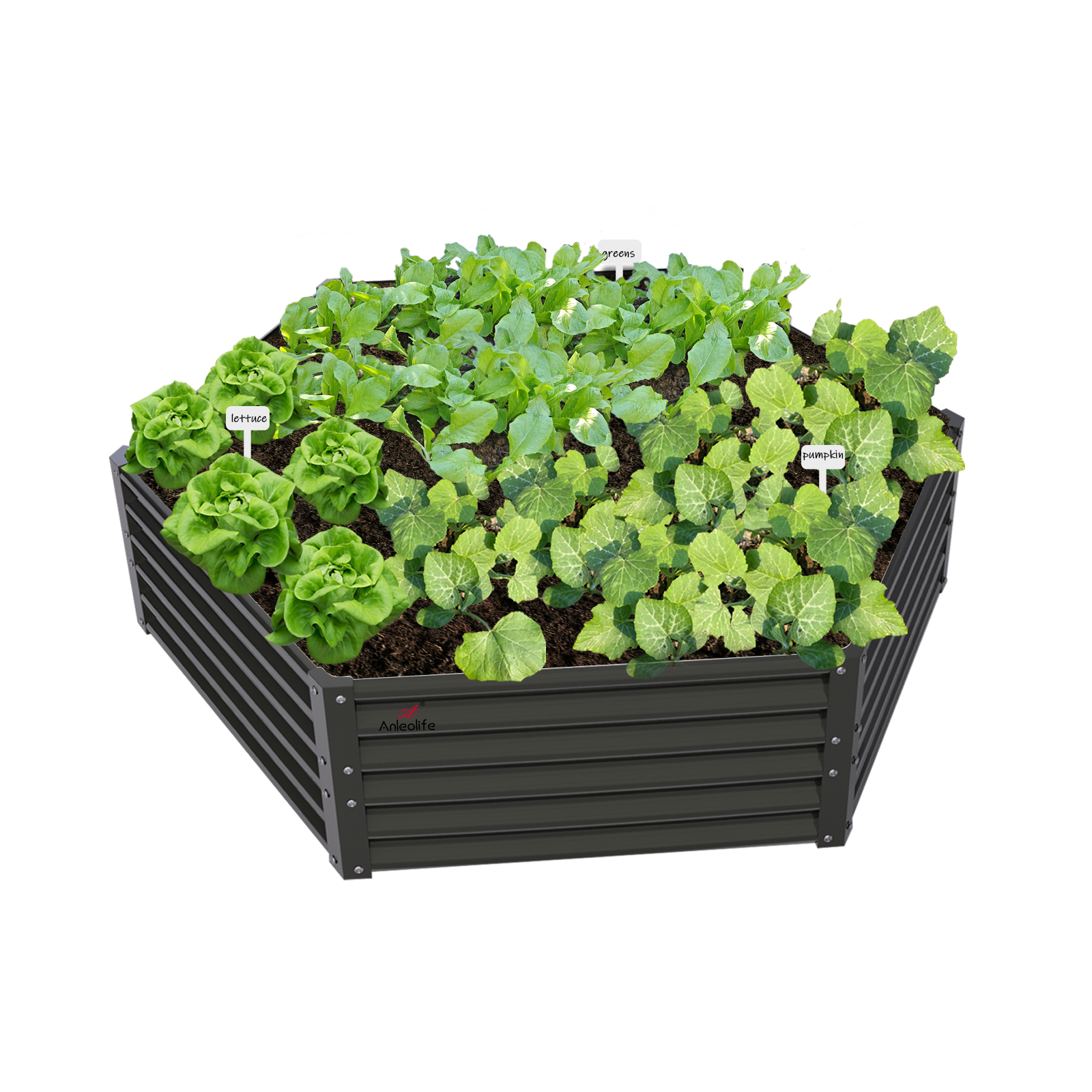
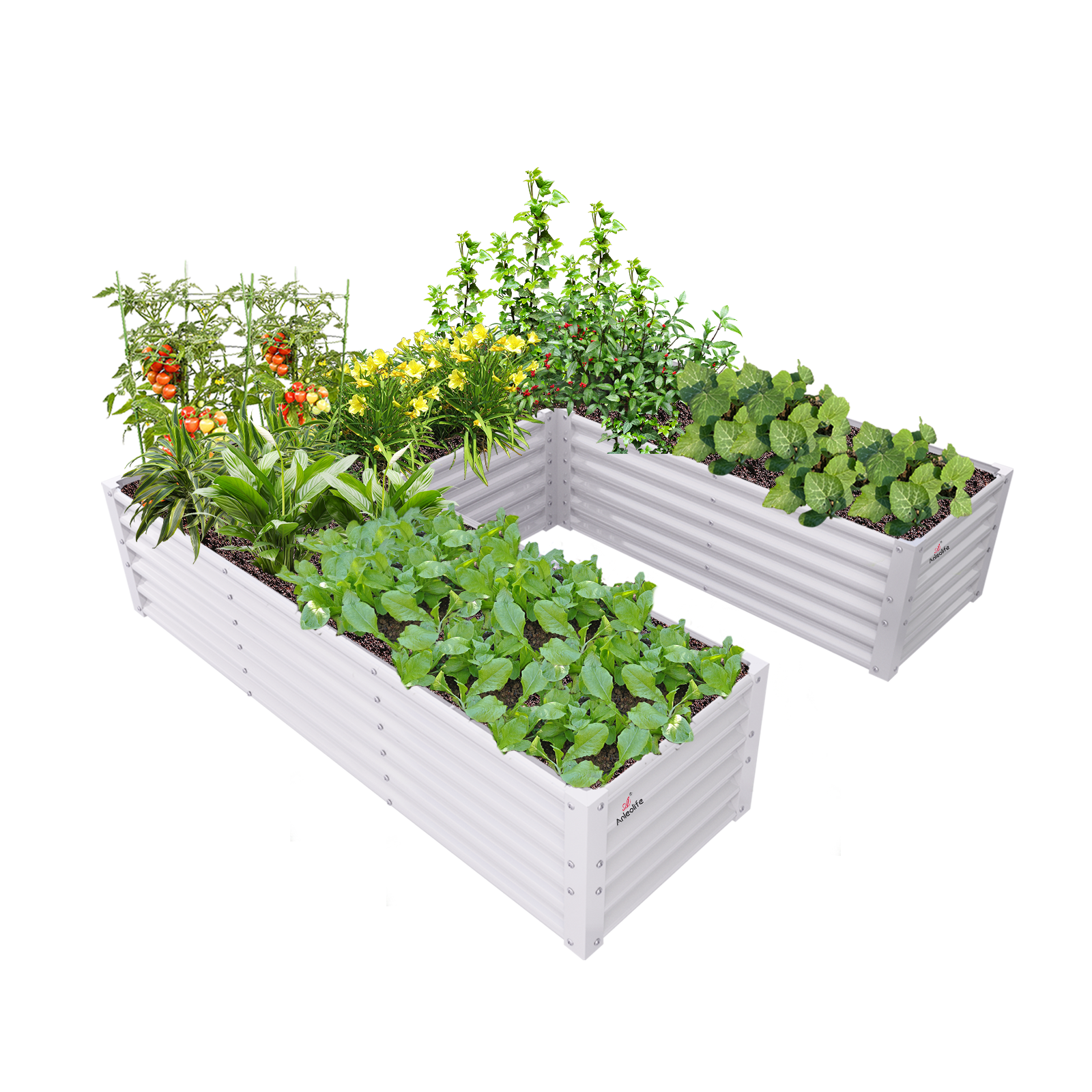

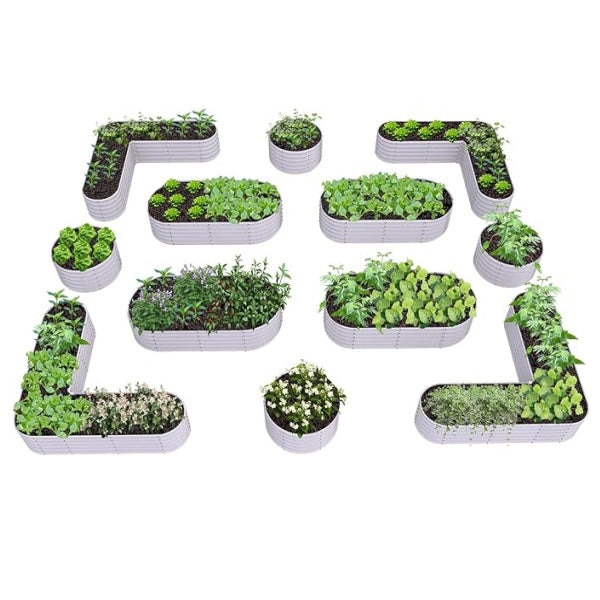


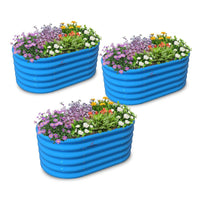
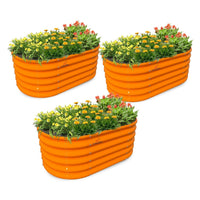
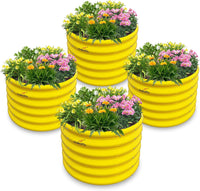
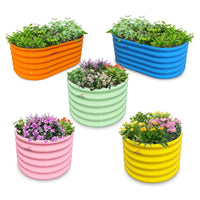
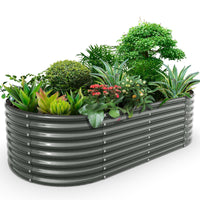



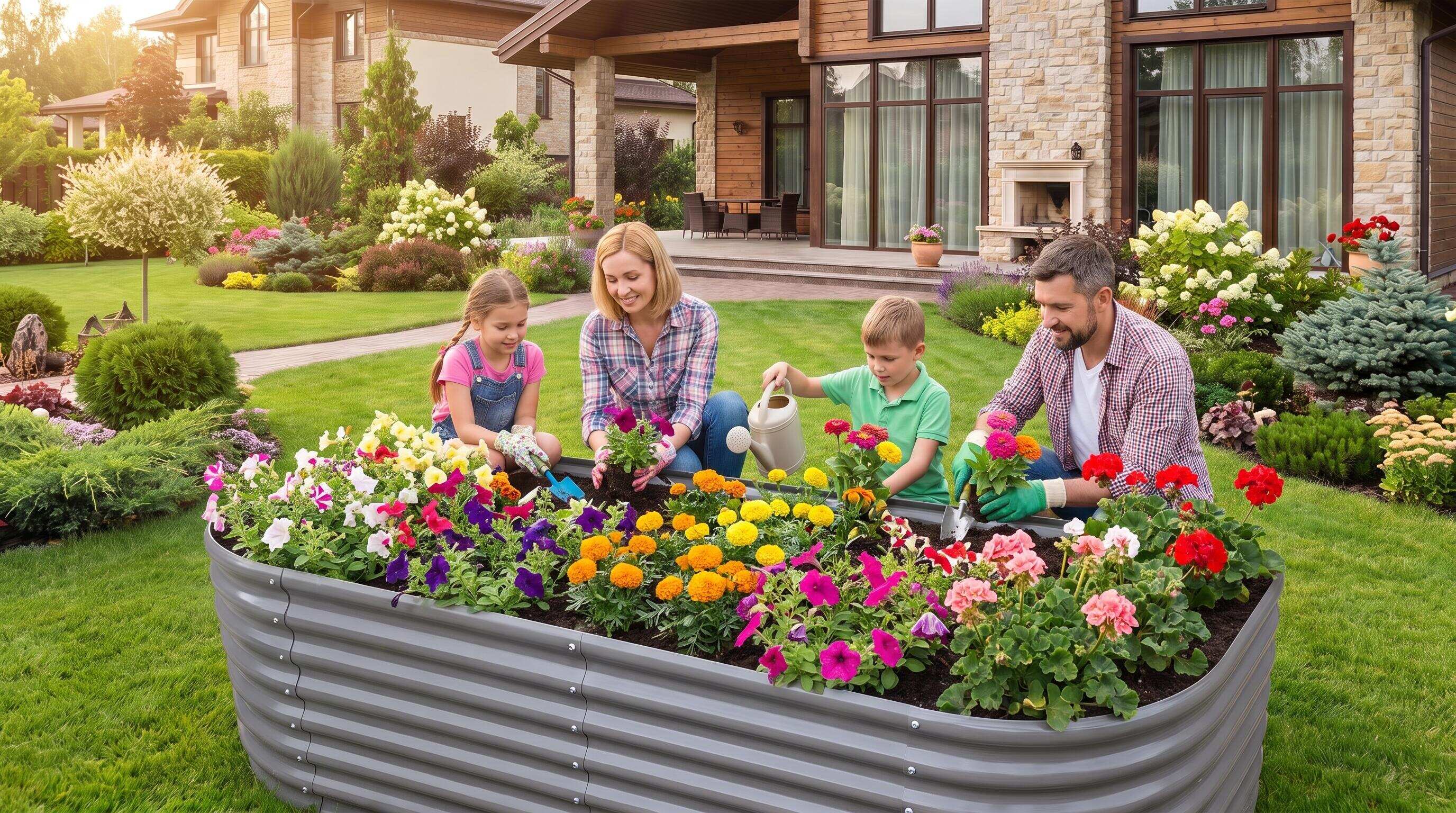
ALT: Children and parents gardening together in a raised bed garden layout during the growing season
Why a Smart Raised Bed Garden Layout Makes Family Gardening Actually Work
Picture this: it's a Saturday morning, the kids are finally outside, and instead of staring at screens they're kneeling beside a tidy metal garden bed, pressing seeds into dark soil and arguing cheerfully about whose row of radishes will sprout first. That scene isn't accidental — it's the result of a well-planned raised bed garden layout that puts everything at child-friendly reach and makes each task feel manageable rather than overwhelming. A thoughtful raised bed planting layout is, in our experience working with home gardeners across North America, the single biggest factor that determines whether kids stay engaged all season or lose interest after the first weekend.
Getting children involved in raised bed gardening is not just about handing them a trowel. It requires deliberate design: the right bed dimensions, the right crops, a clear raised bed layout that assigns each child a sense of ownership, and a structure sturdy enough to last well beyond one growing season. When those elements align, family gardening becomes one of the most rewarding — and surprisingly cost-effective — investments a household can make in outdoor living.
Who This Guide Is For
Applicable Scenarios:
- Families with children ages 4–14 who want a structured, safe, and engaging outdoor activity that builds responsibility and science curiosity
- Home growers transitioning from in-ground gardening to raised beds for easier maintenance and better soil control
- Empty nesters or retirees who want to introduce grandchildren to gardening during weekend or summer visits
- Urban and suburban households with limited yard space looking to maximize a compact raised bed layout for multiple users
Not Applicable/Cautions:
- Households without any outdoor ground space or balcony where raised beds can be safely anchored (vertical structures require separate planning)
- Families expecting instant results without seasonal commitment — raised bed gardening rewards consistency over impulse
The Case for Raised Bed Gardening with Kids: Background and Trends
Raised bed gardening — a method of growing plants in contained, elevated soil structures above natural ground level — has grown steadily in popularity among North American households over the past decade. The appeal is practical: defined boundaries make gardening less intimidating for beginners, soil quality is easier to control, weeding is reduced, and the physical setup encourages hands-on participation from every family member, including the youngest ones.
From our work with home gardening enthusiasts, a pattern we consistently see is that children engage more deeply with gardening when they have a clearly defined space that belongs to them. A shared 8x4 raised bed, for example, can be visually divided into quadrants — one per child — giving each young gardener personal ownership without requiring a separate structure. This psychological clarity, embedded directly into the raised bed layout, is what keeps kids coming back week after week.
According to resources published by The Old Farmer's Almanac, structured raised bed garden layouts help beginners — including children — visualize planting zones, spacing, and succession planting in a way that open ground simply doesn't. The organization's raised bed planning guides note that companion planting and grid-style layouts are particularly well-suited to small, defined spaces, making them ideal for family gardens where multiple crops and multiple helpers need to coexist.
Research and educational programs from university cooperative extension services across the United States have consistently linked school and home garden participation to improvements in children's nutritional awareness, willingness to try vegetables, and science learning outcomes. These findings reinforce what experienced gardeners know intuitively: when kids grow it, they eat it, and when the garden is well-organized, they grow it more enthusiastically.
For families just beginning this journey, a useful starting point is understanding how bed sizing affects the overall experience. Our guide on sizing a raised garden bed kit for the first time walks through the key decisions around dimensions and configuration — particularly relevant when you're planning a layout that needs to work for both adults and children simultaneously.
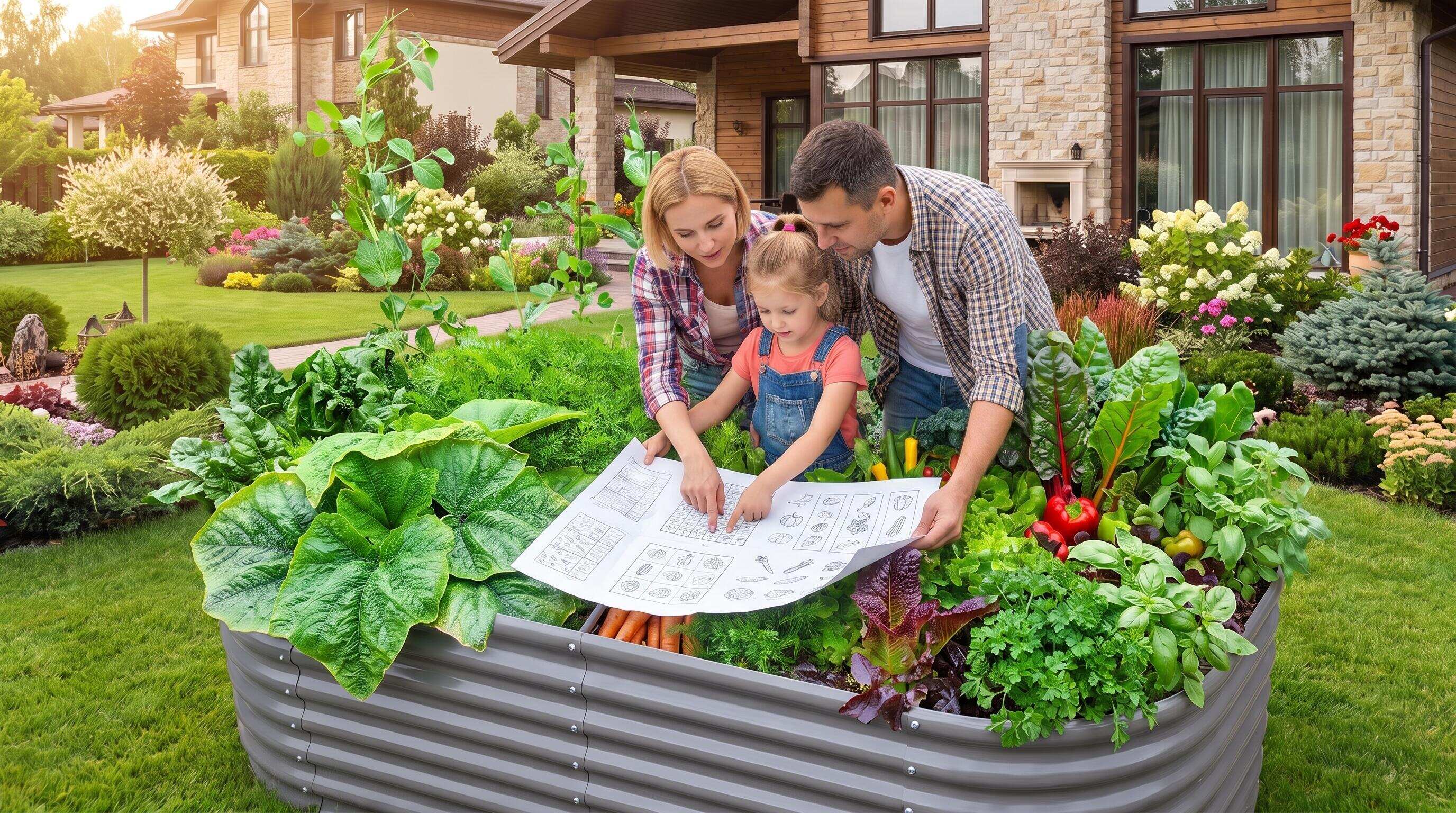
ALT: Family reviewing a raised bed planting layout diagram together beside a galvanized steel garden bed in a backyard
Planning and Building a Child-Friendly Raised Bed Layout: The Full Approach
Three-Step Quick Start
Step 1: Choose the Right Bed Size and Height for Mixed-Age Use
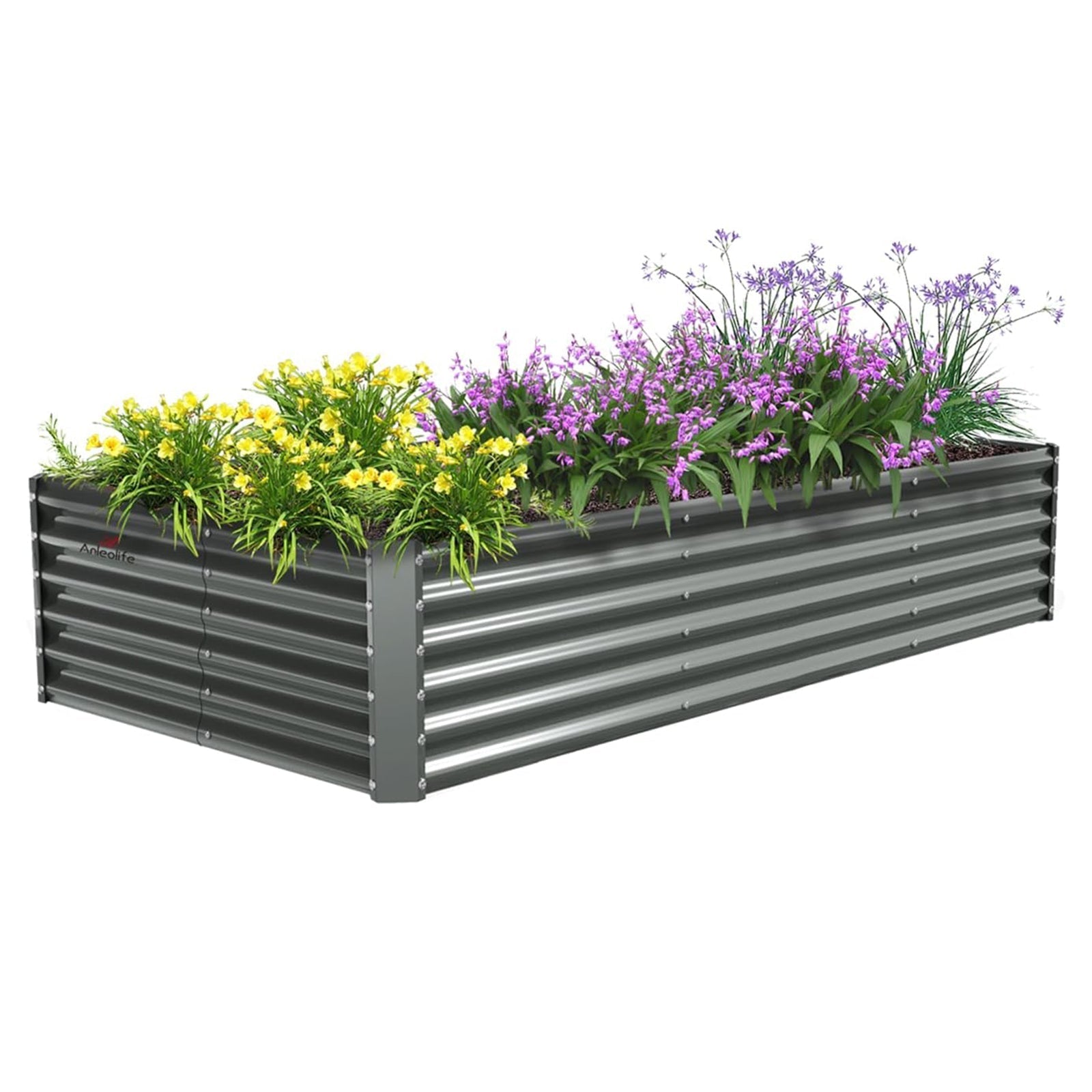
Before seeds or soil, the physical structure sets every constraint that follows. For families with young children, bed height is as critical as footprint. A standard 18-inch-tall raised bed allows most children over age six to reach the center without stepping inside, while a 24-inch extra-tall option is genuinely back-friendly for adults working alongside them. For very young children (ages 4–6), a 12x3 ft galvanized steel raised garden bed or a comparable narrower footprint works well because no reach is longer than 18 inches from the edge. Plan to spend one afternoon assembling the bed and another preparing the soil system before any planting begins.
Step 2: Design a Raised Bed Planting Layout That Gives Every Child a Zone
Once the structure is in place, sketch a simple raised bed garden layout on paper before touching the soil. Divide the bed into clearly readable sections — use stakes, string, or even painted craft sticks as visible borders. Assign each child one zone and let them choose one "their" crop alongside two family selections. According to planning resources at The Old Farmer's Almanac, a grid-based approach (sometimes called square foot gardening) is the most beginner-friendly raised bed layout method because it makes plant spacing visual and concrete rather than abstract. Expect this planning step to take 30–60 minutes and to generate genuine excitement — kids who plan their own section plant with more care.
Step 3: Establish a Weekly Care Routine with Assigned Roles
Sustainability in family gardening comes from routine, not enthusiasm alone. Create a simple weekly checklist posted near the garden: who waters on which days, who checks for pests, who records growth in a garden journal. Rotate roles every two weeks to maintain novelty. The physical reliability of the bed itself matters here — a galvanized steel raised bed from Anleolife is built to last up to 20 years, meaning the family routine you establish this season has a structure to grow with your children through their entire childhood. Expect to spend about 15–20 minutes per week per child on maintenance once the garden is established.
Comparing Raised Bed Layout Approaches for Family Gardens
The right raised bed layout strategy depends on your yard space, the number of children, and how much structure you want to provide versus how much creative freedom you want to give young gardeners. The three most practical approaches for family settings are the Grid/Square Foot Layout, the Row Layout, and the Themed Section Layout.
| Comparison Dimension | Grid / Square Foot Layout | Row Layout | Themed Section Layout |
|---|---|---|---|
| Best age range | Ages 5 and up | Ages 8 and up | Ages 4 and up |
| Ease of ownership for kids | High — clearly visible personal zones | Moderate — rows can blur between users | Very high — each child's section has a theme (e.g. pizza garden, salsa garden) |
| Crop variety possible | High — many small-quantity crops in one bed | Moderate — longer runs of fewer varieties | High — themed crops naturally cluster |
| Adult supervision level needed | Low once zones are set | Moderate — spacing requires more guidance | Low — theme provides built-in structure |
| Best bed size | 4x4, 6x3, 8x4 | 8x4, 12x3 | 4x4, 6x3 |
| Setup complexity | Low | Low | Moderate (theme planning required) |
| Engagement longevity | High | Moderate | Very high — story and purpose sustain interest |
No single layout is universally best — in our experience, families with children of mixed ages tend to get the most mileage from a hybrid: a grid layout that assigns individual quadrants, with each quadrant having a loose theme chosen by the child who owns it.
Crop Selection, Soil Systems, and the Details That Keep Kids Engaged All Season
Choosing the Right Crops for a Child-Centered Raised Bed Planting Layout
The fastest way to lose a child's interest in gardening is to plant crops that take too long to show results or require too much patience at harvest. A well-designed raised bed planting layout for families prioritizes fast-germinating, visually satisfying, and edible crops that deliver feedback quickly. Radishes sprout within days. Cherry tomatoes produce prolifically over weeks. Sunflowers grow dramatically tall. Beans climb visibly. Strawberries deliver fruit that disappears directly into small mouths.
A practical approach, consistent with planning resources at Savvy Gardening's 4x8 raised bed layout guide, is to pair at least one "instant gratification" crop (lettuce, radishes, spinach) with one "long game" crop (tomatoes, peppers, squash) in each child's zone. This structure teaches patience without making the entire experience feel like waiting.
Companion planting — placing crops together that benefit each other — is also a natural teaching tool. The classic "Three Sisters" combination of corn, beans, and squash is a meaningful project for older children because it comes with a story (the agricultural tradition of several Indigenous North American peoples) and produces visibly interdependent growth. Incorporating this kind of narrative into the raised bed layout deepens engagement beyond the purely horticultural.
Building a Soil System That Supports Both Plants and Learning
The soil system inside a raised bed is the invisible engine of the garden, and explaining it to children in concrete terms — "this layer feeds the plants," "worms help mix nutrients in" — transforms a technical subject into an observable science experiment. A quality raised bed soil mix typically combines topsoil, compost, and an aerating material such as perlite or coarse sand. Encouraging children to help fill the bed (with age-appropriate shovels and wheelbarrows) builds both investment and physical understanding of what plants need.
Anleolife's galvanized steel raised garden beds are designed to hold a full, deep soil column — critical for root vegetables like carrots and beets that children particularly enjoy harvesting because the "dig-and-reveal" moment feels like treasure hunting. The beds' rust-resistant construction means soil moisture doesn't accelerate structural degradation, preserving the clean environment children interact with directly.
Bed Height, Safety, and the Physical Experience of Gardening as a Child
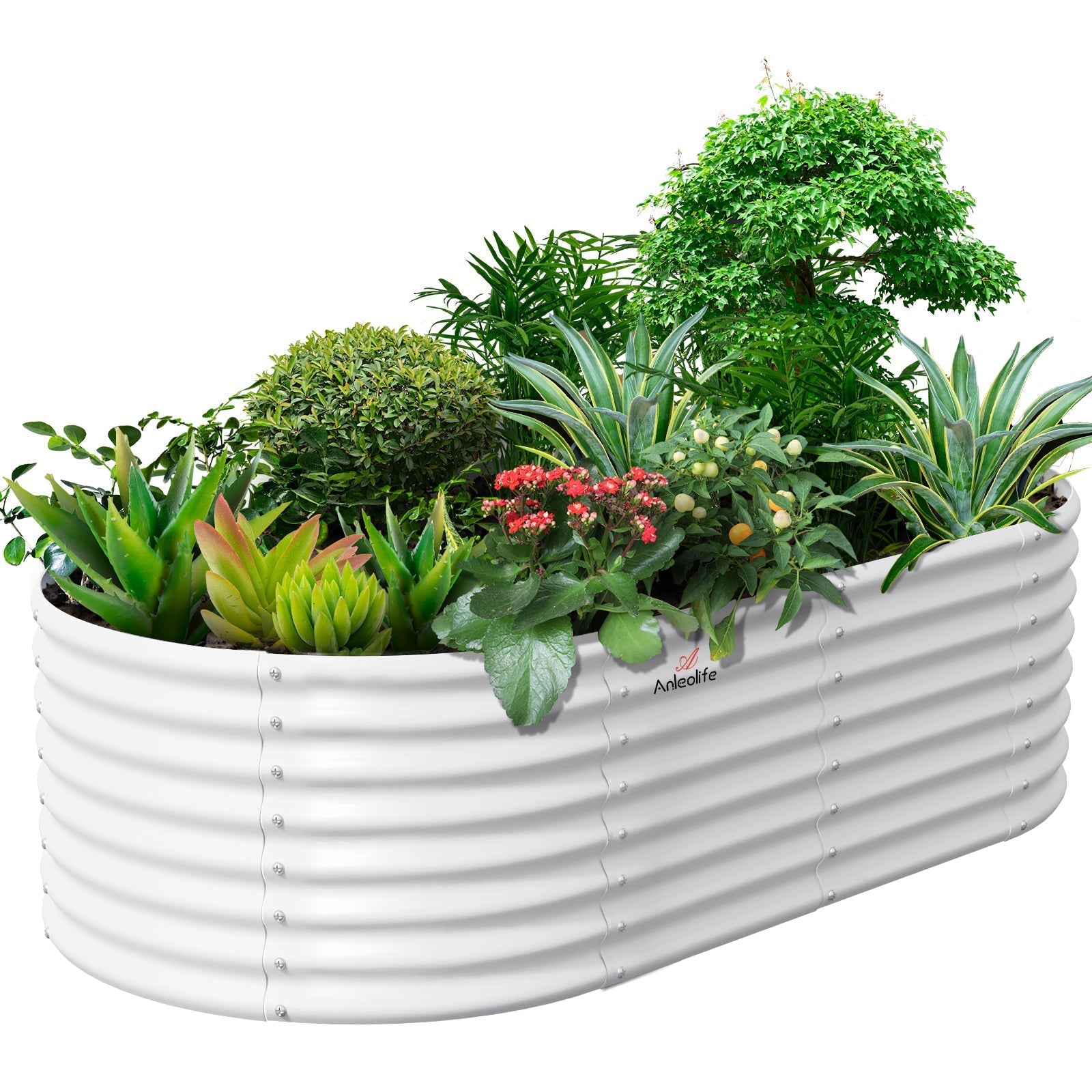
Physical accessibility is a dimension many adults underestimate when planning a family raised bed garden layout. A bed that is too deep for a six-year-old to reach across, or too low for a ten-year-old to work comfortably without kneeling in mud, creates friction that erodes motivation. Anleolife offers raised garden beds in heights from 18 inches through to a waist-high 35-inch option, allowing families to match bed height to primary users.
For households with very young children, a narrower bed footprint — such as a 6x3 or 4x4 configuration — means no child ever needs to stretch dangerously or climb into the bed to reach the center. For families where adults are the primary users and children are participating contributors, a 24-inch extra-tall 8x4 bed offers the most comfortable shared working height. Bed selection is, in this sense, part of the raised bed layout planning process — the physical object itself shapes how the layout can be organized and used.
Maintaining the Bed and Teaching Stewardship Over Time
One underappreciated benefit of choosing a high-quality galvanized steel raised bed for a family garden is the multi-year teaching arc it enables. Unlike improvised wood-box solutions that may need replacing after a few seasons, a well-maintained metal raised garden bed from Anleolife is designed to last up to 20 years. That means the garden your child starts at age seven can still be their garden at age seventeen — with the bed itself serving as a physical record of growing seasons past.
For guidance on keeping metal beds in optimal condition season after season, our detailed resource on how to maintain galvanized steel raised beds for decades of use covers practical seasonal routines that families can build into their shared gardening habits. Teaching children to care for their tools and structures — not just the plants — is itself a valuable lesson that the garden uniquely provides.
Making the Layout Evolve with the Child
A raised bed garden layout does not need to stay fixed season after season. In fact, one of the most engaging aspects of raised bed gardening for children is the annual planning ritual: what worked last year, what they want to try differently, which zone gets rotated to rest the soil. Crop rotation — moving plant families around the bed each season to prevent soil depletion and pest buildup — is a concept children can grasp and take ownership of when the layout makes it visible.
Modular raised garden beds make this evolution even more practical. Anleolife's modular raised garden bed systems allow beds to be reconfigured, extended, or repositioned as the family's gardening ambitions grow. A child who started with a single 4x4 section might, by age twelve, be managing a full 8x4 bed independently. The garden grows with them.
Advanced Considerations for Family Raised Bed Gardening
Handling Mixed Motivation Levels Among Siblings
A challenge we consistently see in family gardens is the divergence in enthusiasm between children of different ages or temperaments. One child tends the garden daily; another visits occasionally. The raised bed layout can actually buffer this tension: clearly delineated individual zones mean that a neglected section doesn't drag down a well-tended one, and peer visibility — seeing a sibling's tomatoes outperform your peppers — is a surprisingly effective motivator that requires no adult intervention.
Clarifying a Common Misconception: Bigger Is Not Always Better
Many families assume that starting with a large raised bed gives the most value. In practice, a smaller, well-managed raised bed planting layout consistently outperforms a large, poorly organized one — especially with children involved. A 4x4 or 6x3 bed that is thoughtfully planted, maintained on schedule, and harvested enthusiastically delivers far more real-world gardening value than an 8x12 bed that overwhelms its young co-managers by mid-July. Scale up after one successful season, not before.
Connecting the Garden to Broader Learning
The raised bed garden is a natural entry point for topics that extend well beyond horticulture: weather observation, soil ecology, food systems, cooking, economics (calculating the cost-per-pound of home-grown tomatoes versus store-bought), and even creative writing through garden journals. Families who frame the garden as a multi-subject learning environment, rather than purely a food production activity, tend to sustain children's involvement through multiple growing seasons. Resources like pre-planned garden kits — such as those documented at Gardeners.com's kitchen garden planner — can reduce the planning burden for busy families while still giving children meaningful choices within a structured layout.
Frequently Asked Questions FAQ
Q1: How do I choose the right raised bed layout size when gardening with young children?
Choosing the right raised bed layout for children primarily comes down to reach and accessibility. For children under age eight, a narrow bed — 3 feet wide or less — ensures every part of the bed can be reached from the side without stepping in. Beds between 4 and 6 feet wide work well for older children and adults working together. Pair the footprint with a height that suits the child's primary working position: 18 inches for standard kneeling access, 24 inches for a more comfortable standing reach, especially for adults co-gardening alongside kids.
Q2: Are galvanized steel raised beds safe for growing food that children will eat?
Galvanized steel raised beds are widely used for food gardening and are considered safe for vegetable production by mainstream horticultural authorities. The zinc coating that gives galvanized steel its rust resistance does not leach into soil at levels associated with plant uptake under normal garden conditions. Anleolife's galvanized steel raised garden beds are constructed with food gardening in mind and are designed for long-term outdoor use. As with any gardening material, using quality, uncontaminated soil and a proper drainage setup within the bed maintains a clean growing environment for edible crops.
Q3: How long does it take for a family raised bed garden to deliver a real harvest, and what does it cost relative to store-bought produce?
Fast-maturing crops like lettuce, radishes, and spinach can be ready to harvest in as little as 3–6 weeks from planting, making them ideal for sustaining children's interest early in the season. Tomatoes, peppers, and beans typically follow in 8–12 weeks. On the cost side, the upfront investment in a quality galvanized steel raised bed — designed to last up to 20 years — amortizes to a very low annual cost when spread across its lifespan. Families who track their harvests typically find that home-grown produce, particularly premium varieties not commonly available in grocery stores, delivers strong cost-per-harvest value within the first full season.
The Bottom Line
Getting kids meaningfully involved in raised bed gardening this growing season comes down to three things: a raised bed garden layout that gives every child a visible, ownable space; crop choices that deliver fast feedback alongside longer lessons in patience; and a physical structure sturdy and durable enough to support years of growing seasons, not just one.
A well-planned raised bed planting layout is not a luxury — it is the practical foundation that determines whether family gardening becomes a lasting household tradition or a one-season experiment. Starting with the right bed size, the right height, and a layout strategy matched to your children's ages turns what could be a chaotic shared space into an organized, joyful garden that each family member genuinely looks forward to tending.
The investment in a high-quality raised bed system, particularly one built to last up to 20 years, is one of the most cost-effective outdoor purchases a family can make. The bed outlasts childhood; the habits formed in it often do not.
If you are new to raised bed gardening and want to explore beginner-friendly kit options before committing to a full layout, our overview of top DIY raised garden bed kits for beginners this growing season is a practical next step.
Explore Anleolife's full range of galvanized steel, rust-resistant, modular, and heavy-duty raised garden beds — in sizes from compact 4x4 beds to expansive 12x3 and 8x4 configurations — at the Anleolife website. With a nationwide warehouse network across California, Texas, Florida, New York, Illinois, and Washington, your order arrives in 3–8 business days. Anleolife products are also available on Amazon, Walmart, Home Depot, Lowe's, and Wayfair, with consistent quality assurance and after-sales support across every channel. Whether you are starting with one bed this season or building a complete planting-and-raising ecosystem over time, Anleolife grows with your family every step of the way.
References & Further Reading
- The Old Farmer's Almanac. "Raised Bed Vegetable Garden Layouts for Beginners".
https://www.almanac.com/raised-bed-vegetable-garden-layouts-beginners - Savvy Gardening. "4x8 Raised Bed Vegetable Garden Layout Ideas".
https://savvygardening.com/4x8-raised-bed-vegetable-garden-layout/ - Gardeners.com. "Pre-Planned Gardens — Kitchen Garden Planner".
https://www.gardeners.com/pages/kitchen-garden-planner-preplanned-gardens - U.S. Department of Agriculture (USDA) — National Institute of Food and Agriculture.
https://www.nifa.usda.gov/
Note: Standards and guidelines may be updated; please check the latest official documents or consult professional advisors for current recommendations.