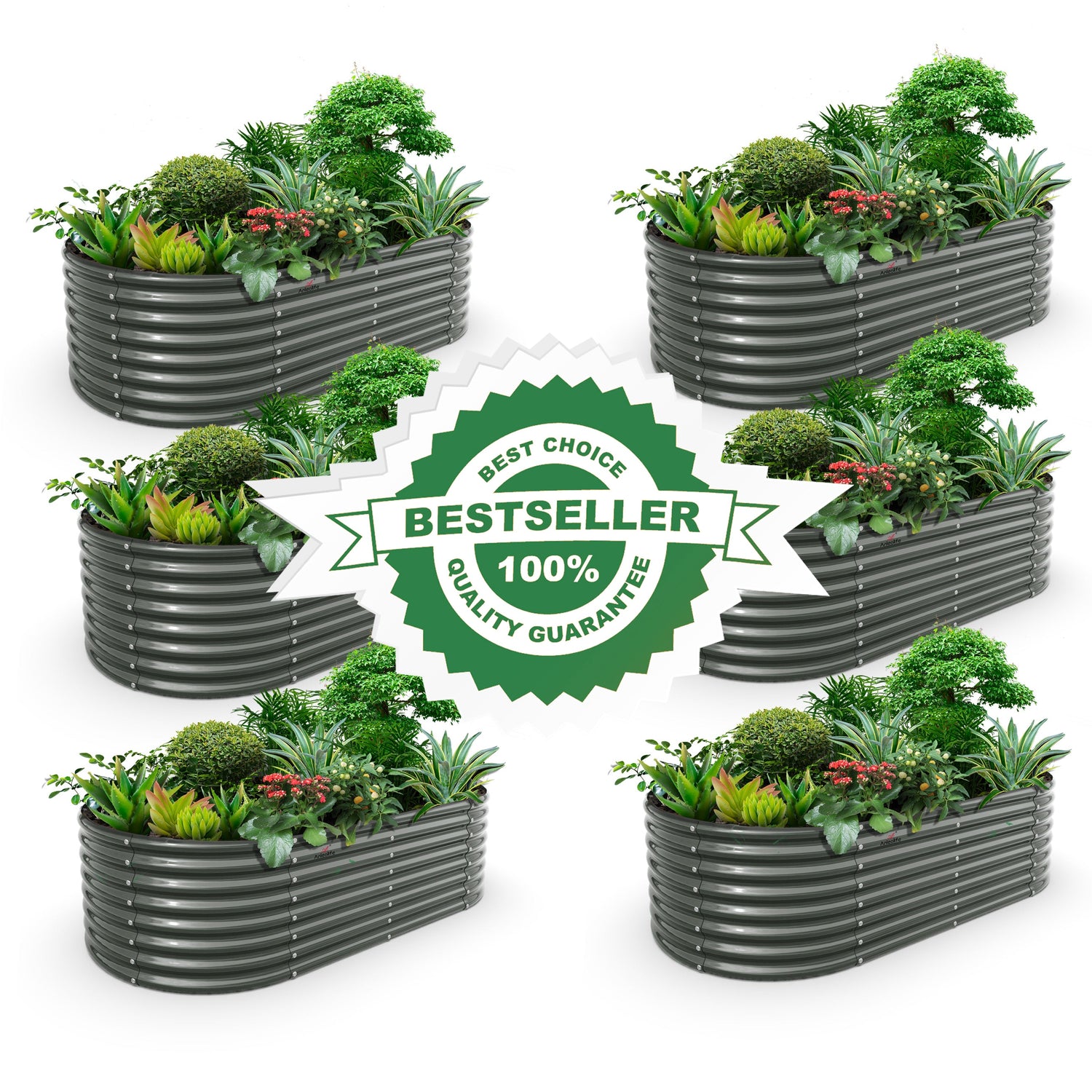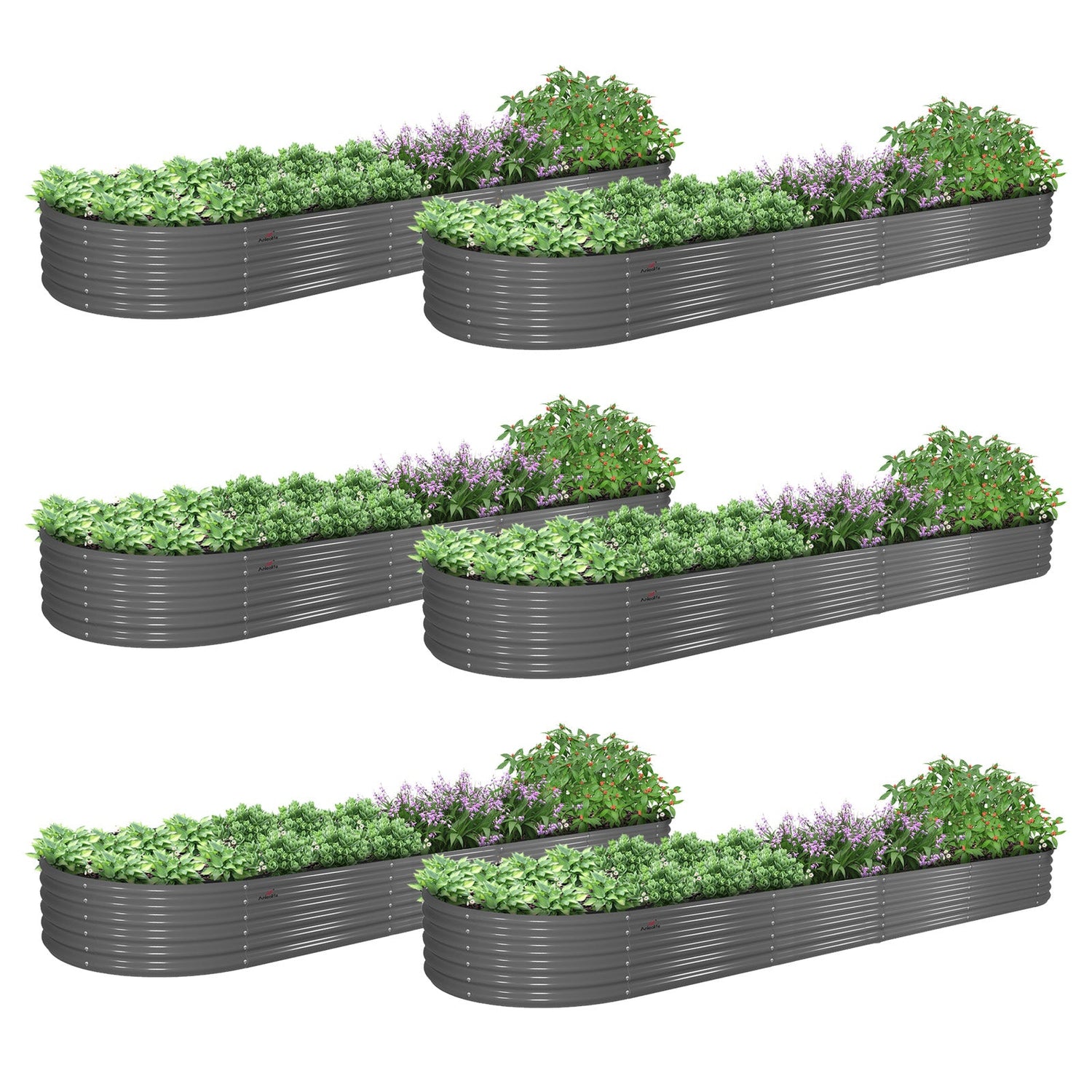



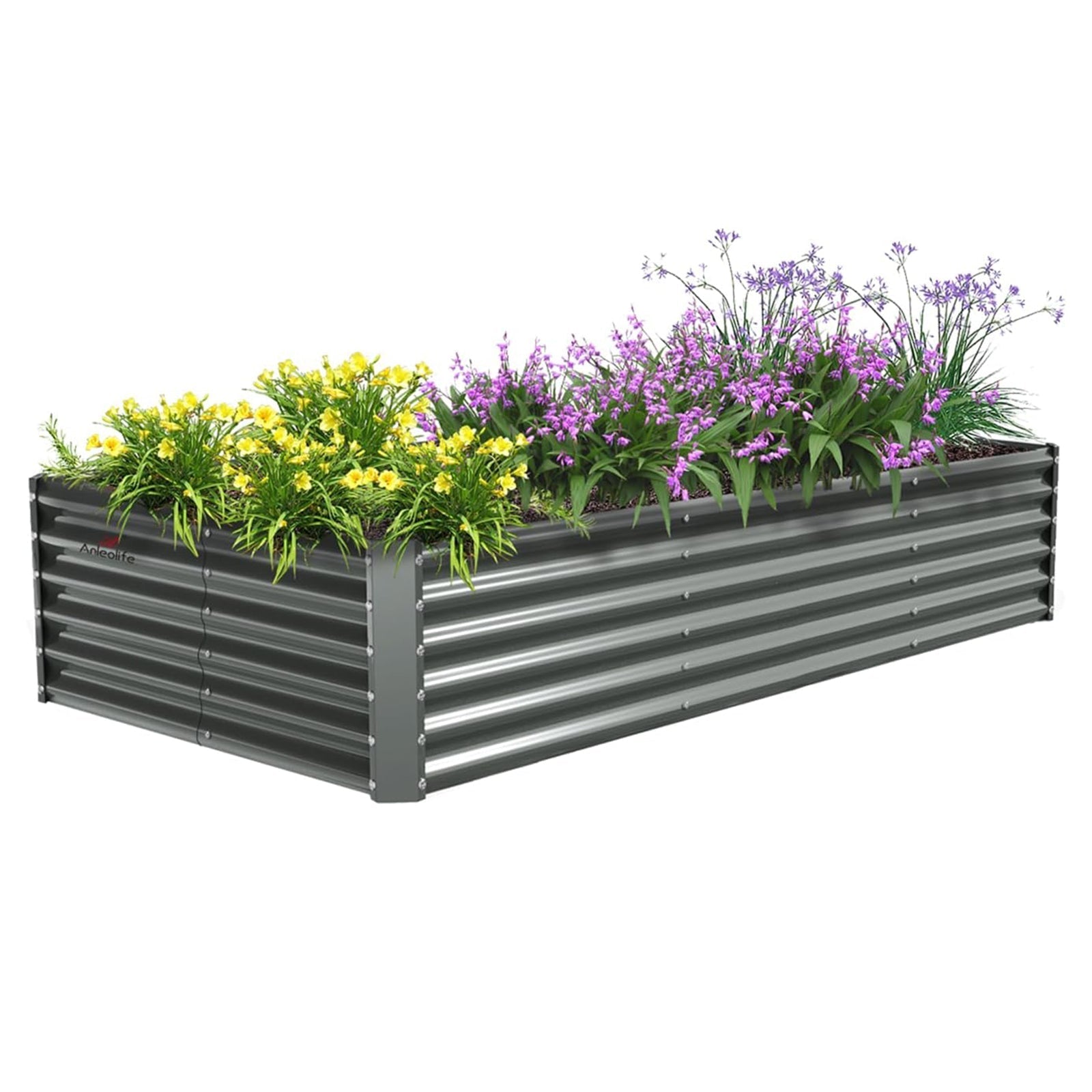

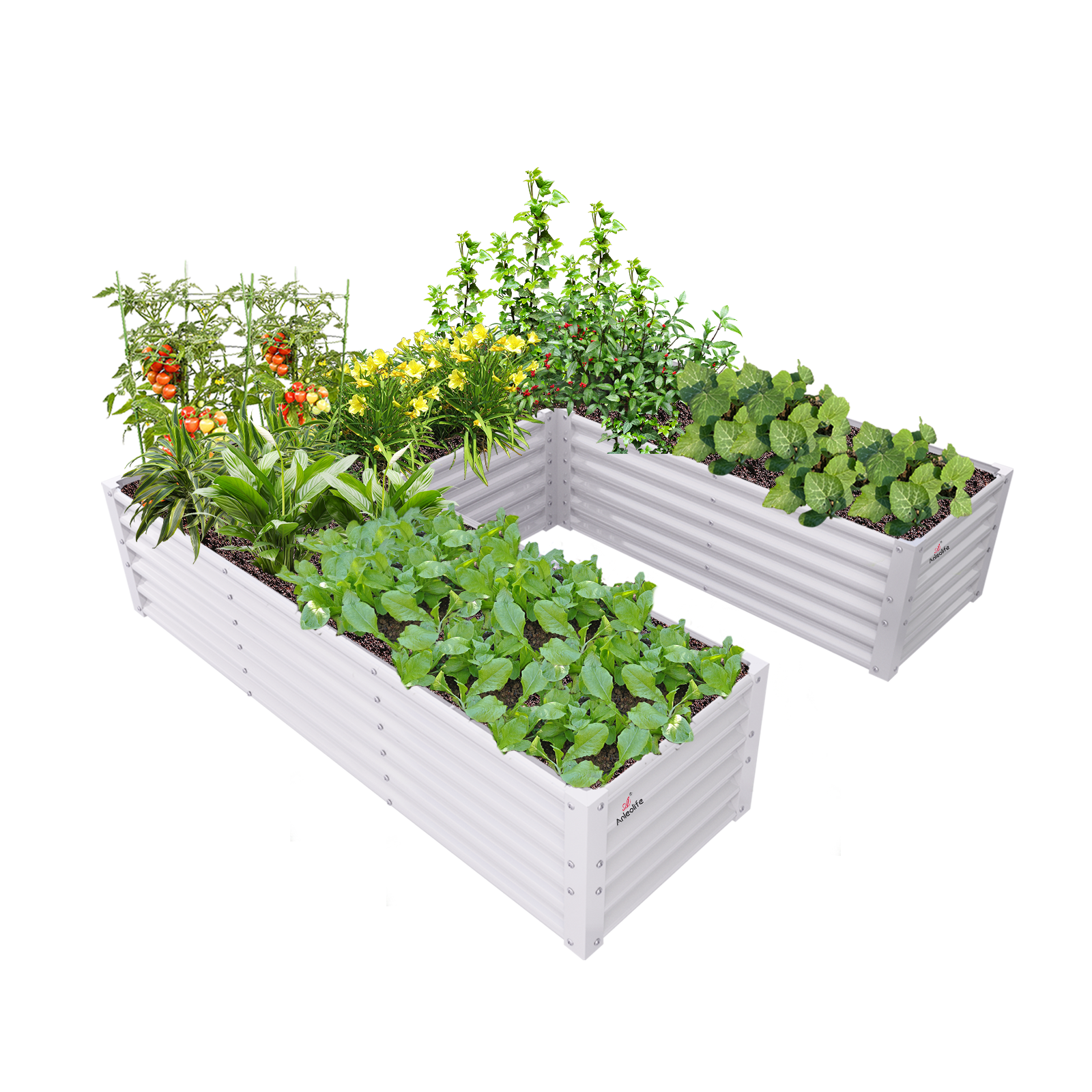



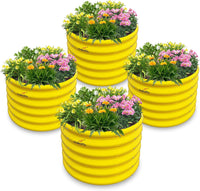
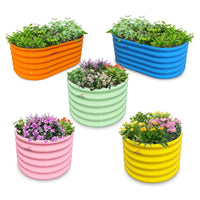
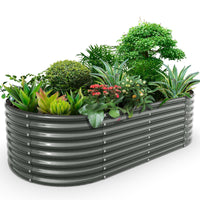



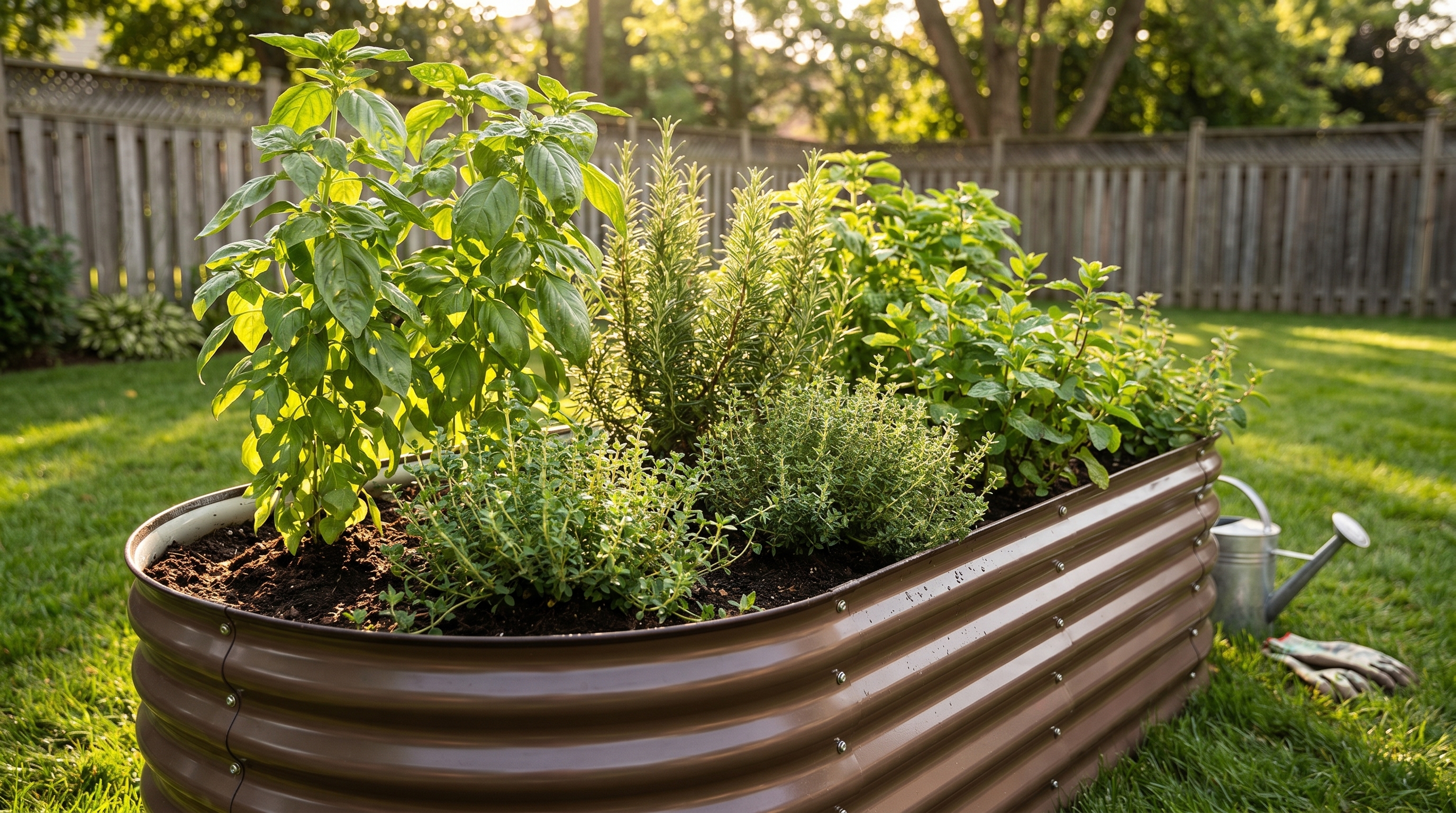
ALT: Fresh herbs growing in a raised garden bed — basil, rosemary, thyme, and mint thriving in galvanized steel
Why Growing Fresh Herbs in a Raised Bed Is the Smartest Garden Move You Can Make This Month
Key Conclusion: Growing fresh herbs in a raised bed offers home gardeners an unbeatable combination of convenience, flavor, and year-round productivity. Whether you're a seasoned grower or picking up a trowel for the first time, a well-designed raised bed packed with the right herb varieties delivers harvests you can enjoy in the kitchen within weeks. With the right soil mix, proper drainage, and a sturdy growing container, your herb garden can thrive season after season — and the investment in quality infrastructure pays dividends for years to come.
There's something deeply satisfying about stepping out the back door, snipping a handful of fresh basil or rosemary, and tossing it straight into dinner. For middle-class families pursuing a high-quality lifestyle, health-conscious home growers, and retirees reclaiming outdoor time, a raised herb bed represents the perfect entry point into productive gardening. It's compact, manageable, visually appealing, and deeply rewarding.
This month is an ideal time to start. Soil temperatures are climbing, days are getting longer, and most culinary herbs are primed to germinate or transplant. The key is choosing the right varieties, setting up your bed correctly, and giving your plants a strong foundation — literally and figuratively.
Who Should Grow Herbs in a Raised Bed This Season
✅ Applicable Scenarios:
- Home cooks and families who want fresh ingredients close at hand without grocery store dependency
- Urban and suburban gardeners with limited ground space who need a compact, efficient growing system
- Retirees and empty nesters looking for a low-maintenance, high-reward outdoor hobby that connects them to nature
- Eco-conscious growers who want to reduce pesticide exposure and control exactly what goes into their food
- Beginning gardeners who want a forgiving, fast-success project to build confidence before tackling vegetables
❌ Not Applicable/Cautions:
- Growers expecting instant harvests — most herbs need at least two to four weeks before the first meaningful cut
- Those unwilling to address drainage: poorly draining beds lead to root rot, which is the number one killer of container and raised-bed herbs
- Gardeners in extreme northern climates attempting to grow tropical herbs like basil outdoors before the last frost date has passed
The Rising Popularity of Raised Bed Herb Gardens — and Why It Matters
Home herb gardening has experienced a remarkable surge in interest over the past several years. According to the National Gardening Association, edible gardening — including herbs — is now one of the fastest-growing sectors in the hobby gardening space, with millions of new households starting a food garden each year. Much of this growth is being driven by health consciousness, a desire for food sovereignty, and the sheer joy of cooking with ingredients you grew yourself.
But here's the challenge many new herb growers face: traditional in-ground planting is often impractical. Dense clay soil, poor drainage, compaction from foot traffic, and weed competition can make ground-level herb gardens frustrating. That's precisely why raised beds have become the preferred method for serious herb growers across North America.
A raised bed elevates your soil — literally — above the native ground, giving you complete control over drainage, soil composition, and root environment. For herbs, which are notoriously sensitive to wet feet and compaction, this control is transformative. You can dial in the exact soil mix your herbs need, and you can do it within a structure that lasts decades when made from quality materials.
If you're just starting to think through your layout, the Step-by-Step Raised Bed Garden Layout Planning for Summer 2026 Beginners guide is an excellent place to map out spacing, sunlight, and companion planting for your herb selections.
One question that comes up frequently is whether the material of a raised bed matters for herbs. The short answer: yes, significantly. Wood rots. Plastic degrades under UV exposure. Galvanized steel, by contrast, is built to last. To understand why so many experienced gardeners are making the switch, read this in-depth comparison: Galvanized Steel Raised Beds: 7 Reasons They Outperform Wood for Summer Gardening.
Setting Up, Choosing, and Growing Herbs in Your Raised Bed: A Complete Guide
Three-Step Quick Start for Raised Bed Herb Gardening
Step 1: Choose and Set Up the Right Raised Bed
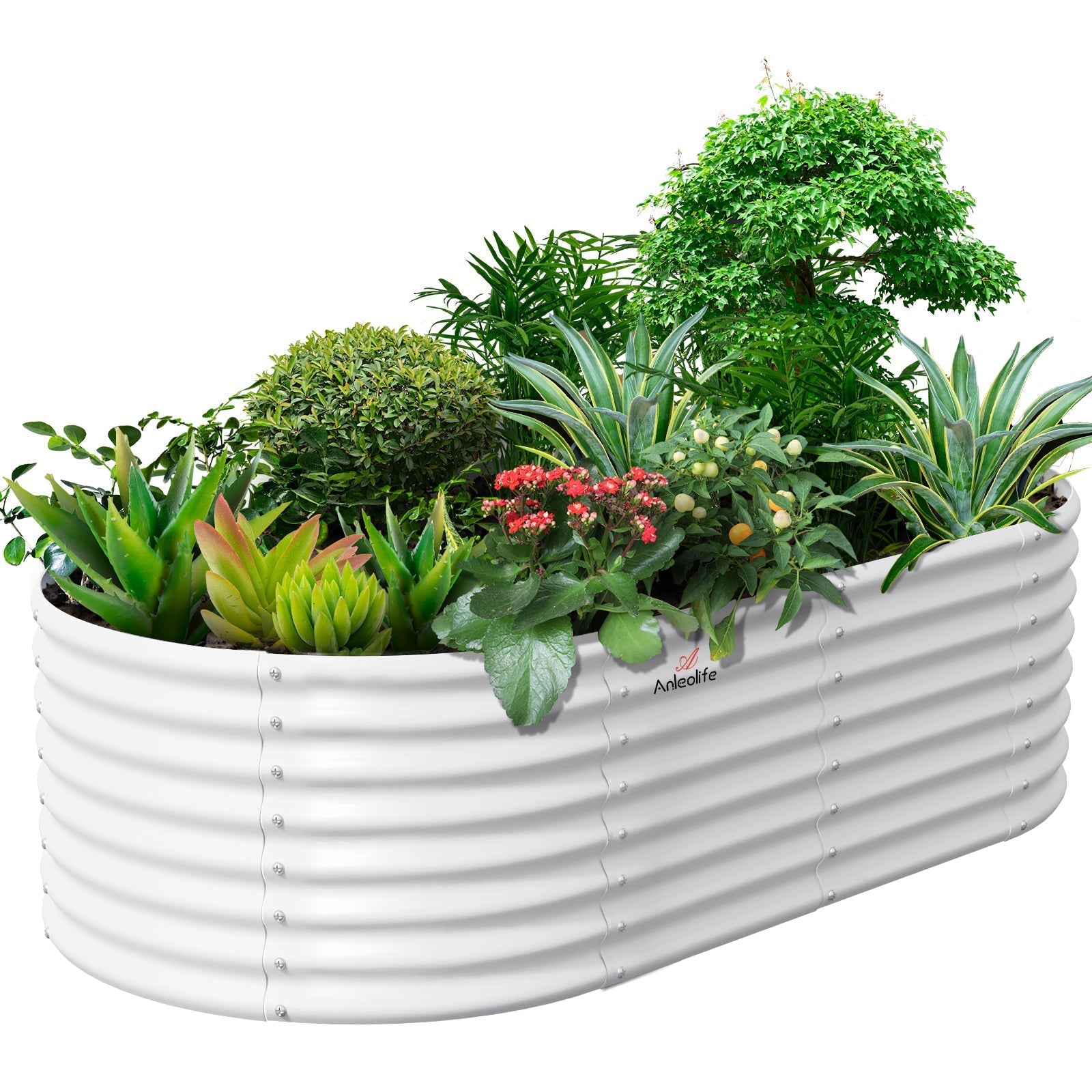
Before you plant a single seed, your container matters enormously. For herbs, you want a bed that offers at least 12 inches of soil depth for deep-rooted varieties like rosemary, good drainage, and material durability that won't leach chemicals into your edible plants. Anleolife's galvanized steel raised garden beds are engineered with food-safe zinc-aluminum-magnesium alloy coatings and are built to last up to 20 years — meaning the bed you install this month could be serving your family's herb garden for two full decades. Spend 30–60 minutes assembling your bed and positioning it in a spot that receives at least six hours of direct sunlight daily.
Step 2: Build the Ideal Soil Foundation
Herbs are Mediterranean plants at heart — most of them evolved in rocky, fast-draining, relatively nutrient-poor soils. That means the best soil mix for raised bed herbs is looser and better-draining than what you'd use for vegetables. A general-purpose formula that works beautifully is roughly 60% high-quality compost, 30% coarse perlite or horticultural grit, and 10% native soil or topsoil. This blend drains freely while retaining just enough moisture and nutrients for vigorous growth. For an expert deep-dive into soil formulation, check out The Best Soil Recipe for Raised Garden Beds in Summer 2026. Fill your bed, water it thoroughly, and allow it to settle overnight before planting.
Step 3: Plant Your Herbs and Establish a Care Routine
Once your bed is in place and your soil is settled, it's planting time. Group herbs by their water needs — drought-tolerant Mediterranean herbs like thyme, oregano, and rosemary together; moisture-preferring herbs like basil, cilantro, and parsley in an adjacent zone if possible. Water in transplants well and apply a thin layer of mulch to retain moisture and suppress weeds. Establish a watering check every two days for the first two weeks, then scale back as plants root in. For guidance on efficient irrigation, this raised bed watering guide offers practical water-conservation tips that work especially well for herb beds.
Best Herb Varieties to Start This Month: Comparison at a Glance
The herb kingdom is vast, but not all varieties perform equally well in raised beds or suit every grower's needs. Here's how the most popular culinary herb choices compare across the key dimensions that matter most to home gardeners.
| Comparison Dimension | Basil | Rosemary | Mint |
|---|---|---|---|
| Sunlight Needs | Full sun (6–8 hrs) | Full sun (6–8 hrs) | Partial to full sun |
| Watering Frequency | Consistent moisture | Low — drought tolerant | Moderate — likes moisture |
| Soil Drainage Preference | Well-drained, fertile | Fast-draining, lean | Moist but not waterlogged |
| Growth Habit | Annual, compact bush | Perennial, woody shrub | Perennial, spreading/invasive |
| Container Behavior | Excellent | Excellent — deep roots | Best isolated in containers |
| Time to First Harvest | 3–4 weeks from transplant | 6–8 weeks from transplant | 4–6 weeks from transplant |
| Culinary Uses | Italian, Thai, salads | Roasted meats, breads | Teas, cocktails, desserts |
| Raised Bed Suitability | ⭐⭐⭐⭐⭐ | ⭐⭐⭐⭐⭐ | ⭐⭐⭐ (containment advised) |
| Comparison Dimension | Thyme | Cilantro | Parsley |
|---|---|---|---|
| Sunlight Needs | Full sun | Full to partial sun | Partial to full sun |
| Watering Frequency | Low — drought tolerant | Moderate | Moderate to high |
| Soil Drainage Preference | Fast-draining, lean | Well-drained | Rich, moist |
| Growth Habit | Perennial, low creeping | Annual, fast-bolting | Biennial, rosette |
| Container Behavior | Excellent | Good — succession sow | Excellent |
| Time to First Harvest | 4–6 weeks | 3–4 weeks | 4–6 weeks |
| Culinary Uses | Soups, roasts, marinades | Salsas, Asian, Latin | Garnish, sauces, tabbouleh |
| Raised Bed Suitability | ⭐⭐⭐⭐⭐ | ⭐⭐⭐⭐ | ⭐⭐⭐⭐⭐ |
Deep Dive: The Top Herbs to Grow in a Raised Bed This Month
Basil — The King of the Herb Garden
Basil is arguably the most rewarding culinary herb for raised bed growing. It germinates quickly, grows enthusiastically in warm soil, and rewards regular harvesting with bushy, productive plants. Genovese basil remains the gold standard for Italian cooking, but don't overlook Thai basil for stir-fries, or lemon basil for teas and desserts.
The critical rule with basil: it hates cold. Don't transplant seedlings outdoors until nighttime temperatures are consistently above 50°F. Once established in a warm, well-drained raised bed, basil is a prolific producer. Pinch off flower buds the moment they appear to redirect the plant's energy into lush foliage rather than seed production. Harvest from the top down, always cutting just above a set of leaves.
Rosemary — The Architectural Herb
Rosemary is one of the few herbs that doubles as an ornamental plant. Its upright, woody growth, silver-green needles, and lavender-blue flowers make it genuinely beautiful in a raised bed, especially when paired with the clean lines of a galvanized steel container.
From a growing standpoint, rosemary is remarkably low-maintenance once established. It demands excellent drainage above all else — and this is where raised beds truly shine. Because you control the soil mix completely, you can create the fast-draining, gritty medium that rosemary demands. Use a bed with good depth to accommodate its substantial root system. Anleolife's taller raised bed options — including 24-inch and 30-inch extra-tall configurations — are particularly well-suited for perennial herbs like rosemary that develop extensive root networks over time.
Thyme — The Workhorse
Few herbs pack as much culinary versatility and low-maintenance personality as thyme. It tolerates drought, handles heat beautifully, and creeps attractively over the edges of raised beds, creating a lush, cascading effect. Common thyme is the kitchen standby, but lemon thyme and creeping thyme are charming alternatives worth exploring.
In a raised bed, thyme benefits enormously from the drainage advantages that galvanized steel beds provide. Overwatering is the primary way to kill thyme, and in a raised bed with a properly gritty soil mix, it's nearly impossible to overwater if your drainage is functioning correctly.
Cilantro — Fast, Abundant, and Best Succession-Planted
Cilantro is a fast-growing annual with a split personality: half the culinary world loves it, the other half (due to a genetic variation in taste perception) does not. If you're in the former camp, it's a superb raised bed herb. It germinates within a week of direct sowing and produces harvestable leaves within three to four weeks.
The key to continuous cilantro is succession planting: sow small batches every two to three weeks rather than one large planting. Cilantro bolts — goes to seed — rapidly in heat, so planting in a spot with afternoon shade, or timing plantings for the cooler shoulder of the season, prolongs harvest windows. On the upside, letting cilantro bolt produces coriander seeds, which are themselves a wonderful spice.
Mint — Contained Abundance
Mint is one of the most useful and fragrant herbs you can grow, but it comes with a critical caveat: it spreads aggressively via underground runners and will colonize every inch of available soil if given the chance. In an in-ground bed, this behavior is a nightmare. In a raised bed — especially if you plant mint in a buried container or dedicate a separate smaller bed to it — it's completely manageable.
Anleolife offers a variety of raised bed sizes, including compact configurations that make excellent dedicated mint gardens. A smaller, shallower bed on a patio or deck can serve as your mint oasis without any risk of it invading neighboring plants.
Parsley — The Underrated Powerhouse
Parsley is often treated as a garnish and undervalued as a result. In reality, it's one of the most nutrient-dense herbs you can grow, and flat-leaf Italian parsley in particular is a workhorse ingredient in stocks, sauces, salads, and grain dishes. It's a biennial — meaning it completes its life cycle over two years — but most gardeners treat it as an annual and direct sow or transplant fresh each season.
Parsley is a heavy drinker compared to Mediterranean herbs, so position it in a zone of your raised bed where it can receive consistent moisture without affecting the drought-tolerant varieties nearby.
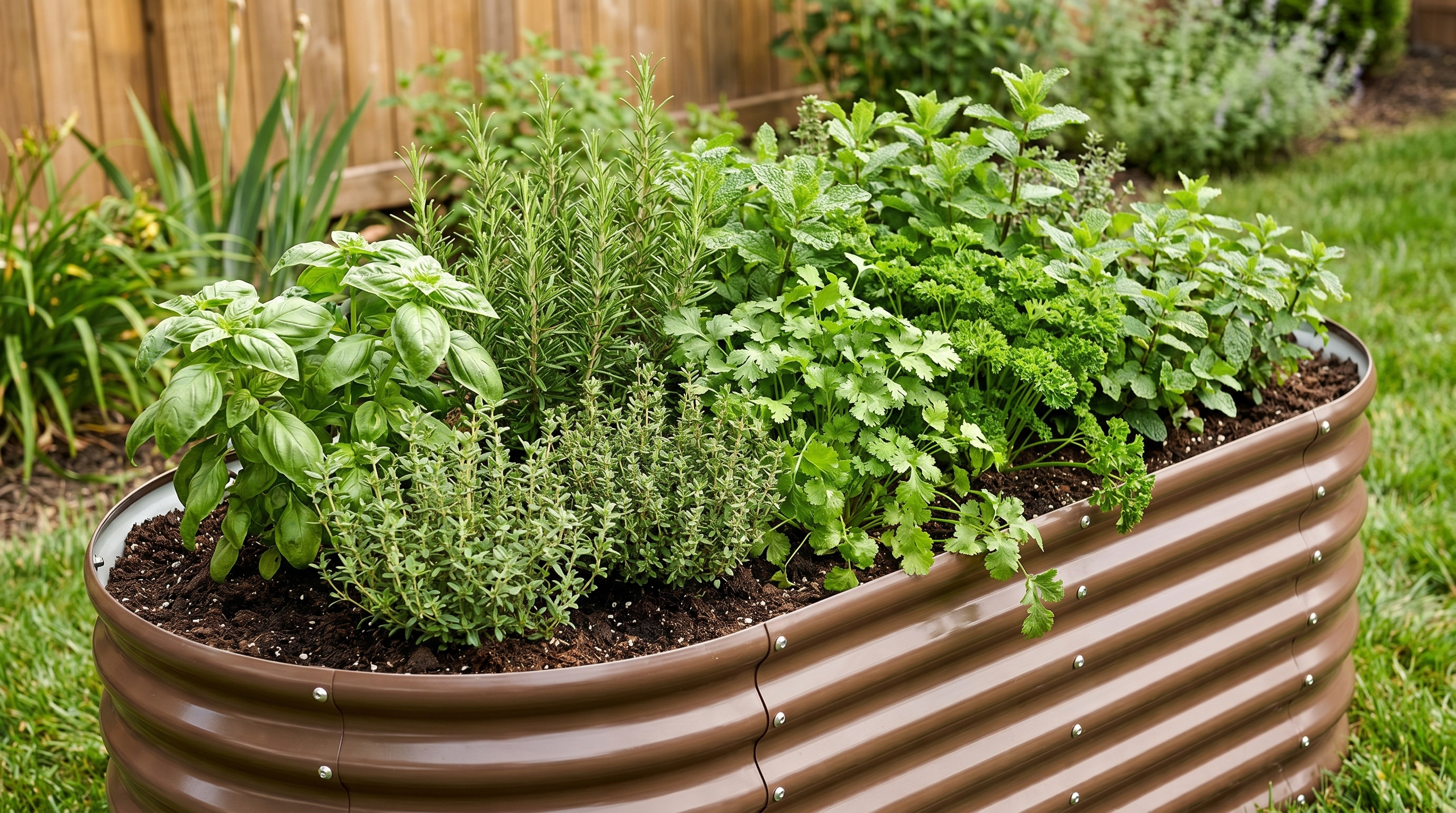
ALT: Six culinary herb varieties thriving in a galvanized steel raised bed with rich well-draining soil mix — basil, rosemary, thyme, cilantro, parsley, and mint
Choosing the Right Raised Bed Size for Your Herb Garden
Bed size selection is more important than many new gardeners realize. A bed that's too narrow makes it difficult to reach plants in the center; a bed that's too shallow restricts root development for perennial herbs.
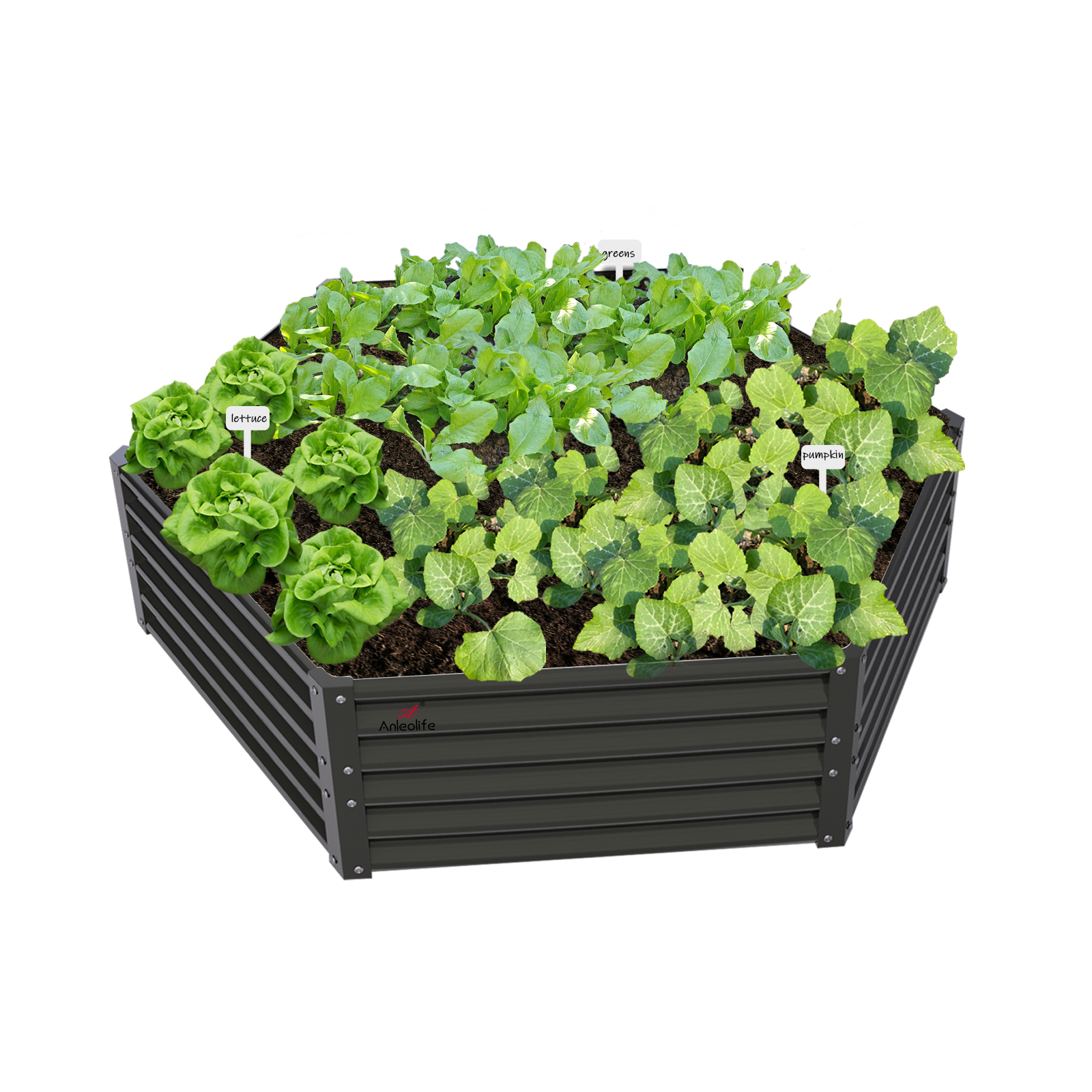
For a diverse culinary herb garden, an 8x4 ft bed provides excellent growing area and allows you to create distinct zones — Mediterranean drought-tolerant herbs on one end, moisture-loving varieties on the other. The 18-inch tall options in Anleolife's galvanized steel raised garden beds provide a solid depth for most annual herbs, while their 24-inch and 30-inch extra-tall configurations suit deep-rooted perennials like rosemary and lovage. For gardeners with mobility limitations or those who prefer to tend their garden while standing, the 35-inch waist-high raised bed is a game-changing option.
The best materials for raised garden beds that won't rust are a genuine concern for long-term growers. Anleolife's galvanized and rust-resistant raised garden beds are specifically engineered to withstand moisture, soil contact, and temperature fluctuation — offering up to 20 years of reliable use without the degradation that plagues wooden or untreated metal alternatives.
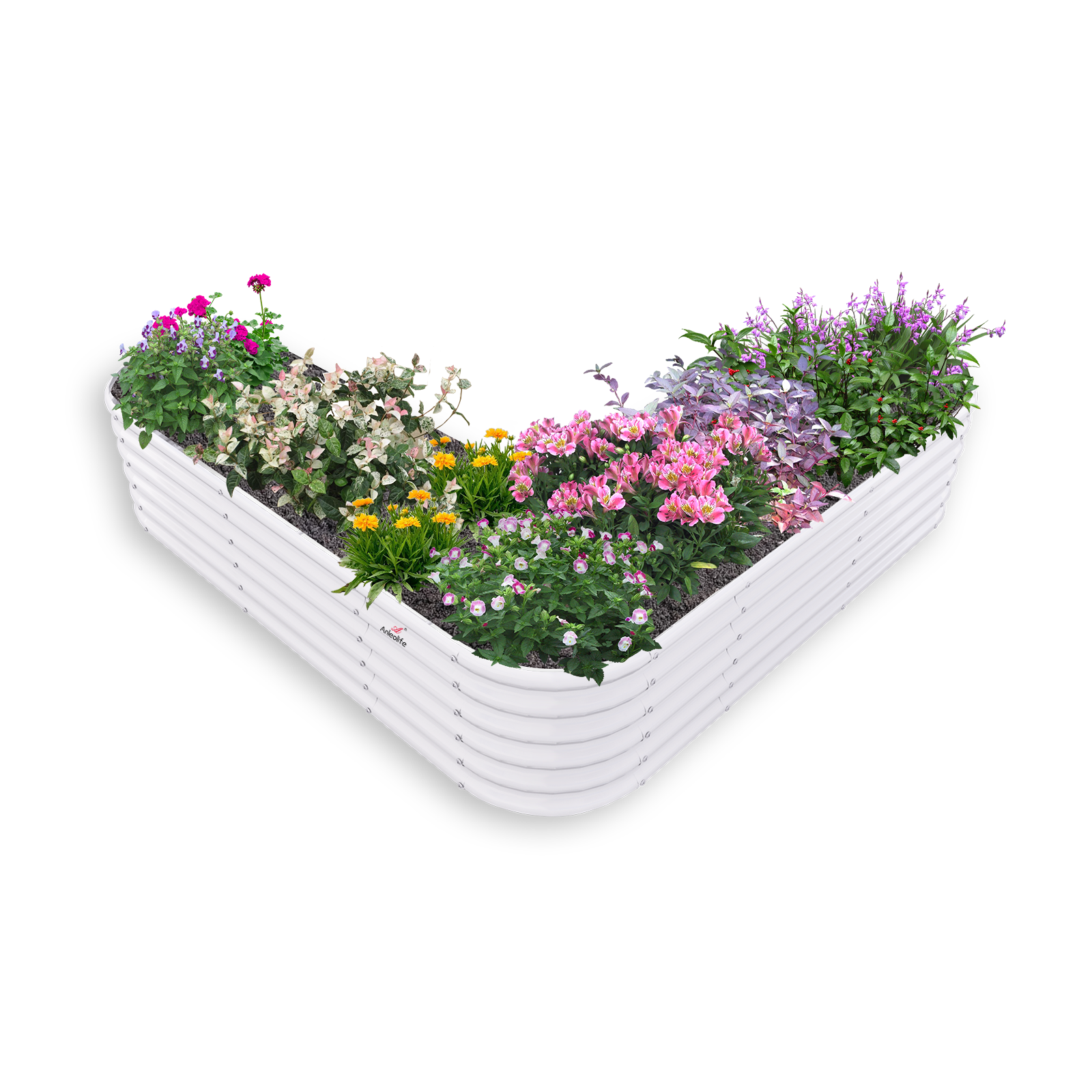
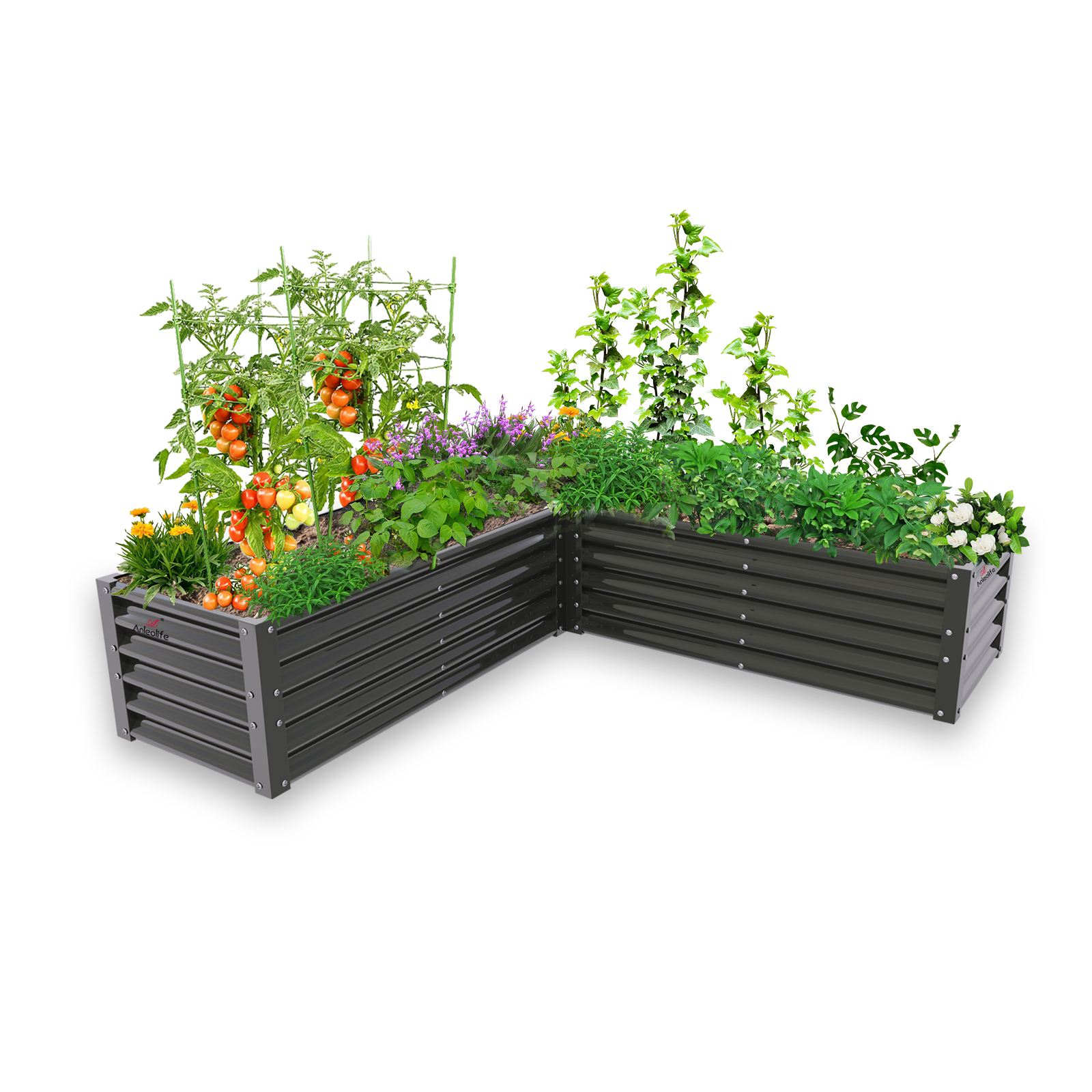
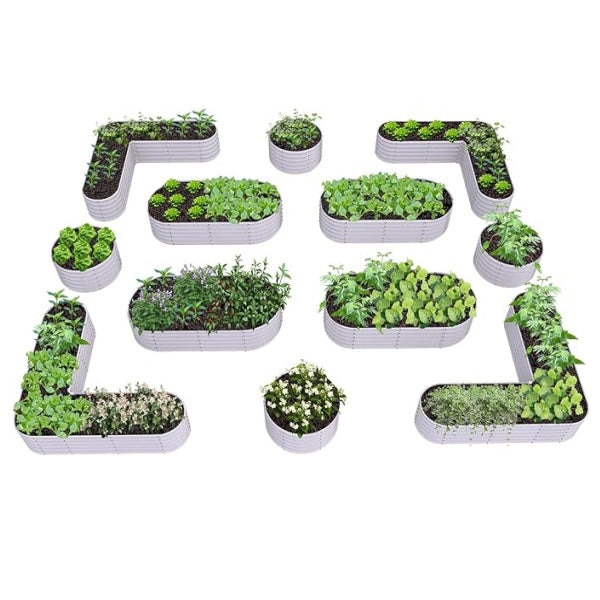
If you're exploring more creative configurations — perhaps an L-shaped herb garden along a fence line, or a combination of bed sizes for different herb families — this guide to customizing a modular garden bed system walks through practical layout strategies you can adapt to any backyard shape or size.
Advanced Herb Growing: Common Mistakes and How to Avoid Them
Overwatering Mediterranean Herbs
The single most common mistake new herb gardeners make is overwatering rosemary, thyme, and oregano. These plants evolved in arid, rocky Mediterranean hillsides and are biologically programmed to thrive in dry conditions. Soggy soil causes root rot, which is invisible until the plant suddenly collapses. The fix is counterintuitive: water deeply but infrequently, and ensure your soil drains freely. A galvanized steel raised bed with a perlite-enriched soil mix is practically foolproof for drainage.
Harvesting Too Conservatively
Many beginner herb growers are afraid to harvest aggressively, worried they'll damage the plant. In reality, the opposite is true. Regular, confident harvesting encourages branching and prevents legginess. Always harvest from the growing tips, never stripping the lower portions of the plant bare. A general guideline: never remove more than one-third of the plant at a single harvest session.
Mixing Incompatible Water-Needs Companions
Planting basil next to rosemary in the same soil zone sounds convenient, but their water requirements are quite different. Basil wants consistent moisture; rosemary needs to dry out between waterings. In practice, the easiest solution is to plant them at opposite ends of a longer raised bed, so you can water the basil zone more frequently without soaking the rosemary end. Alternatively, use separate beds or use internal dividers.
Misconception: Herbs Don't Need Fertilizing
Many gardeners assume that because Mediterranean herbs prefer lean soils, they require no nutrition at all. While it's true you shouldn't over-fertilize (which produces lush, flavorless growth), a light application of balanced organic fertilizer at planting time and once mid-season supports healthy, productive plants — especially for heavy feeders like basil and parsley.
Frequently Asked Questions FAQ
Q1: How do I cover or protect my raised bed herb garden from frost or pests?
Covering a raised herb bed is straightforward and highly effective. For frost protection in shoulder seasons, a simple row cover fabric draped over hoops inserted into the bed creates a microclimate several degrees warmer than ambient temperatures — enough to protect tender herbs like basil from light frost damage. For pest control, fine-mesh insect netting keeps out aphids, whiteflies, and caterpillars without blocking sunlight or airflow. The structured walls of a galvanized raised bed make it easy to attach hoops and covers securely compared to in-ground beds.
Q2: Are galvanized steel raised garden beds safe for growing edible herbs and food crops?
Yes — this is one of the most frequently asked questions from health-conscious growers, and the answer is reassuring. Modern galvanized steel uses a zinc-aluminum-magnesium alloy coating rather than older cadmium-based galvanizing processes. The zinc in galvanized steel is actually a micronutrient that plants need in trace amounts. Research from university agricultural extension programs consistently supports the safety of galvanized steel for food production. Anleolife's raised garden beds are specifically designed with edible gardening in mind and are built to last up to 20 years without material degradation that could affect soil chemistry.
Q3: How long does it take to see results, and what are the ongoing costs of a raised herb bed?
Most herbs produce harvestable growth within three to six weeks of transplanting. Basil and cilantro are among the fastest; rosemary and parsley take slightly longer to establish. In terms of ongoing costs, a well-built raised bed made from durable galvanized steel essentially eliminates the need for replacement structures for up to 20 years. Annual costs after setup include fresh potting mix top-ups, a small amount of organic fertilizer, and replacement of annual herbs each season — typically a very modest investment compared to the grocery savings from growing your own fresh herbs year-round.
Summary
Growing fresh herbs in a raised bed is one of the most accessible, rewarding, and practical upgrades you can make to your home gardening setup — and this month is the perfect time to start.
Three core takeaways from this guide:
- Variety selection and placement matter. Group herbs by their water and drainage needs, give Mediterranean varieties the lean, fast-draining soil they demand, and position moisture-lovers where they can be watered independently. Choosing the right varieties for your climate and culinary preferences ensures you'll actually use what you grow.
- Infrastructure quality determines long-term success. A raised bed built from high-quality, rust-resistant galvanized steel with a well-formulated soil mix is the foundation everything else depends on. Anleolife's raised garden beds, rated for up to 20 years of use, are among the best garden products available for home herb growers who want reliability and longevity without compromise.
- Consistent, confident management produces abundance. Water correctly for each herb's needs, harvest regularly to encourage bushy growth, and address problems early. A raised herb bed managed with these principles will reward you with harvests that exceed anything available at the grocery store.
Your next step is simple: choose your bed size, decide on your top five or six herb varieties, and order today with the confidence that Anleolife's warehouse network across California, Texas, Florida, New York, Illinois, and Washington ensures your new raised garden bed arrives in just 3–8 business days — so your herb garden can get started this season, not next.
Start Growing With Anleolife Today
Anleolife's nationwide U.S. warehouse network — strategically located in California, Texas, Florida, New York, Illinois, and Washington — ensures delivery within 3–8 business days, so your garden upgrade plans never have to wait.
Products are available across major e-commerce platforms including Amazon, Walmart, Home Depot, Lowe's, Wayfair, and directly at Anleolife.com, with consistent quality assurance and responsive after-sales support on every channel.
Anleolife's three core garden scenarios cover everything from Planting (metal raised garden beds, soil systems) to Raising (chicken coops, rabbit hutches) to Beautification (decorative accessories, pathway systems) — meeting complete needs from functionality to aesthetics under a single trusted brand.
We understand that an ideal garden isn't built overnight — it's grown, layer by layer, season by season. Our modular product design allows flexible expansion based on your needs, from your first compact herb bed to a fully integrated planting-and-raising ecosystem. We grow with you every step of the way.
References
- National Gardening Association. "Edible Gardening Trends and Statistics in American Households".
https://garden.org - University of California Agriculture and Natural Resources. "Herb Gardening: Selection, Cultivation, and Harvesting".
https://ucanr.edu/ - United States Department of Agriculture (USDA). "Home and Community Gardening Resources".
https://www.usda.gov/topics/farming/urban-agriculture - Penn State Extension. "Raised Bed Gardening: Planning, Planting, and Soil Management".
https://extension.psu.edu/raised-bed-gardening - Cooperative Extension System (eXtension). "Growing Herbs in Home Gardens".
https://extension.org
Note: Standards and research findings may be updated over time. Please check the latest official documents or consult professional gardening advisors for region-specific guidance.
About Anleolife
Anleolife is a leading outdoor garden solutions provider in North America, dedicated to offering a full-scenario product ecosystem for home gardening enthusiasts, covering planting, raising, and garden beautification. Since its founding, we have upheld our brand mission, "Made for Garden Life," continuously innovating products and optimizing services to help hundreds of thousands of users upgrade their gardens, reconnect with nature, and enjoy a better garden lifestyle.