


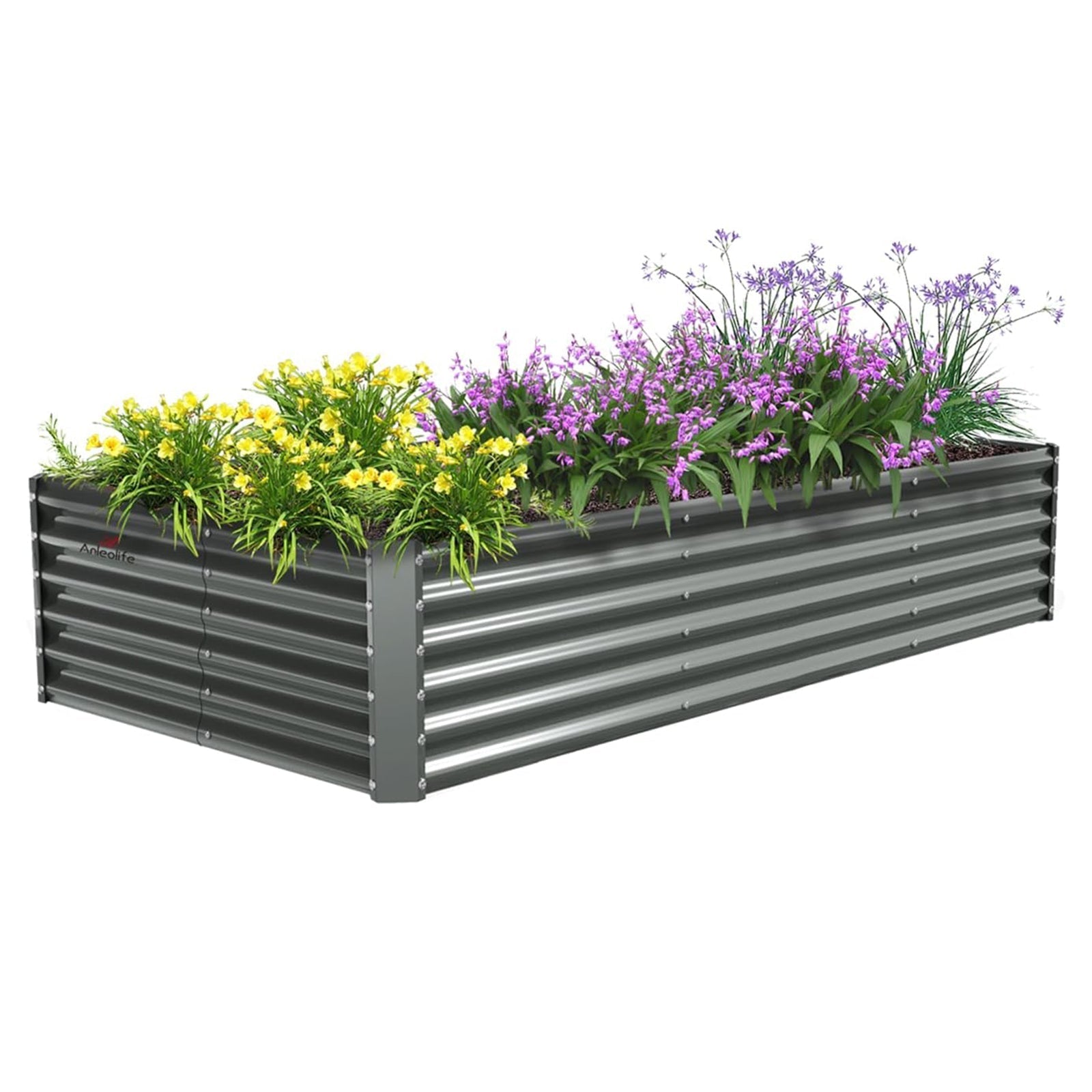

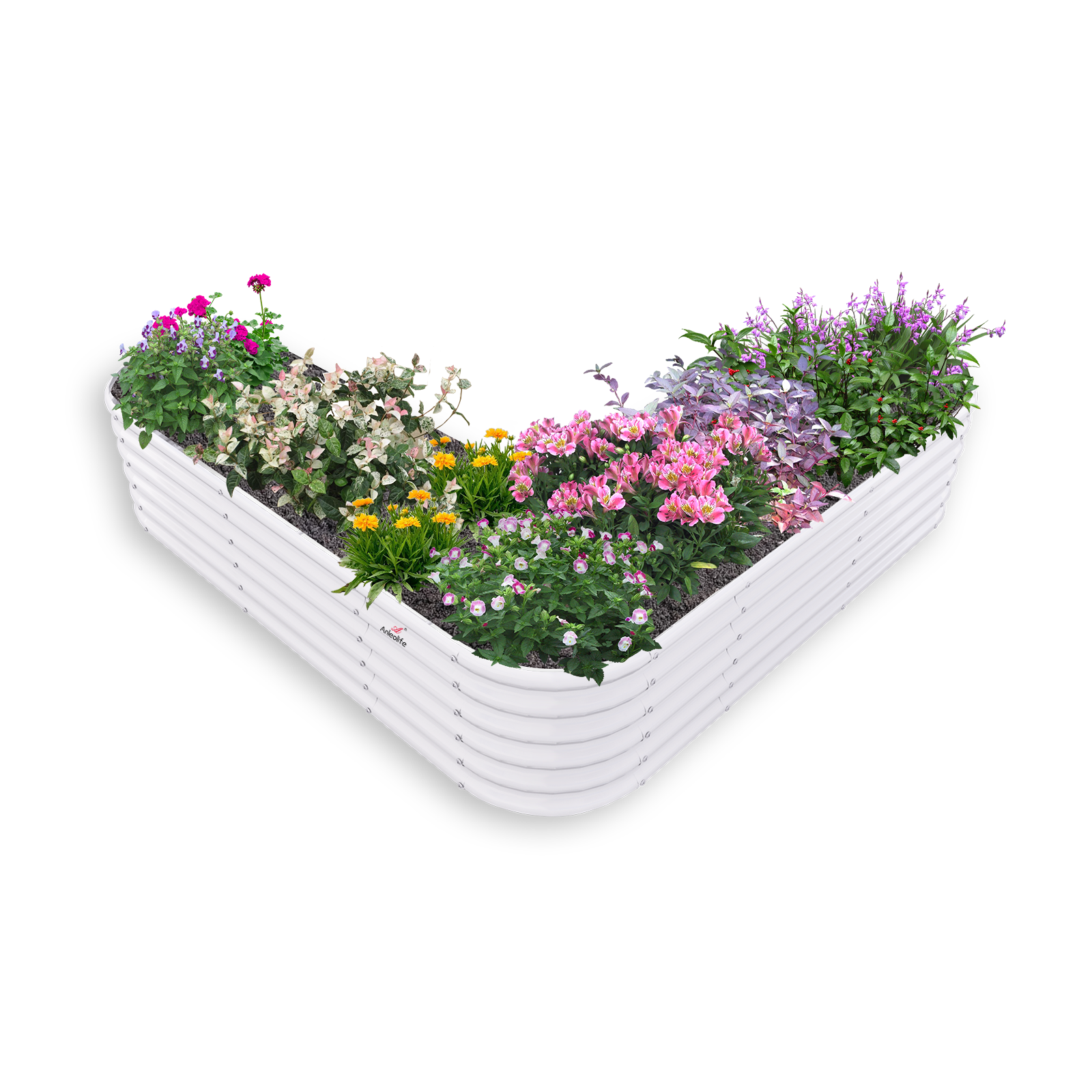
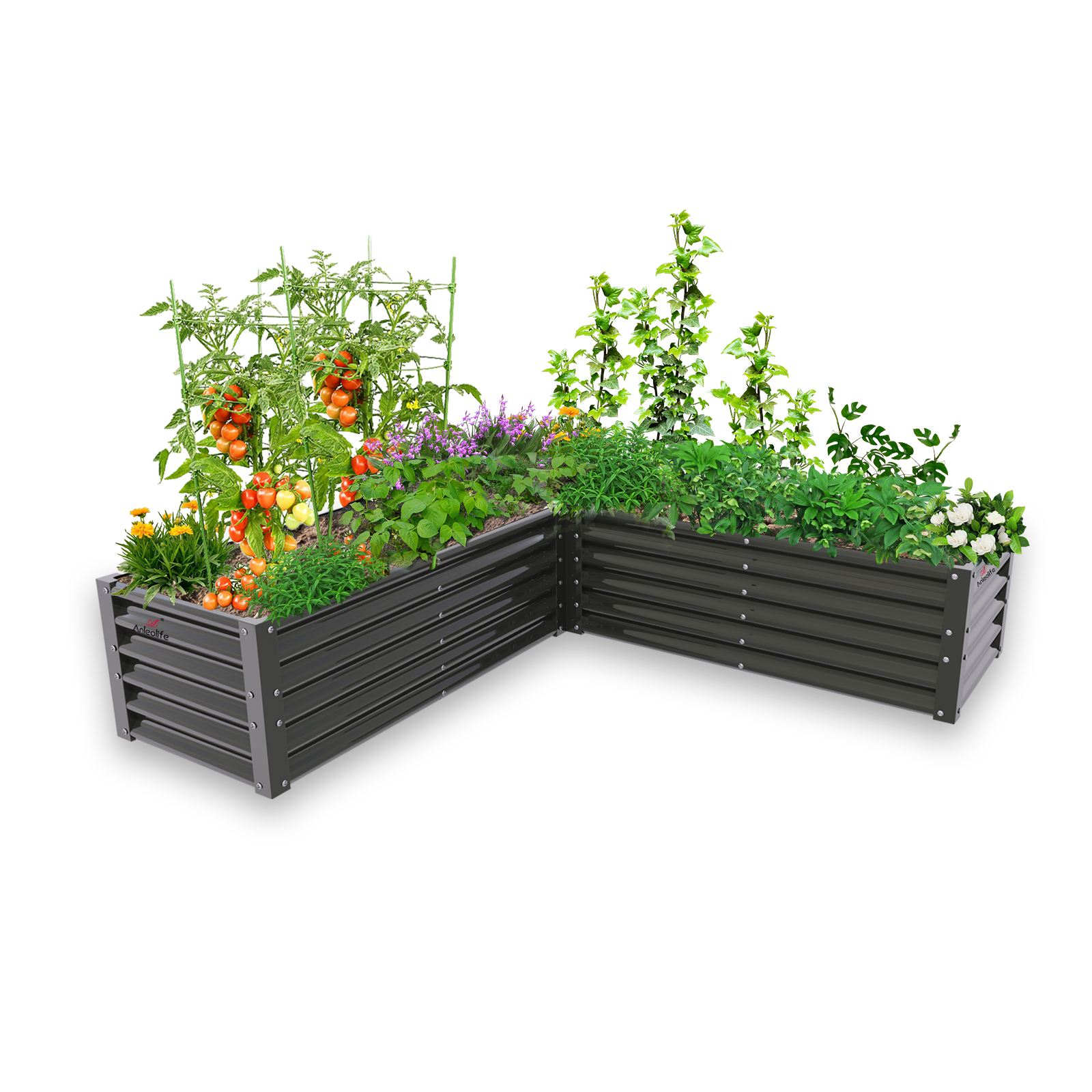
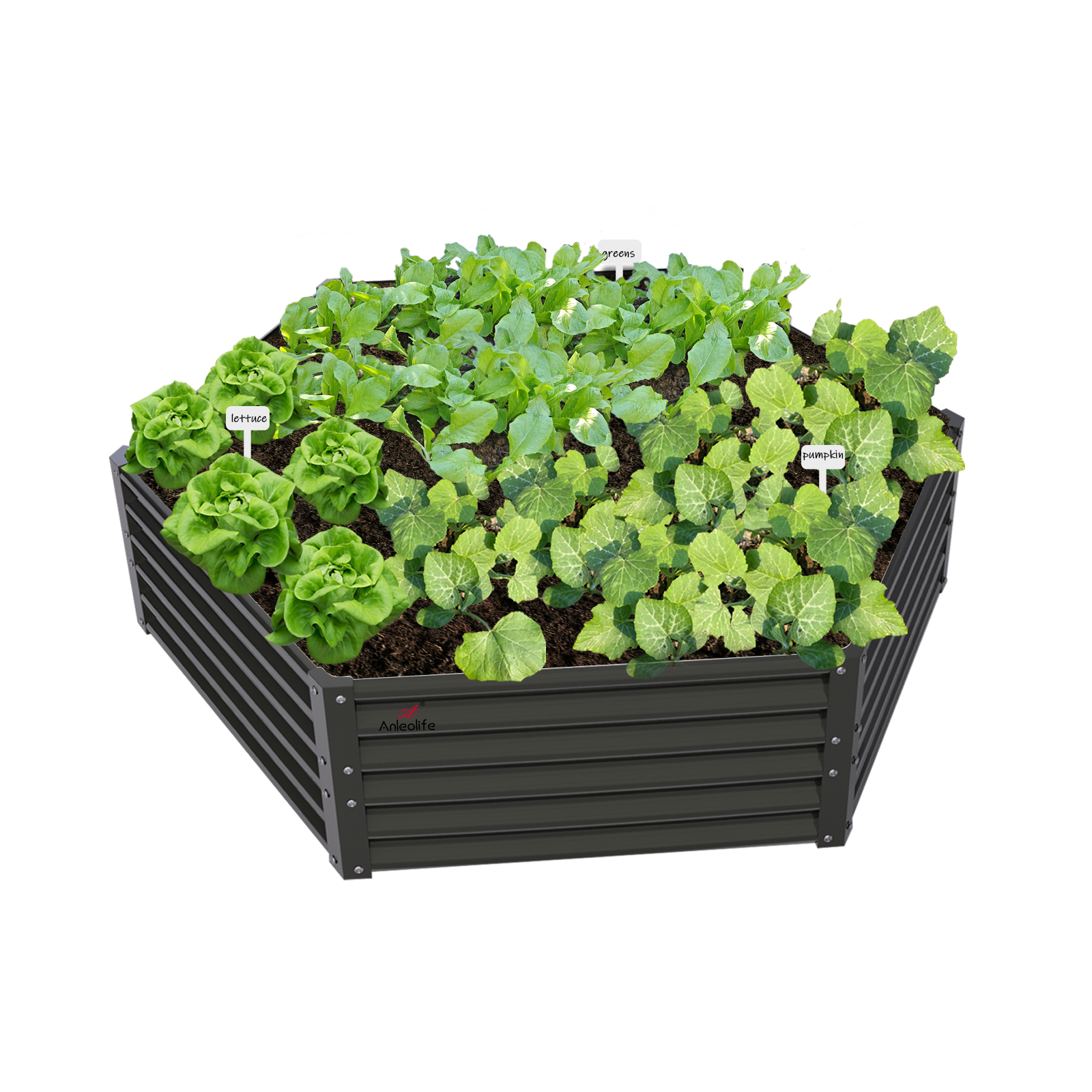
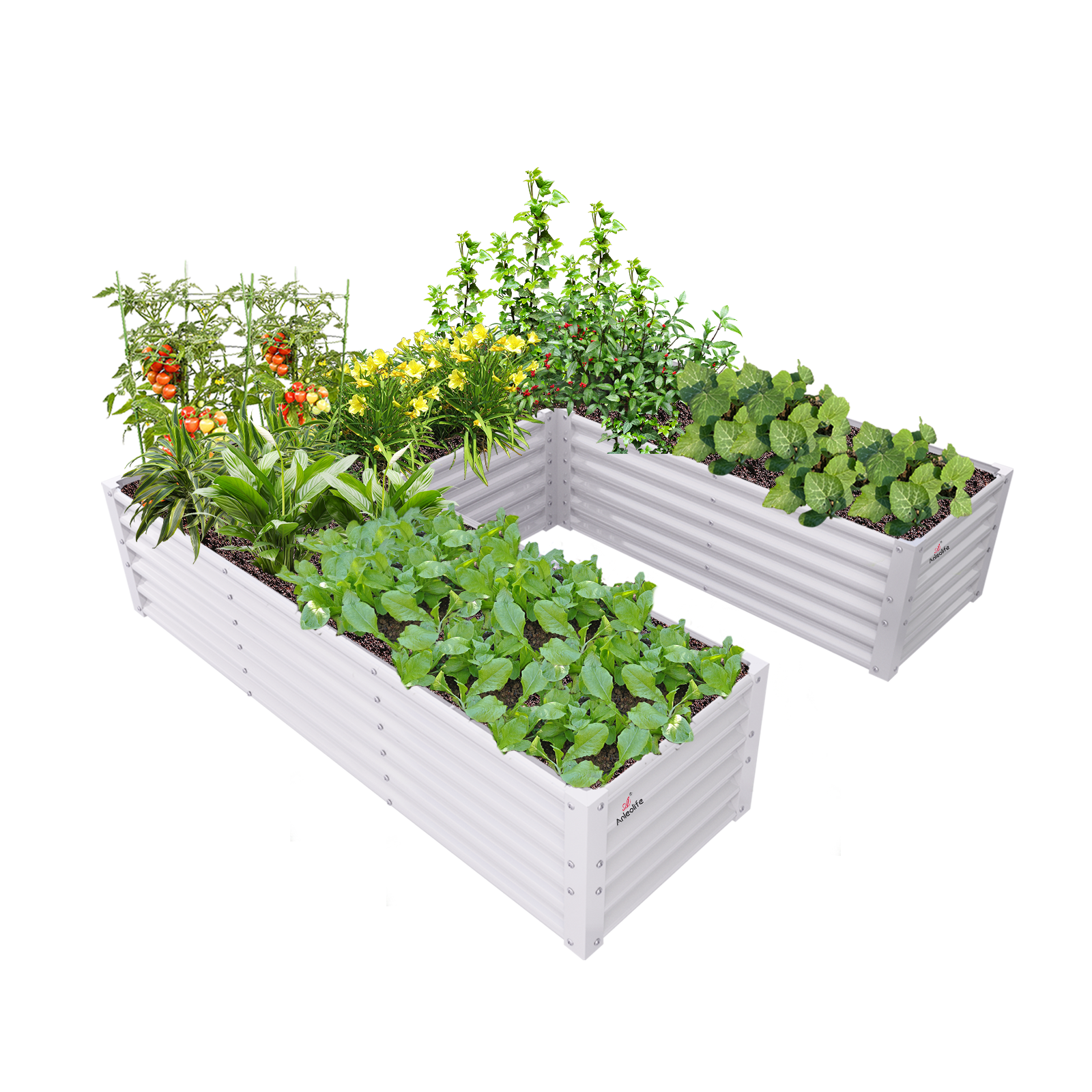

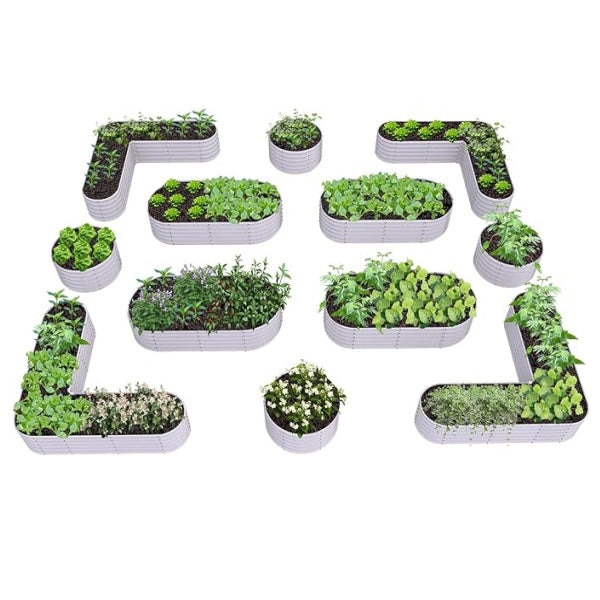


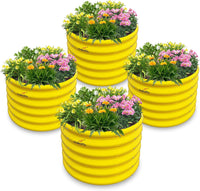
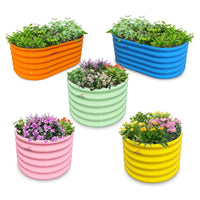
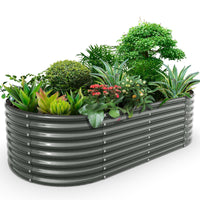




ALT: Lush herb garden growing in a metal raised garden bed with an organized raised bed planting layout in a sunny backyard
Why Raised Beds Are the Secret to a Thriving Herb Garden
Key Conclusion: Growing herbs in a raised garden bed is one of the smartest moves a home gardener can make. A well-planned raised bed garden layout maximizes airflow, drainage, and sunlight exposure—three factors herbs absolutely love. Whether you're designing your first raised bed planting layout or refining an existing setup, understanding how to group, space, and rotate herbs within your raised bed layout will dramatically improve your harvest quality and garden longevity.
Starting an herb garden sounds simple—until you're standing in a nursery wondering whether basil and mint can share the same space, or whether your clay soil will kill your rosemary before summer ends. That's exactly where a raised garden bed changes everything. Raised beds give you control over your soil composition, drainage, and plant density in a way that in-ground planting simply can't match. They reduce weed pressure, warm up faster in spring, and can be designed to fit almost any backyard, patio, or balcony footprint.
More importantly, herbs grown in raised beds consistently outperform those grown in the ground—producing more aromatic oils, more vigorous growth, and a longer harvest window. This guide walks you through everything you need to know, from choosing the right bed and soil mix to designing a layout that works beautifully for years to come.
Who This Guide Is For
✅ Applicable Scenarios:
- First-time gardeners who want a low-maintenance, high-reward starting point with fresh herbs
- Health-conscious home cooks looking to grow organic, pesticide-free herbs close to the kitchen
- Urban micro-gardeners with limited space who need a compact, efficient raised bed layout
- Empty nesters and retirees seeking a productive, therapeutic outdoor hobby with manageable upkeep
- Families wanting to involve children in growing food in a safe, accessible garden environment
❌ Not Applicable / Cautions:
- Gardeners in regions with extreme water scarcity who cannot commit to regular watering—herbs in raised beds dry out faster than in-ground plants during heat waves
- Those seeking large-scale commercial herb production—raised beds are optimized for home use and small harvests, not bulk yield operations
- Anyone unwilling to invest initial time in soil preparation—poor soil mix is the number one reason herb raised beds underperform
The Growing Case for Herb Gardening in Raised Beds
Herb gardening has seen a remarkable surge in popularity across North America over the past decade. According to the National Gardening Association, food gardening participation continues to climb, with herbs consistently ranking among the top three most-grown plants by home gardeners. This isn't surprising—herbs are versatile, fast-growing, and deliver immediate, tangible value. You plant basil; weeks later, it's in your pasta. There's a direct line between effort and reward that few other garden plants offer.
But here's the challenge: most residential soils are not naturally suited to herbs. Many culinary herbs—rosemary, thyme, oregano, lavender—originate from Mediterranean climates with well-draining, rocky, nutrient-moderate soils. Plant them in heavy clay or overly rich garden beds, and they struggle with root rot, leggy growth, and poor flavor development. Conversely, water-loving herbs like mint and basil need consistent moisture that sandy soils can't hold.
This is the core problem a raised bed garden layout solves. By building above ground in a contained structure, you get to engineer the ideal soil environment for exactly the herbs you want to grow. You're not fighting your native soil—you're bypassing it entirely.
Beyond soil control, raised beds offer several compounding advantages for herb gardeners:
Drainage and aeration: Raised beds naturally drain excess water, preventing the waterlogged conditions that kill Mediterranean herbs. This is especially valuable in regions with heavy spring rainfall.
Soil temperature: Raised beds warm up several weeks earlier than in-ground soil in spring, extending your growing season and allowing earlier planting of heat-loving herbs like basil and lemon verbena.
Pest and weed management: Elevated beds create a physical barrier that deters common soil-dwelling pests. Combined with a clean starter soil mix, weed pressure is dramatically reduced in the first few growing seasons.
Accessibility: For older gardeners or those with mobility challenges, a taller raised bed eliminates the need to kneel or bend, making herb gardening physically comfortable and genuinely enjoyable.
If you're exploring the broader world of raised bed gardening beyond herbs—including vegetables, flowers, and companion planting strategies—Anleolife's complete garden guides offer a full-scenario resource library covering every stage of garden planning and growth.
The Complete Herb Raised Bed System: From Setup to Harvest
Three-Step Quick Start
Step 1: Choose and Position Your Raised Bed
Select a location that receives a minimum of 6–8 hours of direct sunlight daily—most culinary herbs are sun-lovers that will become leggy and flavorless in shade. Consider proximity to your kitchen; the closer the bed, the more likely you are to actually use fresh herbs while cooking. For a beginner setup, a rectangular metal raised garden bed gives you enough room to group herbs by water and sun needs without overcrowding. Set up time for a quality metal raised bed is typically under two hours with basic tools.
Step 2: Build Your Herb-Optimized Soil Mix
Don't use native soil alone. A high-performing herb soil blend typically consists of quality garden soil combined with compost and a draining amendment like perlite or coarse sand. The goal is a mix that holds enough moisture for leafy herbs like basil and parsley while draining quickly enough to satisfy rosemary and thyme. Fill your bed to within a few inches of the top rim, water thoroughly, and allow it to settle for 24–48 hours before planting. This settling period is important—it prevents air pockets that can damage young root systems.
Step 3: Design Your Raised Bed Planting Layout
Group herbs by their cultural needs, not just aesthetics. Place drought-tolerant Mediterranean herbs (rosemary, thyme, oregano, sage) together in the sunniest, best-draining section of your bed. Cluster moisture-loving herbs (basil, parsley, cilantro, chives) in another zone where you can water more frequently. Isolate mint entirely—it spreads aggressively and will crowd out neighbors if not contained. A simple grid or zone map drawn on paper before you plant saves significant time and replanting effort down the road.
Comparing Herb Raised Bed Materials: Which Is Right for You?
Not all raised beds perform equally for herb growing. Material choice affects durability, temperature regulation, aesthetics, and long-term value. Here's a practical comparison to guide your decision:
| Comparison Dimension | Metal (Galvanized Steel) | Wood (Cedar/Pine) | Fabric/Plastic |
|---|---|---|---|
| Lifespan | Up to 20 years | 5–10 years (varies by wood type) | 2–5 years |
| Drainage | Excellent with proper base | Good | Good to excellent |
| Temperature Regulation | Warms quickly in spring | Moderate insulation | Minimal insulation |
| Pest Resistance | High (no organic matter to decay) | Moderate (can harbor insects over time) | Low to moderate |
| Aesthetic Appeal | Modern, sleek, professional | Rustic, natural | Functional, utilitarian |
| Maintenance Required | Very low | Moderate (sealing/staining helpful) | Low |
| Best For | Long-term herb gardens, high-value setups | Traditional garden aesthetics | Temporary or mobile setups |
| Cost Over 10 Years | Low (one-time investment) | Moderate to high (replacement costs) | High (frequent replacement) |
Metal raised garden beds—particularly galvanized steel—represent the strongest long-term value for serious herb gardeners. The 20-year lifespan of a quality metal raised bed from a brand like Anleolife means you're making a one-time investment that will serve your herb garden for decades, outlasting wooden alternatives by a significant margin without the rotting, warping, or pest vulnerabilities wood introduces over time.
Designing Your Raised Bed Herb Garden Layout: A Deep Dive
Understanding Herb Groupings
The single most important concept in raised bed garden layout planning for herbs is cultural compatibility—grouping plants that share similar water, soil, and sun requirements.
The Mediterranean Zone — drought-tolerant herbs including rosemary, thyme, oregano, lavender, and sage thrive with minimal water and maximum sun. Plant these together in the end of your bed that drains most freely. Avoid overwatering this zone; these herbs actually develop more intense flavor and aroma when grown slightly lean.
The Moisture-Consistent Zone — basil, parsley, cilantro, dill, and chives prefer evenly moist soil. These grow beautifully together and can handle slightly richer soil amendments. This section of your raised bed planting layout will need more frequent attention during hot, dry spells.
The Isolation Zone — mint deserves its own container or a deeply buried barrier within the bed. Without containment, a single mint plant will colonize your entire raised bed within one growing season. Consider planting mint in a submerged pot within the raised bed—you get the aesthetic cohesion while containing its aggressive root system.
Spacing and Density for Raised Beds
Raised bed gardening typically uses a modified version of square-foot gardening principles. Because your soil is loose, rich, and deeply workable, plants don't need the same wide spacing as in-ground plants competing with compacted soil. General spacing guidelines per square foot:
- Basil: 1–2 plants per square foot
- Parsley/Cilantro: 2–3 plants per square foot
- Thyme/Oregano: 1 plant per square foot (spreads with time)
- Rosemary: 1 plant per 2 square feet (it grows large)
- Chives: 4–6 plants per square foot
- Dill: 2–3 plants per square foot (tall, may need staking)
Don't crowd. Overcrowded herbs compete for light and airflow, which increases humidity and fungal disease risk. A slightly sparse planting that you harvest regularly will outperform a jam-packed bed every time.
Vertical and Tiered Opportunities
Even compact raised beds can leverage vertical space. Consider installing a simple trellis or wire support at the back of your bed for climbing or tall herbs like dill, fennel, or lemon verbena. This adds visual height and prevents taller plants from shading lower-growing companions.
For gardeners working with limited horizontal space—typical of urban patios or small suburban yards—a tiered raised bed layout creates multiple growing levels in the same footprint. This works particularly well for separating the moisture zones described above, since each tier can be watered independently.
Seasonal Rotation and Succession Planting
Herbs deplete specific nutrients over time, and replanting the same species in the same spot year after year can lead to declining vigor. A simple two-year rotation—moving Mediterranean herbs to where moisture-loving herbs were, and vice versa—helps maintain soil balance and break pest cycles.
Succession planting is especially useful for fast-cycling herbs like cilantro and dill, which bolt quickly in summer heat. Sow a small amount every 2–3 weeks through spring and early summer to ensure a continuous harvest rather than a single abundant crop followed by bare soil.
Watering Efficiency in Your Herb Raised Bed
One of the most common questions herb gardeners ask is how to water efficiently without either overwatering Mediterranean herbs or underwatering moisture-lovers in the same bed. The zone layout described above helps, but pairing it with a quality watering system makes the biggest practical difference.
The best hose for watering vegetable gardens efficiently is one that gives you precise control—an adjustable nozzle or soaker hose works well for raised beds. A soaker hose laid through the moisture-loving zone and a separate hand-watering approach for the Mediterranean zone gives you targeted control. This setup also ensures water goes directly to root zones rather than wetting foliage, which reduces fungal disease risk—a real concern for dense herb plantings.
Lighting Considerations for Extended Harvests
If your raised bed is in a partially shaded location or you garden in a northern climate with shorter days, supplemental garden lighting for entertaining outdoor spaces can do double duty—illuminating your herb garden aesthetically in the evening while extending the photoperiod for sun-hungry herbs like basil. Low-voltage LED grow lights designed for outdoor use can be integrated into raised bed setups without significant infrastructure investment.
Even without supplemental lighting, strategic placement of reflective surfaces (light-colored fencing, walls, or mulch) can bounce natural light back onto plants and meaningfully improve production in marginally-lit locations.

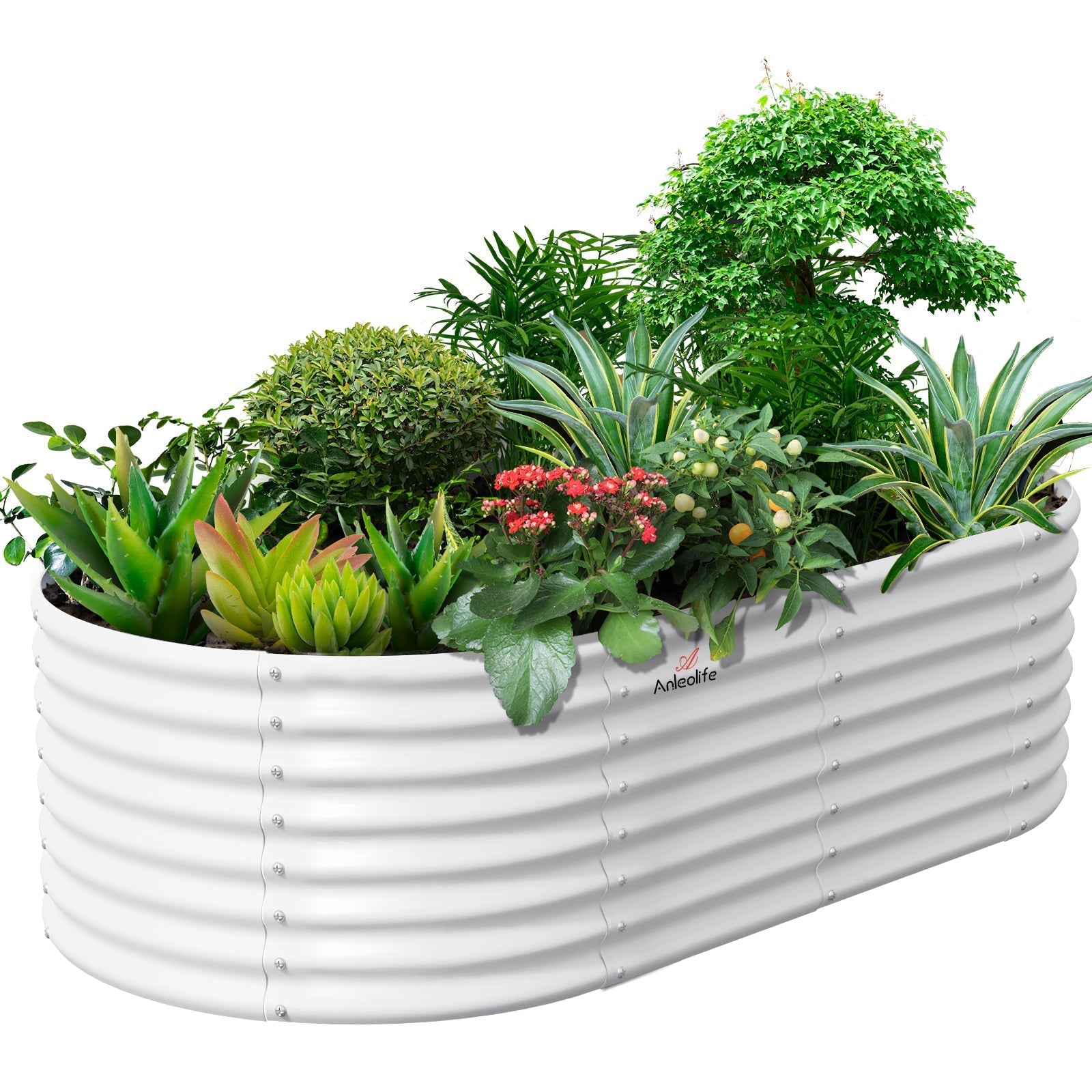
ALT: Well-organized raised bed herb garden layout showing Mediterranean zone with rosemary and thyme alongside moisture-loving basil and parsley in a metal raised garden bed
Advanced Strategies for Herb Raised Bed Success
Companion Planting Beyond the Herb Bed
Herbs don't need to stay isolated in their own bed. Many experienced raised bed gardeners integrate herbs throughout their vegetable beds as pest-deterring companions. Basil planted near tomatoes is a classic pairing—basil appears to repel aphids and spider mites while improving the flavor of neighboring tomatoes in the same bed. Chives deter aphids when planted near carrots. Dill attracts beneficial insects that prey on cabbage worms when grown near brassicas.
This companion planting approach requires thoughtful raised bed planting layout planning but delivers real, measurable benefits in pest reduction without chemical intervention—a meaningful advantage for eco-conscious gardeners.
Managing Common Herb Raised Bed Problems
Bolting: Many herbs "bolt" (flower and go to seed) in response to heat or long days, which reduces leaf quality. The fix is simple: harvest regularly to prevent bolting, provide afternoon shade in extremely hot climates, and choose bolt-resistant varieties when available.
Root rot in Mediterranean herbs: Usually caused by overwatering or inadequate drainage. If your raised bed isn't draining well, check that the base isn't blocked and consider adding more perlite to your soil mix.
Leggy, flavorless growth: Almost always a light problem. Herbs reaching for light become pale and flavorless. Ensure your bed location truly delivers 6–8 hours of direct sun, and don't hesitate to move the bed if results are consistently poor.
The Misconception About "Low-Maintenance" Herbs
Many gardeners start an herb bed expecting it to be completely hands-off. Perennial herbs like thyme and rosemary are genuinely low-maintenance once established, but annual herbs like basil and cilantro require consistent attention—watering, harvesting, pest monitoring, and seasonal replanting. Setting realistic expectations and building a simple care routine (10–15 minutes per week after establishment) leads to far better long-term results than treating the bed as entirely self-sufficient.
Organizing Your Garden Space
A well-maintained herb garden pairs naturally with organized storage for your gardening tools. Top-rated outdoor tool storage racks and cabinets placed near your raised bed area keep pruning shears, trowels, and watering equipment accessible and protected from weather. This small investment in organization pays dividends in time saved and tools preserved over multiple growing seasons.
Similarly, if your raised bed is near an entryway or patio, an outdoor bench for entryway seating creates a natural resting spot where you can pause to appreciate your herb garden, clean tools, or simply enjoy the garden environment you've created. These functional elements transform a utilitarian growing space into a true garden sanctuary.
Frequently Asked Questions
Q1: How do I design a raised bed planting layout that keeps aggressive herbs like mint from taking over?
The most reliable approach is physical containment. Plant mint inside a buried container—a plastic pot with drainage holes works perfectly—submerged within your raised bed so only the top few inches of growth are visible above the soil surface. This allows you to include mint in your overall raised bed layout aesthetically while preventing its roots from spreading laterally and crowding neighboring herbs. Alternatively, dedicate a separate small raised bed or container exclusively to mint and its relatives (lemon balm, spearmint, peppermint).
Q2: Are metal raised garden beds safe for growing edible herbs?
Yes, quality galvanized steel raised garden beds are safe for growing herbs and vegetables. Modern galvanizing processes use zinc, which is a natural soil element present in nearly all agricultural soils. Research from horticultural institutions has consistently found that zinc leaching from galvanized steel into soil occurs at negligible levels that do not pose food safety concerns. Anleolife's metal raised garden beds are designed specifically for food production and meet quality standards appropriate for edible growing. The 20-year lifespan also means you're investing in a lasting, food-safe growing structure.
Q3: How long does it take to see a real harvest from an herb raised bed, and what's the most budget-friendly way to get started?
Most herbs begin providing harvestable material within 4–8 weeks of transplanting established seedlings, though growing from seed takes 8–12 weeks to reach a usable size. For the fastest results, purchase nursery transplants rather than starting from seed. In terms of cost, budget-friendly raised beds under $200 for vegetables and herbs are genuinely available and effective for small herb gardens. A basic metal raised bed combined with a quality soil mix and a starter selection of 4–6 herb varieties represents an accessible entry point that delivers fresh herbs within a single growing season.
Summary
Growing herbs in a raised garden bed is one of the most rewarding projects a home gardener can undertake—and the principles that make it successful are straightforward once you understand them. Let's recap the three core takeaways from this guide:
1. Material and structure matter long-term. A quality metal raised garden bed with a 20-year lifespan is a one-time investment that will serve your herb garden far longer than wood or fabric alternatives, with dramatically lower maintenance requirements over time.
2. Layout determines results. A thoughtful raised bed garden layout that groups herbs by cultural needs—separating Mediterranean drought-tolerant herbs from moisture-loving culinary staples, and isolating invasive spreaders like mint—is the single highest-impact planning decision you can make.
3. Simplicity scales. Start with 4–6 herbs you actually cook with. Build your soil right. Water by zone. Harvest regularly. These basic practices, applied consistently, will produce more herbs than most families can use—and enough success to naturally grow your system over time.
Your next step: sketch out a simple raised bed planting layout using the zone principles in this guide, select your starter herbs, and choose a raised bed structure that fits your space and long-term vision. The first harvest is closer than you think.
Start Your Herb Garden with Anleolife
Nationwide U.S. warehouse network: Strategically located in California, Texas, Florida, New York, Illinois, and Washington to ensure delivery within 3–8 business days—so your garden upgrade plans never have to wait.
Multi-channel sales network: Products are available on major e-commerce platforms including Amazon, Walmart, Home Depot, Lowe's, and Wayfair, as well as the official website Anleolife.com, providing consistent quality assurance and after-sales service.
Three core scenarios: Planting (metal raised garden beds, soil systems), Raising (chicken coops, rabbit hutches), and Beautification (decorative accessories, pathway systems), meeting complete needs from functionality to aesthetics.
Upgrade your garden with Anleolife. We understand that an ideal garden is not built overnight, but gradually improved over time. Our modular product design allows flexible expansion based on your needs—from your first raised garden bed to a fully integrated planting-and-raising ecosystem. We grow with you every step of the way.
References
- National Gardening Association. "Food Gardening in the United States."
https://garden.org/learn/ - University of Minnesota Extension. "Growing Herbs in the Home Garden."
https://extension.umn.edu/vegetables/growing-herbs - NC State Extension. "Raised Bed Gardening."
https://content.ces.ncsu.edu/raised-bed-gardening - UC Agriculture and Natural Resources. "Herb Gardening."
https://ucanr.edu/ - USDA National Institute of Food and Agriculture. "Community and Home Gardening."
https://www.nifa.usda.gov/
Note: Standards and research may be updated. Please check the latest official documents or consult professional gardening advisors for the most current guidance.
About Anleolife
Anleolife is a leading outdoor garden solutions provider in North America, dedicated to offering a full-scenario product ecosystem for home gardening enthusiasts, covering planting, raising, and garden beautification. Since its founding, we have upheld our brand mission, "Made for Garden Life," continuously innovating products and optimizing services to help hundreds of thousands of users upgrade their gardens, reconnect with nature, and enjoy a better garden lifestyle.