


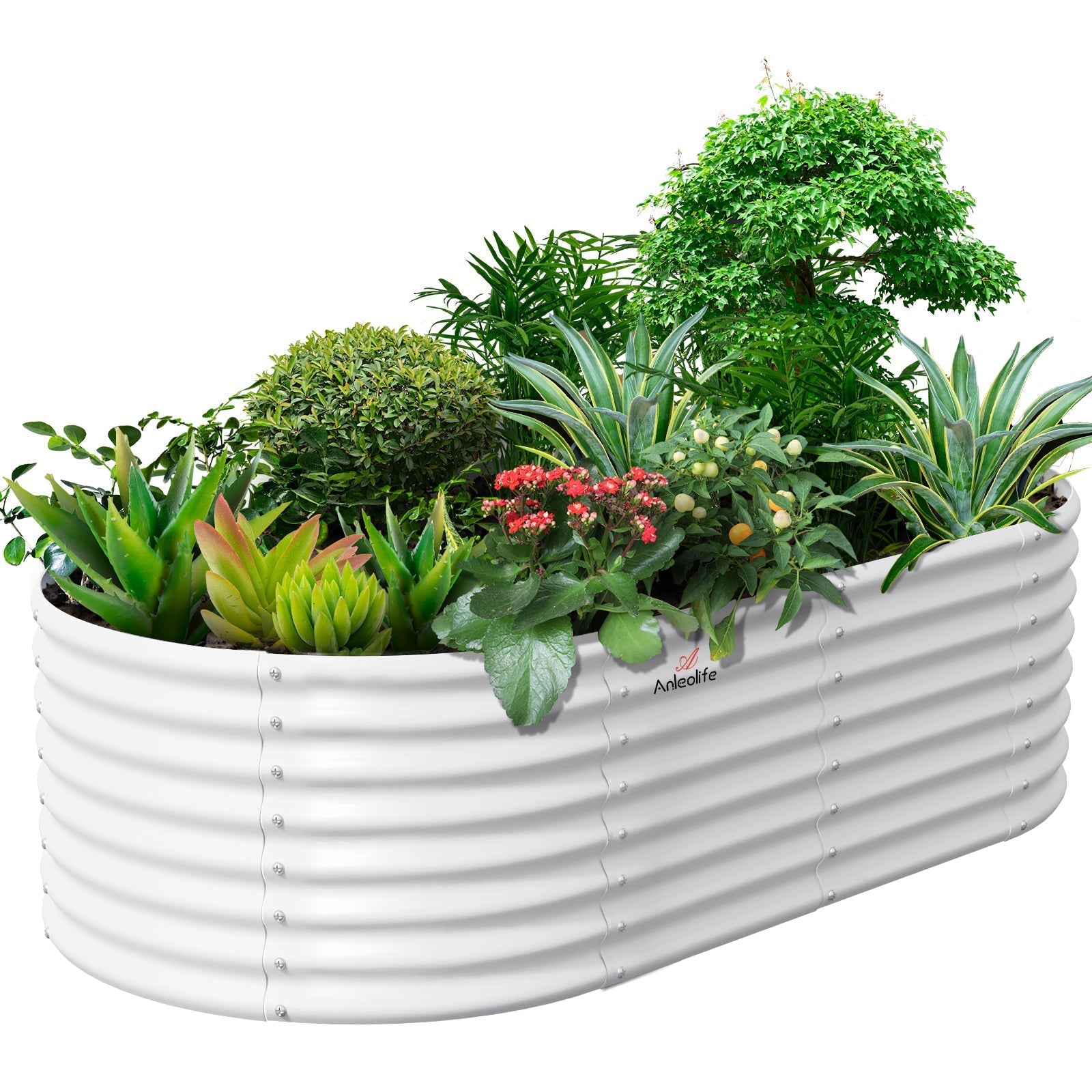
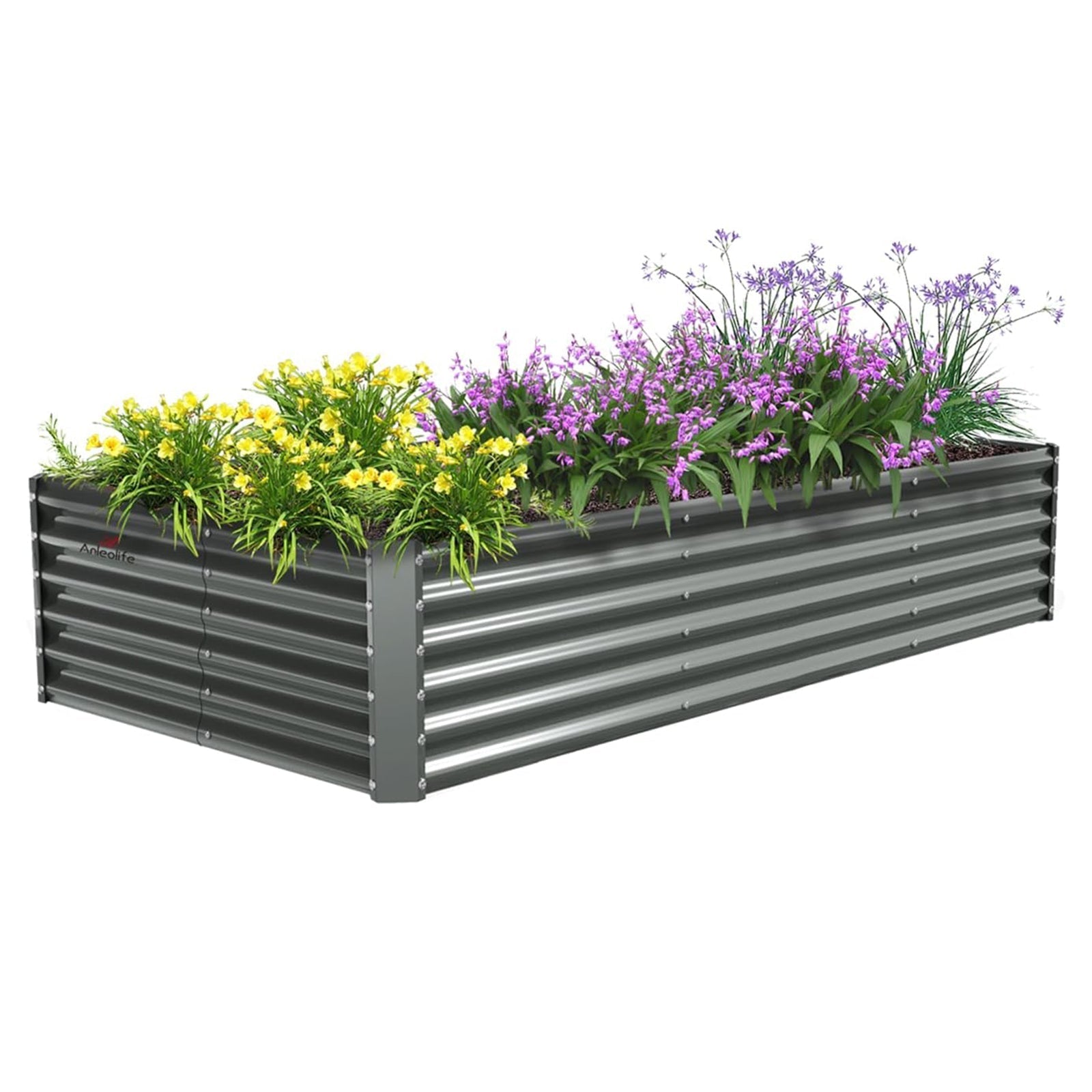

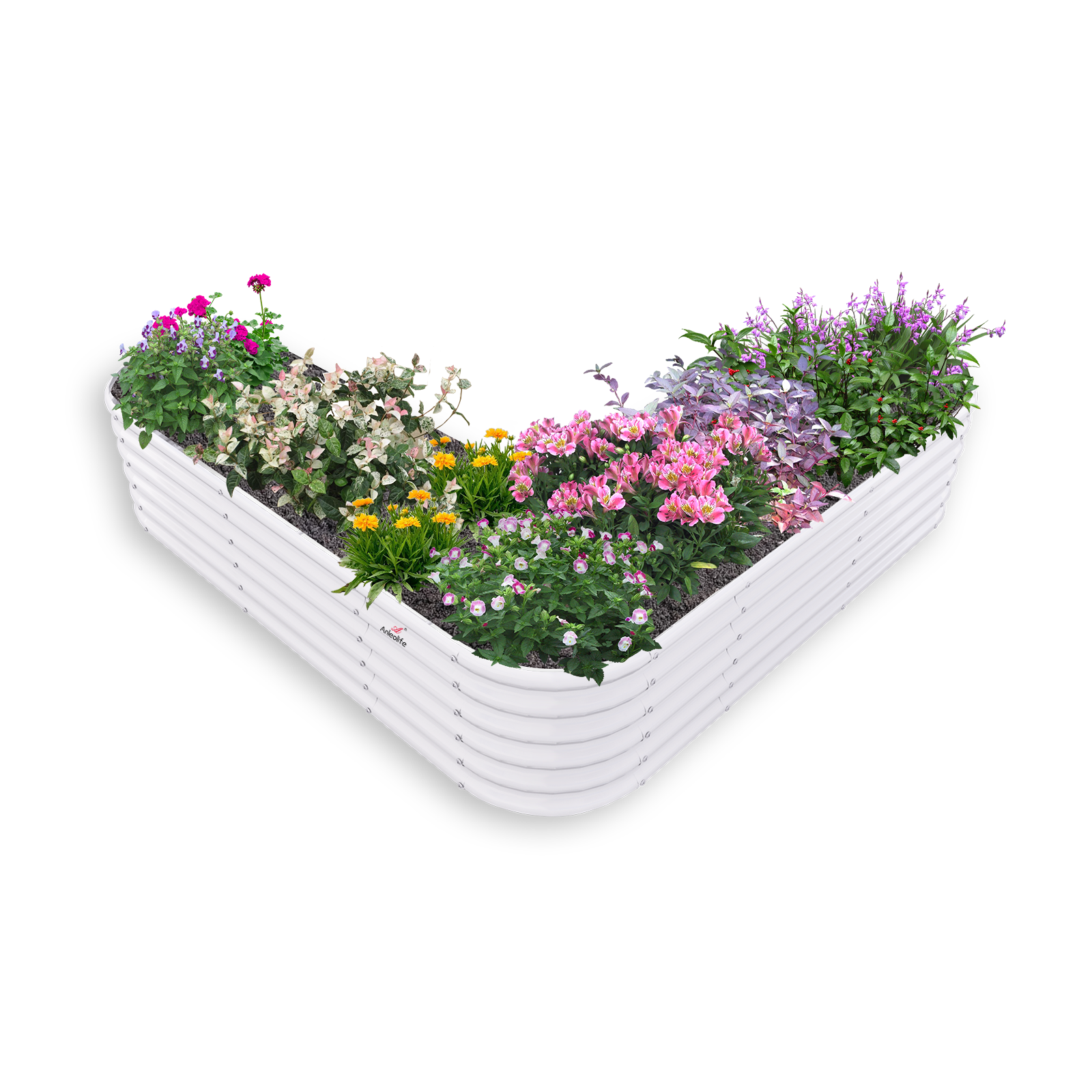
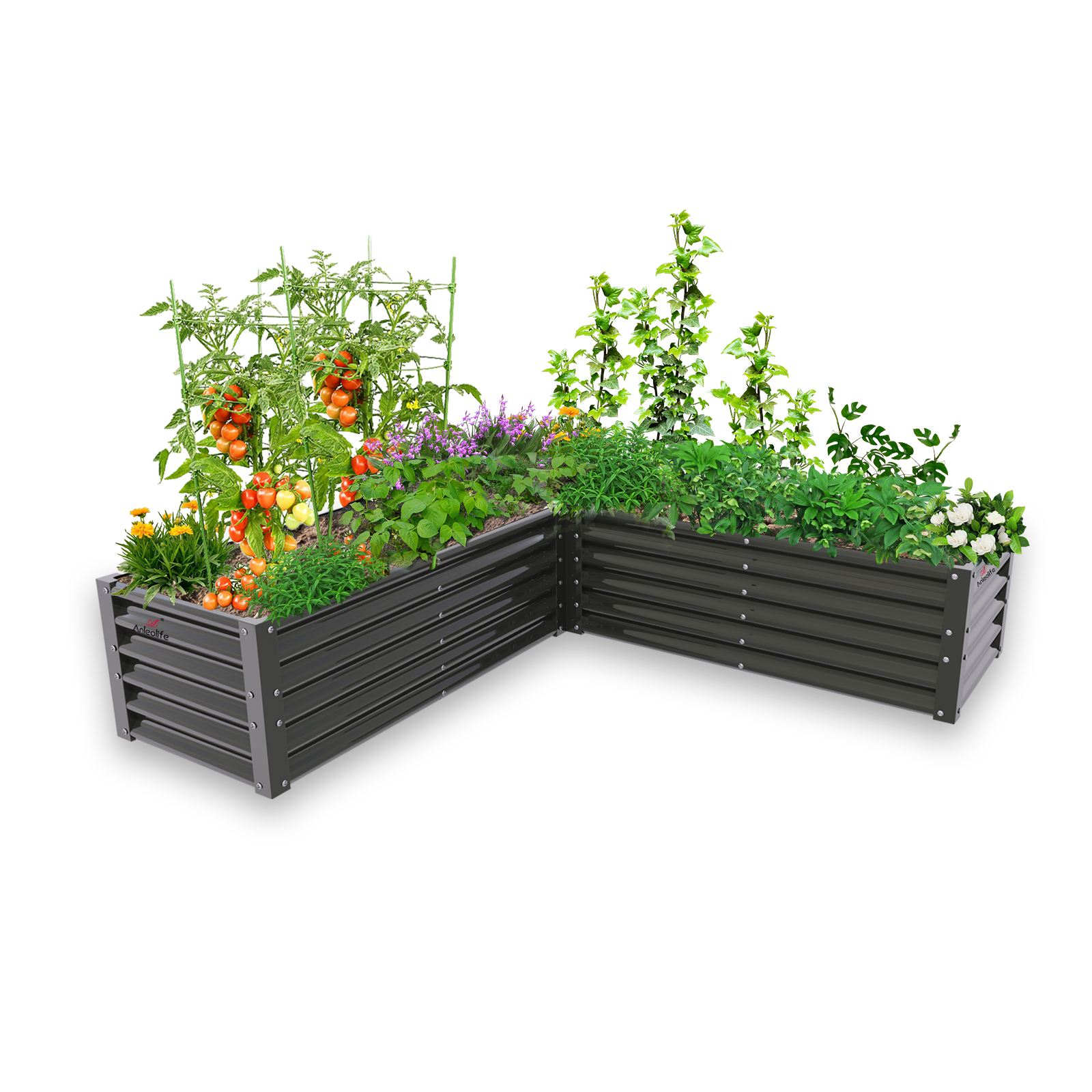
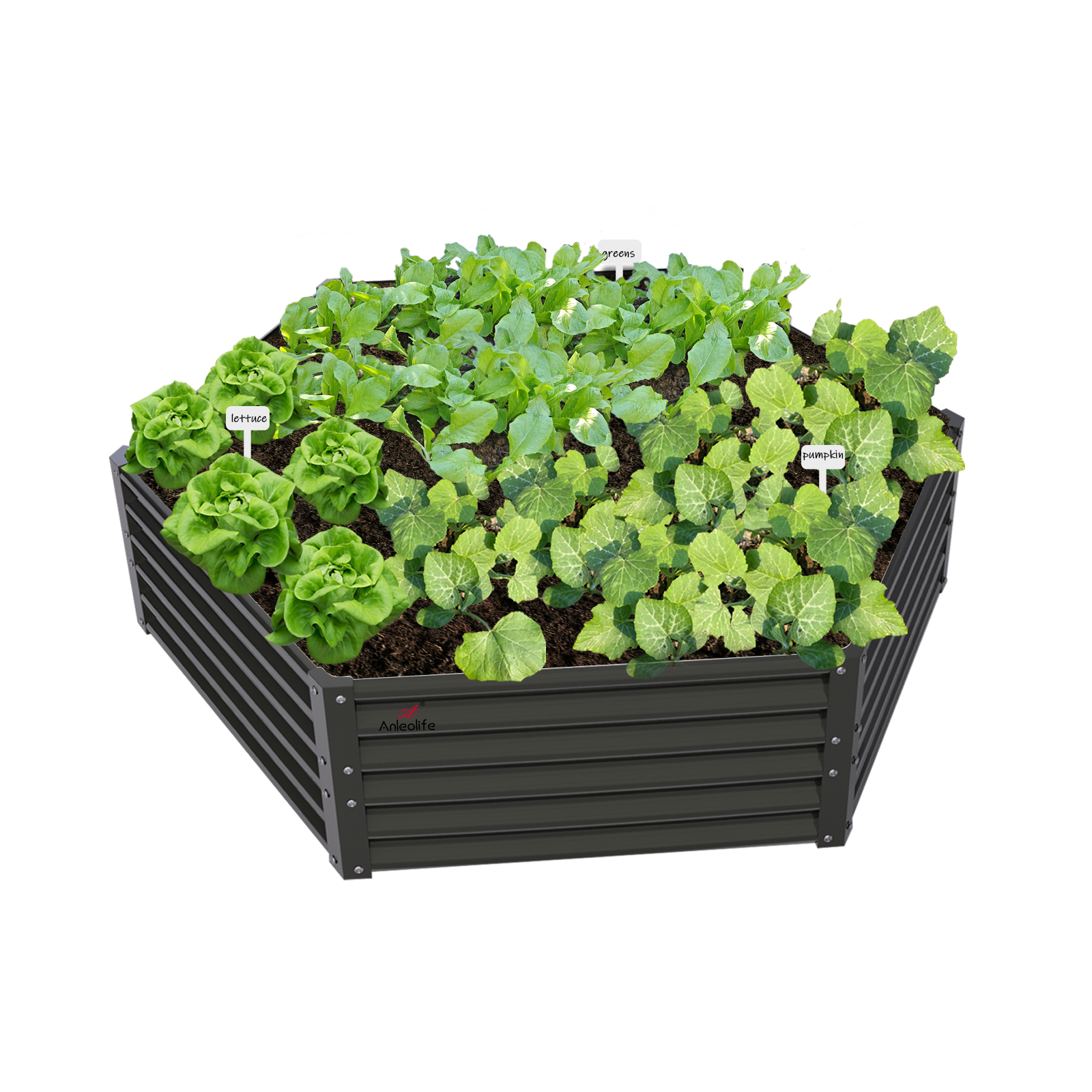
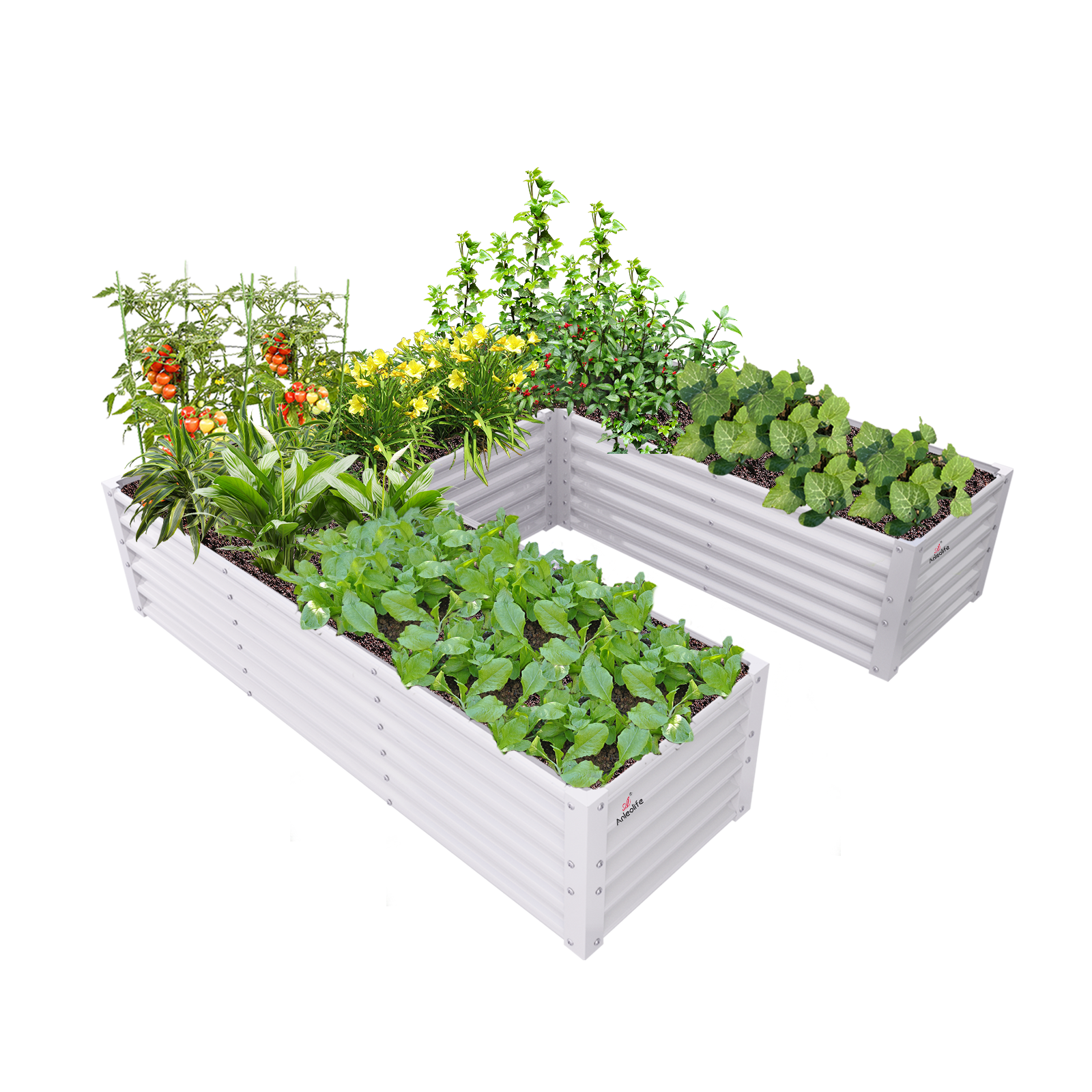

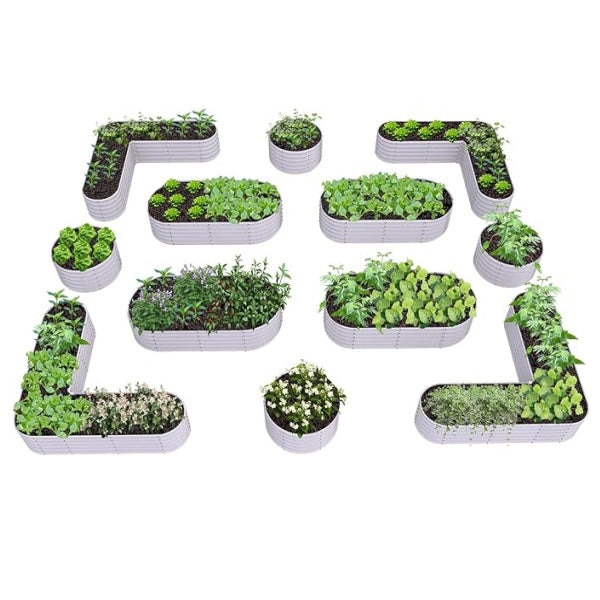


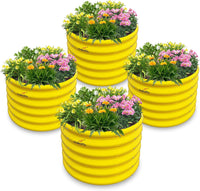
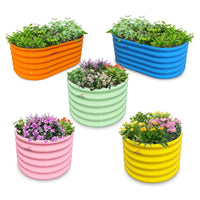
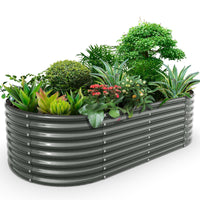



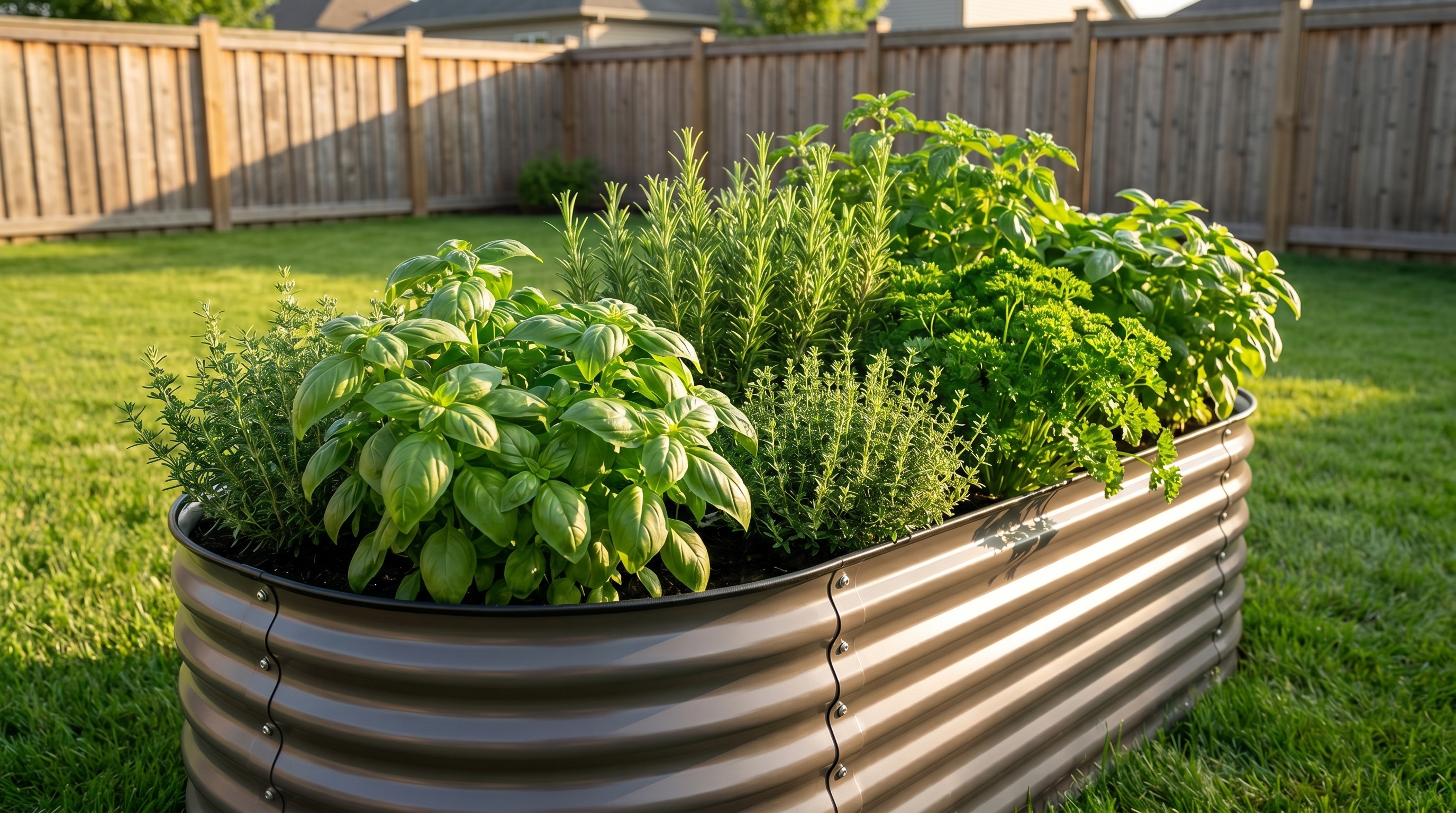
ALT: Herbs growing in a raised garden bed with summer sunlight, showcasing a raised bed planting layout for home gardeners
Why Herbs Thrive in Raised Garden Beds — And How to Plan Yours This Summer
Key Conclusion: Growing herbs in a raised garden bed is one of the smartest moves a home gardener can make this summer. A well-thought-out raised bed garden layout gives you complete control over soil quality, drainage, and plant spacing — all critical factors for herb success. Whether you're designing a compact raised bed planting layout for a balcony or planning a full backyard raised bed layout with companion planting, this guide will walk you through every step with practical, confidence-building advice.
- Raised garden beds have surged in popularity across North America, and for good reason. They warm up faster in spring, drain more efficiently than in-ground plots, and give you the ability to customize your growing environment from the ground up — literally. For herbs, which are notoriously picky about root moisture and soil aeration, this level of control makes a dramatic difference in yield and flavor.
- Beyond performance, there's a lifestyle element that makes raised bed herb gardening so appealing. Whether you're a busy parent who wants fresh basil within arm's reach of the kitchen, a retiree turning a corner of the yard into a fragrant retreat, or a health-conscious urban grower making the most of a small patio, a raised bed transforms the act of growing food into something joyful and manageable.
- This guide covers everything: how to choose the right bed and layout, which herbs to plant in summer, how to combine functionality with beauty, and how to troubleshoot the most common problems. Let's dig in.
Who This Guide Is For — And When It Applies
✅ Applicable Scenarios:
- First-time herb growers who want a structured, beginner-friendly approach to setting up their first raised bed this summer
- Urban and patio gardeners working with limited space who need a smart raised bed planting layout to maximize output in a compact footprint
- Health-conscious home cooks who want a reliable supply of fresh, chemical-free culinary herbs close to the kitchen
- Empty nesters and retirees looking for a low-maintenance, rewarding outdoor hobby that keeps them connected to nature
❌ Not Applicable/Cautions:
- Gardeners in extreme cold climates who have not yet experienced their last frost — summer herb planting is most effective once nighttime temperatures are consistently above 50°F
- Those expecting a fully automated garden — raised bed herb gardening still requires regular watering, pruning, and occasional pest monitoring to keep plants thriving
- Renters without outdoor access — this guide focuses on outdoor raised beds; container herb gardening indoors involves different considerations
The Growing Case for Raised Bed Herb Gardens in Summer
The home gardening boom of the past several years has fundamentally shifted how North Americans think about their outdoor spaces. According to the National Gardening Association, food gardening participation in the U.S. has grown significantly, with herbs consistently ranking among the most popular plants grown at home. The reasons are intuitive: herbs are fast-growing, deeply useful in the kitchen, and enormously satisfying to cultivate.
But here's what many beginner gardeners discover the hard way — planting herbs directly in the ground often leads to frustration. Heavy clay soils suffocate roots. Poor drainage leads to root rot. Weeds compete aggressively. And soil-borne pests can devastate a crop before it ever reaches the kitchen. This is precisely where raised bed gardening changes the equation.
A raised bed garden layout elevates your plants — both literally and figuratively. By filling your bed with a custom soil mix, you eliminate the unpredictability of native ground soil. By elevating the planting surface, you improve drainage dramatically. By defining a contained space, you create a natural barrier against many ground-level pests and weeds. The result is a growing environment where herbs don't just survive — they flourish.
Summer is particularly well-suited for herbs. Most culinary and medicinal herbs are Mediterranean or tropical in origin, meaning they evolved in warm, sunny, well-drained conditions. A sun-drenched raised bed filled with quality growing mix is about as close to herb paradise as you can get in a home garden setting.
The material of your raised bed also matters significantly. Many gardeners ask, what's the best material for affordable raised garden beds? The answer increasingly points to galvanized or powder-coated steel. Metal raised garden beds offer exceptional structural longevity — Anleolife's metal raised garden beds, for example, are built to last up to 20 years — while resisting warping, rotting, and pest infiltration that plague wooden alternatives. They heat up efficiently in morning sun, which benefits heat-loving herbs like rosemary, thyme, and basil, and they maintain a clean, modern aesthetic that suits both functional and decorative garden goals.
For a comprehensive look at how to choose the right raised bed for your overall garden goals, exploring a full planting guide will help you connect your herb garden ambitions to a broader outdoor strategy.
Planning and Planting: Your Complete Summer Herb Raised Bed System
Three-Step Quick Start
Step 1: Choose and Position Your Raised Bed
Select a location that receives at least 6–8 hours of direct sunlight daily — this is non-negotiable for most culinary herbs. Once you've identified your sunniest spot, choose a raised bed that fits the space. Position the bed so you can reach the center from either side without stepping in. Metal raised beds from Anleolife are available through multiple retail channels including Amazon, Walmart, Home Depot, Lowe's, Wayfair, and directly at Anleolife.com, so you can select the right size for your space. Allow 30–60 minutes for bed assembly, depending on the model.
Step 2: Fill With the Right Soil Mix
Don't use native garden soil in a raised bed — it compacts too readily and rarely drains well enough for herbs. The ideal raised bed soil mix is roughly one-third quality compost (for nutrients and moisture retention), one-third coarse material like perlite or aged bark (for drainage and aeration), and one-third topsoil or loam (for structure). This combination creates the loose, nutrient-rich, well-draining environment that herbs crave. Filling your bed correctly typically takes 1–2 hours, including sourcing and mixing materials.
Step 3: Plan Your Raised Bed Planting Layout and Plant
Before placing a single seedling, sketch your raised bed layout on paper. Group herbs by water needs: drought-tolerant Mediterranean herbs (rosemary, thyme, oregano, sage) together in one zone, and moisture-preferring herbs (basil, cilantro, mint, parsley) in another. Plant taller herbs toward the north or center of the bed to prevent shading smaller neighbors. Space generously — overcrowding is the number-one mistake beginners make. Once your layout is planned, planting itself takes about an hour, after which a thorough initial watering sets the stage for summer growth.
Comparing Your Raised Bed Layout Options for Herbs
Not all raised bed configurations are equally suited for herb gardening. Your choice depends on your available space, the number of herb varieties you want to grow, and how the bed fits into your broader garden design.
The table below helps you compare the three most common raised bed layout strategies for summer herb gardens:
| Comparison Dimension | Single-Row Linear Layout | Square Foot Grid Layout | Companion Cluster Layout |
|---|---|---|---|
| Best For | Long, narrow spaces; straightforward harvesting | Maximizing yield in a compact bed; structured planting | Combining herbs with aesthetic or functional companions |
| Herb Variety Capacity | Moderate — good for 3–5 herb types | High — can accommodate 6–10+ varieties in sections | Moderate to High — depends on cluster sizing |
| Ease of Maintenance | High — clear access to each row | Moderate — requires planning but very organized | Moderate — needs thoughtful grouping |
| Pest Management | Easier to inspect individual plants | Companion plants can deter pests naturally | Companion planting actively leverages pest deterrence |
| Visual Appeal | Clean and functional | Orderly and productive | Rich, layered, and garden-forward |
| Best Herb Examples | Basil, parsley, dill (fast-turnover crops) | Mixed culinary herb collection | Rosemary + lavender + thyme clusters |
| Skill Level Required | Beginner-friendly | Beginner to Intermediate | Intermediate |
The companion cluster layout is particularly worth exploring if you want your herb garden to do double duty — feeding your kitchen while also contributing to your overall garden aesthetic. Strategic companion planting can also play a significant role in pest control for tomato plants and other vegetables you may be growing nearby. Basil planted adjacent to tomatoes is one of the most time-honored companion planting practices, repelling aphids and thrips while potentially improving tomato flavor. Marigolds, while not an herb in the culinary sense, are a classic addition to any cluster layout for their proven pest-deterring qualities.
Herbs to Grow, How to Arrange Them, and Making Your Bed Beautiful
Choosing the Right Herbs for Your Summer Raised Bed
Summer is the prime season for a wide range of culinary herbs, but knowing their individual personalities helps you set up a raised bed layout that works harmoniously rather than competitively.
Basil is the undisputed king of the summer herb garden. It loves heat, resents cold, and grows quickly enough that you can harvest multiple times per season. Plant it in the warmest, sunniest section of your bed and pinch flower heads regularly to keep leaves coming.
Rosemary and thyme are the drought-tolerant workhorses of a raised bed. Once established, they need minimal water and can handle the intense summer sun without complaint. They're excellent candidates for the edges of a bed where they can cascade slightly for visual effect.
Mint is productive and wonderfully fragrant, but it spreads aggressively. The classic solution is to plant mint in a buried container within the raised bed — this contains the roots while still allowing you to enjoy fresh mint all summer long.
Cilantro and dill are fast-growing herbs that bolt (go to seed) quickly in heat. Succession planting every 2–3 weeks from the same spot in your bed keeps a continuous supply coming. Position them where they receive some afternoon shade in the hottest months.
Lemon balm, chives, and parsley are reliably easy and productive, making them excellent choices for beginner-friendly sections of your raised bed planting layout.
Integrating Beauty Into Your Functional Layout
A raised herb garden doesn't have to be purely utilitarian. One of the most satisfying aspects of a well-designed raised bed garden layout is how it can become a focal point of your outdoor space — fragrant, colorful, and visually dynamic.
Consider edging your raised bed pathway with decorative stepping stones or pathway systems to create a garden zone that feels intentional and curated. Anleolife's beautification product range includes decorative accessories and pathway systems that complement their raised beds, allowing you to build a cohesive garden environment that's as pleasing to look at as it is productive to use.
For gardeners who enjoy outdoor evenings in the garden, exploring the best outdoor garden lighting options for small patios can elevate the experience of a summer herb garden dramatically. Solar stake lights placed along pathways near the raised bed, or string lights overhead, allow you to enjoy your garden long after sunset while making the space feel warm and welcoming. Low-voltage pathway lights are particularly effective because they highlight the textures of herb foliage — the silver of sage leaves, the dark green of basil — without overpowering the natural ambiance.
If you're building a seating area near your herb garden — a common and deeply enjoyable choice — the best cushion materials for outdoor seating are those that resist moisture and UV degradation. Look for solution-dyed acrylic fabrics or polyester with high-denier thread counts, which hold color and resist mildew through the summer months. A comfortable seating nook adjacent to your raised herb bed becomes a natural outdoor sanctuary.
For gardeners interested in best garden ornaments for tropical landscaping aesthetics, summer herb gardens can absolutely incorporate this style. Large-leafed tropical plants like lemongrass (itself a useful culinary herb) create a lush, layered backdrop for a raised bed, while decorative clay pots, bamboo stakes, and stone ornaments contribute to a tropical garden feel that's both stylish and cohesive.
Ongoing Care: Water, Feed, and Protect
Summer herb maintenance in a raised bed is straightforward once you understand a few key principles.
Watering is the most important daily consideration. Raised beds drain faster than ground-level gardens, which is great for root health but means you'll need to water more frequently — often every 1–2 days during peak summer heat. A drip irrigation system or soaker hose is an excellent investment for any raised bed herb garden, delivering water directly to roots and reducing evaporation.
Feeding raised bed herbs is best done with a balanced liquid fertilizer every 2–3 weeks, or by top-dressing with compost monthly. Avoid over-fertilizing nitrogen-heavy products, which encourage lush leaf growth but can reduce the concentration of essential oils — and therefore flavor — in culinary herbs.
Pest management in a raised bed is naturally more contained than in-ground gardening, but vigilance still matters. Aphids, spider mites, and whiteflies are common summer visitors. For organic control, a strong spray of water dislodges aphids effectively; neem oil is a widely used botanical deterrent for a range of soft-bodied pests. As noted earlier, pest control for tomato plants benefits significantly from companion planting with basil and marigolds — a principle that applies equally well to your herb bed.
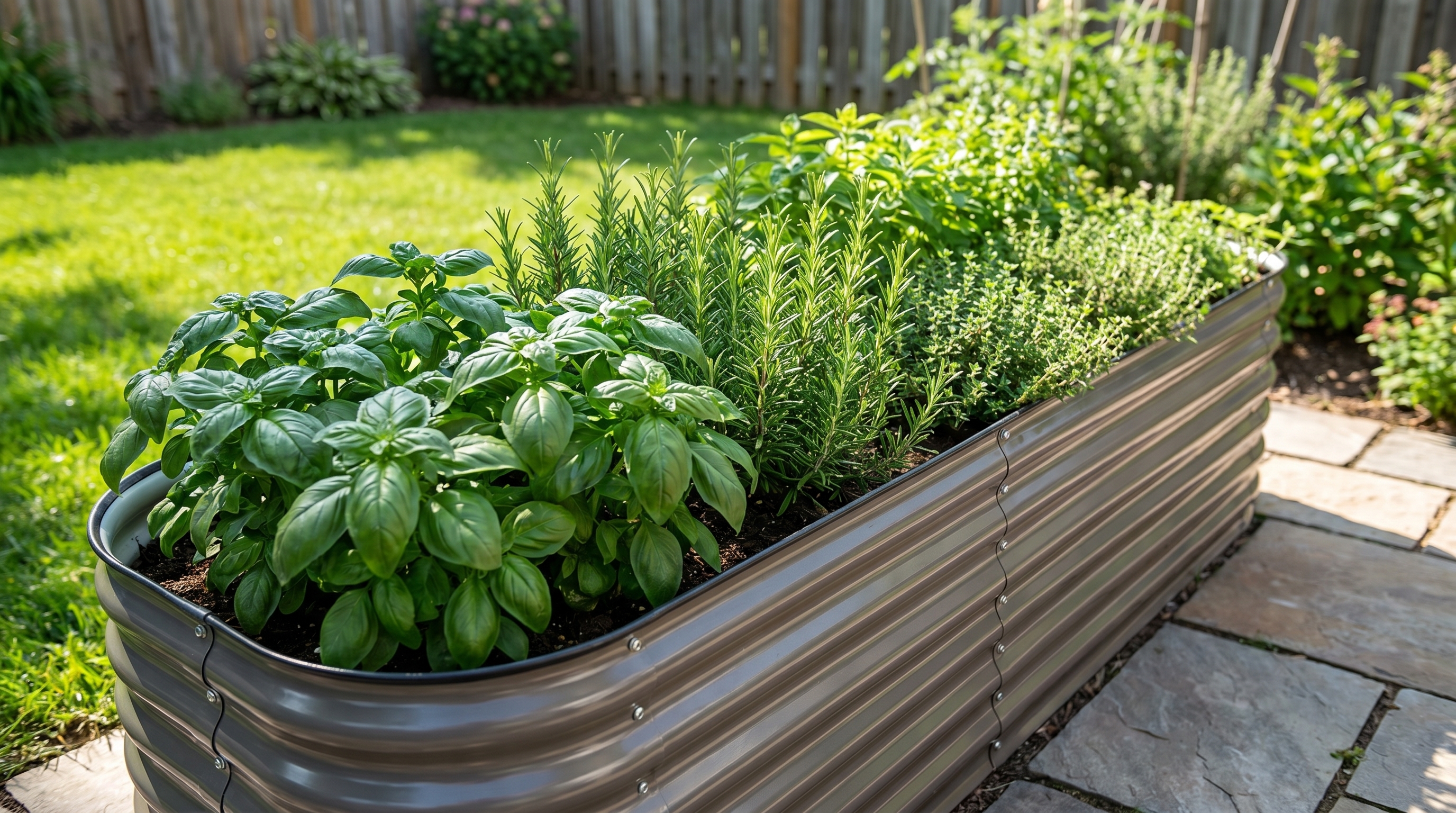
ALT: A thriving summer herb raised garden bed showing basil, rosemary, and thyme in a well-organized raised bed planting layout
Advanced Tips: Handling Special Situations and Correcting Common Myths
Special Situations to Know
When your herbs bolt in the heat: Cilantro and dill are notorious for bolting when temperatures spike. Rather than fighting this, embrace it — bolted dill produces seeds that are themselves a useful culinary spice (dill seed), and bolting cilantro eventually produces coriander seed. Let some plants complete their cycle, harvest the seeds, and then replant the space with heat-tolerant herbs like basil or a second planting of thyme.
When you have limited summer rainfall: In drier climates, raised beds can dry out within hours on a hot summer day. Applying a 2–3 inch layer of organic mulch (straw, wood chips, or shredded leaves) on top of the soil surface dramatically reduces moisture evaporation and keeps root zones cool. This is one of the single most impactful things a raised bed gardener can do in a hot, dry summer.
When herbs outgrow their space: If vigorous growers like rosemary or lemon balm begin crowding their neighbors, don't hesitate to cut them back aggressively. Most perennial herbs respond to hard pruning by growing back bushier and more productive. Regular harvesting — rather than waiting until plants are enormous — is the best preventive strategy.
Common Myths Debunked
Myth: Herbs need very little care once planted. In a raised bed during peak summer, herbs need consistent attention — particularly regular watering and harvesting. "Set it and forget it" applies more to established perennials in the ground than to summer annuals in a contained bed.
Myth: More fertilizer equals more herbs. Over-fertilization, especially with nitrogen, produces large, lush plants with diluted flavor. For culinary herbs, moderate feeding and even occasional "stress" through slightly dry conditions intensifies the concentration of aromatic oils.
Myth: Wooden raised beds are always more natural and better. While wood has its aesthetic appeal, it eventually rots — typically within a few years for untreated lumber. Metal raised beds like those from Anleolife, built to last up to 20 years, are a far more durable and ultimately cost-effective investment, requiring no sealing, no replacement boards, and no concern about soil contamination from treated wood.
Frequently Asked Questions FAQ
Q1: How do I design an effective raised bed garden layout for multiple herbs?
Start by grouping herbs with similar water and sunlight needs together — this is the foundational principle of any successful raised bed garden layout. Place drought-tolerant herbs like rosemary, thyme, and oregano in one zone, and moisture-loving herbs like basil, parsley, and cilantro in another. Use the tallest plants toward the center or north side to prevent shading. Sketch your layout before planting and leave more space between plants than you think you need — herbs spread quickly in summer warmth.
Q2: Are metal raised garden beds safe for growing edible herbs?
Yes — high-quality galvanized or powder-coated metal raised beds are considered safe for growing edible plants, including herbs. The zinc coating on galvanized steel acts as a protective barrier and does not leach harmful levels of zinc into the soil under normal growing conditions. Anleolife's metal raised garden beds are designed for food-safe growing environments and are built for long-term use, with a durability lifespan of up to 20 years. Always ensure the bed is free from any painted coatings that aren't food-safe.
Q3: How long does it take to set up a raised bed herb garden, and when will I see results?
From unboxing your raised bed to planting your first herbs, the setup process typically takes a single weekend — assembly, soil filling, and layout planning included. With Anleolife's streamlined delivery network across California, Texas, Florida, New York, Illinois, and Washington, your raised bed arrives within 3–8 business days of ordering. Once planted, fast-growing herbs like basil and cilantro can be harvested within 3–4 weeks; slower growers like rosemary may take a full season to establish but will reward you for years to come.
Summary
A raised bed herb garden is one of the most rewarding, accessible, and immediately gratifying projects a home gardener can take on this summer. Let's crystallize the three core takeaways from this guide:
1. The right layout is everything. A thoughtful raised bed planting layout — one that groups herbs by water needs, positions taller plants strategically, and leaves adequate spacing — transforms a collection of plants into a productive, low-maintenance system. Whether you choose a linear row, a square foot grid, or a companion cluster approach, planning before planting pays dividends all season long.
2. Your growing environment determines your results. The advantages of a raised bed — customized soil, superior drainage, reduced pest pressure, faster soil warming — are what make herbs thrive where in-ground growing often fails. A quality metal raised bed, designed to last up to 20 years, is the foundation on which all other success is built.
3. Beauty and function belong together. The best herb gardens are both productive and beautiful. Integrating pathway systems, garden lighting, comfortable seating, and thoughtful ornamental touches around your raised bed creates an outdoor space you'll want to spend time in — which means you'll tend your herbs more consistently and enjoy them more deeply.
Your next step is simple: choose your sunniest spot, select your raised bed, sketch your layout, and order your plants. Summer herb season is waiting.
Ready to Build Your Ideal Herb Garden?
Anleolife's nationwide U.S. warehouse network — strategically located in California, Texas, Florida, New York, Illinois, and Washington — ensures your raised garden bed arrives in just 3–8 business days, so your summer planting plans don't have to wait for shipping delays.
Our products are available across major platforms including Amazon, Walmart, Home Depot, Lowe's, and Wayfair, as well as directly at Anleolife.com, giving you consistent quality assurance and responsive after-sales support wherever you prefer to shop.
Anleolife's three core scenarios — Planting (metal raised garden beds, soil systems), Raising (chicken coops, rabbit hutches), and Beautification (decorative accessories, pathway systems) — mean you can build a complete outdoor lifestyle ecosystem, not just a garden bed. From your first herb planting to a fully integrated garden-and-homestead setup, we grow with you at every step.
We understand that the ideal garden isn't built overnight — it's cultivated thoughtfully, season by season. Our modular product design allows you to start where you are and expand as your passion grows. Begin with a single raised bed filled with summer herbs, and let your garden story unfold from there.
References
- National Gardening Association. "Food Gardening in the United States".
https://garden.org/learn/articles/view/4622/ - University of Minnesota Extension. "Growing Herbs in the Home Garden".
https://extension.umn.edu/vegetables/growing-herbs - UC Agriculture and Natural Resources. "Integrated Pest Management for Home Gardens".
https://ipm.ucanr.edu/ - Penn State Extension. "Raised Bed Gardening".
https://extension.psu.edu/raised-bed-gardening - USDA National Agricultural Library. "Companion Planting and Pest Management".
https://www.nal.usda.gov/farms-and-agricultural-production-systems/companion-planting
Note: Standards and recommendations may be updated. Please check the latest official documents or consult a professional garden advisor for guidance specific to your region and growing conditions.
About Anleolife
Anleolife is a leading outdoor garden solutions provider in North America, dedicated to offering a full-scenario product ecosystem for home gardening enthusiasts, covering planting, raising, and garden beautification. Since its founding, we have upheld our brand mission, "Made for Garden Life," continuously innovating products and optimizing services to help hundreds of thousands of users upgrade their gardens, reconnect with nature, and enjoy a better garden lifestyle.