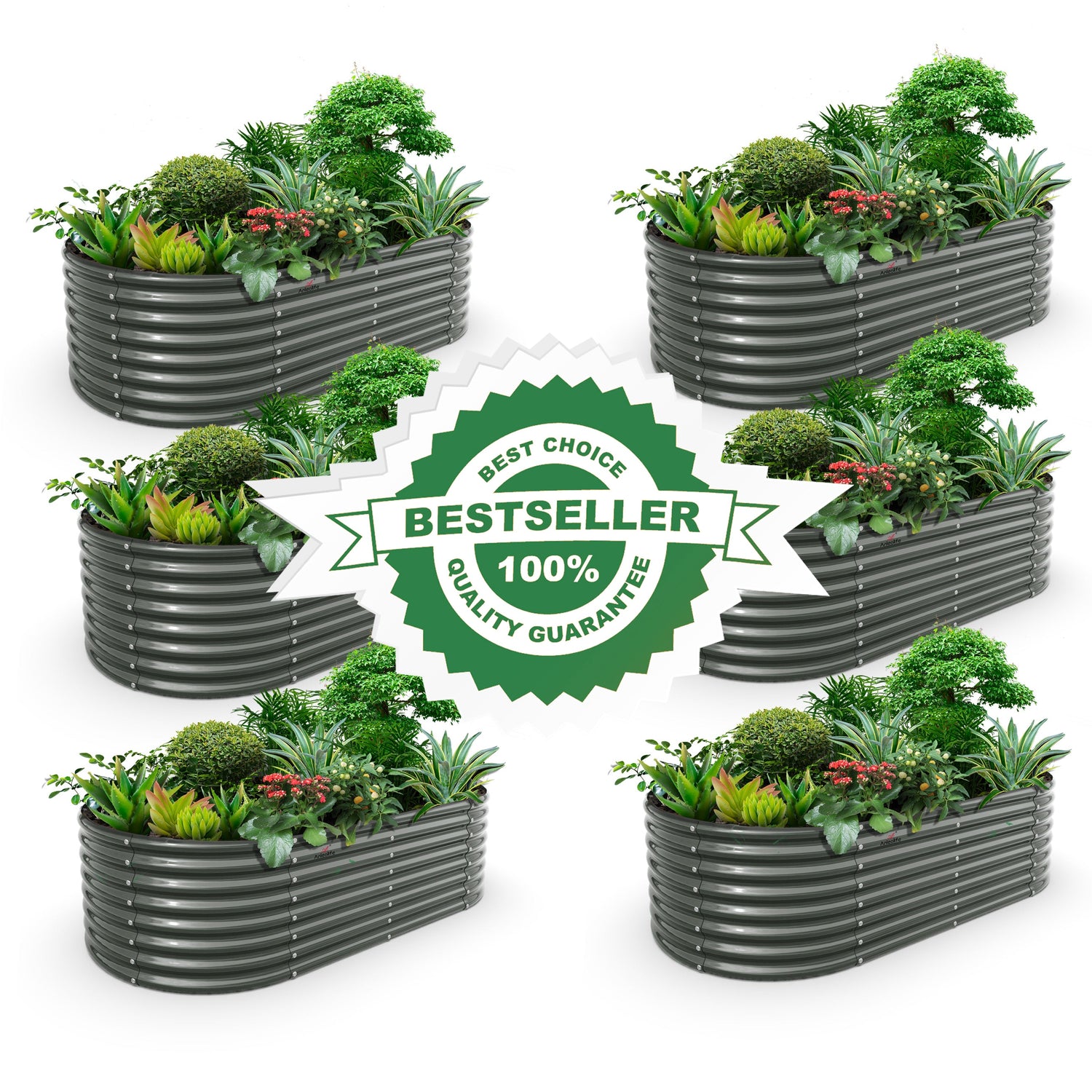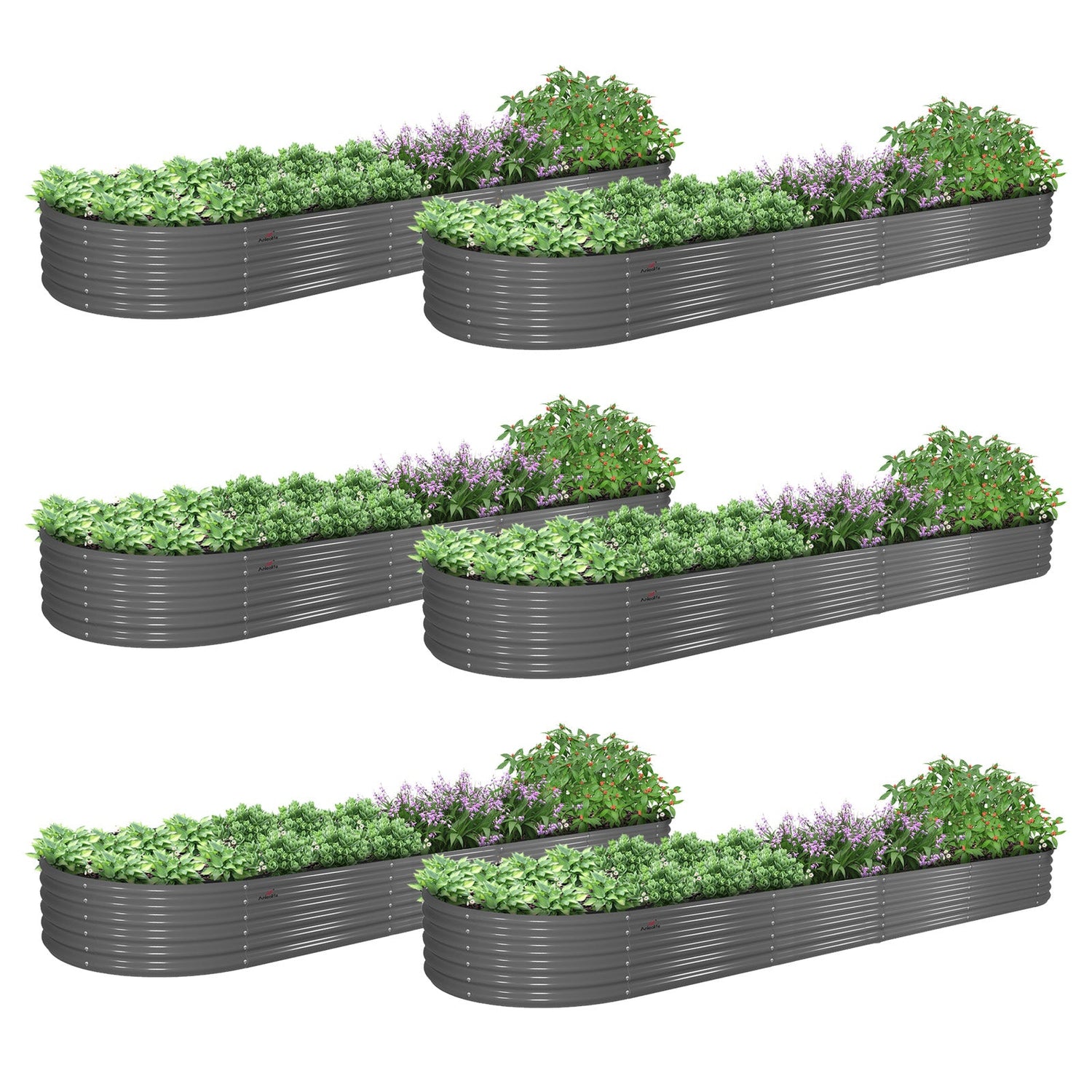



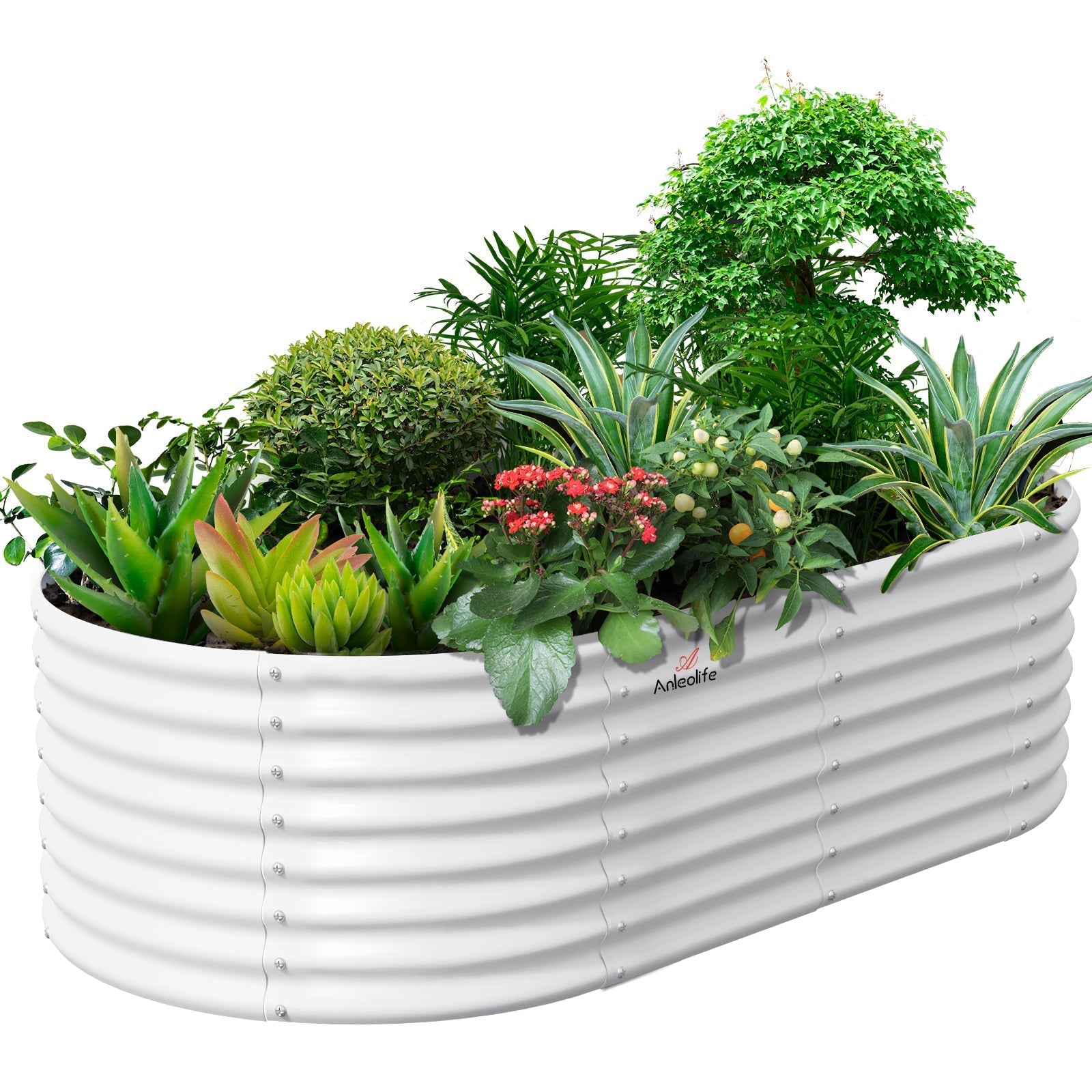
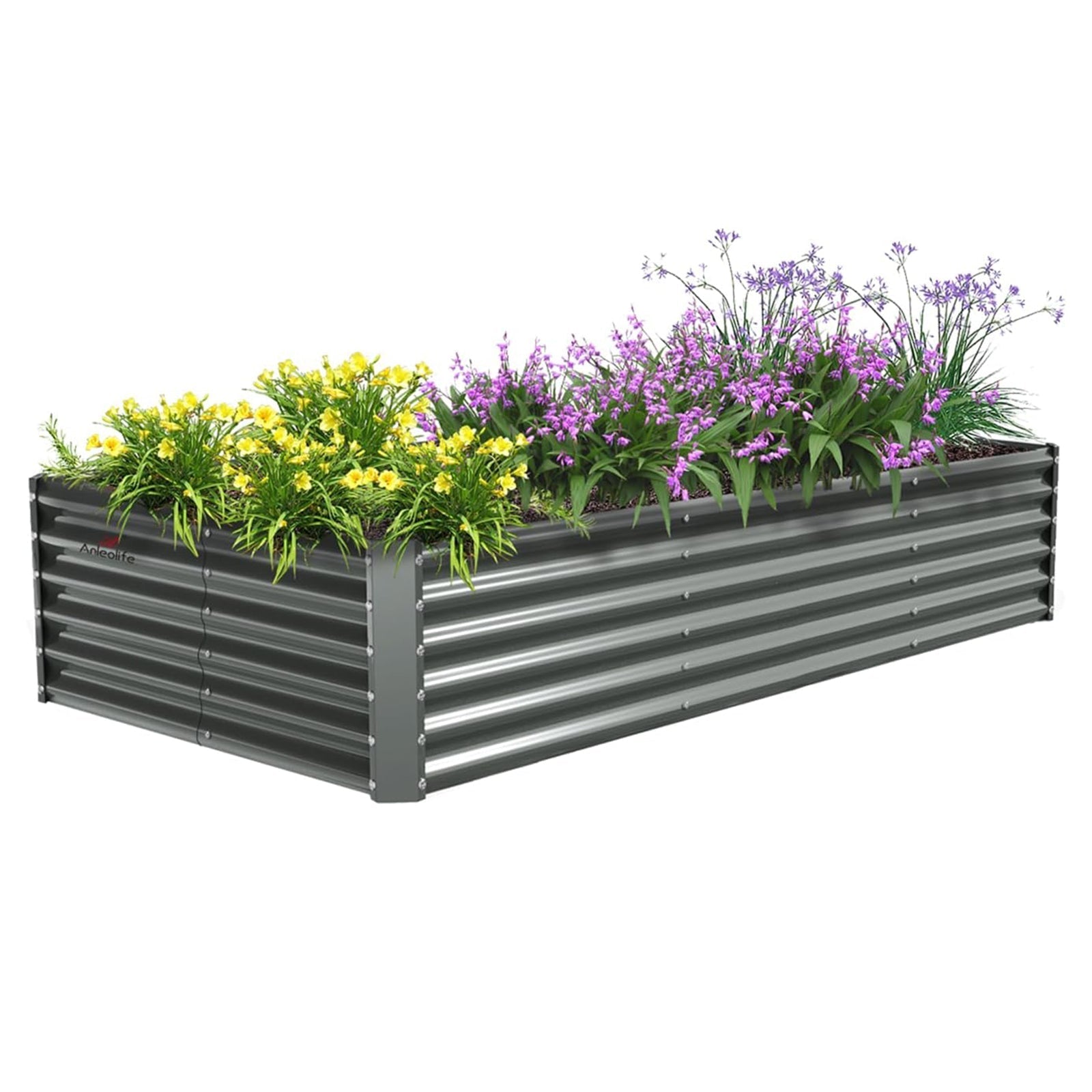

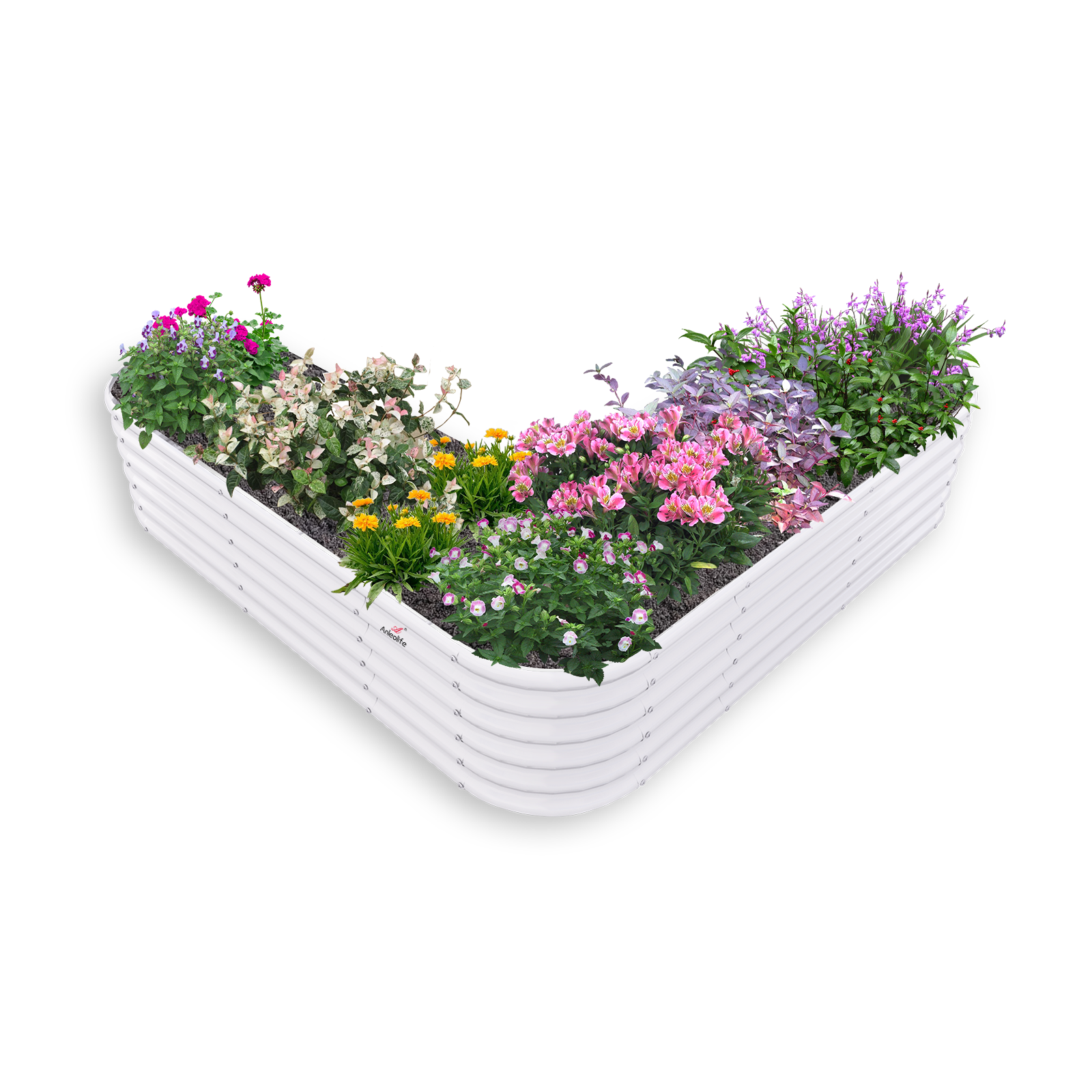
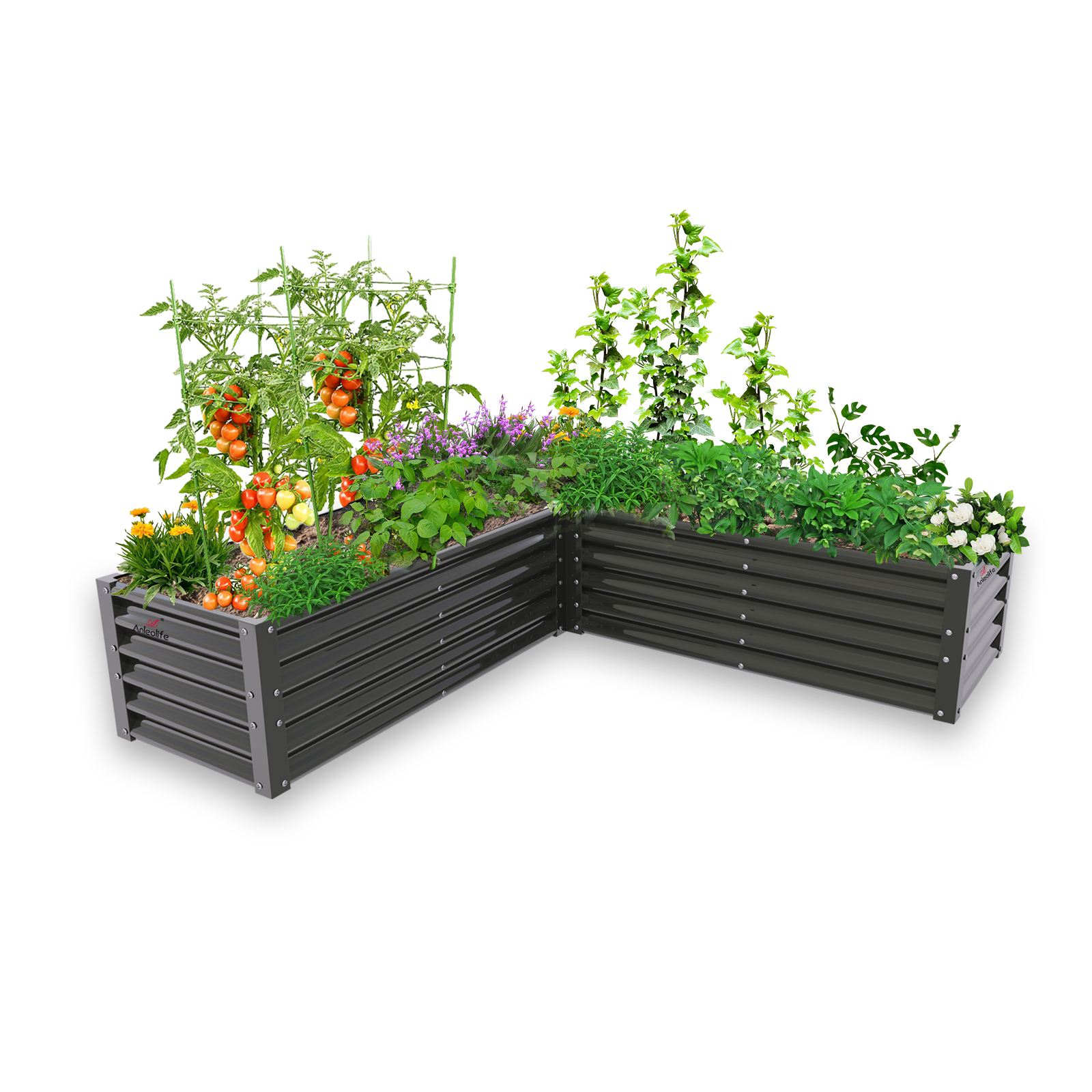
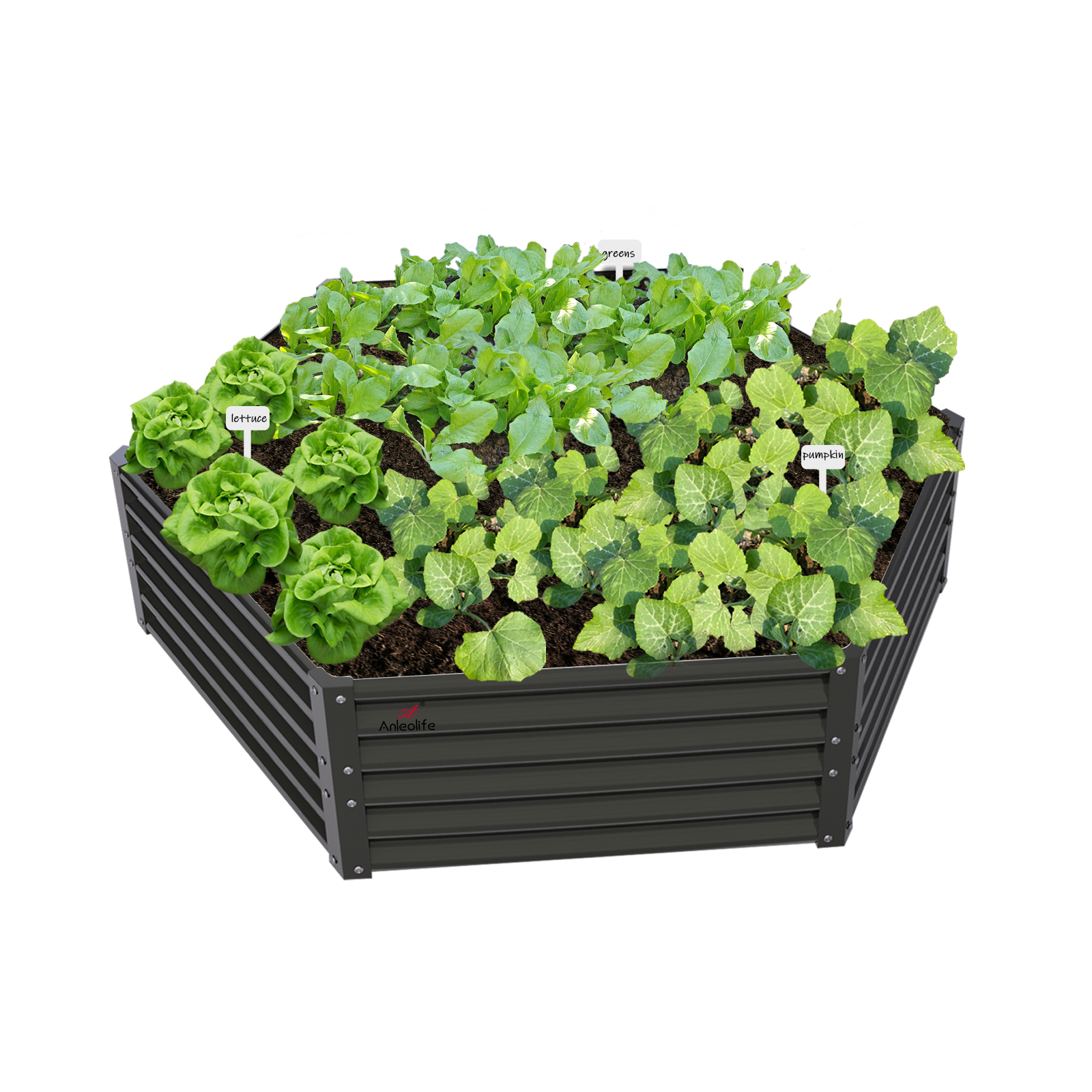
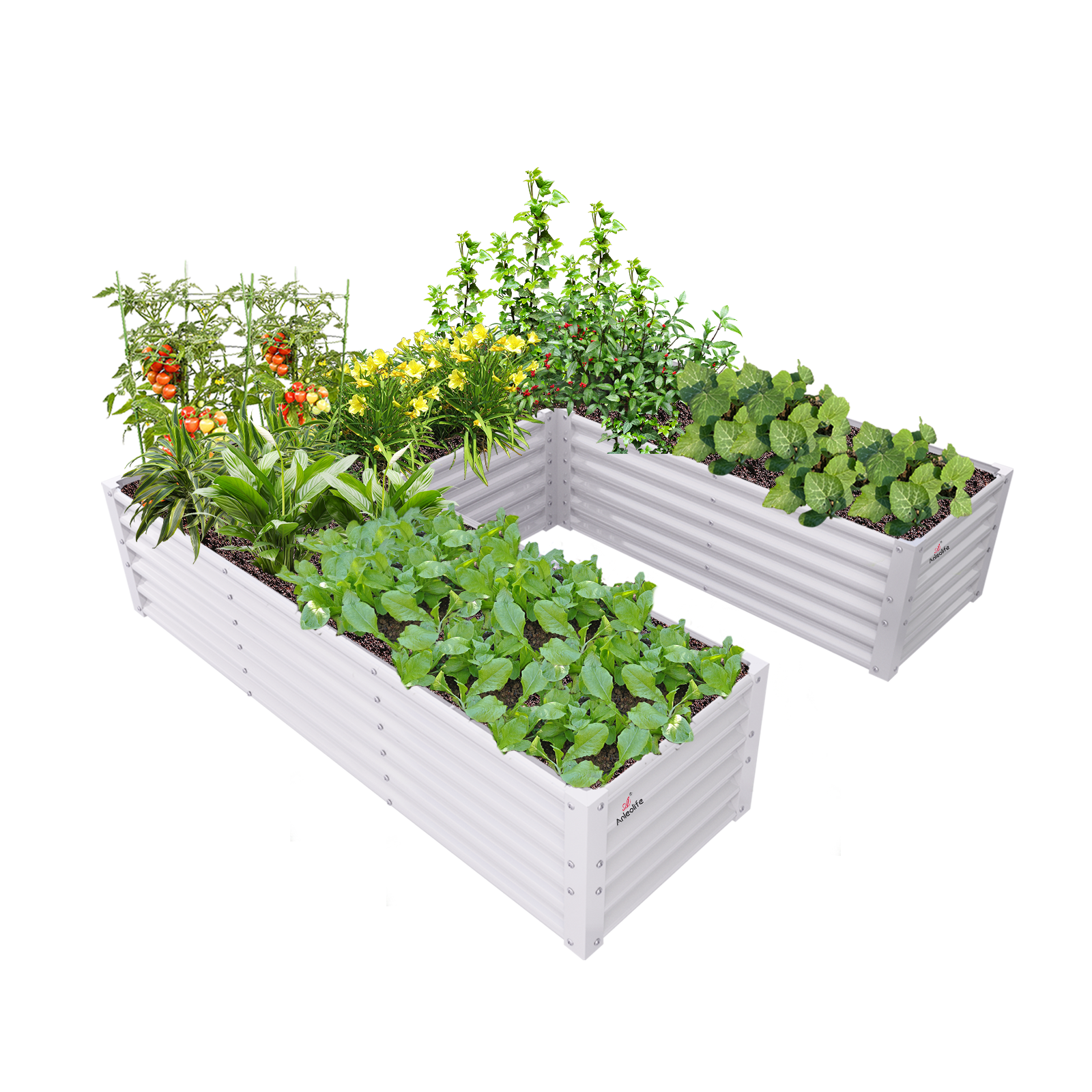

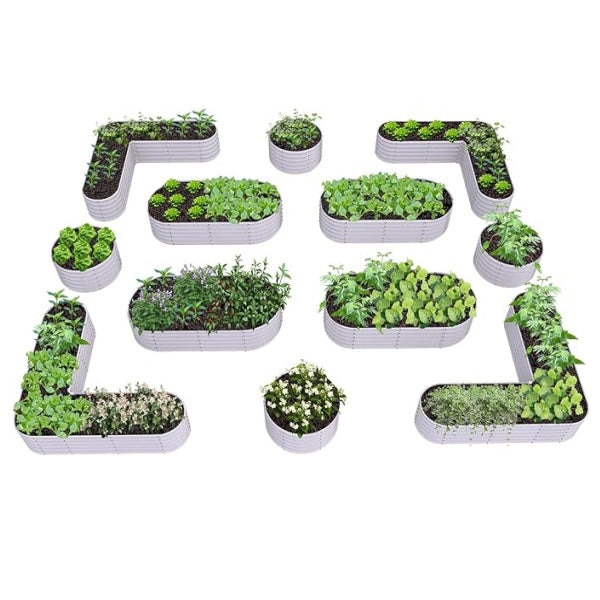


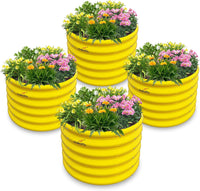
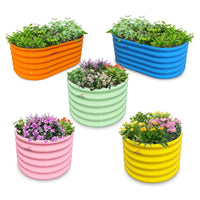
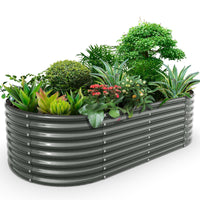




ALT: Fresh herbs thriving in a raised garden bed layout during summer, showcasing an organized raised bed planting layout
Why Summer Is the Best Time to Start Growing Herbs in Raised Beds
Key Conclusion: Growing herbs in a raised bed garden layout is one of the most rewarding ways to start a productive home garden this summer. A thoughtfully designed raised bed planting layout maximizes sunlight exposure, improves drainage, and creates clearly defined growing zones—making it easier than ever to cultivate fresh basil, rosemary, thyme, and more. Whether you're a first-time grower or looking to refine your raised bed layout, summer's long days and warm soil create the ideal conditions for an abundant herb harvest.
There's something genuinely satisfying about walking out your back door and snipping fresh herbs for dinner. But getting started can feel overwhelming—what do you plant? How deep should the bed be? Which herbs grow well together? This guide cuts through the confusion and gives you a practical, step-by-step roadmap for growing herbs in raised garden beds over the summer season.
Three things make summer the perfect starting point: warm soil temperatures that accelerate germination and root establishment, extended daylight hours that fuel rapid leafy growth, and the immediate culinary payoff that keeps you motivated. A well-planned raised bed layout removes the common pitfalls of in-ground gardening—poor drainage, compacted soil, and unpredictable weed pressure—so you can focus on the joy of growing.
Who This Guide Is For
✅ Applicable Scenarios:
- First-time herb gardeners who want a structured, low-risk way to start growing edibles at home
- Urban and suburban homeowners with limited yard space who want to maximize a compact footprint
- Health-conscious families and retirees looking for fresh, chemical-free ingredients year-round
- Gardeners in regions with clay-heavy or nutrient-poor native soil who need an elevated growing solution
- Anyone upgrading from container growing to a more productive and organized raised bed setup
❌ Not Applicable/Cautions:
- Gardeners in regions with extremely short growing seasons (fewer than 90 frost-free days) may need to start seeds indoors before transplanting to raised beds
- This guide focuses on culinary herbs grown for personal use; commercial-scale herb production requires different soil management and crop rotation strategies
The Rise of Raised Bed Herb Gardening: Why It's Trending Across North America
Over the past several years, home food growing has experienced a significant cultural resurgence. According to the National Gardening Association, vegetable and herb gardening participation in the United States has grown substantially, with millions of households adding food gardens for the first time. Among all gardening methods, raised bed gardening has emerged as the preferred approach for beginners and experienced growers alike—and herbs are consistently among the top crops grown.
Why the shift? Several converging trends explain it. Concerns about food transparency and pesticide use have driven more families to grow their own herbs and vegetables. Smaller urban and suburban lot sizes have made traditional row gardening impractical. And the popularity of Mediterranean and Asian cuisines—both of which rely heavily on fresh herbs like basil, cilantro, mint, and lemongrass—has created strong demand for reliable home supplies.
Raised garden beds solve multiple problems simultaneously. They allow gardeners to work with a custom, high-quality growing medium rather than struggling with whatever native soil exists on their property. They provide better drainage, especially critical in wet climates where herbs like rosemary and thyme are prone to root rot. They also warm up faster in spring and maintain heat longer into fall, extending the productive growing season.
The question of recommended materials for raised garden beds that won't rot is one of the most frequently asked by new gardeners. Older generations often built raised beds from untreated lumber, which decomposed within a few seasons. Pressure-treated wood raised concerns about chemical leaching. Today, the leading solution is galvanized or powder-coated steel—a material that is inherently rot-proof, structurally stable, and capable of lasting for decades with virtually no maintenance.
Anleolife's metal raised garden beds are engineered to deliver a lifespan of up to 20 years, making them a genuinely long-term investment in your garden. Rather than rebuilding a rotted wooden bed every three to five years, you install once and simply grow. For herb gardeners planning to maintain a productive kitchen garden for years to come, this durability is a major advantage.
For a broader overview of raised bed design principles, the University of California Cooperative Extension and similar land-grant university resources offer excellent foundational guidance that complements the practical steps in this guide.
Core Content: Building and Planting Your Herb Raised Bed From Scratch
Three-Step Quick Start
Step 1: Choose Your Location and Bed Size
Most culinary herbs are sun-lovers, requiring a minimum of six hours of direct sunlight daily—and many prefer eight or more. Before purchasing or assembling your raised bed, spend a full day observing your yard and identifying the sunniest spot. South-facing locations in the Northern Hemisphere typically receive the most consistent light exposure. Allow 2–3 days to assess your space, note any shade patterns from trees or structures, and finalize your placement decision. Proximity to a water source and your kitchen door are also worth prioritizing.
Step 2: Assemble Your Raised Bed and Fill With the Right Growing Medium
Once your bed is assembled and positioned, filling it correctly is the single most important factor in your herbs' long-term success. A well-structured raised bed mix typically combines topsoil, compost, and an aerating amendment like perlite or coarse sand in roughly equal proportions. This blend delivers the drainage that Mediterranean herbs demand while retaining enough moisture for water-hungry herbs like basil and mint. Plan 1–2 days for soil sourcing and filling. For a standard-depth raised bed, you'll want your growing medium to reach close to the top of the bed walls to maximize root development space.
Step 3: Plant, Water, and Establish Your Herb Layout
With your bed filled, it's time to arrange and plant your herbs. Group herbs with similar water and sunlight needs together (more detail in the section below). Water deeply immediately after planting to settle the soil around roots. Install a simple drip irrigation line or soaker hose at this stage if possible—it will save significant time and produce more consistent results than hand watering. Plan to check soil moisture daily for the first two weeks until plants are established, then scale back to a regular watering schedule. Most summer herbs will show visible new growth within one to two weeks of transplanting.
Comparing Your Herb Bed Options: Material, Depth, and Configuration
Choosing the right raised bed setup involves weighing several factors: the material's durability and safety, the depth required for your chosen herbs, and the configuration that best fits your space. The table below compares the most common options across key dimensions relevant to herb gardening.
| Comparison Dimension | Untreated Wood | Galvanized Steel (e.g., Anleolife) | Plastic/Resin |
|---|---|---|---|
| Rot Resistance | Low – degrades in 3–7 years | Excellent – rot-proof by nature | Moderate – UV degradation over time |
| Lifespan | 3–7 years depending on climate | Up to 20 years | Variable; often 5–10 years |
| Performance in Wet Climates | Poor – accelerated rot and warping | Excellent – drainage is structural advantage | Moderate – can crack in freeze-thaw cycles |
| Soil Warmth Retention | Moderate | Good – metal absorbs and holds heat | Low |
| Aesthetic Appeal | Traditional, rustic | Clean, modern, versatile | Varies widely |
| Maintenance Required | Annual sealing/replacement | Minimal | Minimal |
| Best For | Short-term projects | Long-term herb and vegetable gardens | Lightweight portability needs |
For gardeners in wet climates—the Pacific Northwest, Florida, the Gulf Coast—the question of which materials are best for raised beds in wet climates has a clear answer: metal. Consistent rain and humidity accelerate wood decay dramatically, meaning wooden beds in these regions often need replacement within just a few seasons. Galvanized steel is impervious to moisture-related deterioration and actually benefits from the drainage advantages a raised structure provides.
Designing Your Raised Bed Herb Layout: Spacing, Companion Planting, and Grouping by Water Needs
Understanding Raised Bed Height for Herbs
Raised bed height is one of the most commonly overlooked variables in bed planning. Most culinary herbs have relatively shallow root systems compared to root vegetables or tomatoes, but that doesn't mean depth is irrelevant.
A bed depth of at least 8–10 inches is the functional minimum for most annual herbs like basil, cilantro, dill, and chives. This depth allows adequate root expansion and provides enough soil volume to buffer moisture fluctuations between waterings.
Perennial herbs like rosemary, lavender, and established thyme benefit from deeper growing space—ideally 12 inches or more—because their root systems expand significantly over multiple growing seasons. The extra depth also provides better insulation during temperature swings, which is particularly important for herbs you intend to overwinter in the same bed.
For gardeners managing back or knee discomfort—a common concern among retirees and older gardeners—taller raised beds that allow you to tend plants while standing or sitting are a practical consideration worth prioritizing when selecting your bed height.
Grouping Herbs by Water and Light Requirements
One of the most effective strategies in a raised bed planting layout is organizing herbs into water-use zones. Mixing drought-tolerant Mediterranean herbs with moisture-loving tropical herbs in the same watering zone creates a management challenge: either the rosemary gets overwatered or the basil gets underwatered.
The Mediterranean Zone — Rosemary, thyme, oregano, sage, and lavender all share similar needs: full sun, well-draining soil, and infrequent deep watering. These herbs are native to dry, rocky Mediterranean hillsides and genuinely thrive on a bit of neglect. Plant them together in a bed zone that drains extremely well and receives maximum sun exposure. Avoid overhead watering when possible; these herbs prefer dry foliage.
The Moisture-Loving Zone — Basil, cilantro, parsley, mint, and chives prefer consistently moist (not waterlogged) soil and somewhat more shelter from intense afternoon sun in hotter climates. Basil in particular is sensitive to both drought stress and intense heat, which can trigger premature bolting (flowering) and reduce flavor quality.
A practical note on mint: Mint is notoriously aggressive and spreads via underground runners. Even in a raised bed, it can crowd out neighboring herbs over a single growing season. Consider growing mint in a separate container placed within the bed, or dedicate one entire bed zone exclusively to mint and related herbs like lemon balm.
Maximizing Your Raised Bed Layout With Companion Planting
Beyond water grouping, companion planting within your raised bed layout can provide practical benefits. Basil is famously beneficial near tomatoes—the aromatic oils deter aphids and whiteflies, and many gardeners report improved flavor in tomatoes grown alongside basil. Dill attracts beneficial predatory insects like ladybugs and lacewings that prey on garden pests. Chives interplanted throughout the bed deter aphids and Japanese beetles.
Some combinations to avoid: fennel is allelopathic and inhibits the growth of most neighboring plants—grow it alone or in a dedicated container. Cilantro and dill can cross-pollinate, affecting seed flavor if you're saving seeds, though for leafy harvest this matters less.
The Best Fertilizer Strategy for Small Raised Garden Beds
The best fertilizer for small raised garden beds depends on what you're growing, but for herbs, the general principle is: less is more. Herbs grown primarily for their leaves and aromatic oils—basil, thyme, oregano, rosemary—actually produce more intense flavor and fragrance when nutrient levels are moderate rather than high. Excessive nitrogen produces lush, fast-growing plants with diluted essential oil content, which is the opposite of what herb gardeners want.
For a newly filled raised bed using quality compost-rich growing medium, you may not need any supplemental fertilizer during the first growing season at all. The compost provides a steady, slow-release supply of nutrients that suits most herbs perfectly.
If you do need to fertilize—particularly for heavy feeders like basil or for beds that have been in production for a year or more—a balanced organic fertilizer with equal or slightly higher nitrogen-to-phosphorus-to-potassium ratios works well. Liquid seaweed or fish emulsion applied monthly at half the recommended strength is a gentle, organic option that supports consistent leafy growth without overstimulating the plant. Top-dressing with a half-inch of fresh compost each spring is the most natural and forgiving approach for established herb beds.
Avoid high-nitrogen synthetic fertilizers on herbs. They produce dramatic leafy growth but compromise the aromatic compounds that give herbs their culinary value—and can accelerate bolting in cilantro and dill.

ALT: A well-designed raised bed planting layout dividing Mediterranean herbs from moisture-loving herbs for optimized summer growing
Advanced Tips: Solving the Common Challenges of Summer Herb Growing
Managing Heat Stress in Peak Summer
Midsummer heat can push even sun-loving herbs toward stress. Soil in metal raised beds—while excellent at warming up in spring—can heat significantly during heat waves. Mulching the soil surface with 2–3 inches of straw or shredded leaves keeps root temperatures stable, reduces evaporation, and suppresses weeds simultaneously. For cool-season herbs like cilantro and parsley that are prone to bolting in heat, providing afternoon shade with a lightweight row cover or shade cloth during the hottest weeks can meaningfully extend your harvest window.
Succession Planting for Continuous Harvest
One of the most common frustrations for new herb gardeners is the boom-bust cycle: a huge harvest of cilantro followed by sudden bolting and bare soil. Succession planting—sowing small batches of fast-maturing herbs every two to three weeks rather than all at once—keeps continuous production flowing throughout the summer. Cilantro, dill, and basil respond particularly well to this approach. Stagger three small plantings spaced three weeks apart for an unbroken supply from early summer through fall.
Clearing Up the Myth: "More Water Means Better Herbs"
Perhaps the most persistent misconception among new herb growers is that frequent, shallow watering produces the healthiest plants. In reality, deep and infrequent watering encourages roots to grow downward into the soil profile, producing more drought-resilient, structurally stable plants. Shallow daily watering keeps roots near the surface, making plants more vulnerable to heat stress and moisture fluctuations. For most raised bed herb gardens in summer, watering deeply every two to three days—allowing the top inch of soil to dry between waterings—produces significantly better results than daily light watering.
Frequently Asked Questions FAQ
Q1: How do I know what raised bed height is best for my herbs?
Raised bed height should match both the root depth needs of your herbs and your own physical comfort. For most annual culinary herbs—basil, cilantro, dill, chives—a bed depth of 18–22 inches provides adequate root room. Perennial herbs like rosemary and lavender benefit from 24 or more inches of soil depth as their root systems mature over multiple seasons. If you have mobility considerations, taller beds that allow you to tend plants without bending are worth prioritizing regardless of the specific herb variety you're growing.
Q2: Are metal raised garden beds safe for growing edible herbs?
Yes—high-quality galvanized or powder-coated steel raised beds are considered safe for growing edible plants. Research from university extension services consistently shows that zinc leaching from galvanized steel into garden soil is minimal and does not pose a health risk at the trace levels involved. Anleolife's metal raised garden beds are engineered for long-term food gardening use, with a lifespan of up to 20 years, providing a stable and safe growing environment across hundreds of growing seasons without degradation or chemical leaching concerns.
Q3: How long does it take to set up a raised bed herb garden, and what does it cost?
Setup time from unboxing to planting is typically one to two days for most gardeners working on a weekend. Assembly of a metal raised bed is straightforward and requires minimal tools. Soil filling is the most labor-intensive part. Cost varies depending on bed size, soil quality, and the number of herb starts you purchase versus seeds you sow. The long-term economics strongly favor the investment: a well-maintained metal bed lasting 20 years distributes the initial cost across decades of productive growing, making the per-harvest cost remarkably low compared to purchasing fresh herbs year after year.
Summary
Starting a summer herb garden in a raised bed is one of the most accessible, rewarding, and practical home gardening projects you can take on—regardless of your experience level or the size of your outdoor space. This guide has covered three core principles that will set you up for success:
1. Thoughtful layout design matters. Grouping herbs by water and light needs, applying companion planting strategies, and giving perennial herbs adequate soil depth are decisions that pay dividends across every growing season. A smart raised bed garden layout from the outset removes most of the common frustrations new herb gardeners face.
2. Material quality determines long-term success. Choosing a rot-proof, durable raised bed—particularly one backed by a 20-year lifespan guarantee—means you invest once and grow indefinitely. For gardeners in wet climates especially, metal beds outperform wood alternatives in both durability and drainage performance.
3. Herb growing rewards simplicity. Resist the urge to over-fertilize, over-water, or over-plant. Herbs evolved to thrive in lean, well-drained conditions. Match your management practices to the plants' natural preferences, and they'll reward you with intense flavor, abundant harvests, and minimal maintenance.
Your next step: identify your sunniest outdoor spot, measure the available space, and choose a raised bed size that fits both the area and the herb varieties you're most excited to grow. Summer is long—and the best time to start is now.
Start Growing With Anleolife
Anleolife supports your garden journey from first bed to full ecosystem. With a nationwide U.S. warehouse network strategically located in California, Texas, Florida, New York, Illinois, and Washington, your order arrives in as fast as 3–8 business days—so your herbs can get in the ground at the peak of the growing season.
Products are available across major platforms including Amazon, Walmart, Home Depot, Lowe's, and Wayfair, as well as directly at Anleolife.com, with consistent quality assurance and dedicated after-sales support at every channel.
Anleolife's three core scenarios—Planting (metal raised garden beds, soil systems), Raising (chicken coops, rabbit hutches), and Beautification (decorative accessories, pathway systems)—create a complete garden ecosystem that grows with your ambitions, from a single herb bed to a fully integrated backyard homestead.
We understand that the ideal garden isn't built in a day—it's cultivated gradually, season by season. Our modular raised bed designs allow flexible expansion as your skills and appetite for growing evolve. We're here every step of the way. Visit Anleolife.com to explore the full collection and start building the herb garden you've always envisioned.
References
- National Gardening Association. "Food Gardening in the United States".
https://garden.org - University of California Cooperative Extension. "Growing Herbs in the Home Garden".
https://ucanr.edu/ - U.S. Department of Agriculture – National Institute of Food and Agriculture. "Home and Community Gardening Resources".
https://www.nifa.usda.gov/ - Oregon State University Extension Service. "Raised Bed Gardening: Soil, Materials, and Layout".
https://extension.oregonstate.edu/ - Penn State Extension. "Herb Gardening: Growing, Harvesting, and Using Culinary Herbs".
https://extension.psu.edu/
Note: Standards and recommendations may be updated over time. Please check the latest official documents or consult a local Cooperative Extension service for guidance specific to your region.
About Anleolife
Anleolife is a leading outdoor garden solutions provider in North America, dedicated to offering a full-scenario product ecosystem for home gardening enthusiasts, covering planting, raising, and garden beautification. Since its founding, we have upheld our brand mission, "Made for Garden Life," continuously innovating products and optimizing services to help hundreds of thousands of users upgrade their gardens, reconnect with nature, and enjoy a better garden lifestyle.