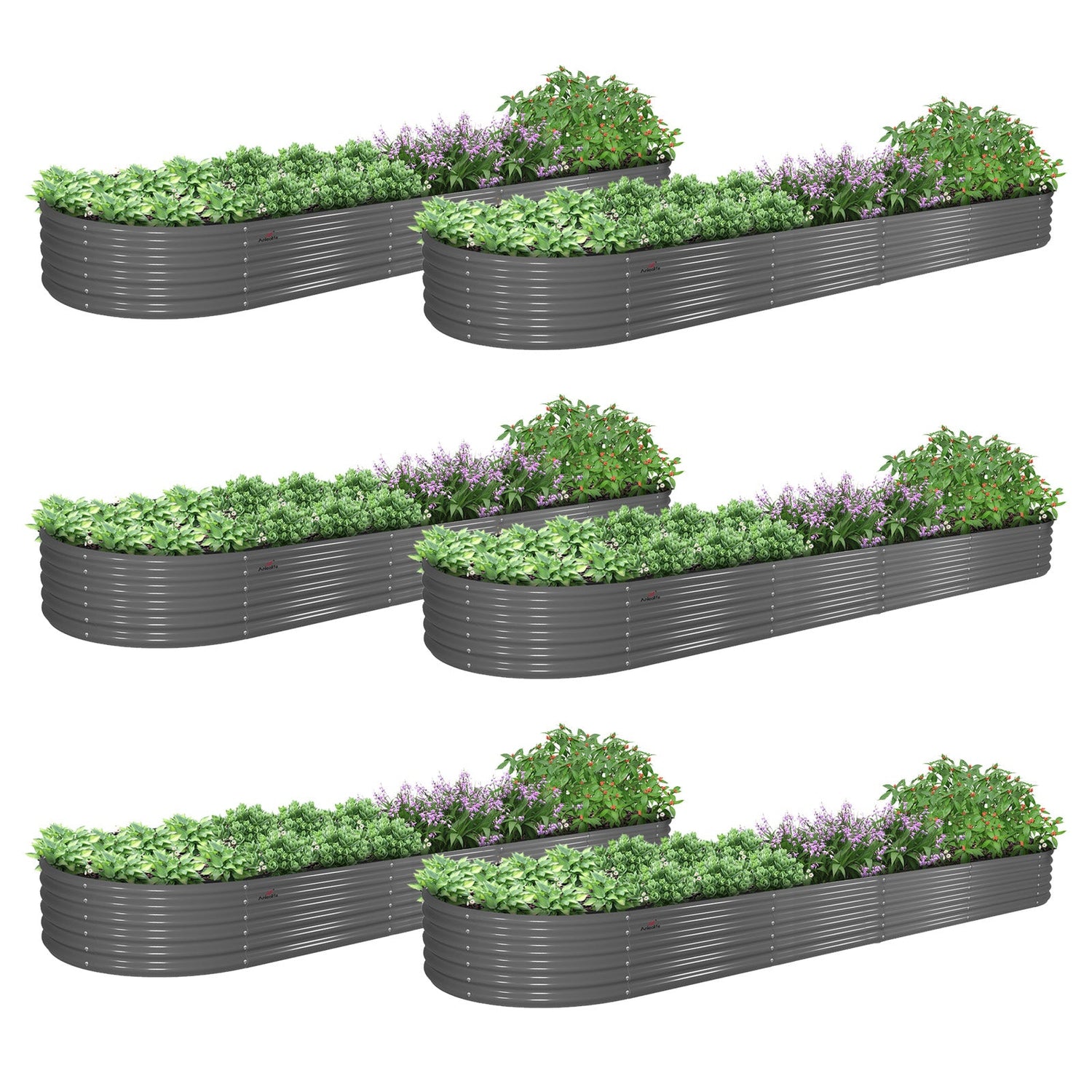



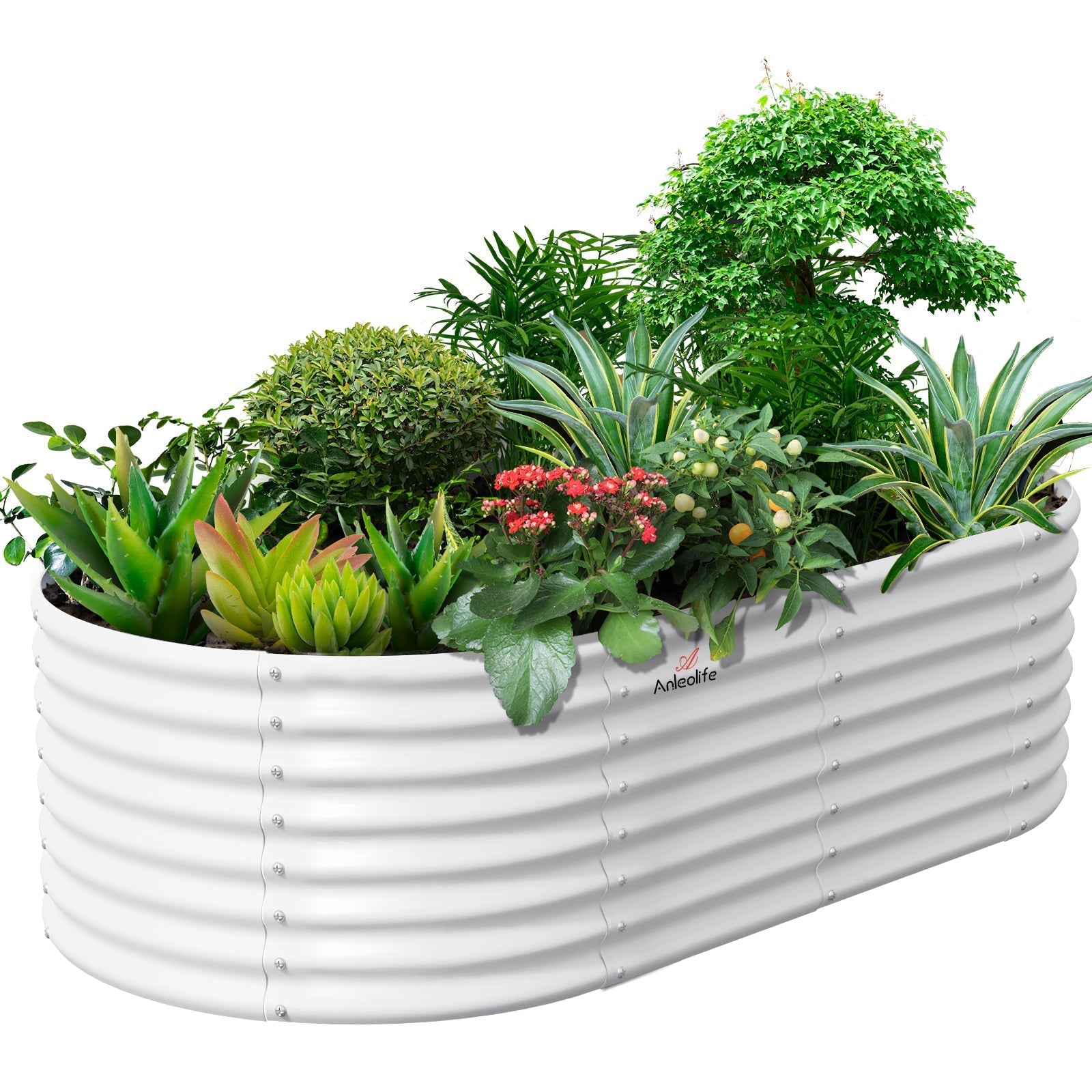
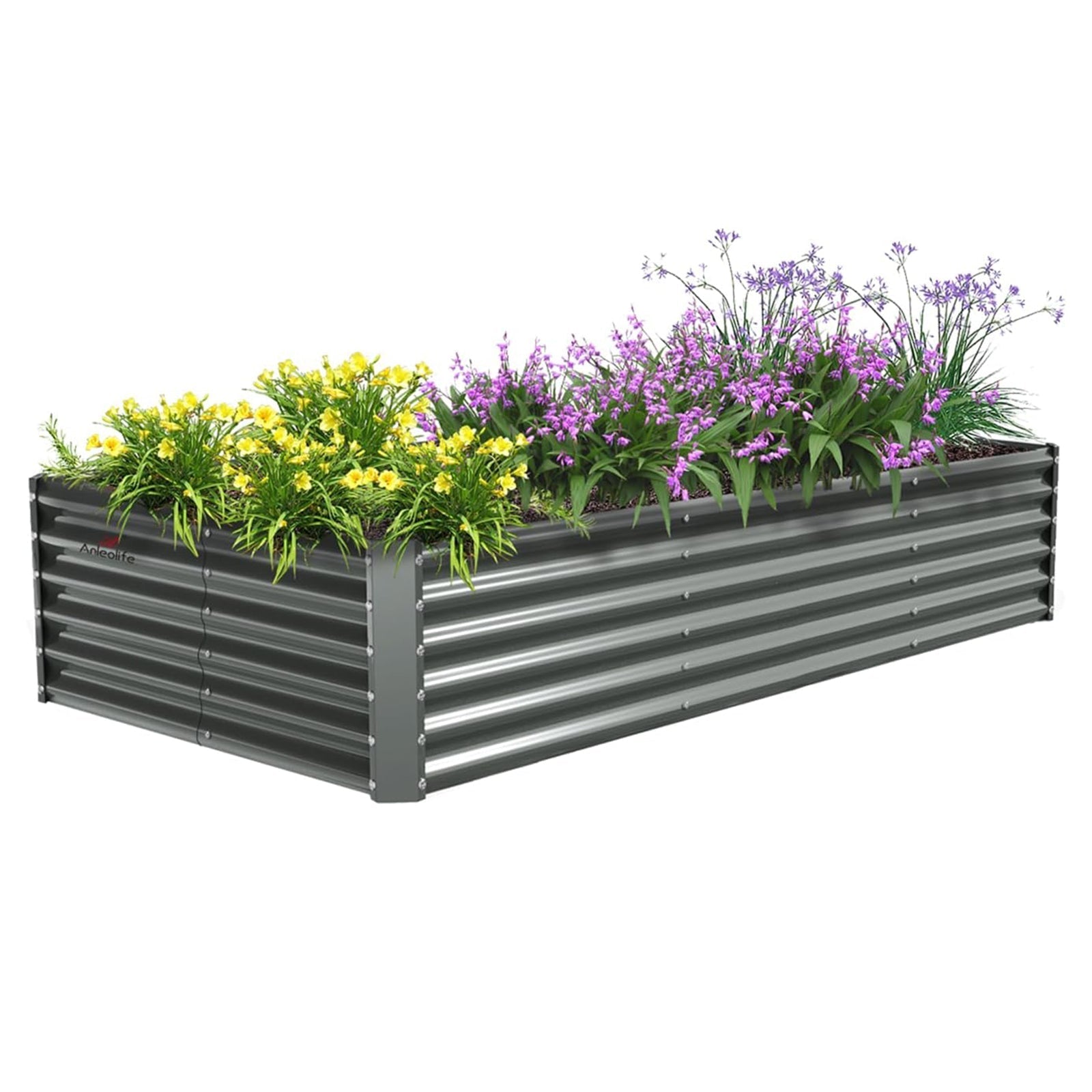
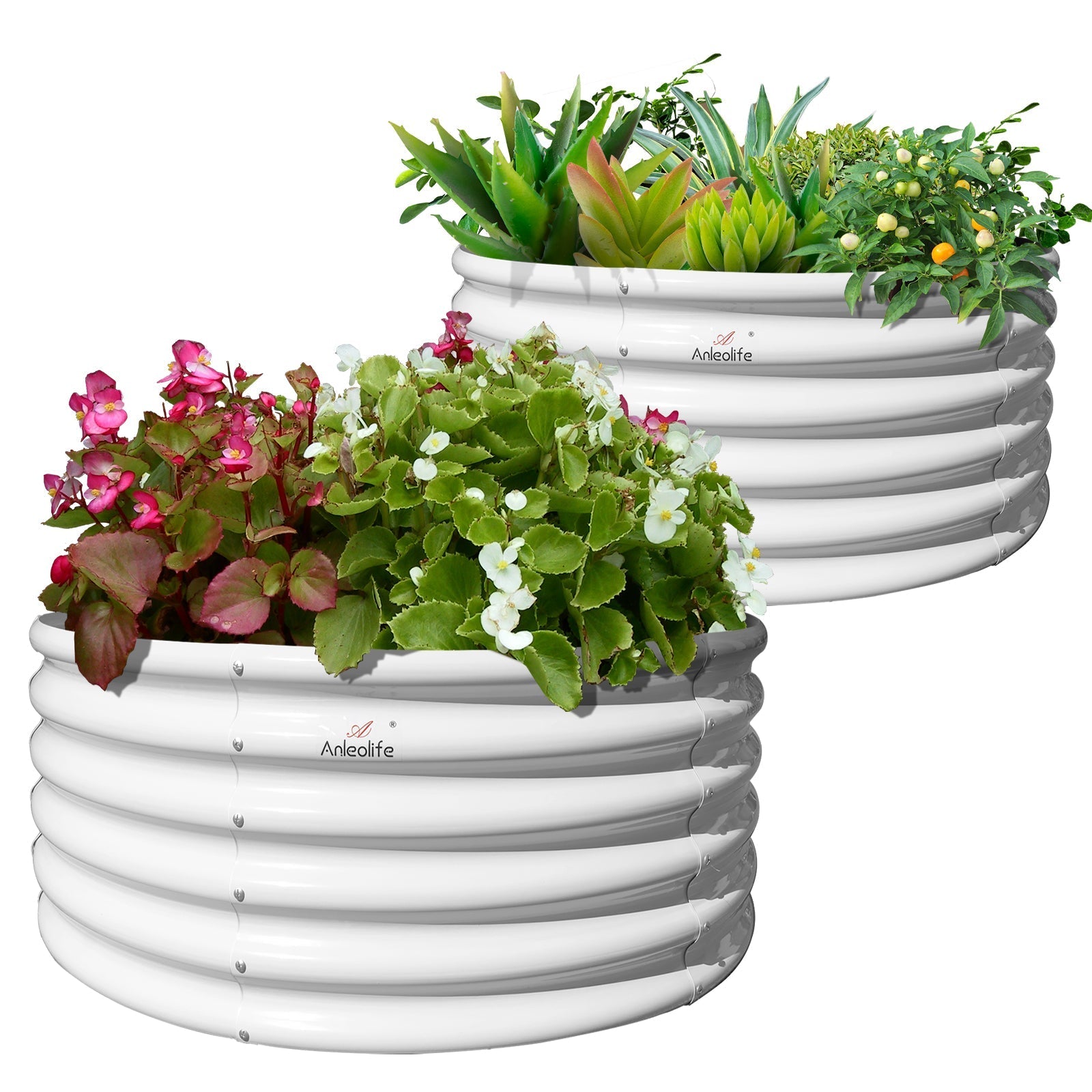
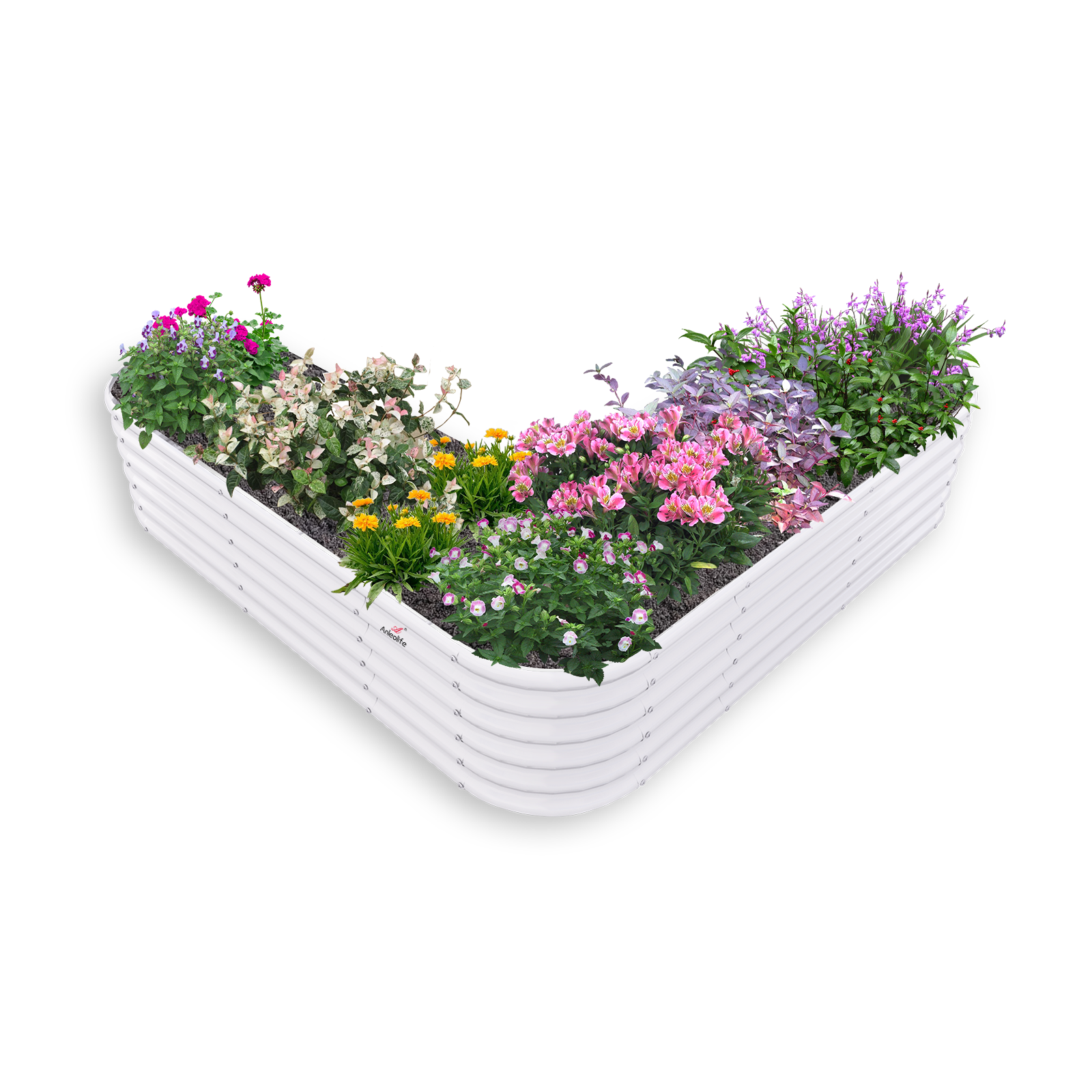
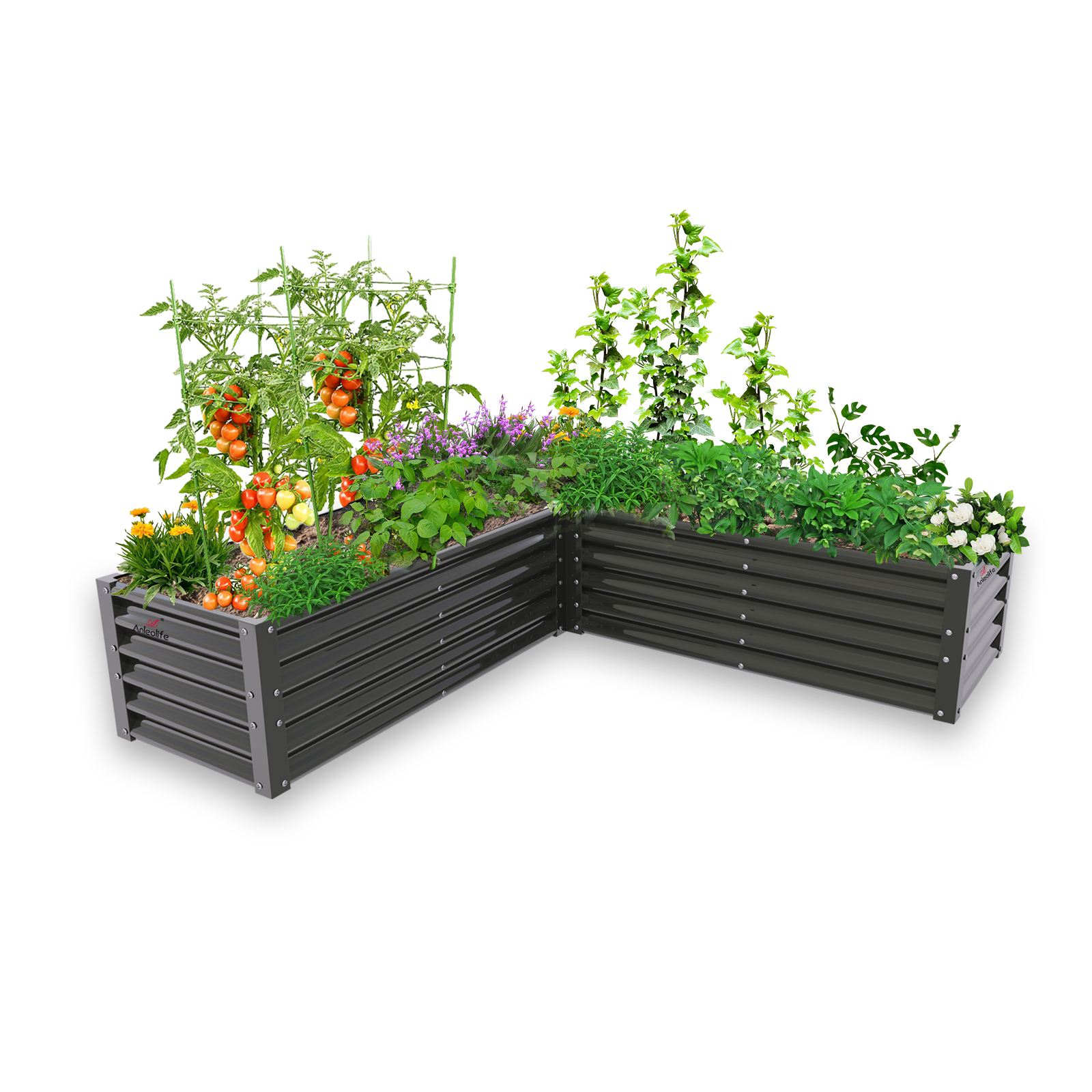
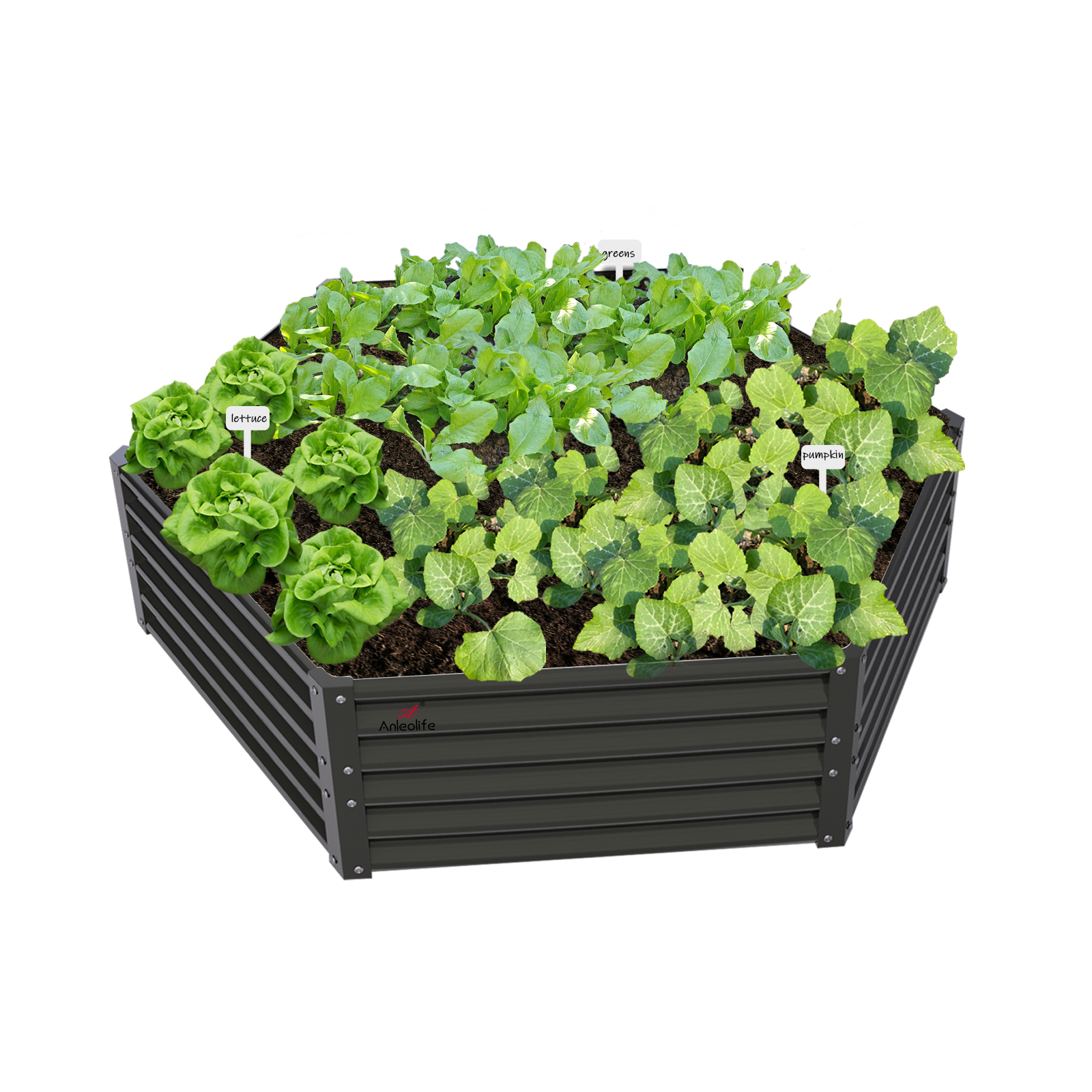
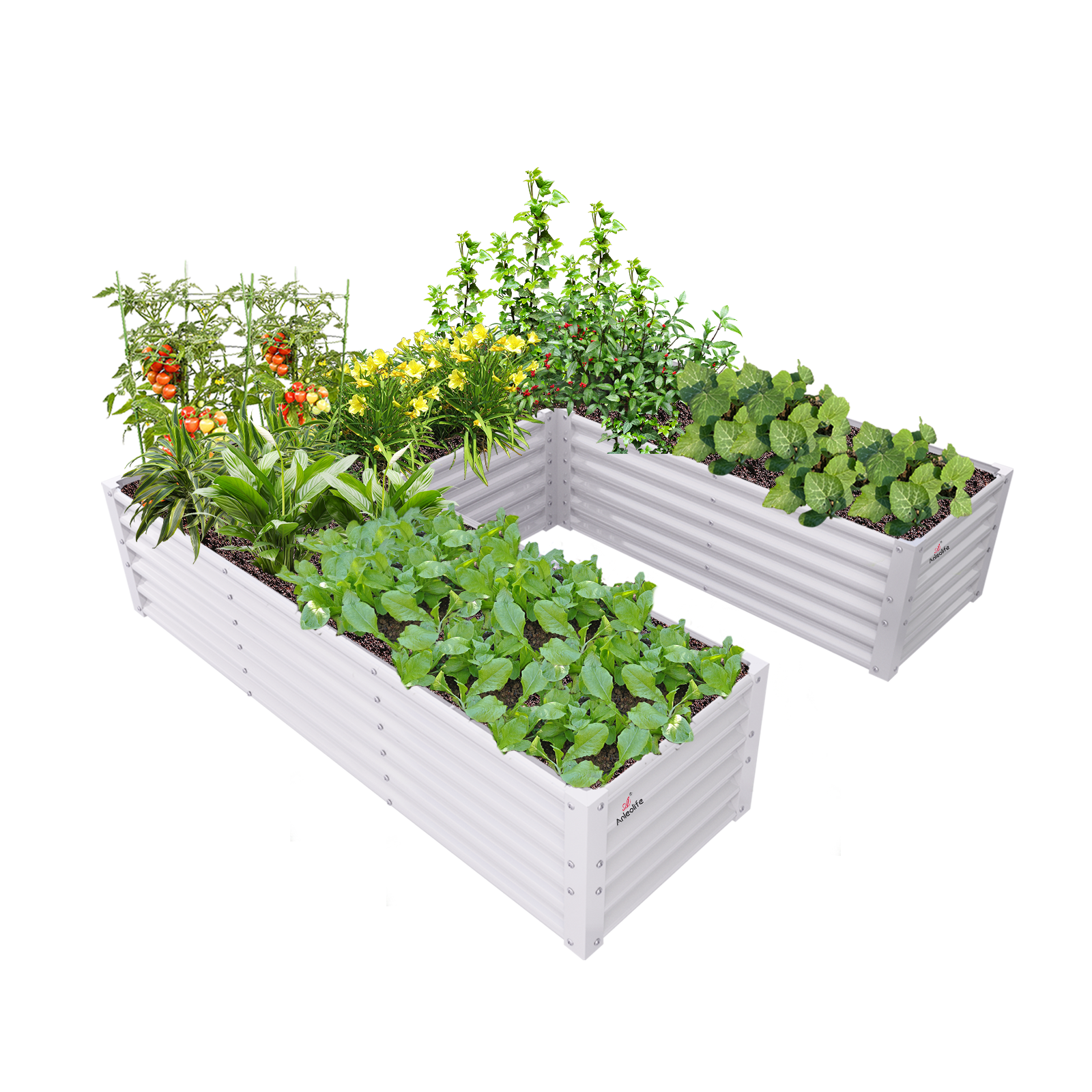

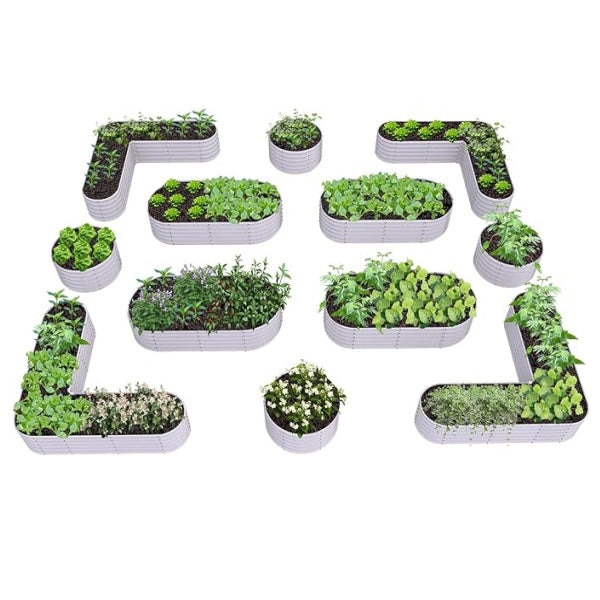

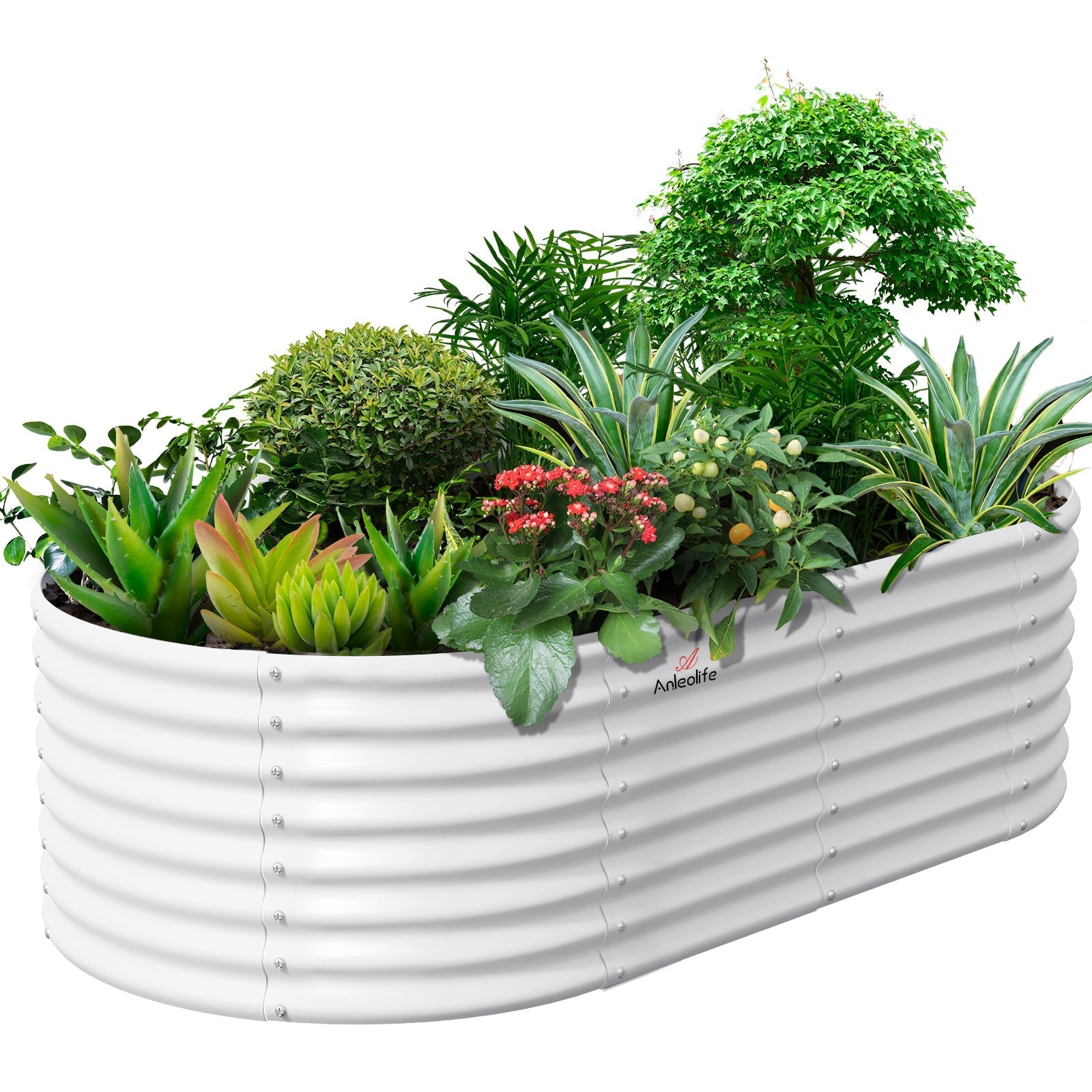


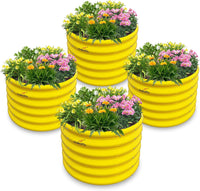
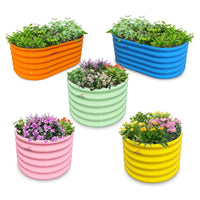
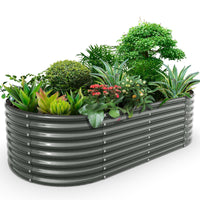



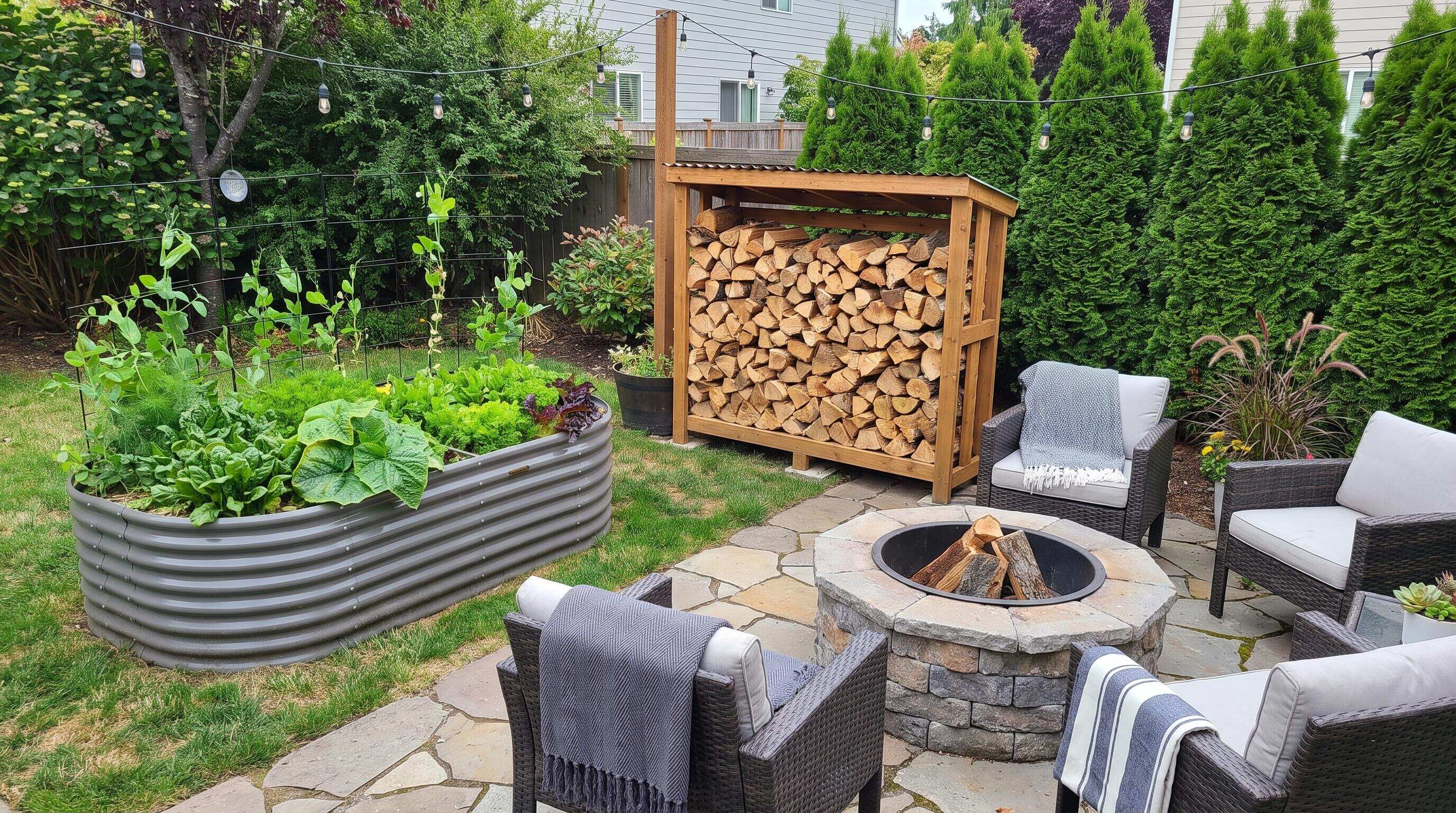
ALT: A well-organized backyard with a firewood log rack and raised bed garden layout for year-round outdoor living
How Backyard Organization Tools Like a Firewood Rack Connect to a Smarter Raised Bed Garden Layout
What is the single most important thing a backyard organizer can do to reclaim outdoor space and enjoy it every season? The answer, in our experience working with home gardeners across North America, is to treat every structural element in the yard — including firewood storage — as part of a unified design system rather than a collection of standalone objects. When a raised bed garden layout is planned alongside practical utility features like a firewood log rack, the result is a backyard that functions beautifully in January just as well as it does in July.
A well-considered raised bed planting layout does more than grow vegetables. It defines circulation paths, establishes visual anchors, and creates a framework that makes other storage and organization solutions look intentional rather than improvised. The firewood rack, when positioned thoughtfully within that framework, becomes part of the same story — a backyard that communicates order, purposefulness, and care.
Three key points anchor this idea. First, structural organization in the backyard compounds in value: each element that is placed deliberately makes the next element easier to place. Second, a raised bed layout creates the skeleton of any outdoor living space, and storage solutions fill in the practical gaps. Third, the intersection of utility and aesthetics is where high-quality outdoor living actually lives — and where smart investments pay off over many seasons.
Who Benefits Most from Combining Firewood Storage with a Raised Bed Layout
Applicable Scenarios:
- Homeowners with mid-size or large backyards who use a wood-burning fireplace, fire pit, or outdoor stove seasonally and also grow food or ornamental plants in raised beds
- Urban micro-gardeners who must maximize every square foot and want each outdoor element — including firewood storage — to pull double duty, either visually or functionally
- Empty nesters and retirees who are redesigning an underused backyard into a purposeful, low-maintenance outdoor retreat where organization reduces daily effort
- Eco-conscious families who split and store their own firewood as part of a sustainable heating or cooking practice and want that practice to integrate cleanly with a kitchen garden
Not Applicable/Cautions:
- Households in climates or municipalities where open-air firewood storage is restricted by HOA rules, fire codes, or proximity-to-structure regulations — always verify local requirements before siting a log rack
- Very small balcony or patio gardens where a freestanding firewood rack would consume too much of the limited footprint; in those settings, wall-mounted or hidden storage is worth exploring separately
Why Backyard Organization Has Become a Year-Round Priority
Backyard organization is no longer a warm-weather concern. A pattern we consistently see among home gardeners across North America is a growing desire to use the outdoor space in all four seasons — for cooking, entertaining, fire-pit evenings, and even winter gardening in cold frames or covered beds. This shift has elevated the importance of planning the entire yard as a coherent system rather than reacting to storage problems one at a time.
The firewood log rack is a compelling case study in this evolution. A log rack is a functional object — it keeps wood dry, promotes airflow for seasoning, and prevents ground contact that accelerates rot. But it is also a visual object that occupies prime yard real estate for six to eight months of the year in most North American climates. Left as an afterthought, a pile of wood near a fence line communicates neglect. Positioned deliberately within a raised bed garden layout, it reads as part of an outdoor living room.
According to the U.S. Department of Agriculture's guidance on firewood storage and pest management, properly elevated and covered firewood storage reduces the risk of introducing invasive insects like the emerald ash borer to home landscapes — a practical reason, beyond aesthetics, to think carefully about where and how wood is stored. This positions the log rack not merely as a tidiness tool but as a genuine stewardship decision.
The raised bed layout, meanwhile, has matured from a niche gardening technique into one of the most widely adopted approaches to home food production in North America. According to research published by the National Gardening Association, the number of American households engaged in food gardening has grown substantially over the past decade, with raised bed gardening cited as a primary method by a significant share of new gardeners. That growth has created a design challenge: how do you integrate productive garden infrastructure into a yard that also needs to function for recreation, storage, and daily movement?
For gardeners just beginning this process, a beginner's roadmap to planning, building, and planting a first raised bed is an excellent starting point for understanding how to sequence decisions before any soil or lumber is moved.
The firewood log rack, understood in this context, is not a separate problem. It is a prompt — a reminder that year-round outdoor living requires year-round planning.
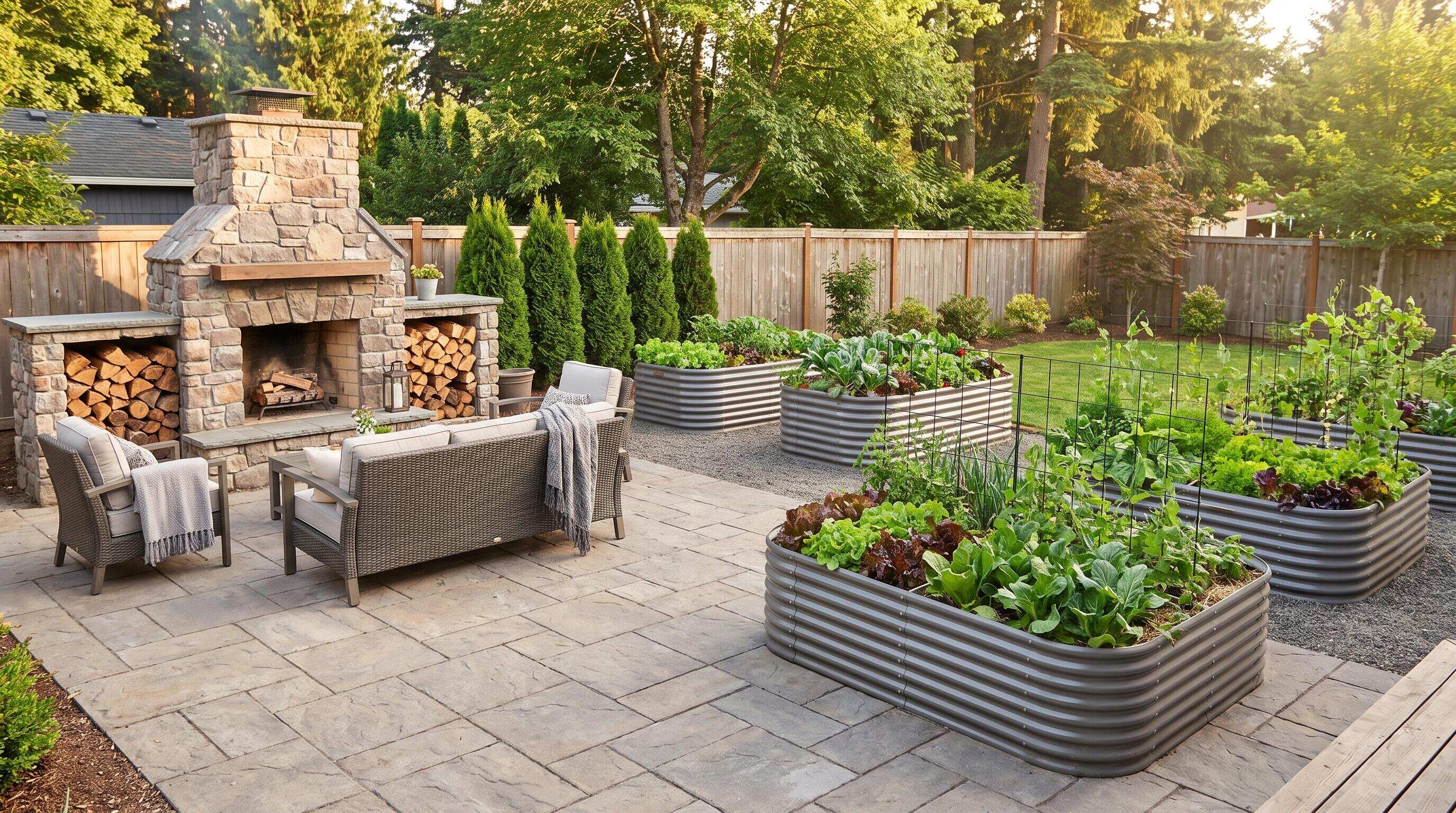
ALT: Organized backyard space featuring a firewood log rack adjacent to galvanized steel raised garden beds with clear pathways and seasonal plantings
Building a Backyard Organization System That Works in Every Season
Three Steps to Integrate a Firewood Rack into Your Raised Bed Garden Layout
Step 1: Map Your Backyard as a Single Zone System
Before purchasing any storage solution or garden bed, spend time observing how your backyard is actually used across different seasons and times of day. Identify your primary activity zones — cooking and dining, fire pit, planting and maintenance, children's play, and storage. Draw or sketch these zones on paper, noting where foot traffic naturally flows. This exercise, which typically takes one to two hours spread across a few days of casual observation, prevents the single most common organizational mistake: placing utility objects wherever they fit rather than where they function best.
Step 2: Establish Your Raised Bed Layout as the Structural Spine
Once zones are mapped, position your raised bed garden layout first. Raised beds are the most permanent and visually dominant elements in most home gardens, so they should drive the design rather than accommodate it. A raised bed planting layout that establishes clear rows with accessible pathways between them (a minimum of 18 to 24 inches of clearance is widely recommended by extension horticulturalists for comfortable maintenance access) creates natural corridors that the rest of the yard can organize around. Your firewood rack site should be adjacent to a pathway — never blocking one.
Step 3: Site the Firewood Rack to Complement, Not Compete
With your raised bed layout established, identify a location for the firewood rack that satisfies four practical criteria: proximity to the fire pit or wood-burning feature (reducing the distance you carry heavy logs), access to prevailing breezes for proper wood seasoning, cover from the prevailing rain direction, and visual alignment with a structural element like a fence, garden wall, or the end panel of a raised bed row. A rack sited against a fence at the terminus of a garden bed row looks anchored and intentional. The same rack placed at a random angle in the middle of the lawn looks forgotten.
Comparing Backyard Organization Approaches for Year-Round Use
Different homeowners approach backyard organization with different priorities — some emphasizing aesthetics, others functionality or budget. The table below compares three common approaches to integrating firewood storage with a raised bed layout.
| Comparison Dimension | Unplanned Storage (Ad Hoc) | Zoned Organization with Log Rack | Integrated Design System with Raised Beds and Log Rack |
|---|---|---|---|
| Visual Cohesion | Low — elements appear scattered | Moderate — functional but not unified | High — all elements read as intentional |
| Year-Round Usability | Low — unusable or awkward in off-seasons | Moderate — functional in season | High — each element serves the yard in every season |
| Maintenance Effort | High — disorder creates extra work | Moderate — organized but isolated | Low — good layout reduces daily effort |
| Pest and Moisture Risk | High — ground-contact wood, exposed soil | Moderate — rack reduces risk | Low — elevated storage plus well-drained raised beds |
| Long-Term Value | Low ROI — must reorganize repeatedly | Moderate ROI — rack investment pays off quickly | High ROI — each element reinforces the others |
| Flexibility for Expansion | Poor — no structure to build on | Good — can add elements over time | Excellent — modular approach scales naturally |
The integrated design system consistently outperforms on every dimension that matters to families planning for the long term. The upfront thinking required is modest; the downstream savings in time, effort, and reorganization cost are substantial.
Detailed Guide: Designing a Raised Bed Layout That Works with Storage and Utility Features
Understanding the Geometry of a Functional Raised Bed Garden Layout
A raised bed garden layout is most effective when it respects two principles simultaneously: the ergonomic needs of the gardener and the productive needs of the plants. Beds that are too wide cannot be reached from either side without stepping into the soil, which compacts the growing medium and undermines the core benefit of raised bed gardening. Beds that are too long create inefficient walking patterns. A raised bed planting layout built around these constraints naturally creates orderly rows, clear pathways, and predictable open spaces — which, it turns out, are exactly the spaces where utility features like a firewood rack can be sited without disrupting the garden's function.
At Anleolife, we offer raised garden beds in a wide range of configurations — from compact options suited to tight spaces to extra-tall waist-high models that eliminate bending for those with mobility considerations. The 24" extra-tall and 30" extra-tall options are particularly popular among retirees and empty nesters who want to garden comfortably without strain. For gardeners sizing their first bed, a first-time buyer's guide to sizing a raised garden bed kit covers the decision-making process in practical, budget-conscious terms.
Material Selection for a Raised Bed Layout That Lasts
The material of your raised beds matters enormously to the long-term value of your backyard organization investment. Galvanized steel raised garden beds — the kind Anleolife specializes in — are engineered for durability in outdoor environments, with a rated lifespan of 20 years. That longevity fundamentally changes the economics of raised bed gardening: a bed you install today should still be producing in two decades, amortizing its cost across a very long service life.
Galvanized steel is also relevant to the firewood-and-garden-bed integration specifically because it does not warp, crack, or degrade when exposed to the moisture and temperature swings that are inherent in backyards where wood fires are part of the seasonal routine. A wooden raised bed placed near a fire pit or wood-storage area may eventually show wear from embers, moisture, and repeated freeze-thaw cycles. Galvanized steel stands up to those conditions without compromise.
For a deeper look at material performance across conditions, the comparison of galvanized beds versus powder-coated steel is worth reading before making a final material decision.
Seasonal Planning Within a Raised Bed Planting Layout
One of the underappreciated advantages of a deliberately designed raised bed layout is that it creates a natural framework for seasonal crop rotation and succession planting. When beds are numbered or mapped, a gardener can track what was grown where, which prevents the nutrient depletion and pest pressure that accumulate when the same crops occupy the same ground year after year.
The firewood rack connects to this seasonal thinking in a practical way: the months when the rack is fullest — late autumn through early spring — are often the months when the raised beds are dormant or planted with cool-season crops. The visual weight of a full log rack is naturally balanced by the quieter, more structural presence of beds holding overwintering garlic, hardy greens, or a protective mulch layer. When the rack empties in late spring and the beds come alive with summer plantings, the visual balance in the yard shifts organically. A backyard designed with this seasonal rhythm in mind never looks neglected, regardless of the time of year.
Pathway Systems and the Logic of Flow
Pathway design is the connective tissue of a well-organized backyard. A raised bed layout without thoughtful pathways is like a floor plan without doors: the rooms exist but cannot be used comfortably. Pathways between raised beds should be wide enough for a garden cart or wheelbarrow, smooth enough to walk in all weather, and visually consistent with the materials used elsewhere in the yard.
The path from the backdoor to the firewood rack deserves the same attention as the paths between garden beds. In most backyards, this path will be used hundreds of times each winter — often in the dark, often carrying an armful of logs. A well-surfaced, clearly defined path from the house to the rack, aligned with the geometry established by the raised bed layout, makes that routine task safer and more pleasant. It also signals to any visitor that the yard was designed, not assembled.
Budget and Return on Investment in Backyard Organization
From a value-for-money perspective, the case for a coordinated raised bed and storage approach is straightforward. Disorganized backyards tend to accumulate costs silently — in the form of tools that get damaged because they were stored improperly, wood that rots because it was piled on the ground, and soil that degrades because it was left uncovered. Each of these represents a recurring cost that a modest upfront investment in organization eliminates.
Raised garden beds with a 20-year lifespan, like those in the Anleolife galvanized steel range, represent one of the highest-ROI investments available to a home gardener. The cost per growing season drops with each passing year. A firewood rack that keeps wood properly seasoned extends its energy value — seasoned wood burns hotter and cleaner, meaning you use less of it. According to the U.S. Department of Energy's guidance on home heating with wood, properly seasoned firewood with low moisture content burns significantly more efficiently than green or improperly stored wood, delivering more heat per cord and reducing creosote buildup in chimneys.
These are not abstract efficiencies. They are real savings that compound over time, and they all trace back to the same root cause: a yard designed with intention rather than improvisation.
Advanced Considerations for Year-Round Backyard Organization
Handling Unusual Lot Shapes and Space Constraints
Not every backyard offers the luxury of a rectangular footprint and generous square footage. Corner lots, L-shaped yards, and narrow urban properties all present specific challenges for integrating a raised bed layout with utility storage. In our work with clients navigating these constraints, a few approaches consistently produce good results: using modular raised bed systems that can be configured in non-standard shapes, leveraging fence lines and existing structures as natural anchors for both the firewood rack and the garden bed rows, and embracing vertical growing to free up horizontal space for storage.
Common Misconception: The Firewood Rack and the Garden Bed Are Competing for Space
A misconception we encounter regularly is the assumption that firewood storage and a productive raised bed layout are in tension — that dedicating space to one necessarily diminishes the other. In practice, the opposite is true when design is thoughtful. The rack occupies a zone that would otherwise be wasted (a fence corner, a shaded area unsuitable for planting, a utility margin along the property line), while the raised beds occupy the prime sun-exposed ground. Far from competing, they partition the yard naturally according to function.
Integration with Broader Garden Beautification
The yard that performs best year-round is the one where utility and beauty are not treated as opposites. A galvanized steel raised bed, with its clean lines and consistent finish, pairs naturally with an equally well-chosen firewood rack — and both become more attractive when framed by pathway edging, decorative gravel, or plantings that provide structure in every season. Anleolife's approach to garden design encompasses exactly this kind of whole-yard thinking, connecting planting infrastructure with beautification elements to create outdoor spaces that look as good in February as they do in August.
People Also Ask
Q1: How far from raised garden beds should a firewood log rack be positioned?
A firewood log rack should generally be positioned at least 5 to 10 feet from active raised garden beds to minimize pest migration risk — insects and small rodents that overwinter in wood piles can damage plant roots and soil biology. Elevation is equally important: a rack that keeps wood off the ground discourages pests and improves airflow for seasoning. Siting the rack at the perimeter of your raised bed garden layout, adjacent to a fence or wall, achieves safe separation while maintaining a cohesive yard design.
Q2: Is galvanized steel safe to use for raised bed garden layouts near fire pits?
Galvanized steel raised garden beds are safe to use in proximity to fire pits and firewood storage areas. Galvanized steel is engineered to withstand outdoor temperature cycling, moisture exposure, and incidental heat without off-gassing harmful substances at normal ambient temperatures. The galvanization process creates a protective zinc layer that also resists rust, giving beds like those in the Anleolife range a rated lifespan of 20 years even in demanding outdoor environments. The material's dimensional stability means it won't warp or crack as wooden beds sometimes do when exposed to the heat and ember scatter near a fire feature.
Q3: How long does it take to plan and set up a coordinated raised bed layout with firewood storage?
Planning a coordinated raised bed garden layout alongside firewood storage typically takes one weekend for the design phase and a second weekend for physical setup, depending on the number of beds and the complexity of the site. The planning phase — zoning the yard, mapping pathways, and deciding on placement — is the highest-value use of time and should not be rushed. Anleolife raised garden beds are designed for straightforward assembly, and with a nationwide U.S. warehouse network ensuring delivery within 3–8 business days, most homeowners can move from order to installation in under two weeks.
Final Thoughts
A firewood log rack improves backyard organization year-round not by solving a single storage problem, but by prompting the kind of whole-yard thinking that makes every element of an outdoor space work better. When a log rack is sited deliberately within a raised bed garden layout — respecting pathways, visual balance, pest management, and seasonal rhythms — the result is a backyard that functions and looks well-considered in every month of the year.
Three core ideas are worth carrying forward from this discussion. First, the raised bed layout is the structural spine of a well-organized backyard; all other elements, including utility storage, should align with it rather than compete against it. Second, material durability — especially the 20-year lifespan of galvanized steel raised garden beds — transforms the economics of backyard investment, making high-quality infrastructure the most cost-effective long-term choice. Third, seasonal thinking embedded in the design phase eliminates the recurring reorganization costs that plague improvised yards and pays dividends in comfort, efficiency, and genuine enjoyment of the outdoor space.
The next practical step is to sketch your yard as a zone map, establish where your raised bed layout will anchor the design, and identify the natural perimeter spaces where a firewood rack can be positioned to serve both function and form. That sketch is the beginning of a backyard that works for you in every season.
Ready to build the backyard you've been planning? Browse Anleolife's full range of galvanized steel and rust-resistant raised garden beds — available in configurations from compact starter sizes to waist-high extra-tall models — on the Anleolife website or through Amazon, Walmart, Home Depot, Lowe's, and Wayfair. With a nationwide U.S. warehouse network spanning California, Texas, Florida, New York, Illinois, and Washington, delivery arrives within 3–8 business days. Whether you're planting your first bed or expanding an established garden ecosystem, Anleolife's modular design grows with your vision — from a single 8x4 bed to a fully integrated planting, raising, and beautification system for the whole yard.
Sources
- Savvy Gardening. "4x8 Raised Bed Vegetable Garden Layout Ideas".
https://savvygardening.com/4x8-raised-bed-vegetable-garden-layout/ - Gardeners.com. "Pre-Planned Gardens".
https://www.gardeners.com/pages/kitchen-garden-planner-preplanned-gardens - U.S. Department of Energy. Home Heating and Firewood Efficiency Guidance.
https://www.energy.gov
Note: Standards and guidelines may be updated; please check the latest official documents or consult professional advisors for current recommendations.