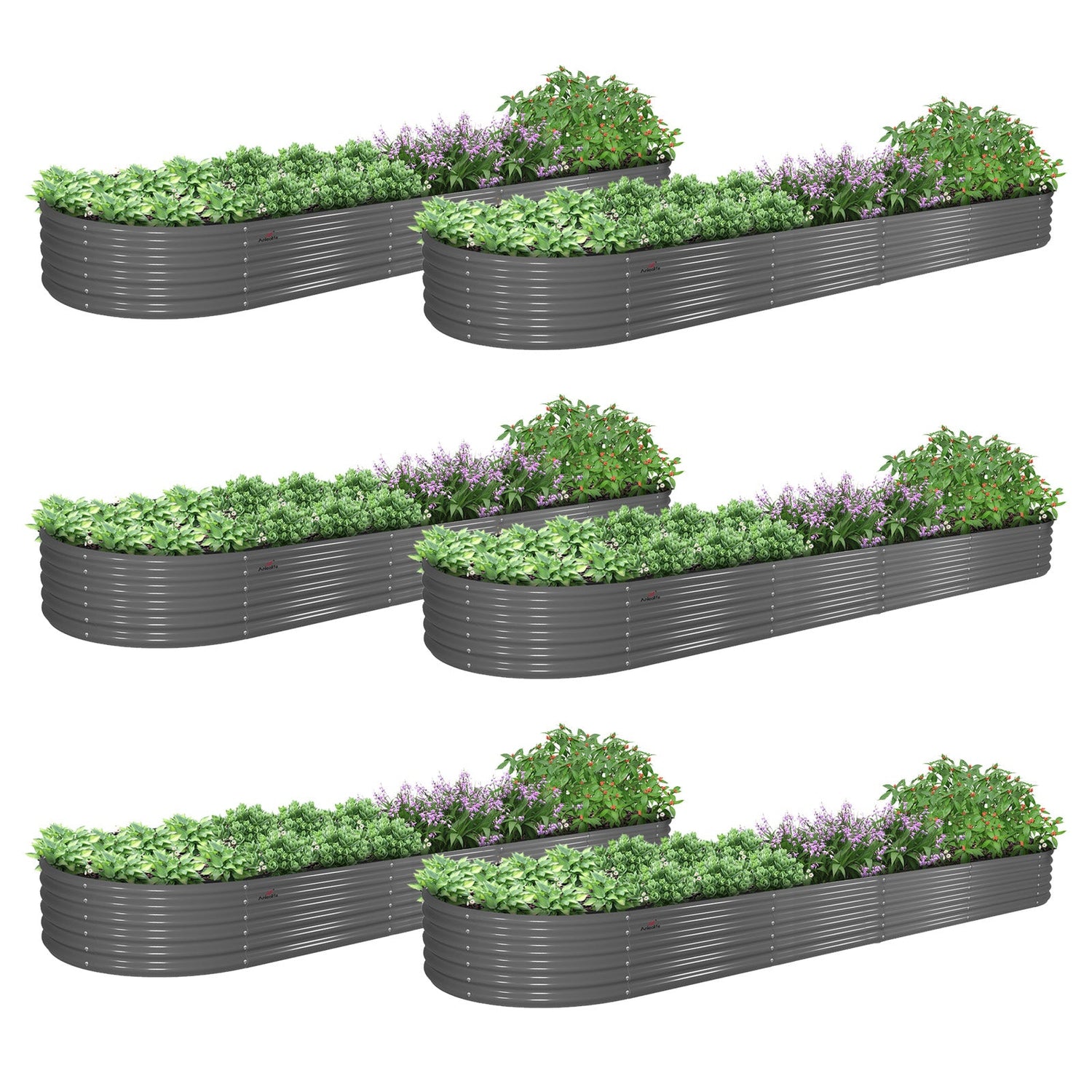



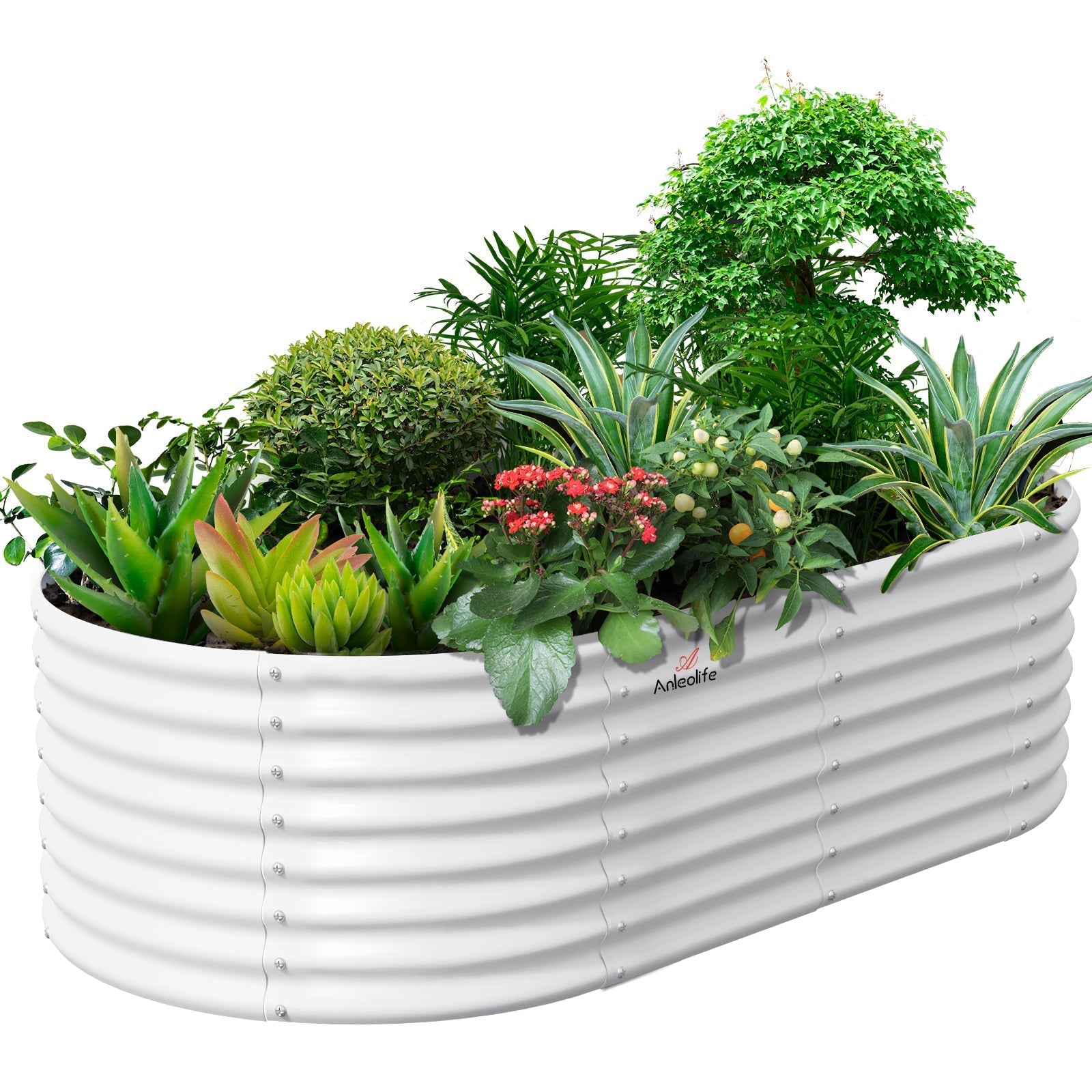
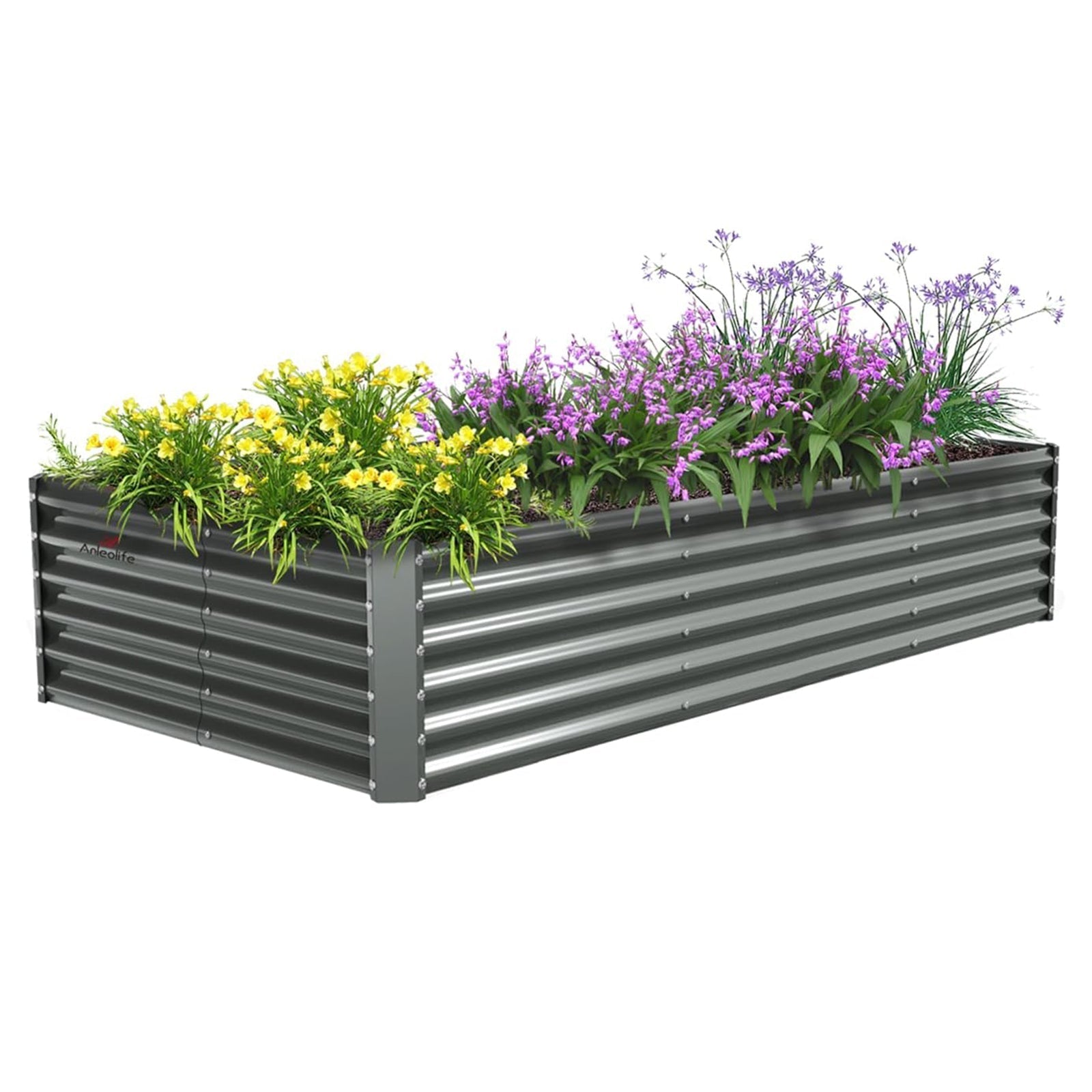
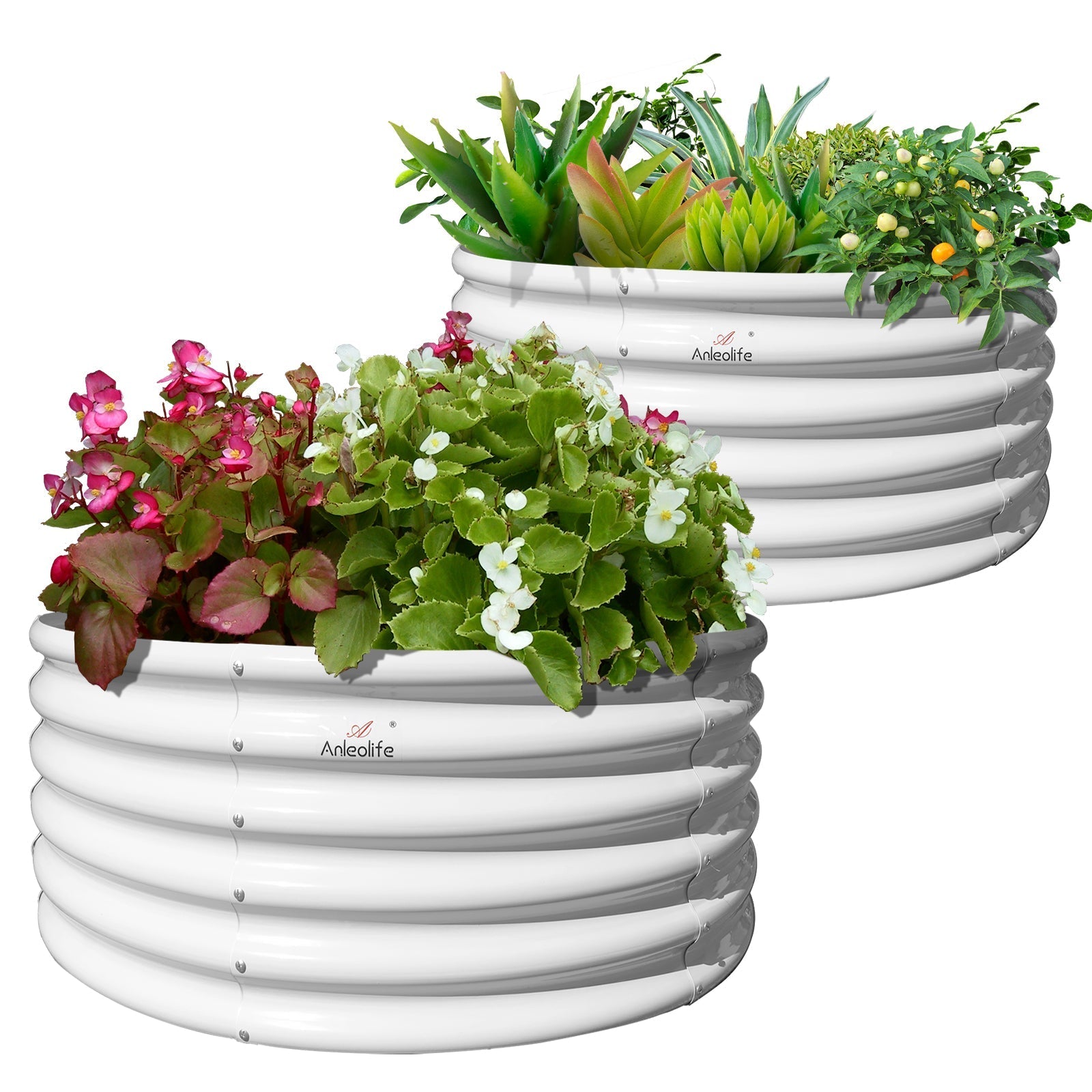
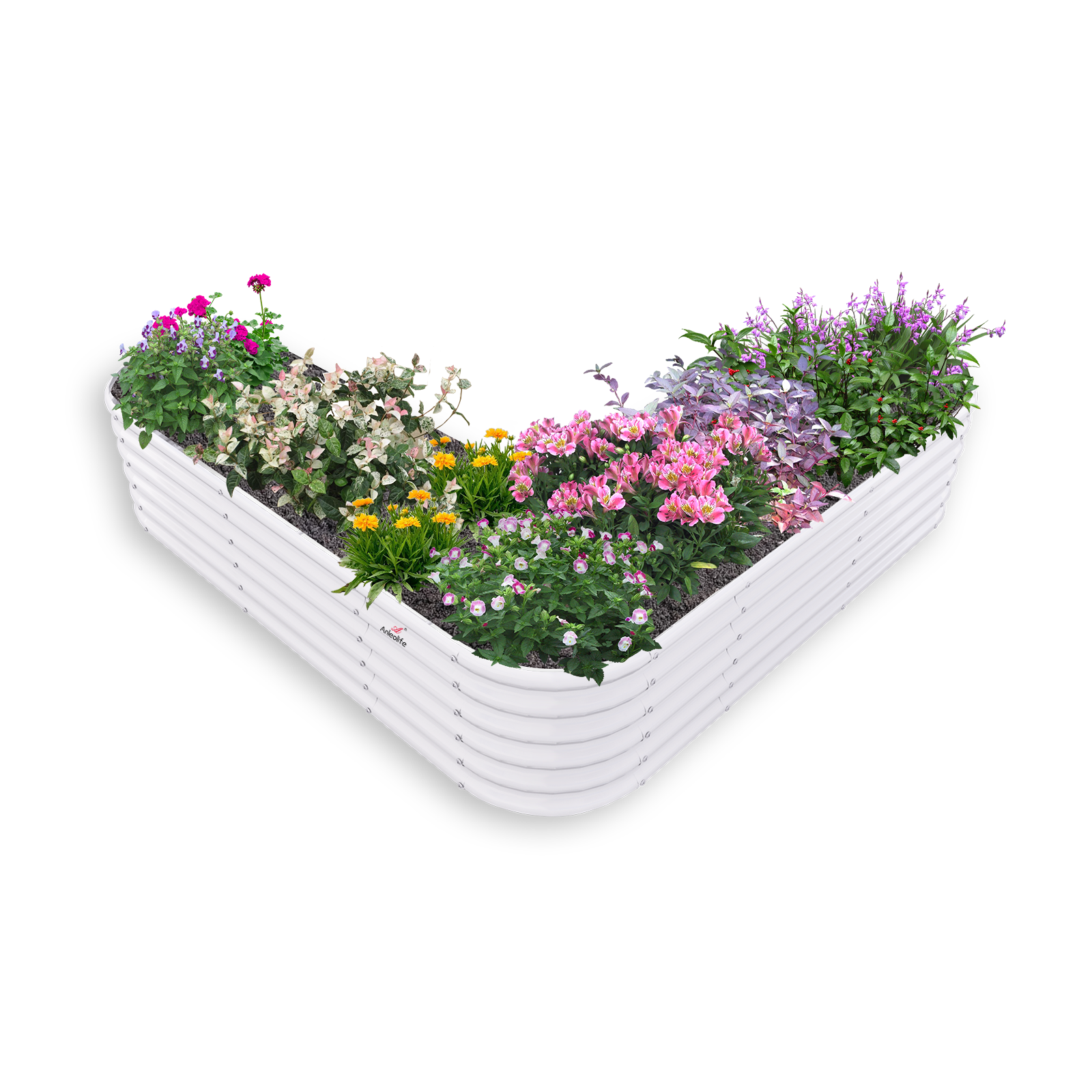
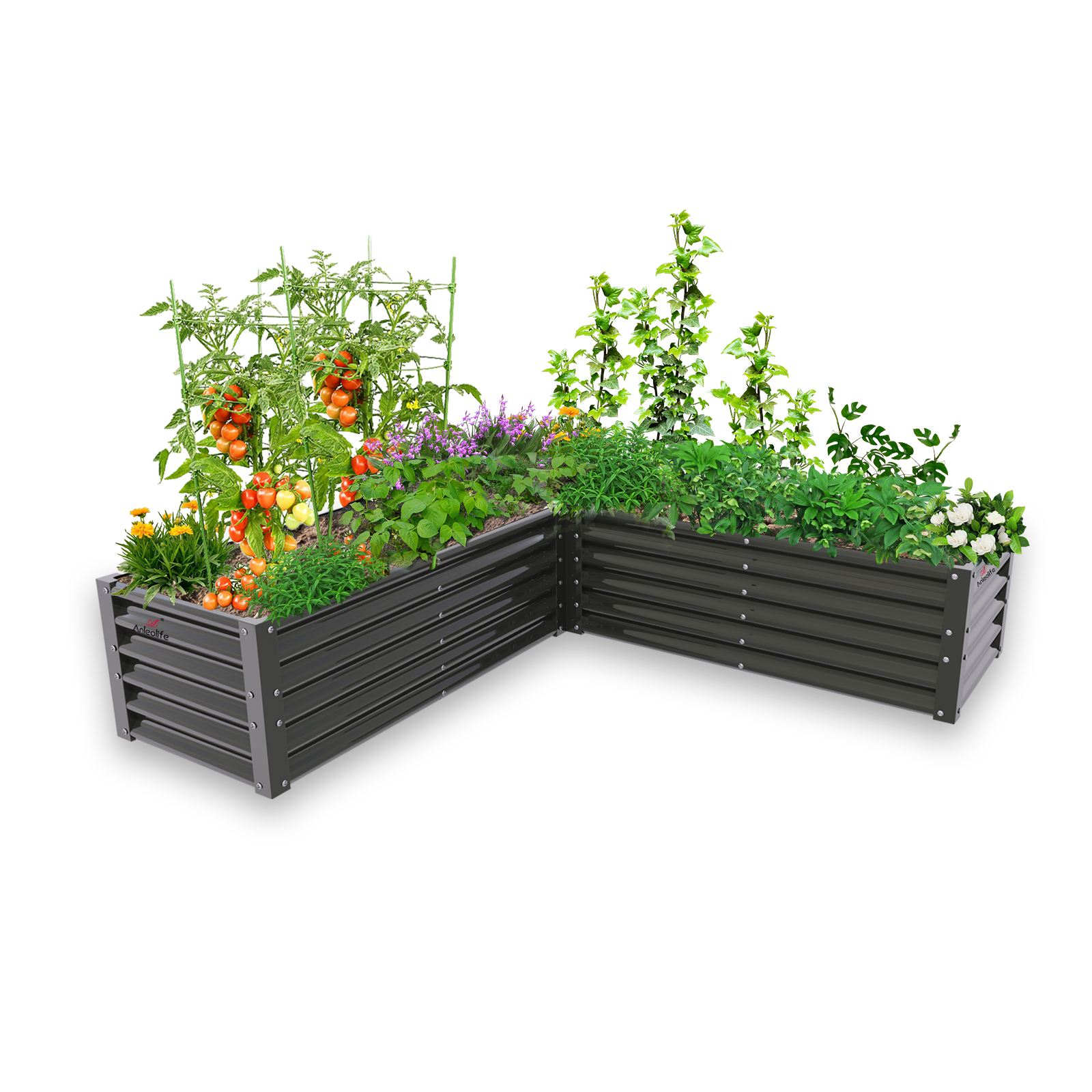
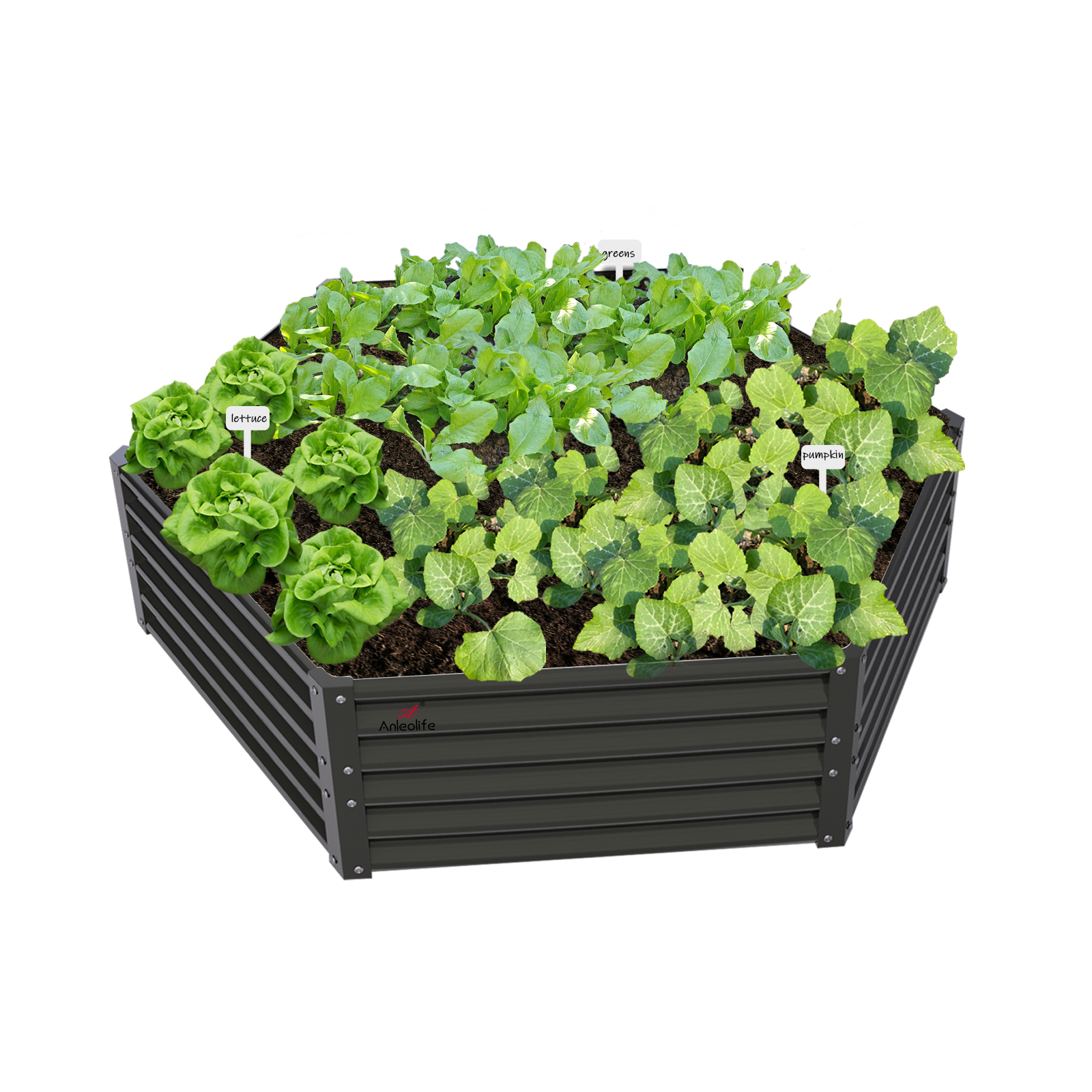
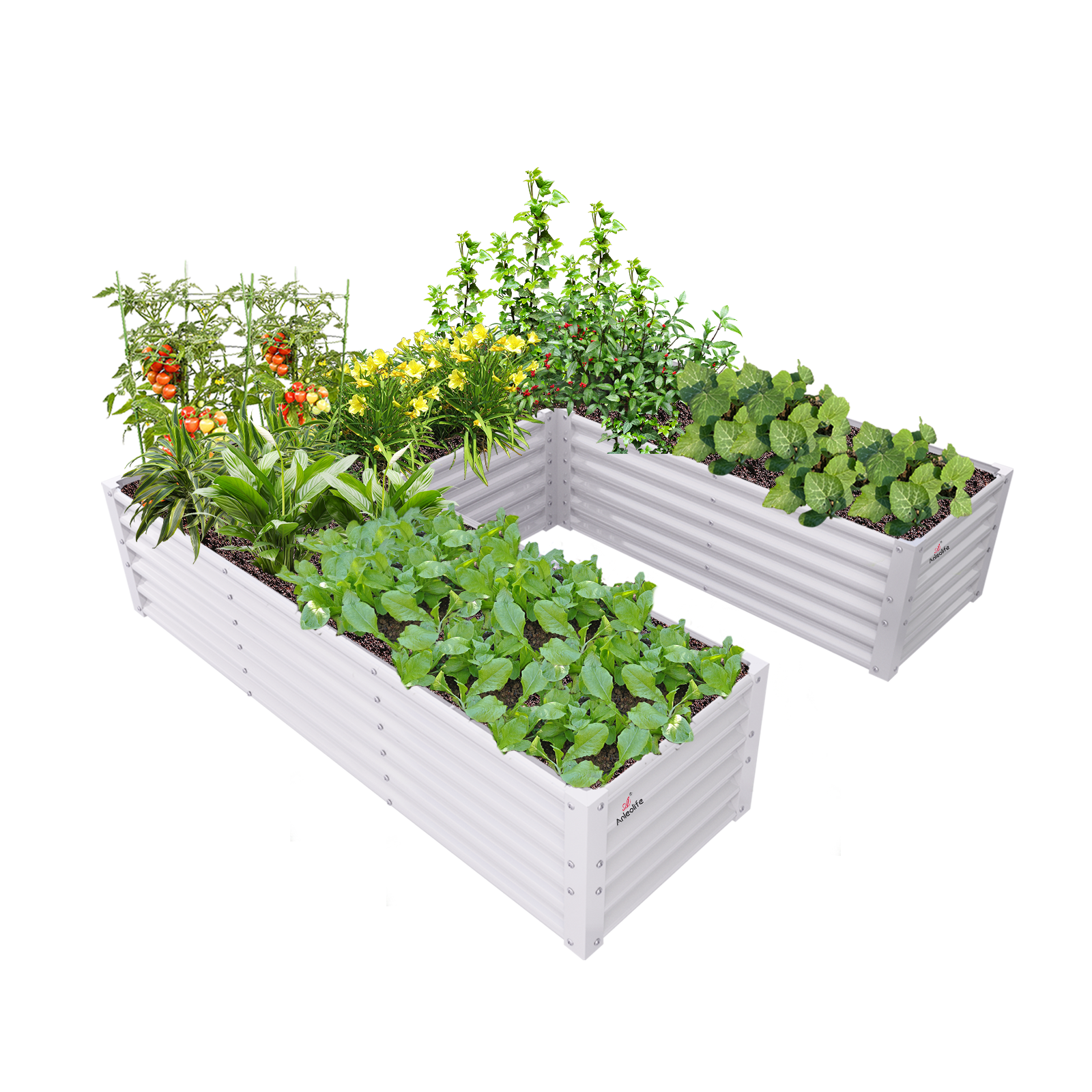

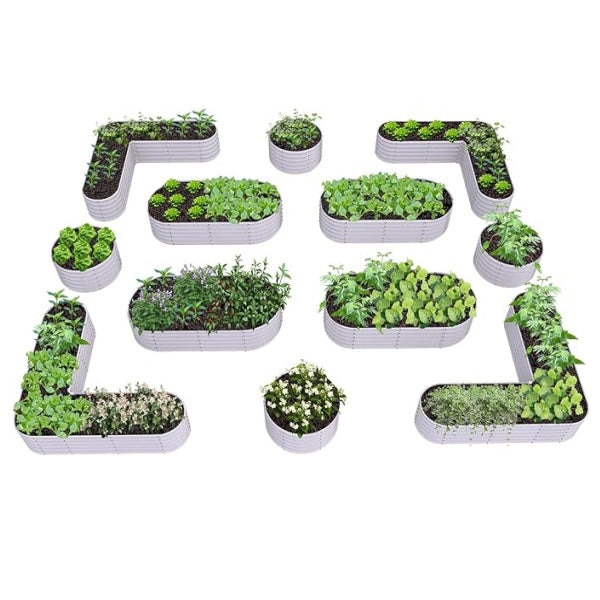




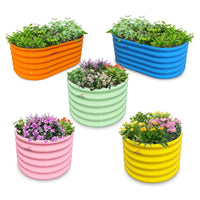
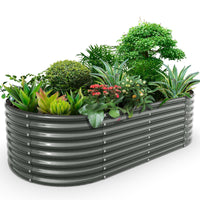



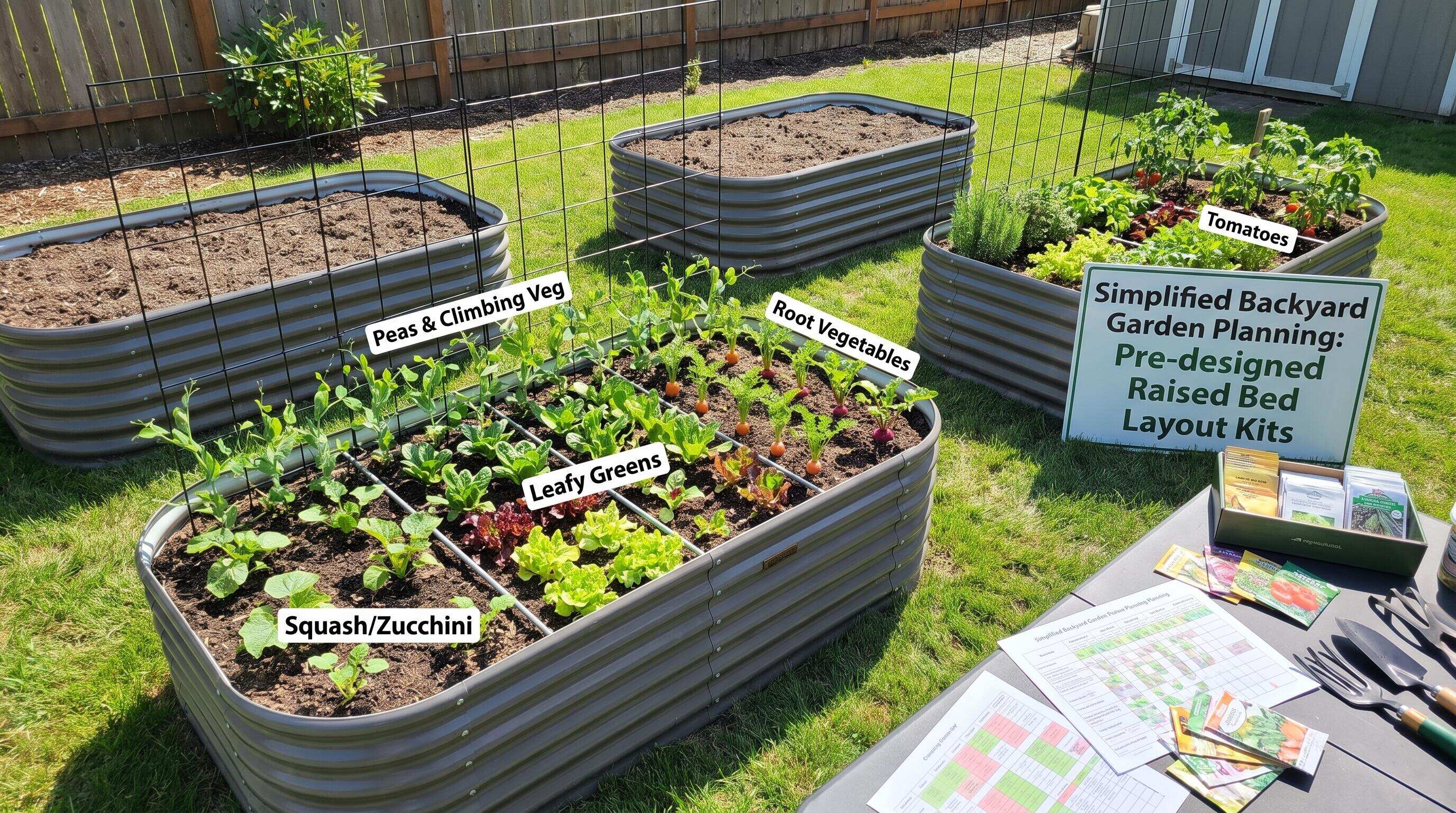
ALT: Pre-designed raised bed garden layout kit simplifying backyard garden planning with organized planting zones
Do Pre-Designed Layout Kits Beat Custom Planning for Raised Bed Garden Layout?
Key Conclusion: Pre-designed layout kits consistently outperform from-scratch custom planning for most home gardeners when the goal is a functional, attractive raised bed garden layout from the very first season. By bundling spatial guidance, companion planting logic, and compatible hardware into a single decision, these kits eliminate the most common mistakes that derail a raised bed planting layout — over-crowding, poor sun alignment, and incompatible bed dimensions — while still leaving room for personal customization as confidence grows.
Most gardeners reach a familiar crossroads early in their planning process: start with a blank piece of graph paper and figure everything out from scratch, or rely on a pre-designed raised bed layout kit that packages the decisions already made by experienced growers. This article compares both approaches across the dimensions that matter most — time investment, spatial accuracy, adaptability, soil system compatibility, long-term scalability, and overall cost of entry — to help you choose the path most likely to result in a thriving backyard garden.
What Criteria Actually Determine a Great Raised Bed Layout Plan?
A great raised bed layout is judged by six practical criteria that reflect the real-world experience of home gardeners at every skill level. Understanding these dimensions upfront clarifies why the choice between pre-designed kits and custom planning is not merely aesthetic — it has measurable consequences for your first harvest and every one that follows.
Ease of initial setup. The time and knowledge required to go from an empty backyard to an installed, planted bed is the single most common barrier to getting started. A layout approach that compresses this timeline without sacrificing quality dramatically increases the likelihood that a garden actually gets built.
Spatial accuracy and sun optimization. Incorrect bed sizing and poor orientation relative to available sunlight are the two most frequently cited reasons that raised bed gardens underperform. The layout method must account for both.
Soil system compatibility. The structure of a raised bed is only half the equation. The soil system — layer depth, drainage, organic matter ratio — must match the crop selection and the bed dimensions. A raised bed planting layout that ignores soil planning is incomplete.
Companion planting logic. Grouping plants that support each other (and separating those that compete) is a foundational principle of productive raised bed gardening. The layout approach must either embed this logic or make it easy for the grower to apply it.
Scalability and modularity. A beginner's first raised bed is rarely their last. The layout method should allow for graceful expansion — adding beds, changing configurations, or integrating new growing zones — without requiring a complete redesign.
Long-term material durability. The beds themselves need to justify the investment. A well-designed layout plan tied to beds rated for a 20-year lifespan delivers compounding value that disposable alternatives cannot match.
The Contenders: Three Approaches to Raised Bed Garden Layout
Option A: Pre-Designed Layout Kits
A pre-designed layout kit is a structured planning system — sometimes digital, sometimes printed, sometimes bundled with physical hardware — that provides a ready-made spatial arrangement for a raised bed garden. These kits specify bed dimensions, walking path widths, planting zones, crop rotation guidance, and in the best cases, companion planting maps. Gardeners.com, for example, offers a range of pre-planned garden configurations designed by experienced horticulturalists, removing the guesswork from initial setup.
The defining characteristic of a pre-designed kit is that the critical decisions have already been made based on tested combinations. The gardener's job is to implement the plan, not derive it. In practice, this means a household with no prior raised bed experience can place their beds in an optimized arrangement, fill them with a compatible soil system, and plant a coherent crop selection within a single weekend.
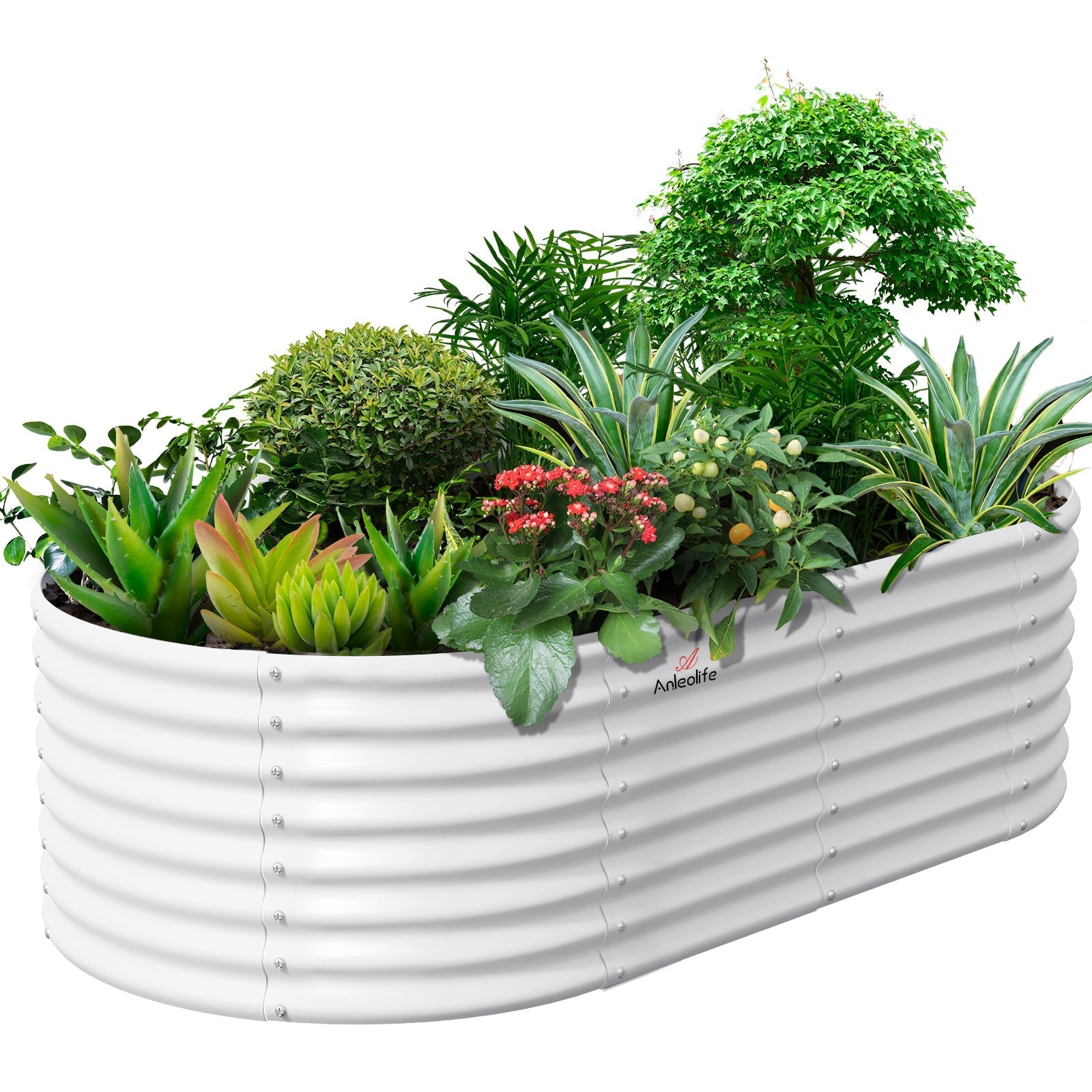
Anleolife's modular raised garden bed lineup — spanning a wide range of sizes and configurations — pairs naturally with pre-designed layout approaches. Whether you are working with an 8x4 ft footprint or a longer 12x3 ft rectangular format, the hardware is designed to slot into planned arrangements rather than fight against them.
Option B: Custom Planning from Scratch
Custom planning from scratch means the gardener derives every spatial decision independently: measuring the available space, researching sun exposure at different times of day, selecting crops, calculating spacing requirements, and sketching a layout that accounts for all variables simultaneously. For experienced growers, this process is second nature. For beginners and intermediate gardeners, it is frequently overwhelming.
The upside of full custom planning is creative control and precise fit to an unusual space. Irregular lots, sloped terrain, or highly specific crop goals sometimes demand a bespoke approach that no kit can anticipate. Custom planning also allows for the integration of non-standard bed shapes — round beds, corner configurations, or terraced arrangements — that pre-designed kits may not address.
The downside is time, expertise, and the high error rate among first-time planners. In our work with clients and home gardening communities, we consistently see that custom layouts created without reference to proven templates tend to over-pack plants, under-estimate path widths, and ignore the relationship between bed height and soil volume requirements.
Option C: Hybrid Planning (Kit Foundation with Custom Modification)
The hybrid approach uses a pre-designed kit as a starting template and then adapts it to the specific backyard, crop preferences, or aesthetic goals of the individual household. This method captures the speed and reliability of pre-designed layouts while preserving meaningful flexibility.
In practice, a hybrid planner might begin with a recommended 8x4 ft raised bed layout optimized for mixed vegetables, then substitute two crop selections based on household preferences, adjust one bed's orientation by 15 degrees to avoid afternoon shade from a nearby structure, and add a second bed in a future season using the same modular system.
This is the approach we most commonly see among experienced home gardeners who started with a kit, gained confidence in the underlying logic, and gradually made it their own.
Head-to-Head Comparison: Pre-Designed Kit vs. Custom Planning vs. Hybrid Approach
| Criterion | Pre-Designed Kit | Custom Planning | Hybrid Approach |
|---|---|---|---|
| Ease of initial setup | High — decisions pre-made | Low — full derivation required | Medium — template reduces load |
| Spatial accuracy | High — tested configurations | Variable — skill-dependent | High — kit base retained |
| Soil system compatibility | Built into better kits | Requires independent research | Inherits kit guidance, then adapted |
| Companion planting logic | Embedded in plan | Requires botanical knowledge | Kit provides baseline |
| Scalability / modularity | High with modular hardware | Depends on original plan quality | High — kit expansion logic applies |
| Long-term material durability | Tied to hardware selected | Tied to hardware selected | Tied to hardware selected |
| First-season success rate | High | Lower for beginners | High |
| Time to first planting | Fast | Slow | Moderate |
The table above reveals a consistent pattern: pre-designed layout kits deliver the highest reliability for first-time and intermediate gardeners because they compress the expert knowledge required into an actionable format. The time-to-first-planting advantage alone is significant — a family that gets beds in the ground in April rather than struggling through planning until June captures an entire growing season's head start.
Custom planning shows its strength in one area: spatial precision for unusual lots. A grower with an L-shaped backyard, a steep grade, or a combination of full sun and deep shade zones may find that no pre-built template fits their conditions well enough to be a useful starting point. For this group, the investment in full custom planning is genuinely worthwhile.
The hybrid approach, however, challenges the assumption that it is an either-or choice. By accepting the spatial and botanical logic of a well-designed kit while adapting crop selections and minor configurations, hybrid planners consistently achieve outcomes close to custom planning's ceiling without custom planning's time cost or error risk. As Savvy Gardening's analysis of 4x8 raised bed vegetable garden layout ideas illustrates, even a single standard bed dimension can support a remarkable variety of planting configurations when the underlying spatial logic is sound.
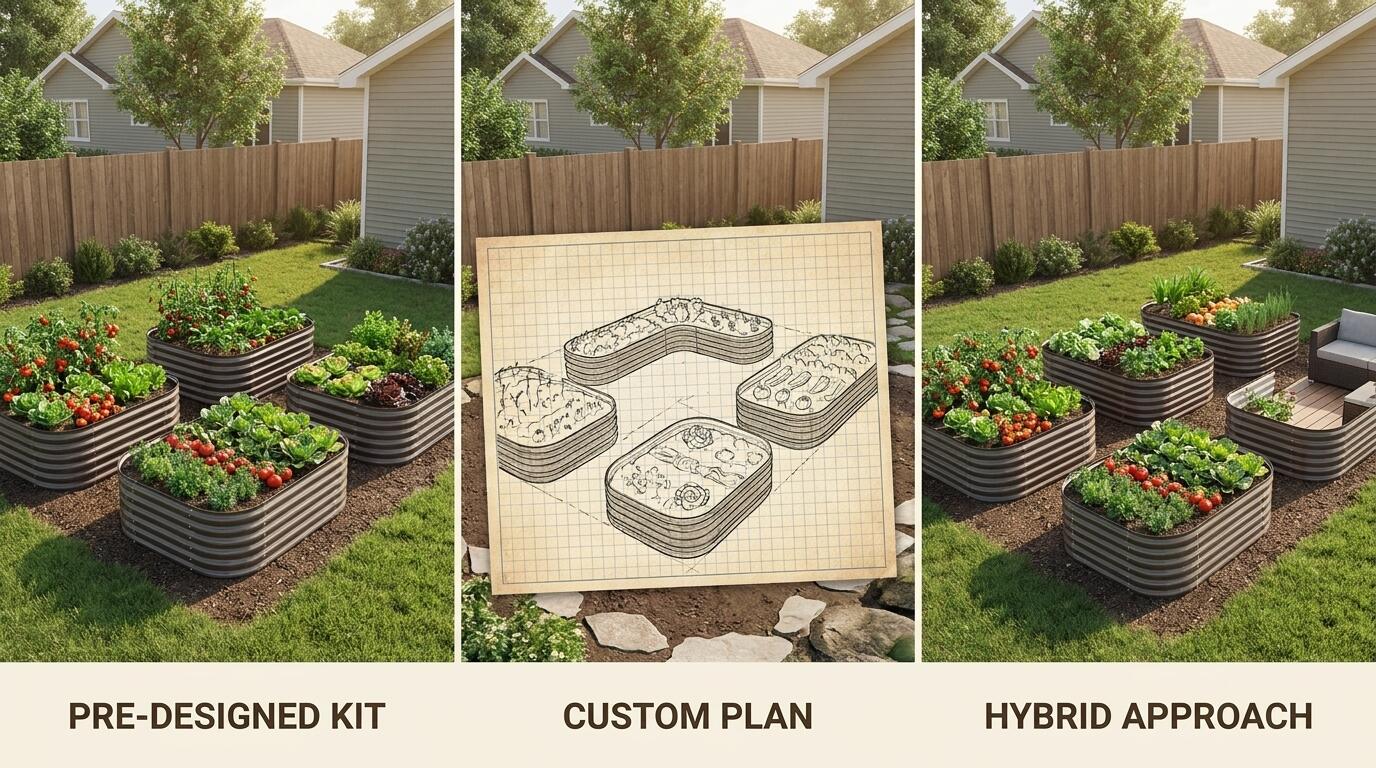
ALT: Side-by-side raised bed planting layout comparison showing pre-designed kit, custom plan, and hybrid approach for backyard garden organization
One underappreciated factor in this comparison is material durability. All three planning approaches can be executed with high-quality or low-quality hardware — but the value of the planning investment compounds when the beds themselves are built to last. Anleolife's galvanized steel and rust-resistant raised garden beds are engineered for a 20-year service life, which means a layout plan executed with these beds pays dividends across two decades of growing seasons, not just one or two. For a walkthrough of how to get started with sizing decisions before committing to a layout, A First-Time Buyer's Guide to Sizing a Raised Garden Bed Kit is a practical next step.
Which Should You Choose? Scenario Recommendations for Your Raised Bed Layout
If you are planting your first raised bed garden this season, choose a pre-designed layout kit. The learning curve for custom planning is steep, and the most common first-season mistakes — over-crowding, wrong sun orientation, path widths too narrow to work comfortably — are all addressed by a well-constructed kit. The speed-to-planting advantage means you capture more of the growing season, and the embedded companion planting logic gives your first harvest the best possible foundation without requiring you to research plant relationships independently.
If you have an irregularly shaped or heavily shaded backyard, consider custom planning with reference to established layout templates as a starting point. Standard kit configurations assume relatively rectangular, open spaces. If your lot defies that assumption, force-fitting a pre-designed template can produce worse results than a thoughtful custom plan. Use resources like the pre-planned garden guides from Gardeners.com as reference material rather than prescription.
If you have gardened for one or two seasons and want to expand, the hybrid approach is almost certainly your best option. You already have intuitions about what works in your space. A kit gives you a tested expansion template; your experience tells you where to deviate. This combination is where the most satisfying gardens tend to emerge in our observation of long-term home growing communities.
If you are a retiree or empty nester returning to gardening after a long break, pre-designed kits combined with taller bed configurations — such as the extra-tall options Anleolife offers at 24 to 30 inches — dramatically reduce physical strain while eliminating planning complexity. The combination of ready-made layout logic and ergonomic bed height is specifically well-suited to this group.
If scalability matters to you from day one, invest in a modular system from the outset and choose a layout kit designed around modular expansion. Anleolife's modular raised garden beds are engineered to expand incrementally, allowing you to begin with a single configuration and grow your raised bed garden layout over multiple seasons without incompatible components or wasted hardware. Understanding what to expect from this kind of investment before you purchase is worth the reading time — the guide on what to know before investing in a modular raised bed system covers the practical considerations in detail.
Summary of pros and cons for the top two choices:
Pre-designed layout kits offer fast setup, high first-season reliability, embedded botanical logic, and low skill requirements — with the trade-off of less flexibility for unusual spaces.
Custom planning offers maximum spatial precision and creative control — with the trade-off of high time investment, significant knowledge requirements, and a meaningfully higher error rate for non-expert planners.
Frequently Asked Questions FAQ
Q1: How do I choose the right bed dimensions before committing to a pre-designed raised bed layout?
Start with your available space and your reachability. The standard guideline — supported by university extension programs and practical planting guides alike — is that a bed should be no wider than you can comfortably reach to its center from either side without stepping in. A 4-foot-wide bed satisfies this for most adults. Length is more flexible. Pre-designed layout kits typically specify configurations around common dimensions (4x4, 4x8, 6x3, 8x4), so confirming your available footprint before selecting a kit ensures a clean fit.
Q2: Are pre-designed layout kits compatible with organic or soil-focused growing systems?
Yes — well-designed kits account for soil system requirements as an integrated element of the layout plan, not an afterthought. The best kits specify recommended soil depth, drainage layer design, and organic matter ratios alongside the spatial planting map. According to established horticultural guidance, raised bed soil composition differs significantly from in-ground beds, and a layout plan that ignores this gap leaves growers to solve a critical variable on their own. For a detailed treatment of soil composition for raised beds, resources focused on best soil composition for thriving organic vegetable raised beds provide evidence-based recommendations.
Q3: How long does it take to go from a layout kit to a fully planted raised bed garden?
Most households working from a clear pre-designed layout kit can complete bed installation and initial planting within a single weekend. The variable is bed assembly time, which depends on the number of beds, their dimensions, and the construction system. Anleolife beds ship from a nationwide U.S. warehouse network with delivery in 3–8 business days, meaning the window from order to planted garden is typically under two weeks for most locations. Custom planning alone — before any hardware arrives — often takes several weeks for first-time planners.
The Bottom Line
Pre-designed layout kits represent the most reliable path to a functional, productive raised bed garden layout for the majority of home growers. Three points summarize the core value:
First, they compress expert knowledge into an actionable format, eliminating the most common and costly beginner mistakes without requiring botanical training or landscape design experience.
Second, they are not a ceiling — they are a floor. The hybrid approach demonstrates that starting with a proven template and adapting it over time consistently produces better outcomes than either rigid adherence to a kit or uninformed custom planning from scratch.
Third, the value of the planning approach compounds with the quality of the hardware. A 20-year service life — like that of Anleolife's galvanized and rust-resistant raised garden beds — means that the right layout decision made today continues to pay off through years of growing seasons. A layout plan is only as durable as the beds that carry it.
The practical next step is straightforward: assess your available space, identify which scenario from the comparison above best describes your situation, and choose the planning approach that matches your experience level and goals.
Ready to put a great raised bed garden layout into action? Shop Anleolife's full range of galvanized steel, rust-resistant, modular, and heavy-duty raised garden beds at the Anleolife website — available through Amazon, Walmart, Home Depot, Lowe's, and Wayfair, with delivery in 3–8 business days from warehouse locations across California, Texas, Florida, New York, Illinois, and Washington. Whether you are starting with a single 8x4 bed or planning a multi-bed planting and raising ecosystem, Anleolife's modular design grows with you at every stage.
References & Further Reading
- Gardeners.com. "Pre-Planned Gardens."
https://www.gardeners.com/pages/kitchen-garden-planner-preplanned-gardens - Savvy Gardening. "4x8 Raised Bed Vegetable Garden Layout Ideas."
https://savvygardening.com/4x8-raised-bed-vegetable-garden-layout/ - U.S. Department of Agriculture (USDA). Agricultural and horticultural guidance resources.
https://www.usda.gov - National Gardening Association. Home and community gardening education resources.
https://www.garden.org
Note: Standards and guidelines may be updated; please check the latest official documents or consult professional advisors for current recommendations.