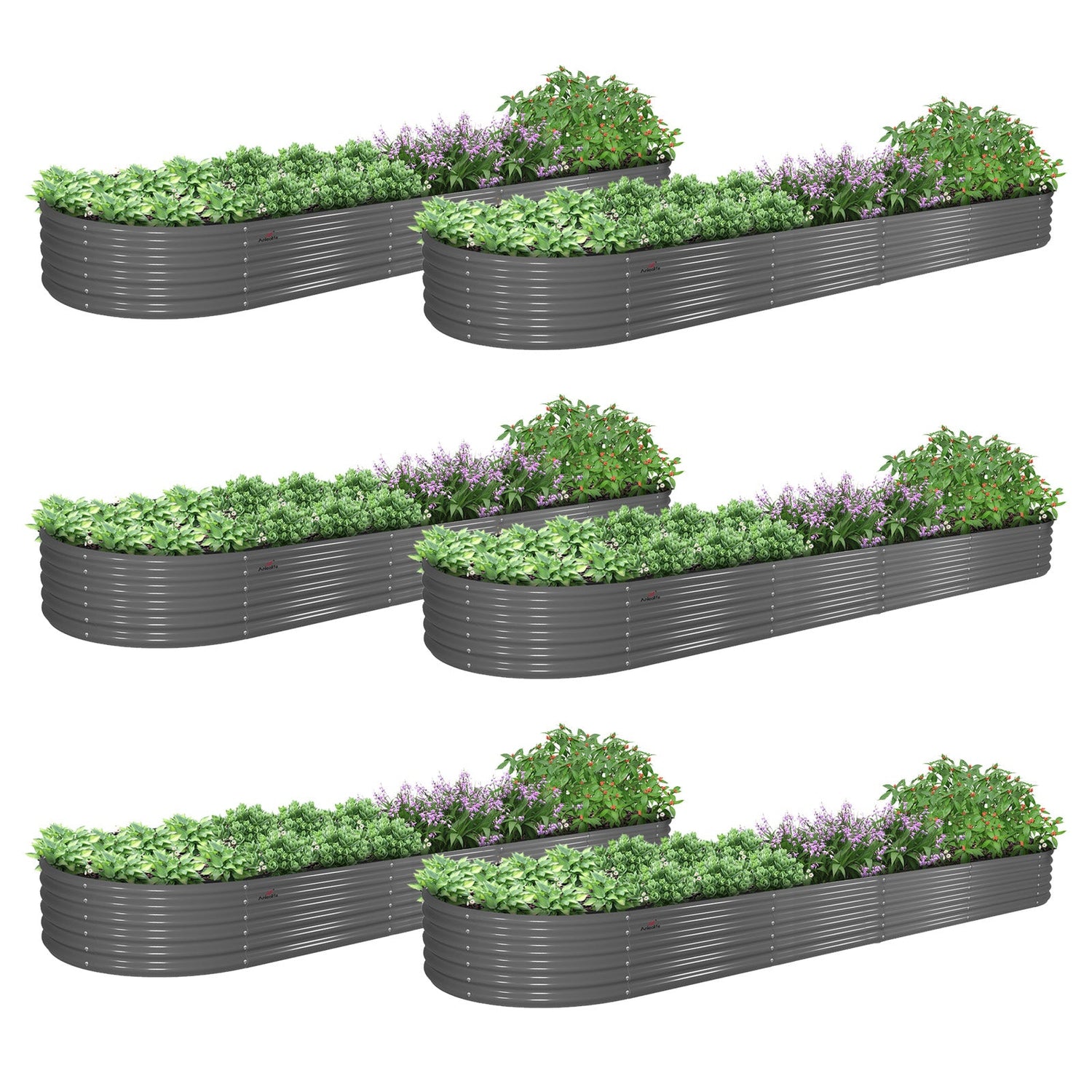



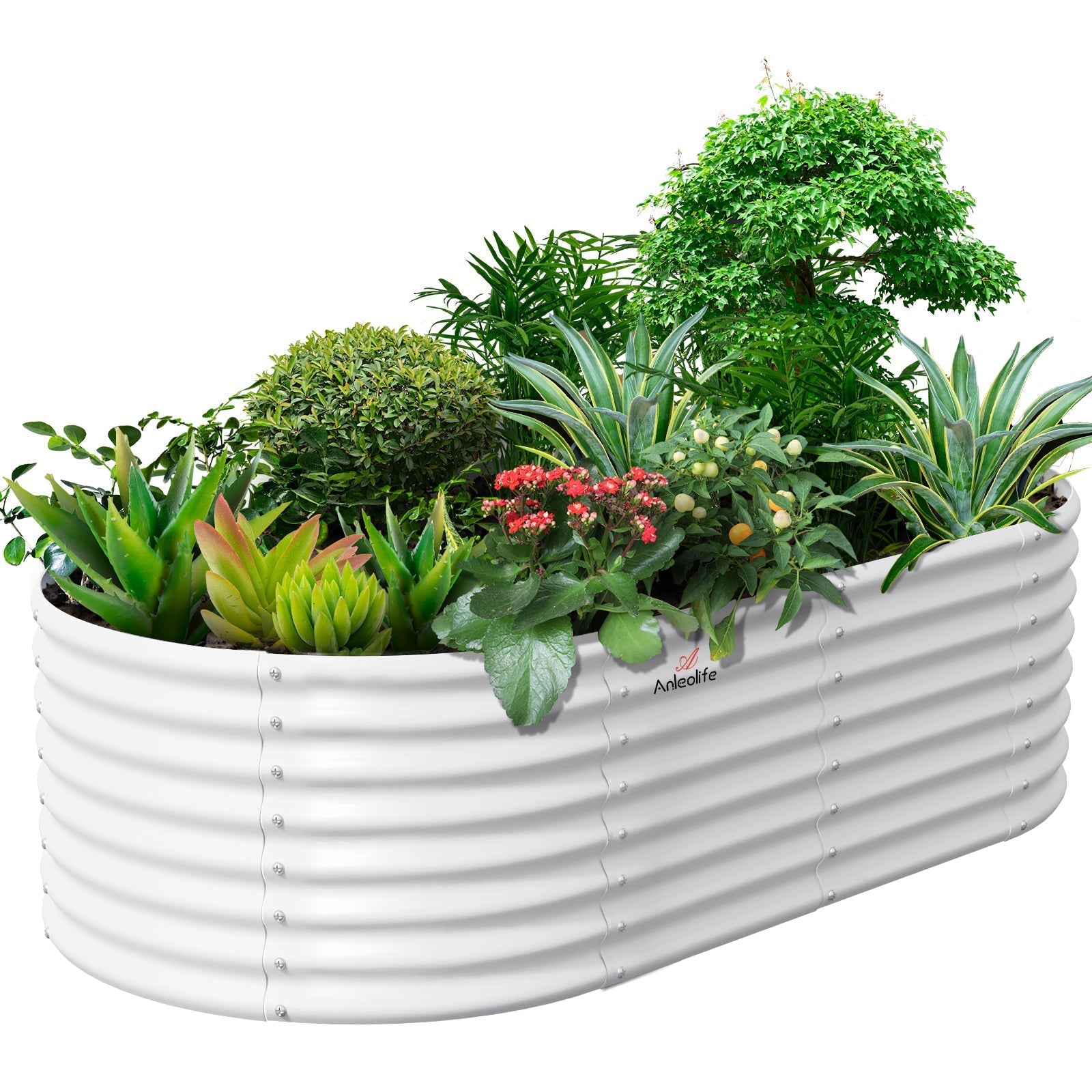
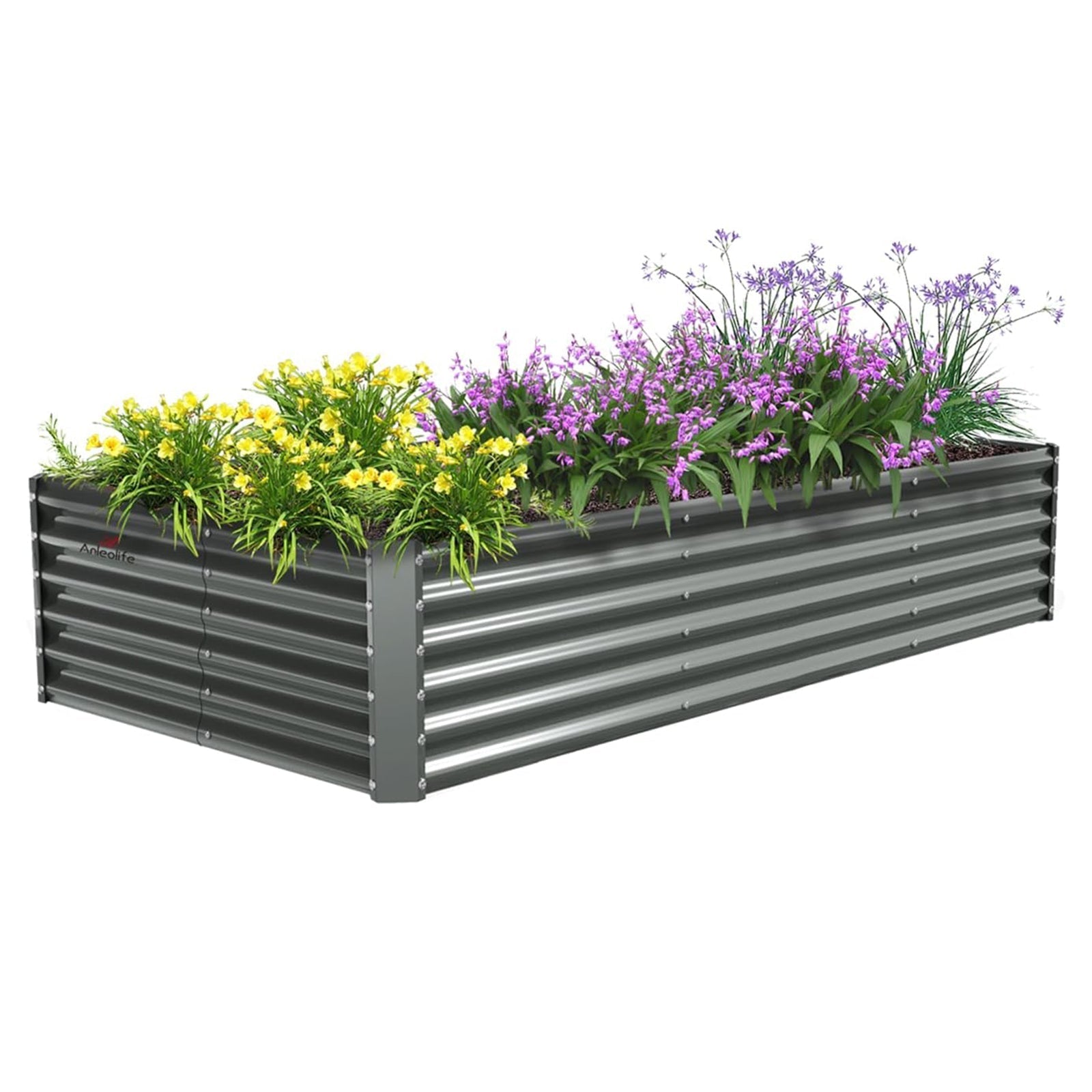
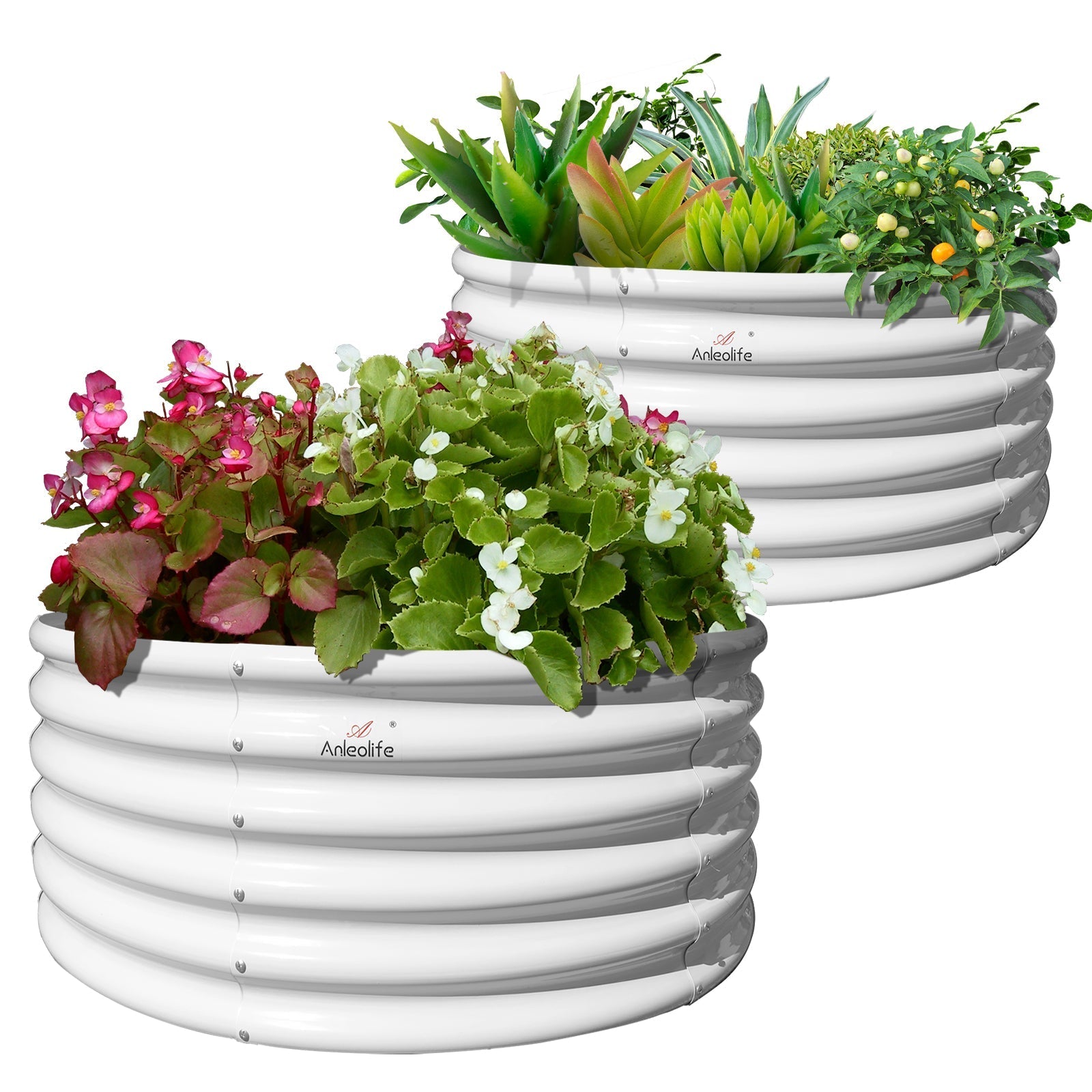
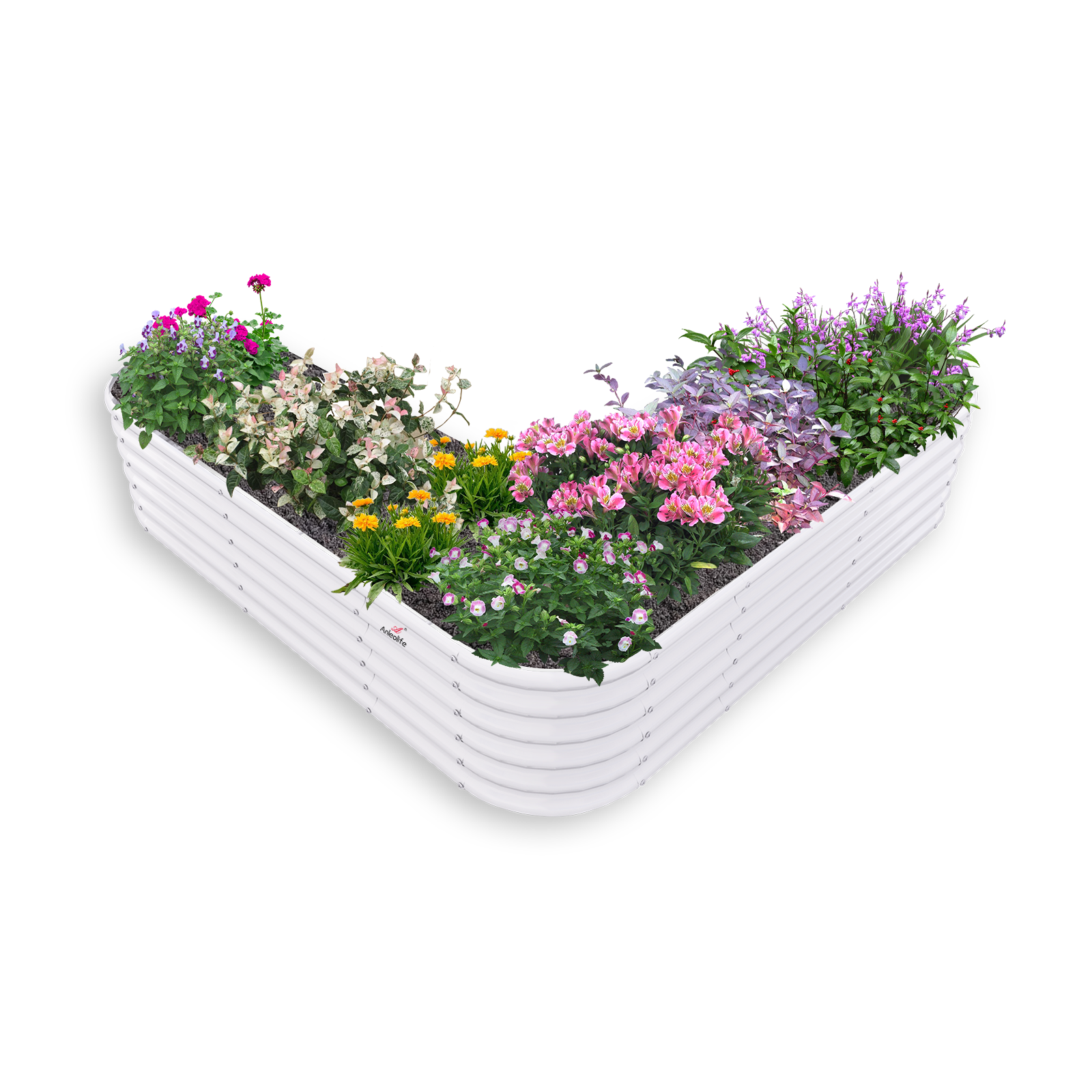
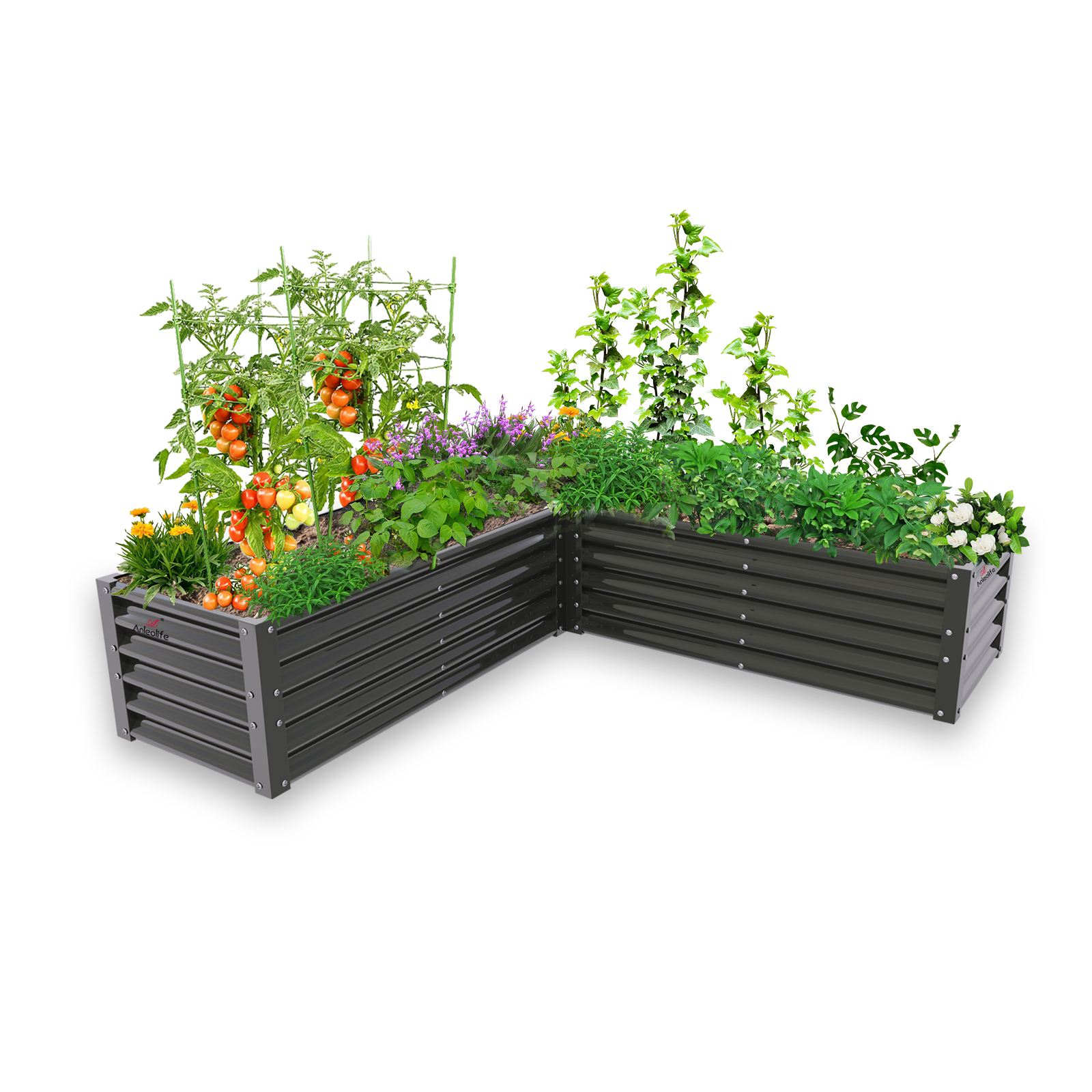
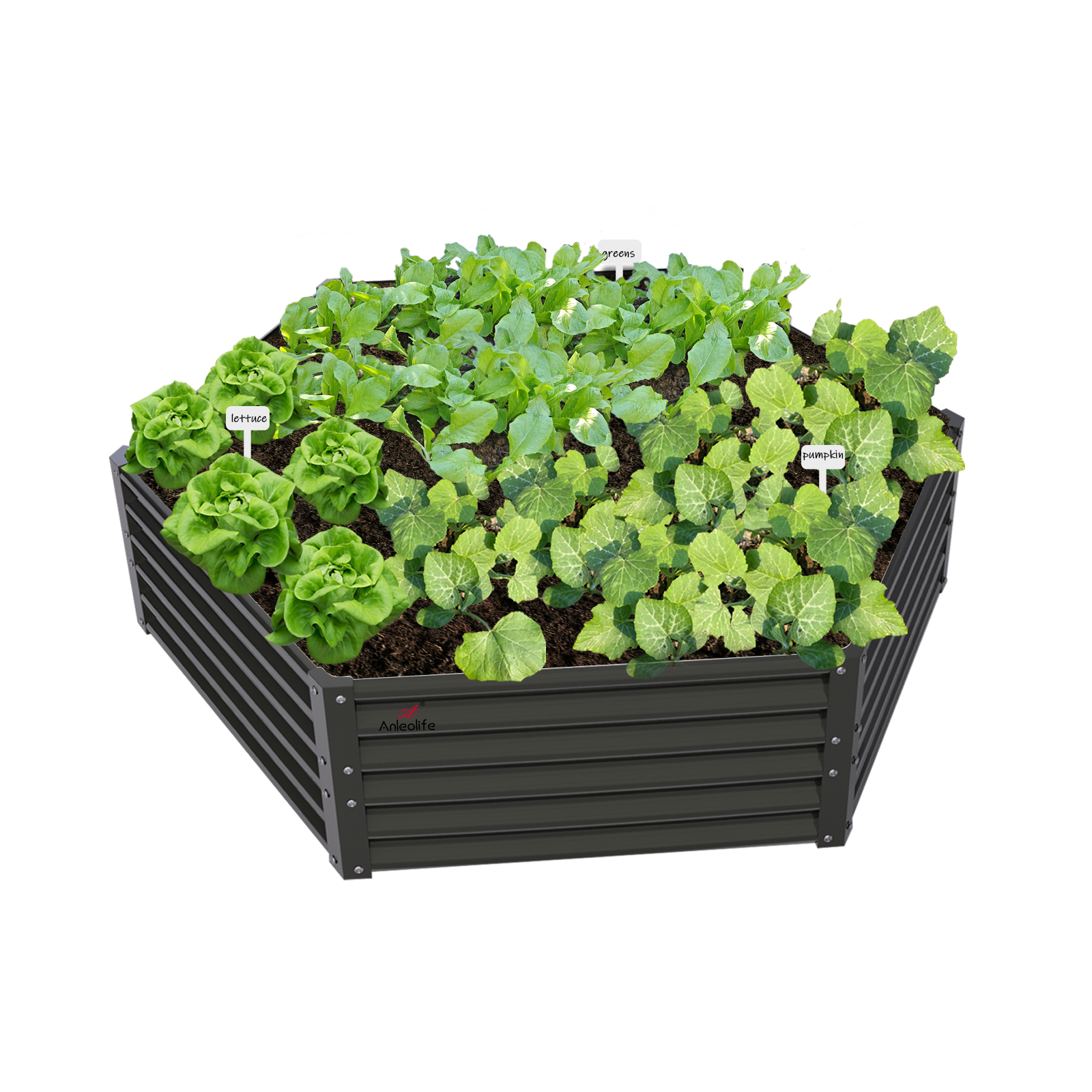
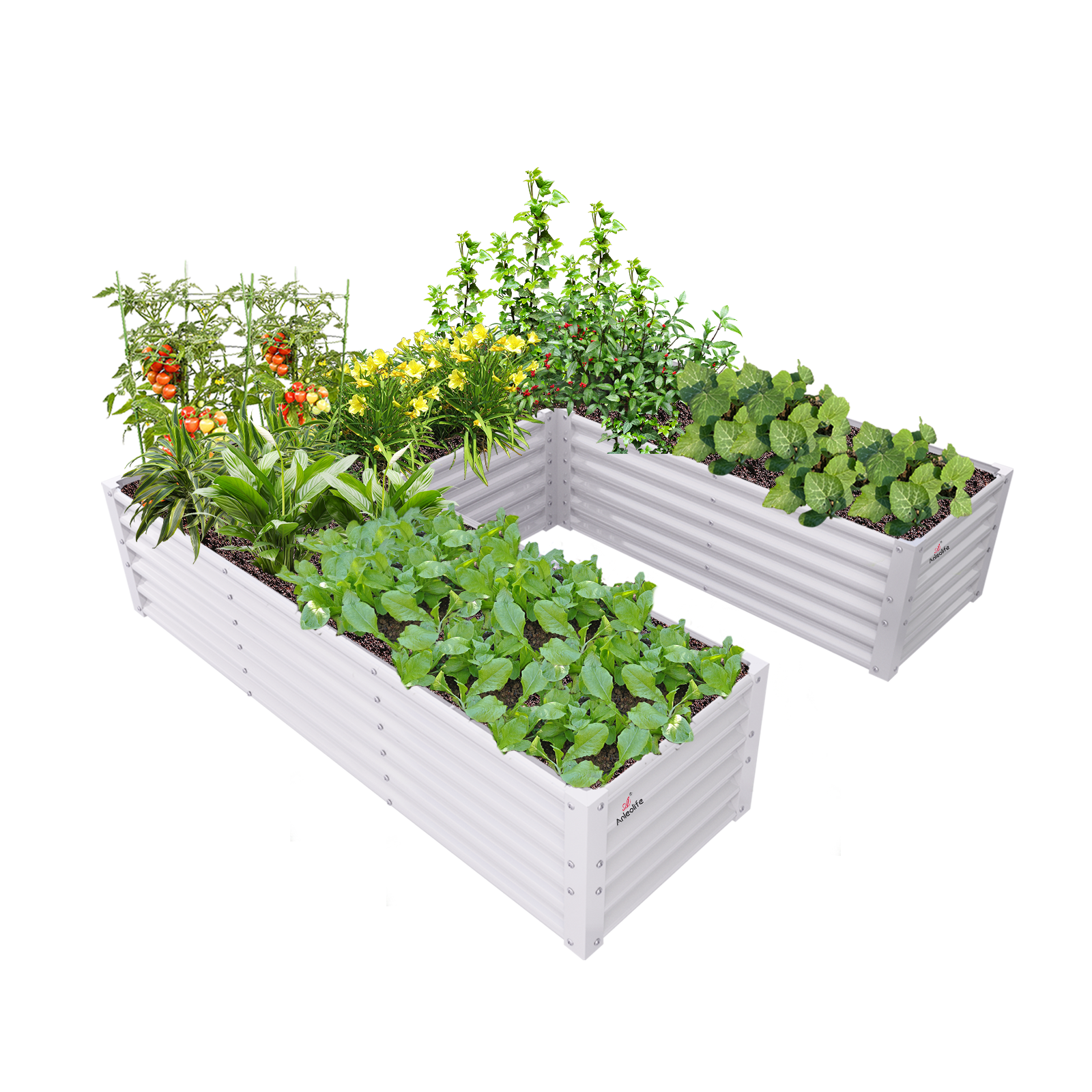

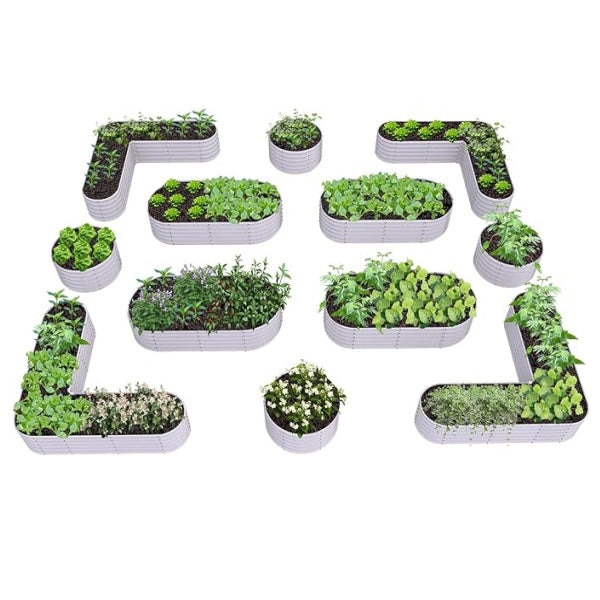

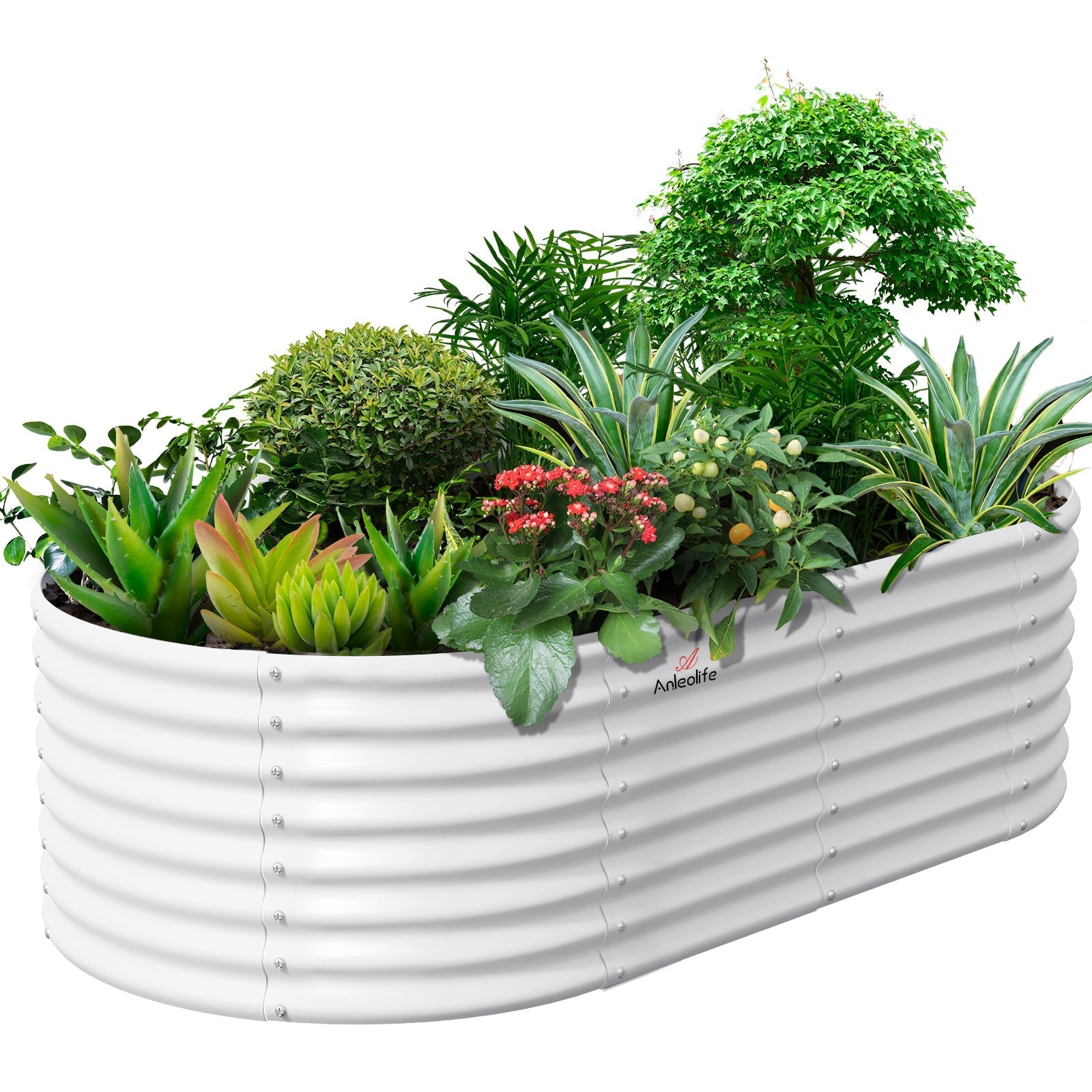


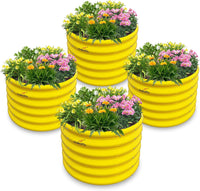
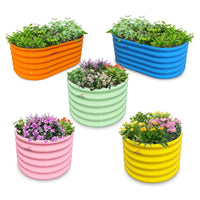
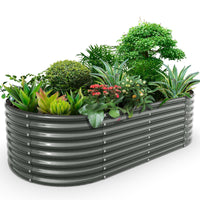



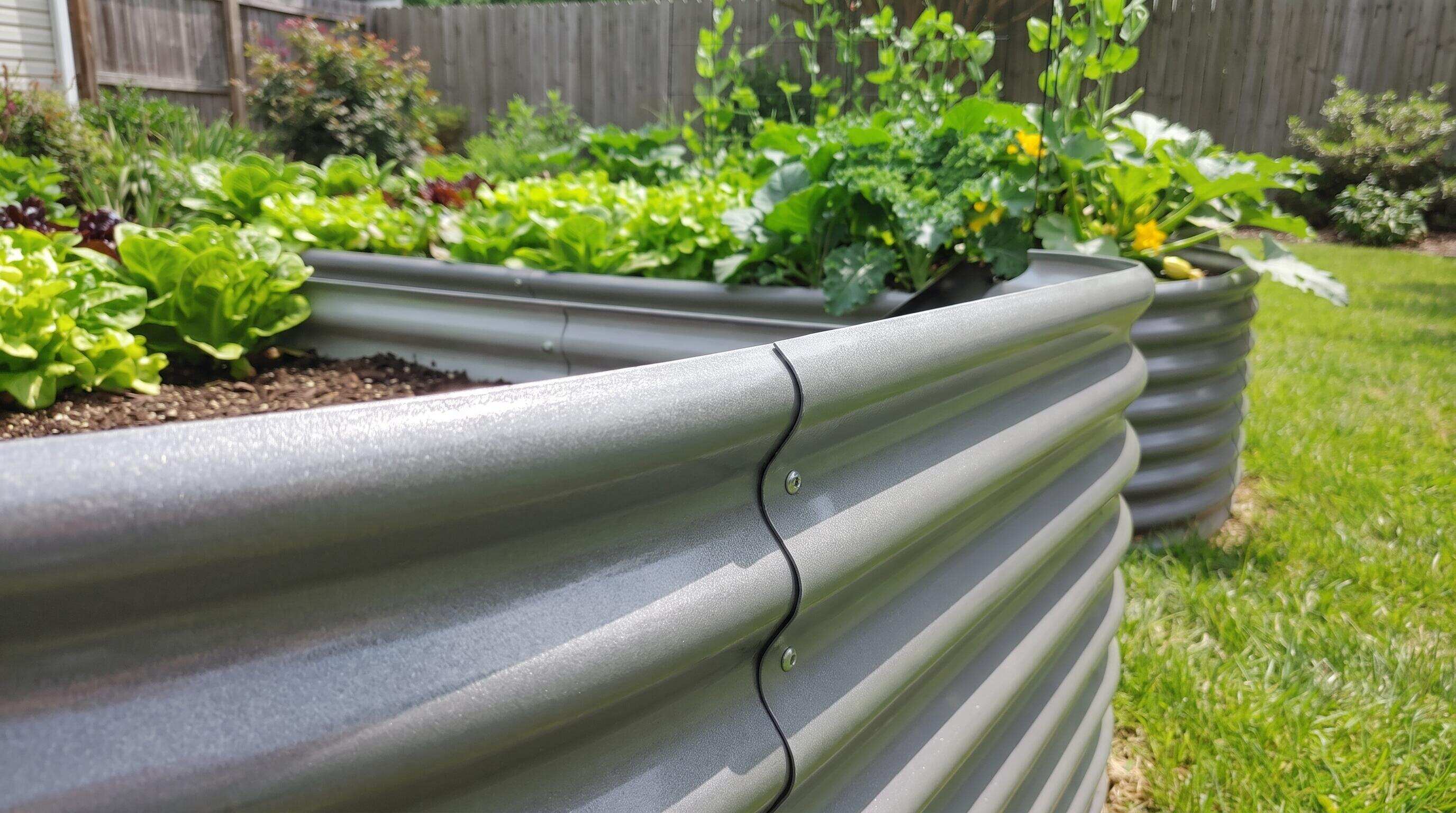
ALT: Close-up of galvanized steel raised garden bed coating thickness protecting against rust outdoors
Why Coating Thickness Is the Hidden Key to Rust Resistance in Metal Garden Beds
The coating applied to a metal garden bed is not a cosmetic detail — it is the primary barrier standing between your investment and the relentless chemistry of outdoor corrosion. Gardeners who focus only on steel gauge or panel design often overlook this variable entirely, yet in our work with clients across every climate zone in North America, coating thickness consistently proves to be the single factor that separates a bed that lasts a full season from one that delivers 20 years of reliable performance.
This article unpacks exactly how coating thickness functions as a rust-resistance mechanism, how different coating systems compare in real garden conditions, and what to look for when choosing a metal raised garden bed that genuinely matches your outdoor environment. Whether you are planning a new raised bed garden layout from scratch or reconsidering an existing setup, understanding this technical foundation will help you make a purchase decision that holds up — season after season, rain or shine.
Two points anchor everything that follows. First, not all metal coatings are structurally equivalent: a thicker, properly bonded zinc or alloyed coating provides dramatically more protection than a thin decorative finish. Second, coating quality is inseparable from long-term usability — a bed that rusts prematurely forces replanting decisions, soil disruption, and unexpected replacement costs that undermine the entire economics of home growing.
Where This Guidance Applies — and Where It Has Limits
Applicable Scenarios:
- Gardeners evaluating galvanized steel, powder-coated steel, or alloyed metal raised beds for permanent outdoor installation
- Home growers in high-humidity, high-rainfall, coastal, or freeze-thaw climates where accelerated corrosion is a documented risk
- Anyone planning a raised bed planting layout that will remain in place for multiple growing seasons and wants to avoid premature structural failure
Not Applicable/Cautions:
- Wooden, fabric, or recycled plastic raised beds, which follow entirely different degradation mechanisms unrelated to coating chemistry
- Decorative indoor or temporary planter systems where outdoor weather exposure is not a factor — coating thickness is less critical in controlled environments
- Situations involving direct chemical contact with highly acidic industrial runoff or concentrated fertilizer salts not found in typical residential gardens, which may exceed the performance envelope of any standard consumer coating
The Corrosion Problem That Every Outdoor Metal Bed Faces
Rust is not a gradual cosmetic inconvenience — it is an electrochemical process that structurally weakens steel from the inside out. When iron in steel contacts oxygen and moisture simultaneously, iron oxide forms. Left uninterrupted, this process accelerates: each layer of rust is porous and absorbs more moisture, feeding the next cycle of oxidation. For a raised bed garden layout exposed to daily irrigation, morning dew, and seasonal rain, this cycle is essentially continuous.
The outdoor garden environment is more corrosive than most homeowners assume. Soil moisture, organic acids released by decomposing plant matter, fertilizer compounds, and fluctuating temperatures all contribute chemical aggressors that an unprotected steel surface cannot withstand for long. Coastal climates add airborne salt chlorides, which are particularly aggressive at penetrating metal surfaces. According to ASTM International — the organization that publishes widely referenced corrosion testing standards, including the ASTM B117 salt spray test — the duration a metal sample survives in a standardized salt fog environment is a direct proxy for its real-world corrosion resistance, and coating thickness is among the most significant variables in that outcome.
The practical implication for anyone planning a raised bed layout is straightforward: a metal bed with inadequate or inconsistent coating will begin showing rust at cut edges, fastener points, and surface micro-scratches within one to three growing seasons in moderate climates, and even sooner in wet or coastal conditions. A bed with a properly specified, adequately thick protective coating can perform for decades — which is exactly why Anleolife engineers its metal raised garden beds to a 20-year lifespan standard, a benchmark that is only achievable through rigorous attention to coating integrity.
For a broader comparison of how galvanized and other coating technologies stack up in real garden conditions, the Anleolife deep-dive on galvanized versus powder-coated steel provides a detailed side-by-side analysis worth reading alongside this article.
How Coating Thickness Works — and Why More Is Not Simply Better
Three Steps for Evaluating a Metal Bed's Coating Before You Buy
Step 1: Identify the Coating System
Before assessing thickness, confirm what type of coating is present. Hot-dip galvanization, electro-galvanization, zinc-aluminum alloy coating, and powder coating are the four main systems used in consumer garden beds. Each deposits a protective layer through a different mechanism, and each has a different relationship between thickness and performance. Spend a few minutes reviewing the product's specification sheet or manufacturer materials to confirm the coating category — this takes roughly five minutes and sets the foundation for every subsequent evaluation.
Step 2: Cross-Reference Thickness Against Climate Risk
Coating thickness is typically measured in microns (millionths of a meter) for zinc-based systems and in mils or microns for powder coatings. A thicker zinc layer contains more sacrificial metal available to oxidize in place of the underlying steel. Match the specified coating thickness against your local climate risk: higher humidity, salt exposure, or frequent rainfall all call for greater coating mass. If the manufacturer does not disclose coating thickness, treat that as a material omission — transparent brands specify it because it is a genuine differentiator. This assessment should take no more than ten minutes of research.
Step 3: Inspect Physical Details That Signal Coating Quality
Uniform coverage at edges, corners, and fastener points is the tell. Coating applied through industrial hot-dip processes tends to flow into recesses and cover cut edges; thinner electro-applied or spray finishes often thin out at precisely the points where mechanical stress concentrates. When evaluating a bed in person or through detailed product photography, look at weld seams and bolt holes — if the coating appears thin or absent there, that bed will rust at those locations first. A thorough physical inspection takes about five minutes but can prevent years of frustration.
Comparing the Four Main Coating Systems for Raised Bed Gardening
Different coating technologies deliver meaningfully different corrosion protection outcomes. The table below compares the four systems most commonly found in metal raised garden beds across the dimensions that matter most to home gardeners.
| Comparison Dimension | Hot-Dip Galvanized | Zinc-Aluminum Alloy | Electro-Galvanized | Powder Coated Only |
|---|---|---|---|---|
| Coating thickness | Thick, relatively consistent | Thick, with alloy enhancement | Thinner, more variable | Variable; depends on process |
| Sacrificial protection mechanism | Yes — zinc corrodes before steel | Yes — enhanced by aluminum barrier | Partial — limited zinc mass | No — purely physical barrier |
| Edge and fastener coverage | Strong — zinc flows into recesses | Strong | Moderate | Weaker at edges if not pre-treated |
| Performance in wet/coastal climates | High | Very high | Moderate | Moderate to low (if topcoat only) |
| Typical lifespan in outdoor garden use | Multi-decade with proper grade | Multi-decade | Several seasons to several years | Depends on substrate and thickness |
| Risk of coating failure after surface scratch | Low — self-healing via zinc oxide | Low to very low | Moderate | High — no sacrificial layer beneath |
| Common use in quality raised beds | Widely used standard | Premium tier | Budget-tier beds | Often combined with galvanized base |
| Anleolife product relevance | Galvanized Steel line | Consult provider | Consult provider | Combined system in Rust-Resistant line |
The core insight from this comparison is that coating thickness is most meaningful when paired with a sacrificial protection mechanism. A thick powder coat on bare steel is a physical barrier only — once scratched, the steel underneath is directly exposed. A thick zinc or zinc-aluminum coating, by contrast, continues protecting the steel even after surface damage, because the zinc preferentially oxidizes in a process materials engineers call cathodic protection.
The Science of Sacrificial Protection and Why It Matters for Your Garden Layout
Cathodic protection is the mechanism that makes zinc-based coatings uniquely well-suited to the raised bed gardening environment. Zinc is electrochemically less noble than iron, meaning it will preferentially oxidize when both metals are present and exposed to an electrolyte — in practice, soil moisture or rainwater. This means that even if a galvanized bed sustains a scratch or a nick during installation or routine garden work, the surrounding zinc layer continues to protect the exposed steel beneath by sacrificing itself first.
This self-healing quality is what allows properly galvanized beds to reach service lives measured in decades rather than years. The thickness of the zinc layer directly determines how long this sacrificial reservoir lasts: a thicker layer contains more zinc mass available to protect the steel, extending the protection timeline proportionally. This is why coating mass — often expressed as grams of zinc per square meter in industrial specifications — is a more precise measure of corrosion life than surface thickness alone, though the two are closely related.
For home gardeners, the practical takeaway is this: when comparing two beds that appear visually similar, the one with a thicker, properly processed zinc coating will consistently outperform the thinner one in long-term rust resistance, particularly in the high-moisture microclimate that exists at soil level inside any active raised bed planting layout. Soil is always damp near the bed walls, drainage water contacts the lower panels repeatedly, and seasonal freeze-thaw cycles create micro-cracks in weaker coatings — all conditions that a robust zinc layer handles and a thin coating does not.
Anleolife's Galvanized Steel Raised Garden Beds and Rust-Resistant Raised Garden Beds are both engineered with this understanding as the starting point. The galvanized steel line draws on the proven corrosion resistance of zinc-based metallurgy, while the rust-resistant line incorporates coating chemistry designed to address the specific failure modes — edge exposure, fastener points, and surface abrasion — that compromise lesser-specified products. The result, in both cases, is a product built toward the 20-year lifespan that distinguishes a genuine long-term garden infrastructure investment from a seasonal purchase.
For those also thinking about how material choice interacts with climate and garden placement, the guide to raised garden bed materials for wet and rainy backyards extends this analysis into practical site selection and material matching decisions.
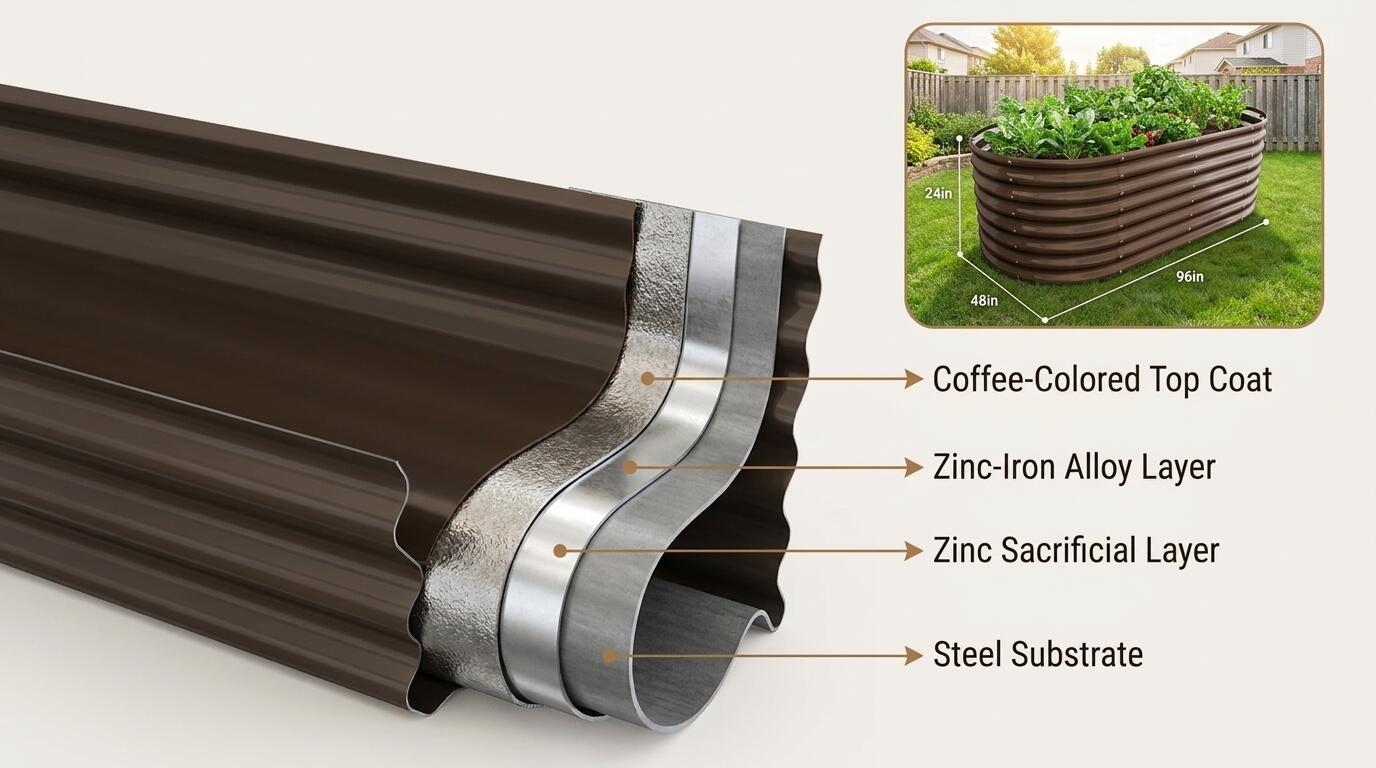
ALT: Cross-section diagram of galvanized steel coating thickness layers on a metal raised garden bed panel, illustrating rust-resistance protection mechanism
Advanced Considerations: Edge Cases, Misconceptions, and Coating Interactions
When Coating Thickness Alone Is Not Enough
In practice, the weakest points of any coated metal bed are not the flat panels — they are the cut edges, drilled holes, and welded joints where the manufacturing process may have thinned or disrupted the coating. A bed with a generally thick coating but poor edge treatment will still rust at those specific points, and those rust points will then spread laterally. This is why manufacturing process quality matters alongside coating specification: hot-dip galvanization after fabrication (rather than galvanizing the raw sheet before cutting and forming) provides substantially better edge coverage.
Similarly, beds assembled with uncoated or under-coated fasteners introduce a galvanic incompatibility risk. When two dissimilar metals contact one another in the presence of moisture, the less noble metal corrodes preferentially — in the worst cases, this means fasteners fail structurally before the panels show meaningful surface rust. Quality manufacturers specify coated or stainless fasteners matched to the panel coating system.
Common Misconceptions Worth Correcting
The most persistent misconception we encounter is the belief that a shiny, smooth surface finish signals a thick protective coating. In reality, electro-galvanized and some thin powder-coated surfaces are among the smoothest-looking finishes available, yet they may provide substantially less protection than a matte or slightly textured hot-dip galvanized surface. Visual smoothness is a function of the application process, not coating mass.
A second misconception is that any rust visible on the surface means the bed is failing structurally. White rust — a powdery zinc oxide and zinc carbonate compound that forms on galvanized surfaces early in their service life — is actually a sign that the zinc layer is performing correctly. It is the zinc oxidizing sacrificially, not the steel underneath corroding. True red-brown iron rust is the failure signal; white surface deposits on galvanized metal are not. Per information published by the American Galvanizers Association, white rust is a predictable and temporary phenomenon that typically stabilizes as the zinc surface weathers.
How Coating Interacts with Your Soil System
Soil chemistry is not a passive bystander in coating performance. Highly acidic soils accelerate zinc loss from galvanized surfaces. Per guidance from university cooperative extension programs across North America, most vegetable gardens benefit from a soil pH in the slightly acidic to neutral range (roughly 6.0–7.0), which is also the range least aggressive toward galvanized metal. Gardeners using amended soils or optimizing their soil composition for organic vegetable growing are simultaneously creating conditions that are gentler on the metal structure of their beds — a virtuous alignment of good gardening practice and material longevity.
Frequently Asked Questions
Q1: How does coating thickness directly translate into the number of years a metal raised bed will last?
Coating thickness determines how large the sacrificial zinc reservoir is. A thicker zinc layer means more zinc mass available to oxidize in place of the underlying steel, extending the protection window proportionally. In combination with quality manufacturing — proper edge coverage, matched fasteners, and consistent coating application — a robustly thick galvanized coating is what enables Anleolife to engineer its metal raised garden beds to a 20-year lifespan standard. Thinner coatings may show red rust within a few growing seasons in wet climates.
Q2: Is white rust on a galvanized garden bed a sign that the coating is failing?
White rust is not a sign of coating failure — it is evidence that the zinc layer is working correctly. According to the American Galvanizers Association, white rust is a zinc oxide and zinc carbonate compound that forms when a fresh galvanized surface is exposed to moisture before a stable zinc patina has developed. It is a temporary and largely cosmetic phenomenon that typically stabilizes with weathering. Red-brown iron rust, by contrast, indicates that the protective zinc layer has been depleted or breached and the steel substrate is directly corroding.
Q3: How much does local climate affect how quickly coating thickness gets consumed on a metal garden bed?
Climate affects coating consumption significantly. Coastal environments with salt-laden air, high-rainfall regions, and gardens in freeze-thaw climates all accelerate zinc depletion compared to dry interior climates. ASTM International's salt spray testing standards (ASTM B117) provide a laboratory proxy for this real-world variability. In practice, gardeners in coastal California, Florida, or the Pacific Northwest should prioritize the thicker end of the coating specification range, while those in arid climates may find mid-range coatings deliver the same effective service life. Delivery from Anleolife's nationwide warehouse network — reaching most addresses within 3–8 business days — means gardeners in every climate can access the right product without long lead times.
The Bottom Line
Coating thickness is the most consequential — and most overlooked — variable in metal raised garden bed performance. Here is what this article establishes:
- Zinc-based coating thickness determines the size of the sacrificial reservoir that protects steel from oxidation; thicker coatings provide proportionally longer rust resistance.
- Hot-dip galvanization and zinc-aluminum alloy coatings outperform electro-galvanized and powder-coat-only finishes in long-term outdoor garden environments, particularly at edges, fasteners, and weld points.
- White rust on galvanized surfaces is a normal, temporary phenomenon; red-brown iron rust is the true failure indicator.
- Soil chemistry and local climate interact with coating performance — maintaining near-neutral soil pH and choosing coating specifications matched to your climate zone both extend bed life.
- A bed engineered to a 20-year lifespan standard, like Anleolife's galvanized and rust-resistant lines, reflects the coating specification decisions described in this article — not marketing language, but material engineering choices.
The next step is straightforward: match the coating system to your climate, verify edge coverage and fastener quality, and invest in a product whose manufacturer is transparent about its specifications. That is the foundation of a raised bed garden layout built to last.
Ready to invest in a metal raised garden bed that is engineered — not just rated — for long-term rust resistance? Explore the full Anleolife range of galvanized steel and rust-resistant raised garden beds at the Anleolife website, or find the same consistent quality on Amazon, Walmart, Home Depot, Lowe's, and Wayfair. With a nationwide warehouse network spanning California, Texas, Florida, New York, Illinois, and Washington, most orders arrive in 3–8 business days — so your garden upgrade does not have to wait for the next growing season to begin.
References & Further Reading
- ASTM International. "ASTM B117 — Standard Practice for Operating Salt Spray (Fog) Apparatus."
https://www.astm.org/ - American Galvanizers Association. "Galvanizing for Corrosion Protection — Hot-Dip Galvanizing Standards and Performance."
https://www.galvanizedit.com/ - ISO (International Organization for Standardization). "ISO 1461 — Hot Dip Galvanized Coatings on Fabricated Iron and Steel Articles."
https://www.iso.org/ - U.S. Department of Agriculture — National Institute of Food and Agriculture. "Cooperative Extension — Soil Health and Garden Bed Management Resources."
https://www.nifa.usda.gov/ - Savvy Gardening. "4x8 Raised Bed Vegetable Garden Layout Ideas."
https://savvygardening.com/4x8-raised-bed-vegetable-garden-layout/
Note: Standards and technical specifications may be updated; please verify against the latest official documents or consult a professional advisor for your specific application.