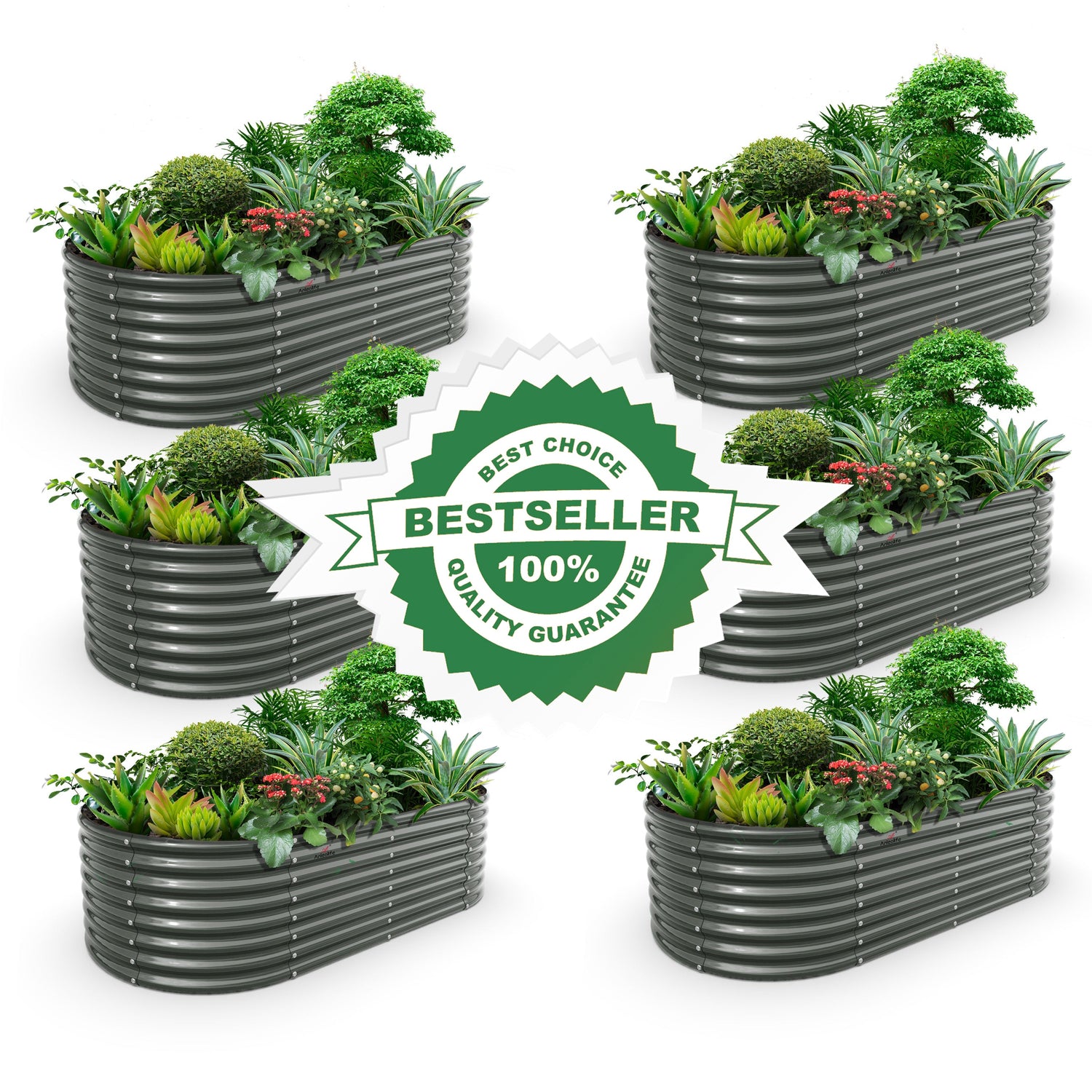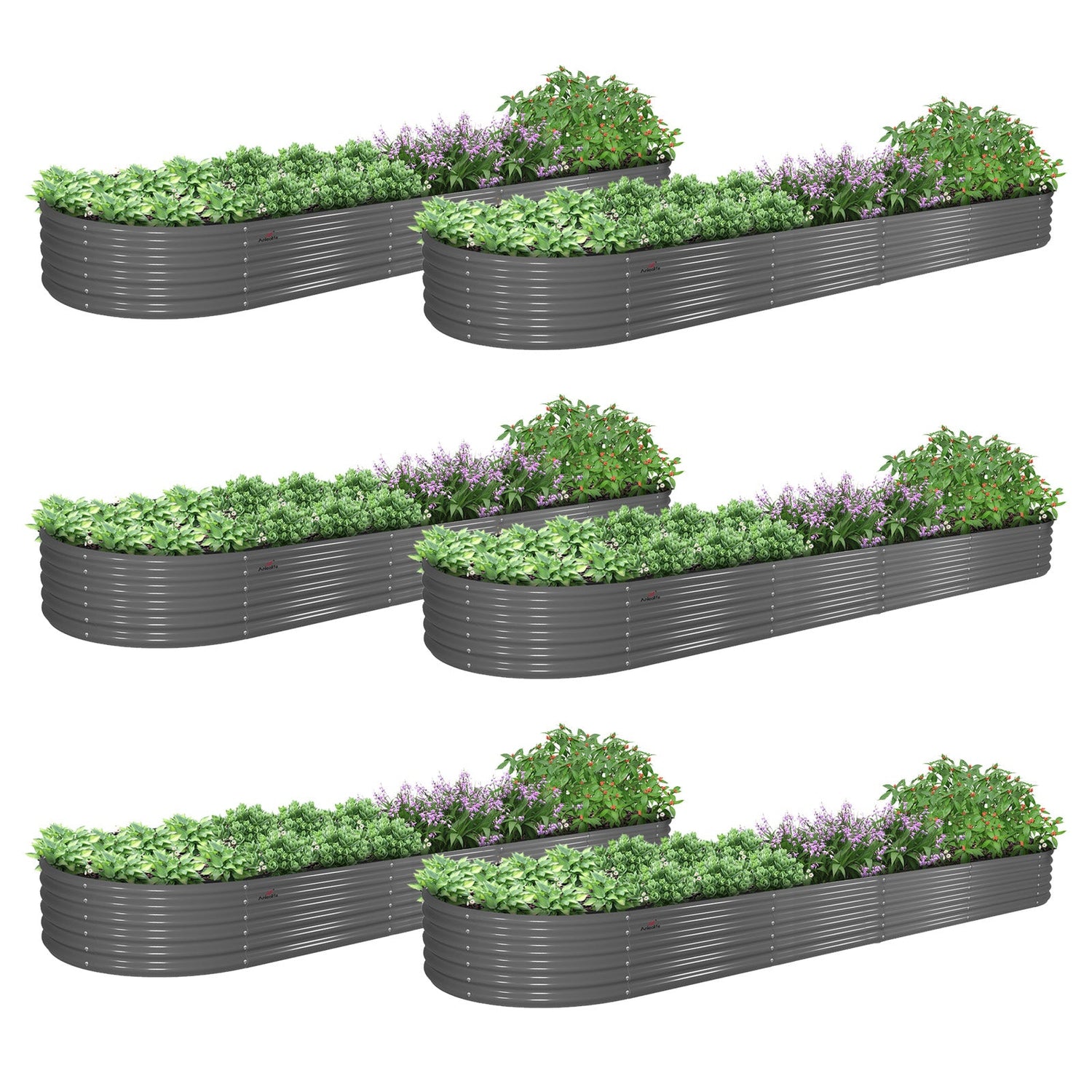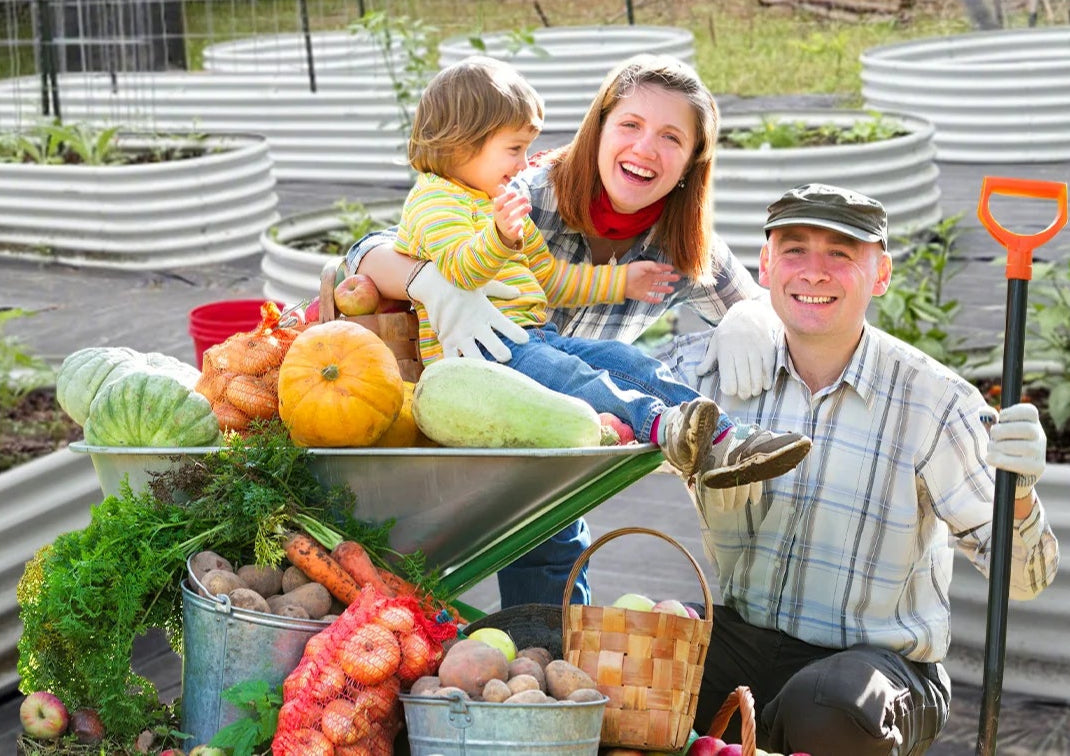



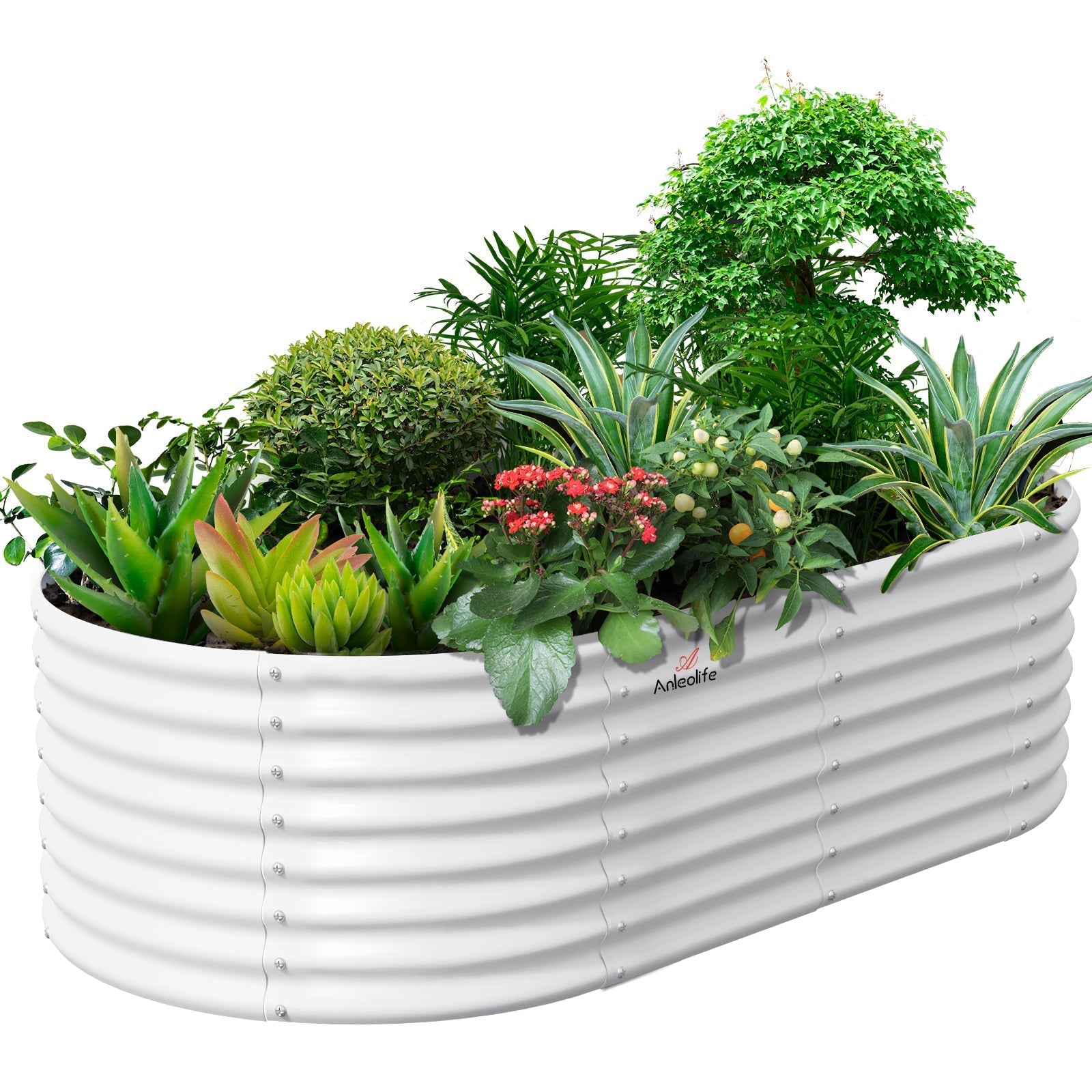
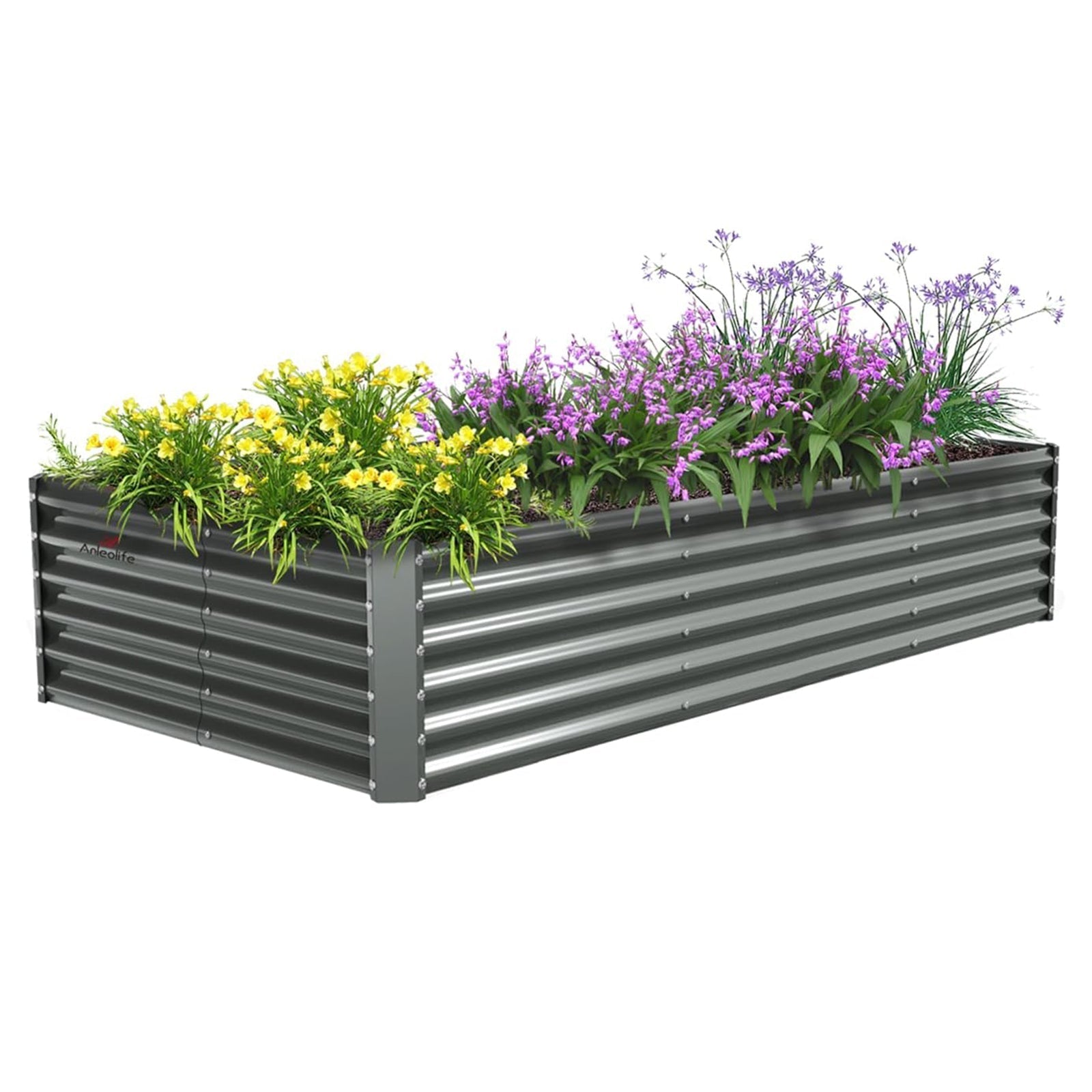

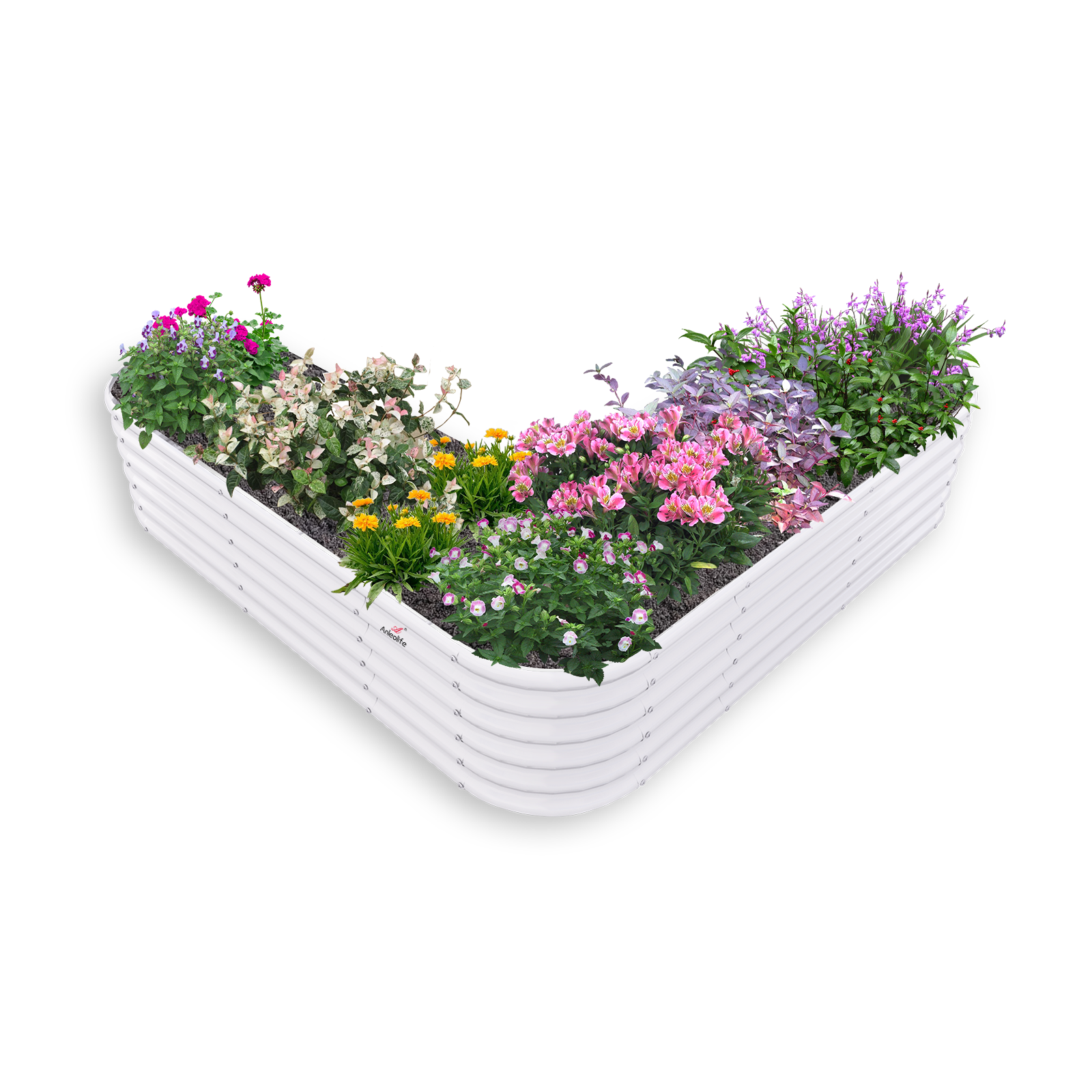
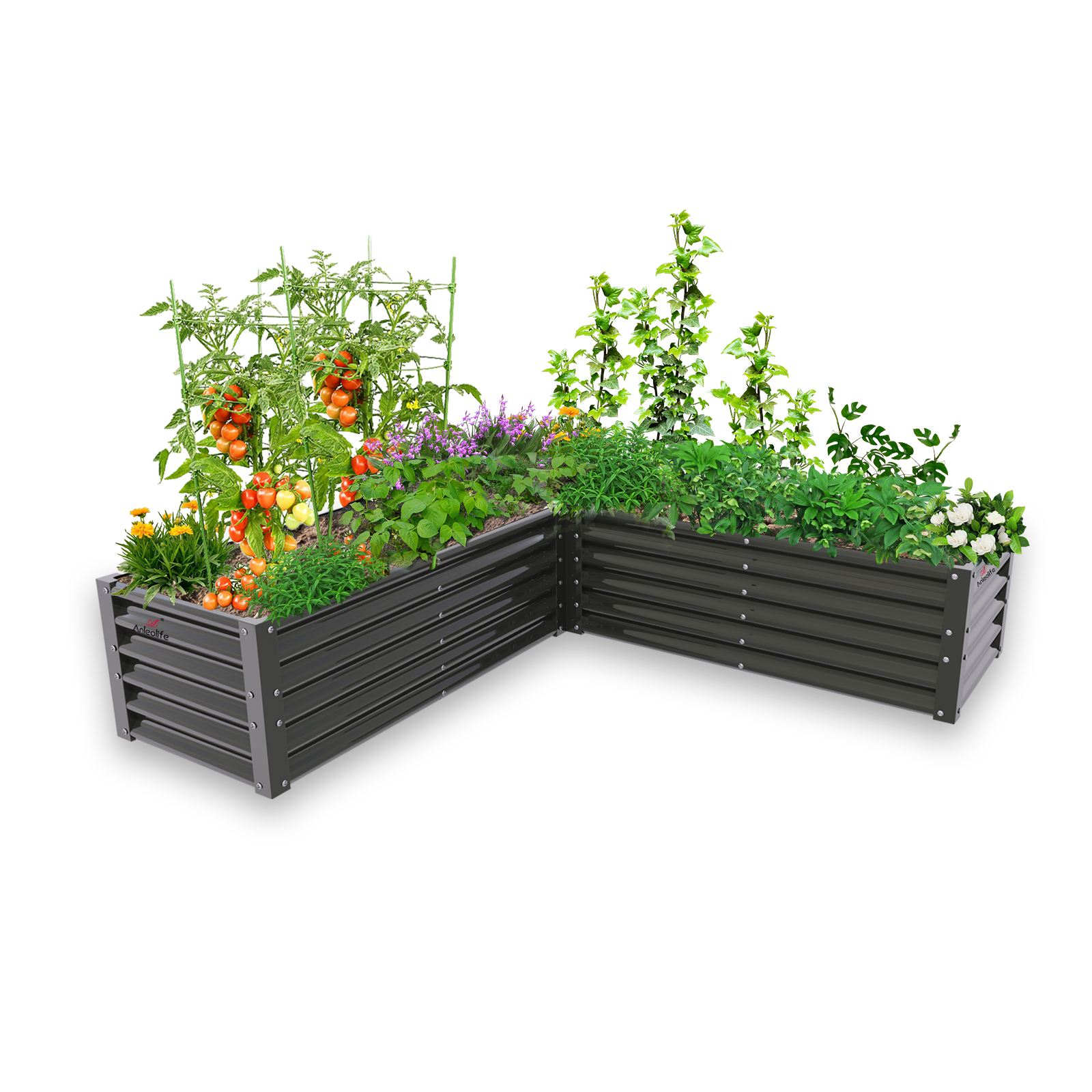
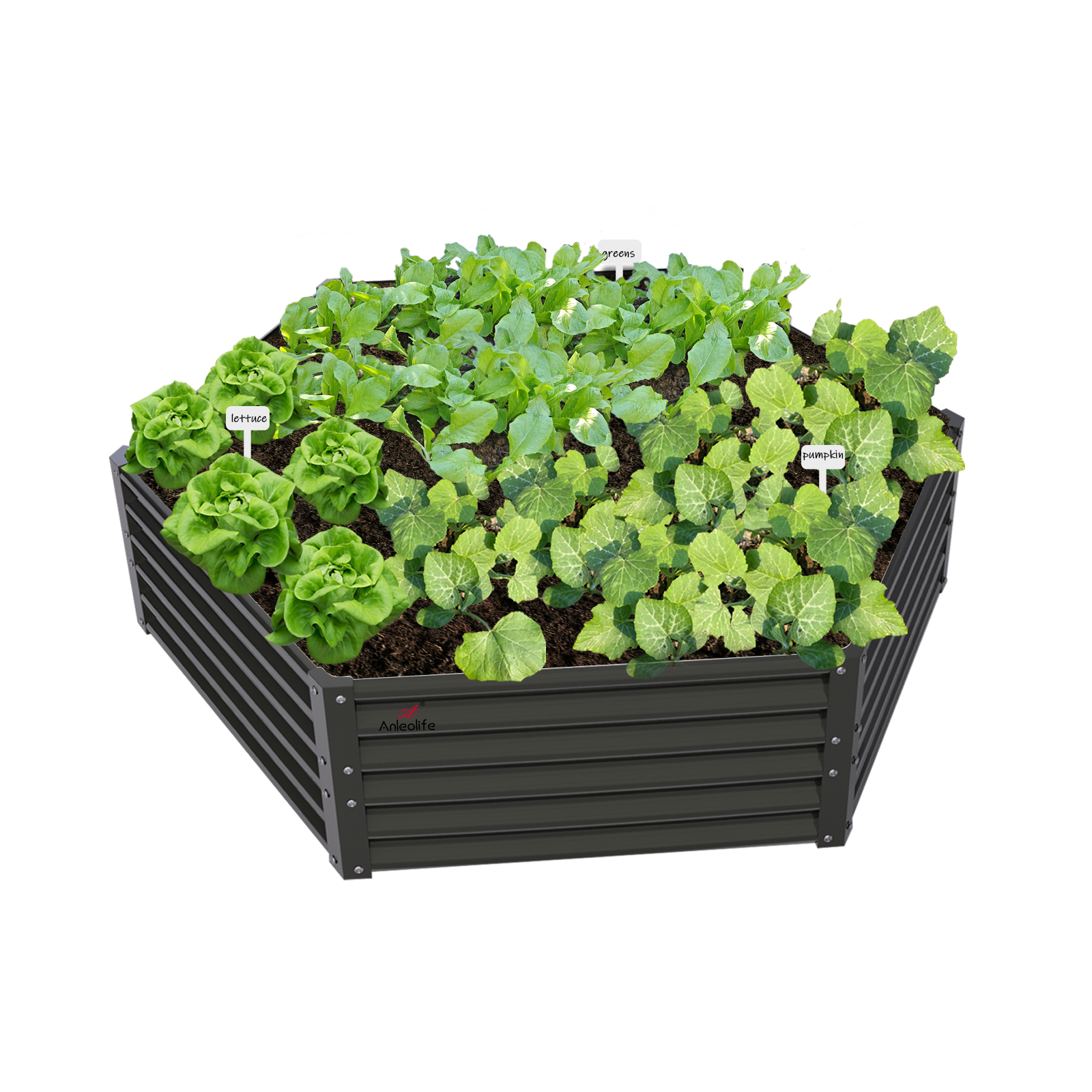



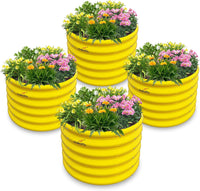
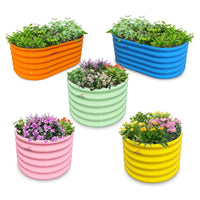
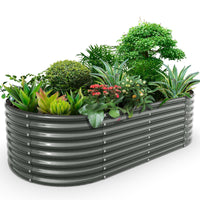




ALT: Home gardener harvesting fresh vegetables from a raised bed garden to save money annually
Why Growing Your Own Food Is the Smartest Financial Move You Can Make This Year
Key Conclusion: Growing your own food in a well-planned raised bed garden layout can realistically save the average American household hundreds—sometimes over a thousand—dollars annually on groceries. A thoughtful raised bed planting layout maximizes your yield per square foot, turning even a small backyard or patio into a productive food source. The right raised bed layout also reduces water waste, minimizes weeding labor, and extends your growing season, compounding your savings year after year.
If you've noticed your grocery bill creeping upward every season, you're not imagining it. Fresh produce prices have increased dramatically in recent years, and the trend shows no signs of reversing. The good news? You don't need a farm or a green thumb to take back control of your food budget.
Growing your own fruits, vegetables, and herbs is one of the most practical, satisfying, and financially rewarding lifestyle upgrades available to everyday homeowners. Whether you have a sprawling backyard or a compact urban balcony, the math consistently works in your favor—and the benefits go far beyond the bottom line.
Who This Guide Is For (And Who Should Proceed Carefully)
✅ Applicable Scenarios:
- Middle-class families looking to reduce monthly grocery spending without sacrificing fresh, quality produce
- Health-conscious and eco-minded homeowners who want to know exactly where their food comes from
- Urban micro-gardeners working with limited square footage who need maximum yield from a small footprint
- Empty nesters and retirees seeking a fulfilling, low-intensity daily activity that also delivers financial and nutritional value
❌ Not Applicable/Cautions:
- Renters in apartments without outdoor access, balcony space, or landlord permission for container gardening (though indoor setups may still be an option)
- Gardeners expecting immediate, first-season returns without any upfront investment in setup, tools, or quality soil—patience is key in year one
- Households in extreme climate zones (e.g., very short growing seasons or desert climates) who haven't yet researched season extension or climate-appropriate crop selection
The Real Cost of Buying Produce at the Grocery Store
American families spend an average of $400–$600 per month on groceries, with fresh fruits and vegetables accounting for roughly 10–15% of that total, according to data from the USDA Economic Research Service. That's $480–$1,080 annually on produce alone—and those numbers have only climbed post-pandemic.
The bigger issue is value erosion. By the time a head of lettuce or a bunch of basil travels from a farm in California or Mexico to your local grocery store, it has already spent days in refrigerated transit. Nutritional density decreases with time, and the price you pay at the register reflects not just the food, but fuel costs, packaging, labor, retailer markup, and supply chain risk.
Grocery inflation has averaged 5–8% annually over the past few years. If you spend $600 per year on produce today, that same basket of vegetables could cost $720–$800 in just two or three years. Growing your own food essentially locks in a zero-inflation food supply for the crops you choose to grow.
What makes home gardening even more compelling from a financial perspective is the yield multiplier effect. A single packet of tomato seeds costs $2–$4 and can produce 10–20 plants. Each plant, in a healthy raised bed with adequate sun and water, can yield 10–20 pounds of tomatoes over a season. At grocery store prices of $2–$4 per pound for quality tomatoes, one seed packet can generate $200–$1,600 worth of produce. That's not a rounding error—that's a genuine return on investment.
The key to unlocking this potential is starting with the right infrastructure. Raised bed gardening has emerged as the gold standard for home food production, and for good reason: it gives you control over your soil, your layout, and your productivity from day one.
For a deeper dive into maximizing your garden's potential, exploring resources from the UC Cooperative Extension—which provides region-specific guidance for home growers—is an excellent starting point.
How to Start Saving Money with a Raised Bed Garden: A Practical Roadmap
Three Steps to Get Your Food-Saving Garden Up and Running
Step 1: Choose Your Crops Strategically (Time: 1–2 Hours of Research)
Not all vegetables are created equal when it comes to savings. Focus first on "high-value crops"—produce that is expensive at the store, easy to grow in a raised bed, and prolific in its yield. Tomatoes, salad greens, herbs (especially basil, cilantro, and parsley), cucumbers, zucchini, and snap peas consistently top the savings chart. A single basil plant, for example, which costs $3–$4 at the grocery store per bunch, can be harvested weekly throughout the warm season. Spend an hour mapping out which items you buy most frequently, then cross-reference with crops that thrive in your USDA hardiness zone.
Step 2: Design Your Raised Bed Layout for Maximum Yield (Time: 2–4 Hours)
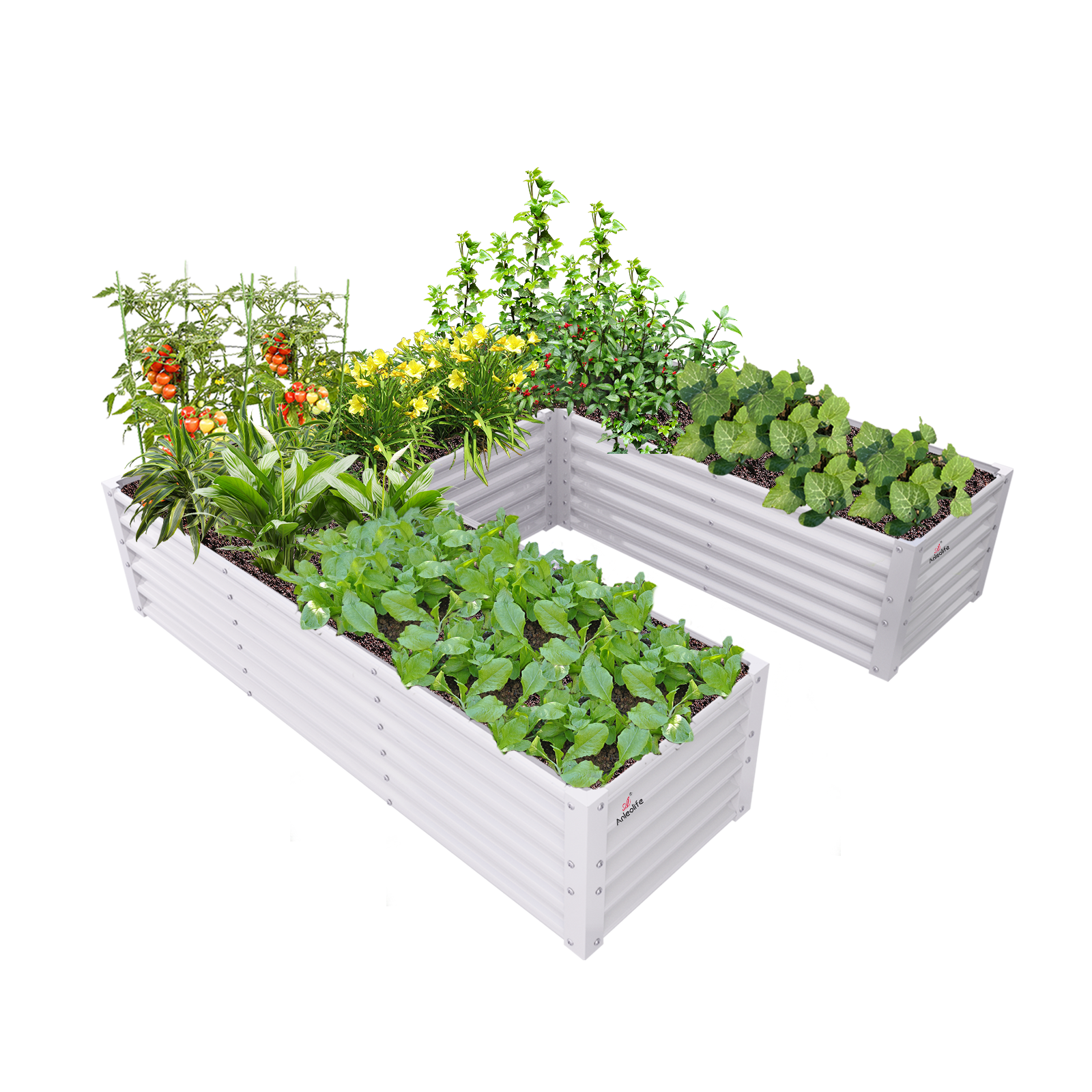
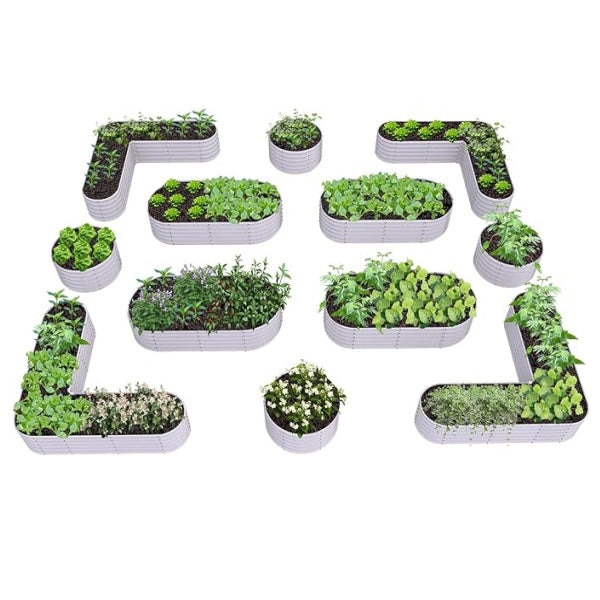
A well-designed raised bed garden layout does the heavy lifting so you don't have to. The most popular and productive configuration is the 4x8-foot bed, which is accessible from both sides without stepping on the soil. Within this footprint, use square foot gardening principles as your raised bed planting layout framework: one tomato plant per square foot, 16 carrots per square foot, four lettuce plants per square foot, and so on. This dense planting method crowds out weeds, retains moisture, and maximizes output per square inch. A well-planned raised bed layout can yield 2–5 times more food per square foot than traditional in-ground row gardening.
Step 3: Invest in Quality Infrastructure Once, Harvest for Decades (Time: 1–2 Days for Setup)
The most important financial decision you'll make as a new food gardener is choosing your raised bed materials. Cheap wood rots within 2–4 years. Pressure-treated lumber contains chemical concerns for food gardens. The clear long-term winner is galvanized steel. A quality metal raised garden bed, like those offered by Anleolife, is built to last 20 years—meaning your one-time setup cost is amortized across two decades of harvests. Factor in that your bed produces even conservatively $300–$500 worth of produce per year, and the math becomes compelling very quickly.
Raised Bed Materials Comparison: What's Actually Worth Your Money?
Choosing the right bed material is one of the most consequential decisions for both your budget and your peace of mind. Let's break down the three most common options:
Introductory note: Many new gardeners default to whatever is cheapest at the hardware store, but total cost of ownership over five or ten years tells a very different story. Here's how the main solutions stack up:
| Comparison Dimension | Untreated Wood | Composite/Plastic | Galvanized Steel (Anleolife) |
|---|---|---|---|
| Average Lifespan | 3–5 years | 5–10 years | 20 years |
| Upfront Cost | Low ($30–$80) | Medium ($80–$150) | Medium-High ($120–$250) |
| Annual Amortized Cost | $10–$25/year | $10–$20/year | $6–$12/year |
| Food Safety | Concerns with treated wood | Variable (UV degradation) | ✅ Food-safe galvanized steel |
| Structural Integrity | ❌ Warps, rots, collapses | Partial (fades, cracks) | ✅ Maintains shape for decades |
| Weather Resistance | ❌ Poor | Moderate | ✅ Excellent |
| Aesthetic Appeal | Moderate | Low-moderate | ✅ Clean, modern appearance |
| Best For | Short-term/trial gardens | Moderate use | ✅ Long-term investment gardeners |
The conclusion is clear: when you're serious about growing food as a long-term savings strategy, galvanized metal raised beds represent the lowest cost per year and the highest reliability. Their rigid walls maintain consistent depth for root development, and the smooth interior doesn't harbor pests or disease the way weathered wood can.
The Real Numbers: How Much Can You Actually Save?
Let's get specific, because vague promises about "saving money" aren't useful. Here's a realistic annual savings breakdown for a typical home garden with two 4x8-foot raised beds:
Estimated Annual Yield Value (two 4x8 beds, full season)
A modest but well-managed garden with two standard raised beds, growing a mix of tomatoes, cucumbers, zucchini, lettuce, herbs, and peppers, can conservatively yield:
- Tomatoes: 30–60 lbs × $2.50/lb = $75–$150
- Salad greens: 20+ continuous harvests × $4 per equivalent bag = $80–$120
- Cucumbers: 30–50 per season × $1 each = $30–$50
- Zucchini: 20–40 per season × $1.50 each = $30–$60
- Fresh herbs (basil, parsley, cilantro): $5–$10/week for 16–20 weeks = $80–$200
- Peppers: 20–40 per season × $1.50 each = $30–$60
Total estimated annual grocery value: $325–$640 from two 4x8 beds
Now subtract your costs. Seeds for all the above: $25–$50. Quality soil and compost for initial fill (one-time, topped off annually): $100–$200 first year, $30–$50 in subsequent years. Water: roughly $15–$25 extra per month during the growing season.
First-year net savings: $75–$400
Subsequent years' net savings: $200–$550+ annually
And that's a conservative estimate. Gardeners who expand to three or four beds, add a season extension tunnel, and grow through early spring and late fall routinely report savings exceeding $800–$1,200 per year.
The Compounding Benefit of Soil Quality
One often-overlooked savings accelerator is your soil. Raised bed soil improves every year as you add compost, worm castings, and organic matter. What starts as a purchased mix becomes a rich, living ecosystem that produces bigger yields with fewer inputs. By year three or four, your soil is dramatically more productive than year one—without proportionally higher costs. This is why the 20-year lifespan of a quality metal raised bed matters so much: your best gardening years are ahead of you, not behind.
Growing Food as Inflation Insurance
Here's a perspective shift worth considering: growing your own food isn't just about what you save today—it's about protecting yourself from what you'll pay tomorrow. Grocery prices are subject to fuel costs, drought, supply chain disruptions, and seasonal shortages. Your garden is not. Once your infrastructure is in place and your soil is established, your production cost per pound of produce actually decreases over time, even as grocery store prices continue to climb.
Beyond Vegetables: Herbs, Berries, and Perennial Savings
Don't overlook perennial crops when planning your garden economy. Strawberries, once established, return every year. Chives, mint, and oregano are essentially permanent once planted. Asparagus beds, which take two to three years to establish, then produce for 15–20 years. These perennial plantings are your garden's compounding interest—they keep paying dividends without replanting costs.

ALT: Organized raised bed garden layout with tomatoes, herbs, and vegetables producing abundant food savings for a home gardener
Advanced Strategies: Making Your Garden Savings Work Harder
Season Extension and Preservation
The biggest limitation on home garden savings is the growing season. In many U.S. regions, frost cuts the productive period to just 4–6 months. You can dramatically extend this window—and your savings—with a few strategic moves.
Row covers and cold frames can add 4–6 weeks on either end of the season, allowing you to harvest salad greens into December and start seedlings in February in most of the country.
Food preservation is the other half of the equation. Learning to can, freeze, ferment, or dry your surplus harvest means your garden's productivity extends into the months when you're not actively growing. A bumper crop of tomatoes in August becomes pasta sauce in January. Excess zucchini becomes frozen shredded zucchini ready for winter baking.
Common Misconceptions That Kill Garden Savings Potential
Misconception 1: "You need a big yard to save real money."
False. Some of the most productive home gardens in America are on urban patios and rooftop terraces. A 4x4-foot raised bed in a sunny corner of a balcony, planted with salad greens and herbs, can realistically save $200–$400 per year in produce costs.
Misconception 2: "Organic gardening is expensive."
Not in a raised bed. Because you control the soil and the growing environment, you naturally reduce the need for chemical inputs. Companion planting, good drainage, and healthy soil biology handle most pest and disease issues organically.
Misconception 3: "First-year setup costs cancel out the savings."
Only if you choose the wrong infrastructure. Cheap beds that need replacing every three years actually cost more over a decade than quality steel beds that last 20 years. The math firmly favors the quality-first approach.
Frequently Asked Questions FAQ
Q1: How much space do I actually need to start saving money on groceries with a raised bed?
You can begin generating meaningful savings with as little as one 4x8-foot raised bed, which requires approximately 32 square feet of flat outdoor space. Focusing on high-value crops like herbs, salad greens, and tomatoes in this footprint can realistically offset $200–$400 in annual grocery spending. Adding a second bed of the same size can more than double that figure, and expanding to a 4x8x2 configuration gives roots even more room to develop.
Q2: Are metal raised garden beds safe for growing food?
Yes—high-quality galvanized steel raised beds, like those from Anleolife, are food-safe and widely recommended by gardening experts. The zinc coating used in galvanization creates a natural, non-toxic barrier that resists rust and corrosion. Numerous studies and extension service guidelines confirm that the trace amounts of zinc that may migrate into soil are negligible and actually a beneficial micronutrient for plants. Anleolife's beds are specifically designed for food gardening applications and are built to last 20 years.
Q3: How long does it take to see real financial return from a home vegetable garden?
Most gardeners recoup their initial setup costs within the first or second growing season, depending on crop selection and bed size. A conservatively managed 4x8 raised bed with a one-time setup cost of $200–$300 (including bed, soil, and seeds) typically generates $300–$500 worth of produce in its first full year—resulting in a net positive return of $0–$300 in year one. By year two, when soil is established and infrastructure costs are already paid, annual net savings typically reach $250–$550 or more.
Summary
Growing your own food is one of the most financially sound, personally satisfying, and health-positive decisions a family can make in today's economic environment. Three core takeaways from this guide:
First, the savings are real and well-documented. Two standard raised beds with a smart planting layout can generate $300–$600+ in annual grocery value, with net savings growing every year as your soil matures and your skills sharpen.
Second, the right infrastructure is the foundation of long-term success. A quality galvanized metal raised bed with a 20-year lifespan amortizes to just $6–$12 per year—less than a single bunch of organic basil—while providing two decades of productive harvests.
Third, strategic planning multiplies your returns. A thoughtful raised bed garden layout, high-value crop selection, season extension techniques, and basic food preservation can turn even a modest garden space into a genuine inflation hedge and a meaningful source of nutritional security for your family.
The best time to start was last spring. The second-best time is right now.
Start Your Food-Saving Garden with Anleolife
Nationwide U.S. warehouse network: Strategically located in California, Texas, Florida, New York, Illinois, and Washington to ensure delivery within 3–8 business days—so your garden upgrade plans never have to wait.
Multi-channel sales network: Products are available on major e-commerce platforms including Amazon, Walmart, Home Depot, Lowe's, and Wayfair, as well as the official website Anleolife.com, providing consistent quality assurance and comprehensive after-sales service.
Three core garden scenarios: Planting (metal raised garden beds, soil systems), Raising (chicken coops, rabbit hutches), and Beautification (decorative accessories, pathway systems)—meeting your complete needs from functionality to aesthetics.
Upgrade your garden with Anleolife. We understand that an ideal garden is not built overnight, but gradually improved over time. Our modular product design allows flexible expansion based on your needs—from your first 4x8x2 raised garden bed to a fully integrated planting-and-raising ecosystem. We grow with you every step of the way.
References
This article is based on the following official materials (as of January 2026):
- [USDA Economic Research Service]. "Food Expenditure Series." https://www.usda.gov/
- [UC ANR – UC Cooperative Extension]. "Home Vegetable Gardening Resources and Guidelines." https://ucanr.edu/
- [OSU Extension]. "Raised Bed Gardening: Productive Food Growing for Home Gardeners." https://extension.oregonstate.edu/
- [EPA]. "Reducing Food Waste and Building Healthy Soil Through Composting." https://www.epa.gov/
Note: Gardening best practices and economic data may be updated seasonally. Please check the latest official documents or consult local extension service advisors for region-specific guidance.
About Anleolife
Anleolife is a leading outdoor garden solutions provider in North America, dedicated to offering a full-scenario product ecosystem for home gardening enthusiasts, covering planting, raising, and garden beautification. Since its founding, we have upheld our brand mission, "Made for Garden Life," continuously innovating products and optimizing services to help hundreds of thousands of users upgrade their gardens, reconnect with nature, and enjoy a better garden lifestyle.