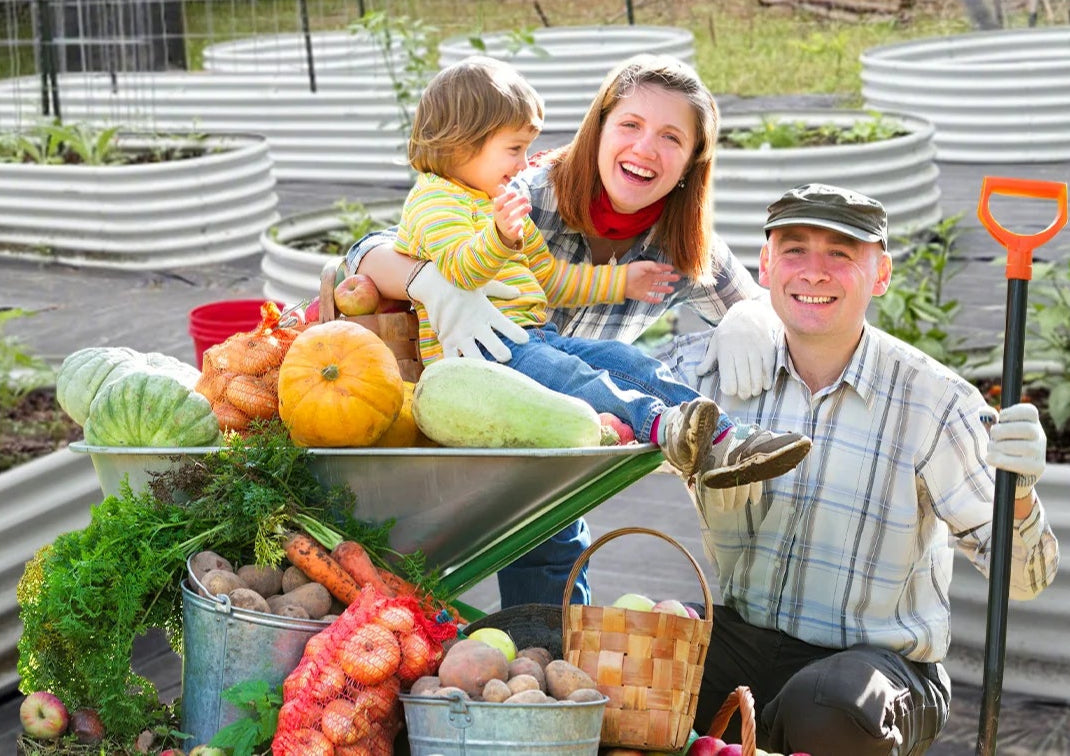




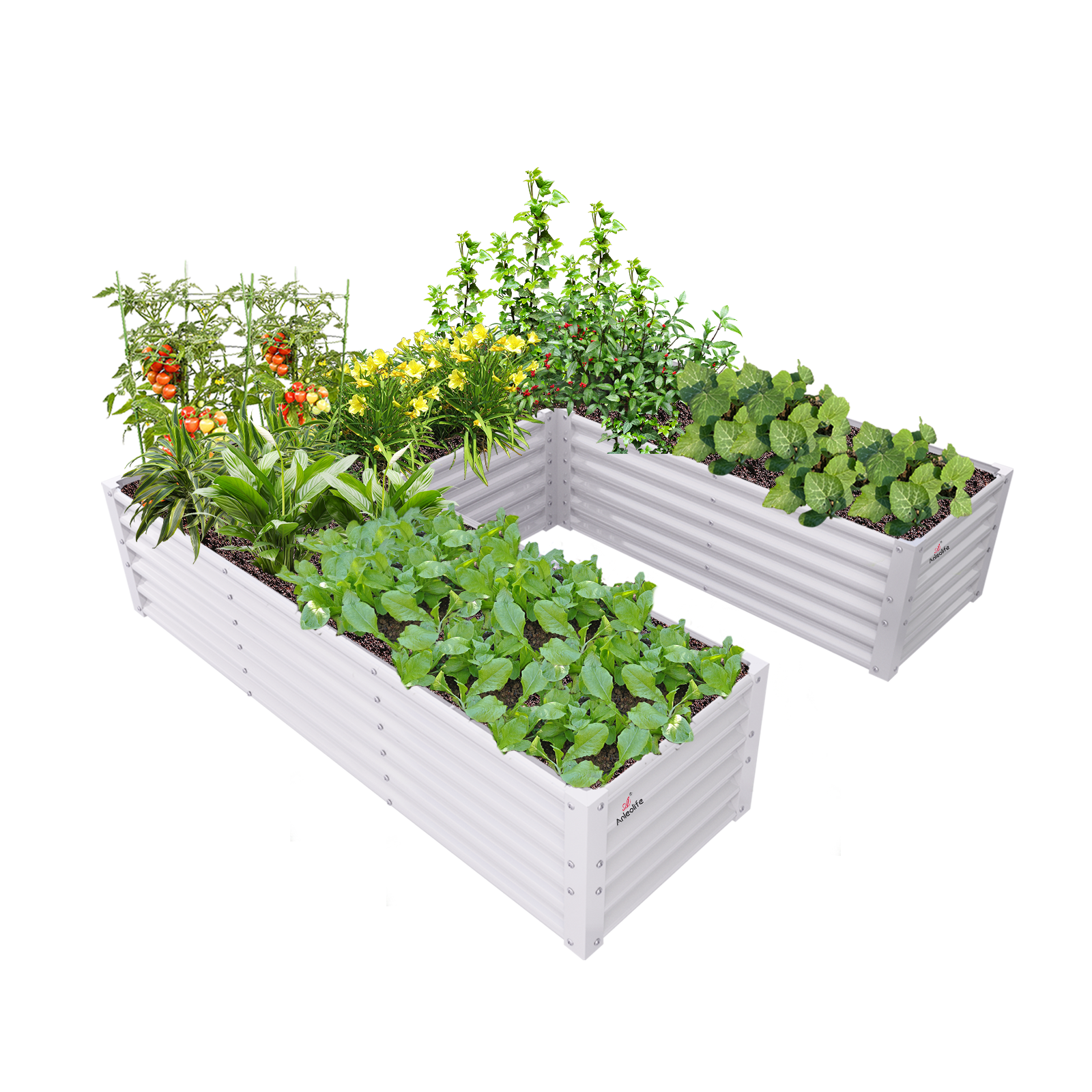

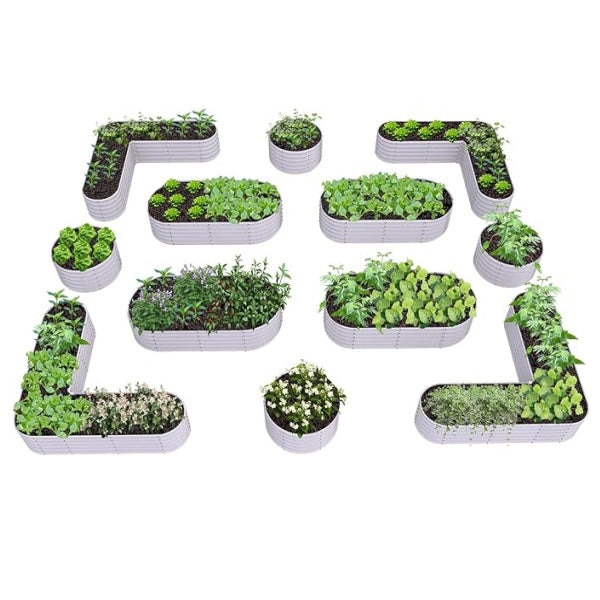


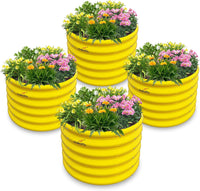
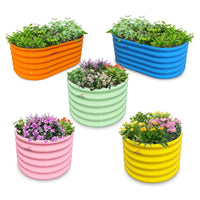
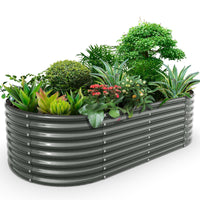



ALT: Family saving money by growing their own vegetables in raised garden beds at home
How Growing Your Own Food Saves You Hundreds of Dollars Every Year on Groceries
Key Conclusion: Growing your own food through vegetable gardening is one of the most effective ways to reduce household grocery bills — with many home growers saving hundreds of dollars annually. By investing in raised garden beds and building a productive planting system, families can harvest fresh, organic-quality produce at a fraction of supermarket prices. Whether you're a beginner with a small patio or an experienced grower with a full backyard, the financial and health rewards of home food production are well within reach.
Grocery prices have been climbing steadily, and many middle-class families are looking for practical ways to offset the rising cost of fresh produce. Home vegetable gardening is not just a hobby — it's a measurable money-saving strategy. Studies and real-world experience consistently show that a well-planned kitchen garden can slash your annual produce spending significantly, while also delivering fresher, healthier food directly to your table.
Beyond savings, growing your own vegetables gives you control over what goes into your food — no unknown pesticides, no long supply chains, and no compromises on freshness. When you combine smart garden planning with durable, long-lasting infrastructure like best galvanized raised garden beds, the economics become even more compelling: a single investment in quality beds can yield returns for up to 20 years.
Who Benefits Most from Growing Their Own Vegetables
✅ Applicable Scenarios:
- Homeowners with a backyard, patio, or even a balcony who want to reduce grocery costs
- Health-conscious families who want pesticide-free, organic-quality produce without premium supermarket prices
- Retirees and empty nesters with time to invest in a productive, rewarding garden hobby
- Urban micro-gardeners looking for compact vegetable garden bed ideas in small outdoor spaces
- Eco-conscious growers who want to reduce food miles and packaging waste
❌ Not Applicable/Cautions:
- Renters without outdoor space or landlord permission to install garden infrastructure
- Gardeners expecting immediate large-scale returns without initial setup investment or time commitment
- Those in regions with extreme growing limitations (e.g., very short frost-free seasons) without access to season-extension tools like cold frames or grow lights
The Real Cost of Grocery Store Produce — And Why It Keeps Going Up
Food inflation has been a persistent challenge for American households. According to the USDA Economic Research Service, food-at-home prices have increased significantly over recent years, with fresh fruits and vegetables among the most affected categories. The average American family spends a substantial portion of their monthly budget on produce — costs that quietly compound year after year.
What many shoppers don't realize is how much markup exists between farm and fork. By the time organic tomatoes or salad greens reach your supermarket shelf, they've passed through distribution centers, packaging facilities, and multiple intermediaries — each adding cost. Growing the same crops at home eliminates nearly all of those markups.
The math is straightforward: a packet of heirloom tomato seeds might cost a dollar or two, a bag of quality soil amendment a bit more — yet the harvest from a single tomato plant can yield many pounds of produce over a season. Multiply that across a few raised beds planted with high-value crops like cherry tomatoes, lettuce, herbs, and peppers, and you're looking at meaningful savings that can easily reach hundreds of dollars annually.
For those just starting out, exploring resources like The 15 Best Vegetables to Grow in a Raised Garden Bed for Beginners is an excellent way to identify which crops deliver the best return on your growing investment. And if you're comparing bed materials before committing, Galvanized Steel vs. Wood Raised Garden Beds: Which Is Better for Your Backyard? breaks down the long-term cost differences in detail.
Your Complete Roadmap to Saving Money with a Home Vegetable Garden
Three Steps to Get Your Money-Saving Garden Started
Step 1: Calculate Your Potential Savings Before You Plant
Before spending a dollar on seeds or soil, spend 30 minutes making a list of the fresh vegetables and herbs your household buys regularly. Note the approximate monthly cost for each. High-value items — organic herbs, heirloom tomatoes, salad greens, peppers — offer the best return when grown at home. This simple exercise gives you a personalized savings target and helps you prioritize which crops to grow in your first season, keeping your investment focused and your returns maximized.
Step 2: Choose the Right Raised Bed Setup for Your Space
The infrastructure you choose matters enormously for long-term savings. A quality raised garden bed that lasts 20 years delivers far better value than a cheap wooden box that rots in three seasons. Measure your available outdoor space, consider how much sun it receives, and select a bed size that matches your ambitions. For most beginners, an 8x4 ft bed is a practical starting point — large enough to grow a meaningful variety of crops, compact enough to manage easily. Anleolife's galvanized steel and rust-resistant beds come in a wide range of sizes to match any space.
Step 3: Plant High-Value, High-Yield Crops First
Maximize your return in the first season by prioritizing crops that are expensive at the store but easy to grow at home. Cherry tomatoes, basil, parsley, kale, lettuce, and peppers consistently deliver the best dollar-per-square-foot return in a vegetable garden. Once your core beds are productive and you've built confidence as a grower, you can expand into longer-season crops like winter squash, sweet potatoes, or garlic — all of which store well and extend your savings beyond the summer months.
Comparing Garden Bed Options: Which Setup Saves You the Most Money Long-Term?
The type of garden bed you invest in will directly impact your long-term savings. A bed that needs replacing every few years costs more over a decade than a higher-quality option purchased once. Here's how the most common options compare:
| Comparison Dimension | Untreated Wood Beds | Galvanized Steel Beds | Rust-Resistant Metal Beds |
|---|---|---|---|
| Typical Lifespan | 3–7 years (depending on climate) | Up to 20 years | Up to 20 years |
| Replacement Cost Over 20 Years | High (multiple replacements) | Low (single purchase) | Low (single purchase) |
| Pest & Rot Resistance | Low | High | High |
| Soil Containment | Moderate | Excellent | Excellent |
| Aesthetic Appeal | Classic | Modern, sleek | Modern, varied finishes |
| Best For | Low-budget start, mild climates | Long-term value, all climates | Humid/coastal environments |
Anleolife's best metal raised beds are engineered for a 20-year lifespan, meaning you're amortizing your setup cost over two decades of harvests. Compared to replacing wooden beds every few years, the total ownership cost is dramatically lower — and the structural reliability means you never lose a growing season to a collapsing bed wall.
If you're deciding between a kit and a custom DIY build, the article Raised Garden Bed Kits vs. DIY Build: A Real Cost Comparison offers a thorough breakdown that can help you make the most financially informed decision.
Choosing the Best Raised Garden Beds for Maximum Yield and Savings
Size and Height: Matching Your Bed to Your Goals
One of the most important decisions in setting up a money-saving vegetable garden is selecting the right bed dimensions. Bed size determines how much you can grow; bed height determines root depth and your physical comfort while working.
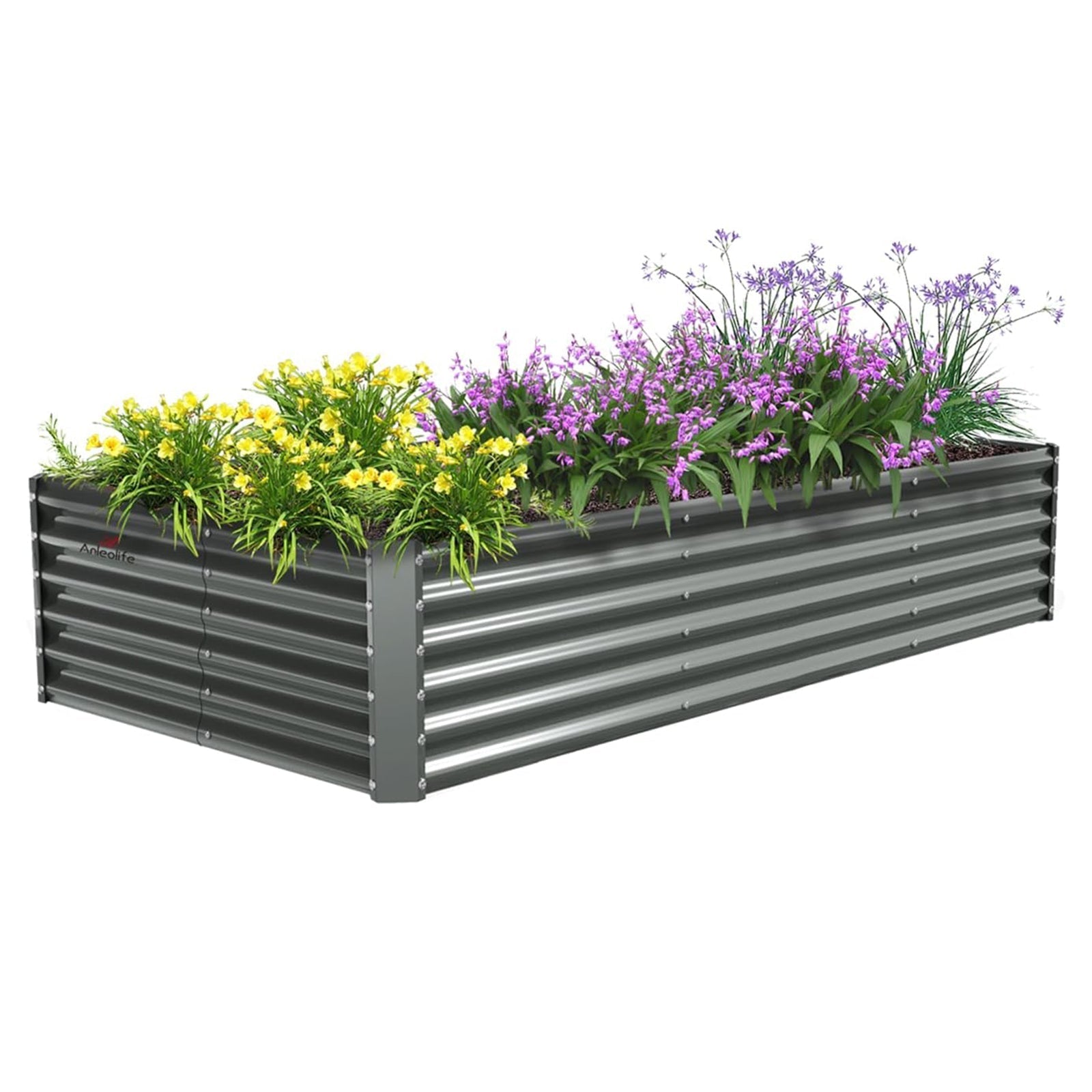
Anleolife offers an impressive range of sizes across its product lines. The Galvanized Steel Raised Garden Beds span from compact options like the 12x3 ft and 4x4 ft configurations to expansive setups like 12x3 ft at 18" tall — suitable for serious home growers. For deeper-rooted crops like carrots, potatoes, and tomatoes, the Extra Tall options at 24", 30", and even 35" waist-high designs eliminate the need to bend down entirely, which is particularly valuable for retirees and older gardeners who want to keep growing without physical strain.
For most families just starting out, the 18" Tall 8x4 ft configuration offers an ideal balance: enough growing area to produce meaningful quantities of vegetables, with a height that provides good root depth without requiring excessive amounts of soil fill.
Galvanized Steel vs. Rust-Resistant: Understanding the Difference
Anleolife's two flagship metal bed lines each serve different needs. The Galvanized Steel Raised Garden Beds are built for long-term structural strength, with the zinc coating providing excellent protection against corrosion in most climates. The Rust-Resistant Raised Garden Beds are specially formulated for environments with higher humidity, coastal salt air, or heavy rainfall — conditions that can challenge standard galvanized finishes over time.
Both product lines are designed for a 20-year lifespan, making them among the best raised garden beds available for long-term value. To understand whether metal beds are safe for food growing, Are Metal Raised Garden Beds Safe for Vegetables? is a must-read before you make your decision.
The Modular Advantage: Grow as Your Savings Grow
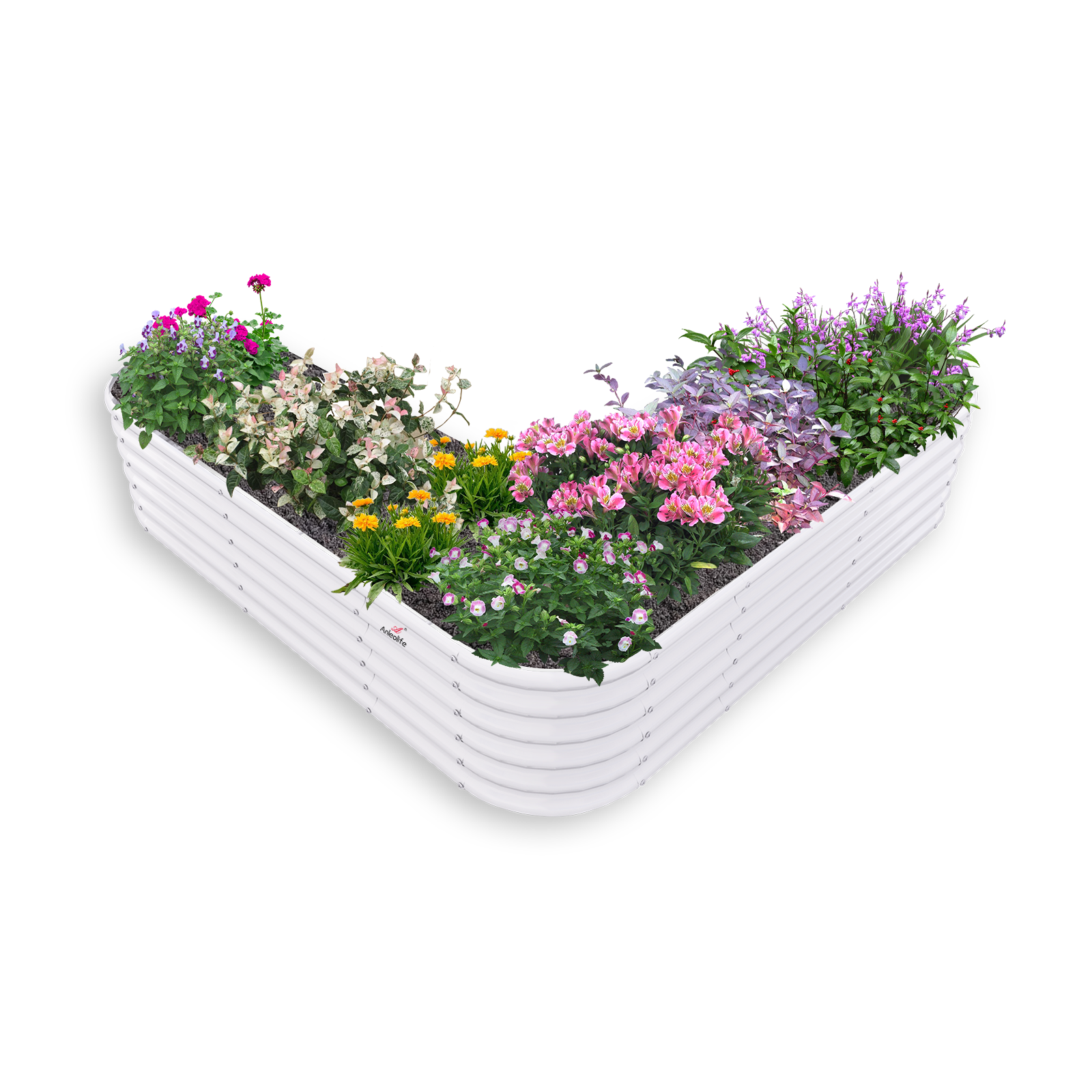
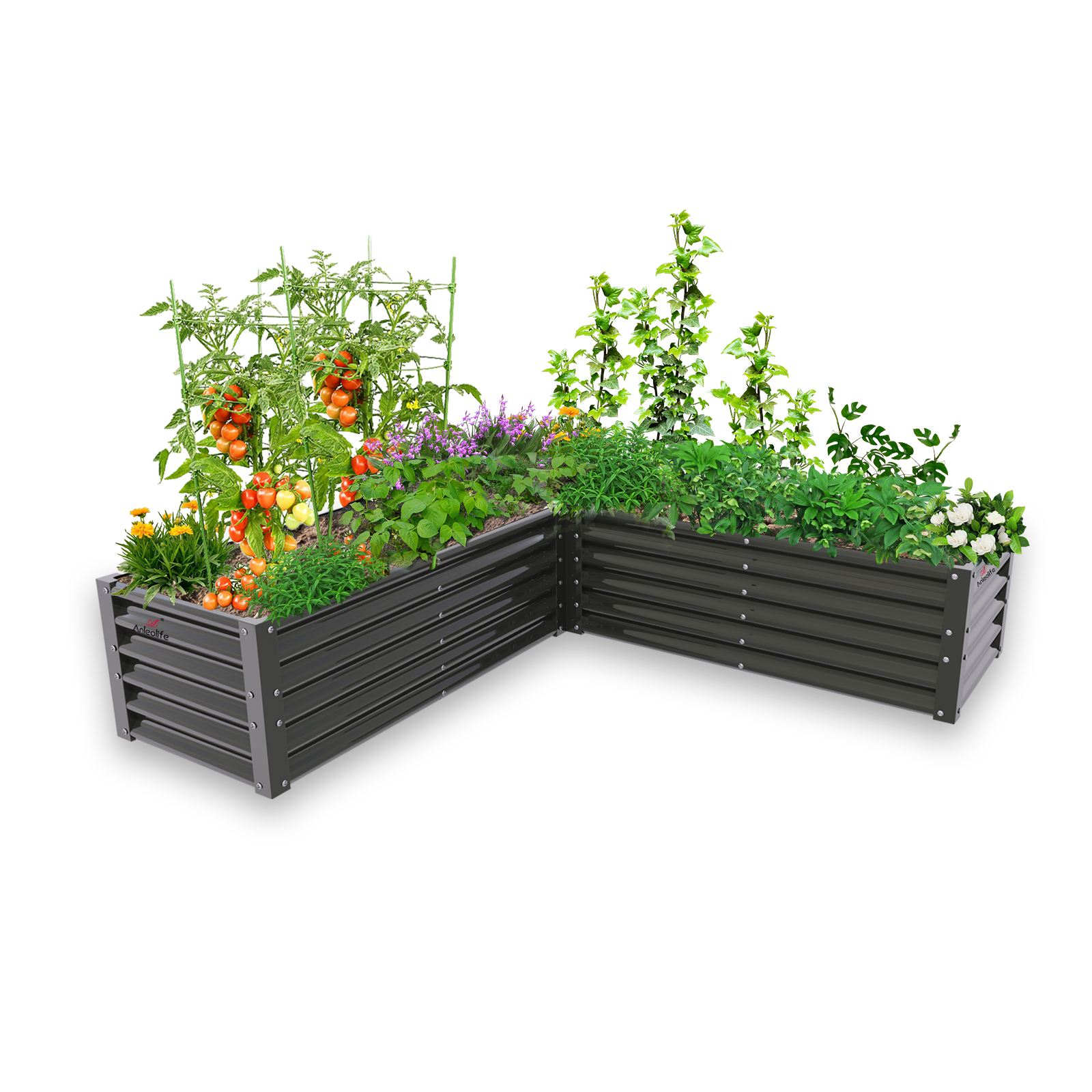
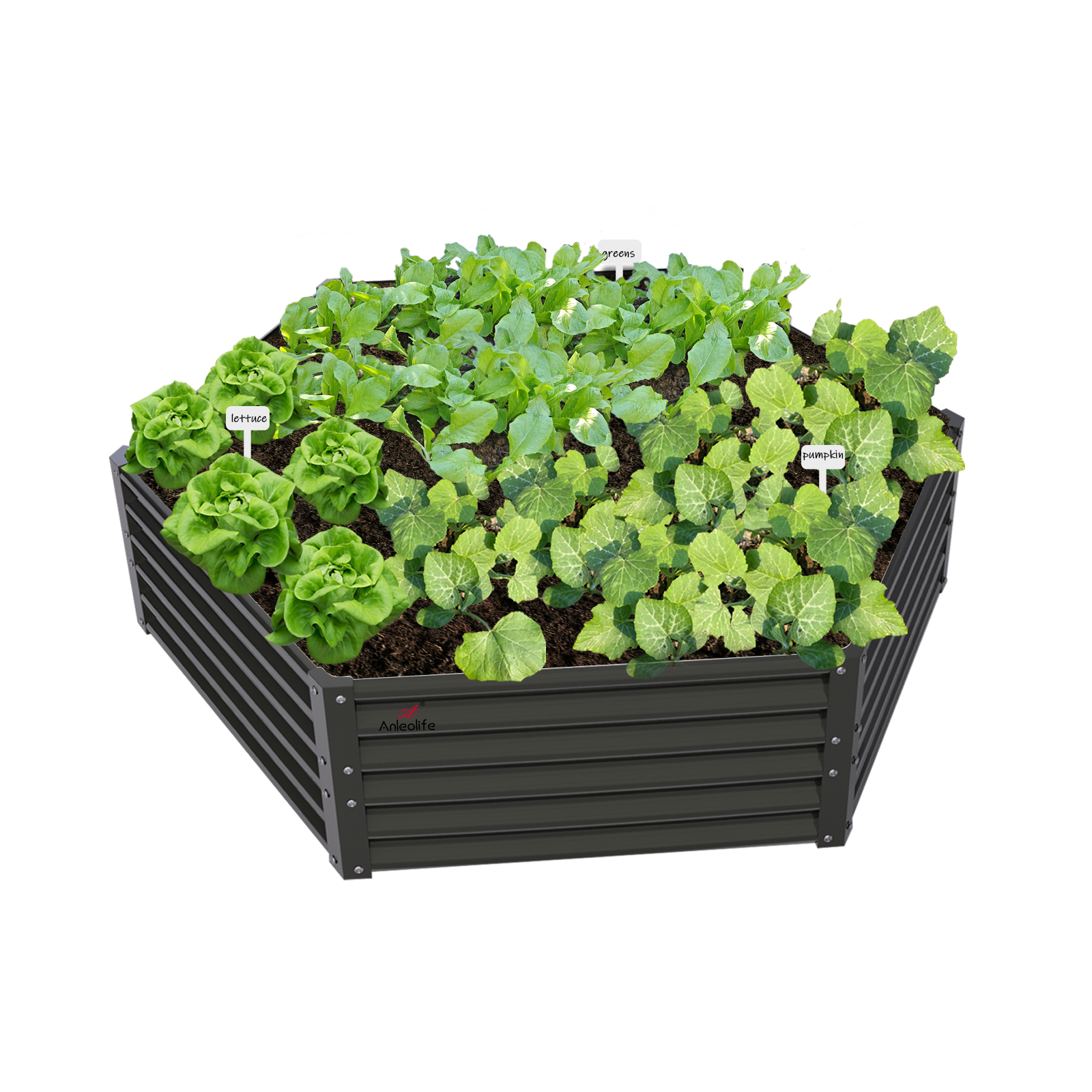
For families who want to start small and expand over time, Anleolife's Modular Raised Garden Bed line is a particularly smart investment. Available in sizes from 6x2 ft all the way up to 30" Extra Tall 8x4 ft configurations, these beds are designed to be reconfigured and expanded as your gardening ambitions — and your realized savings — grow.
Starting with one 8x4 bed and adding a second or third the following season is a financially prudent way to scale up gradually. Each new bed adds more growing capacity without requiring a large upfront outlay. This modular approach also works beautifully with a full kitchen garden layout.
Protecting Your Crop: Why Insect Netting Matters
A productive vegetable garden isn't just about the bed — it's about protecting what grows inside it. Top-rated insect netting materials for vegetable gardens are an essential accessory for any serious home grower. Fine mesh netting laid over raised beds keeps cabbage moths, aphids, and other pests away from leafy greens and brassicas without the need for chemical pesticides. This not only protects your harvest quality but also keeps your garden certified in your own mind as truly organic — something supermarket produce at any price tier can rarely guarantee.
Pairing quality insect protection with a productive raised bed setup maximizes your yield per season, directly amplifying your grocery savings.
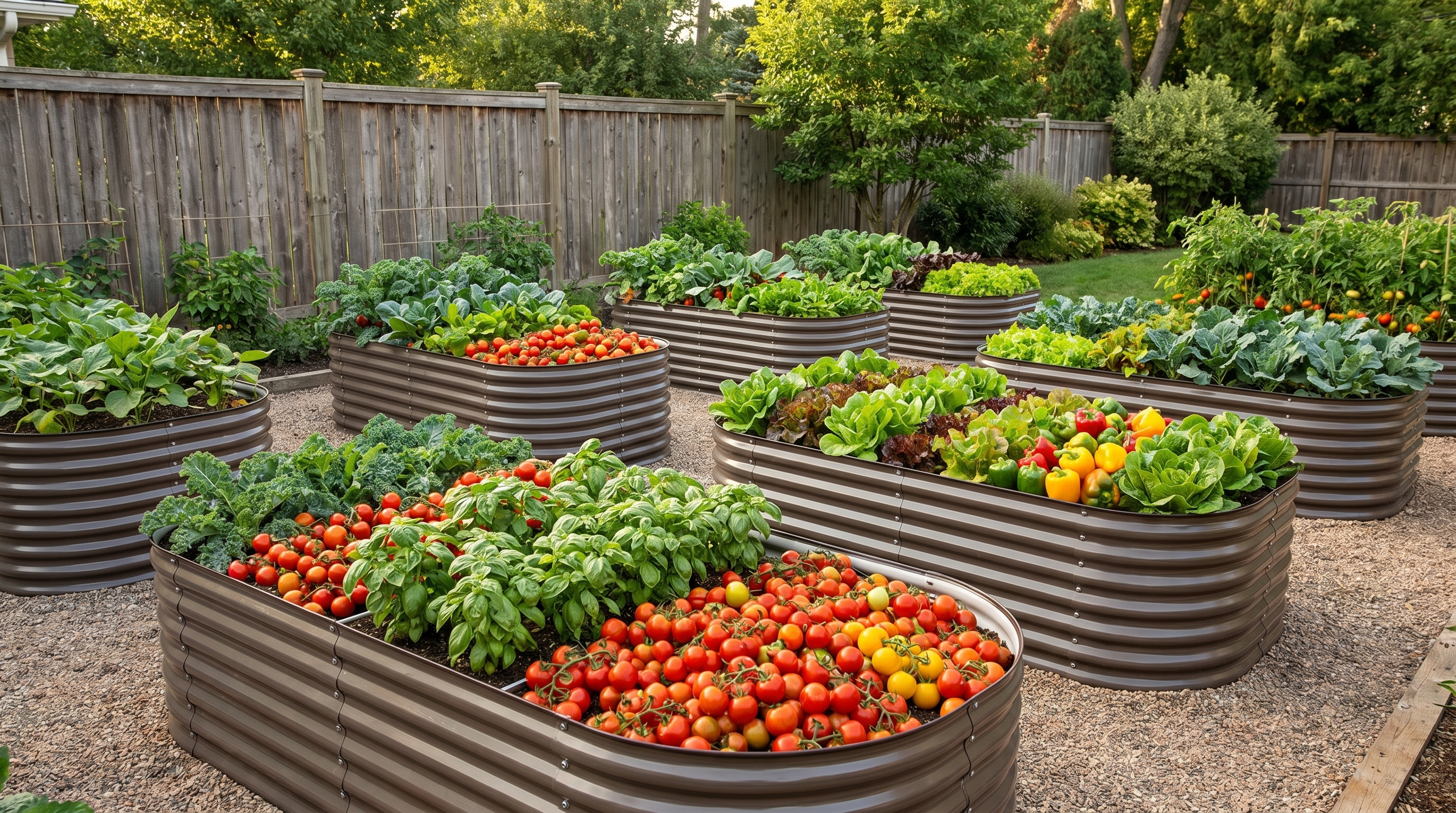
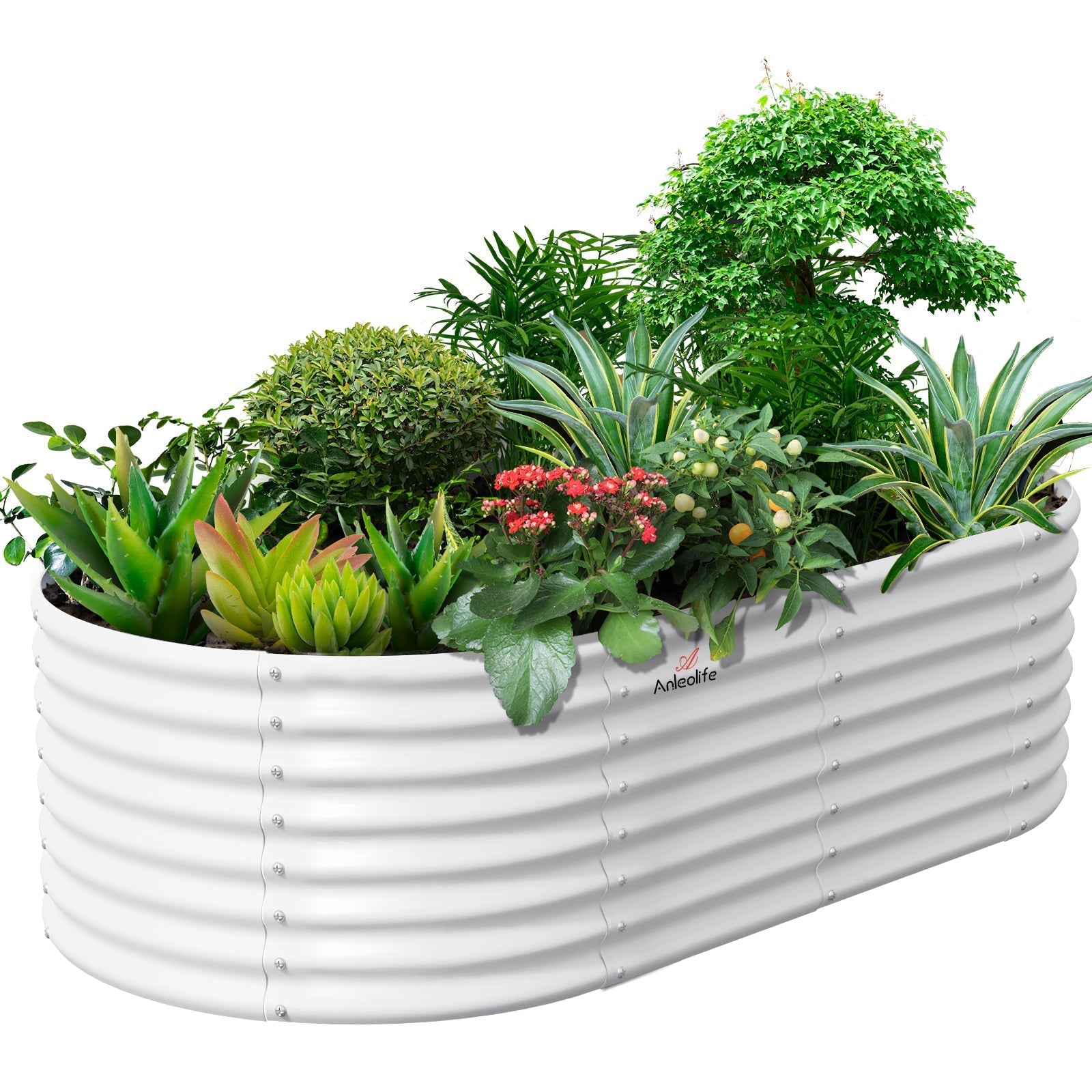
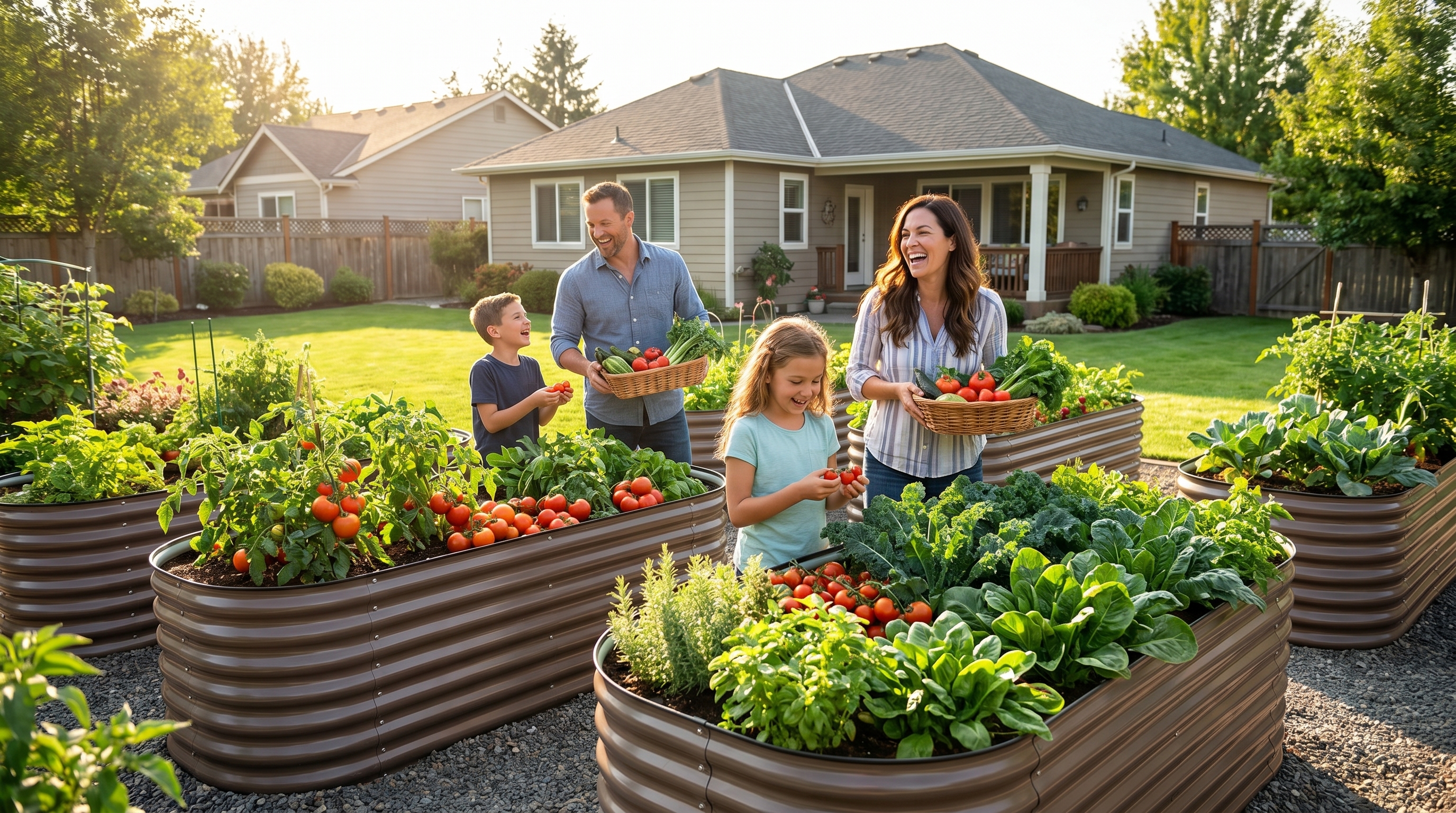
ALT: Best galvanized raised garden beds planted with tomatoes and vegetables for maximum home food savings
Advanced Strategies to Maximize Your Garden's Financial Return
Grow Seasonally, Extend Continuously
One of the most powerful ways to amplify your savings is to grow through as many months of the year as possible. Cool-season crops like kale, spinach, lettuce, and radishes can be started in early spring and again in fall — effectively giving you two productive seasons per year in most U.S. climates. If you're wondering what to grow when temperatures peak, What to Plant in a Raised Garden Bed in Summer (Heat-Tolerant Crops) covers exactly which vegetables thrive in the heat and keep delivering through the warmest months.
Preserve and Store the Surplus
Smart home growers don't just save money during the growing season — they extend savings year-round through food preservation. Excess tomatoes become homemade sauce or frozen whole for winter soups. Basil gets blended into pesto and frozen in ice cube trays. Peppers are sliced and frozen for use in winter stir-fries. These simple preservation habits mean your summer garden continues offsetting grocery costs well into January and February — dramatically improving the annual return on your garden investment.
Common Misconception: "Gardening Is Too Expensive to Save Money"
This is the most persistent myth about home food growing, and it deserves a direct response. Yes, there are upfront costs: beds, soil, seeds, and basic tools. But when you factor in a 20-year lifespan for a quality metal raised bed, those setup costs amortize to just a few dollars per year. The ongoing costs — primarily seeds and soil amendments — are remarkably low compared to the produce value they generate. The key is choosing durable infrastructure from the start rather than repeatedly replacing cheap beds that fail after a few seasons.
Companion Planting: Free Pest Control and Yield Boosting
Companion planting — strategically placing mutually beneficial plants together — is a zero-cost technique that reduces pest pressure, improves pollination, and can increase yields. Classic combinations like tomatoes with basil, beans with corn and squash (the "Three Sisters" method), and marigolds planted along bed perimeters to deter insects all improve the productivity of your growing space without spending an extra cent.
Frequently Asked Questions FAQ
Q1: How much money can I realistically save by growing my own vegetables?
The amount depends on which crops you grow, your climate, and how well you manage your garden. However, many experienced home growers report saving between $300 and $600 or more per year on fresh produce — and some larger-scale gardens save considerably more. High-value crops like organic herbs, cherry tomatoes, specialty greens, and peppers offer the best returns. The key is to focus first on vegetables your household buys most frequently and that cost the most at the store.
Q2: Are galvanized raised garden beds safe for growing vegetables?
Yes — modern galvanized steel raised beds use zinc as the primary coating, which is naturally present in soil and required by plants in small amounts. Numerous university extension studies and horticultural organizations have found no evidence of harmful leaching from galvanized beds in typical vegetable garden conditions. Anleolife's beds are designed specifically for food growing, and many thousands of families across North America grow vegetables in them every season with complete peace of mind.
Q3: How long does it take before a raised garden bed pays for itself?
For most households investing in a quality metal raised bed, the payback period is typically within one to two growing seasons when you actively grow high-value produce. Since Anleolife's galvanized steel and rust-resistant beds are built for a 20-year lifespan, the economics improve dramatically over time — what starts as a small upfront investment becomes negligible cost per harvest over the following two decades. The faster you plant, the sooner your garden turns profitable.
Summary
Growing your own food is one of the most practical, impactful decisions a household can make for both financial and personal wellbeing. Here are the three core takeaways to carry forward:
1. The savings are real and achievable. With a thoughtful selection of high-value crops and a productive bed setup, most families can realistically save hundreds of dollars annually on fresh produce — savings that compound year over year.
2. Infrastructure quality determines long-term value. A metal raised bed with a 20-year lifespan is not an expense — it's an investment that pays dividends with every harvest for decades. Cheap beds that need replacement every few years undermine the economics of home growing.
3. You don't need a large space to start saving. Even one or two well-planted 8x4 beds growing herbs, salad greens, and tomatoes can make a noticeable dent in your monthly grocery bill. Start small, learn what grows best in your climate, and expand from there.
The best time to start your money-saving vegetable garden is now. Your future self — and your wallet — will thank you every time you harvest a bowl of fresh salad that cost you almost nothing to grow.
Start Growing with Anleolife
Nationwide U.S. warehouse network: Strategically located in California, Texas, Florida, New York, Illinois, and Washington to ensure delivery within 3–8 business days — so your garden upgrade plans never have to wait.
Multi-channel sales network: Products are available on major e-commerce platforms including Amazon, Walmart, Home Depot, Lowe's, and Wayfair, as well as the official website Anleolife.com, providing consistent quality assurance and after-sales service.
Three core scenarios: Planting (metal raised garden beds, soil systems), Raising (chicken coops, rabbit hutches), and Beautification (decorative accessories, pathway systems) — meeting complete needs from functionality to aesthetics.
Upgrade your garden with Anleolife. We understand that an ideal garden is not built overnight, but gradually improved over time. Our modular product design allows flexible expansion based on your needs — from your first raised garden bed to a fully integrated planting-and-raising ecosystem. We grow with you every step of the way.
References
- USDA Economic Research Service. "Food Price Outlook — Vegetables and Fresh Produce Pricing Data".
https://www.ers.usda.gov/topics/food-markets-prices/food-prices-expenditures-and-establishments/ - University of California Agriculture and Natural Resources. "Home Vegetable Gardening — Production and Cost Savings".
https://ucanr.edu/ - National Gardening Association. "Food Gardening in the United States — Household Savings Research".
https://garden.org/learn/ - Penn State Extension. "Calculating the Cost and Benefit of a Home Vegetable Garden".
https://extension.psu.edu/home-vegetable-gardening - CDC — Centers for Disease Control and Prevention. "Community Gardening and Nutrition: Health Benefits of Growing Your Own Food".
https://www.cdc.gov/healthyplaces/healthtopics/healthyfood/gardens.htm
Note: Data and recommendations may be updated over time. Please check the latest official documents or consult professional advisors for the most current guidance.
About Anleolife
Anleolife is a leading outdoor garden solutions provider in North America, dedicated to offering a full-scenario product ecosystem for home gardening enthusiasts, covering planting, raising, and garden beautification. Since its founding, we have upheld our brand mission, "Made for Garden Life," continuously innovating products and optimizing services to help hundreds of thousands of users upgrade their gardens, reconnect with nature, and enjoy a better garden lifestyle.