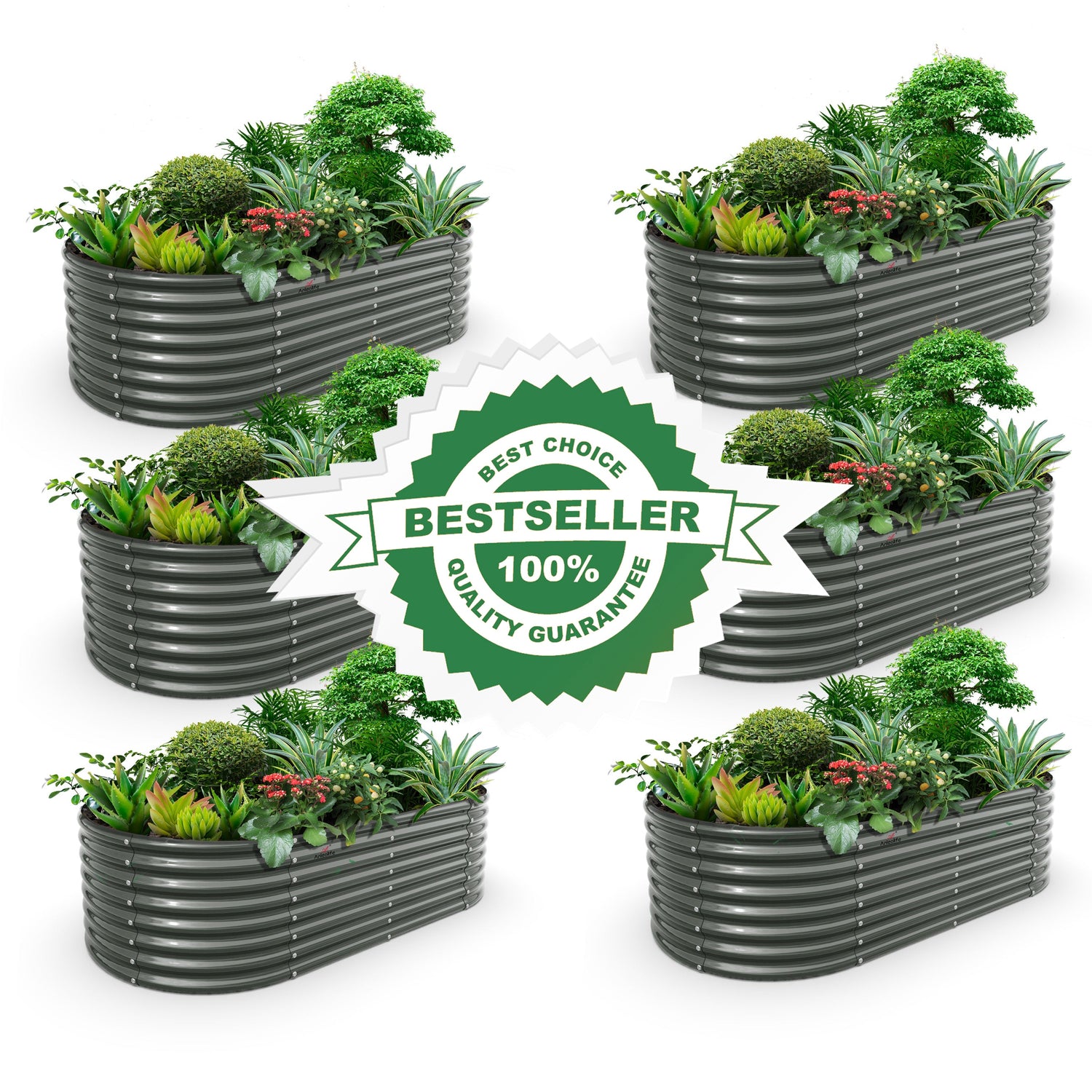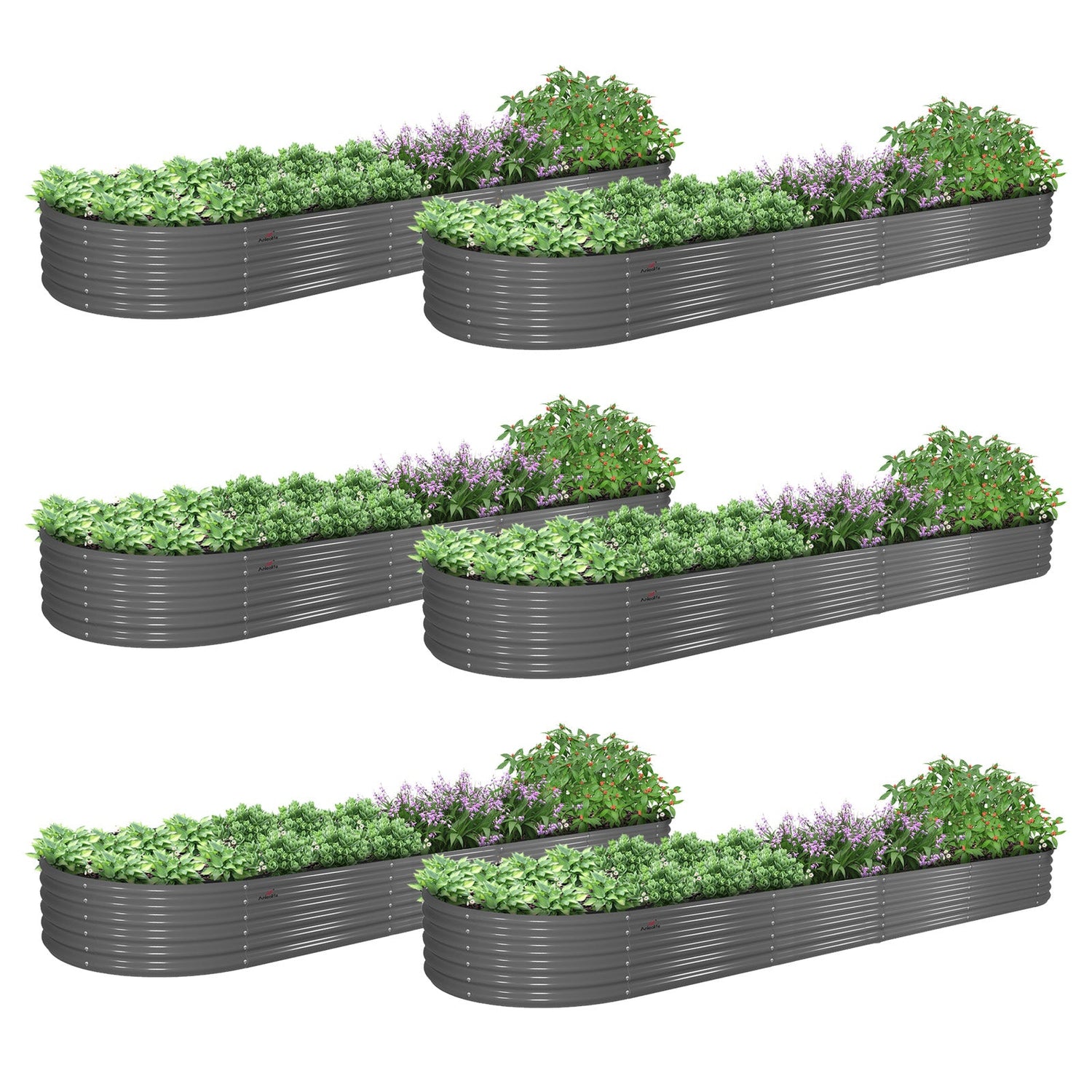



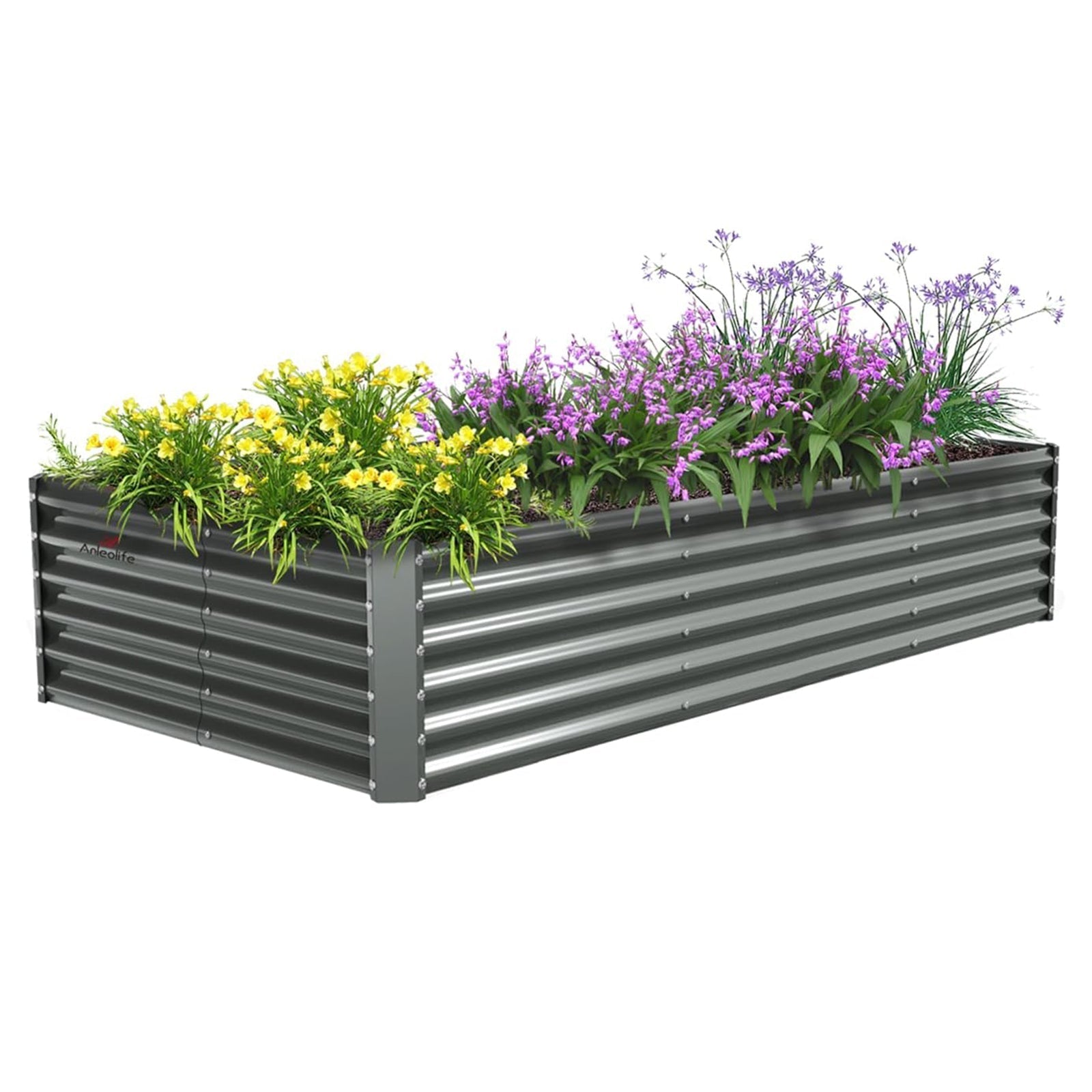

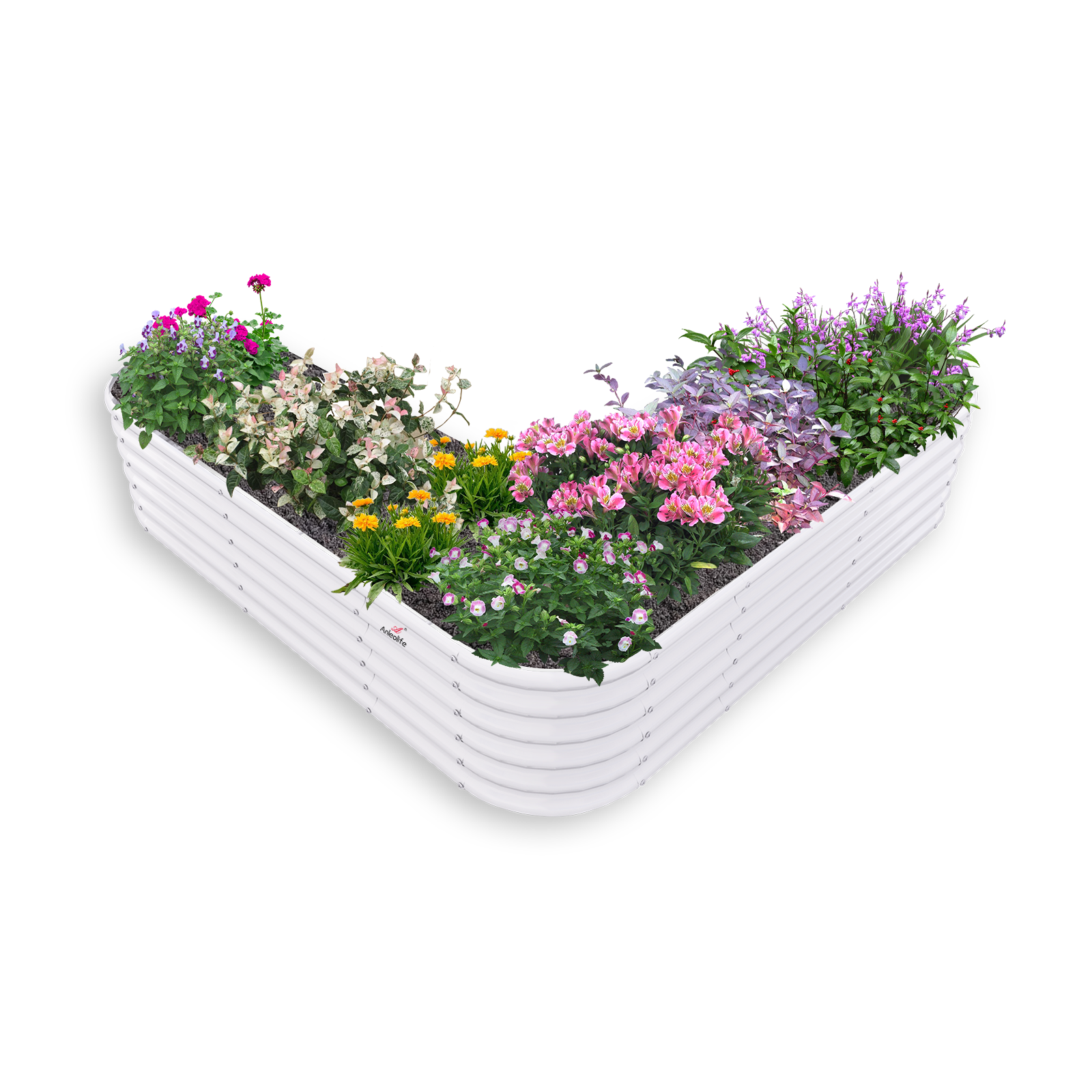
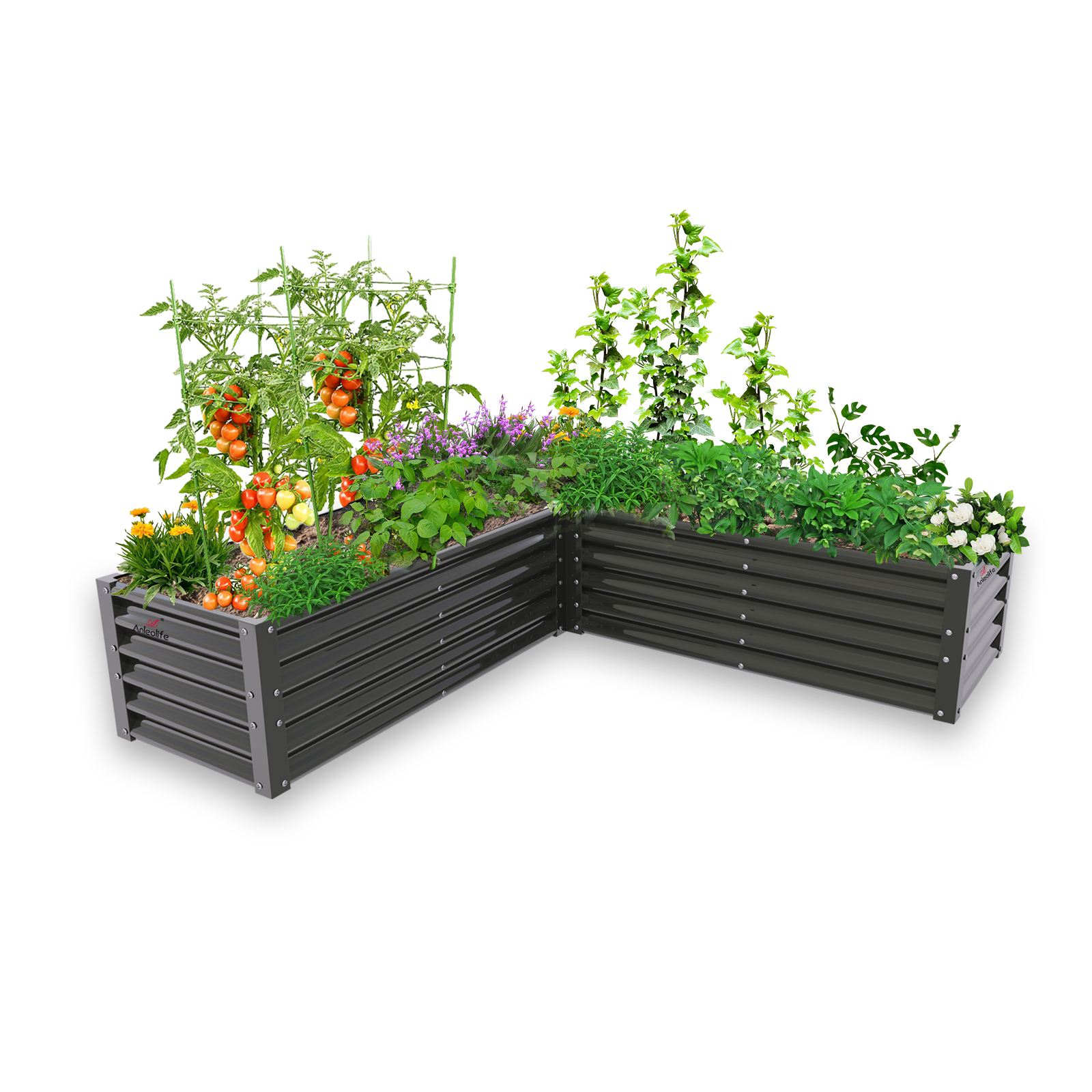
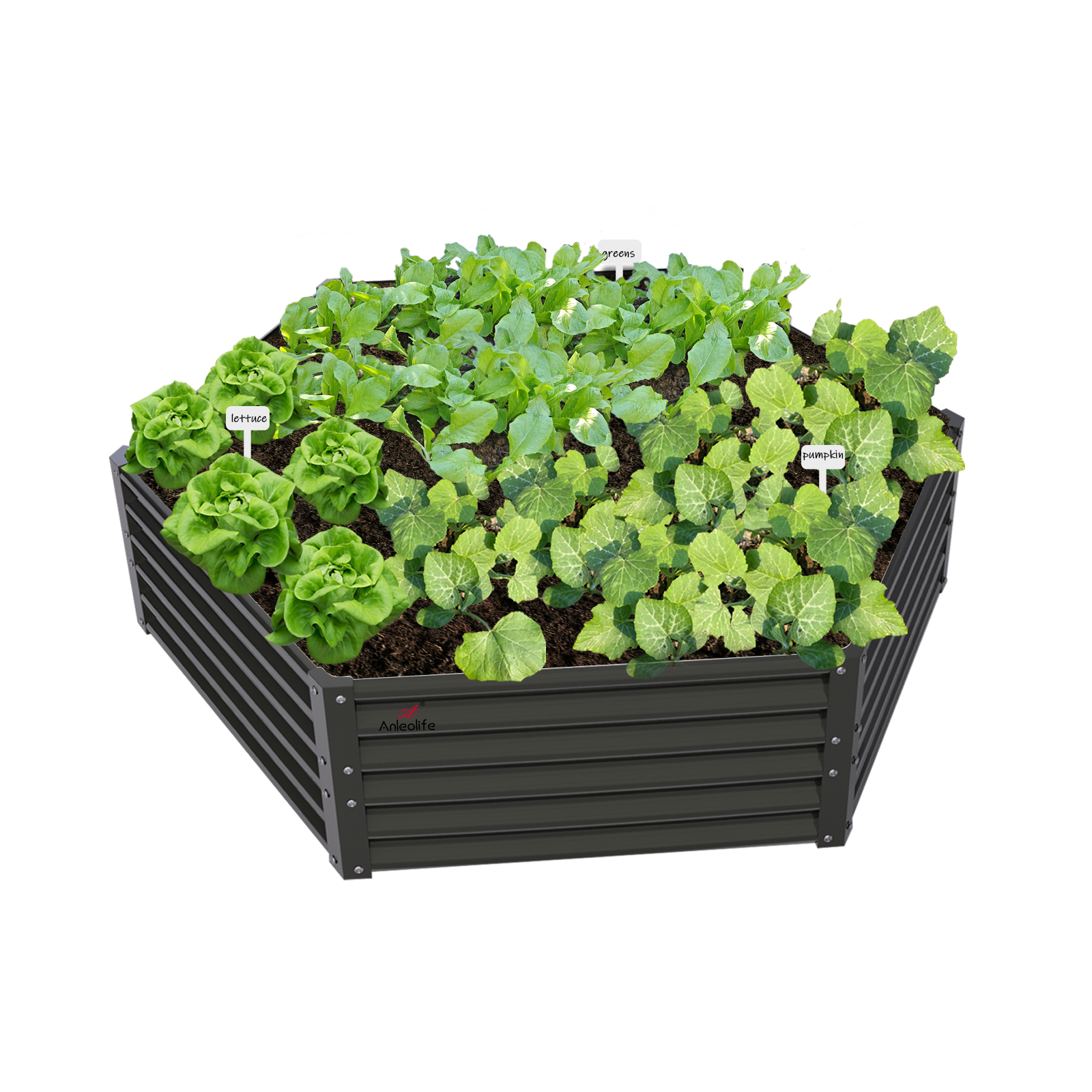
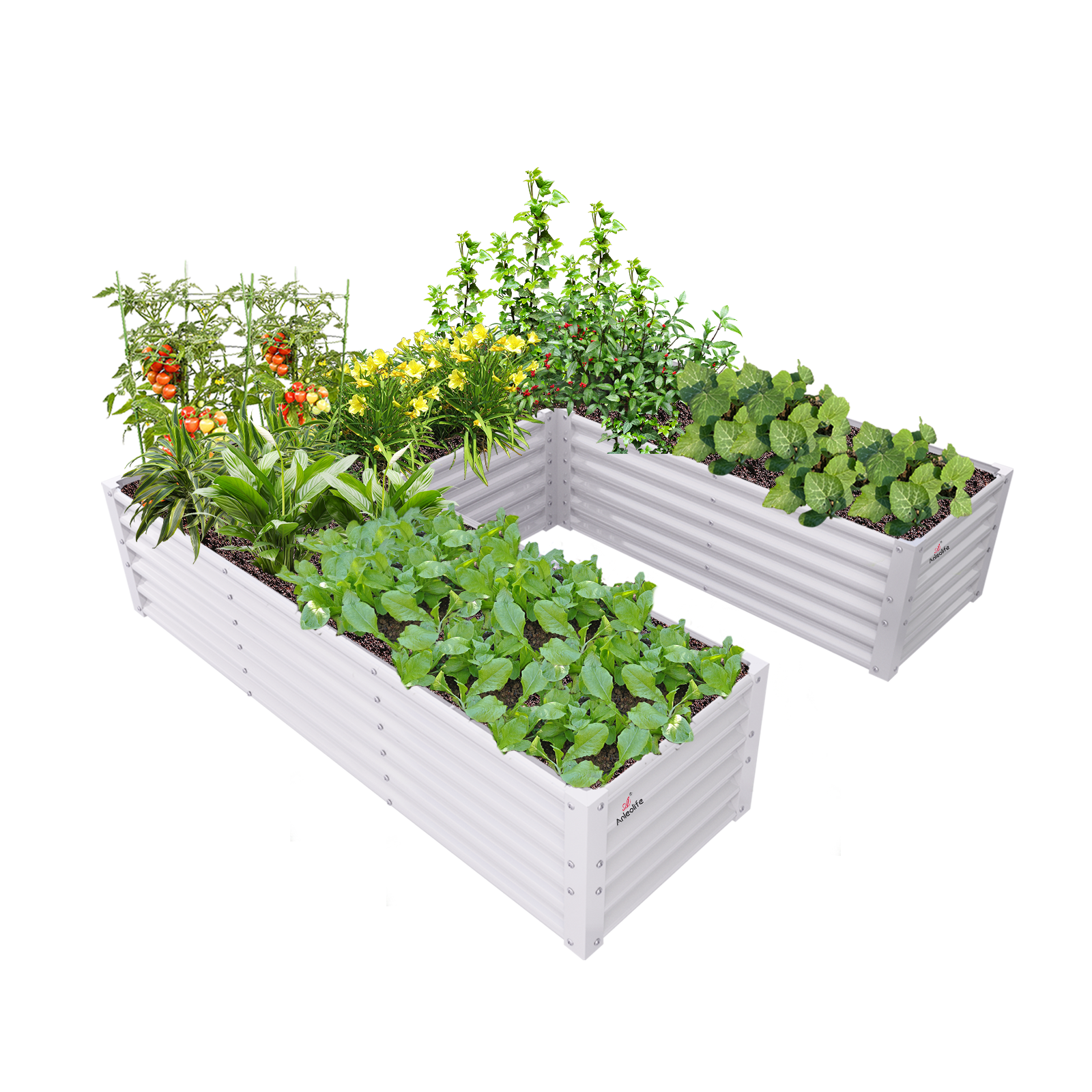

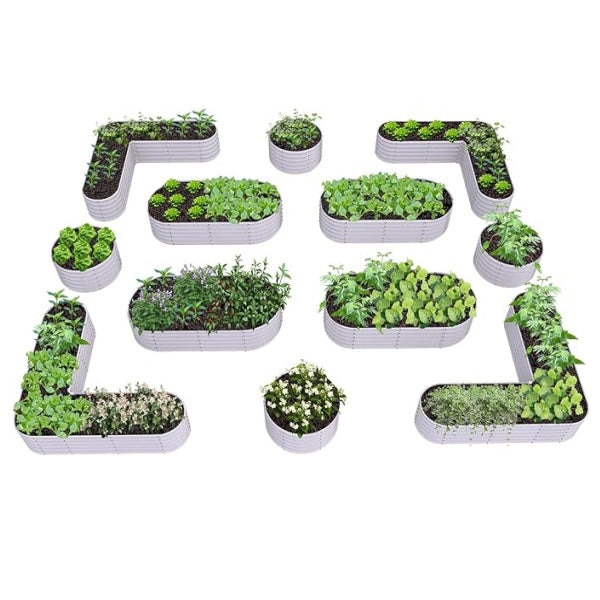


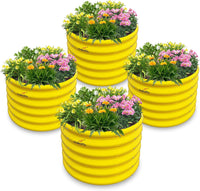
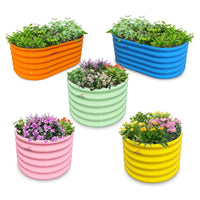
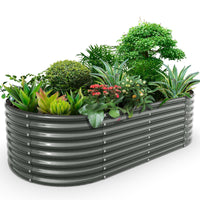




ALT: Raised bed garden layout planning with multiple metal beds arranged for maximum growing efficiency in a home backyard
How to Figure Out the Right Number of Raised Beds for Your Garden
Key Conclusion: Determining the right number of raised beds starts with understanding your household's food goals, available space, and realistic time commitment. A well-thought-out raised bed garden layout balances productivity with manageability, and a strategic raised bed planting layout can feed a family of four from as few as four to six beds. By following a simple formula built around crop yield, rotation, and seasonal succession, your raised bed layout becomes a living system—not just a collection of boxes in your yard.
Planning a raised bed garden is one of the most rewarding decisions a home grower can make. But the most common mistake isn't choosing the wrong soil or picking the wrong crops—it's starting with either too many beds or too few. Too many beds and you're overwhelmed by maintenance before your first harvest. Too few and you're frustrated watching your neighbors bring in tomatoes by the basketful while you're still waiting.
This article walks you through a simple, proven planning formula that helps you calculate exactly how many raised beds you need based on your goals, your space, and your lifestyle. Whether you're a first-time gardener trying to grow a few salad greens or a retired couple hoping to become mostly self-sufficient in vegetables, this guide is built for you.
Who This Guide Is For: Raised Bed Planning by Situation
✅ Applicable Scenarios:
- Homeowners with a backyard, patio, or side yard who want to grow vegetables, herbs, or flowers in an organized, low-maintenance setup
- Urban micro-gardeners working with limited square footage who need to maximize every inch of growing space
- Empty nesters and retirees who want a productive but manageable garden that doesn't require heavy labor
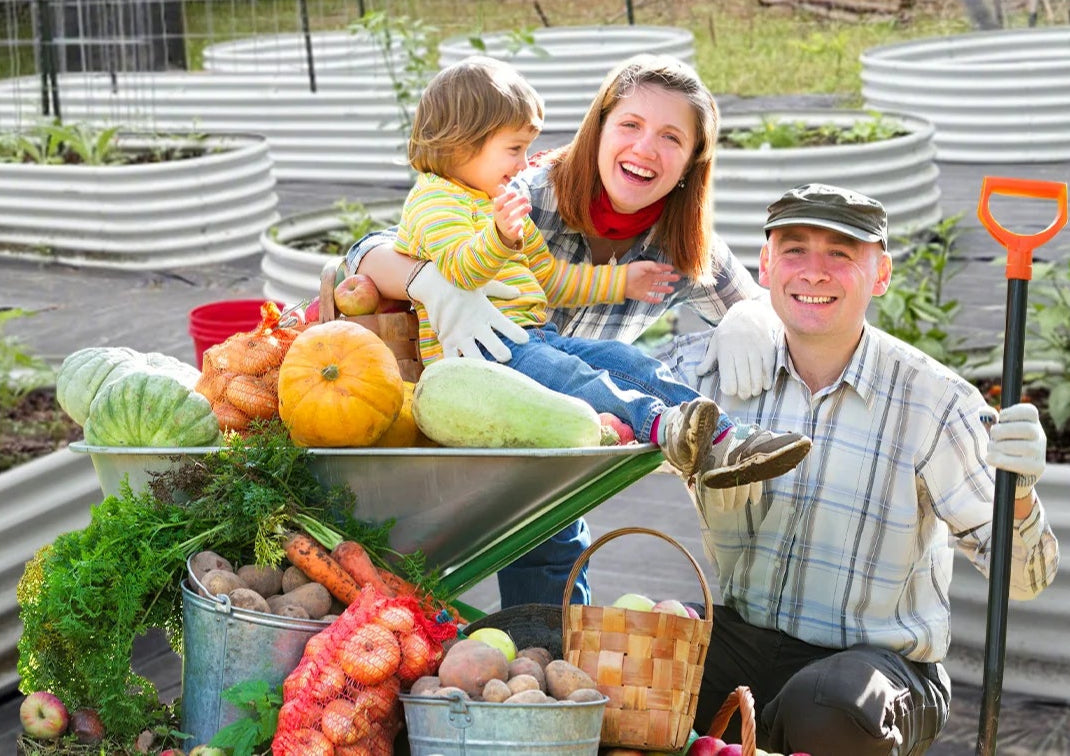
- Families with children interested in starting a kitchen garden to support a healthier, more sustainable lifestyle
❌ Not Applicable/Cautions:
- Gardeners renting property without landlord permission to install permanent structures—check with your property manager before installing raised beds
- Those expecting instant large-scale harvests without patience for seasonal learning curves—raised bed gardening rewards consistent planning, not shortcuts
- Anyone hoping to eliminate all grocery shopping from day one without first building soil health and succession planting habits
Why So Many Gardeners Get This Wrong: The Real Cost of Poor Raised Bed Planning
There's a surprising truth hiding in the world of home gardening: most people who abandon their raised beds don't quit because gardening is too hard. They quit because they didn't plan well at the start.
The "more is more" mindset leads people to install five or six beds immediately, fill them with soil, and plant everything at once. Within weeks, they're overwhelmed. Weeding, watering, and keeping track of what's growing where becomes a part-time job. On the flip side, the "start small" mentality sometimes results in a single 4x4 bed that can only grow a week's worth of salad—leaving gardeners feeling like the effort isn't worth it.
The solution lies somewhere in the middle, guided by a realistic formula.
According to the University of California Cooperative Extension and similar land-grant university programs, intensive raised bed gardening—when properly spaced and managed with good soil—can produce significantly more food per square foot than traditional in-ground gardening. This makes raised beds exceptionally efficient, but that efficiency only kicks in when the bed count, size, and crop selection are matched to the grower's actual capacity.
The growing interest in food security and self-sufficiency has also fueled a dramatic rise in raised bed gardening across North America. More families are asking not just how to garden, but how much to grow—and that starts with answering the foundational question: how many beds do you actually need?
For a deeper dive into choosing the right bed configurations, Anleolife's official resource center offers planning guides tailored to different yard sizes and household needs.
The Simple Planning Formula: How to Calculate Your Raised Bed Count
Step-by-Step: From Goals to Garden Layout
Step 1: Define Your Harvest Goals
Before measuring your yard, answer this question honestly: what do you want your garden to provide? Jot down whether you want a supplemental salad garden (light goal), a seasonal vegetable supply covering summer and fall (moderate goal), or a year-round production system that meaningfully reduces your grocery bill (serious goal). This single decision determines your starting number of beds. Light goal: 1–2 beds. Moderate goal: 3–5 beds. Serious goal: 6–10+ beds. Take 15–30 minutes for this step.
Step 2: Calculate Your Usable Growing Space
Measure your available outdoor area and identify zones that receive at least 6–8 hours of direct sunlight daily—this is non-negotiable for most vegetables. Sketch a rough top-down map of your space, noting permanent obstacles like trees, structures, and utility lines. Each standard raised bed requires not just its own footprint, but also pathway space on at least two sides for comfortable access and tool movement. Plan for roughly 18–24 inches of walking space between beds. This step takes about 30–60 minutes and is best done with a tape measure and graph paper.
Step 3: Apply the Bed-Per-Person Formula and Add a Rotation Buffer
A commonly used planning rule of thumb is approximately 100 square feet of growing space per person for a meaningful supplemental harvest. For a standard raised bed, divide your per-person square footage target by the individual bed size to get your base number. Then add 20–25% more beds to allow for crop rotation—resting one bed per season prevents soil depletion and reduces pest pressure. This rotation buffer is what separates a thriving garden from one that burns out after two seasons.
Comparing Raised Bed Configuration Strategies
Different household types call for different approaches. Here's how common configurations stack up:
| Comparison Dimension | Starter Setup (1–2 Beds) | Mid-Scale Setup (3–5 Beds) | Full Production Setup (6–10 Beds) |
|---|---|---|---|
| Ideal Household Size | 1–2 people | 2–4 people | 4–6 people or serious growers |
| Harvest Expectation | Herbs, salads, radishes | Seasonal veggies + herbs | Most vegetable needs met |
| Weekly Maintenance Time | 1–2 hours | 3–5 hours | 6–10 hours |
| Crop Rotation Feasibility | Limited | Moderate | Full rotation possible |
| Budget Consideration | Low entry cost | Mid-range investment | Higher upfront, lower long-term cost |
| Scalability | Easy to expand | Straightforward to add beds | Best with modular bed systems |
| Watering System Needs | Hand watering sufficient | Drip irrigation recommended | Drip or sprinkler system advisable |
The table makes clear that crop rotation is the single factor most constrained by having too few beds. Rotation matters because it prevents nutrient depletion and breaks pest and disease cycles. A garden with only one or two beds can still rotate crops within a bed by section, but true rotation—moving entire plant families to fresh soil—requires at least three to four beds.
Digging Deeper: Planning Your Raised Bed Layout for Maximum Productivity
Match Bed Placement to Sunlight Zones
The most productive raised bed garden layout always begins with sunlight mapping. Sun patterns shift with seasons, so what gets full sun in June may be shaded in October. Spend a full day—from morning to evening—observing where sunlight falls in your yard before finalizing bed placement.
Place beds running north to south when possible to reduce shading between rows. Taller crops like tomatoes, beans, and corn belong on the north end of your layout so they don't shadow shorter plants. Shorter herbs and leafy greens can be placed on the southern edge where they receive consistent but gentler afternoon light.
Build in Paths That Actually Work
One of the most overlooked elements of a good raised bed layout is the pathway system. Narrow paths look tidy in planning sketches but become frustrating in real life when you're carrying a harvest basket or kneeling to weed. Allow at least 18 inches between beds as a minimum, and 24–30 inches for primary access paths where you'll regularly walk with tools or wheelbarrows.
Pathway materials matter too. Bare soil becomes muddy after rain. Gravel, wood chips, stepping stones, or pavers all keep the garden cleaner and more accessible—especially important for retirees or anyone with mobility considerations.
Think in Seasons, Not Just Crops
A raised bed planting layout that only accounts for one season is leaving half its potential on the table. Succession planting—sowing new crops every few weeks—keeps beds productive from early spring through late fall, and sometimes into winter with the right cold-hardy varieties.
Plan each bed's season in three acts: spring (cool-season crops like peas, lettuce, spinach), summer (warm-season crops like tomatoes, peppers, squash), and fall (returning to cool-season crops like kale, carrots, and beets). This three-act structure means your beds are almost never empty, and your harvest is continuous rather than feast-and-famine.
Use Vertical Space to Reduce Bed Count
If your yard space is genuinely limited—as is common for urban micro-gardeners—vertical growing can dramatically increase your effective planting area without requiring additional beds. Trellises, cages, and A-frame supports mounted directly on or beside your beds allow vining crops like cucumbers, beans, and indeterminate tomatoes to grow upward instead of outward.
A single bed with a well-designed trellis can effectively double or triple its productive output, meaning you might need one fewer bed than your base calculation suggests.
The Durability Factor: Beds That Last as Long as Your Garden Goals
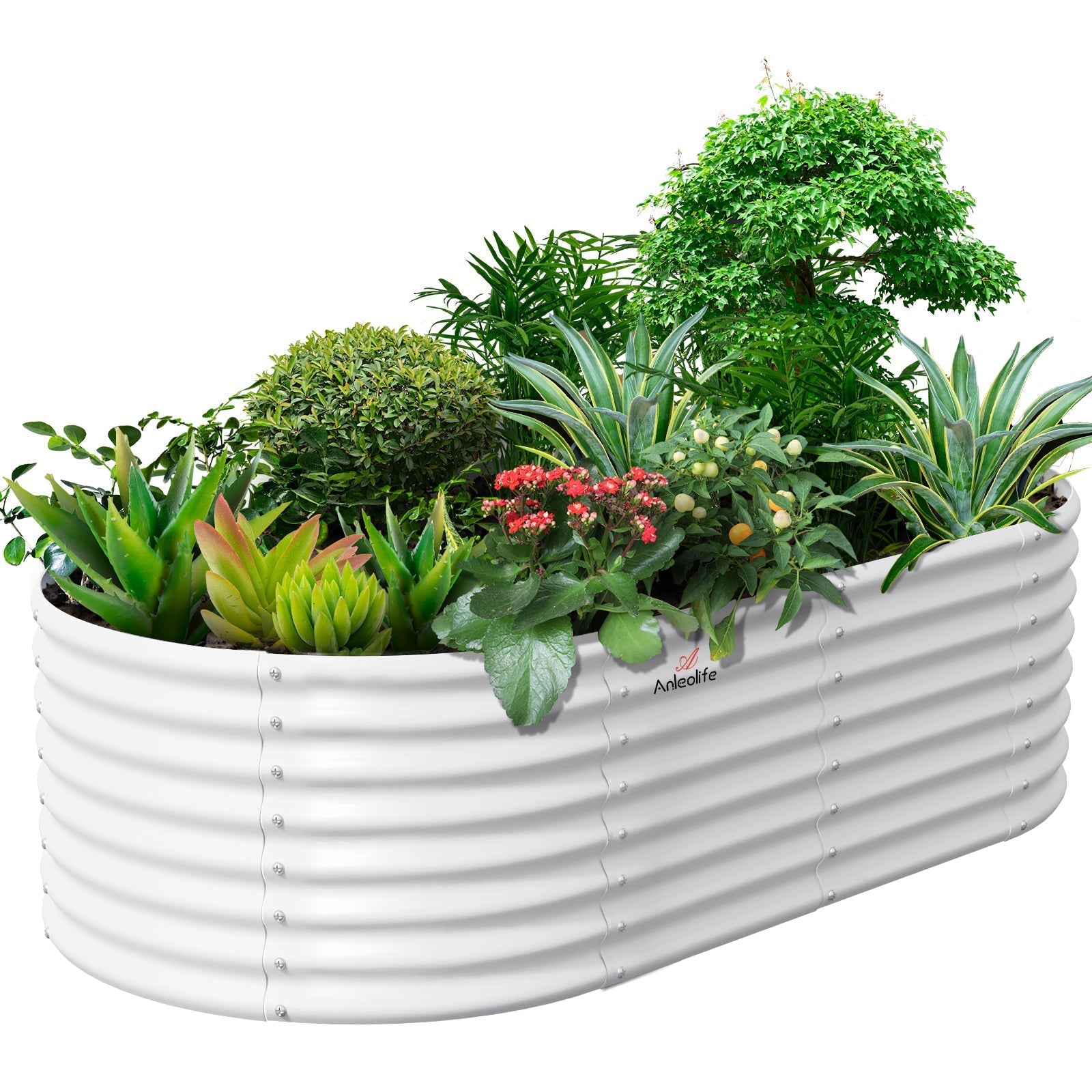
When calculating how many beds to invest in, it's worth thinking long-term. A bed that needs replacement every few years changes the economics significantly compared to one built for the long haul. Anleolife's metal raised garden beds are built to last up to 20 years, making them a sound investment whether you're starting with two beds today or planning a full ten-bed layout over time. That longevity means your garden can grow and evolve without the cost and disruption of replacing degraded infrastructure.
The modular nature of quality metal garden beds also means you can start with a starter setup and add beds incrementally as your confidence, skill, and appetite for gardening grow—a major advantage over building everything at once.

ALT: Detailed raised bed planting layout showing crop rotation zones, vertical trellis structures, and efficient pathway spacing in a backyard garden
Advanced Planning: Special Situations and Common Misconceptions
Handling Sloped or Irregular Yards
Not every backyard is a flat rectangle. Sloped yards require beds with higher sides on the downhill edge to keep soil level—this actually creates an opportunity for terraced layouts that can be visually striking while remaining fully functional. Irregular spaces (L-shaped yards, side yards, narrow strips) often benefit from mixing bed sizes rather than using uniform dimensions throughout.
Small Spaces Don't Mean Fewer Options
Urban micro-gardeners often assume they can only manage one or two small beds. But a thoughtfully designed compact layout with appropriate bed sizes can produce a surprising volume of food. The key is prioritizing high-yield, fast-growing crops—radishes, lettuce, herbs, cherry tomatoes, and bush beans—that deliver maximum output per square foot.
The "Set It and Forget It" Misconception
One of the most persistent myths about raised beds is that once they're filled with good soil and planted, the work is mostly done. In reality, raised bed soil compacts and depletes nutrients over time and needs annual amendments. Good soil management is a year-round habit, not a one-time task.
Raised Beds Are Not Just for Vegetables
Many gardeners overlook the value of dedicating one or two beds to flowers—particularly pollinator-friendly varieties like zinnias, marigolds, and borage. Flowers attract bees and beneficial insects that improve vegetable yields in neighboring beds. One "flower bed" in your layout isn't wasted space; it's an investment in the productivity of every other bed.
Connecting Your Garden Ecosystem
For families who are expanding beyond vegetables into backyard self-sufficiency, integrating chicken coops or rabbit hutches alongside your raised bed layout creates a natural circular system: kitchen scraps feed animals, animal manure enriches compost, and compost feeds your beds. Planning space for this integration from the beginning is far easier than retrofitting it later.
Frequently Asked Questions FAQ
Q1: How do I calculate how many raised beds I need for a family of four?
A family of four aiming for a meaningful seasonal vegetable supply typically needs between four and six standard raised beds, plus one to two additional beds held in rotation. This accounts for crop diversity across plant families, succession planting, and resting one bed per season for soil recovery. If your family prefers a wide variety of vegetables, erring toward six beds gives you the flexibility to grow tomatoes, greens, root vegetables, and herbs simultaneously without crowding.
Q2: Is it better to start with a few large beds or several smaller ones?
This depends on your mobility, available space, and planting style. Larger beds maximize growing area but can be harder to reach across—always ensure you can reach the center from the side without stepping in. Smaller beds offer more flexibility for crop rotation and specialized soil mixes per bed (e.g., sandy soil for carrots, richer mix for tomatoes). Many experienced gardeners prefer a mix of sizes to accommodate different crops and growing conditions.
Q3: How long does it typically take to plan and set up a raised bed garden layout?
Initial planning—measuring, sketching, and finalizing your bed count and placement—typically takes a weekend. Bed assembly and soil filling can take one to two additional weekends depending on how many beds you're setting up and whether you're doing it solo. Soil delivery and arrangement is often the most time-intensive part. Once set up, annual maintenance (amending soil, adjusting layout) takes just a few hours each spring, especially with durable beds like Anleolife's metal raised garden beds that don't require repair or replacement for up to 20 years.
Summary
Planning your raised bed garden is fundamentally an exercise in honest self-assessment. The best layout isn't the biggest one—it's the one you can actually maintain, enjoy, and learn from season after season.
Three key takeaways from this guide:
Match your bed count to your realistic goals and time. Starting with the right number of beds—not too many, not too few—is the single biggest factor in whether your garden thrives or gets abandoned by August.
Design for rotation and succession from day one. Build a 20–25% rotation buffer into your initial plan, and map out your three-season planting schedule before your first seeds go in. This planning work, done once, pays dividends for years.
Invest in durability for long-term value. Beds built to last—like those with a 20-year lifespan from Anleolife—mean your garden infrastructure grows with you rather than limiting you.
Your next step: sketch your yard, count your sunlit hours, decide on your harvest goal, and run the formula. Then start with a number that feels manageable, and expand from there. The best garden is the one you actually build.
Ready to Plan Your Ideal Raised Bed Layout?
Nationwide U.S. warehouse network: Strategically located in California, Texas, Florida, New York, Illinois, and Washington, Anleolife ensures delivery within 3–8 business days—so your garden upgrade plans never have to wait.
Multi-channel availability: Products are available on major e-commerce platforms including Amazon, Walmart, Home Depot, Lowe's, and Wayfair, as well as the official website Anleolife.com, providing consistent quality assurance and after-sales service.
Three core scenarios: Planting (metal raised garden beds, soil systems), Raising (chicken coops, rabbit hutches), and Beautification (decorative accessories, pathway systems)—meeting complete needs from functionality to aesthetics.
We understand that an ideal garden is not built overnight, but gradually improved over time. Anleolife's modular product design allows flexible expansion based on your needs—from your first raised garden bed to a fully integrated planting-and-raising ecosystem. We grow with you every step of the way.
👉 Explore Anleolife's full range of raised garden beds and garden planning resources at Anleolife.com
References
- University of California Agriculture and Natural Resources. "Vegetable Gardening in California."
https://ucanr.edu/sites/gardenweb/Vegetables/ - National Gardening Association. "Food Gardening in the United States."
https://garden.org/learn/articles/view/3819/ - Penn State Extension. "Raised Bed Gardening."
https://extension.psu.edu/raised-bed-gardening - Cornell Cooperative Extension. "Planning a Vegetable Garden."
https://www.gardening.cornell.edu/homegardening/ - USDA National Agricultural Library. "Home and Market Gardening."
https://www.nal.usda.gov/farms-and-agricultural-production-systems/home-and-market-gardening
Note: Gardening recommendations may vary by region and climate. Please consult your local cooperative extension service or a professional garden advisor for region-specific guidance.
About Anleolife
Anleolife is a leading outdoor garden solutions provider in North America, dedicated to offering a full-scenario product ecosystem for home gardening enthusiasts, covering planting, raising, and garden beautification. Since its founding, we have upheld our brand mission, "Made for Garden Life," continuously innovating products and optimizing services to help hundreds of thousands of users upgrade their gardens, reconnect with nature, and enjoy a better garden lifestyle.