


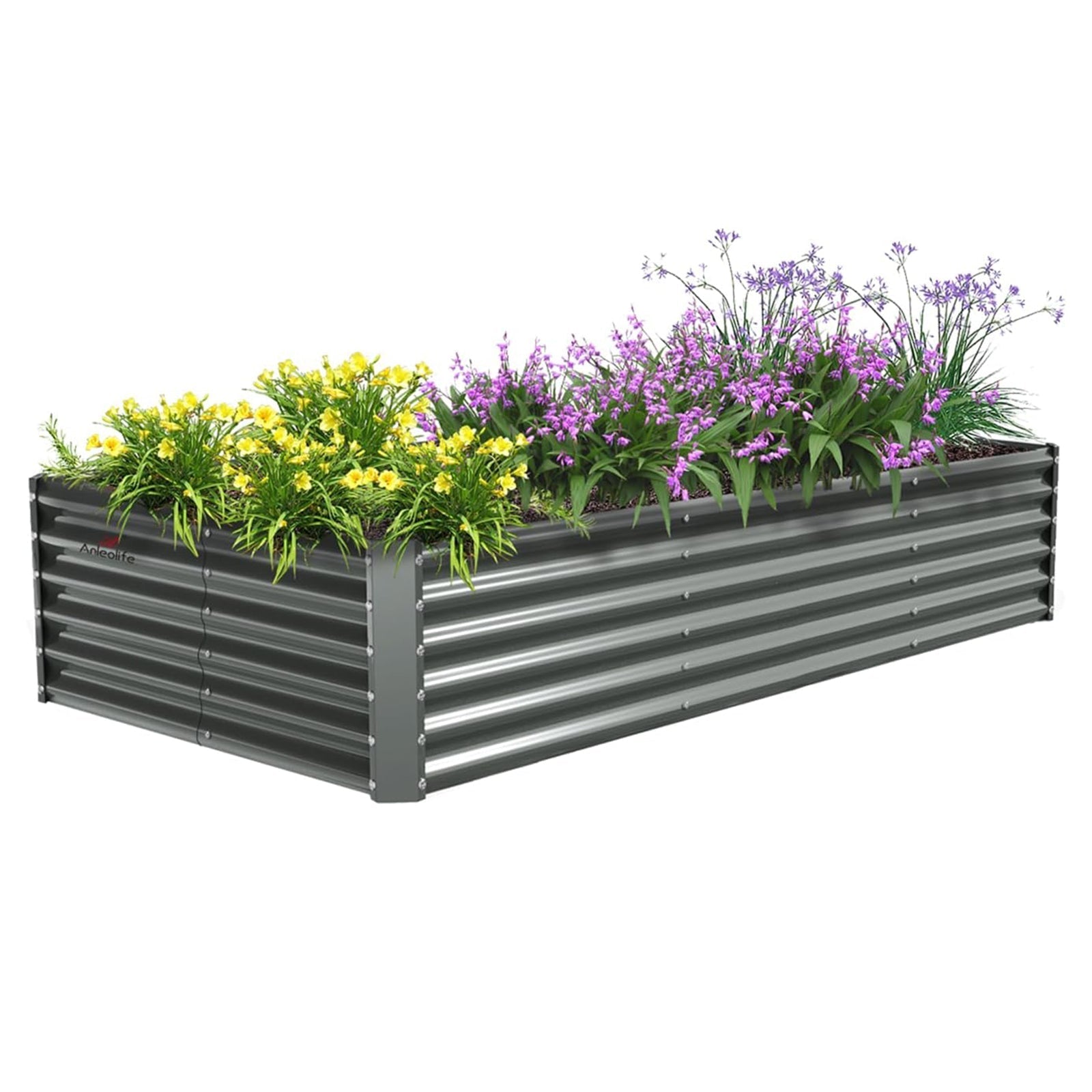

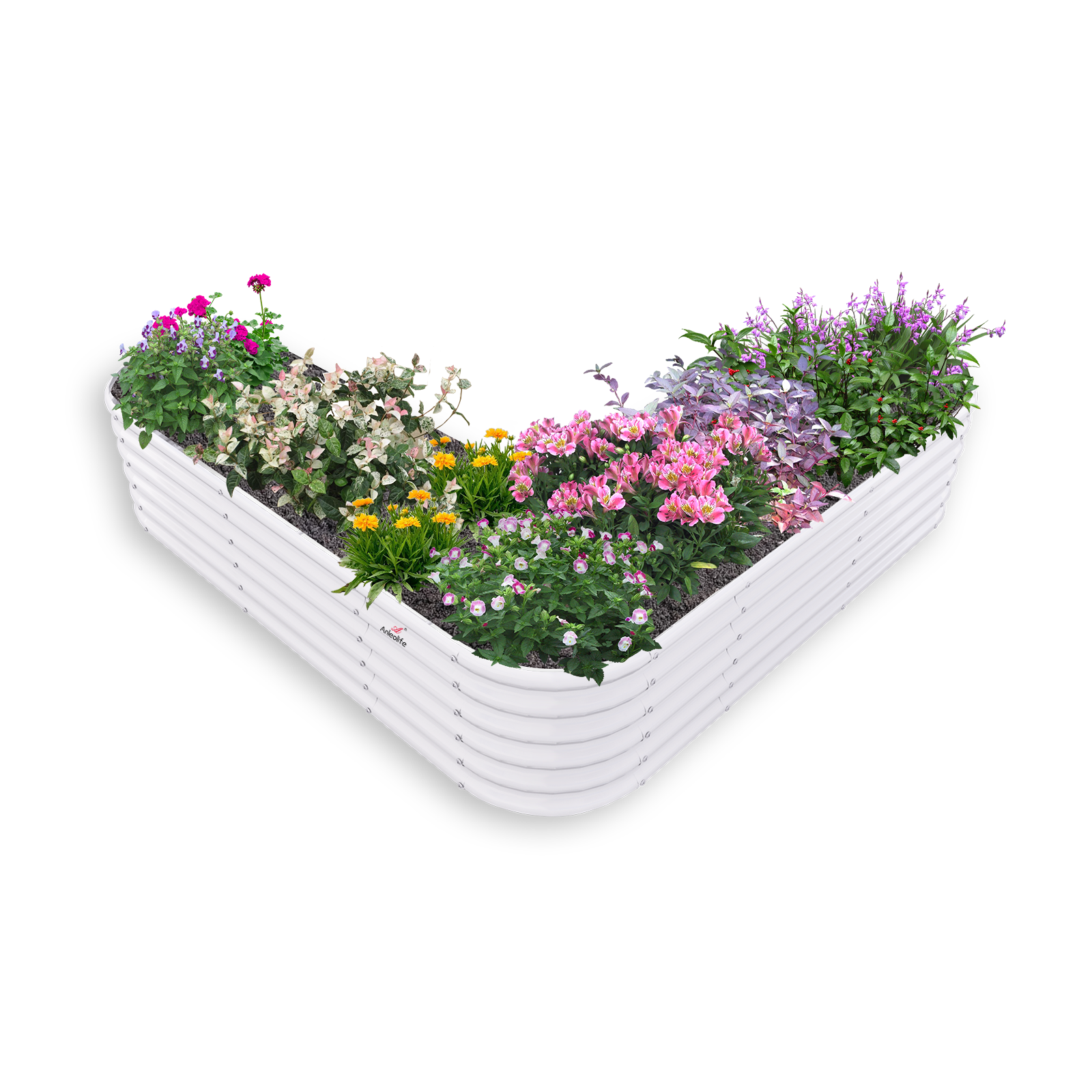
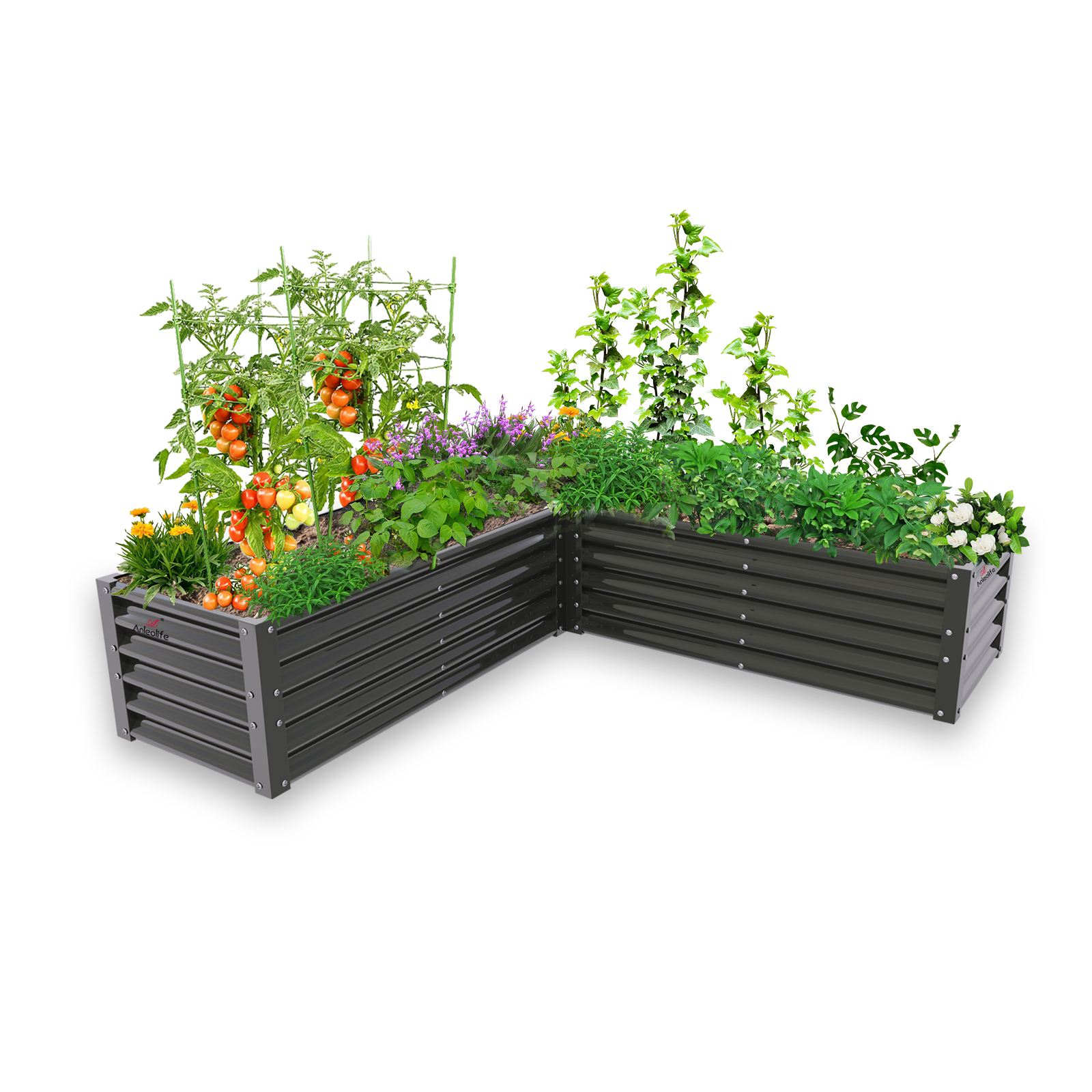
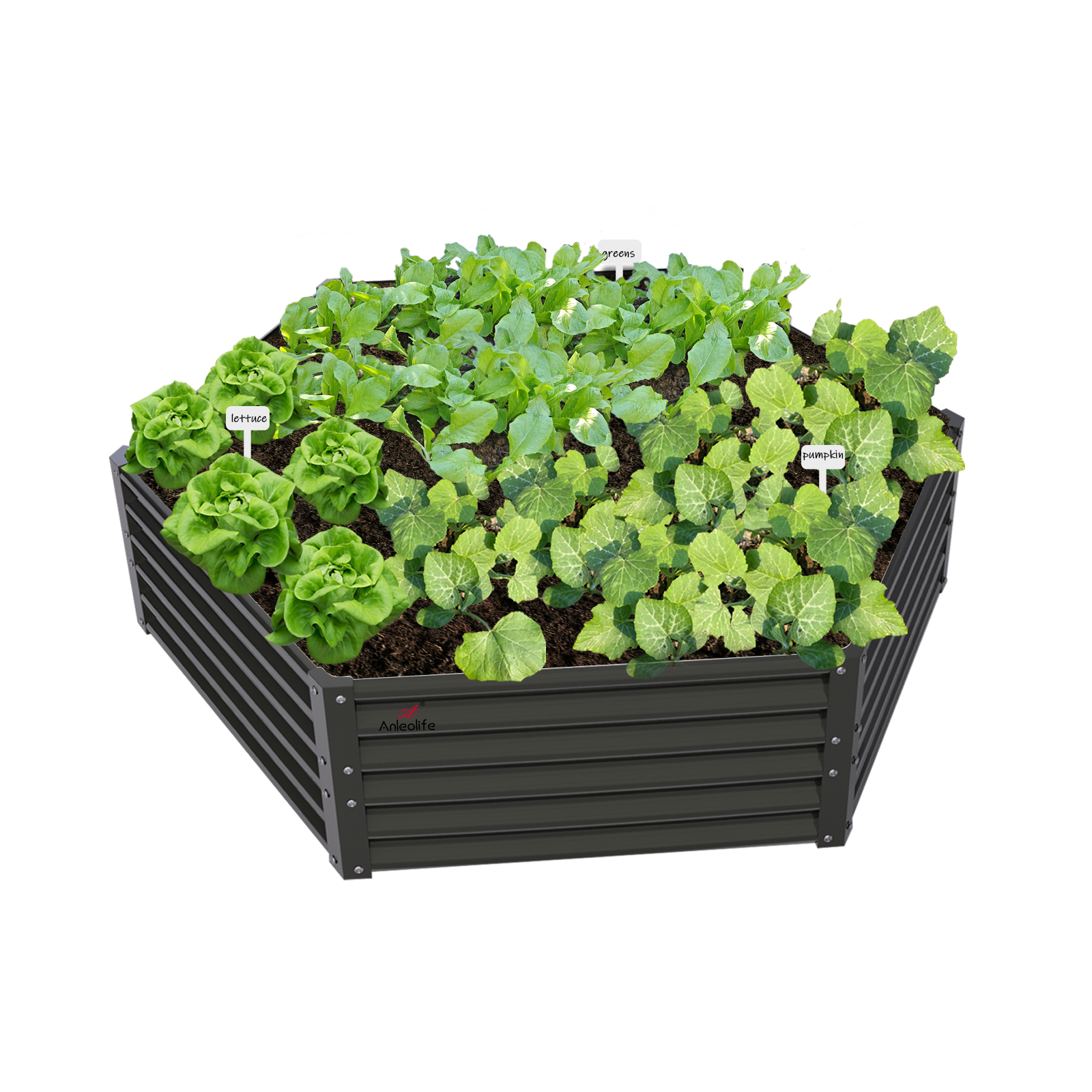
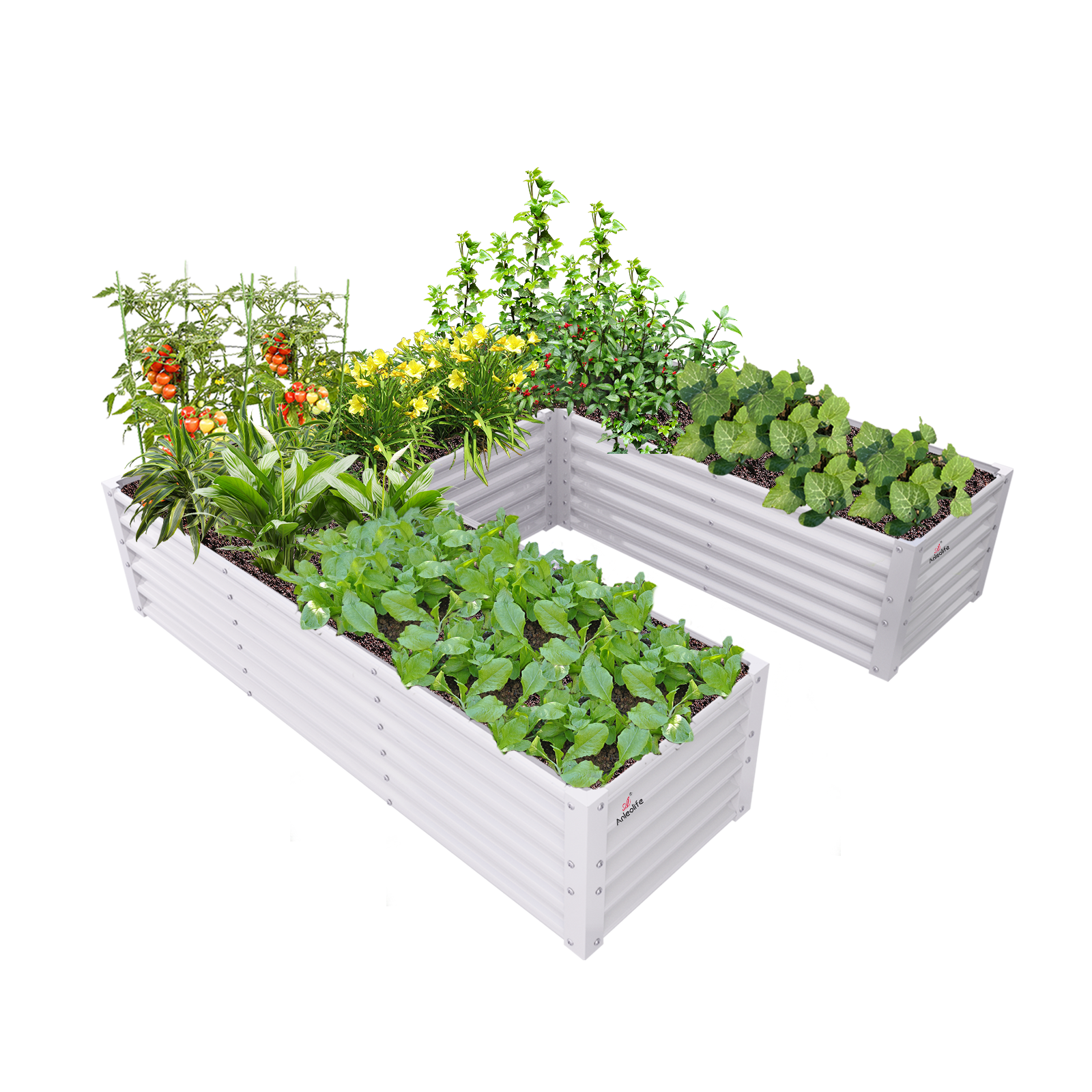

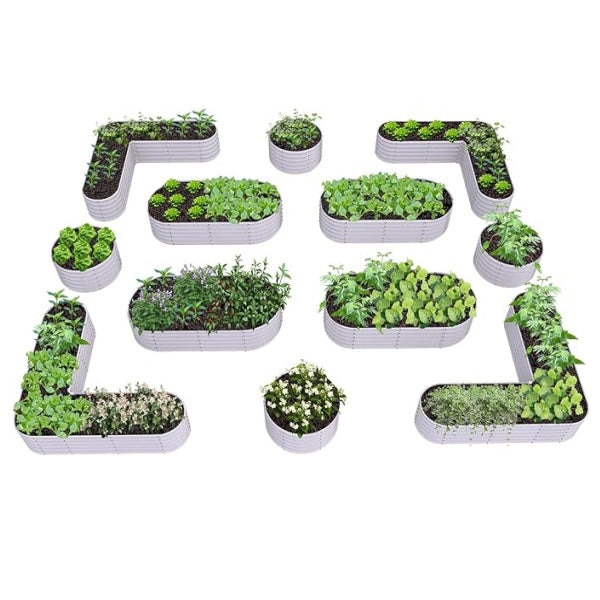


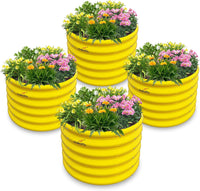
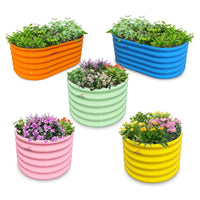
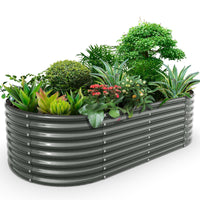



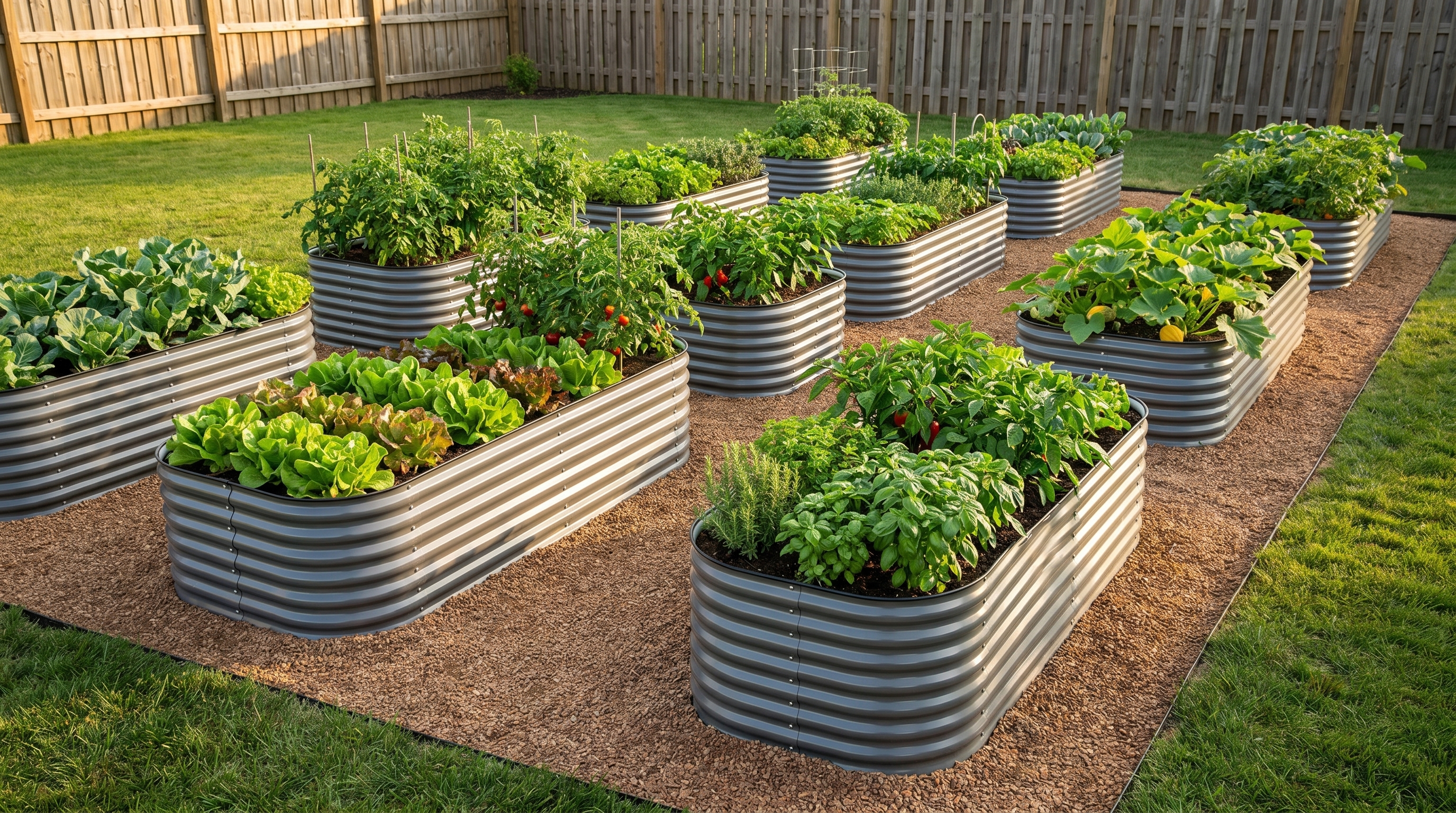
ALT: Organized raised bed garden layout with multiple beds in a sunny backyard for summer vegetable planting
How Many Raised Beds Do You Really Need? Start Here Before Summer Slips Away
Key Conclusion: Determining the right number of raised beds comes down to four factors: your available space, your household's food goals, your physical capacity to maintain beds, and your seasonal planting schedule. A well-thought-out raised bed garden layout removes the guesswork and sets you up for a productive, stress-free summer. Whether you're designing a compact raised bed planting layout for a small yard or scaling up with a full raised bed layout across a generous outdoor space, this planning formula will guide you step by step—no experience required.
Most gardeners make the same mistake in spring: they either start too small and run out of growing space by July, or they install too many beds and spend the entire summer overwhelmed by watering, weeding, and harvesting. Finding the right balance is less about intuition and more about having a solid formula to work from.
This guide is built for practical-minded growers who want to enjoy their garden—not be consumed by it. Whether you're a retiree planning your first kitchen garden, a family trying to grow more of your own food, or an urban micro-gardener maximizing every square foot, you'll walk away knowing exactly how many raised beds you need and how to lay them out for maximum efficiency.
Who This Planning Formula Is For
✅ Applicable Scenarios:
- Homeowners planning a raised bed vegetable or herb garden for the first time this summer
- Existing gardeners looking to expand or reorganize their current raised bed layout for better productivity
- Urban and suburban households with limited but defined outdoor space (patios, side yards, backyard plots)
❌ Not Applicable/Cautions:
- Large-scale market gardeners or small farm operators who need commercial-level crop planning tools
- Renters without permission to install permanent or semi-permanent garden structures (check with your landlord first)
Why Getting the Number Right Matters More Than You Think
There's a common myth in the gardening world: more beds automatically mean more food. In reality, three modestly sized, well-managed raised beds will consistently outperform six neglected ones. Over-expanding is one of the top reasons new gardeners burn out before autumn arrives.
The good news is that the raised bed gardening movement has exploded in North America over the past decade. According to the National Gardening Association, food gardening participation has grown significantly in recent years, with millions of new households starting a vegetable garden during and after the pandemic. The shift toward home-grown food is no longer a niche lifestyle choice—it's becoming a mainstream household priority.
Raised beds, in particular, offer compelling advantages over traditional in-ground gardening. They warm up faster in spring, drain better, allow precise soil management, and are far easier on the back and knees—a major factor for older gardeners. When built from quality materials, a raised bed can last up to 20 years, making it a genuinely long-term investment in your home and health.
But to get the most out of that investment, you need a plan. That plan starts with a simple formula—and that's exactly what this article delivers.
The Core Planning Formula: A Three-Step Approach to Your Ideal Raised Bed Layout
Step 1: Define Your Food Goal
Clarify what you actually want to harvest—and how much of it. (Allow 15–20 minutes to complete this step.)
Before measuring your yard or shopping for beds, start with your kitchen. Think about which vegetables, herbs, and fruits your household actually eats on a regular basis. Write down your top 5–10 crops. Then estimate how much of each you want to grow. For example:
- Do you want to supplement your grocery shopping, or significantly replace it?
- Are you growing for two people or for a family of five?
- Do you want fresh produce only during summer, or are you hoping to preserve and store harvests for fall and winter?
A rough general guideline used by many extension services: to make a meaningful contribution to a household's vegetable needs, plan for roughly 100–200 square feet of growing space per person. For a couple, that might translate to three or four standard raised beds. For a family of four focused on high-yield crops, you may want five or six.
Step 2: Audit Your Available Space
Map your outdoor area and identify usable growing zones. (Allow 20–30 minutes with a tape measure.)
Walk your outdoor space with a measuring tape and identify all areas that receive at least 6–8 hours of direct sunlight per day. Vegetables need full sun to thrive, so shaded areas near fences, trees, or structures generally won't work for food crops (though they may be ideal for herbs like mint or parsley).
Sketch a rough diagram of your yard or patio. Mark obstacles like downspouts, air conditioning units, utility access points, and pathways. Then calculate how many raised beds—including the space needed for walking paths between them—can realistically fit.
Leave at least 18–24 inches between beds for comfortable access. If you plan to use a wheelbarrow or have mobility considerations, wider paths of 30–36 inches make daily gardening significantly more comfortable.
Step 3: Match Your Maintenance Capacity
Be honest about how much time you can dedicate each week. (A 5-minute reflection that saves months of frustration.)
Every raised bed requires regular watering (or an irrigation setup), occasional fertilizing, pest monitoring, and harvesting. A single well-planted raised bed can take 30–60 minutes of attention per week during peak season. Multiply that by the number of beds you're considering.
If you work full-time, have young children, or travel during summer, starting with two or three beds and expanding in a future season is a far smarter strategy than overcommitting from the start. A productive garden you can manage is infinitely better than an overwhelming one you abandon by August.
Raised Bed Size and Layout Options Compared
The size and configuration of your beds directly affect how many you need and how your overall raised bed garden layout functions. Here's a practical comparison of the most common setups:
| Comparison Dimension | Compact Single Bed | Standard 4x8 Bed | Multi-Bed Layout (3+) |
|---|---|---|---|
| Best For | Beginners, small patios, herb gardens | General vegetable gardening, families | Serious home growers, large yards |
| Crops Per Bed | 3–5 varieties | 6–10 varieties | 15+ varieties across beds |
| Weekly Maintenance | Low (30 min) | Moderate (45–60 min) | High (1.5–3 hrs) |
| Investment Level | Entry-level | Mid-range | Higher upfront, better long-term ROI |
| Expansion Potential | Limited | Moderate | High (modular expansion possible) |
| Soil Volume Needed | Small | Moderate | Large |
| Irrigation Complexity | Minimal | Simple drip system | Zone-based drip recommended |
This table makes it clear that there's no single "right" answer—the best number of raised beds is the one that aligns with your goals, space, and capacity. Most households land comfortably in the standard to multi-bed range.
Designing Your Raised Bed Planting Layout: Practical Details That Make the Difference
Choosing the Right Materials for Long-Term Success
When most people think about raised bed planting layout, they focus almost entirely on what to grow—and forget that what the bed is made of determines how well it performs for years to come.
The best materials for raised garden beds fall into a few main categories:
- Galvanized or powder-coated metal: Highly durable, resistant to rot and pests, and aesthetically clean. Metal beds from quality manufacturers can last up to 20 years, making them one of the best long-term investments for serious home gardeners.
- Untreated cedar or redwood: Naturally rot-resistant wood with a classic garden aesthetic. Requires more maintenance over time and will eventually decompose.
- Composite or recycled plastic lumber: Low maintenance and weatherproof, though some growers prefer natural materials for food growing.
- Concrete blocks or bricks: Very permanent, excellent heat retention, but not easily relocated.
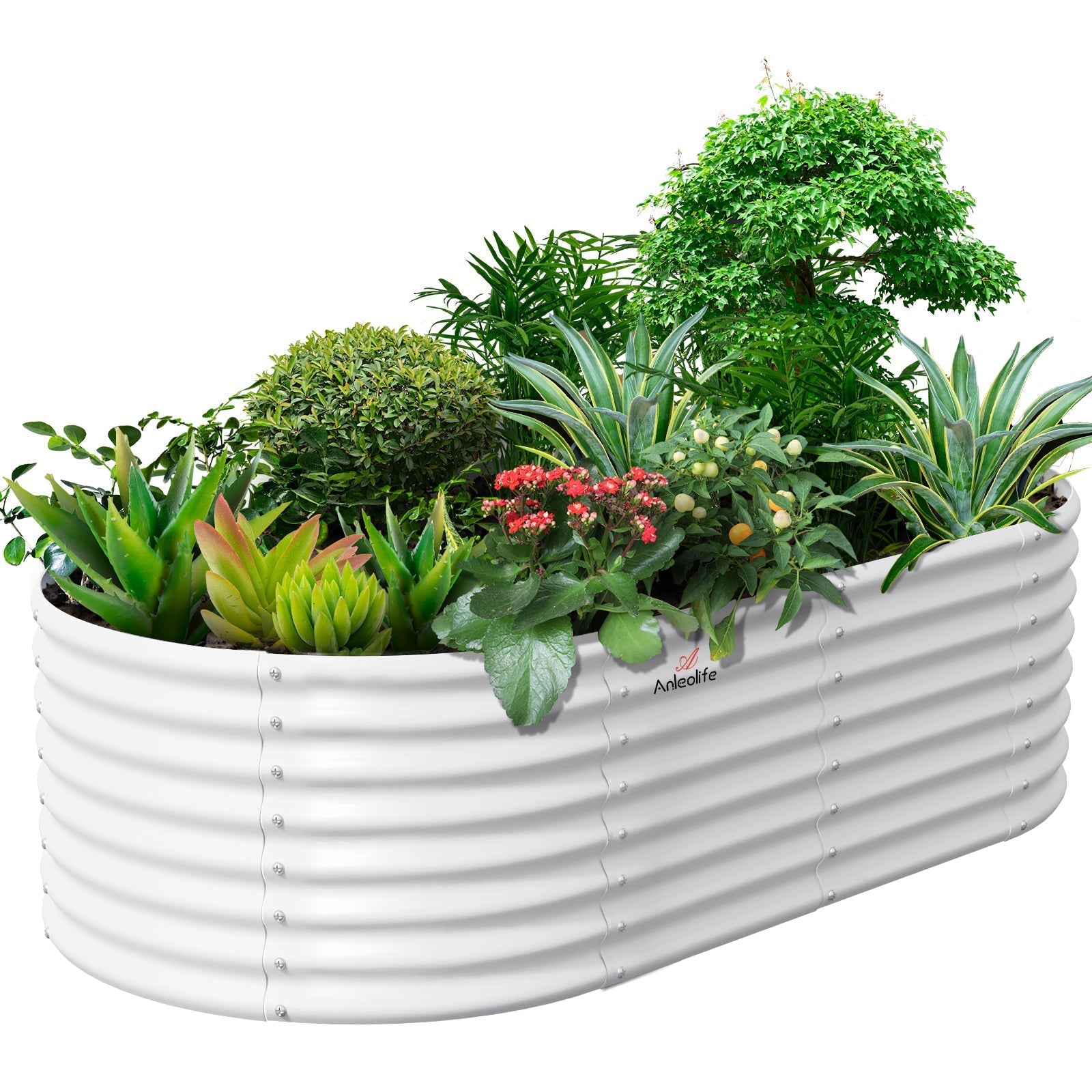
For most families and home growers prioritizing longevity and low maintenance, galvanized metal raised beds represent the strongest value. Anleolife's metal raised garden beds are built to last up to 20 years, combining durability with a clean, modern look that suits both functional vegetable gardens and decorative backyard spaces.
Filling Your Beds: The Best Soil Mix for Raised Vegetable Garden Beds
The soil inside your raised bed is arguably the single most important factor in your garden's success. Unlike in-ground gardening, you have complete control over the growing medium—which is one of raised bed gardening's greatest advantages.
The best soil mix for raised vegetable garden beds is typically a blend of:
- Topsoil (roughly 40%): Provides the mineral base and weight to anchor plant roots
- Compost (roughly 40%): Delivers rich organic matter, nutrients, and beneficial microbial life
- Aeration material (roughly 20%): Perlite, coarse sand, or aged wood chips help with drainage and prevent compaction
Avoid using 100% native soil from your yard. It compacts heavily in raised beds and often lacks the nutrients and drainage needed for productive vegetable growing. A high-quality premixed raised bed blend from a local garden center or landscape supplier is a convenient alternative.
When Is the Best Time to Fill Raised Garden Beds?
The best time of year to fill raised garden beds is ideally several weeks before you plan to plant. This allows the soil to settle, the compost to further break down, and the microbial ecosystem to establish itself.
In most U.S. climate zones, that means:
- Early spring beds: Fill in late February or early March
- Summer planting beds: Fill in early to mid-spring
- Fall vegetable beds: Fill in late summer
If you're filling beds right now in preparation for summer, don't worry—you can plant immediately after filling. Just plan to top off with an inch or two of compost after the soil settles over the first few weeks.
Fertilizing Your Raised Beds for Maximum Summer Yields
Even the best soil mix benefits from targeted nutrition as the growing season progresses. The best fertilizer for small raised garden beds depends on what you're growing:
- Slow-release granular fertilizers (applied at planting time) provide steady nutrition throughout the season with minimal effort
- Liquid fish emulsion or kelp are excellent organic options for leafy crops that need nitrogen boosts during active growth
- Balanced NPK formulas (such as 10-10-10) work well for most mixed vegetable gardens
- Tomato-specific fertilizers (higher potassium and phosphorus) optimize fruiting crops like tomatoes, peppers, and squash
For raised beds, side-dressing with compost midseason is one of the simplest and most effective ways to replenish nutrients without risk of over-fertilizing.
Arranging Multiple Beds: Layout Principles That Maximize Your Space
Once you know how many beds you need, the next question is how to arrange them. A thoughtful raised bed layout does more than look tidy—it makes your daily gardening routine smoother and your harvests more productive.
North-to-south orientation is generally recommended for vegetable beds. This ensures that taller plants (like staked tomatoes or climbing beans) don't shade shorter crops as the sun moves through the sky.
Grouping by water needs is another practical principle. Place drought-tolerant herbs and root vegetables together, and keep heavy-water crops like squash, tomatoes, and cucumbers in adjacent beds where drip irrigation can serve them efficiently.
Dedicated paths between beds are often underestimated. A well-laid pathway—whether simple compacted gravel, stepping stones, or bark mulch—prevents soil compaction around your beds and makes the entire garden space feel more intentional and enjoyable to spend time in.
For gardeners interested in both function and visual appeal, pairing raised beds with pathway systems and decorative accessories transforms a utilitarian growing space into a beautiful garden environment. Anleolife's full product ecosystem covers exactly this complete picture, from structural garden beds to beautification elements that tie the space together.
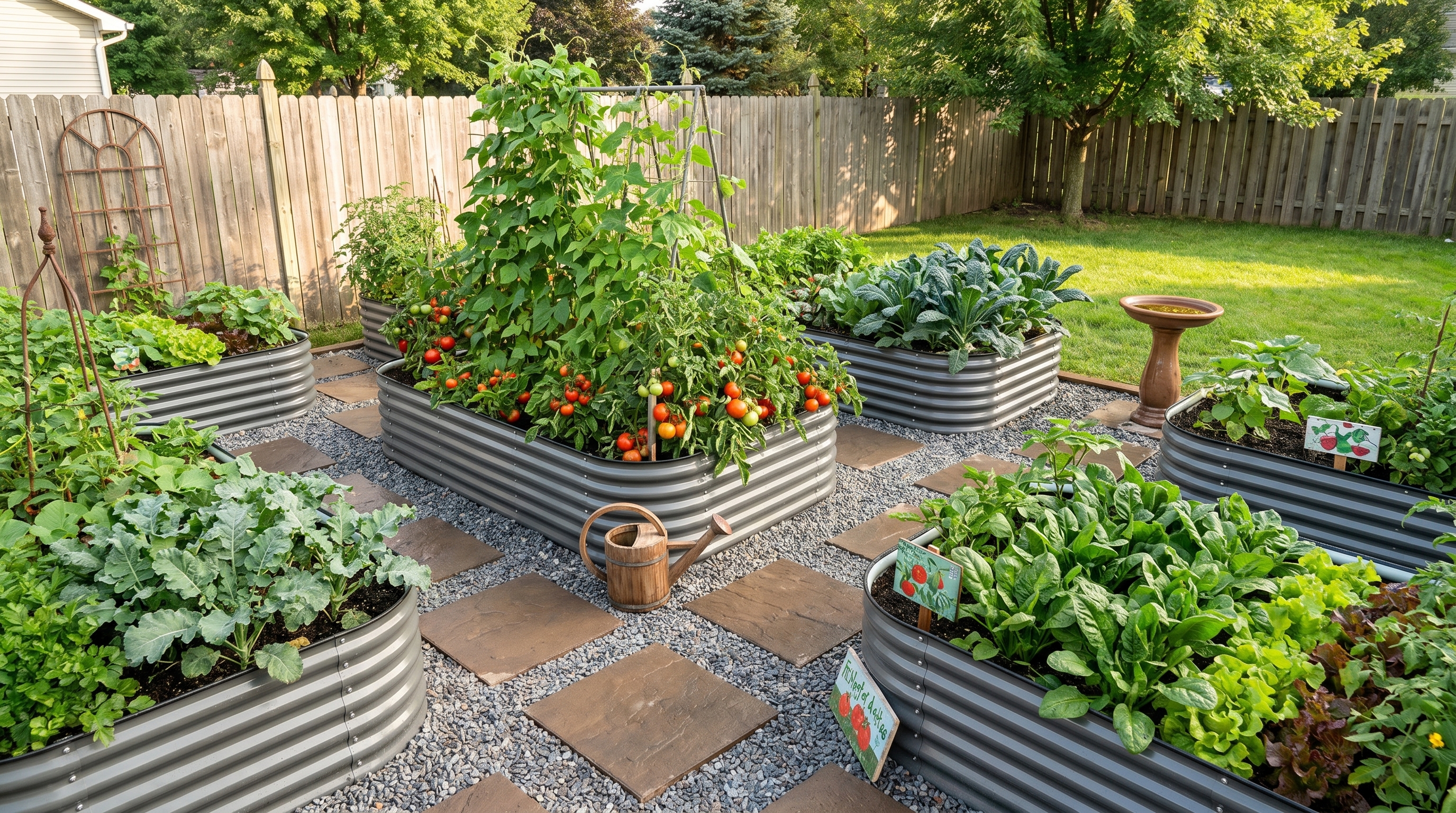
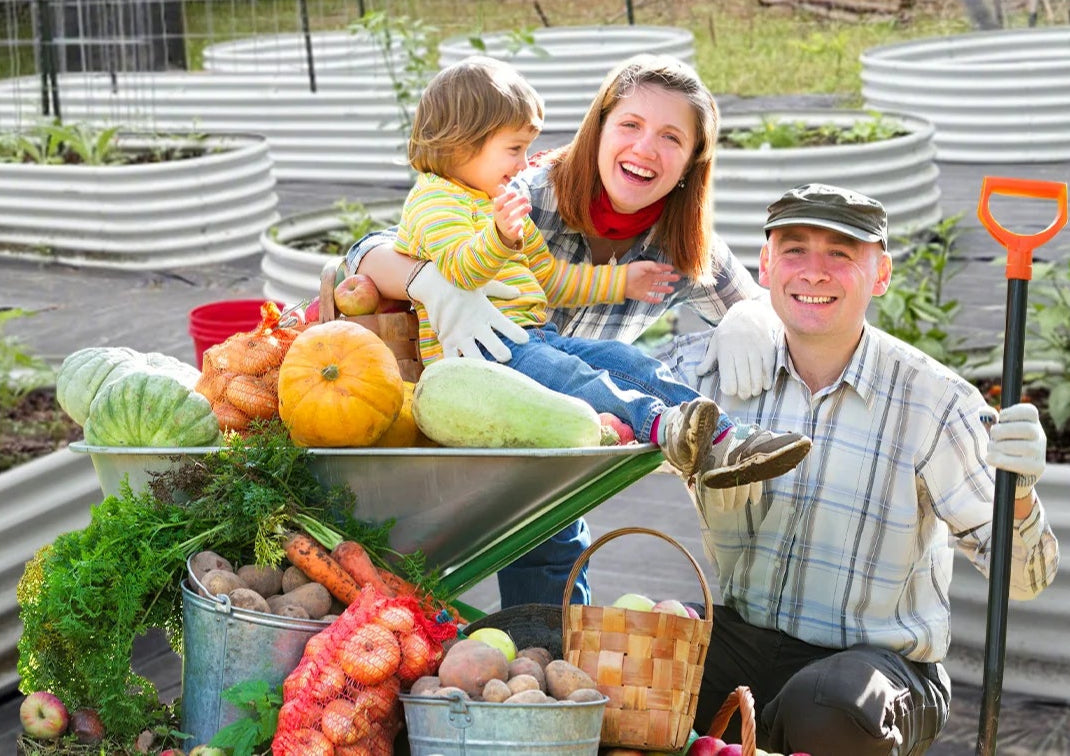
ALT: Productive raised bed garden layout with multiple metal garden beds, clear pathways, and summer vegetable crops growing in a backyard
Advanced Planning: Handling Special Situations
What If Your Space Is Very Small?
Urban micro-gardeners and those with compact patios or balconies often assume raised bed gardening isn't for them. That's a misconception worth challenging. A single well-chosen, well-positioned raised bed can produce a remarkable amount of food, especially when planted with high-yield crops like salad greens, radishes, bush beans, and compact tomato varieties.
Vertical growing—using trellises inside or behind raised beds—effectively doubles your growing surface without requiring additional footprint. Anleolife's modular approach means you can start with one bed and expand as space or opportunity allows.
Common Misconception: "I Need to Start Big to Make It Worth It"
This is one of the most frequent mental barriers new gardeners encounter. In reality, two or three well-maintained raised beds produce far more usable food than six poorly managed ones. Start with a number you can genuinely care for this summer. You can always add more next season—and the satisfaction of a successful first garden will make that expansion feel exciting rather than obligatory.
Connecting Your Garden to a Broader Outdoor Ecosystem
A raised bed garden doesn't exist in isolation. Many families find that their initial food garden naturally evolves to include a chicken coop for fresh eggs, a rabbit hutch, or additional decorative garden features. Anleolife's three-core-scenario design—Planting, Raising, and Beautification—exists precisely to support this natural expansion. Every product in the lineup is designed to integrate cohesively, so your outdoor space grows with you rather than becoming a patchwork of mismatched purchases.
Frequently Asked Questions FAQ
Q1: How do I calculate how many raised beds I need for a family of four?
A family of four looking to meaningfully supplement their vegetable intake typically needs between four and six standard-sized raised beds, depending on the crops chosen. High-yield crops like tomatoes, zucchini, and beans maximize output per square foot, while lower-yield crops like corn or melons require more space for fewer returns. Start with your top five favorite vegetables, research their spacing requirements, and use that to calculate the square footage needed before settling on a final bed count.
Q2: Are metal raised garden beds safe for growing vegetables?
Yes—quality galvanized or powder-coated metal raised beds are widely considered safe for food growing. The zinc coating on galvanized steel that some growers have historically questioned is present in very small amounts that do not pose a meaningful health risk in food gardening contexts. Reputable manufacturers, including Anleolife, design their metal garden beds specifically for food-safe use, and these beds offer the added benefit of lasting up to 20 years without rotting, warping, or requiring chemical wood preservatives.
Q3: How long does it take to set up and fill a new raised bed before planting?
Most standard raised beds can be assembled in under an hour, and filling typically takes another one to two hours depending on the size of the bed and your access to bulk soil. If you order from a supplier with a strong warehouse network—like Anleolife, which delivers within 3–8 business days across the U.S.—you can realistically go from ordering your bed to planting your first seedlings within two weeks. Planning ahead in early spring gives you the most flexibility, but summer setups are absolutely achievable.
Summary
Planning how many raised beds you need doesn't have to be complicated. The simple three-step formula—define your food goals, audit your available space, and match your maintenance capacity—gives you a clear, honest framework that leads to better decisions and a more enjoyable garden season.
Three key points to carry forward:
- Start with intention, not inspiration: A realistic bed count that matches your actual lifestyle will always outperform an ambitious plan that burns you out by midsummer.
- Invest in quality from the beginning: Beds built from durable materials like galvanized metal can last up to 20 years, making them a true long-term garden investment rather than an annual expense.
- Design for growth: Leave room in your layout—both physically and mentally—to expand your garden in future seasons as your confidence and capacity grow.
Your ideal summer garden is more achievable than you think. The planning work you do now pays dividends in harvests, satisfaction, and outdoor enjoyment all season long.
Ready to Build Your Raised Bed Garden This Summer?
Nationwide U.S. Warehouse Network: Anleolife maintains strategically located warehouses in California, Texas, Florida, New York, Illinois, and Washington, ensuring delivery within 3–8 business days so your summer garden plans never have to wait on shipping delays.
Multi-Channel Availability: Anleolife products are available across major platforms including Amazon, Walmart, Home Depot, Lowe's, Wayfair, and directly at Anleolife.com, offering consistent quality assurance and responsive after-sales support wherever you prefer to shop.
Three Core Garden Scenarios: From Planting (metal raised garden beds and soil systems) to Raising (chicken coops and rabbit hutches) to Beautification (decorative accessories and pathway systems), Anleolife covers every dimension of the outdoor lifestyle you're building.
We understand that an ideal garden isn't built in a single afternoon—it grows alongside your knowledge, your confidence, and your vision. Anleolife's modular product design allows you to start exactly where you are right now and expand naturally over time. Whether this is your first raised bed or your fifteenth, we're here to grow with you every step of the way.
👉 Explore the full Anleolife raised bed collection at Anleolife.com
References
- National Gardening Association. "Food Gardening in the United States".
https://garden.org/ - University of California Cooperative Extension. "Vegetable Gardening in California".
https://ucanr.edu/ - U.S. Department of Agriculture – Agricultural Research Service. "Composting and Soil Health for Home Gardens".
https://www.ars.usda.gov/ - Penn State Extension. "Raised Bed Gardening".
https://extension.psu.edu/ - Oregon State University Extension Service. "Raised Bed Gardening: Soil, Spacing, and Layout Best Practices".
https://extension.oregonstate.edu/
Note: Standards and recommendations may be updated. Please check the latest official documents or consult a local extension service professional for guidance specific to your growing region.
About Anleolife
Anleolife is a leading outdoor garden solutions provider in North America, dedicated to offering a full-scenario product ecosystem for home gardening enthusiasts, covering planting, raising, and garden beautification. Since its founding, we have upheld our brand mission, "Made for Garden Life," continuously innovating products and optimizing services to help hundreds of thousands of users upgrade their gardens, reconnect with nature, and enjoy a better garden lifestyle.