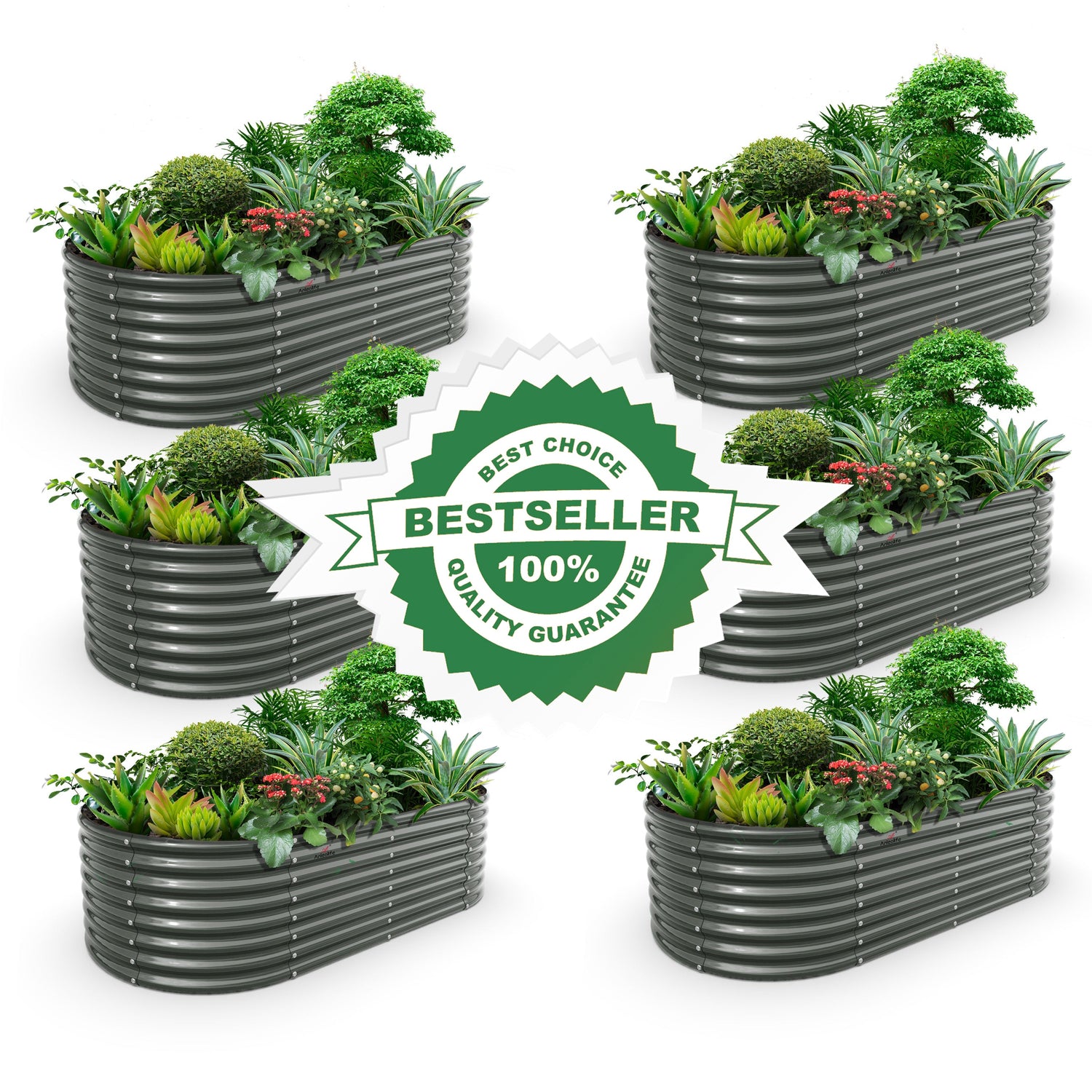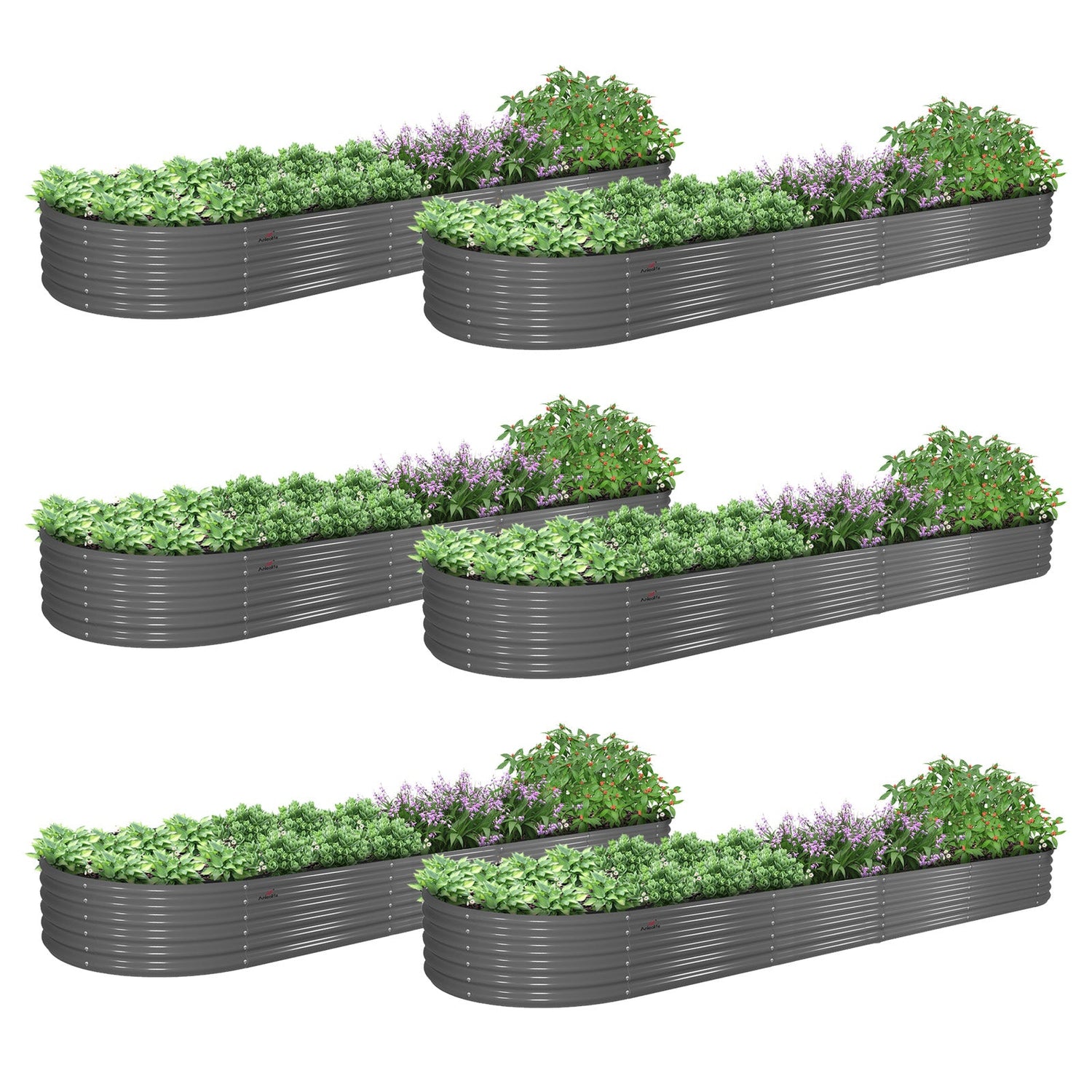



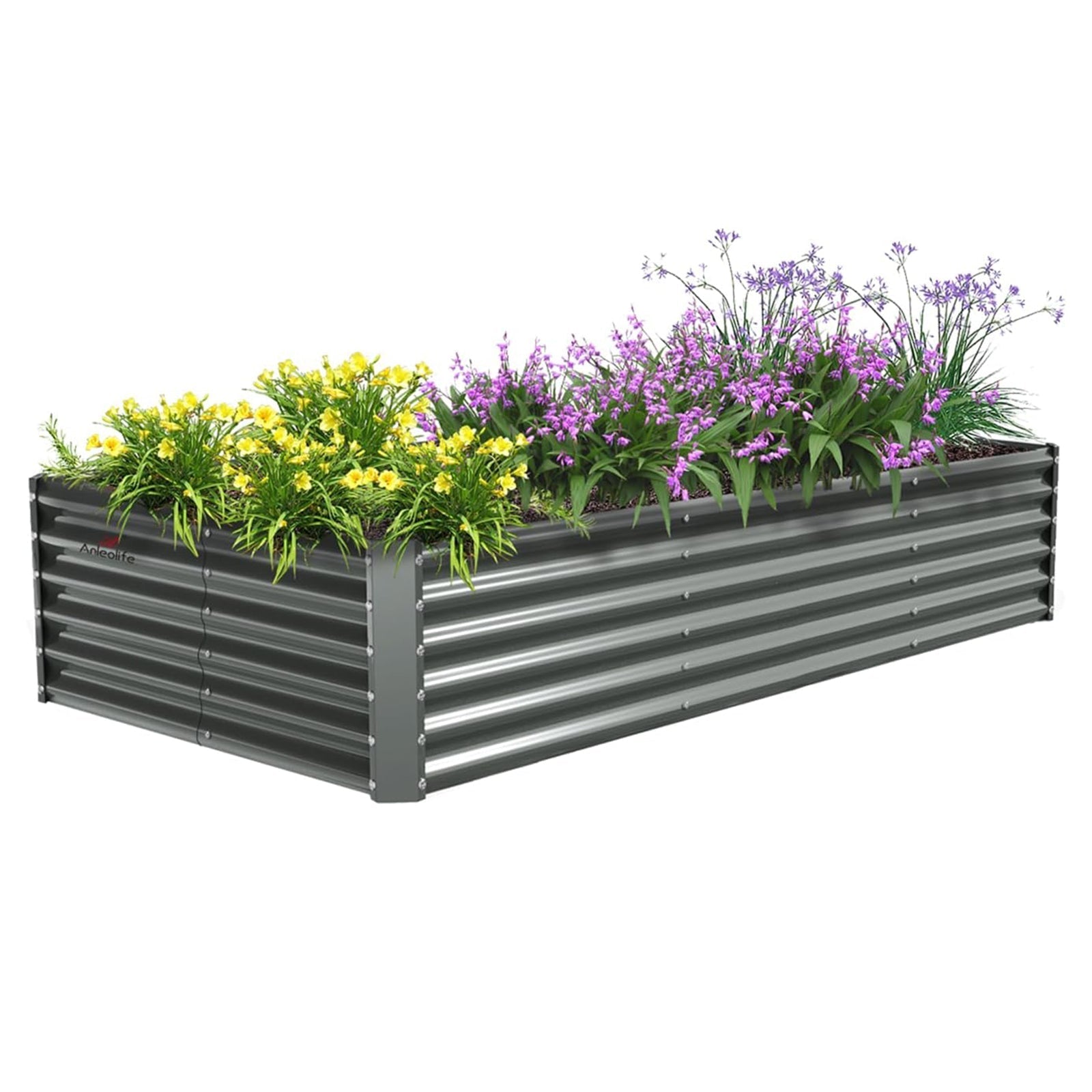

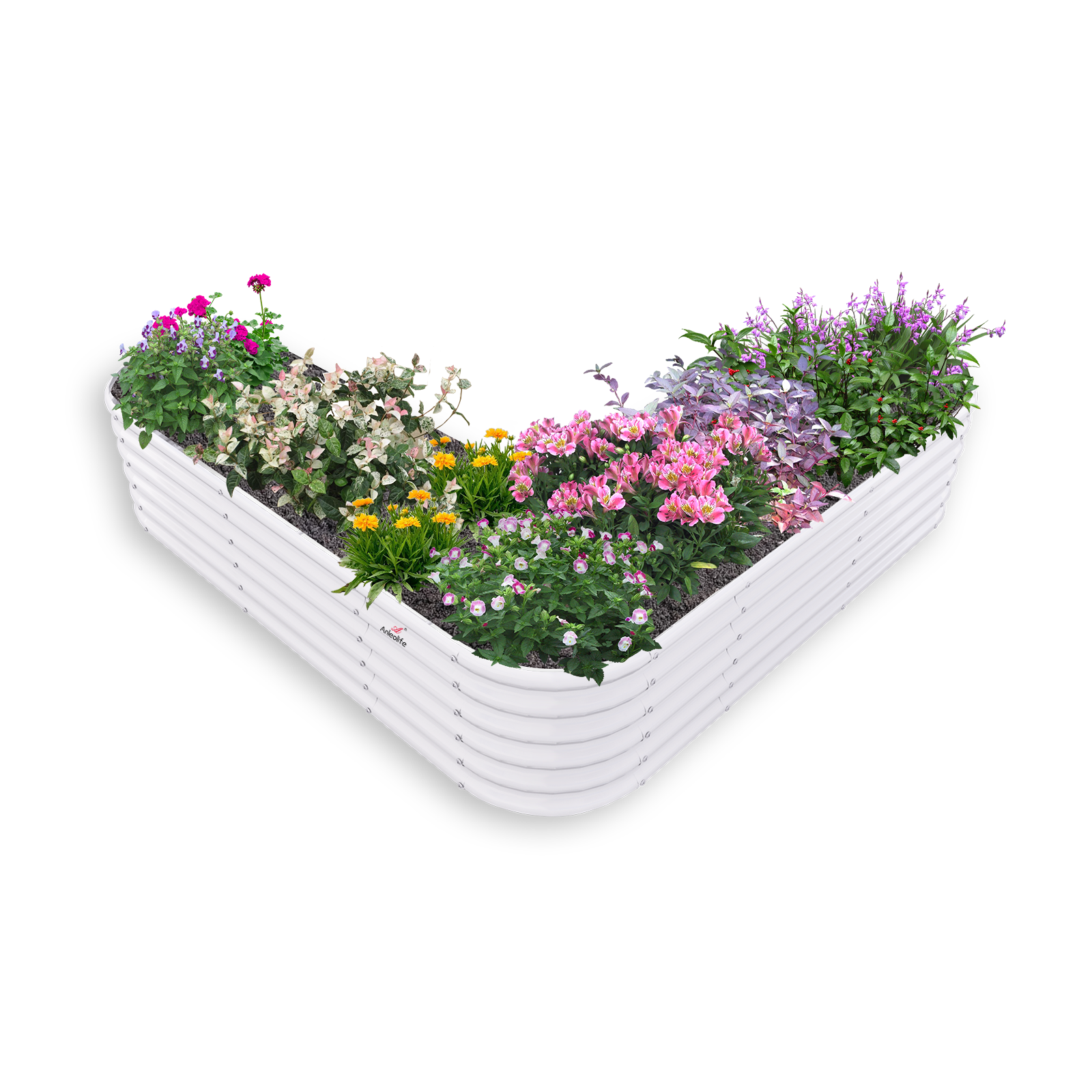
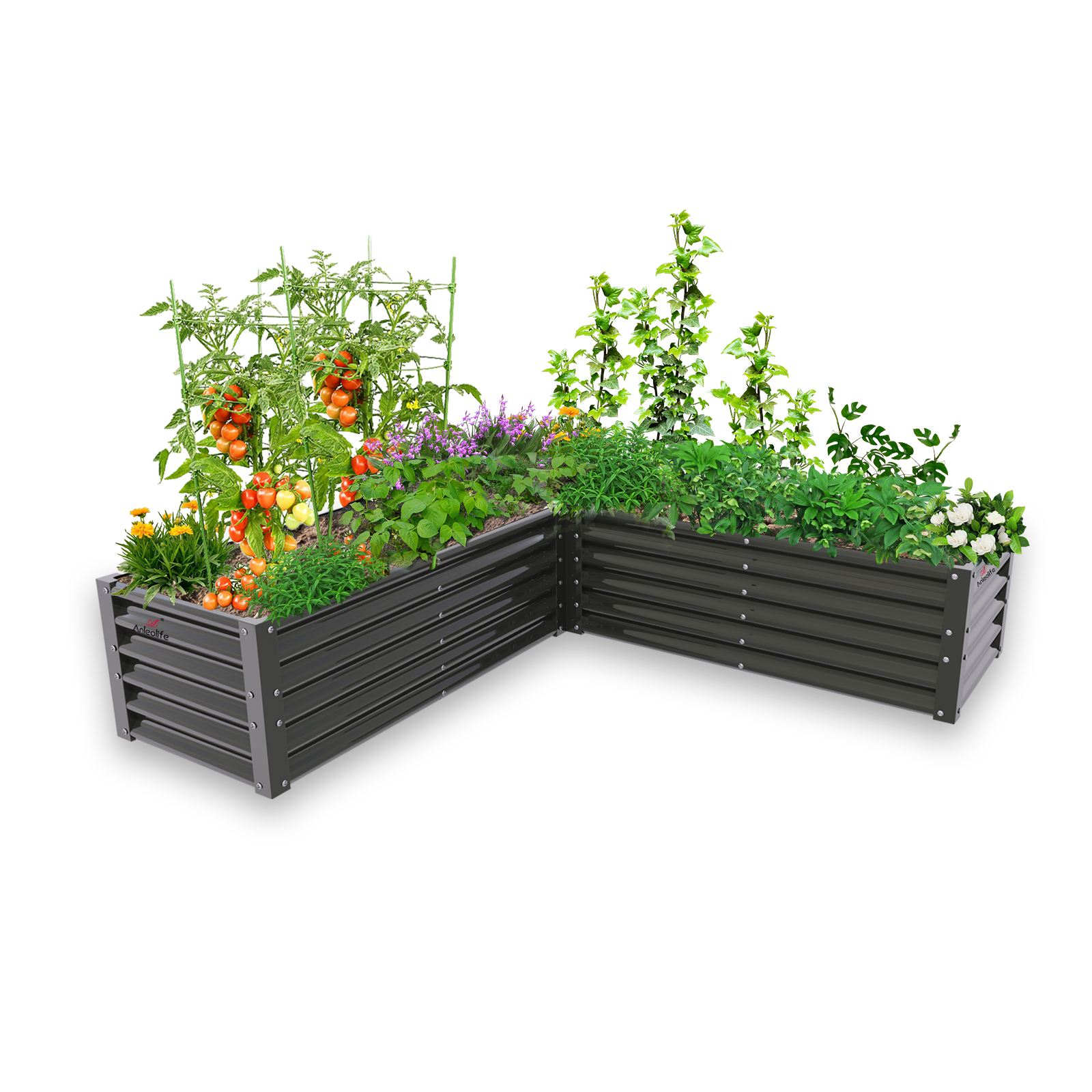
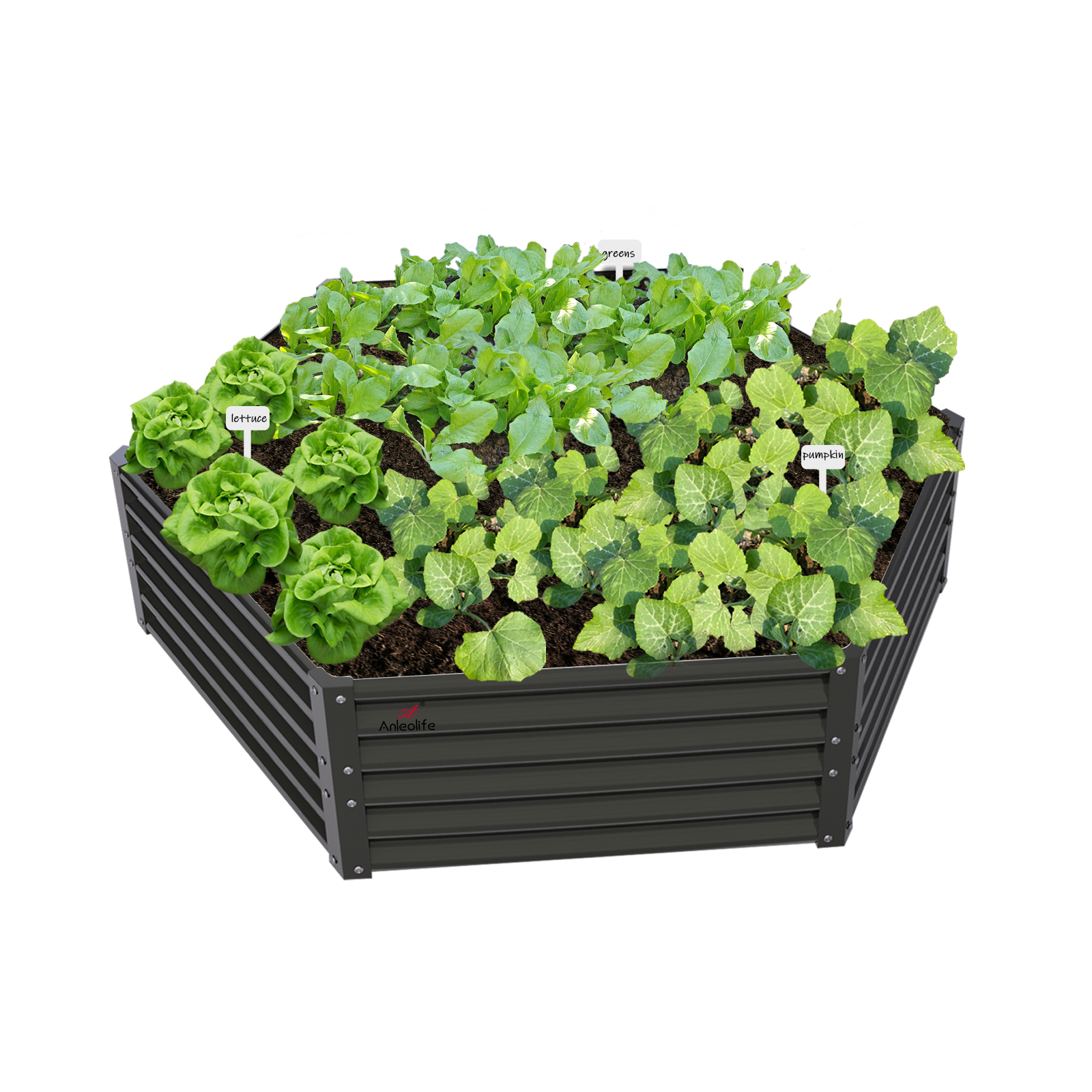
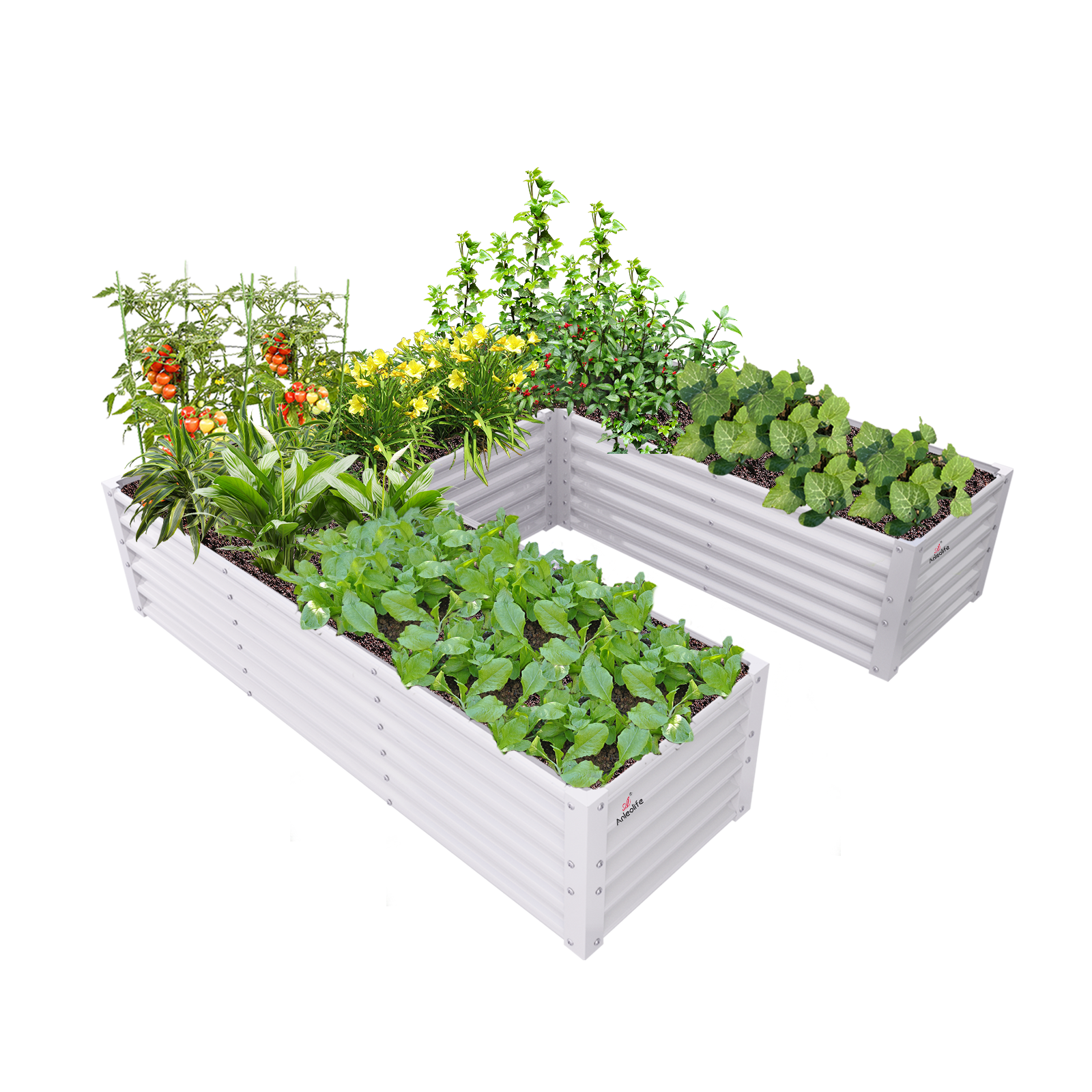

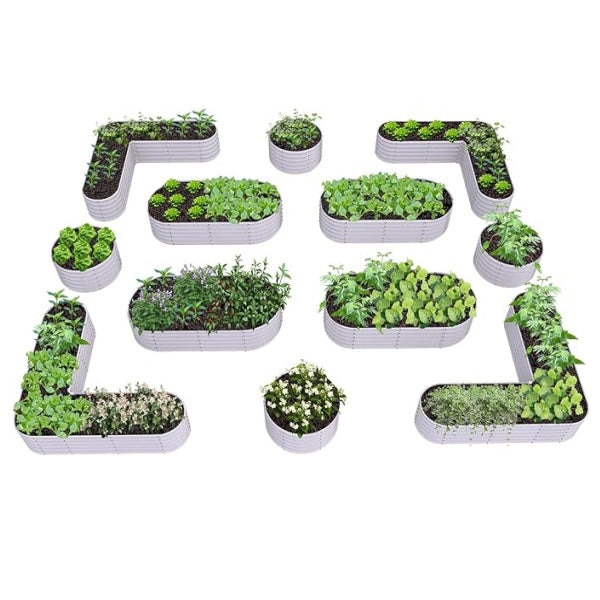


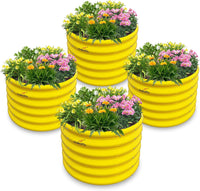
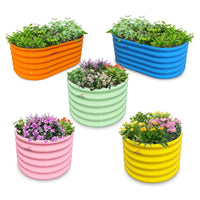
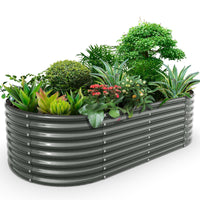




ALT: Raised bed garden layout with multiple planting beds growing summer vegetables in a backyard setting
How Many Raised Beds Do You Really Need for a Thriving Summer Garden?
Key Conclusion: Determining the right number of raised beds for your summer garden comes down to three core factors: your household's food consumption goals, the available space in your yard or patio, and the crops you plan to grow. A well-thought-out raised bed garden layout doesn't just maximize your harvest—it saves you time, reduces waste, and creates a garden you'll actually enjoy tending. Whether you're planning a compact raised bed planting layout for a small urban yard or designing a sprawling raised bed layout for a full suburban backyard, this simple planning formula will help you get it right from the start.
Planning a summer garden feels exciting until the questions start piling up. How much space do you actually need? Will one bed be enough, or should you start with three? What if you run out of growing room mid-season?
The truth is, most first-time gardeners either underestimate what they need—ending up frustrated when they can't grow everything on their wish list—or overestimate and find themselves overwhelmed by more beds than they can realistically maintain. This article cuts through the guesswork with a straightforward, step-by-step planning formula designed for real home growers: busy families, health-conscious individuals, retirees with a passion for fresh food, and anyone in between.
Who This Planning Guide Is For
✅ Applicable Scenarios:
- First-time gardeners who want to start smart without wasting money on unnecessary materials
- Experienced home growers looking to scale up or reorganize their existing raised bed garden layout
- Urban and suburban households aiming to grow a meaningful portion of their own food this summer
- Empty nesters or retirees who have more yard space available and want to optimize every square foot
- Families with children who want an educational, manageable garden that won't feel like a chore
❌ Not Applicable/Cautions:
- Commercial growers or market gardeners who require large-scale production planning tools
- Renters without outdoor space who may be better served by container gardening or vertical planting solutions
- Gardeners in extreme climates (very short growing seasons or frost-prone regions) who should consult local extension services before planning summer layouts
Why Getting Your Raised Bed Count Right Matters More Than You Think
There's a quiet problem happening in backyards across North America every spring: people build raised beds with enthusiasm, fill them with soil, plant everything at once—and then either abandon half the beds by July or feel overwhelmed trying to maintain more than they bargained for.
The National Gardening Association consistently reports that home vegetable gardening has surged in popularity, with millions of American households growing some of their own food each year. Yet satisfaction rates vary wildly—and the primary culprit isn't pests, weather, or soil quality. It's poor planning at the outset.
A raised bed garden layout that's sized appropriately for your household transforms gardening from a stressful chore into a genuinely enjoyable ritual. You harvest enough to feel the difference in your grocery bills. You don't spend entire weekends weeding beds you planted out of optimism rather than strategy. And you set yourself up to expand intelligently season after season.
The good news? The formula for figuring out how many raised beds you need isn't complicated. It's built around three simple variables: what you want to eat, how much space you have, and how much time you're realistically willing to invest. Once you have those answers, the math more or less does itself.
Modern metal raised garden beds—like those offered by Anleolife—are also designed to last, with a garden bed lifespan of up to 20 years, meaning the investment you make in your layout today pays dividends for decades. Getting your raised bed layout right from the start isn't just about this summer. It's about building a garden infrastructure that grows with you.
The Simple Planning Formula: Step-by-Step
Three Steps to Finding Your Ideal Raised Bed Count
Step 1: Define Your Harvest Goals
Start by listing the vegetables and herbs your household actually eats. Be honest—not aspirational. Ask yourself: how many salads per week do we eat? Do we cook with fresh tomatoes regularly, or just occasionally? Write down your top 8–10 most-used vegetables. Then estimate how many servings per week you want each crop to produce. This step takes about 15–20 minutes and forms the foundation of your entire layout plan.
Step 2: Research Space Requirements Per Crop
Each crop has a recommended planting density. Lettuce, for example, can be grown intensively with multiple plants per square foot. Zucchini, on the other hand, needs significant room and can easily take over an entire bed. Look up the square footage requirements for each crop on your list (USDA and university extension resources are excellent for this). Tally up the total square footage your crop wish list demands. This calculation typically reveals that most households need between two and six raised beds.
Step 3: Match to Realistic Time and Space
Once you know how many square feet your harvest goals require, overlay that against two practical constraints: the physical space you have available, and the hours per week you can dedicate to gardening. A general rule of thumb used by many garden educators is that a beginner can comfortably manage about 100 square feet of raised bed space. Experienced gardeners can handle more. Use this benchmark to finalize your bed count, starting conservatively and planning your layout to allow for future expansion.
Comparing Raised Bed Layout Configurations: What Works for Different Households
Choosing how many beds to build—and how to arrange them—depends heavily on your household size, goals, and available space. Below is a comparison of three common raised bed planting layout configurations used by home gardeners across North America.
| Comparison Dimension | Starter Layout (1–2 Beds) | Mid-Scale Layout (3–4 Beds) | Full Garden Layout (5–6+ Beds) |
|---|---|---|---|
| Best For | Singles, couples, beginners | Families of 3–5, experienced beginners | Large families, retirees with time & space |
| Estimated Weekly Maintenance | 1–2 hours | 3–5 hours | 5–10+ hours |
| Crop Variety Possible | 4–6 crops | 8–12 crops | 15+ crops |
| Rotation Flexibility | Limited | Moderate | High |
| Expansion Potential | Easy to add beds later | Good staging for full garden | Can incorporate specialty beds |
| Investment Level | Lower upfront cost | Moderate, good value | Higher upfront, best long-term ROI |
| Space Required | Small yard or patio | Mid-size yard | Larger yard or dedicated garden area |
This table makes it clear that there's no single "right" answer—just the right answer for your specific situation. A household of two with a modest backyard and a goal of fresh salads and herbs can be perfectly satisfied with a two-bed setup. A family of five with ambitions to reduce their grocery bills significantly will likely need four to six well-planned beds.
Calculating Beds by Crop Type: The Practical Breakdown
Understanding Square Foot Gardening as Your Baseline
The concept of square foot gardening, popularized by Mel Bartholomew, provides a useful starting framework for planning your raised bed garden layout. The core principle is that different crops occupy different amounts of space per plant, and by planting in grids rather than rows, you can maximize yield in a compact footprint.
Here's a simplified breakdown of popular summer crops and their approximate space needs:
High-density crops (can fit multiple plants per square foot): Lettuce, spinach, radishes, herbs like basil and parsley, and green onions. These are excellent candidates for intensive planting in your beds and give you a strong harvest-to-space ratio.
Medium-density crops (approximately one plant per square foot): Tomatoes—in caged varieties—peppers, eggplant, and bush beans. These form the backbone of most summer raised bed planting layouts because they're productive relative to the space they need.
Low-density crops (need several square feet per plant): Zucchini, winter squash, pumpkins, cucumbers on sprawling vines, and melons. These crops can quickly eat up bed space. Many gardeners choose to train them vertically using trellises to reclaim floor space in their beds.
Household Size as a Multiplier
Once you understand space requirements by crop, household size becomes your multiplier. Here's a practical guide:
- 1–2 people: A total of 50–100 square feet of raised bed space is typically sufficient to produce a meaningful supplement to grocery shopping, covering salads, herbs, and select vegetables.
- 3–4 people: Aim for 150–200 square feet to produce a significant portion of summer vegetables. This typically translates to three to four well-managed beds.
- 5+ people: You'll want 250 square feet or more if you intend to make a real dent in food costs, with additional beds dedicated to high-consumption crops like tomatoes and beans.
Accounting for Crop Rotation in Your Layout
One aspect of raised bed layout planning that beginners frequently overlook is crop rotation. Growing the same plant family in the same bed season after season depletes specific nutrients and builds up soil-borne diseases and pests. A proper rotation system requires at least three to four distinct planting zones.
This is one of the strongest arguments for starting with at least three beds rather than two. With three beds, you can rotate crops annually using a simple nightshade–brassica–legume system, maintaining soil health without complicating your management routine. With only one or two beds, rotation becomes difficult and soil quality can degrade over time.
Small Space Solutions: Making the Most of Limited Square Footage
Not everyone has a sprawling suburban backyard. For urban micro-gardeners and those with limited outdoor areas, the best raised garden beds for small spaces are those that prioritize vertical growing and high-density planting. Raised beds work beautifully on patios, decks, and even small balconies when combined with trellises and thoughtful crop selection.
If you're working with a small footprint, focus your beds on the crops that give you the most value per square foot—herbs, salad greens, cherry tomatoes, and peppers. Skip the sprawling squash and melons, or train them vertically. Two compact, well-managed beds in a small space can out-produce a neglected larger layout every time.
Materials Matter: Choosing Beds That Won't Let You Down
When investing in raised beds, the recommended materials for raised garden beds that won't rot are a critical consideration. Untreated wood, while attractive, degrades quickly in moist soil environments—often within three to five years. Cedar and redwood offer better longevity but come at a premium cost.
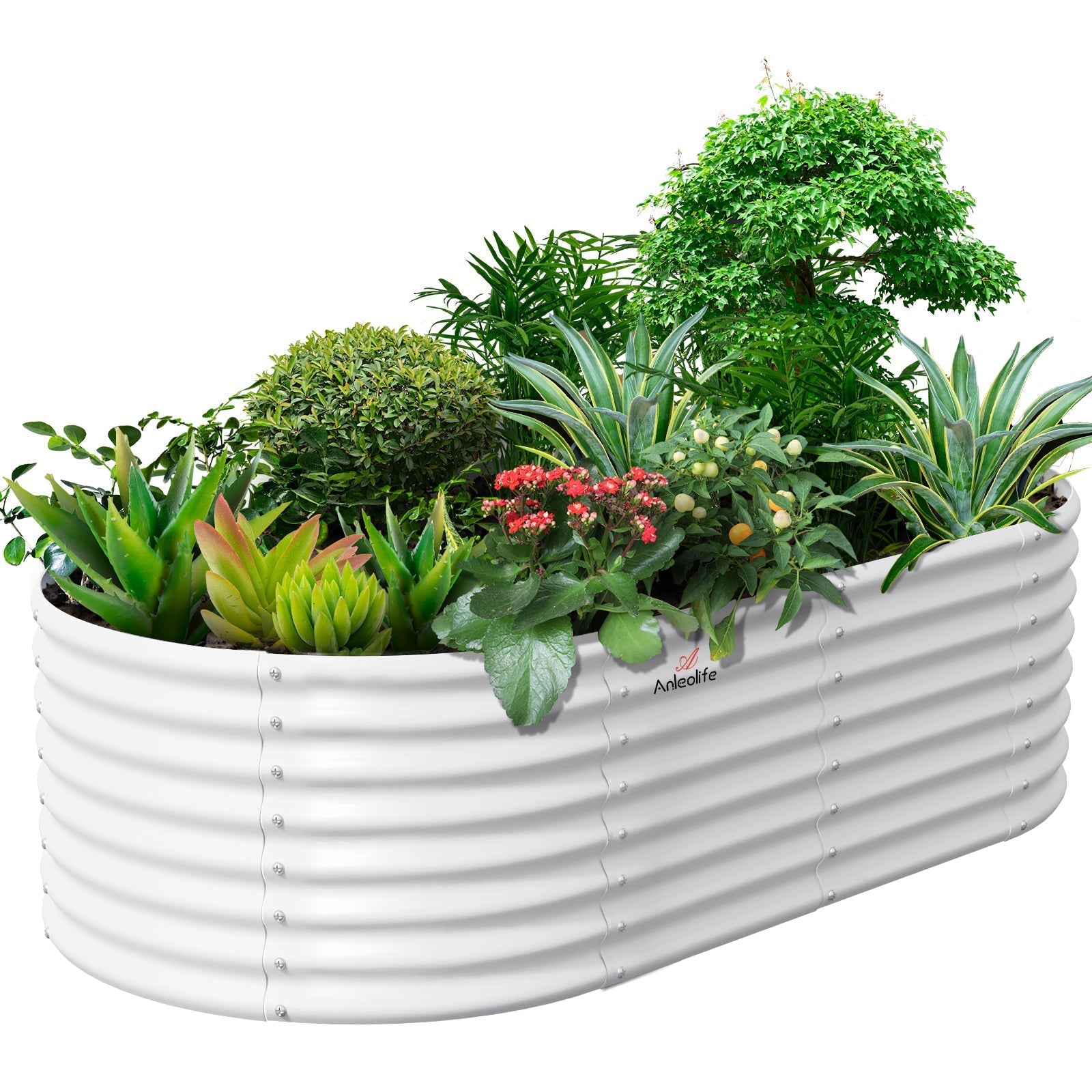
Galvanized metal raised garden beds have become increasingly popular precisely because they eliminate the rot problem entirely. High-quality metal beds, like those from Anleolife, are built to last up to 20 years—meaning your raised bed layout investment is protected for decades, not just a few seasons. The smooth metal surface also inhibits slug and pest access compared to rough wood edges.
Soil Composition: Getting the Foundation Right
Even the best raised bed garden layout will underperform if the soil isn't right. The best ratio of compost to soil for raised garden beds is generally considered to be a 60/40 mix: 60% topsoil (or a blend of topsoil and peat/coconut coir) and 40% compost. Some gardeners go as high as 50% compost for beds intended to grow heavy-feeding crops like tomatoes and peppers.
The compost component is critical. It improves drainage, feeds soil microorganisms, and slowly releases nutrients throughout the growing season. Starting with high-quality compost reduces your reliance on synthetic fertilizers and sets up your beds for long-term productivity.
Pest Management in a Multi-Bed Layout
Once you have multiple beds, pest pressure management becomes part of your routine. For those committed to organic practices, the best organic insecticide for garden pests options include neem oil (effective against a wide range of soft-bodied insects), insecticidal soap, diatomaceous earth applied along bed edges, and bacillus thuringiensis (Bt) for caterpillar control.
Companion planting also plays a role in a well-designed multi-bed layout. Interspersing marigolds, nasturtiums, and basil throughout your beds naturally deters many common pests and reduces the need for any intervention at all.
Organizing Your Garden Tools
As your garden grows from one bed to several, tool storage becomes a surprisingly important logistical consideration. The best wall-mounted garden tool storage options include pegboard systems with custom hooks, slatwall panels, and purpose-built tool organizers that keep trowels, pruners, and gloves accessible without cluttering your garage or shed floor. Keeping tools organized near your garden space saves time and reduces the frustration of hunting for the right implement mid-task.

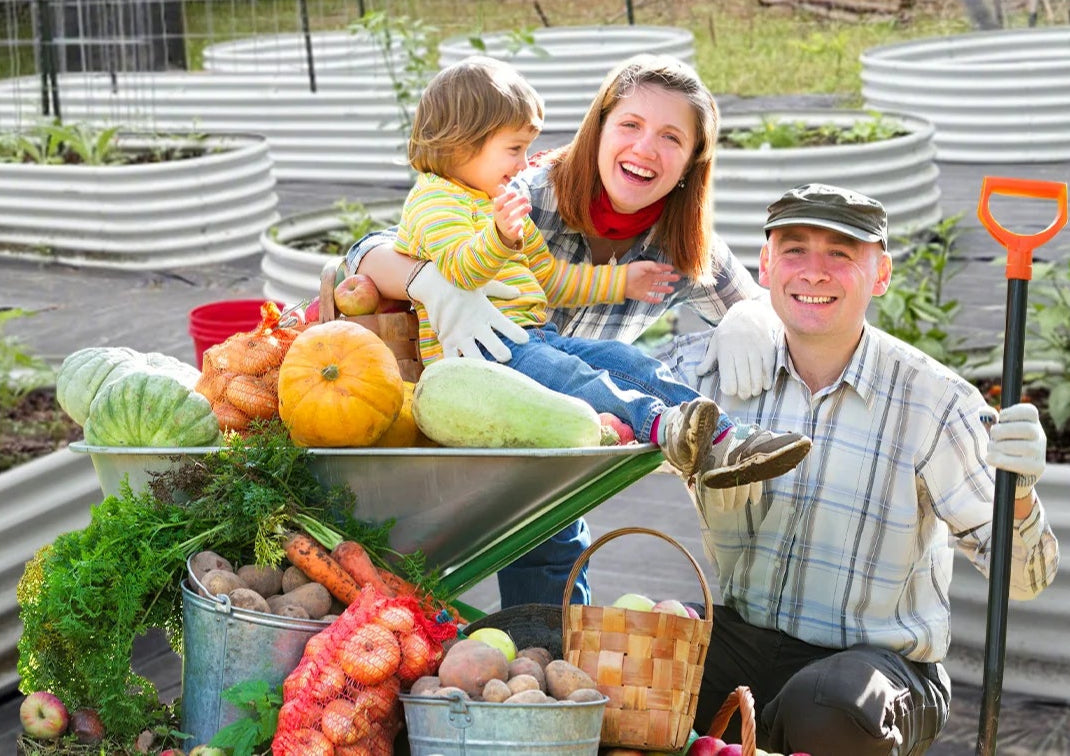
ALT: Organized raised bed planting layout featuring metal garden beds with summer vegetables, herbs, and companion planting for a productive home garden
Advanced Planning Considerations for a Smarter Garden
Handling Special Situations
Succession Planting: If you want a continuous harvest rather than a single glut of produce, plan for succession planting—sowing new seeds every two to three weeks in staggered patches. This approach can effectively triple your usable harvest from the same number of beds without adding a single square foot of space, but it does require at least one bed to have open patches available at any given time.
Dedicated Perennial Beds: If you want to grow strawberries, asparagus, or herbs like oregano and thyme that come back year after year, designate at least one bed exclusively for perennials. This bed stays out of your rotation cycle and requires very little replanting labor after the first year.
Raised Beds for Accessibility: For retirees or gardeners with mobility considerations, taller raised beds significantly reduce bending and kneeling. When planning your raised bed layout, factor in the height of your beds relative to the gardener. A taller bed profile makes gardening more comfortable and sustainable over years of use.
Common Misconceptions About Raised Bed Planning
"More beds always means more food." Not necessarily. Poorly managed beds with overcrowded plantings, inadequate watering, or neglected pest pressure can dramatically underperform a smaller, well-tended setup. Start with what you can genuinely manage and expand from there.
"You need to fill all beds at once." You don't. Build your beds incrementally, adding one or two per season as your confidence and time allow. This staged approach is actually how most experienced home gardeners build their ideal setup.
"Raised bed soil never needs refreshing." Over time, raised bed soil compacts and nutrients deplete. Plan to top-dress your beds with several inches of compost each spring to maintain the fertility and structure that make raised beds so productive.
Frequently Asked Questions FAQ
Q1: How do I calculate the exact number of raised beds I need for my family?
Start by listing every vegetable your household eats regularly and look up the square footage each requires per plant. Multiply by the number of plants you'd want to grow, then divide by the square footage of your planned bed size. Add a bed for dedicated herbs or succession crops, and factor in one extra for rotation. Most families of three to four find that three to four beds cover their core summer growing goals comfortably while remaining manageable.
Q2: Are metal raised garden beds better than wood for long-term use?
For most home gardeners, metal raised garden beds offer superior longevity compared to wood options. Quality galvanized metal beds, like those from Anleolife, are rated for up to 20 years of use—far outlasting untreated or even treated lumber. Metal also resists rot, warping, and pest infiltration more effectively. While wood beds have a natural aesthetic appeal, metal beds provide better long-term value, especially for gardeners committed to multi-bed layouts that need to remain structurally sound season after season.
Q3: How much time does managing multiple raised beds realistically take each week?
A single well-planned raised bed typically requires 30–60 minutes of maintenance per week during peak summer growing season. A layout of three to four beds should take two to four hours weekly, including watering, weeding, harvesting, and pest checks. Using drip irrigation or soaker hoses can reduce watering time by half. Proper mulching—a two to three inch layer of straw or shredded leaves—dramatically reduces weeding time and helps retain moisture between sessions.
Summary
Planning your summer raised bed garden doesn't have to be complicated, but it does require honest self-assessment and a clear framework. Here are the three core takeaways from this guide:
1. Start with your harvest goals, not your space. Know what you want to eat, then design your raised bed garden layout around those crops. This keeps your garden purposeful and your harvests relevant to your actual life.
2. Match your bed count to your realistic capacity. A beautifully maintained two-bed raised bed planting layout will always outperform a neglected six-bed sprawl. Build what you can genuinely manage this season, with a clear plan to expand as your skills and confidence grow.
3. Invest in infrastructure that lasts. Choosing raised beds built from quality, rot-resistant materials—with a lifespan measured in decades, not years—means your raised bed layout becomes a permanent fixture of your home rather than something you rebuild every few seasons.
Your summer garden is waiting. With the right plan in place, this could be the season everything finally comes together.
Start Building Your Ideal Garden with Anleolife
Nationwide U.S. Warehouse Network: Strategically located in California, Texas, Florida, New York, Illinois, and Washington, Anleolife's distribution infrastructure ensures delivery within 3–8 business days—so your garden upgrade plans never have to wait for the growing season to pass you by.
Multi-Channel Availability: Anleolife products are available across major platforms including Amazon, Walmart, Home Depot, Lowe's, and Wayfair, as well as directly through Anleolife.com—providing consistent quality assurance and dependable after-sales support wherever you prefer to shop.
Three Core Garden Scenarios: Planting (metal raised garden beds, soil systems), Raising (chicken coops, rabbit hutches), and Beautification (decorative accessories, pathway systems)—meeting complete needs from functionality to aesthetics, so every corner of your outdoor space can reflect the garden lifestyle you're working toward.
We understand that an ideal garden is not built overnight, but gradually improved over time. Our modular product design allows flexible expansion based on your needs—from your first raised garden bed to a fully integrated planting-and-raising ecosystem. Anleolife grows with you every step of the way.
References
- National Gardening Association. "Food Gardening in the United States".
https://garden.org - University of California Agriculture and Natural Resources. "Vegetable Gardening in California".
https://ucanr.edu/ - USDA National Institute of Food and Agriculture. "Home Gardening and Urban Agriculture Resources".
https://www.nifa.usda.gov/ - Penn State Extension. "Planning Your Vegetable Garden".
https://extension.psu.edu/ - Oregon State University Extension Service. "Raised Bed Gardening".
https://extension.oregonstate.edu/
Note: Standards and recommendations may be updated over time. Please check the latest official documents from these institutions or consult your local cooperative extension service for region-specific gardening guidance.
About Anleolife
Anleolife is a leading outdoor garden solutions provider in North America, dedicated to offering a full-scenario product ecosystem for home gardening enthusiasts, covering planting, raising, and garden beautification. Since its founding, we have upheld our brand mission, "Made for Garden Life," continuously innovating products and optimizing services to help hundreds of thousands of users upgrade their gardens, reconnect with nature, and enjoy a better garden lifestyle.