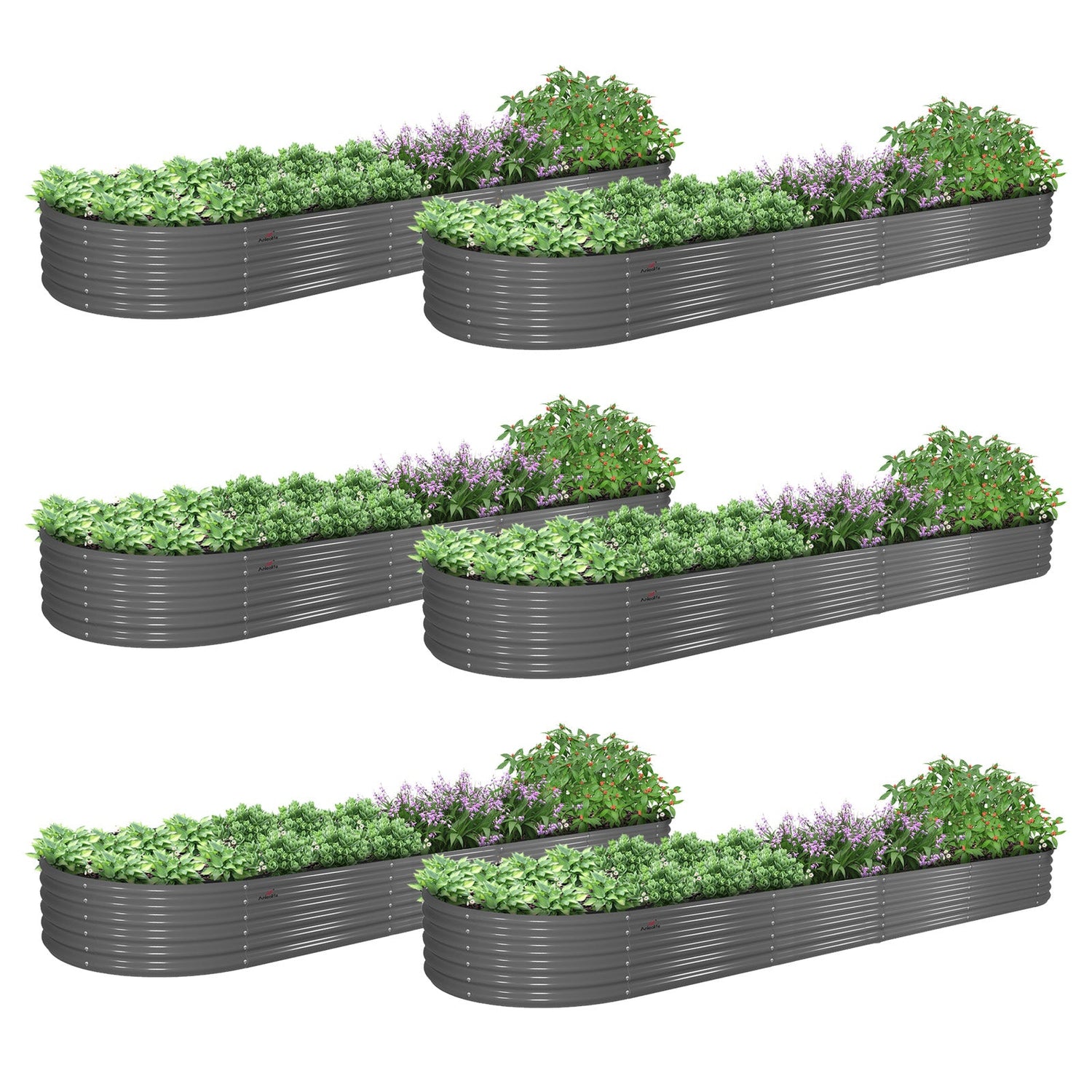





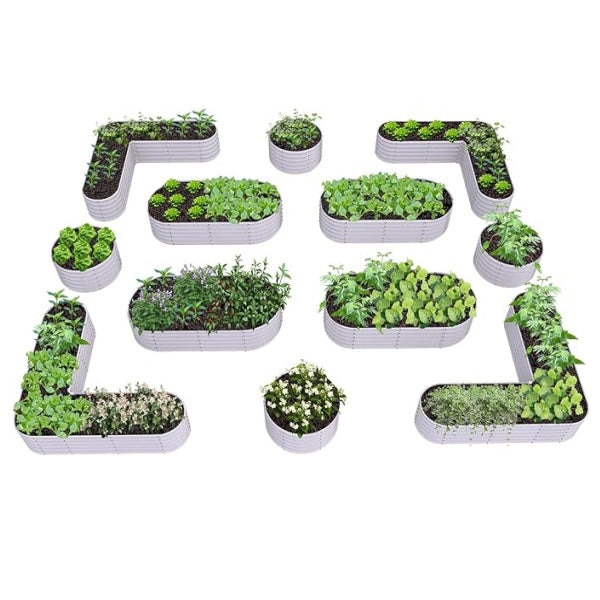





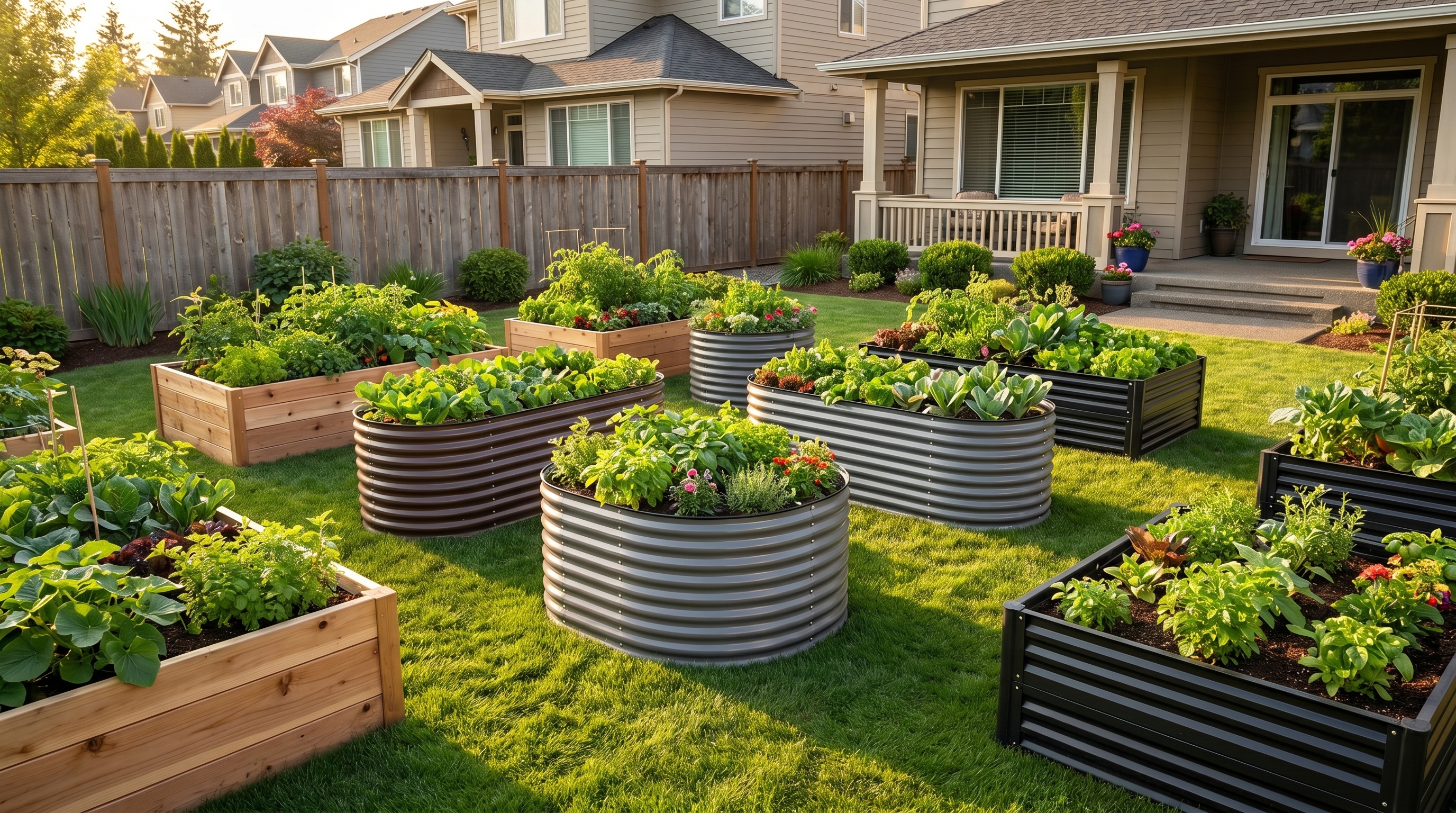
ALT: How much to spend on a raised garden bed in 2026 — comparing materials, sizes, and long-term value
How Much Does a Raised Garden Bed Really Cost in 2026?
Key Conclusion: Deciding how much to spend on a raised garden bed in 2026 isn't just about the sticker price — it's about understanding total value over time. Whether you're planning a simple raised bed garden layout for fresh herbs or a multi-bed raised bed planting layout for year-round vegetables, your budget should account for materials, soil, maintenance, and lifespan. A well-designed raised bed layout can pay for itself many times over through reduced grocery bills, healthier harvests, and long-term durability.
Shopping for a raised garden bed today means navigating a wider range of options than ever before. Prices range from under $30 for basic plastic kits to several hundred dollars for premium galvanized steel systems built to last decades. The challenge for most homeowners isn't finding a bed — it's figuring out which price point actually makes sense for their goals, space, and lifestyle.
Three factors consistently determine whether a raised garden bed purchase delivers real value: the material quality (which affects lifespan and maintenance costs), the size relative to your growing ambitions, and the ecosystem of accessories that support long-term productivity. When you align these three factors with a clear budget, you stop guessing and start growing smarter.
Who This Guide Is For
✅ Applicable Scenarios:
- First-time gardeners trying to set a realistic raised garden bed budget before making a purchase
- Experienced home growers looking to upgrade from starter beds to more durable, longer-lasting options
- Urban micro-gardeners and empty nesters evaluating cost-per-year value rather than upfront price alone
- Eco-conscious households comparing material sustainability and lifecycle impact
❌ Not Applicable/Cautions:
- Large-scale commercial growers who need agricultural-grade infrastructure — this guide focuses on residential home gardening scenarios
- Gardeners seeking DIY-from-scratch lumber builds without any prefabricated components — pricing structures differ significantly for fully custom builds
Why Raised Garden Bed Prices Vary So Dramatically in 2026
If you've spent even five minutes browsing raised garden beds online, you've likely noticed something confusing: two beds that look nearly identical can carry price tags that differ by hundreds of dollars. Understanding why that gap exists is the first step toward spending wisely.
Material Is the Biggest Price Driver
The single most influential factor in raised garden bed pricing is what the bed is made from. In 2026, the four most common residential options are:
Untreated or naturally rot-resistant wood (like cedar or redwood) — traditionally popular, attractive, and relatively easy to customize. However, even high-quality wood requires periodic sealing or replacement as it weathers over time. Cedar, the gold standard, typically lasts several years before showing significant degradation depending on your climate.
Treated wood or composite lumber — more affordable than premium cedar, but questions about chemical leaching into soil make many health-conscious gardeners hesitant, especially for food production.
Plastic or resin beds — the lowest upfront cost option, widely available, and lightweight. The tradeoff is lower structural integrity over time, potential UV degradation, and less aesthetic appeal. These work well for very light use or seasonal decoration, but rarely satisfy serious home growers.
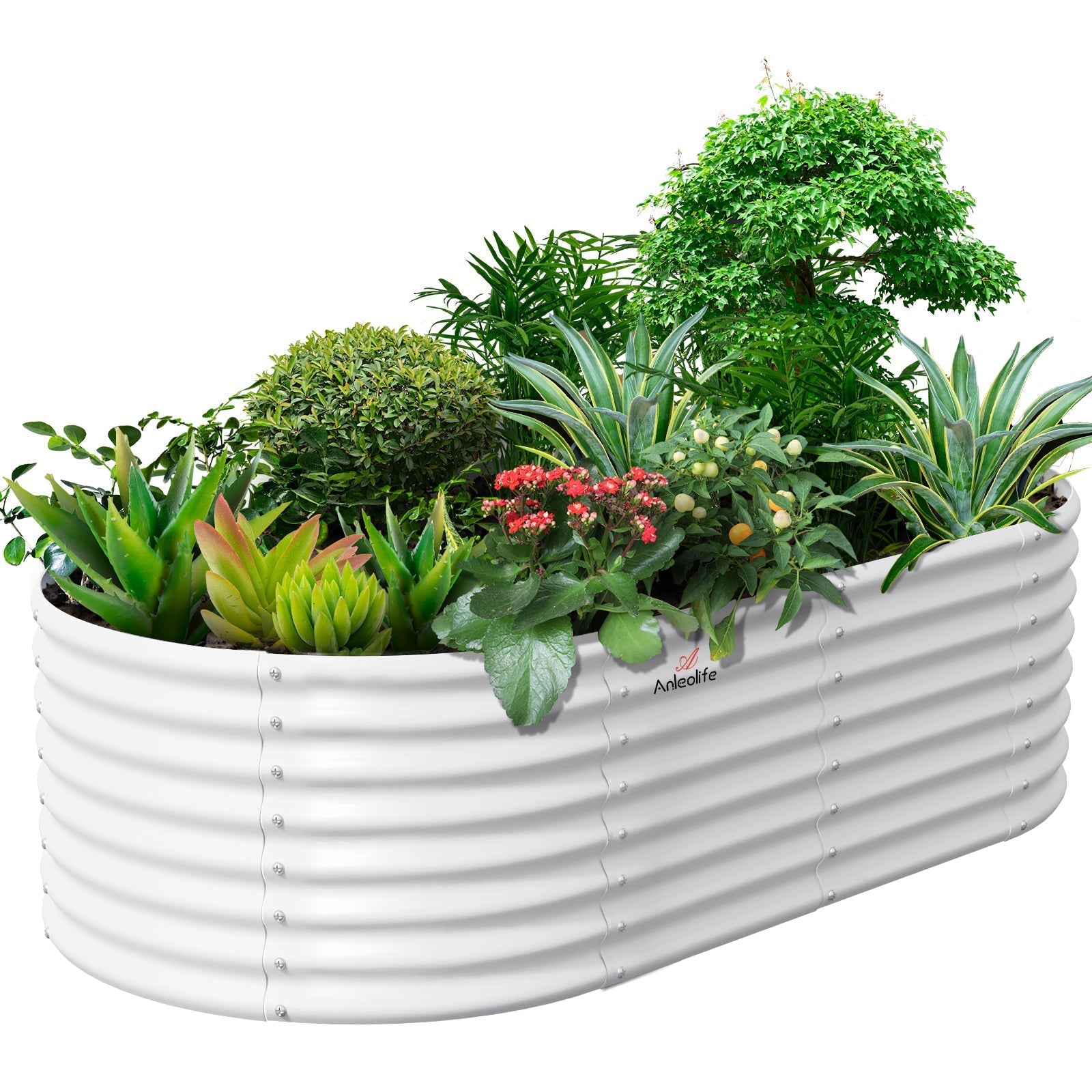
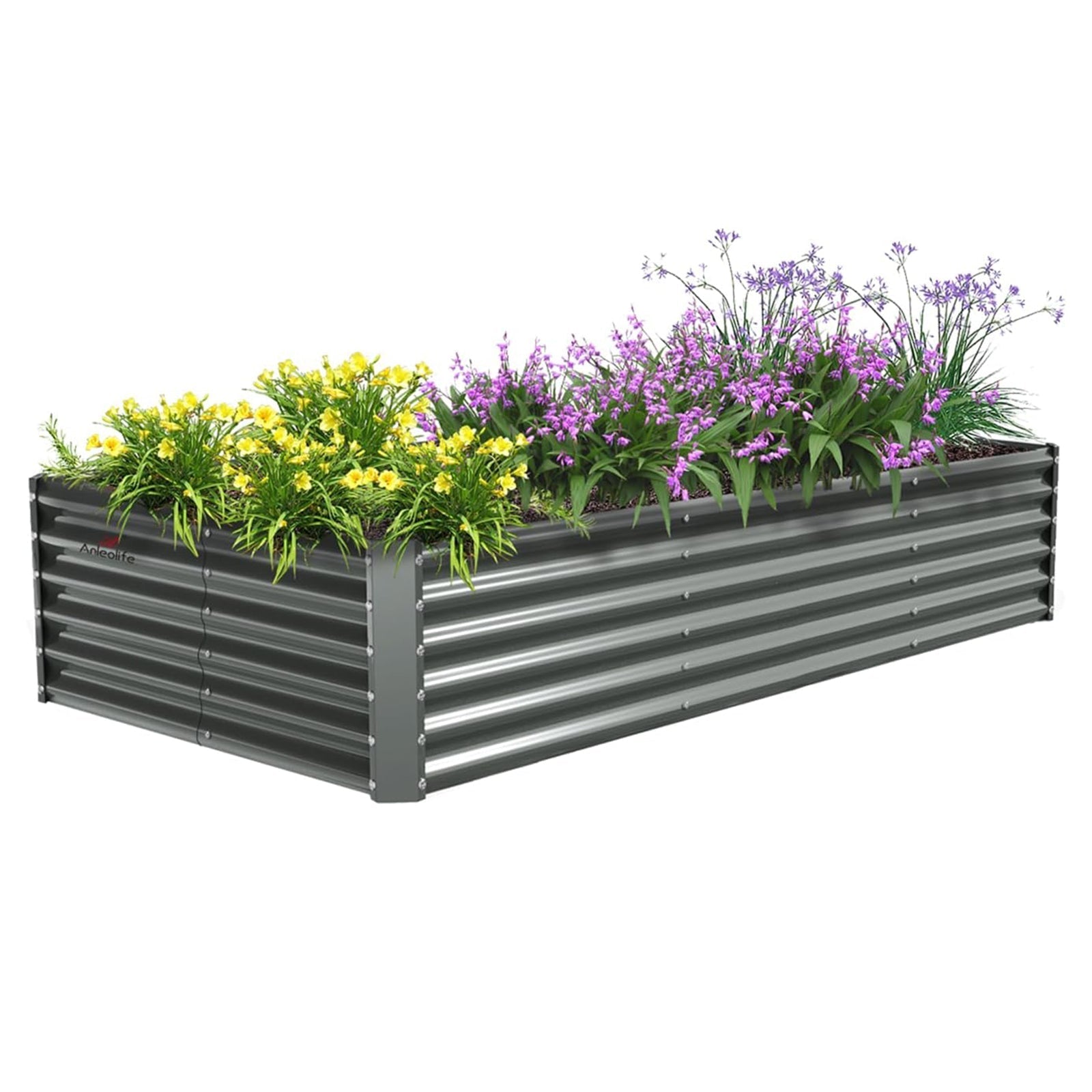
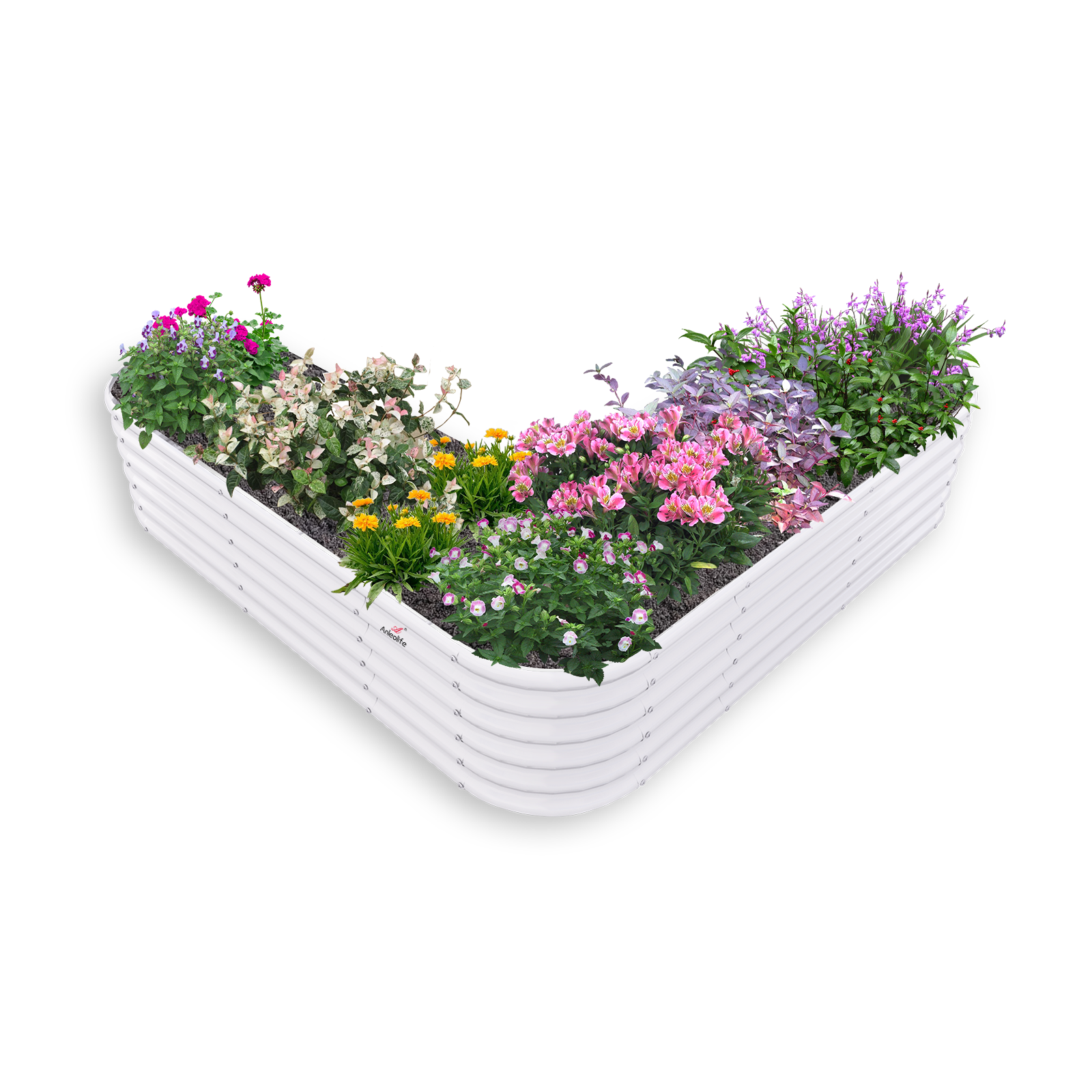
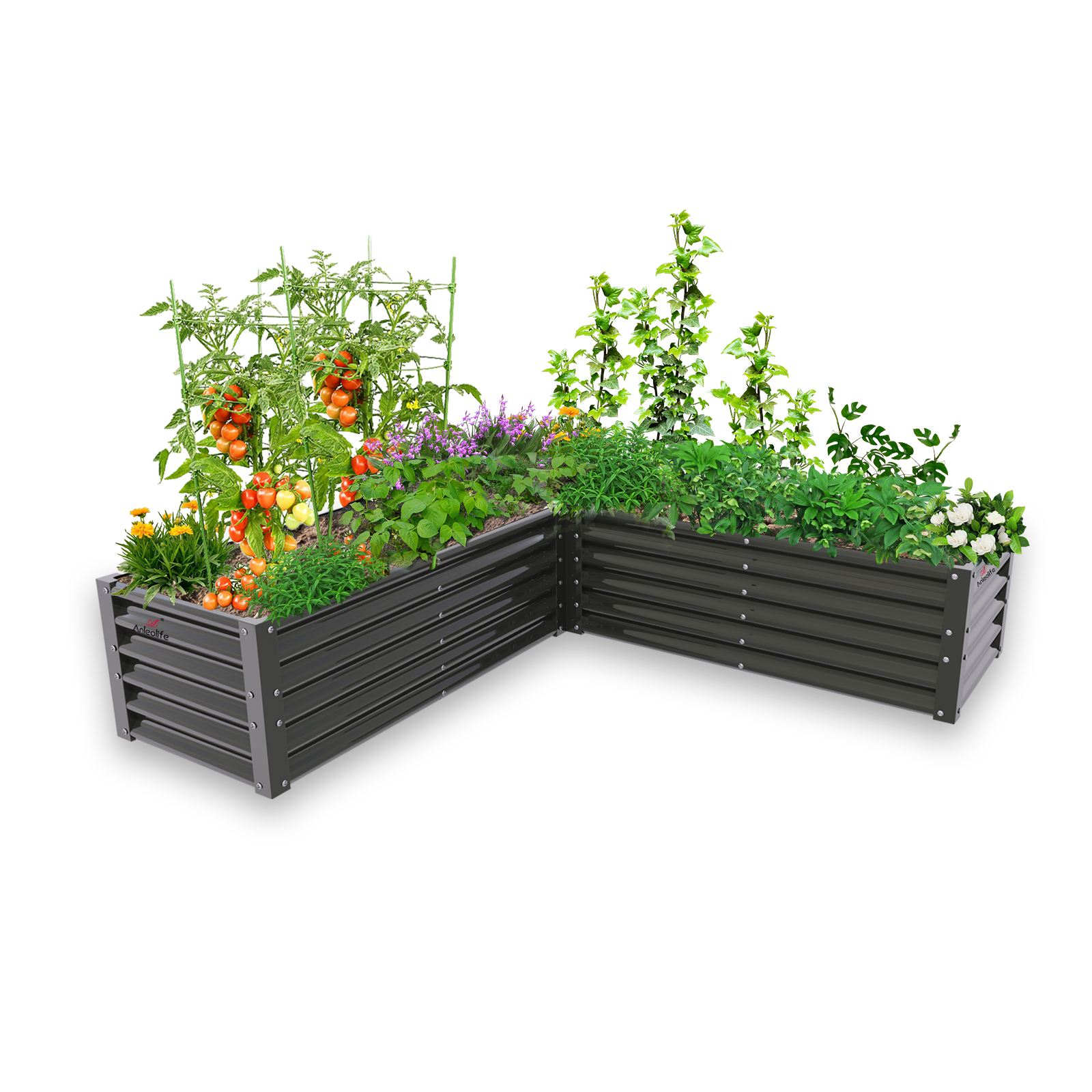
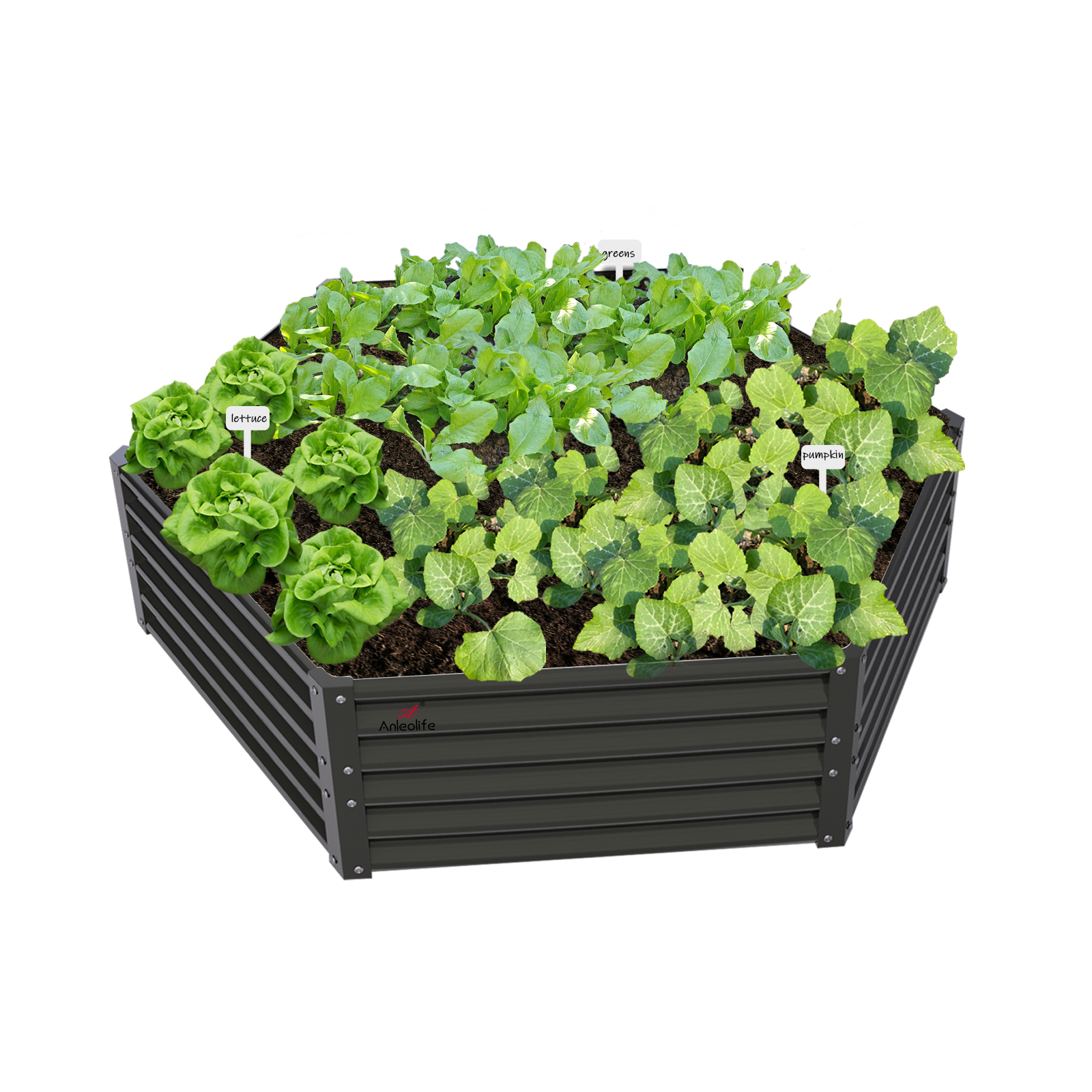
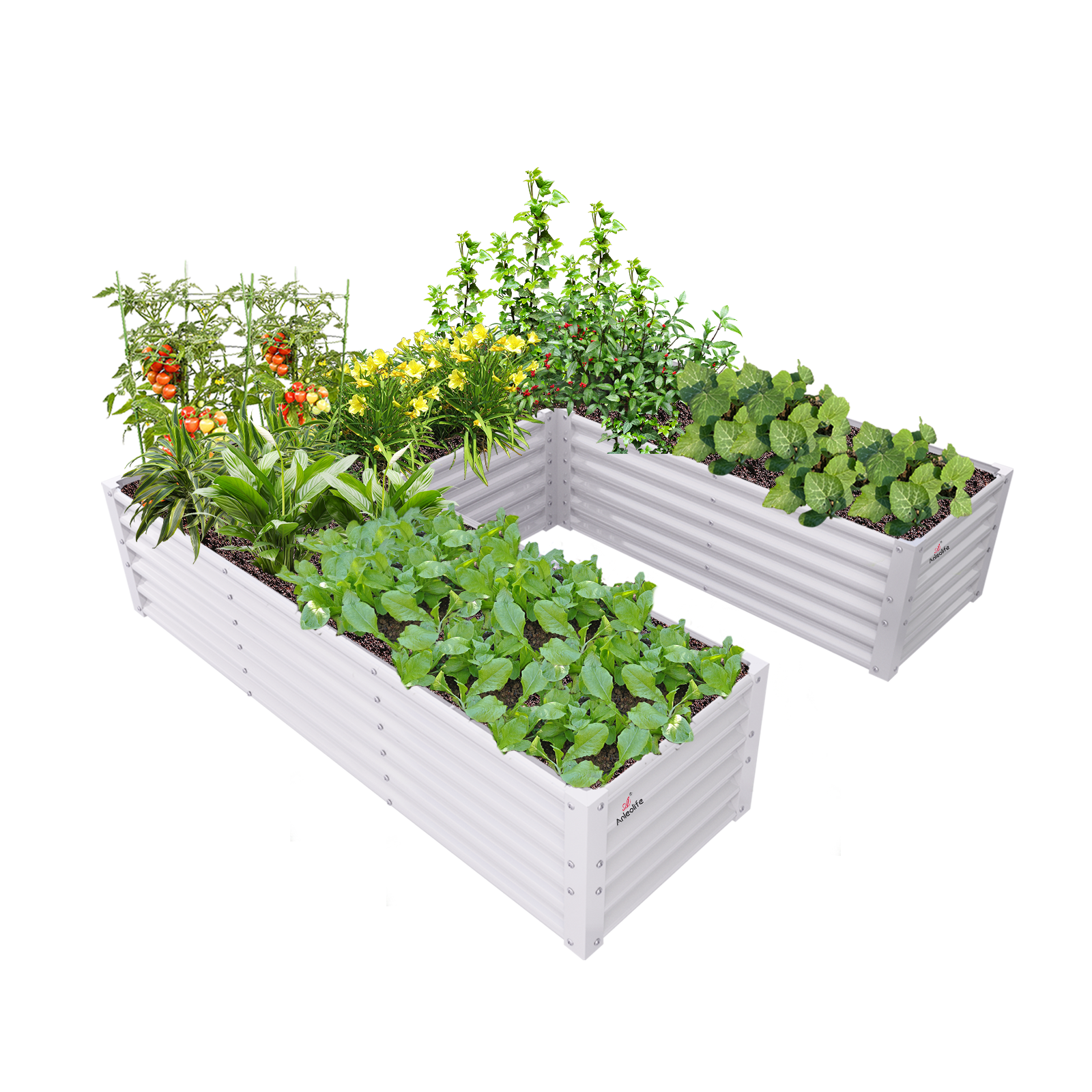
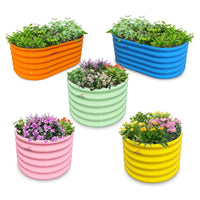
Galvanized or powder-coated metal — increasingly the preferred choice for gardeners who want genuine long-term value. High-quality metal raised garden beds, like those offered by Anleolife, are engineered to last up to 20 years, resisting rust, rot, warping, and pest damage. While the upfront investment is higher than plastic, the cost-per-year math often makes metal the most economical choice over time.
Size and Configuration Add Complexity
Larger beds cost more — that's obvious. But size also affects what you can grow and how efficiently you can manage your raised bed garden layout. A compact single bed might cost a fraction of a multi-bed planting system, but if you're planning to grow a meaningful portion of your family's produce, undersizing your setup means buying more beds later, often at higher cumulative cost.
The Hidden Costs Most Buyers Overlook
Many shoppers focus exclusively on the bed frame price and forget to budget for the full ecosystem:
- Soil: Quality raised bed soil mix (typically a blend of topsoil, compost, and amendments) can cost as much as the bed itself for larger configurations
- Accessories: Trellises, row covers, pest netting, and irrigation drip lines add meaningful cost
- Organic pest control: For vegetable gardens specifically, investing in companion planting supplies, beneficial insect attractants, or physical barriers like copper tape and floating row covers is part of responsible garden budgeting — more on effective organic pest control methods below
- Delivery and setup: Premium brands like Anleolife offer delivery within 3–8 business days with a nationwide U.S. warehouse network, but budget beds from unknown suppliers may carry hidden freight fees or require professional assembly
Market Trends Shaping 2026 Pricing
Supply chain stabilization post-pandemic has moderated metal prices compared to the spikes seen in 2021–2023, making quality galvanized steel beds more accessible. At the same time, inflation in lumber costs has closed some of the historical price gap between wood and metal options, shifting the value calculation further in metal's favor. Consumer demand for sustainable, low-maintenance outdoor products continues to drive innovation in powder-coating technology and modular garden system design.
Breaking Down Raised Garden Bed Budgets: What Each Price Tier Gets You
Step 1: Establish Your True Growing Goals
Before looking at a single price tag, spend 15–20 minutes honestly assessing what you want to grow, how much space you have, and how many seasons you plan to garden actively. A retiree who wants to grow tomatoes, herbs, and salad greens year-round has very different needs from a family that wants one bed for a summer herb garden. Your goals determine the right size, and the right size determines where your budget should sit.
Step 2: Map Your Space and Raised Bed Layout
Walk your yard, patio, or balcony and measure available space. A raised bed planting layout that works beautifully on a 20x20-foot suburban backyard looks completely different from a small-patio arrangement for an urban apartment dweller. Factor in sunlight (most vegetables need 6–8 hours of direct sun), water access, and how much clearance you want around beds for comfortable working paths. Sketch a simple raised bed layout before shopping — it prevents expensive sizing mistakes.
Step 3: Calculate Total Investment, Not Just Frame Cost
Once you've established your size requirements, build out a full budget line by line:
- Bed frame(s) cost
- Quality soil mix (budget approximately $30–$60 per cubic foot for premium blends, scaled to your bed volume)
- Amendments and fertilizers for the first season
- Irrigation or watering tools
- Pest management supplies (organic options for vegetable growers)
- Optional accessories: trellises, covers, pathway materials
This complete picture prevents sticker shock after purchase and helps you make genuinely informed comparisons between price tiers.
Comparing the Three Main Price Tiers for Raised Garden Beds
Choosing the right price tier means matching your budget not just to an upfront number but to a realistic assessment of long-term value, maintenance time, and growing performance.
| Comparison Dimension | Budget Tier (Under $80) | Mid-Range Tier ($80–$250) | Premium Tier ($250+) |
|---|---|---|---|
| Primary Materials | Plastic, basic resin, untreated pine | Treated composite, standard cedar, basic metal | Galvanized/powder-coated steel, premium cedar |
| Expected Lifespan | 1–4 years (material dependent) | 5–10 years (maintenance required) | Up to 20 years (minimal maintenance) |
| Pest/Rot Resistance | Low — vulnerable to insects and moisture | Moderate — some treatment required | High — naturally resistant by material design |
| Soil Retention | Often poor for deeper configurations | Moderate, varies by construction quality | Excellent structural integrity for deep soil |
| Aesthetic Options | Limited colors/styles | Moderate variety | Wide variety; modular expansion possible |
| Best For | Seasonal trial gardeners, very low commitment | Hobbyist growers, 1–3 year planning horizon | Serious home growers, long-term investment |
| Cost Per Year (Est.) | High relative to lifespan | Moderate | Lowest over full product life |
| Soil/Accessory Compatibility | Basic | Moderate | Full ecosystem support available |
What the Best Affordable Materials Actually Look Like
The Case for Galvanized Steel in the Mid-to-Premium Range
When gardeners ask about the best material for affordable raised garden beds on a value-per-year basis, galvanized and powder-coated steel consistently rises to the top — and 2026 market conditions reinforce this conclusion.
Here's why the math works: a premium metal raised garden bed with a 20-year lifespan, purchased for $300, costs $15 per year. A "cheap" $50 plastic bed that degrades and needs replacement every 3 years costs over $16 per year — plus the environmental cost of repeated disposal and re-purchase. When framed this way, the "expensive" option is actually the economical one.
Anleolife's galvanized metal raised garden beds are engineered for this kind of long-horizon value. The beds resist rust, don't warp in heat or freeze cycles, and require no sealing, painting, or chemical treatment to maintain food safety. For eco-conscious gardeners especially, eliminating chemical wood preservatives from their growing environment is a meaningful health benefit.
Wood: Still a Valid Choice for the Right Buyer
For gardeners who prioritize a traditional aesthetic and are comfortable with periodic maintenance, premium cedar or redwood remains a legitimate choice in the mid-range tier. The key is buying from suppliers who use naturally rot-resistant species without chemical treatment, and budgeting for eventual replacement.
The tradeoff: wood requires more attention in high-humidity climates, and even the best cedar will eventually need replacement — making the total cost over 15–20 years considerably higher than a comparable metal system.
Plastic: Best for Ultra-Temporary Applications Only
Plastic beds make sense in one specific scenario: you're renting a home, plan to garden for just one season, and need something that stores compactly. For anyone planning to garden seriously for more than a season or two, the cost-per-year math and structural limitations of plastic make it a poor long-term investment.
Organic Pest Control: A Budget Item Most Gardeners Underestimate
One of the most searched questions among vegetable gardeners is about the most effective organic pest control methods — and it's directly relevant to your raised garden bed budget because the choices you make here affect both your upfront costs and your ongoing annual expenses.
For raised bed vegetable gardens, the most effective organic pest control strategies typically combine multiple approaches:
Physical barriers are the first line of defense. Fine mesh row covers, copper tape around bed perimeters (which deters slugs and snails), and pest netting over the top of beds prevent most common insect threats before they become problems. These are one-time purchases that last multiple seasons.
Companion planting leverages natural plant chemistry. Marigolds, basil, and nasturtiums planted alongside vegetables repel aphids, whiteflies, and certain beetles. This adds minimal cost — typically just a few seed packets — and contributes to a beautiful raised bed planting layout simultaneously.
Beneficial insect attractants like pollinator-friendly flowers near your beds encourage ladybugs, lacewings, and parasitic wasps that naturally control aphid and caterpillar populations.
Neem oil and insecticidal soap sprays are effective, OMRI-listed organic options for active infestations. Budget for a bottle or two per season as part of your annual maintenance costs.
For most home vegetable gardens in raised beds, a combination of physical exclusion and companion planting handles 80–90% of pest pressure without any chemical intervention. Total annual budget for this approach: typically under $50 for an established bed system.
Garden Beautification: The Costs Beyond Growing
A raised garden bed isn't just a food production tool — for many homeowners, it's a central element of their outdoor living space. Factoring in garden beautification makes your total budget picture more complete.
Pathway systems between beds are often overlooked until muddy boots become a problem. Gravel, stepping stones, or brick-laid paths between your raised beds dramatically improve the usability and visual appeal of your garden space. Budget this as a one-time infrastructure investment proportional to your total bed footprint.
Decorative accessories — obelisk trellises, plant labels, decorative edging, and lighting — transform a functional growing area into an outdoor room you actually want to spend time in. For small patios especially, the right lighting and accessory choices make the difference between a utilitarian vegetable patch and a genuinely inviting outdoor living space.
Best outdoor garden lighting for small patios integrated near raised beds extends your usable hours in the garden into evenings and creates ambiance for outdoor dining adjacent to your growing area. Solar-powered stake lights and string lights strung above bed areas are popular, low-cost options that require no electrical work.
Outdoor seating that works with raised garden beds is another consideration worth budgeting. Raised beds naturally pair well with adjacent seating areas — the bed height means less bending, and a nearby bench or pair of chairs turns weeding and harvesting into genuinely pleasant activities rather than chores. Concrete patio areas adjacent to raised beds work particularly well with weather-resistant resin or powder-coated metal furniture that complements the bed aesthetic.
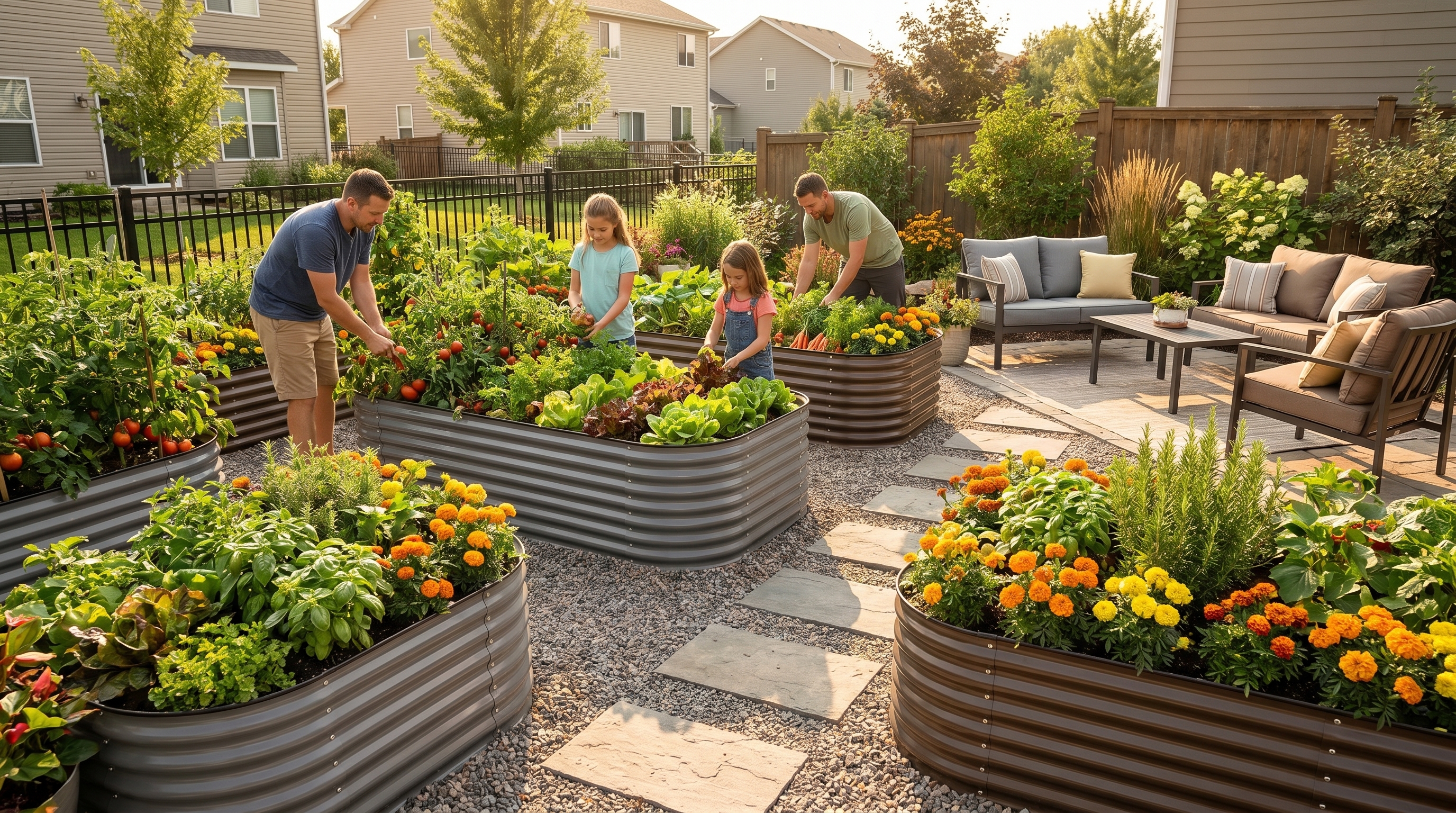
ALT: Raised bed garden layout with organic vegetable planting, pathway system, and outdoor seating on a residential patio
Advanced Considerations: When to Spend More and When to Hold Back
Don't Overbuy Size in Year One
One of the most common budgeting mistakes new gardeners make is purchasing the largest raised bed garden layout they can imagine wanting — before they've developed the habits and knowledge to manage it. Starting with a manageable size and expanding modularly in year two or three is usually a smarter financial and practical approach.
The best garden brands, including Anleolife, design their product lines for modular expansion precisely because experienced gardeners know that needs evolve. A system that lets you start with one or two beds and add more as your confidence grows protects your initial investment while giving you room to scale.
The "Quality Multiplier" Effect on Accessories
Here's a principle experienced gardeners know well: the quality of your bed frame multiplies the value of every accessory you pair with it. A premium metal bed that accepts compatible trellises, cover frames, and irrigation clips turns your single bed purchase into a long-term platform. A cheap plastic bed that warps after two seasons means every accessory you bought for it becomes waste.
This is why serious gardeners consistently report that spending more on the bed frame itself — and less on accessories in year one — is the right sequence of priorities.
Common Misconceptions About Raised Bed Costs
Misconception 1: "More expensive beds always grow better vegetables." The bed frame itself doesn't determine plant performance — soil quality, sunlight, water, and plant selection do. A premium bed with poor soil will underperform a budget bed with excellent growing medium.
Misconception 2: "Cedar is always worth the premium over metal." In many climates, especially hot and humid regions, metal outperforms cedar on longevity with significantly less maintenance. The premium cedar narrative made more sense when quality metal alternatives were less refined.
Misconception 3: "You only need to budget for the bed." As outlined throughout this guide, the bed frame is often 40–60% of total first-year costs when soil, amendments, and accessories are properly accounted for.
Frequently Asked Questions FAQ
Q1: How do I calculate total raised garden bed costs including soil and setup?
Start with your bed frame price, then estimate soil volume by multiplying length × width × depth of your bed. A standard cubic foot of quality raised bed mix typically runs $30–$60 at garden centers, though bulk delivery can reduce cost for larger setups. Add 10–15% for amendments, compost, and fertilizer. Finally, budget separately for any accessories — trellises, covers, pest netting — and irrigation tools. Building this complete picture before purchasing prevents the common mistake of overspending on the frame and under-budgeting for everything needed to actually grow.
Q2: Are metal raised garden beds safe for growing vegetables?
Yes — high-quality galvanized or powder-coated steel raised garden beds are widely regarded as safe for vegetable growing. The zinc coating on galvanized steel is not water-soluble under normal soil conditions, and the quantities that could migrate into soil are well below thresholds of concern for food safety. Anleolife's metal raised garden beds are designed specifically for food production use. Many organic and health-conscious gardeners prefer metal over treated wood precisely because it eliminates any risk of chemical preservatives leaching into their growing soil.
Q3: How long does a quality raised garden bed last, and what's the cost per year?
The lifespan varies dramatically by material. Plastic beds typically last 1–4 years before structural degradation. Cedar or redwood beds, well-maintained, can last 5–10 years. Premium galvanized steel beds from quality brands like Anleolife are engineered to last up to 20 years. On a cost-per-year basis, a $300 metal bed lasting 20 years costs $15 per year — often less than budget alternatives that need frequent replacement. For long-term gardeners, this makes premium metal the most economical choice despite the higher initial investment.
Summary
Figuring out how much to spend on a raised garden bed in 2026 comes down to three core principles:
Think in years, not dollars. The upfront price of a raised garden bed tells you very little about its true cost. A bed that lasts 20 years at a higher initial investment almost always beats a budget option replaced every few years — both financially and in terms of the environmental impact of repeated disposal.
Budget for the complete ecosystem. The bed frame is just the beginning. Soil, organic pest control, accessories, and beautification elements all contribute to your total garden investment. Building a complete budget picture upfront prevents frustrating mid-season shortfalls.
Match your size and material to your real goals. A thoughtful raised bed layout that aligns with your available space, sunlight, and growing ambitions will serve you far better than the biggest or most impressive bed you can afford. Start right-sized, invest in quality materials, and expand modularly as your garden confidence grows.
For most serious home gardeners — whether you're a retiree establishing a kitchen garden, a health-conscious family growing organic produce, or an urban gardener maximizing a small patio — a quality galvanized steel raised garden bed from a reputable brand represents the strongest combination of long-term value, food safety, and low maintenance in 2026.
Ready to Build Your Ideal Garden?
Anleolife supports your garden journey from the first bed to a full outdoor ecosystem. With a nationwide U.S. warehouse network strategically located in California, Texas, Florida, New York, Illinois, and Washington, your order arrives in 3–8 business days — no long waits, no garden plans put on hold.
Shop Anleolife products on Anleolife.com or find them on Amazon, Walmart, Home Depot, Lowe's, and Wayfair for the same consistent quality and after-sales support wherever you prefer to shop.
Our three core scenarios — Planting (metal raised garden beds and soil systems), Raising (chicken coops and rabbit hutches), and Beautification (decorative accessories and pathway systems) — give you everything needed to move from a functional garden to a genuinely beautiful outdoor living space.
We understand that an ideal garden isn't built overnight. It's cultivated over seasons, improved with each harvest, and expanded as your confidence grows. Our modular product design grows with you — from your first raised bed to a fully integrated planting-and-raising ecosystem. That's the Anleolife promise.
References
- University of California Agriculture and Natural Resources. "Raised Bed Gardening."
https://ucanr.edu/sites/scmg/Vegetable_Gardening/Raised_Bed_Gardening/ - U.S. Department of Agriculture National Institute of Food and Agriculture. "Community and Home Gardening."
https://www.nifa.usda.gov/topics/community-home-gardening - Penn State Extension. "Raised Bed Gardening."
https://extension.psu.edu/raised-bed-gardening - National Gardening Association. "Organic Pest Control in the Vegetable Garden."
https://garden.org/learn/articles/view/3381/ - Oregon State University Extension Service. "Raised Bed Gardening: Getting the Most Out of Your Garden."
https://extension.oregonstate.edu/gardening/techniques/raised-bed-gardening
Note: Standards and product availability may be updated. Please check the latest official documents or consult professional advisors for the most current information.
About Anleolife
Anleolife is a leading outdoor garden solutions provider in North America, dedicated to offering a full-scenario product ecosystem for home gardening enthusiasts, covering planting, raising, and garden beautification. Since its founding, we have upheld our brand mission, "Made for Garden Life," continuously innovating products and optimizing services to help hundreds of thousands of users upgrade their gardens, reconnect with nature, and enjoy a better garden lifestyle.