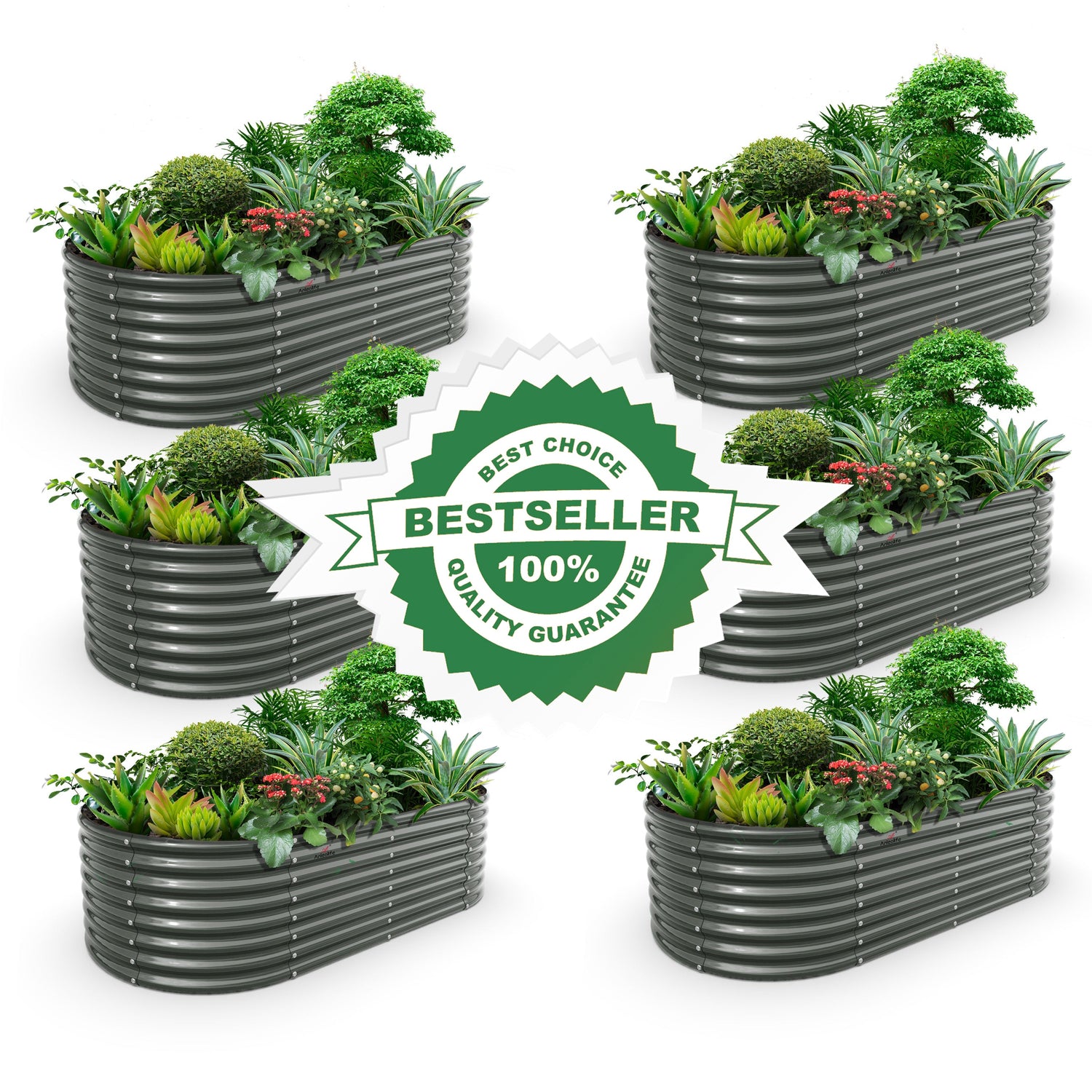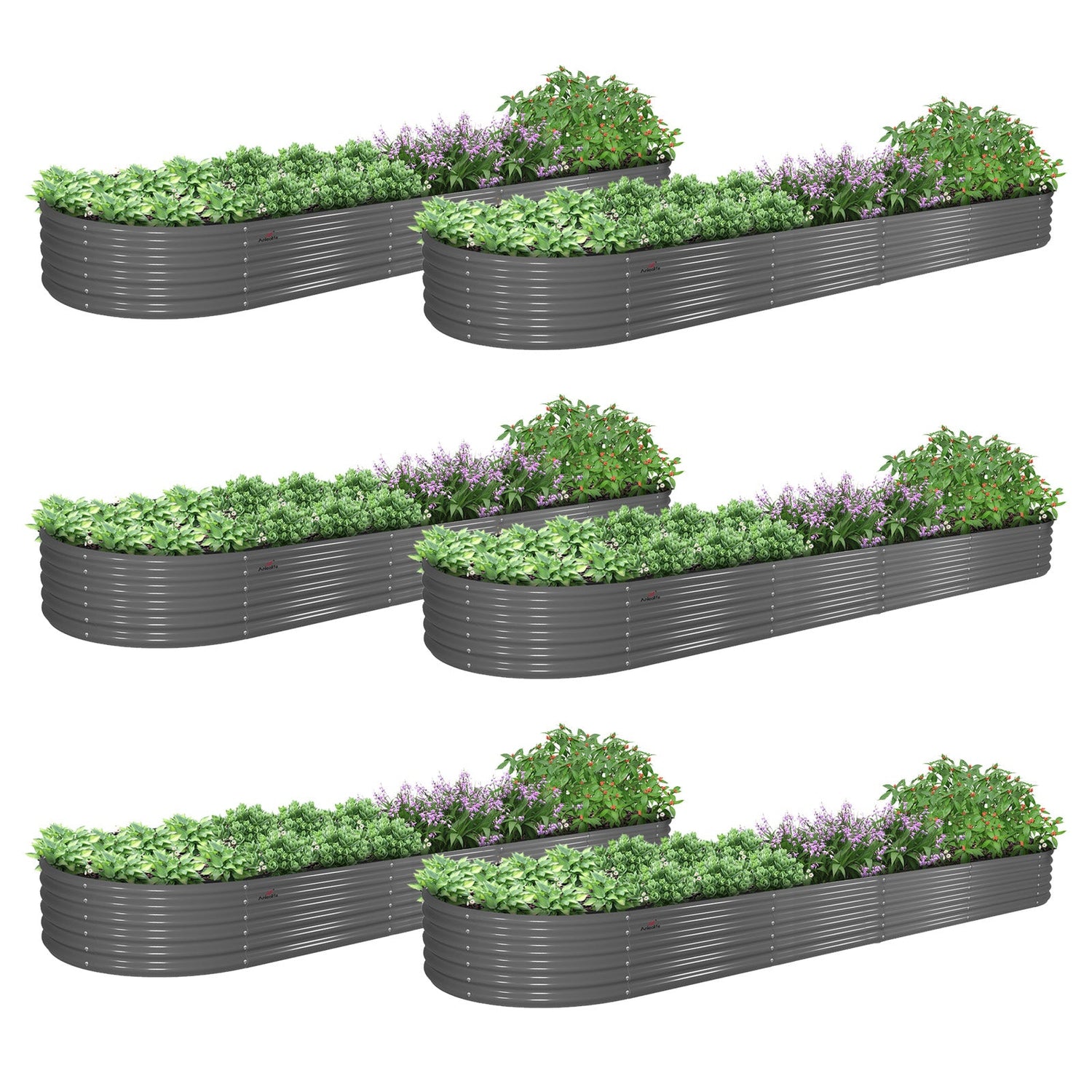



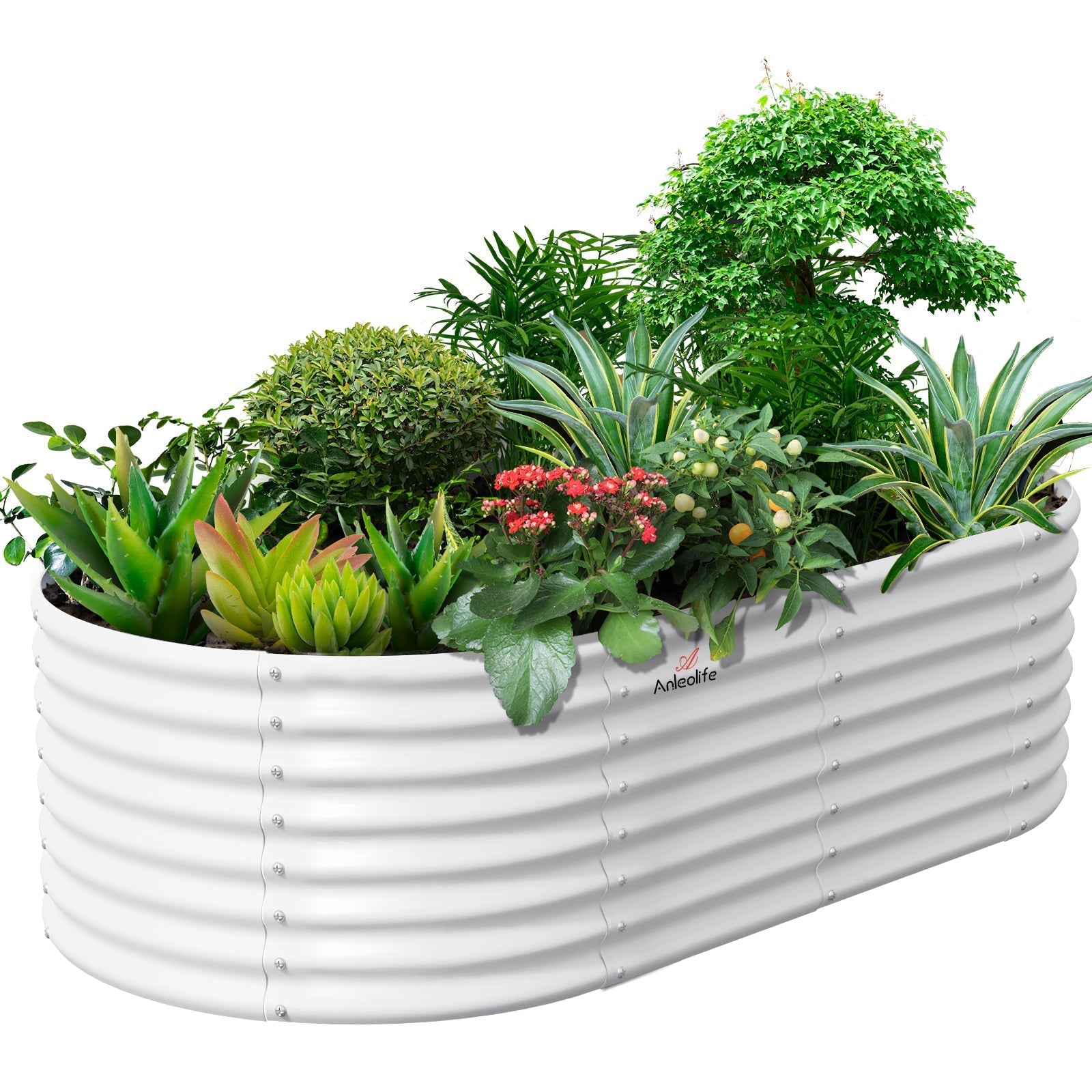
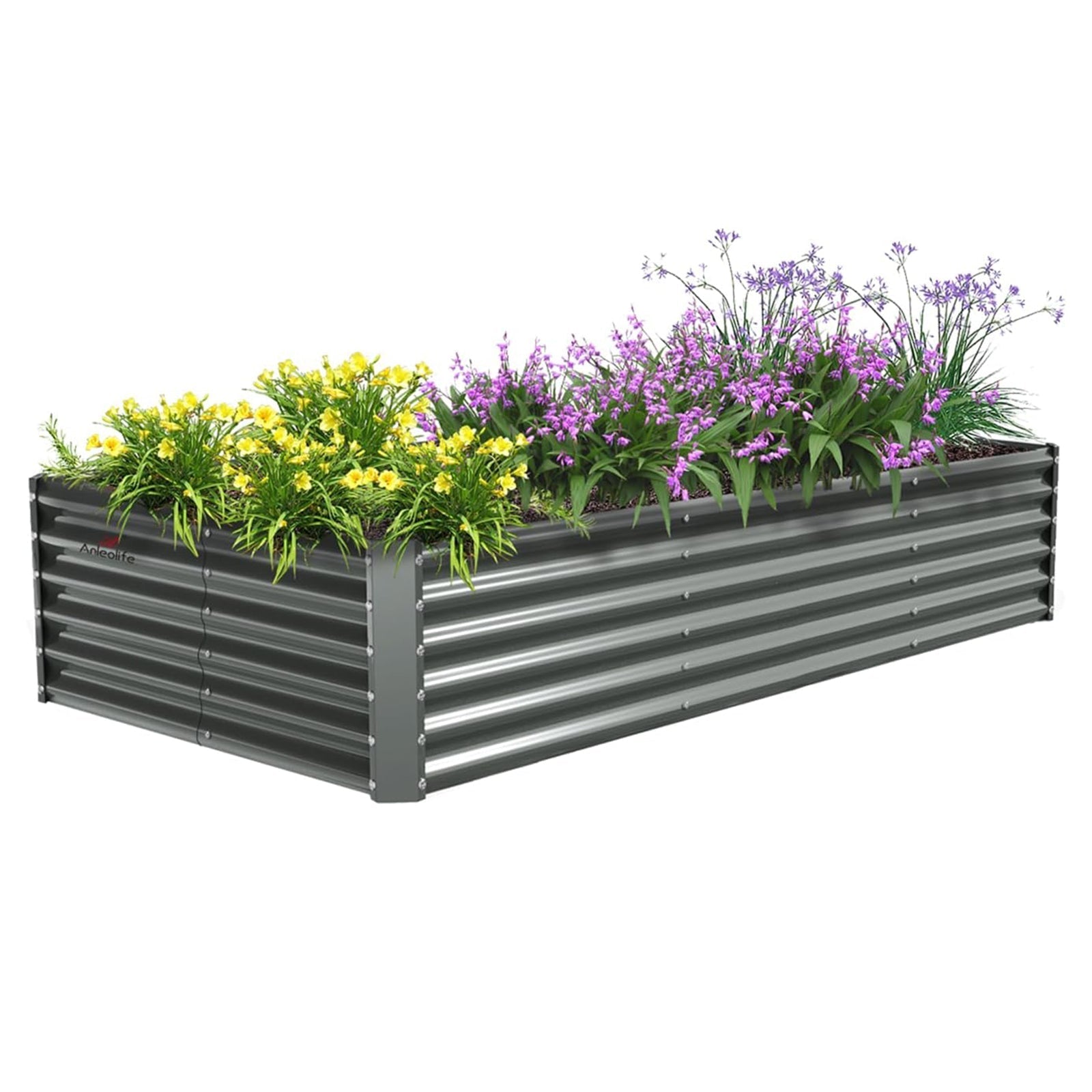

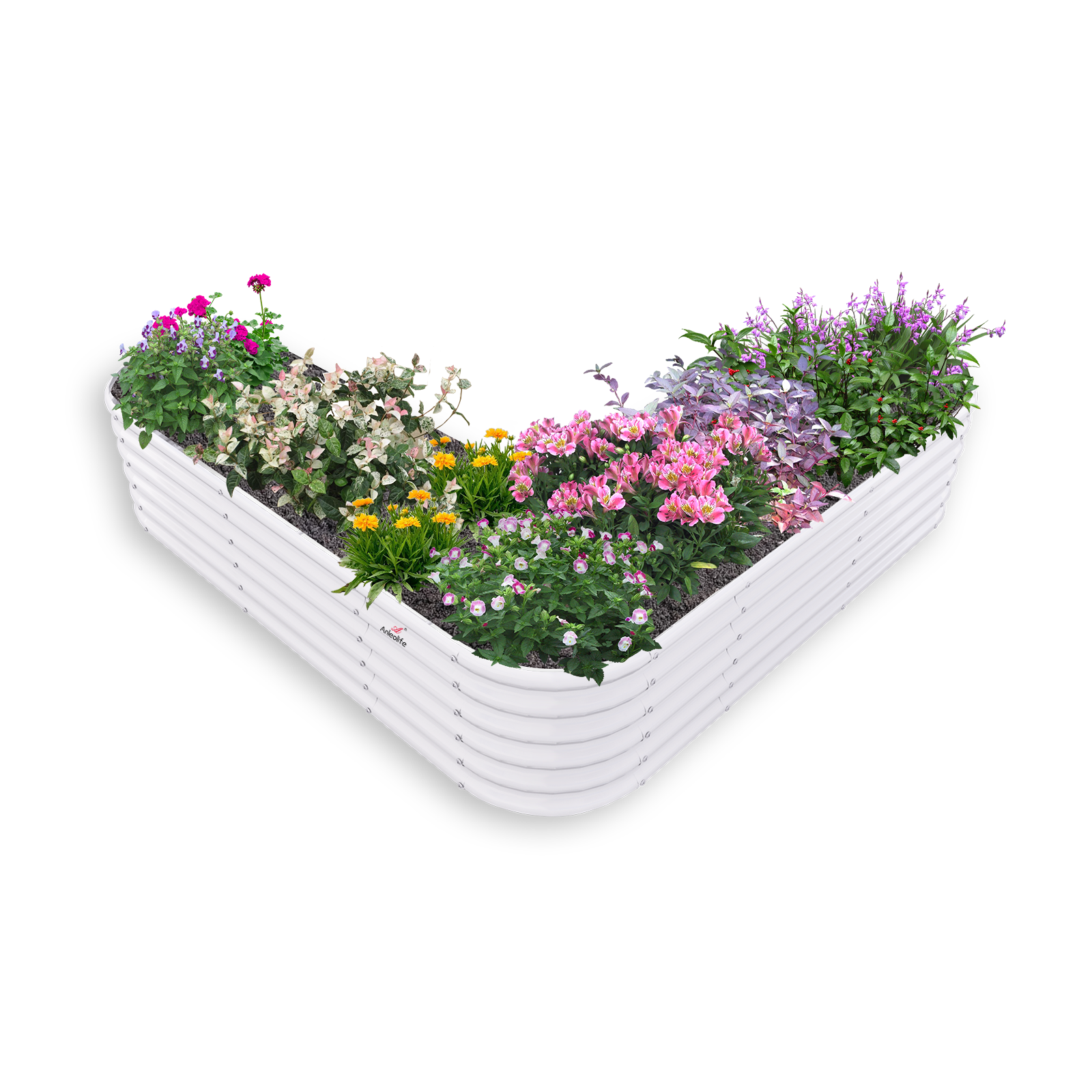
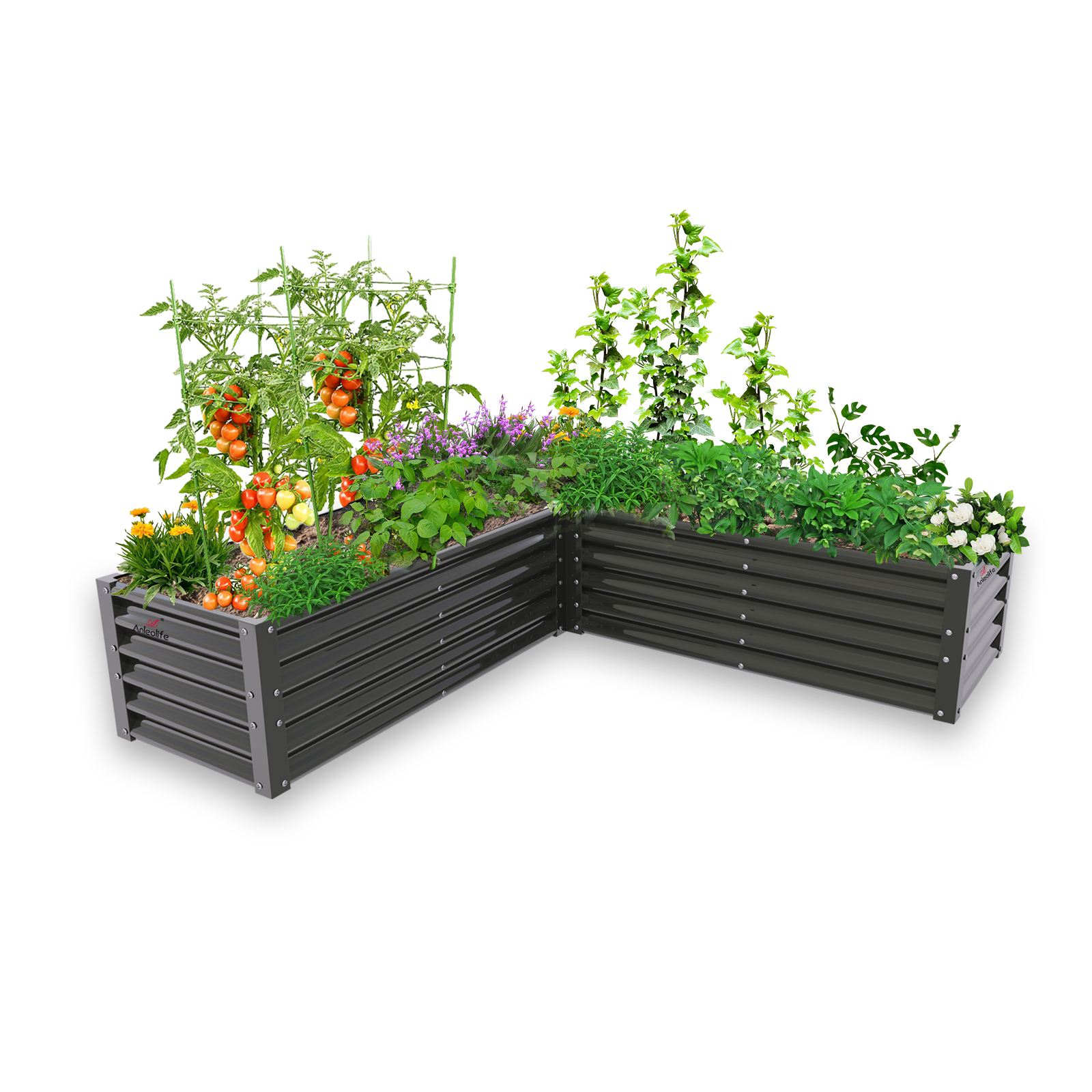
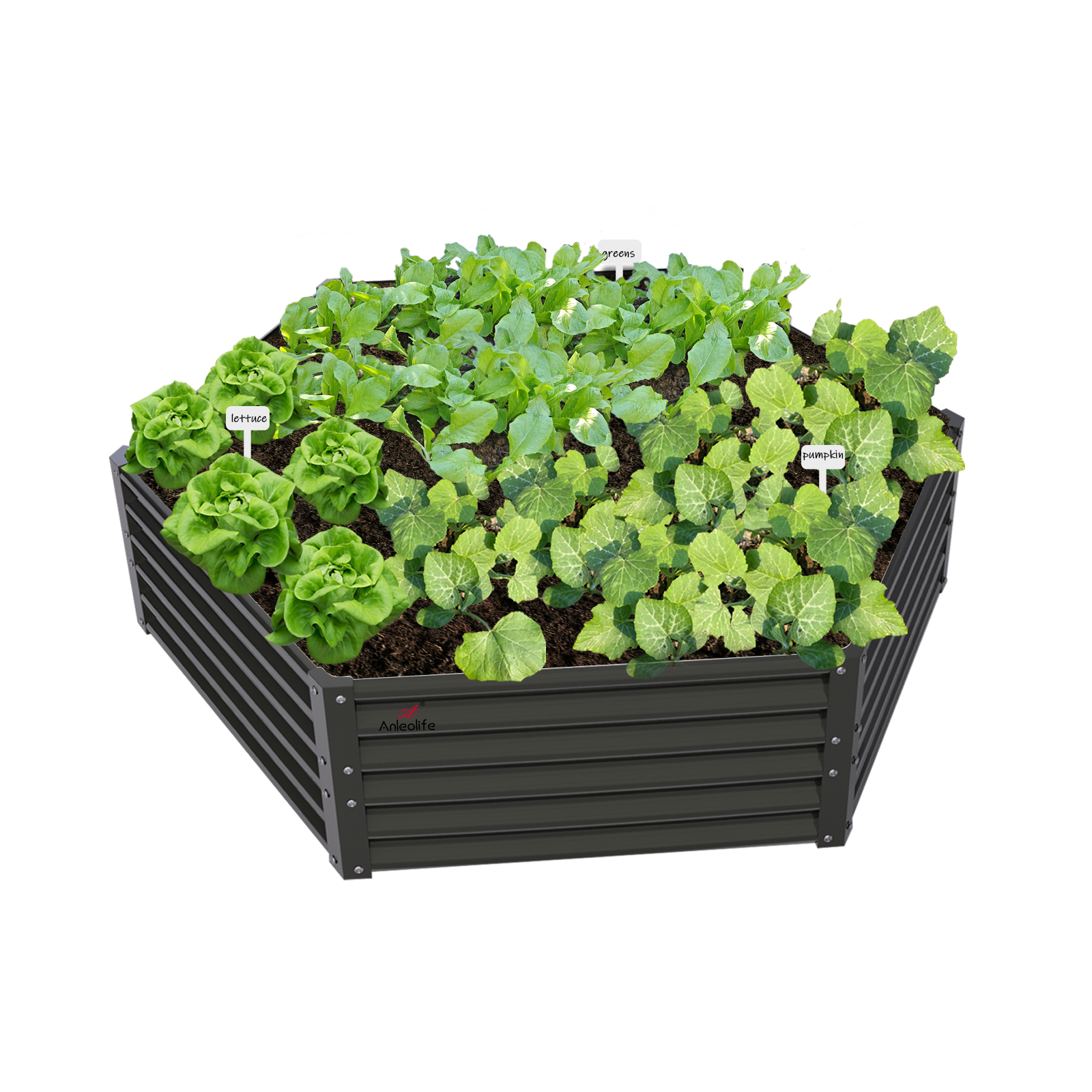
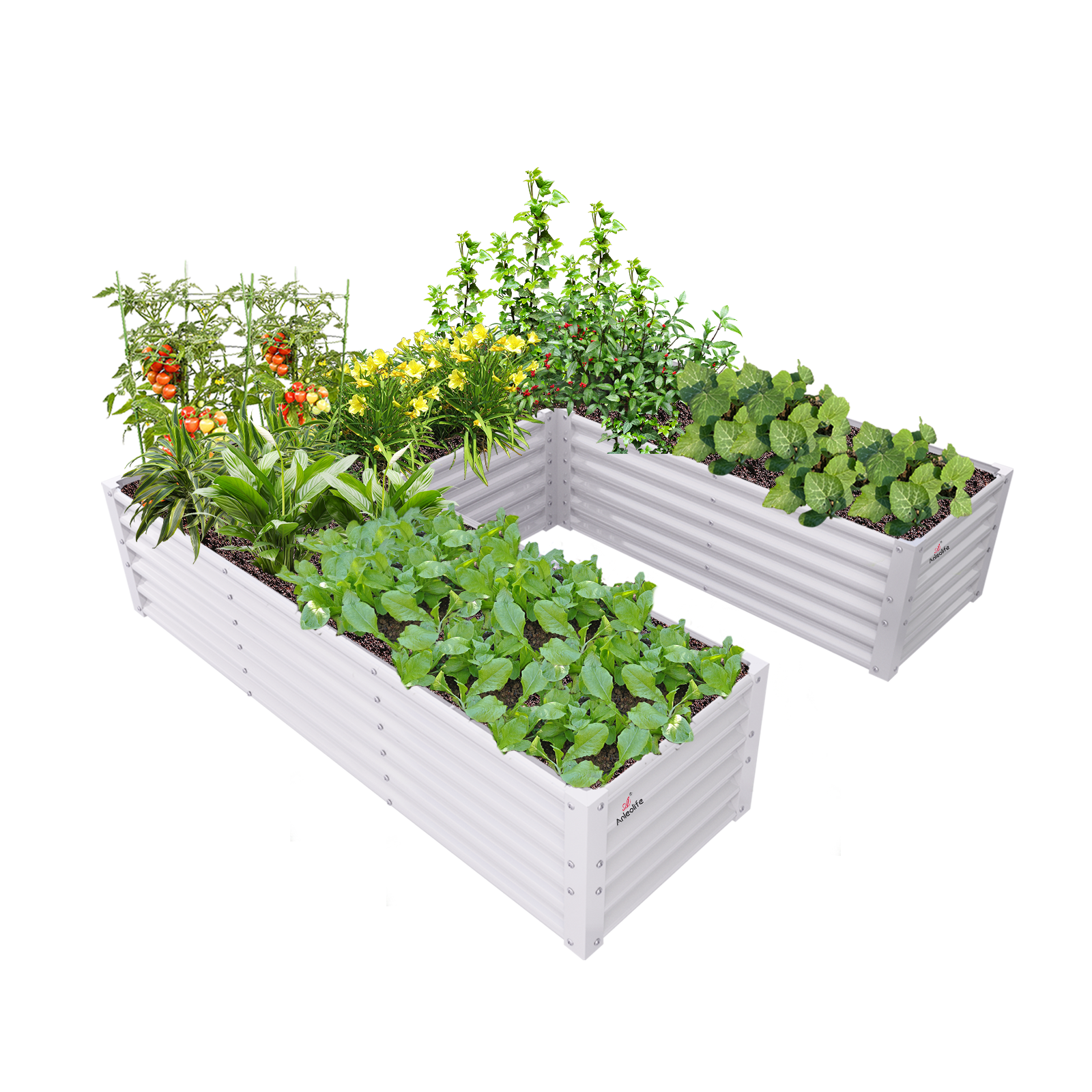

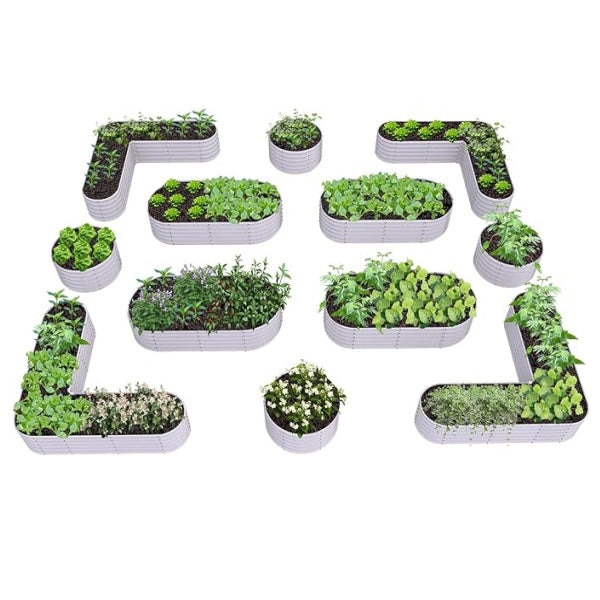


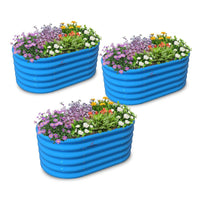
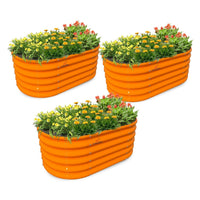
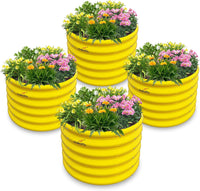
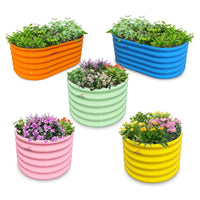
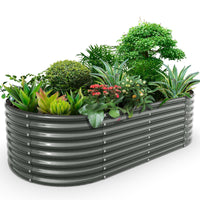




ALT: Family planning raised garden bed budget in July with thriving summer vegetables in metal raised beds
How Much Should You Really Spend on a Raised Garden Bed This July?
Key Conclusion: July is one of the most strategic months to invest in a raised garden bed — summer sales, mid-year restocks, and the urgency of fall planting prep converge in a single window. Whether you're designing a raised bed garden layout for the first time or expanding an existing raised bed planting layout, your budget should reflect not just the upfront cost, but long-term durability, material quality, and your unique raised bed layout goals. A well-chosen bed purchased in July can serve you for up to 20 years.
Budgeting for a raised garden bed isn't as simple as picking the cheapest option on a shelf. The real question is: what are you actually paying for? Material longevity, structural integrity, and whether the bed fits your intended layout all play into the true cost of ownership. In July specifically, you also have seasonal timing working in your favor — many retailers run mid-year promotions, and savvy gardeners know that investing now means a head start on fall crops like kale, broccoli, and root vegetables. This article will walk you through everything you need to know: from price tiers and material comparisons to layout planning, soil ratios, and the hidden costs that most buyers overlook.
Who This Guide Is For — and When It Applies
✅ Applicable Scenarios:
- First-time buyers who want to understand raised garden bed pricing before committing
- Experienced gardeners expanding their raised bed planting layout and comparing mid-range to premium options
- Budget-conscious shoppers looking to maximize value during July sales and seasonal promotions
- Retirees and empty nesters building a sustainable, low-maintenance backyard garden
- Urban micro-gardeners working with limited outdoor space who need to make every dollar count
❌ Not Applicable/Cautions:
- Shoppers looking for community or commercial-scale farming solutions — raised garden beds are optimized for residential use
- Those expecting instant results: even with the best bed and soil mix, gardening requires patience, seasonal awareness, and ongoing care
- Buyers in extreme cold climates who haven't accounted for frost protection — budget should include covers or insulation accessories as needed
Why July Is a Pivotal Month for Raised Garden Bed Purchases
July sits at an interesting intersection in the gardening calendar. On one hand, peak summer planting is already underway — tomatoes, cucumbers, and peppers are thriving. On the other hand, experienced gardeners are already thinking about their fall planting timeline, which means August and September prep begins now.
This dual pressure — enjoying summer harvests while planning for fall — creates a unique buying opportunity. Retailers, both online and brick-and-mortar, often run mid-year clearance events in July to make room for Q4 inventory. That means you can find high-quality raised beds at competitive prices if you shop strategically.
But there's another reason July matters: soil heating. Metal raised beds in particular absorb and retain solar heat, which accelerates germination and root development during the warmer months. If you install your bed in July, you can take advantage of residual summer heat for quick-sprouting fall crops like radishes, lettuce, and spinach — crops that actually prefer cooler temperatures but germinate faster in warm soil.
According to the USDA National Agricultural Library, raised bed gardens consistently outperform in-ground plots in terms of drainage, soil temperature control, and weed suppression. These benefits are amplified during summer months when soil compaction and heat stress can devastate in-ground crops.
From a market trend perspective, the home gardening industry has seen consistent growth year over year. A growing number of middle-class families, eco-conscious growers, and health-oriented households are moving away from store-bought produce and investing in their own food production systems. This shift has driven innovation in raised bed design, making it easier than ever to find options that balance budget with performance.
If you're navigating the full scope of raised bed garden planning — from selecting materials to optimizing your raised bed planting layout — resources like Anleolife's garden solutions hub offer practical guidance tailored to North American growing conditions.
A Practical Breakdown: How to Budget for Your Raised Garden Bed This July
Three Steps to Setting a Realistic Raised Garden Bed Budget
Step 1: Define Your Layout and Growing Goals
Before you look at a single price tag, spend 15–20 minutes sketching out your raised bed layout on paper or a free planning tool. How many beds do you want? What will you grow — vegetables, herbs, flowers, or a mix? The answers directly impact how much structural material you need, what soil volume you'll require, and whether you need accessories like trellises or covers. A single bed for herbs costs very differently than a three-bed vegetable system.
Step 2: Understand the True Cost of Ownership
Most buyers look only at sticker price. Savvy buyers look at cost per year. A low-cost wood bed that lasts 3–5 years before rotting actually costs more annually than a recommended material raised garden bed that won't rot — such as galvanized steel — that carries a 20-year lifespan. Factor in replacement costs, soil refill after structural failures, and the labor of rebuilding. When you run the numbers, premium materials often win on long-term value.
Step 3: Allocate Budget Across All Components — Not Just the Bed
A common budgeting mistake is spending everything on the bed frame and then improvising on soil, amendments, and accessories. A practical allocation looks something like this: roughly 40–50% on the bed structure itself, 30–40% on quality soil and compost mix, and 10–20% on accessories like liners, trellises, or garden tool storage. Getting your best ratio of compost to soil for raised garden beds right is just as important as the bed material — most experts recommend a mix of roughly 60% topsoil, 30% compost, and 10% perlite or coarse sand for drainage and aeration.
Material Comparison: What Are You Actually Paying For?
The raised garden bed market offers four primary material categories, each with a distinct price range, durability profile, and aesthetic. Here's how they stack up:
Understanding these differences is the foundation of smart budgeting. The table below compares the most common options across dimensions that matter most to home gardeners.
| Comparison Dimension | Wood (Pine/Cedar) | Galvanized Steel | Fabric/Plastic | Cor-Ten Steel |
|---|---|---|---|---|
| Typical Price Range | Lower to mid | Mid to premium | Lowest | Premium |
| Lifespan | 3–7 years | Up to 20 years | 2–5 years | 15–25 years |
| Rot/Weed Resistance | Moderate | Excellent | Moderate | Excellent |
| Aesthetic Appeal | Natural, rustic | Modern, clean | Minimal | Industrial/rustic |
| Ease of Assembly | Moderate | High (modular) | Very easy | Moderate |
| Long-Term Value | Low-moderate | High | Low | High |
| Maintenance Required | Moderate-high | Low | Low | Low |
Galvanized steel, like the metal raised garden beds offered by Anleolife, stands out in this comparison for its combination of durability, low maintenance, and aesthetic versatility. With a garden bed lifespan of 20 years, galvanized steel eliminates the recurring cost and frustration of wood rot — a critical consideration for those seeking recommended materials for raised garden beds that won't rot.
Deep Dive: Price Tiers, Hidden Costs, and What's Worth Paying For
The Budget Tier (Under $80)
At this price point, you're typically looking at thin-gauge metal, untreated wood, or fabric grow bags. These options work well for very casual gardening — a few herbs on a patio, or a seasonal experiment. However, the limitations become apparent quickly: they warp in heat, rot in rain, and rarely survive more than two or three growing seasons intact.
If you're a first-time gardener who genuinely isn't sure if raised bed gardening is for you, starting here makes sense. But most people who try it do fall in love with it — which means they end up buying again anyway. Going cheap twice often costs more than going quality once.
The Mid-Range Tier ($80–$250)
This is where the majority of home gardeners land, and it's a genuinely strong value zone. Mid-range beds are typically constructed from thicker materials, offer more size and shape configurations, and often include thoughtful features like drainage holes, modular expansion panels, and rust-resistant coatings.
For families with specific raised bed garden layout goals — say, a U-shaped layout for accessibility or a tiered design for sloped yards — the mid-range tier starts to offer real design flexibility. At this price point, you're investing in a bed that can realistically anchor your garden for several years, though premium materials will still outperform on longevity.
The Premium Tier ($250 and Above)
Premium raised garden beds are built for gardeners who are serious about both function and aesthetics. At this level, you're typically getting heavy-gauge galvanized or powder-coated steel, architectural design options, and structural warranties that reflect genuine confidence in material quality.
The math here is compelling: a premium bed at $350 that lasts 20 years costs approximately $17.50 per year. A budget bed at $60 that lasts 3 years — and requires soil replacement during each rebuild — could easily run $30–$40 per year when all costs are accounted for. The premium bed wins decisively on lifetime value.
The Hidden Costs Most People Forget
Beyond the bed frame itself, here are the costs that catch first-time buyers off guard:
Soil and amendments: A standard raised bed requires significantly more soil than most people expect. Quality soil isn't cheap, but it's not where you want to cut corners. Getting the best ratio of compost to soil for raised garden beds right — approximately 60% quality topsoil, 30% mature compost, and 10% drainage material — is the single most impactful factor in plant health.
Garden tools and storage: Quality hand tools — trowels, cultivators, pruners — add up quickly. And without proper storage, tools rust and degrade. The top rated outdoor tool storage options include wall-mounted shed organizers, weatherproof tool chests, and vertical storage racks. Investing $40–$80 in a solid storage solution protects tools that might cost $150–$300 to replace. Knowing how to maintain garden tools properly is equally important: wipe blades clean after each use, oil metal parts seasonally, and store in a dry location to dramatically extend tool life.
Accessories and beautification: Trellises for climbing plants, row covers for pest protection, drip irrigation setups, and decorative elements like pathway stones or garden ornaments all add to the total investment. If you're interested in best garden ornaments for tropical landscaping, look for weather-resistant pieces in materials like cast iron, glazed ceramic, or powder-coated aluminum that can withstand humidity and heat.

ALT: Galvanized steel raised garden beds filled with summer vegetables alongside organized garden tools and decorative pathway stones illustrating a complete raised bed garden layout
Advanced Considerations: When Standard Budgeting Advice Falls Short
Special Situations That Change the Equation
Accessibility needs: If you or a family member gardens with mobility limitations, raised beds that allow comfortable access from a seated position are not a luxury — they're essential. Taller beds cost more but eliminate the physical strain that makes in-ground gardening prohibitive for many retirees and people with disabilities. In this context, the premium is absolutely justified and often life-changing.
Multiple bed layouts: A single bed costs one thing; a three-bed or five-bed raised bed planting layout has a completely different financial profile — and a different value calculation. Buying multiple beds at once often unlocks bundle pricing or reduced shipping, making the per-unit cost more favorable. If you know you want to scale up eventually, consider buying your full layout at once rather than in phases.
Renting vs. owning a home: Renters sometimes hesitate to invest in permanent raised beds. The good news is that modular galvanized steel beds can be disassembled, transported, and reinstalled in a new location — meaning your investment travels with you. When budgeting, account for this portability premium: a bed that moves with you is worth more than one that stays behind.
Common Misconceptions About Raised Bed Budgeting
Misconception #1: "Cheaper wood is just as good as steel." Untreated or under-treated wood is susceptible to rot, fungal growth, and insect damage — particularly in humid climates. While cedar is genuinely durable, it still requires periodic treatment and has a significantly shorter lifespan than galvanized steel. When you calculate cost per year, the math rarely favors wood.
Misconception #2: "The bed is the whole cost." As outlined above, soil, tools, storage, and accessories are real budget items. A complete raised bed setup often costs 1.5–2x the price of the bed alone.
Misconception #3: "I'll just add compost and it'll be fine." Compost quality varies dramatically. Fresh, uncomposted organic material can actually harm plants by creating nitrogen lockup. Invest in aged, well-balanced compost and pair it with quality topsoil in the right ratio.
Frequently Asked Questions FAQ
Q1: How do I calculate how much soil I need for my raised garden bed?
To calculate soil volume, multiply the length × width × depth of your bed in feet, then convert to cubic feet. Most raised beds require between 8–30 cubic feet of growing medium depending on their size. A practical mix is 60% quality topsoil, 30% compost, and 10% perlite or coarse sand. Always slightly overfill, as soil settles 10–15% after watering. Starting with the right best ratio of compost to soil for raised garden beds dramatically affects plant performance from day one.
Q2: Are galvanized steel raised garden beds safe for growing vegetables?
Yes — galvanized steel raised garden beds are widely considered safe for vegetable growing. The zinc coating on galvanized steel is tightly bonded and does not leach at levels harmful to plants or humans under normal conditions. Numerous university extension studies support this conclusion. For extra peace of mind, food-safe liners can be placed inside the bed. Galvanized steel is among the most recommended materials for raised garden beds that won't rot, rust through, or deform over time, making it a popular choice for health-conscious growers.
Q3: How long does a quality raised garden bed last, and is the investment worth it?
A quality galvanized steel raised garden bed — like those offered by Anleolife — is built to last 20 years. Compared to wood beds that may need replacement every 3–7 years, a 20-year lifespan dramatically reduces long-term cost. When you factor in avoided replacement expenses, soil refill costs after structure failures, and the labor of rebuilding, premium materials pay for themselves within the first few cycles. For July shoppers, seasonal promotions can further improve the return on investment.
Summary
Budgeting for a raised garden bed in July isn't just a financial decision — it's a lifestyle investment. Here are the three core takeaways from this guide:
1. Think in cost-per-year, not sticker price. A galvanized steel bed with a 20-year lifespan almost always beats budget alternatives when you calculate true long-term costs. Don't let an attractive low price tag obscure the real value equation.
2. Budget for the whole system. The bed is the foundation, but your investment doesn't stop there. Quality soil at the right compost-to-topsoil ratio, proper tool storage, and thoughtful accessories are all part of building a garden that truly performs.
3. July is an excellent time to buy — if you're prepared. Mid-year promotions, fall planting prep timelines, and the strategic advantage of summer heat for soil warming all align in July. Shoppers who plan ahead and know what they want can secure excellent value this month.
Your next step: sketch out your raised bed garden layout — even a rough diagram on paper — before making any purchase. Know how many beds you want, what you'll grow, and what your ideal configuration looks like. Then shop with intention.
Start Growing with Anleolife
Nationwide U.S. warehouse network: Strategically located in California, Texas, Florida, New York, Illinois, and Washington to ensure delivery within 3–8 business days — so your garden upgrade plans never have to wait.
Multi-channel sales network: Products are available on major e-commerce platforms including Amazon, Walmart, Home Depot, Lowe's, and Wayfair, as well as the official website Anleolife.com, providing consistent quality assurance and after-sales service.
Three core scenarios: Planting (metal raised garden beds, soil systems), Raising (chicken coops, rabbit hutches), and Beautification (decorative accessories, pathway systems) — meeting complete needs from functionality to aesthetics.
Upgrade your garden with Anleolife. We understand that an ideal garden is not built overnight, but gradually improved over time. Our modular product design allows flexible expansion based on your needs — from your first raised bed to a fully integrated planting-and-raising ecosystem. We grow with you every step of the way.
References
- USDA National Agricultural Library. "Raised Bed Gardening Resources and Research."
https://www.nal.usda.gov/farms-and-agricultural-production-systems/raised-bed-gardening - University of California Agriculture and Natural Resources. "Raised Bed Gardening."
https://ucanr.edu/sites/scmg/files/30517.pdf - Penn State Extension. "Building and Managing Raised Bed Gardens."
https://extension.psu.edu/raised-bed-gardening - Cornell Cooperative Extension. "Soil Health and Compost in Raised Beds."
https://cce.cornell.edu/topics/agriculture/soil-health - National Gardening Association. "Raised Bed Gardening Guide."
https://garden.org/learn/articles/view/3569/
Note: Standards and research may be updated periodically. Please check the latest official documents or consult professional advisors for current recommendations.
About Anleolife
Anleolife is a leading outdoor garden solutions provider in North America, dedicated to offering a full-scenario product ecosystem for home gardening enthusiasts, covering planting, raising, and garden beautification. Since its founding, we have upheld our brand mission, "Made for Garden Life," continuously innovating products and optimizing services to help hundreds of thousands of users upgrade their gardens, reconnect with nature, and enjoy a better garden lifestyle.