


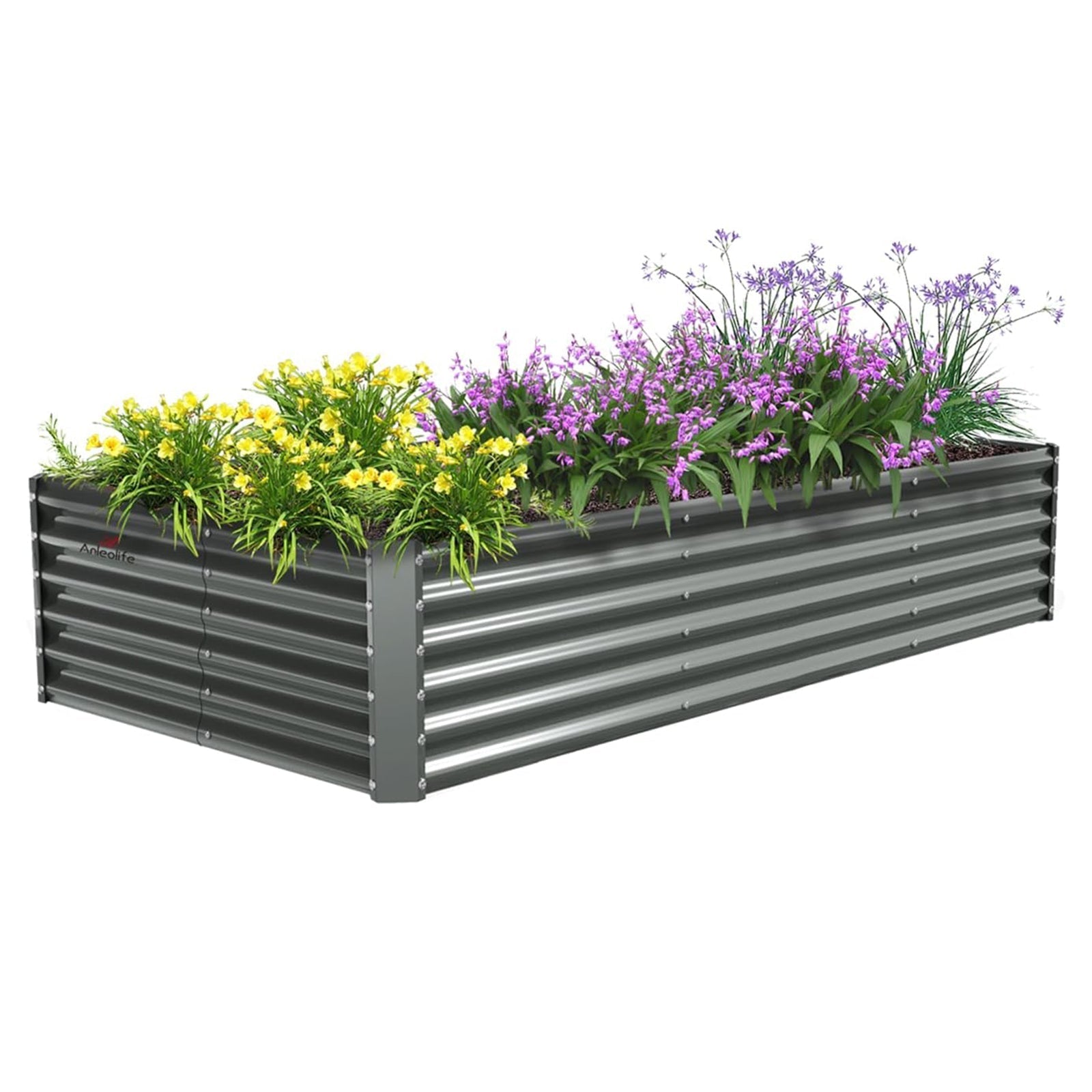

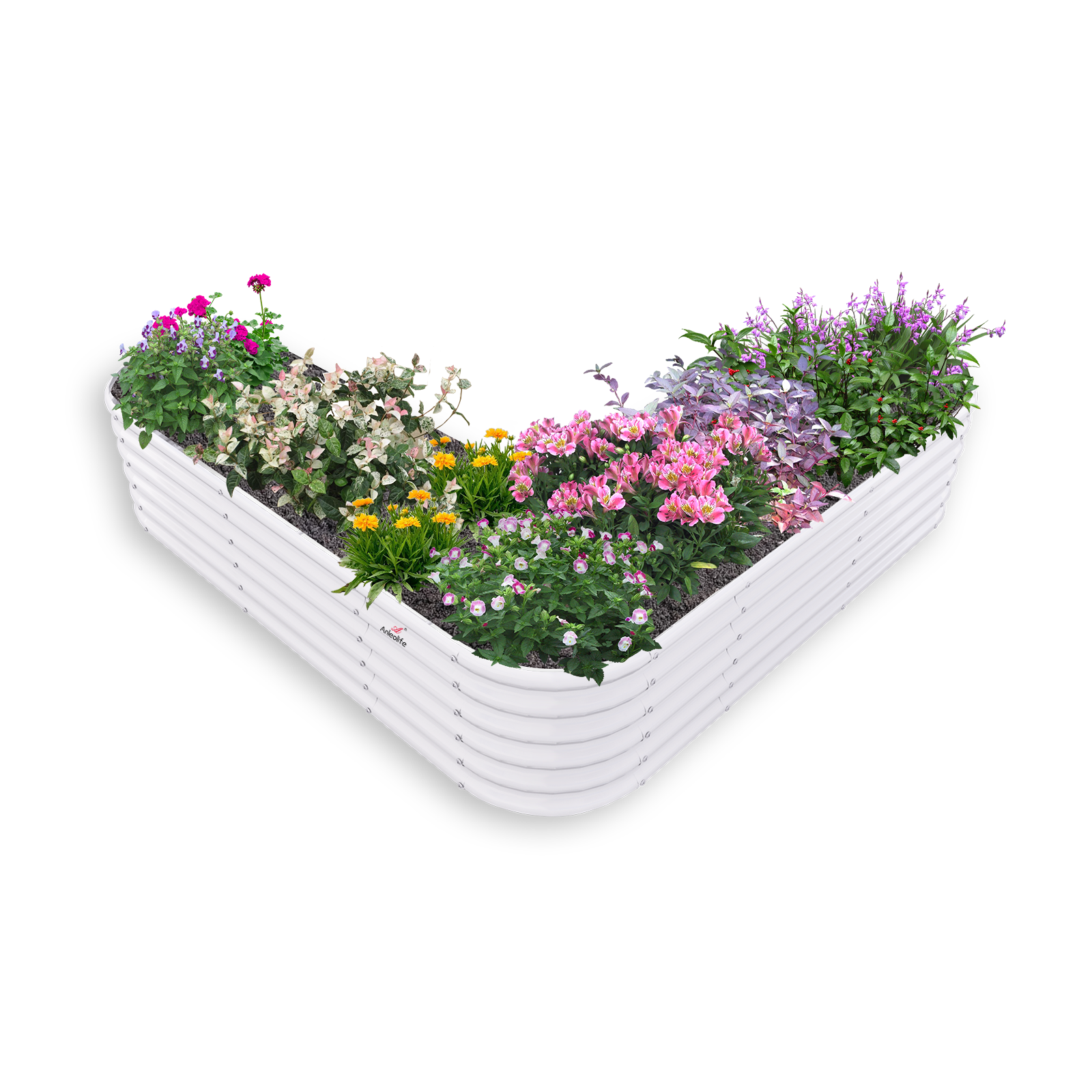
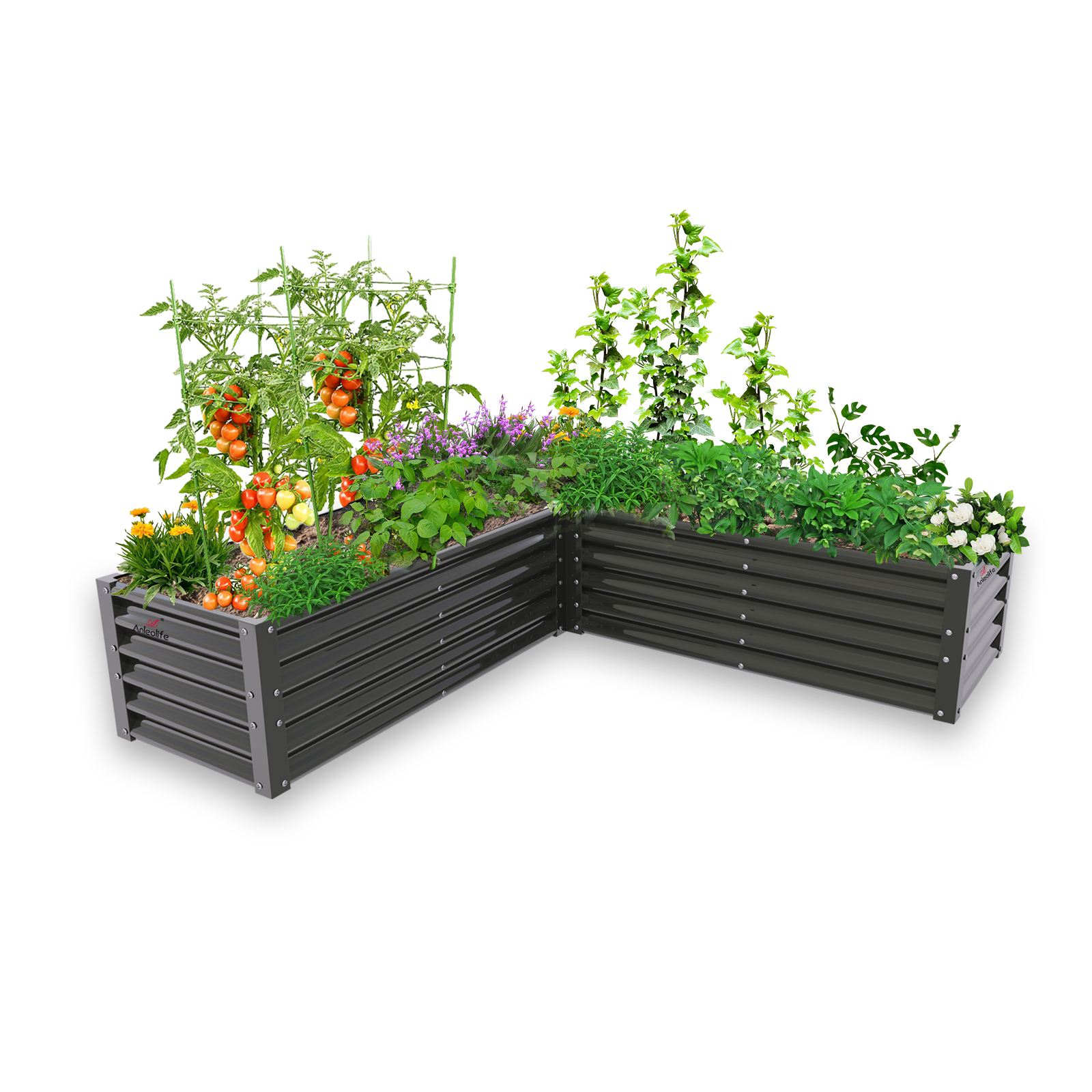
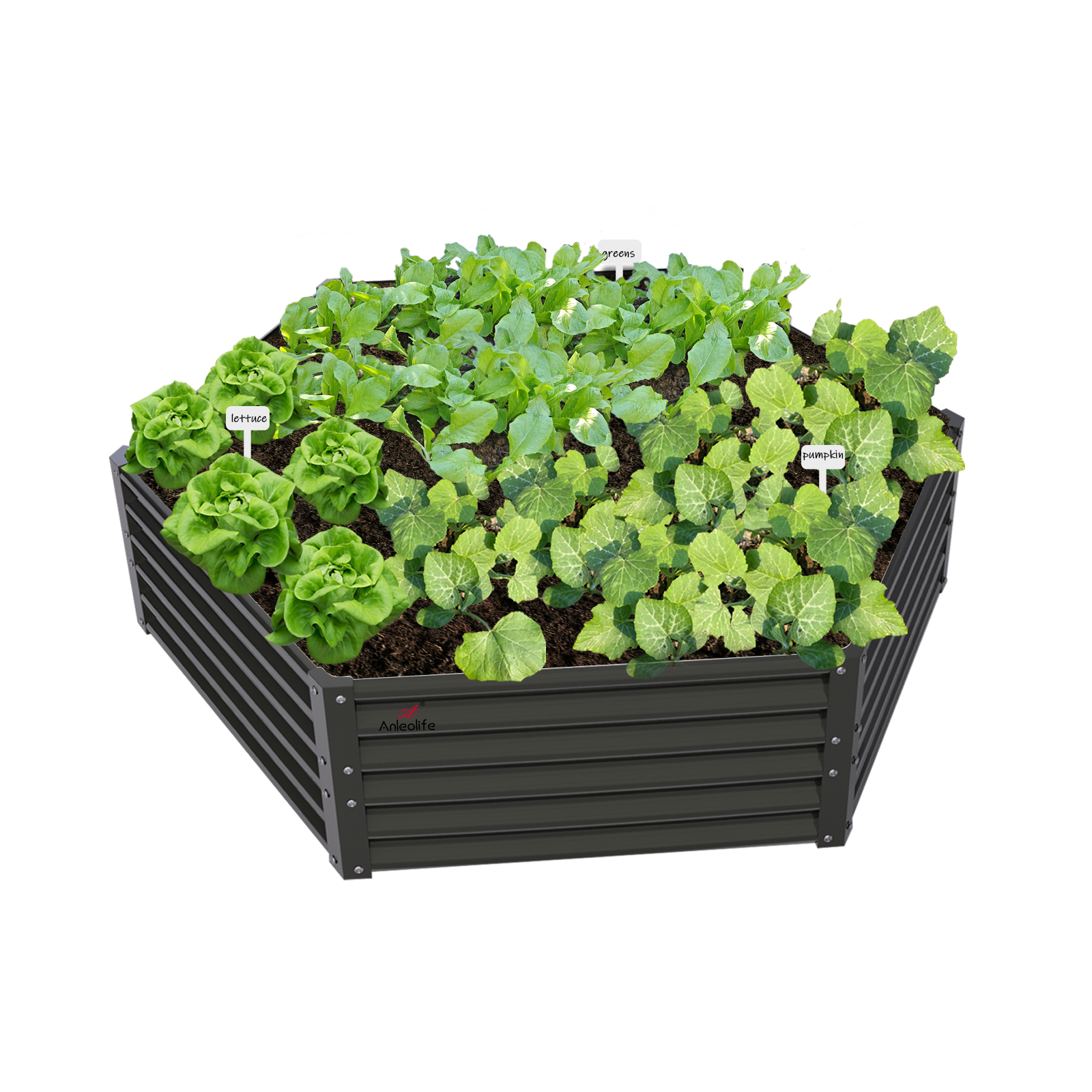
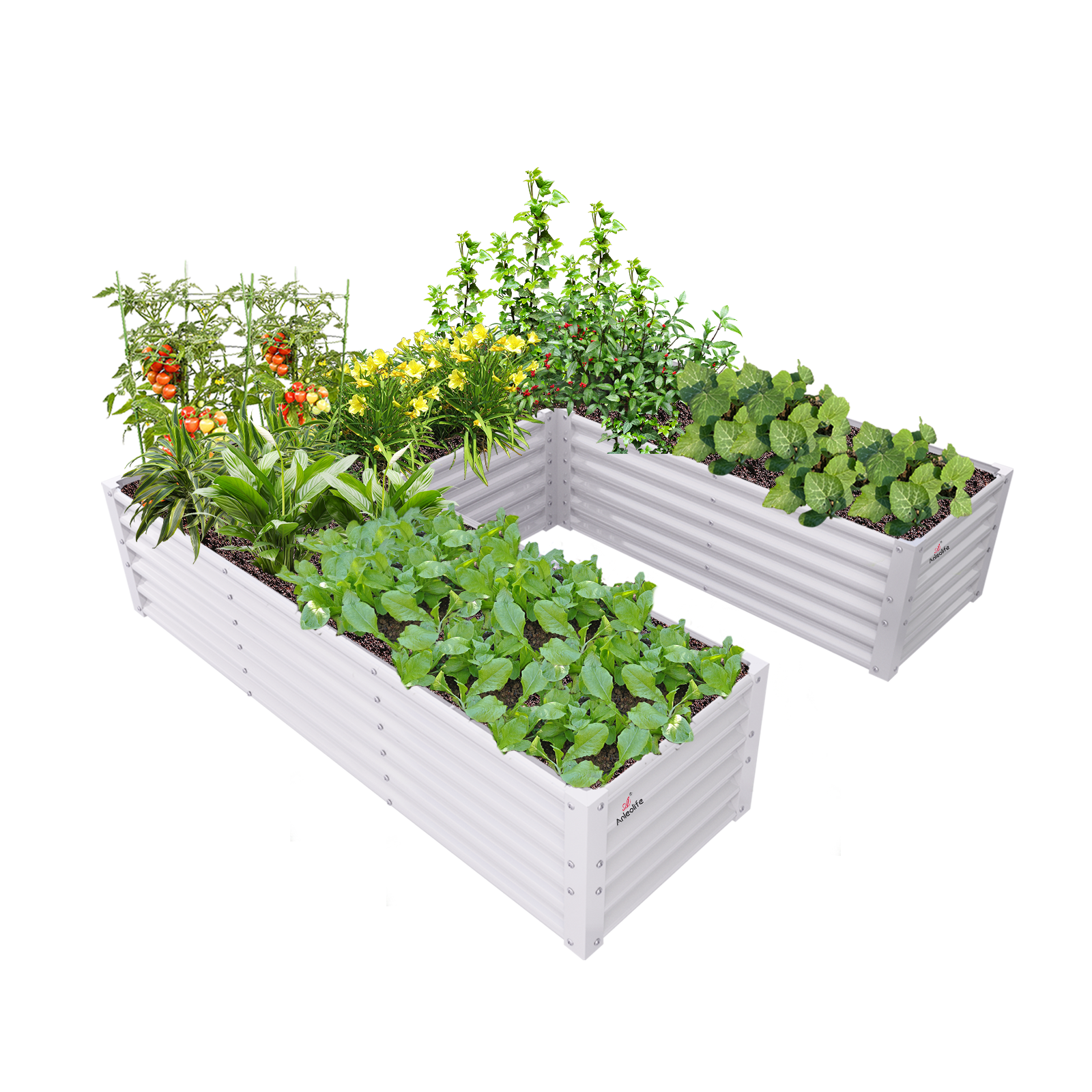

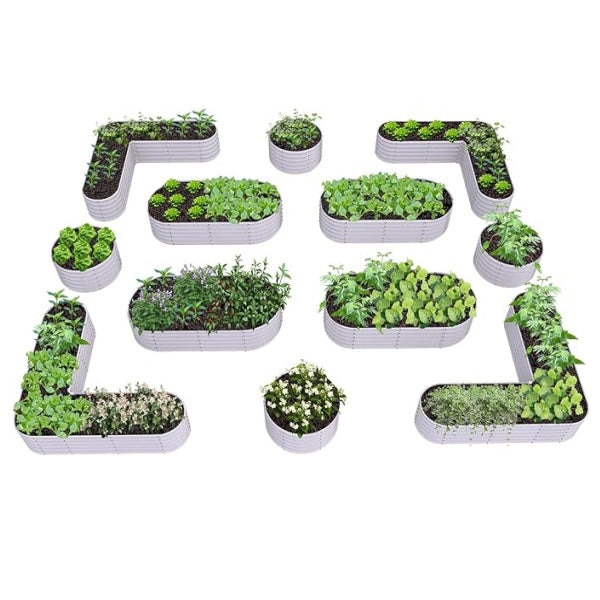


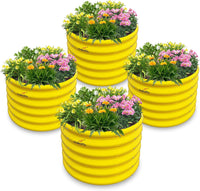
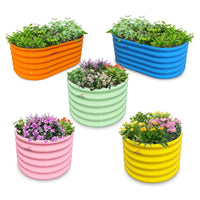




ALT: Family evaluating raised garden bed costs and budget options for seasonal vegetable planting
How to Budget Smartly for a Raised Garden Bed This Season
Key Conclusion: Deciding how much to spend on a raised garden bed comes down to three factors: the materials you choose, the size that fits your space and goals, and whether you want a modular garden bed system that grows with you over time. For most home gardeners, a quality raised bed investment ranges from under $100 for basic setups to $500 or more for a complete raised bed planting layout. Choosing durable metal options can bring your cost-per-year down significantly over a 20-year lifespan—making quality a genuinely smart financial decision.
Raised garden beds have moved from niche gardening trend to mainstream backyard staple—and for good reason. They improve drainage, reduce weeding, warm up faster in spring, and let you control your soil quality from day one. But with so many options on the market at wildly different price points, it's easy to feel overwhelmed before you've planted a single seed.
This guide breaks down what you actually need to spend, what drives the cost differences, and how to match your budget to your real gardening goals—whether you're a first-time grower setting up a starter bed or an experienced gardener ready to build out a full backyard planting system.
Who This Guide Is For (and When to Use It)
✅ Applicable Scenarios:
- First-time home gardeners trying to figure out the best raised garden bed size for beginners without overspending
- Homeowners comparing material types (wood vs. galvanized steel vs. fabric) and trying to understand true long-term value
- Urban micro-gardeners working with limited space and budget who want to maximize yield per dollar spent
- Empty nesters or retirees ready to invest in a more permanent, comfortable garden setup that doesn't require bending low
❌ Not Applicable/Cautions:
- Large-scale commercial farming operations—this guide focuses on residential and backyard gardening budgets
- Renters in apartments without outdoor access, where portable container gardening may be a more suitable solution
- Gardeners looking for DIY lumber build instructions—this guide focuses on purchased raised bed systems and their cost comparisons
Why Raised Bed Costs Vary So Wildly (And What Actually Matters)
Walk into any garden center or scroll through any major e-commerce platform and you'll find raised garden beds priced anywhere from $30 to over $600. That price range isn't random—it reflects genuine differences in material quality, construction methods, longevity, and design flexibility.
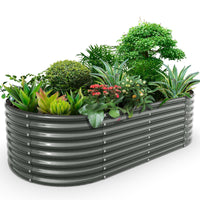
Material is the single biggest cost driver. Wood beds (typically cedar or pine) are often the cheapest upfront, but untreated wood can rot within 3–7 years, while even premium cedar rarely lasts more than a decade. Fabric grow bags are inexpensive and portable but limited in depth and long-term durability. Galvanized steel and rust-resistant metal beds cost more initially but can last up to 20 years with minimal maintenance—making them the most economical choice when calculated on a per-year basis.
Size is the second major variable. A compact 4x2 ft starter bed will naturally cost less than an 8x4 ft or 12x3 ft bed. But when you factor in the cost of soil, amendments, and setup time, buying a slightly larger bed often makes financial sense from the start.
Design and modularity add value. A basic rectangular frame is one thing. A modular system that lets you add sections, change configurations, or expand into a full raised bed planting layout over time is worth paying more for—especially if you plan to garden for years.
Market data consistently shows that interest in home food growing has surged since 2020 and shows no signs of slowing. The National Gardening Association reports that millions of American households grow food at home, and a significant portion cite raised beds as their primary growing method. As more consumers demand quality and durability, the market has responded with a broader range of premium metal bed options.
Understanding what drives the price difference is the first step to spending your money wisely this season.
How to Set Your Raised Garden Bed Budget: A Three-Step Approach
Quick Start: From Budget Decision to First Plant in Three Steps
Step 1: Define Your Gardening Goals and Space
Before looking at any products or price tags, spend 15–20 minutes mapping out what you actually want to grow and how much outdoor space you have. Are you growing herbs and salad greens for two people, or trying to produce enough tomatoes, peppers, and squash for your whole family? A simple goal-setting exercise will help you determine the right size, and size largely determines cost. Sketch your available garden area and note whether you'll need one bed or several.
Step 2: Decide on Material Based on Your Timeline
Once you know your space and goals, choose your material based on how long you intend to garden. If this is a one-season experiment, a budget fabric bed or basic wood frame makes sense. But if you're planning to garden for 5, 10, or 20+ years—which most people do once they start—galvanized or rust-resistant steel beds are the smarter financial choice. A quality metal bed rated for up to 20 years of use costs far less per growing season than replacing a wood bed every few years.
Step 3: Compare Total Cost of Ownership, Not Just Sticker Price
The final step is to do a quick total cost of ownership calculation. Take the purchase price, divide it by the expected lifespan in years, and compare across options. A $180 galvanized steel bed lasting 20 years costs $9/year. A $60 pine bed lasting 4 years costs $15/year—and requires the effort and expense of replacement. When framed this way, investing in quality almost always wins. Factor in soil costs (typically $50–$150 to fill a standard bed), and you'll see why getting the bed right the first time matters.
Budget Tiers Explained: What You Get at Each Price Point
Not all raised beds are created equal, and the differences between budget tiers are real and meaningful. Here's how to think about the major options:
| Comparison Dimension | Budget Tier (Under $100) | Mid-Range ($100–$250) | Premium ($250–$500+) |
|---|---|---|---|
| Primary Material | Basic pine/fir wood or thin fabric | Cedar wood or entry-level galvanized steel | Heavy-gauge galvanized or rust-resistant steel |
| Expected Lifespan | 2–5 years | 5–10 years | Up to 20 years |
| Typical Size Options | Small to medium (2x4 to 4x4 ft) | Medium to large (4x4 to 8x4 ft) | Wide range including extra-tall and modular options |
| Soil Capacity | Limited | Moderate | High, including deep-root options |
| Modularity | Rarely available | Sometimes available | Often available with expansion kits |
| Best For | Testing out raised bed gardening | Growing families, committed growers | Long-term, serious home gardeners |
| Availability | Hardware stores, big-box retailers | Garden centers, online retailers | Specialty brands, direct-to-consumer |
The key insight here is that the best budget-friendly raised bed options under $200 are not necessarily the cheapest ones—they're the ones that deliver the best value per dollar over time. A well-made galvanized steel bed in the $150–$200 range from a quality brand can outperform and outlast multiple rounds of budget wood beds.
Matching Bed Size to Budget (and to Your Needs)
One of the most common questions from new gardeners is: what's the best raised garden bed size for beginners? The answer depends on your available space, your crop goals, and your physical comfort—but some general guidelines hold true across the board.
Starting Small vs. Going Big from the Start
A 4x2 or 4x4 ft bed is an excellent starting point for most beginners. It's manageable, affordable, and lets you reach all four sides without stepping into the bed. You can start with one, learn the rhythm of watering, feeding, and harvesting, and then expand from there.
That said, many gardeners wish they'd started bigger. If you have the space and budget, a 6x3 ft or 8x4 ft bed gives you dramatically more growing space without being overwhelming. For a family of four looking to supplement grocery shopping with homegrown vegetables, an 8x4 ft layout is often recommended as the functional minimum.
Thinking About Bed Height
Standard 18-inch tall beds are popular because they provide sufficient depth for most vegetables—tomatoes, peppers, lettuce, herbs, and root crops like carrots and beets. But for gardeners with back pain, limited mobility, or simply a preference for comfortable standing-height gardening, the extra-tall 24-inch, 30-inch, or even 35-inch waist-high options are worth every extra dollar.
Taller beds require more soil (which adds to startup cost), but they eliminate the need for bending and kneeling—a quality-of-life factor that becomes priceless after a full afternoon in the garden.
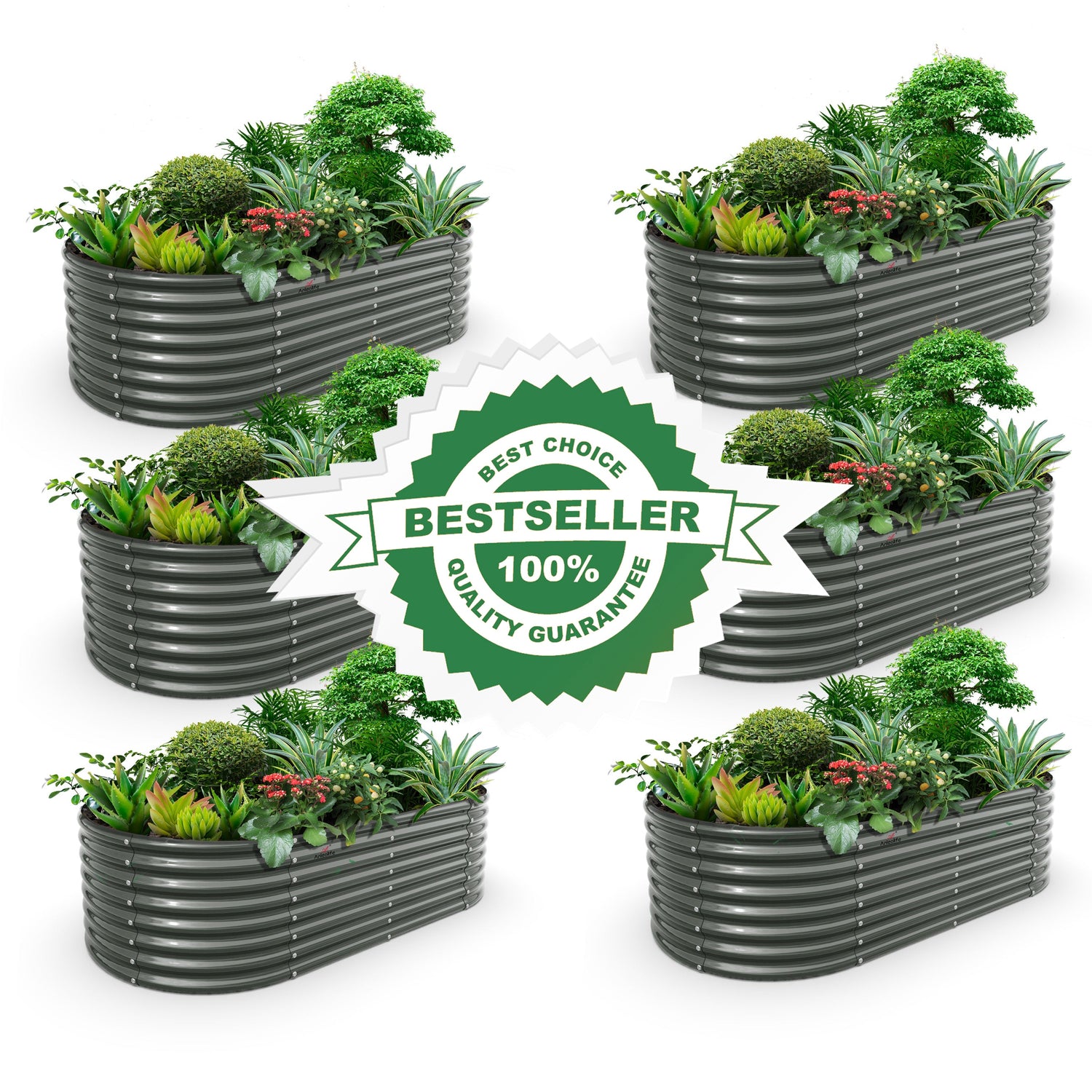
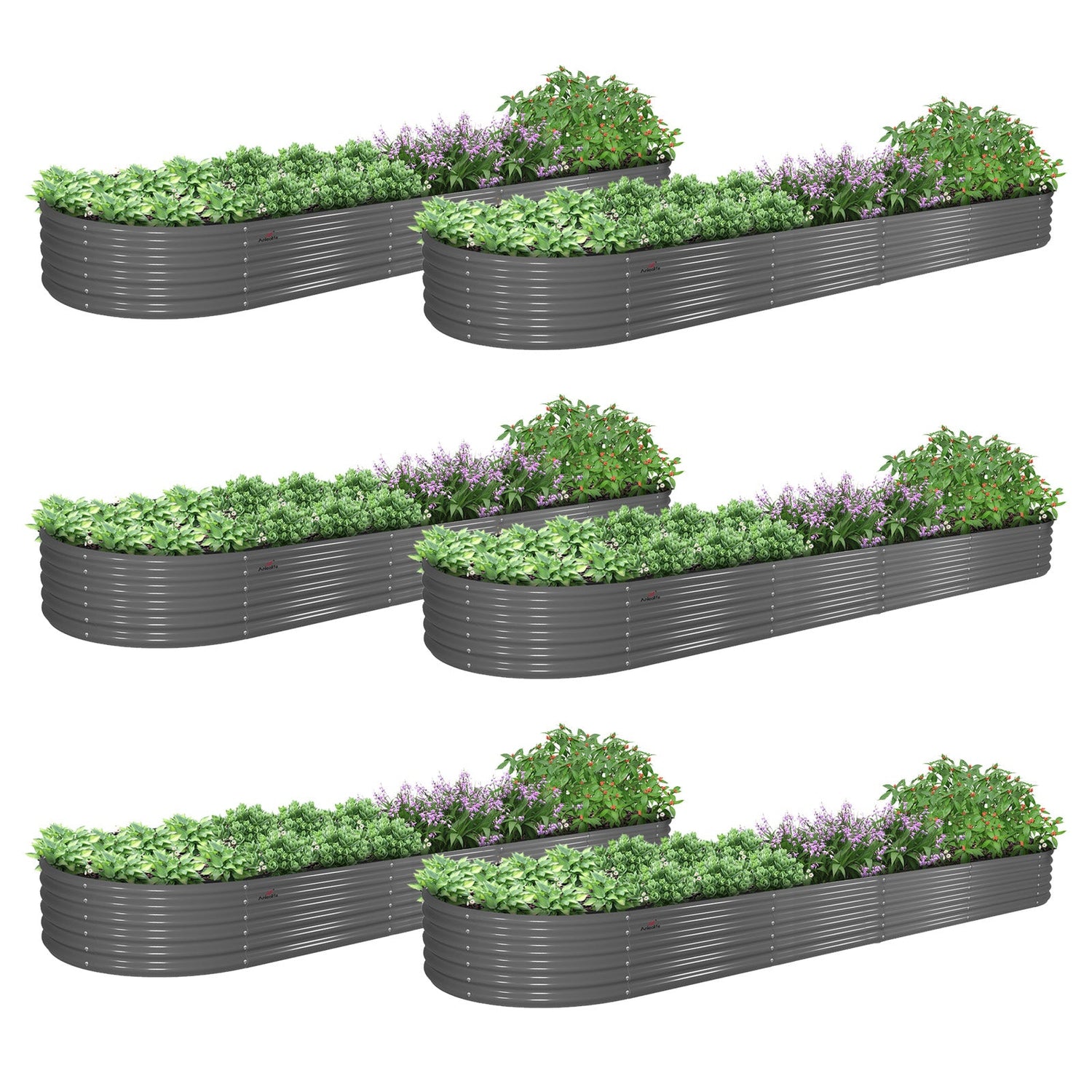
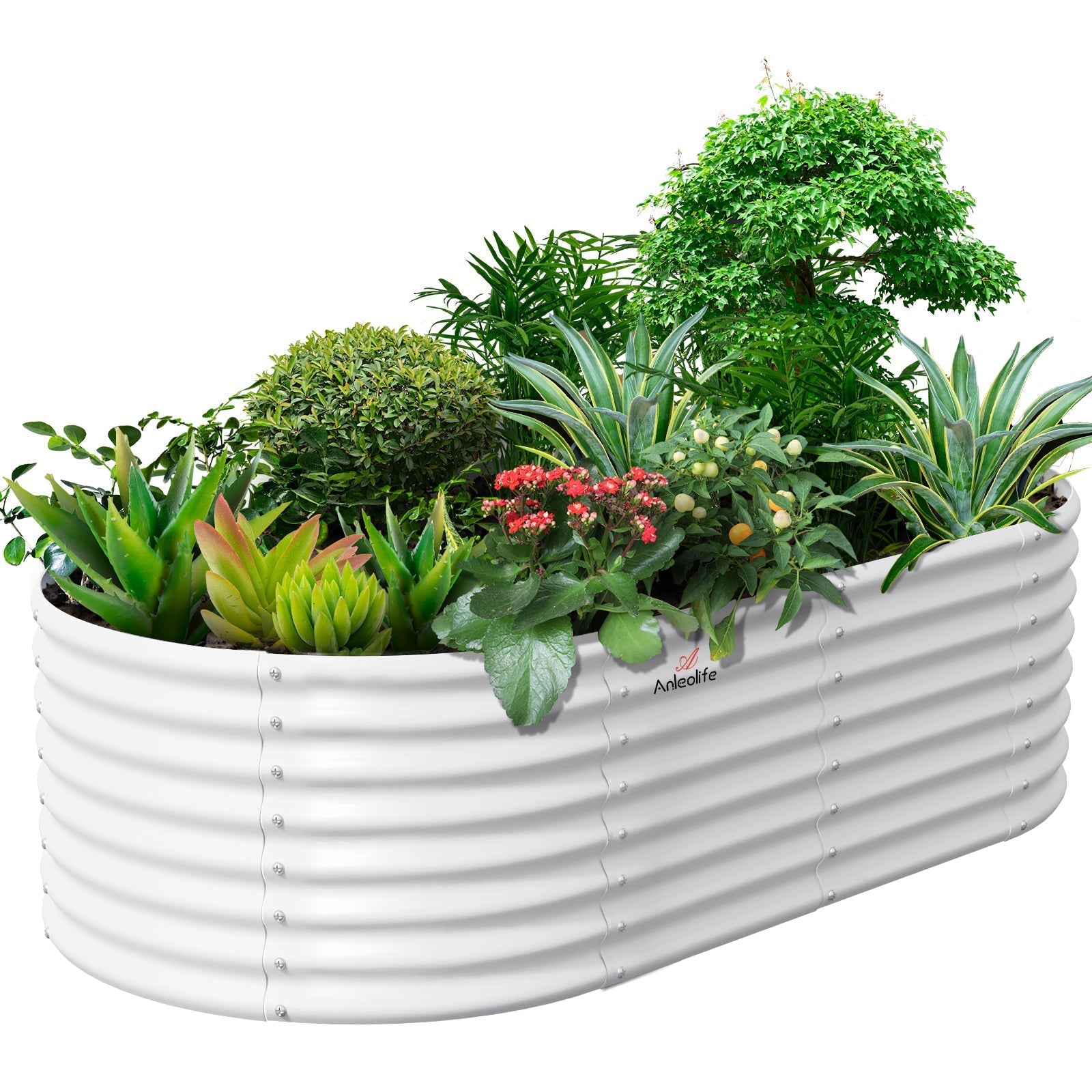
At Anleolife, raised garden beds span a wide range of heights and footprints. Options include standard 18-inch tall beds in configurations like 12x3 ft, 8x4 ft, 6x3 ft, and 4x4 ft, stepping up to 24-inch extra-tall models and 30-inch extra-tall versions for deeper planting needs. For those who prefer gardening without bending, the 35-inch waist-high 4x1.5 ft model is purpose-built for accessible gardening.
The Modular Approach: Budget-Friendly Long-Term Strategy
A modular garden bed system changes the budget math entirely. Instead of purchasing one large, expensive bed all at once, modular systems let you start with a small configuration and expand it over time as your budget allows. You're not locked into a single layout—you can reconfigure your raised bed planting layout as your garden evolves.
Anleolife's Modular Raised Garden Bed line includes options like 18-inch tall 6x2 ft and 8x4 ft configurations, along with 24-inch and 30-inch extra-tall 8x4 ft options, giving gardeners the flexibility to build up their growing space incrementally without the all-at-once cost of a large fixed bed.
Soil and Amendments: The Hidden Cost New Gardeners Often Miss
Here's a budget truth that most product comparisons skip entirely: the bed itself is only half the cost of getting started. Filling your bed with quality growing medium is a significant expense—and the right soil mix makes the difference between a thriving garden and a disappointing one.
A standard raised bed soil mix (often called "Mel's Mix" or a similar blend) typically combines compost, vermiculite, and peat moss or coconut coir. For a standard 8x4x2 ft bed, you'll need roughly 8–10 cubic feet of growing medium, which can cost $80–$150 depending on your region and the products you choose.
The good news: you only pay this cost once (or top off annually at lower cost). Quality compost-rich soil improves over time and rarely needs full replacement.
Choosing the best fertilizer for raised vegetable gardens is another budget consideration. Slow-release organic granular fertilizers, liquid kelp, and compost tea are popular choices among health-conscious home growers. Budget $20–$40/season for amendments and fertilizers in a standard-sized bed.
What About Garden Accessories and Beautification?
A raised garden bed doesn't stand alone—it's part of a broader outdoor space. Garden accessories, decorative elements, and functional add-ons can add $50–$200 or more to your seasonal setup.
Questions like what size garden ornaments work best in a raised bed setting are worth considering. Smaller ornamental pieces—plant markers, decorative stakes, small sculptures—work well within or near bed perimeters without competing visually with growing plants. Larger pathway elements or decorative fencing around a bed grouping can create a cohesive, intentional garden aesthetic.
Similarly, if you're investing in a quality outdoor seating area near your garden, selecting the best outdoor bench for entryway seating or placing comfortable garden seating nearby encourages you to actually spend time in your garden—which means you're more likely to notice plant needs early and act on them.
Anleolife's product ecosystem includes not just raised beds but also beautification elements like decorative accessories and pathway systems, allowing you to create a complete and visually cohesive outdoor garden environment.

ALT: Anleolife galvanized steel raised garden beds arranged with pathway and seating for a complete backyard garden layout
Advanced Considerations: When to Spend More and When to Hold Back
When a Premium Bed Is Worth Every Penny
If you answer yes to any of the following, a premium galvanized or rust-resistant steel bed is worth the higher upfront investment:
- You plan to garden every season for the foreseeable future
- You want to grow root vegetables or deep-rooting plants that need 18+ inches of soil depth
- You live in a high-humidity or high-rainfall region where wood rot is a constant battle
- You have mobility limitations and need extra-tall options for comfortable standing-height gardening
- You want a clean, modern aesthetic that complements a well-designed outdoor living space
Common Misconceptions About Raised Bed Budgets
Misconception #1: Cheaper is smarter for beginners.
Not necessarily. If your cheap bed falls apart in two seasons, you've spent money twice and potentially lost one growing season to a deteriorating setup. Starting with a mid-range galvanized steel option often costs less in total.
Misconception #2: You need to buy everything at once.
Modular systems mean you can start small and expand. Begin with a single 6x3 or 8x4 bed, get comfortable with gardening, and add sections or new beds as your confidence and budget grow.
Misconception #3: Wood looks better than metal.
Modern galvanized and rust-resistant steel beds come in finishes that blend beautifully with both contemporary and traditional garden aesthetics. Many gardeners actually prefer the clean, structured look of metal beds.
Misconception #4: All metal beds will rust.
High-quality galvanized steel and rust-resistant coated beds are specifically engineered to resist corrosion. A well-made metal raised garden bed from a reputable brand like Anleolife is built to last up to 20 years—far outlasting most wood alternatives.
Frequently Asked Questions FAQ
Q1: How do I choose the right raised garden bed size for a beginner budget?
For most first-time gardeners, an 18-inch tall bed in a 4x4 ft or 6x3 ft configuration offers the best balance of manageable size and growing capacity. These beds are large enough to grow a meaningful variety of vegetables—lettuce, herbs, tomatoes, and root crops—without overwhelming your space or budget. You can always add a second bed later as your gardening confidence grows. Starting with a modular design lets you expand incrementally without replacing your initial investment.
Q2: Are galvanized steel raised garden beds safe for growing vegetables?
Yes. High-quality galvanized steel raised garden beds are widely considered safe for vegetable gardening. The zinc coating on galvanized steel is insoluble and does not leach into soil at harmful levels under normal garden conditions. Rust-resistant coated options provide additional peace of mind. Anleolife's metal beds are engineered for food-safe garden use and are designed to maintain structural integrity for up to 20 years—making them a trusted choice for health-conscious home growers.
Q3: What is the total cost to set up a raised garden bed from scratch this season?
Total startup costs vary by bed size and material choice. A typical setup for a mid-range 8x4 ft galvanized steel bed includes the bed itself ($150–$250), quality soil and compost mix ($80–$150), and starter plants or seeds ($20–$50). Add organic fertilizer ($20–$40) and basic tools if needed ($30–$60). A realistic total budget for a well-equipped first raised bed is $300–$550. Spread over 20 years of use, that's under $30 per growing season—exceptional value for homegrown organic produce.
Summary
Setting a smart raised garden bed budget this season comes down to three core principles: prioritize material durability over upfront sticker price, choose a size that matches your real goals (not just your available space), and consider modular systems that let your investment grow with you over time.
The numbers tell a compelling story. A quality galvanized or rust-resistant steel raised garden bed with a 20-year lifespan costs far less per season than repeatedly replacing lower-quality alternatives. Pair the right bed with a good soil mix, appropriate fertilizer, and thoughtful garden design, and your homegrown food and garden enjoyment will pay dividends for decades.
Whether you're working with a $150 starter budget or ready to invest $500+ in a full raised bed planting layout, there's a configuration that fits your needs—and the right choice now prevents the frustration of "buy it twice" gardening.
Ready to Find Your Perfect Raised Garden Bed?
Anleolife makes it easy to explore, order, and receive your new raised garden bed without the wait. With a nationwide U.S. warehouse network strategically located in California, Texas, Florida, New York, Illinois, and Washington, delivery takes just 3–8 business days—so your garden upgrade plans never have to wait for the season to pass you by.
Shop across major e-commerce platforms including Amazon, Walmart, Home Depot, Lowe's, and Wayfair, or visit the official Anleolife.com website for the full product range, consistent quality assurance, and dedicated after-sales support.
From your first raised bed to a complete garden ecosystem—Anleolife's three core scenarios have you covered: Planting (metal raised garden beds, soil systems), Raising (chicken coops, rabbit hutches), and Beautification (decorative accessories, pathway systems). Start with what you need now. Build toward the garden you've always imagined.
We understand that an ideal garden isn't built overnight—it's grown, season by season, with the right tools and the right support. Our modular product design allows flexible expansion based on your needs, from your first 8x4 garden bed to a fully integrated planting-and-raising ecosystem. We grow with you every step of the way.
References
- National Gardening Association. "Garden to Table: A Guide to Growing Your Own Food".
https://garden.org/ - University of California Agriculture and Natural Resources. "Raised Bed Gardening".
https://ucanr.edu/ - U.S. Department of Agriculture (USDA). "Home Gardening and Food Production Resources".
https://www.usda.gov/ - Penn State Extension. "Building and Filling a Raised Bed Garden".
https://extension.psu.edu/ - Colorado State University Extension. "Raised Bed Gardening".
https://extension.colostate.edu/
Note: Standards and recommendations may be updated over time. Please check the latest official documents or consult a professional advisor for current guidance.
About Anleolife
Anleolife is a leading outdoor garden solutions provider in North America, dedicated to offering a full-scenario product ecosystem for home gardening enthusiasts, covering planting, raising, and garden beautification. Since its founding, we have upheld our brand mission, "Made for Garden Life," continuously innovating products and optimizing services to help hundreds of thousands of users upgrade their gardens, reconnect with nature, and enjoy a better garden lifestyle.