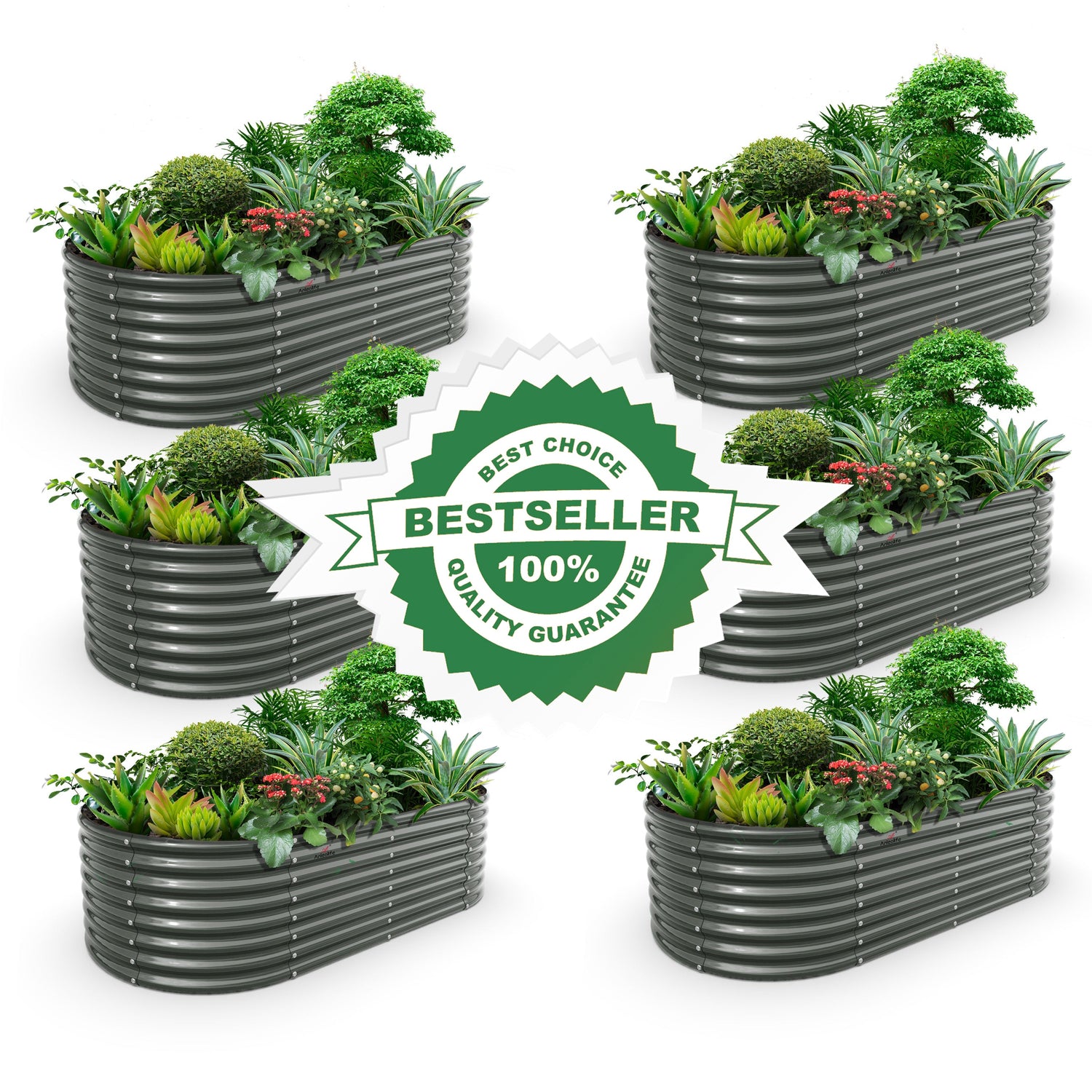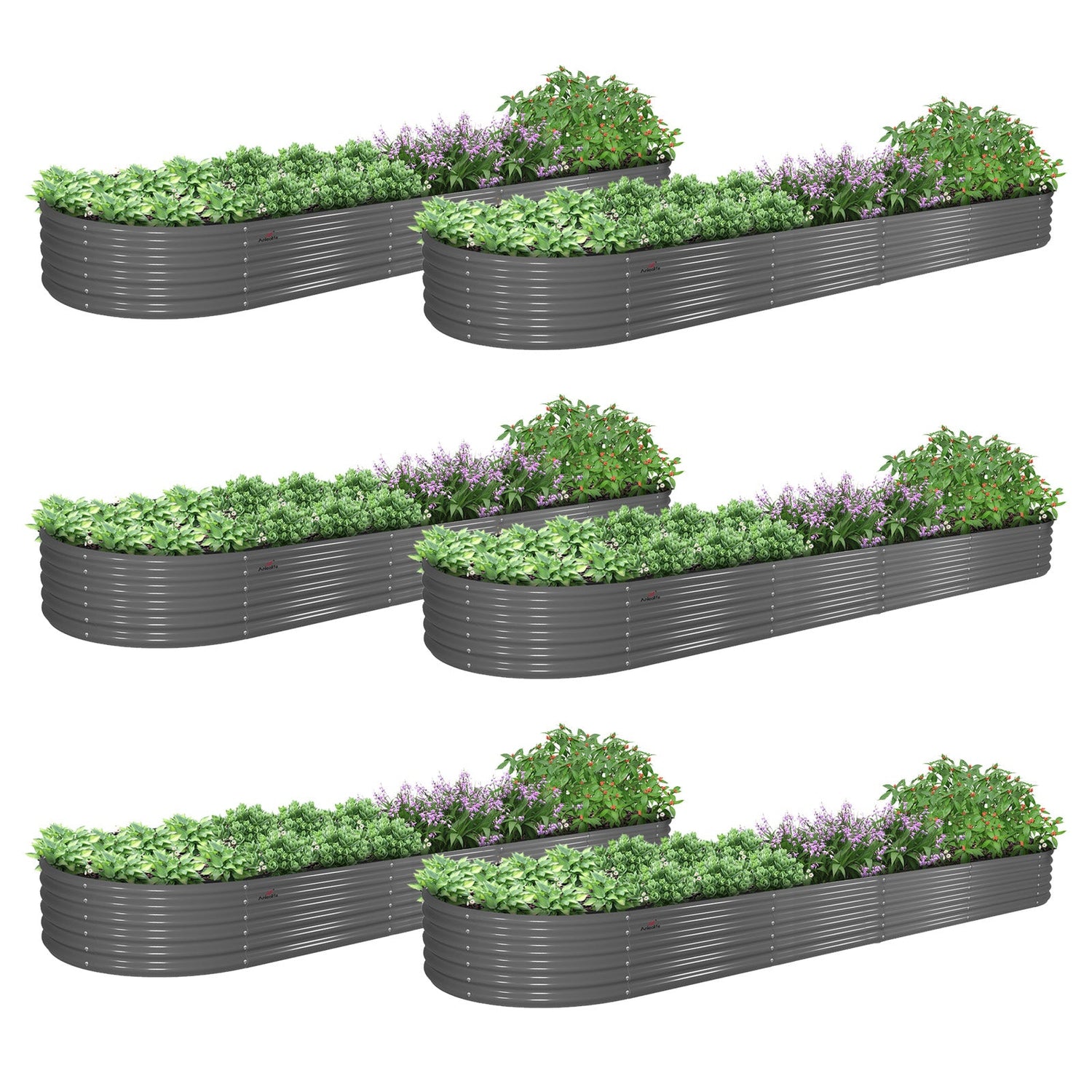



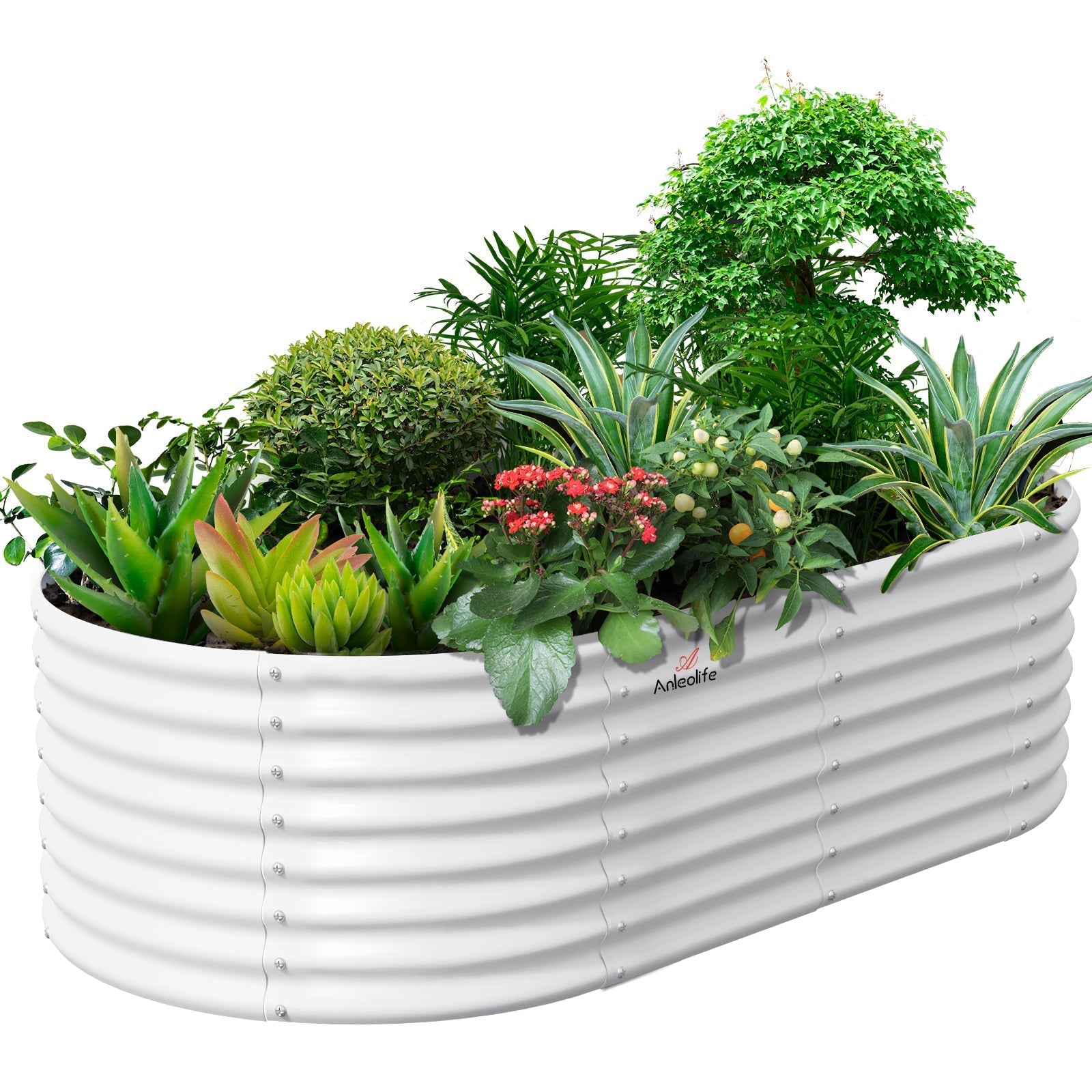
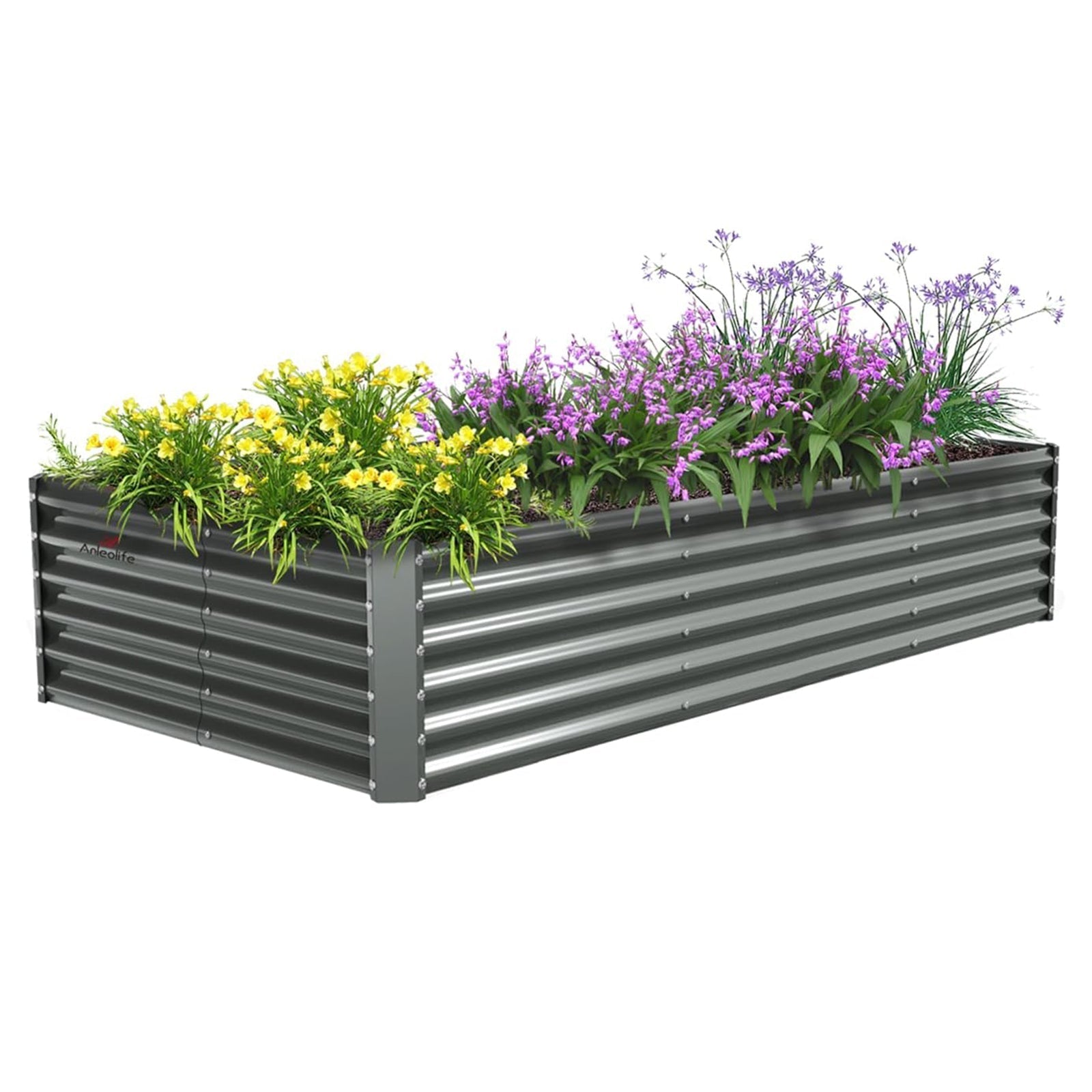

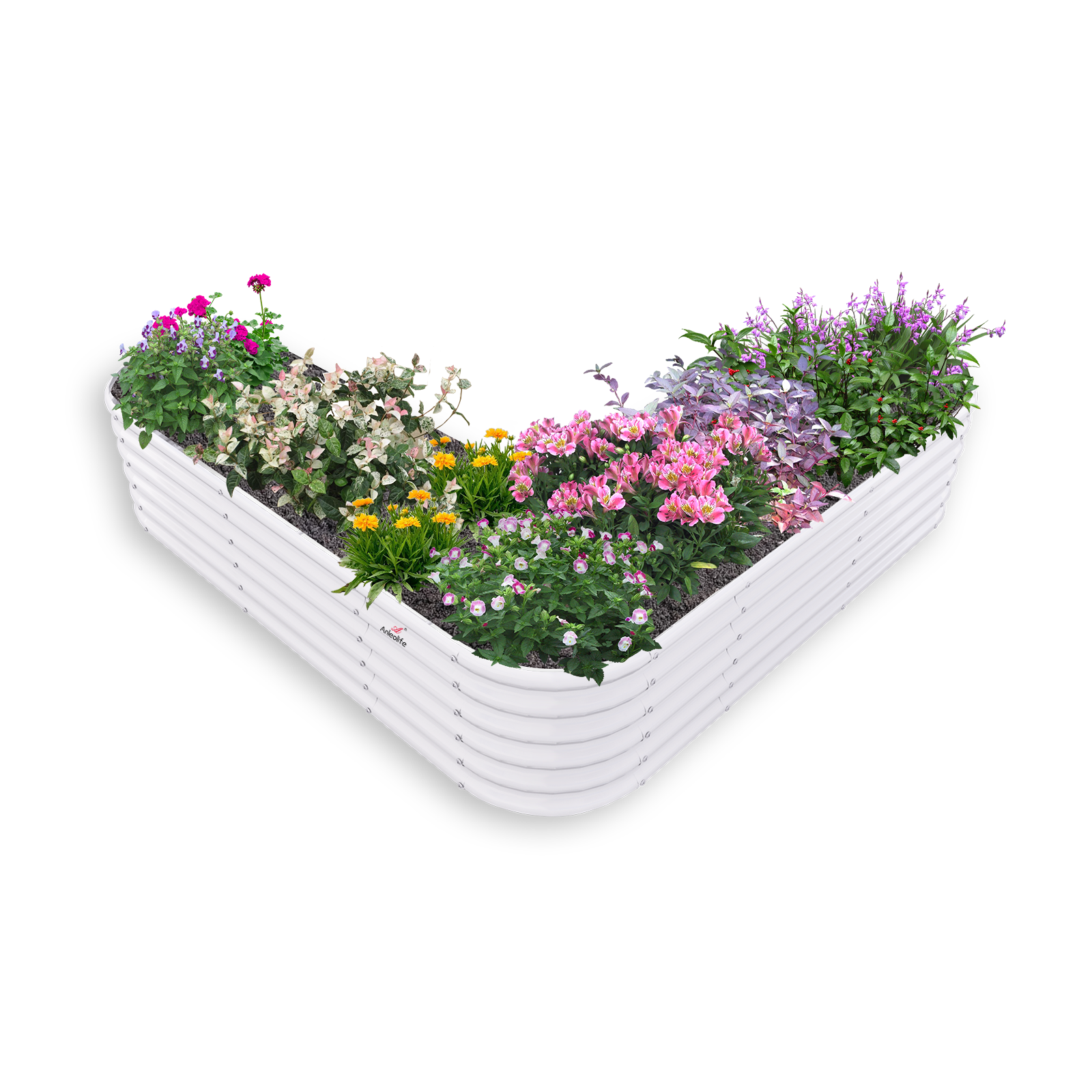
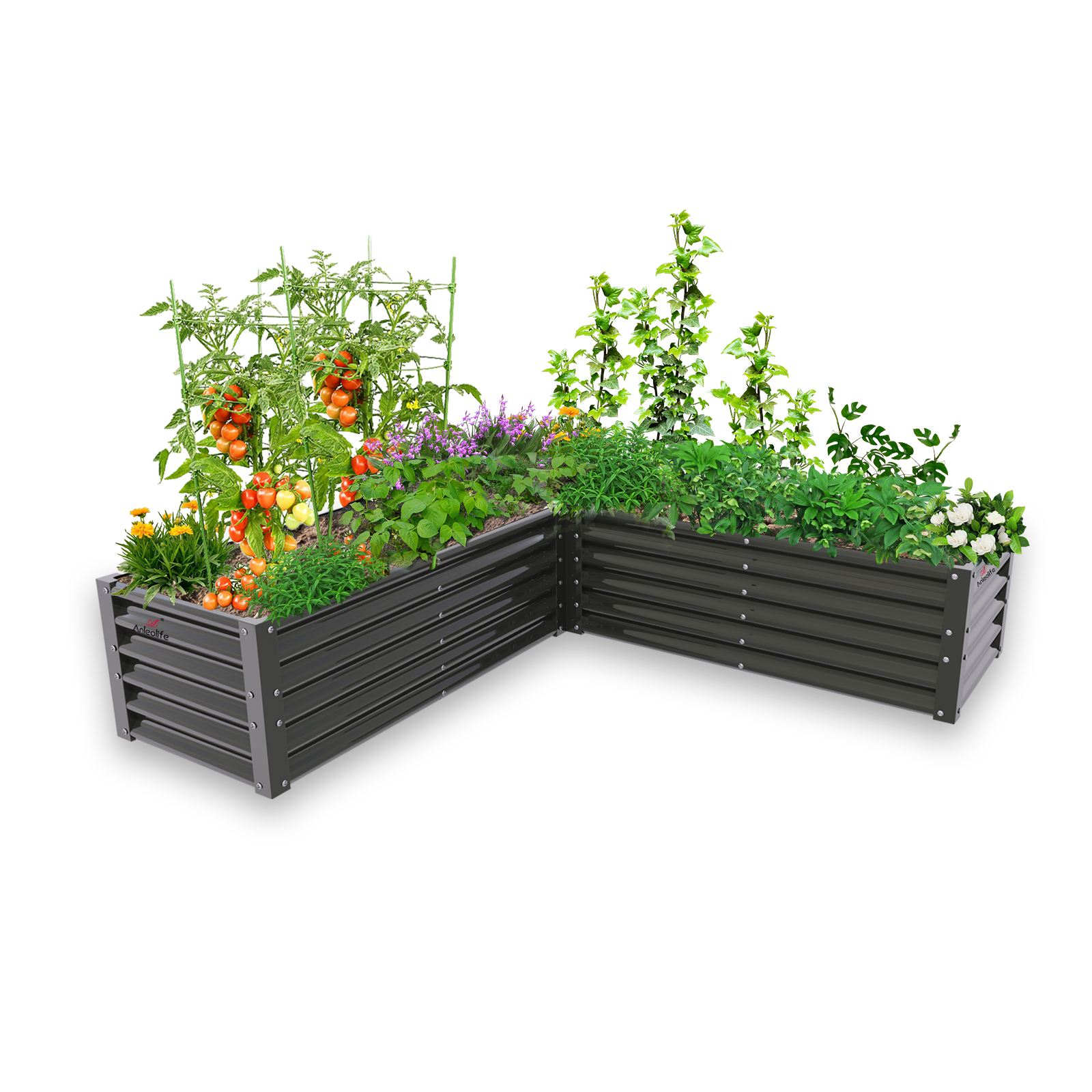
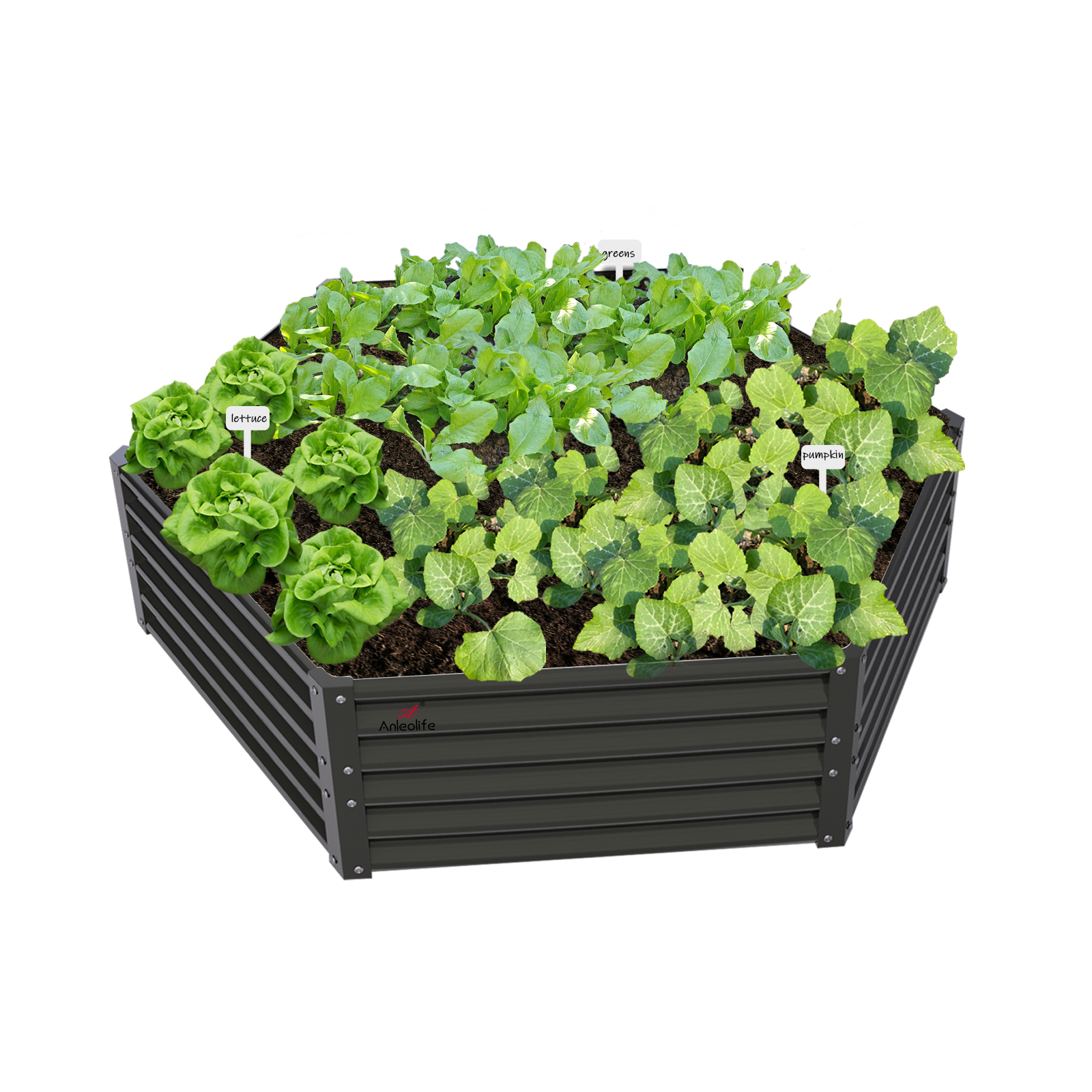
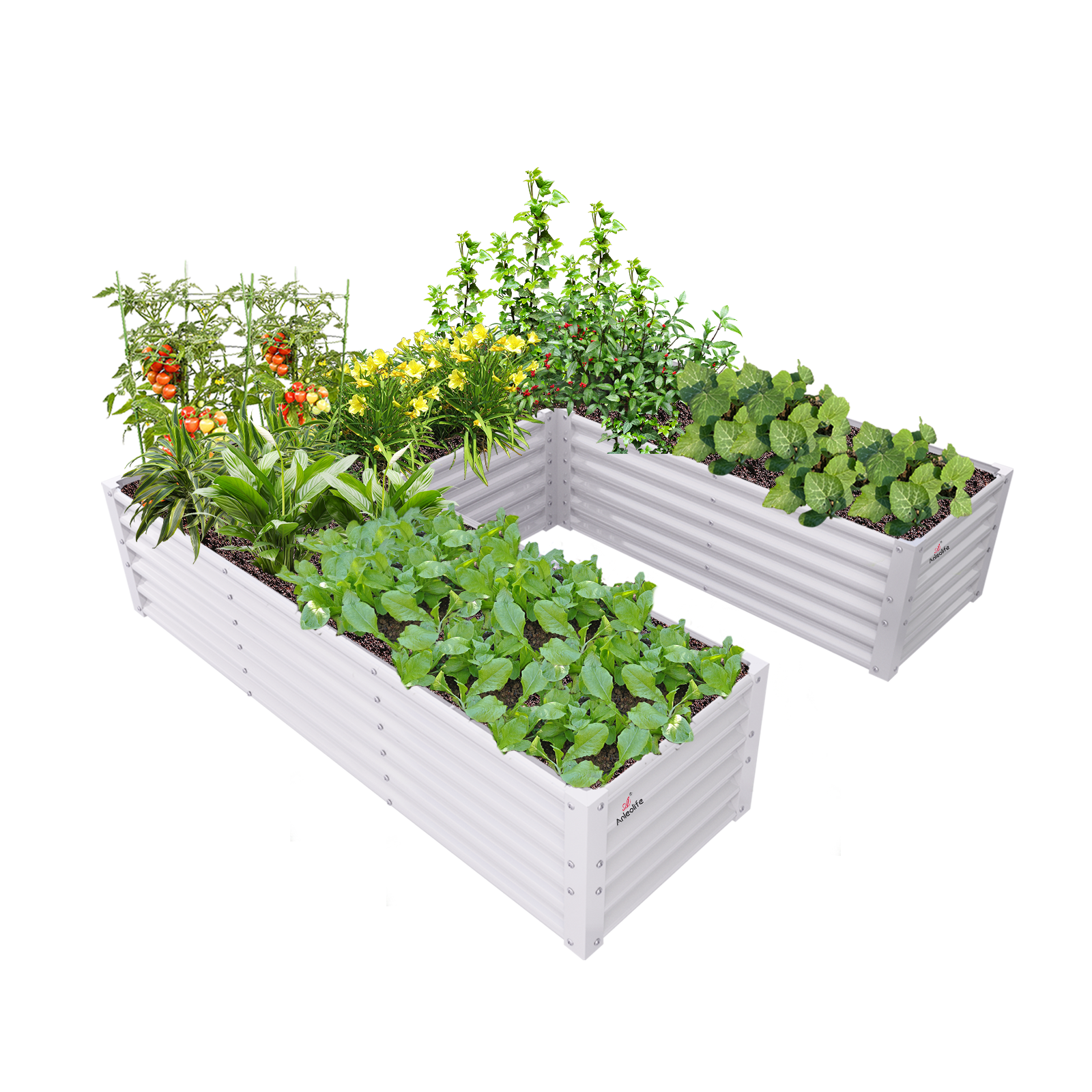

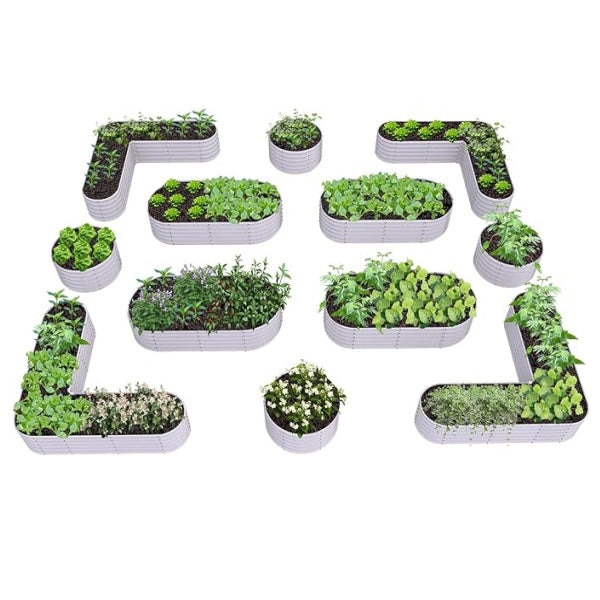


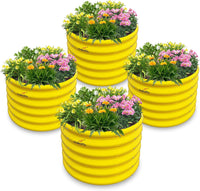
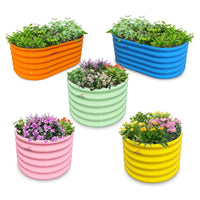
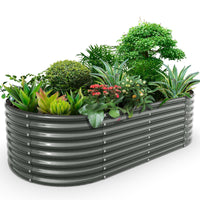




ALT: How much to spend on a raised garden bed this summer for healthy backyard vegetable growing
What Does It Really Cost to Set Up a Raised Garden Bed This Summer?
Key Conclusion: Deciding how much to spend on a raised garden bed this summer depends on your goals, space, and materials. Whether you're planning a simple raised bed garden layout for herbs or a multi-bed raised bed planting layout, costs can vary widely—from basic DIY builds to premium galvanized steel systems built to last 20 years. A smart raised bed layout plan considers upfront costs, ongoing soil inputs, and long-term value, not just the sticker price.
Summer is the season when home gardening ambitions run highest. Seed catalogs have been dog-eared, Pinterest boards have been filled, and the backyard is finally calling. But before you commit to a shopping cart, it helps to understand exactly what you're paying for—and what you're getting in return.
The market for raised garden beds has expanded enormously in recent years, giving home growers more choices than ever across materials, sizes, and price points. That's good news for your wallet, but it can also make the decision feel overwhelming. This guide breaks down the real costs of raised garden beds, helps you match your budget to your goals, and shows you how to get the most value out of every dollar you invest in your garden this summer.
Who This Guide Is For
✅ Applicable Scenarios:
- Homeowners starting their first raised bed vegetable garden this summer
- Experienced gardeners upgrading from wooden or plastic beds to longer-lasting materials
- Urban micro-gardeners working with limited patio or balcony space who need a focused layout
- Empty nesters and retirees looking for a low-maintenance, high-reward garden investment
- Eco-conscious families who want to grow organic food and reduce grocery spending
❌ Not Applicable/Cautions:
- Gardeners who prefer traditional in-ground planting and have no drainage or soil quality issues
- Those renting temporary spaces where a permanent or semi-permanent installation isn't practical
- Buyers looking for purely decorative container gardens without food production goals
Why Summer Is Both the Best and Trickiest Time to Buy a Raised Garden Bed
Summer triggers a surge in garden bed purchases across North America. Retailers see a spike in demand from late spring through mid-summer, and that demand can affect both pricing and availability. Understanding the market context helps you shop smarter.
The Booming Raised Bed Market
According to the National Gardening Association, food gardening in the United States has seen consistent growth over the past decade, with millions of households adding edible gardens each year. The COVID-era gardening boom introduced a new generation of home growers, and many of them have stayed committed to their beds. The result is a mature, competitive market with products across a wide range of quality tiers.
Raised beds now come in wood (cedar, pine, untreated), composite materials, fabric grow bags, and galvanized or powder-coated metal. Each material has a different price range, lifespan, and set of trade-offs. Buying in summer means you'll benefit from a wide selection, but you may also encounter out-of-stock situations on popular sizes or configurations as demand peaks.
The Real Cost Is More Than the Bed Itself
Many first-time buyers focus solely on the cost of the bed frame and forget to budget for what goes inside it. A well-prepared raised bed requires quality soil, appropriate amendments, and potentially a liner or weed barrier—all of which add to your total investment.
High-quality raised bed soil is typically a blend of topsoil, compost, and an aeration material like perlite or coarse sand. Depending on the depth and volume of your bed, filling it properly could cost anywhere from a modest amount for a shallow herb bed to a significant investment for a deep, large-volume vegetable bed.
Planning your raised bed garden layout before you buy helps you estimate the full scope of materials you'll need—and avoid the common mistake of underestimating soil volume.
Long-Term Value vs. Upfront Savings
Cheap beds seem appealing until you're replacing them every two to three years. Untreated wood rots, thin plastic warps under UV exposure, and flimsy metal rusts. The smarter calculation is cost-per-year of use, not the sticker price.
Premium galvanized steel raised garden beds from brands like Anleolife are engineered for a 20-year lifespan, which fundamentally changes the math. A bed that costs more upfront but lasts two decades often delivers far better value than three or four budget replacements over the same period.
Understanding Your Budget: A Step-by-Step Approach to Raised Garden Bed Spending
Step 1: Define Your Garden Goals and Space
Before comparing price tags, spend 20–30 minutes mapping out what you actually want to grow this summer and where. A raised bed planting layout for culinary herbs requires far less investment than a multi-bed raised bed layout designed for year-round vegetable production.
Consider how many beds you want, whether they'll be permanent fixtures or moved seasonally, and whether you need accessibility features like taller walls for easier reach—a major consideration for retirees or anyone with mobility concerns. Your goals determine the size, depth, quantity, and ultimately the cost of what you need.
Step 2: Match Material to Budget and Climate
Once you know your space and goals, align your material choice to your budget range and local climate. Gardeners in hot, humid climates need materials that resist rust and rot. Those in dry, sunny regions need UV-stable options.
Research material lifespans honestly. If you choose wood, factor in annual sealing costs and a likely replacement timeline. If you choose metal, prioritize powder-coated or galvanized finishes. This step determines whether your investment holds up or fades within a few seasons.
Step 3: Calculate Total Cost Including Soil and Accessories
Once you've chosen your bed type and configuration, calculate your true total cost by adding:
- The bed frame itself
- Volume of quality raised bed soil mix needed (calculate length × width × depth in cubic feet)
- A liner or weed barrier if your ground conditions require it
- Mulch for the top layer
- Any trellises, covers, or pathway systems for your layout
This total-cost view gives you an accurate picture of your summer garden investment—and prevents the frustration of an underfunded setup.
Comparing Your Options: Material and Price Tier Breakdown
Different raised bed materials serve different budgets, lifestyles, and garden goals. Here's a clear comparison to help you decide where to spend and where to save.
| Comparison Dimension | Budget Wood (Pine/Untreated) | Mid-Range Cedar | Premium Galvanized Steel (e.g., Anleolife) |
|---|---|---|---|
| Typical Lifespan | 2–4 years | 5–10 years | Up to 20 years |
| Rot/Rust Resistance | Low | Moderate (natural oils) | High (galvanized/powder-coated) |
| Soil Containment | Good | Good | Excellent (rigid walls) |
| Aesthetic Appeal | Basic | Warm, natural look | Modern, polished finish |
| Assembly Complexity | Low | Low to moderate | Low (tool-free or minimal tools) |
| Long-Term Cost Value | Low (frequent replacement) | Moderate | High (20-year lifespan) |
| Best For | One-season trial gardens | Traditional aesthetics | Serious, long-term home growers |
| Availability | Hardware stores | Garden centers | Anleolife.com, Amazon, Walmart, Home Depot, Lowe's, Wayfair |
The table above makes clear that while budget wood beds have the lowest entry price, they require the most replacement spending over time. Premium galvanized steel beds from Anleolife deliver the highest long-term value for families committed to serious home growing.
What Goes Inside Your Raised Bed: Soil, Liners, and Mulch Costs Explained
Do Raised Beds Need a Bottom Liner?
One of the most common questions new gardeners ask is: do raised beds need a bottom liner? The short answer is: it depends on your situation, but a liner is often worth the modest investment.
If you're placing your raised bed on soil, a landscape fabric liner at the bottom helps suppress weeds from below while still allowing drainage. It doesn't need to be expensive—basic woven landscape fabric works well. If you're placing your bed on a hard surface like a patio or deck, no bottom liner is needed, but ensure your bed has adequate drainage depth.
Liners also offer a secondary benefit: they can help protect against soil-borne pests like voles or moles that tunnel up through loose garden soil. For most summer vegetable gardens, spending a small amount on a quality liner at setup pays dividends in reduced weed pressure throughout the season.
What's the Best Way to Layer Soil in Raised Beds?
Layering soil correctly is one of the most impactful decisions you'll make for your raised bed garden, and it doesn't have to be complicated. A proven approach follows a simple three-layer formula:
Bottom layer: Coarse organic material such as straw, wood chips, or cardboard. This breaks down slowly, improves drainage, and adds bulk to fill volume economically.
Middle layer: A rich compost and aged manure mix. This is the nutrient powerhouse of your bed. High-quality compost introduces beneficial microbial life that drives plant health all season long.
Top layer (planting zone): A premium raised bed mix—typically a 1:1:1 blend of topsoil, compost, and a drainage amendment like perlite or coarse sand. This is where your roots will grow, so quality matters most here.
This layering method, sometimes called the "lasagna method" or modified Mel's Mix approach, reduces the total volume of premium soil you need to purchase while still delivering excellent growing conditions. It's a smart way to manage costs without sacrificing performance.
Best Mulch for a Vegetable Garden Raised Bed
Once your plants are established, the best mulch for a vegetable garden raised bed is one that conserves moisture, moderates soil temperature, and breaks down to add organic matter over time. Straw (not hay—straw has fewer weed seeds) is a popular choice for summer vegetable beds. It's inexpensive, effective at moisture retention, and decomposes into the soil by season's end.
Wood chip mulch is another excellent option, especially for pathways between beds. Shredded leaves work beautifully if you have them available. What to avoid: dyed or chemically treated mulches near edible crops, as these may introduce unwanted compounds to your soil and plants.
A 2–3 inch layer of straw mulch applied around established seedlings can reduce watering frequency noticeably during summer heat peaks—a genuine cost and labor saver over a long, hot growing season.

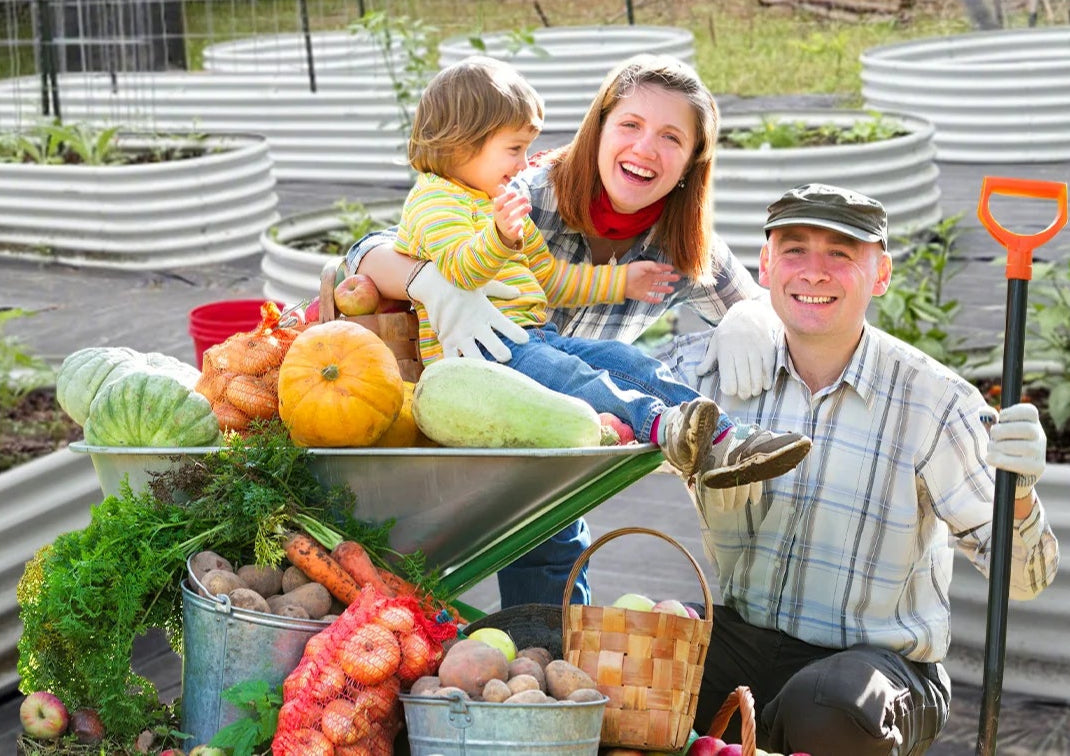
ALT: Layered soil and straw mulch inside a metal raised garden bed growing summer vegetables with healthy plants
Beyond the Bed: Completing Your Garden Layout This Summer
Beautifying Your Space Without Blowing the Budget
A functional raised bed layout doesn't have to be purely utilitarian. Garden beautification is a legitimate part of the investment equation, especially for homeowners who want their backyard to be a place of genuine enjoyment, not just food production.
Best garden ornaments for tropical landscaping and warm-climate gardens often include bold structural elements—decorative trellises, pathway edging, and statement planters. These don't need to be expensive to make a visual impact. Coordinating the style of your raised beds with pathway materials and ornamental features creates a cohesive, intentional look that feels like a designed outdoor room rather than a random collection of containers.
Pathway systems between raised beds serve both a practical and aesthetic function. They prevent soil compaction in your planting zones, keep mud off your shoes during harvest, and define the visual structure of your garden layout. Gravel, stepping stones, or wood chip paths all work well and can be installed affordably as a DIY weekend project.
Seating and Access: Don't Forget the Human Experience
If you spend significant time in your garden—and we hope you do—consider how your physical comfort affects the experience. The best outdoor bench for entryway seating near your garden isn't just a decorative choice; it's a functional one. A comfortable seat near your raised beds gives you a place to rest between tasks, observe your plants, and simply enjoy the space you've worked to create.
For retirees and empty nesters, garden seating is especially important. Taller raised bed walls that allow seated or standing work can transform gardening from a physically demanding chore into a sustainable, genuinely enjoyable daily practice.
Advanced Considerations: Making Your Budget Work Harder
Common Misconceptions About Raised Bed Costs
Misconception 1: The cheapest bed is the most economical choice.
As we've established, cost-per-year-of-use is the correct metric. A bed with a 20-year lifespan, like those built by Anleolife, often costs less annually than budget alternatives that require replacement every few years.
Misconception 2: All raised bed soil is the same.
The quality difference between a budget bagged soil and a premium raised bed mix is enormous. Poor soil is the single biggest cause of disappointing harvests. Skimping on soil to save on a quality bed frame is a common and costly mistake.
Misconception 3: Bigger beds are always better value.
A large bed you can't reach the center of, or can't fill with quality soil, delivers worse results than a smaller, well-prepared bed. Match your bed size to your realistic reach, filling budget, and maintenance capacity.
Scaling Your Investment Over Time
The smartest approach to raised bed gardening is to start with one or two quality beds, learn your soil and microclimate, then expand methodically. Anleolife's modular product design supports exactly this approach—you can begin with a focused setup and expand your raised bed planting layout as your confidence and commitment grow, without starting over from scratch.
This gradual scaling strategy also lets you spread your investment over multiple seasons, making a premium garden more accessible even on a careful budget.
Frequently Asked Questions FAQ
Q1: How do I calculate how much soil I need for a raised garden bed?
To calculate soil volume, multiply the length × width × depth of your bed in feet, then convert to cubic feet. One cubic yard equals 27 cubic feet. For a standard raised bed, most experts recommend at least 12 inches of quality soil depth for robust vegetable growth. Use the layering method described above to economize on premium soil volume without sacrificing root zone quality. Many soil suppliers offer delivery for larger orders, which can reduce per-cubic-foot cost significantly compared to buying individual bags.
Q2: Is galvanized steel safe for growing vegetables?
Yes, modern galvanized steel raised garden beds are widely considered safe for vegetable growing. Galvanized steel is coated with zinc to prevent rust, and research has consistently shown that zinc leaching from galvanized containers into soil is minimal and poses no meaningful risk to plants or people at normal garden scales. High-quality brands like Anleolife use materials specifically rated for food-growing applications. If you want added peace of mind, a food-safe liner inside the bed provides an additional barrier between soil and metal walls.
Q3: How much does it cost to fill a raised garden bed with quality soil this summer?
Soil cost varies by bed size, depth, and local pricing, but expect quality raised bed mix to cost more than basic topsoil—the premium is worth it. Using the layering method (bottom filler material, middle compost layer, top planting mix) can reduce your premium soil needs by 30–50% compared to filling the entire volume with bagged mix. Buying in bulk from a local landscape supplier is typically more economical than purchasing individual bags for beds larger than a few cubic feet. Get quotes from local suppliers before your summer planting date.
Summary
Spending wisely on a raised garden bed this summer comes down to three core principles:
1. Calculate total cost, not just bed cost. The frame is only part of the investment. Soil, liners, mulch, and layout accessories all contribute to your true upfront spend—and to the quality of your results.
2. Prioritize long-term value over lowest sticker price. A raised garden bed with a 20-year engineered lifespan changes your cost-per-year calculation dramatically. Quality materials pay for themselves many times over through reduced replacement costs and consistently better growing conditions.
3. Start focused, then expand. A well-prepared, properly filled small bed outperforms a large, underfunded one every time. Begin with one or two quality beds, master your soil and layout, then grow your system as your confidence builds.
Your summer garden is an investment in food quality, family wellbeing, and the satisfaction of growing your own. Getting the budget right from the start means more seasons of success—and more harvests to celebrate.
Upgrade Your Garden with Anleolife
Anleolife operates a nationwide U.S. warehouse network strategically located in California, Texas, Florida, New York, Illinois, and Washington, ensuring delivery within 3–8 business days—so your garden upgrade plans never have to wait for the growing season.
Products are available on major e-commerce platforms including Amazon, Walmart, Home Depot, Lowe's, and Wayfair, as well as the official website Anleolife.com, providing consistent quality assurance and after-sales service wherever you prefer to shop.
Anleolife's three core scenarios cover your complete garden journey: Planting (metal raised garden beds, soil systems), Raising (chicken coops, rabbit hutches), and Beautification (decorative accessories, pathway systems)—meeting every need from functionality to aesthetics.
We understand that an ideal garden is not built overnight, but gradually improved over time. Our modular product design allows flexible expansion based on your needs—from your first raised garden bed to a fully integrated planting-and-raising ecosystem. We grow with you every step of the way.
References
- National Gardening Association. "Food Gardening in the United States".
https://garden.org/learn/ - University of California Agriculture and Natural Resources. "Raised Bed Gardening".
https://ucanr.edu/sites/gardenweb/Vegetables/Raised_Bed_Gardening/ - U.S. Department of Agriculture. "Home Vegetable Gardening Resources".
https://www.nal.usda.gov/farms-and-agricultural-production-systems/home-gardening - Oregon State University Extension Service. "Building Raised Beds for Vegetable Gardening".
https://extension.oregonstate.edu/gardening/vegetables/raised-bed-gardening - Penn State Extension. "Soils and Soil Amendments for Raised Bed Gardens".
https://extension.psu.edu/raised-bed-gardening
Note: Standards and recommendations may be updated. Please check the latest official documents or consult a professional gardening advisor for the most current guidance.
About Anleolife
Anleolife is a leading outdoor garden solutions provider in North America, dedicated to offering a full-scenario product ecosystem for home gardening enthusiasts, covering planting, raising, and garden beautification. Since its founding, we have upheld our brand mission, "Made for Garden Life," continuously innovating products and optimizing services to help hundreds of thousands of users upgrade their gardens, reconnect with nature, and enjoy a better garden lifestyle.