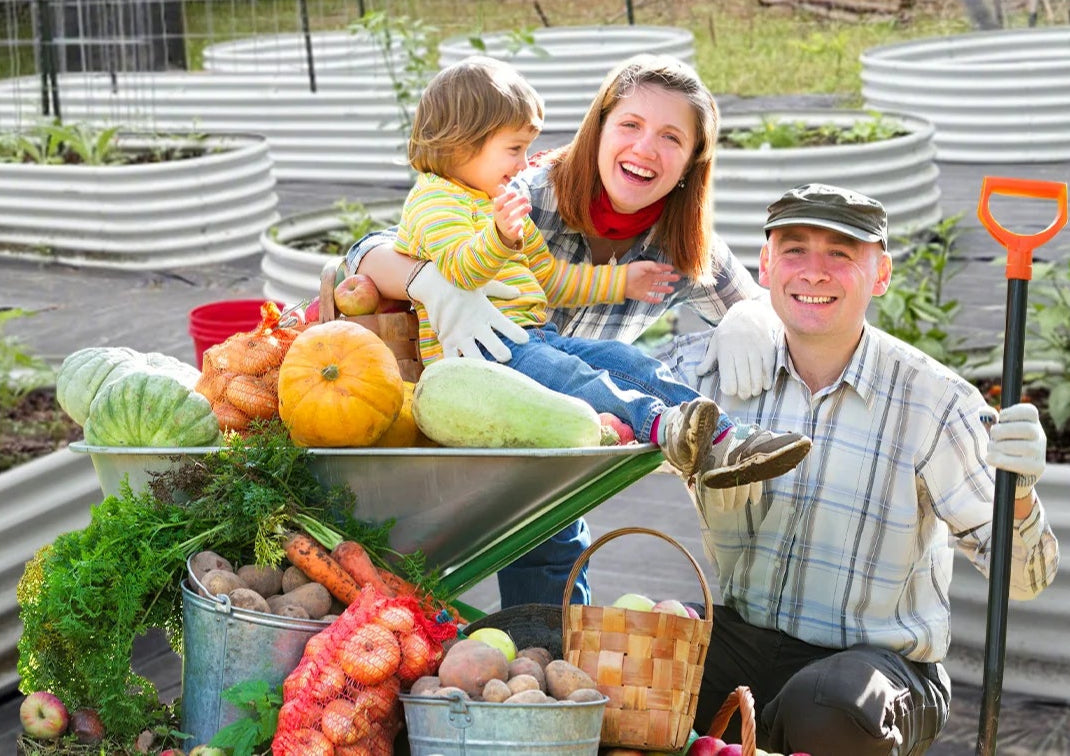



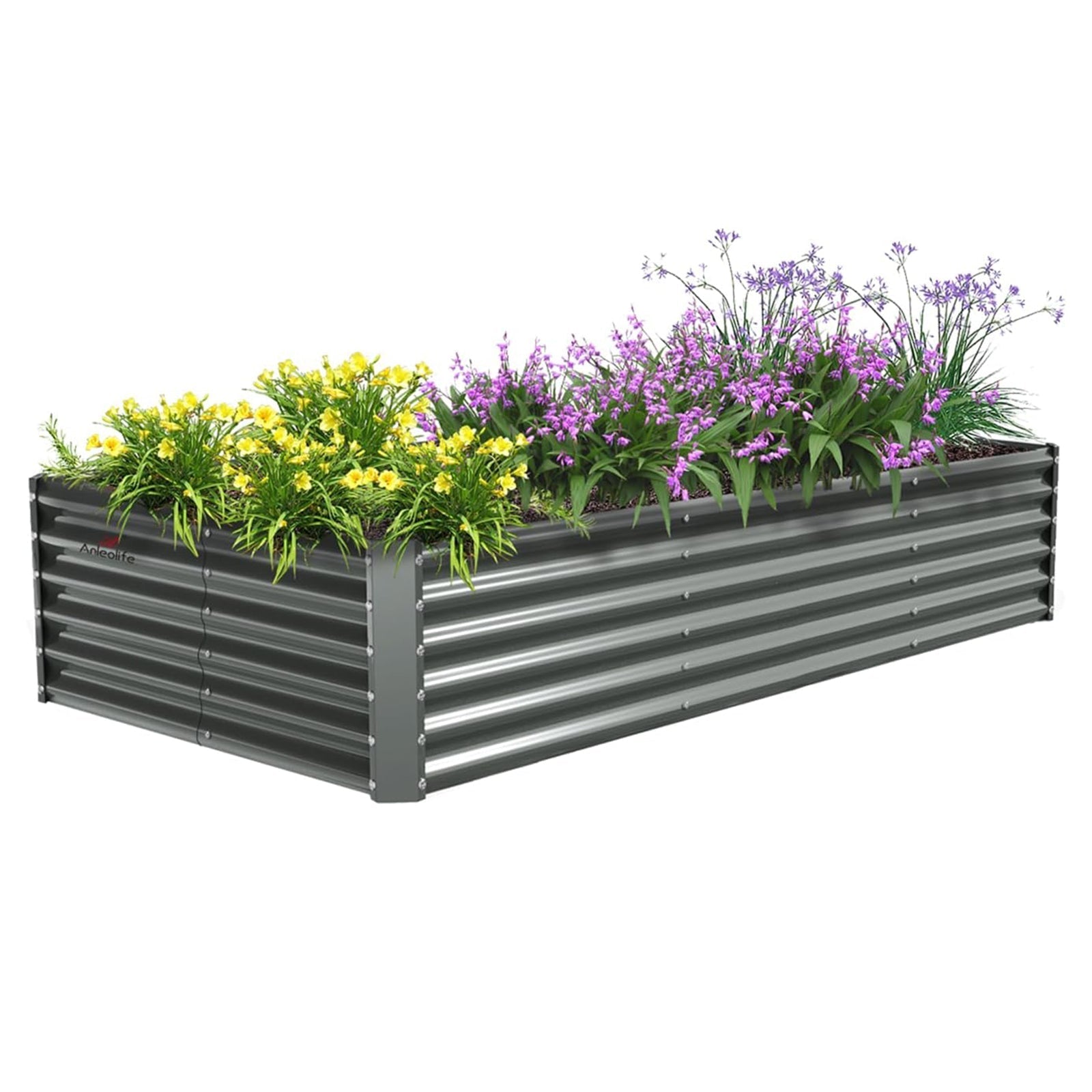

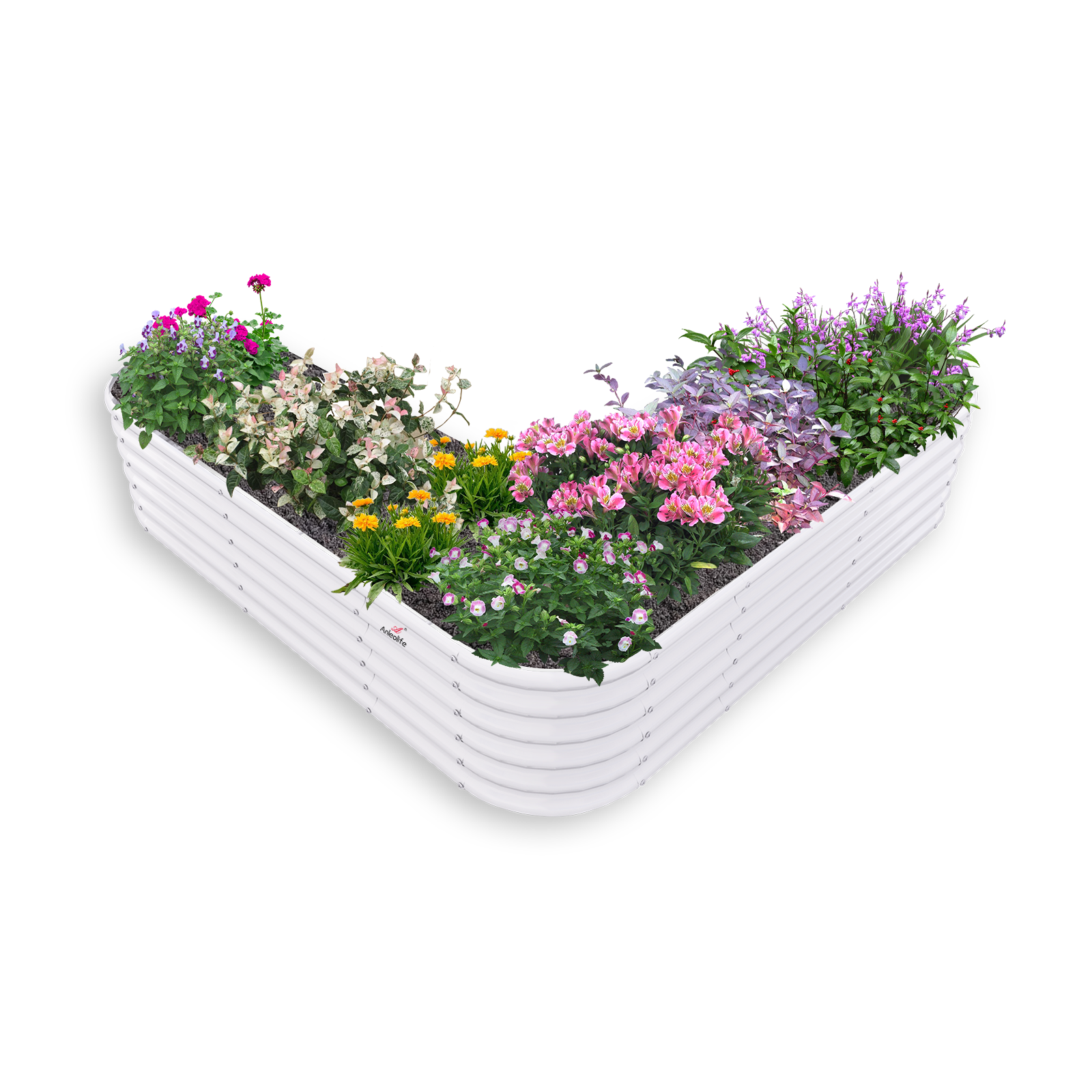
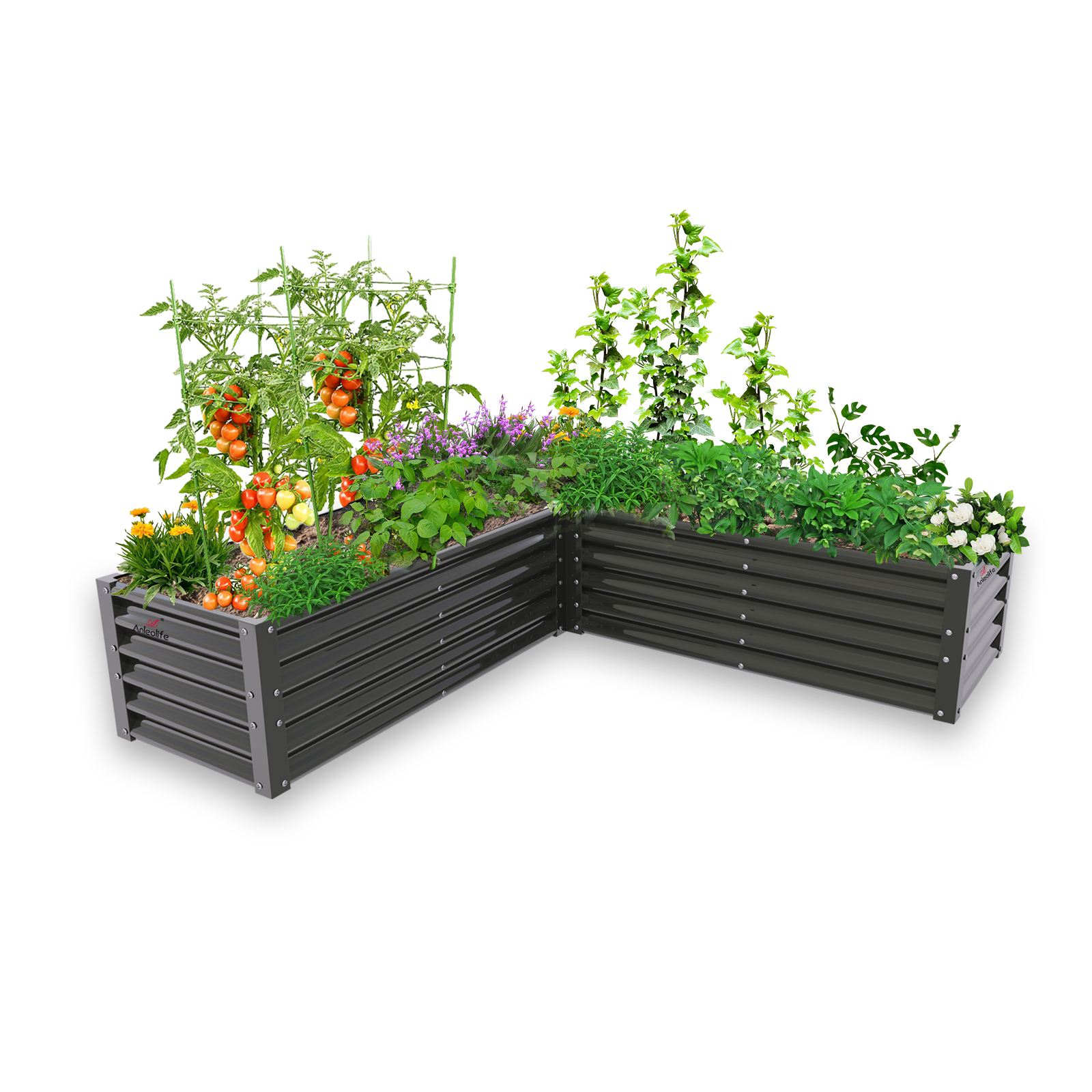
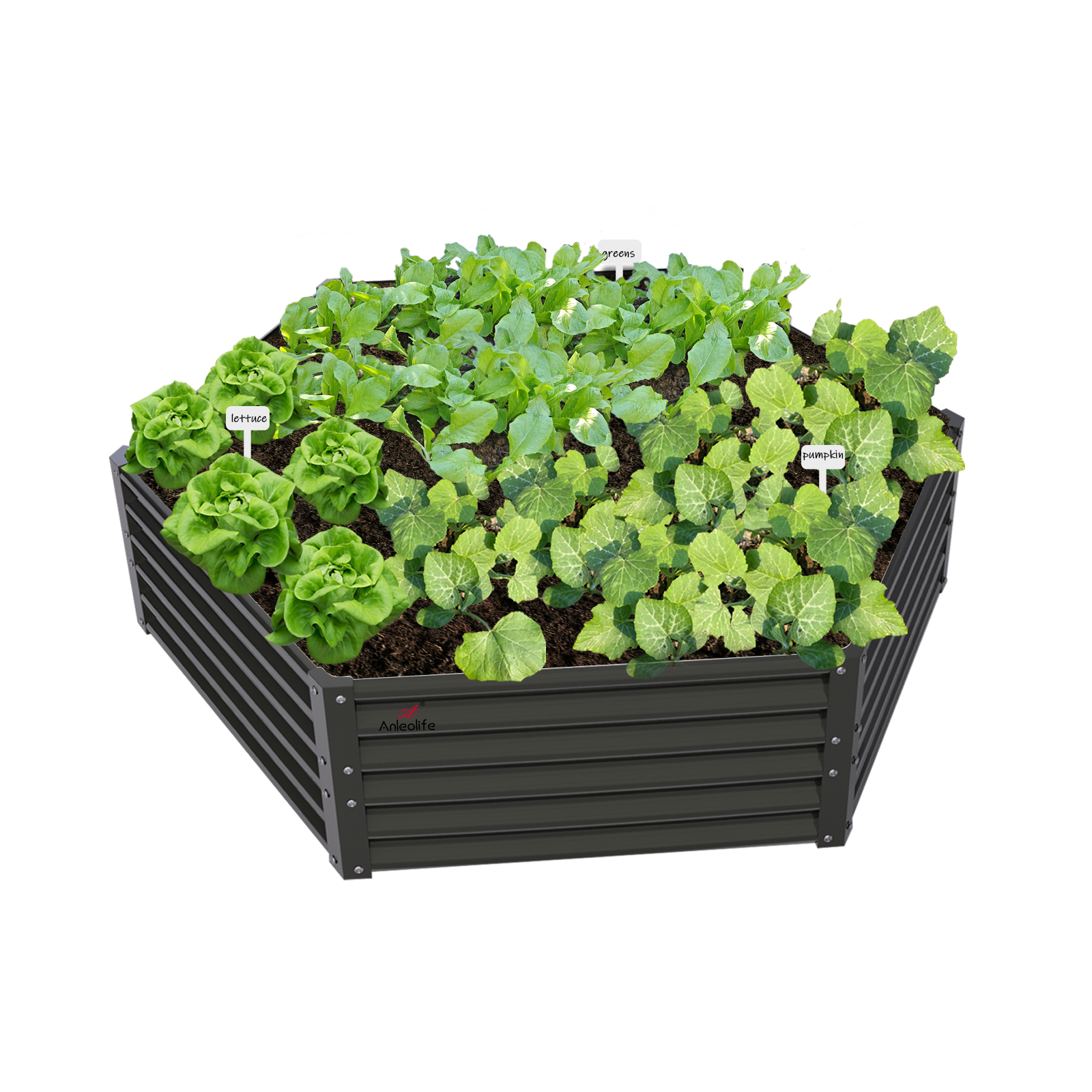
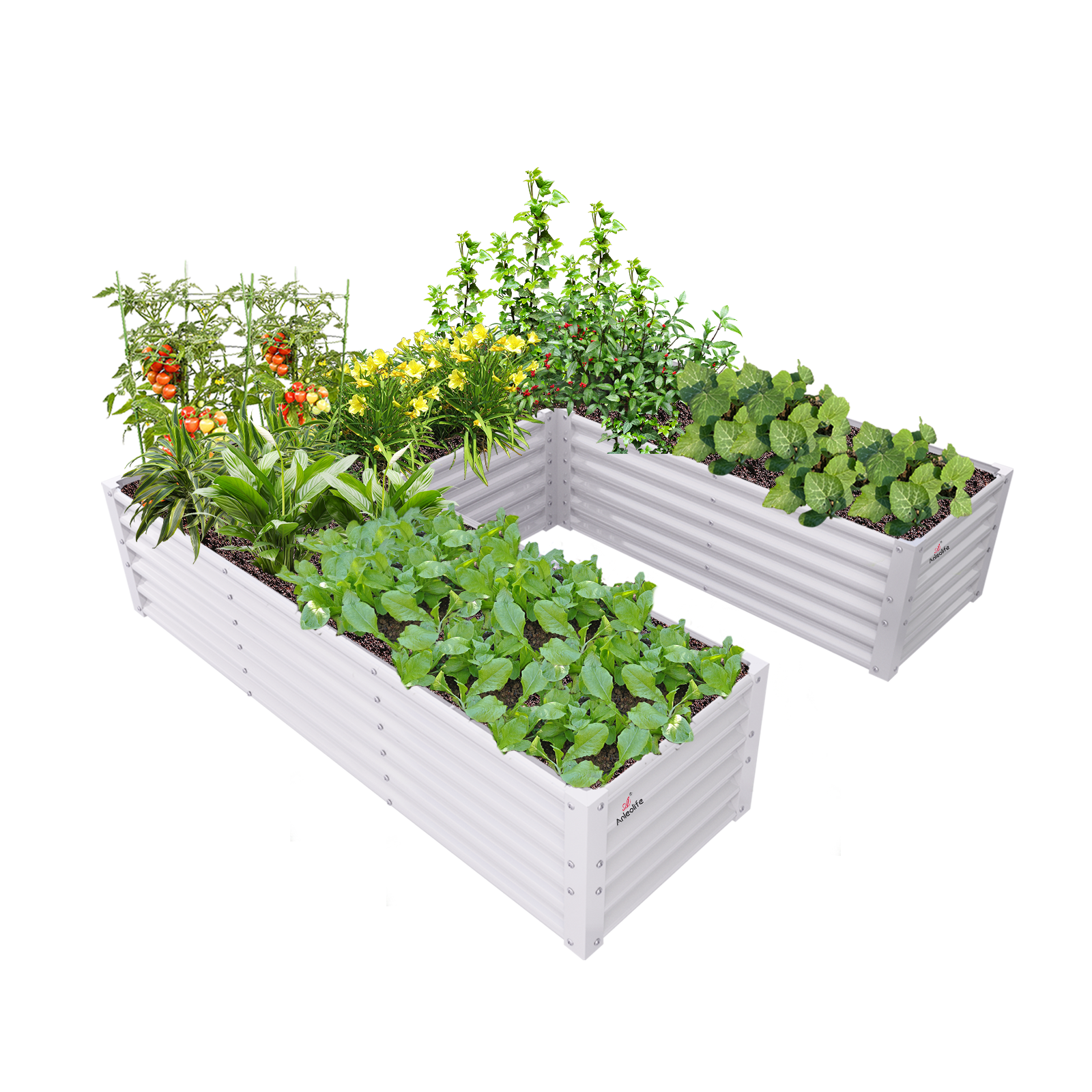

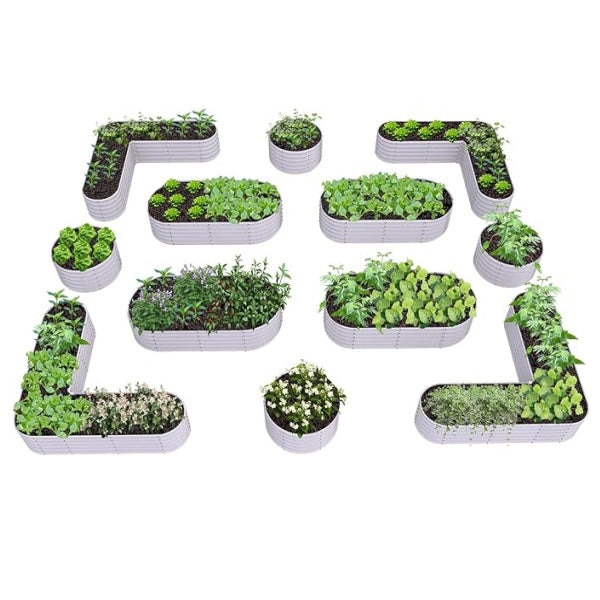


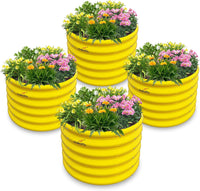
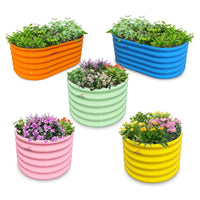
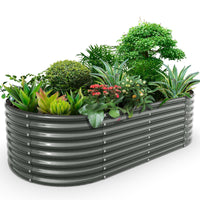



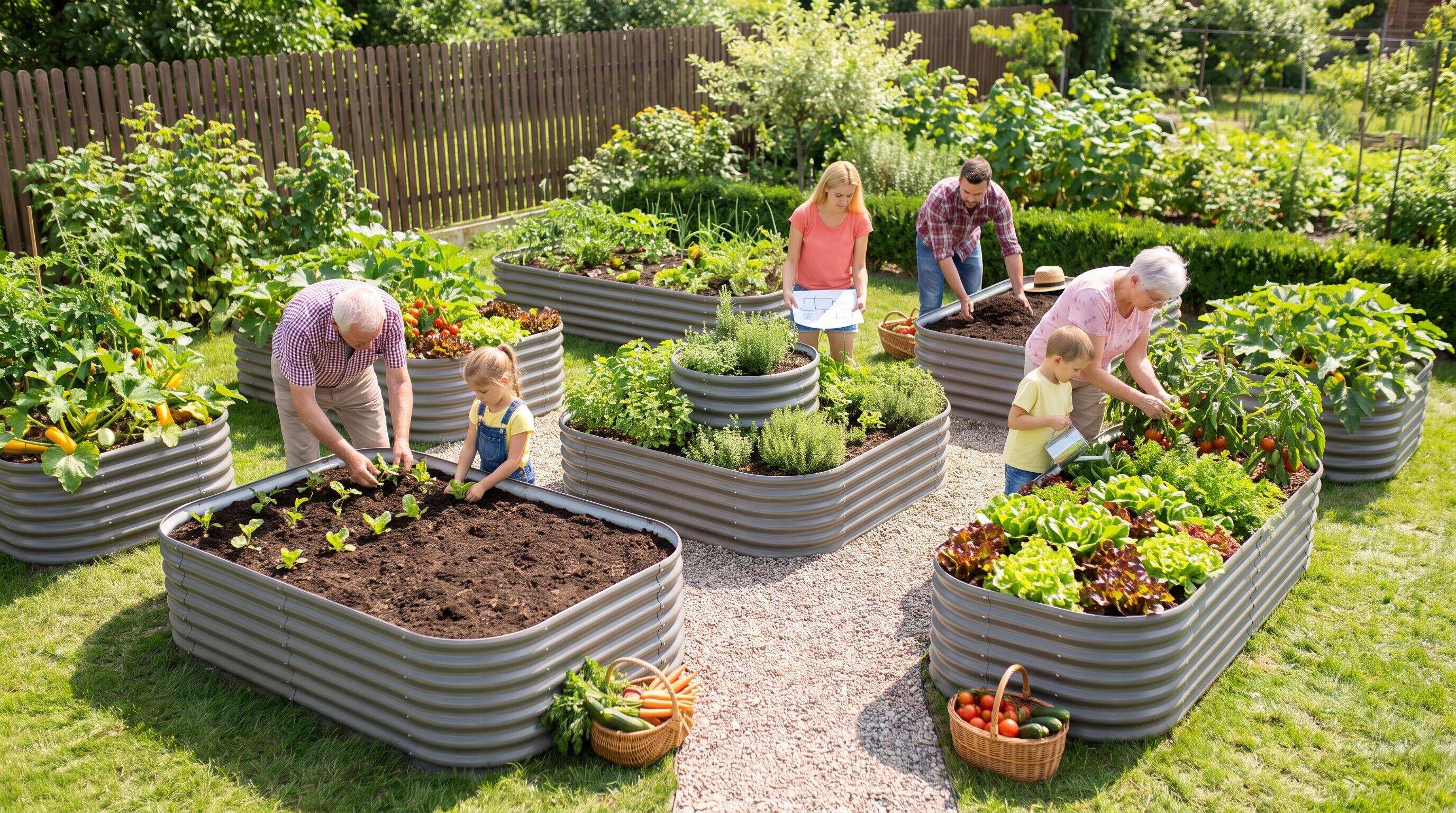
ALT: Multi-generational family collaborating on a shared backyard raised bed garden layout this season
Why a Shared Raised Bed Garden Layout Is the Best Investment a Multi-Generational Household Can Make
A raised bed garden layout is a structured planting system that uses contained, elevated growing spaces to organize crops, herbs, and flowers across a defined outdoor area. For multi-generational households — where grandparents, parents, and children share a single home and backyard — a well-planned raised bed planting layout transforms what could be a chaotic patch of competing priorities into a coherent, productive, and genuinely enjoyable shared space.
In our work with clients across North America, a pattern we consistently see is that multi-generational families often struggle not with a lack of gardening enthusiasm, but with a lack of structure. One person wants tomatoes. Another wants a cutting garden. A grandparent wants herbs within easy reach. A child wants something colorful and fast-growing. Without a deliberate raised bed layout strategy, those competing visions result in overcrowded soil, frustrated gardeners, and wasted investment.
The good news is that raised bed gardening is uniquely suited to solving exactly this problem. Because each bed is a physically defined zone, it becomes a personal plot within a shared ecosystem — reducing conflict, increasing accountability, and dramatically improving yield per square foot. This article walks through how to design, assign, and maintain a multi-generational raised bed garden layout that works for every age group, every budget, and every season.
Who This Guide Is For — And Where It Falls Short
Applicable Scenarios:
- Multi-generational households (three or more generations) sharing a single backyard with at least 200 square feet of usable ground
- Families looking to divide gardening responsibilities fairly while maintaining a unified, visually appealing raised bed layout
- Home growers who want to maximize yield and reduce soil management complexity through structured raised bed planting layout planning
Not Applicable/Cautions:
- Renters without permission to install permanent or semi-permanent raised garden bed structures
- Households with very limited outdoor access (balconies under 40 sq ft) where raised bed layout options are significantly constrained — though container and vertical adaptations exist, this guide focuses on backyard installation
The Real Challenge: Why Shared Gardens Fail Without a Plan
The shared backyard garden is one of the most underutilized assets in multi-generational living. Gardening brings documented benefits for physical health, mental well-being, and intergenerational bonding — a point consistently supported by university extension programs and horticultural therapy research. Yet without structure, shared gardens almost always devolve into neglect or conflict within a single season.
The core issue is not motivation — it is coordination. When planting zones are undefined, soil gets over-tilled or under-maintained. When watering schedules are unassigned, plants get either flooded or neglected. When there is no agreed-upon raised bed garden layout, the person who "owns" the space by proximity or loudest opinion tends to dominate it, leaving other family members disengaged.
According to the University Cooperative Extension network, clearly defined planting zones and crop rotation plans are among the most reliable predictors of a successful home vegetable garden. The principle translates directly to multi-generational settings: defined beds, defined ownership, defined tasks.
Raised bed gardening solves the coordination problem structurally. Each bed is a visible, bounded unit. You can see at a glance who is responsible for which zone, what is growing where, and whether maintenance is happening. This spatial clarity is especially valuable for older gardeners who may have mobility limitations, for children who need defined, manageable areas of responsibility, and for busy parents who need a low-maintenance system that doesn't require daily decision-making.
From a cost-effectiveness standpoint, raised beds also deliver strong return on investment. High-quality galvanized steel raised garden beds — like those in the Anleolife product range — are built to last up to 20 years, meaning the per-season cost of the infrastructure itself becomes genuinely modest over time. The initial setup investment pays dividends not just in fresh produce, but in family cohesion and outdoor time — outcomes that are hard to put a dollar value on but easy to recognize.
Designing a Raised Bed Layout That Works for Every Generation
Three-Step Quick Start for Multi-Generational Garden Planning
Step 1: Map your available space and identify who needs what
Before purchasing any beds or seeds, spend 30 to 60 minutes walking your backyard with every generation present. Measure the usable planting area. Ask each family member — including children — what they want to grow. Document accessibility needs: does anyone use a walker or wheelchair? Does a grandparent have difficulty bending? These inputs directly determine which raised bed heights and configurations will serve your household best. This conversation is the single most important step in avoiding future conflict.
Step 2: Design your raised bed planting layout on paper (or a free digital tool)
Sketch your garden to scale. Assign each bed a "zone owner" — the family member primarily responsible for that bed. Plan for clear pathways of at least 24 inches between beds so that mobility aids, garden carts, and small children can move freely. Identify a shared central space (a compost station, a water source, or a simple seating area) that brings everyone together. Consider sun exposure: most vegetables need six or more hours of direct sun, so taller plants should not shade shorter neighbors.
Step 3: Select beds that match each zone's function and user
Match bed height and size to the user's needs and the crops they plan to grow. Standard 18-inch raised beds work well for most crops and most adults. Extra-tall beds (24 to 30 inches) reduce the need to bend significantly, making them ideal for elderly family members or anyone with back issues. Waist-high designs take accessibility even further. Wider beds (8x4 feet) maximize planting area for serious growers; smaller beds (4x4 or 6x3) are more manageable for children or supplementary herb gardens.
Comparing Raised Bed Layout Configurations for Multi-Generational Households
Different raised bed configurations serve different generational needs. The table below summarizes how three common layout approaches perform across the key dimensions that matter most to multi-generational families.
| Comparison Dimension | Uniform Grid Layout | Zone-by-Zone Assignment | Hybrid Shared + Personal Beds |
|---|---|---|---|
| Conflict prevention | Low — no clear ownership | High — each bed has an owner | High — personal beds plus shared produce zone |
| Accessibility for seniors | Moderate — depends on bed height | High — heights can be customized per user | High — dedicated tall beds for elderly users |
| Child engagement | Low — overwhelming for children | Moderate — if they own a small bed | High — child's bed sits within a collaborative structure |
| Maintenance clarity | Low | High | High |
| Scalability | Moderate | High | High — beds can be added modularly |
| Cost efficiency | Moderate | High — invest where most needed | High — shared beds reduce total bed count |
The hybrid model — combining individually assigned personal beds with one or two shared "family harvest" beds — consistently outperforms the other approaches in our experience working with multi-generational households. It preserves individual autonomy while reinforcing the shared purpose of the garden.
Matching Bed Height, Size, and Material to Each Generation's Needs
Choosing the right bed height for each gardener is one of the most impactful decisions in a multi-generational raised bed layout, and it is also one of the most frequently overlooked.
For children aged roughly five to twelve, standard 18-inch beds are generally ideal. They are accessible without climbing, deep enough for root vegetables and herbs, and provide a clear sense of "this is mine." Anleolife's 18-inch galvanized steel raised garden beds — available in configurations including 4x4, 6x3, 8x4, and 12x3 footprints — give children a meaningful, appropriately sized growing space without overwhelming them.
For active adults, 18-inch beds cover most growing needs, but anyone managing back pain or limited mobility will benefit significantly from stepping up to a 24-inch extra-tall configuration. Anleolife's 24-inch Extra Tall raised garden beds (available in 8x4, 6x3, and other footprints) reduce the amount of bending required and make daily maintenance — watering, weeding, harvesting — substantially less physically demanding.
For elderly family members or those with significant mobility limitations, the 30-inch Extra Tall and 35-inch Waist-High options represent the most accessible end of the spectrum. A 35-inch waist-high bed (available in a 4x1.5-foot footprint) can be tended from a standing position or even from a seated position in a garden chair, making it genuinely viable for gardeners who would otherwise be excluded from outdoor growing.
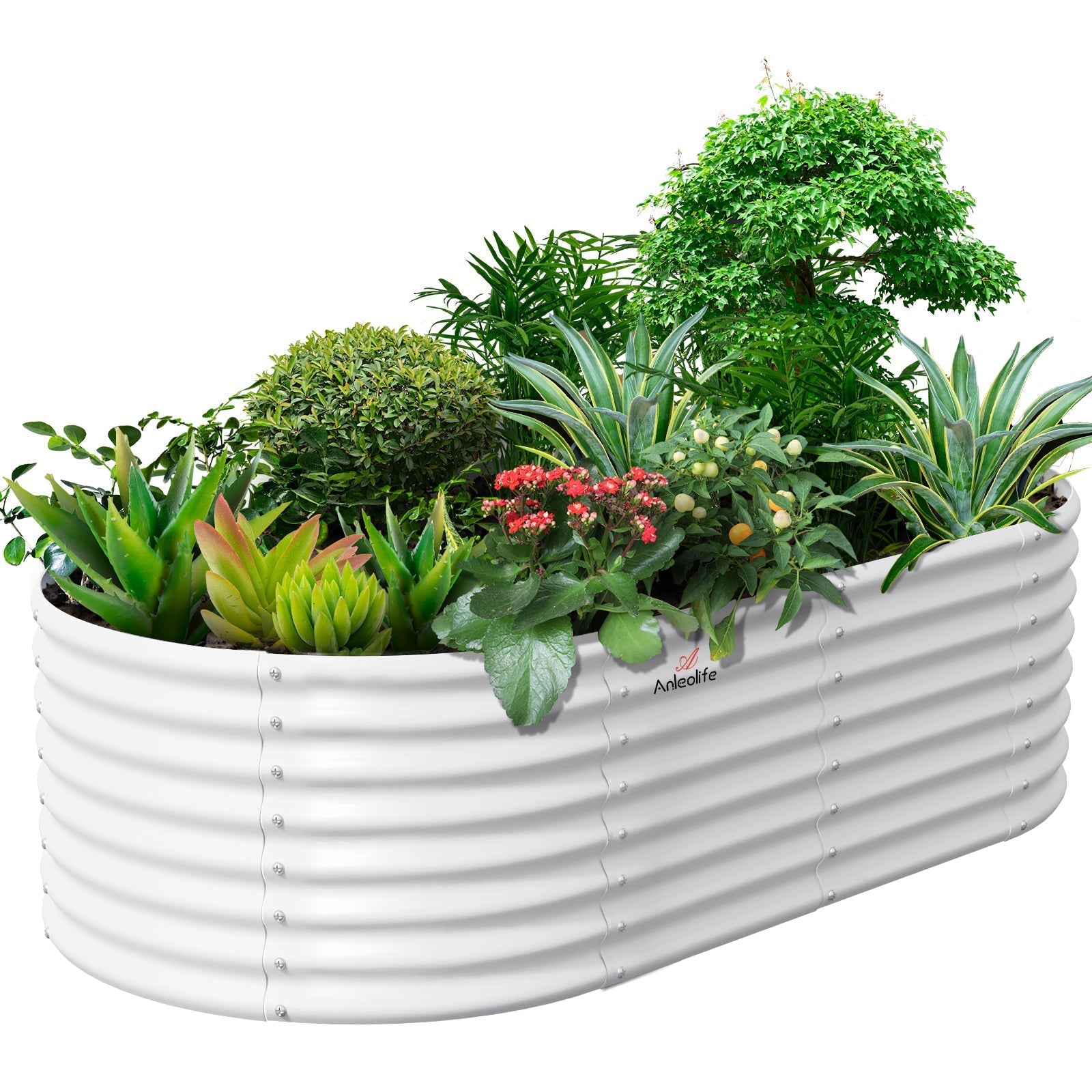
Material choice matters for long-term value. Galvanized steel raised garden beds resist rust, hold their shape over many seasons, and — in the case of Anleolife's core product lines — are designed for a 20-year lifespan. That longevity is a key cost-effectiveness argument for multi-generational households: the garden infrastructure you install this season can still be in active use when today's children are adults. Rust-resistant variants offer an additional layer of protection in high-humidity climates like Florida or the Pacific Northwest.
Modular designs offer a particularly smart starting point for families new to raised bed gardening. Anleolife's Modular Raised Garden Bed line (available in 6x2, 8x4, 12x3, and other configurations) allows households to begin with a single bed and expand incrementally as confidence, budget, and space allow. This avoids the common mistake of over-investing upfront in a layout that doesn't match the household's actual needs.
Organizing the Soil System, Pathways, and Shared Infrastructure
A raised bed layout is not just about the beds themselves — it is about the entire system that supports them.
Soil management is the area where multi-generational gardens most often struggle. When multiple people are adding amendments, watering at different rates, and planting crops with different nutrient demands, soil quality degrades quickly without a shared plan. The most practical solution is to assign a "soil steward" — typically the most experienced or interested adult gardener — who monitors pH, adds compost, and keeps a simple log. A quality soil system (well-draining, nutrient-rich, and appropriate to the crops being grown) is the foundation of productive raised bed gardening.
Pathway design is equally important and is often undersized in initial layouts. In a multi-generational garden, pathways need to accommodate not just adults but grandchildren, garden carts, and potentially mobility aids. A minimum 24-inch pathway between beds is workable; 36 inches is more comfortable and genuinely necessary if any household member uses a walker or wheelchair. Pavers, stepping stones, or wood chips are common pathway materials that add both function and visual appeal.
Shared infrastructure — a central compost bin, a rain barrel, a communal tool storage area — reduces duplication and reinforces the shared investment in the garden. Positioning these elements at the center or edge of the raised bed layout creates natural gathering points where family members cross paths organically, which supports the intergenerational connection that makes shared gardening so rewarding.
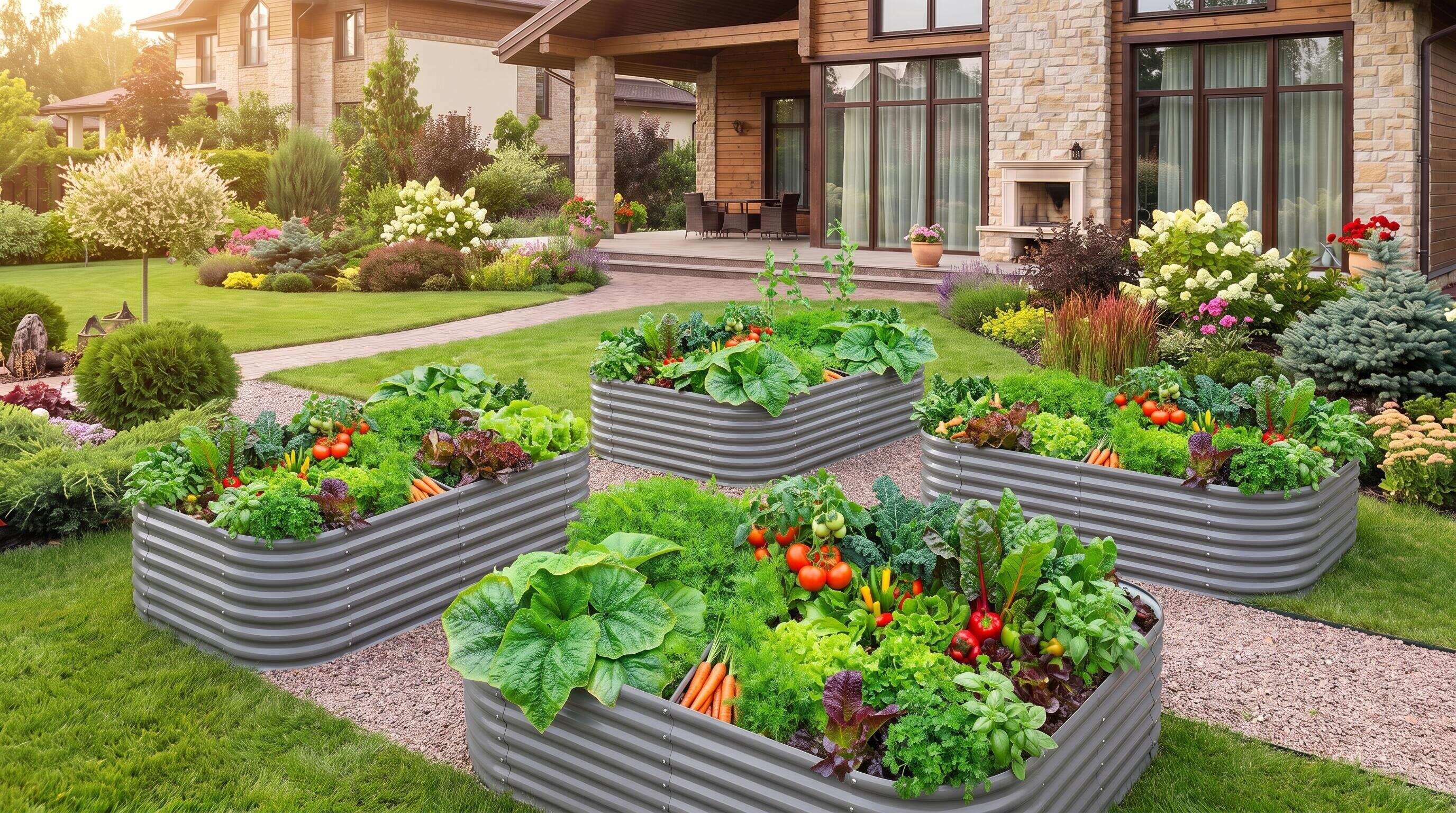
ALT: Well-organized raised bed planting layout showing varied heights for accessibility and clear pathways in a shared family backyard garden
Advanced Strategies: Seasonal Rotation, Vertical Growing, and Aesthetic Coherence
Handling Seasonal Transitions Without Conflict
Seasonal crop rotation is essential for soil health and pest management, but in a multi-generational raised bed layout it introduces a potential friction point: whose bed gets rotated, and to what? The simplest approach is to establish a whole-garden rotation calendar at the start of each season, agreed upon by all zone owners before planting begins. This calendar specifies what family of crops each bed will host that season, reducing mid-season disagreements.
A common misconception is that raised bed gardens do not need rotation because the soil is contained. This is false — soil pathogens and nutrient depletion still occur in raised beds. Rotating crop families (nightshades, brassicas, legumes, roots) across beds from season to season remains a best practice, per guidance from cooperative extension programs.
Vertical Growing and Companion Planting as Space Multipliers
In a multi-generational household where backyard real estate is finite, vertical growing structures (trellises, cages, netting systems) and companion planting are the most cost-effective ways to increase yield without adding more beds. Vertical elements also create natural visual dividers between zones, which reinforces the sense of personal ownership within the shared garden.
Companion planting — growing mutually beneficial crops together — reduces the need for chemical inputs and maximizes the productivity of each raised bed. Classic combinations like tomatoes with basil, beans with corn and squash (the "Three Sisters" arrangement), and marigolds as a border pest deterrent are well-documented in horticultural literature and easy for children to participate in as a learning activity.
Keeping the Garden Visually Unified
A raised bed layout that looks coherent from a distance is more likely to be maintained with pride. Using beds of the same material and color family — even if different heights and sizes — creates visual unity without sacrificing functional variety. Adding consistent pathway materials, matching plant labels, and a simple border of low-growing flowers along the garden perimeter elevates the aesthetic without significant additional cost.
Frequently Asked Questions FAQ
Q1: How do we divide a small backyard raised bed garden layout fairly among three generations?
Dividing a shared raised bed layout fairly starts with an honest conversation about needs, not wants. Assign beds based on physical accessibility first: the tallest beds go to those with the greatest mobility limitations, and the most convenient central beds go to the most frequent users. A useful rule of thumb is to give children their own small bed (4x4 or smaller), elderly members a tall or waist-high bed, and active adults the larger production beds. Shared harvest beds can be managed by a rotating "steward of the week" system to distribute workload equitably.
Q2: Are galvanized steel raised beds safe to use for growing vegetables in a garden shared with children and elderly family members?
Galvanized steel raised garden beds are widely considered safe for vegetable growing, including in gardens used by children and elderly family members. Modern galvanized steel uses a zinc coating that does not leach harmful levels of toxins into soil under normal gardening conditions, according to assessments from university extension programs and soil scientists. The steel is durable, rust-resistant, and free of the wood-treatment chemicals associated with older pressure-treated lumber beds. For extra reassurance, using a food-safe liner inside the bed adds a physical barrier between the metal and the soil.
Q3: How long does it take to set up a multi-generational raised bed layout, and what does it cost over time?
Initial setup time for a basic multi-generational raised bed layout — assembling two to four beds, filling with soil, and laying pathways — is typically a weekend project for an average household. The per-season cost decreases significantly over time: a galvanized steel raised garden bed rated for a 20-year lifespan amortizes its purchase price across two decades of growing seasons, making it one of the most cost-effective garden infrastructure investments available. Filling beds with a quality soil system represents the largest recurring annual cost, but this too decreases as beds are amended rather than fully replaced each year.
The Bottom Line
A multi-generational household that shares a thoughtfully designed raised bed garden layout gains more than fresh produce. It gains a shared project, a reason to spend time outdoors together, and a living system that adapts as the family changes over the years.
The three core principles that make shared raised bed gardening work are: define zones clearly so ownership and accountability are unambiguous; match bed height and size to each gardener's physical needs so everyone can participate comfortably; and invest in durable, long-lasting infrastructure so the cost per season remains low and the garden remains an asset rather than a liability.
The right raised bed planting layout is not a one-size-fits-all template — it is a negotiated, evolving plan that reflects your household's specific mix of ages, abilities, and ambitions. Starting with a modular, expandable system gives your family room to grow into the garden rather than feeling immediately constrained by it.
Whether you are starting with a single 8x4 bed or planning a full backyard ecosystem, the investment in quality infrastructure and deliberate layout planning pays dividends across every season and every generation.
Ready to build a raised bed layout your whole family will use? Explore the full range of galvanized steel, rust-resistant, modular, and extra-tall raised garden beds — plus everything you need for planting, raising, and beautifying your outdoor space — at Anleolife. With a nationwide U.S. warehouse network spanning California, Texas, Florida, New York, Illinois, and Washington, orders arrive in as fast as 3–8 business days. Shop on Amazon, Walmart, Home Depot, Lowe's, Wayfair, or directly through the Anleolife website for consistent quality and after-sales support — and start growing with your family this season.
Sources & Citations
- Growing the Home Garden. "My Vegetable Garden Layout Part 2 (Raised Beds)".
https://growingthehomegarden.com/my-vegetable-garden-layout-part-2/ - Instagram. "Vegetable Garden Layout Raised Beds".
https://www.instagram.com/popular/vegetable-garden-layout-raised-beds/ - U.S. Department of Agriculture (USDA). Home Garden and Food Safety Resources.
https://www.usda.gov/ - National Gardening Association. Raised Bed Gardening and Home Garden Planning Guidance.
https://garden.org/ - U.S. Centers for Disease Control and Prevention (CDC). Health Benefits of Gardening and Outdoor Physical Activity.
https://www.cdc.gov/
Note: Standards and guidance documents may be updated; please check the latest official publications or consult professional advisors for the most current information.