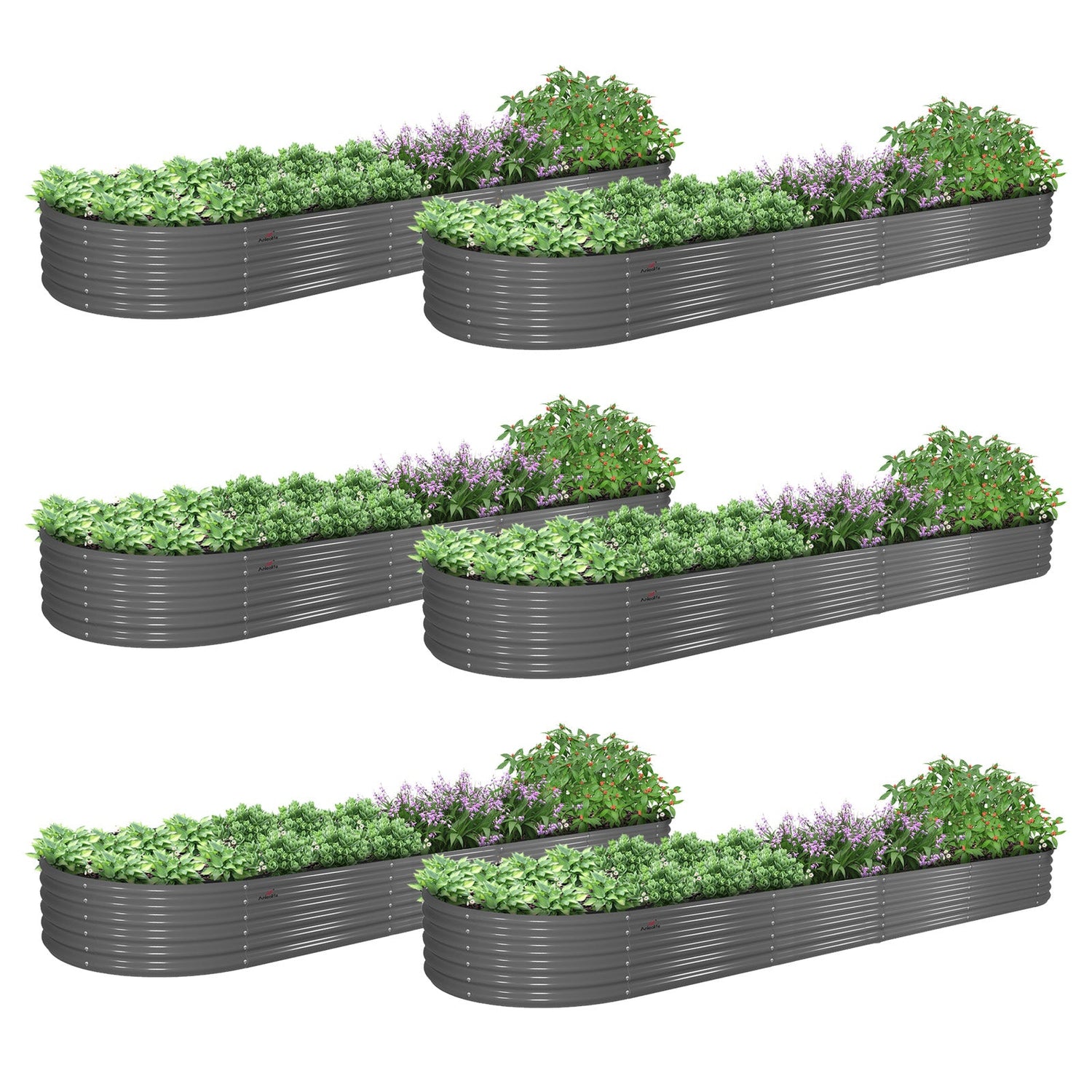



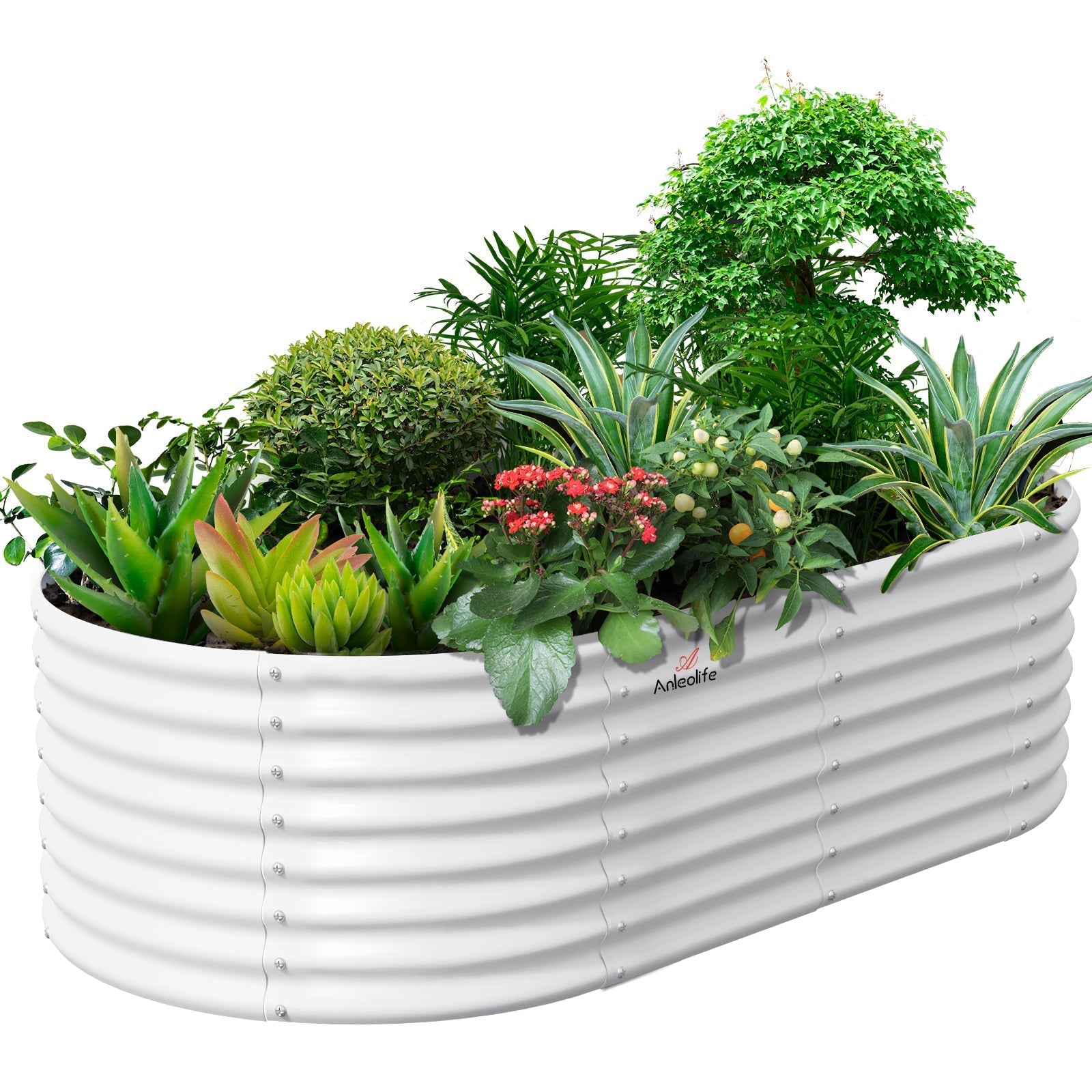
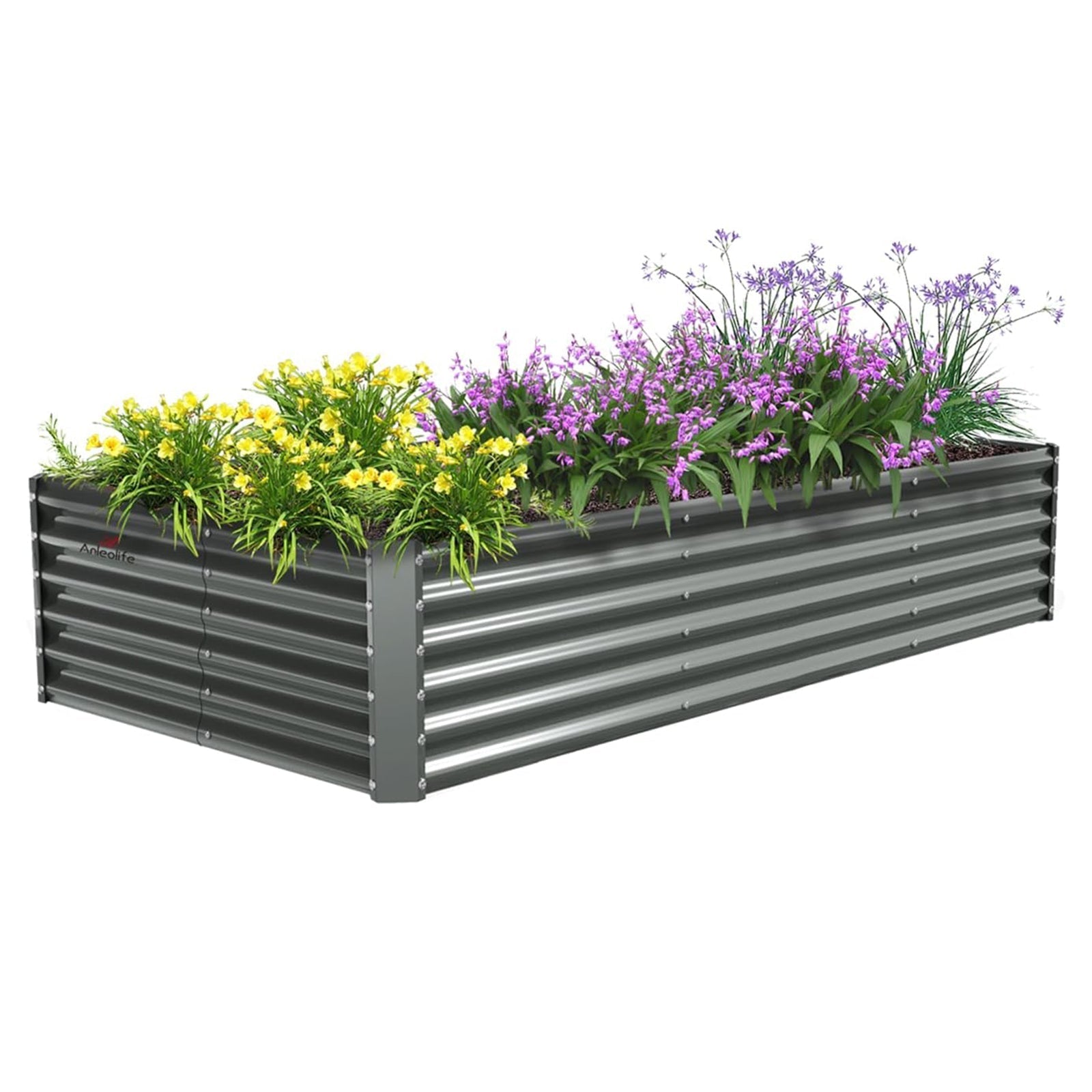

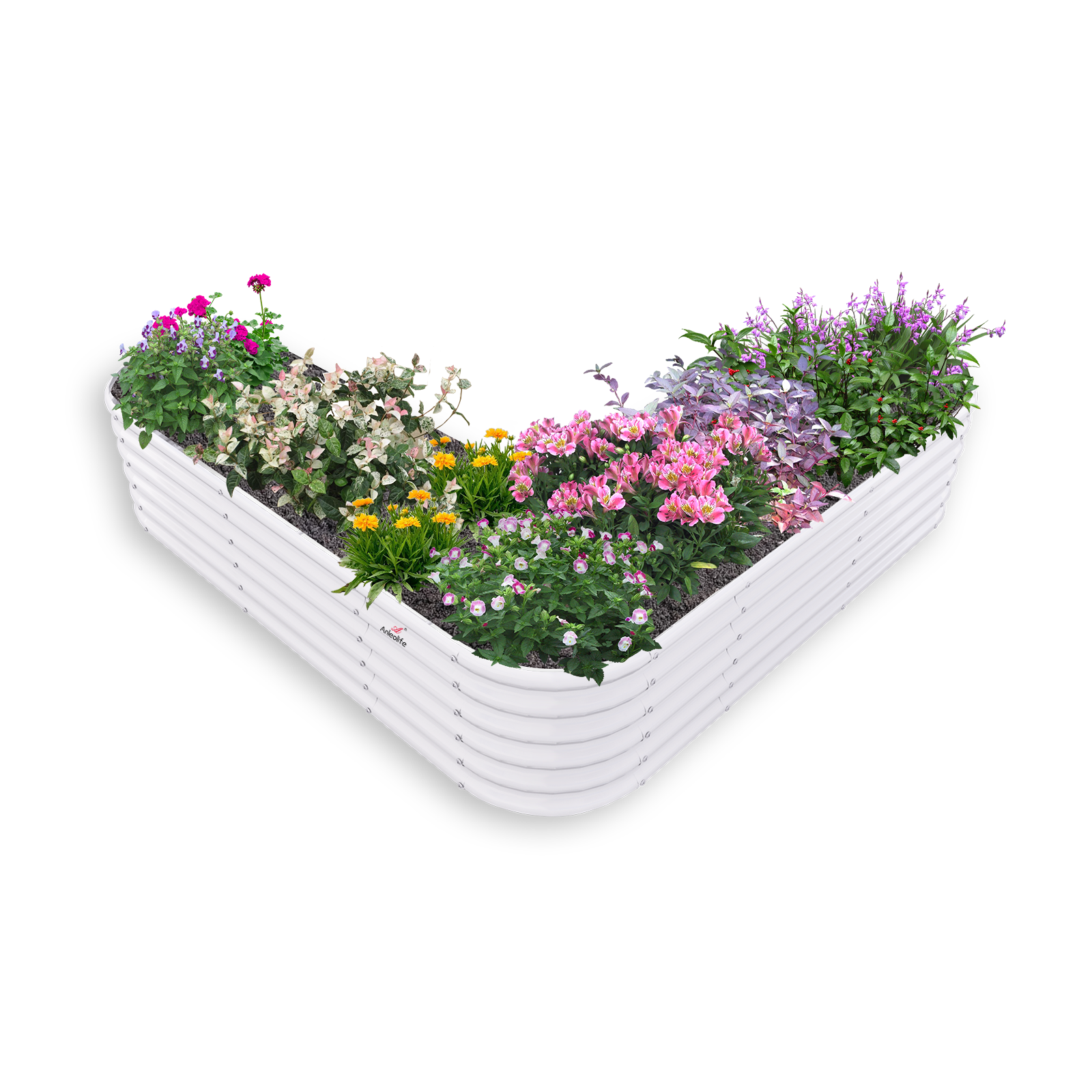
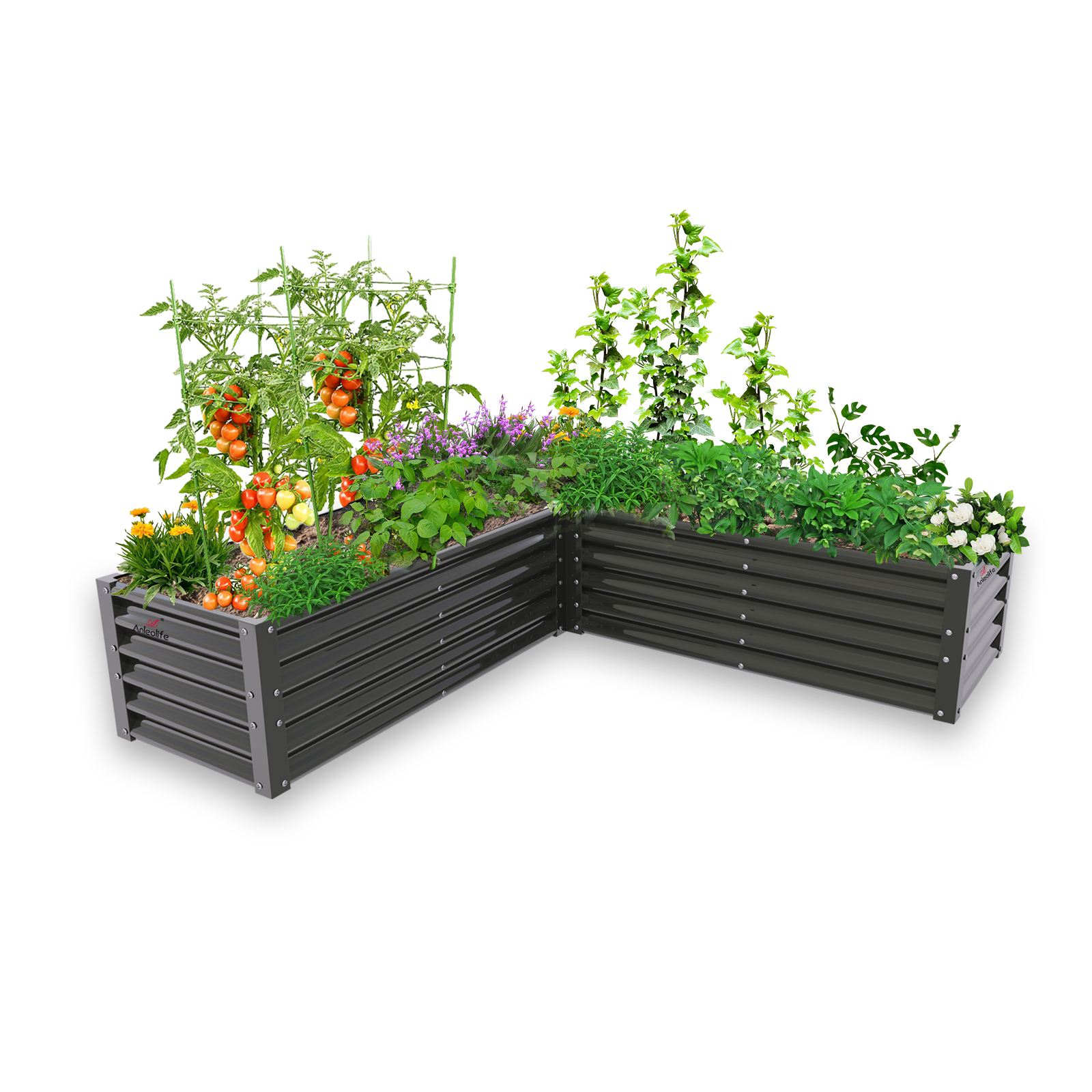
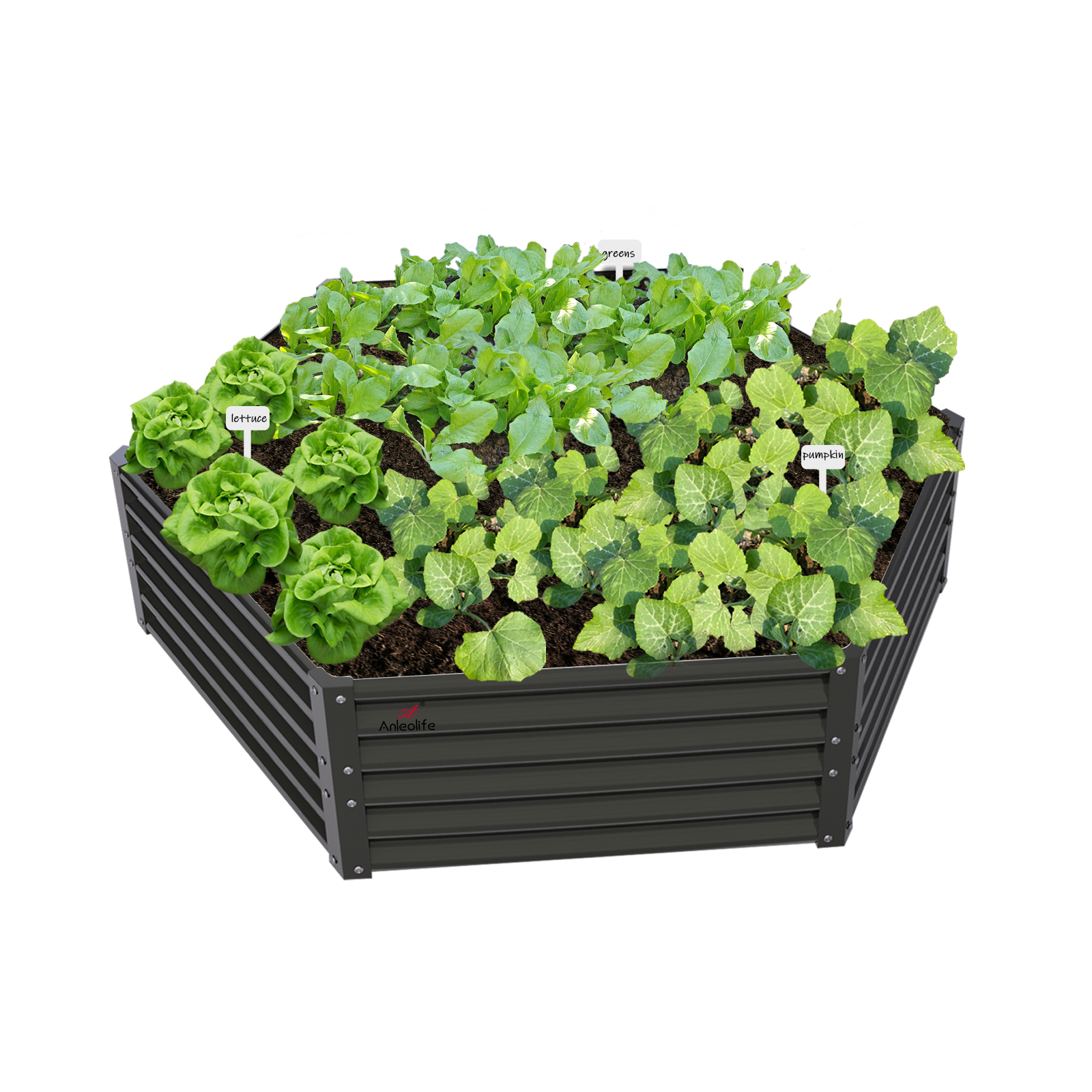
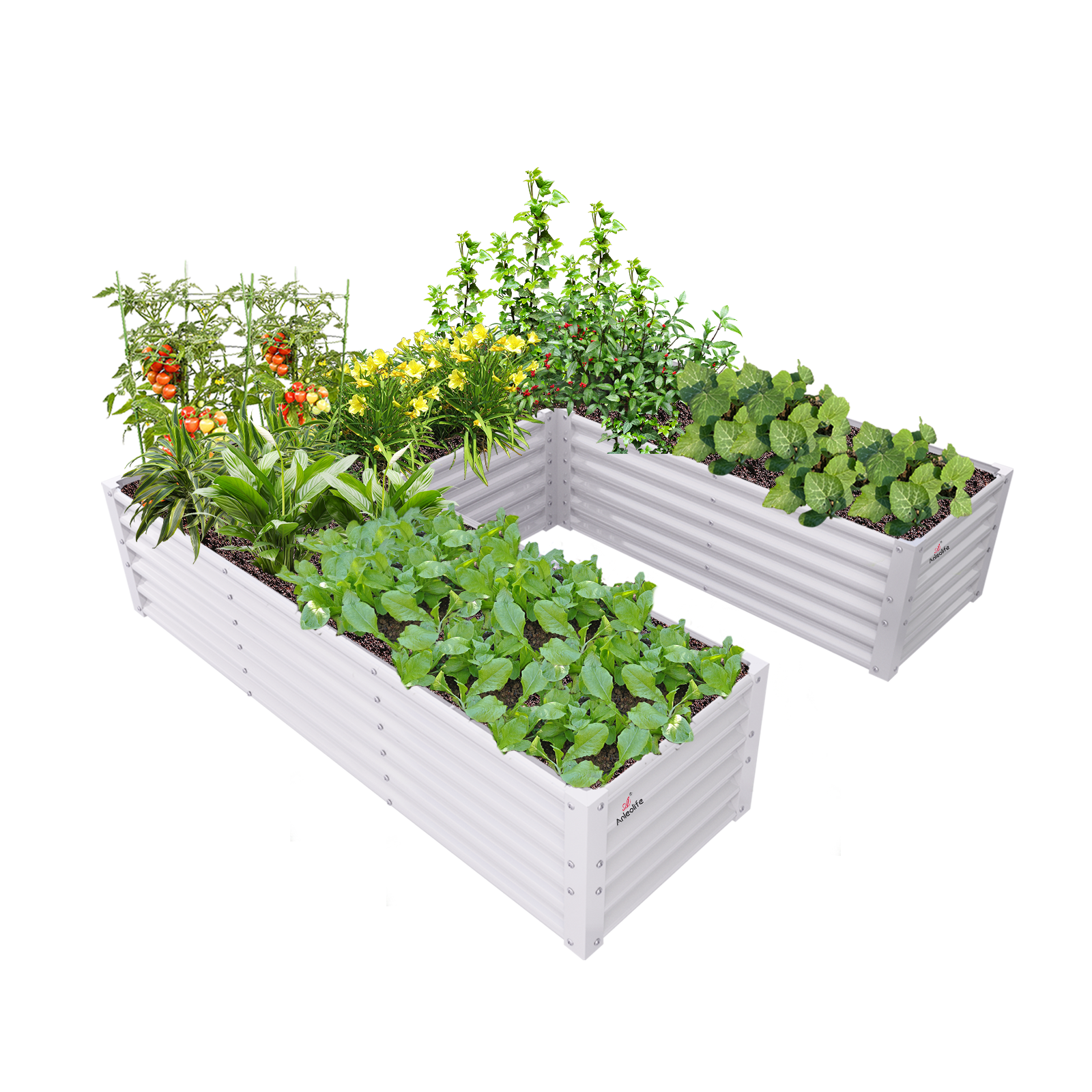

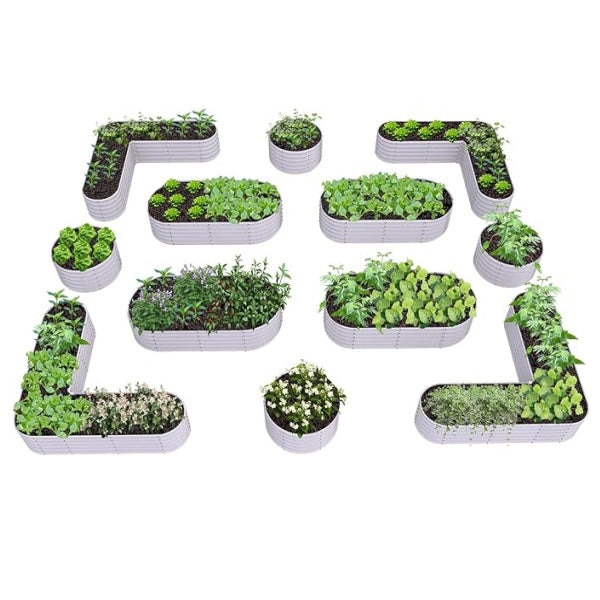


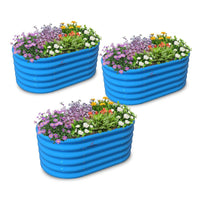
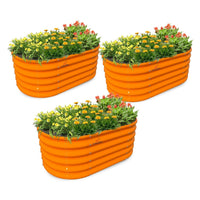
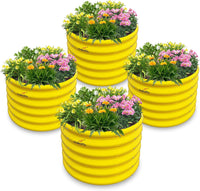
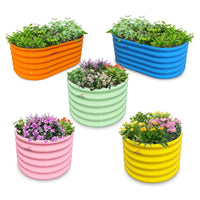




ALT: Rust-resistant coating on metal raised garden bed protecting against moisture and corrosion in outdoor garden
Why Rust-Resistant Coatings on Metal Garden Beds Are More Important Than You Think
Key Conclusion: Understanding how rust-resistant coatings work on metal raised garden beds is essential knowledge for any serious home grower. The right protective coating technology doesn't just extend product lifespan—it directly affects soil safety, plant health, and long-term value. For gardeners seeking a durable, low-maintenance setup, choosing a metal bed engineered with proper corrosion protection is one of the smartest investments you can make in your outdoor space.
Metal raised garden beds have surged in popularity across North America, and it's easy to see why. They're sturdy, space-efficient, and far more versatile than their wooden counterparts. But there's a question that thoughtful gardeners always ask before buying: Will this rust?
It's not a trivial concern. A garden bed that corrodes prematurely can leach unwanted compounds into your soil, weaken structurally over time, and ultimately cost far more in replacements than a quality-coated product would have in the first place. This article breaks down the science and practical reality behind rust-resistant coatings—what they are, how they work, and why the coating quality matters as much as the metal beneath it.
Who Should Read This Guide on Rust-Resistant Metal Garden Beds
✅ Applicable Scenarios:
- Home gardeners investing in long-term raised bed infrastructure and wanting to understand material science before purchasing
- Urban micro-gardeners and small-patio container growers evaluating metal beds for compact outdoor or balcony setups
- Eco-conscious and health-oriented growers concerned about soil contamination and material safety
- Empty nesters or retirees building a low-maintenance garden system they won't need to replace every few years
- First-time buyers comparing galvanized, powder-coated, and other rust-resistant options on the market
❌ Not Applicable/Cautions:
- Gardeners who are exclusively interested in fabric or wood raised beds—coating technology described here applies specifically to metal garden beds
- Those looking for a purely decorative indoor planter solution where outdoor weathering resistance is not a primary concern
- Buyers who already own a specific bed model and are looking for DIY re-coating or repair advice (that warrants a separate guide)
The Real Problem With Metal and Moisture: Understanding Corrosion in Garden Beds
Metal is the material of choice for gardeners who want durability, clean lines, and structural integrity that wood and fabric simply cannot match over time. Yet metal's greatest vulnerability—its reactivity to oxygen and water—is precisely what the gardening environment delivers in abundance.
Oxidation is the chemical process behind rust. When iron atoms in steel are exposed to moisture and oxygen, they react to form iron oxide, the reddish-brown compound we recognize as rust. This isn't just a surface aesthetic problem. Rust expands as it forms, which means it progressively lifts and flakes away the surrounding metal, exposing fresh iron beneath and accelerating the deterioration cycle.
For garden beds specifically, the corrosion risk is compounded by several factors:
- Constant moisture exposure: Raised beds are irrigated regularly, and the soil retains moisture against the interior walls continuously during the growing season.
- Soil chemistry: Organic matter decomposition and fertilizer additions create mildly acidic conditions in many garden soils, which can accelerate metal degradation.
- Seasonal freeze-thaw cycles: In regions with cold winters, water infiltrating micro-cracks in unprotected metal expands during freezing, physically breaking down surface integrity.
- UV radiation: Prolonged sun exposure degrades certain coatings, particularly paints without UV stabilizers, allowing moisture ingress over time.
Understanding these threats makes it clear that a quality rust-resistant coating isn't a marketing feature—it's an engineering necessity.
The good news is that modern protective coating technology has advanced to the point where properly coated metal garden beds can serve reliably for decades. Brands like Anleolife engineer their rust-resistant raised garden beds specifically to withstand these real-world garden conditions, achieving a rated lifespan of up to 20 years—a benchmark that underscores just how effective today's coating solutions can be.
How Rust-Resistant Coatings on Metal Garden Beds Actually Work: A Deep Dive
Three-Step Framework for Understanding Coating Protection
Step 1: Recognize the Barrier Function
The most fundamental role of any rust-resistant coating is to physically separate the metal substrate from oxygen and water. Whether through galvanization, powder coating, or a combination of both, the coating creates an impermeable layer that denies corrosion the ingredients it needs to begin. This barrier effect explains why even a thin, uniform coating can dramatically extend a metal product's usable life—as long as that barrier remains intact. When evaluating any metal garden bed, look for evidence of even, full-coverage application without thin spots, bare edges, or visible gaps.
Step 2: Understand the Sacrificial Protection Mechanism in Galvanized Steel
Galvanized coatings go a step further than simple barrier protection through a process called cathodic protection. Zinc, the primary component in galvanization, is more electrochemically reactive than the iron in steel. This means that when zinc is bonded to steel and both are exposed to moisture, the zinc "sacrifices" itself—it oxidizes preferentially, protecting the iron beneath. Even if a small area of the galvanized surface is scratched or nicked, the zinc surrounding that exposed area continues to protect the underlying steel through this electrochemical action. This self-protecting property is what makes galvanized steel so well-suited to permanent outdoor installations like raised garden beds.
Step 3: Evaluate Coating Thickness, Quality, and Combination Systems
Not all coatings are created equal, and the difference between a budget metal bed and a premium one often comes down to coating thickness and layering strategy. A thicker zinc layer in hot-dip galvanization provides more material for sacrificial oxidation—meaning the protective effect lasts significantly longer. Many high-quality raised garden beds combine galvanization with an additional powder coat or rust-inhibiting paint layer to create a dual-barrier system. This combination maximizes both barrier protection and sacrificial protection simultaneously, and is the standard used by leading garden bed manufacturers targeting long-term durability.
Comparing Common Rust-Resistant Coating Technologies for Garden Beds
Different coating technologies offer distinct trade-offs between cost, durability, aesthetics, and safety. Here's how the major options compare:
| Comparison Dimension | Hot-Dip Galvanization | Electro-Galvanization | Powder Coating Alone |
|---|---|---|---|
| Protection Mechanism | Barrier + sacrificial zinc | Barrier + thin sacrificial zinc | Barrier only |
| Coating Thickness | Relatively thick zinc layer | Thinner zinc layer | Depends on application |
| Self-Healing at Scratches | Yes, via cathodic protection | Limited | No |
| Durability in Soil Contact | Excellent (long-term) | Moderate | Varies by formulation |
| Aesthetic Flexibility | Matte metallic finish | Brighter metallic finish | High (wide color range) |
| UV Resistance | Good on its own | Moderate | Depends on coating type |
| Best Use Case | Permanent outdoor garden beds | Light-duty outdoor items | Decorative or combined use |
| Combined System Option | Yes (galvanized + powder coat) | Yes | Often used as top coat |
For permanent raised garden beds intended to last many seasons, hot-dip galvanization—especially when combined with an additional rust-inhibiting topcoat—represents the gold standard. The self-healing property at scratch sites is particularly valuable in a garden environment where tools, rocks, and soil edges routinely make contact with bed walls.
The Science of Zinc Passivation: Why Galvanized Beds Don't Just Rust Differently
One question that often arises is: If zinc oxidizes to protect the steel, won't the bed just end up covered in zinc oxide? This is a great question, and the answer reveals an elegant piece of chemistry.
When zinc oxidizes in outdoor conditions, it initially forms zinc hydroxide, which then reacts with carbon dioxide in the atmosphere to form zinc carbonate—a stable, adherent, grayish-white compound. This layer of zinc carbonate is known as the patina, and crucially, it is not flaky or expansive like iron rust. It actually adheres firmly to the zinc surface below, forming an additional stable barrier that significantly slows further zinc oxidation.
In practical terms, this means a galvanized garden bed will initially show some surface whitening or "white rust" as the patina forms—this is a normal and healthy development, not a sign of failure. Over time, as the patina matures, the rate of zinc consumption slows considerably, which is why well-galvanized products last so much longer than their initial zinc thickness alone would suggest.
This self-limiting oxidation behavior is fundamentally different from iron rust, which is expansive, flaky, and self-accelerating. It's one of the core reasons galvanized steel has become the material of choice for long-lasting outdoor garden infrastructure.
Soil Safety and Food Grade Considerations for Coated Metal Beds
A concern that eco-conscious and health-oriented growers frequently raise is whether zinc or other coating materials can leach into garden soil and affect edible crops. This is a legitimate question that deserves a straightforward answer.
Zinc is actually an essential micronutrient for both plants and humans. Studies from soil science research institutions have consistently found that zinc leaching from galvanized garden beds into surrounding soil occurs at very low rates—rates that are unlikely to create toxic accumulation under normal growing conditions. In fact, many vegetable gardens planted in soils deficient in zinc benefit from trace zinc inputs.
The concern about zinc toxicity in garden soil typically arises when beds are constructed from older galvanized materials that may have been coated with lead-containing zinc alloys—a practice that has been discontinued in modern manufacturing. Contemporary galvanized garden beds from reputable manufacturers use pure zinc coatings that meet food safety standards.
Powder coatings, when fully cured, are chemically inert and do not leach compounds into soil. The key qualifier is "fully cured"—improperly manufactured or partially cured coatings could theoretically release small amounts of compounds, which is why sourcing from established, quality-focused brands matters.
For gardeners growing vegetables, herbs, or fruit in metal raised beds, choosing products from manufacturers who prioritize material safety and transparent sourcing—like Anleolife's rust-resistant raised garden bed line—provides meaningful reassurance about what's happening at the soil-metal interface.
Height, Design, and How Coating Durability Intersects With Garden Bed Selection
Rust-resistant coating quality becomes even more critical when you consider that the best-performing garden beds are often those with taller walls—and taller walls mean more surface area in continuous contact with moist soil.
Garden bed height selection has a direct bearing on how demanding the corrosion environment will be. Beds with walls that extend deeper into the soil experience the most aggressive moisture contact, while shorter beds may have more of their walls exposed to air circulation. This is one reason why extra-tall raised garden beds require the most robust coating systems.
For reference, when answering the common question of what is the best height for a raised garden bed, there's no single answer—it depends on what you're growing and your physical mobility needs. Shallow beds (around 18 inches) work well for many annual vegetables and are suitable for ground installation. Extra-tall beds (24 inches and above) are preferred by gardeners who want to avoid bending, and the very tallest waist-high designs allow comfortable standing-height gardening for those with mobility considerations.
Anleolife's rust-resistant raised garden beds are available across a range of heights—from standard 18-inch tall versions to 30-inch extra-tall configurations—each engineered with the same corrosion-resistant coating technology, ensuring that taller walls don't come with a durability trade-off.
Are Rust-Resistant Beds Good for Urban Container Gardening and Small Patios?
One of the most common questions from urban micro-gardeners is: Are rust-resistant metal raised beds a good option for small patios and balcony container setups?
The answer is a strong yes, with a few practical considerations. Metal raised beds with quality rust-resistant coatings actually perform exceptionally well in urban micro-garden settings because:
- Weight-to-durability ratio: Metal beds are structurally robust without requiring the thickness that wooden beds need for equivalent strength, making compact sizes achievable.
- Clean aesthetic: The modern, architectural look of coated metal integrates well with urban outdoor spaces, patios, and rooftop gardens.
- Drainage compatibility: Metal beds can be configured with drainage holes and placed on pavers or decking without concern about moisture damage to the bed walls.
- No soil contamination risk from the material itself: Unlike treated wood, well-coated metal doesn't introduce preservative chemicals into the soil.
For the best container gardening setup for small patios, a compact metal raised bed in a manageable size—like a 4x2-foot or similar compact footprint—provides an ideal growing space for herbs, lettuces, cherry tomatoes, and cut flowers. Pair it with a quality trellis for climbing vegetables if you want to maximize vertical growing space: vertical trellis systems anchored to the bed's sturdy walls are excellent for tomatoes, cucumbers, and beans, making the most of limited horizontal square footage.

ALT: Rust-resistant metal raised garden bed on urban patio showcasing durable coating and compact container gardening setup for small spaces
Advanced Considerations: Coating Failures, Misconceptions, and Long-Term Maintenance
Special Situations and When to Inspect Your Coating
Even high-quality rust-resistant coatings can be compromised under specific circumstances. Here are the three most important situations to monitor:
1. Edge and Corner Exposure: The most vulnerable points of any coated metal product are cut edges and corners, where coating application is inherently thinner. Quality manufacturers account for this by applying additional coating at these points during fabrication, but it's worth inspecting bed edges annually and addressing any early signs of white zinc corrosion before it progresses.
2. Mechanical Damage from Tools: Shovels, trowels, and cultivating tools that contact bed walls repeatedly can gradually abrade coating surfaces. Using plastic-edged tools near bed walls, or being mindful of how tools enter and exit the bed, meaningfully extends coating life.
3. Acidic Soil or Fertilizer Accumulation: Highly acidic soil conditions (pH below 5.5) or heavy use of acidic fertilizers directly against bed walls can accelerate zinc dissolution beyond the normal rate. Maintaining soil pH in the 6.0–7.0 range—appropriate for most vegetables anyway—naturally reduces this risk.
Common Misconceptions About Rust-Resistant Metal Garden Beds
Misconception 1: "White spots on a galvanized bed mean it's rusting."
Not true. White spotting or a whitish film on galvanized steel is zinc carbonate patina forming—a protective process, not a failure. True iron rust is reddish-brown and should prompt attention if it appears.
Misconception 2: "All metal beds have equivalent coating quality."
Coating thickness, application method, and zinc purity vary significantly across manufacturers. A budget bed may have a cosmetically similar appearance to a premium one while providing a fraction of the corrosion protection.
Misconception 3: "Rust-resistant means rust-proof forever."
Rust-resistant coatings dramatically slow corrosion, but no metal product is entirely immune under all conditions indefinitely. The key is choosing a product with a coating system robust enough to last the lifespan you need—and for well-engineered beds like those from Anleolife, a 20-year design life is a realistic expectation with normal care.
Frequently Asked Questions FAQ
Q1: How do I know if a metal garden bed's rust-resistant coating is high quality?
Look for transparency from the manufacturer about their coating process—specifically whether the bed uses hot-dip galvanization (rather than just paint), coating thickness information, and any food-safety certifications for the materials used. High-quality beds will also typically carry warranties that reflect the manufacturer's confidence in their coating durability. Reading independent user reviews after two or more growing seasons also provides real-world evidence of coating performance.
Q2: Are rust-resistant metal raised garden beds safe for growing vegetables and edible plants?
Yes, when sourced from reputable manufacturers using modern galvanization standards. Contemporary galvanized coatings use pure zinc, which is an essential micronutrient rather than a toxin. Zinc leaches at very low rates in normal garden soil pH ranges, and these rates are well within safe thresholds for edible gardening. Powder-coated finishes, when fully cured, are chemically inert. Choosing products from established brands with clear material standards provides the best assurance for food-safe growing.
Q3: How long do rust-resistant metal garden bed coatings actually last, and does the lifespan differ by bed height?
With a quality coating system, metal raised garden beds can achieve a lifespan of 20 years or more. Coating durability is not significantly reduced by bed height when the coating quality is consistent throughout the product—manufacturers like Anleolife apply the same rust-resistant engineering across their full range from standard-height to extra-tall beds. Regular inspection for mechanical damage and maintaining appropriate soil pH both contribute to maximizing coating longevity across any height configuration.
Summary
Rust-resistant coatings on metal garden beds are not just a marketing claim—they're a sophisticated combination of barrier science, electrochemical protection, and materials engineering that determines whether your garden bed investment lasts one decade or two. Here are the three core insights to take away:
- Galvanization works through two mechanisms: physical barrier and sacrificial cathodic protection, with the zinc patina that forms over time adding a third layer of passive defense.
- Coating quality varies enormously between products, and the difference in long-term performance between budget and premium coating systems is measured in years of usable life—not just months.
- Material safety for edible gardens is well-supported by soil science research, provided you choose modern galvanized products from manufacturers using pure zinc and food-safe topcoats.
For home gardeners ready to invest in infrastructure that will serve them reliably for 20 years or more, understanding these principles makes the choice clear: prioritize coating quality, not just price point. And when the coating is done right, a metal raised bed becomes one of the most satisfying, low-maintenance, and productive investments you can make in your garden.
Upgrade Your Garden With Anleolife
Anleolife's nationwide U.S. warehouse network—strategically located in California, Texas, Florida, New York, Illinois, and Washington—ensures delivery within 3–8 business days, so your garden upgrade plans never have to wait through long shipping delays.
Products are available across major platforms including Amazon, Walmart, Home Depot, Lowe's, Wayfair, and the official Anleolife.com website, providing consistent quality assurance and after-sales service wherever you prefer to shop.
Anleolife's ecosystem spans three core scenarios: Planting (metal raised garden beds, soil systems), Raising (chicken coops, rabbit hutches), and Beautification (decorative accessories, pathway systems)—meeting complete needs from functionality to aesthetics in one cohesive brand.
We understand that an ideal garden is not built overnight, but gradually improved over time. Our modular product design allows flexible expansion based on your needs—from your first compact raised bed to a fully integrated planting-and-raising ecosystem. We grow with you every step of the way.
References
- University of California Agriculture and Natural Resources. "Soil Zinc: An Essential Micronutrient for Plant Growth and Food Safety".
https://ucanr.edu/ - American Galvanizers Association. "The Corrosion Protection of Hot-Dip Galvanized Steel".
https://www.galvanizeit.org/ - National Gardening Association. "Raised Bed Gardening: Materials, Setup, and Soil Safety Guide".
https://garden.org/ - United States Department of Agriculture (USDA). "Backyard Vegetable Gardening: Soil Health and Container Safety".
https://www.usda.gov/ - Purdue University Extension. "Understanding Soil pH and Its Effects on Nutrient Availability and Metal Behavior".
https://extension.purdue.edu/
Note: Standards may be updated; please check the latest official documents or consult professional advisors for current specifications.
About Anleolife
Anleolife is a leading outdoor garden solutions provider in North America, dedicated to offering a full-scenario product ecosystem for home gardening enthusiasts, covering planting, raising, and garden beautification. Since its founding, we have upheld our brand mission, "Made for Garden Life," continuously innovating products and optimizing services to help hundreds of thousands of users upgrade their gardens, reconnect with nature, and enjoy a better garden lifestyle.