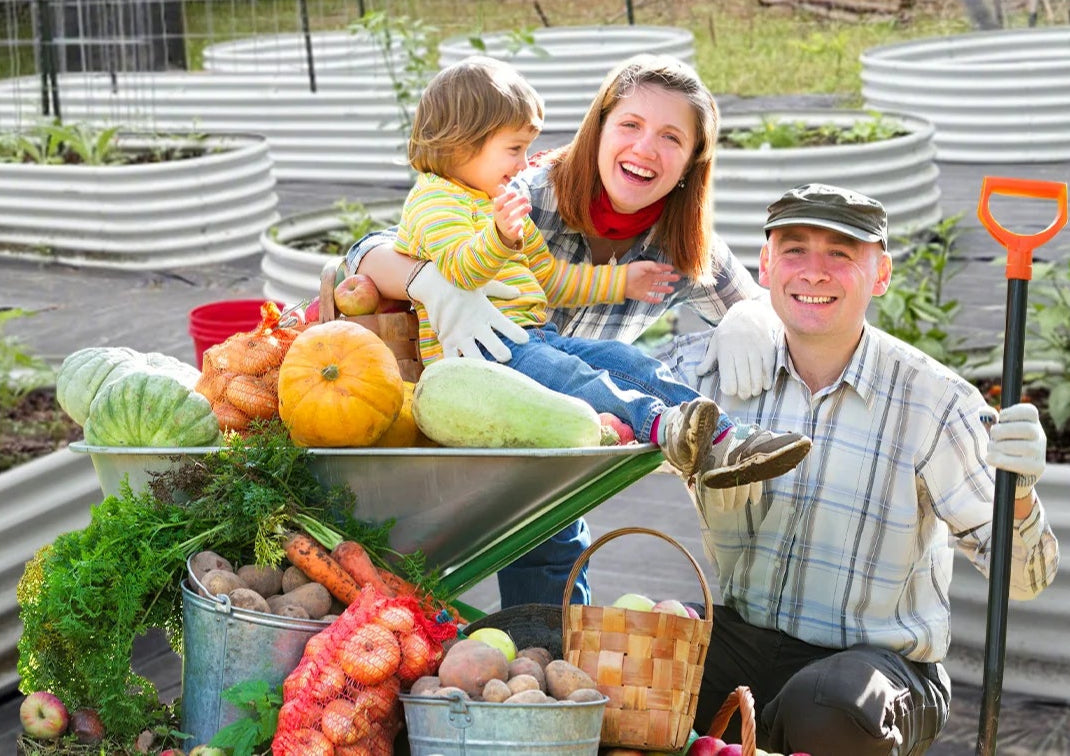







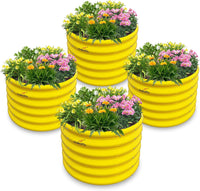
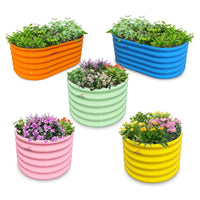
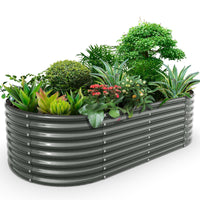





ALT: Family bonding over a raised bed garden, reducing screen time for kids and adults in backyard
How a Raised Bed Garden Becomes Your Family's Best Screen-Free Activity
Key Conclusion: A raised bed garden is one of the most effective, research-backed tools for reducing screen time across every generation. By giving kids and adults a hands-on reason to step outside, tend plants, and engage with the natural world, a well-designed raised garden bed transforms idle hours into meaningful, skill-building routines. Families who garden together report stronger communication, better physical health, and measurably less device dependency — all without the friction of screen-time battles.
Modern families face a paradox: we have more ways to connect digitally than ever before, yet genuine face-to-face connection at home has become increasingly rare. The average American child now spends more than seven hours a day in front of screens, according to data from the American Academy of Pediatrics. Adults aren't doing much better. The answer, increasingly, isn't another app or parental control setting — it's dirt, seeds, and a sturdy raised bed planted right outside the back door.
A raised bed garden creates a compelling alternative to scrolling and streaming. It offers immediate sensory engagement, tangible daily progress, and a shared family mission that naturally pulls everyone away from devices. Pair that with the right garden setup — one that's accessible, durable, and genuinely enjoyable to tend — and screen time reduction becomes a welcome side effect rather than a forced discipline.
Who This Guide Is For (And When a Garden Bed Works Best)
✅ Applicable Scenarios:
- Families with children ages 4–16 who are looking for structured outdoor engagement that feels like play, not punishment
- Parents who want to model healthy habits and reduce their own screen dependency alongside their kids
- Empty nesters and retirees seeking purposeful daily outdoor routines that encourage light physical activity and mental engagement
- Urban micro-gardeners and suburban homeowners with limited yard space who want maximum impact from a compact growing area
- Eco-conscious households interested in growing their own food, reducing grocery store trips, and involving the whole family in sustainable living
❌ Not Applicable/Cautions:
- Families expecting instant results without a consistent routine — gardening rewards patience, and the habit-forming benefits take a few weeks to solidify
- Households in climates with extreme frost or drought who haven't yet researched appropriate crop selection and seasonal timing for their region
- Anyone looking for a completely hands-off solution — raised bed gardening is low-maintenance compared to in-ground gardening, but it does require regular attention to watering, weeding, and seasonal transitions
Why Screen Time Is a Growing Family Problem — And Why Gardens Work
The conversation around screen time has shifted dramatically over the past decade. What began as a concern primarily about children has expanded into a whole-family issue. Research from the National Institutes of Health has linked excessive screen time in children with disrupted sleep, reduced physical activity, and diminished attention spans. For adults, compulsive phone checking has been associated with elevated stress hormones and reduced present-moment awareness.
The challenge isn't screens themselves — it's the absence of a compelling, rewarding alternative. This is where gardening, and specifically raised bed gardening, enters the picture as a uniquely powerful intervention.
Unlike passive entertainment, a garden demands participation. Something always needs checking: Is the soil moist? Are the tomatoes ripening? Did the seeds germinate overnight? These small daily questions create genuine curiosity and a reason to be outside. The garden becomes a living story that unfolds slowly, and every family member can have a chapter in it.
Raised beds specifically lower the barrier to entry. Traditional in-ground gardening can be physically demanding, especially for young children and older adults. A well-designed raised bed brings the growing surface to a comfortable height, eliminates competition from grass and tree roots, and provides excellent drainage — all factors that make gardening more accessible and enjoyable for families. For those just getting started, the Step-by-Step Raised Bed Garden Layout Planning for Summer 2026 Beginners guide is an excellent first resource for understanding how to set up a space that everyone in the family can comfortably use.
Beyond accessibility, raised beds offer a compelling visual and sensory experience that screens simply can't replicate. The smell of warm soil, the texture of plant leaves, the satisfaction of harvesting a vegetable you grew from seed — these multi-sensory rewards trigger dopamine pathways in ways that feel deeply satisfying without the hollow aftertaste of passive scrolling.
Building the Habit: How to Make Garden Tending a Daily Family Routine
Three Steps to Getting Your Family Into the Garden and Away From Screens
Step 1: Choose a Raised Bed That Everyone Can Reach and Enjoy
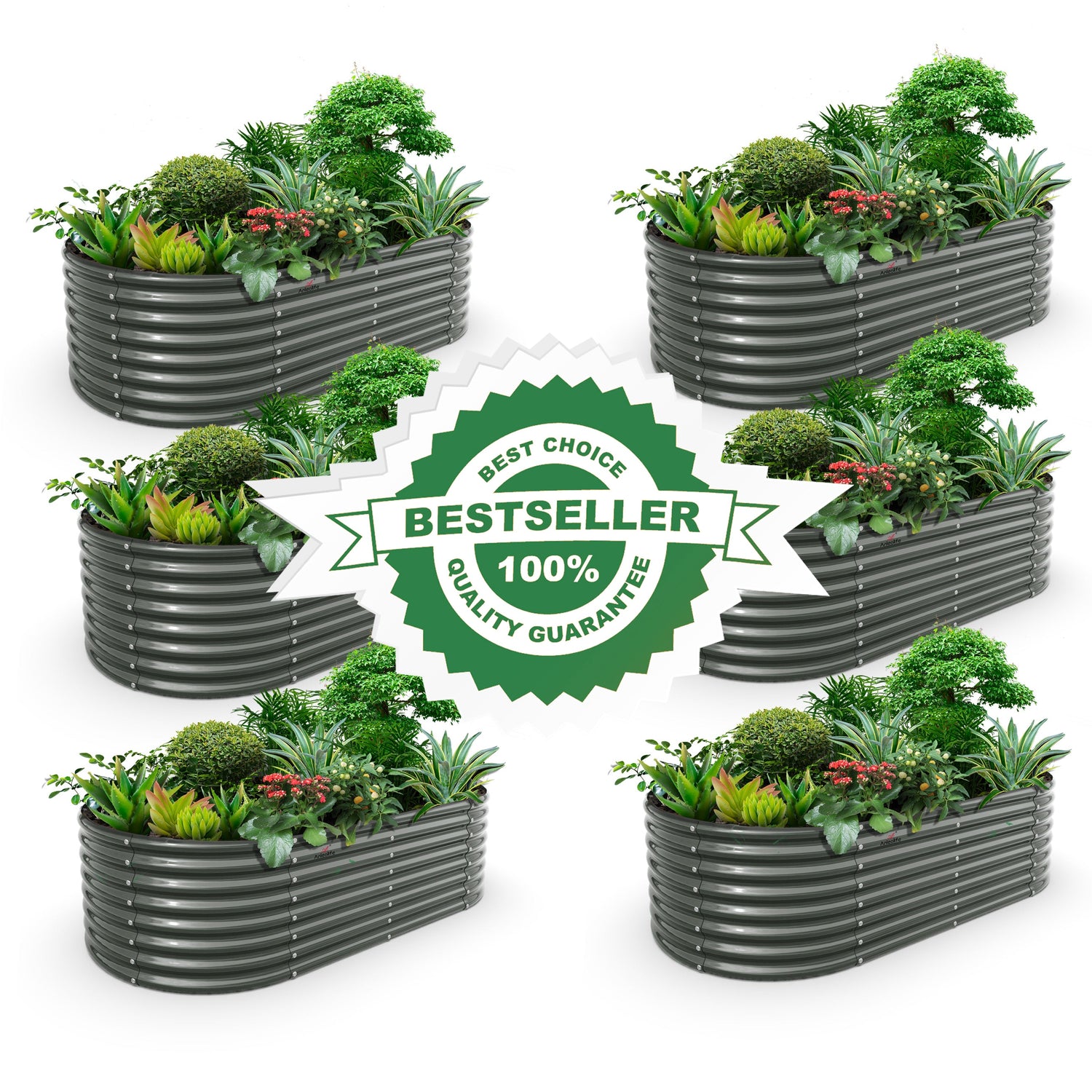
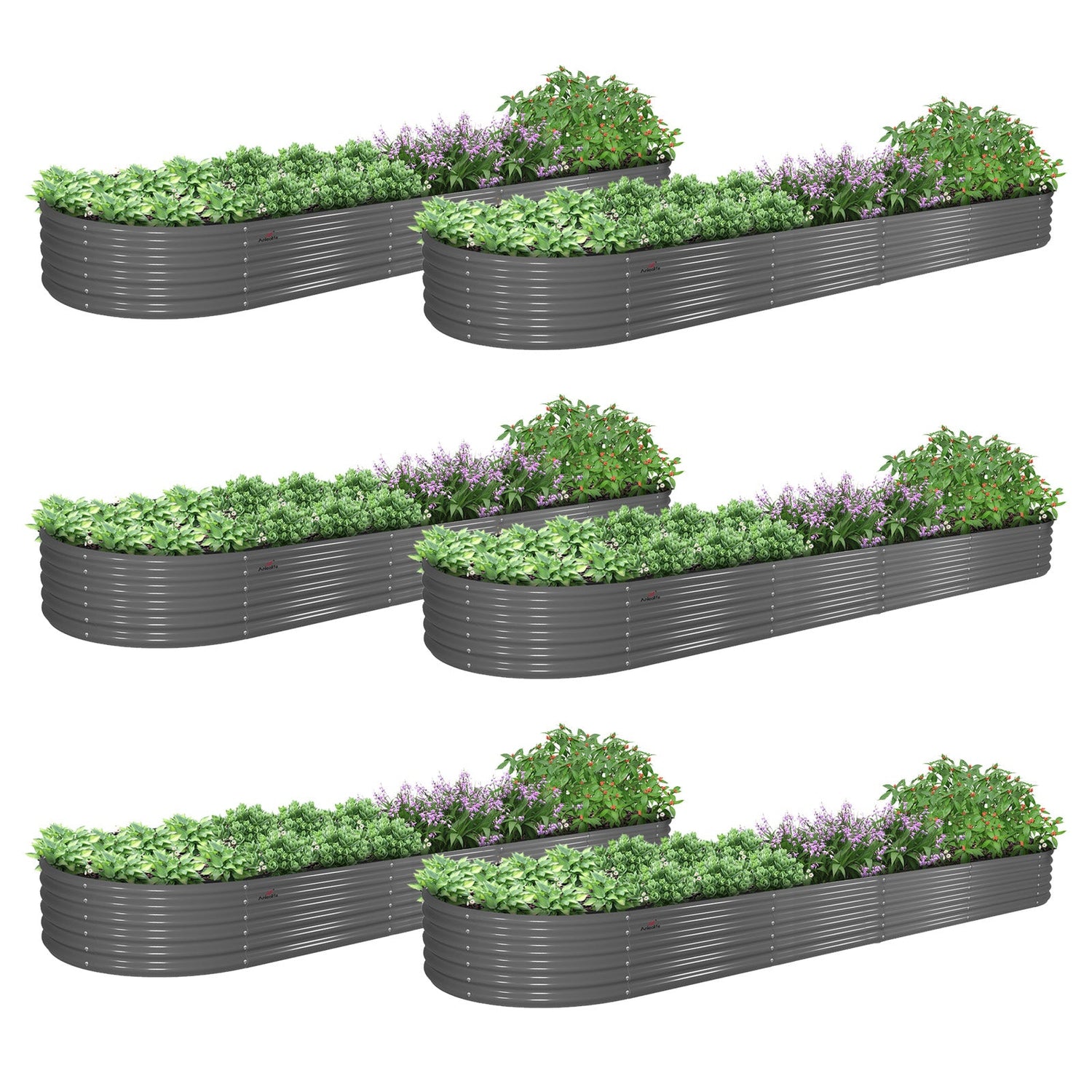
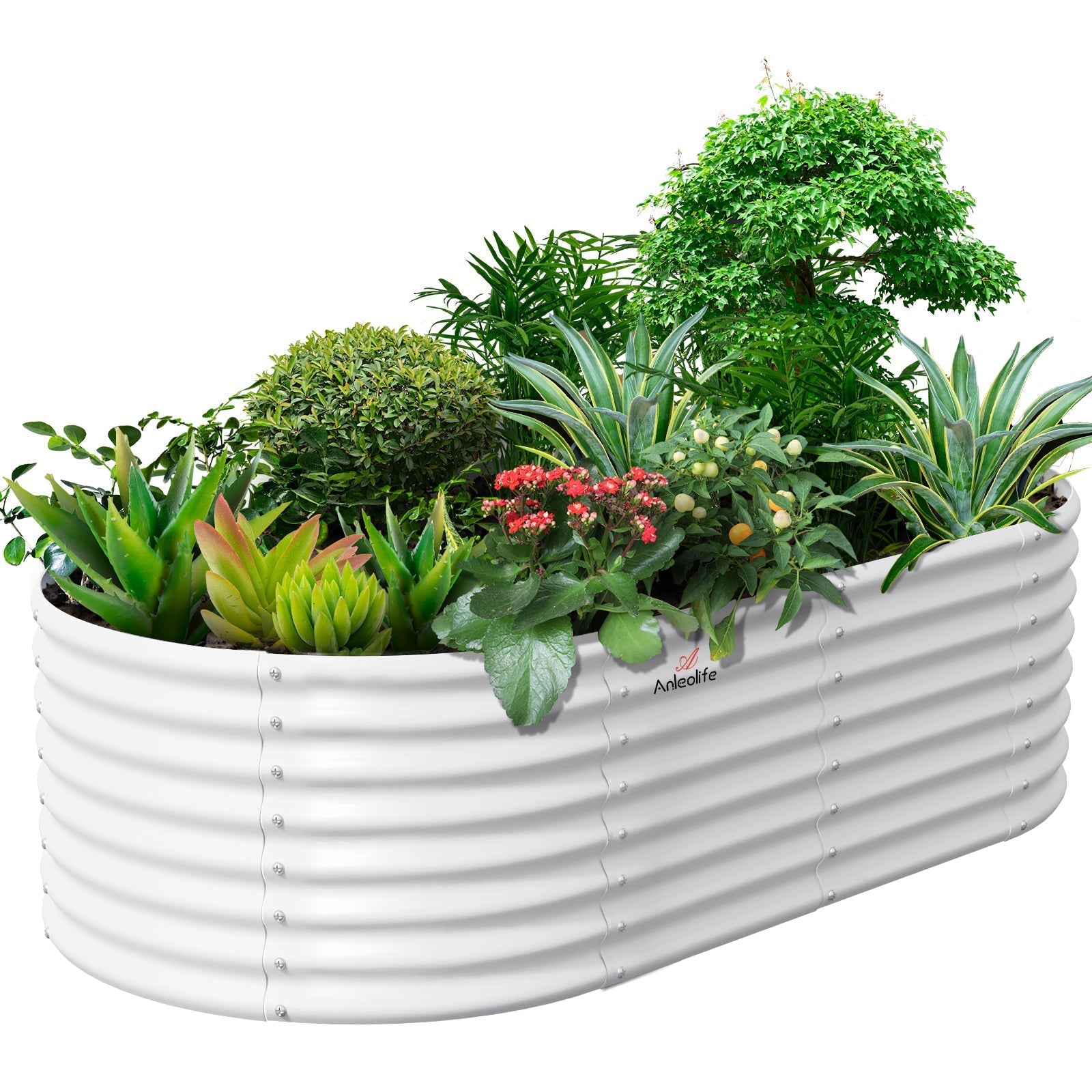
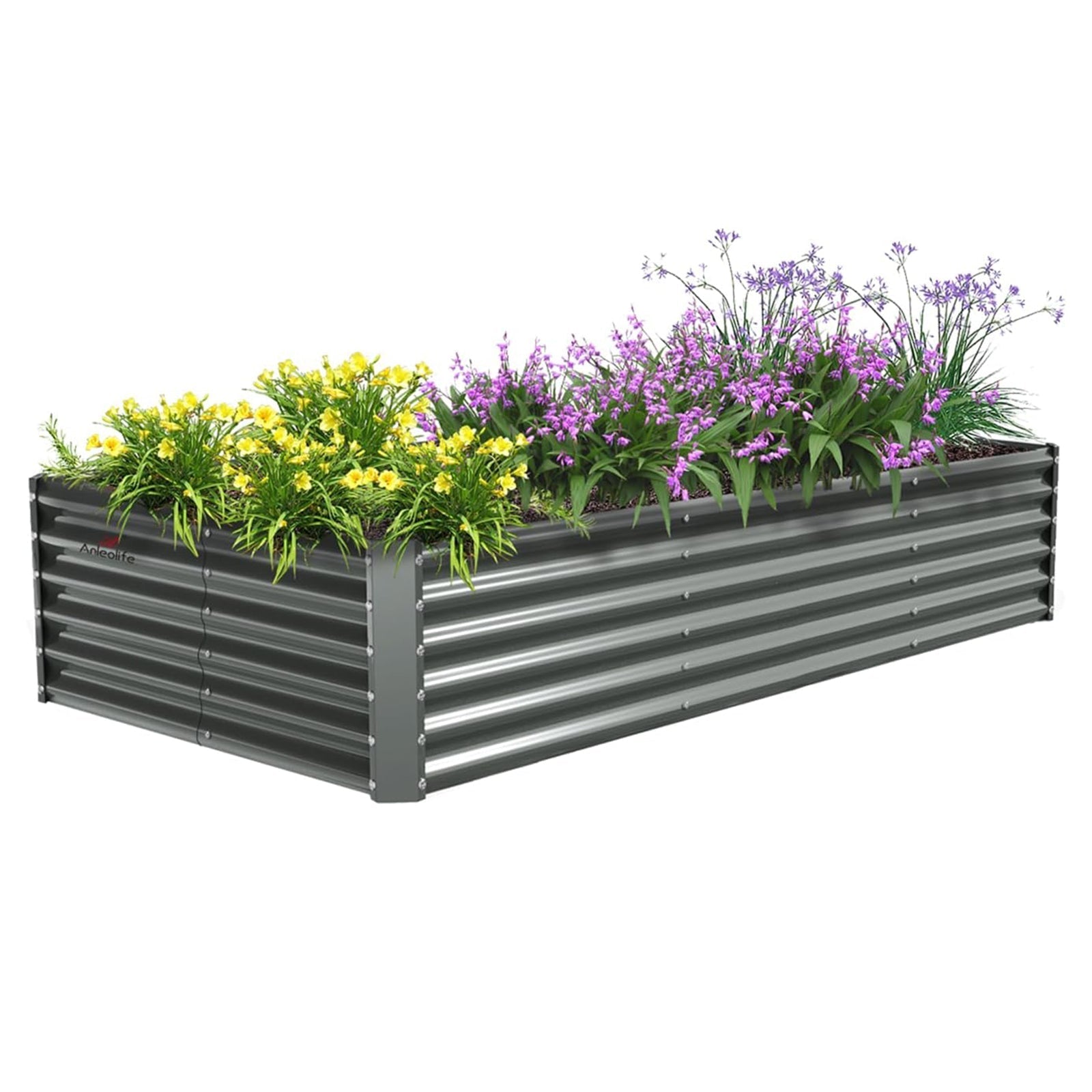
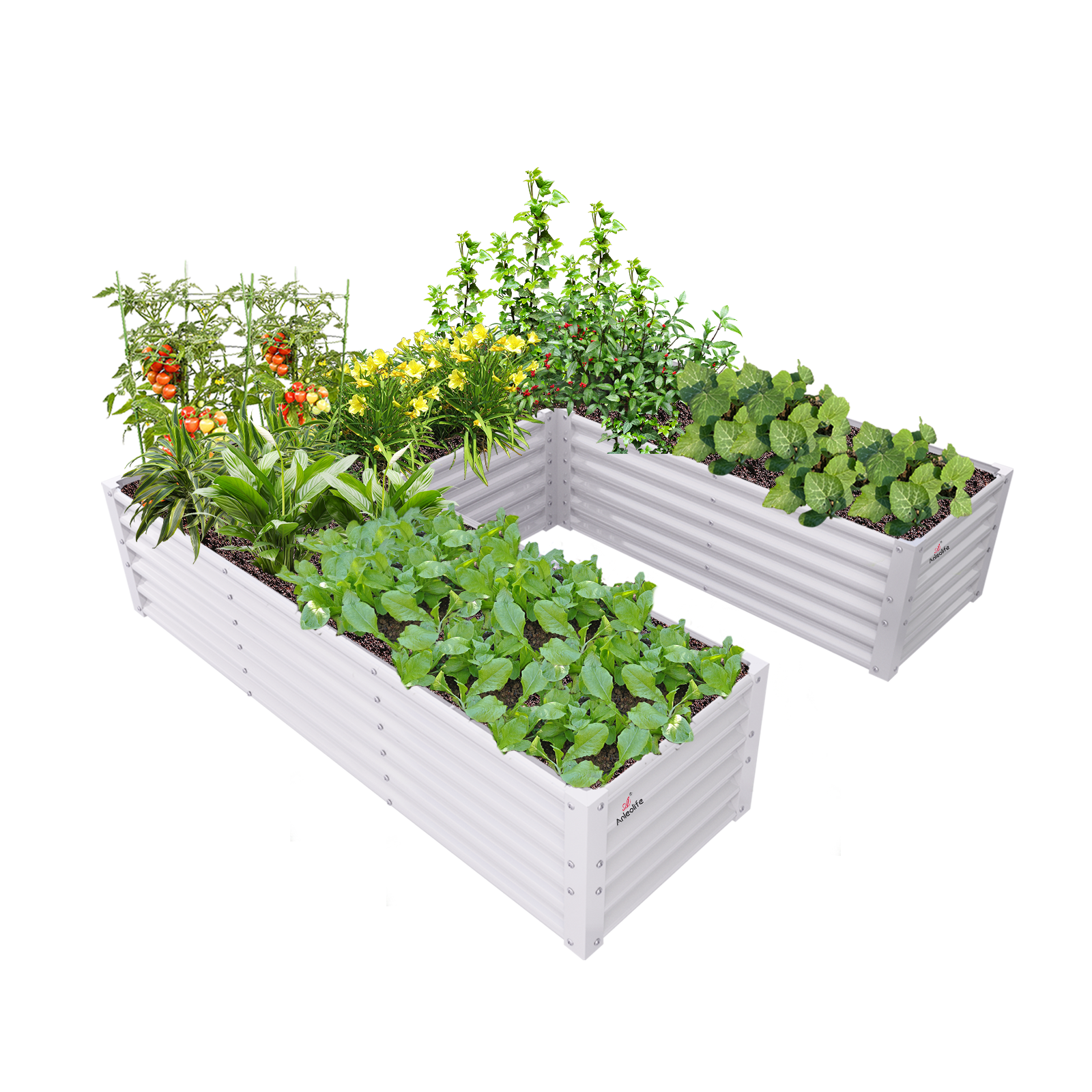
The first and most important step is selecting a raised bed that physically invites participation from every family member. A bed that's too low forces everyone to crouch uncomfortably; one that's too small limits how many people can work in it at once. Anleolife's galvanized steel raised garden beds come in a wide range of dimensions — from compact 4x2 options ideal for young children to spacious 12x3 ft and 8x4 ft configurations that give multiple family members room to work side by side. For households with older adults or anyone with limited mobility, the 24" and 30" extra-tall options bring soil to a comfortable standing or seated working height, eliminating the need to bend or kneel. Allow 30–60 minutes for setup, and involve the kids in assembly — it's the first shared task that signals this is a family project.
Step 2: Assign Age-Appropriate Roles and Plant Choices
Children engage more deeply with gardens when they have ownership over a specific area or crop. Let younger kids (ages 4–8) choose fast-growing, visually exciting plants like sunflowers, cherry tomatoes, or radishes — crops that produce results quickly enough to hold short attention spans. Older children and teens can take on more complex tasks: monitoring soil moisture, building simple trellises, or researching companion planting. Adults can handle soil preparation and overall planning. A helpful starting point for crop selection is the guide on Top 10 Vegetables to Grow in a Raised Bed This June and Beyond, which offers practical suggestions suited to family-scale growing. Assigning roles takes about 20–30 minutes of family planning time and pays dividends in sustained engagement.
Step 3: Create a Garden Routine That Replaces Screen Time Naturally
The goal isn't to ban screens — it's to create a garden habit so rewarding that the screen loses its gravitational pull. Establish a short, consistent garden check-in time each day: right after school, before dinner, or on Saturday mornings. Keep it to 15–20 minutes on weekdays so it never feels like a burden. Use a simple garden journal (a paper notebook works beautifully here) to record what you observe each day — new growth, pest activity, weather conditions. This adds a literacy and science dimension that makes the garden doubly valuable for kids. Within two to three weeks, most families find that the garden check-in becomes eagerly anticipated rather than assigned.
Comparing Raised Bed Options for Family Gardening: Which Setup Works Best?
Different families have different needs, yard sizes, and budgets. The table below compares three common raised bed configurations to help you find the best fit for your household's screen-time-busting garden project.
| Comparison Dimension | Standard Height Beds (18") | Extra Tall Beds (24"–30") | Modular/Expandable Beds |
|---|---|---|---|
| Best For | Young children, ground-level engagement | Older adults, mobility-limited users, teens who prefer standing | Growing families who want to expand over time |
| Accessibility | Requires kneeling/crouching for smaller users | Comfortable standing height, minimal bending | Adjustable to user needs |
| Growing Capacity | Good for herbs, flowers, shallow-root vegetables | Excellent for deep-root crops, tomatoes, root vegetables | Scales with family ambition |
| Family Engagement | High — kids love getting close to the ground | High — adults stay comfortable longer | Very high — expansion becomes a shared project |
| Durability | Up to 20 years with galvanized steel construction | Up to 20 years with galvanized steel construction | Up to 20 years with galvanized steel construction |
| Setup Involvement | Quick family assembly | Slightly more panels, still family-friendly | Modular pieces invite team assembly |
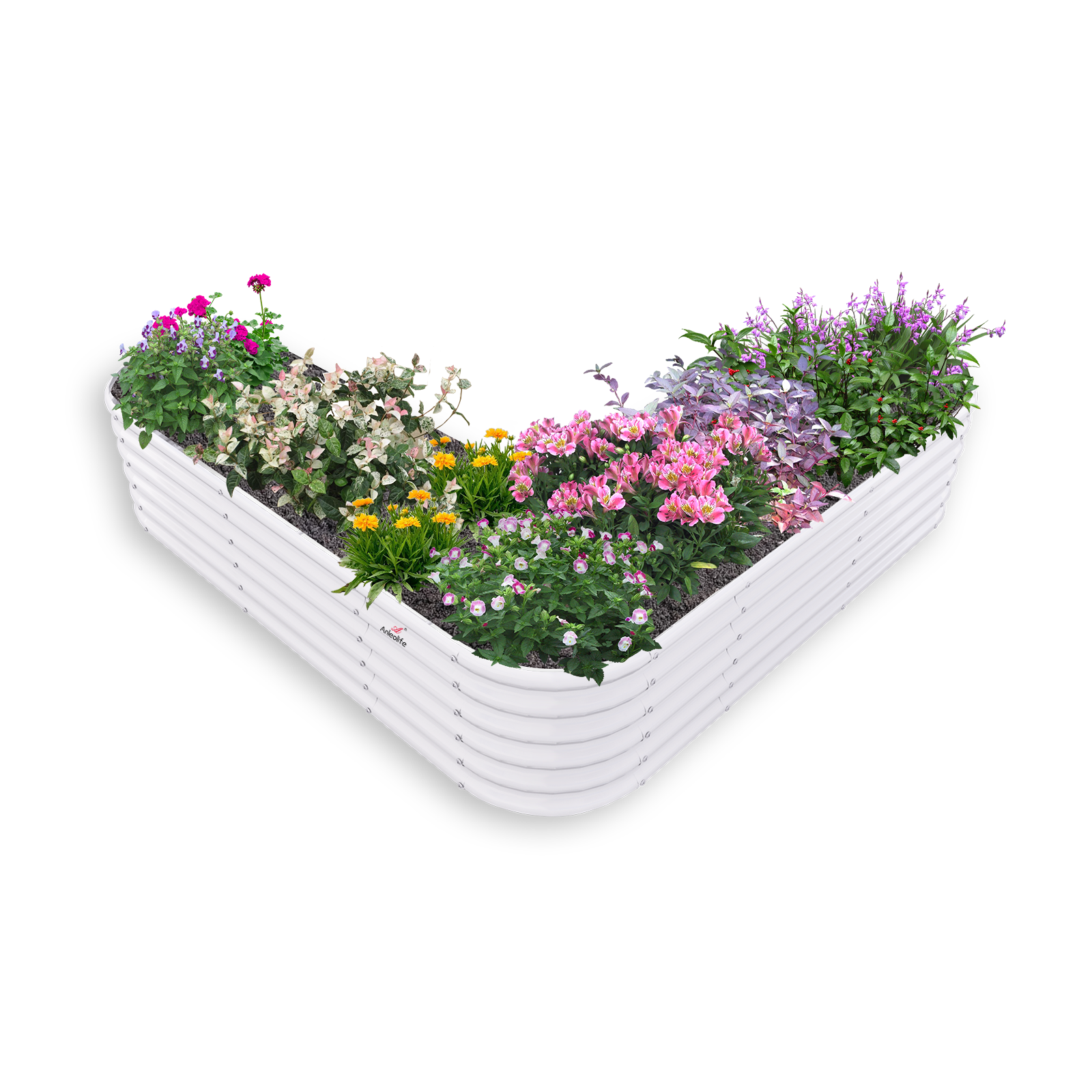
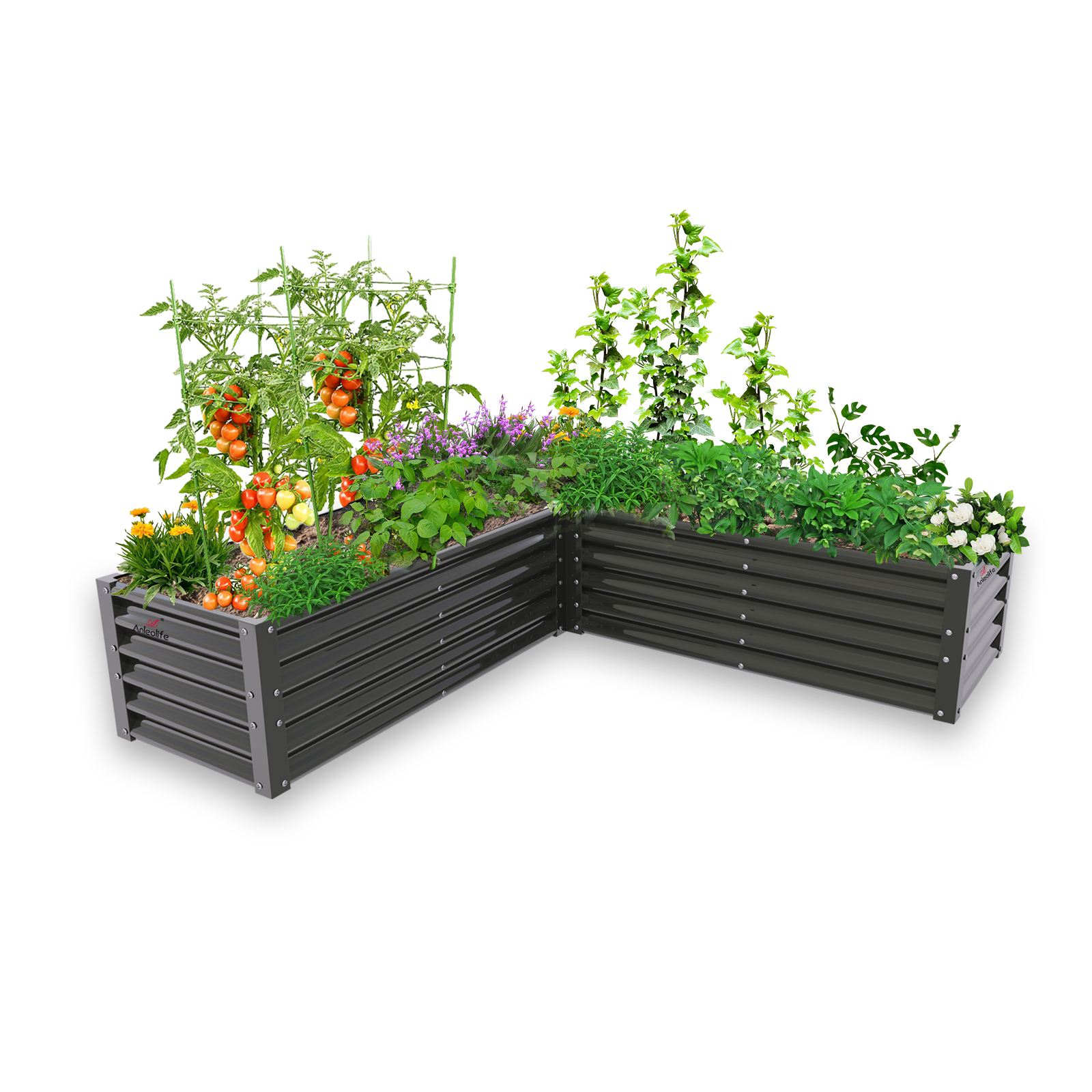
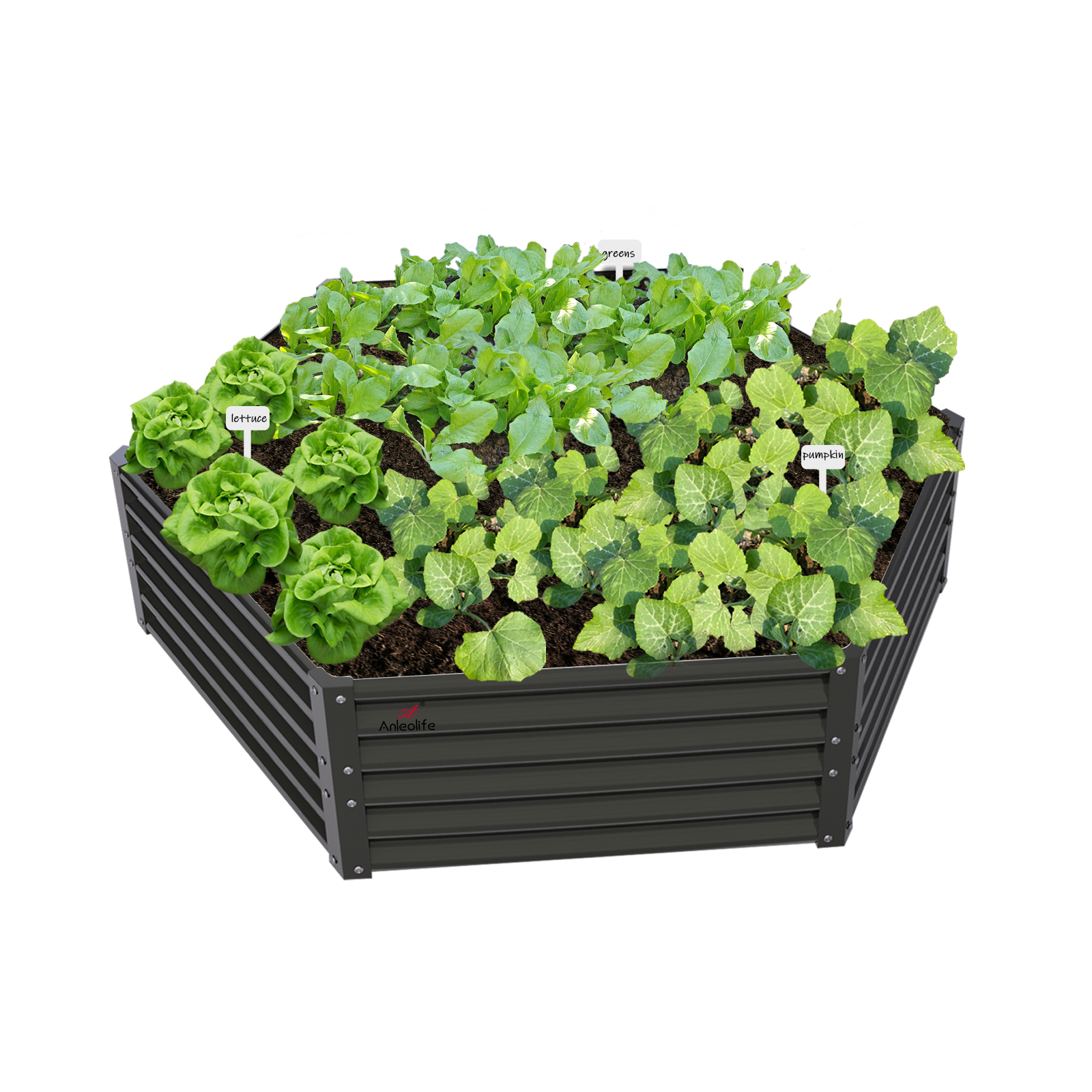
Anleolife's full lineup covers all three categories, with galvanized steel construction across the board that guarantees up to 20 years of use — making your investment in family garden time genuinely long-term.
Making It Stick: The Science, the Sensory Benefits, and the Practical Details
Why the Garden Outcompetes the Screen for Lasting Attention
Behavioral researchers have long noted that what they call "soft fascination" — the gentle, non-demanding attention required by natural environments — is profoundly restorative. A garden delivers this in abundance. Watching a bee navigate a flower, noticing the way morning light catches a dewy leaf, or simply feeling the temperature of the soil shift across the day — these experiences replenish attentional resources that screens deplete. Families who garden regularly report not just less screen time, but better quality of engagement during the time they do spend together indoors.
Choosing the Right Materials for Your Raised Bed
One of the most common questions families ask is: what are the best materials for raised garden beds? The answer depends on your climate, your aesthetic preferences, and how long you want your bed to last. Wood is popular but prone to rot, especially in wet climates — a raised bed made from untreated pine may last only a few seasons. Composite and plastic options are more durable but can leach chemicals and lack the aesthetic appeal many families want.
Galvanized steel consistently emerges as the top choice for families prioritizing both longevity and safety. For those wondering which materials are best for raised beds in wet climates, galvanized steel's corrosion-resistant coating makes it ideal for rainy Pacific Northwest gardens, humid Southern yards, or anywhere that experiences regular precipitation. Anleolife's rust-resistant raised garden beds are specifically engineered for these conditions, with a coating that prevents oxidation even through years of wet-season exposure. Unlike wood, they won't warp, crack, or harbor pests — and unlike plastic, they look genuinely beautiful in a family backyard setting.
For a detailed comparison of how galvanized steel performs against wood across multiple dimensions, the article Galvanized Steel Raised Beds: 7 Reasons They Outperform Wood for Summer Gardening provides an authoritative breakdown.
Watering Tools That Keep Kids Engaged
One of the simplest ways to keep children consistently involved in the garden is to give them their own watering tools. When choosing the best hose nozzles for watering flowers and plants, look for adjustable-spray models with a trigger grip that small hands can operate comfortably. A nozzle with multiple spray patterns — from a gentle mist for seedlings to a stronger jet for established plants — teaches children about the different water needs of different crops. This isn't just gardening; it's a hands-on science lesson about plant biology that no screen-based app can replicate with the same visceral immediacy.
Protecting Your Garden (and Teaching Responsibility)
As your family garden grows, pest management becomes a natural teaching moment. Introducing top rated insect netting materials for vegetable gardens — fine mesh fabrics draped over raised bed hoops — is an excellent project for older children. They can research which insects are beneficial (bees, ladybugs) versus harmful (aphids, caterpillars), then design a netting system that protects vulnerable crops while allowing pollinators access. This kind of problem-solving engagement is exactly what replaces passive screen consumption with active, curious thinking.
Extending Your Garden Day Into the Evening
One underrated strategy for pulling the family outdoors during the evening hours — traditionally peak screen time — is thoughtful garden lighting. The best waterproof outdoor lighting for rainy climates includes solar-powered stake lights and low-voltage LED pathway systems that create a warm, inviting atmosphere around your raised beds after dark. Evening garden walks become a family ritual: checking on today's progress, planning tomorrow's tasks, and winding down in natural surroundings rather than in front of glowing screens. Look for IP65-rated or higher fixtures that are specifically designed for exposure to rain and humidity.
Soil: The Invisible Foundation of Family Gardening Success
Nothing undermines a family's gardening enthusiasm faster than poor soil that produces disappointing results. Getting the soil mix right is therefore not just an agronomic consideration — it's a motivation strategy. A nutrient-rich, well-draining mix produces visible, rewarding growth that keeps kids checking the garden daily. For guidance on building the ideal growing medium, the The Best Soil Recipe for Raised Garden Beds in Summer 2026 is an excellent resource that families can read and implement together as a shared project.
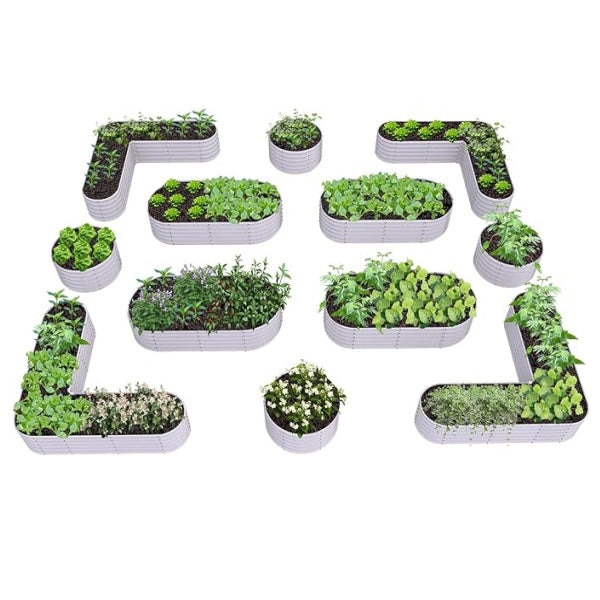
For families interested in how to customize their growing space as their garden grows, How to Customize a Modular Garden Bed System for Your Unique Backyard Shape offers practical guidance on adapting your layout over time.
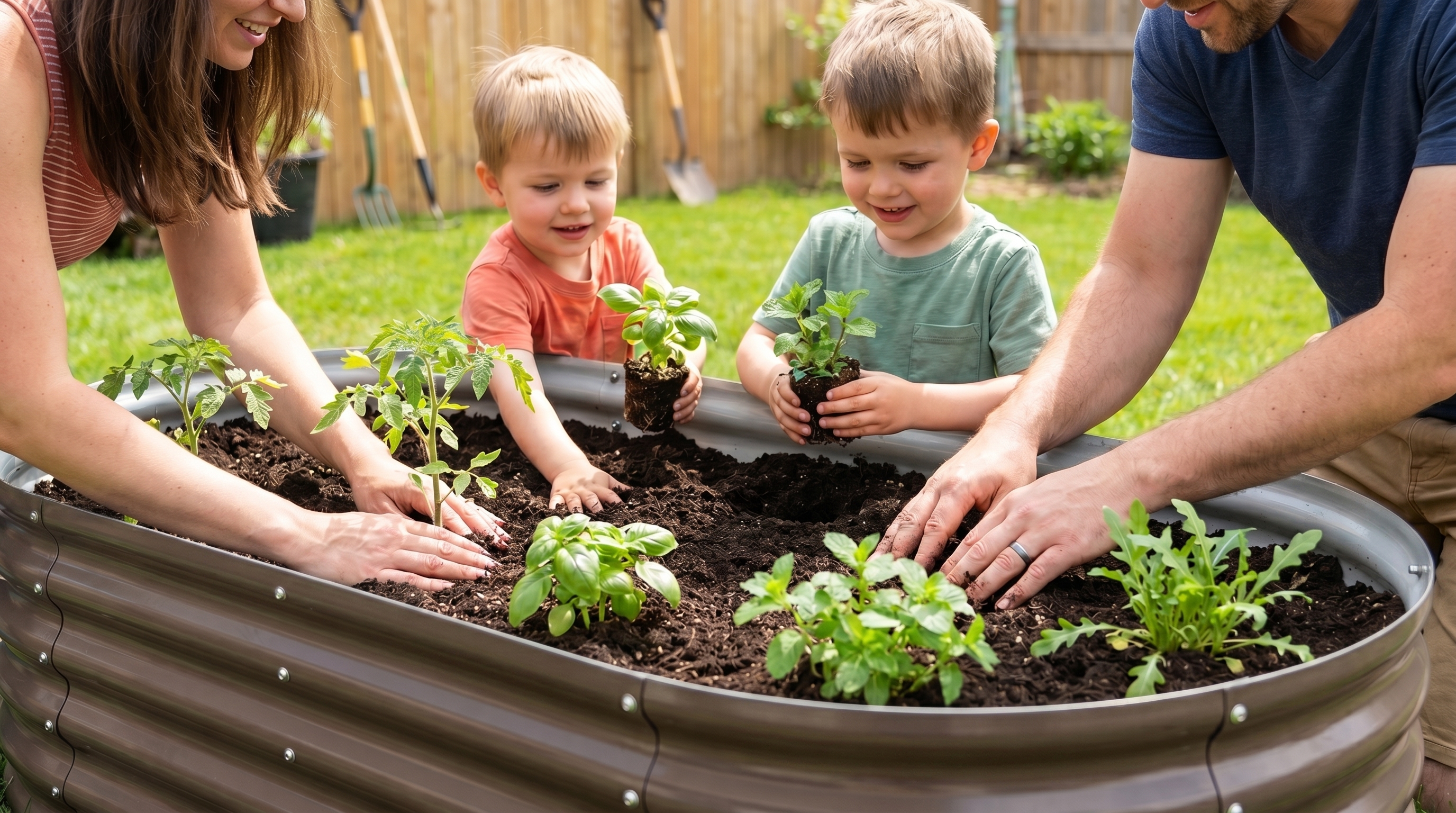
ALT: Parents and children planting vegetables together in a galvanized steel raised garden bed, promoting outdoor family bonding and reducing screen time
Advanced Strategies: Deepening the Garden's Pull on Your Family
Handling the "But I'm Bored" Phase
Almost every family encounters a dip in garden enthusiasm around weeks two or three — typically after the initial novelty wears off but before the first significant harvest arrives. This is the most critical period for cementing the garden habit. The key is to introduce a new element: a second planting of a different crop, a small composting project, or a simple weather station placed near the beds. Giving each family member a new challenge resets engagement. You might also explore seasonal transitions — moving from cool-weather crops to warm-season plants is a naturally engaging project, and the guide on Mid-Summer Raised Bed Maintenance: Your Essential June–July Care Checklist is useful for keeping momentum through changing seasons.
Clearing Up the Misconception That Gardening Is Only for Adults
A persistent myth holds that real gardening is too complex, too physical, or too fragile for children to participate in meaningfully. This simply isn't true — and it's a limiting belief that keeps families from accessing one of the most effective screen-time alternatives available. Children as young as three can help press seeds into soil, water plants, and check for changes. The modular and adjustable nature of Anleolife's raised bed lineup means you can genuinely configure a space that works for a toddler and a grandparent simultaneously. The 35" waist-high beds are particularly well-suited for adults with back concerns, while the standard 18" beds sit at exactly the right height for young children to work at ground level.
Connecting the Garden to Broader Lifestyle Goals
For families who are already eco-conscious and health-oriented, the raised bed garden becomes a hub around which other sustainable habits naturally organize. Home composting feeds the soil. Rainwater collection reduces water use. Growing your own herbs and vegetables reduces grocery packaging waste. Each of these practices is a natural extension of the garden project — and each one gives family members, especially teenagers who respond well to purpose-driven activities, a sense of meaningful contribution to something larger than themselves.
Frequently Asked Questions FAQ
Q1: How long does it take before a raised bed garden starts reducing our family's screen time?
Most families notice a meaningful shift in outdoor engagement within two to three weeks of establishing a daily garden routine. The key is consistency over the first fortnight: a short daily check-in (15–20 minutes) establishes the habit before the novelty fades. By the time the first seedlings emerge and the first harvests approach, the garden's intrinsic rewards — curiosity, anticipation, pride — typically outcompete the screen's passive pull without any additional enforcement from parents.
Q2: Are galvanized steel raised beds safe for growing vegetables that children will eat?
Yes — high-quality galvanized steel raised beds use a zinc-based coating that is considered food-safe by horticultural and regulatory standards. Anleolife's galvanized and rust-resistant raised garden beds are specifically designed for vegetable growing and are widely used by families across North America. The zinc coating does not leach into soil at harmful levels under normal growing conditions. If you are growing root vegetables in direct soil contact with the bed walls, lining with landscape fabric adds an extra layer of reassurance.
Q3: How much does it cost to set up a family raised bed garden, and how long will it last?
Initial setup costs vary based on bed size, soil volume, and plant selection, but a single raised bed garden is achievable for most family budgets. Anleolife's galvanized steel raised garden beds are engineered for up to 20 years of use, making the per-year cost extremely low when amortized over the bed's lifespan. For a detailed breakdown of what to expect financially, the Raised Garden Bed Budget Breakdown: What You Can Expect to Pay This Summer provides current, practical estimates to help families plan their investment.
Summary
Tending a raised bed garden is one of the few screen-time interventions that works not by restricting devices but by making the outdoors irresistibly rewarding. Three core principles drive this success:
- Accessibility matters. A raised bed that every family member — from a four-year-old to a grandparent — can comfortably reach and tend dramatically increases sustained daily engagement. Anleolife's range of bed heights and dimensions makes this genuinely achievable for households of any composition.
- Ownership drives commitment. When each family member has a specific role, a designated area, or a chosen crop, the garden becomes personal. Personal investment is the antidote to passive consumption.
- The rewards are real and growing. Unlike digital entertainment, a garden delivers compounding returns: each week's effort produces visible, tangible, edible results. The satisfaction of harvesting food you grew together is a powerful, lasting memory that strengthens family bonds in ways that shared screen time simply cannot.
Your next step is straightforward: choose a bed size that fits your yard and your family, select three or four beginner-friendly crops, and commit to a 15-minute daily garden check-in for the next two weeks. The habit will build itself from there.
Start Growing Together with Anleolife
Anleolife's nationwide U.S. warehouse network — strategically located in California, Texas, Florida, New York, Illinois, and Washington — ensures delivery within 3–8 business days, so your family's screen-free garden project can begin without delay.
Our products are available across major platforms including Amazon, Walmart, Home Depot, Lowe's, Wayfair, and directly at Anleolife.com, providing consistent quality assurance and dedicated after-sales support wherever you prefer to shop.
Anleolife's three core garden scenarios — Planting (metal raised garden beds, soil systems), Raising (chicken coops, rabbit hutches), and Beautification (decorative accessories, pathway systems) — provide everything your family needs to build a complete, living outdoor environment from the ground up.
We understand that an ideal garden is not built overnight, but improved gradually over time. Our modular product design allows flexible expansion based on your family's growing ambitions — from your first raised bed to a fully integrated planting-and-raising ecosystem. We grow with you, every step of the way.
References
- American Academy of Pediatrics. "Screen Time and Children: How to Guide Your Child."
https://www.healthychildren.org/English/family-life/Media/Pages/The-Benefits-of-Limiting-TV.aspx - National Institutes of Health (NIH). "Screen Time and Children's Development."
https://www.nih.gov/news-events/nih-research-matters/how-screen-time-affects-children - University of Illinois Extension. "Gardening with Children: Benefits and Best Practices."
https://extension.illinois.edu/blogs/good-growing/2020-06-19-gardening-children-benefits-and-activities - American Horticultural Therapy Association. "Horticultural Therapy and the Benefits of Nature-Based Activities."
https://www.ahta.org/horticultural-therapy - USDA National Institute of Food and Agriculture. "Community and School Gardening Programs."
https://www.nifa.usda.gov/topics/community-food-systems
Note: Standards and research findings may be updated. Please check the latest official documents or consult professional advisors for current recommendations.
About Anleolife
Anleolife is a leading outdoor garden solutions provider in North America, dedicated to offering a full-scenario product ecosystem for home gardening enthusiasts, covering planting, raising, and garden beautification. Since its founding, we have upheld our brand mission, "Made for Garden Life," continuously innovating products and optimizing services to help hundreds of thousands of users upgrade their gardens, reconnect with nature, and enjoy a better garden lifestyle.