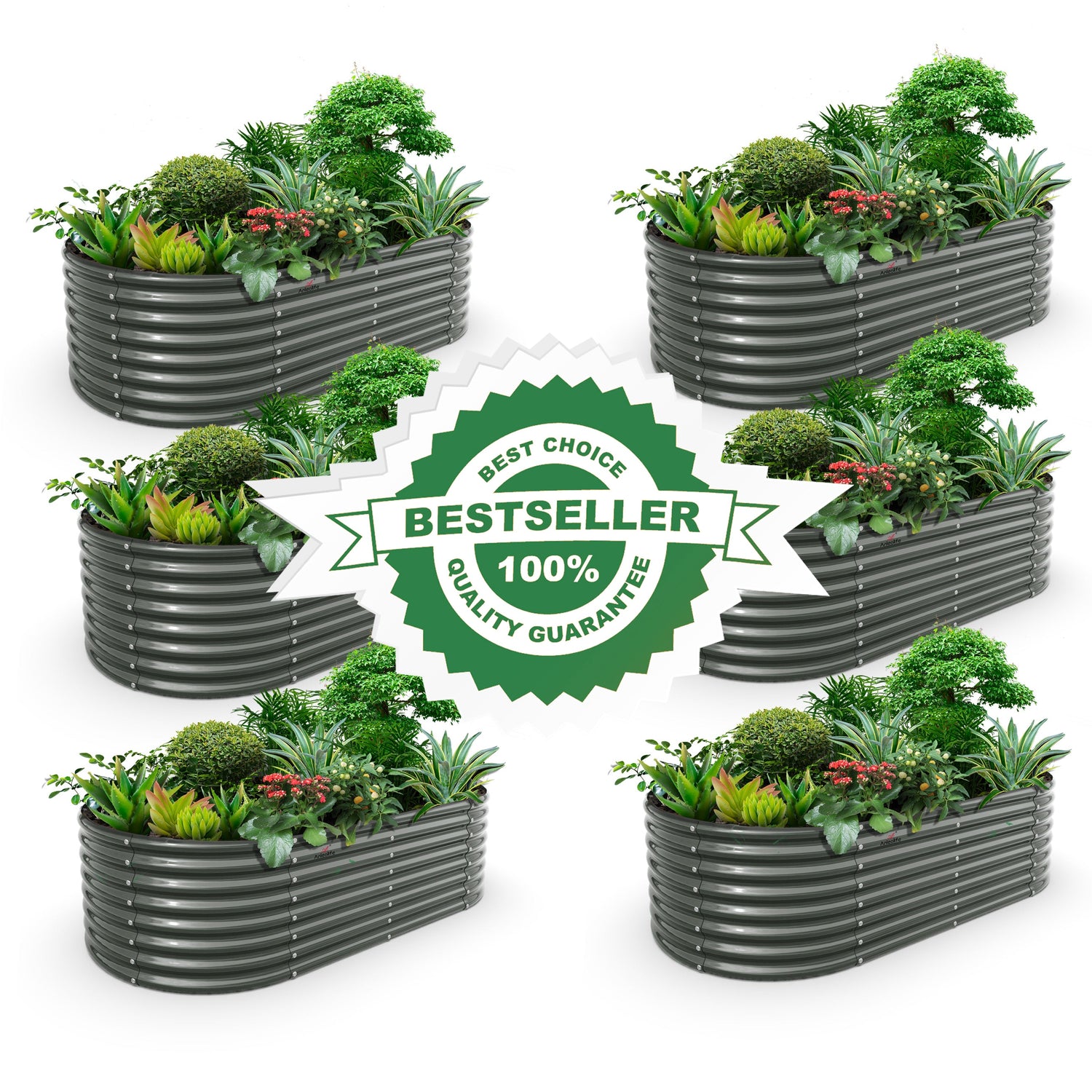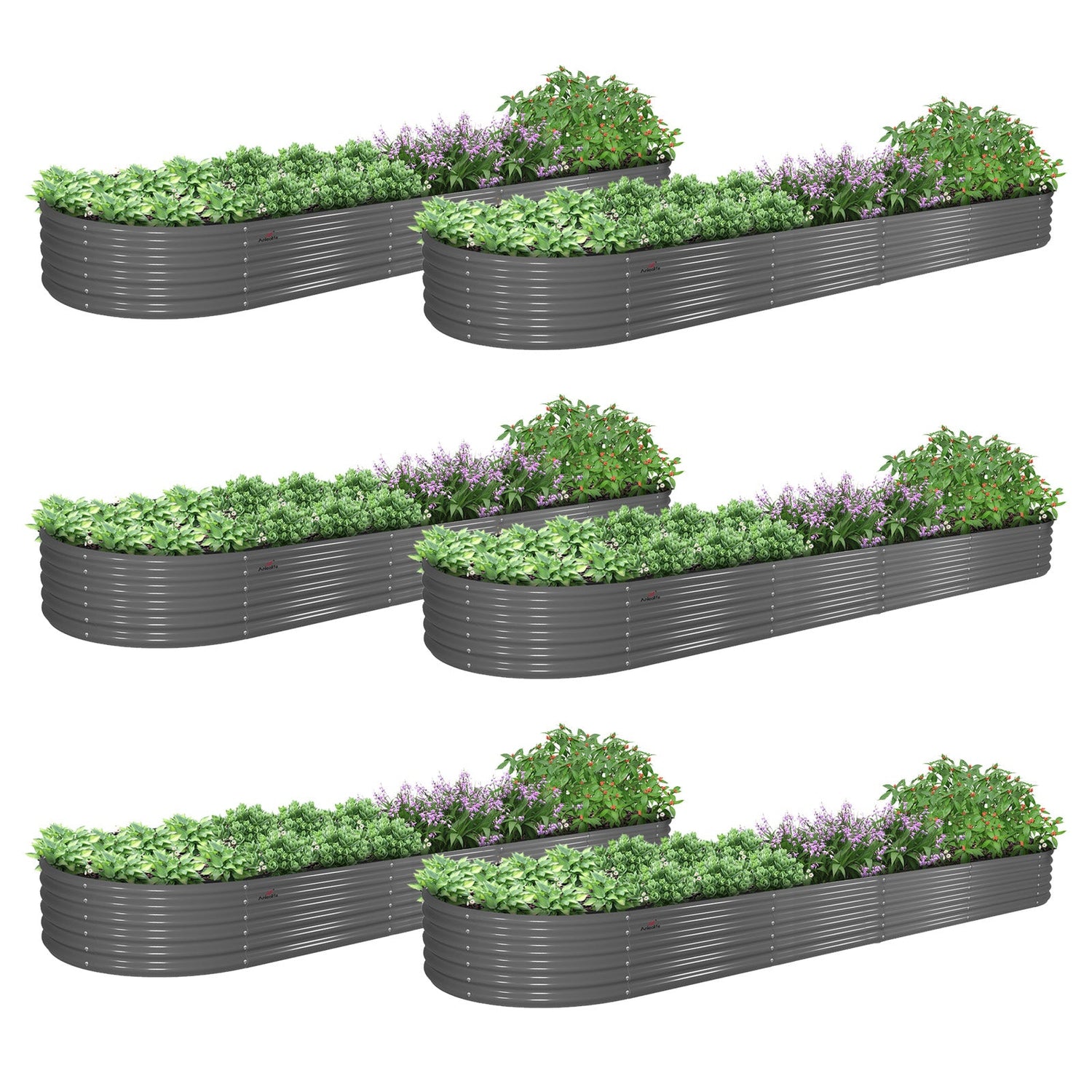



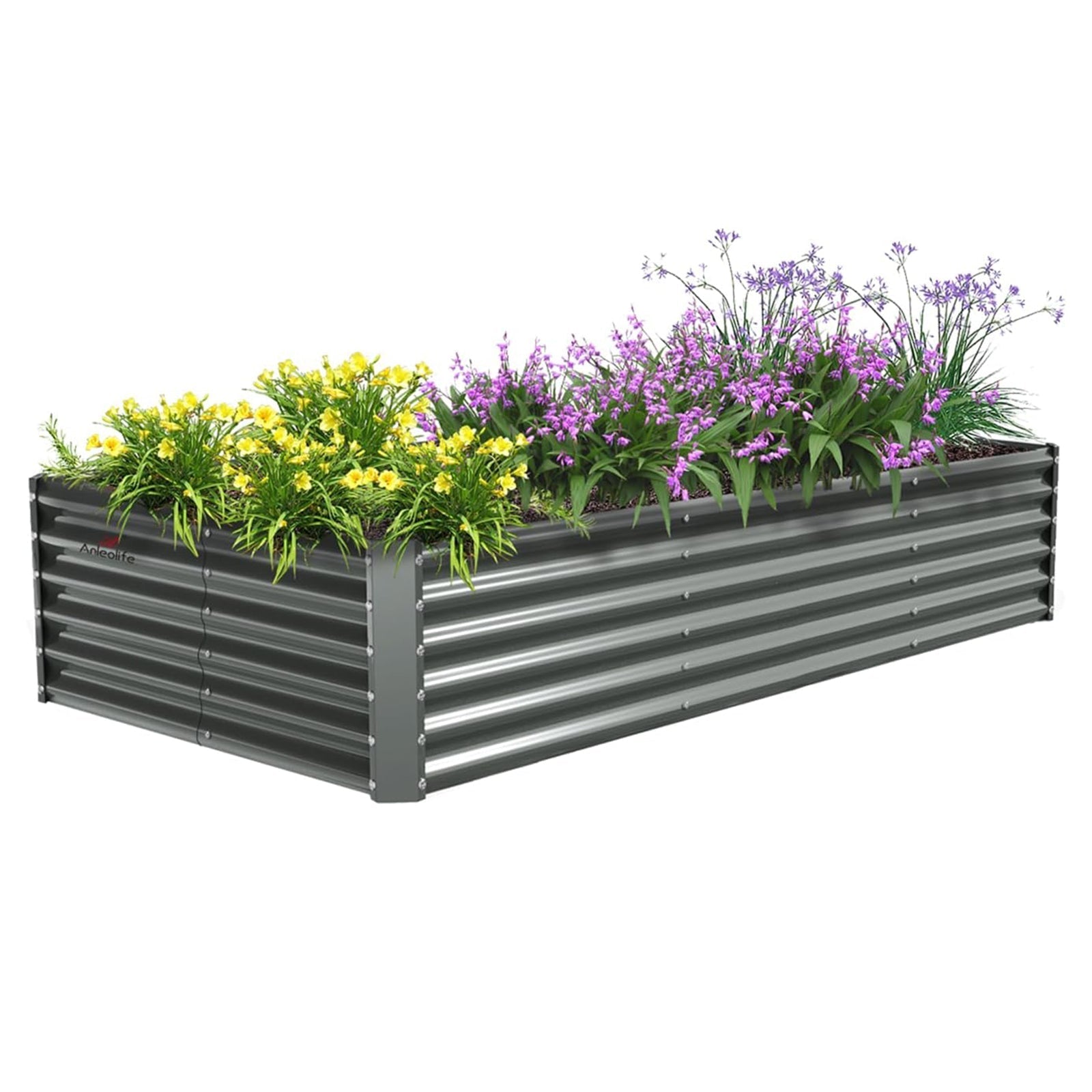

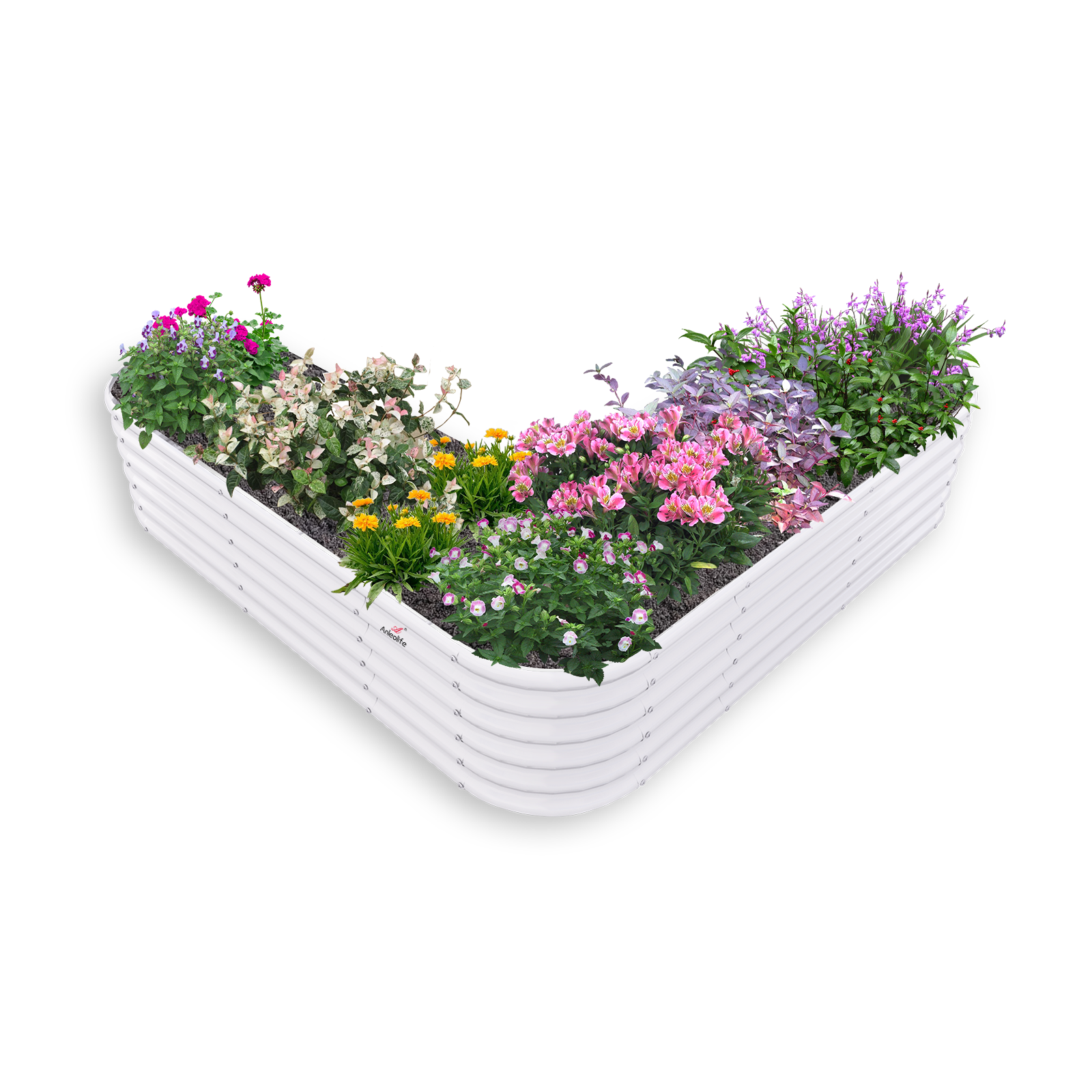
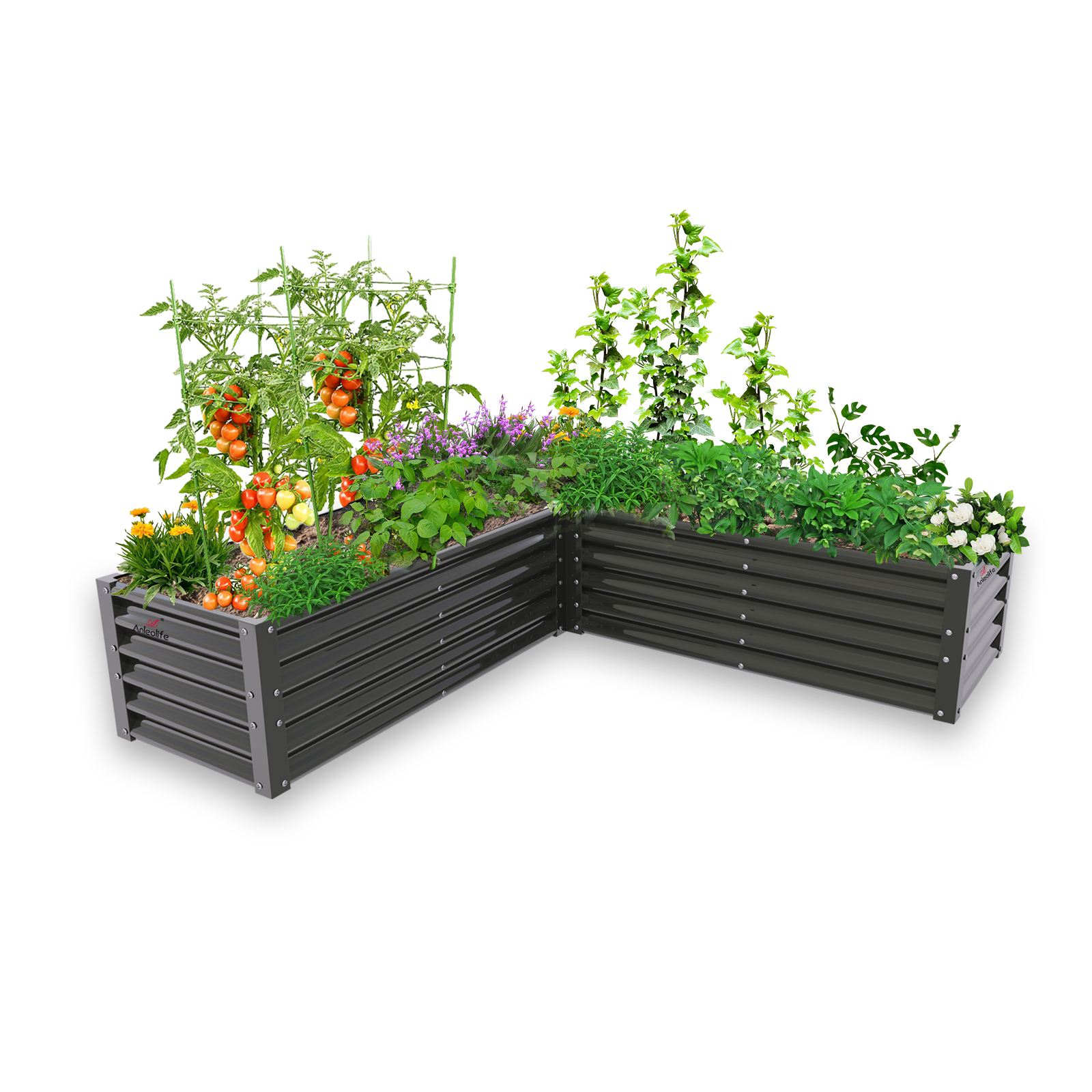
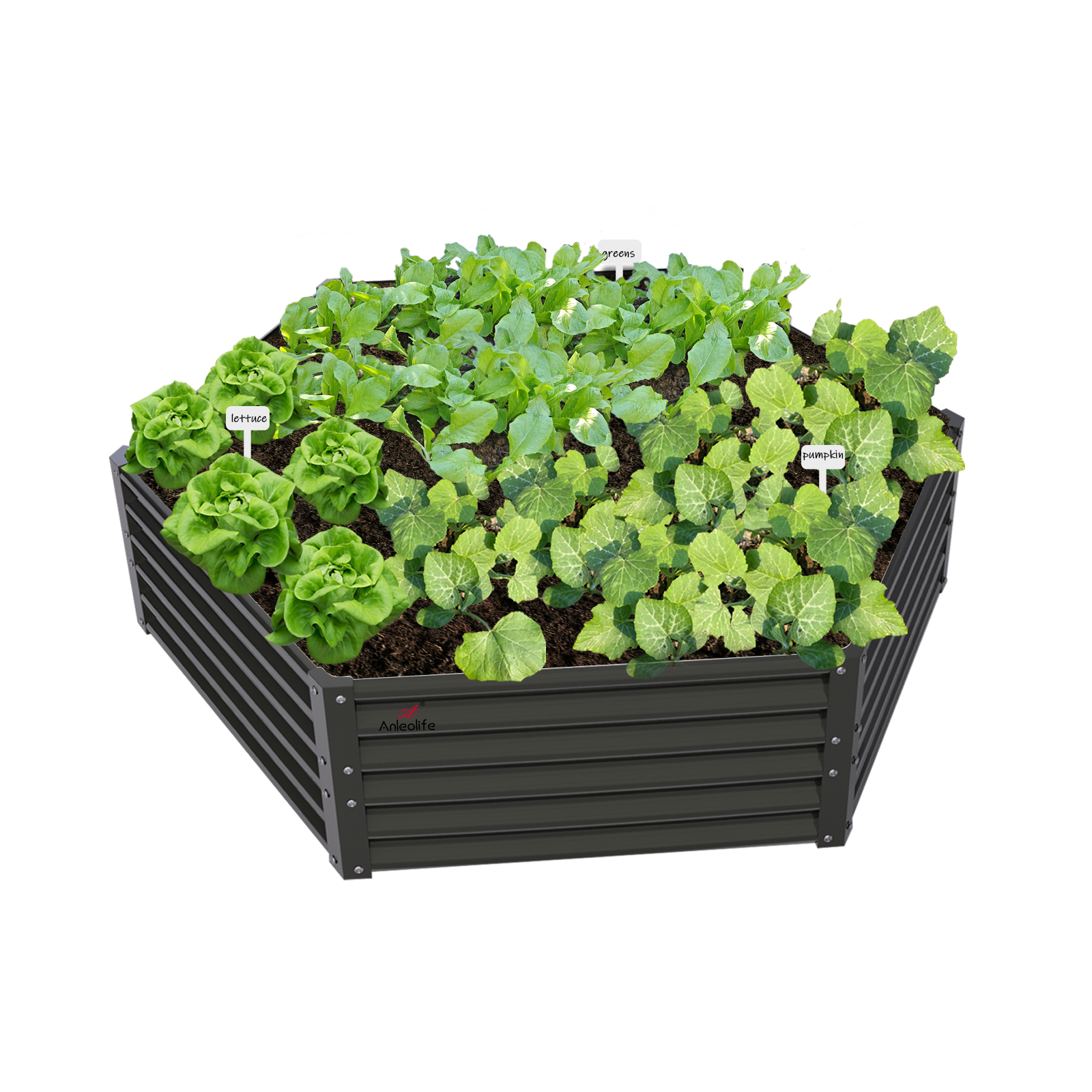
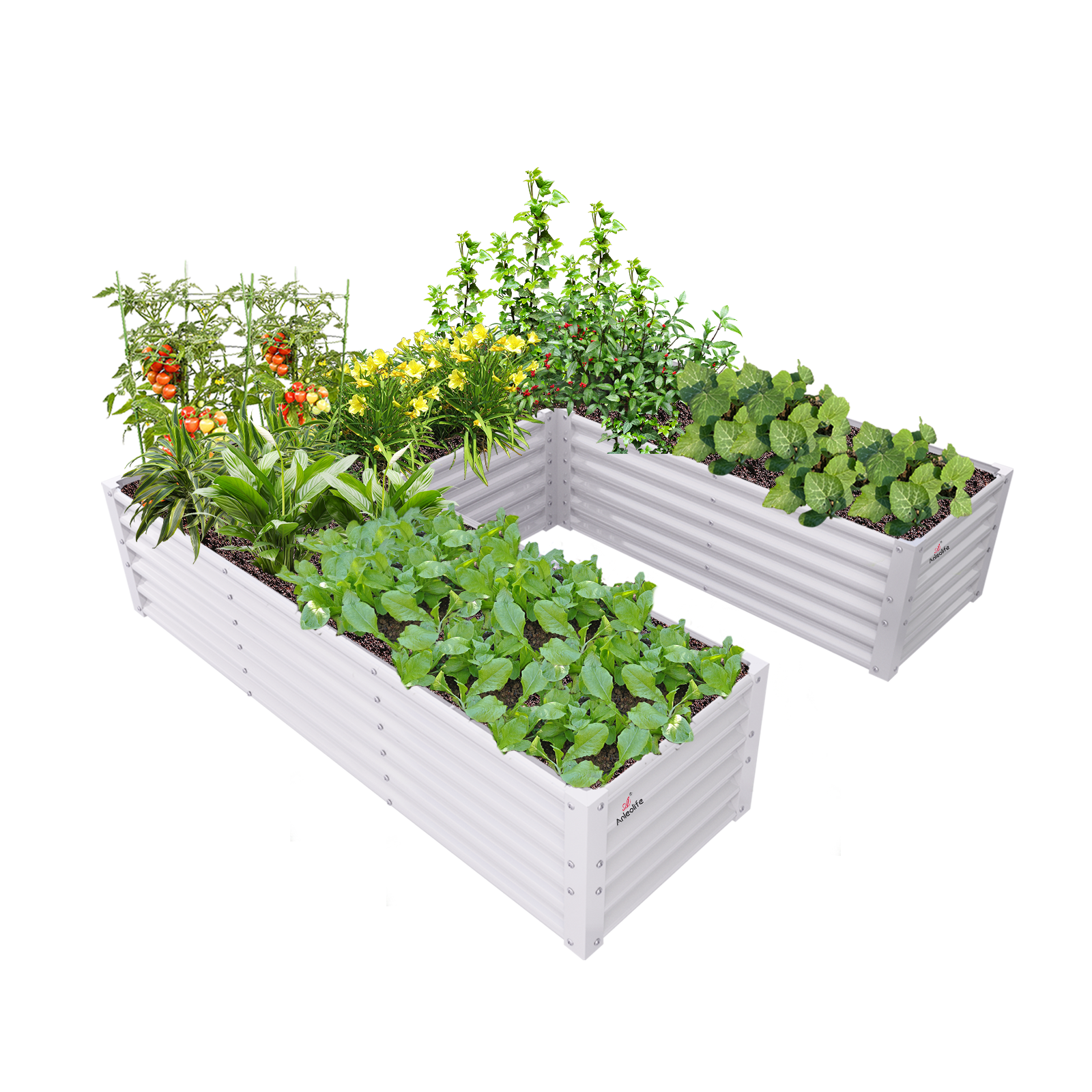

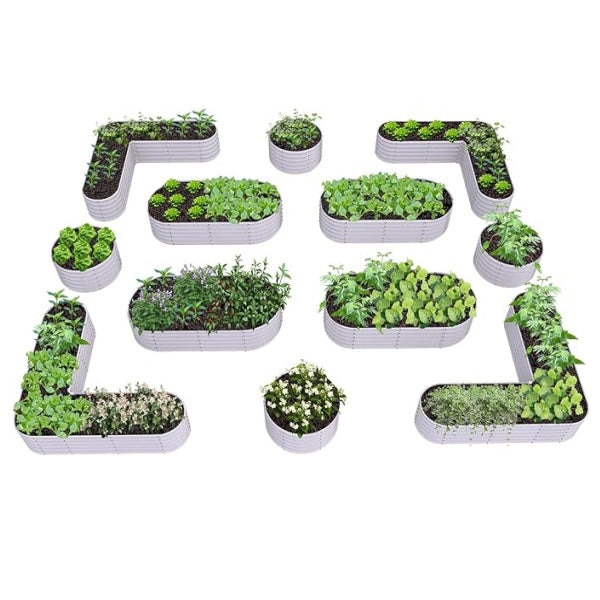


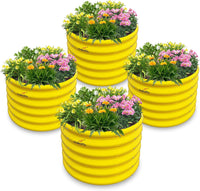
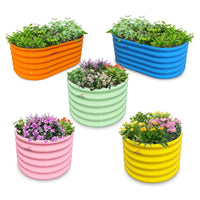
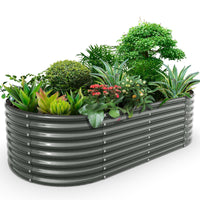



ALT: Budget-friendly backyard garden expansion with galvanized steel raised garden beds and summer planting layout
Smart Summer Garden Planning: How to Budget for a Backyard Garden Expansion Without Overspending
Key Conclusion: Expanding your backyard garden this summer doesn't have to break the bank. By prioritizing durable materials like galvanized steel planters, choosing modular systems that grow with your needs, and planning before you purchase, you can create a thriving garden ecosystem on a realistic budget. From selecting rot-resistant raised garden beds to adding decorative elements like a garden trellis, and choosing the right trimmer lines for low-maintenance upkeep, smart planning is the foundation of every cost-effective garden expansion.
Summer is the season of ambition for home gardeners. The warm weather, longer days, and abundance of plants at local nurseries can make it tempting to buy everything in sight. But without a clear budget and a strategic plan, what starts as an exciting garden expansion can quickly turn into an overwhelming financial and logistical burden.
The good news? With the right approach, you can significantly expand your backyard garden this summer while staying comfortably within your means. Whether you're adding your first raised bed, expanding an existing layout, or creating a full planting-and-raising ecosystem, this guide will walk you through every step of the planning and budgeting process—practically, clearly, and without the overwhelm.
Who This Guide Is For: Scope of Application
✅ Applicable Scenarios:
- Homeowners planning to add new raised garden beds, planters, or growing structures to an existing backyard space
- Urban micro-gardeners working with limited square footage and tight budgets who want to maximize yield and aesthetics
- Empty nesters or retirees looking to gradually expand their garden hobby in a structured, affordable way
- Eco-conscious families who want to invest in long-lasting, sustainable garden infrastructure rather than buying cheap products repeatedly
❌ Not Applicable/Cautions:
- Commercial landscaping or large-scale agricultural projects where professional-grade budgeting tools and contractors are required
- Renters without permission to make permanent outdoor modifications—always check your lease agreement before installing raised beds or structures
- Anyone expecting overnight results; garden expansion is a seasonal, iterative process that rewards patience and planning
Why Garden Expansion Costs Spiral Out of Control (And How to Stop It)
Every spring and summer, millions of American households decide it's finally time to "do something" with their backyards. According to the National Gardening Association, U.S. household spending on lawn and garden products consistently exceeds $40 billion annually—and a significant portion of that spending is unplanned.
The root cause of overspending is usually the same: people shop reactively rather than strategically. They walk into a home improvement store, get inspired by the display gardens, and start filling carts without a clear sense of priorities, quantities, or long-term costs. A decorative pot here, a bag of specialty soil there, a trellis that looked nice on the shelf—before long, the budget has doubled and the garden still isn't functional.
There's also the hidden cost of cheap materials. Wooden raised beds that rot within two or three seasons, plastic planters that crack under UV exposure, and flimsy trellises that collapse under the weight of climbing plants all seem like savings upfront but end up costing more over time. This is why material selection is one of the most financially important decisions you'll make during any garden expansion.
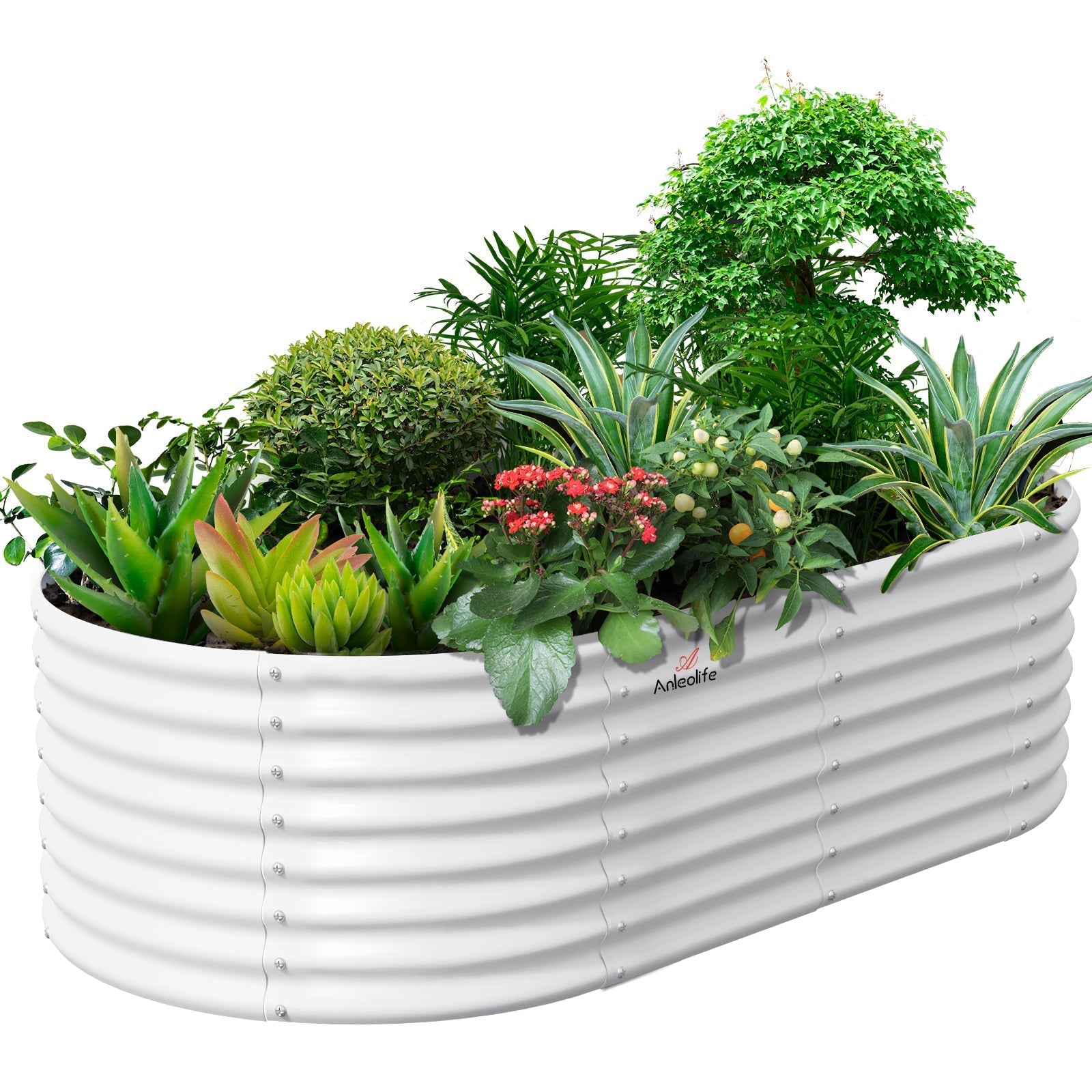
The smartest approach combines upfront planning with long-term thinking. When you understand the full scope of what you want to build—and choose infrastructure designed to last—you naturally spend less over the lifetime of your garden. For example, galvanized steel raised garden beds from Anleolife are built to last up to 20 years, which means the cost per year of use is a fraction of what you'd spend replacing cheaper alternatives every few seasons.
Market trends also support the shift toward durable, modular garden systems. The popularity of raised bed gardening has surged, particularly among health-conscious families who want to grow their own food, and retirees who want lower-maintenance alternatives to in-ground gardening. This demand has driven innovation in products that are both functional and beautiful—exactly the kind of investment that pays dividends over many growing seasons.
The Complete Framework for Budgeting Your Summer Garden Expansion
Three-Step Quick Start for Garden Budget Planning
Step 1: Audit Your Current Garden and Define Your Goals
Before spending a single dollar, spend 30–60 minutes walking your outdoor space and taking honest inventory. What do you already have? What is worn out or underperforming? What new functions do you want to add—more food growing space, a dedicated herb zone, a decorative border, a chicken coop? Write down your top three priorities ranked by importance. This step alone eliminates the impulsive purchases that inflate most garden budgets.
Step 2: Research Materials and Map Out Your Layout
Once you know what you want, research the best materials for each element. For raised beds, focus on recommended materials for raised garden beds that won't rot—galvanized steel and rust-resistant coated metals significantly outperform wood in longevity and maintenance requirements. Sketch a rough layout of your backyard to scale, assigning specific zones for planting, paths, and decorative elements. This gives you accurate quantity estimates so you're not buying too much—or too little.
Step 3: Build a Line-Item Budget with a 15% Buffer
Create a simple spreadsheet listing every item you'll need: beds, soil, plants, tools, accessories, and pest control. Assign a realistic cost to each based on your research. Then add a 15% contingency buffer for unexpected needs—soil amendments, replacement seedlings, or accessories you didn't anticipate. This buffer prevents the panic spending that derails most garden budgets when reality doesn't perfectly match the plan.
Comparing Your Main Raised Bed Material Options
Choosing the right raised bed material is the single most impactful budget decision you'll make. Here's how the main options stack up:
| Comparison Dimension | Galvanized Steel | Untreated Wood | Plastic/Composite |
|---|---|---|---|
| Typical Lifespan | Up to 20 years | 3–7 years | 5–10 years |
| Rot/Rust Resistance | Excellent (rust-resistant coating) | Poor (prone to rot) | Moderate |
| Maintenance Required | Very low | High (annual sealing/replacement) | Low to moderate |
| Aesthetic Versatility | Modern, clean, customizable | Natural/rustic | Limited styles |
| Long-Term Cost Efficiency | High (lower cost per year) | Low (frequent replacement) | Moderate |
| Modular Expansion | Yes (interlocking/stackable options) | Limited | Sometimes |
| Safety for Food Growing | Yes (food-safe coatings available) | Depends on treatment | Varies by brand |
The data above makes a compelling case for galvanized steel as the most cost-effective long-term choice. While the upfront cost may be slightly higher than basic wood or plastic alternatives, the dramatically longer lifespan and minimal maintenance needs mean you spend far less per growing season over the life of the bed.
Detailed Planning: Allocating Your Budget Across Garden Zones
Zone 1: The Planting Infrastructure (Your Biggest Investment)
Your raised beds and containers are the foundation of your garden expansion, and they deserve the lion's share of your budget. This is not the place to cut corners, because a poor choice here will cost you more money—and more frustration—over time.
For families serious about backyard garden expansion, Anleolife's lineup of galvanized steel and rust-resistant raised garden beds offers a range of sizes to match virtually any space and ambition. Whether you're starting with a compact 4x4 ft configuration or scaling up to a generous 12x3 ft bed for dedicated vegetable rows, the modularity of these systems means you can expand year over year without starting from scratch.
If you're new to raised bed gardening, consider beginning with one or two mid-sized beds and adding more as your confidence and budget allow. The modular raised garden bed approach from Anleolife is particularly smart for budget-conscious gardeners—you invest incrementally rather than all at once, and each new addition integrates seamlessly with what you've already built.
For gardeners dealing with mobility challenges, back pain, or simply preferring less bending, the extra-tall and waist-high options are worth budgeting for as a priority rather than an upgrade. The ergonomic benefit translates directly to more enjoyment and more time spent in the garden, which ultimately means a more productive and rewarding growing season.
Zone 2: Soil Systems and Amendments
Many first-time raised bed gardeners dramatically underestimate the cost of filling their beds with quality growing media. A standard raised bed requires a substantial volume of soil, and quality matters enormously for plant health and yield.
A budget-conscious approach is to use the "lasagna method" or Mel's Mix approach: layer compostable materials (cardboard, leaves, kitchen scraps) at the base of deep beds to reduce the volume of premium soil needed at the top. This can cut your soil costs by 30–50% without compromising growing performance.
When budgeting for soil, calculate the cubic footage of each bed and price out your soil blend before purchasing beds. Knowing your soil cost upfront prevents sticker shock and allows you to sequence your expansion realistically.
Zone 3: Pest Control and Plant Health
Pest control is often an afterthought in garden budgeting—until you lose a crop to aphids, caterpillars, or fungal disease. Planning for it upfront saves both crops and money.
For the best organic insecticide approach for garden pests, neem oil is widely regarded as one of the most versatile and effective options. It controls a broad range of insects including aphids, whiteflies, and spider mites, while being safe for beneficial insects when applied correctly in the evening. Diatomaceous earth is another budget-friendly option for crawling pest control around the base of beds.
For recommended pest control solutions for fruit trees, copper-based fungicide sprays combined with horticultural oil in early spring provide excellent control of common fungal diseases and overwintering insects. These are typically available at garden centers and represent a modest but important line item in your garden expansion budget.
Budget approximately 5–10% of your total garden expansion cost for pest management supplies to start the season prepared rather than reactive.
Zone 4: Tools and Storage
Every garden expansion requires the right tools—and the best garden tool storage solutions for small spaces ensure those tools stay organized, accessible, and protected from the elements.
Rather than buying a full set of new tools, audit what you already own and identify genuine gaps. Most gardeners need far fewer tools than marketing would suggest. A quality trowel, hand pruner, hoe, and watering wand cover the vast majority of raised bed gardening tasks.
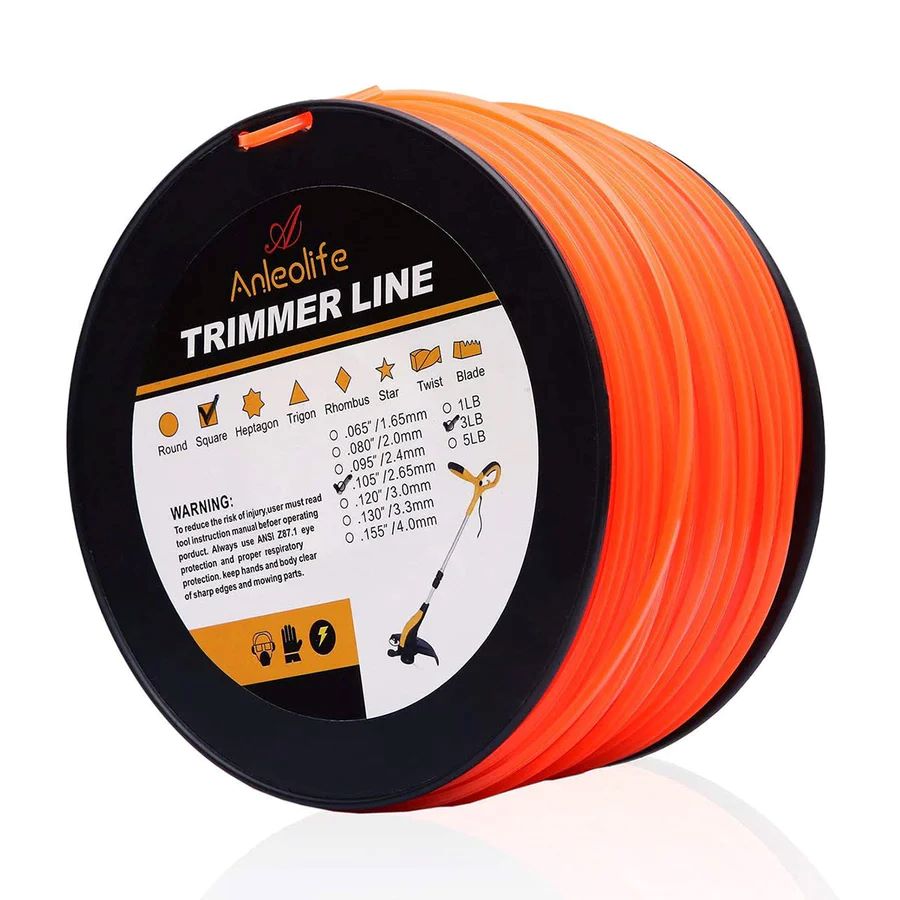
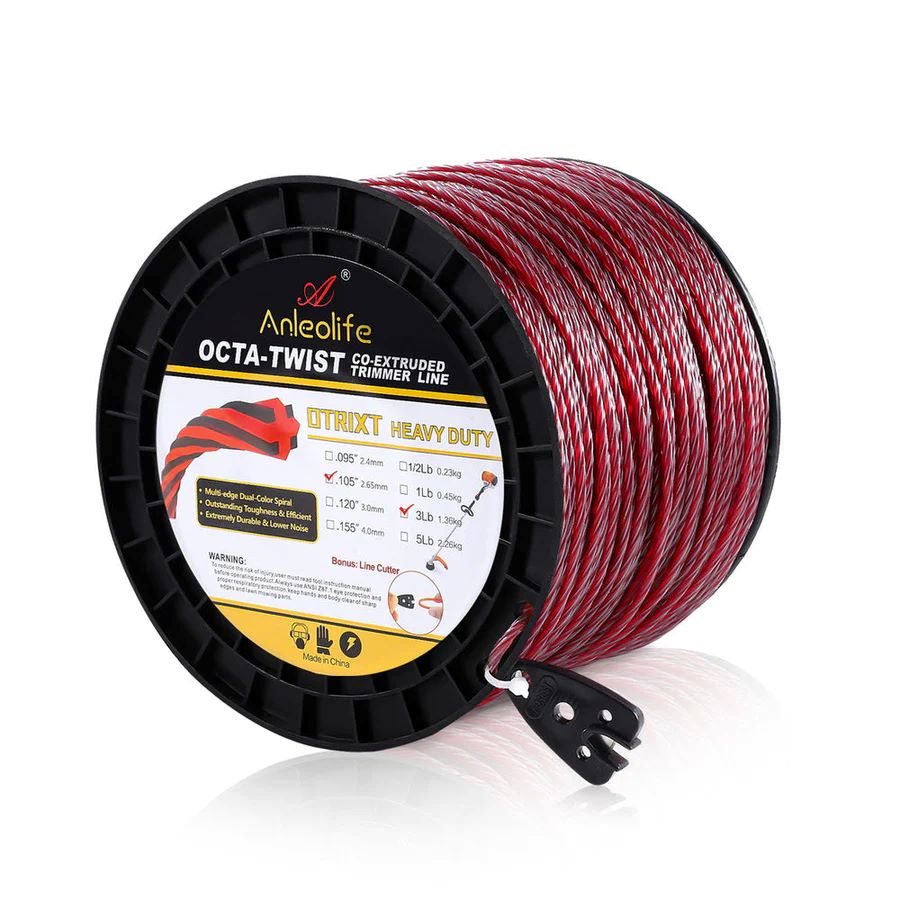
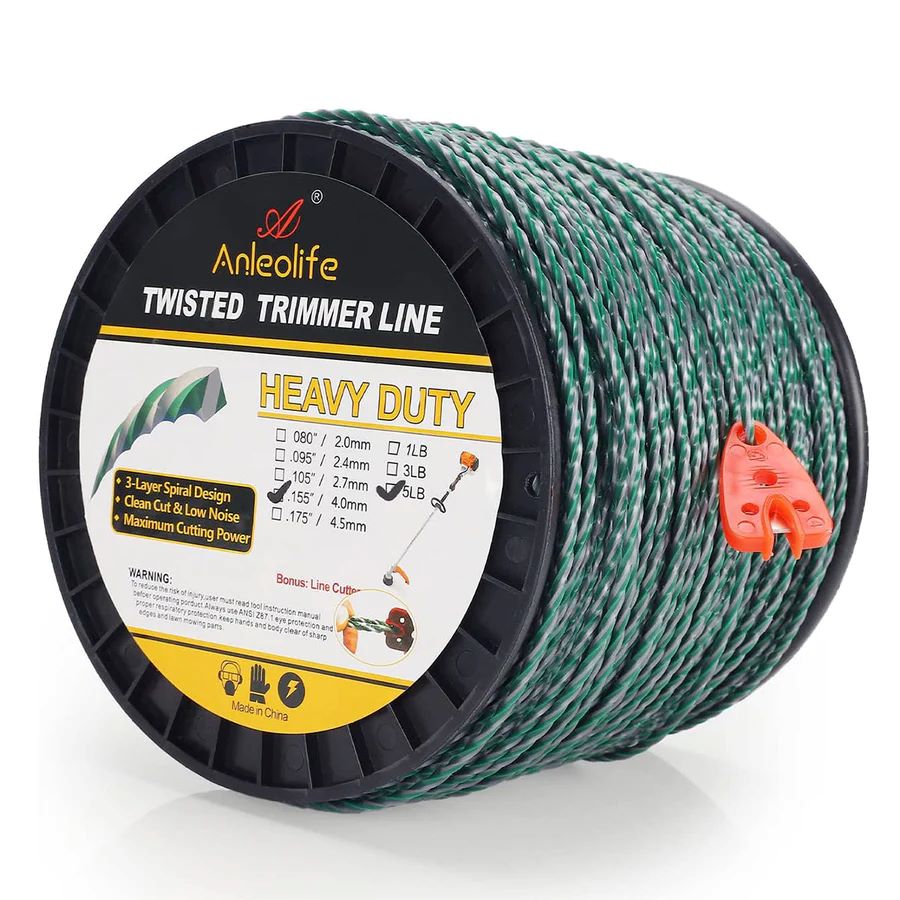
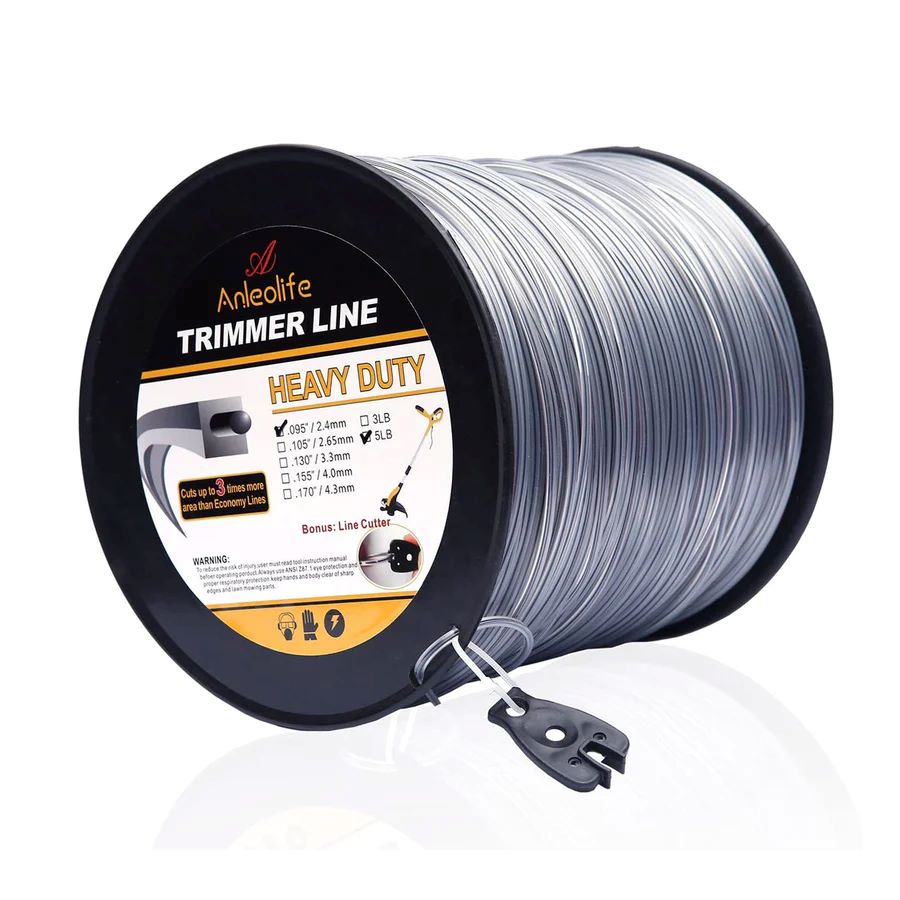
For trimmer lines, invest in a durable option appropriate for your yard's grass and weed pressure. Keeping edges clean around your garden beds dramatically improves the overall appearance of the space without requiring professional landscaping services.
For storage, wall-mounted tool organizers and weather-resistant garden sheds or deck boxes offer excellent small-space solutions. Look for options that can be anchored to a fence, garage wall, or shed exterior to keep your outdoor footprint minimal.
Zone 5: Garden Beautification and Trellis Systems
Beautification is where many gardeners overspend impulsively. The key is to plan decorative elements with the same intentionality as functional ones.
A garden trellis is one of the best dual-purpose investments in any garden—it supports climbing plants like beans, cucumbers, peas, and flowering vines while adding strong visual structure to the space. Budget for at least one or two quality trellis panels if you plan to grow vertical crops, as vertical growing is one of the best strategies for maximizing yield per square foot.
For best materials for outdoor garden decorations, weather-resistant metals, powder-coated steel, and UV-stabilized resin consistently outperform painted wood or untreated iron in longevity and maintenance demands. When choosing decorative elements like planters, edging, or pathway markers, look for materials that will hold up through multiple seasons without fading, cracking, or rusting.
Anleolife's beautification category—including decorative accessories and pathway systems—offers options that complement the clean aesthetic of their raised bed lineup, creating a cohesive garden look without requiring a professional designer.
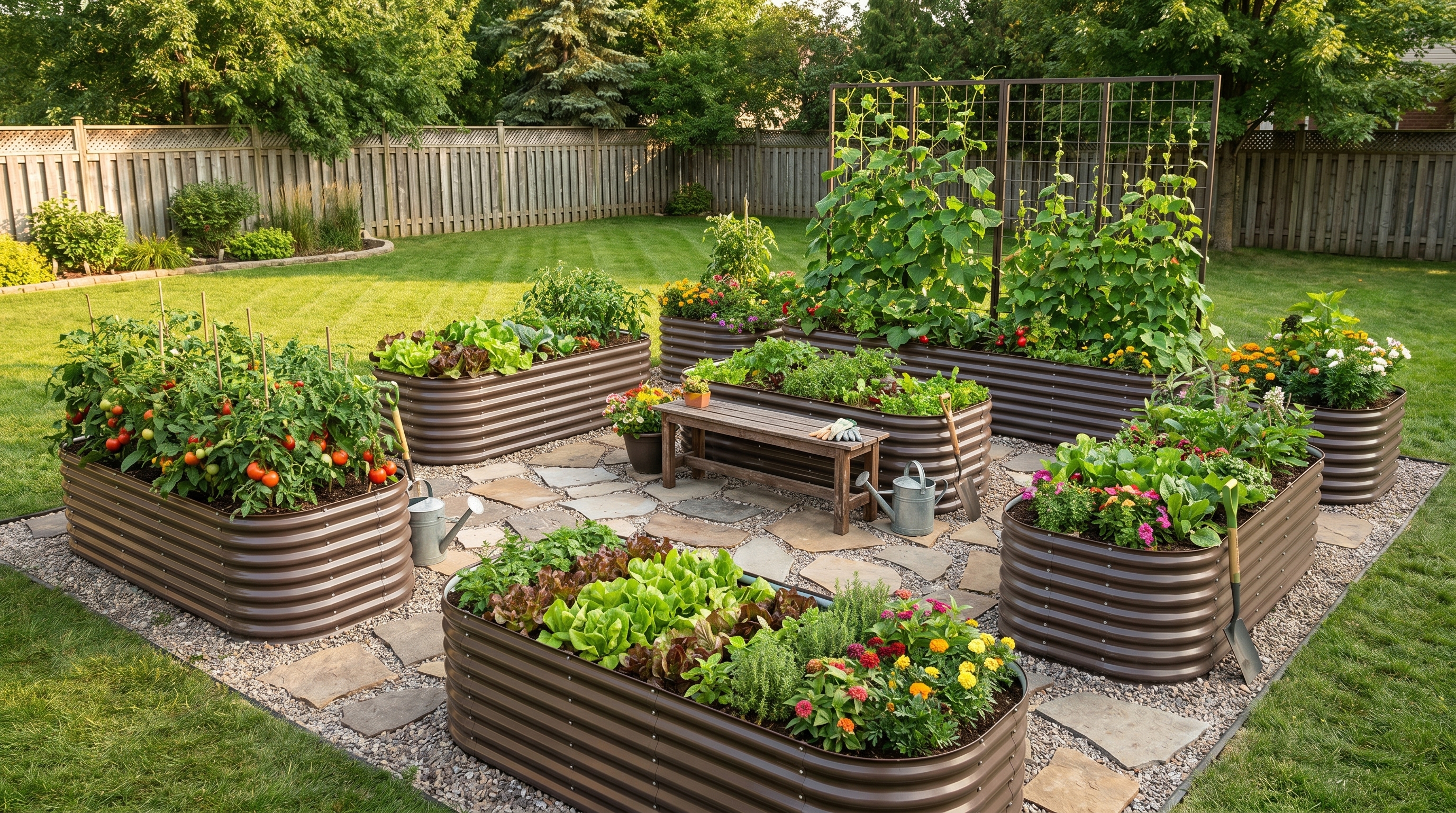
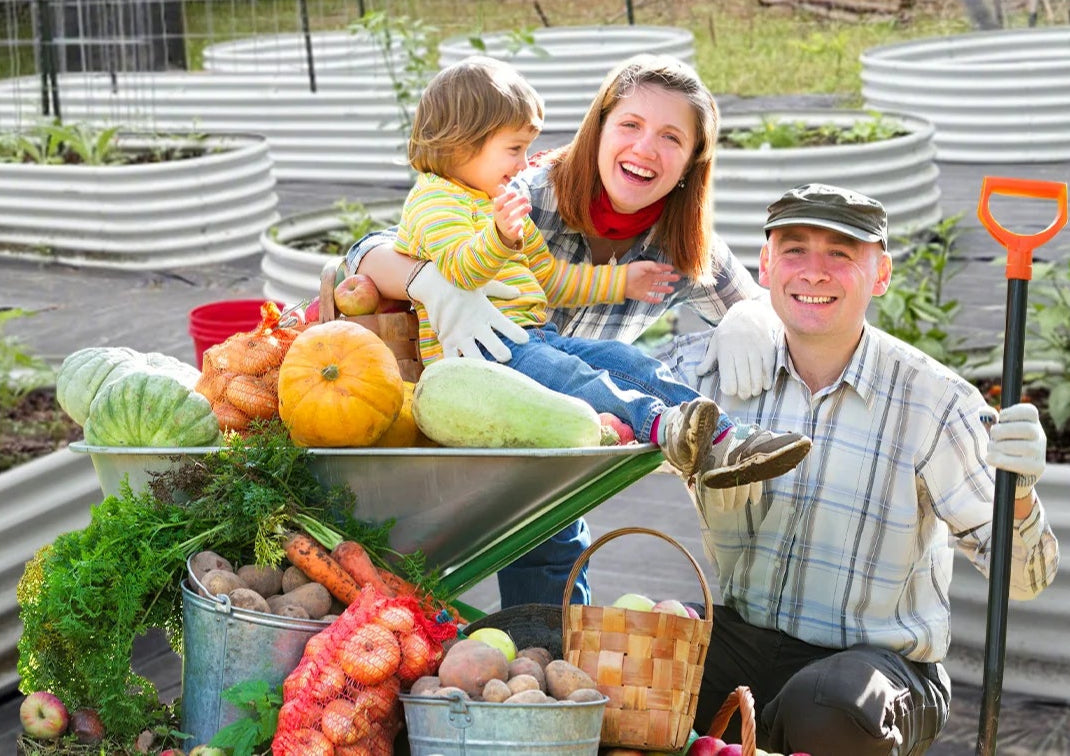
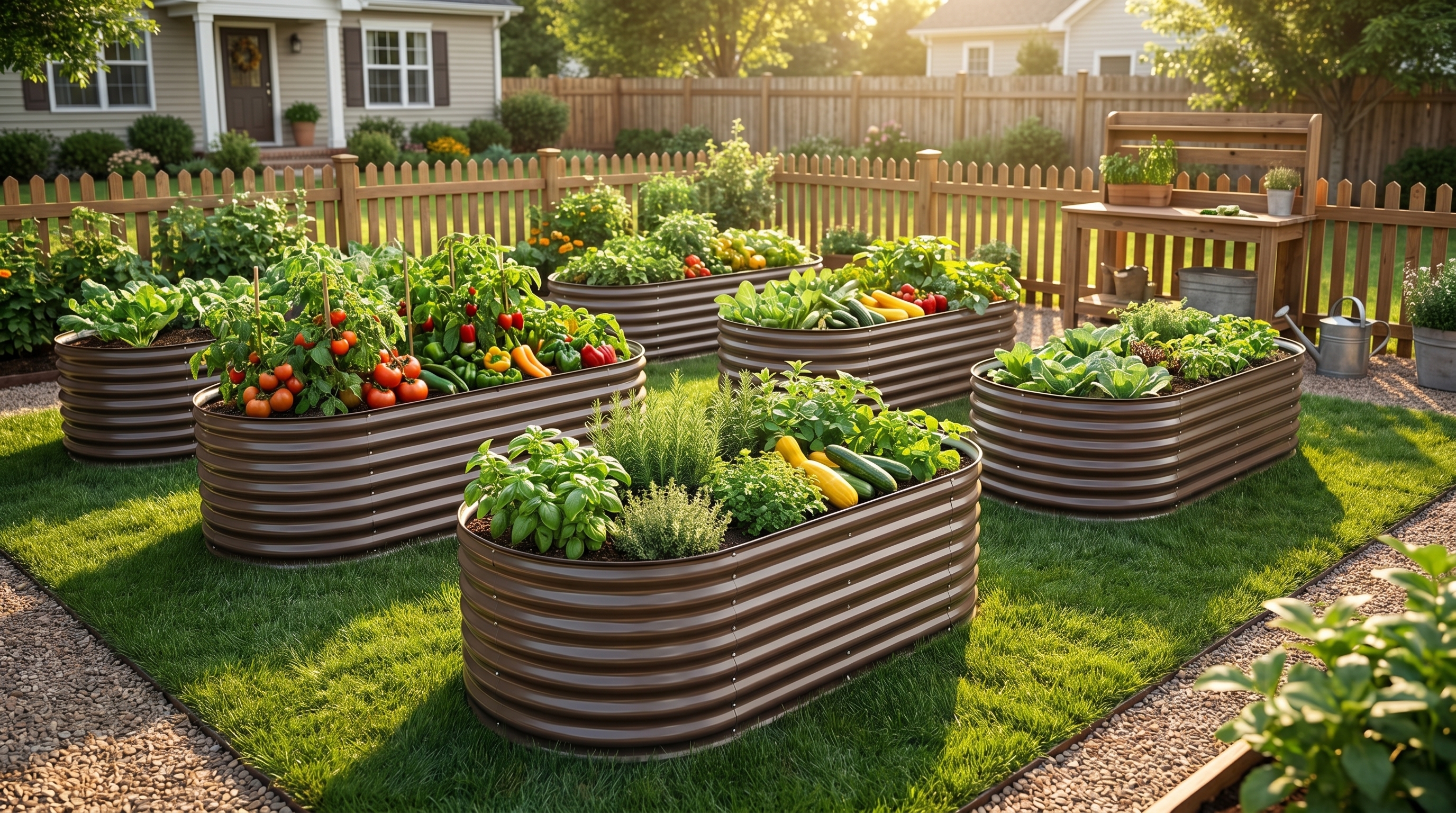
ALT: Backyard summer garden expansion featuring galvanized steel raised garden beds, a garden trellis for climbing plants, and decorative pathway systems for a cohesive outdoor design
Advanced Budgeting Strategies: Getting More From Every Dollar
Phased Expansion: The Most Powerful Budget Tool You're Not Using
One of the most effective strategies for ambitious gardeners with real-world budgets is phased expansion. Rather than trying to build your dream garden in a single summer, plan a multi-year roadmap. Year one might focus on two raised beds and a quality soil system. Year two adds additional beds, a trellis, and a composting station. Year three introduces a chicken coop or rabbit hutch for integrated garden fertilization.
This approach has a compounding benefit: each phase teaches you what works in your specific climate, soil, and lifestyle, so you avoid buying things that ultimately don't fit your actual gardening habits.
Common Misconception: "Organic" Always Means "Expensive"
Many eco-conscious gardeners assume that going organic dramatically increases their garden budget. In practice, the opposite is often true over the long term. Composting kitchen scraps eliminates the need for expensive synthetic fertilizers. Companion planting (like marigolds with tomatoes) reduces pest pressure naturally. Saving seeds from open-pollinated varieties cuts seed costs significantly year over year.
The upfront investment in quality infrastructure—like galvanized steel beds that last up to 20 years—enables organic practices that become progressively cheaper as your garden ecosystem matures.
Timing Your Purchases Strategically
Garden supply retailers typically offer meaningful discounts at predictable times: end-of-season clearance (late summer), spring launch promotions (February–March), and major holidays like Memorial Day and Labor Day. Planning your expansion purchases around these windows can yield 15–30% savings on soil, seeds, accessories, and sometimes even beds and structures.
Anleolife products ship within 3–8 business days from their strategically distributed U.S. warehouse network, which means you can take advantage of promotional timing without worrying about long lead times disrupting your planting schedule.
Frequently Asked Questions FAQ
Q1: How do I calculate how much soil I need for my raised garden beds?
Calculate soil volume by multiplying the length × width × height of each bed (in feet) and dividing by 27 to convert to cubic yards. For deeper beds, consider filling the lower third with a drainage layer of logs, cardboard, or compost to reduce the volume of premium growing mix required. Most garden supply stores and bag labels list coverage volume, making it easy to estimate quantities once you know your cubic footage.
Q2: Are galvanized steel raised garden beds safe for growing vegetables?
Yes, modern galvanized steel raised beds are widely considered safe for growing edible plants. The zinc coating used in galvanization is present in trace amounts in most soils naturally and is actually an essential micronutrient for plants. Reputable manufacturers like Anleolife use food-safe materials and coatings. Research published by university agricultural extension services consistently supports the safety of galvanized steel for vegetable gardening applications.
Q3: How much should I realistically budget for a starter backyard garden expansion this summer?
A sensible starter budget for a meaningful backyard garden expansion—including one or two quality raised beds, soil, basic tools, starter plants, and pest control supplies—typically falls in the range of a few hundred to a few thousand dollars depending on bed size and scope. The key is choosing durable infrastructure: a galvanized steel bed with a 20-year lifespan costs dramatically less per growing season than a wooden bed replaced every three to five years. Start focused, expand gradually, and let your results guide future investment.
Summary
Budgeting for a backyard garden expansion this summer is ultimately about making intentional decisions rather than impulsive ones. Three core principles stand out from everything covered in this guide:
1. Invest in durability from the start. The materials you choose for your raised beds, trellises, tools, and decorative elements determine not just how your garden looks this summer, but how much you'll spend maintaining and replacing things over the next decade. Galvanized steel raised garden beds with a 20-year lifespan represent the kind of infrastructure investment that pays for itself many times over.
2. Plan in phases, not all at once. A modular, phased approach to garden expansion allows you to learn, adapt, and invest strategically rather than overwhelmingly. Each season's experience informs smarter spending in the next.
3. Don't forget the ongoing costs. Soil, seeds, pest control, and tool maintenance are annual line items that must be factored into your total garden budget. Planning for these upfront prevents the budget creep that catches so many gardeners off guard.
Your next step is simple: walk your backyard today, define your top three expansion priorities, and begin researching the materials and products that will serve those priorities for years to come.
Start Your Expansion with Anleolife
Nationwide U.S. warehouse network: Strategically located in California, Texas, Florida, New York, Illinois, and Washington to ensure delivery within 3–8 business days—so your garden upgrade plans never have to wait.
Multi-channel availability: Anleolife products are available on Amazon, Walmart, Home Depot, Lowe's, Wayfair, and directly at Anleolife.com, offering consistent quality assurance and responsive after-sales service wherever you prefer to shop.
Three complete garden scenarios: Planting (metal raised garden beds, soil systems), Raising (chicken coops, rabbit hutches), and Beautification (decorative accessories, pathway systems)—meeting your complete needs from functionality to aesthetics under one trusted brand.
We understand that an ideal garden is not built overnight, but gradually improved over time. Anleolife's modular product design allows flexible expansion based on your needs—from your first raised garden bed to a fully integrated planting-and-raising ecosystem. We grow with you every step of the way.
References
- National Gardening Association. "Garden Market Statistics and Consumer Spending Data."
https://garden.org/ - U.S. Environmental Protection Agency. "Reducing Pesticide Risks in the Home Garden."
https://www.epa.gov/safepestcontrol/lawn-and-garden - University of California Agriculture and Natural Resources (UC ANR). "Raised Bed Gardening — Soil, Irrigation, and Plant Health Guidance."
https://ucanr.edu/ - Penn State Extension. "Organic Pest Management in Home Gardens."
https://extension.psu.edu/ - USDA Agricultural Research Service. "Home Garden Planning and Soil Health Resources."
https://www.ars.usda.gov/
Note: Standards and recommendations may be updated regularly. Please check the latest official documents or consult professional advisors for the most current guidance.
About Anleolife
Anleolife is a leading outdoor garden solutions provider in North America, dedicated to offering a full-scenario product ecosystem for home gardening enthusiasts, covering planting, raising, and garden beautification. Since its founding, we have upheld our brand mission, "Made for Garden Life," continuously innovating products and optimizing services to help hundreds of thousands of users upgrade their gardens, reconnect with nature, and enjoy a better garden lifestyle.