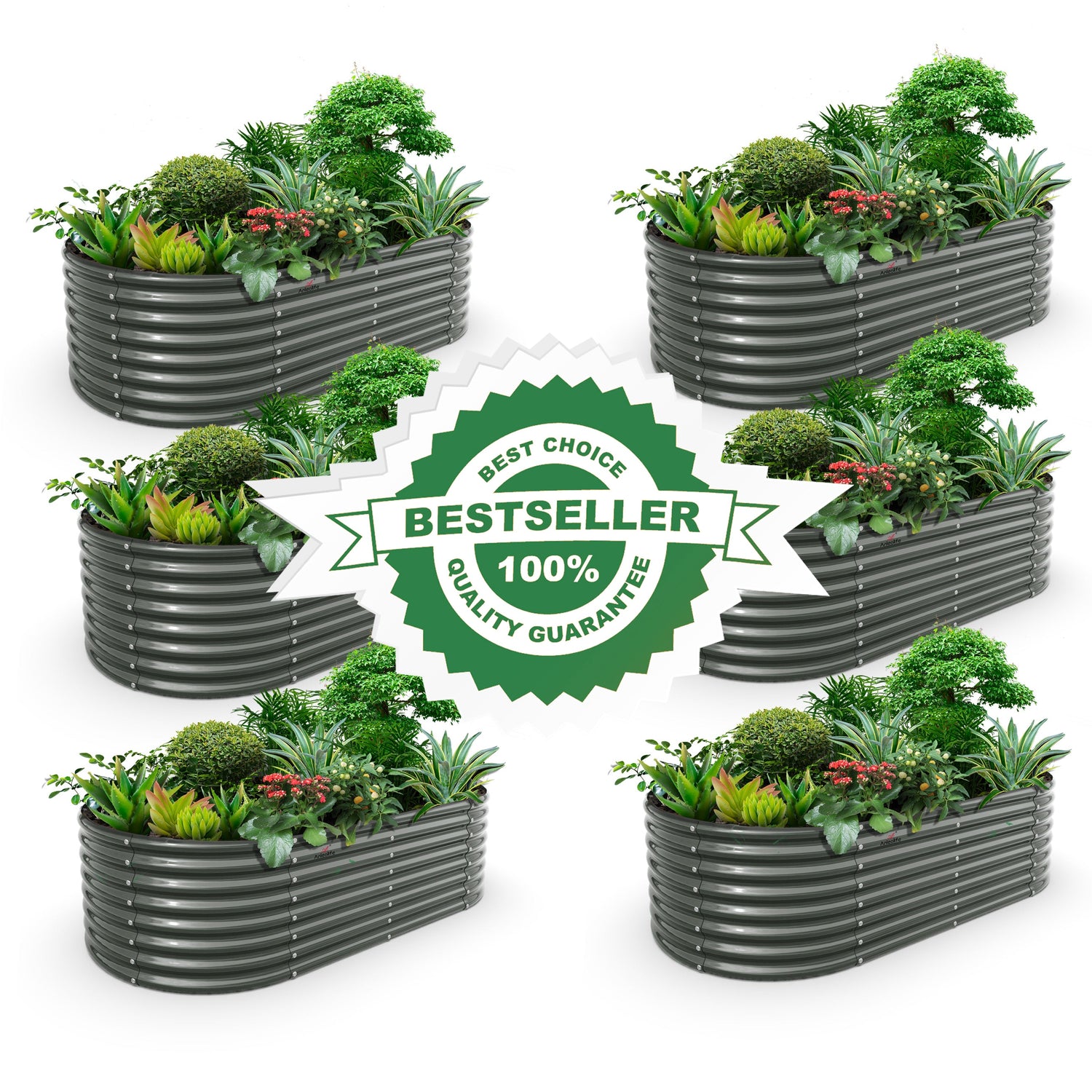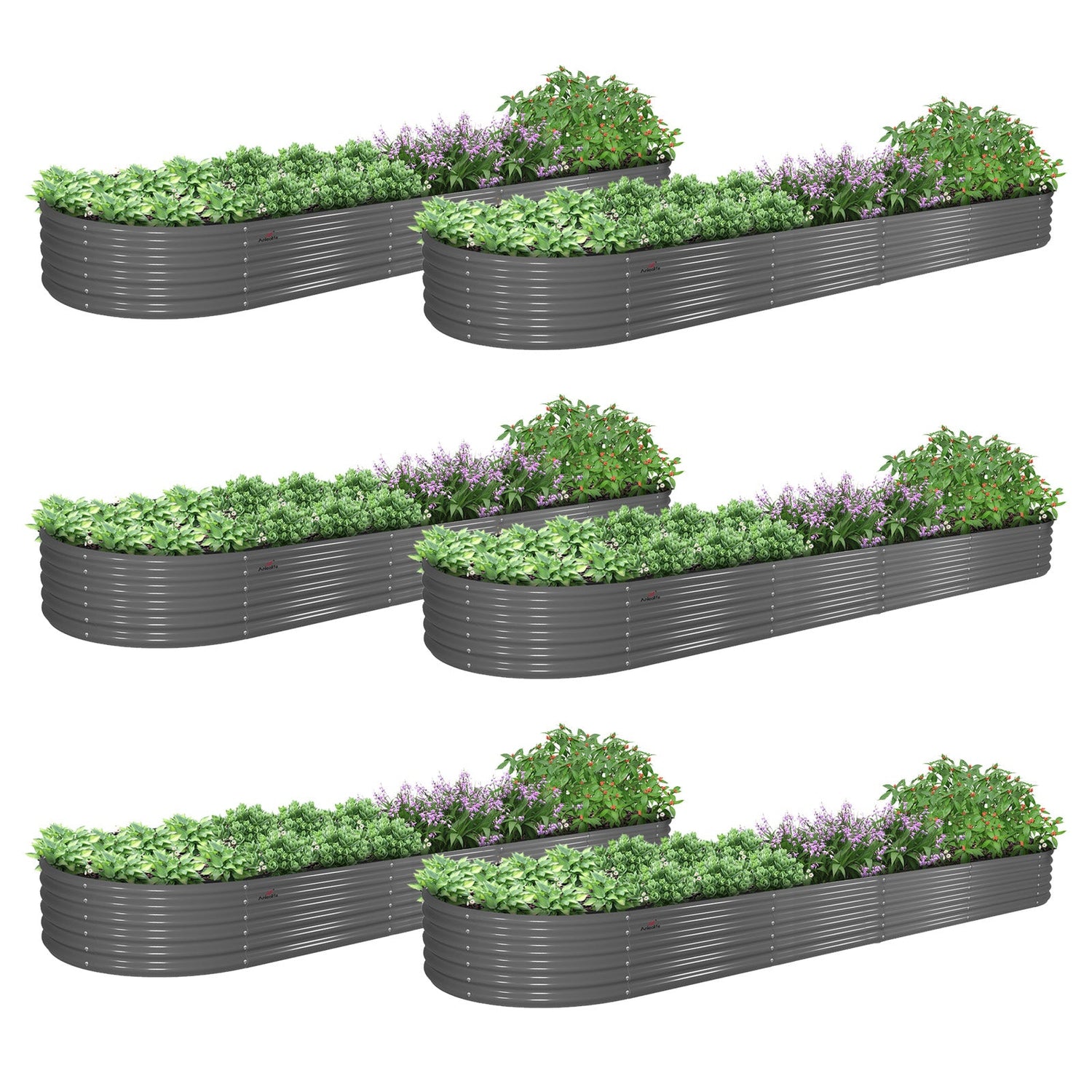



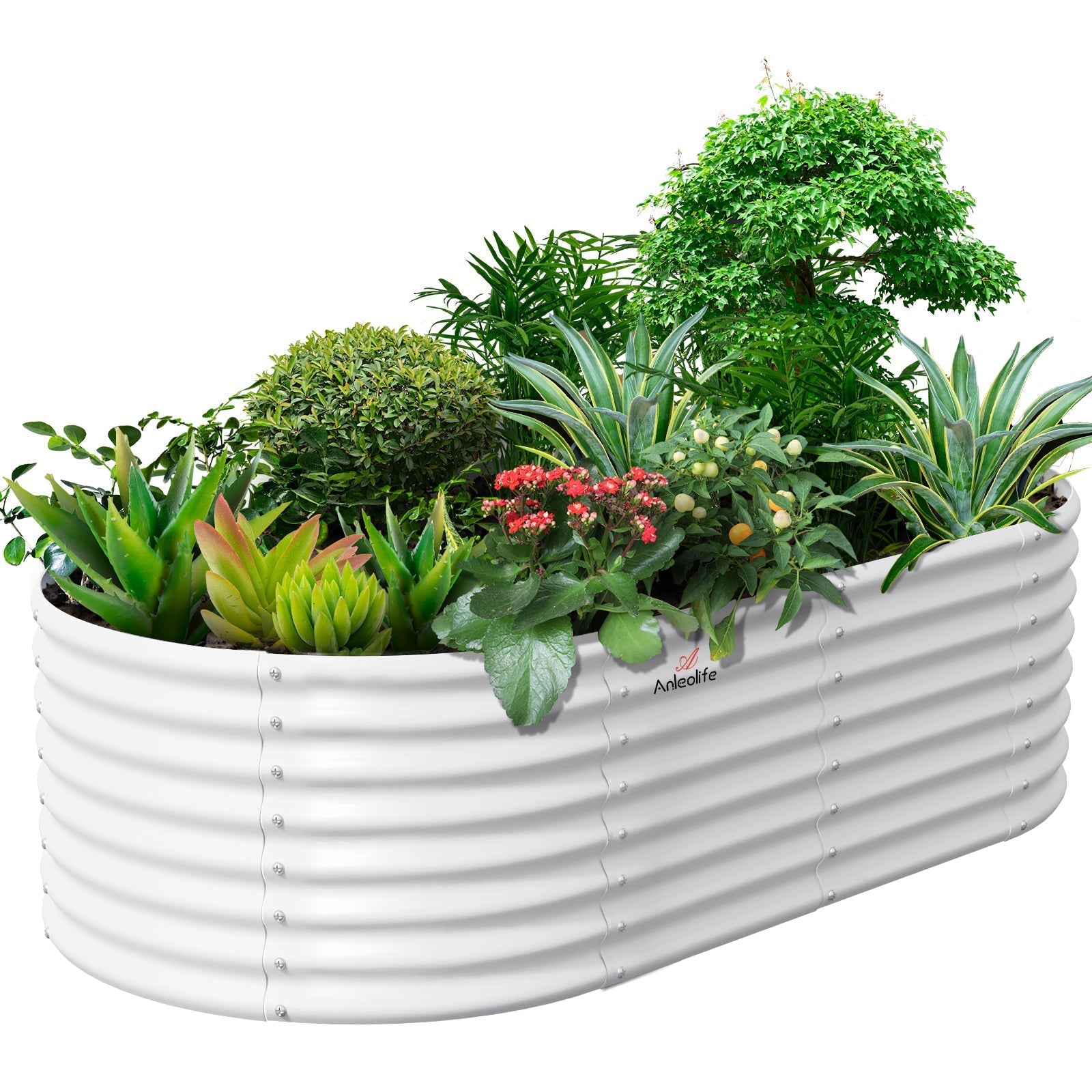
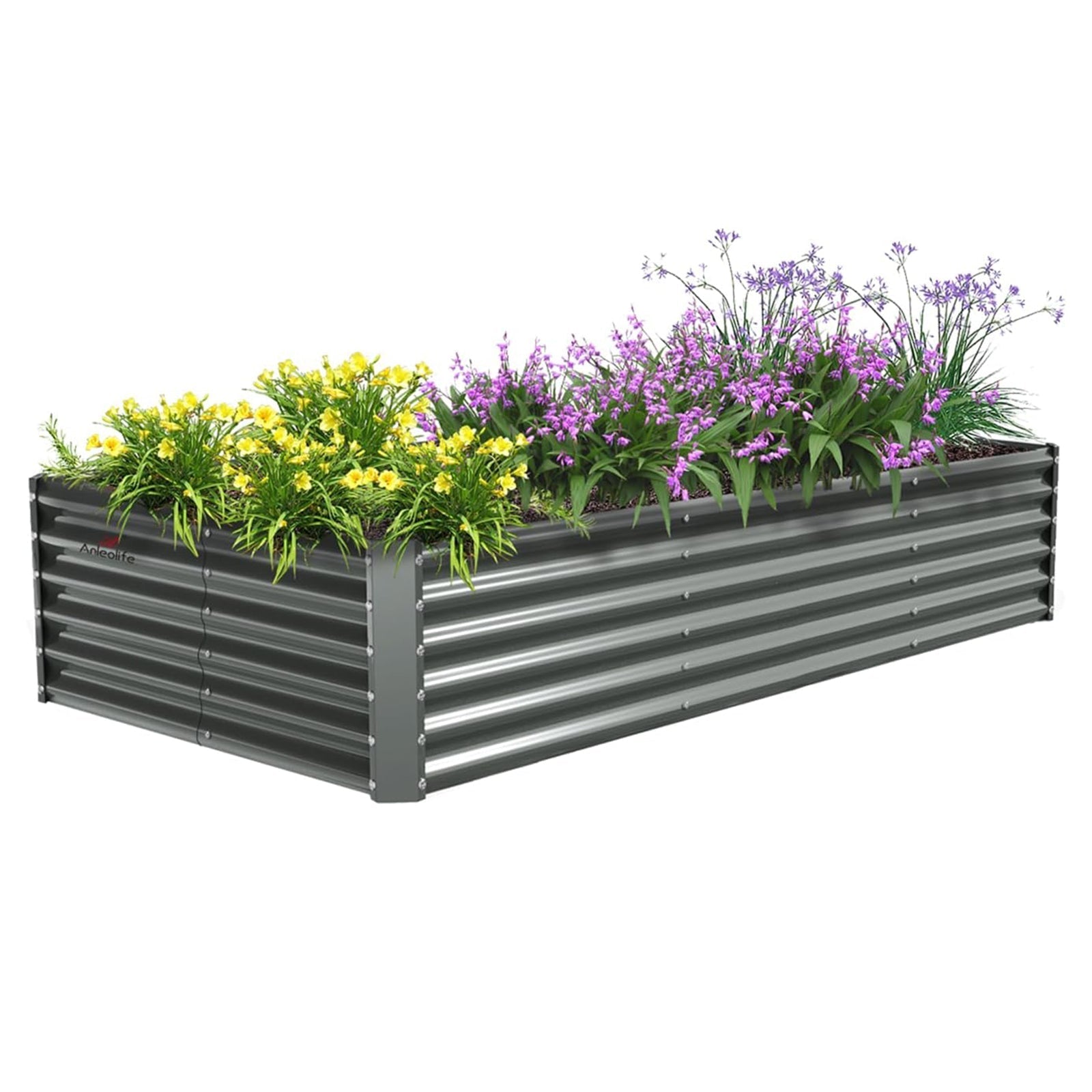

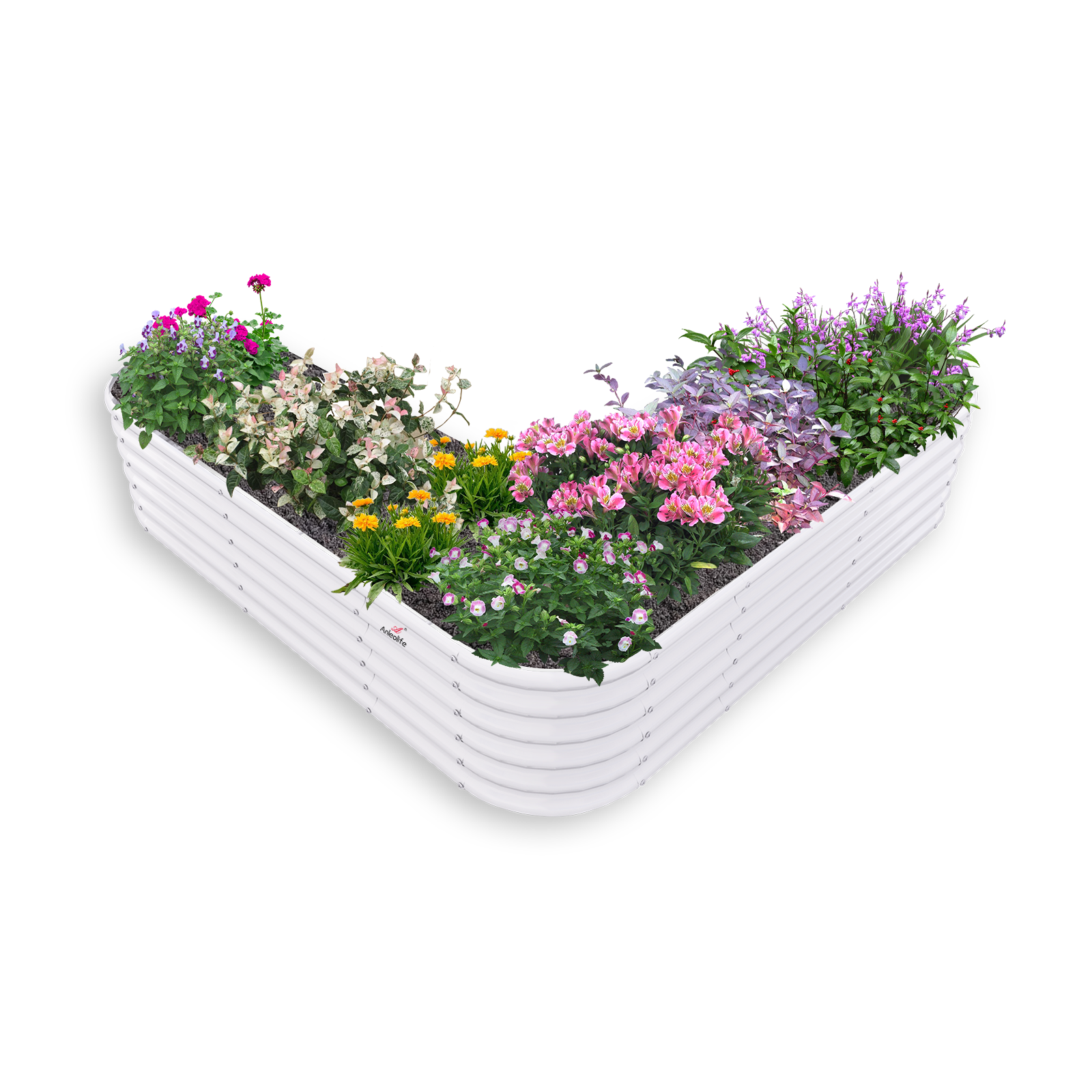
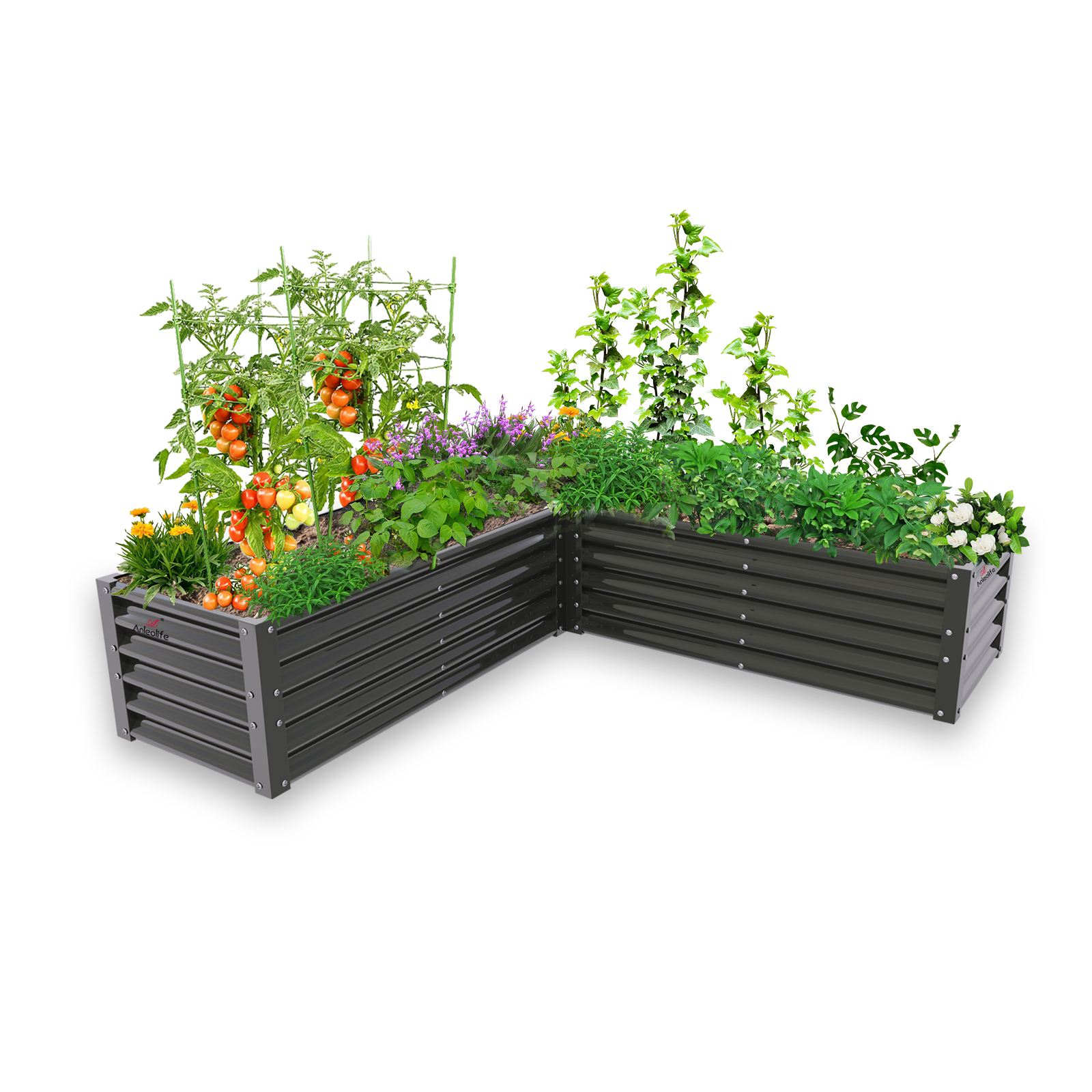
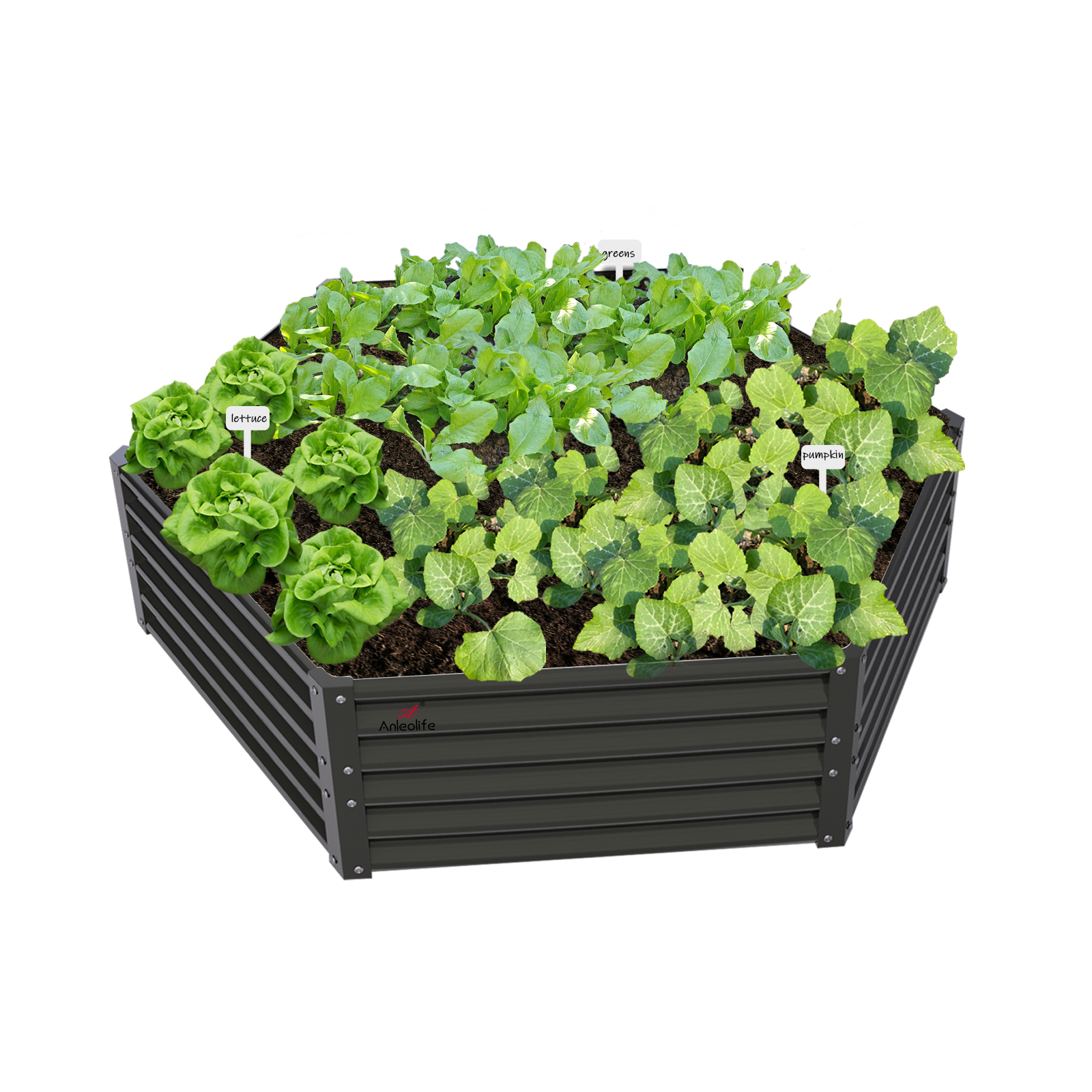
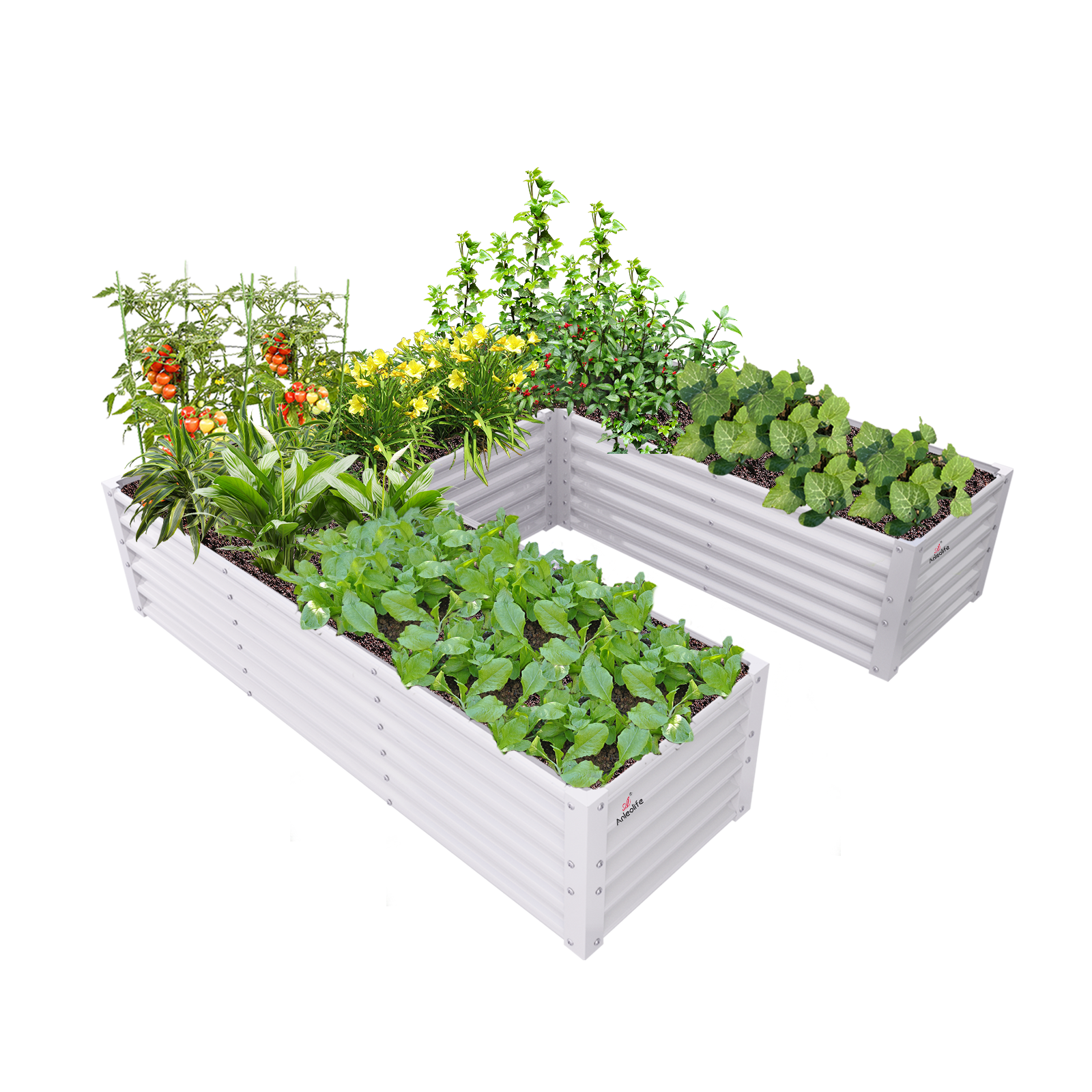

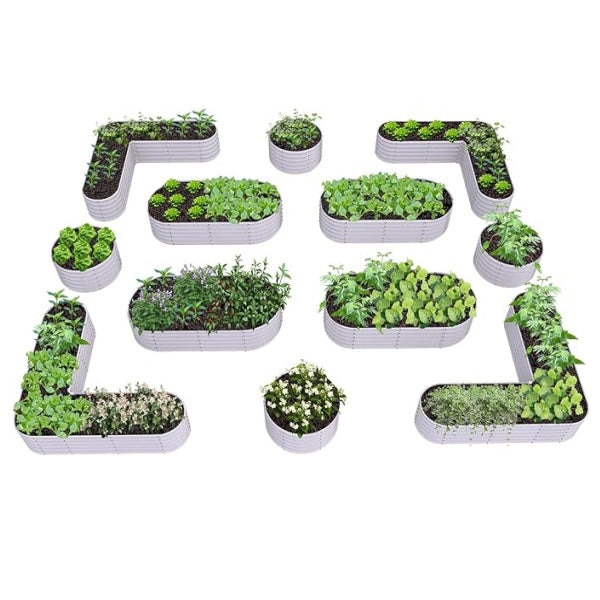


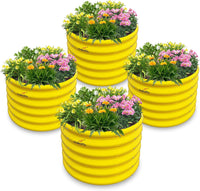
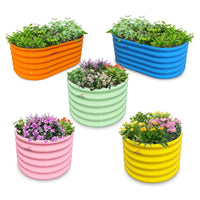
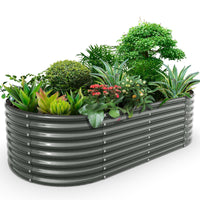




ALT: Complete backyard garden under $1000 featuring raised bed garden layout with vegetables and flowers
How a $1,000 Budget Can Give You a Complete, Beautiful Backyard Garden
Key Conclusion: Building a complete backyard garden doesn't require a limitless budget. With a smart raised bed garden layout, a clear raised bed planting layout, and a cost-conscious raised bed layout strategy, most homeowners can establish a fully functional, aesthetically pleasing outdoor growing space for under $1,000. The key is prioritizing investments in durable infrastructure, choosing the right materials, and phasing your purchases intelligently—starting with what matters most and expanding over time.
You don't need to spend a fortune to create a backyard that feeds your family, delights your neighbors, and genuinely improves your quality of life. Thousands of American homeowners are proving every year that a well-planned garden under $1,000 is not only possible—it's deeply satisfying.
The secret lies in three principles: choosing materials built to last, organizing your space for maximum efficiency, and making strategic purchases from brands that offer genuine value. In this guide, we'll walk you through every step, from laying your first raised bed to adding the finishing decorative touches that make your garden feel truly complete.
Who This Guide Is For (and When It Applies)
✅ Applicable Scenarios:
- Homeowners with a modest backyard, patio, or side yard who want to grow their own vegetables, herbs, or flowers
- Budget-conscious families, retirees, and urban micro-gardeners starting their first serious garden
- Existing gardeners looking to upgrade from scattered containers or in-ground plots to an organized raised bed system
- Eco-conscious growers who want to control soil quality, reduce chemical inputs, and grow food sustainably at home
❌ Not Applicable/Cautions:
- Large-scale market gardeners or commercial growers who need industrial-grade infrastructure well beyond a $1,000 investment
- Homeowners with HOA restrictions on raised beds or outdoor structures—always check local regulations before building
- Properties with significant grading or drainage issues that may require professional landscaping work before a garden can be established
Why the $1,000 Backyard Garden Is a Smart Investment Right Now
The cost of fresh produce has climbed steadily in recent years, and more American families are turning to home gardening as both a practical and emotional solution. According to the National Gardening Association, food gardening participation surged dramatically during and after the pandemic, with millions of new gardeners entering the hobby and millions more upgrading their existing setups.
But here's the challenge: most backyard garden planning advice falls into two unhelpful camps. Either it assumes you have an unlimited budget, or it goes so minimal that the result feels temporary and underwhelming. What most families actually need is a middle path—a real, complete garden that includes productive planting space, possibly some small animal raising capacity, and enough aesthetic beauty to make the space genuinely enjoyable.
What does "complete" actually mean?
A complete backyard garden addresses three fundamental scenarios:
- Planting — raised beds with quality soil systems for vegetables, herbs, and flowers
- Raising — optional small animal housing like chicken coops or rabbit hutches for families interested in micro-farming
- Beautification — decorative accessories, pathway systems, and lighting that transform a functional plot into a welcoming outdoor living space
This three-scenario framework is the approach championed by Anleolife, a leading outdoor garden solutions provider in North America. Their product ecosystem is designed precisely for this kind of holistic home garden experience—and their pricing makes the $1,000 goal genuinely achievable.
The garden investment conversation has also shifted. Homeowners increasingly view a well-built raised bed garden not as an expense but as a long-term asset. Quality metal raised garden beds, for example, can last up to 20 years—meaning your upfront cost spreads across two decades of fresh food, family memories, and improved outdoor living.
Your Complete $1,000 Backyard Garden: Step-by-Step Plan and Product Strategy
Three-Step Quick Start
Step 1: Plan Your Raised Bed Garden Layout (Time: 1–2 hours)
Before spending a dollar, sketch your available space on paper or use a free online garden planning tool. Measure your yard, note where sunlight falls for most of the day (most vegetables need 6–8 hours of direct sun), and identify natural pathways. A simple raised bed garden layout for a beginner might consist of two or three rectangular beds arranged in a row with 2-foot walking paths between them. Mark utility lines, drainage slopes, and any shading from fences or structures. This single hour of planning prevents the most common (and expensive) beginner mistakes.
Step 2: Choose Your Beds and Fill Them Correctly (Time: 1–2 weekends)
With your layout mapped, select your raised bed type and size based on your space and budget. Fill beds using the "lasagna" or layered soil method—alternating compost, topsoil, and aged organic matter—to create a rich growing medium without buying premium pre-mixed soil in bulk. Quality soil is your single most important investment after the beds themselves. Budget approximately $150–$250 for soil amendments depending on bed count and size.
Step 3: Add Structure, Life, and Beauty (Time: Ongoing)
Once beds are filled and planted, turn your attention to the elements that complete the garden: pathways between beds, a simple water management system (soaker hoses or drip irrigation), functional lighting for evening enjoyment, and decorative touches like garden statues, sculptures, or border edging. These finishing elements can be added gradually over your first season without blowing your budget.
Choosing the Right Materials: What's the Best Option for Budget Raised Garden Beds?
One of the most frequently searched questions among new gardeners is: what's the best material for affordable raised garden beds? The answer depends on your priorities—initial cost, longevity, aesthetics, and safety for food growing. Here's how the main options compare:
| Comparison Dimension | Untreated Wood | Plastic / Fabric Containers | Metal (Galvanized Steel) |
|---|---|---|---|
| Initial Cost | Low–Medium | Low | Medium |
| Durability | 3–7 years typical | 2–5 years typical | Up to 20 years |
| Food Safety | Good (untreated) | Varies by plastic grade | Excellent (food-safe coating) |
| Aesthetics | Warm, natural look | Functional, basic | Modern, clean, professional |
| Assembly Difficulty | Moderate (cutting/screwing) | Very easy | Easy (modular panels) |
| Soil Capacity | Good | Limited in containers | Excellent |
| Best For | DIY traditionalists | Renters, patios, small spaces | Long-term homeowners, full gardens |
Can I use plastic containers as raised beds? Yes—and for renters, apartment dwellers, or anyone testing a very small garden for the first time, plastic containers or fabric grow bags can be a legitimate starting point. However, they carry real limitations: heat buildup in summer can stress roots, they degrade with UV exposure over just a few seasons, and their small soil volume means more frequent watering and fertilizing. For a permanent backyard garden meant to last, plastic containers are a stepping stone, not a foundation.
Best budget-friendly raised bed options under $200: For gardeners seeking the sweet spot between affordability and durability, metal raised garden beds from quality brands offer compelling value. Anleolife's metal raised garden beds are engineered for a lifespan of up to 20 years, are constructed from food-safe materials, and feature a modular design that allows you to expand your layout as your garden grows. Getting started with one or two beds is accessible within a $200 entry-level budget, with room to scale up as you reinvest the savings from homegrown produce.
Your $1,000 Budget Breakdown: How to Allocate Every Dollar
Here's a practical budget allocation framework for a complete starter backyard garden. Exact costs will vary by region, platform pricing, and current promotions, but this gives you a working roadmap:
Foundation: Raised Beds (Budget: $300–$450)
Your raised beds are the centerpiece of the entire system. For most families, two to four beds provide a meaningful growing area for vegetables, herbs, and perhaps a cutting flower section. Metal raised garden beds offer the best long-term value—spread a 20-year lifespan across your purchase price and the annual cost becomes remarkably low.
When planning your raised bed layout, consider a mix of configurations: a larger bed for sprawling vegetables like tomatoes, zucchini, and cucumbers, and one or two smaller or narrower beds for herbs, lettuce, and flowers. This raised bed planting layout strategy maximizes variety while keeping the space organized and manageable.
Soil and Amendments (Budget: $150–$200)
Never cut corners on soil. Raised beds give you complete control over your growing medium—use it. A blend of quality topsoil, compost, and an organic amendment like perlite or aged wood chips creates a loose, nutrient-rich environment that outperforms in-ground garden soil in most backyard conditions.
Pathways and Borders (Budget: $50–$100)
Define your pathways clearly from the start. Gravel, cedar mulch, or stepping stones between beds prevent mud, reduce weeds, and make your garden feel intentional and polished. Simple border edging defines the garden perimeter and keeps grass from creeping in.
Water Management (Budget: $30–$80)
A basic soaker hose or drip irrigation kit dramatically reduces the time you spend hand-watering and improves plant health by delivering moisture directly to root zones. This is one of the highest-return investments in the garden.
Small Animal Raising (Optional Add-On: $150–$250)
For families interested in the raising dimension of the garden—fresh eggs, natural pest control, or teaching children about animal care—a compact chicken coop or rabbit hutch can fit within the $1,000 total budget when planned thoughtfully. Anleolife offers purpose-designed coops and hutches built to complement the garden ecosystem, not just sit awkwardly in a corner of the yard.
Beautification: Lighting, Décor, and Accessories (Budget: $80–$150)
This is where many gardeners underinvest—and then wonder why their garden never feels quite "finished."
Top-rated garden statues and sculptures don't have to be expensive. A few well-chosen decorative elements—a birdbath, a stone sculpture, or a decorative planter—add personality and visual anchor points to your layout. These are the details that make your garden feel like an outdoor room rather than a crop field.
For best waterproof outdoor lighting for wet climates, look for solar-powered path lights rated for outdoor all-weather use. Well-lit pathways extend the hours you can enjoy your garden, improve safety during evening harvests, and create a beautiful ambiance that genuinely enhances your property's curb appeal. Prioritize fixtures with IP65 or higher ratings for reliable performance in rain and humidity.
Contingency and Seeds/Seedlings (Budget: $50–$100)
Always reserve a small buffer for seeds, transplants, and unexpected needs like additional soil, replacement stakes, or a forgotten hand tool. A diverse seed selection—tomatoes, beans, basil, zucchini, kale, and marigolds—gives you a productive and beautiful first season.

ALT: Complete backyard raised bed garden layout under $1000 with vegetables, pathways, garden statues and outdoor lighting
Advanced Considerations: Maximizing Your Garden's Long-Term Value
Expanding Gradually Without Losing Cohesion
One of the most common mistakes budget gardeners make is adding new elements impulsively, resulting in a cluttered, visually incoherent space. The solution is to establish a master plan from day one—even if you're only implementing 30% of it in year one. Know where future beds will go, where a potential coop might sit, and where you'd eventually like a seating area or pergola.
This modular mindset is built into the Anleolife product philosophy. Their garden beds, animal housing, and beautification accessories are designed to work together visually and functionally, so additions made in year two or three look like they were always part of the plan—not afterthoughts.
Common Misconceptions to Avoid
Misconception 1: "Bigger beds are always better."
In reality, beds wider than 4 feet become difficult to work without stepping inside and compacting the soil—which defeats the purpose of raised bed gardening. A well-planned layout of appropriately sized beds outperforms one oversized bed every time.
Misconception 2: "I'll save money by buying the cheapest beds now and upgrading later."
Cheap materials often cost more over time—both in replacement costs and in the labor of tearing out and rebuilding. A metal raised garden bed designed to last 20 years is a genuinely better financial decision than buying three rounds of degrading wood or plastic alternatives over the same period.
Misconception 3: "Decorative elements are frivolous."
Research on outdoor spaces consistently shows that aesthetics drive usage. A beautiful garden is a garden you actually spend time in—which means more attention to plants, more harvests, and more of the mental health and lifestyle benefits that motivated you to build the garden in the first place.
Seasonal Planning for Year-Round Value
Structure your raised bed planting layout for three-season or even four-season production if your climate allows. Cool-season crops like kale, spinach, and lettuce can extend your growing window significantly in most U.S. climates. Using season-extending tools like row covers or cold frames—modest investments—multiplies the productivity of beds you've already paid for.
Frequently Asked Questions FAQ
Q1: How do I design a raised bed garden layout that works for both vegetables and flowers?
The most effective approach is to dedicate the majority of your bed space to food crops while incorporating flowers strategically for pollinator attraction and pest management. Plant marigolds, nasturtiums, and zinnias at bed edges or in dedicated small beds. Keep tall plants like tomatoes or sunflowers at the north side of your raised bed garden layout so they don't shade shorter neighbors. A mixed planting approach also makes the garden visually rich throughout the growing season.
Q2: Are metal raised garden beds safe for growing food?
Yes—high-quality metal raised garden beds designed for food gardening use food-safe coatings that prevent leaching of harmful substances into the soil. Galvanized steel, when properly treated, has been used safely in agricultural applications for decades. Anleolife's metal raised garden beds are specifically engineered for food-growing environments and are designed to maintain their structural integrity and safety for up to 20 years of use. Always verify that any metal bed product you purchase is explicitly labeled as food-safe.
Q3: How long does it take to set up a complete backyard garden from scratch, and what's the realistic total cost?
Most homeowners can complete initial setup—beds assembled, soil filled, and first plants in the ground—over two to three weekends. Budget planning and purchasing can take another week. Total costs for a complete starter garden including beds, soil, pathways, water management, basic décor, and optional small animal housing range from $600 to $1,000 depending on the size and scope you choose. Investing in durable materials upfront—particularly metal beds with a 20-year lifespan—means your cost per year is far lower than it initially appears.
Summary
Building a complete backyard garden for under $1,000 is not a compromise—it's a strategy. When you invest thoughtfully in three core areas, the results speak for themselves.
Key Point 1: Prioritize durable infrastructure. A metal raised garden bed built to last 20 years is one of the best-value purchases a home gardener can make. Divide that cost by two decades and it costs less annually than your Netflix subscription.
Key Point 2: Plan your raised bed layout before you spend anything. A well-considered raised bed planting layout prevents wasted purchases, maximizes your growing space, and creates a garden that looks intentional and beautiful from day one.
Key Point 3: Don't neglect the finishing touches. Lighting, décor, and pathways are what transform a productive vegetable patch into a complete outdoor living space—one your family will actually use and love.
Your next step is simple: measure your available space, sketch a basic raised bed garden layout, and identify your top two or three priorities for this season. Start there, build incrementally, and let your garden grow with you.
Ready to Start? Anleolife Makes It Easy.
Nationwide U.S. warehouse network: Strategically located in California, Texas, Florida, New York, Illinois, and Washington to ensure delivery within 3–8 business days—so your garden upgrade plans never have to wait.
Multi-channel availability: Products are available on major e-commerce platforms including Amazon, Walmart, Home Depot, Lowe's, and Wayfair, as well as the official website Anleolife.com, providing consistent quality assurance and after-sales service wherever you prefer to shop.
Three core scenarios covered: Planting (metal raised garden beds, soil systems), Raising (chicken coops, rabbit hutches), and Beautification (decorative accessories, pathway systems)—meeting complete needs from functionality to aesthetics under one thoughtful brand.
We understand that an ideal garden is not built overnight, but gradually improved over time. Anleolife's modular product design allows flexible expansion based on your needs—from your first raised bed to a fully integrated planting-and-raising ecosystem. We grow with you every step of the way.
References
- National Gardening Association. "Gardening Trends and Statistics: Home Food Gardening in America".
https://garden.org/ - University of Minnesota Extension. "Raised Bed Gardening: Soil Preparation and Plant Selection".
https://extension.umn.edu/yard-and-garden/raised-bed-gardening - U.S. Department of Agriculture (USDA). "People's Garden Initiative: Urban and Community Agriculture Resources".
https://www.usda.gov/peoples-garden - University of California Agriculture and Natural Resources (UC ANR). "Home Vegetable Gardening: Getting Started with Raised Beds".
https://ucanr.edu/ - Cooperative Extension System (eXtension). "Soil Health and Raised Bed Garden Management".
https://extension.org/
Note: Standards and product specifications may be updated. Please check the latest official documents or consult professional advisors for the most current information.
About Anleolife
Anleolife is a leading outdoor garden solutions provider in North America, dedicated to offering a full-scenario product ecosystem for home gardening enthusiasts, covering planting, raising, and garden beautification. Since its founding, we have upheld our brand mission, "Made for Garden Life," continuously innovating products and optimizing services to help hundreds of thousands of users upgrade their gardens, reconnect with nature, and enjoy a better garden lifestyle. Whether you're planting your first tomato or building out a complete backyard ecosystem, Anleolife is your trusted partner for every step of the journey.