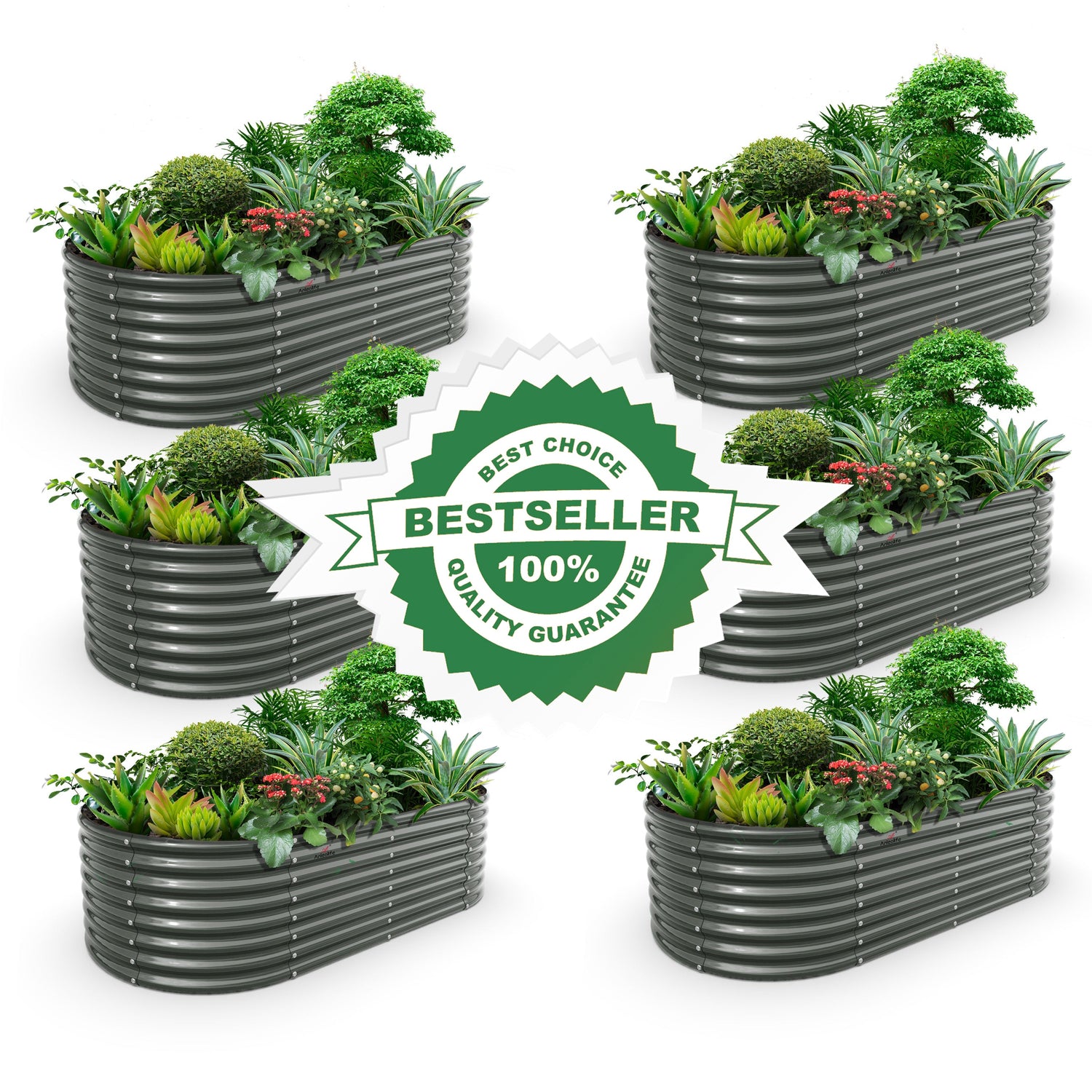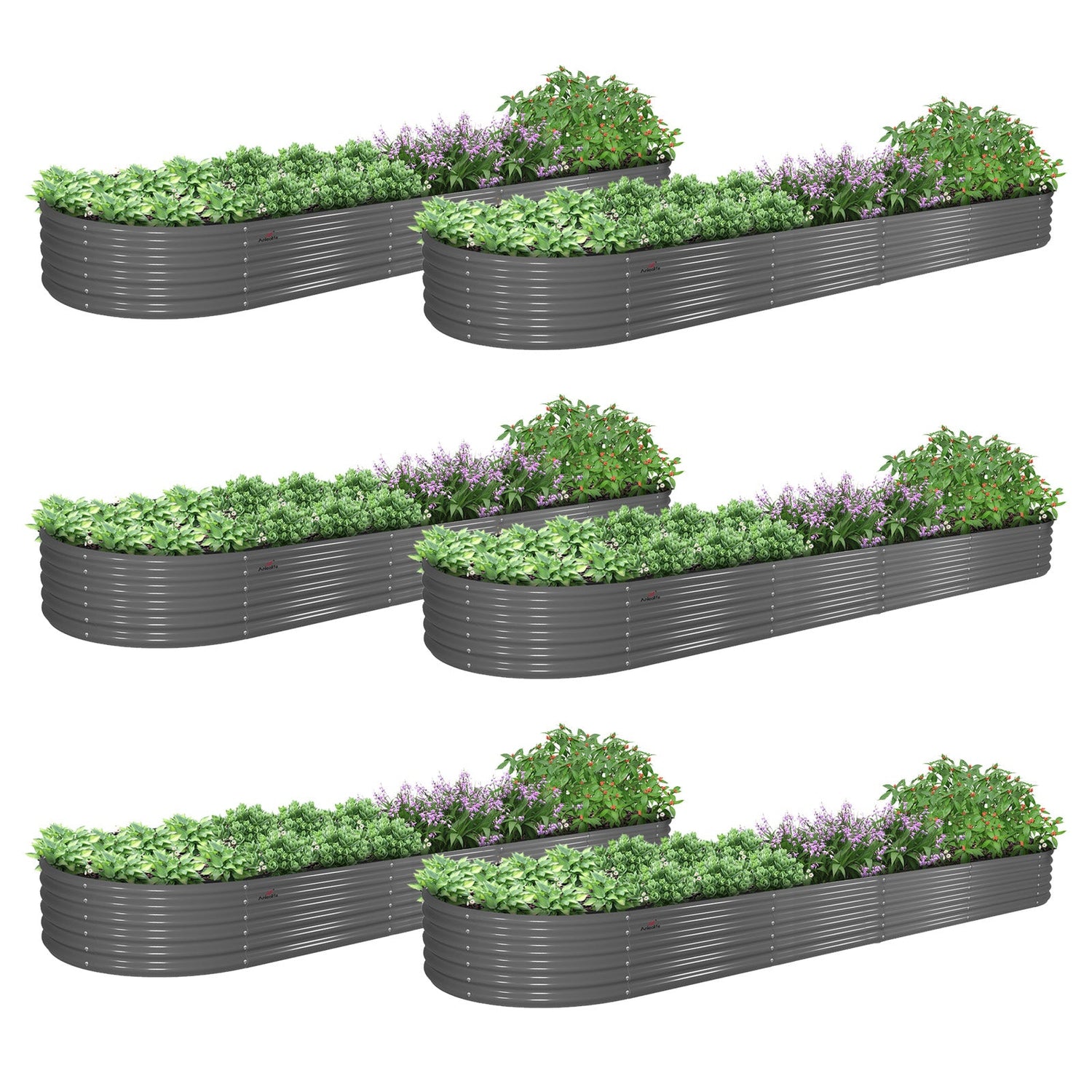



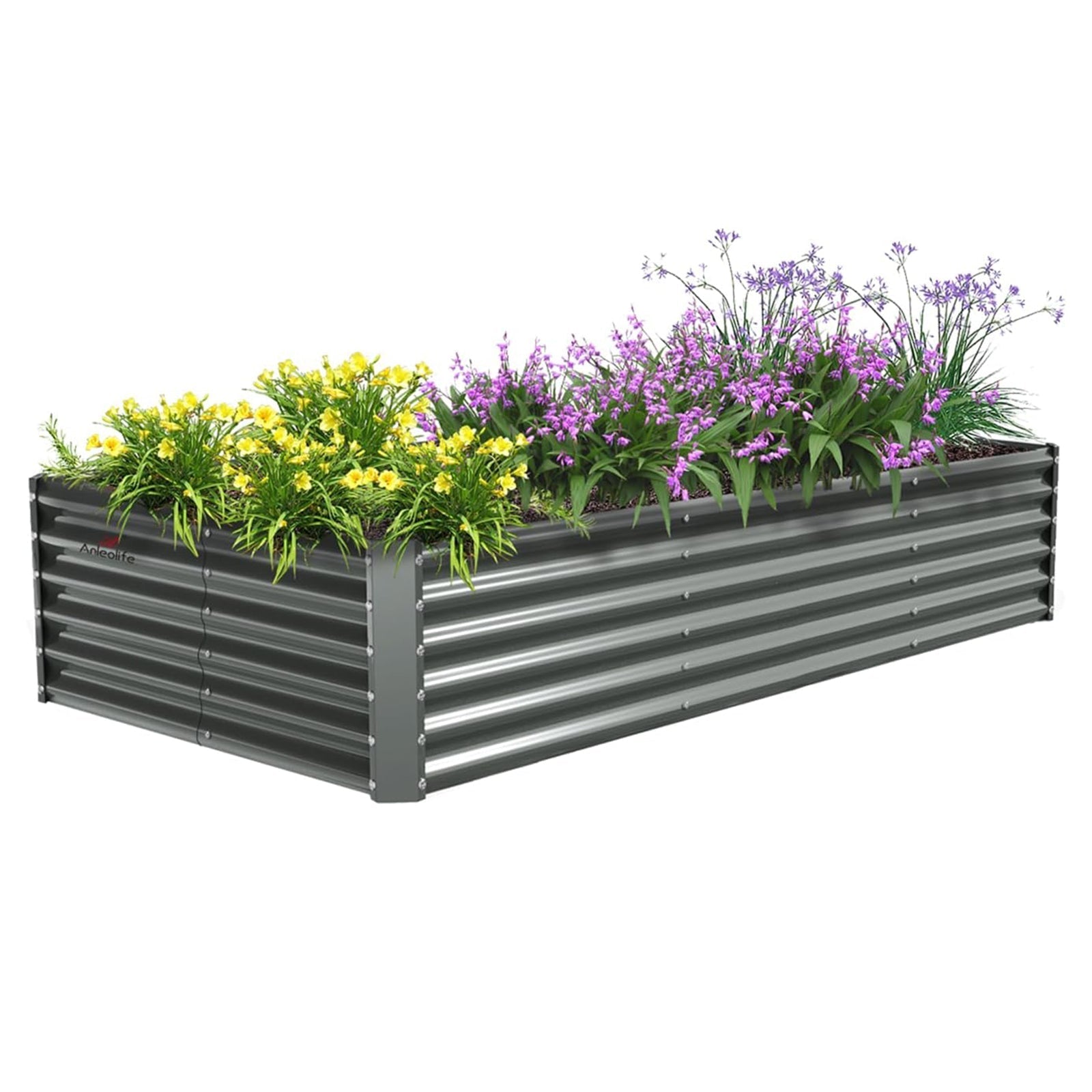

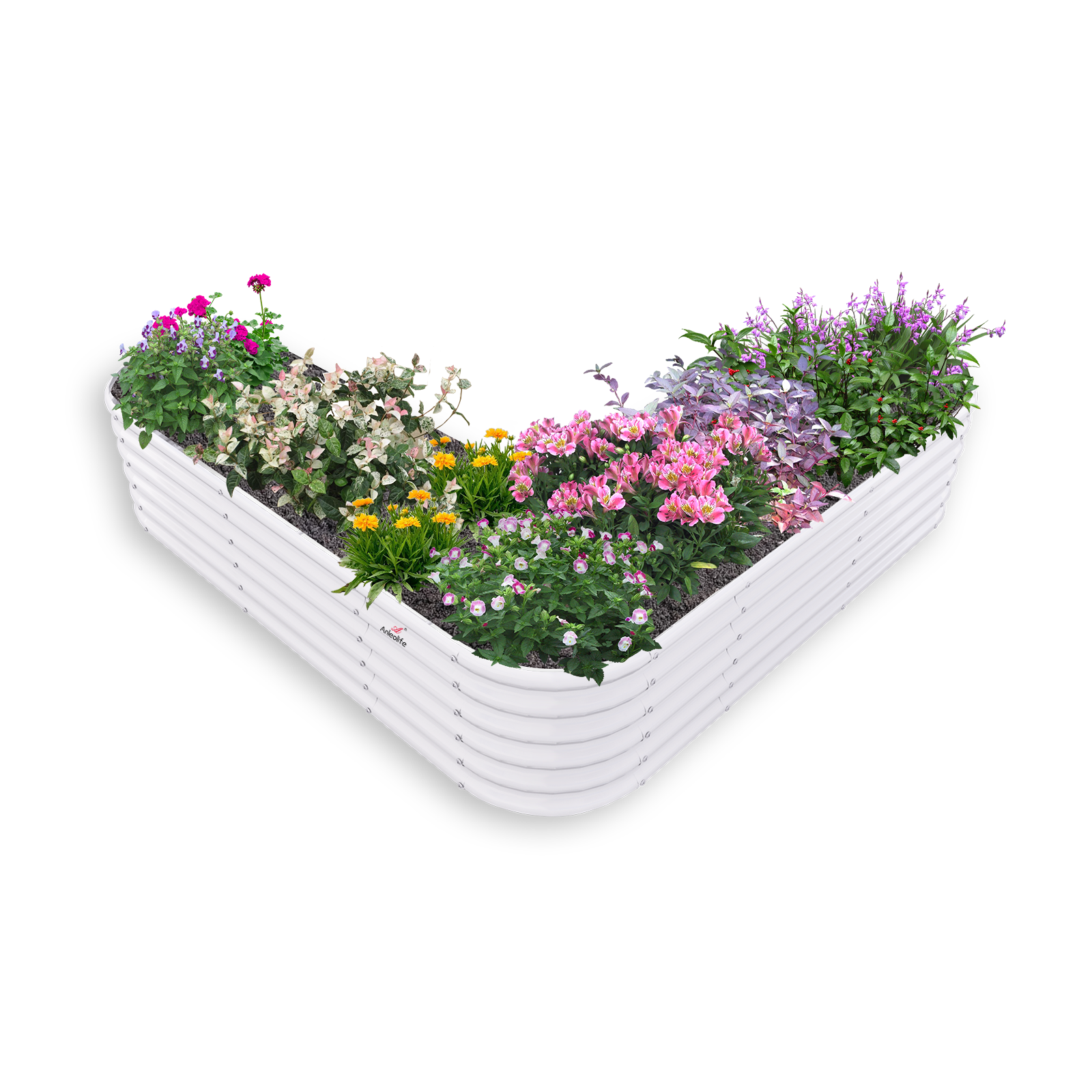
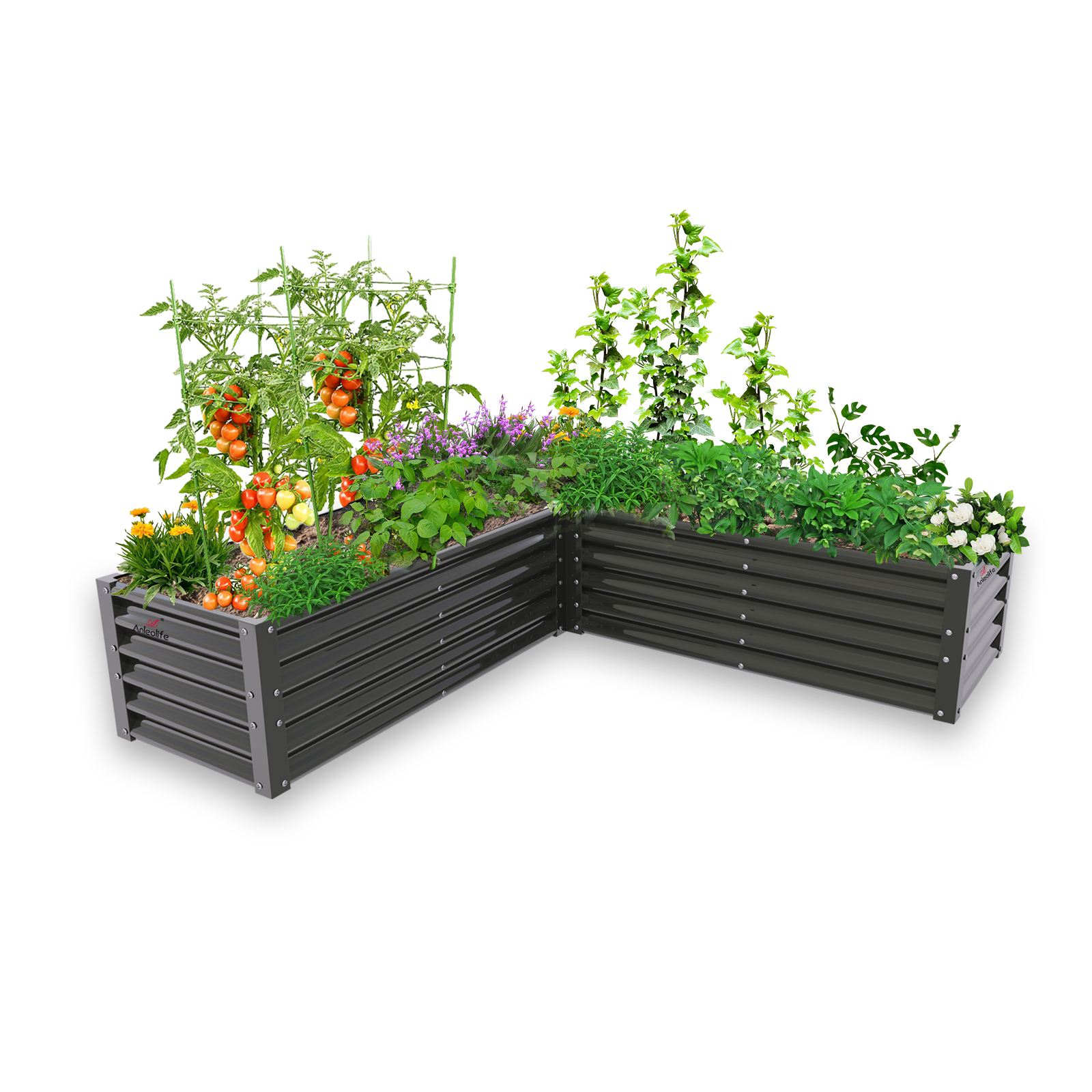
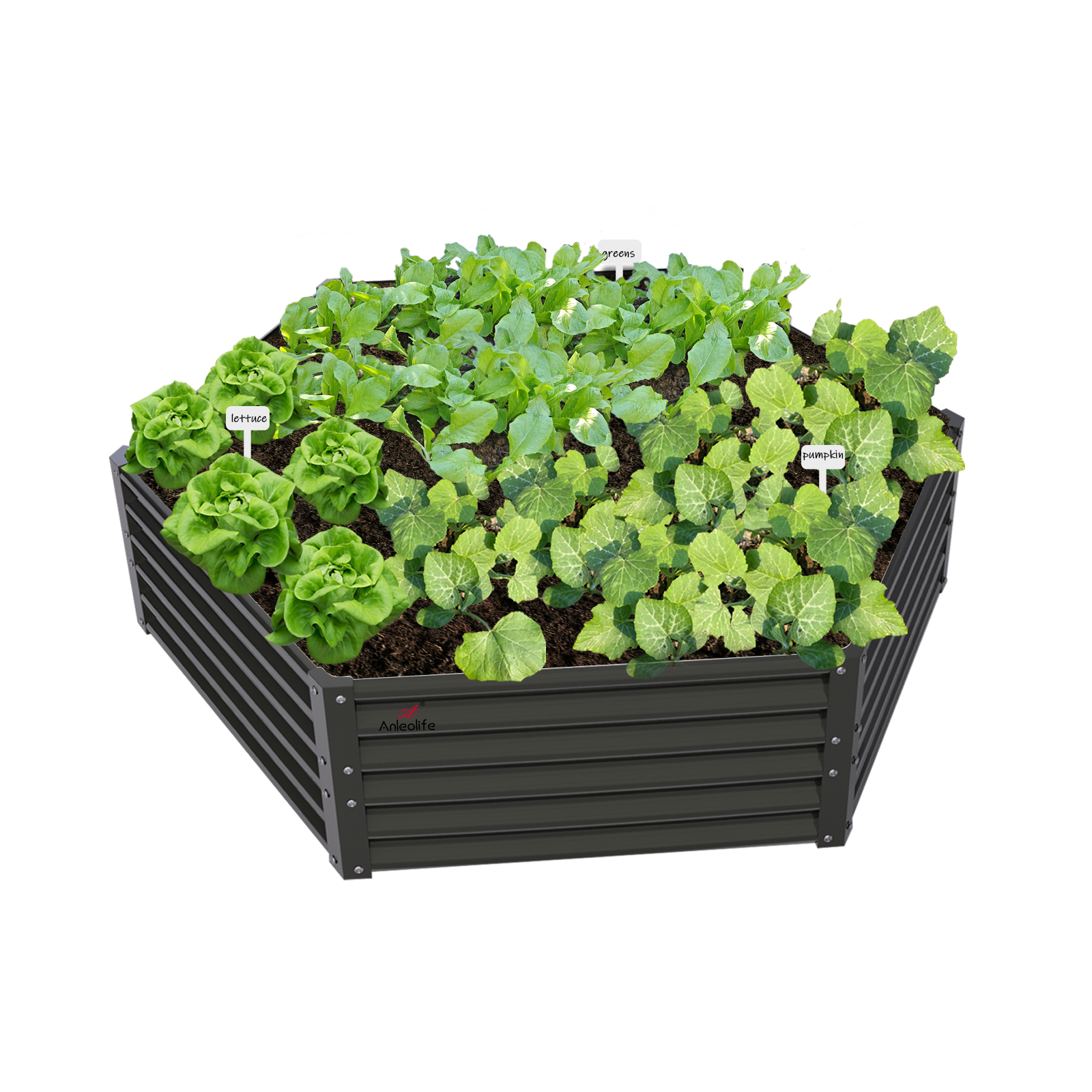
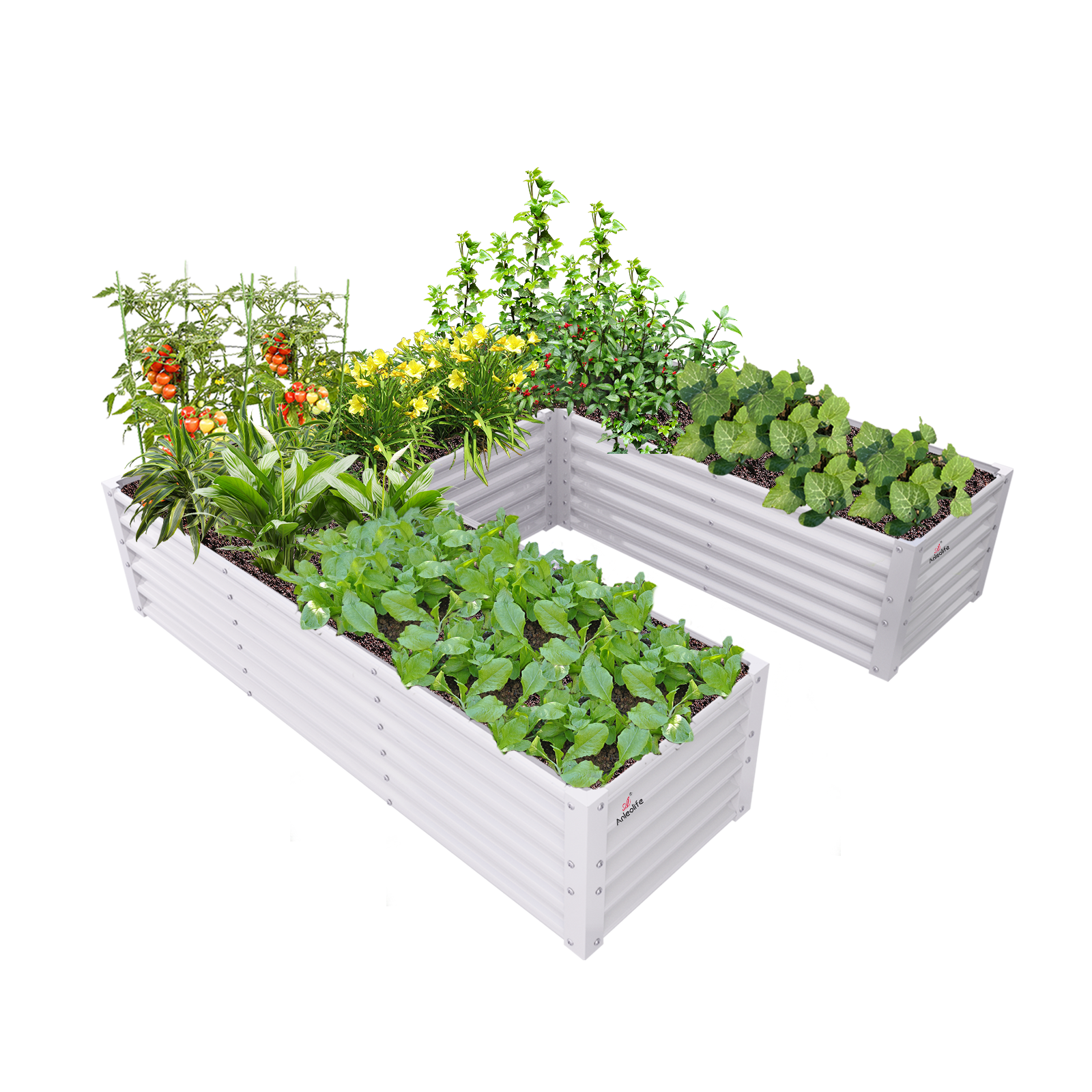

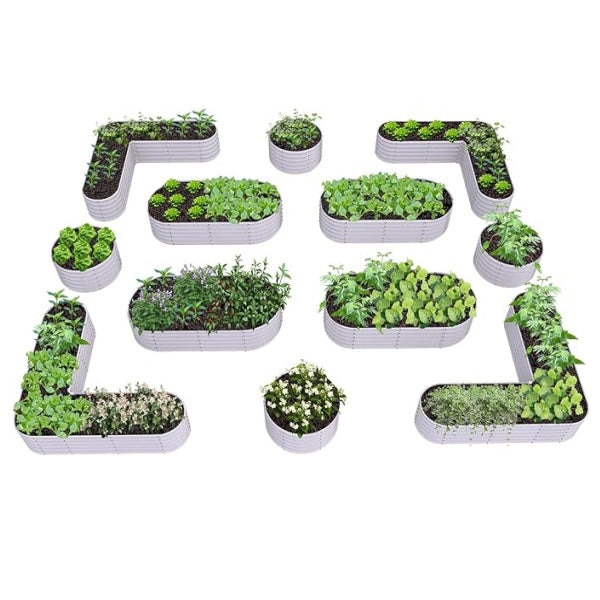


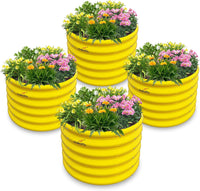
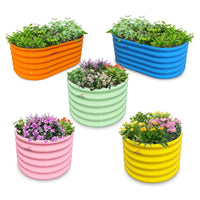
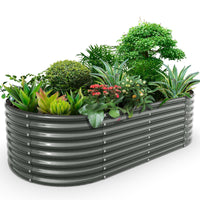




ALT: Complete backyard garden setup under $1,000 with raised bed garden layout and vegetable planting areas
Your Dream Backyard Garden Is Closer Than You Think — Even on a Budget
Key Conclusion: Building a complete, productive backyard garden doesn't have to drain your savings. With a smart raised bed garden layout, thoughtful raised bed planting layout, and a well-organized raised bed layout strategy, you can create a flourishing outdoor space for under $1,000. Whether you're growing vegetables for your family, raising small animals, or simply beautifying your yard, this guide shows you exactly how to plan, budget, and execute every step of your garden transformation this season.
Getting a backyard garden off the ground can feel overwhelming — especially when you're staring at a blank patch of grass and a tight budget. But here's the good news: thousands of homeowners across North America have built complete, beautiful, and productive gardens for under $1,000, and so can you.
The secret lies in three things: a clear plan, the right structure, and products that deliver long-term value without hidden costs. In this guide, you'll discover how to design your space, choose the best materials, and stretch every dollar — from your first raised bed to the finishing touches that make your garden feel like a true outdoor retreat.
Who This Guide Is For
✅ Applicable Scenarios:
- First-time gardeners who want a structured, budget-conscious starting point
- Middle-class homeowners looking to grow their own food while improving curb appeal
- Urban micro-gardeners and suburban families with limited but usable outdoor space
- Eco-conscious individuals interested in sustainable, chemical-free home growing
- Empty nesters and retirees ready to invest time and moderate resources into a rewarding hobby
❌ Not Applicable/Cautions:
- Those expecting a fully automated, large-scale commercial growing system at this price point
- Gardeners in regions with extreme soil contamination who may need additional remediation costs before building
- Anyone planning to grow in a space under 100 square feet — this guide is designed for at least a modest backyard footprint
Why More Homeowners Are Building Backyard Gardens Right Now
The backyard gardening movement has never been stronger. According to the National Gardening Association, participation in food gardening among U.S. households has increased significantly over the past five years, with more families motivated by rising grocery costs, food safety concerns, and the desire to connect with nature.
At the same time, the DIY raised bed on a tight budget trend has exploded across social media and home improvement communities. People are realizing that a well-designed raised bed system isn't just about growing tomatoes — it's about creating a lifestyle. A space where children learn where food comes from. A morning ritual that replaces screen time. A source of genuine pride and satisfaction.
The challenge? Most beginner guides either oversimplify the planning process or underestimate real costs. You end up spending more than expected, growing less than hoped, and feeling frustrated. This guide takes a different approach: transparent budgeting, realistic planning, and product recommendations built for durability, not disposability.
One of the most important early decisions you'll make is choosing your raised bed garden layout. The right layout determines how much you can grow, how easy it is to maintain, and whether your garden feels cohesive or chaotic. We'll cover layout strategies in detail so you can build once and enjoy for years to come.
For a deeper dive into planning and design strategies, explore Anleolife's complete resource hub at www.anleolife.com.
Step-by-Step: Building Your Complete Backyard Garden
Three-Step Quick Start
Step 1: Define Your Garden Zones and Budget Allocation
Before buying a single product, divide your backyard into three functional zones: a planting zone (raised beds, soil, seeds), an optional raising zone (small animal housing if desired), and a beautification zone (pathways, ornaments, lighting). Allocate roughly 60% of your $1,000 budget to the planting zone, 25% to structure and tools, and 15% to finishing touches. This zoning approach takes about two to three hours of planning and saves you from costly impulse purchases later. Sketch your zones on paper or use a free online garden planner before purchasing anything.
Step 2: Source and Install Your Raised Beds and Soil System
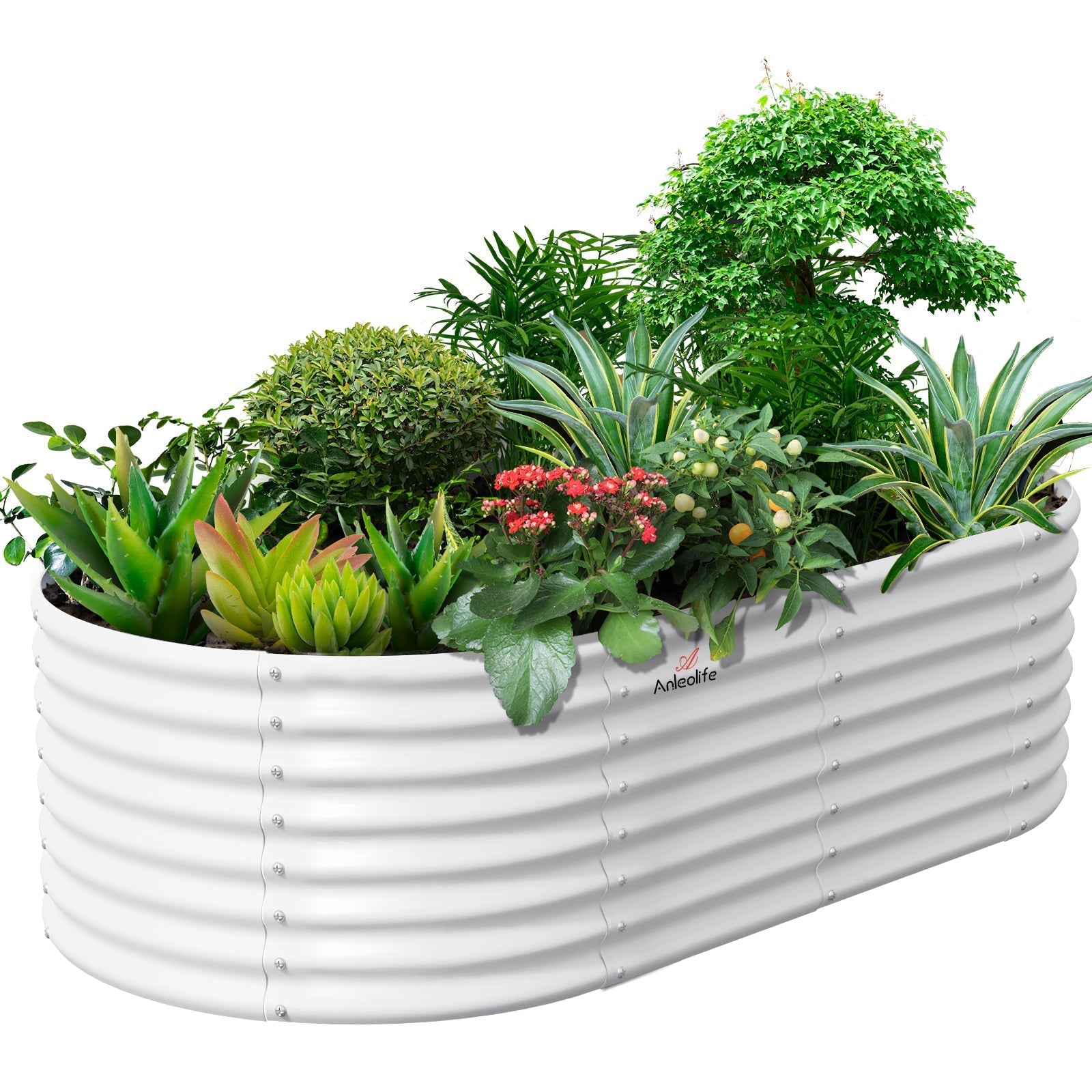
With your zones defined, purchase your raised beds first — they're the backbone of your entire system. Metal raised garden beds from quality brands offer a lifespan of up to 20 years, making them far more cost-effective than wood beds that rot within three to five seasons. Choose a raised bed layout that fits your space: a single large bed, multiple smaller beds in a grid, or an L-shaped configuration for corner spaces. Once beds are placed and leveled, fill them with a quality soil blend — typically a mix of topsoil, compost, and coarse sand. Budget approximately two to three days for installation and soil delivery.
Step 3: Add Finishing Touches to Beautify and Organize
Your garden isn't complete until it feels like a welcoming outdoor space. Install simple edging or stepping stones to define pathways between beds. Add a few well-chosen garden ornaments to give your space personality. Hang a durable garden hose reel near your water source for convenient, tangle-free watering. If you live in a wet or humid climate, organize your tools in a weather-resistant storage cabinet designed for outdoor conditions. These final steps typically take a weekend afternoon and transform a functional garden into a space you genuinely love spending time in.
Comparing Your Main Garden Bed Options
Choosing the right raised bed material is one of the most consequential budget decisions you'll make. While wood beds are popular for their natural look, they require ongoing maintenance and replacement. Metal beds and composite options offer very different trade-offs. Here's how the main solutions compare:
| Comparison Dimension | Metal Raised Beds | Cedar/Wood Beds | Fabric Grow Bags |
|---|---|---|---|
| Typical Lifespan | Up to 20 years | 3–7 years | 2–5 seasons |
| Maintenance Required | Very low | Moderate (sealing, painting) | Low |
| Soil Depth Flexibility | High | Medium | Limited |
| Weather Resistance | Excellent | Moderate | Good in dry climates |
| Aesthetic Versatility | Modern/contemporary | Classic/natural | Informal/flexible |
| Long-Term Cost Efficiency | Best value over time | Moderate | Lower upfront, higher replacement cost |
| Best For | Permanent installations | Traditional garden aesthetics | Balconies and small spaces |
The data clearly favors metal raised garden beds for homeowners who want a permanent, low-maintenance solution. Anleolife's metal beds are engineered for durability through season after season of rain, frost, and summer heat — and with a 20-year lifespan, one investment covers the garden you'll enjoy well into retirement.
Designing Your Raised Bed Planting Layout for Maximum Yield
Planning Your Raised Bed Garden Layout
A well-thought-out raised bed garden layout doesn't just look good — it directly impacts how much food you harvest and how easy your garden is to maintain. The most popular configurations include:
Linear Layout: Multiple beds arranged in parallel rows with pathways between them. This is ideal for long, narrow backyards and allows for efficient watering with a hose or drip system. Leave at least 24 inches between beds so you can kneel or crouch comfortably for weeding and harvesting.
Grid or Block Layout: Beds arranged in a square or rectangular grid, which works beautifully in symmetrical spaces. This is the most classic raised bed layout and pairs naturally with formal garden aesthetics. It also makes crop rotation straightforward — simply rotate what you plant in each bed each season.
L-Shaped or Corner Layout: Perfect for gardeners who want to maximize a corner of their yard or create a natural enclosure feeling. This configuration can serve as a visual anchor for the entire backyard and pairs well with a small seating area or pathway system.
Regardless of layout, follow the golden rule of raised bed planting layout: never make a bed wider than you can comfortably reach across from either side without stepping in. This keeps your soil uncompacted and your plants healthier.
Soil and Mulch: The Foundation of a Thriving Garden
Many first-time gardeners underestimate how much their soil choice matters. Raised beds give you complete control over your growing medium — one of their biggest advantages over in-ground gardening.
A classic raised bed soil blend includes roughly equal parts quality topsoil, finished compost, and a coarse material like perlite or aged wood chips for drainage. This combination feeds your plants, retains the right amount of moisture, and drains excess water efficiently.
Once your plants are established, choosing the best mulch for vegetable garden applications is the next critical decision. Organic mulches like straw, shredded leaves, and wood chip mulch are the top choices for vegetable growers. Straw mulch is lightweight, breaks down to feed your soil, and keeps moisture in during dry spells — particularly valuable in Texas or California climates. Shredded leaf mulch is free if you have deciduous trees and adds excellent organic matter. Aged wood chips are a longer-lasting option that suppresses weeds effectively.
Apply mulch two to three inches deep around your plants, keeping it a few inches away from stems to prevent rot. This simple step can reduce your watering needs significantly while keeping your garden looking tidy and professional.
Choosing Plants That Work Together
Smart plant selection is where your raised bed planting layout strategy becomes truly powerful. Group plants with similar water and sunlight needs, and use vertical space with trellises to grow climbing crops like beans, cucumbers, and peas without sacrificing horizontal footprint.
For a high-yield, beginner-friendly planting mix, consider: cherry tomatoes, salad greens, herbs (basil, chives, parsley), zucchini, radishes, and bush beans. These crops grow quickly, reward beginners with visible progress, and provide genuine harvests that reduce your grocery bill.
Companion planting — placing mutually beneficial plants together — also reduces the need for chemical pest control. Classic combinations include tomatoes and basil, carrots and onions, and beans and squash.
Selecting Tools and Accessories That Last
Your garden is only as functional as the tools and accessories you use to maintain it. Investing in a few high-quality essentials beats buying multiple cheap alternatives that break mid-season.
Best garden hoses for durability and long lasting use tend to share a few characteristics: reinforced construction that resists kinking, solid brass fittings that don't leak or corrode, and materials rated for temperature extremes. Look for hoses marketed specifically for durability rather than the lowest price point. A quality hose will pay for itself many times over in convenience and reliability.
For gardeners in wet or humid climates — particularly the Pacific Northwest, Florida, and the Gulf Coast region — recommended tool storage cabinets for wet climates are worth the investment. Look for units made from galvanized steel, high-density polyethylene, or powder-coated aluminum. These materials resist rust and moisture damage, keeping your shovels, trowels, and other tools organized and in working order year after year. A weatherproofed storage cabinet also prevents costly tool replacement and keeps your garden space visually clean.
Adding Beauty: Garden Ornaments and Pathway Systems
Functionality is important, but the gardens people love spending time in are also beautiful. Even on a tight budget, you can add meaningful aesthetic details that transform your space.
If you're gardening in a tropical or subtropical climate, the best garden ornaments for tropical landscaping tend to embrace the lushness of the environment: think bold ceramic pots, bamboo accent pieces, bird feeders that attract colorful wildlife, and stone sculptures that anchor planting areas. These elements work beautifully alongside Anleolife's decorative accessories and pathway systems, which are designed to complement raised bed installations.
Pathway systems — whether simple stepping stones, gravel paths, or interlocking panels — serve double duty: they look polished and they protect your lawn from foot traffic as you move through the garden. Planning your pathways as part of your original raised bed garden layout ensures everything integrates naturally.
A solar-powered lantern or two near your seating area extends the hours you can enjoy your garden after sunset without adding to your electricity bill.

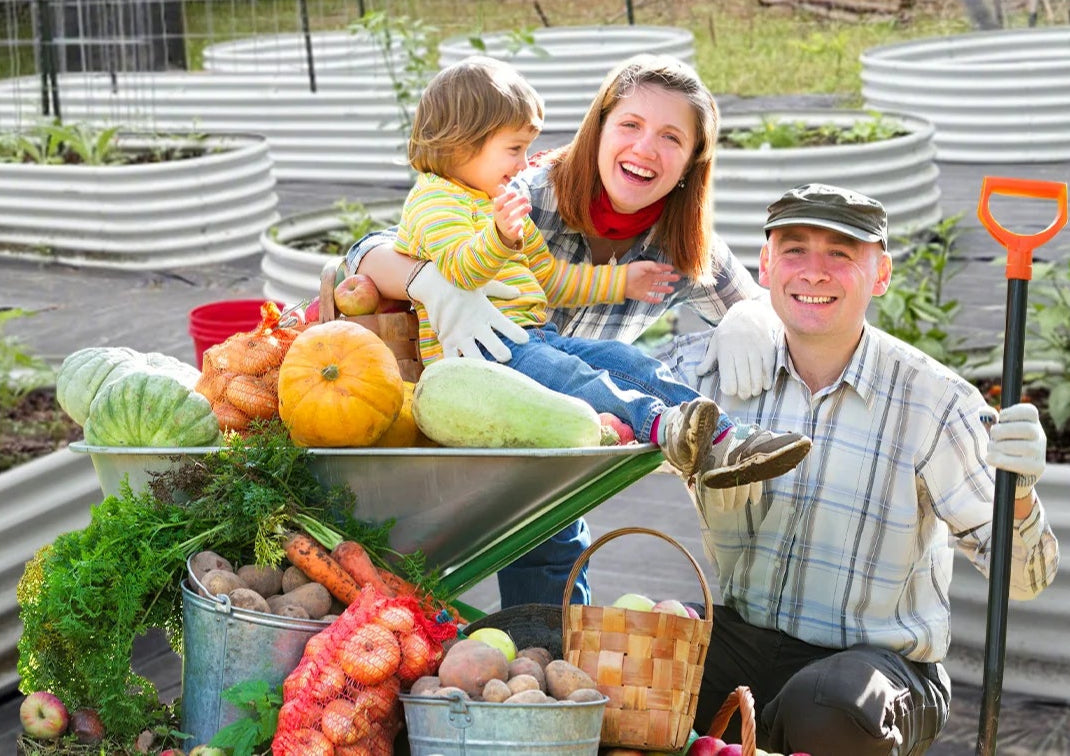
ALT: Backyard garden with metal raised beds, vegetable planting layout, pathway system, and decorative garden ornaments for a complete outdoor setup
Advanced Strategies: Maximizing Your $1,000 Investment
Special Situations and Pro-Level Thinking
Dealing with Sloped Yards: If your backyard isn't level, don't despair. Raised beds are an ideal solution for sloped terrain because you can level each bed individually, regardless of the grade beneath. Terrace your beds on slopes using a stepped approach — it actually creates a striking visual effect while solving a practical problem.
Wet and Drainage-Challenged Sites: In areas with poor drainage, raised beds are particularly advantageous because they elevate your root zone above waterlogged soil. Add a layer of coarse gravel at the base of your bed before filling with your soil blend to further improve drainage. Pair this with proper mulching and you'll have a productive garden even in challenging conditions.
Extending Your Growing Season: In cooler climates, a simple low-tunnel cover — either row fabric or a lightweight plastic hoop system — can extend your growing season by four to six weeks in both spring and fall. This accessory pays for itself quickly in additional harvests and is easy to set up over most standard raised bed configurations.
Common Misconceptions to Avoid
Many new gardeners believe that bigger is always better. In reality, two or three well-maintained, properly planted beds will outperform six neglected ones. Start with what you can realistically care for, then expand when you're ready.
Another frequent misconception is that metal raised beds overheat and cook plant roots in summer. Quality metal garden beds with a proper soil volume actually regulate temperature effectively, and the volume of soil acts as a thermal buffer. In climates with extreme summer heat, a layer of organic mulch on the soil surface is all you need to keep root temperatures in a healthy range.
Finally, don't assume that the cheapest soil is "good enough." Poor soil quality is the single biggest reason beginner gardens underperform. Invest in quality growing medium — it's the foundation everything else depends on.
Frequently Asked Questions FAQ
Q1: How do I build a DIY raised bed on a tight budget without sacrificing quality?
Start with one or two metal raised garden beds rather than trying to build out an entire garden system immediately. Metal beds like those from Anleolife offer a 20-year lifespan, which dramatically reduces your per-year cost. Source quality compost from your local municipality (many cities offer free compost programs), grow from seed instead of transplants, and phase your tool purchases over your first two seasons. Prioritize the soil, the bed structure, and water access — everything else can come later.
Q2: Are metal raised garden beds safe for growing vegetables?
Yes — high-quality metal raised garden beds are widely regarded as safe for food production. The key is choosing beds made from materials specifically engineered for garden use, which do not leach harmful chemicals into your soil. The soil inside the bed serves as a natural buffer, and the roots of vegetable plants interact with the soil rather than the metal itself. For added peace of mind, look for brands that are transparent about their material specifications and quality standards.
Q3: How long does it take and what does it cost to build a complete backyard garden under $1,000?
Most homeowners complete their initial setup over two to three weekends, with the heaviest work concentrated in the first weekend (bed placement and soil filling). Budget allocation typically looks like this: raised beds and soil (approximately $500–$600), tools and hose ($100–$150), mulch and amendments ($50–$80), and beautification elements like ornaments and pathway stones ($100–$150). Ordering from Anleolife's nationwide warehouse network means your products arrive within 3–8 business days, so you can plan your build weekends with confidence.
Summary
Building a complete backyard garden under $1,000 is not just achievable — it's one of the smartest lifestyle investments you can make as a homeowner. Here are the three core takeaways:
1. Plan your layout first, buy second. A thoughtful raised bed garden layout prevents costly mistakes and ensures your garden grows with you. Whether you choose a linear, grid, or L-shaped raised bed planting layout, the right spatial design maximizes yield and minimizes frustration.
2. Invest where it counts. Quality metal raised beds with a 20-year lifespan are the backbone of a budget-smart garden. Pair them with excellent soil, organic mulch, and a durable hose, and you've covered the fundamentals that make everything else work.
3. Build in phases — start simple, expand intentionally. Your $1,000 starter garden is just the beginning. As you gain confidence and clarity about what you want to grow, raise, and create, you can expand your planting area, add a chicken coop or rabbit hutch, or invest in more decorative pathway and ornament systems.
Your garden doesn't need to be perfect on day one. It just needs to get started.
Start Building Your Garden With Anleolife
Anleolife's nationwide U.S. warehouse network — strategically located in California, Texas, Florida, New York, Illinois, and Washington — ensures delivery within 3–8 business days, so your garden plans never have to wait for your products.
Our multi-channel availability means you can shop wherever is most convenient: Amazon, Walmart, Home Depot, Lowe's, Wayfair, or directly at Anleolife.com — with consistent quality assurance and dedicated after-sales support on every channel.
Anleolife's three core scenarios cover everything your backyard garden needs:
- Planting — Metal raised garden beds and soil systems built for durability and long-term performance
- Raising — Chicken coops and rabbit hutches designed for backyard-scale animal keeping
- Beautification — Decorative accessories and pathway systems that turn a functional garden into a beautiful outdoor living space
We understand that an ideal garden is not built overnight — it's gradually improved over time. Our modular product design allows flexible expansion based on your needs, from your first raised garden bed to a fully integrated planting-and-raising ecosystem. We grow with you every step of the way.
👉 Explore Anleolife's full garden product collection at Anleolife.com
References
- National Gardening Association. "Garden to Table: A Guide to Home Food Gardening".
https://garden.org/ - University of California Agriculture and Natural Resources. "Mulches for the Home Garden".
https://ucanr.edu/ - U.S. Department of Agriculture (USDA). "Backyard Gardening and Urban Agriculture Resources".
https://www.usda.gov/topics/urban-agriculture - Penn State Extension. "Building and Filling a Raised Bed Garden".
https://extension.psu.edu/ - Colorado State University Extension. "Raised Bed Gardening".
https://extension.colostate.edu/
Note: Standards and recommendations may be updated. Please check the latest official documents or consult professional gardening advisors for the most current guidance.
About Anleolife
Anleolife is a leading outdoor garden solutions provider in North America, dedicated to offering a full-scenario product ecosystem for home gardening enthusiasts, covering planting, raising, and garden beautification. Since its founding, we have upheld our brand mission, "Made for Garden Life," continuously innovating products and optimizing services to help hundreds of thousands of users upgrade their gardens, reconnect with nature, and enjoy a better garden lifestyle.