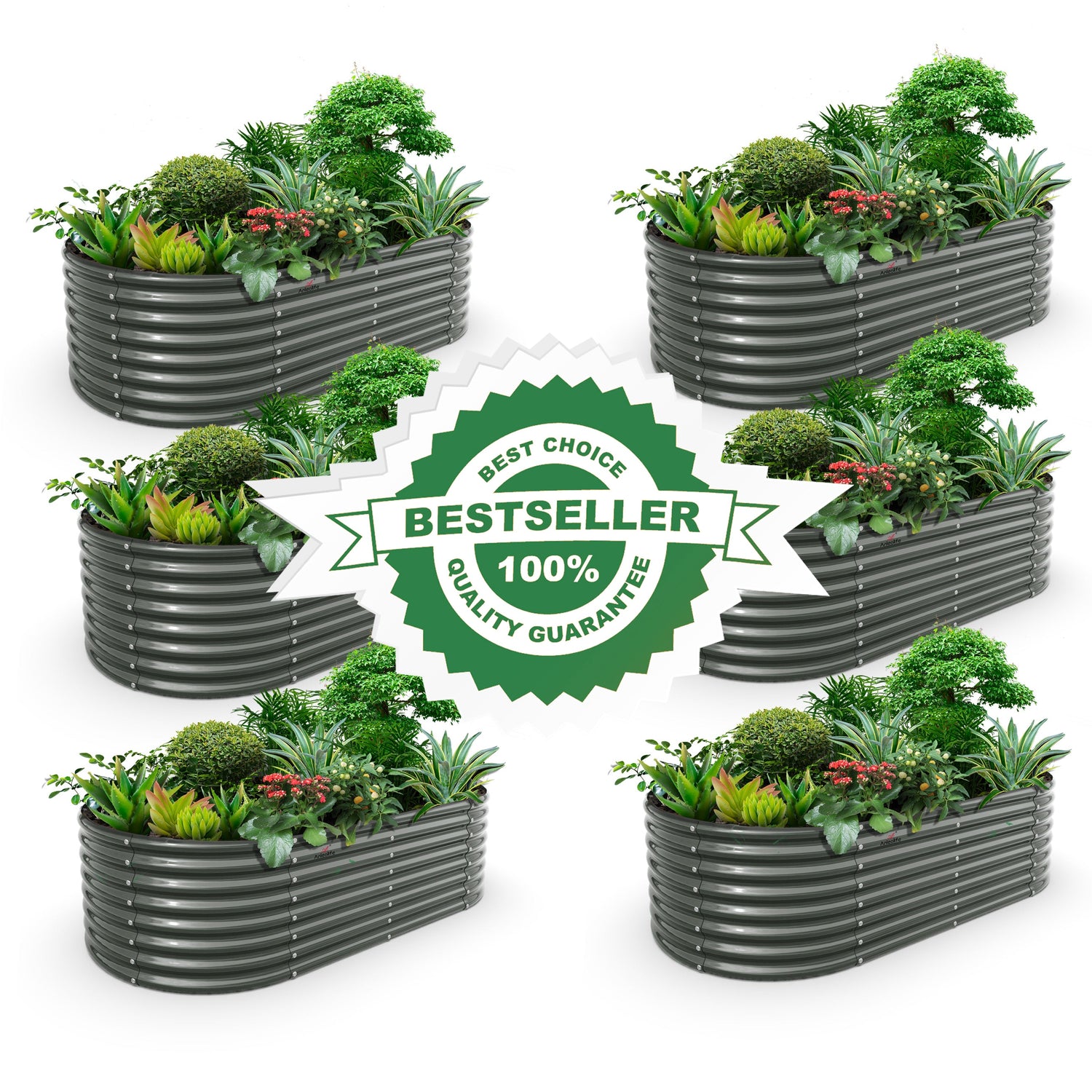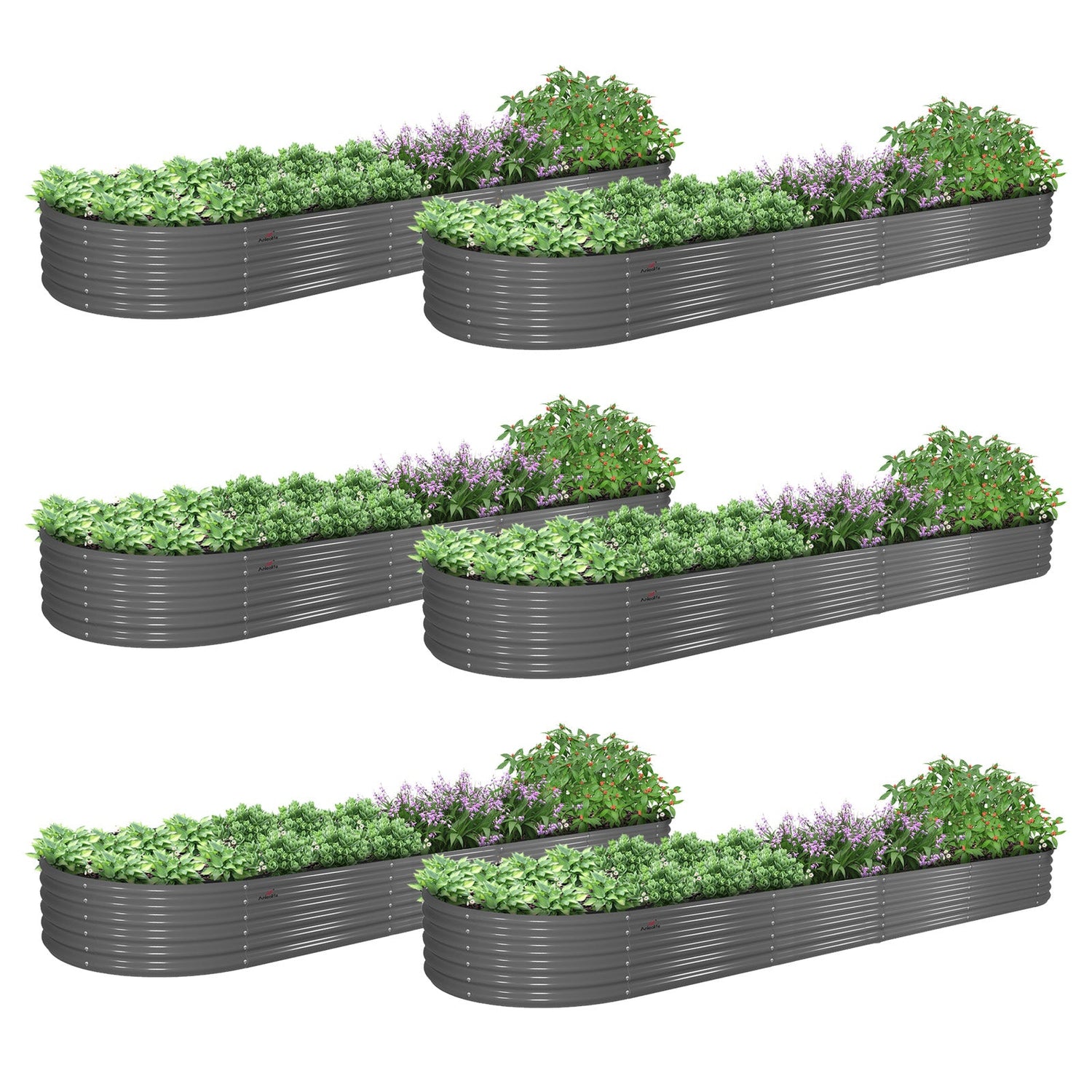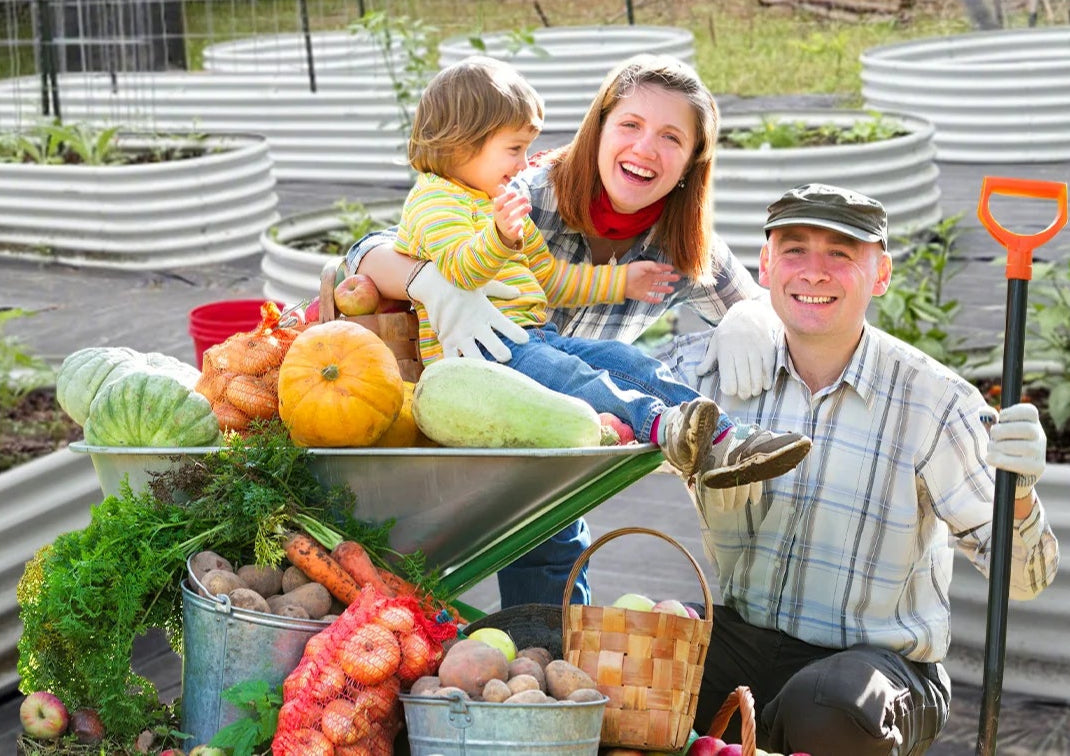



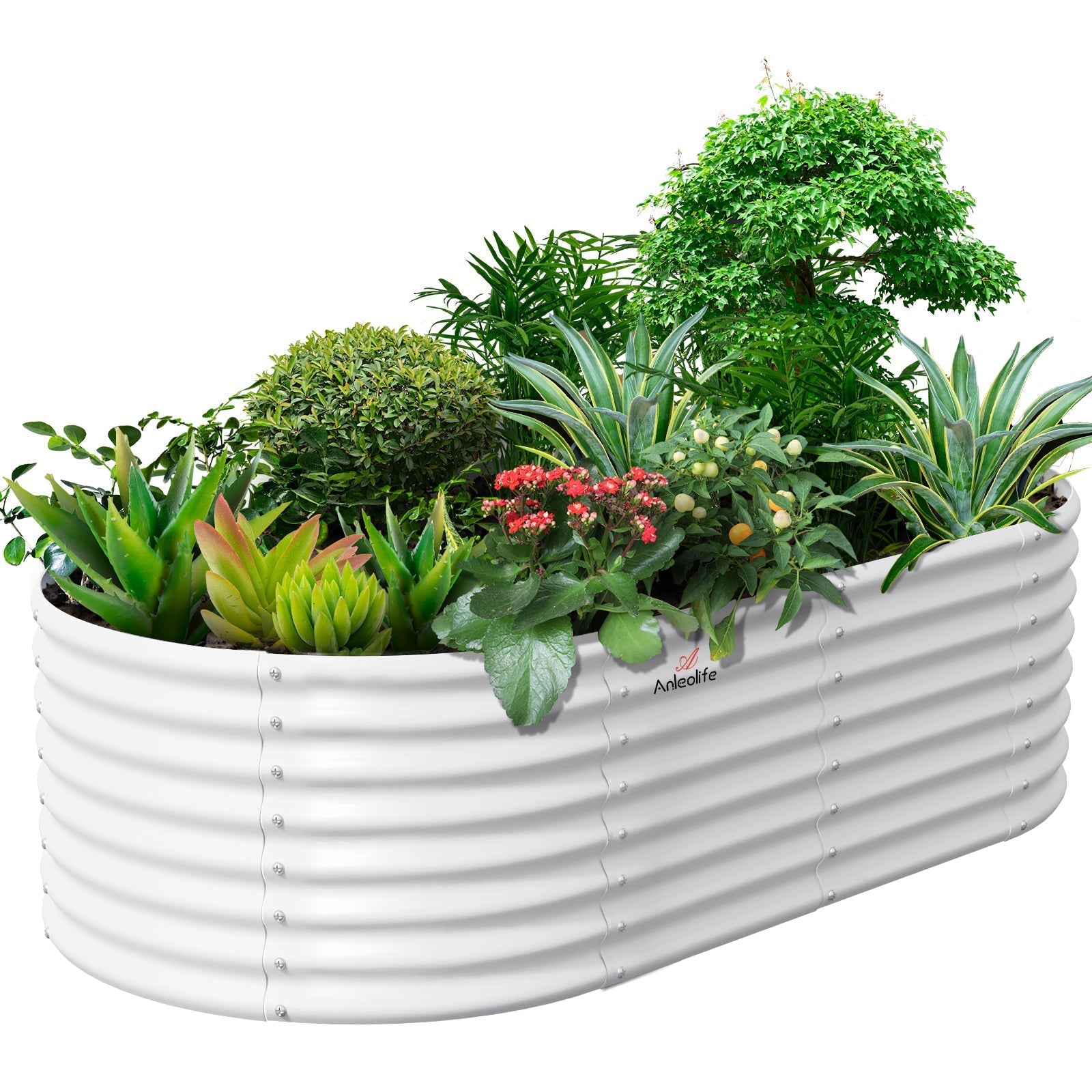
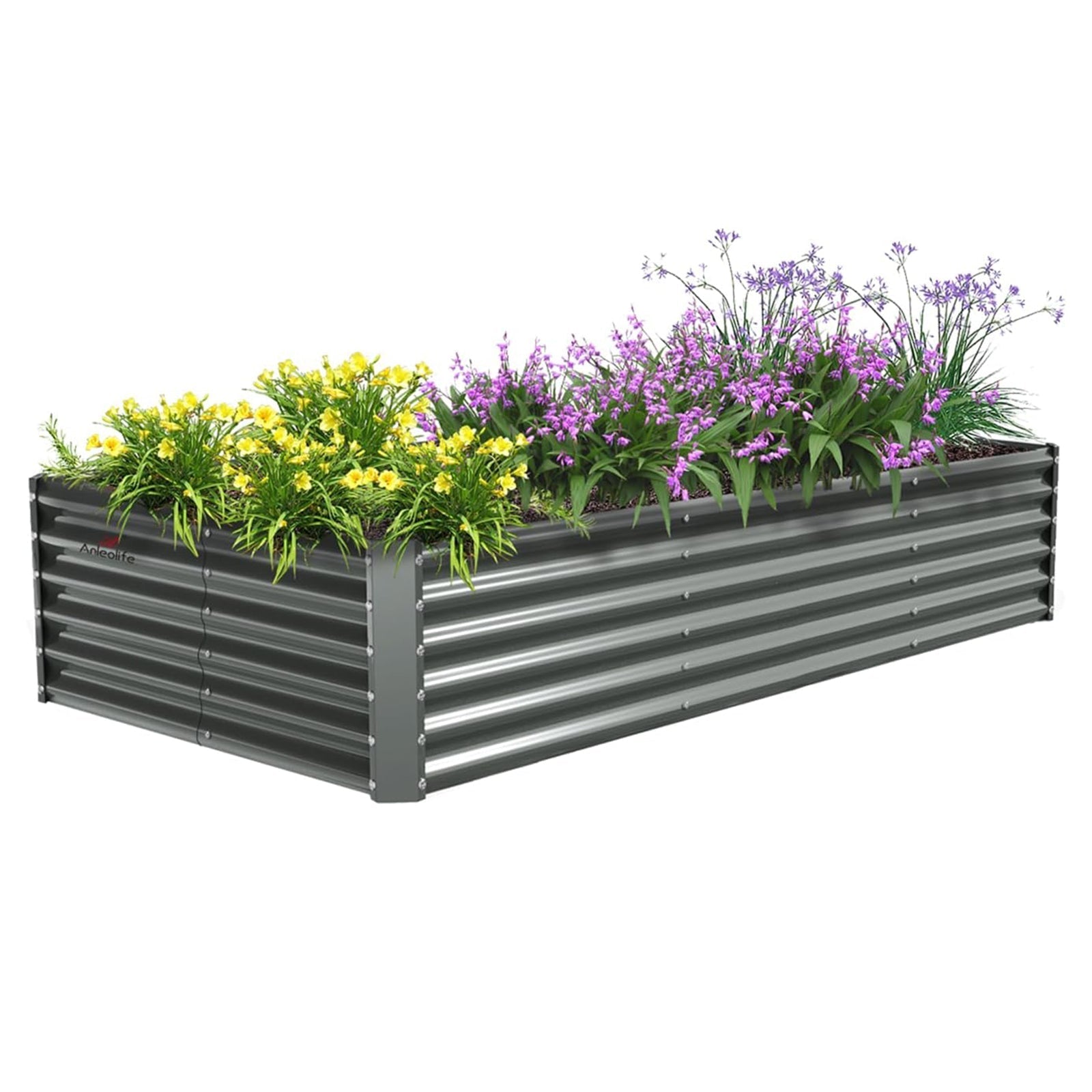

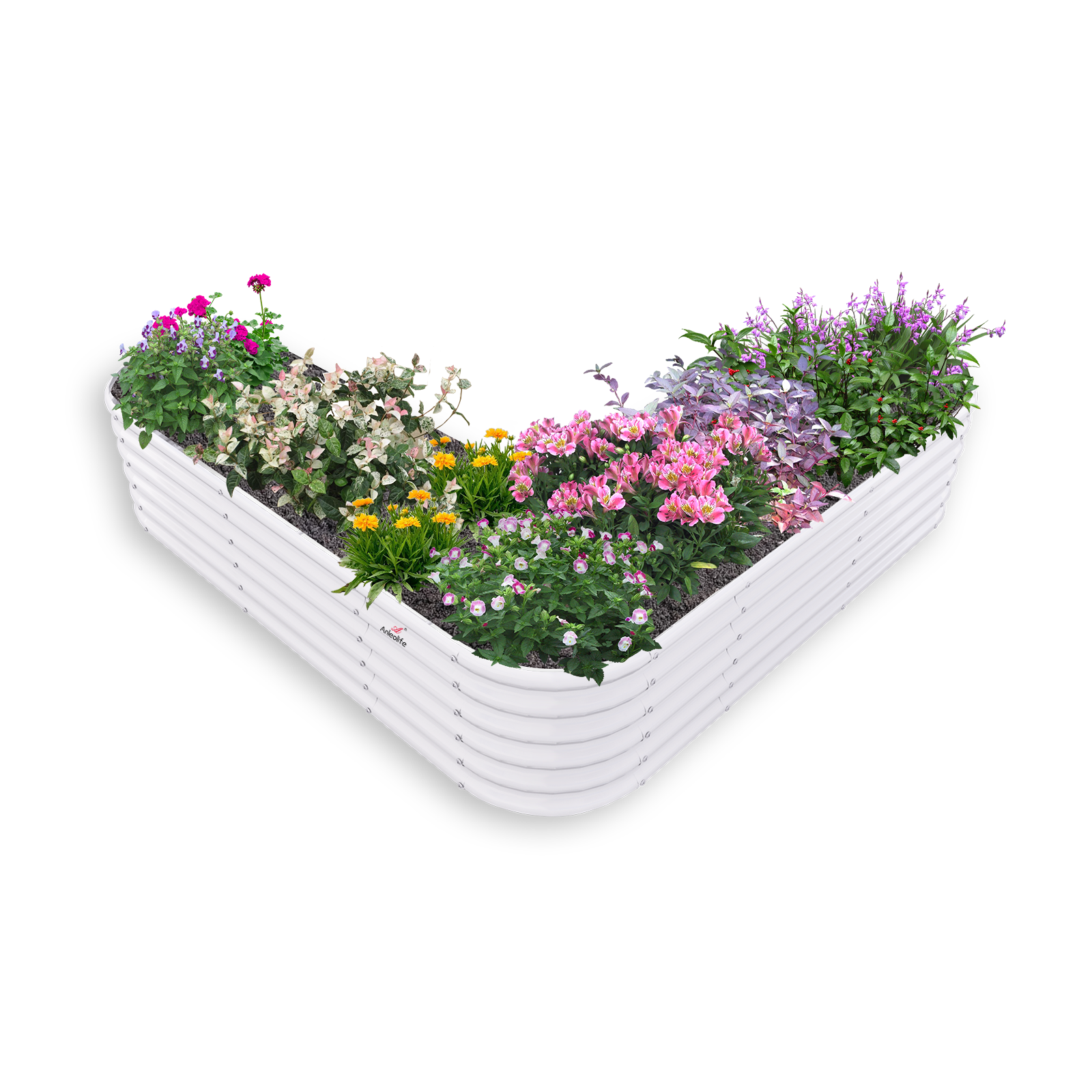
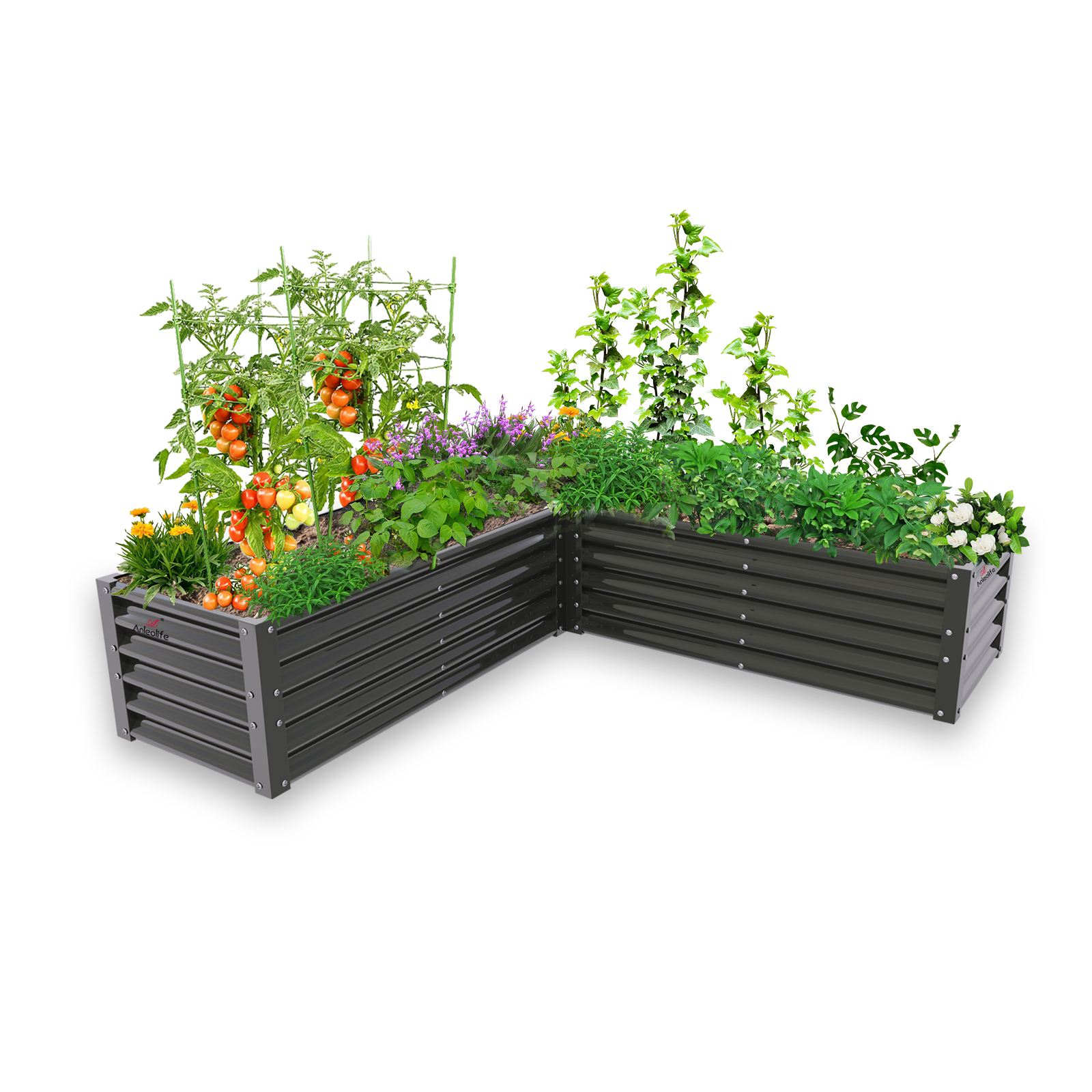
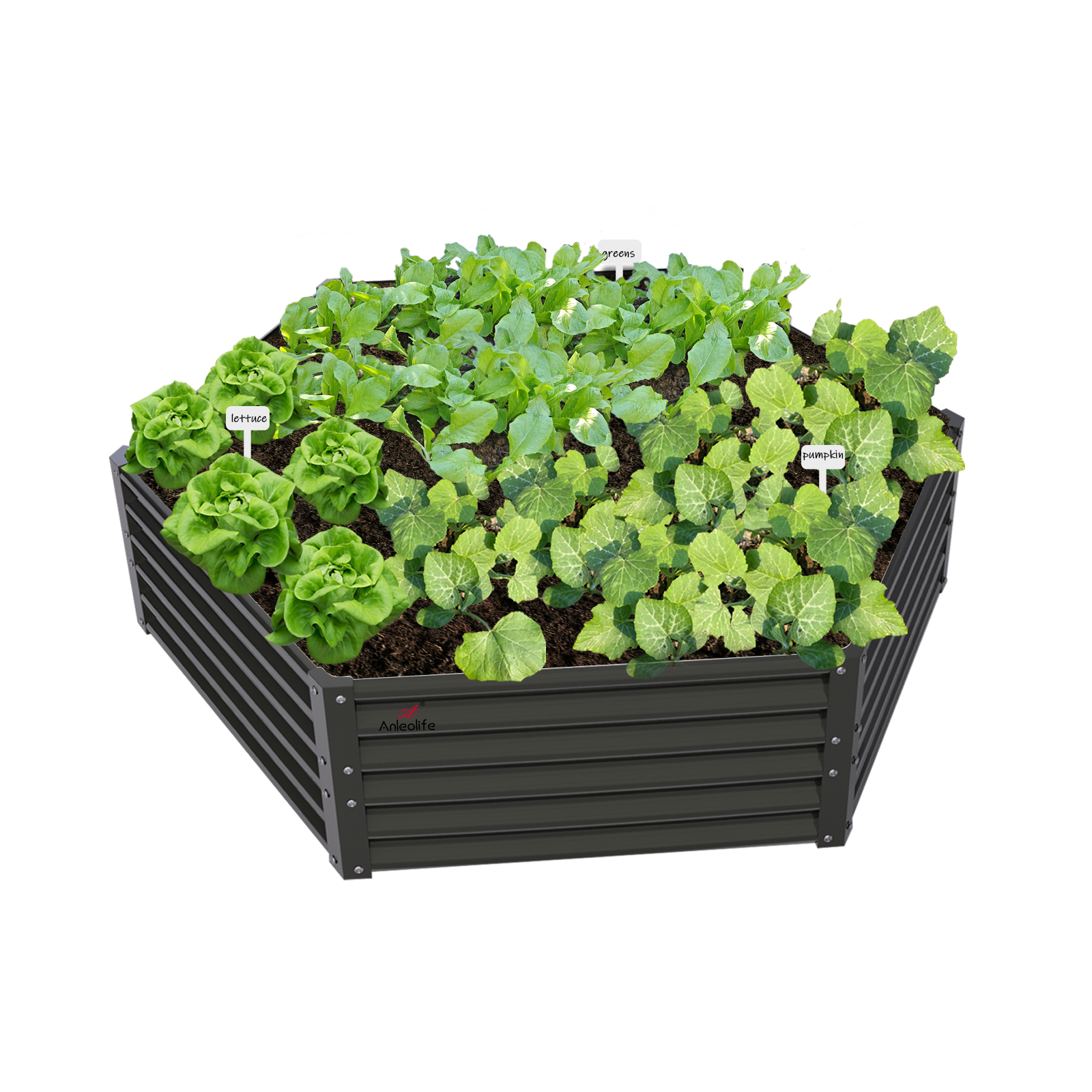



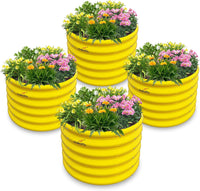
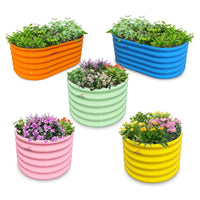
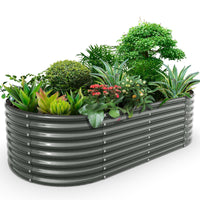




ALT: Complete backyard garden build under $1,000 featuring raised bed garden layout with vegetables and pathway lighting
How to Build a Complete Backyard Garden for Under $1,000 This Summer
Key Conclusion: Building a complete backyard garden doesn't require a massive budget or professional landscaping crew. With a smart raised bed garden layout, thoughtful raised bed planting layout, and a prioritized raised bed layout plan, most homeowners can create a fully functional, beautiful outdoor growing space for under $1,000. The key lies in choosing durable, long-lasting materials, focusing on high-impact zones first, and investing in modular systems that grow alongside your needs — not your spending.
Summer is the perfect season to stop dreaming about fresh tomatoes and actually grow them. Whether you're transforming a neglected corner of the yard into a productive vegetable patch or creating a full garden ecosystem complete with raised beds, lighting, and decorative pathways, the $1,000 budget is more powerful than most people realize.
Three principles will guide this entire article: spend strategically on durable infrastructure, start with a layout that scales, and prioritize elements that deliver both function and beauty. From galvanized steel raised beds to solar pathway lights, every dollar can work harder than you expect — and Anleolife's complete product ecosystem makes it surprisingly achievable.
Who This Guide Is For
✅ Applicable Scenarios:
- Homeowners with an unused backyard, patio, or side yard who want to grow their own food this season
- Urban micro-gardeners and renters with defined outdoor spaces who want a modular, movable garden setup
- Empty nesters and retirees looking to build a manageable, low-maintenance garden they can maintain solo
- Eco-conscious families wanting a sustainable, long-term growing system without constant replacement costs
❌ Not Applicable/Cautions:
- Large-scale market gardens or homesteads requiring industrial-grade irrigation infrastructure (beyond the scope of a $1,000 residential budget)
- Households with active soil contamination issues who require full remediation before any in-ground or raised-bed growing can safely begin
- Those expecting an instant result without any physical setup effort — even a well-planned garden requires a weekend of hands-on assembly
Why So Many Backyard Gardens Fail Before They Even Start
The number one reason backyard garden projects stall isn't motivation — it's the feeling that it costs too much, requires too much expertise, or demands a plan so complicated that starting feels overwhelming.
According to the National Gardening Association, home food gardening has surged consistently over the past several years, with millions of new households starting a garden annually. Yet a significant portion of those new gardeners don't return the following year. The reason? Poor planning, underinvestment in quality materials, and layouts that don't actually fit how families use their outdoor space.
The raised bed revolution has changed this equation dramatically. Modern raised bed systems — particularly galvanized steel raised beds — offer a structured, contained, and highly manageable alternative to traditional in-ground gardening. They improve drainage, warm up faster in spring, reduce weed pressure, and allow you to control soil quality precisely. Most importantly, they give you a clean, defined raised bed layout that's easy to plan on paper before you commit a single dollar to the ground.
The challenge has always been cost. A single cedar raised bed from a home improvement store can run $150–$300. Add soil, amendments, hardware, tools, and lighting, and many gardeners find themselves well over $1,500 before they've planted a single seed. This guide is specifically designed to avoid that trap — showing you how galvanized steel, smart layout planning, and a modular product approach can keep the total well under $1,000 while actually building something better.
For homeowners in wet climates, material selection becomes even more critical. Which materials are best for raised beds in wet climates? The short answer: galvanized steel outperforms wood in high-moisture environments by resisting rot, warping, and fungal degradation that typically destroys wooden beds within a few seasons. More on this below.
Your Complete $1,000 Backyard Garden Build: Step-by-Step
Three-Step Quick Start
Step 1: Map Your Space and Define Your Layout
Before spending a dollar, spend 30–60 minutes mapping your yard. Measure available space, note sun exposure throughout the day (vegetable gardens need 6–8 hours of direct sunlight), and mark any utility lines, drainage slopes, or shaded zones. Sketch your raised bed planting layout on graph paper or a free app. Decide how many beds you want, their orientation relative to the sun, and where pathways will run. This single step prevents the most common and costly beginner mistake: buying materials before understanding the space.
Step 2: Prioritize Your Budget Across Four Categories
Divide your $1,000 across four zones: Infrastructure (raised beds and soil — your largest investment), Growing Supplies (seeds, transplants, amendments), Tools and Storage, and Beautification (lighting, pathway materials, decorative elements). A sensible allocation for most first-time builders looks like this: infrastructure at roughly 50–55% of the total, growing supplies at 20–25%, tools and storage at 10–15%, and beautification at 10–15%. Keeping these ratios in mind while shopping prevents overspending in one area at the expense of another.
Step 3: Build Beds First, Then Layer In the Extras
Assemble your raised beds and fill them with quality soil before purchasing anything else. Getting beds into the ground and soil amended in time for summer planting is your primary deadline. Once beds are set and seeds are in, you have the entire growing season to add pathway lighting, decorative accessories, tool storage, and other beautification elements — many of which go on sale as the season progresses.
Comparing Your Core Material Options for Raised Beds
Choosing the right raised bed material is the single most consequential decision in your budget build. Here's how the three most common options stack up:
| Comparison Dimension | Galvanized Steel | Cedar/Redwood | Composite/Plastic |
|---|---|---|---|
| Lifespan | Up to 20 years | 5–10 years (varies by climate) | 10–15 years (UV degradation) |
| Performance in Wet Climates | Excellent — no rot, no warping | Poor to moderate — prone to rot | Good — moisture resistant |
| Initial Cost | Moderate | Moderate to high | Low to moderate |
| Aesthetic Appeal | Clean, modern, professional | Warm, natural | Utilitarian |
| Soil Heating | Excellent — warms soil faster | Moderate | Variable |
| Assembly | Easy — modular panels | Moderate — requires tools | Easy |
| Maintenance | Very low | High — annual sealing recommended | Low |
| Eco/Safety | Safe for food growing | Safe | Variable — check certifications |
Are galvanized steel raised beds worth the cost? Absolutely — and the numbers tell the story clearly. A galvanized steel bed from Anleolife carries a lifespan of up to 20 years, which means the per-year cost is dramatically lower than wooden alternatives that may need replacement within a single decade. In wet climates like the Pacific Northwest, Florida, or the Great Lakes region, the case for galvanized steel becomes even stronger: wood rots, swells, and warps, requiring costly replacement cycles that quickly erode any initial savings.
Beyond longevity, galvanized steel warms soil earlier in the season (critical for tomatoes and peppers), provides a clean aesthetic that elevates the visual quality of the entire yard, and requires virtually zero maintenance beyond occasional rinsing.
Building Your Raised Bed Garden Layout: Design Principles That Work
Orientation and Spacing
The foundation of any successful raised bed garden layout is sun orientation. In the Northern Hemisphere, beds should run north-to-south to give all plants equal sun exposure throughout the day and prevent taller crops from shading shorter ones. Leave at least 18–24 inches between beds for comfortable walking and tool access — wider if you're using a wheelbarrow regularly.
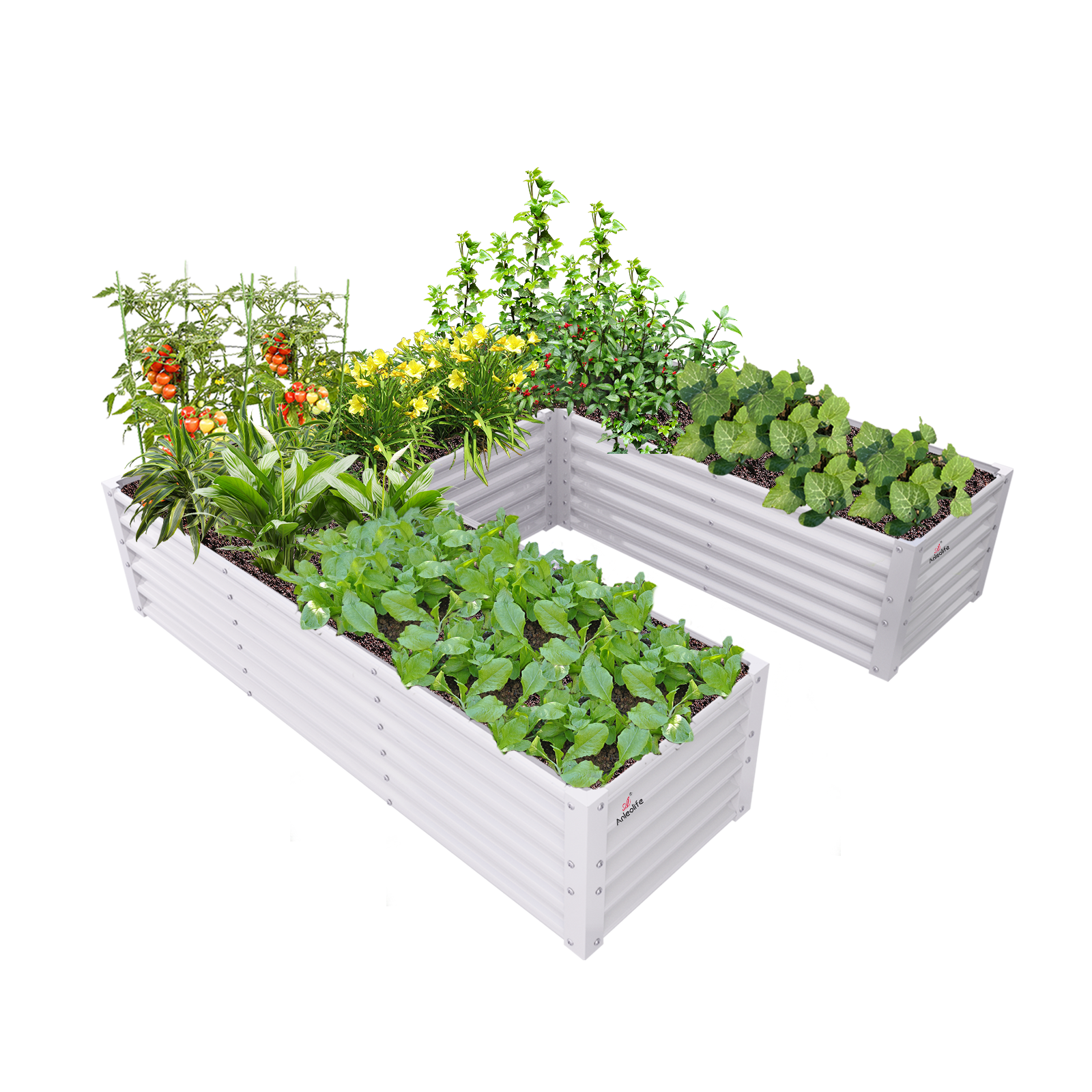
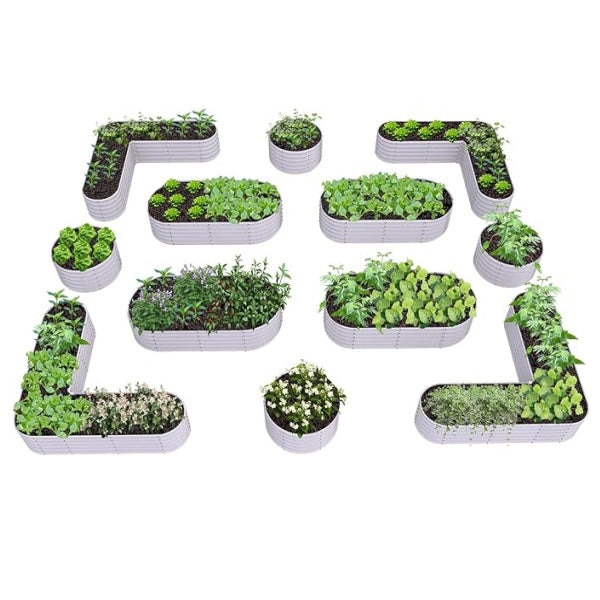
A classic layout for a first garden: two to three rectangular beds arranged in a parallel configuration with a central pathway. This maximizes growing area, simplifies irrigation runs, and creates a natural visual focal point in the yard. If space allows, consider a U-shaped arrangement that lets you access all beds from a central standing position — ideal for gardeners with limited mobility.
Soil Filling Strategy
Soil is where first-time gardeners most commonly underspend — and then suffer for it. A high-quality raised bed mix should drain well, retain moisture, and provide rich organic matter. The traditional "Mel's Mix" (equal parts compost, vermiculite, and peat moss or coco coir) remains a gold standard for raised beds. Budget approximately $150–$200 for soil in a two-to-three bed setup, and don't be tempted to fill the bottom with subsoil from the yard. The investment in quality growing medium pays dividends in yield and plant health every season.
What to Plant in Your First Season
For summer starts, prioritize high-yield, fast-maturing crops that reward beginners: cherry tomatoes, bush beans, summer squash, cucumbers, basil, and kale. These plants establish quickly, produce abundantly, and help newer gardeners stay motivated through visible results. Leave one section of your raised bed planting layout for herbs — they require minimal space, produce continuously, and make every meal better from the first harvest.
Pest Management and Insect Netting
One element often overlooked in budget planning is pest protection. Top rated insect netting materials for vegetable gardens typically fall into two categories: fine mesh netting (for aphids, whiteflies, and small insects) and heavier bird netting (for larger pests). Fine row cover fabric is the most versatile option — it protects against insects, provides light frost protection, and allows water and sunlight through. Budget $20–$40 for a basic roll, and use it especially over brassicas (cabbage, broccoli, kale) that attract caterpillars.
Tool Storage in Wet Climates
Leaving hand tools exposed to summer rain accelerates rust and degrades wooden handles quickly. Recommended tool storage for wet climates should prioritize weather-resistant enclosures: waterproof resin sheds, galvanized steel tool organizers, or wall-mounted pegboard systems inside a covered structure. For a budget build, a compact wall-mounted tool rack on a covered fence or garage exterior works well. Budget $30–$60 for basic tool organization — it protects a $100+ investment in quality hand tools.
Lighting and Beautification: Making It a Space You Want to Be In
A functional garden becomes a lifestyle garden when you add lighting and decorative elements. Top-rated string lights and pathway lighting options for backyard gardens generally fall into two categories: solar-powered pathway stakes (ideal for defining bed edges and walkways) and overhead string lights (for ambiance in an adjacent seating area).
Solar pathway lights are a particularly smart budget choice — no wiring required, they charge during the day and automatically illuminate at dusk, and a set of 8–12 lights typically costs $25–$50. Overhead string lights strung between fence posts or garden stakes create an inviting evening atmosphere and can be found in weatherproof versions for $30–$60. Together, these lighting elements transform a daytime workspace into an evening retreat — making the garden a place you actually visit and enjoy throughout the week.
Anleolife's beautification accessories — including decorative pathway systems and garden accents — are designed to complement raised bed setups while keeping the overall aesthetic cohesive and intentional. These aren't afterthoughts; they're the details that make guests (and you) say "wow" when they step into the backyard.

ALT: Galvanized steel raised bed garden layout with solar pathway lighting and decorative pathway systems creating a beautiful backyard garden space
Advanced Planning: Mistakes to Avoid and Myths to Debunk
Special Situations Worth Planning For
Sloped yards: If your backyard slopes, don't try to work against the grade — work with it. Stagger beds at different elevations using taller raised beds on the downhill side. Galvanized steel beds handle uneven terrain better than wooden frames, which tend to twist and separate when set on irregular ground.
Heavy clay or compacted soil underneath: One of the greatest advantages of raised beds is that you don't need good native soil — you're building a new growing environment above it. However, if you plan to place beds directly on clay, consider a layer of cardboard underneath (it suppresses weeds and decomposes over time) and ensure your bed walls are tall enough to give roots adequate depth without reaching the compacted layer below.
Watering in dry climates or during summer heat: For gardeners in California, Texas, or other hot, dry regions, consider laying drip irrigation tape inside your beds before filling them with soil. A basic drip kit for two to three beds typically runs $40–$70 and dramatically reduces water usage while improving consistency. It's far easier to install before the bed is filled than to retrofit afterward.
Common Misconceptions
Myth: "A bigger garden is always better for beginners." Reality: Overbuilding a first garden is one of the top causes of burnout. Two or three well-maintained raised beds will outperform six neglected ones every time. Start with what you can realistically manage, then expand once you understand your routines.
Myth: "Galvanized steel leaches dangerous metals into food." Reality: Modern food-safe galvanized steel uses zinc coating that does not leach harmful levels of heavy metals into soil at the concentrations found in garden beds. Multiple university extension studies have found galvanized raised beds safe for vegetable production. Zinc is actually a micronutrient that plants need in small quantities.
Myth: "Under $1,000 means you're compromising on quality." Reality: The opposite is true when you invest in the right materials. A galvanized steel bed with a 20-year lifespan costs far less per year than cheap alternatives that need annual replacement.
Frequently Asked Questions FAQ
Q1: How do I choose the best raised bed garden layout for a small backyard?
For small backyards, prioritize accessibility over quantity. A classic layout of two to three rectangular beds in a parallel or L-shaped arrangement gives you significant growing area while keeping pathways clear. Position beds where they receive the most sun — typically the south or southeast corner of most yards. Keep bed widths manageable so you can reach the center from either side without stepping in. A compact, well-maintained layout consistently outperforms an overcrowded one.
Q2: Are galvanized steel raised beds safe for growing vegetables long-term?
Yes. Galvanized steel raised beds are considered safe for vegetable gardening by multiple university extension programs and have been widely used in community and home gardens for decades. The zinc coating used in galvanization is stable under normal soil conditions and does not leach harmful levels of metals into growing medium. Anleolife's galvanized steel beds are designed for long-term residential use and are built to last up to 20 years — making them both a safe and economical long-term investment.
Q3: How long does it take to build a complete backyard garden, and what does it cost?
With focused effort, most homeowners can complete the physical build — assembling raised beds, filling with soil, and setting up basic lighting — over a single weekend. Planning and material sourcing typically takes one to two weeks before that. Total costs under $1,000 are achievable when you prioritize galvanized steel beds for durability, buy soil in bulk where possible, and phase in beautification elements over the season. Delivery from Anleolife arrives in 3–8 business days, so ordering materials a week to ten days before your build weekend gives comfortable lead time.
Summary
Building a complete backyard garden for under $1,000 is not just achievable — it's one of the smartest home investments you can make this summer. Let's revisit the three core principles:
Invest in infrastructure that lasts. A galvanized steel raised bed system with a 20-year lifespan costs far less per growing season than cheaper alternatives. When you calculate the real cost of repeated replacements, quality wins every time.
Design a raised bed layout that scales. Starting with a compact, well-designed raised bed garden layout gives you a functional garden immediately and a clear roadmap for expansion. Modular systems like those offered by Anleolife make it easy to add beds, accessories, and features as your confidence and enthusiasm grow.
Build a space you actually want to use. Pathway lighting, decorative accessories, and thoughtful design aren't luxuries — they're what convert a garden from a chore into a lifestyle. When your backyard is beautiful and inviting, you spend more time there, your plants get more attention, and the whole experience becomes genuinely enjoyable.
Your next step: sketch your raised bed planting layout this week, measure your available space, and identify your sun zones. Then let Anleolife help you bring it to life.
Start Your Garden Build with Anleolife
Nationwide U.S. warehouse network: Strategically located in California, Texas, Florida, New York, Illinois, and Washington, Anleolife ensures delivery within 3–8 business days — so your garden upgrade plans never have to wait for the growing season.
Multi-channel availability: Products are available on major platforms including Amazon, Walmart, Home Depot, Lowe's, Wayfair, and directly at Anleolife.com — offering consistent quality assurance and after-sales support wherever you prefer to shop.
Three complete garden scenarios: Planting (metal raised garden beds, soil systems), Raising (chicken coops, rabbit hutches), and Beautification (decorative accessories, pathway systems) — meeting your complete needs from functionality to lasting aesthetic appeal.
We understand that an ideal garden is not built overnight — it's gradually improved over time. Our modular product design allows flexible expansion based on your needs, from your first raised garden bed to a fully integrated planting-and-raising ecosystem. We grow with you every step of the way. Visit Anleolife.com to explore the full collection and start building this summer.
References
- National Gardening Association. "Garden to Table: A Guide to Gardening for Food".
https://garden.org/ - University of California Agriculture and Natural Resources. "Raised Bed Gardening".
https://ucanr.edu/ - U.S. Department of Agriculture (USDA). "Home Gardening and Food Safety Resources".
https://www.usda.gov/ - Penn State Extension. "Building and Managing Raised Garden Beds".
https://extension.psu.edu/ - Colorado State University Extension. "Raised Bed Gardening".
https://extension.colostate.edu/
Note: Standards and recommendations may be updated. Please check the latest official documents or consult professional advisors for current guidance.
About Anleolife
Anleolife is a leading outdoor garden solutions provider in North America, dedicated to offering a full-scenario product ecosystem for home gardening enthusiasts, covering planting, raising, and garden beautification. Since its founding, we have upheld our brand mission, "Made for Garden Life," continuously innovating products and optimizing services to help hundreds of thousands of users upgrade their gardens, reconnect with nature, and enjoy a better garden lifestyle.