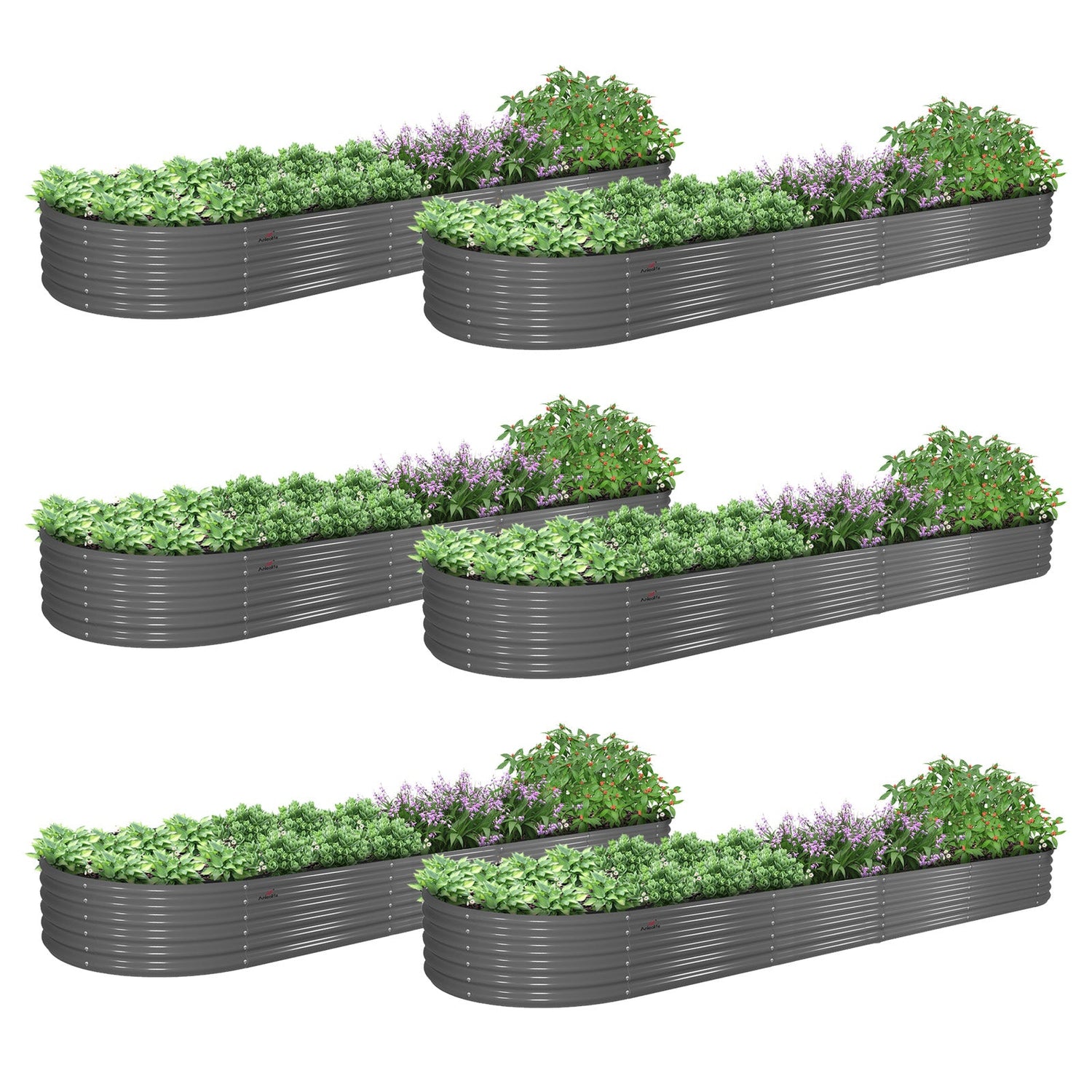



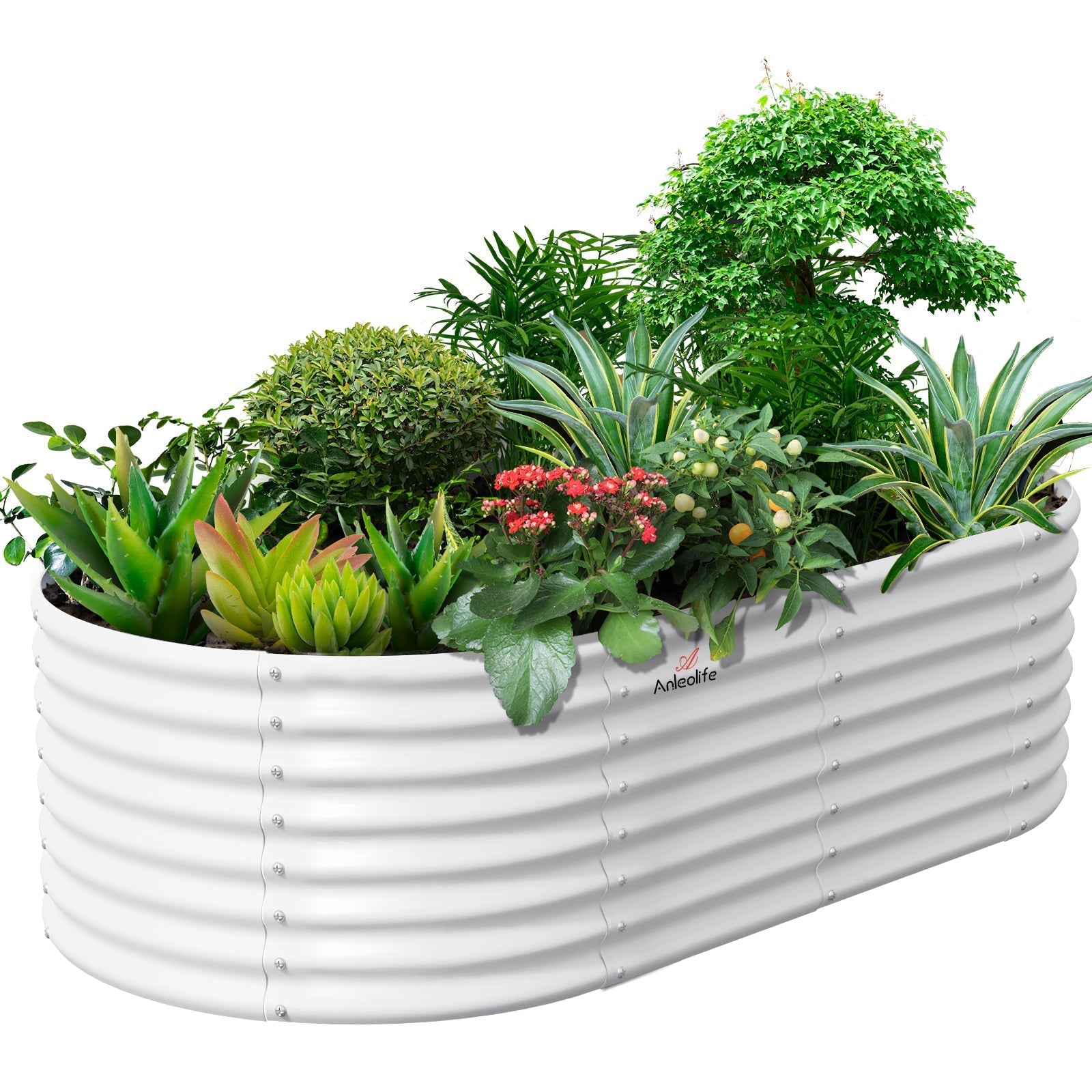
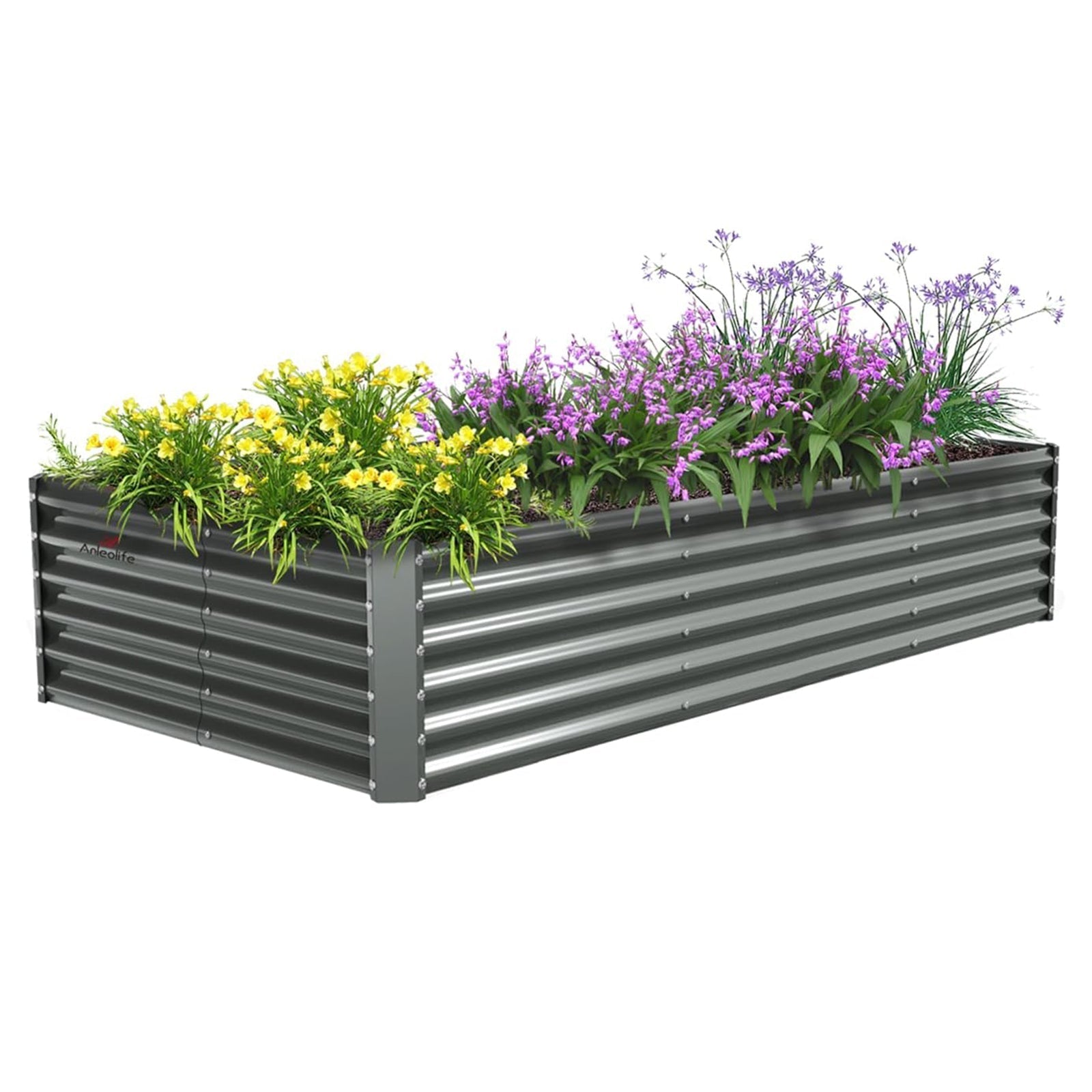

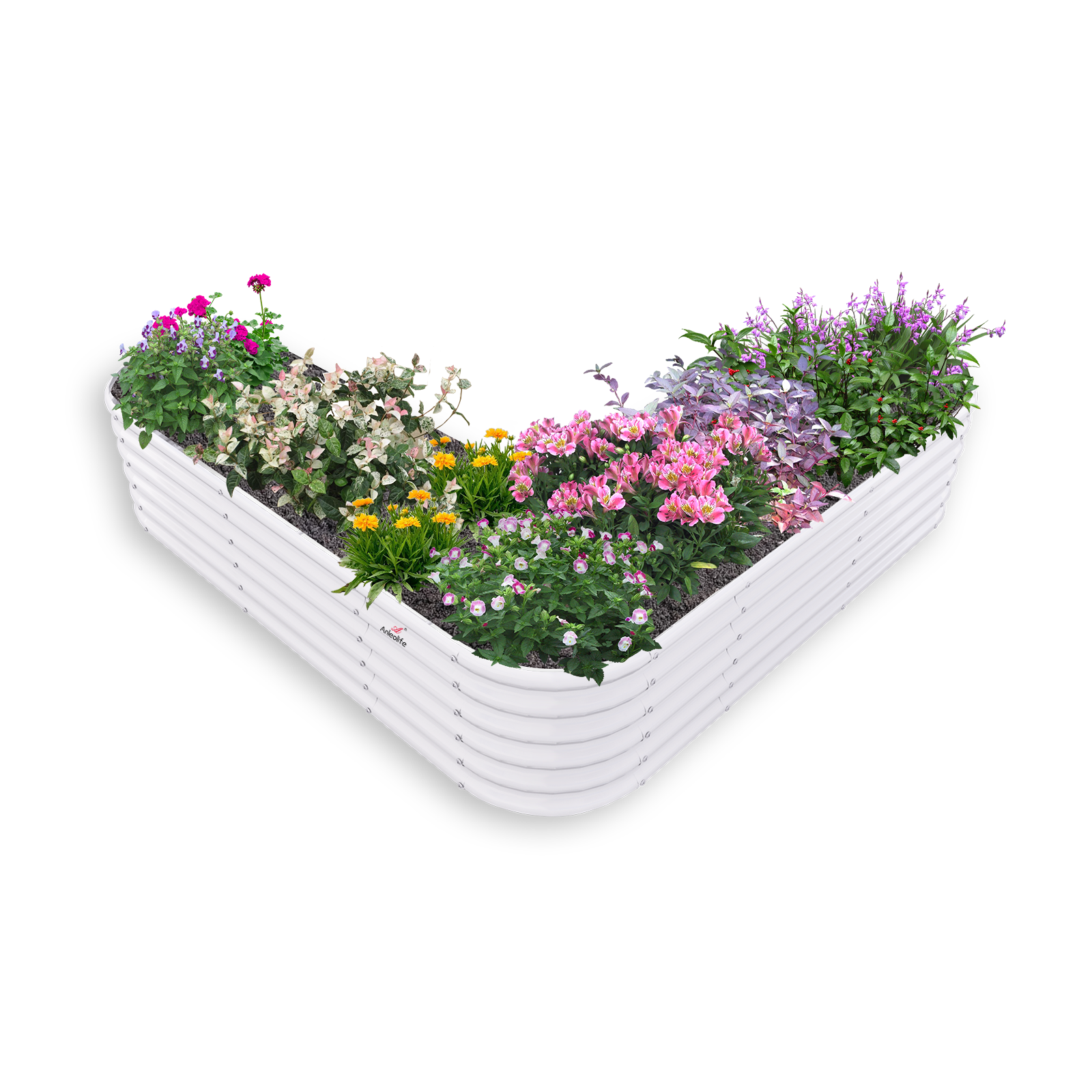
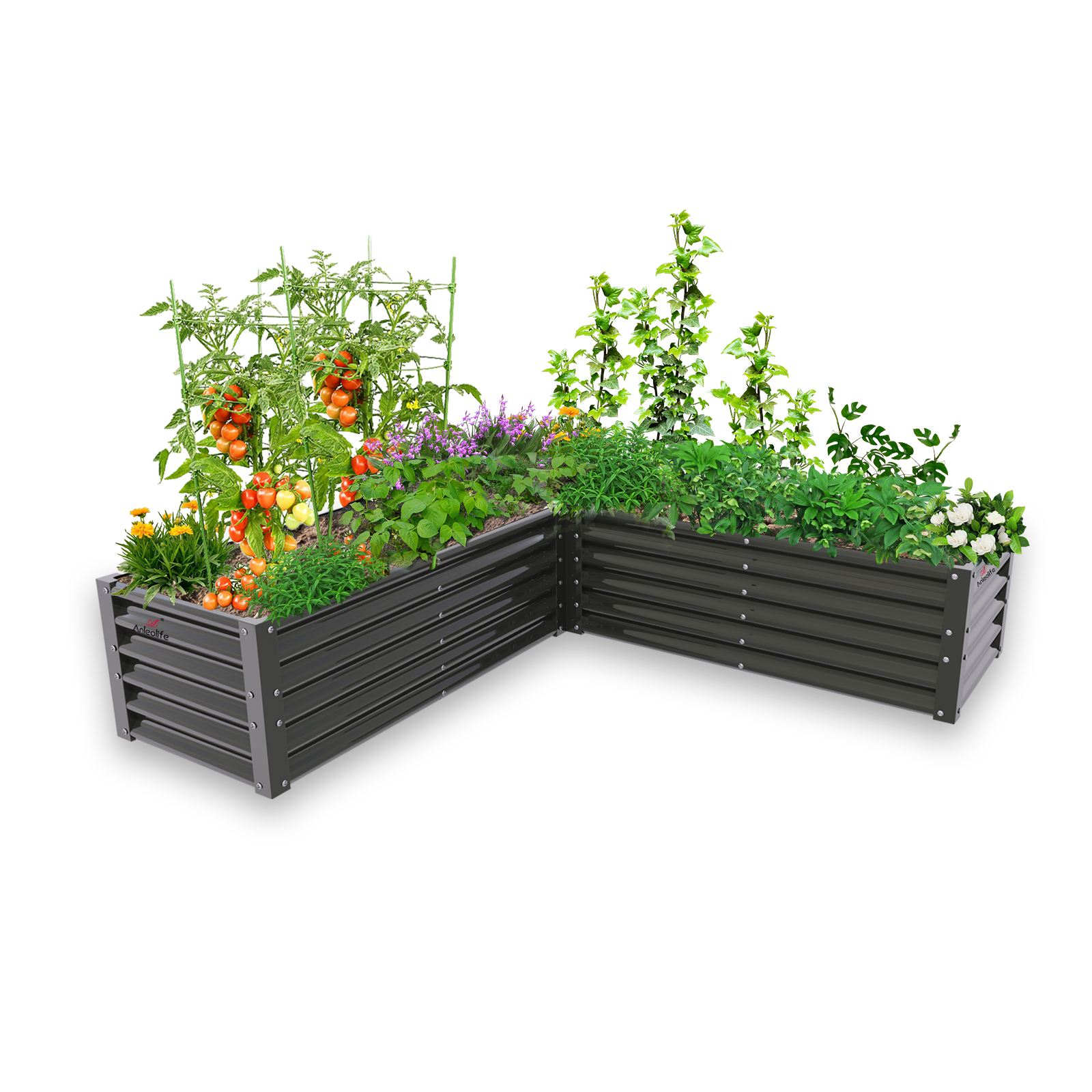
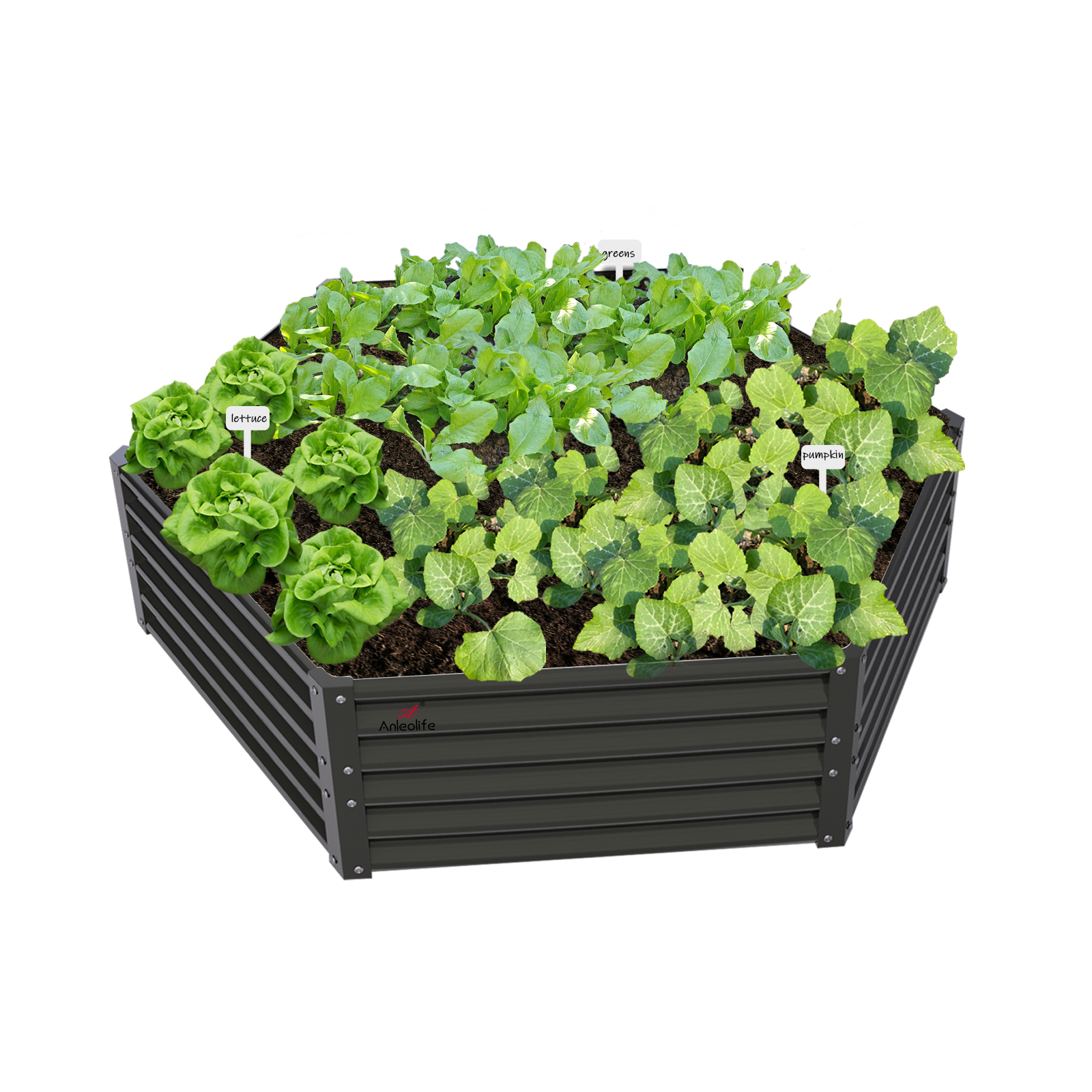



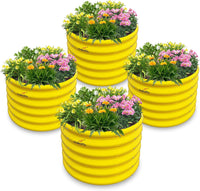
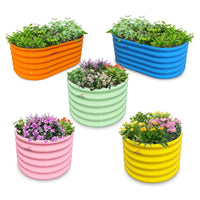
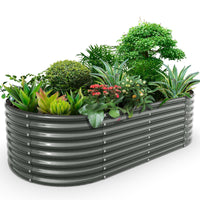



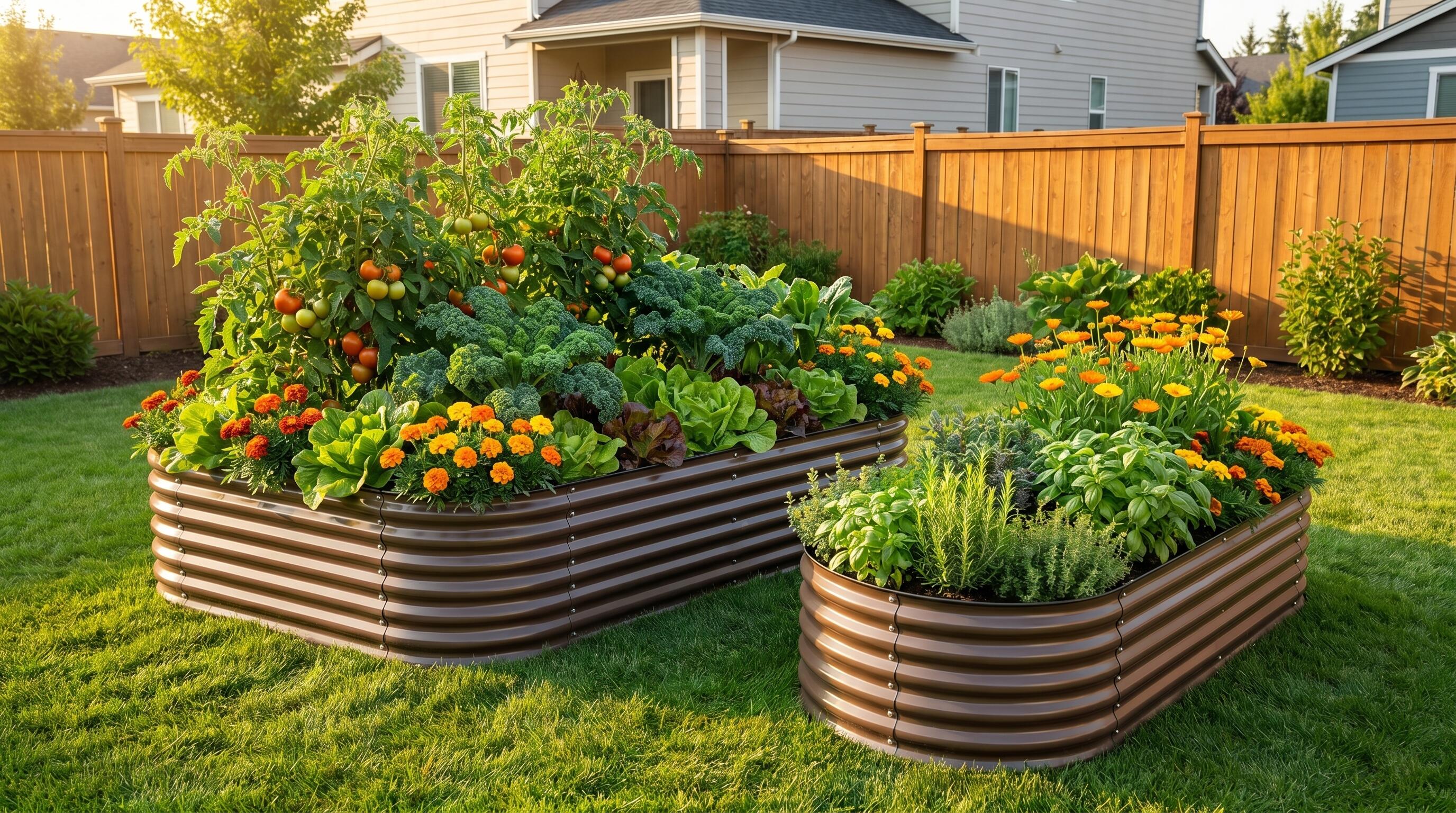
ALT: Budget-friendly backyard garden with raised garden beds, vegetables, and spring planting setup under $1,000
Build a Complete Backyard Garden for Under $1,000 — Your Spring Budget Guide
Key Conclusion: Building a complete backyard garden for under $1,000 is absolutely achievable with the right planning. By prioritizing durable raised garden beds, quality soil amendments, and smart layout decisions, you can create a productive and beautiful outdoor space that delivers harvests for years to come. Whether you're starting a terrace vegetable garden, scaling up an urban micro-garden, or finally diving into sustainable gardening, this spring budget guide breaks down every dollar so your investment goes as far as possible.
Spring is the season of fresh starts — and few fresh starts feel as rewarding as building your own backyard garden from scratch. The problem most people run into isn't motivation; it's money. Garden centers can be overwhelming, costs add up fast, and without a clear plan, it's easy to overspend on things you don't need while underinvesting in the things that matter most.
The good news: a complete, functional, and genuinely beautiful backyard garden is well within reach for under $1,000. This guide walks you through exactly how to do it — from choosing your layout and materials to filling your beds with the right soil and plants — with smart product choices and practical budgeting tips at every step.
Who This Spring Garden Budget Guide Is For
✅ Applicable Scenarios:
- First-time gardeners setting up a backyard growing space for spring planting
- Homeowners with a modest outdoor footprint (patios, small yards, terraces) looking to maximize growing space
- Eco-conscious families wanting to grow their own organic produce at home
- Empty nesters or retirees investing in a low-maintenance, high-reward outdoor hobby
- Urban micro-gardeners working with limited ground space but plenty of ambition
❌ Not Applicable/Cautions:
- Large-scale commercial growing operations requiring industrial infrastructure far beyond a $1,000 budget
- Gardeners in extreme climates or hardscaped spaces with no access to sunlight, water, or basic soil amendment options
- Those expecting instant results — a thriving garden requires seasonal patience and consistent care
Why $1,000 Is the Sweet Spot for a Complete Garden Setup
For most Americans, the idea of building a "complete" garden conjures images of elaborate landscaping projects with price tags to match. But the reality of modern home gardening — especially with the rise of modular raised bed systems and online retail — is that a thoughtful $1,000 budget is genuinely sufficient to set up a garden ecosystem that covers planting, growing, and beautification.
According to the USDA's Economic Research Service, American households spend an average of several hundred dollars annually on fresh produce. A well-planned backyard garden can offset a significant portion of those grocery costs within the first season — meaning your $1,000 upfront investment starts paying dividends quickly.
The rise of sustainable gardening practices has also shifted the conversation. Rather than relying on chemical inputs and expensive infrastructure, modern home gardeners are leveraging better materials — like galvanized steel raised beds, compost-rich soil mixes, and drip irrigation — to grow more with less. These approaches not only reduce ongoing costs but also produce healthier, more nutritious food.
What's changed most dramatically in recent years is the availability of high-quality, durable garden bed systems at accessible price points. A metal raised garden bed that once would have required custom fabrication is now available in a range of sizes — from compact 4x4 options ideal for terrace vegetable garden setups to expansive 8x4 configurations suited for dedicated planting zones. When built to last up to 20 years, as Anleolife's beds are designed to do, these are not just purchases — they're long-term infrastructure investments.
The key to staying under $1,000 while building something complete is prioritizing in the right order: start with your growing structure, then soil, then plants, then finishing touches. This guide follows exactly that sequence.
Your Step-by-Step $1,000 Backyard Garden Build
Three-Step Quick Start
Step 1: Map Your Space and Set Your Budget Allocation
Before spending a single dollar, spend 30–60 minutes walking your outdoor space and identifying your sunniest, most accessible zones. Measure what you have available. A good rule of thumb: allocate roughly 40–50% of your budget to beds and infrastructure, 25–30% to soil and amendments, 15–20% to plants and seeds, and 5–10% to tools and accessories. This upfront clarity prevents overspending and helps you make confident purchasing decisions at every stage.
Step 2: Select Your Raised Bed Configuration
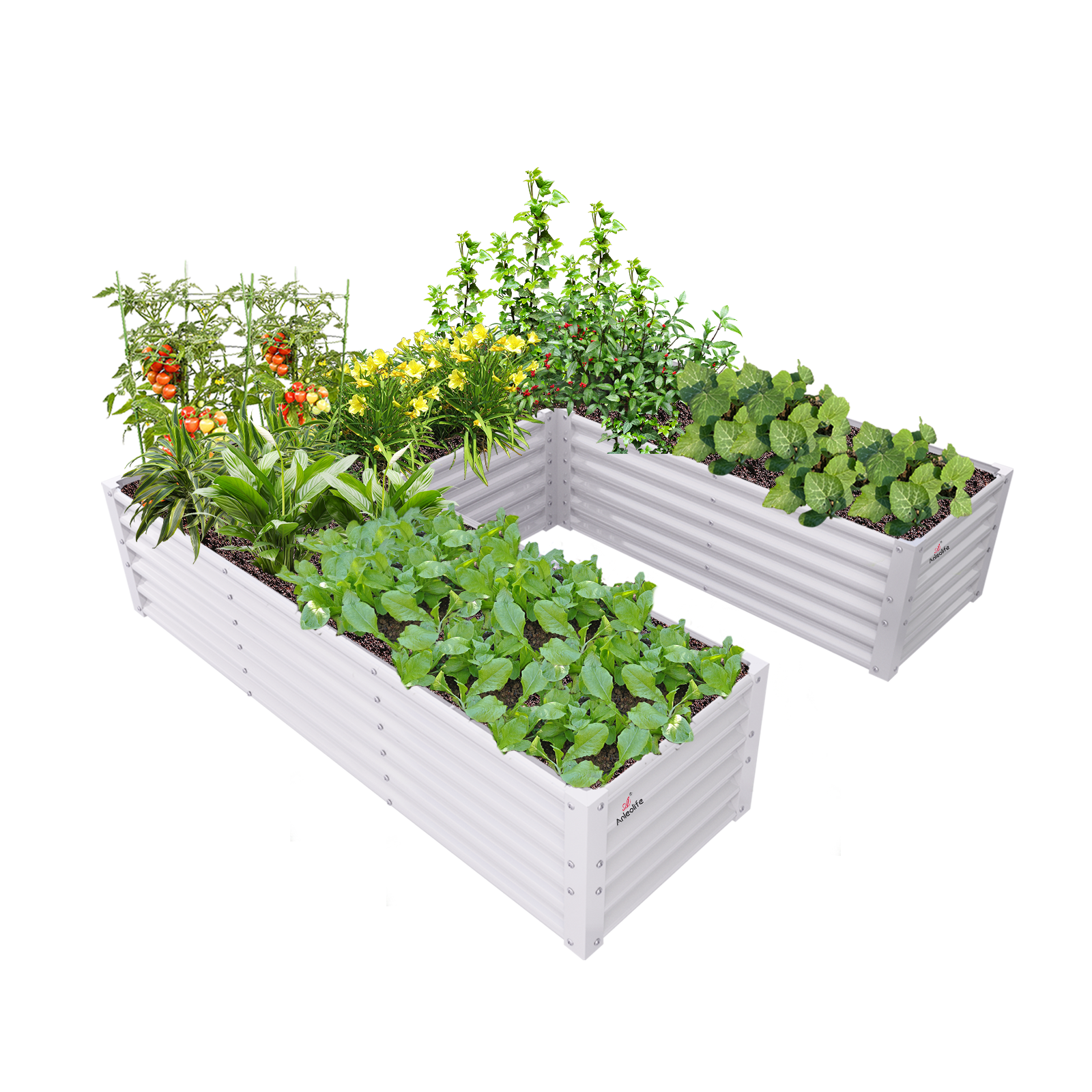
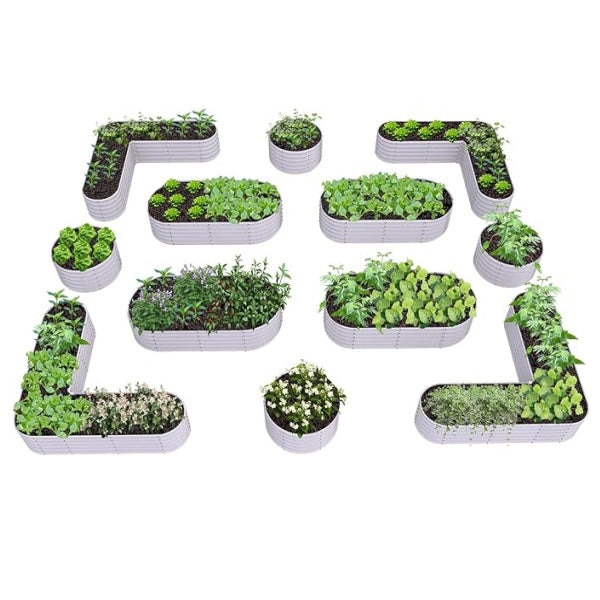
Based on your space assessment, choose raised bed sizes that maximize your growing area without overcrowding. A single 8x4 bed gives you 32 square feet of growing space — enough for a serious mix of vegetables, herbs, and flowers. Adding a second smaller bed (like a 6x3 or 4x4) creates a multi-zone layout ideal for separating crops by water or light needs. This step typically takes one to two weekends and represents your single most important investment.
Step 3: Fill, Plant, and Finish
With your beds in place, focus on building a quality soil mix, sourcing your starter plants or seeds for the season, and adding the finishing touches that make your garden a space you actually want to spend time in. This might include a simple drip irrigation line, a layer of mulch, or a few decorative pathway elements. Completing this phase transforms a functional setup into a complete garden experience.
Comparing Your Raised Bed Options: What Materials Are Best?
One of the most common questions new gardeners ask is: what materials are best for raised garden beds? The answer has evolved significantly over the past decade. Let's compare the three most popular options.
Introductory note: When evaluating raised bed materials, consider not just upfront cost but longevity, safety, maintenance burden, and aesthetic impact. The comparison below covers the most relevant dimensions for a backyard gardener on a $1,000 budget.
| Comparison Dimension | Wood (Cedar/Pine) | Galvanized Steel | Plastic/Composite |
|---|---|---|---|
| Typical Lifespan | 5–10 years (untreated wood may rot faster) | Up to 20 years | 5–15 years (UV degradation varies) |
| Food Safety | Generally safe; avoid treated lumber | Safe — modern galvanized steel uses zinc, not lead | Varies by product; check for BPA-free certifications |
| Maintenance Required | Annual sealing/staining recommended | Minimal — rust-resistant coatings reduce upkeep | Low, but may fade or warp over time |
| Aesthetic Appeal | Natural, warm look | Clean, modern, versatile | Functional but often less attractive |
| Best For | Natural/rustic garden styles | Longevity-focused gardeners; all climates | Budget-first buyers in mild climates |
| Approximate Cost Range | Moderate upfront, recurring maintenance costs | Moderate–high upfront, minimal ongoing costs | Low upfront, variable long-term costs |
For most budget-conscious gardeners building for the long term, galvanized steel raised garden beds represent the best overall value. When you factor in a lifespan of up to 20 years — as offered by Anleolife's raised bed lineup — the cost-per-year equation strongly favors steel over wood or plastic.
Detailed Budget Breakdown: Building Your $1,000 Garden Room by Room
Zone 1: Your Primary Raised Garden Beds ($350–$500)
Your beds are the backbone of your garden investment, and this is where spending wisely pays off most. For a comprehensive spring setup, consider a combination of bed sizes that create functional planting zones.
A popular configuration for a first complete garden is pairing a larger bed — like an 18-inch tall 8x4 ft raised bed — with a mid-size companion bed in a 24-inch extra tall 6x3 ft height. The taller bed is particularly valuable if you're wondering what's the best height for a raised garden bed with bad back issues: beds at 24 inches or taller allow you to tend your plants while standing or seated on a garden stool, dramatically reducing strain on your lower back and knees.
Anleolife's galvanized steel raised garden beds are available across a wide range of heights and footprints, from the compact 18-inch tall 4x4 ft option perfect for terrace vegetable garden setups, all the way to the 35-inch waist-high 4x1.5 ft configuration — the latter essentially functioning as a standing-height planting table. For gardeners managing mobility challenges or simply preferring a more ergonomic experience, the waist-high option is a genuine quality-of-life upgrade.
The rust-resistant coating on Anleolife beds means your steel won't discolor your soil or leach harmful materials into your food crops — an important consideration for organic growers. The heavy-duty raised garden beds in the lineup are engineered for maximum structural integrity, making them a smart choice for permanent installations where long-term durability matters.
Zone 2: Soil and Amendments ($150–$250)
Soil is where most beginner gardeners underinvest — and pay the price in lackluster harvests. If you're asking about best soil amendments for organic raised garden beds, the short answer is: compost, compost, and more compost. But the full picture is a bit more nuanced.
The gold-standard fill for raised beds is a blend often called "Mel's Mix" in gardening circles: roughly one-third compost, one-third peat moss or coconut coir, and one-third coarse vermiculite or perlite. This combination creates a light, well-draining medium that retains moisture without becoming waterlogged — crucial for root health.
For organic certification and food safety, look for compost labeled OMRI (Organic Materials Review Institute) listed. Your local cooperative extension office is an excellent free resource for soil testing and amendment recommendations specific to your region.
Budget approximately $150–$250 to properly fill two medium-to-large raised beds. Buying bagged compost in bulk quantities often reduces per-cubic-foot costs significantly.
Zone 3: Plants, Seeds, and Starts ($100–$150)
Spring is the best time to find quality transplants at local nurseries, and starting some crops from seed extends your budget further. For a productive beginner garden, prioritize:
- High-yield vegetables: tomatoes, zucchini, beans, kale, and lettuce deliver strong returns on planting investment
- Perennial herbs: rosemary, thyme, mint (contained), and chives come back year after year, multiplying your initial spend
- Pollinator flowers: marigolds and nasturtiums support the ecosystem of your garden while adding color
Allocating $100–$150 gives you a solid mix of six to eight varieties with enough plants to fill your beds attractively.
Zone 4: Irrigation and Water Management ($50–$100)
A basic drip irrigation kit or soaker hose system dramatically improves plant health and reduces the time burden of hand-watering. Most basic drip systems for two raised beds can be installed for under $75 and connected to a standard outdoor hose bib with a simple timer.
Consistent soil moisture is especially important in the first four to six weeks after transplanting when root systems are establishing. This small infrastructure investment pays off in healthier plants and lower water bills.
Zone 5: Tools, Accessories, and Finishing ($100–$150)
Round out your budget with a quality trowel, hand rake, gloves, a soil scoop, and if space permits, a few decorative pathway elements or edging pieces that signal the garden as a distinct, intentional space in your yard. Anleolife's beautification category includes decorative accessories and pathway systems designed to complement their raised bed lineup — helpful for creating visual cohesion between your functional and aesthetic garden zones.
Budget Summary Table
| Budget Zone | Estimated Cost |
|---|---|
| Raised garden beds (1–2 beds) | $350–$500 |
| Soil mix and amendments | $150–$250 |
| Plants, seeds, and starts | $100–$150 |
| Irrigation and water management | $50–$100 |
| Tools, accessories, and finishing | $100–$150 |
| Total Estimated Range | $750–$1,150 |
With thoughtful sourcing — buying seeds instead of starts where possible, comparing bed prices across retailers, and prioritizing compost from local municipal sources — staying at or under $1,000 is very achievable.
Special Considerations: Terrace Gardens, Tree Planters, and Small Spaces
For those gardening on a terrace, balcony, or patio, the terrace vegetable garden presents unique challenges and opportunities. Weight distribution is a primary concern on elevated surfaces — galvanized steel beds are advantageous here because their walls are strong enough to use lighter, soilless growing media (like coco coir-based mixes) that reduce total weight while maintaining high productivity.
When asked what is the best planter for a tree, the answer generally points to large, deep containers — at minimum 18–24 inches deep — with excellent drainage. While standard raised beds aren't designed as tree containers, Anleolife's extra-tall configurations (24–30 inches) can accommodate dwarf fruit tree varieties like patio lemons or dwarf apples when set on stable, level ground with proper drainage provisions.
For urban micro-gardeners with truly minimal space, the modular raised garden bed line from Anleolife offers flexible sizing and configuration options. These systems allow you to start small — with an 18-inch tall 6x2 ft module, for example — and expand the footprint as your space, confidence, and budget grow. This modular approach is one of the most effective strategies for managing a spring garden build within budget constraints.
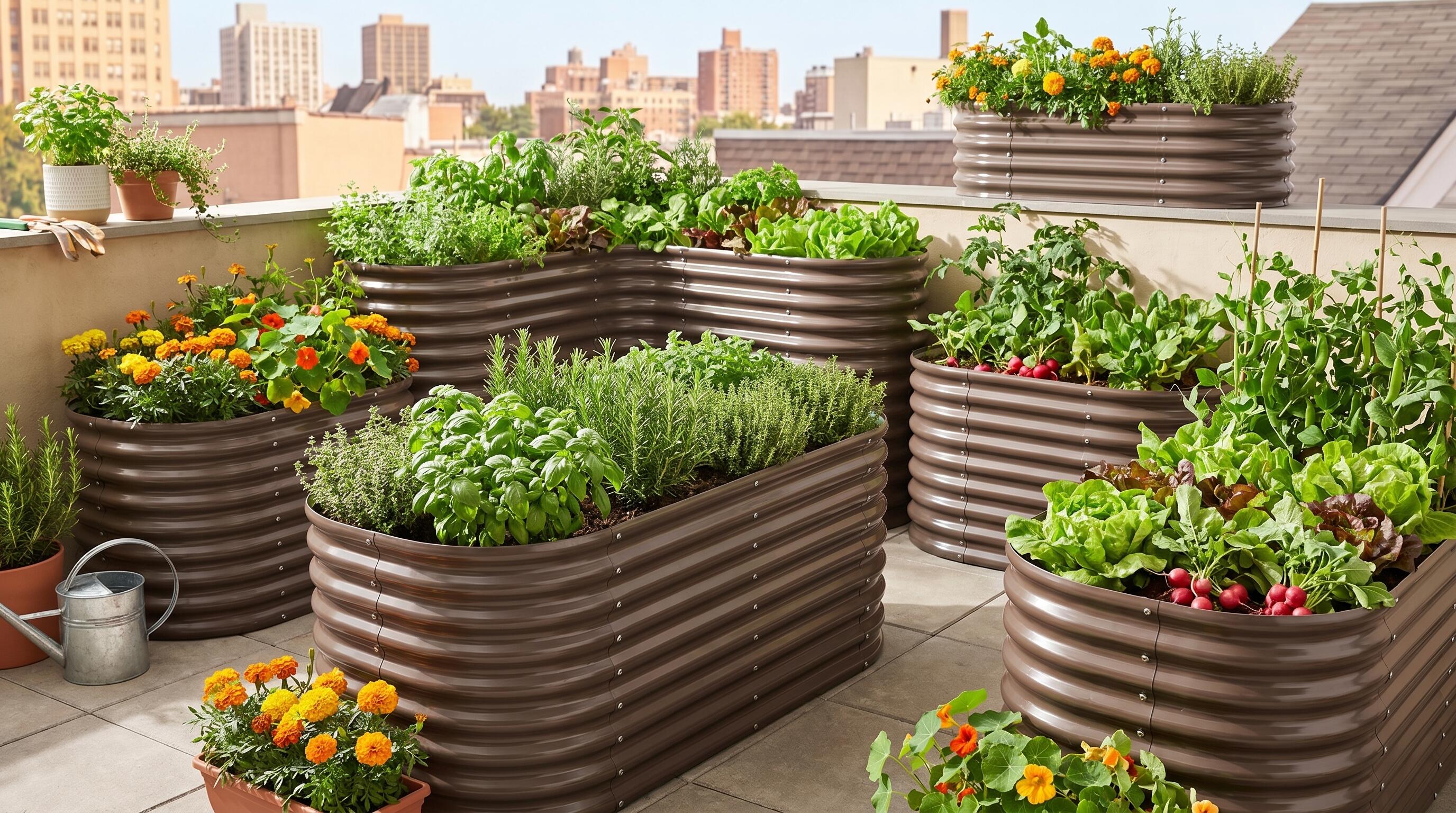
ALT: Urban terrace vegetable garden with modular galvanized steel raised garden beds, herbs, and spring vegetables growing in a compact outdoor space
Advanced Tips: Getting More From Your $1,000 Garden
Three Common Mistakes to Avoid
1. Buying cheap soil and premium plants
The single most reliable predictor of raised bed success is soil quality. Investing in premium transplants while cutting corners on growing medium is a recipe for disappointment. Reverse the priority: excellent soil with modest plants consistently outperforms the reverse.
2. Underestimating bed height for physical comfort
If you or a family member has back concerns, paying the incremental difference to upgrade to a 24-inch or 30-inch extra-tall bed is money very well spent. The ergonomic benefit compounds across every single gardening session for the life of the bed — and with a 20-year lifespan on quality steel beds, that's a lot of comfortable gardening hours.
3. Treating this as a one-and-done expense
Your first $1,000 builds the infrastructure. Year two and beyond, your major cost centers drop dramatically — you're investing mainly in seeds, soil top-ups, and seasonal plants. Think of the initial budget as establishing a permanent growing asset, not a consumable purchase.
Misconception Check: Is Galvanized Steel Safe for Food Gardens?
This question comes up frequently, and the answer from the broader horticultural and food safety community is consistently reassuring. Modern galvanized steel uses zinc as its rust-resistant coating — not lead or cadmium, which were historical concerns with older materials. At the soil pH levels typical of most vegetable gardens, zinc from galvanized steel is not absorbed by plants at levels that raise health concerns. Multiple university extension programs have evaluated galvanized steel beds and found them safe for food production.
Frequently Asked Questions FAQ
Q1: How do I know which raised bed height is right for my garden?
Choosing the right height depends on two factors: what you're growing and who's doing the growing. Shallow-rooted crops like lettuce, herbs, and strawberries thrive in 18-inch beds. Root vegetables like carrots and beets need at least 18–24 inches. For anyone with lower back pain or mobility limitations, 24–35-inch tall beds allow standing-height tending without bending. Anleolife's lineup spans from 18-inch standard heights all the way to 35-inch waist-high configurations to accommodate different needs.
Q2: Are galvanized steel raised garden beds safe for growing organic vegetables?
Yes. Modern galvanized steel is coated in zinc, not harmful heavy metals. Research from university extension programs — including those affiliated with land-grant institutions — consistently finds that zinc migration from galvanized steel into garden soil occurs at levels well within safe thresholds for food production. If you're pursuing certified organic growing, focus your attention on OMRI-listed soil amendments and pesticide-free plant starts rather than your bed material.
Q3: How long will my raised garden bed investment last, and what's the real cost per year?
Quality galvanized steel raised garden beds from Anleolife are engineered to last up to 20 years. If you invest $400 in a high-quality bed configuration, your annualized cost works out to just $20 per year — less than most people spend on a single trip to the farmers' market. Compare this to wooden beds that may need replacing every 5–10 years, and the long-term value of steel becomes very clear. This durability is a major reason why metal beds consistently rank as the best material choice for serious home gardeners.
Summary
Building a complete backyard garden for under $1,000 is not just possible — it's one of the most rewarding investments a home gardener can make. Here are the three core takeaways from this guide:
1. Structure is everything. Your raised garden beds are the longest-lasting, highest-impact element of your garden. Investing in durable galvanized steel beds — built to last up to 20 years — transforms a seasonal hobby into a permanent home asset.
2. Soil quality determines harvest quality. No matter how beautiful your beds or how carefully chosen your plants, the soil inside your beds is what actually grows your food. Prioritize compost-rich, well-draining organic mixes over cheap fill dirt.
3. Plan for growth, not just this season. A modular, expandable approach to your garden layout means your $1,000 starting investment becomes the foundation for something larger — not a one-time expense you'll need to fully replace.
Your next step: measure your outdoor space, identify your sunniest zone, and select a bed configuration that fits. Spring planting windows are narrow — the sooner your beds are in place and filled, the sooner you're harvesting.
Start Your Garden with Anleolife
Anleolife operates a nationwide U.S. warehouse network strategically located in California, Texas, Florida, New York, Illinois, and Washington, ensuring delivery within 3–8 business days — so your spring planting timeline stays on track.
Products are available across major retail platforms including Amazon, Walmart, Home Depot, Lowe's, and Wayfair, as well as directly through Anleolife.com — offering consistent quality assurance and dedicated after-sales support wherever you prefer to shop.
Anleolife's three core scenarios cover everything your garden needs: Planting (metal raised garden beds and soil systems), Raising (chicken coops and rabbit hutches), and Beautification (decorative accessories and pathway systems) — from pure functionality to genuine aesthetic beauty.
We understand that an ideal garden isn't built overnight. It's built season by season, decision by decision. Anleolife's modular product design allows you to start with a single bed and expand into a complete planting-and-raising ecosystem at your own pace. We grow with you, every step of the way.
References
- USDA Economic Research Service. "Fruit and Vegetable Prices — ERS Overview of Retail Costs".
https://www.ers.usda.gov/topics/crops/fruit-vegetables/ - University of California Cooperative Extension (UCCE). "Raised Bed Gardening — Soil Health and Plant Nutrition Guidance".
https://ucanr.edu/sites/alternativefarming/Raised_Bed_Gardening/ - National Gardening Association. "Food Gardening in the U.S. — Annual Survey and Growing Trends".
https://garden.org/learn/articles/view/4516/ - Oregon State University Extension Service. "Raised Bed Gardening — Metal Beds, Soil Safety, and Organic Production".
https://extension.oregonstate.edu/gardening/techniques/raised-bed-gardening - OMRI (Organic Materials Review Institute). "OMRI Products List — Approved Inputs for Organic Production".
https://www.omri.org/omri-lists
Note: Standards and guidelines may be updated over time. Please check the latest official documents or consult your local cooperative extension office for region-specific recommendations.
About Anleolife
Anleolife is a leading outdoor garden solutions provider in North America, dedicated to offering a full-scenario product ecosystem for home gardening enthusiasts, covering planting, raising, and garden beautification. Since its founding, Anleolife has upheld its brand mission, "Made for Garden Life," continuously innovating products and optimizing services to help hundreds of thousands of users upgrade their gardens, reconnect with nature, and enjoy a better garden lifestyle.