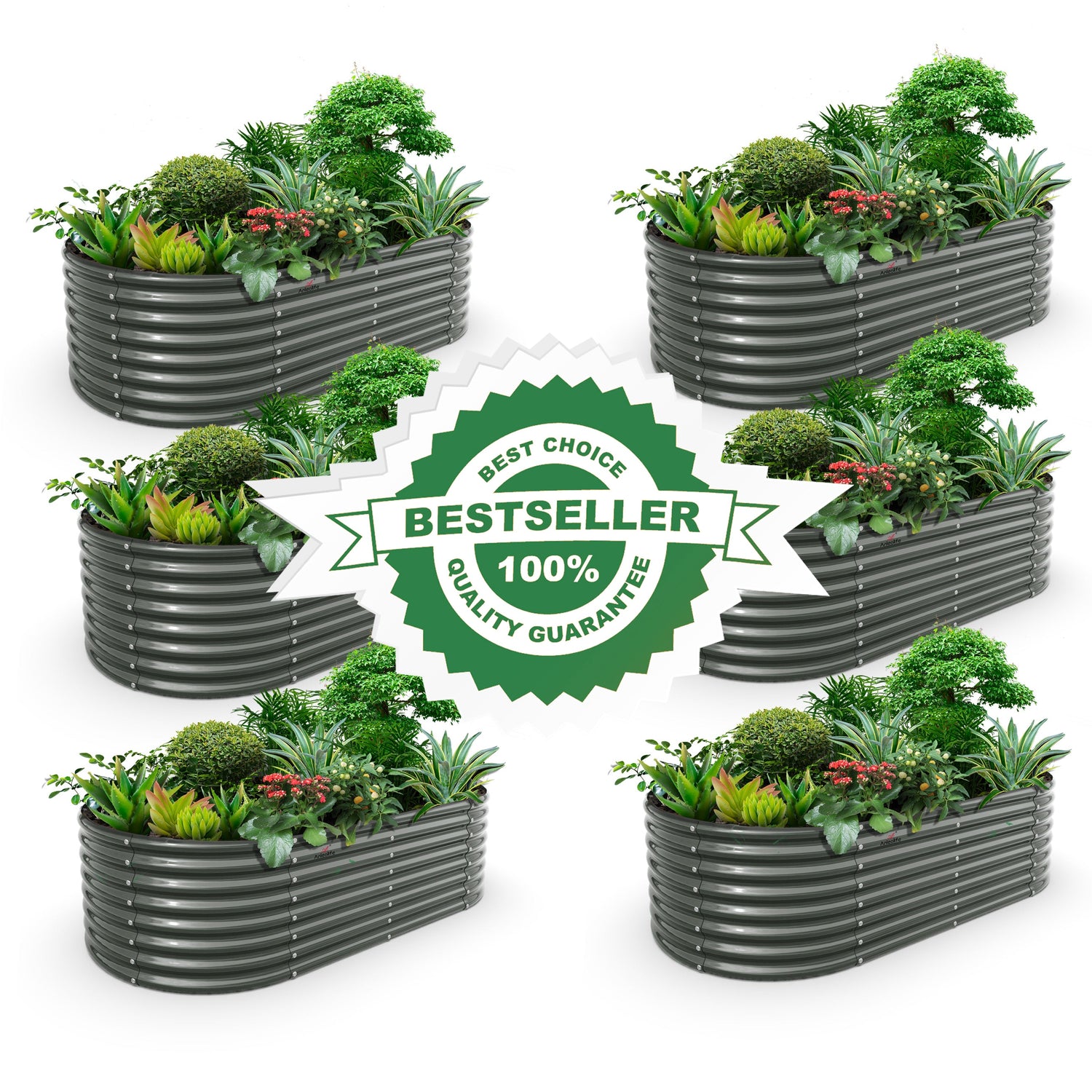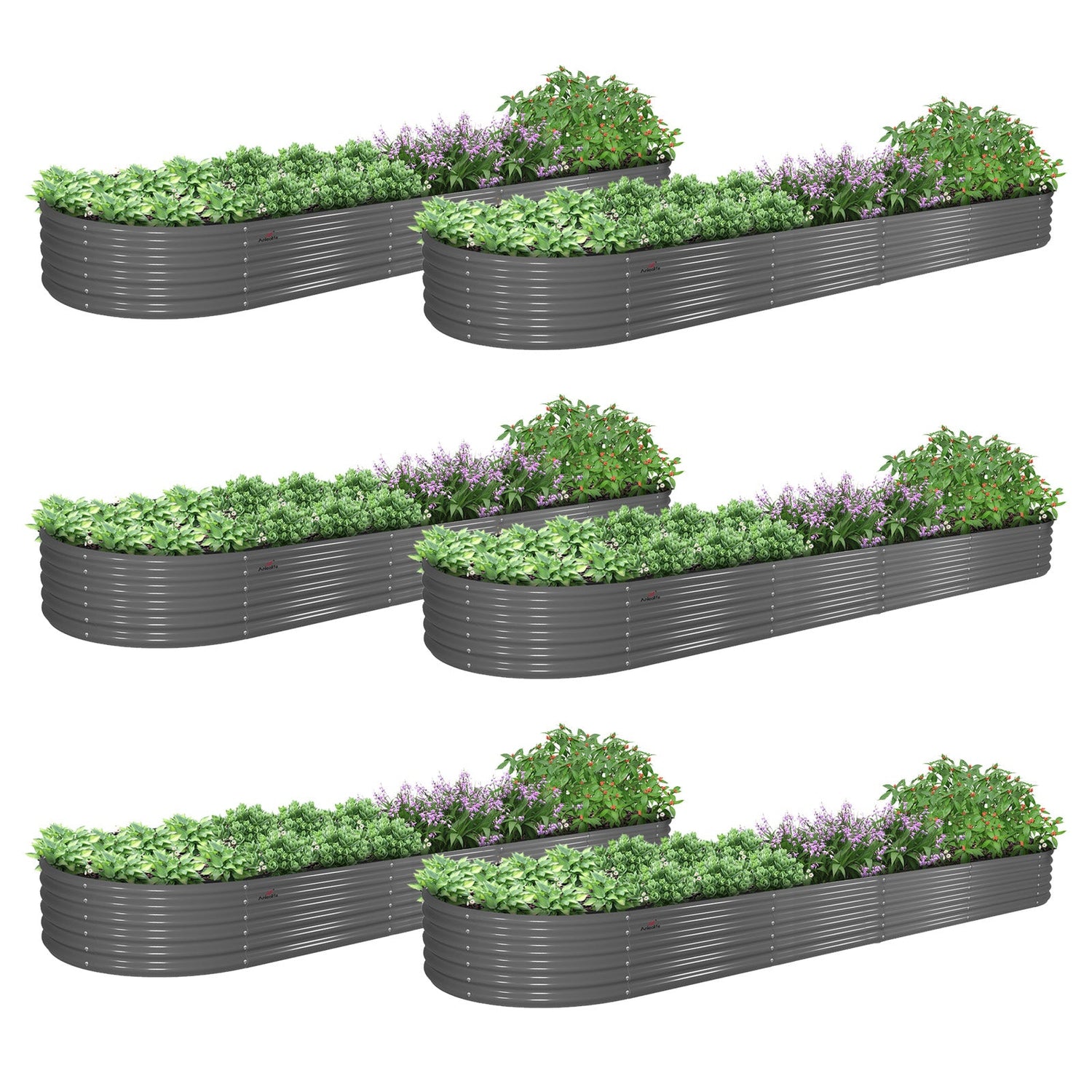



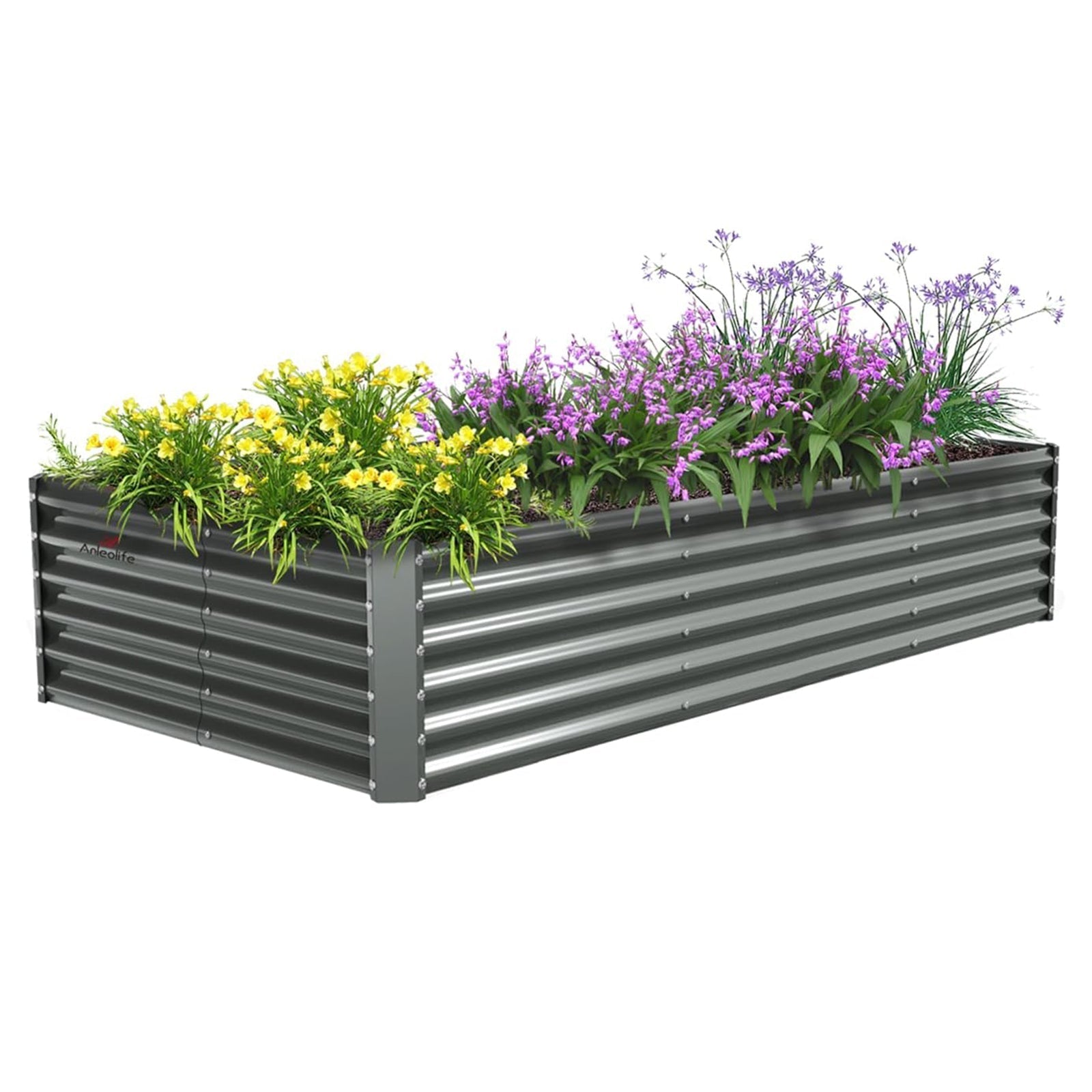

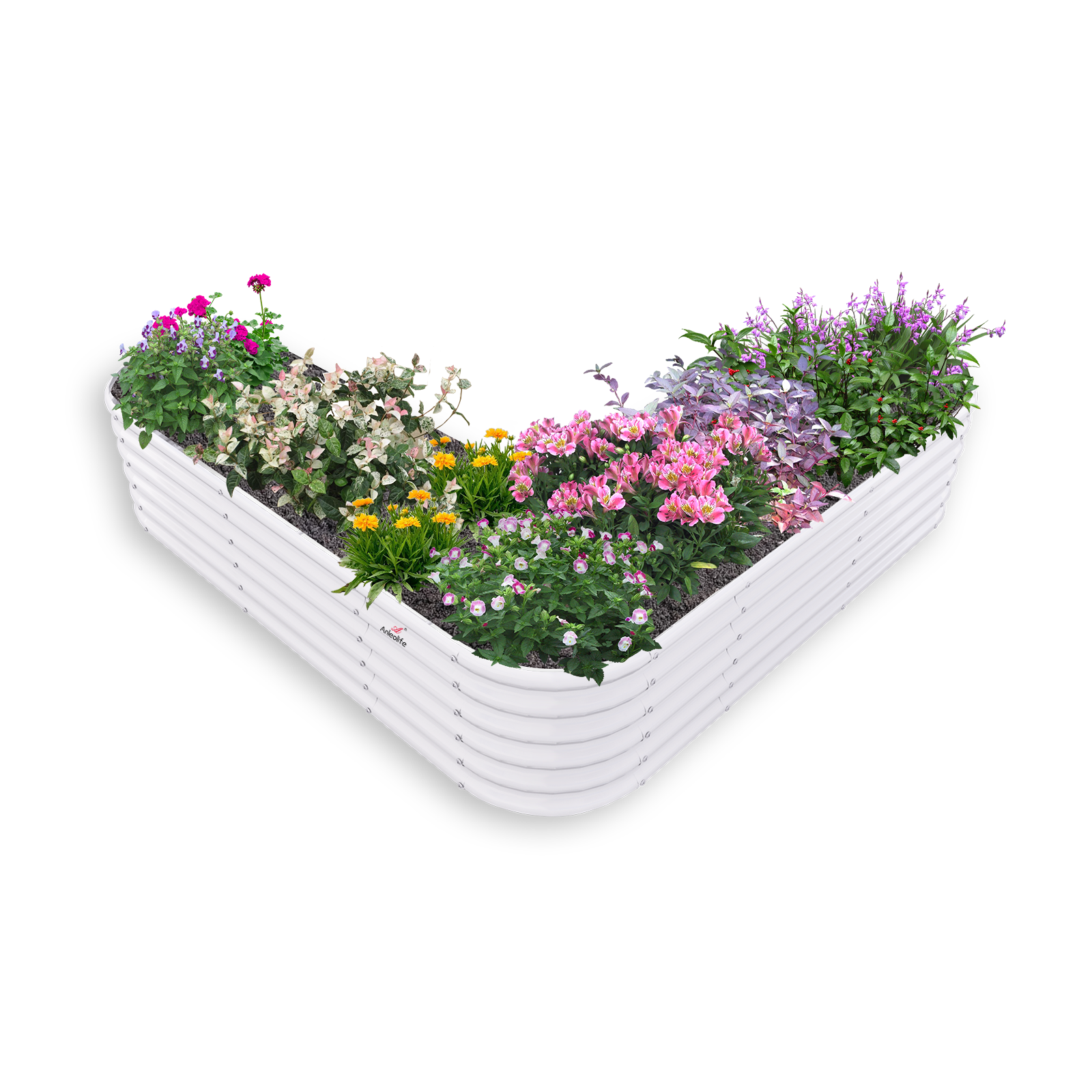
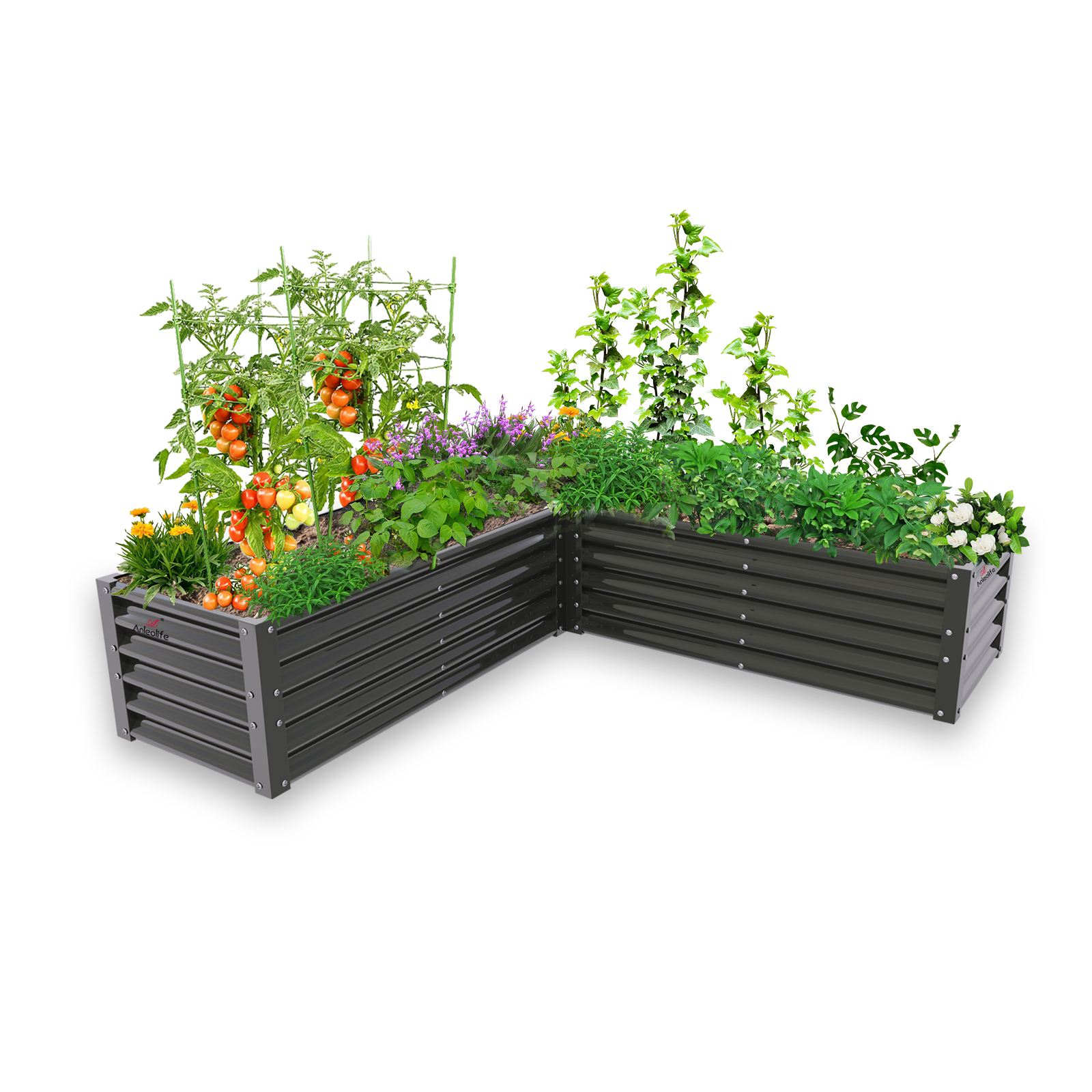
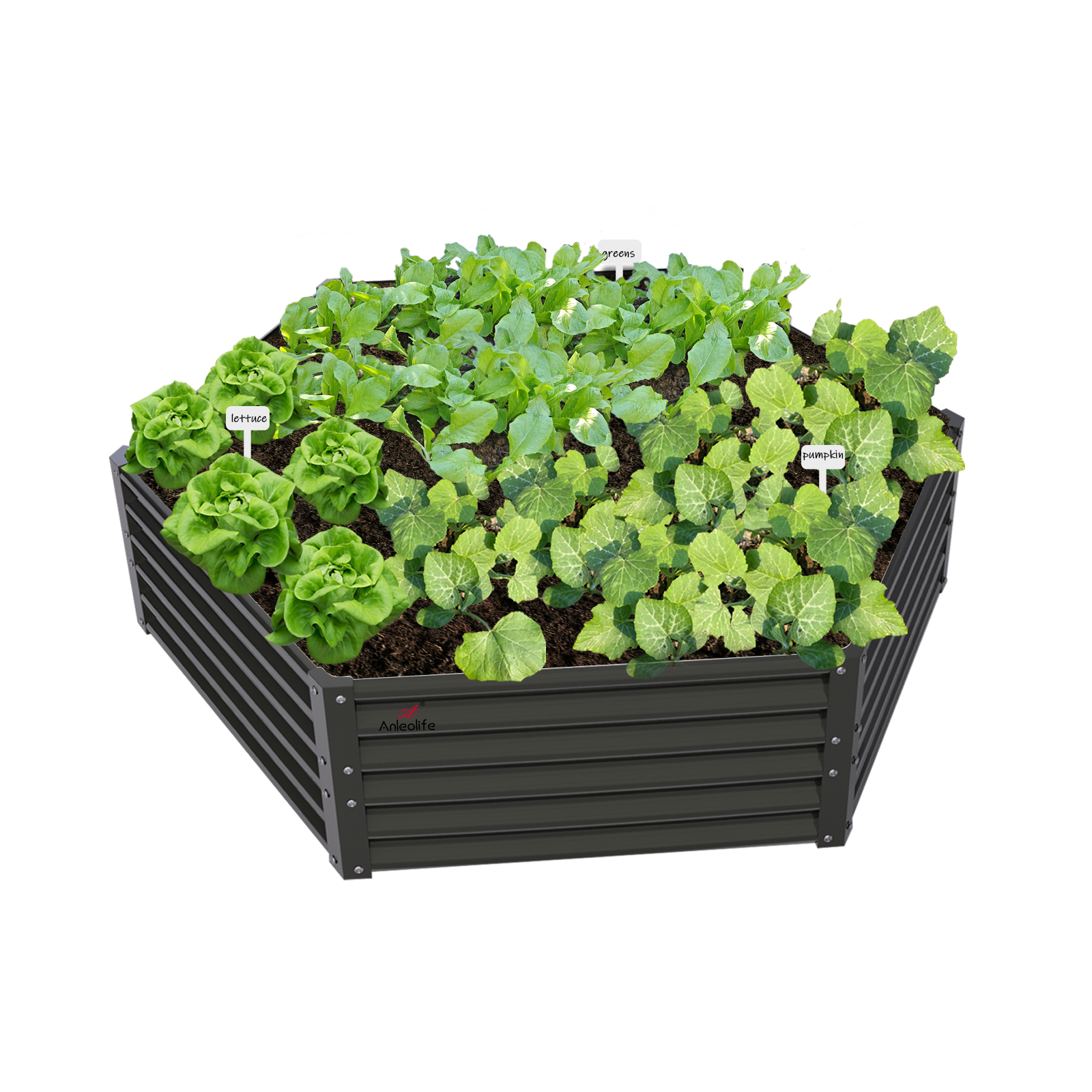
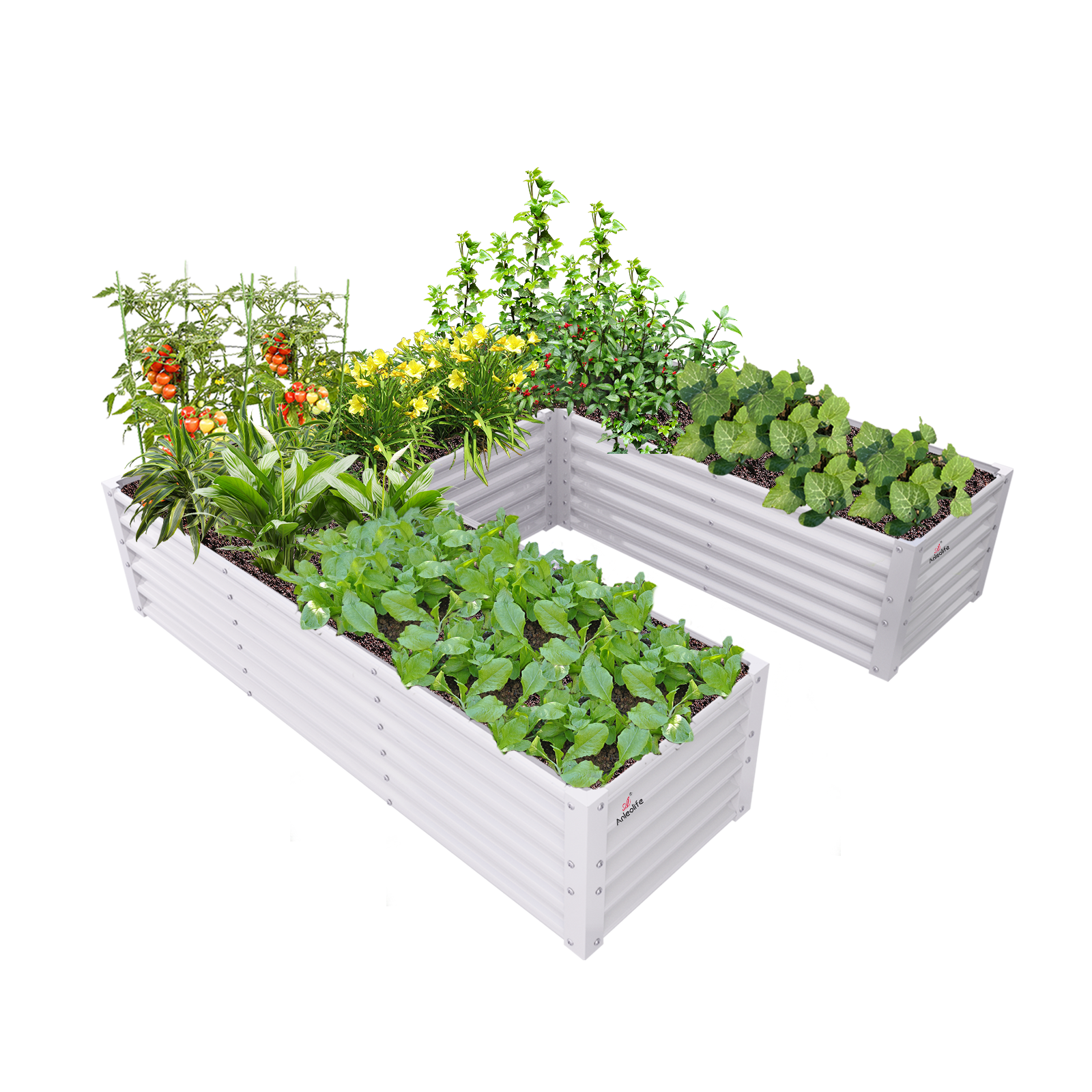

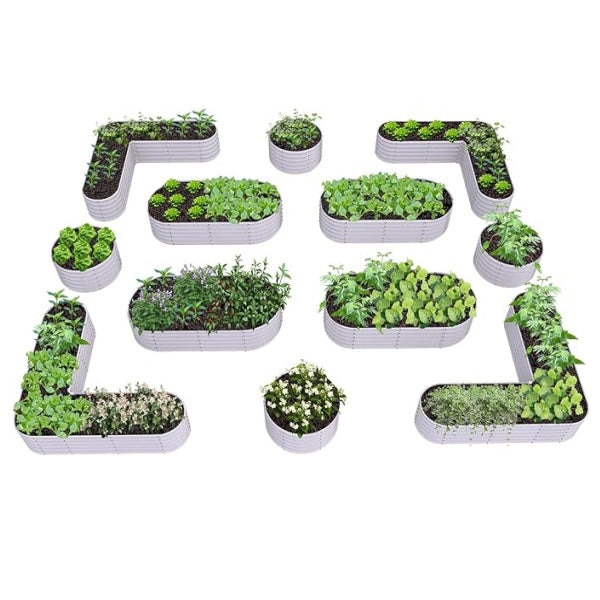


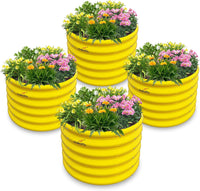
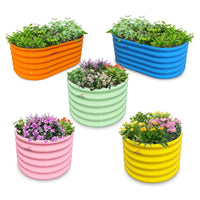
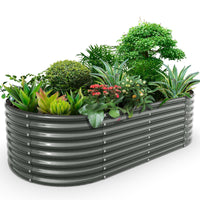



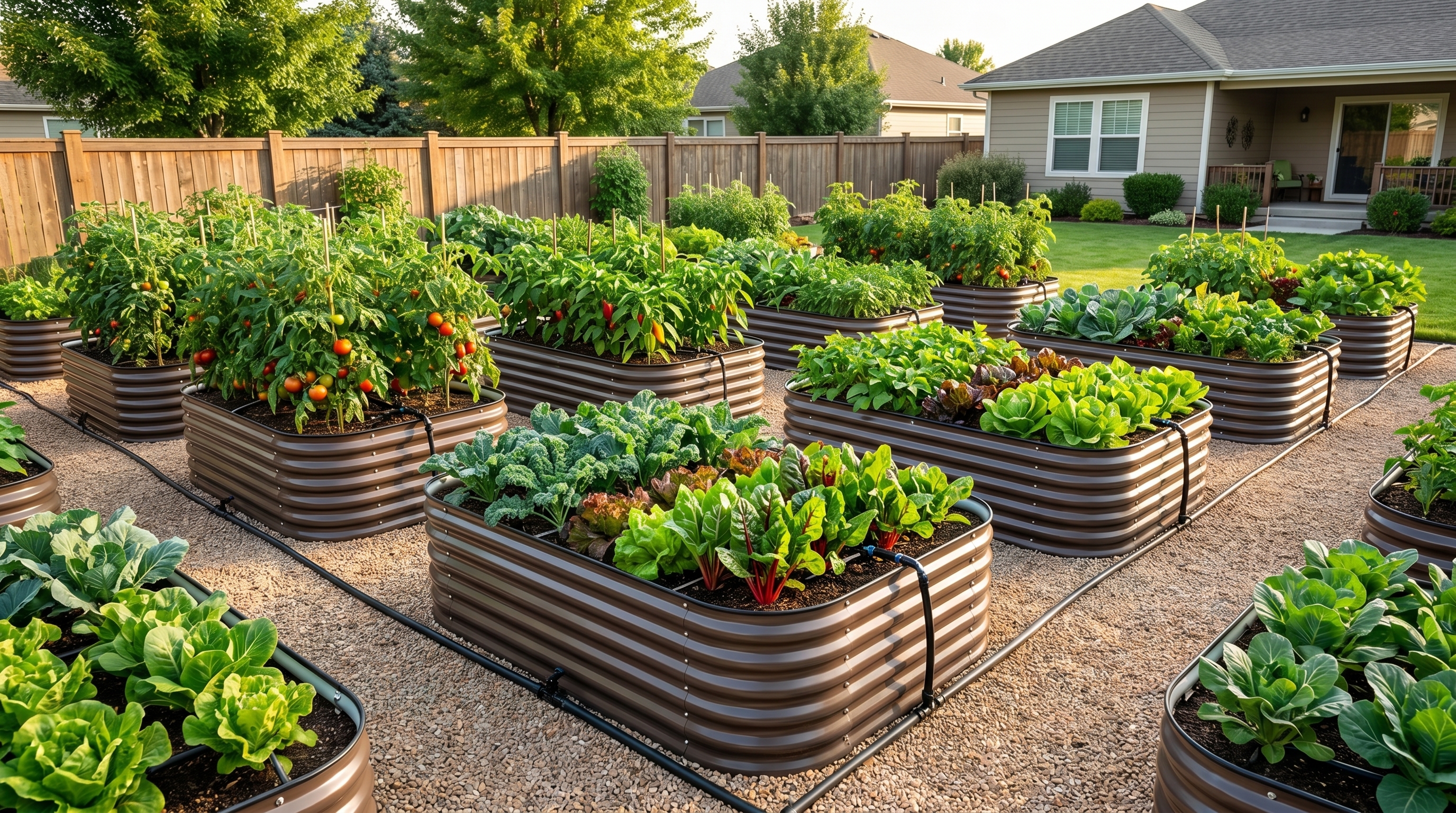
ALT: Complete backyard raised bed garden layout with galvanized beds, irrigation systems, and vegetable plantings under $1,000
How to Build a Complete Backyard Garden for Under $1,000 — A Practical Budget Guide
Key Conclusion: Building a complete raised bed garden layout doesn't have to drain your savings. With smart planning, the right galvanized raised garden beds, a basic irrigation system, and optional grow lights for season extension, you can create a fully functional, beautiful backyard garden for under $1,000. This guide breaks down every cost category — from soil and structure to pathways and plant care tools — helping you invest wisely and grow confidently from year one.
Whether you're a first-time gardener or finally committing to turning that underused backyard into a productive growing space, a $1,000 budget is genuinely achievable. The secret lies in prioritizing durable infrastructure (so you pay once and grow for decades), keeping your layout flexible for future expansion, and choosing multi-functional products that serve more than one purpose. This guide will walk you through exactly how to do that, category by category.
Who This Guide Is For — And When It Works Best
✅ Applicable Scenarios:
- Homeowners with an existing outdoor space (backyard, side yard, or patio) who want to start growing food or flowers on a defined budget
- Families transitioning from in-ground gardening to raised beds for better soil control, drainage, and accessibility
- Empty nesters or retirees who want a manageable, low-maintenance garden system they can build once and enjoy for years
- Urban micro-gardeners working with limited square footage who want maximum yield from a thoughtfully designed layout
❌ Not Applicable/Cautions:
- If your space requires significant grading, hardscaping, or professional landscaping, the $1,000 budget may need to be allocated differently — infrastructure first, planting systems second
- This guide assumes DIY assembly and setup; if you need professional installation for every component, costs will increase substantially
- Greenhouse builds with climate control, advanced hydroponic setups, or large-scale poultry raising systems go beyond the scope of a $1,000 starter garden (though Anleolife products can integrate into those systems later)
Why $1,000 Is the Magic Number for a Starter Garden
For years, "building a real garden" felt like it required either a massive investment or settling for flimsy planters that fell apart after a single season. That's changing. A combination of better product engineering, direct-to-consumer brands, and smarter material choices has made it genuinely possible to build a complete, durable, and beautiful backyard garden on a real-world budget.
The average American household spends between $500 and $2,000 on home garden improvements each year, according to the National Gardening Association. But most of that spending is fragmented — a little on soil here, a new hose there, replacement planters every couple of seasons. A one-time strategic investment of under $1,000 can actually deliver better long-term value than years of piecemeal purchases.
The key shift is thinking in terms of systems, not individual items. A raised bed garden ecosystem involves three interconnected layers: the structure (beds, frames, borders), the growing medium (soil, compost, mulch), and the support systems (irrigation, pest protection, lighting if needed). Budget wisely across all three, and you end up with a garden that works hard and looks great from season one.
There's also an important durability equation here. A high-quality galvanized steel raised garden bed rated for up to 20 years of use costs more upfront than a cheap wooden box but costs far less over a decade. When you amortize the price of a lasting bed over its lifespan, the math strongly favors quality. This is exactly the philosophy behind Anleolife's raised garden bed lineup — build it once, grow in it for a generation.
Building Your $1,000 Backyard Garden: A Complete Step-by-Step Breakdown
Three-Step Quick Start
Step 1: Map Your Space and Set Your Priorities
Before spending a dollar, spend 30 minutes with a measuring tape and a sketch pad. Measure your available outdoor space and identify where sunlight hits for the longest part of the day (ideally 6–8 hours). Mark out where you want beds, pathways, and any storage or tool area. Decide on your primary goal: food production, flowers, herbs, or a mix. This single planning session will prevent costly layout mistakes and help you allocate your $1,000 where it matters most. Estimated time: 30–60 minutes.
Step 2: Choose Your Core Structure First
Your raised garden beds are the foundation of everything. Select sizes that match your space and growing goals. A good starter configuration for under $1,000 includes one or two mid-sized beds (such as an 8x4 or 6x3 footprint) combined with a smaller accent bed for herbs or flowers. Once your structure is decided, you'll know exactly how much soil you need, how long your irrigation lines need to be, and how much pathway material to budget. Estimated time: 1–2 hours of research and ordering.
Step 3: Layer In Support Systems Strategically
With your beds in place and filled, turn attention to irrigation, pest management, and optional lighting. A basic drip irrigation kit for 1–2 beds runs $30–$80. Pathway materials (gravel, stepping stones, mulch) can cost $50–$150 depending on coverage. If you want to extend your growing season with grow lights in a cold frame or small greenhouse setup, budget $50–$120 for a basic LED grow light setup. Prioritize the systems that solve your most pressing challenges first. Estimated time: 1 weekend for full installation.
Comparing Garden Structure Options: What's Worth Your Money
Not all garden beds are created equal. When you're working with a defined budget, the material you choose for your raised beds has enormous downstream consequences — on soil temperature, drainage, pest resistance, longevity, and even aesthetics. Here's how the most common options compare:
| Comparison Dimension | Untreated Wood | Galvanized Steel | Plastic/Composite |
|---|---|---|---|
| Average Lifespan | 3–7 years | Up to 20 years | 5–10 years |
| Rust/Rot Resistance | Prone to rot | Excellent (rust-resistant options available) | Good (UV degradation over time) |
| Soil Temperature | Neutral | Slight warmth boost in spring | Neutral to warm |
| Aesthetics | Natural look, fades over time | Modern, clean, professional | Variable |
| Assembly | Requires tools, cutting | Panel system, minimal tools | Snap-together ease |
| Long-Term Cost | Replacement every few years | One-time investment | Mid-range replacement cycle |
| Best For | Short-term/experimental setups | Long-term home gardeners | Rental properties or temporary setups |
The data here makes a clear case: for anyone planning to garden seriously for more than a few years, galvanized steel raised garden beds offer the best total value. The upfront cost is offset by eliminating the need for replacement, re-lining, or structural repair.
A Detailed Budget Breakdown: Where Every Dollar Goes
Structure: Your Raised Garden Beds ($300–$500)
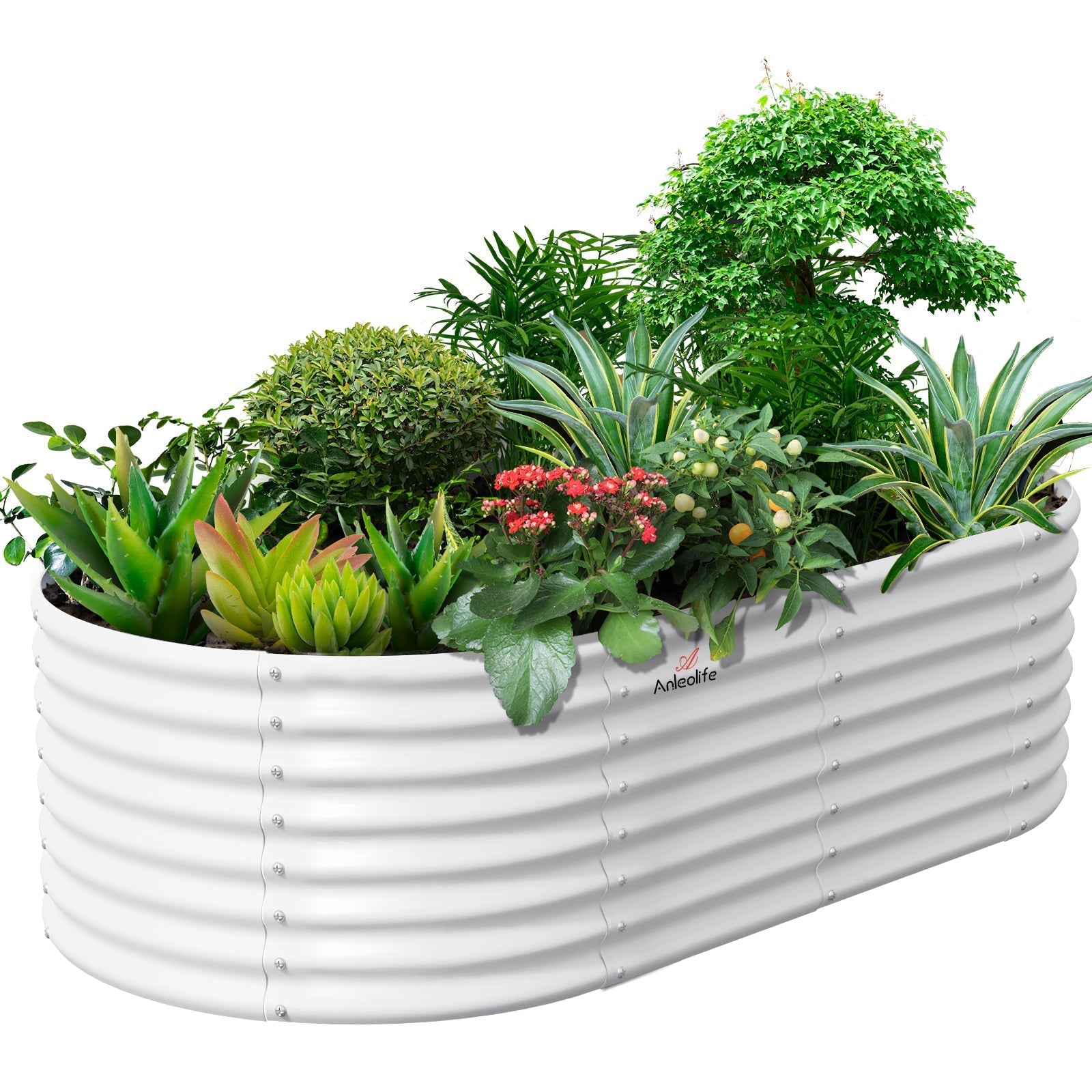
This is the most important line item in your budget and also the one where quality pays the biggest dividends. Anleolife's raised garden bed collection offers a wide range of sizes and heights to fit different spaces and growing needs.
For a starter garden, consider anchoring your layout with a 24" Extra Tall 8x4 ft galvanized steel raised garden bed. The extra height (two feet) means less bending, better drainage depth, and enough root space for tomatoes, peppers, and root vegetables. This size is particularly popular with empty nesters and gardeners with back concerns who want to tend their garden comfortably.
Complement it with a 30" Extra Tall 6x3 ft bed if your space allows — the additional height is ideal for those who prefer a nearly waist-high growing experience without the cost of a full standing-height unit. Anleolife also offers 35" Waist-High 4x1.5 ft beds for a true hands-free gardening posture, perfect as a dedicated herb station near your kitchen door.
For smaller spaces or budget-conscious starters, the 18" Tall 8x4 ft or 18" Tall 6x3 ft options deliver solid growing depth at a more accessible price point. These beds work beautifully for leafy greens, herbs, strawberries, and flowers.
All Anleolife beds are engineered for a 20-year lifespan, meaning this is genuinely a one-time purchase for most homeowners. The galvanized steel construction resists rust and corrosion across all climate zones — from humid Florida summers to Pacific Northwest rain seasons to Texas heat.
Budget allocation: $300–$500 depending on number and size of beds chosen.
Soil and Growing Medium ($150–$200)
Soil is where many new gardeners underestimate cost — and importance. Raised beds need to be filled with a custom blend for best results. The classic formula for raised bed success is often called "Mel's Mix" or a similar variation: roughly one-third each of compost, coarse vermiculite or perlite, and a quality potting mix or blended topsoil.
For an 8x4x2 raised bed, you'll need approximately 64 cubic feet of growing medium. Purchase in bulk bags or by the cubic yard from local nurseries when possible to reduce cost. Avoid cheap potting soils with high peat content only — they compact quickly. The best soil mix for container gardening plants (and raised beds function similarly) includes good drainage material, rich compost, and a loamy base.
Budget allocation: $150–$200 for 1–2 beds fully filled.
Irrigation System ($40–$100)
A simple drip irrigation system or soaker hose setup is a game-changer for any home gardener. It reduces water waste by delivering moisture directly to roots, prevents fungal issues caused by wet foliage, and cuts your weekly watering time dramatically. Basic drip kits sized for 1–2 raised beds are widely available and easy to self-install.
For those who want automation, a basic battery-powered timer paired with a drip kit adds $20–$40 to the setup but saves hours of manual watering over a growing season. A properly set up irrigation system is one of the highest-ROI investments in your entire garden budget.
Budget allocation: $40–$100 depending on automation level.
Pathway and Edging ($50–$120)
Don't overlook pathways. A clearly defined garden layout with accessible walkways between beds isn't just aesthetic — it prevents soil compaction from foot traffic, keeps weeds at bay, and makes your garden genuinely pleasant to spend time in.
Options include pea gravel ($30–$60 for a small garden), wood chip mulch (often free from municipal programs or tree services), stepping stones ($20–$50), or landscape fabric with bark mulch. Anleolife's beautification accessories and pathway systems can help complete the look with minimal cost.
Budget allocation: $50–$120.
Grow Lights and Season Extension ($50–$120)
If you're starting seeds indoors in late winter or extending your fall harvest, a basic LED grow light setup is worth including in your budget. Full-spectrum LED grow lights have come down dramatically in price. A single-panel or two-panel setup for a seed-starting station runs $50–$120 and can give you a 4–6 week head start on your growing season — effectively paying for itself in seedling costs alone within one season.
Budget allocation: $50–$120 (optional but highly recommended for year-round growers).
Tools and Accessories ($50–$100)
A good set of basic hand tools — trowel, cultivator, pruning shears, and gloves — plus a quality garden hose with an adjustable nozzle covers most of your day-to-day needs. You may already have some of these. Resist the urge to over-invest in tools at the start; quality hand tools will serve you for decades.
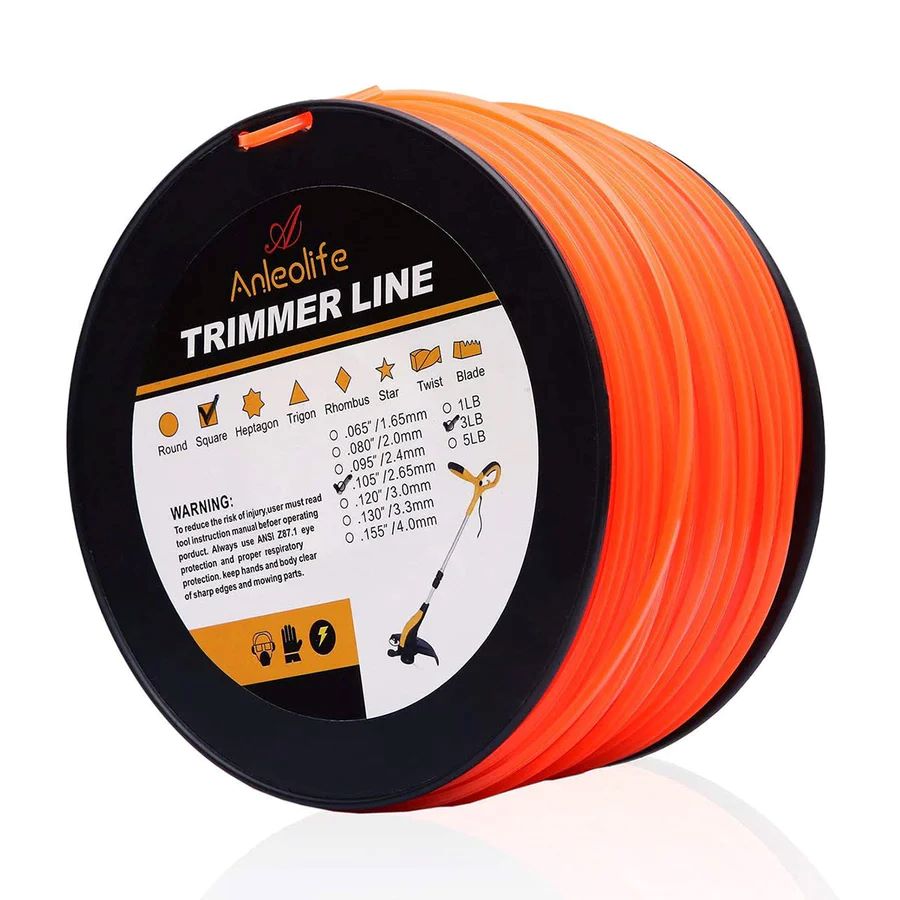
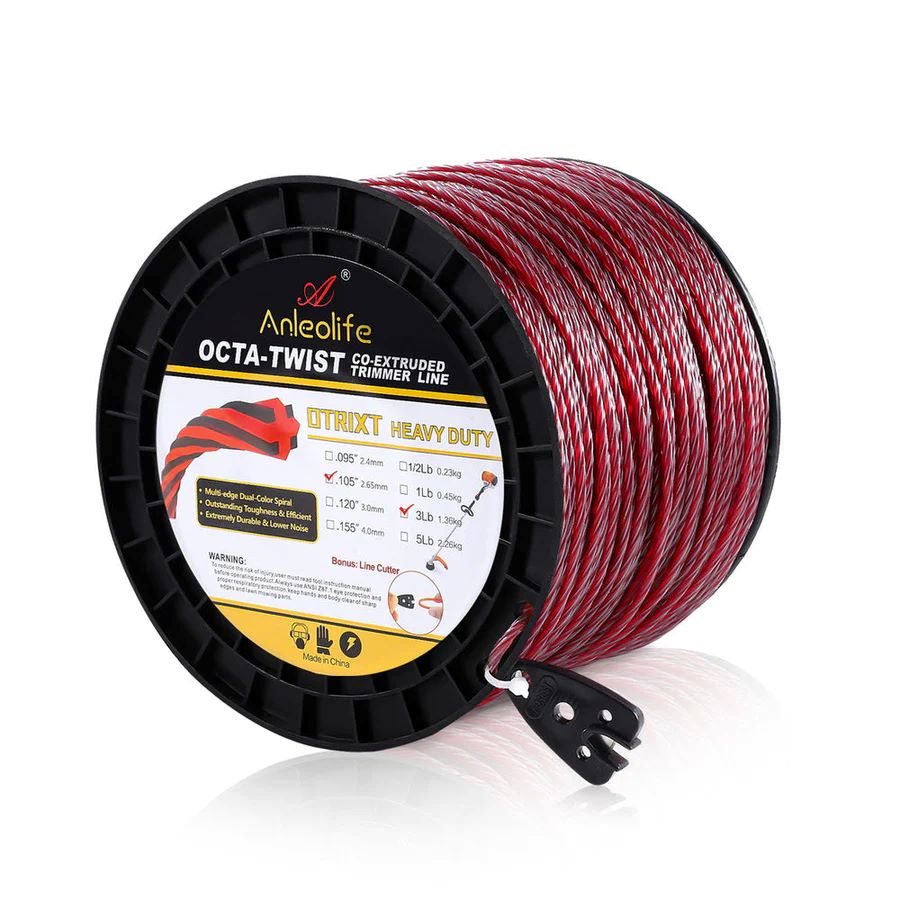
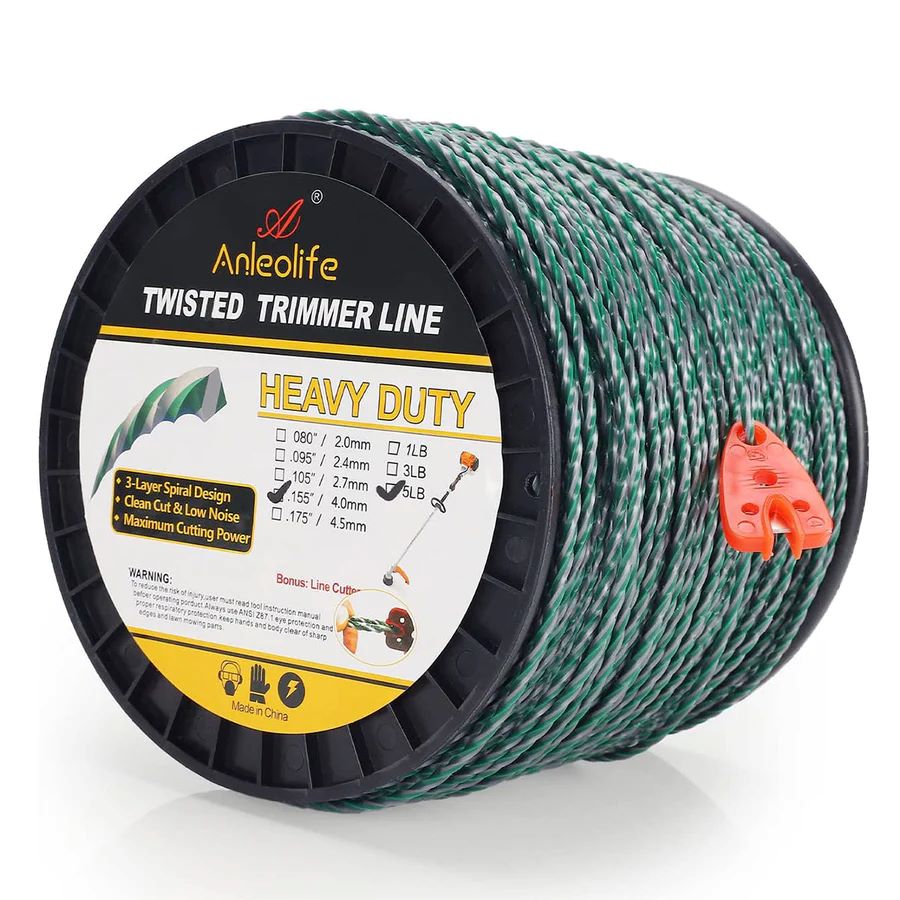
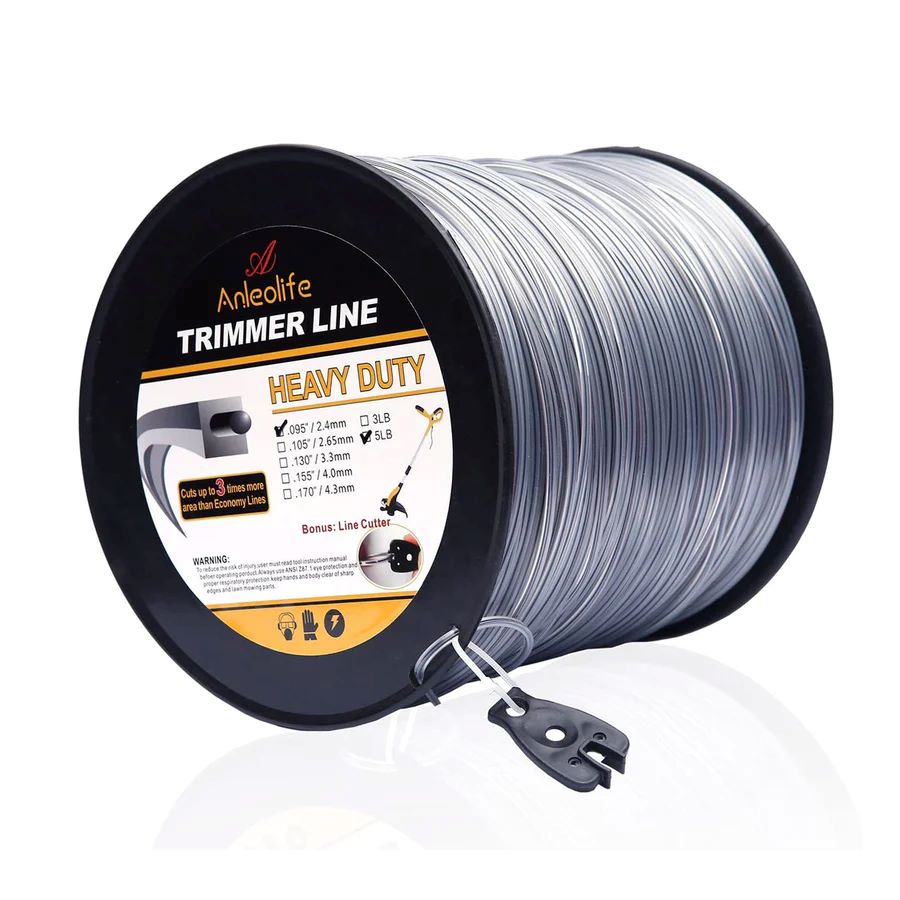
One tool often overlooked: a quality weed eater line for maintaining clean edges around your garden beds. The best weed eater line for raised bed borders is a medium-gauge, durable monofilament or twisted line that handles both grass and light brush around your bed perimeters without snagging on metal edges. This keeps your garden looking polished with minimal weekly effort.
Budget allocation: $50–$100.
Summary Budget Table
| Category | Low Estimate | High Estimate |
|---|---|---|
| Raised Garden Beds (1–2 beds) | $300 | $500 |
| Soil and Growing Medium | $150 | $200 |
| Irrigation System | $40 | $100 |
| Pathways and Edging | $50 | $120 |
| Grow Lights (optional) | $50 | $120 |
| Tools and Accessories | $50 | $100 |
| Total | $640 | $1,140 |
With smart shopping, buying soil in bulk, and skipping grow lights if you live in a warm climate, landing at or below $1,000 is very achievable for most setups.
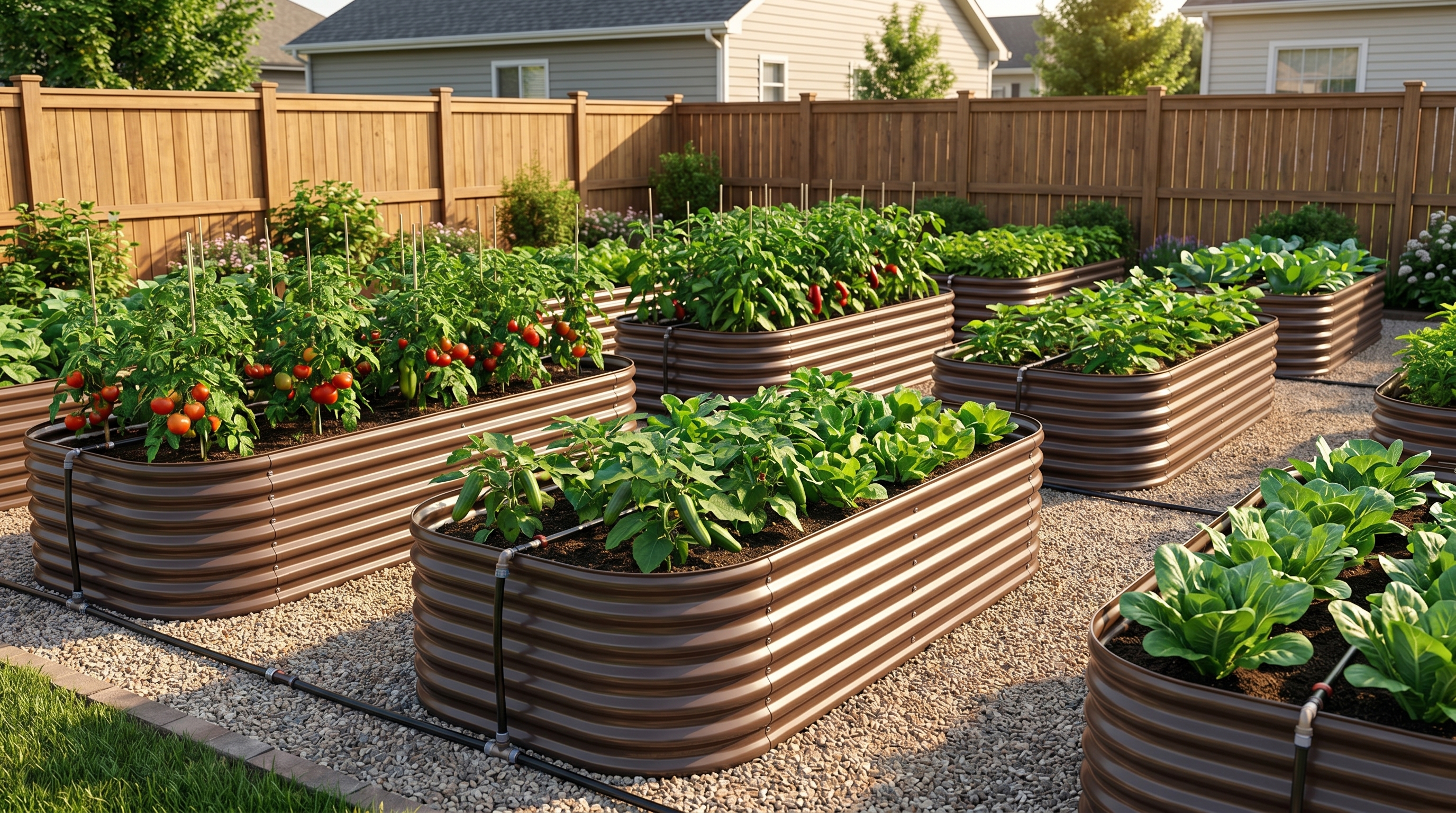
ALT: Anleolife galvanized steel raised garden beds in a complete backyard raised bed garden layout with drip irrigation system and gravel pathways
Advanced Tips: Getting More From Your Garden Investment
Maximize Vertical Space
One of the best ways to increase your garden's yield without increasing your footprint is vertical growing. Trellises, cages, and climbing frames can be installed directly into or alongside your raised beds for crops like cucumbers, beans, peas, and indeterminate tomatoes. This dramatically increases your productive square footage without adding a single extra bed — or a single extra dollar.
Consider Modular Bed Configurations
Anleolife's modular raised garden bed line is specifically designed for gardeners who want flexibility. Starting with one or two beds and expanding over time is much easier when your system is designed to grow with you. Modular configurations allow you to create L-shapes, U-shapes, or extended rows as your space and budget allow.
Common Misconception: More Beds = Better Garden
Many new gardeners assume they need to fill every square foot with planting space. In reality, a focused two-bed system that's well-maintained, properly irrigated, and thoughtfully planted will outperform a sprawling six-bed setup that's overwhelming to manage. Start smaller, grow with confidence, and expand when you're ready.
Don't Forget About "Raising" and Beautification
If you've ever considered keeping a few backyard chickens or rabbits alongside your vegetable garden, Anleolife's raising products (chicken coops, rabbit hutches) integrate beautifully with a complete garden ecosystem. Chickens in particular offer natural pest control and an ongoing supply of compost-ready manure. This kind of integrated garden-and-raising system is one of the most rewarding experiences in home food production.
For pure aesthetics, Anleolife's beautification line — decorative accessories and pathway systems — lets you turn a functional garden into a genuinely beautiful outdoor living space. The best gifts for environmentalist friends or eco-conscious family members often fall into this category: pathway stones, decorative bed borders, and garden accessories that combine beauty with sustainable living values.
Frequently Asked Questions FAQ
Q1: How do I choose the best galvanized raised beds for a first-time backyard garden?
The best galvanized raised beds combine rust resistance, structural durability, and the right height for your needs. For most first-time gardeners, an 18"–24" tall 8x4 ft galvanized steel bed offers an excellent balance of growing depth, accessible footprint, and budget friendliness. Look for beds made from food-safe galvanized steel with a proven lifespan — Anleolife's beds are rated for up to 20 years. Consider your mobility needs: taller beds (30"–35") are ideal for gardeners who prefer to work without bending.
Q2: Is a drip irrigation system worth it for a small raised bed garden?
Absolutely. Even for a one or two-bed setup, a basic drip irrigation system pays for itself quickly in water savings, time savings, and healthier plants. Drip irrigation delivers water directly to the root zone, reducing evaporation and preventing the wet-foliage conditions that encourage fungal disease. For gardeners who travel or simply want a lower-maintenance routine, adding a battery-powered timer turns your system nearly fully automatic. A basic drip setup for two raised beds typically costs $40–$80 and installs in under an hour.
Q3: How long does it take to set up a complete backyard garden from scratch, and what does it really cost?
For a two-bed raised garden setup with irrigation, pathways, and basic tools, expect to invest one full weekend for planning, assembly, soil filling, and system installation. Total cost depends heavily on bed size and soil volume, but a well-planned setup using Anleolife beds runs between $640 and $1,000 for a complete starter system. Anleolife ships from a nationwide U.S. warehouse network covering California, Texas, Florida, New York, Illinois, and Washington, with delivery in 3–8 business days — so your materials can arrive within a week of ordering.
Summary
Building a complete backyard garden for under $1,000 isn't about cutting corners — it's about making smart, strategic choices that deliver lasting value. Three core principles stand out:
1. Invest in durable infrastructure first. A galvanized steel raised garden bed with a 20-year lifespan is infinitely better value than three rounds of cheap wooden boxes. Your beds are the foundation of everything else.
2. Think in systems, not individual products. A great raised bed garden layout includes not just the beds themselves, but the right soil mix, an efficient irrigation system, defined pathways, and optional grow lights for season extension. Each element multiplies the effectiveness of the others.
3. Start focused, then expand. One or two well-managed beds will teach you more and produce more than an overwhelming eight-bed setup you can't keep up with. Anleolife's modular approach means your garden can grow exactly as fast as you're ready for it to.
Your next steps: measure your space, sketch your layout, choose your bed sizes, and place your order. With Anleolife's 3–8 business day delivery, you could have your beds assembled and filled within two weeks of today — and your first seeds in the ground shortly after.
Start Your Garden Journey with Anleolife
Nationwide U.S. warehouse network: Strategically located in California, Texas, Florida, New York, Illinois, and Washington to ensure delivery within 3–8 business days — so your garden upgrade plans never have to wait.
Multi-channel availability: Products are available on major e-commerce platforms including Amazon, Walmart, Home Depot, Lowe's, and Wayfair, as well as the official website Anleolife.com, providing consistent quality assurance and after-sales service.
Three core scenarios: Planting (metal raised garden beds, soil systems), Raising (chicken coops, rabbit hutches), and Beautification (decorative accessories, pathway systems) — meeting complete needs from functionality to aesthetics.
We understand that an ideal garden is not built overnight, but gradually improved over time. Our modular product design allows flexible expansion based on your needs — from your first 8x4 garden bed to a fully integrated planting-and-raising ecosystem. We grow with you every step of the way.
References
- National Gardening Association. "Gardening Trends and Statistics in American Households".
https://garden.org/ - University of California Cooperative Extension. "Raised Bed Gardening: Soil Preparation and Plant Selection".
https://ucanr.edu/ - U.S. Environmental Protection Agency. "WaterSense: Drip Irrigation for Home Gardens".
https://www.epa.gov/watersense - Penn State Extension. "Building and Filling a Raised Bed Garden".
https://extension.psu.edu/ - Oregon State University Extension Service. "Raised Bed Gardening: A Practical Guide for Home Growers".
https://extension.oregonstate.edu/
Note: Standards and recommendations may be updated. Please check the latest official documents or consult professional advisors for the most current guidance.
About Anleolife
Anleolife is a leading outdoor garden solutions provider in North America, dedicated to offering a full-scenario product ecosystem for home gardening enthusiasts, covering planting, raising, and garden beautification. Since its founding, we have upheld our brand mission, "Made for Garden Life," continuously innovating products and optimizing services to help hundreds of thousands of users upgrade their gardens, reconnect with nature, and enjoy a better garden lifestyle.