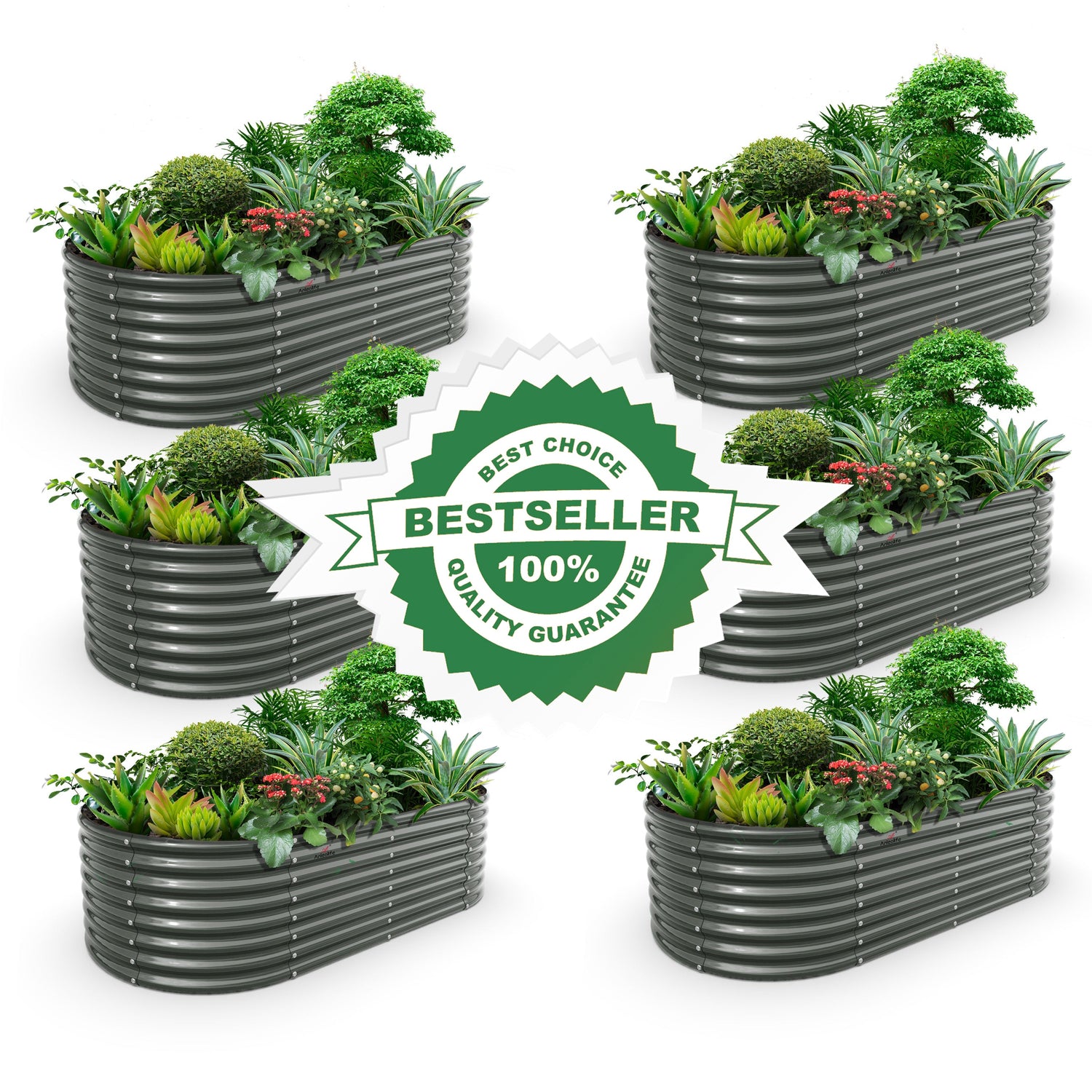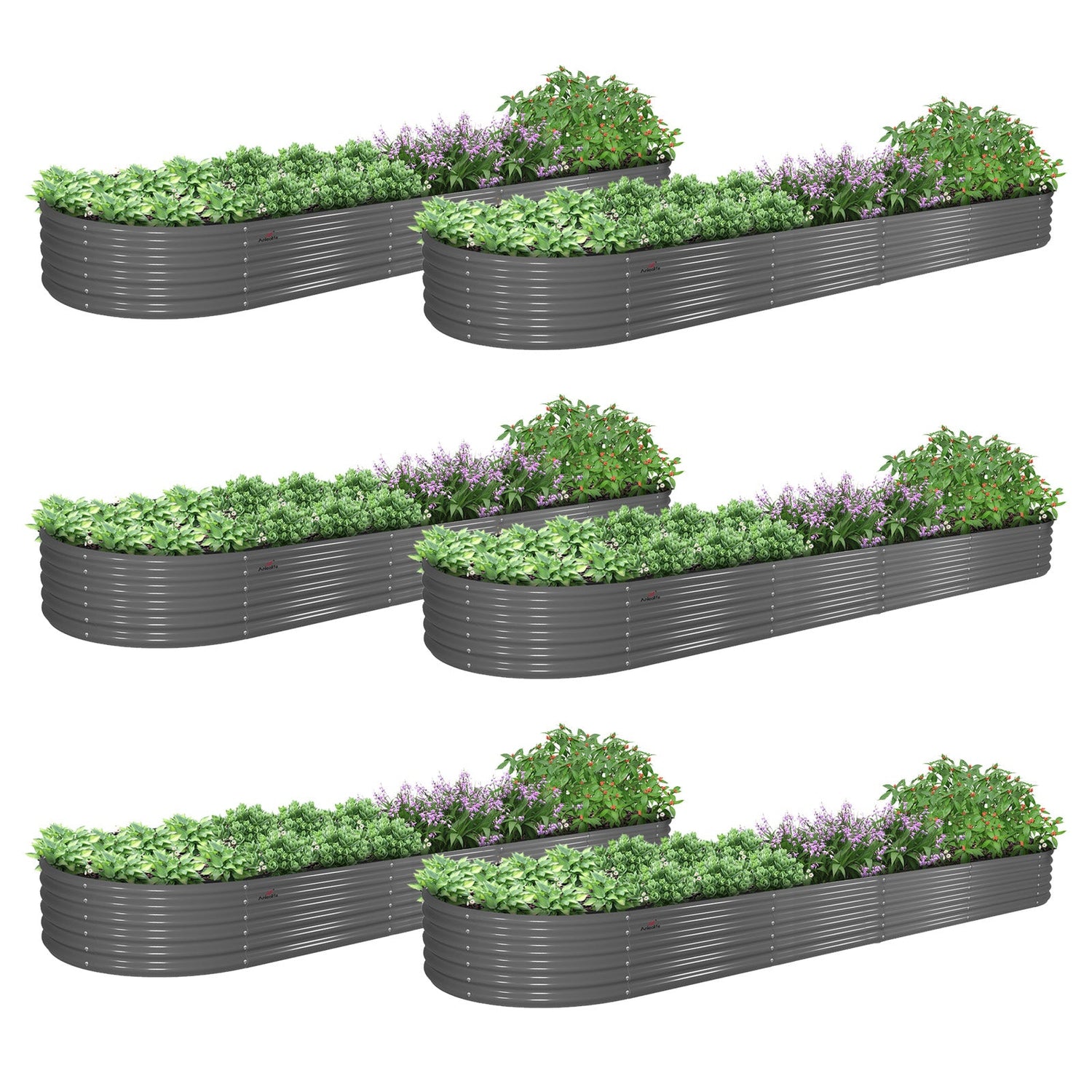



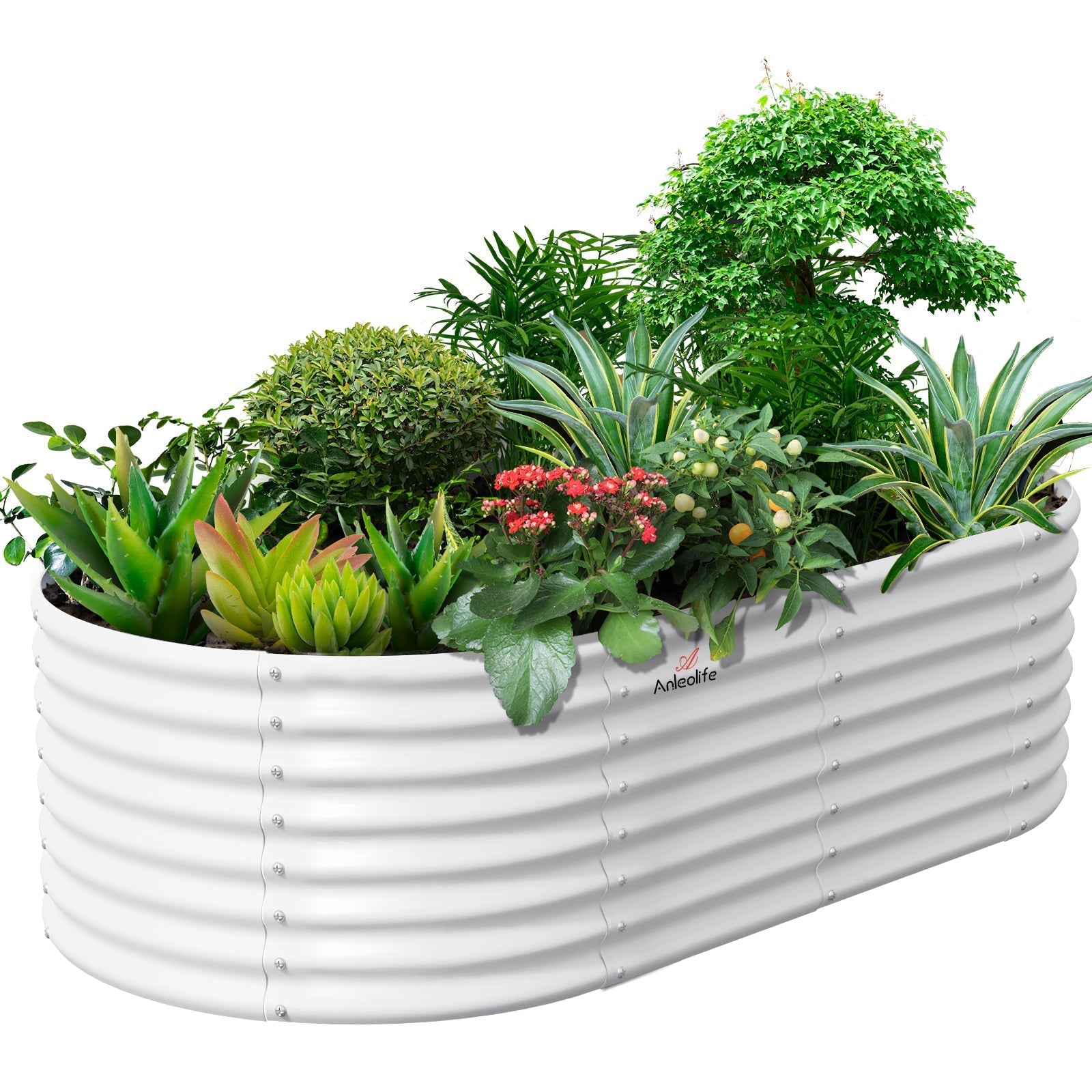
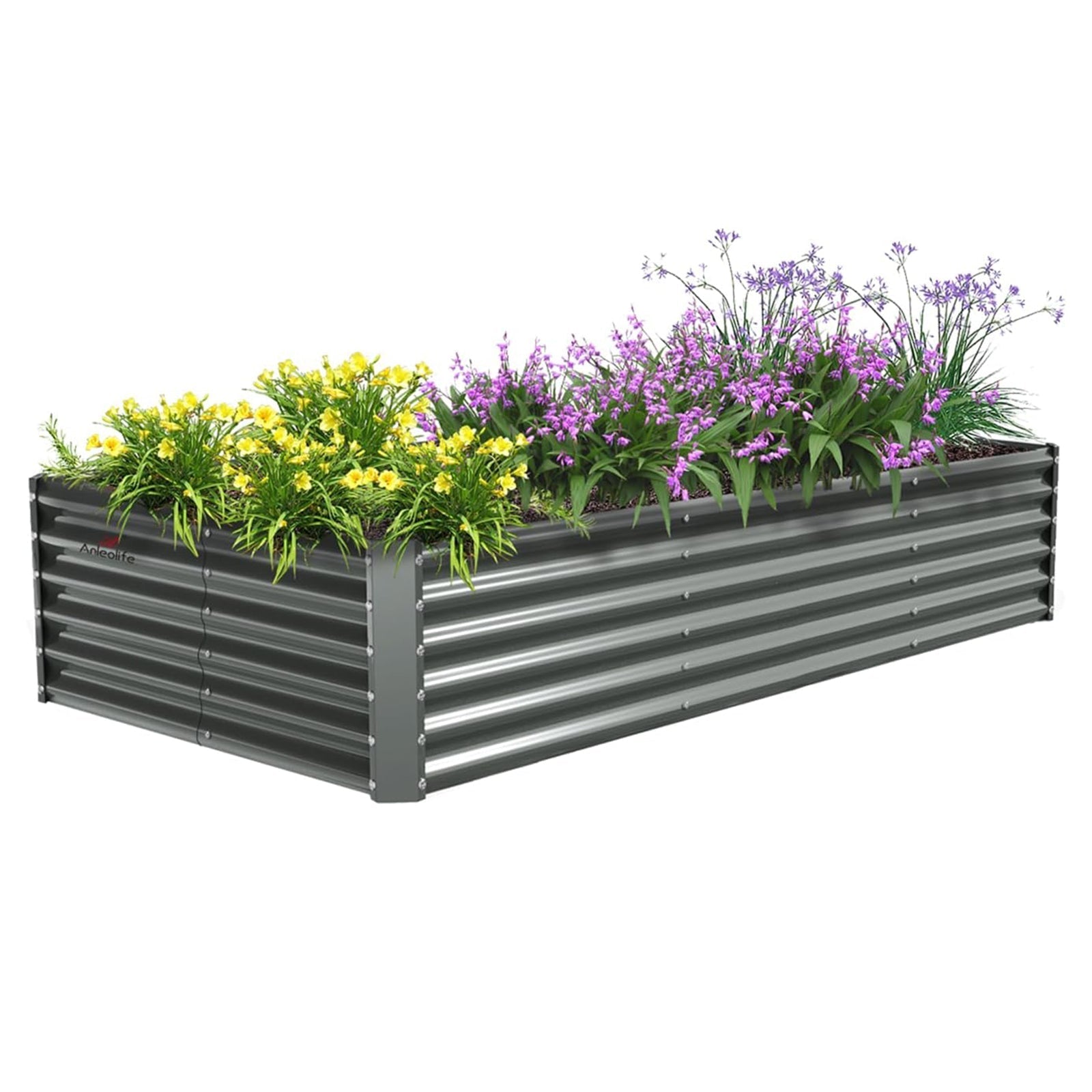

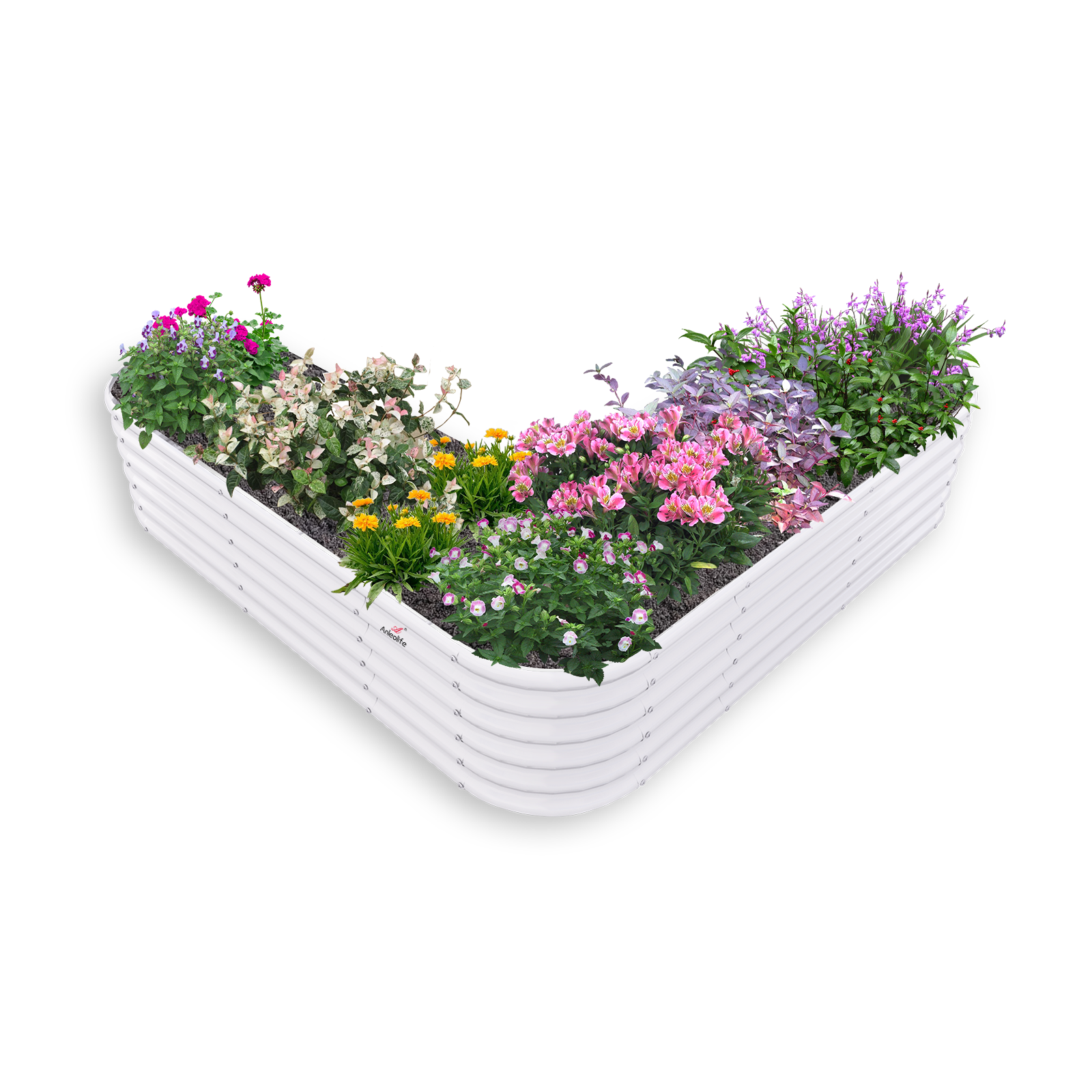
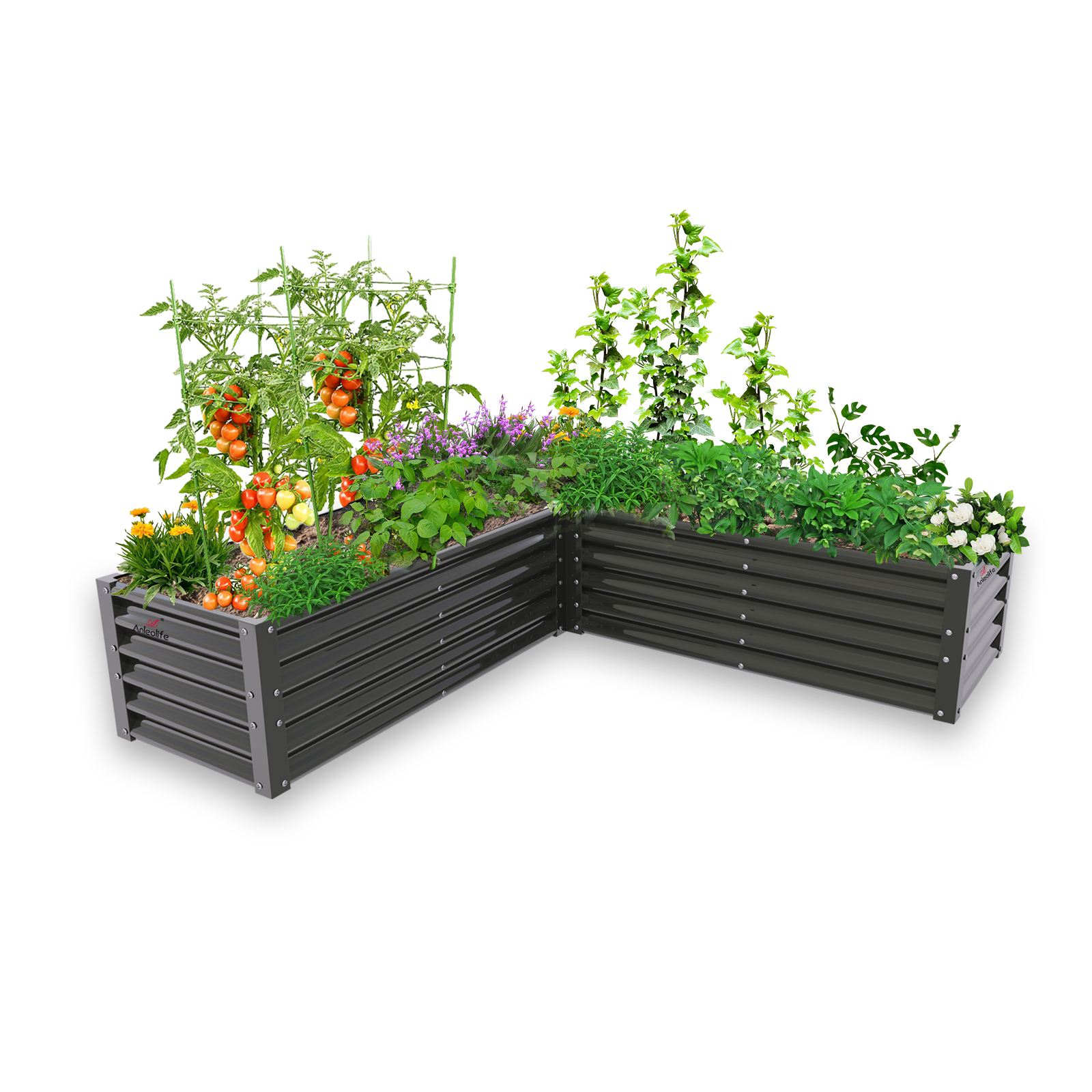
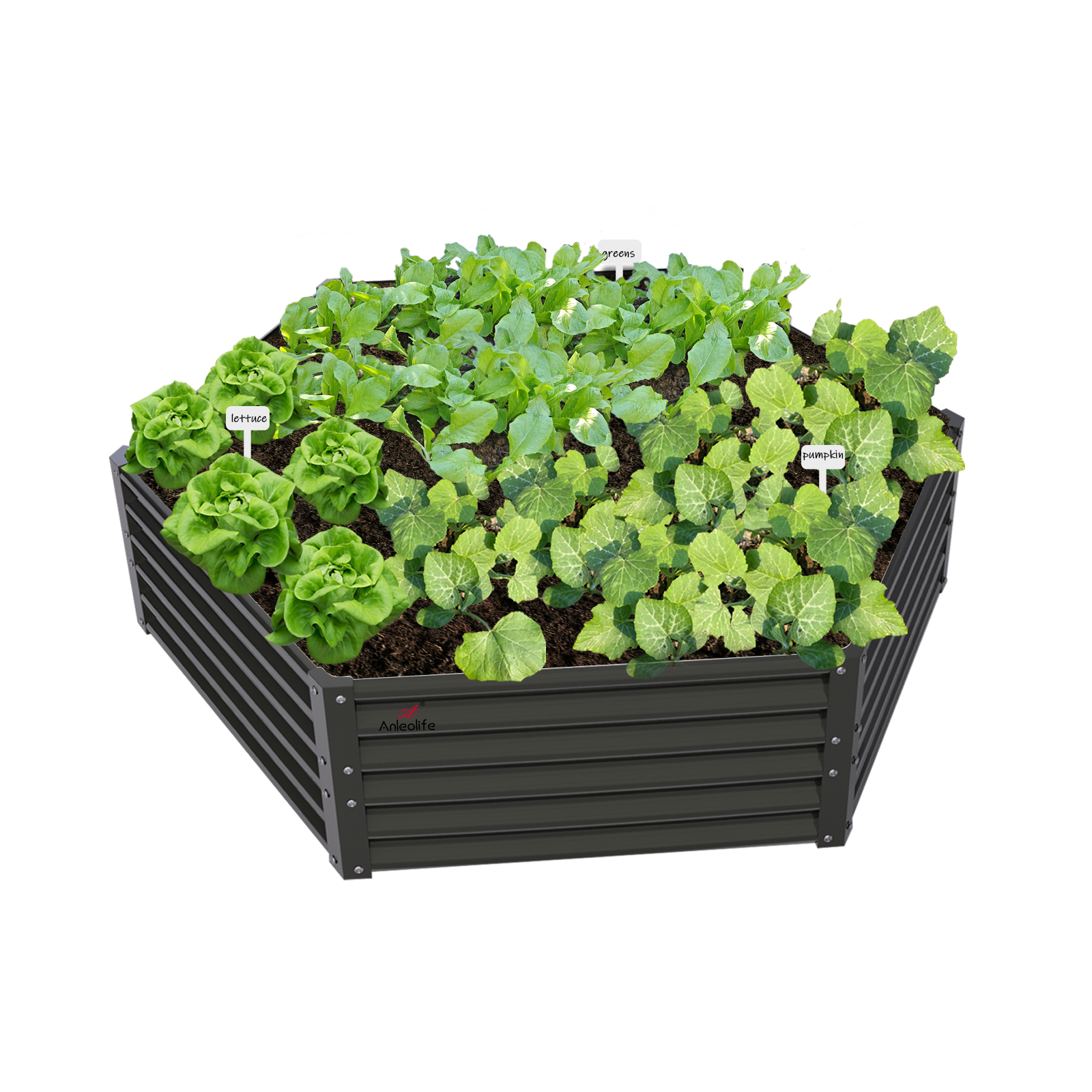
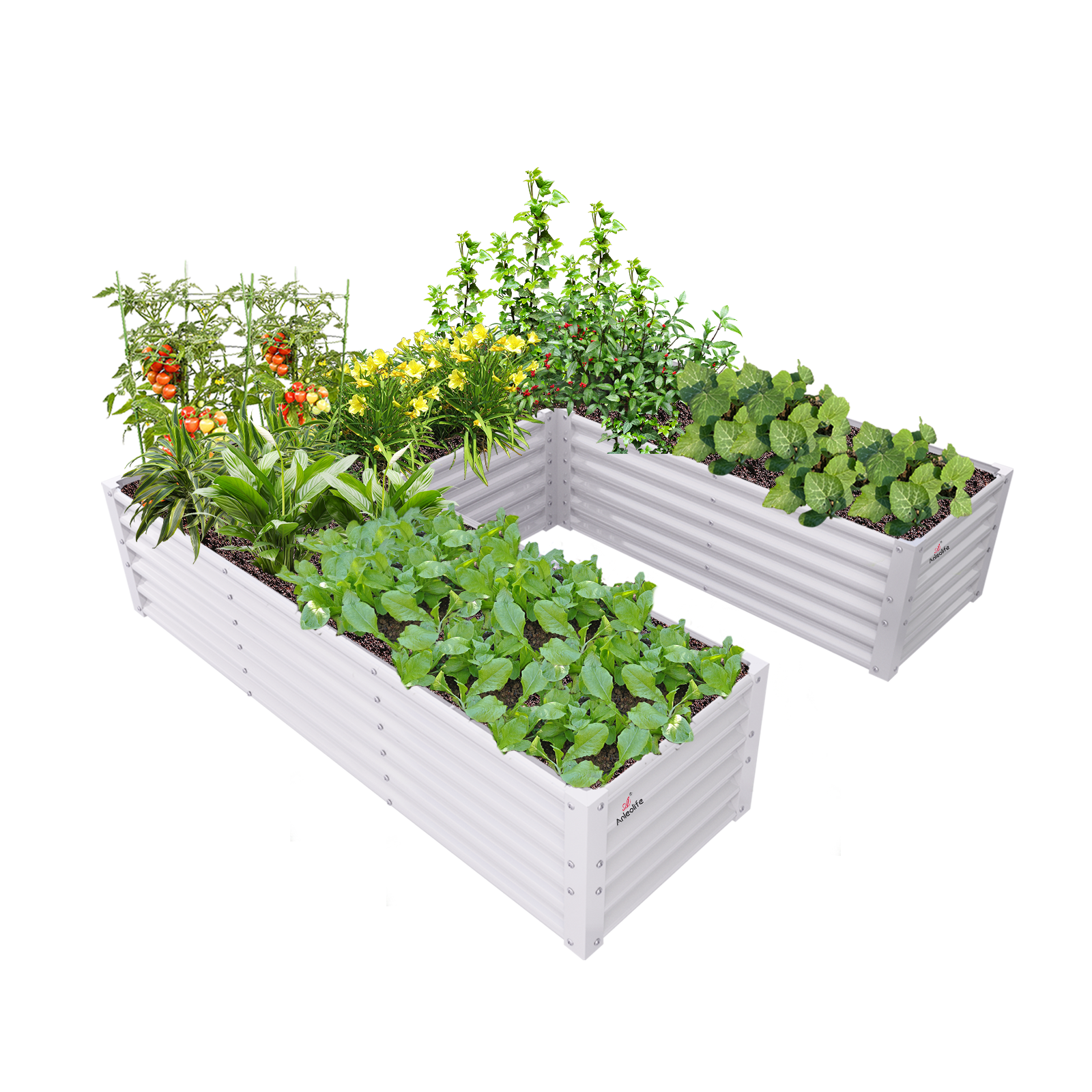

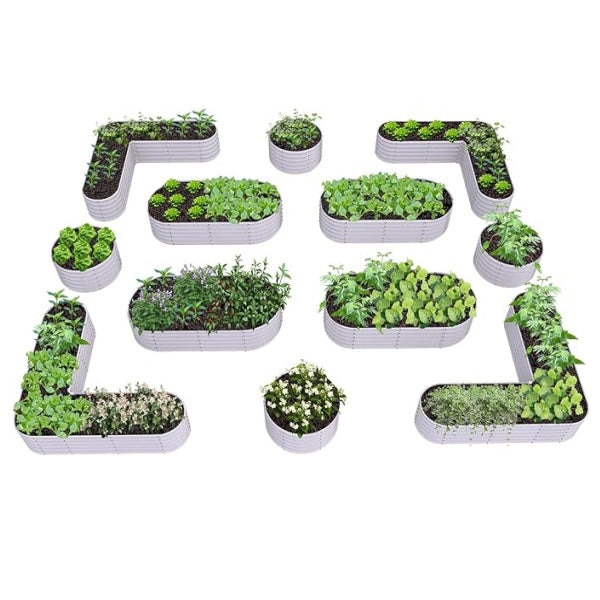


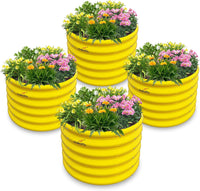
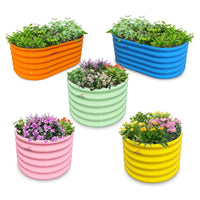
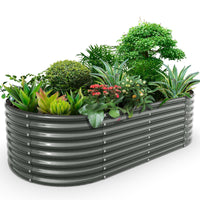



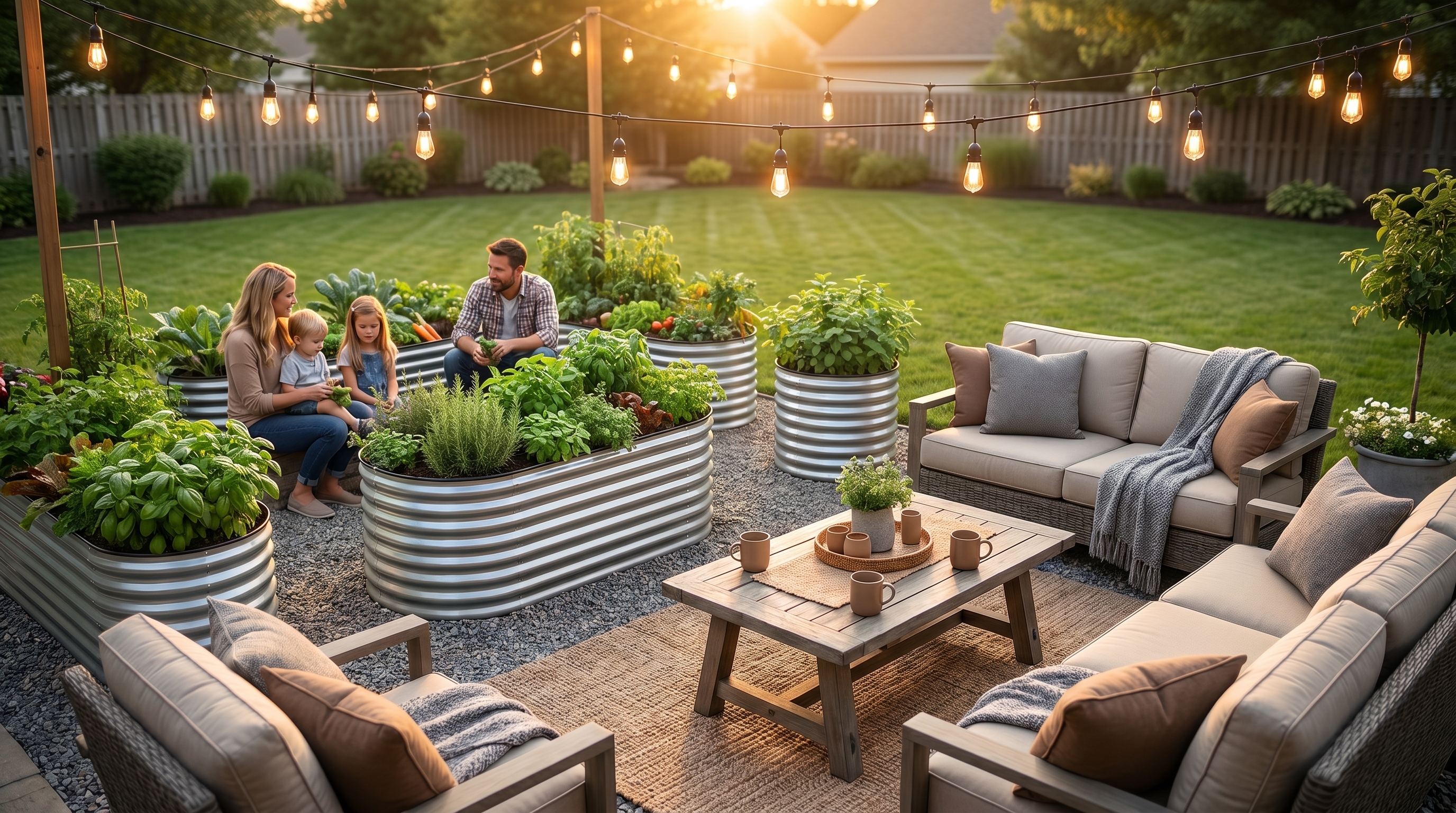
ALT: Cozy backyard space featuring raised garden beds, warm string lights, and comfortable family seating for outdoor evenings
Transform Your Backyard Into the Perfect Cozy Space for Family Evenings Outdoors
Key Conclusion: Creating a cozy backyard space for family evenings doesn't require a complete renovation or a massive budget. With a thoughtful raised bed garden layout, strategic lighting, comfortable seating, and a few well-chosen plants, you can transform even a modest yard into a welcoming outdoor living room. A well-planned raised bed planting layout not only adds greenery and life to your evenings outdoors but also doubles as a productive kitchen garden. Whether you're starting fresh or refining your existing raised bed layout, the steps ahead will guide you through every decision—from materials to ambiance.
Building a backyard that truly works for family evenings is about layering three essential elements: comfort, function, and beauty. Most homeowners get one or two of these right but struggle with the third. The good news? Each element supports the others, and with a clear plan, you can achieve all three simultaneously. In this guide, we'll walk you through the practical steps to design your ideal outdoor space, choose the right materials, incorporate productive gardening zones, and select the finishing touches that make evenings outside feel genuinely special.
Who This Guide Is For: Applicable Scenarios and Cautions
✅ Applicable Scenarios:
- Homeowners with a backyard of any size (from 200 sq ft to 2,000+ sq ft) who want to create a functional outdoor living area for family use
- Eco-conscious families who want to integrate edible gardening into their outdoor entertaining space without sacrificing aesthetics
- Empty nesters and retirees looking to spend more meaningful time outdoors in a low-maintenance, beautifully designed garden environment
- Urban micro-gardeners who need to maximize limited outdoor space with smart layouts and versatile, multi-use garden structures
❌ Not Applicable/Cautions:
- Renters without permission to install permanent structures or modify existing landscaping—check your lease before beginning any raised bed or hardscape installation
- Households in HOA-governed communities should review covenants before adding raised beds, structures, or string lighting to front or visible side yards
- Those expecting instant results: building a cozy backyard ecosystem takes 2–4 weekends of active work, and a productive garden takes at least one full growing season to truly shine
Why Family Outdoor Evenings Matter More Than Ever—and How Gardens Make Them Better
There's a quiet revolution happening in American backyards. According to a 2023 survey by the National Gardening Association, approximately 55% of U.S. households participated in some form of gardening activity, with a significant uptick in families using their outdoor spaces for both growing food and gathering together. Pandemic-era habits of turning inward to home spaces haven't fully reversed—they've evolved. Families now expect more from their backyards: not just a patch of grass to mow, but a destination worth coming home to.
The appeal of an outdoor evening space is deeply psychological. Studies from the University of Exeter found that people who spend at least two hours per week in nature report significantly higher well-being scores than those who don't. A cozy backyard essentially brings that nature access to your doorstep, lowering the friction between daily stress and genuine relaxation.
But a cozy outdoor space without a purposeful design often goes unused. The most common complaint among homeowners is that they spent money on patio furniture or a fire pit, only to find it neglected after the novelty wore off. Why? Because comfort alone isn't enough. What keeps families returning to an outdoor space is engagement—something to tend, something to harvest, something to show guests with pride. That's where a well-integrated raised bed garden layout becomes your secret weapon.
Raised beds serve multiple purposes in an evening-friendly backyard. Visually, they create structure and define zones—separating the dining area from the garden without needing a fence. Functionally, they provide fresh herbs for cocktails and dinner, edible flowers for table decorations, and vegetables that give family members (especially kids) a reason to step outside every evening to check on their progress. Aesthetically, metal raised beds with clean lines elevate the look of any backyard from "functional" to "designed."
For families thinking about the long-term investment in their outdoor space, it's worth noting that quality matters enormously. A raised bed made from galvanized steel—like those offered by Anleolife—carries a lifespan of up to 20 years, making it far more cost-effective than wood beds that rot and need replacing every 3–5 years. This longevity transforms your raised bed from a seasonal accessory into a permanent architectural feature of your backyard.
Building Your Cozy Backyard Space: A Complete Step-by-Step System
Three-Step Quick Start
Step 1: Map Your Space and Define Zones
Before purchasing a single item, spend 30–60 minutes sketching your backyard on paper. Divide the space into three functional zones: a seating/dining zone, a transition/pathway zone, and a gardening zone. Use natural landmarks—a tree, an existing fence, the back door—as anchors. Mark where sunlight falls in the late afternoon (4–7 PM), as this determines both where to place seating and where raised beds will thrive. This planning step is the most important investment of time you'll make and prevents costly mistakes later.
Step 2: Install Your Foundation Elements First
Foundation elements include raised garden beds, any hardscaping (pavers, gravel paths), and permanent seating structures. Install these before adding lighting, accessories, or plants. A solid raised bed layout should be positioned with at least 3 feet of pathway between beds for comfortable access. If you're new to raised beds, start with one or two 8x4 or 4x4 configurations. Galvanized steel beds from trusted brands typically arrive flat-packed and can be assembled in 30–90 minutes per unit, requiring no special tools.
Step 3: Layer Ambiance, Plants, and Personal Touches
With the structural foundation in place, now comes the enjoyable part. String warm-toned Edison-style lights overhead between posts or fence lines—this single element transforms a backyard more dramatically than almost anything else. Fill your raised beds with the right soil mix (more on this below), plant your chosen herbs and vegetables, and add personal touches: an outdoor rug, cushioned seating, a small fire pit or tabletop candle lanterns, and potted plants along pathways. This layering approach ensures your space looks intentional rather than assembled over time without a plan.
Choosing the Right Raised Bed Material: Which Option Lasts Longest?
One of the most common questions new gardeners ask is: what's the best material for raised garden beds that lasts longest? The answer shapes everything from your initial budget to your long-term maintenance schedule.
Here's a clear comparison of the three most popular options:
| Comparison Dimension | Galvanized Steel | Cedar Wood | Composite/Plastic |
|---|---|---|---|
| Typical Lifespan | Up to 20 years | 5–10 years | 10–15 years |
| Aesthetic Appeal | Modern, clean, architectural | Rustic, warm, traditional | Variable, often less premium |
| Maintenance Required | Minimal (no painting or sealing) | Moderate (annual sealing recommended) | Low |
| Soil Heating | Warms soil slightly in spring | Neutral | Neutral |
| Beginner-Friendly | ✅ Easy tool-free assembly | ✅ DIY-friendly | ✅ Very easy |
| Budget Range (4x8 bed) | $80–$200 | $60–$250 | $40–$150 |
| Eco-Friendliness | ✅ Recyclable, no chemical leaching | ⚠️ Some treated woods contain chemicals | ⚠️ Petroleum-based |
| Best For | Long-term investment, modern aesthetics | Traditional gardens, DIY builders | Temporary setups, renters |
For families planning to use their backyard space for 5+ years, galvanized steel is the clear winner. The 20-year lifespan means a one-time installation that outlasts multiple wood rotations. Anleolife's metal raised beds are crafted from food-safe galvanized steel with no harmful chemical leaching, making them ideal for families growing vegetables and herbs they plan to eat.
Recommended Soil, Fertilizer, and Planting Strategies for Your Evening Garden
What Soil Works Best in Raised Garden Beds?
The recommended soil for raised garden beds is not the same as standard topsoil or potting mix. For optimal results, use a blend often called "Mel's Mix" in the gardening community: one-third coarse vermiculite (for drainage and aeration), one-third peat moss or coco coir (for moisture retention), and one-third blended compost (for nutrition).
For a standard 4x8x12" raised bed, you'll need approximately 16 cubic feet of this blend. Pre-mixed raised bed soil products from brands like Miracle-Gro or Black Gold are widely available at Home Depot and Lowe's and perform well for beginners.
The key advantage of raised bed soil over in-ground gardening is that you control the growing medium entirely. No clay compaction, no weed seeds from existing yard soil, and no guessing about pH. This alone dramatically improves plant success rates for beginners.
Best Fertilizer for Raised Vegetable Gardens
Even with excellent starting soil, nutrients deplete over a growing season. The best fertilizer for raised vegetable gardens depends on what you're growing:
- Slow-release granular fertilizers (like Osmocote) are ideal for set-and-forget families. Apply once at planting and once at mid-season.
- Fish emulsion or liquid kelp provides a quick nitrogen boost during heavy feeding periods—great for leafy greens and herbs.
- Compost top-dressing (adding 1–2 inches of fresh compost each spring) is the most sustainable long-term approach and improves soil structure year after year.
Avoid over-fertilizing with high-nitrogen products if you're growing fruiting plants like tomatoes or peppers—too much nitrogen pushes leafy growth at the expense of fruit production.
Plants That Double as Evening Ambiance
The most strategic planting choices for a family evening garden are those that engage the senses at dusk. Consider:
- Fragrant herbs: Basil, rosemary, lavender, and lemon balm release their scent when brushed or warmed by afternoon sun, creating an aromatic atmosphere as families gather in the evening.
- Edible flowers: Nasturtiums, pansies, and calendula add color to beds and plates alike.
- Evening-blooming plants: Four o'clocks and moonflowers open in the evening, specifically designed by nature to delight late-day outdoor dwellers.
- Fast-growing salad greens: Lettuce, spinach, and arugula can be harvested within 4–6 weeks of planting, giving families quick wins and a tangible reason to engage with the garden nightly.
A well-thought-out raised bed planting layout places taller plants (like tomatoes or trellised cucumbers) at the north end of the bed so they don't shade shorter plants. Herbs are best placed at the corners nearest the seating area for easy pinching and sniffing during outdoor meals.
Creating the Right Atmosphere: Lighting, Seating, and Flow
A garden without good lighting feels abandoned after sunset. The single most transformative investment in your evening backyard is warm-white string lighting. Hang café-style bulbs at 8–10 feet above your seating area, using shepherd's hooks, fence posts, or purpose-built poles. The goal is a light level that's bright enough for conversation but dim enough to feel intimate—not floodlit.
Layer your lighting with secondary sources: solar-powered pathway lights along garden bed edges, candle lanterns on dining surfaces, and perhaps a low-wattage LED spotlight aimed at your most beautiful raised bed.
For seating, prioritize cushioned comfort over visual style. The most beautiful outdoor furniture that lacks comfortable cushions gets abandoned within two seasons. Look for fade-resistant, water-resistant cushion covers in neutral tones that coordinate with your garden bed finishes. A sectional sofa configuration around a central coffee table or fire pit creates the gathering focal point every great backyard needs.
Define pathways between your raised beds and seating area. Gravel, stepping stones, or pavers prevent muddy shoes and visually guide movement through the space. A simple 18–24 inch wide path between beds is sufficient and keeps the garden feeling open rather than cramped.
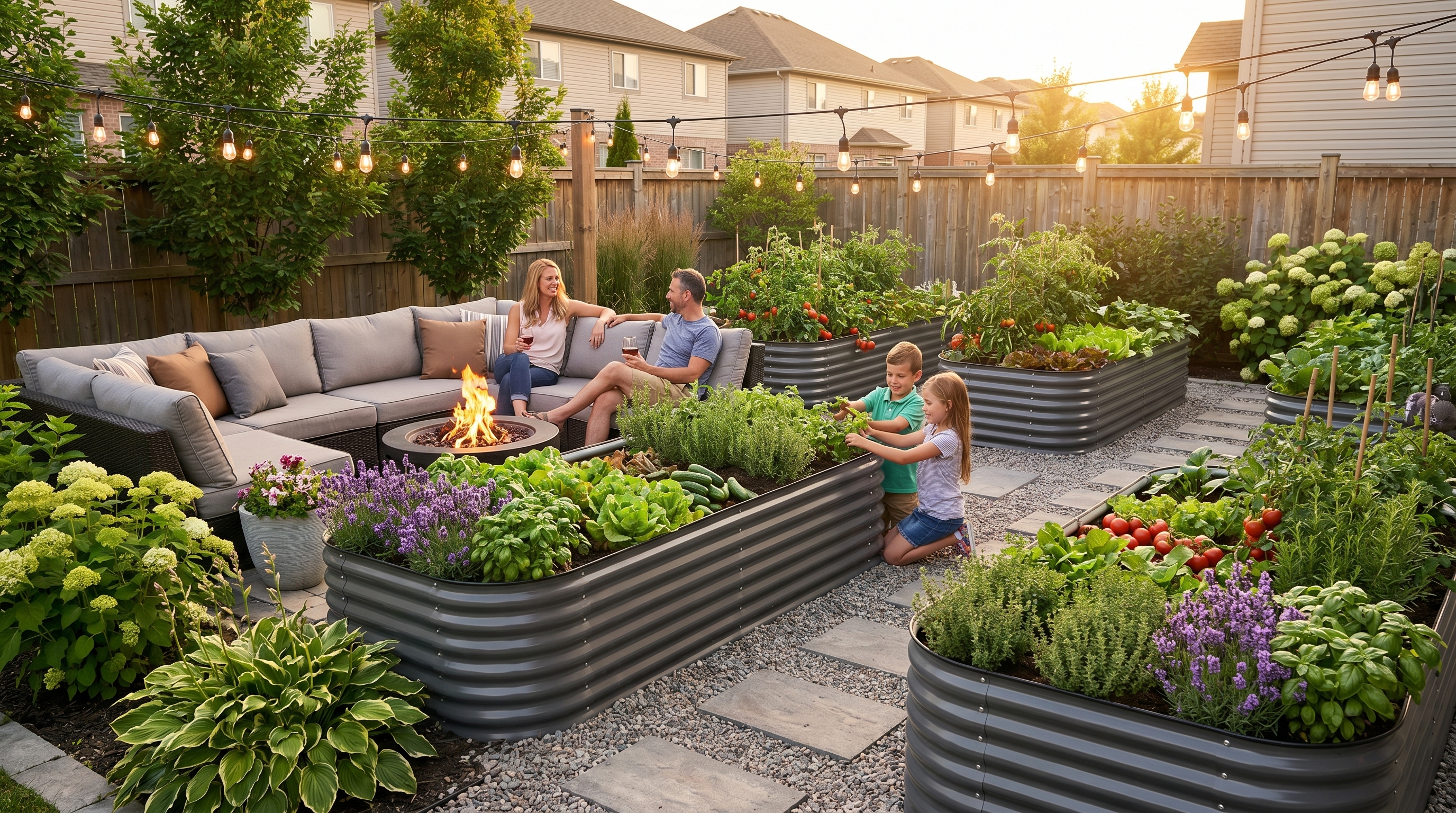
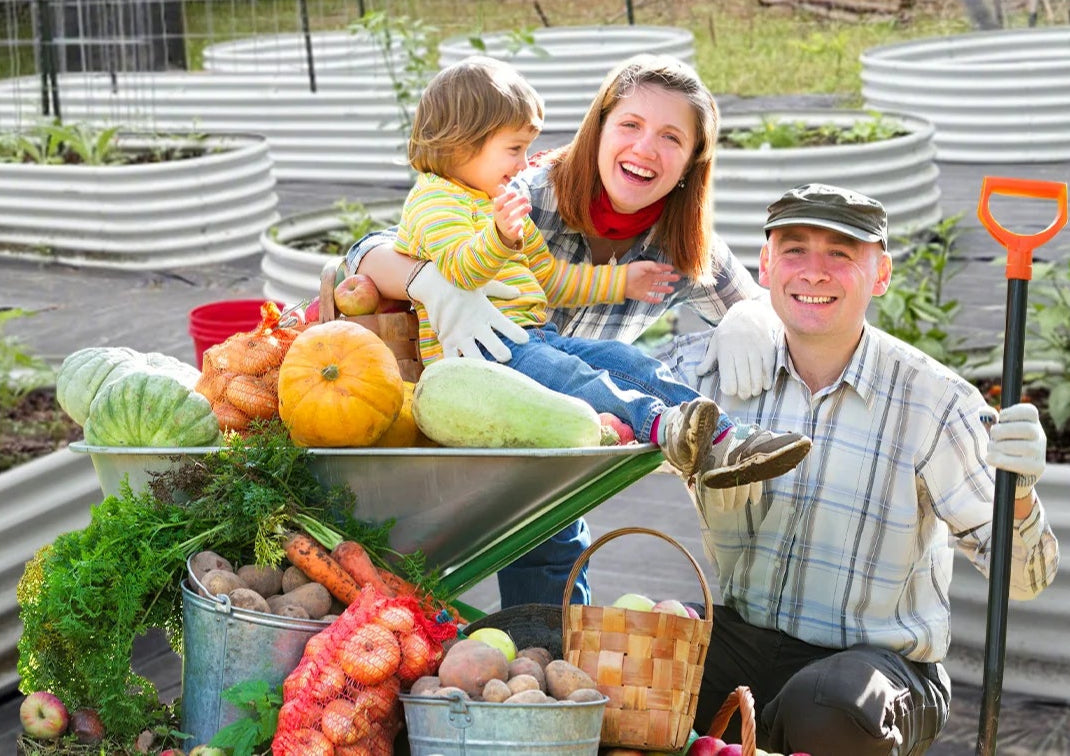
ALT: Family enjoying evening outdoors surrounded by galvanized steel raised garden beds, warm string lights, and comfortable seating in a beautifully designed backyard garden space
Budget Considerations: Building a Beautiful Space Without Overspending
How to Find the Best Budget Raised Beds Under $200 for Vegetables
Many families assume that durable, attractive raised beds must be expensive. The reality is more encouraging: the best budget raised beds under $200 for vegetables are readily available from trusted brands, and a smart approach can get you fully set up for a productive first season without financial strain.
Here's a realistic budget breakdown for a complete raised bed setup:
| Item | Estimated Cost |
|---|---|
| 4x8x12" galvanized steel raised bed | $80–$160 |
| Raised bed soil mix (16 cu ft) | $40–$80 |
| Starter plants or seed packets | $15–$30 |
| Slow-release fertilizer | $10–$20 |
| Basic hand tools (if needed) | $20–$40 |
| Total | $165–$330 |
For top rated inexpensive raised beds for beginners, Anleolife's entry-level galvanized steel beds consistently rank highly on platforms like Amazon and Walmart due to their straightforward assembly, clean aesthetics, and long-term durability. Starting with a single 4x4 or 4x8 bed is a low-risk way to test your gardening interest before expanding.
The critical mindset shift for budget-conscious gardeners: spending slightly more on a 20-year galvanized steel bed at $120–$160 is more economical than replacing $60 wood beds every 4 years. Over 20 years, the wood option costs 5x more in material alone—before accounting for the labor of repeated replacement.
Advanced Tips: Elevating Your Backyard From Good to Exceptional
Handling Special Situations
Small yards and limited space: Don't let square footage be a deterrent. A 200 sq ft backyard can accommodate two 4x4 raised beds, a bistro table set for two, and string lights on a pergola structure above. The key is vertical thinking—use trellises attached to raised beds to grow climbing vegetables like pole beans or cucumbers upward, not outward.
Households with young children: Designate one raised bed as the "kids' garden" where they have full control over what gets planted and harvested. Child-height beds (18 inches tall) are easier for small arms to reach across, and fast-growing crops like radishes and cherry tomatoes deliver satisfying quick results that keep children engaged.
Combining gardening with pet considerations: If you have chickens or rabbits, Anleolife's raising products (chicken coops and rabbit hutches) can be positioned adjacent to the garden zone, creating a genuine mini-homestead aesthetic. Chicken manure composted and added to raised beds closes a natural nutrient loop that any eco-conscious family will appreciate.
Common Misconceptions to Address
Misconception 1: "Raised beds dry out too quickly." This is only true if the soil mix lacks sufficient organic matter. A proper raised bed mix with adequate compost retains moisture well, and a simple drip irrigation kit (available for $20–$40) solves any summer watering concerns entirely.
Misconception 2: "Metal beds heat the soil too much and cook plant roots." Research from multiple university extension programs confirms that properly sized galvanized steel beds with adequate soil volume do not heat soil enough to harm roots. The slight warming in spring is actually beneficial for early season planting.
Misconception 3: "You need to be an experienced gardener to build a productive backyard garden." The curated simplicity of modern raised bed gardening—controlled soil, defined space, structured layout—actually makes it significantly more beginner-friendly than traditional in-ground gardening.
Frequently Asked Questions FAQ
Q1: How do I choose the right raised bed layout for a small backyard?
For a small backyard, prioritize a raised bed layout that leaves adequate circulation space while maximizing planting area. A pair of 4x4 beds with a 3-foot path between them fits comfortably in a 10x12 foot zone. Avoid beds wider than 4 feet so you can reach the center from either side without stepping in. If space is extremely limited, a single 4x8 bed positioned against a fence with a trellis above it can yield a surprisingly large harvest from a minimal footprint.
Q2: Are galvanized steel raised beds safe for growing vegetables and herbs?
Yes—food-grade galvanized steel raised beds are widely considered safe for vegetable and herb gardening by university extension programs and gardening authorities. The zinc coating on galvanized steel does not leach into soil at levels harmful to plants or humans. In fact, trace zinc is an essential micronutrient for plant growth. Anleolife's raised beds are manufactured with food-safe materials and have been used by hundreds of thousands of home gardeners across North America without safety concerns.
Q3: How long does it take to set up a complete backyard evening space, and what does it cost?
A complete backyard transformation—including two raised beds, pathway materials, seating, and lighting—typically takes 2–3 full weekends of active work. Budget approximately $800–$2,000 for a mid-range setup including furniture, beds, soil, plants, and lighting. Raised beds from Anleolife are delivered within 3–8 business days via their nationwide warehouse network, so you can begin your project without long shipping delays. The investment pays dividends in quality family time and fresh produce for 20+ years.
Summary
Building a cozy backyard space for family evenings outdoors is genuinely achievable for any homeowner willing to approach it with a clear plan and the right materials. The three core takeaways from everything covered above:
1. Structure creates comfort. A thoughtful raised bed garden layout does more than grow food—it defines your outdoor space architecturally, creates visual interest, and gives family members an ongoing reason to engage with the backyard nightly. Without structure, outdoor spaces feel unfinished and go unused.
2. Quality materials protect your investment. Whether it's food-safe galvanized steel beds with a 20-year lifespan, fade-resistant outdoor cushions, or a proper raised bed soil mix—every quality decision pays compounding returns over time. Budget-minded families should think in decade-scale costs, not purchase prices.
3. Ambiance is the multiplier. Lighting, fragrance, comfortable seating, and the sensory pleasure of a productive garden don't just make a space look good—they make it feel good. And spaces that feel good get used, which is the entire point.
Your next step is simple: sketch your backyard today, identify which zone you'll develop first, and choose one quality raised bed to begin. Every extraordinary family garden started with exactly that first step.
Upgrade Your Backyard With Anleolife
Anleolife's nationwide U.S. warehouse network—strategically located in California, Texas, Florida, New York, Illinois, and Washington—ensures delivery within 3–8 business days, so your garden upgrade plans never have to wait through frustrating shipping delays.
Our products are available on all the platforms you already trust: Amazon, Walmart, Home Depot, Lowe's, Wayfair, and directly on Anleolife.com—with consistent quality assurance and responsive after-sales support across every channel.
Anleolife's three core scenarios cover everything your backyard needs: Planting (metal raised garden beds and soil systems), Raising (chicken coops and rabbit hutches), and Beautification (decorative accessories and pathway systems). From your first raised bed to a fully integrated planting-and-raising ecosystem, we grow with you every step of the way.
We understand that an ideal garden is not built overnight—it's gradually improved over time. Our modular product design allows flexible expansion based on your needs, starting from your first 8x4x2 garden bed and scaling to whatever your family's vision requires. Start your backyard transformation today at Anleolife.com.
References
- National Gardening Association. "Gardening Trends and Household Participation Report".
https://garden.org/ - University of Exeter. "Spending at Least 120 Minutes a Week in Nature Is Associated with Good Health and Wellbeing".
https://www.exeter.ac.uk/ - University of California Cooperative Extension. "Raised Bed Gardening: Soil Preparation and Management".
https://ucanr.edu/ - U.S. Department of Agriculture (USDA). "Home and Community Gardening Resources".
https://www.usda.gov/ - Penn State Extension. "Building and Managing Raised Bed Gardens".
https://extension.psu.edu/
Note: Gardening standards, product availability, and soil recommendations may be updated. Please check the latest official documents or consult a local extension professional for region-specific advice.
About Anleolife
Anleolife is a leading outdoor garden solutions provider in North America, dedicated to offering a full-scenario product ecosystem for home gardening enthusiasts, covering planting, raising, and garden beautification. Since its founding, we have upheld our brand mission, "Made for Garden Life," continuously innovating products and optimizing services to help hundreds of thousands of users upgrade their gardens, reconnect with nature, and enjoy a better garden lifestyle. Whether you're a first-time gardener looking for your first raised bed or an experienced grower ready to build a complete backyard ecosystem, Anleolife is here to support every stage of your journey—with products built to last, a team committed to your success, and a community of passionate gardeners growing alongside you.