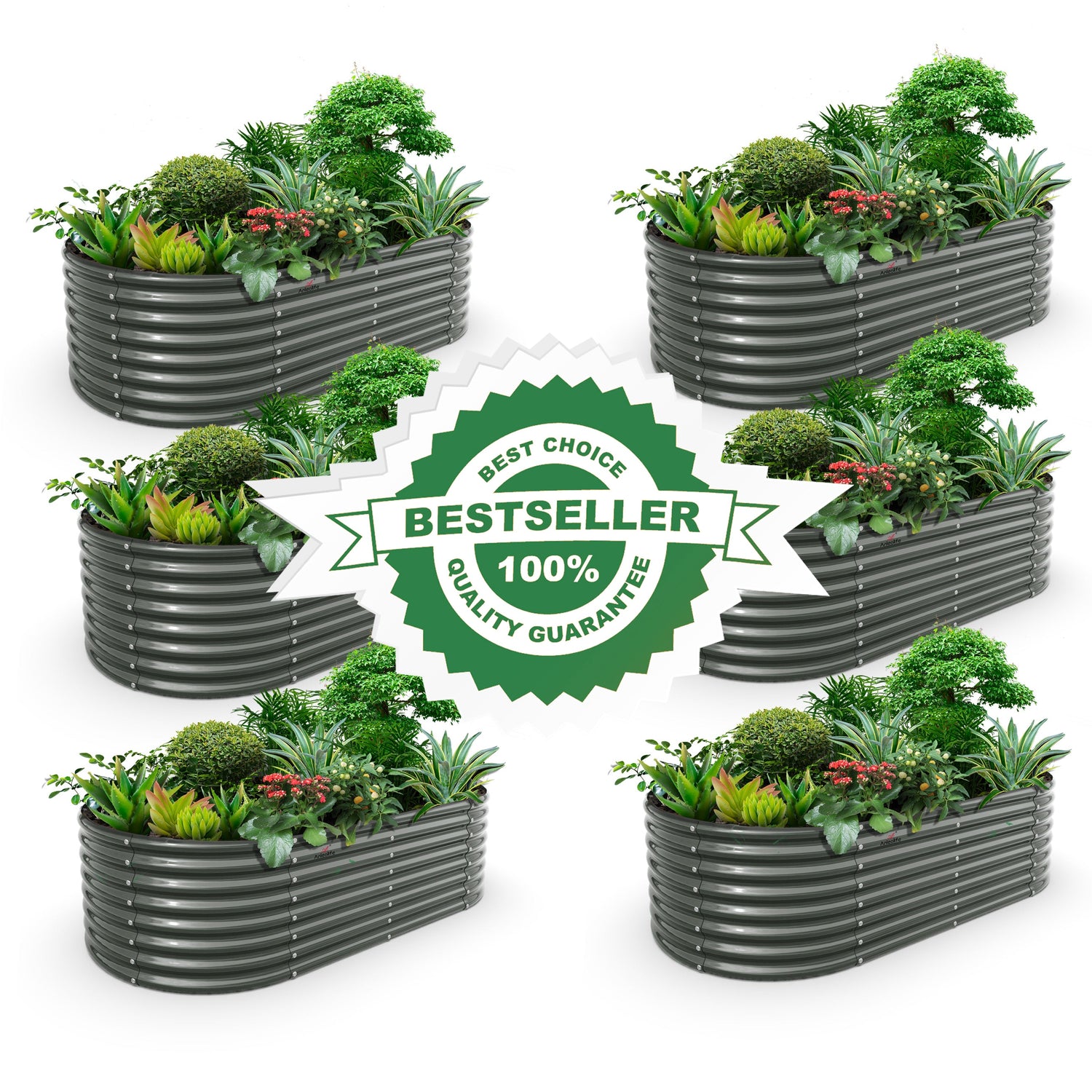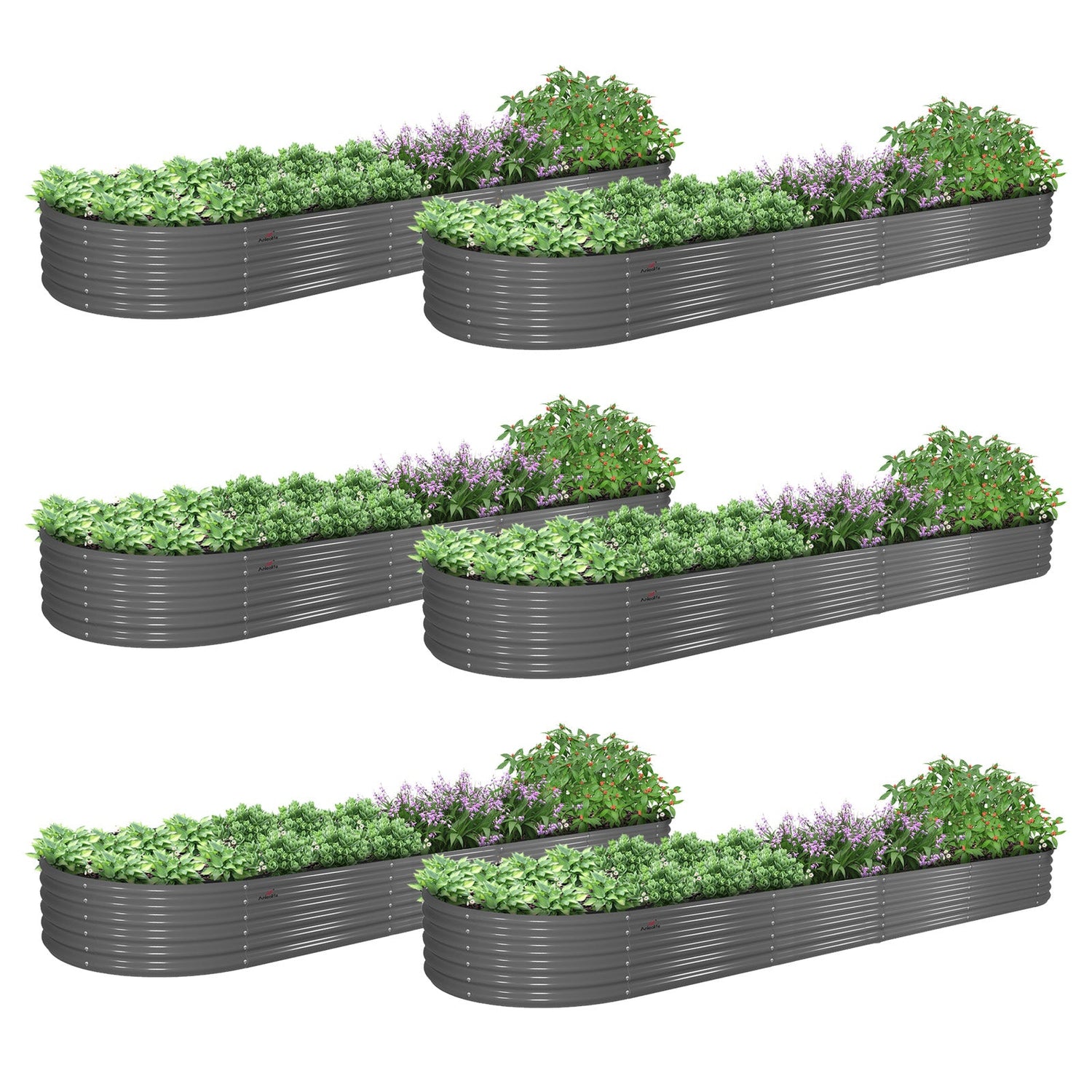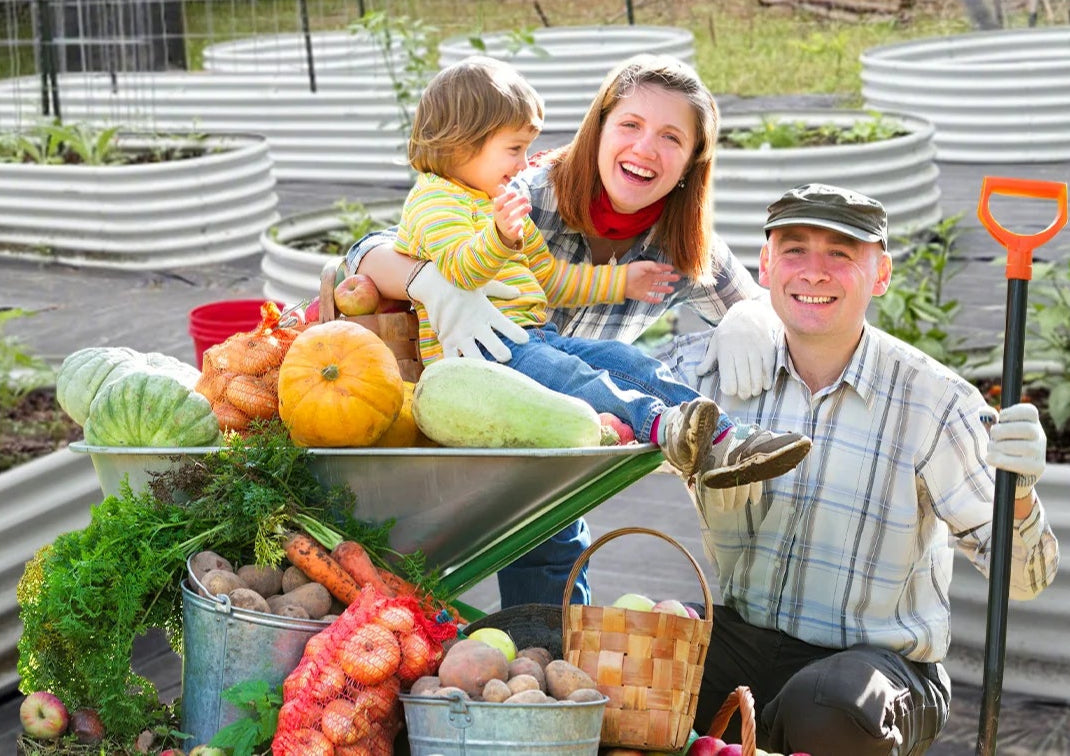



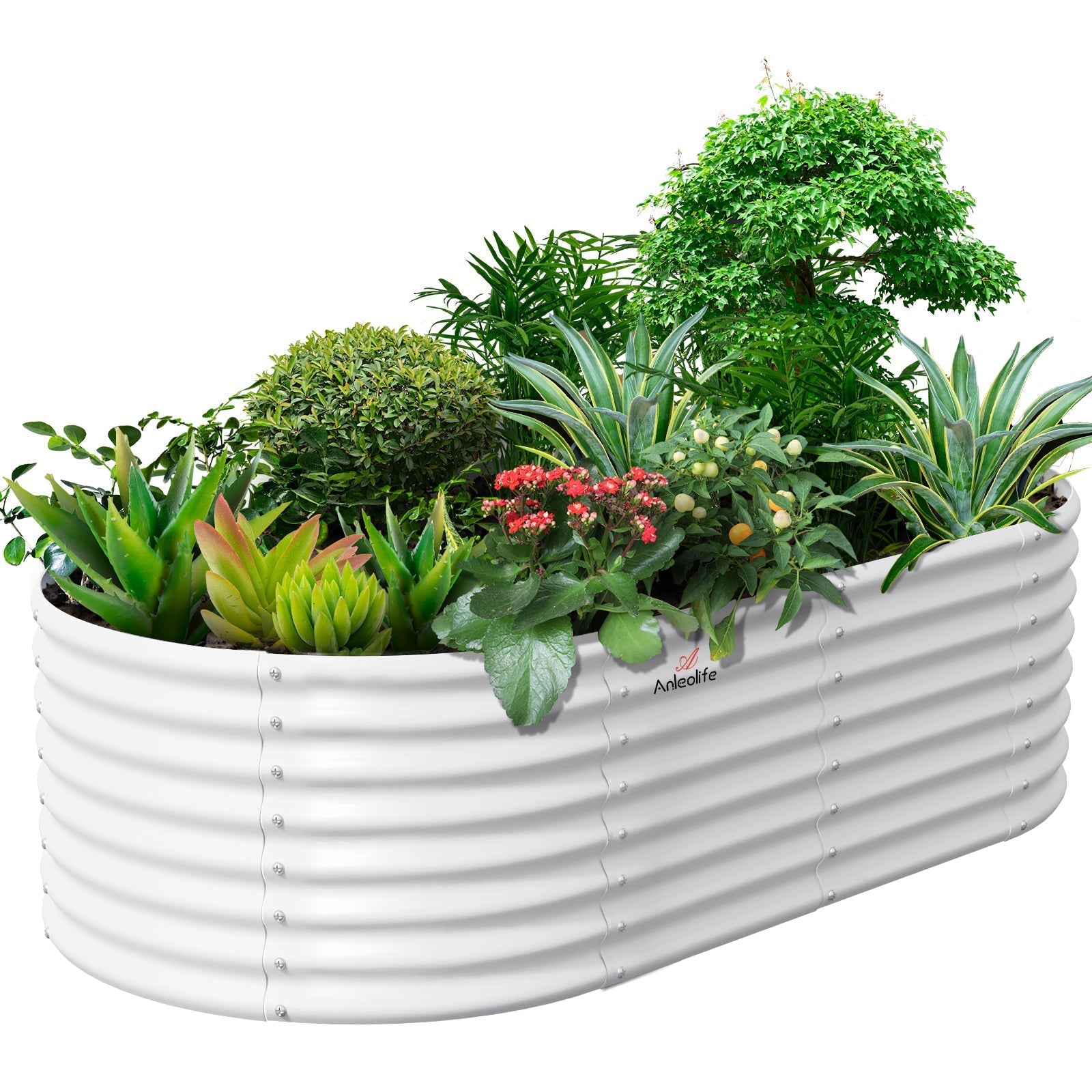

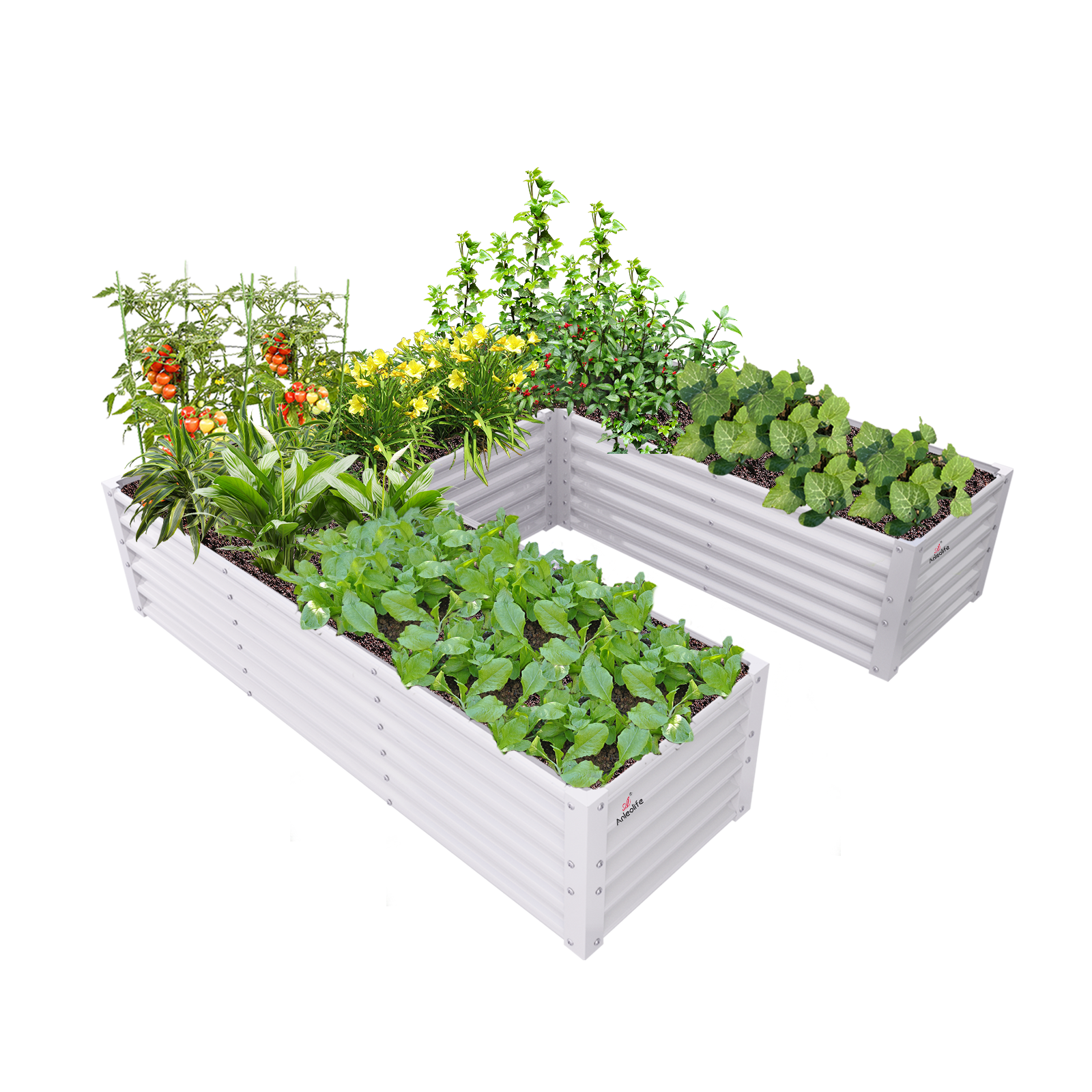

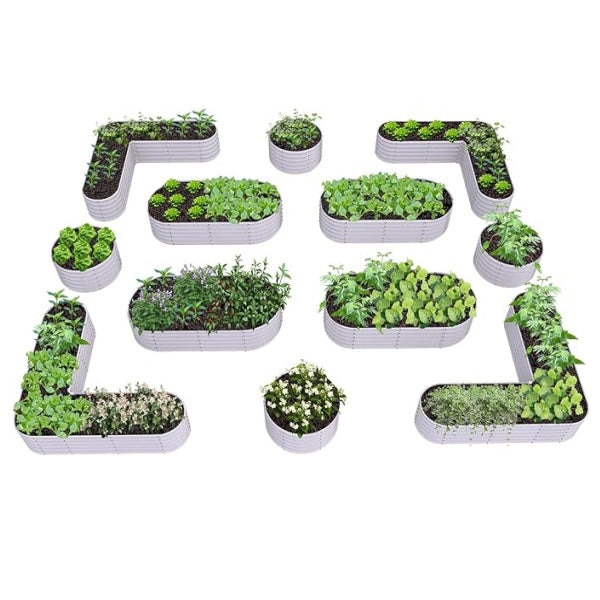


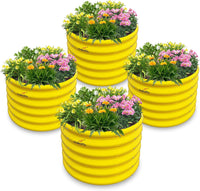
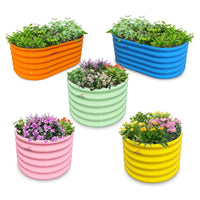



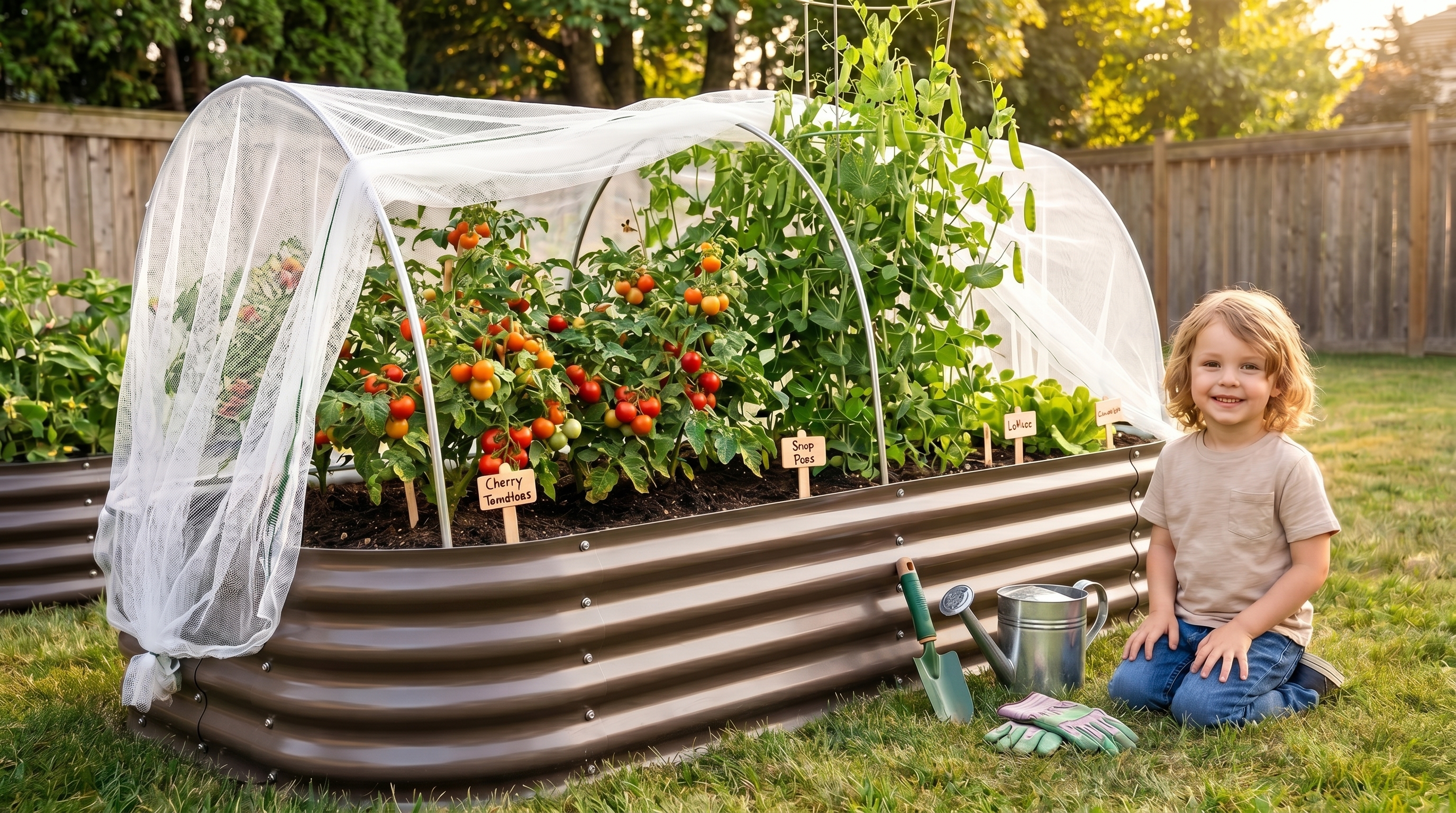
ALT: Child exploring a dedicated kids' corner raised garden bed with vegetables, tools, and protective insect netting
Why a Kids' Garden Corner Could Be the Best Backyard Investment You Make This Season
Key Conclusion: Creating a dedicated kids' corner in your backyard garden combines raised bed garden layout principles, child-safe irrigation systems, and protective features like trimmer lines and insect netting to deliver a space where children learn, grow, and connect with nature. When designed thoughtfully, this corner becomes a living classroom that nurtures curiosity, responsibility, and healthy eating habits — all while enhancing your backyard's overall aesthetic and function.
Designing a purposeful space for children in your backyard garden isn't just a weekend project — it's a long-term investment in your family's well-being. Research consistently shows that children who engage with garden environments develop stronger observational skills, a greater appreciation for where food comes from, and even improved dietary diversity. They're more likely to eat vegetables they've grown themselves, and the tactile experience of soil, water, and living plants supports sensory development in ways that no screen can replicate.
But here's the challenge most parents face: a garden designed for adults doesn't automatically work for kids. Beds are too tall to reach easily, tools are awkwardly sized, pathways aren't safe for small feet, and pest-management chemicals raise safety concerns. The good news? With the right layout and the right materials, you can carve out a kids' corner that's age-appropriate, safe, productive, and genuinely fun — without sacrificing the beauty or function of your broader garden design.
This guide walks you through every step, from choosing the right bed size and layout to setting up child-friendly irrigation, adding protective netting, and making the whole corner a place kids actually want to spend time.
Who This Guide Is For (and When to Reconsider)
✅ Applicable Scenarios:
- Families with children aged 3–12 who want to introduce gardening as an educational and recreational activity
- Parents or grandparents looking for screen-free outdoor activities that build responsibility and healthy habits
- Home gardeners who already have an established backyard setup and want to add a dedicated, safe zone for younger family members
- Eco-conscious households who want children to engage with organic growing, composting, and nature stewardship from an early age
- Empty nesters who are now caring for grandchildren part-time and want an engaging outdoor activity that bridges generations
❌ Not Applicable/Cautions:
- Households with no safe outdoor space or where all available yard space is needed for adult food production — in these cases, a shared raised bed with clearly designated rows may be a better option
- Very young toddlers (under 2 years) who require constant supervision around soil, tools, and water access — a sensory garden tray on a porch level is a safer starter alternative
- Gardeners in regions with extreme soil contamination risks who haven't tested soil first — always test before letting children dig directly in native soil; raised beds with fresh fill eliminate this concern entirely
The Growing Movement Toward Child-Centered Garden Design
Over the past decade, family gardening has undergone a quiet revolution. According to the National Gardening Association, household participation in food gardening in the United States reached record highs following 2020, with millions of new households starting gardens. Among those new gardeners, families with school-aged children made up a significant and growing segment.
What's driving this shift? A combination of factors. Health-conscious parents are increasingly aware of the benefits of homegrown produce — fresher, free of synthetic pesticides, and deeply satisfying to prepare. Educators and child development specialists have long advocated for garden-based learning as a complement to classroom instruction. And from a purely practical standpoint, a backyard garden gives children a reason to go outside, get their hands dirty, and disconnect from digital devices in a meaningful way.
For those who want to go deeper on planning the broader garden layout before carving out the kids' corner, the resource Step-by-Step Raised Bed Garden Layout Planning for Summer 2026 Beginners provides an excellent framework for understanding spacing, sunlight mapping, and access pathways — all of which directly inform how you'll position a children's section within your existing or planned garden.
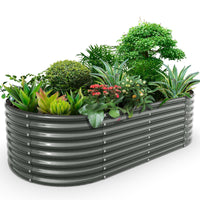
The rise of raised galvanized steel garden beds has been especially significant for families. Unlike wood, which can harbor rot, splinters, and pests over time, galvanized steel offers a clean, durable surface that's safe for children to lean against and touch. Top-rated options are engineered to last up to 20 years, meaning a bed you install for your young child today could still be growing vegetables when they're in college. For families investing in long-term backyard infrastructure, this durability calculus matters enormously.
It's also worth noting the cultural dimension. Gardening with children isn't just an American trend — it's a global movement toward reconnecting urban and suburban families with the food system. From school garden programs funded by the USDA to community plots in city parks, the message is clear: hands-on growing experiences during childhood have lasting positive effects.
Building Your Kids' Garden Corner: Step-by-Step and Design Deep Dive
Three-Step Quick Start
Step 1: Choose the Right Location and Bed Size
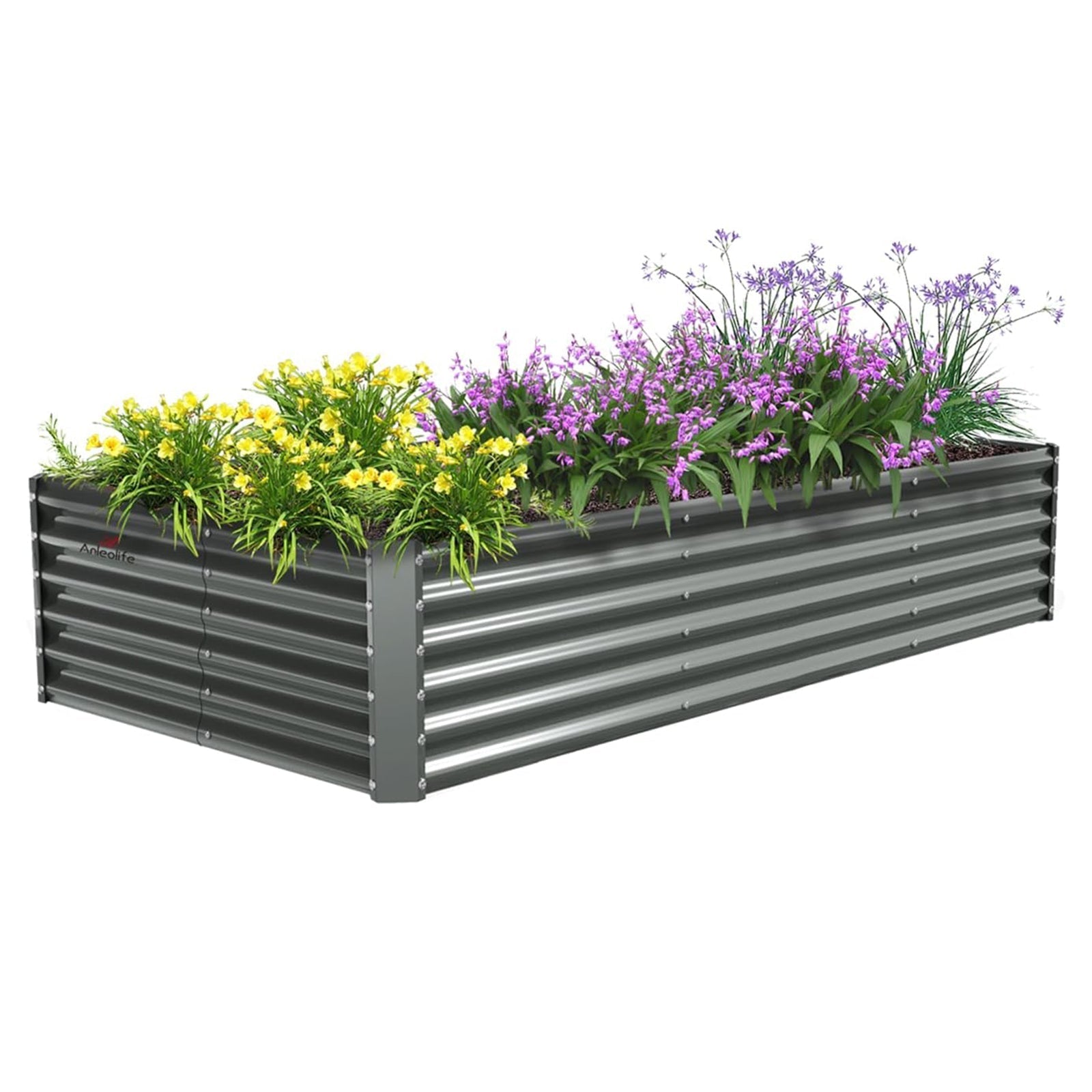
Start by identifying a spot in your backyard that receives at least 6 hours of direct sunlight daily — most vegetables and herbs children love to grow require full sun. Ideally, this spot is visible from a window or door so you can supervise easily. For children's beds, lower-profile or mid-height raised beds work best so small arms can reach the center without stretching uncomfortably. Anleolife's range of galvanized steel beds includes options well-suited to this purpose, and if you're starting fresh, an 8x4 ft footprint gives kids ample planting space without overwhelming them. Plan for 30–60 minutes to finalize your location choice, accounting for sunlight, drainage, and proximity to a water source.
Step 2: Set Up Child-Safe Irrigation and Watering Access
One of the greatest joys for children in the garden is watering — and one of the most common frustrations for adults is inconsistent watering. Installing a simple drip irrigation system or soaker hose connected to a timer takes this variable off the table. For children old enough to water manually, position a child-height hose bib or provide a lightweight watering can stored nearby. Keep irrigation lines tidy and clearly routed so small feet don't trip over them. A Raised Bed Watering Guide offers detailed options for setting up efficient, water-conserving irrigation that works for both supervised and independent watering by older kids. Budget 1–2 hours for basic drip system setup.
Step 3: Add Protective Features — Netting, Edging, and Safe Pathways
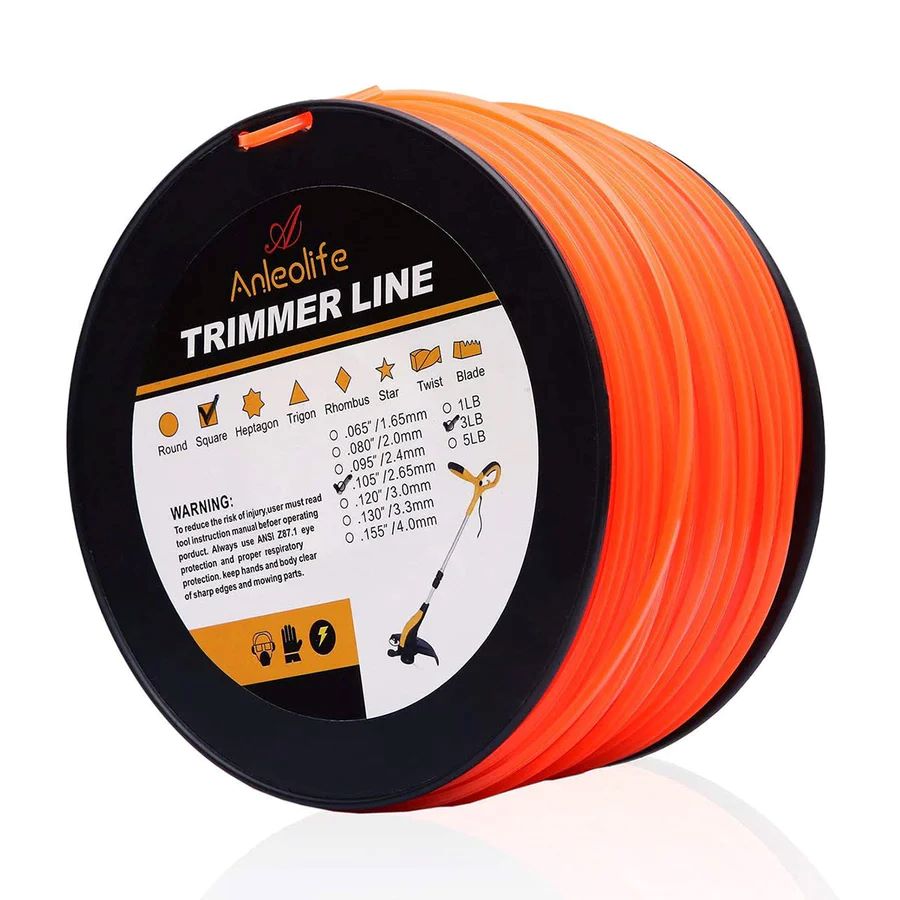
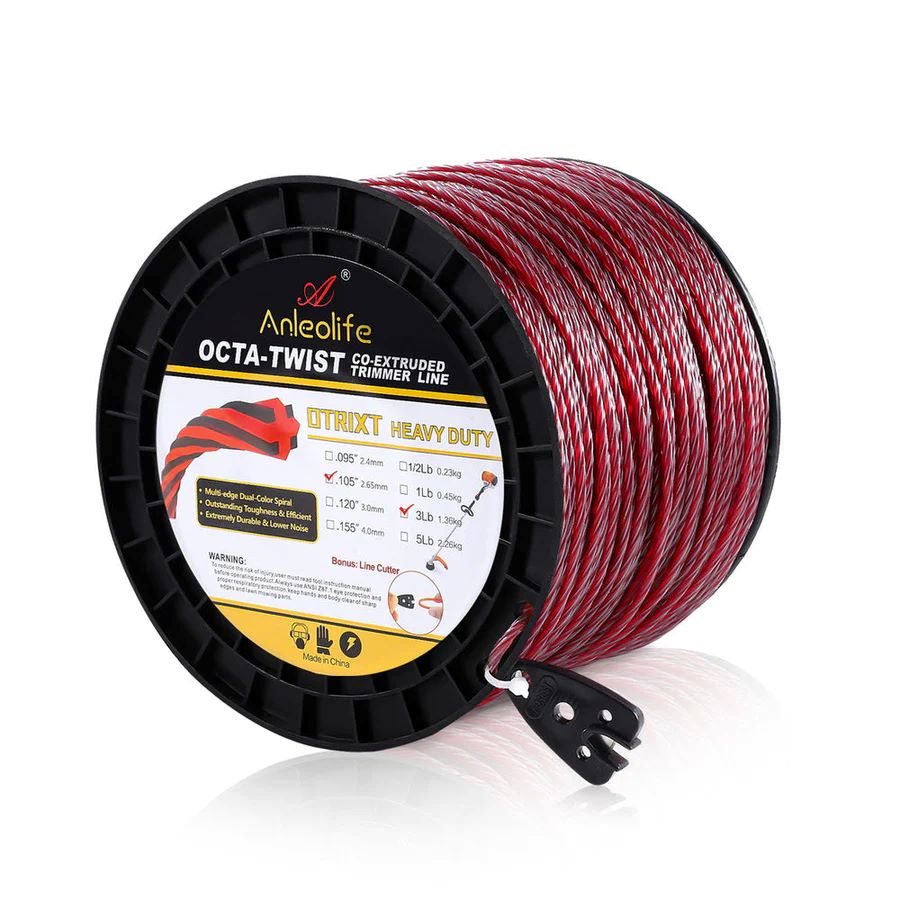
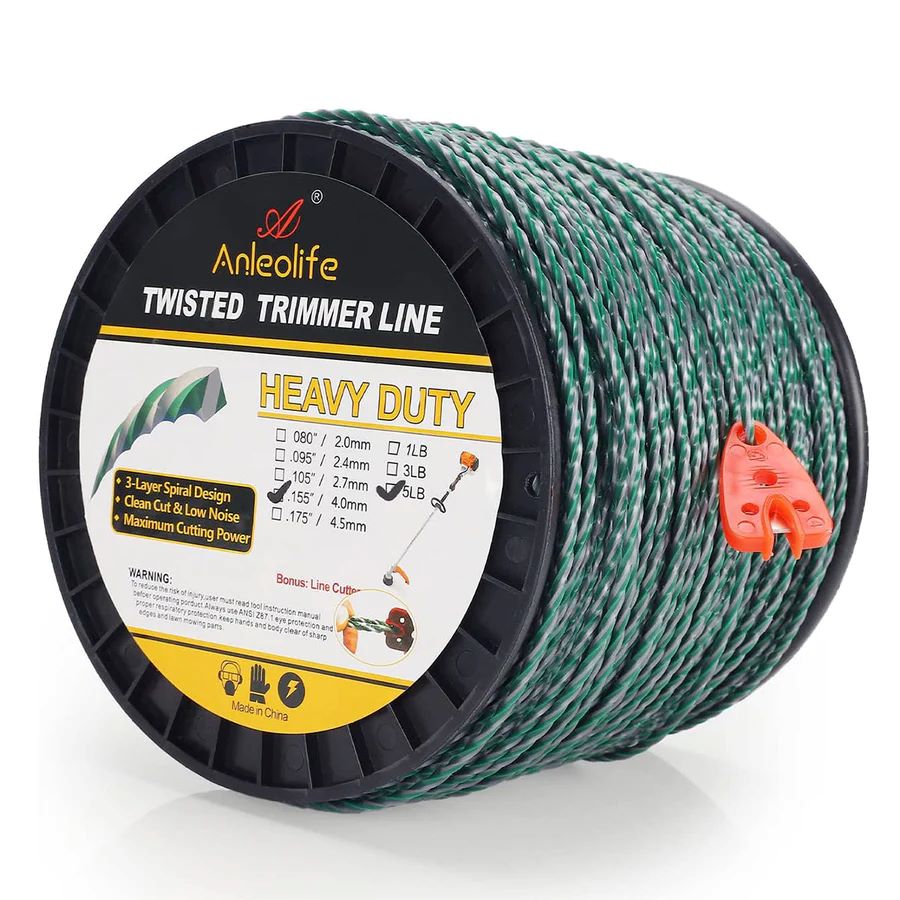
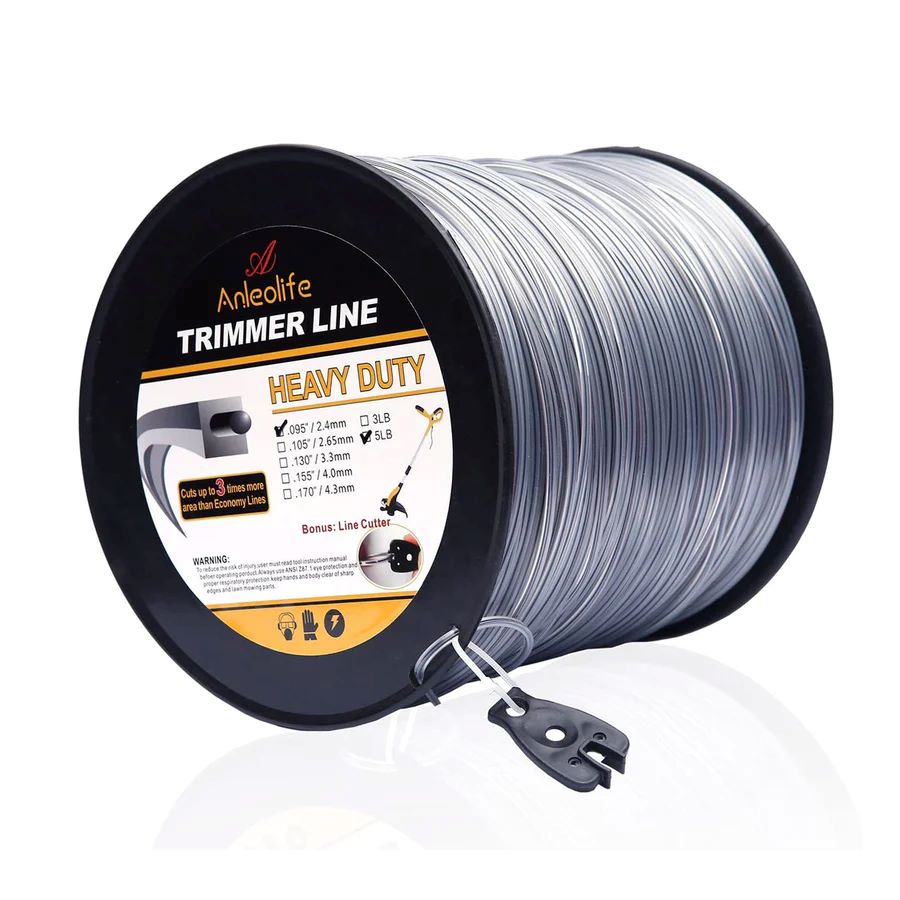
The final setup step involves protecting both the plants and the children. Install insect netting over the bed frame using hoops or a clip-on net support — this keeps beneficial plants safe from common pests without requiring any chemical intervention, which is especially important in a children's zone. Define clear pathways using flat stepping stones, mulch, or low edging materials so children know where to walk. If you use a string trimmer near the garden zone, check that trimmer lines are stored safely out of reach and that the area around the kids' bed is clearly demarcated. This step typically takes 1–2 hours depending on pathway complexity.
Comparing Kids' Garden Bed Options: Raised Steel vs. Ground Plots vs. Containers
Choosing the right growing format for your kids' corner is one of the most impactful decisions you'll make. Here's how the main options compare across dimensions that matter for family gardening:
| Comparison Dimension | Galvanized Steel Raised Bed | In-Ground Plot | Container / Pot Gardening |
|---|---|---|---|
| Soil Safety | Fill with verified clean soil; no ground contamination risk | Requires soil testing first | Clean potting mix; fully controlled |
| Ergonomics for Children | Adjustable height options; reachable from all sides | Low to ground; may require kneeling | Portable; can place at child height |
| Durability | Up to 20 years; rust-resistant steel | Permanent but no structure | 1–5 years typical for plastic pots |
| Pest & Weed Control | Elevated reduces some weeds; net hoops easy to attach | Requires consistent weeding effort | Minimal weeds; easy to net |
| Scalability | Modular expansion possible | Can expand but requires digging | Limited by number of containers |
| Child Safety | Smooth rolled edges; no splinters | No sharp edges; watch for tools left in soil | Watch for tipping hazard with top-heavy pots |
| Maintenance Level | Low; long lifespan reduces replacement | Moderate to high | Low to moderate |
| Best For | Committed family garden setups | Large yards with deep soil | Balconies, patios, starter setups |
For most families with a dedicated backyard space, galvanized steel raised beds represent the best overall value. The combination of soil safety, durability, and ease of customization makes them the top-rated choice among home gardeners who've moved past their first season of trial and error. As highlighted in Galvanized Steel Raised Beds: 7 Reasons They Outperform Wood for Summer Gardening, steel's performance advantages over wood become especially pronounced in high-traffic family environments where durability and hygiene matter.
Designing the Kids' Corner: Layout, Plants, Zones, and Learning Elements
Planning the Physical Layout
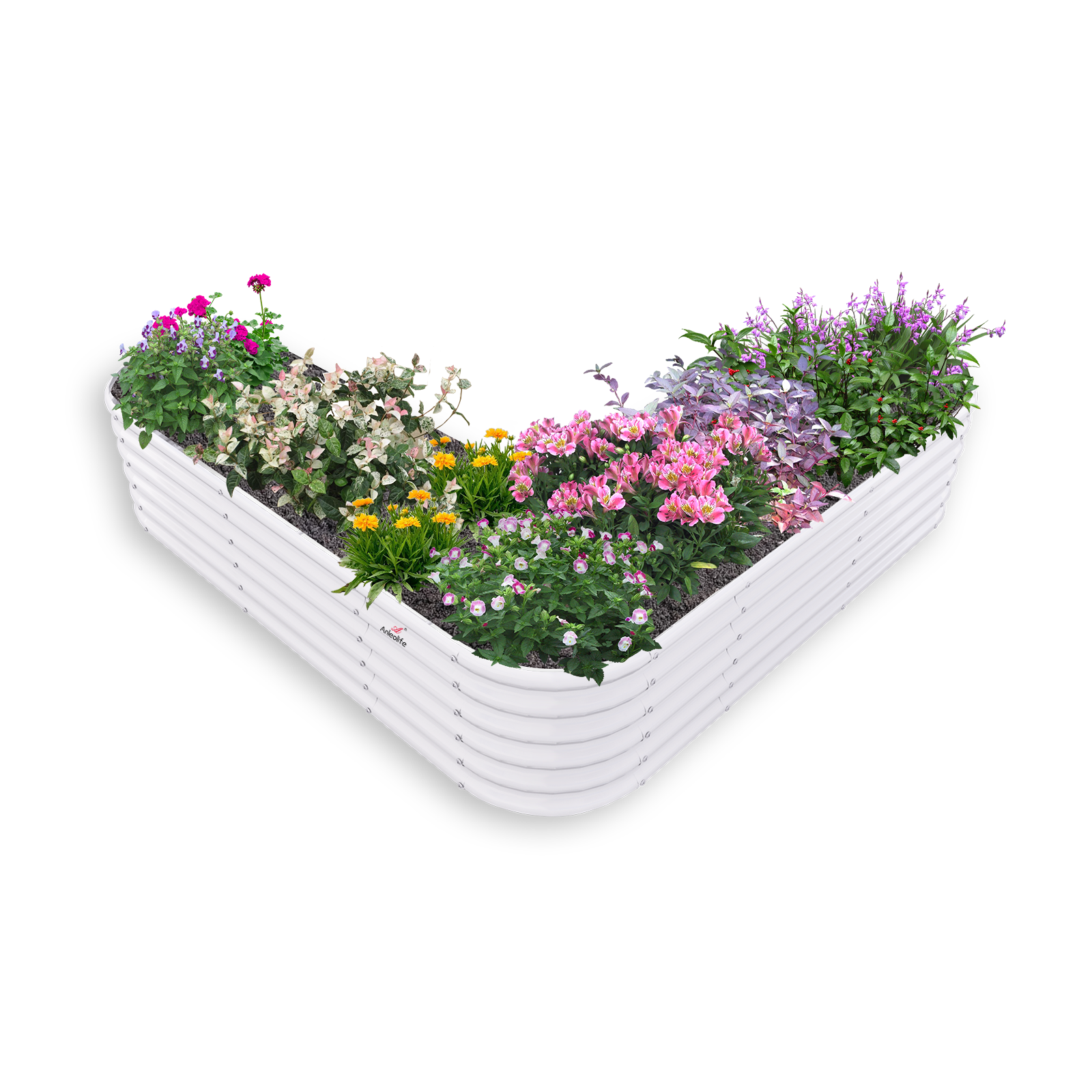
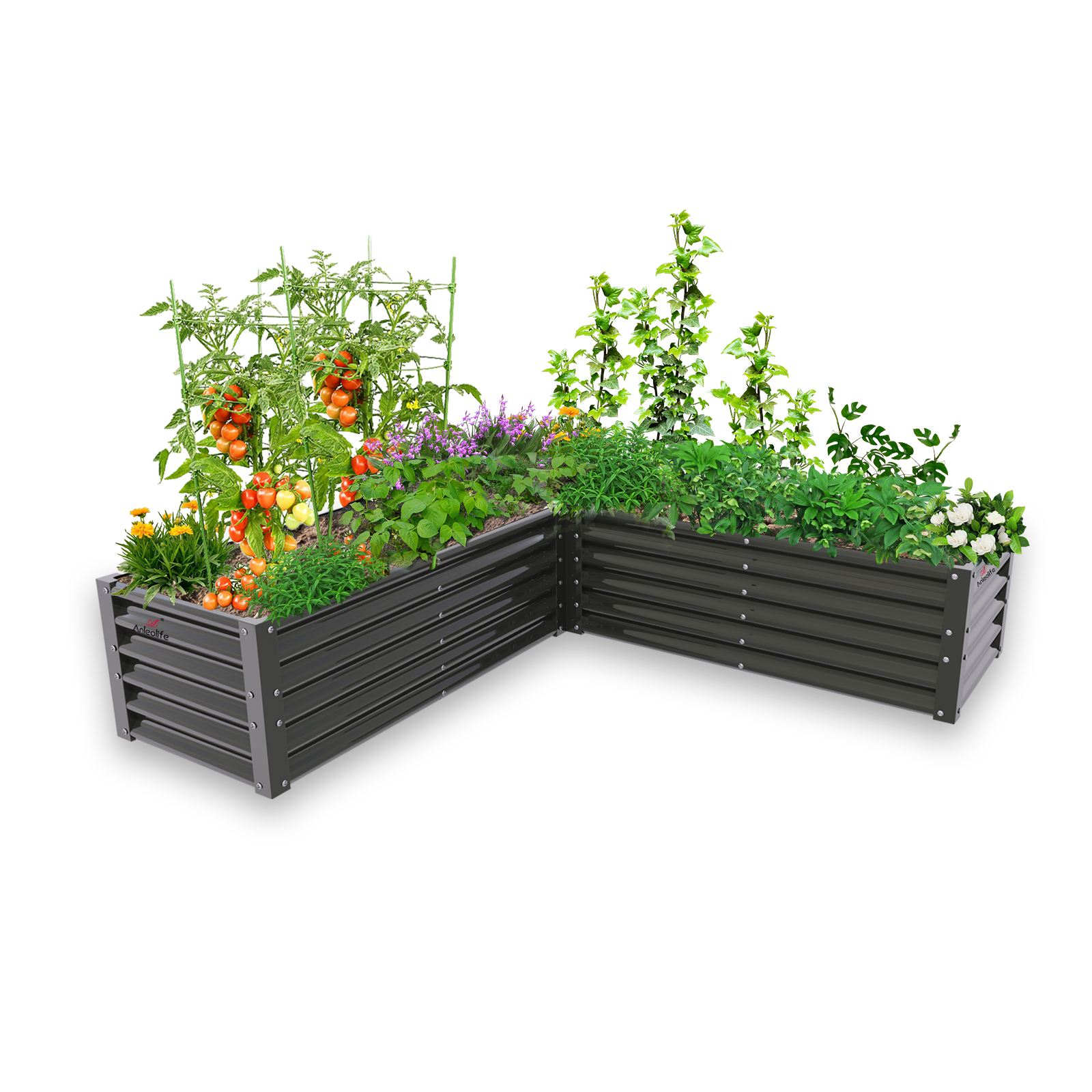
The most effective kids' garden corners aren't just miniature versions of adult beds — they're thoughtfully designed spaces with multiple sensory and interactive zones. Start with your central raised bed as the anchor. Anleolife's galvanized steel raised garden beds come in a range of footprints, so you can choose a size that suits both your available space and your child's reach capacity. A bed that's accessible from all four sides — like an 8x4 ft or 6x3 ft option — is ideal because children can approach from whichever angle feels natural.
Surround the bed with a defined pathway of at least 18–24 inches on each accessible side. Use materials that are comfortable to kneel or sit on: fine bark mulch, smooth pea gravel, or flat stepping stones all work well. Avoid sharp gravel or unstable surfaces that could cause slips.
Choosing the Right Plants for Children
Plant selection is where the magic really happens. Choose crops that offer fast gratification (children struggle with delayed payoff), interesting textures and colors, and — crucially — things kids actually want to eat or use. Some tried-and-true picks:
- Radishes: Ready in as few as 25 days; children are amazed by the rapid results
- Cherry tomatoes: Colorful, sweet, and endlessly snackable straight from the vine
- Sunflowers: Dramatic height growth that children can measure and track week by week
- Snap peas: Kids love picking and eating them raw; they're also easy to grow from seed
- Herbs like basil, mint, and chives: Fragrant, sensory-rich, and fast-growing
- Strawberries: A perennial favorite that returns each season
For a more complete plant selection guide, Top 10 Vegetables to Grow in a Raised Bed This June and Beyond is a practical resource with timing and planting notes relevant to the current growing season.
Creating Learning Zones Within the Corner
Beyond the main planting bed, consider adding small activity zones that deepen the educational experience:
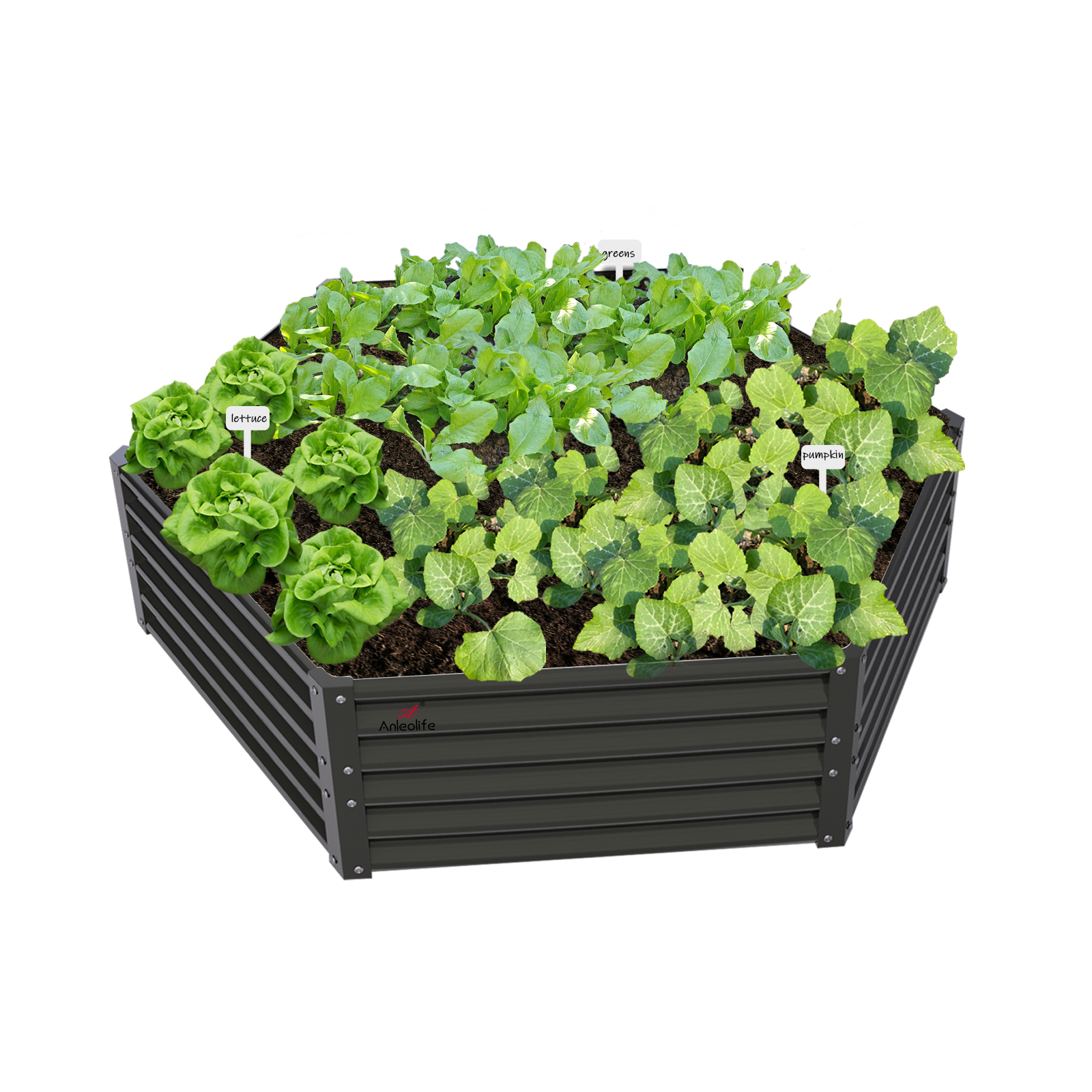
- A labeling station: Simple craft-stick plant markers personalized with the child's handwriting reinforce plant identification and literacy
- A mini compost bin: Even a small worm bin or compost bucket teaches the full growing cycle from waste back to nutrient-rich soil
- A measurement wall or growth chart: A painted fence board or garden stake marked in inches lets kids track plant heights — a natural, motivating math activity
- A tool caddy: Child-sized trowels, gloves, and a watering can stored in a dedicated caddy teach responsibility and organization
Protective Features: Insect Netting and Safety Considerations
In a children's garden, the guiding principle is chemical-free pest management wherever possible. The most effective single investment in this area is quality insect netting. Top-rated insect netting materials for vegetable gardens are typically made from fine mesh polyethylene or woven nylon — lightweight enough not to restrict airflow or light significantly, but fine enough to exclude aphids, whiteflies, cabbage moths, and other common pests. Look for materials with a mesh size appropriate for your target pest; finer mesh (around 0.8–1.0 mm openings) excludes a broader range of insects.
Attach netting to hoops anchored inside the bed frame, or use a clip-on net tunnel system for easy daily access. Teach children how to lift, replace, and secure the netting — this becomes part of their gardening routine and reinforces why plant protection matters.
Making It Beautiful and Personal
A kids' corner should feel like it belongs to them. Personalization transforms a functional garden space into a cherished place. Let children paint their own stepping stones, choose the color scheme for plant markers, or pick a "signature plant" that's entirely theirs to grow and care for. For broader backyard aesthetic ideas that complement the kids' corner, How to Give Your Backyard a Fresh Summer Aesthetic with Minimal Spend offers creative, budget-conscious ideas that tie together the overall look of your outdoor space.
Soil and Nutrition Setup
Getting the soil right in a children's raised bed is critical — not just for plant health but for the tactile experience. Children love digging in soil that's loose, crumbly, and dark. A well-structured mix of compost, quality topsoil, and a small percentage of coarse material like perlite creates a growing medium that drains well, holds moisture appropriately, and is genuinely satisfying to work with small hands. Avoid heavy clay-based fills that compact over time and become frustrating to dig in.
For a deeper dive into soil composition and how to build fertility over multiple growing seasons, Building Soil Fertility in Raised Beds: A Mid-Season Composting Action Plan provides an actionable framework that can easily involve children in the composting and amending process.
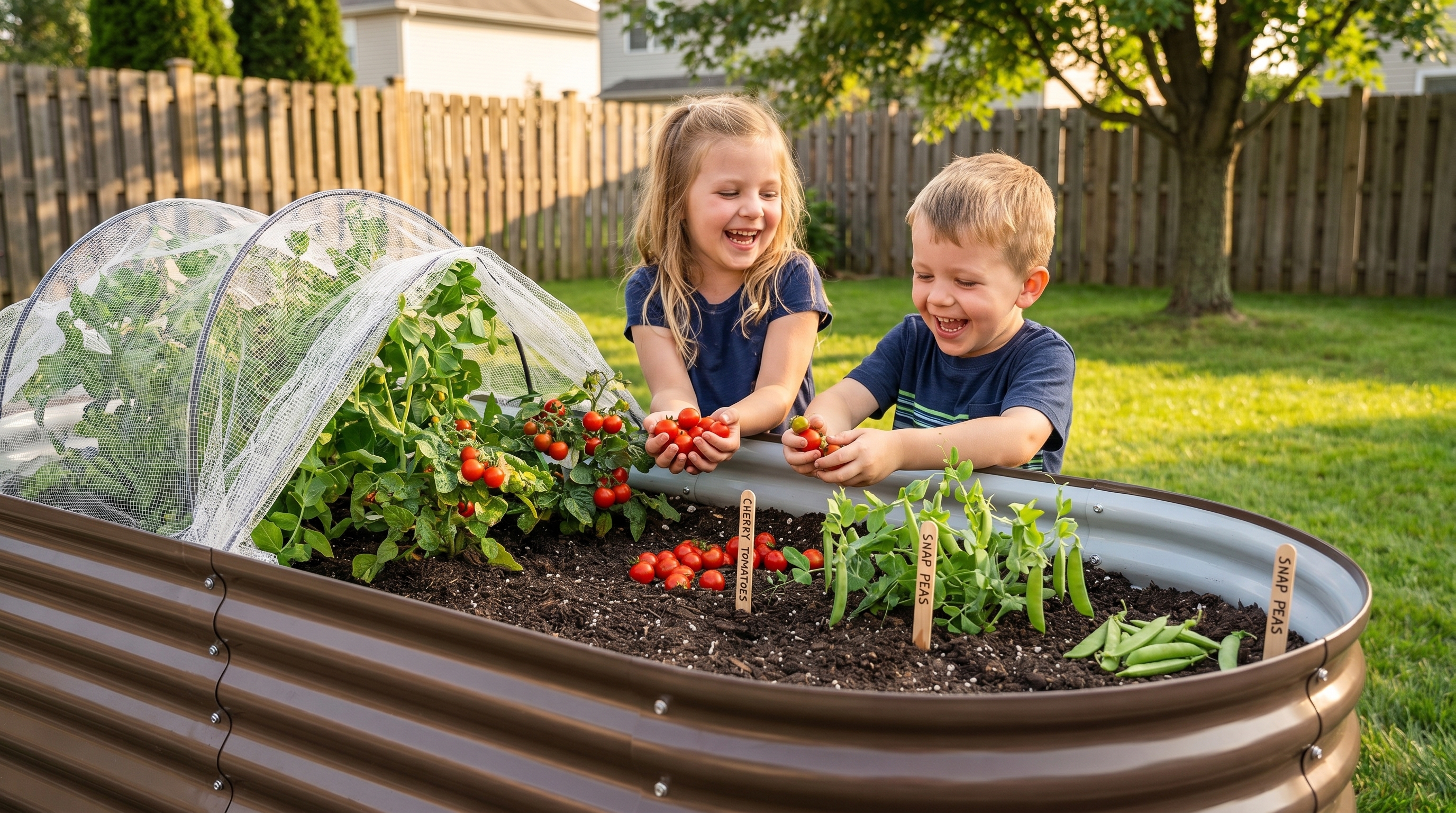
ALT: Children harvesting cherry tomatoes and snap peas from a galvanized steel raised garden bed with insect netting and labeled plant markers in a backyard kids' corner
Advanced Tips: Making the Kids' Corner Last and Evolve
Handling Special Situations
When kids lose interest mid-season: This is one of the most common parenting challenges in the garden, and it's completely normal. The solution isn't to abandon the space but to shift the activity. Introduce a new fast-growing plant, start a bug observation log, or challenge your child to photograph every plant at the same time each week. Variety sustains engagement far better than routine.
When pests overwhelm the chemical-free zone: Even with good insect netting in place, some pest pressure is inevitable. For children's beds specifically, stick to organic-approved interventions: neem oil spray (applied by adults), hand-picking of visible insects (kids often love this), and companion planting with pest-deterring herbs like basil or marigolds around the bed perimeter. Never use systemic pesticides in a zone where children are handling plants and produce.
When the season changes: A well-designed kids' corner doesn't go dormant in fall. Transition warm-season crops to cool-season favorites like kale, spinach, and lettuce — many of which children find fascinating because they can harvest outer leaves without pulling the whole plant. For guidance on seasonal transitions, Transitioning Your Raised Bed from Early Summer to Mid-Season Crops covers the timing and crop choices for a smooth handoff between seasons.
Common Misconceptions Clarified
"Galvanized steel is unsafe for food growing": This concern circulates frequently online, but it's not supported by the scientific consensus. The zinc coating on galvanized steel is highly stable under normal soil and moisture conditions. Zinc is also a micronutrient essential to plant health. Multiple university extension programs have confirmed that galvanized steel raised beds are safe for vegetable production.
"Kids' gardens don't need the same soil depth as adult beds": In fact, children's beds benefit from generous soil depth just as much as adult-focused ones. Shallow soil limits root development and dries out faster — both of which frustrate young gardeners when their plants struggle. Aim for a minimum of 12–18 inches of quality growing medium.
"You need to simplify everything for kids": Children are remarkably capable when given genuine responsibility. Don't oversimplify to the point where the experience feels condescending. Involve children in reading seed packets, calculating planting depth, and tracking germination — these activities build competence and self-confidence, not just gardening skill.
Frequently Asked Questions FAQ
Q1: How do I choose the best raised garden bed size for a kids' corner?
The best choice depends on your available space and your child's age. For younger children (ages 3–7), a narrower bed they can reach across from either side — like a 6x3 ft or 4x2 ft footprint — works well because no deep reaching is needed. For older children and mixed-age groups, an 8x4 ft bed provides ample space to grow multiple plant types and assign each child their own section. Anleolife's range of galvanized steel raised garden beds includes a variety of footprints designed to suit different yard sizes and user needs, and their 20-year lifespan means the investment grows with your family.
Q2: Is insect netting safe to use around children in the garden?
Yes — insect netting is one of the safest pest management tools available for a kids' garden. Unlike chemical pesticides, physical barrier netting poses no toxicity risk. Modern top-rated insect netting materials for vegetable gardens are made from food-safe, UV-stabilized polyethylene or nylon mesh that is lightweight and easy to handle. Teach children how to lift and replace the netting themselves as part of their daily garden routine. Just ensure netting is secured at the base to prevent it from becoming a tripping or entanglement hazard.
Q3: How long does it take to set up a complete kids' garden corner from scratch?
For a basic setup — one raised bed, simple irrigation, netting hoops, and a defined pathway — most families can complete the project over a single weekend, roughly 6–10 hours total including soil filling. More elaborate setups with custom pathways, compost stations, and decorative elements may take two weekends. Anleolife beds typically arrive within 3–8 business days from order, depending on your location within their U.S. warehouse network, so planning your order at least 1–2 weeks before your intended setup weekend ensures everything arrives in time.
Summary
Building a dedicated kids' corner in your backyard garden is one of the most rewarding projects a family can undertake this season. Here's what matters most:
1. Design for the child, not just the plant. Accessible bed heights, child-appropriate tools, fast-growing crops, and personal touches like painted markers and ownership of specific plants transform a functional space into a beloved one. The goal is a corner that children choose to visit every day — not one they have to be reminded to tend.
2. Choose materials that last and stay safe. Galvanized steel raised beds with a 20-year lifespan, chemical-free pest netting, and clean fill soil create an environment where children can dig, plant, water, and harvest without safety concerns. Durability also means lower long-term cost — a bed installed for a young child today can serve the family through multiple growing stages.
3. Make learning visible and ongoing. Growth charts, composting activities, and seasonal crop transitions keep the corner evolving and engaging as children grow. The best kids' gardens aren't static installations — they're living systems that change week by week and teach something new every season.
Ready to get started? Choose your bed size, map out your corner, and order your materials this week so you're set up and planting before the best of the growing season passes.
Start Building Your Family's Garden Corner with Anleolife
Nationwide U.S. warehouse network: Strategically located in California, Texas, Florida, New York, Illinois, and Washington to ensure delivery within 3–8 business days — so your garden plans never have to wait for the season to slip by.
Multi-channel availability: Anleolife products are available on Amazon, Walmart, Home Depot, Lowe's, Wayfair, and directly at Anleolife.com, offering consistent quality assurance and after-sales support across every platform.
Three complete garden scenarios: Planting (metal raised garden beds, soil systems), Raising (chicken coops, rabbit hutches), and Beautification (decorative accessories, pathway systems) — everything your family needs to build a garden that's functional, beautiful, and built to last.
We understand that an ideal family garden isn't built in a single afternoon — it grows season by season, year by year, alongside the children who tend it. Anleolife's modular product design lets you start with one kids' corner bed and expand into a full integrated garden ecosystem as your family's needs evolve. We grow with you, every step of the way.
References
- National Gardening Association. "Garden to Table: A Kids' Guide to Planting, Growing, and Preparing Food."
https://garden.org - U.S. Department of Agriculture (USDA). "People's Garden School Pilot Program: Connecting Students with Healthy Food."
https://www.usda.gov/peoples-garden - University of California Agriculture and Natural Resources (UC ANR). "Edible Schoolyard and Garden-Based Learning Resources."
https://ucanr.edu - Cornell Cooperative Extension. "Raised Bed Gardening: Soil Safety and Best Practices for Home Growers."
https://cce.cornell.edu - Centers for Disease Control and Prevention (CDC). "Children's Health and Outdoor Play: Benefits of Nature-Based Activities."
https://www.cdc.gov/nceh/features/children-nature.html
Note: Standards and guidelines may be updated. Please check the latest official documents or consult professional advisors for the most current recommendations.
About Anleolife
Anleolife is a leading outdoor garden solutions provider in North America, dedicated to offering a full-scenario product ecosystem for home gardening enthusiasts, covering planting, raising, and garden beautification. Since its founding, we have upheld our brand mission, "Made for Garden Life," continuously innovating products and optimizing services to help hundreds of thousands of users upgrade their gardens, reconnect with nature, and enjoy a better garden lifestyle.