


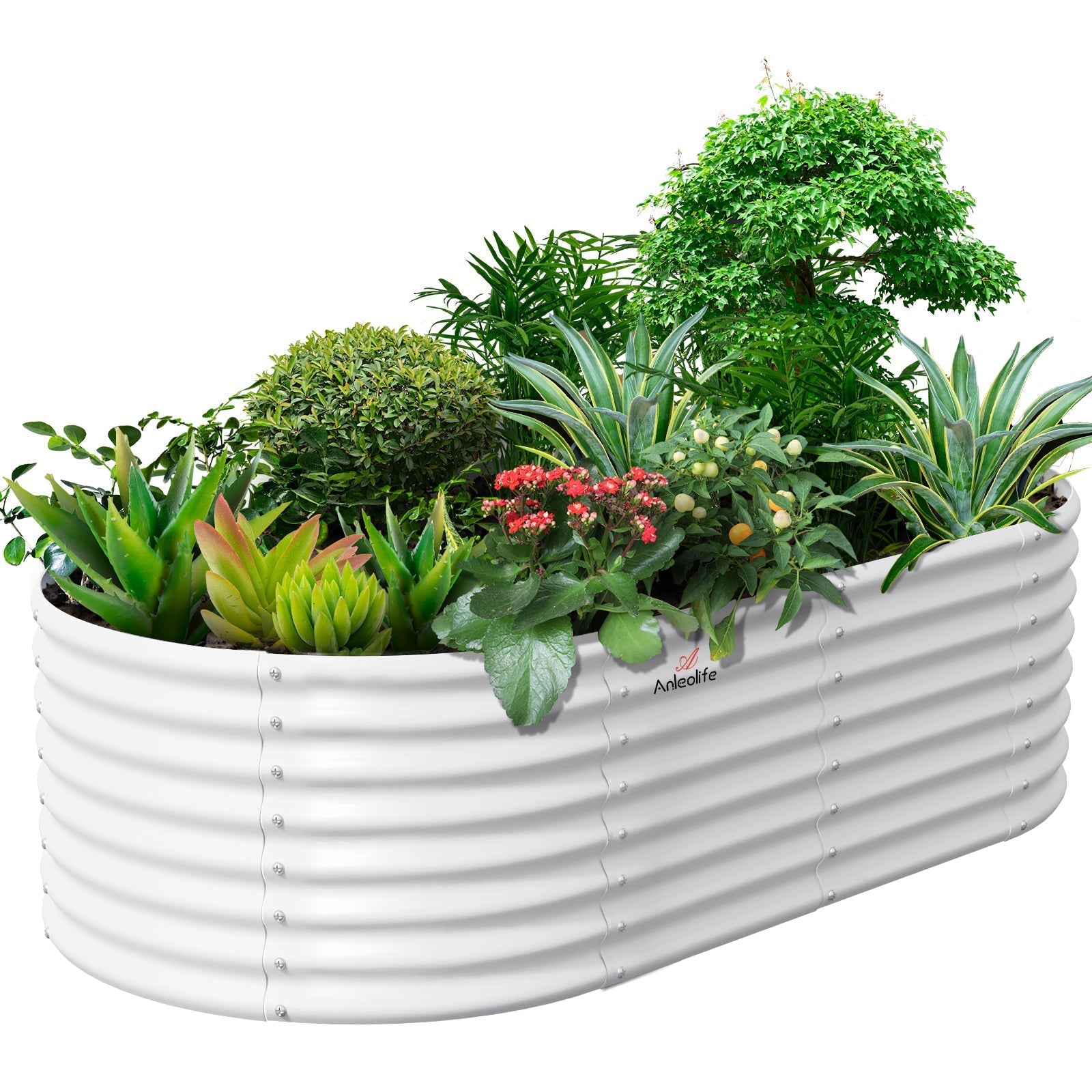
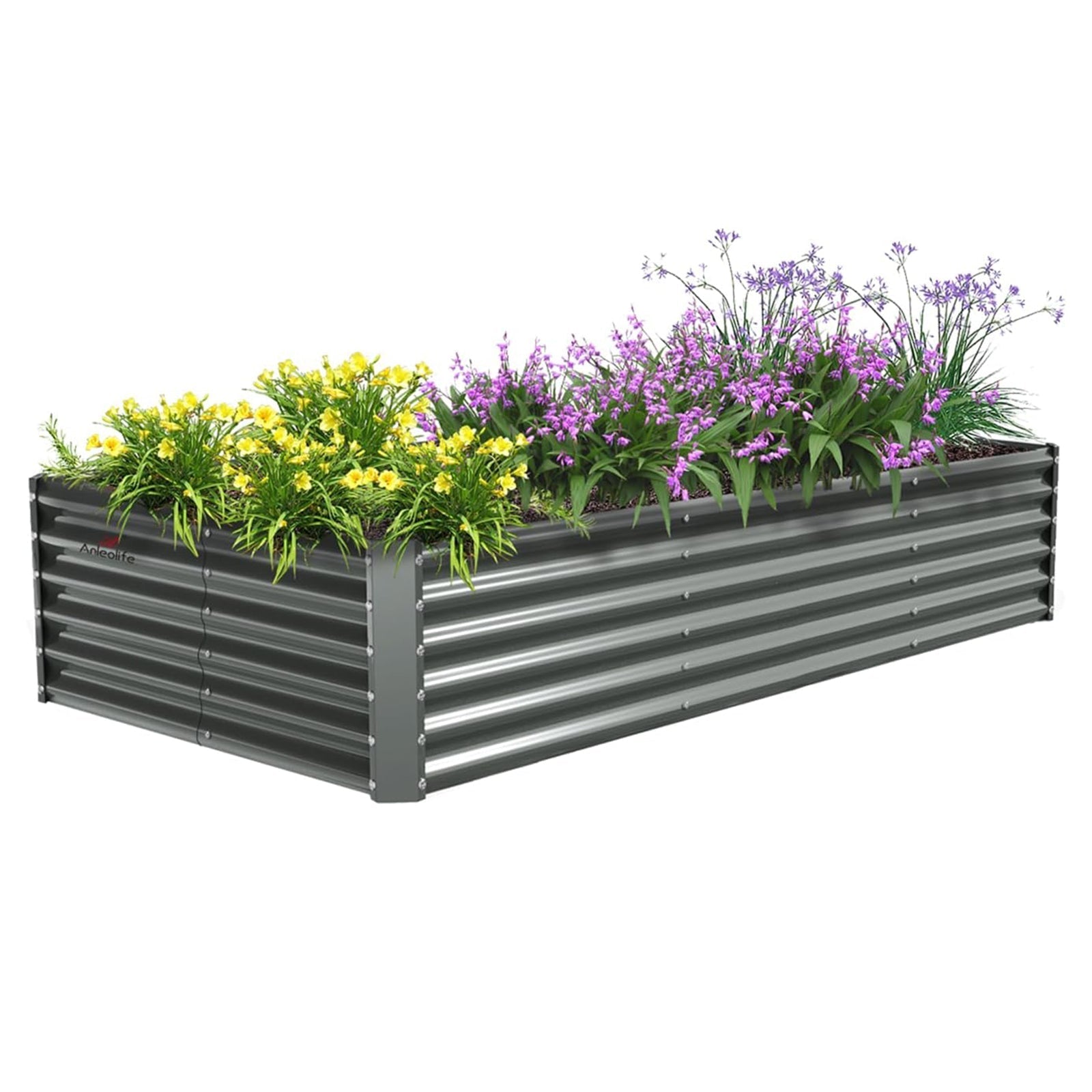
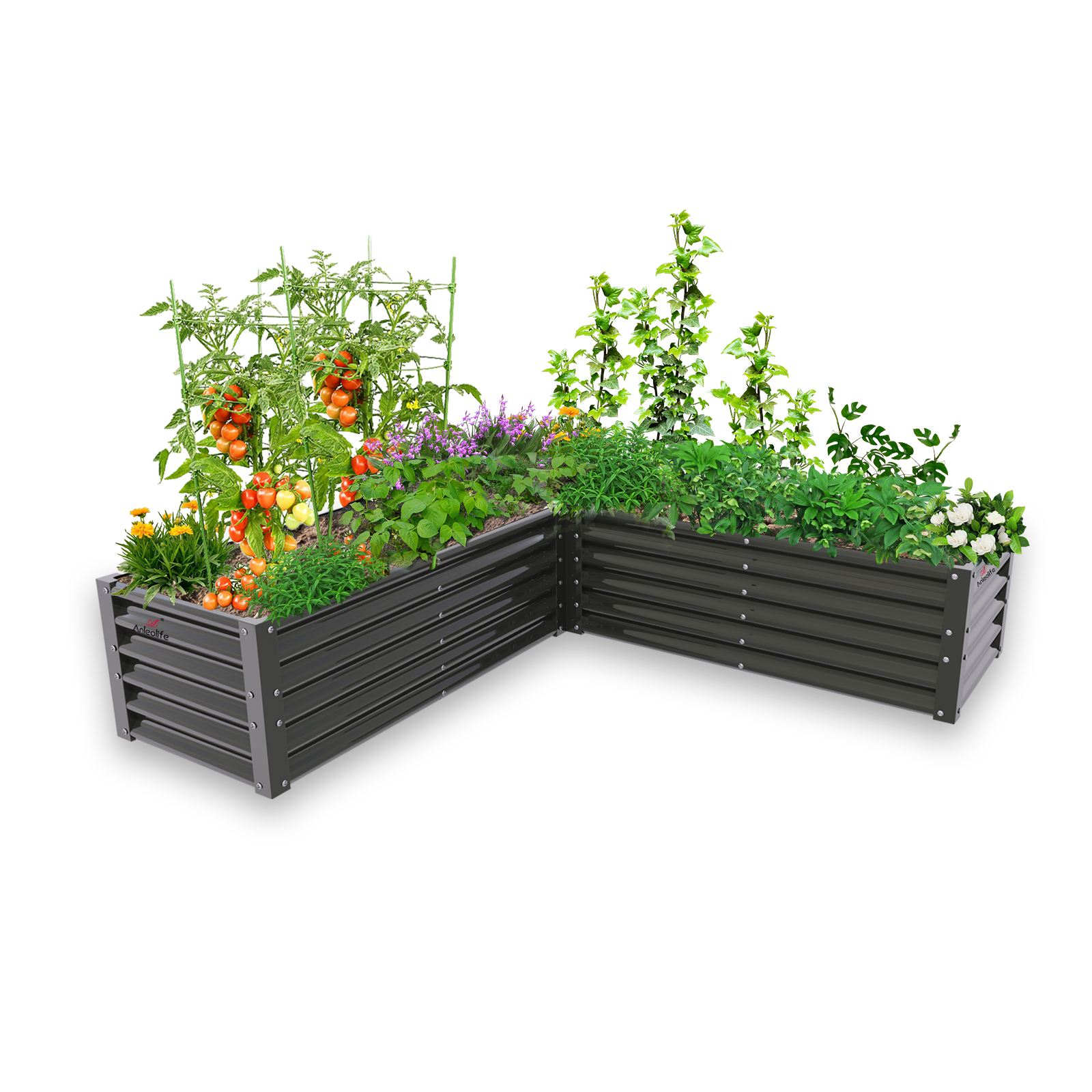
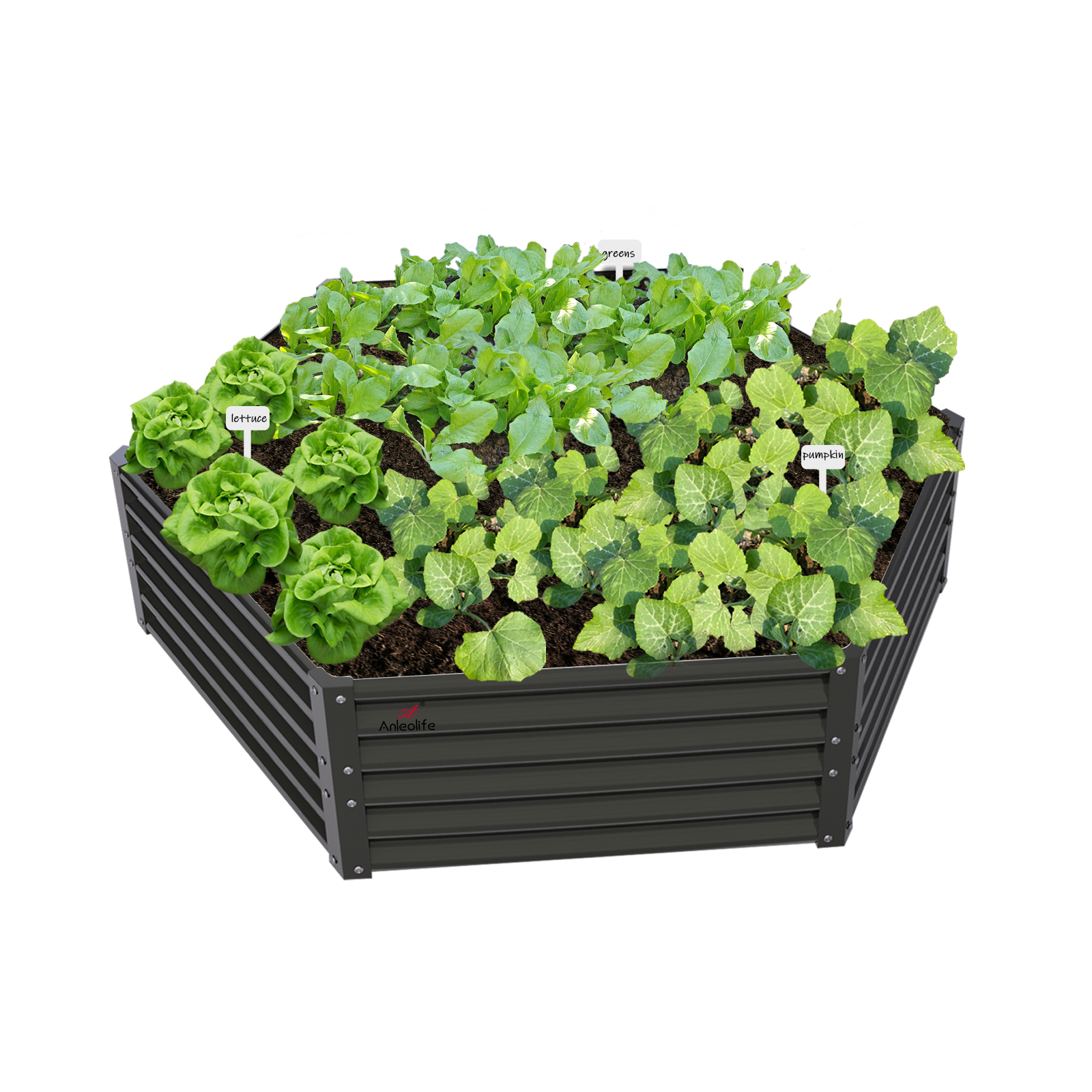
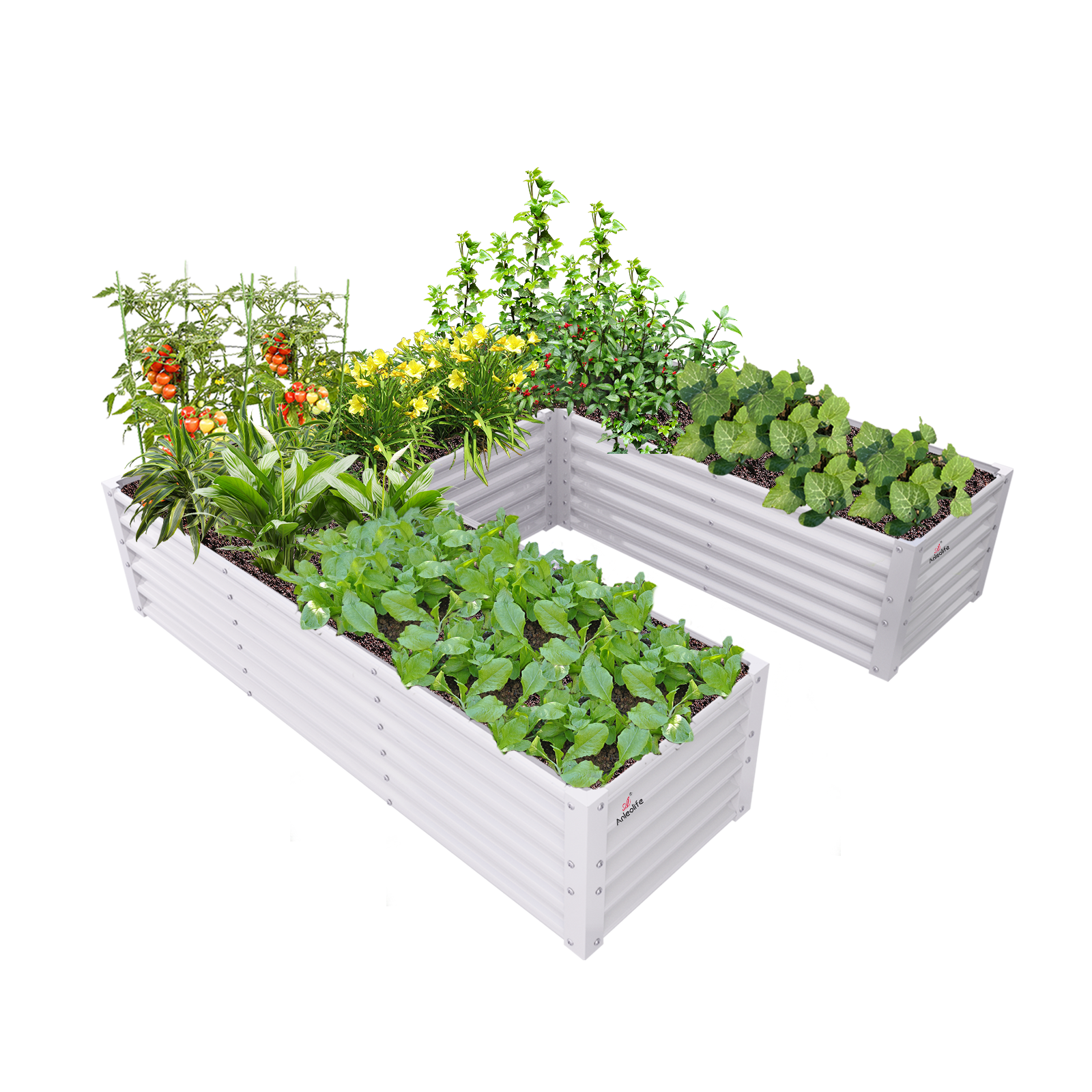


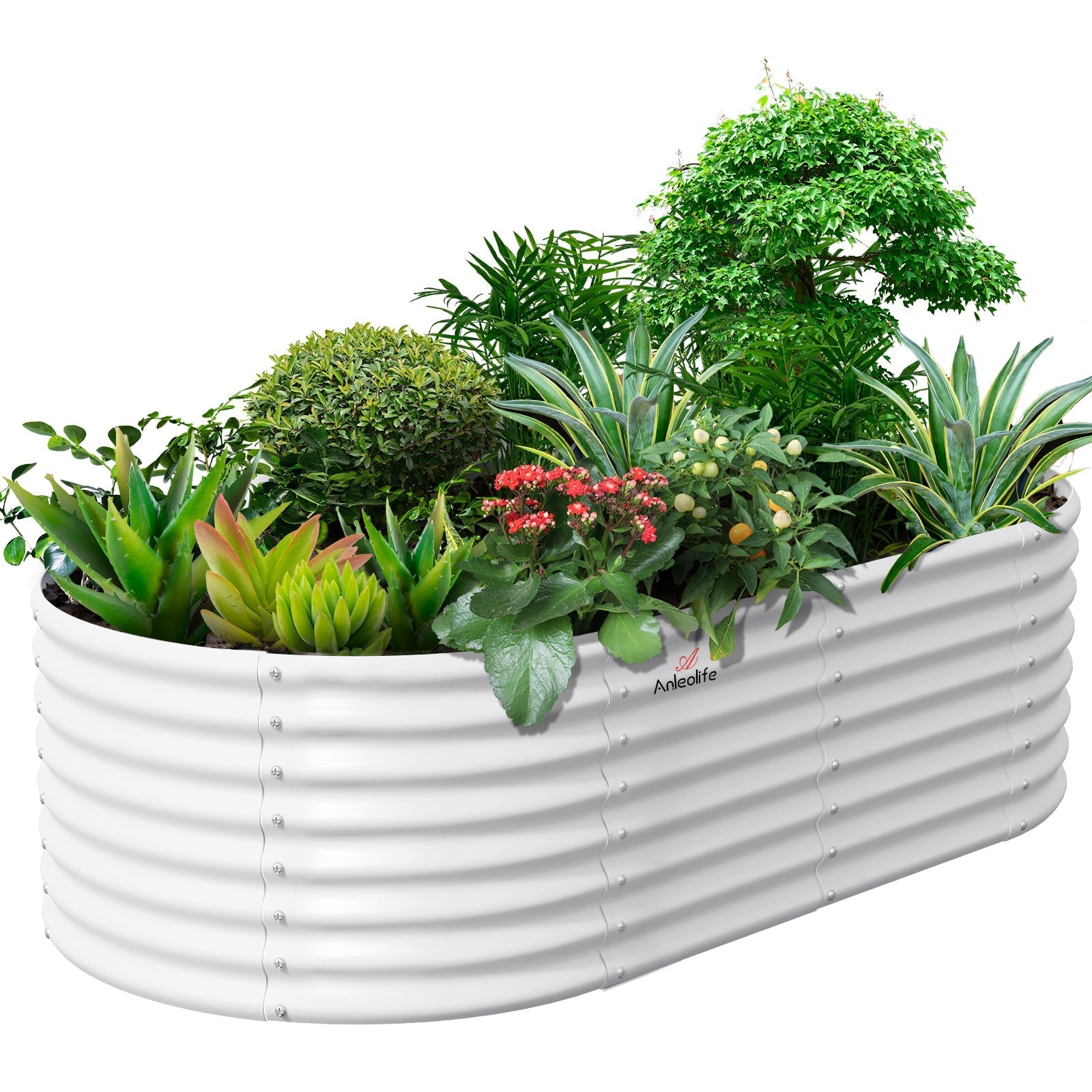


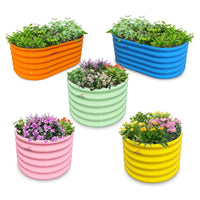
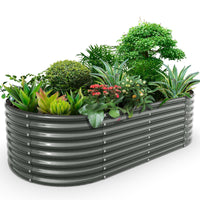




ALT: Homeowner building a phased raised bed garden on a budget using galvanized steel raised garden beds in a sunny backyard
How to Start a Raised Bed Garden in Phases Without Overspending
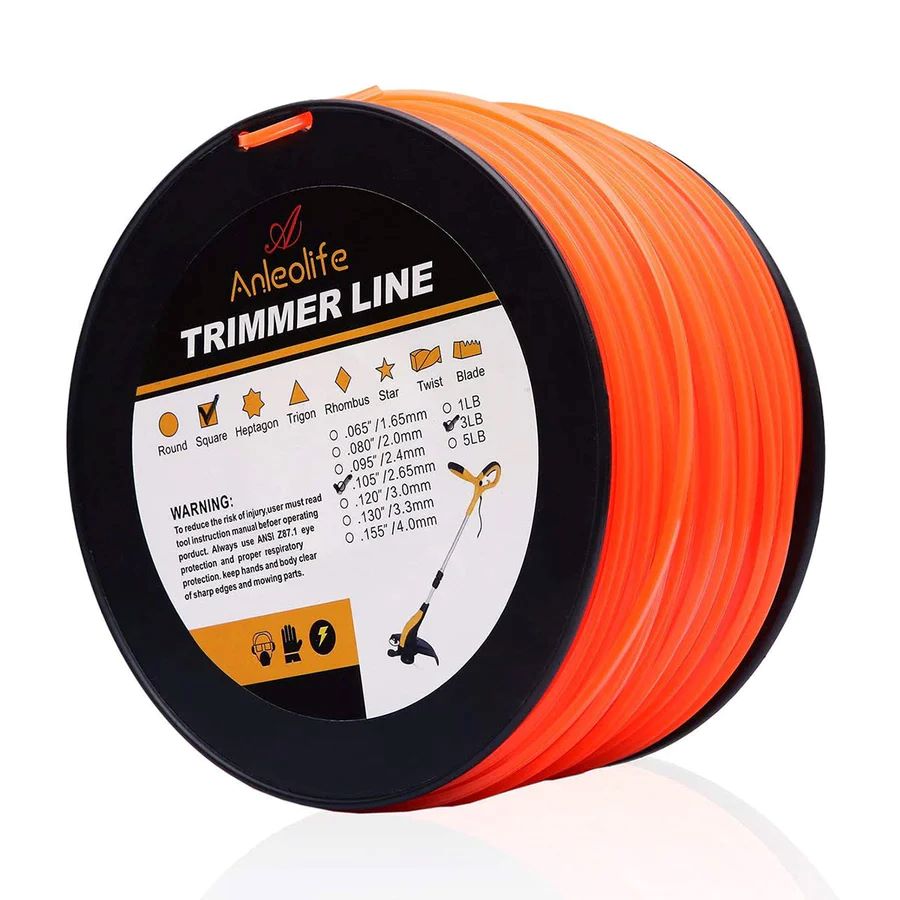
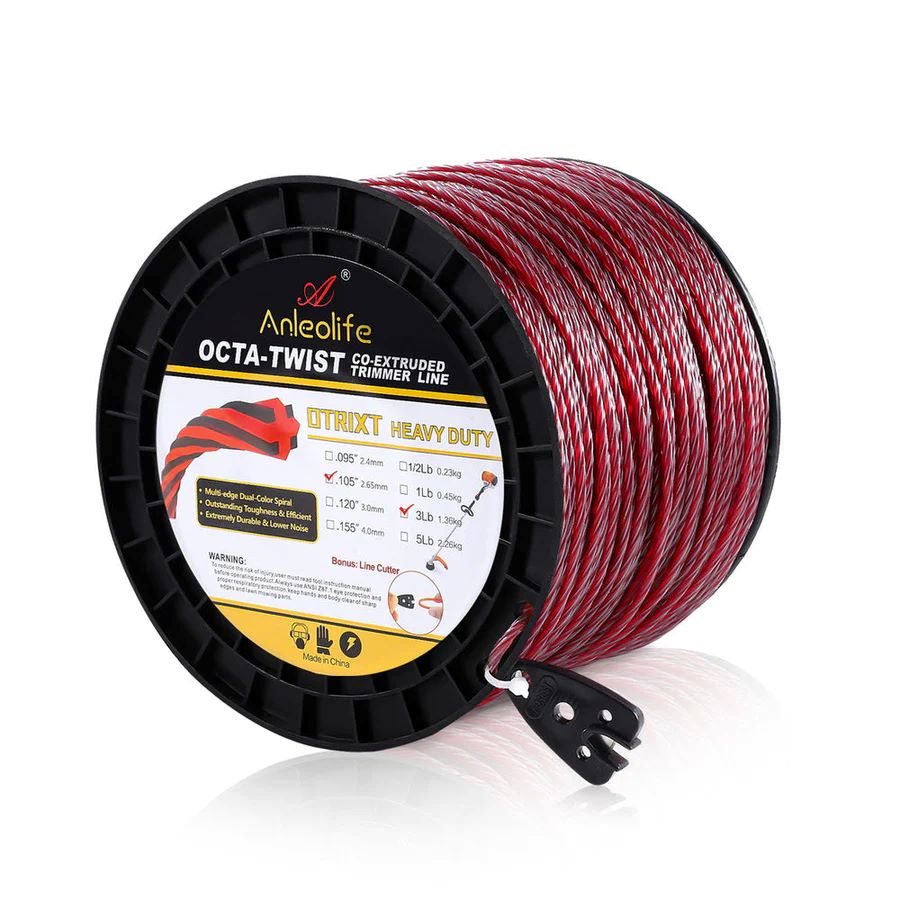
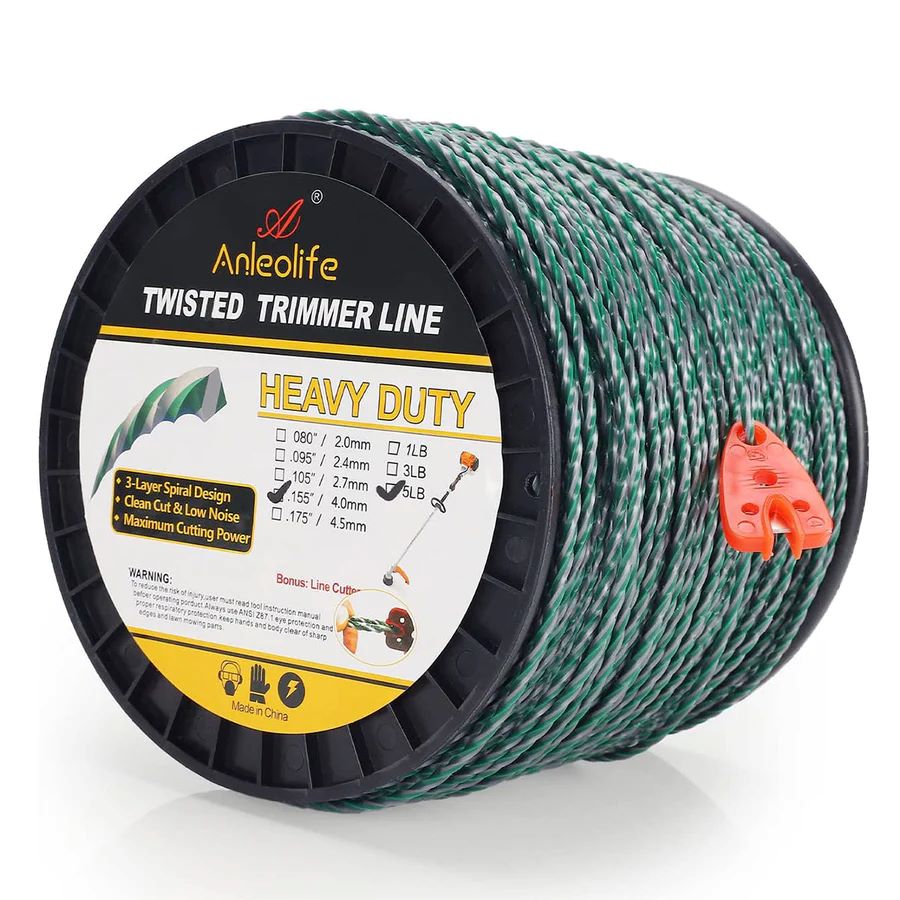
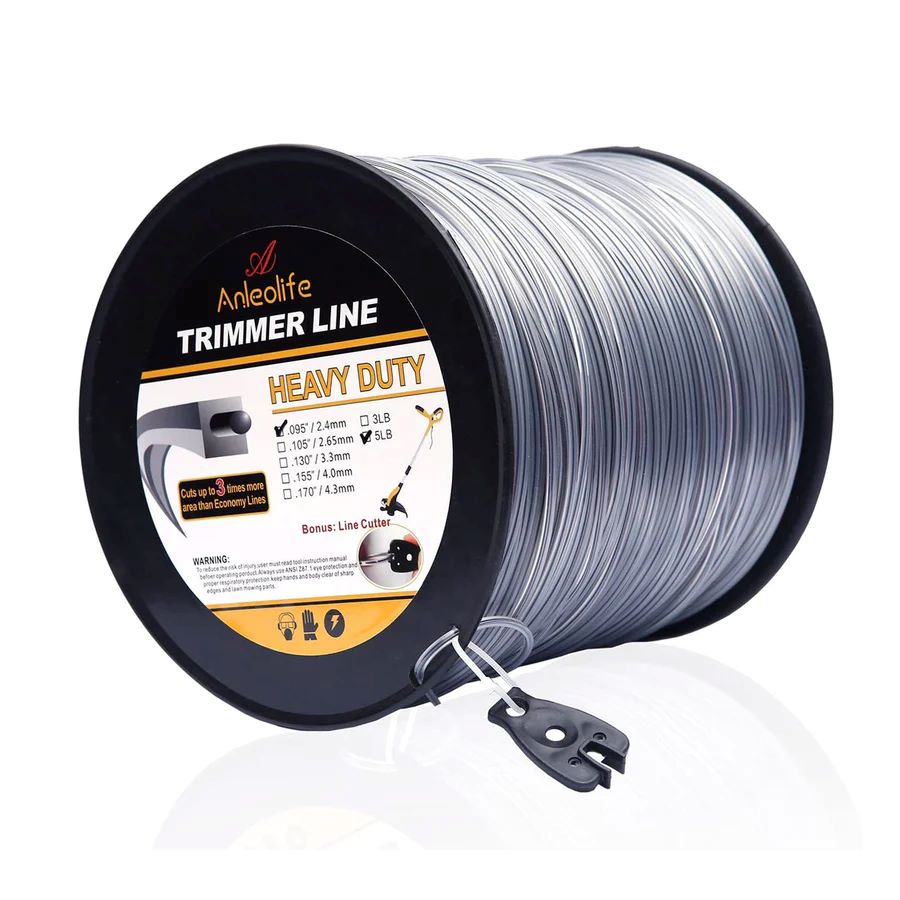
Key Conclusion: Building a raised bed garden doesn't require a massive upfront investment. By approaching your vegetable gardening project in thoughtful phases, you can create a productive, beautiful growing space over time without financial stress. Whether you're starting with a single bed and expanding outward, or retrofitting an existing yard with garden edging and trimmer lines, a phased approach lets you learn as you grow—literally. The key is choosing durable, modular materials that can scale with your ambitions.
Starting a raised bed garden is one of the most rewarding home improvement projects a family can undertake—but it can also feel overwhelming if you try to do everything at once. The good news? You don't have to. A phased strategy lets you start small, refine your approach, and expand your garden season by season. This guide walks you through exactly how to do that intelligently, from choosing the right materials to planning your layout for future growth, all while protecting your budget at every step.
Who This Guide Is For (and When Phased Building Makes Sense)
✅ Applicable Scenarios:
- First-time gardeners who want to start with one or two beds and expand as confidence and budget allow
- Homeowners with an irregular or partially shaded yard who need to test placement before committing to a full layout
- Urban micro-gardeners working with patios, narrow side yards, or limited square footage who need modular systems that flex with available space
- Empty nesters and retirees who want a manageable, incrementally expanding garden that matches their physical and financial comfort level
- Eco-conscious families who prefer to invest gradually in high-quality, long-lasting materials rather than cheap setups that need frequent replacement
❌ Not Applicable / Cautions:
- Those expecting a complete, large-scale vegetable garden ready for harvest in the first season—phased building takes time and planning
- Gardeners in communities with strict HOA rules who should verify regulations before purchasing any raised bed systems or making landscape changes
- Anyone with severe drainage issues or contaminated soil who should consult a local extension service before installing raised beds
Why So Many Gardeners Blow Their Budget in Year One
The raised bed gardening boom has been remarkable. According to the National Gardening Association, participation in food gardening has grown steadily over the past decade, with millions of American households now growing some portion of their own produce. But enthusiasm has a cost: many first-time gardeners spend too much, too fast, on materials, soil, and accessories that don't suit their actual space or growing needs.
The most common budget mistake is treating a raised bed garden as an all-or-nothing project. Homeowners see a finished garden on social media—eight beds, gravel pathways, drip irrigation, matching planters—and try to replicate it immediately. The result is often financial strain, poor planning, and a garden that gets abandoned halfway through setup because the owner ran out of money or motivation.
A phased approach is the antidote. It forces you to think strategically about what you actually need right now versus what you want eventually. More importantly, it gives you the flexibility to invest in quality materials that will last. This is particularly relevant when selecting your raised garden beds: a well-made galvanized steel bed with a projected lifespan of 20 years is a fundamentally different investment than a cheap wood kit that rots in three seasons.
The materials question also intersects with climate. In humid regions like the Southeast or Pacific Northwest, wood rots quickly and cheap metal rusts. Gardeners frequently ask: what are the best materials for raised garden beds in humid climates? The consistent answer from experienced growers and extension services alike is galvanized or rust-resistant steel—materials that can handle moisture, temperature swings, and soil contact for decades.
Phased building aligns naturally with smart material choices: you buy fewer, better products upfront, and add more over time as you confirm what works in your specific yard.
The Phase-by-Phase Blueprint: From First Bed to Full Garden Ecosystem
Three-Step Quick Start for Phase One
Step 1: Audit Your Space and Sun
Before spending a single dollar, spend two to three weeks observing your yard. Note where full sun (six or more hours daily) falls consistently, how water drains after rain, and which areas are easily accessible from your home. Sketch a rough layout of your property and mark your top one or two candidate spots for your first bed. This step costs nothing and prevents the most expensive mistake in raised bed gardening: placing a bed in the wrong location. Allow 2–3 weeks for a complete seasonal observation.
Step 2: Start With One Quality Bed in the Best Location
Resist the urge to buy three or four beds simultaneously. Start with one bed in your best, most sun-drenched spot. Choose a size that matches your current bandwidth—an 8x4 bed is a popular starting point because it's large enough to grow a meaningful variety of vegetables but small enough to manage comfortably. Invest in quality here: a galvanized steel raised garden bed built to last 20 years will still be serving you when your garden has expanded fivefold. Set up your first bed, fill it with quality amended soil, and plant it out. Budget 1–2 weekends for setup and initial planting.
Step 3: Evaluate and Plan Before Phase Two
After your first full growing season, evaluate honestly. What worked? What didn't? Did you wish the bed were taller to reduce bending? Did you find yourself wanting more space for root vegetables? Did you note where a second bed would fit naturally? This reflection period—one full growing season—is an investment in making smarter purchases for Phase Two. Document your observations and start building a wish list with specific product dimensions in mind.
Comparing Common Raised Bed Approaches: Which Fits Your Budget Strategy?
When planning a phased garden, the type of raised bed material you choose has long-term implications for your budget, maintenance requirements, and aesthetic. Here's how the most popular options compare:
| Comparison Dimension | Wood (Cedar/Pine) | Standard Galvanized Steel | Rust-Resistant / Heavy-Duty Steel |
|---|---|---|---|
| Estimated Lifespan | 5–10 years (varies by species and climate) | Up to 20 years | Up to 20 years |
| Rust/Rot Risk in Humid Climates | High (especially pine) | Low with proper coating | Very Low |
| Budget Impact Over 10 Years | Higher (replacement costs) | Lower (durable investment) | Lower (durable investment) |
| Modular Expansion Capability | Limited | Good | Excellent |
| Aesthetic Options | Natural/rustic | Modern/clean | Modern/clean + decorative finishes |
| DIY Assembly Difficulty | Moderate (cutting, fastening) | Easy (bolt-together panels) | Easy (bolt-together panels) |
| Soil Contamination Risk | Moderate (treated wood) | Low | Low |
| Best Climate Fit | Dry climates | Most climates | All climates, especially humid |
The data here tells an important story for budget-conscious phased builders: while galvanized and rust-resistant steel beds carry a higher initial price tag than basic wood kits, they typically cost less over a 10–20 year horizon because they don't need to be replaced. For anyone building a garden they intend to keep and expand for years, this durability dividend is central to smart phased budgeting.
Deep Dive: Building Out Each Phase Strategically
Phase One: The Foundation Bed (Year One)
Your first raised garden bed is more than just a planting container—it's a learning laboratory. Choose wisely and don't over-invest in accessories at this stage. A single, well-positioned, quality bed allows you to understand your soil needs, sun patterns, watering habits, and favorite crops before you commit to a larger layout.
For most families, an 18-inch tall 8x4 ft bed strikes the ideal balance. The height reduces back strain significantly—a factor that matters especially to retirees and those with mobility concerns—while the footprint gives you room to grow tomatoes, peppers, herbs, leafy greens, and root vegetables in a single coordinated space.
Anleolife's galvanized steel raised garden beds are a strong choice at this phase because they're designed to last up to 20 years, which means your Phase One investment is also your long-term infrastructure. You're not buying a placeholder—you're laying a foundation.
Soil is where many first-year gardeners underspend and then overspend trying to fix problems. Budget generously for a quality raised bed soil mix (typically a blend of topsoil, compost, and aeration material like perlite) for your first bed. Getting the soil right in Year One dramatically reduces the cost of amendments and amendments-chasing in later phases.
Phase Two: Expanding the Growing Footprint (Year Two)
Once you've completed a full growing season, you'll have a clear sense of what you want more of. Phase Two is where your garden starts to look intentional. This is the right moment to add one or two additional beds—and to start thinking about layout.
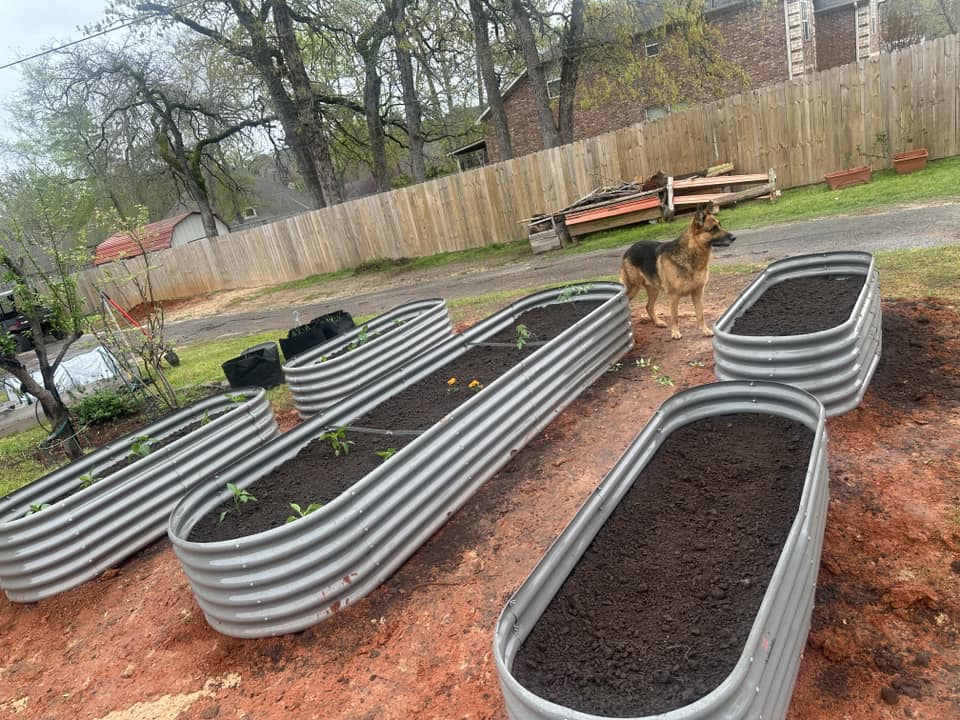
Layout matters for both productivity and budget. Beds arranged in parallel rows with consistent pathways between them are easier to maintain with standard garden edging materials and make it straightforward to run a trimmer line along the perimeter without damaging plants. They also look clean and cohesive, which adds aesthetic value to your property.
In Phase Two, consider mixing bed heights deliberately. A taller 24-inch extra tall bed works beautifully for deep-rooted crops like carrots, parsnips, and potatoes, while standard 18-inch beds handle most surface crops efficiently. Mixing heights also creates visual interest that elevates the garden from functional to genuinely beautiful.
This is also when modular systems shine. Modular raised garden beds allow you to reconfigure your layout if you discover a particular area isn't working—you can disassemble and move panels without losing your investment. For gardeners still testing their ideal layout, this flexibility is genuinely valuable.
Phase Three: The Full Ecosystem (Year Three and Beyond)
By Phase Three, you know your yard, you know your crops, and you have the experience to invest confidently in the finishing elements that transform a collection of beds into a true garden ecosystem.
This is when many gardeners ask about the best modular garden systems for small backyards. The answer is a system that combines flexibility with compatibility: beds that can expand, reconfigure, and integrate with accessories like trellises, covers, and pathway materials without requiring completely new infrastructure.
Phase Three investments might include:
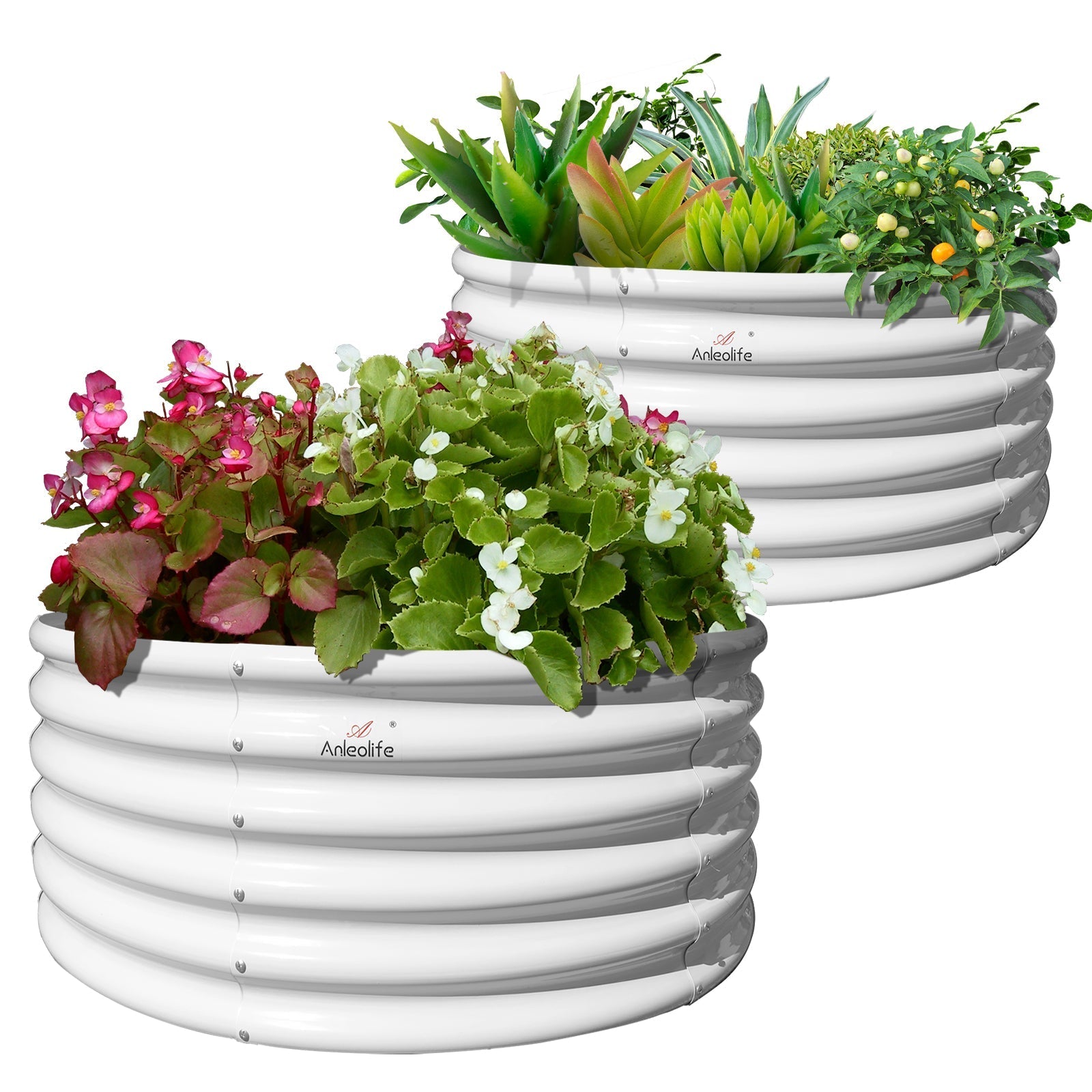
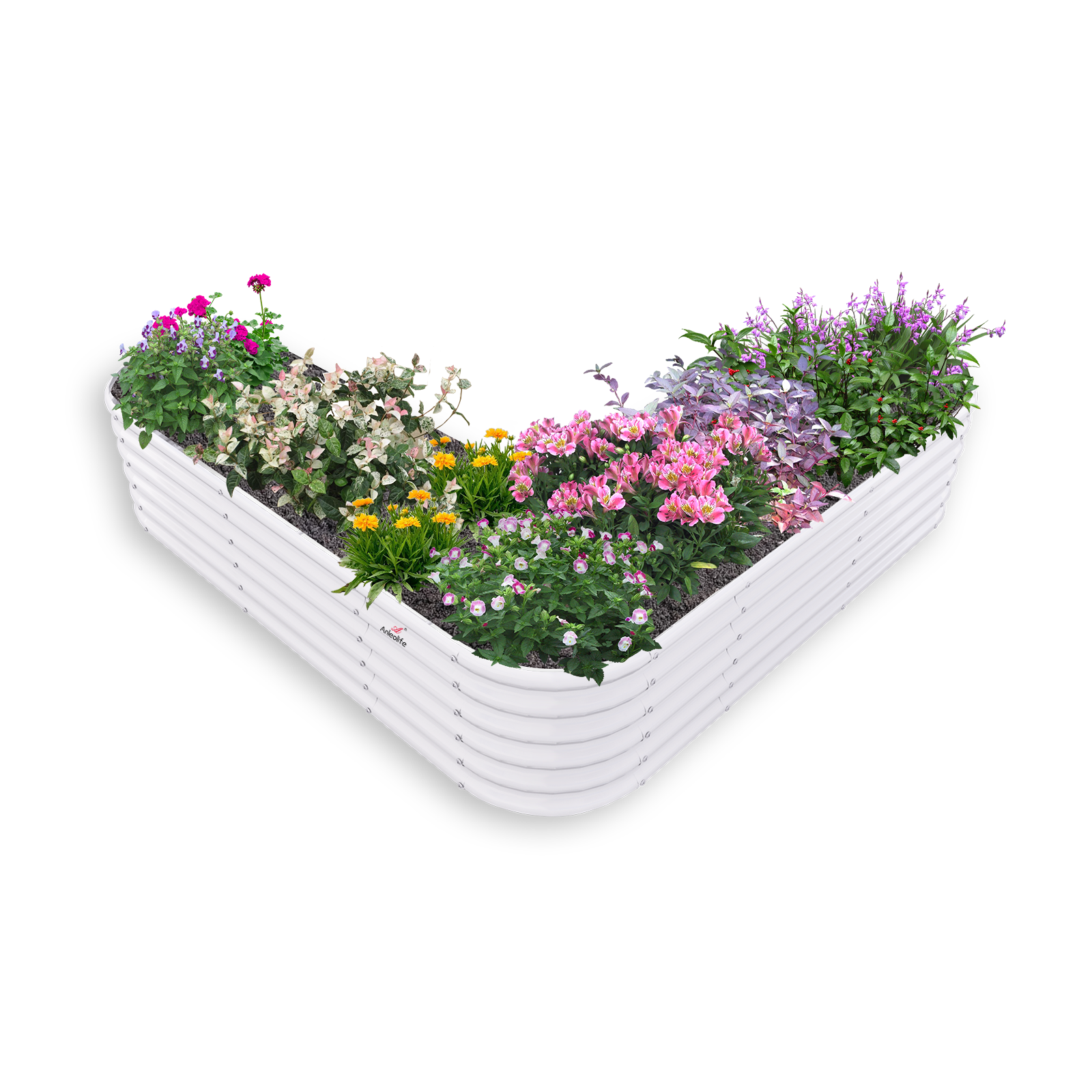
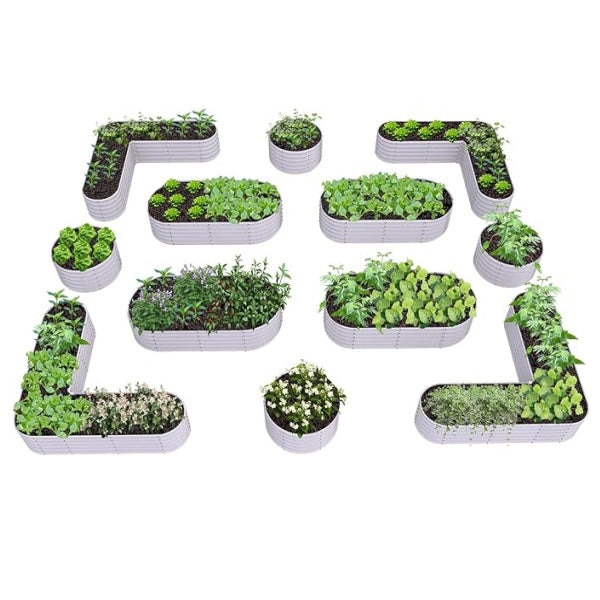
- Additional beds in shapes or sizes that fill gaps in your layout (round beds, for example, work beautifully as focal points or herb gardens)
- Pathway systems and decorative accessories that unify the garden visually and make maintenance easier
- Soil amendments and compost systems that make your garden increasingly self-sustaining
- Structures for raising such as small chicken coops or rabbit hutches that can integrate with your garden for a closed-loop composting system
The 30-inch extra tall beds are worth serious consideration in Phase Three for gardeners who want a truly waist-high growing experience—particularly relevant for older gardeners or those with back issues who find bending increasingly uncomfortable.

ALT: Fully developed phased raised bed garden featuring Anleolife galvanized steel raised garden beds with clean pathway edging, vegetable gardening in organized rows
Advanced Considerations: Avoiding Costly Mistakes as You Scale
Don't Conflate Phase and Year
One of the most common planning errors is assuming that each phase must happen in a separate calendar year. If your budget allows, and you've done sufficient planning (especially after a solid Phase One evaluation), you can accelerate phases. The point of phasing is deliberate decision-making, not arbitrary delay.
Soil Volume Is Always Underestimated
Every time gardeners expand their bed count, they underestimate how much quality soil is needed to fill new beds. Before purchasing Phase Two or Three beds, calculate your soil volume needs precisely. Account for settling—beds typically require a top-up of 15–20% additional soil after the first season as organic matter decomposes and soil compresses.
The "Cheap Now, Expensive Later" Trap
A bed that costs less upfront but requires replacement in three to five years is almost always more expensive over a decade than a quality bed purchased once. This is especially true in high-humidity states. Gardeners asking is an Anleolife raised garden bed rust-resistant galvanized steel worth the price? should factor in the 20-year lifespan: amortized over two decades, a premium steel bed often costs less per year than budget alternatives that require replacement cycles.
Climate-Specific Material Choices
Humidity, rainfall, freeze-thaw cycles, and UV exposure all affect material longevity. In the Southeast, Gulf Coast, and Pacific Northwest, rust-resistant coatings are not a luxury—they're essential infrastructure. In dry Southwest climates, wood may perform adequately, but galvanized steel still outperforms on soil contact durability. Match your material choice to your regional climate, not just your current budget.
Frequently Asked Questions FAQ
Q1: How do I figure out how many raised garden beds I actually need to start with?
Start with one bed, placed in your best sun location. Most experienced gardeners recommend beginning conservatively and expanding based on real experience rather than projected enthusiasm. A single 8x4 bed can produce a meaningful supply of fresh vegetables for a family of two to four people, depending on crop selection. After one full growing season, you'll have accurate data about how much you actually harvested, used, and wanted more of—that data drives smart Phase Two purchasing decisions.
Q2: Are rust-resistant galvanized steel raised garden beds worth the higher price compared to wood?
For most climates—especially humid, high-rainfall regions—yes, definitively. A quality galvanized steel bed with a 20-year lifespan will typically cost less per year than wood alternatives that require replacement every five to eight years. Beyond cost, steel beds eliminate concerns about soil contamination from treated wood, maintain their shape over time without warping, and require virtually no maintenance. For anyone building a garden they intend to grow and keep for years, the durability value is substantial.
Q3: How long does it take to set up a raised bed garden phase by phase, and what's a realistic annual budget?
Phase One setup—one bed, soil, and initial plants—typically requires one to two weekends of physical work. Annual budget varies widely by region, bed size, and soil needs, but a realistic Phase One investment for a quality galvanized steel bed plus quality soil fill runs several hundred dollars. Phase Two and Three investments are similar per bed. Because quality steel beds last up to 20 years, your per-season cost drops significantly over time. Delivery for Anleolife products takes 3–8 business days across their nationwide U.S. warehouse network.
Summary
Building a raised bed garden in phases isn't a compromise—it's the smartest approach available to home gardeners who want a beautiful, productive, long-lasting garden without financial stress.
Three core principles carry this strategy forward:
1. Start with one quality bed in the right location. Placement and material quality matter more than quantity in Year One. A single well-positioned, well-made galvanized steel bed will teach you more about your garden than five poorly placed cheap alternatives.
2. Let each phase inform the next. The evaluation period between phases isn't wasted time—it's data collection. Every growing season adds knowledge that makes your next investment more precise and more effective.
3. Invest in durability from the beginning. A bed rated for 20 years of use is a fundamentally different purchase than a seasonal placeholder. When you buy quality infrastructure in Phase One, you're not just buying a planting container—you're building the permanent backbone of your garden ecosystem.
Your next step is simple: identify your best sun location, measure the available space, and choose your first bed. The rest will grow from there.
Start Building Your Phased Garden with Anleolife
Anleolife's nationwide U.S. warehouse network is strategically located in California, Texas, Florida, New York, Illinois, and Washington, ensuring delivery within 3–8 business days—so your garden plans can move forward without long waits.
Anleolife products are available across major platforms including Amazon, Walmart, Home Depot, Lowe's, Wayfair, and the official Anleolife.com website, providing consistent quality and reliable after-sales support wherever you prefer to shop.
Anleolife's three core scenarios—Planting (metal raised garden beds, soil systems), Raising (chicken coops, rabbit hutches), and Beautification (decorative accessories, pathway systems)—mean that as your garden grows through each phase, every new element integrates naturally into a cohesive, functional, and beautiful outdoor space.
We understand that an ideal garden isn't built overnight—it's built gradually, with intention. Our modular product design allows flexible expansion based on your needs, from your very first raised garden bed to a fully integrated planting-and-raising ecosystem. We grow with you, every step of the way.
References
- National Gardening Association. "Garden to Table: A Guide to Growing Food in Any Space."
https://garden.org/ - University of California Agriculture and Natural Resources. "Raised Bed Gardening: Soil, Construction, and Crop Guides."
https://ucanr.edu/ - U.S. Department of Agriculture (USDA). "Home and Community Gardening Resources."
https://www.usda.gov/topics/farming/community-supported-agriculture - Penn State Extension. "Raised Bed Gardening."
https://extension.psu.edu/raised-bed-gardening - Clemson Cooperative Extension. "Raised Bed Gardening in the Home Garden."
https://hgic.clemson.edu/factsheet/raised-bed-gardening/
Note: Resources and standards may be updated over time. Please verify information with the latest official documents or consult a local extension service for region-specific guidance.
About Anleolife
Anleolife is a leading outdoor garden solutions provider in North America, dedicated to offering a full-scenario product ecosystem for home gardening enthusiasts, covering planting, raising, and garden beautification. Since its founding, Anleolife has upheld its brand mission, "Made for Garden Life," continuously innovating products and optimizing services to help hundreds of thousands of users upgrade their gardens, reconnect with nature, and enjoy a better garden lifestyle.