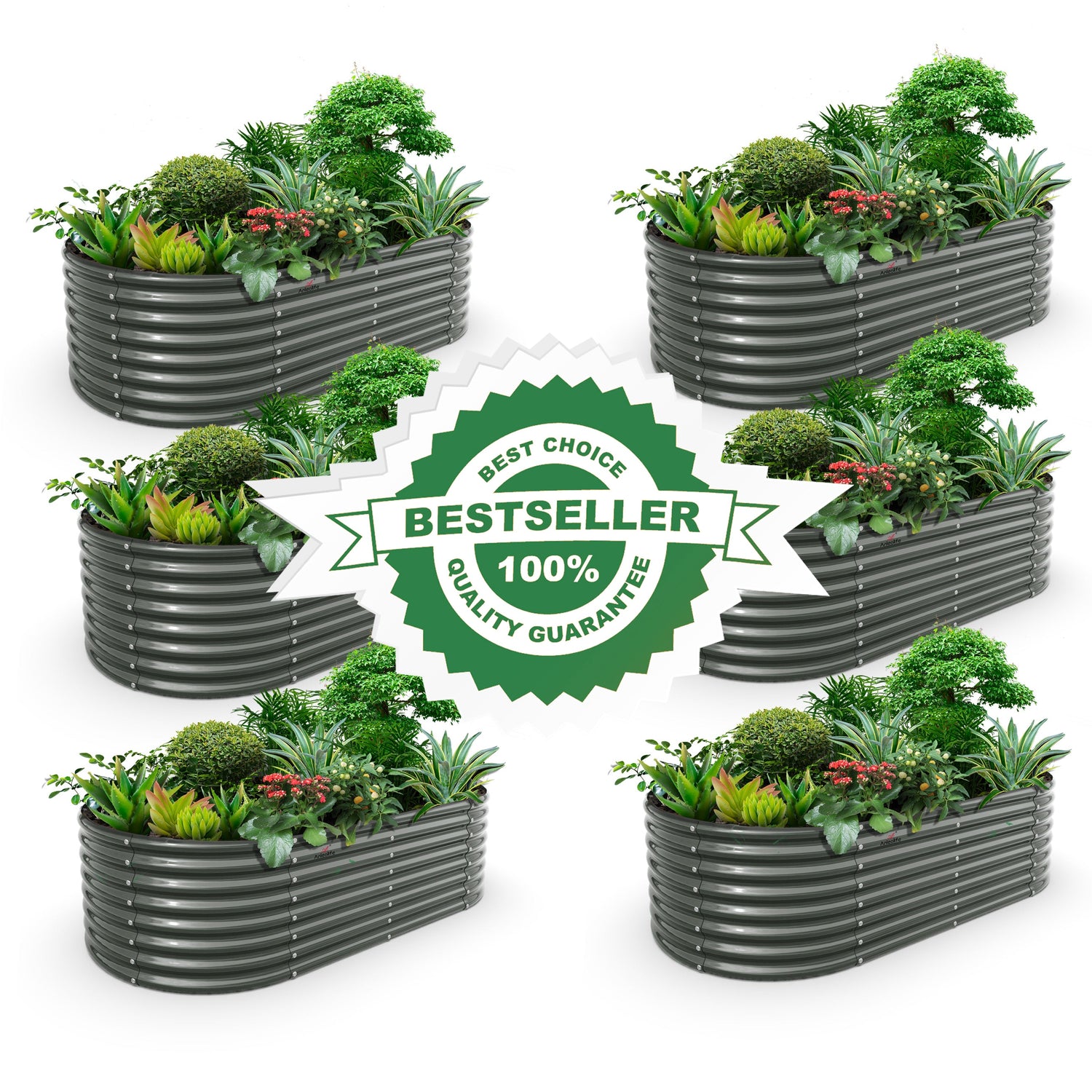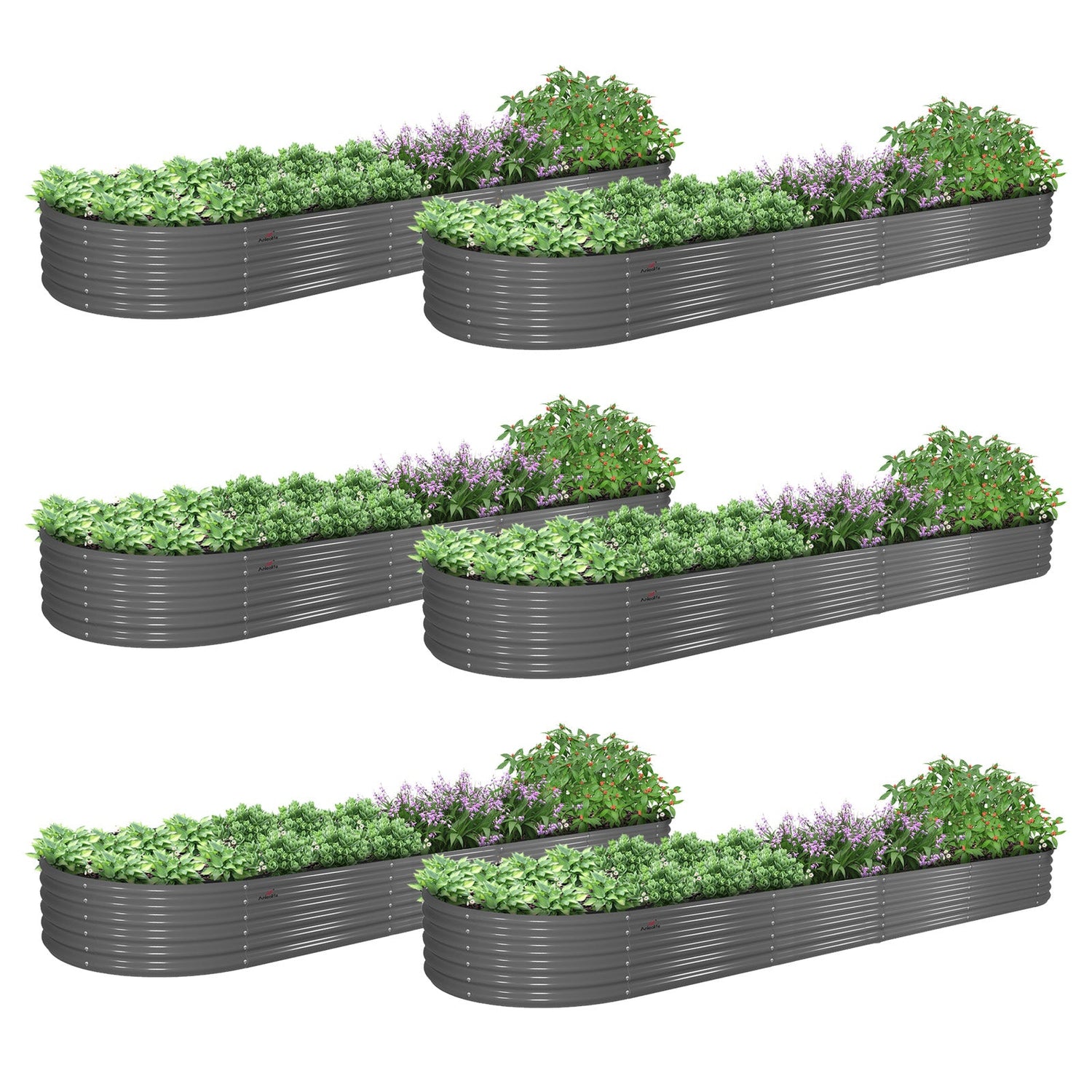



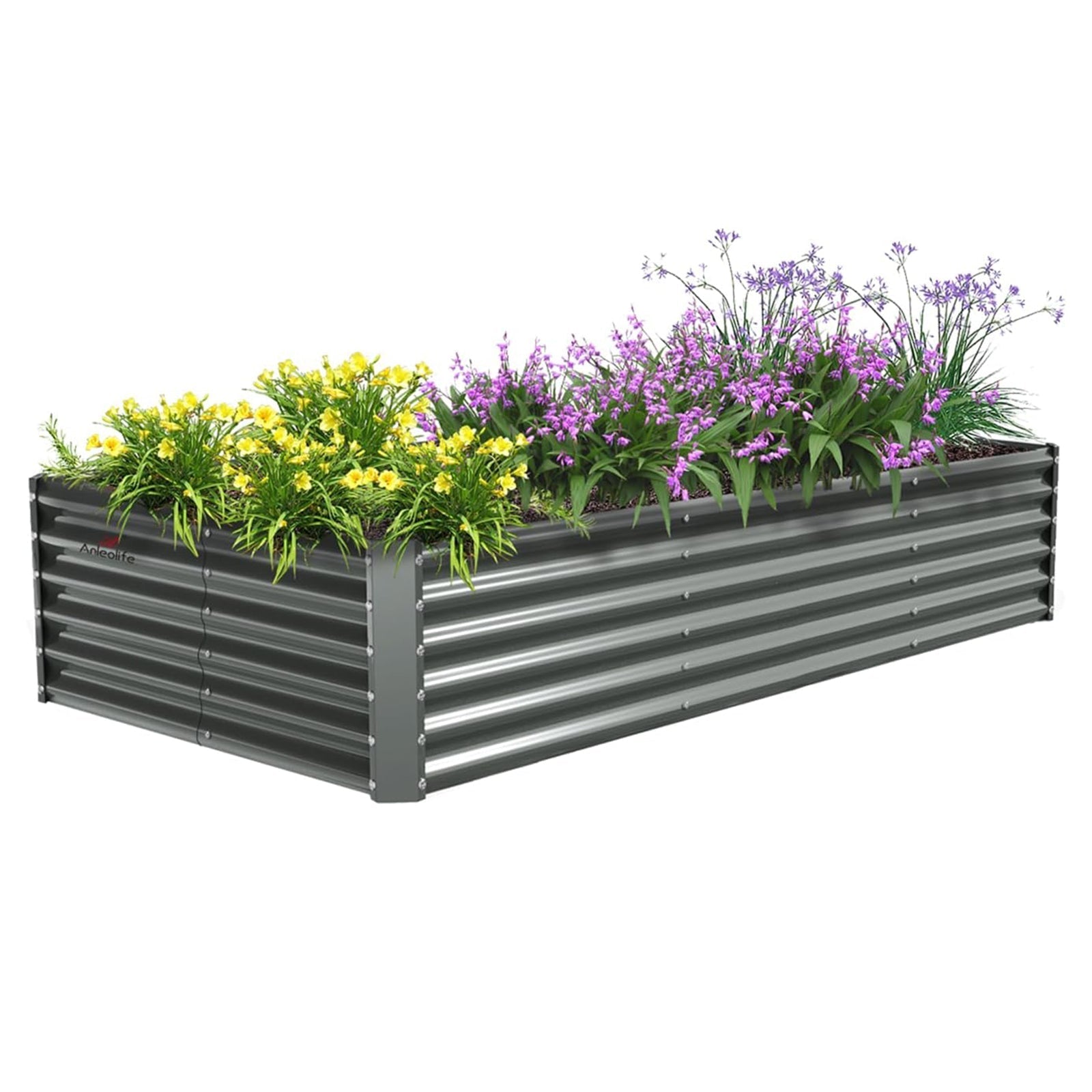

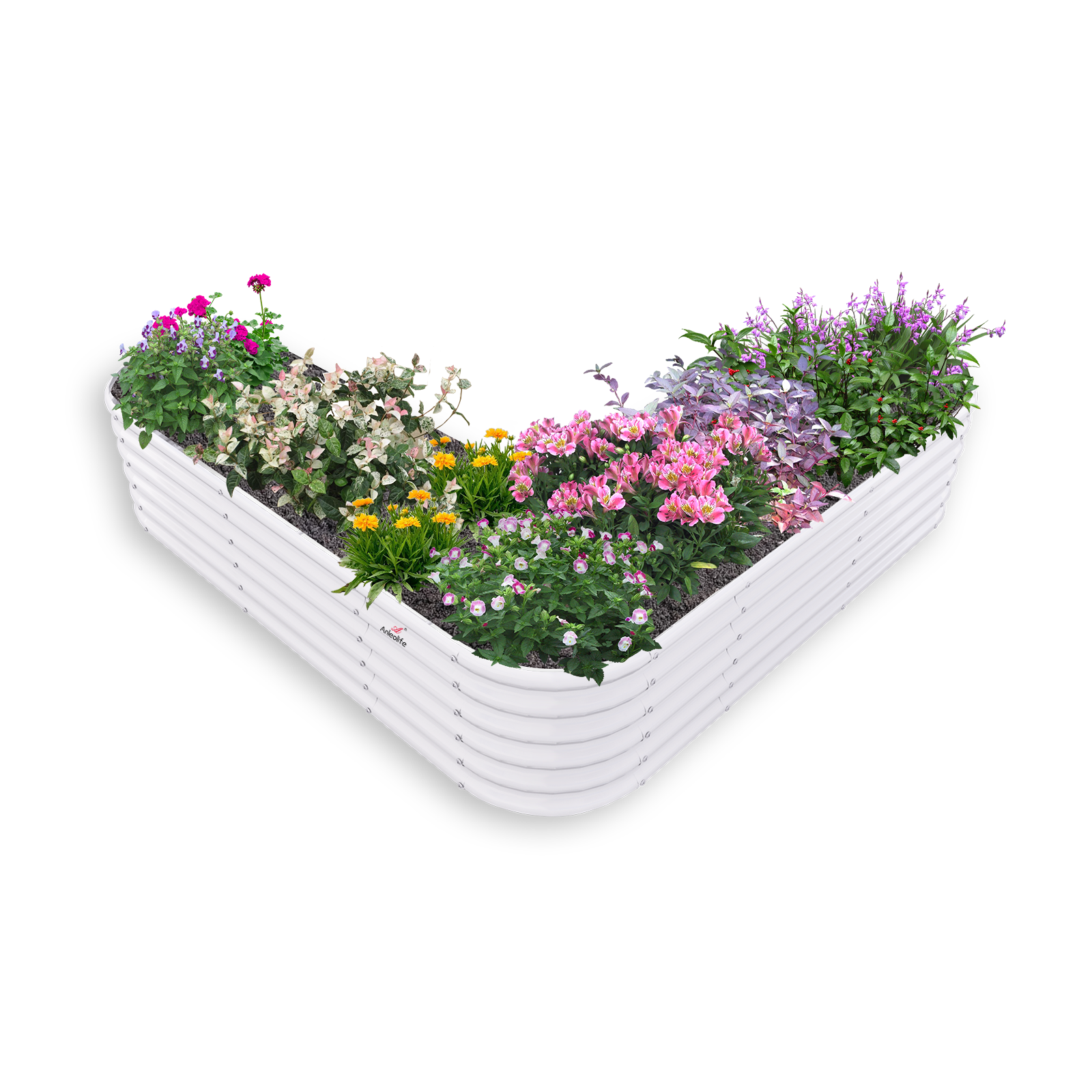
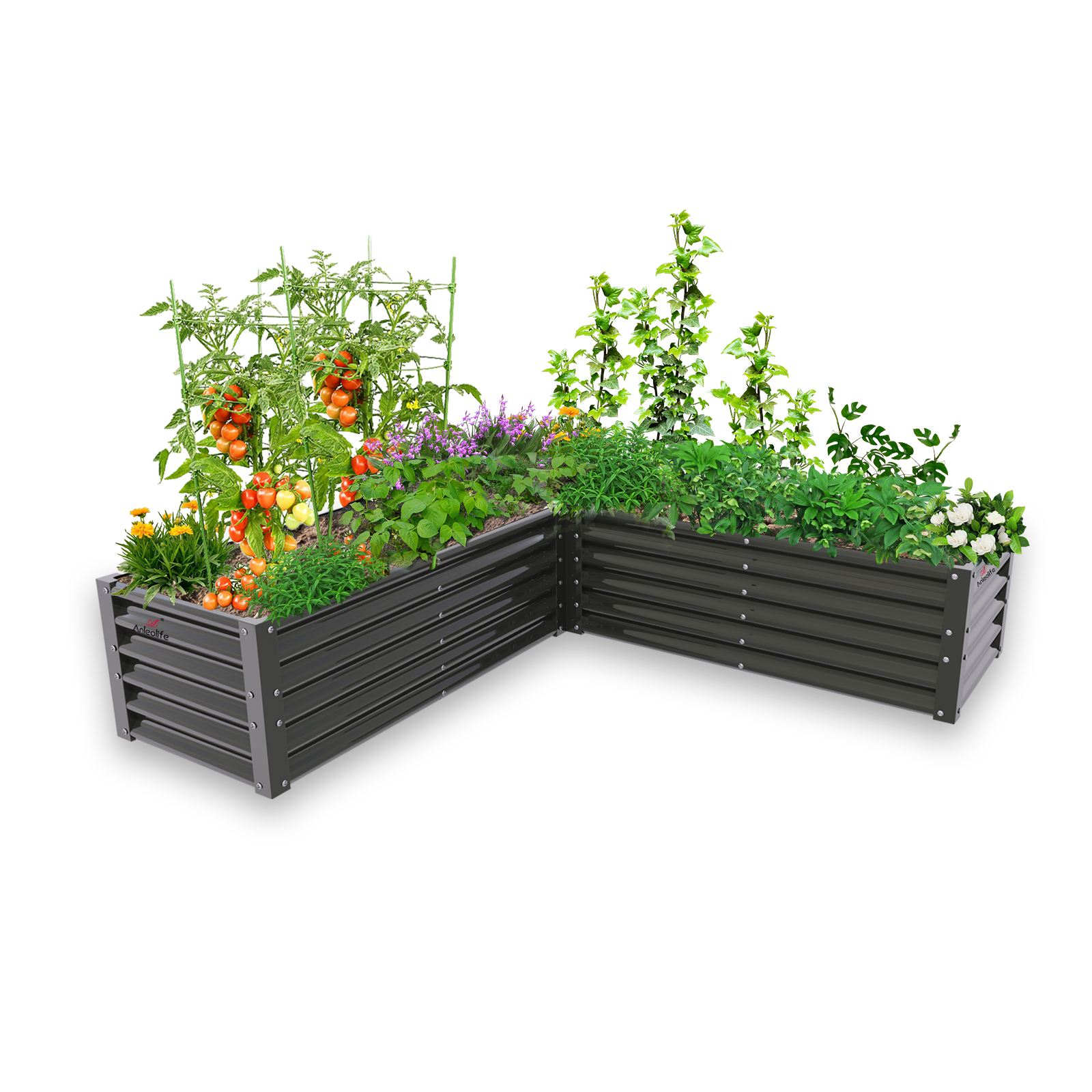
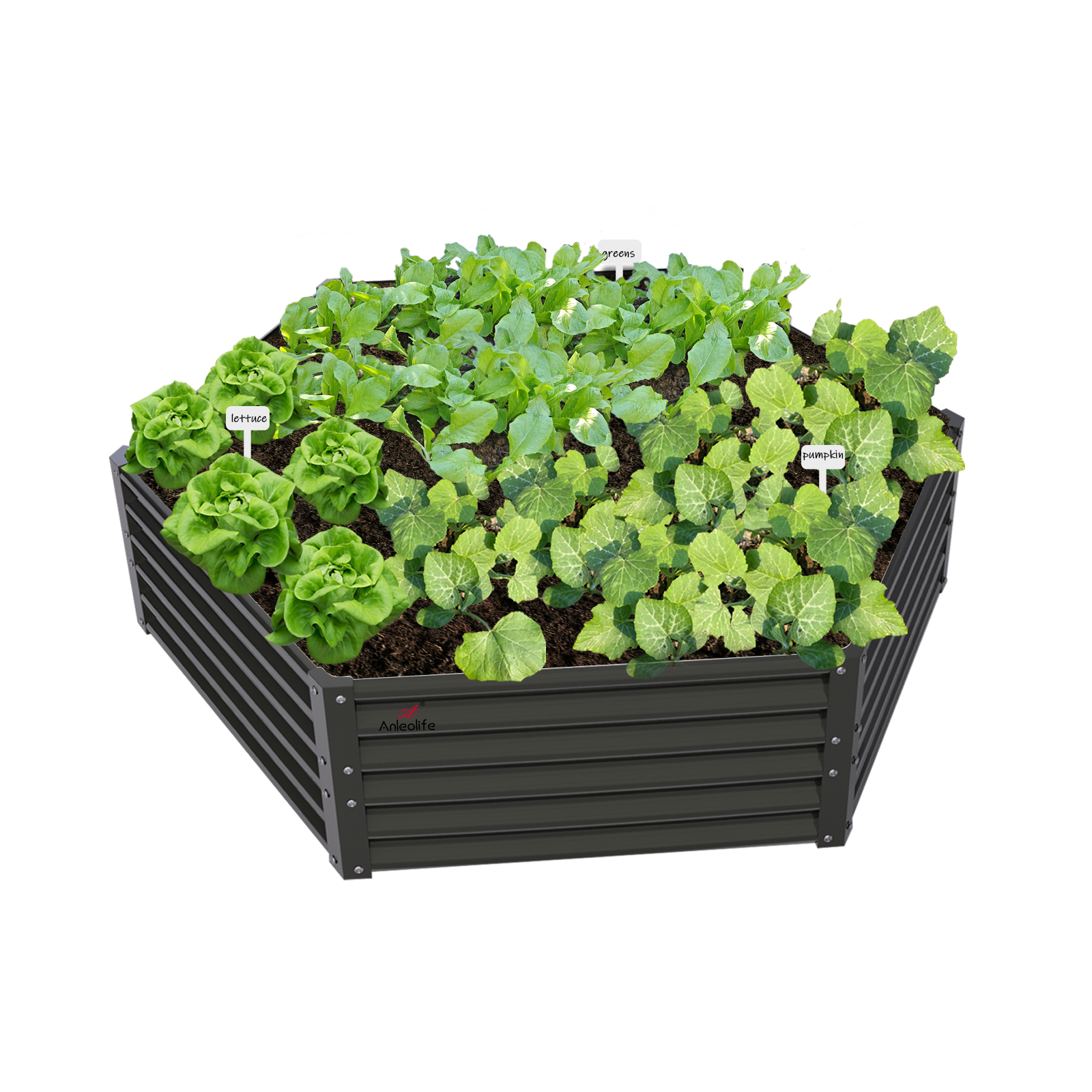
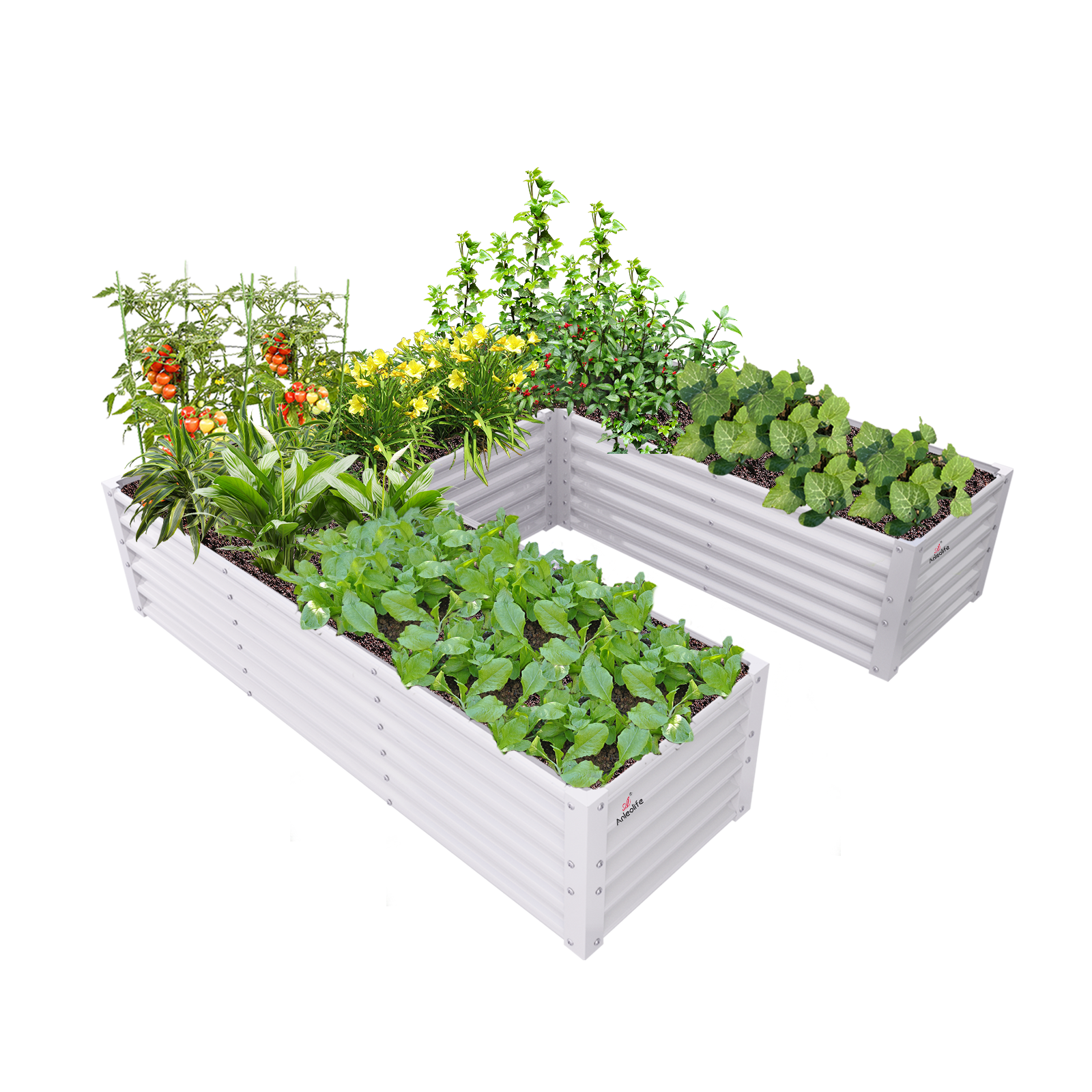

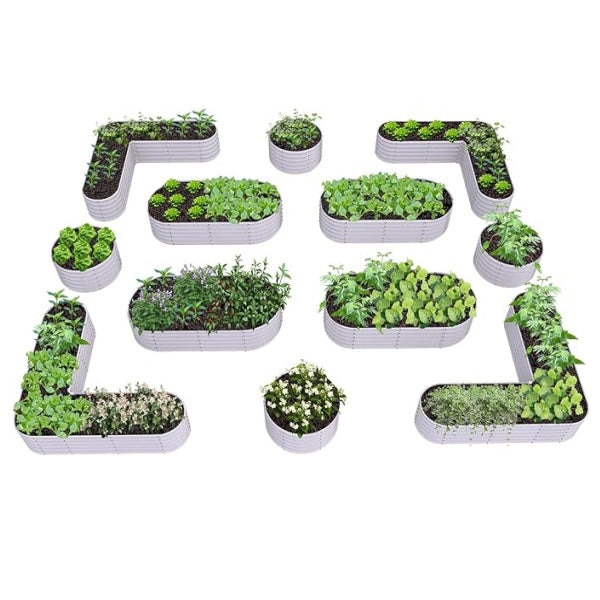


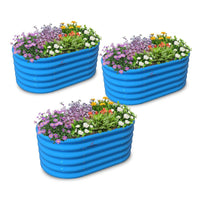
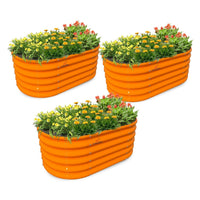
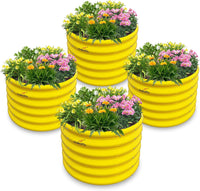
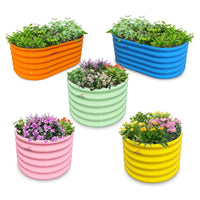
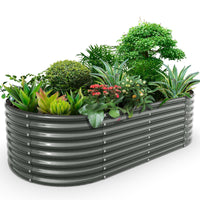



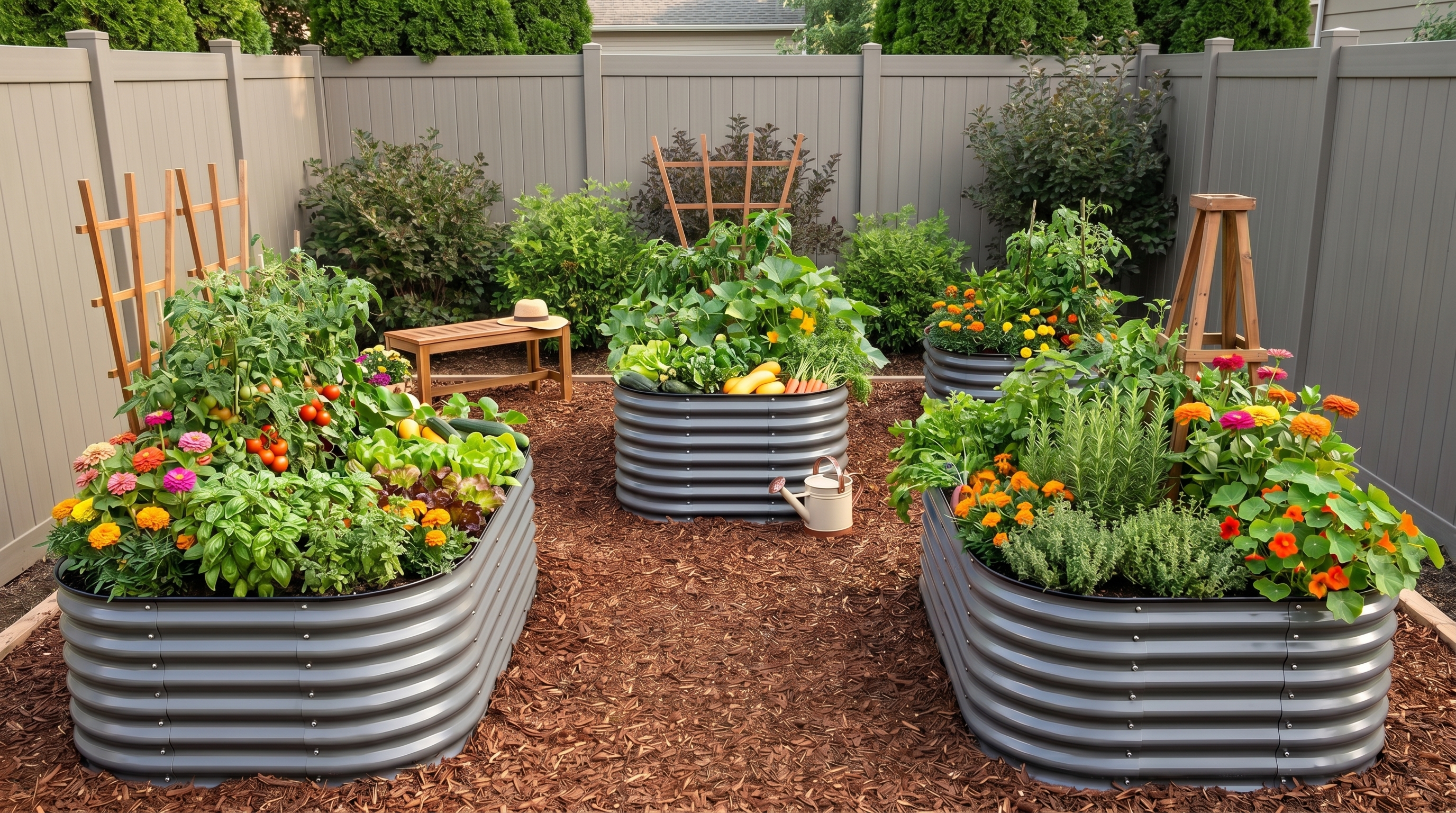
ALT: Compact backyard raised garden bed layout using modular garden beds for small-space family planting
Why Your Small Backyard Deserves a Smarter Raised Bed Layout
Key Conclusion: A thoughtfully designed raised bed planting layout can transform even the most cramped backyard into a thriving, productive garden. By using modular garden beds strategically placed for maximum sun exposure and accessibility, families with limited outdoor space can grow vegetables, herbs, and flowers without sacrificing walkways or play areas. The right layout turns constraints into creativity — and small yards into surprisingly abundant growing spaces.
If you've ever looked at your backyard and thought, "There's simply not enough room to garden seriously," you're not alone. Millions of American families share this challenge. The good news is that space limitation is rarely the real obstacle — poor layout planning is. A well-executed raised bed strategy can make 200 square feet feel like 400, especially when you layer in vertical growing, smart soil preparation, and flexible modular configurations.
This guide walks you through every step of designing a raised garden bed layout that works beautifully in a small backyard — covering everything from sunlight mapping and pathway planning to soil ratios, pest protection, and decorative finishing touches that make your garden a space you actually want to spend time in.
Who This Guide Is For
✅ Applicable Scenarios:
- Homeowners with backyards under 500 square feet who want to maximize every inch of growing space
- Families with children or pets who need defined garden zones separated from activity areas
- Urban and suburban gardeners growing vegetables, herbs, or cut flowers for home use
- Empty nesters and retirees transitioning to low-maintenance, ergonomic garden setups
- Eco-conscious growers who want to control soil quality and reduce pesticide use
❌ Not Applicable/Cautions:
- Renters without landlord approval to install permanent or semi-permanent garden structures
- Properties with severe drainage issues or extreme shade exceeding 8 hours per day without supplemental lighting
- Gardeners looking for in-ground planting guides — raised beds follow different design rules and this guide focuses specifically on above-ground raised bed systems
The Real Challenge: Why Most Small-Yard Garden Plans Fail
Most small backyard garden projects stall not because of budget or time, but because families skip the planning phase entirely. They buy a raised bed kit, drop it wherever there's open ground, fill it with whatever soil is available, and then wonder why their tomatoes are leggy, their lettuce bolts in June, and their beds become waterlogged after every rain.
The data tells a compelling story. According to the National Gardening Association, more than 35% of American households now participate in food gardening — and the trend is accelerating fastest in suburban and urban neighborhoods where yard space is at a premium. That means millions of families are navigating exactly the same challenge you are: how do you fit a meaningful garden into a modest backyard without turning the whole space into a muddy obstacle course?
The answer lies in intentional design. A raised bed planting layout isn't just about where you put the beds — it's about how the beds relate to each other, to the house, to sunlight patterns, to water access, and to the way your family actually moves through the backyard. Get those relationships right, and a small yard becomes more than sufficient. Get them wrong, and even a large yard will feel cramped and unworkable.
Three foundational problems plague most small-yard garden plans:
First, beds are placed without tracking sun movement. A spot that looks sunny in March may be deeply shaded by a fence or tree canopy by July, right when your warm-season crops need the most light.
Second, pathways are an afterthought. Without at least 18–24 inches of clear walking space between beds, harvesting becomes a gymnastics exercise, and soil compaction around bed edges becomes a chronic problem.
Third, soil quality is underestimated. Raised beds require a specific growing medium — not garden soil, not pure compost, but a carefully calibrated blend. Most experts recommend a ratio of roughly 60% topsoil, 30% compost, and 10% perlite or coarse sand for drainage. Getting this ratio right from the start saves enormous frustration later.
Building Your Raised Bed Layout: A Step-by-Step System
Three-Step Quick Start
Step 1: Map Your Sun and Shadow Patterns
Before purchasing a single bed or bag of soil, spend one full week observing your backyard at three different times of day: 8 AM, noon, and 4 PM. Mark on a simple sketch where sunlight falls and where shadows accumulate. Most vegetables need 6–8 hours of direct sunlight daily. Identify your "prime zones" — areas with consistent afternoon sun — and reserve those for your main vegetable beds. This step takes about 30 minutes of active observation time spread over 7 days, and it is the single highest-value investment you can make before laying out any beds.
Step 2: Design Your Layout on Paper First
Using your sun map as a base, sketch a scaled layout of your backyard. Mark your home's footprint, any permanent structures (sheds, decks, trees), and fence lines. Then place your raised bed shapes within the prime zones, ensuring at least 18 inches of walking clearance on all accessible sides. Consider a U-shaped or L-shaped configuration for corner spaces, and a tiered step-down arrangement along slopes. Keep your layout flexible by planning for modular garden beds that can be reconfigured as your needs evolve. Budget 1–2 hours for this planning session — ideally with the whole family involved.
Step 3: Source Materials and Install in Zones
Once your layout is confirmed, source your beds, soil materials, and protective netting together before starting installation. Work in zones: install all bed structures first, then address pathways (gravel, stepping stones, or wood chips), then fill with your soil blend, then install any overhead netting or support structures. This zoned approach prevents the common mistake of filling beds before you've established clear pathways, which inevitably means trampling your growing medium. Allow a full weekend (8–10 hours) for a typical 2–4 bed installation.
Raised Bed Configuration Options for Small Backyards
Choosing the right bed configuration is as important as choosing the right bed. Here's a practical comparison of the most common layout approaches for limited backyard spaces:
| Comparison Dimension | Row Layout | U-Shape / L-Shape Layout | Tiered / Stacked Layout |
|---|---|---|---|
| Best for yard shape | Rectangular yards with clear east-west sun exposure | Corner lots or L-shaped yards | Sloped yards or narrow side yards |
| Space efficiency | Moderate — walkways required on both long sides | High — central access point serves multiple bed sides | Very high — vertical stacking multiplies growing area |
| Accessibility | Good for standard reach | Excellent — no bed center is out of arm's reach | Excellent for ergonomic gardening at multiple heights |
| Visual appeal | Clean and structured | Inviting and immersive | Architectural and dramatic |
| Modular adaptability | Easy to extend linearly | Moderate — requires corner connectors | Requires height-compatible bed systems |
| Typical user profile | First-time gardeners | Families with children | Retirees, ergonomic gardeners |
| Pathways needed | Yes — between every row | Reduced — one central access path | Minimal — if beds are freestanding |
Anleolife's galvanized steel raised garden beds are available in a wide range of sizes — from compact footprints ideal for tight corners to expansive configurations for productive growing — making them adaptable to all three layout styles described above.
Detailed Design Considerations for Every Part of Your Layout
Sunlight Zoning: Placing the Right Crops in the Right Spots
Once you've identified your prime sun zones, assign crops by light requirement. Tall plants like tomatoes, corn, or trellised cucumbers should be placed on the north side of your layout so they don't cast shade over shorter neighbors. Medium-height crops like peppers and eggplant go in the center zones. Low-growing or shade-tolerant crops like lettuce, spinach, and herbs can be placed in the slightly shadier edges or used to fill in transitional areas.
This zoning approach also helps with succession planting — a strategy where you plant fast-maturing crops in front of slower ones so space is never wasted between harvest cycles.
Pathway Planning: The Often-Overlooked Key to a Functional Layout
Pathways aren't wasted space — they're what make your garden usable. For a small backyard, aim for a minimum of 18 inches between beds for sideways access, and 24–30 inches in any main thoroughfare where you'll be walking with a watering can or harvest basket.
Affordable pathway materials include pea gravel (excellent drainage, weed-suppressing), wood chip mulch (soft underfoot, decomposes into organic matter), and flat stepping stones (clean look, easy to reconfigure). Avoid bare soil pathways, which compact over time and become muddy in wet weather.
If you're incorporating a hose into your layout — and you will need one — think about hose storage solutions and reel systems from the start. A wall-mounted hose reel positioned near your water access point keeps hoses from becoming a tripping hazard through pathway areas. Retractable reel systems are particularly effective in small yards because they eliminate the coiled-hose-on-the-ground problem that frustrates so many compact garden setups.
Choosing the Right Raised Bed: Why Material Matters
For families investing in a long-term garden layout, bed material is one of the most important decisions you'll make. Wood beds are affordable to start but require replacement every 3–7 years as they rot, warp, and degrade. Plastic beds are lightweight but can become brittle and discolored with UV exposure.
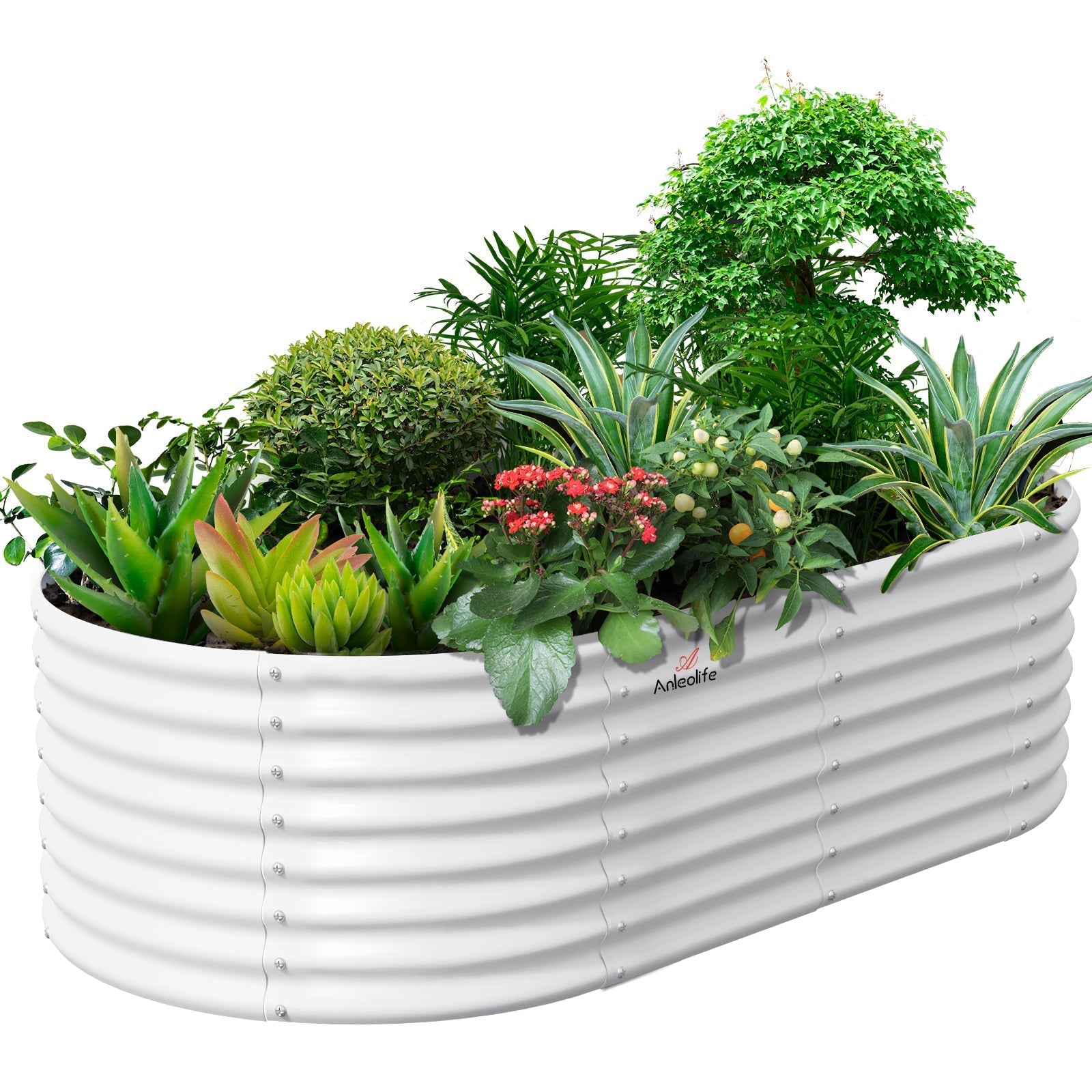
Galvanized steel raised garden beds from Anleolife represent a fundamentally different investment horizon. Built from high-quality galvanized steel with rust-resistant properties, these beds are engineered for a lifespan of up to 20 years — meaning the bed you install this spring could still be producing harvests when your children are teenagers. For families planning a serious long-term garden layout, this durability transforms the economics entirely.
Anleolife's product range includes configurations spanning from compact sizes ideal for tight corners to generously sized 8x4 ft footprints suitable for full vegetable production. The modular raised garden bed line is particularly well-suited to small-yard layouts, allowing you to start with a single bed and expand your configuration over time without having to redesign from scratch.
Soil Blending: The Foundation of Everything
The best ratio of compost to soil for raised garden beds is a question every new raised bed gardener asks — and the answer matters enormously for plant health. A commonly recommended blend for raised beds is:
- 60% quality topsoil — provides structure and mineral nutrients
- 30% compost — feeds microbial life and improves water retention
- 10% coarse perlite or aged wood chips — promotes drainage and prevents compaction
Avoid using heavy clay soil as a base, as it compacts in raised beds and impedes root development. Similarly, using 100% compost sounds appealing but creates a medium that's too rich, dries out quickly, and lacks the structural stability roots need to anchor properly.
For new beds, it's worth investing in a high-quality compost blend from a local supplier or garden center, even if it costs more than bagged topsoil. The first season's soil quality sets the biological foundation for everything that follows.
Protecting Your Garden: Netting, Pest Barriers, and Covers
One of the most overlooked aspects of raised bed planning is pest and wildlife protection — and in a small backyard, where birds and insects can strip a young planting overnight, this protection is not optional.
When it comes to insect netting materials for vegetable gardens, the top-rated options are ultra-fine mesh fabrics (typically in the 0.6–0.8mm mesh size range) that exclude aphids, whiteflies, and cabbage moths while still allowing water and approximately 85–90% of light to pass through. These row cover fabrics can be draped over hoops installed along the long sides of your raised beds.
For bird netting to keep birds away from vegetables, a coarser netting (typically 3/4 inch mesh) provides effective protection against robins, starlings, and sparrows without interfering significantly with sunlight. Fasten netting along the edges of your bed with clips or binder clips attached to the bed walls themselves — a clean, effective solution that doesn't require permanent support structures.
A practical tip: install simple hoop frames when you set up your beds, even if you don't immediately add netting. Having the infrastructure in place means you can add protective covers quickly when a threat appears, rather than scrambling to build supports mid-season.
Adding Beauty: Decorative Touches That Elevate the Space
A productive garden doesn't have to look utilitarian. One of the joys of small-yard gardening is that every element is visible and close at hand — which means there's real payoff in making the space beautiful as well as functional.
Garden gnomes and figurines placement ideas have experienced a genuine design renaissance in recent years, with thoughtful placement turning these classic yard accessories into charming focal points rather than clutter. The key is restraint and intentionality: a single gnome or pair of figurines placed at the entry to your garden area, or nestled among the foliage in a corner bed, creates a whimsical moment without visual noise. Avoid scattering figures randomly throughout the layout — cohesion and story matter even in small decorative choices.
Beyond figurines, consider adding a kinetic wind spinner at one end of your layout. These spinning garden accessories do double duty — they add movement and color to the visual landscape, and the gentle rotation can help deter birds from settling too comfortably in your beds. Positioned at the corner of a bed arrangement, a well-chosen spinner becomes an anchor point for the whole design.
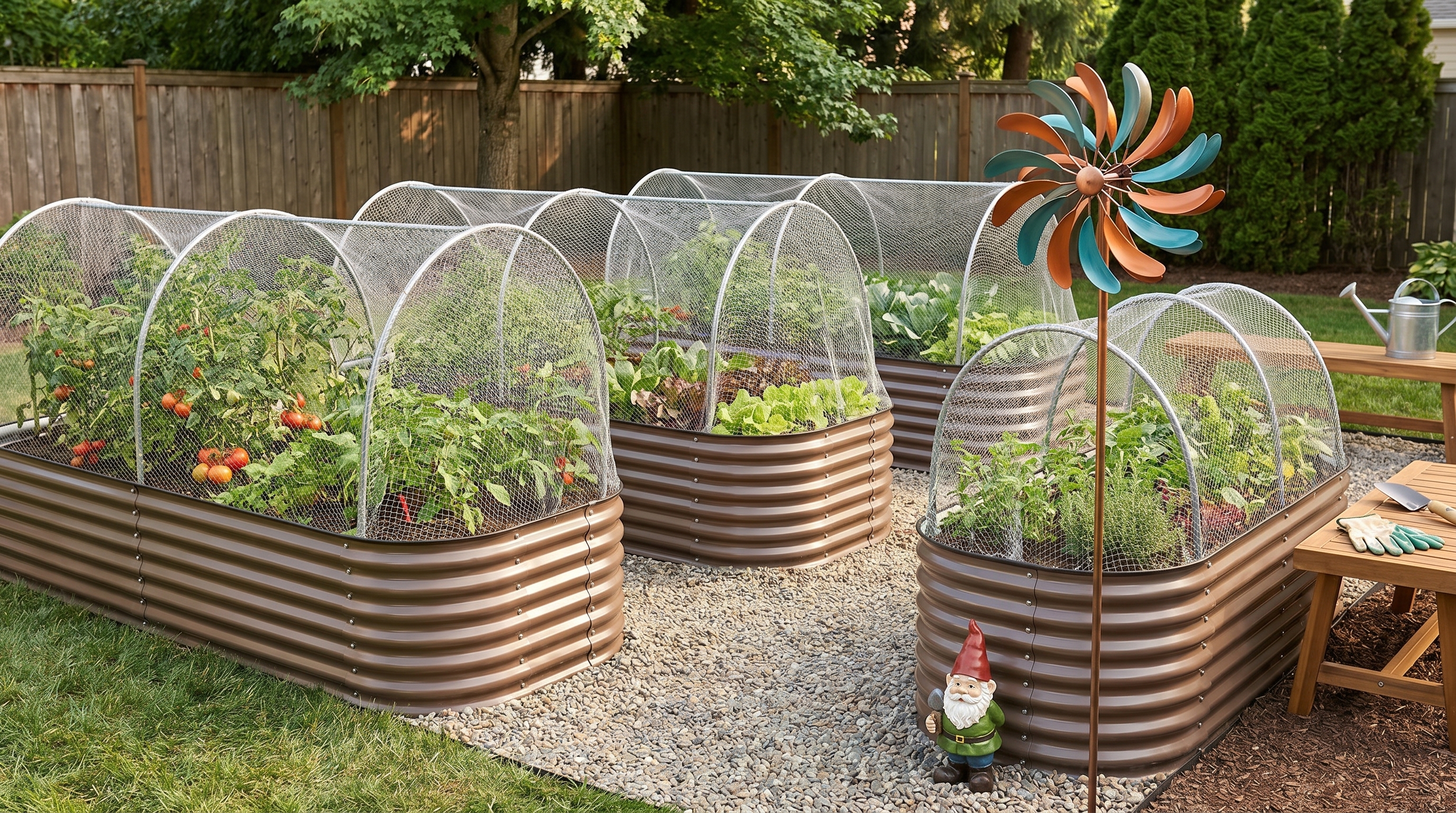
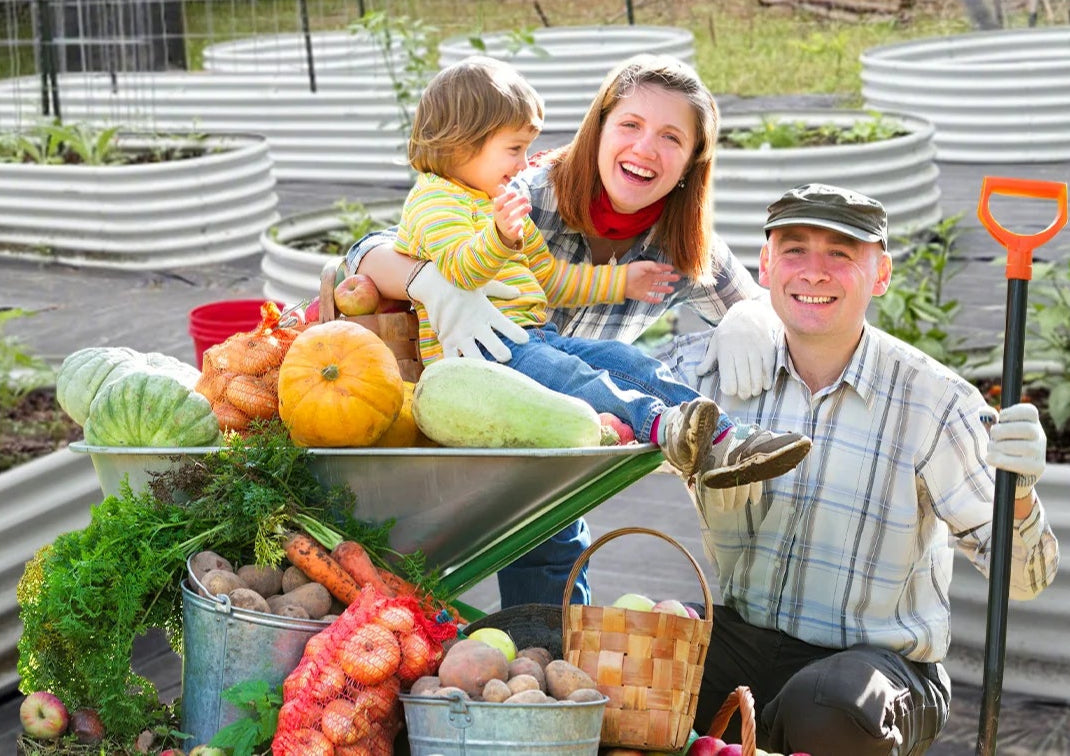
ALT: Small backyard modular raised garden bed layout with bird netting, gravel pathways, and decorative wind spinner for family gardening
Advanced Tips: Going Beyond the Basics
Handling Slopes and Uneven Ground
Sloped backyards present a real challenge for raised bed installation. The good news is that raised beds are inherently suited to sloped terrain — their above-ground structure means you don't need to level the entire yard, just the footprint of each bed. For gentle slopes, simply level each bed individually using a bubble level and shims before backfilling with soil. For steeper slopes, a tiered arrangement — where each row of beds sits slightly higher than the one in front — creates a terraced garden effect that is both functional and visually dramatic.
Misconception: More Beds Always Means More Productivity
A common mistake among new gardeners is believing that maximum productivity requires maximum bed coverage. In reality, a small number of well-maintained beds consistently outperforms a larger number of overcrowded, under-resourced ones. Start with two to three beds, master your soil blend, watering rhythm, and succession planting schedule, and then expand. Anleolife's modular bed systems are designed specifically for this kind of staged expansion — your initial layout can grow with you.
Combining Raised Beds with Vertical Growing
Vertical growing is the single most effective technique for multiplying productive space in a small backyard. Trellises, teepee structures, and wall-mounted planters all extend your growing area upward rather than outward. Position taller vertical structures on the north side of your bed arrangement to prevent shading lower beds, and train climbers like pole beans, cucumbers, and small-fruited squash varieties upward rather than allowing them to sprawl.
Frequently Asked Questions FAQ
Q1: How do I choose the right size raised garden bed for a small backyard?
The most practical approach is to measure your available prime sun zones first, then choose bed sizes that fit within those zones while leaving at least 18 inches of pathway clearance on all sides you need to access. Anleolife offers a wide range of sizes — from compact configurations ideal for tight corners to larger 8x4 ft footprints for serious vegetable production. A good starting point for most small backyards is one or two mid-sized beds that you can manage intensively, then expand using modular add-ons as your confidence grows.
Q2: Is galvanized steel safe for growing vegetables?
Yes, modern galvanized steel raised garden beds are considered safe for vegetable growing by mainstream horticultural authorities. The zinc coating on galvanized steel is what provides rust resistance, and while zinc does leach in very small amounts into surrounding soil, it is a micronutrient that plants actually require in trace amounts. The levels involved are far below any threshold of concern for food safety. Anleolife's galvanized steel beds are specifically engineered for food gardening applications and are built to last up to 20 years without structural degradation.
Q3: How long does it take to set up a complete raised bed layout for a small backyard?
For a typical two-to-three bed layout with pathways and soil, plan on a full weekend — roughly 8–12 hours of active work spread over Saturday and Sunday. The breakdown is roughly: 1–2 hours for final layout planning and marking, 2–3 hours for bed assembly and positioning, 1–2 hours for pathway material installation, and 3–4 hours for soil blending and filling. Anleolife beds ship with delivery within 3–8 business days across their U.S. warehouse network, so ordering in advance of your installation weekend is the key scheduling step.
Summary
Building a successful raised garden bed layout in a small backyard comes down to three core principles: plan before you plant, match your bed configuration to your specific yard constraints, and invest in materials built to last.
The planning phase — sun mapping, layout sketching, pathway design — is where most of the real work happens, and it costs nothing but time. Getting it right upfront means every subsequent decision (bed size, soil blend, pest protection, decorative touches) falls into place naturally rather than requiring costly corrections later.
Choosing high-quality, durable materials like galvanized steel raised garden beds with a 20-year lifespan transforms your garden from an annual project into a permanent infrastructure investment. Combined with a modular design approach that allows staged expansion, this creates a garden that grows with your family over time rather than requiring complete reinvention every few years.
Finally, don't underestimate the importance of making your garden beautiful. Thoughtful placement of decorative elements — from garden figurines to wind spinners — turns a productive space into a space you genuinely love spending time in. That emotional connection is what keeps families gardening year after year.
Your small backyard is not a limitation. It is a canvas. Start with a plan, build with quality, and let the garden grow.
Start Your Garden Upgrade with Anleolife
Nationwide U.S. warehouse network: Strategically located in California, Texas, Florida, New York, Illinois, and Washington to ensure delivery within 3–8 business days — so your garden upgrade plans never have to wait.
Multi-channel sales network: Products are available on major e-commerce platforms including Amazon, Walmart, Home Depot, Lowe's, and Wayfair, as well as the official website Anleolife.com, providing consistent quality assurance and after-sales service.
Three core scenarios: Planting (metal raised garden beds, soil systems), Raising (chicken coops, rabbit hutches), and Beautification (decorative accessories, pathway systems) — meeting complete needs from functionality to aesthetics.
We understand that an ideal garden is not built overnight, but gradually improved over time. Anleolife's modular product design allows flexible expansion based on your needs — from your first raised garden bed to a fully integrated planting-and-raising ecosystem. We grow with you every step of the way.
References
- National Gardening Association. "Garden to Table: A Guide to Vegetable Gardening".
https://garden.org - UC Agriculture and Natural Resources. "Raised Bed Gardening".
https://ucanr.edu/ - University of Minnesota Extension. "Raised Bed Gardening for Home Gardens".
https://extension.umn.edu/yard-and-garden/raised-bed-gardening - Penn State Extension. "Building a Raised Bed Garden".
https://extension.psu.edu/building-a-raised-bed-garden - USDA Agricultural Research Service. "Soil Health and Composting in Home Gardens".
https://www.ars.usda.gov/
Note: Standards and recommendations may be updated over time. Please check the latest official documents or consult professional advisors for current best practices.
About Anleolife
Anleolife is a leading outdoor garden solutions provider in North America, dedicated to offering a full-scenario product ecosystem for home gardening enthusiasts, covering planting, raising, and garden beautification. Since its founding, we have upheld our brand mission, "Made for Garden Life," continuously innovating products and optimizing services to help hundreds of thousands of users upgrade their gardens, reconnect with nature, and enjoy a better garden lifestyle.