


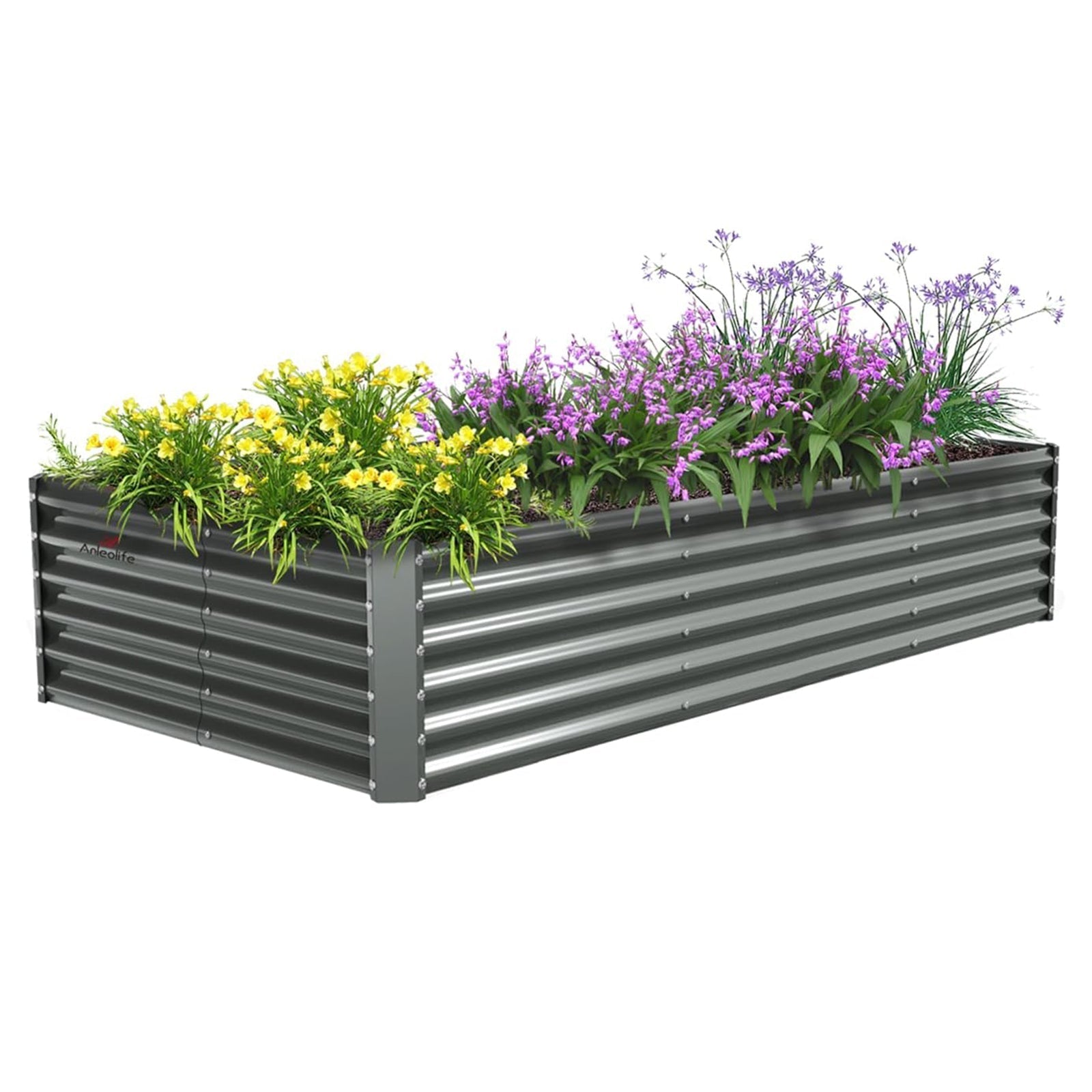

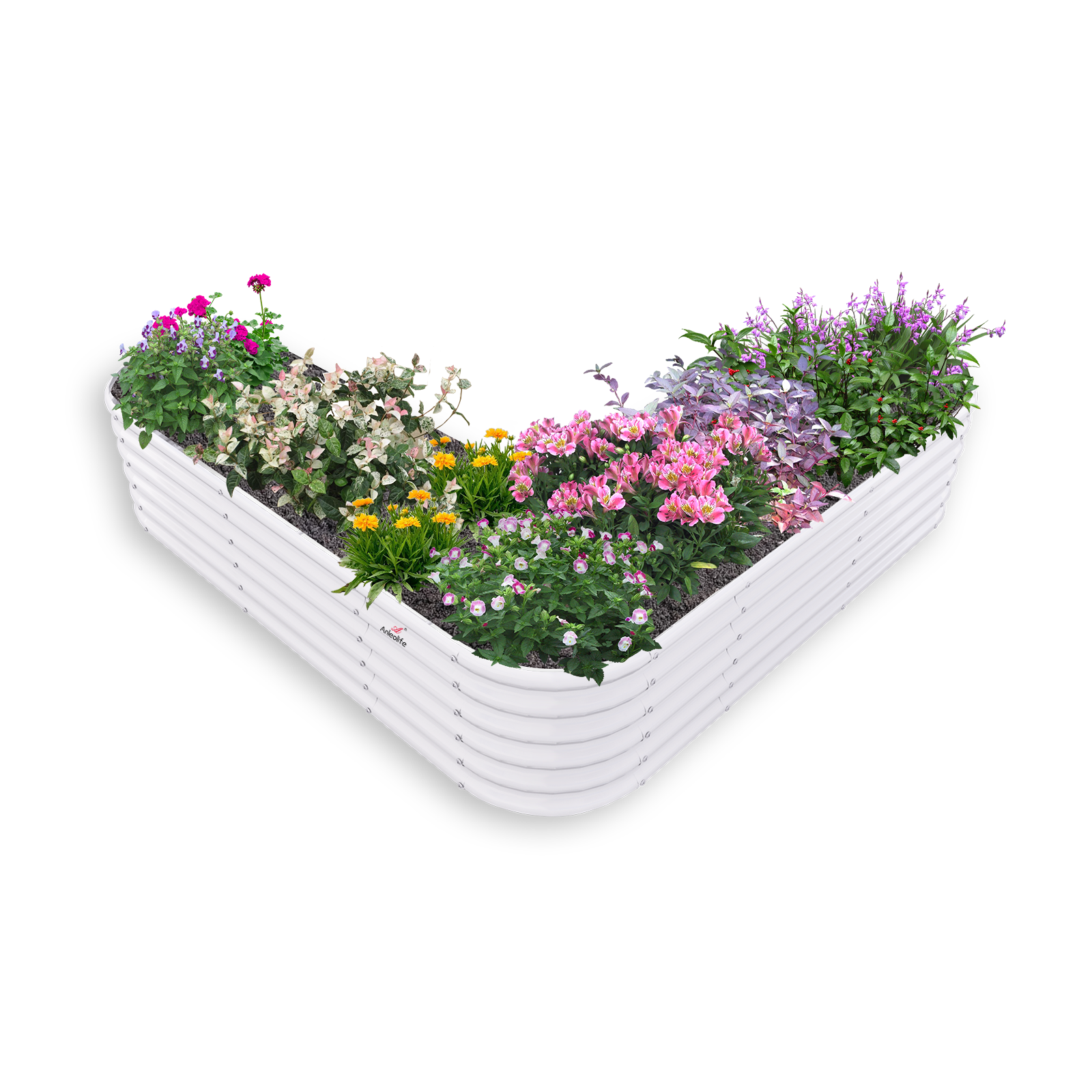
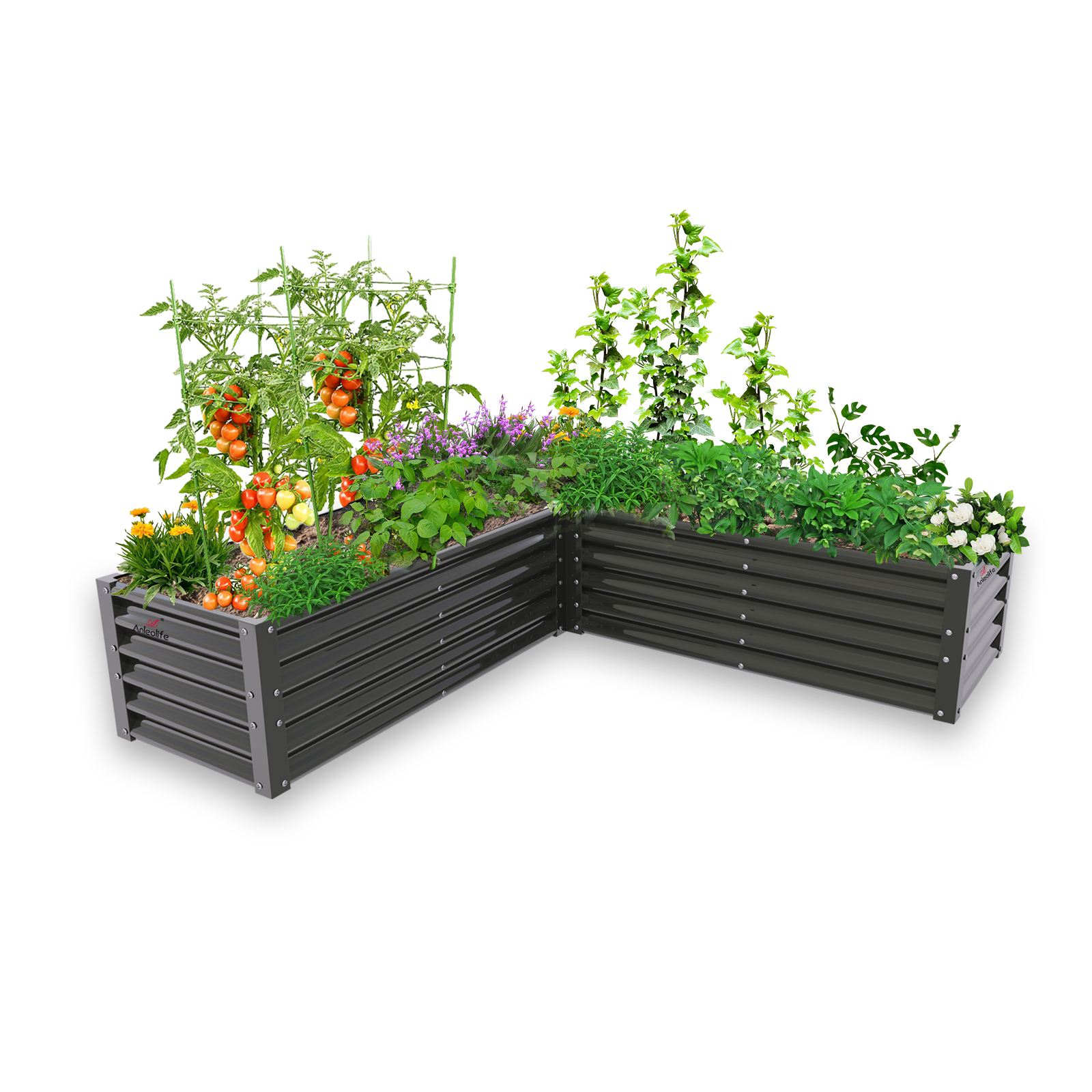
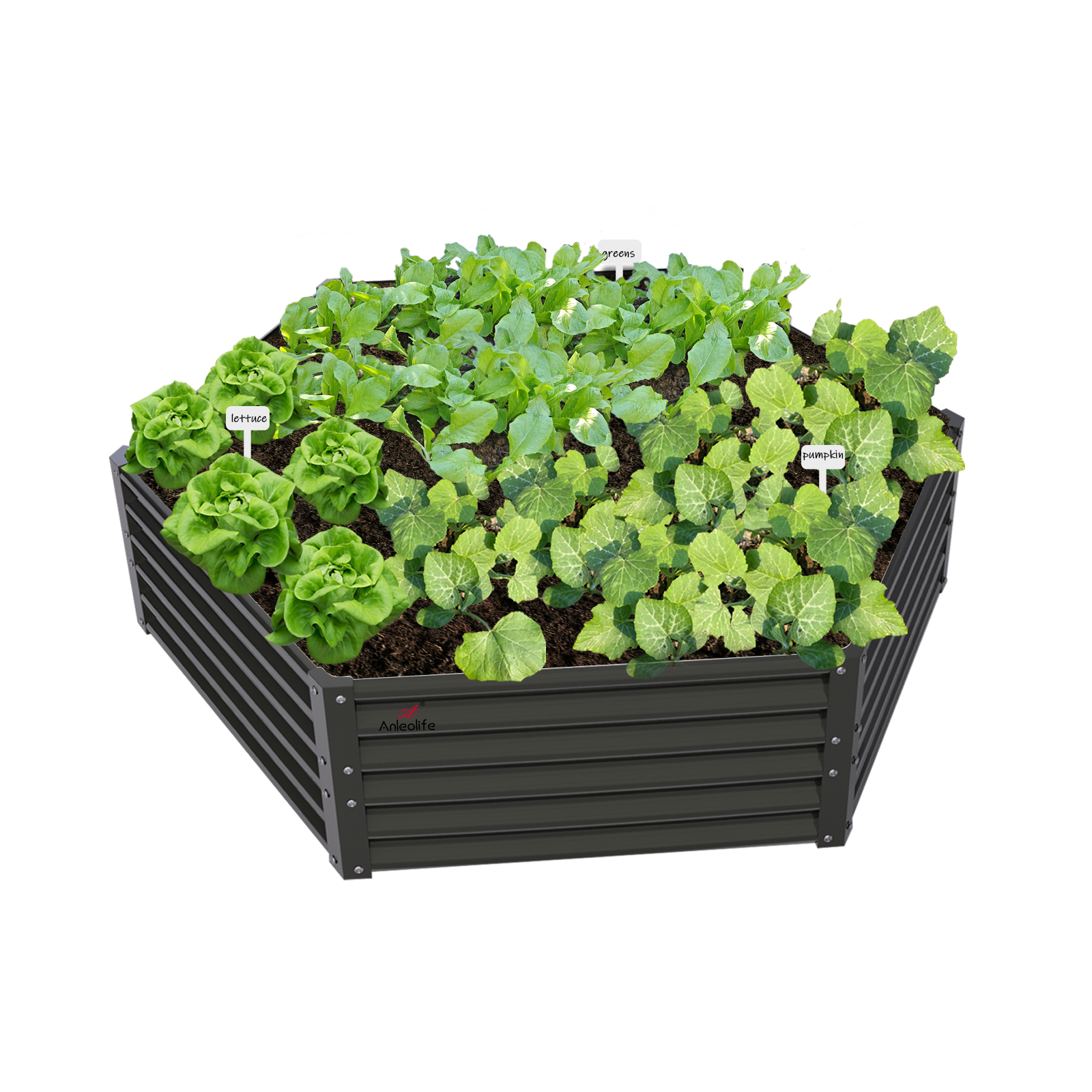






ALT: Gardener choosing the right grow light wattage for indoor garden plants during summer growing season
Why Grow Light Wattage Matters More Than You Think This Summer
Key Conclusion: Choosing the correct grow light wattage for your indoor garden this summer is one of the most impactful decisions you can make for plant health, energy efficiency, and harvest yield. Too little wattage leaves plants leggy and light-starved; too much wastes electricity and can scorch tender leaves. Understanding the relationship between wattage, coverage area, plant type, and growth stage gives home growers a practical edge—whether you're growing herbs on a windowsill or running a full-scale indoor vegetable operation alongside your outdoor raised beds.
Summer might seem like the last time you'd need to worry about indoor grow lights—after all, the sun is blazing outside. But for urban apartment dwellers, gardeners in extreme-heat climates, or hobbyists running seedling stations for fall transplants, grow lights remain essential year-round. The challenge is matching light intensity to your specific plants, space, and goals without overspending on electricity or underpowering your setup.
This guide breaks down everything you need to know: from the science behind wattage and light output, to practical step-by-step selection, to how indoor growing complements an outdoor raised bed garden. Whether you're a seasoned gardener or just getting started, you'll walk away with a clear, confident plan.
Who This Guide Is For
✅ Applicable Scenarios:
- Home growers starting seeds indoors for fall transplant into outdoor raised garden beds
- Urban apartment gardeners with limited or no direct sunlight year-round
- Hobby growers cultivating herbs, microgreens, or compact vegetables in basement or garage grow rooms during summer heat waves
- Empty nesters and retirees expanding their gardening hobby into a year-round indoor-outdoor system
❌ Not Applicable/Cautions:
- Commercial greenhouse operations requiring industrial-scale lighting systems with specialized engineering
- Growers in climates with abundant summer sun and no space constraints who can rely entirely on natural light outdoors
- Anyone looking to use decorative lighting (such as string lights or accent lamps) as a substitute for horticultural grow lights—these do not provide usable plant light spectrum
Understanding the Grow Light Wattage Landscape
The indoor gardening market has expanded dramatically over the past decade. According to the USDA's recent urban agriculture reports, millions of American households now engage in some form of indoor or container gardening. With that growth has come an overwhelming array of grow light options—LED panels, HID systems, fluorescent T5s, quantum boards—each marketed with different wattage claims and coverage promises.
The problem? Wattage alone is a poor indicator of grow light quality. A 1000W HID light and a 200W LED quantum board may produce similar amounts of usable plant light (measured in PPFD—Photosynthetic Photon Flux Density), but the LED draws a fraction of the electricity and generates far less heat. For summer growing, heat management becomes especially critical: the last thing you want is a high-heat light system competing with your air conditioning.
Understanding how to decode wattage, actual draw vs. equivalent wattage, and coverage area recommendations is the foundation of smart grow light selection. This knowledge doesn't just serve your indoor garden—it informs how you time seedling starts to align with outdoor planting windows in your raised bed layout for families with limited backyard space, helping you maximize harvests across both growing environments.
The secondary benefit of getting wattage right is cost control. The U.S. Department of Energy notes that lighting accounts for a meaningful portion of household electricity use, and grow lights—run 12–18 hours daily—can add up quickly. Choosing efficient, appropriately sized grow lights keeps your gardening hobby enjoyable without budget surprises.
How to Choose the Right Grow Light Wattage: A Practical System
Three-Step Quick Start
Step 1: Calculate Your Grow Space Area
Before you shop, measure your grow area in square feet. This is the single most important starting point. A standard rule of thumb for LED grow lights is to aim for approximately 20–40 watts of actual draw per square foot for flowering or fruiting plants, and 10–20 watts per square foot for seedlings, herbs, and leafy greens. A 2x4 ft grow tent (8 sq ft) growing tomatoes needs roughly 200–320W of actual LED power. This step takes about 5 minutes and eliminates most guesswork. Write down your dimensions before comparing any light models.
Step 2: Match Wattage to Plant Type and Growth Stage
Not all plants have the same light appetite. Seedlings and leafy greens (lettuce, spinach, basil) are low-light crops that thrive with lower wattage and shorter daily light periods (12–14 hours). Fruiting plants (tomatoes, peppers, cucumbers) are high-light crops that need higher wattage and longer photoperiods (16–18 hours). During summer, if you're starting fall transplants indoors, you're likely in seedling or vegetative stage—meaning you can use lower wattage settings, which also reduces heat buildup in your growing space. Check your specific plant's Daily Light Integral (DLI) requirements for best results.
Step 3: Factor In Heat, Efficiency, and Budget
Compare actual wattage draw (not "equivalent" claims), energy efficiency ratings, and heat output for your shortlisted lights. In summer, LED quantum boards and strip LEDs are strongly preferred over HID or high-output fluorescents because they run cooler. Calculate your monthly electricity cost by multiplying wattage × daily hours ÷ 1000 × your local kWh rate × 30. A 200W LED running 16 hours/day at $0.13/kWh costs roughly $12.50/month—very manageable. Set a budget that includes the light, a timer, and any cooling fans you might need.
Grow Light Type Comparison: Finding the Best Fit for Your Summer Indoor Garden
With so many grow light categories on the market, home gardeners often feel paralyzed by choice. The table below compares the three most common options available to hobbyists, based on general performance characteristics widely reported in horticultural and energy efficiency literature.
| Comparison Dimension | LED Quantum Board | T5 Fluorescent | HID (HPS/MH) |
|---|---|---|---|
| Energy Efficiency | Highest (most lumens per watt) | Moderate | Lower |
| Heat Output | Low | Low-Moderate | High |
| Summer Suitability | Excellent | Good | Poor (adds heat load) |
| Upfront Cost | Moderate to High | Low | Moderate |
| Lifespan | Very Long | Moderate | Shorter |
| Best For | All stages; fruiting plants | Seedlings, herbs, leafy greens | Large-scale fruiting (not ideal for summer) |
| Spectrum Control | Full spectrum, often dimmable | Limited | Fixed spectrum |
| Coverage per Fixture | Wide | Narrow | Wide |
For most home growers this summer—especially those in warmer U.S. climates—LED quantum boards represent the best all-around choice. They deliver the right spectrum for every growth stage, run cool enough to use without major HVAC adjustments, and are increasingly affordable as the technology matures.
Deep Dive: Wattage Guidelines by Plant Category and Space
Seedlings and Starts: Low Demand, High Reward
Seedlings are the most forgiving category when it comes to grow light selection. Young plants are sensitive to light intensity—too much too soon can cause bleaching or stress. For a standard seedling tray covering roughly 2x4 ft, a light with 40–80W of actual LED draw is typically sufficient.
If you're starting tomatoes, peppers, or brassicas indoors in July or August for a fall garden transplant, position your grow light 18–24 inches above the seedling tray and run it for 14–16 hours per day. A simple plug-in timer (under $15 at any hardware store) automates this completely. When seedlings develop their first true leaves, you can gradually increase light intensity or lower the fixture slightly.
This is also a perfect time to think about where those seedlings will eventually land outdoors. As you plan your raised garden bed budget for this season, factor in the cost of starting plants from seed indoors—it's significantly cheaper than buying nursery transplants and gives you access to far more variety.
Herbs and Leafy Greens: The Sweet Spot for Indoor Summer Growing
Herbs like basil, cilantro, parsley, and mint, along with leafy greens such as lettuce, arugula, and spinach, are the ideal candidates for indoor summer growing. They have moderate light requirements and relatively short growth cycles, meaning you can harvest repeatedly throughout the season.
For a 2x2 ft herb shelf or countertop garden, 30–60W of actual LED draw is typically plenty. These plants do well under full-spectrum LED strips or compact quantum boards positioned 12–18 inches above the canopy. Running lights for 12–14 hours daily mimics a natural summer photoperiod and keeps plants from bolting prematurely.
One practical tip for herb growers: controlling whiteflies on raised bed plants naturally is a concern that extends indoors too. Indoors, whiteflies can arrive on store-bought plants. Keep new additions quarantined for a week before introducing them to your grow space. Yellow sticky traps work well indoors, and a diluted neem oil spray applied to the undersides of leaves handles most infestations without harsh chemicals. Good air circulation—provided by a small oscillating fan—also discourages pest establishment.
Fruiting Vegetables: High Demand, Higher Wattage
Tomatoes, peppers, cucumbers, and beans are high-light, high-energy crops. Growing them entirely indoors under artificial light is possible but requires a serious commitment to wattage. For a 4x4 ft footprint, expect to need 200–320W of actual LED power to achieve fruiting. This is where quality matters most—cheap grow lights often overstate their wattage and underdeliver on actual PPFD at canopy level.
For summer indoor growing of fruiting plants, ventilation is non-negotiable. Even efficient LED boards produce some heat at these wattages. A small inline fan connected to a carbon filter keeps air moving and temperature stable. If your grow space gets above 85°F regularly, plant stress and reduced pollination will limit your yields regardless of light quality.
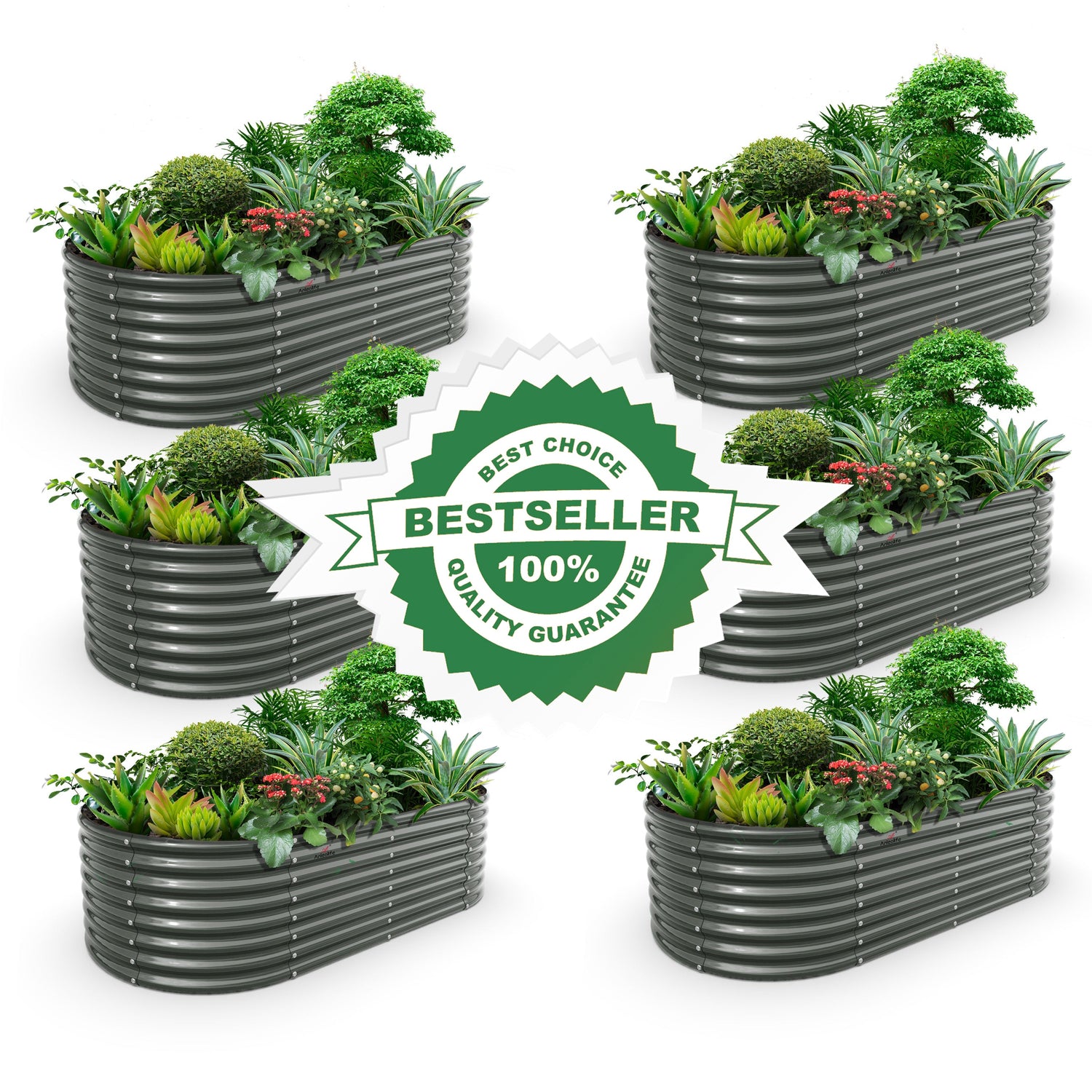
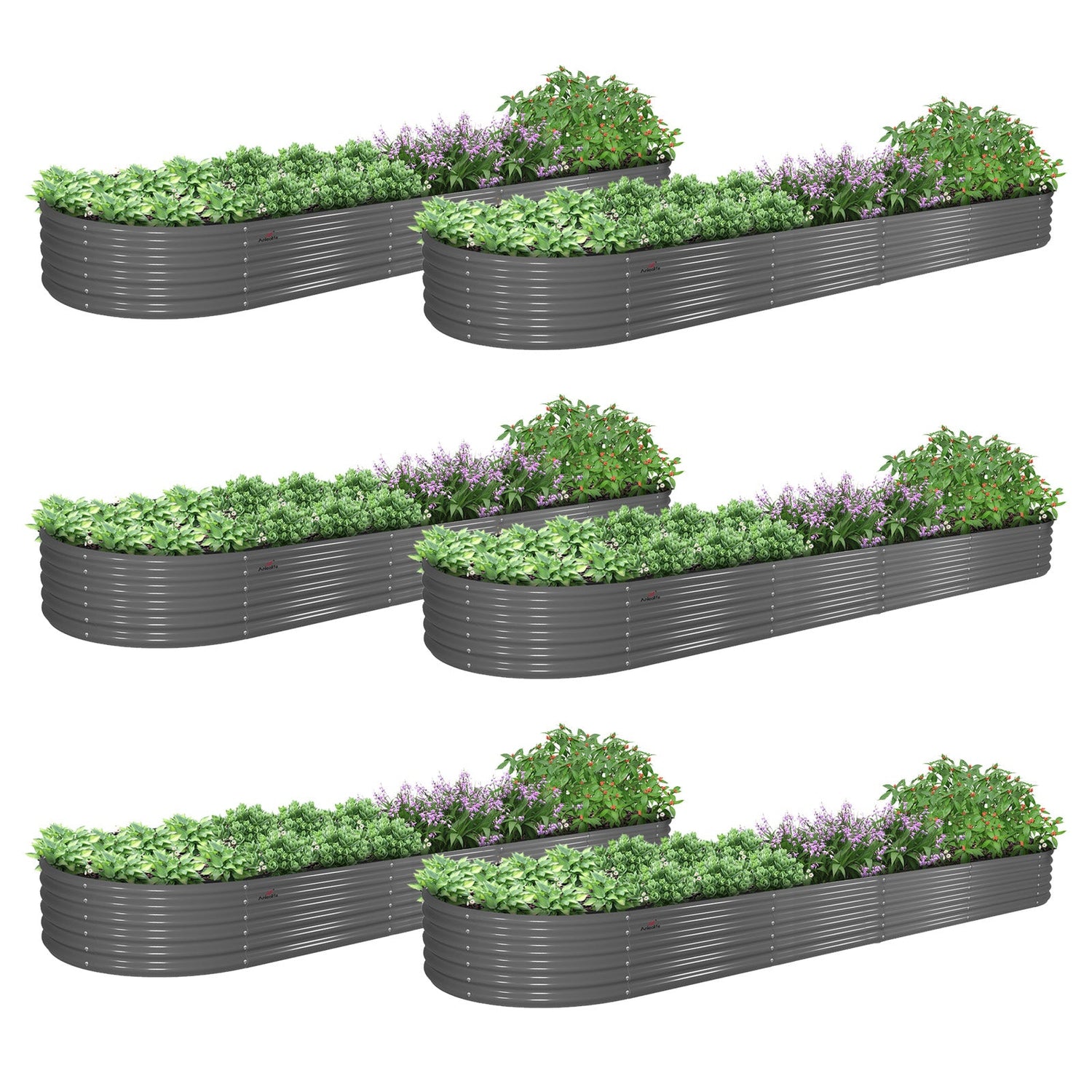
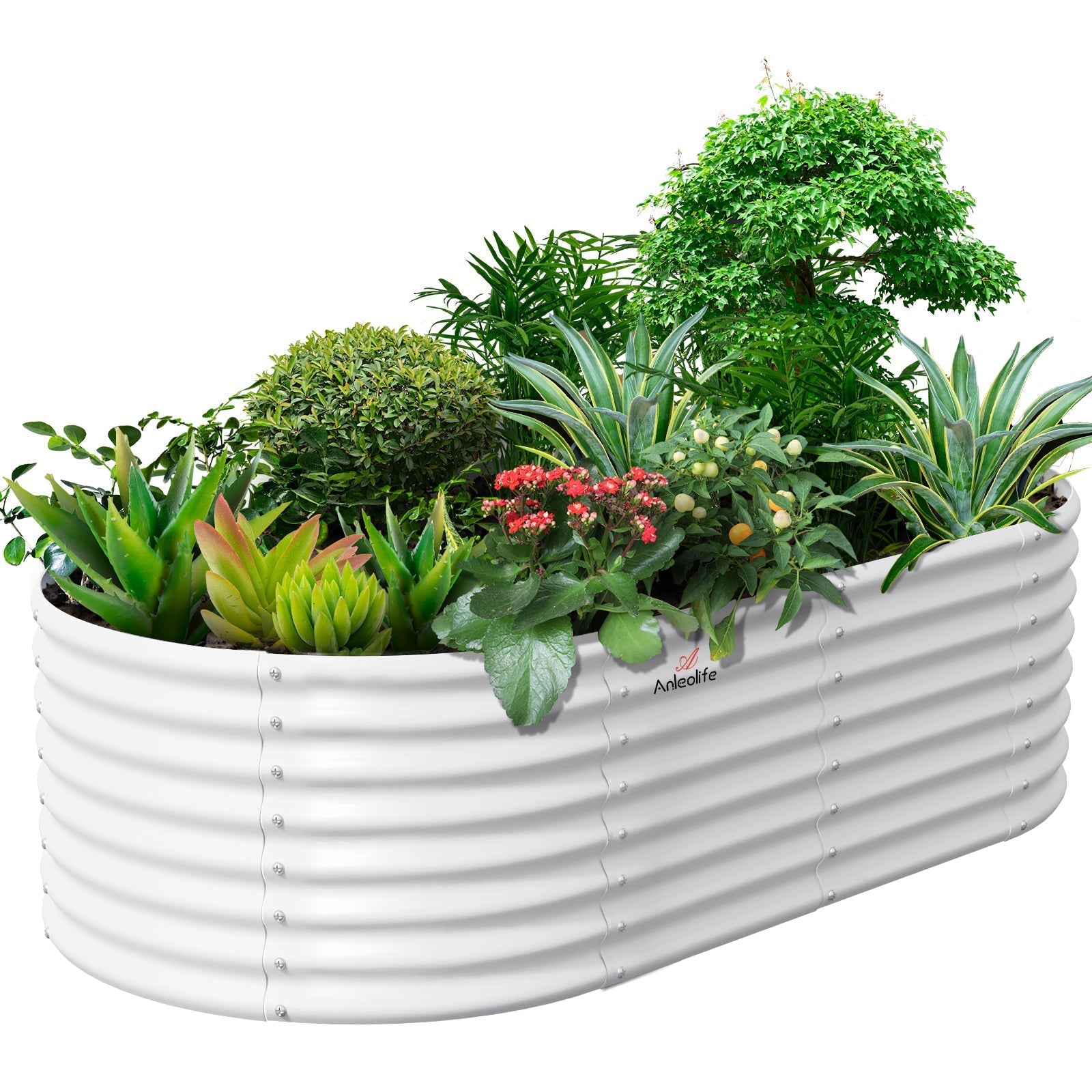
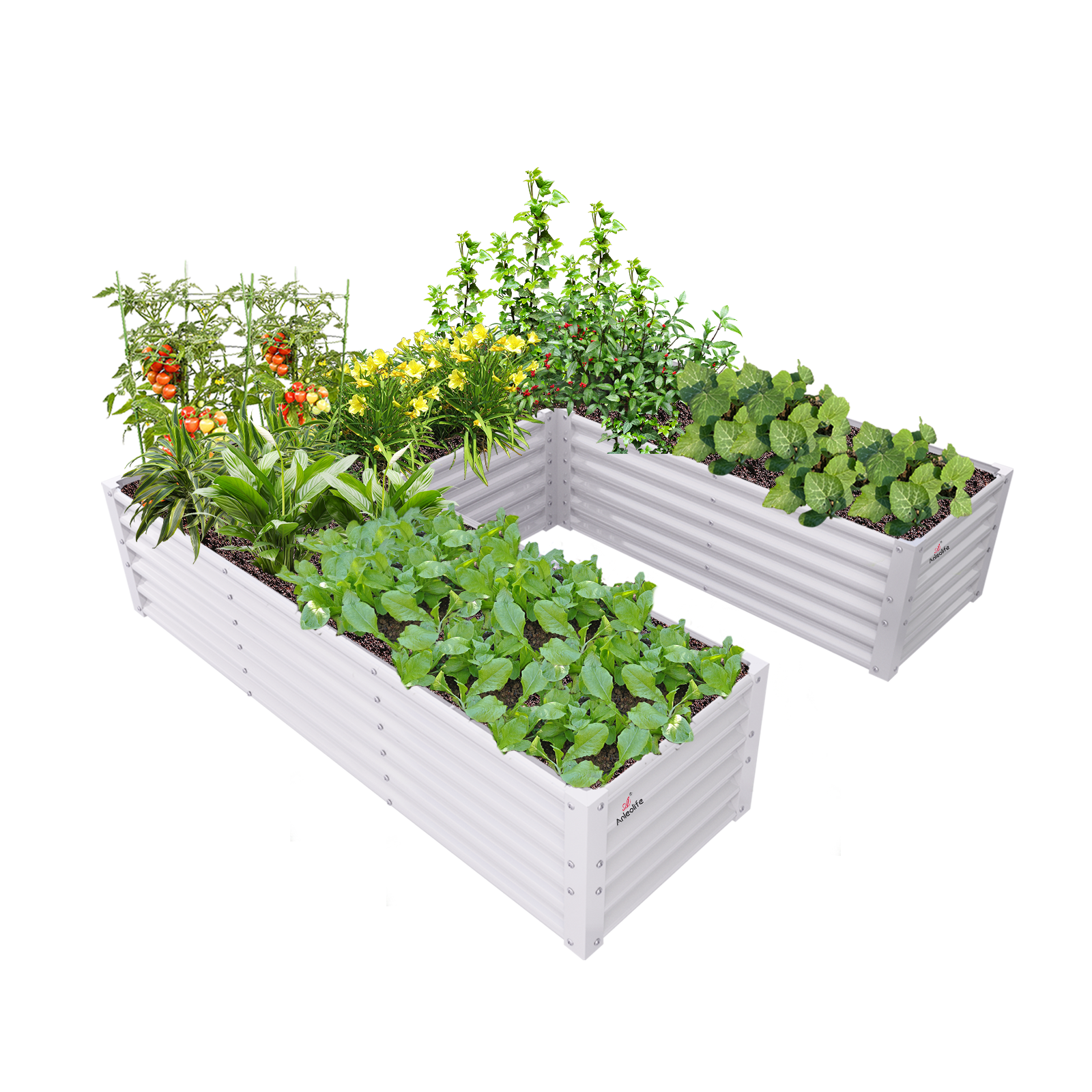
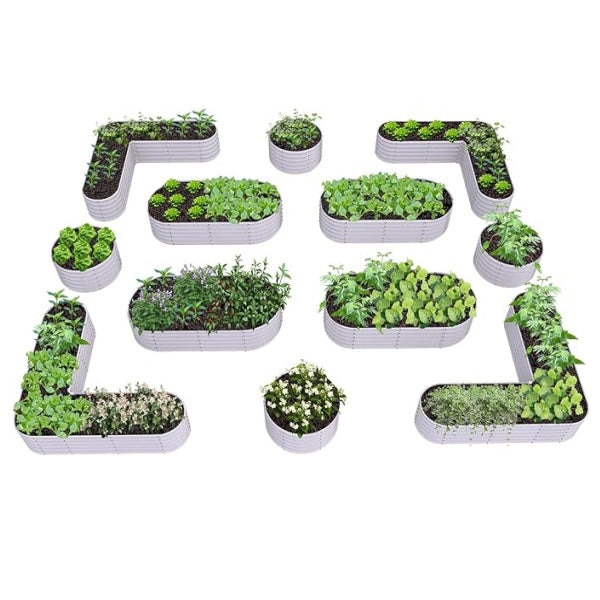
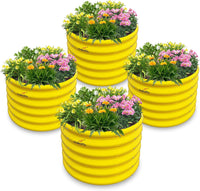
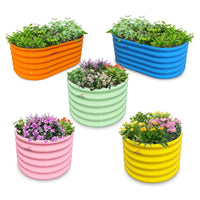
If fruiting crops feel like a large indoor commitment, consider a hybrid approach: start them indoors under grow lights through the seedling and early vegetative stage, then transplant outdoors into galvanized steel raised garden beds for the bulk of their growing season. Anleolife's raised garden beds—built to last up to 20 years—create the ideal permanent outdoor home for your most demanding vegetables, complementing whatever you're doing indoors.
Microgreens: Maximum Efficiency at Minimum Wattage
Microgreens are the indoor gardening sweet spot for efficiency. These dense, nutritious crops (sunflower, pea shoots, radish, broccoli) grow in shallow trays and reach harvest in 7–14 days. They require less light than any other food crop—20–40W of actual LED draw over a standard 10x20 inch flat is sufficient. They don't need a long photoperiod (10–12 hours works well), and they tolerate lower light spectrum ranges.
For anyone curious about indoor gardening but cautious about cost or complexity, microgreens are the perfect entry point. The wattage investment is minimal, the turnaround is fast, and the nutritional density is impressive.
Practical Considerations: Summer-Specific Factors That Affect Wattage Choice
Heat Management Is Your Priority
Summer growing indoors means your home's ambient temperature is already elevated. Every watt of grow light power that isn't converted to plant-usable light becomes heat in your grow space. This is the single biggest reason to prioritize LED technology over HID systems during summer months.
If you're growing in a basement or climate-controlled room, LED efficiency allows you to maintain stable temperatures without dramatically increasing your AC load. In a garage or attic grow space without AC, even LEDs may require supplemental cooling if ambient temperatures exceed 80°F regularly.
Light Duration vs. Light Intensity: Getting the Balance Right
A common misconception among new indoor gardeners is that you can compensate for low wattage by simply running lights longer. This works to a limited degree but hits biological limits quickly. Plants process light through photosynthesis at a rate determined by intensity—a dim light run for 20 hours cannot replicate a bright light run for 14 hours for fruiting crops. For seedlings and greens, longer hours with lower intensity is often fine. For fruiting plants, intensity (wattage per square foot) cannot be easily substituted with time.
The Best Garden Tool Storage Solutions for Small Spaces
If you're combining indoor grow light setups with outdoor gardening tools, space management becomes a real consideration. For small-space gardeners, vertical storage—wall-mounted pegboards, magnetic strips for small hand tools, and stackable storage bins—keeps grow room accessories organized without eating into your plant footprint. Store your timers, pH meters, and nutrient solutions in labeled bins near your grow area so your workflow stays efficient. Keeping your indoor and outdoor gardening tools separate and clearly organized also reduces contamination risk between environments.
What's the Best Hose Length for a Small Backyard?
For those running both indoor grow lights and outdoor raised beds, coordinating your watering setup matters. For a small backyard or patio with one or two raised garden beds, a 25–50 foot hose is typically ideal—long enough to reach all corners of a standard bed without dragging excess length that creates tangling hazards. Pair this with a quality adjustable nozzle for precise watering control. Indoors, a simple watering can or a small pump-fed drip system handles your grow trays without the complexity of a full hose setup.
Recommended Materials: Raised Garden Beds That Won't Rot
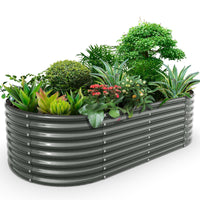
While exploring indoor lighting, many gardeners simultaneously think about upgrading their outdoor growing infrastructure. The most frequently recommended material for outdoor raised beds is galvanized or rust-resistant steel—specifically because it resists the rot, warping, and pest damage that plagues wood beds over time. For ongoing guidance on what soil mix works best in raised garden beds, a quality growing medium in a well-built metal bed dramatically reduces the maintenance burden compared to wood alternatives. Anleolife's galvanized and rust-resistant raised garden beds are engineered for a 20-year lifespan, making them one of the most cost-efficient investments in your overall garden system.
Best Mulch for Your Vegetable Garden
When your indoor seedlings eventually move outdoors into raised beds, mulching becomes one of the best practices for moisture retention and weed suppression. Straw mulch is the classic recommendation for vegetable beds—it's light, affordable, breaks down slowly, and doesn't introduce weed seeds the way some hay mulches can. Wood chip mulch works well in pathways between beds but can temporarily tie up nitrogen if incorporated into soil. Grass clippings (untreated) make excellent mulch for established beds. Apply 2–3 inches of mulch around transplants as soon as they go in the ground.
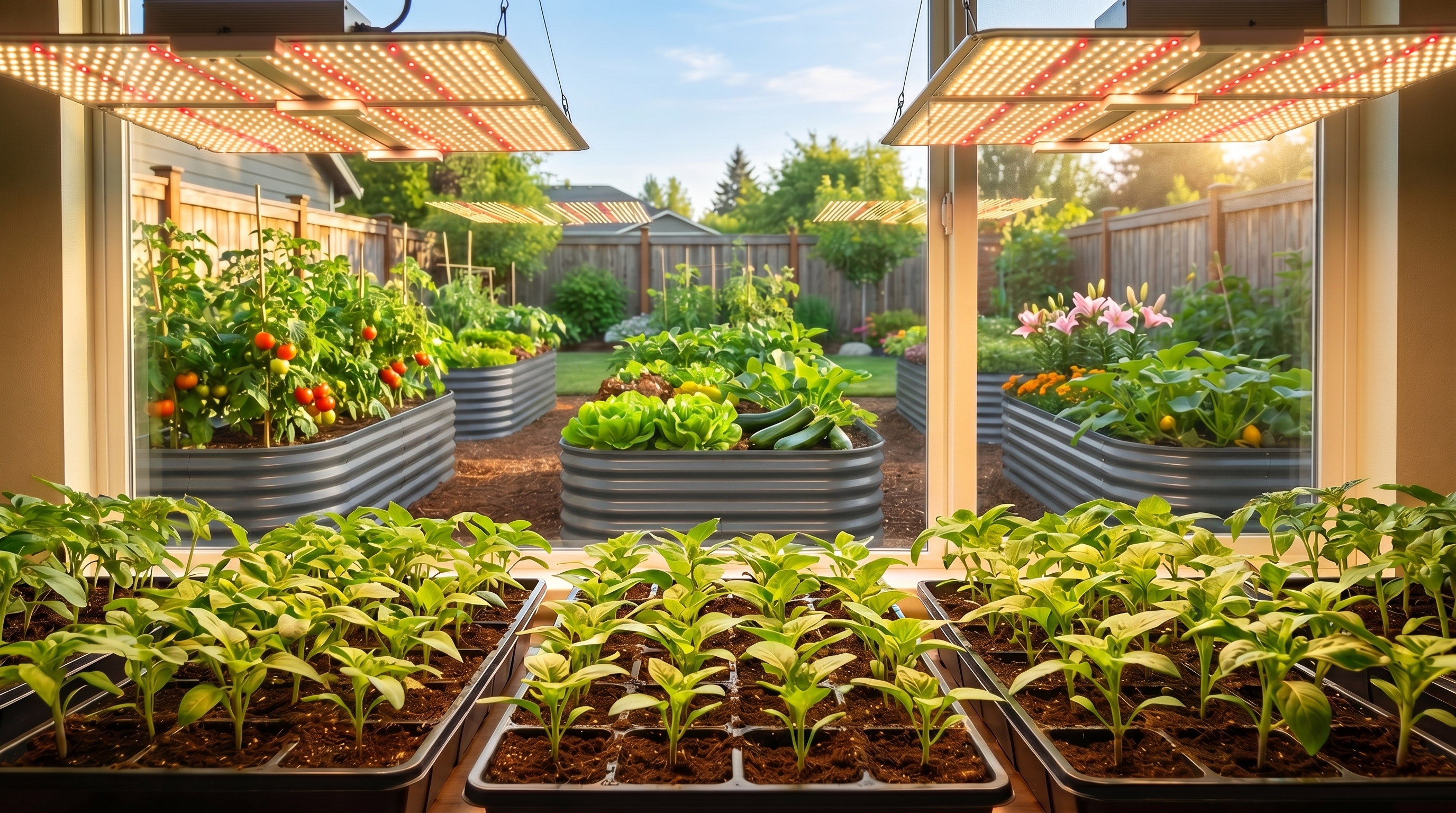
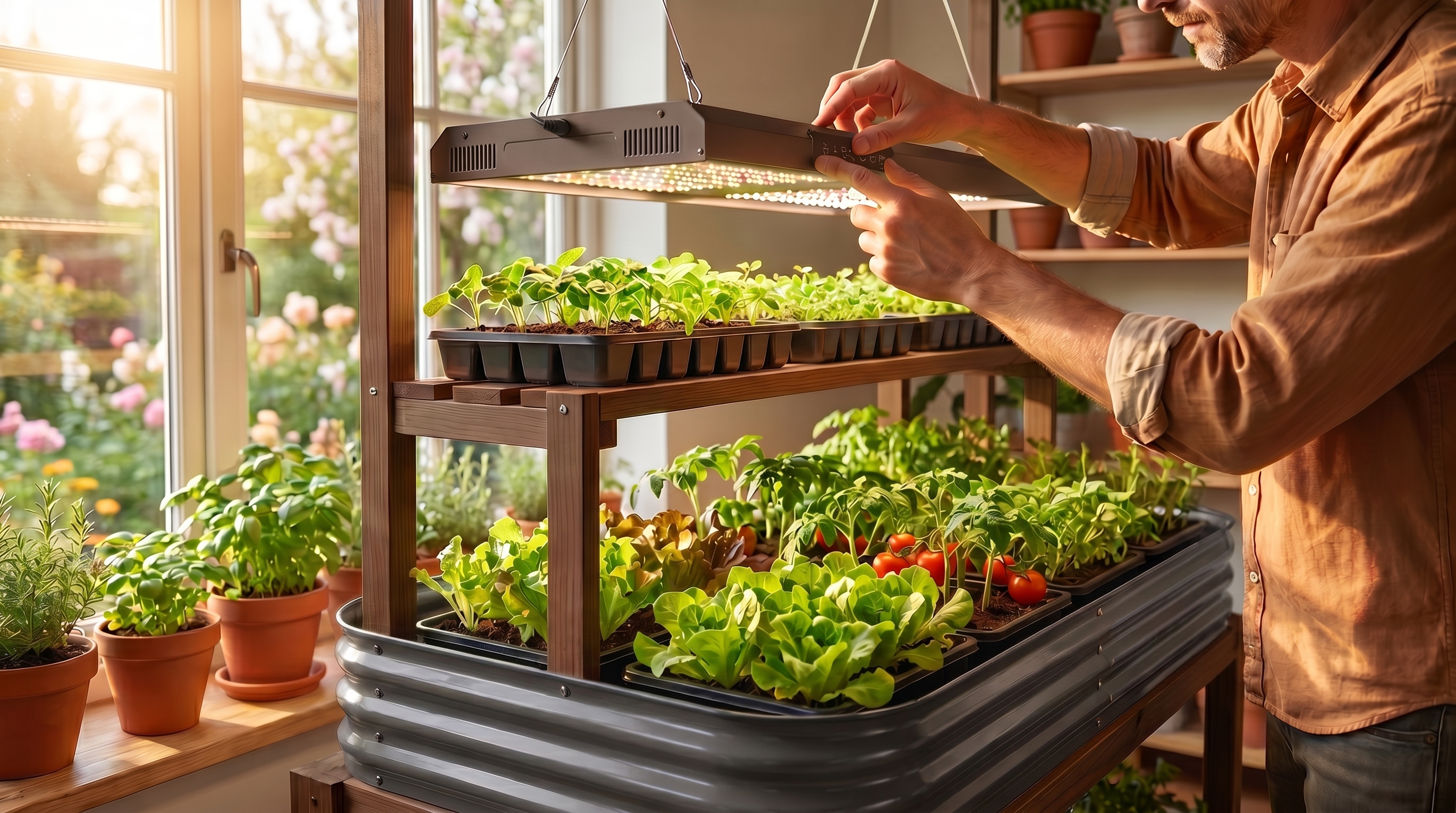
ALT: Efficient LED grow lights illuminating seedling trays indoors while galvanized steel raised garden beds await transplants outdoors in summer garden
Advanced Considerations: Beyond Basic Wattage
Dimming Capability: The Feature Most Beginners Overlook
Many modern LED grow lights include dimming functionality—the ability to run at 50%, 75%, or 100% output. This feature is more valuable than most beginners realize. During seedling stage, running at 50% prevents light stress and saves electricity. As plants mature into vegetative and flowering stages, you ramp up gradually. A dimmable light is essentially two or three grow lights in one, adapting to your plants' changing needs without requiring fixture changes.
Understanding "Actual Draw" vs. "Equivalent" Wattage
LED grow light manufacturers frequently advertise their products with inflated "equivalent" wattage figures—claiming a 200W LED "replaces" a 1000W HPS. While there's some truth to efficiency comparisons, shopping by equivalent wattage leads to confusion. Always look for actual wattage draw from the wall—this is the true energy consumption figure and the most reliable basis for coverage area calculations.
A Common Misconception: "More Light Always Means More Growth"
Plants have a maximum light saturation point (the Light Saturation Point, or LSP) beyond which additional light provides no photosynthetic benefit and can cause damage. For most vegetables, this ceiling is well within what a reasonably sized LED panel can provide. Running your lights at maximum intensity 24 hours a day won't accelerate growth—it will stress your plants, increase electricity costs, and shorten bulb lifespan. Respecting natural light/dark cycles (photoperiods) is fundamental to healthy plant biology.
Relationship with Nutrient Management Indoors
Higher wattage and light intensity drive faster photosynthesis, which in turn increases a plant's nutrient and water uptake. If you upgrade to a higher-wattage system, expect to adjust your watering frequency and fertilization schedule accordingly. Plants under strong artificial light tend to consume nutrients faster than those grown under natural light or weaker artificial sources.
Frequently Asked Questions FAQ
Q1: How do I calculate the right wattage for my specific grow tent size?
Measure your grow tent's square footage (length × width). For leafy greens and herbs, target 15–20 watts of actual LED draw per square foot. For fruiting plants like tomatoes and peppers, aim for 25–40 watts per square foot. A 4x4 ft tent (16 sq ft) growing tomatoes would need roughly 400–640W of actual LED output for optimal fruiting. Always verify a light's actual wattage draw—not its "equivalent" claim—before purchasing. Many manufacturers list both; look for "actual draw" or "system wattage."
Q2: Is it safe to run grow lights all summer in a home with central air conditioning?
Yes, with appropriate planning. Modern LED grow lights are significantly cooler than HID systems and can be safely run in air-conditioned spaces. The key factors are ensuring your grow area has adequate air circulation (a small oscillating fan is usually sufficient), keeping your light fixture at the manufacturer-recommended hanging height to prevent heat concentration near the canopy, and monitoring temperature at canopy level with an inexpensive thermometer. If canopy temperatures stay below 80–82°F, your AC system can handle the additional heat load from most residential LED setups.
Q3: How long does it take to see results after setting up the right wattage grow light?
With the correct wattage matched to plant type, most growers see noticeable improvement within 7–14 days. Seedlings develop sturdier stems and deeper green color within a week of being placed under appropriately powered lights. Herbs show accelerated leaf production within 10 days. The key signal that your wattage is right is compact, upright growth—stretched, leggy plants indicate insufficient light intensity, while bleached or crispy leaf edges suggest too much intensity or the fixture is too close to the canopy.
Summary
Choosing the right grow light wattage for your indoor garden this summer comes down to three core principles: know your space, know your plants, and prioritize efficiency. Calculating your grow area and matching wattage to specific plant light requirements eliminates most common mistakes. Choosing LED technology—particularly dimmable quantum boards—addresses summer heat concerns while delivering full-spectrum light at genuine energy efficiency.
The broader takeaway is that indoor and outdoor growing aren't competing priorities—they're complementary systems. Grow lights let you extend your season, start transplants earlier, and grow crops that don't thrive in your local outdoor climate. A well-planned outdoor raised bed system receives those indoor-started plants at their strongest, setting up abundant harvests.
Here are your next steps:
- Measure your grow space and calculate your target wattage range using the formulas in this guide
- Compare at least three LED options by actual wattage draw, coverage area specs, and dimming capability
- Set up a timer and temperature monitor before your first plants go under the lights
When your indoor seedlings are ready to graduate outdoors, make sure they're heading into a setup built to last.
Call to Action
Anleolife is your complete outdoor garden partner, designed to work hand-in-hand with everything you're building indoors.
Our nationwide U.S. warehouse network—strategically located in California, Texas, Florida, New York, Illinois, and Washington—ensures delivery within 3–8 business days, so your garden upgrade plans never have to wait regardless of where you're located.
Our multi-channel sales network means you can shop wherever you're most comfortable: Amazon, Walmart, Home Depot, Lowe's, Wayfair, or directly at Anleolife.com—with consistent quality assurance and after-sales service across every platform.
Our three core gardening scenarios cover your complete journey:
- Planting: Metal raised garden beds (galvanized steel, rust-resistant, modular, and heavy-duty options) and soil systems built for serious growing
- Raising: Chicken coops and rabbit hutches for those expanding into backyard food production
- Beautification: Decorative accessories and pathway systems that transform a functional garden into a beautiful outdoor living space
We understand that an ideal garden isn't built overnight—it's cultivated gradually, season by season. Our modular product design lets you start with one raised bed and expand into a full planting-and-raising ecosystem at your own pace. From your first indoor seedling tray to a flourishing outdoor garden built on beds engineered to last 20 years, Anleolife grows with you every step of the way.
References
- U.S. Department of Agriculture (USDA). "Urban Agriculture and Indoor Growing Resources."
https://www.usda.gov/topics/farming/urban-agriculture - U.S. Department of Energy. "Lighting Efficiency and Energy Savings for Residential Growers."
https://www.energy.gov/energysaver/lighting-choices-save-you-money - University of California Cooperative Extension (UC ANR). "Vegetable Gardening: Light Requirements and Grow Light Selection."
https://ucanr.edu/ - Cornell University Cooperative Extension. "Controlled Environment Agriculture: Lighting for Plant Growth."
https://cals.cornell.edu/school-integrative-plant-science/horticulture - National Gardening Association. "Understanding Grow Lights for Home Gardens."
https://garden.org/
Note: Standards and recommendations may be updated. Please check the latest official documents or consult professional advisors for current guidance.
About Anleolife
Anleolife is a leading outdoor garden solutions provider in North America, dedicated to offering a full-scenario product ecosystem for home gardening enthusiasts, covering planting, raising, and garden beautification. Since its founding, we have upheld our brand mission, "Made for Garden Life," continuously innovating products and optimizing services to help hundreds of thousands of users upgrade their gardens, reconnect with nature, and enjoy a better garden lifestyle.