


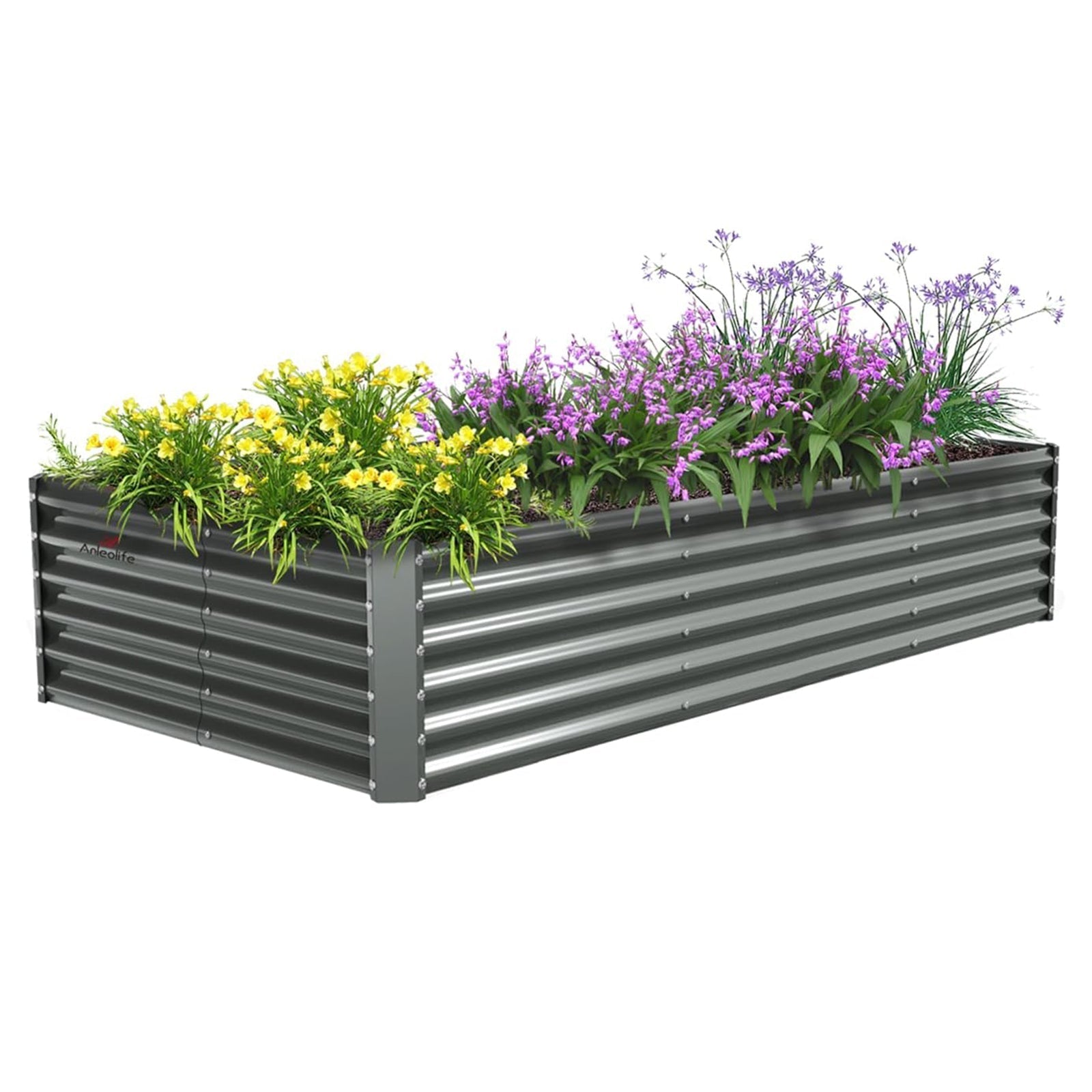

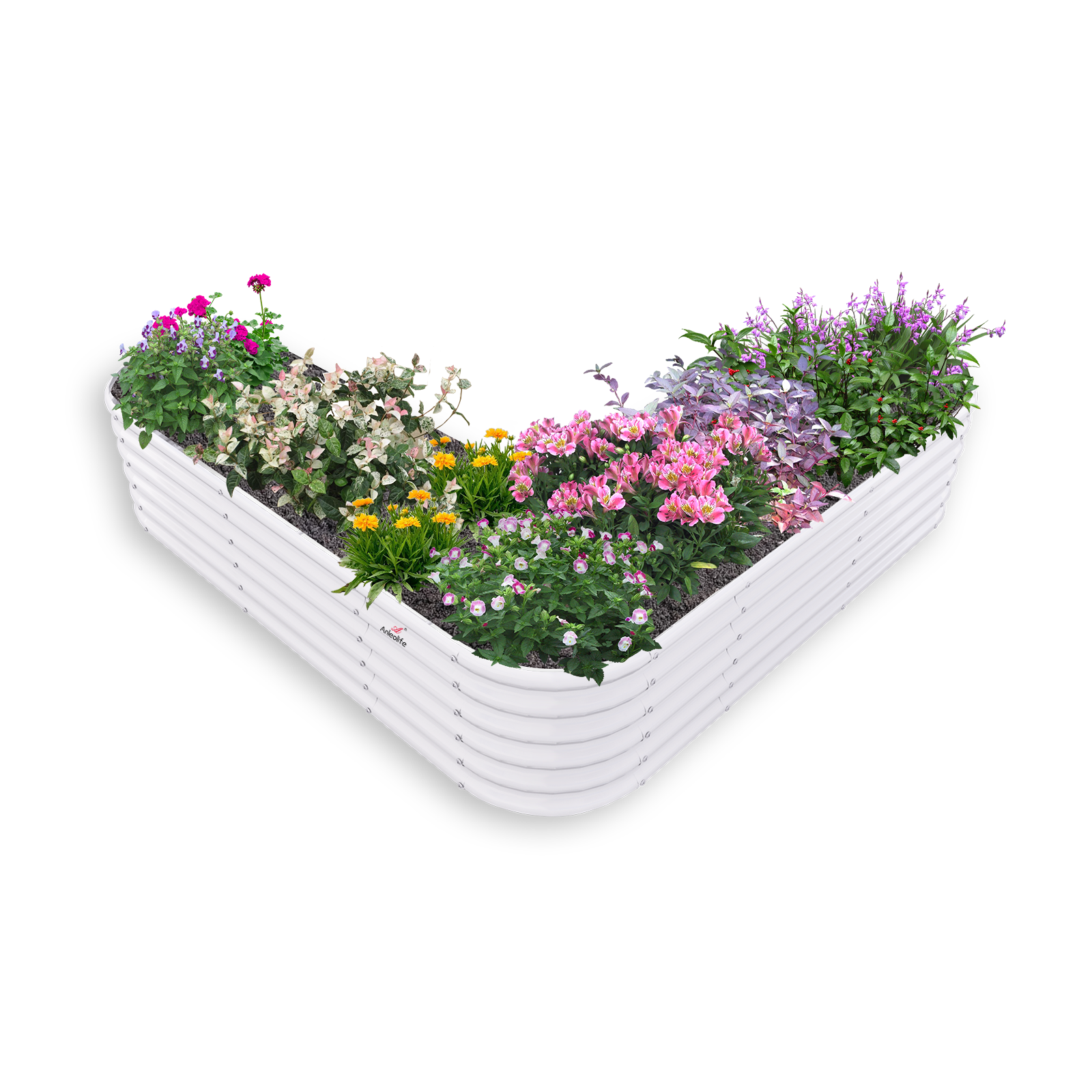
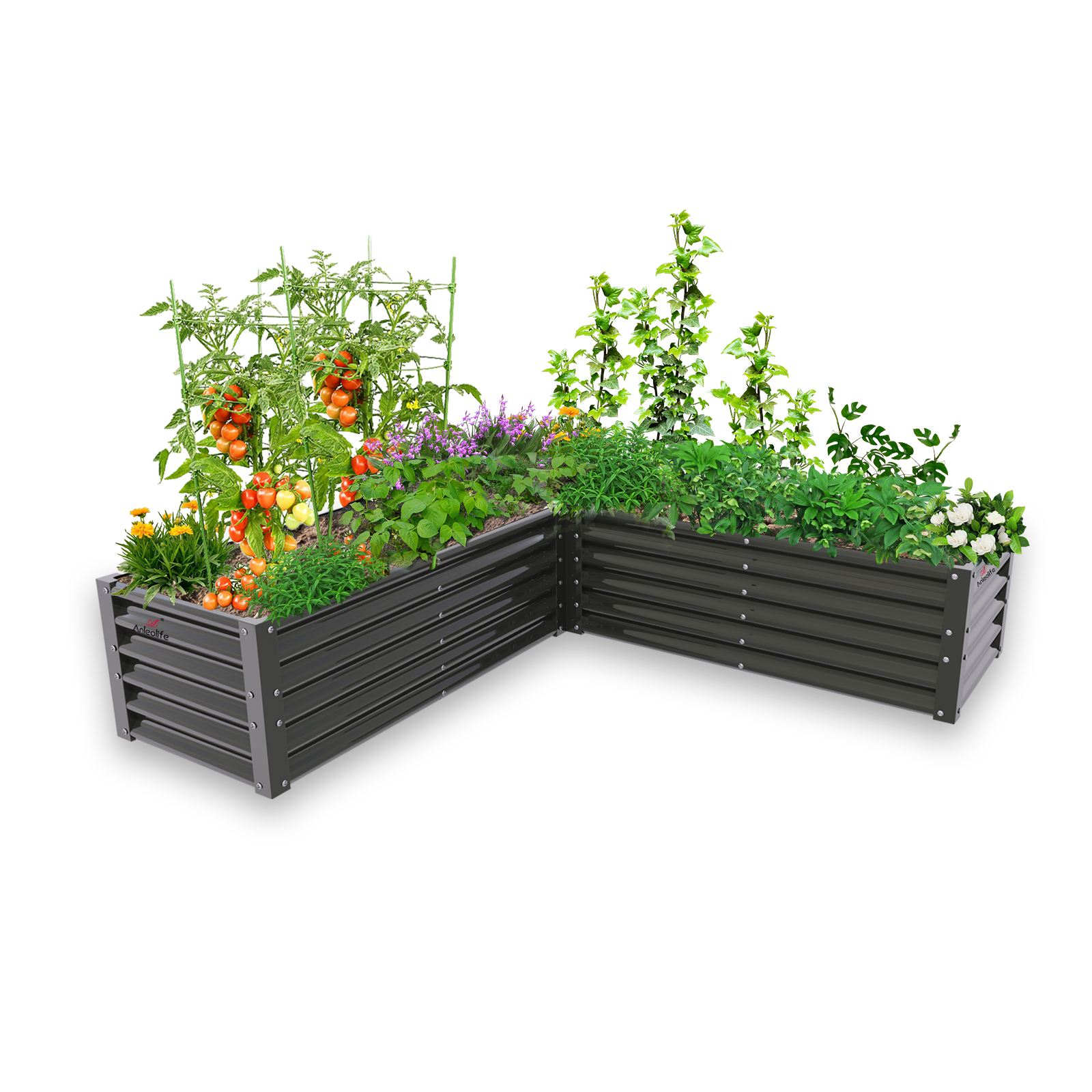
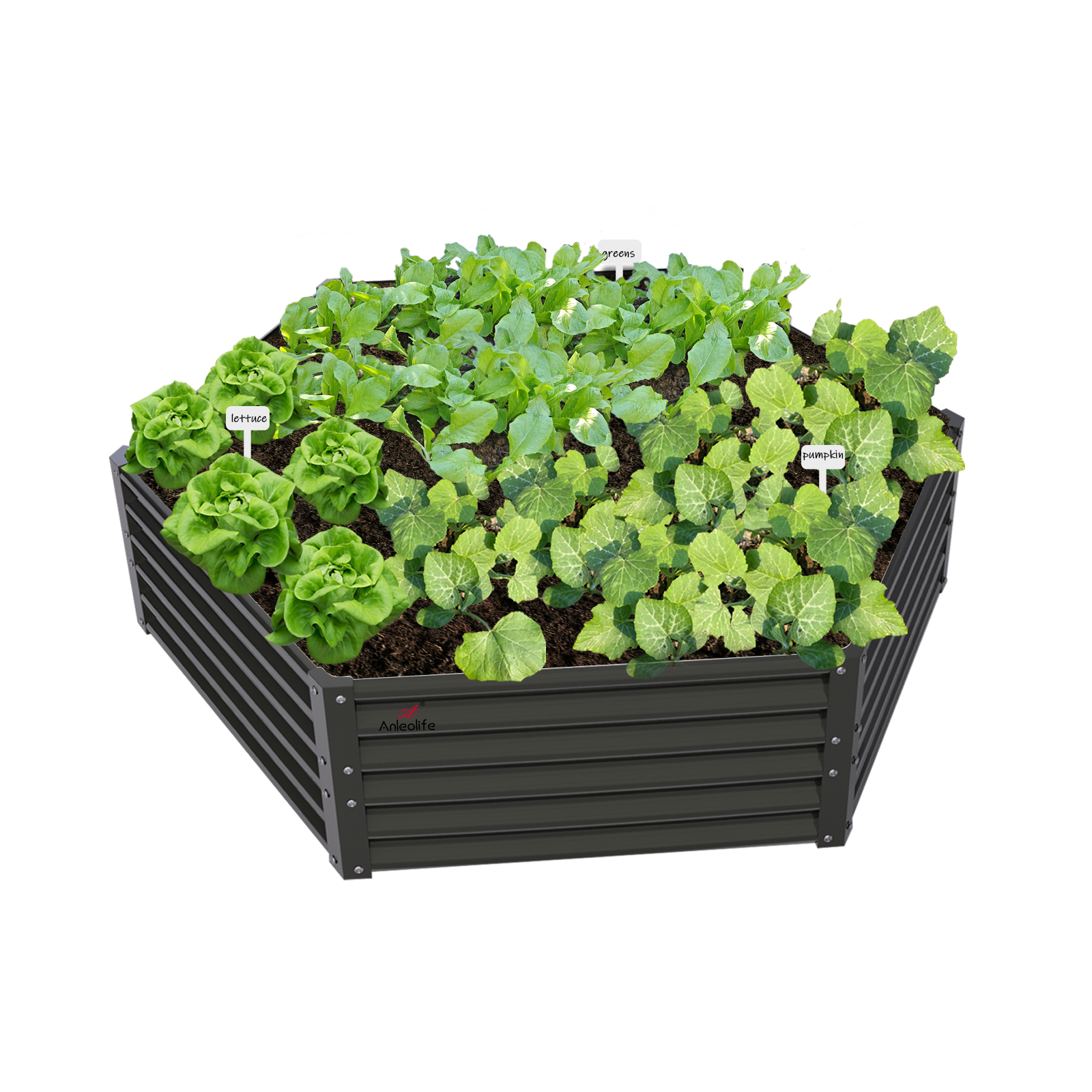
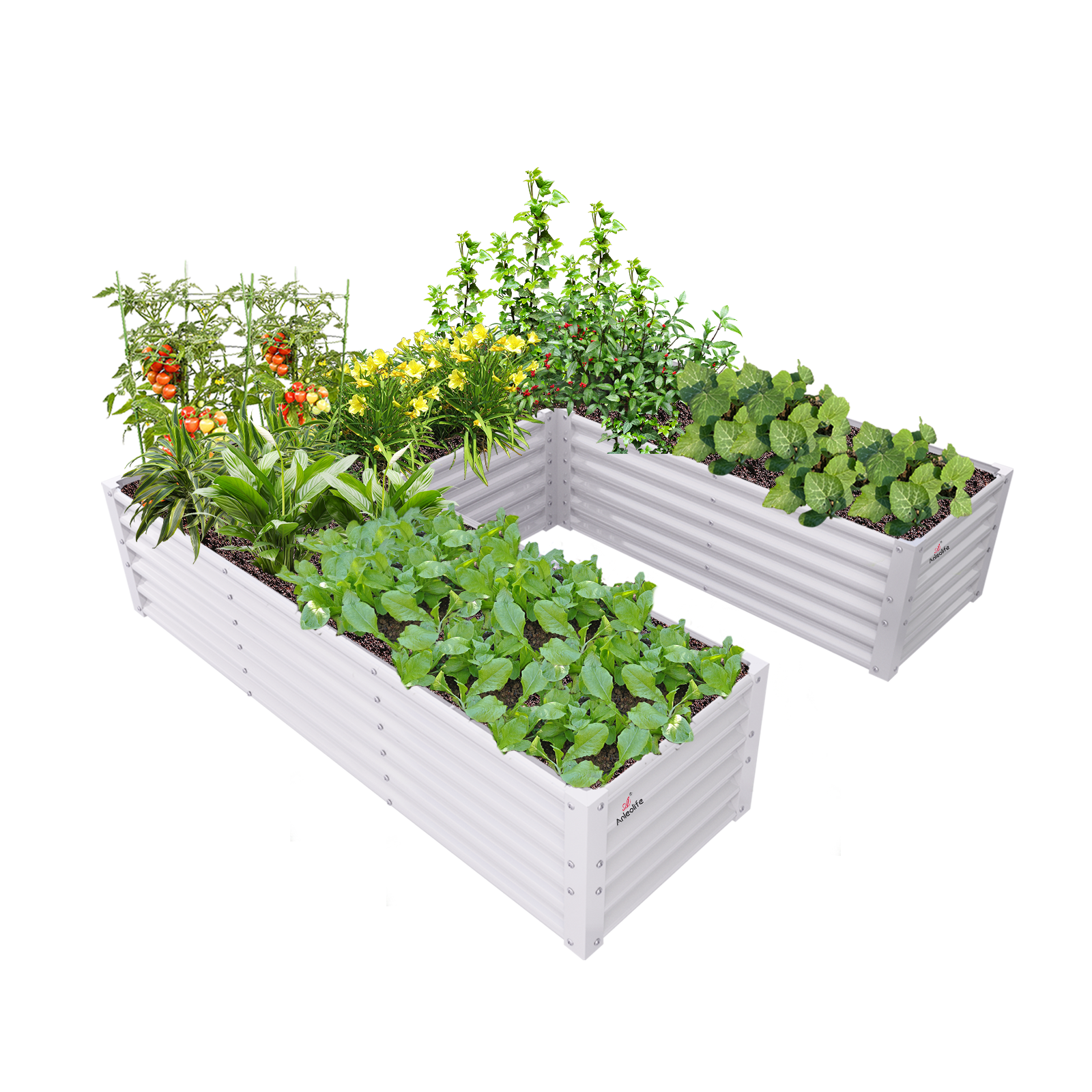

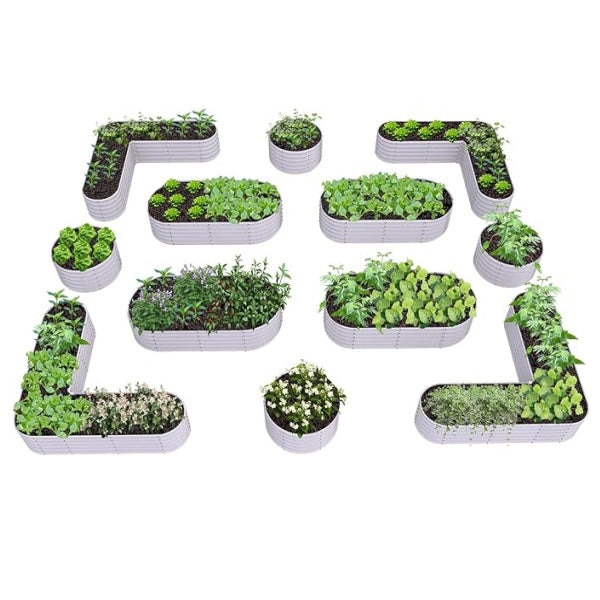


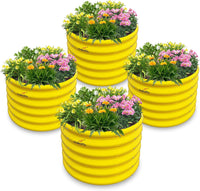
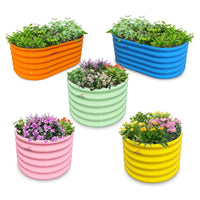
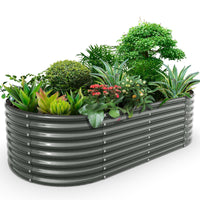



ALT: Choosing the right LED grow light spectrum for better vegetable yields in raised garden beds this season
Why LED Grow Light Spectrum Matters More Than You Think for Your Garden This Season
Key Conclusion: Understanding and selecting the correct LED grow light spectrum is one of the most impactful decisions you can make for your indoor or season-extended garden. The right spectral balance — from deep blue wavelengths that drive vegetative growth to warm red wavelengths that trigger flowering and fruiting — can mean the difference between a mediocre harvest and genuinely impressive yields. Whether you're growing leafy greens, tomatoes, or herbs, spectrum optimization is the foundational skill every serious home grower needs this season.
Light is the single most controllable variable in your growing environment, yet it's also among the most misunderstood. Many home gardeners invest heavily in premium seeds, quality soil, and well-built raised beds, only to be disappointed by weak or leggy growth under generic grow lights. The reason is almost always spectrum — not intensity, not watering schedules, but the actual color composition of the light reaching your plants.
This guide will walk you through the science, the practical choices, and the smart strategies for matching your LED grow light spectrum to your specific crops and growing goals. Whether you're supplementing sunlight in an outdoor raised bed setup or running a fully indoor operation during cooler months, these principles apply directly to your situation.
Who Should Read This Guide on LED Grow Light Spectrum
✅ Applicable Scenarios:
- Indoor gardeners growing vegetables, herbs, or microgreens under artificial light year-round
- Home growers using grow lights to extend their growing season before transplanting outdoors
- Raised bed gardeners in northern climates who want to start seeds indoors 6–10 weeks before last frost
- Urban apartment gardeners with limited or no access to natural sunlight
- Greenhouse hobbyists supplementing natural light during overcast winter and early spring months
❌ Not Applicable/Cautions:
- Gardeners growing exclusively outdoors in full-sun climates where natural light is abundant and consistent — spectrum optimization is far less critical when sunlight is plentiful
- Growers expecting LED grow lights alone to compensate for poor soil quality, inadequate watering, or overcrowded planting conditions — lights are one piece of a larger system
- Anyone considering investing in grow lights for a single season without a longer-term plan, as the upfront cost is best justified over multiple growing cycles
The Science Behind Plant Light Absorption and the Grow Light Spectrum
Plants evolved under the full spectrum of sunlight, but they don't use every wavelength equally. Photosynthesis is driven primarily by two types of pigments — chlorophyll a and chlorophyll b — which absorb light most efficiently at specific wavelengths. Understanding this absorption profile is the key to making sense of LED grow light technology.
Chlorophyll absorbs most strongly in two regions: the blue range (roughly 400–500 nm) and the red range (roughly 600–700 nm). Green light, which falls in the middle, is largely reflected — which is exactly why plants appear green to our eyes. This doesn't mean green light is useless, but it's far less critical for photosynthesis than blue and red wavelengths.
Beyond simple chlorophyll absorption, plants also rely on a group of photoreceptors called phytochromes, which are sensitive to the ratio of red to far-red light (around 700–750 nm). This ratio tells the plant whether it's in shade or open sunlight and influences critical developmental signals including flowering time, stem elongation, and seed germination rates. Getting this ratio right with your LED setup can dramatically influence how your plants behave at different life stages.
The Blue Spectrum: Building Strong, Compact Plants
Blue light (400–500 nm) is the workhorse of the vegetative growth phase. It drives strong stem development, promotes compact, stocky growth habits, regulates stomatal opening for gas exchange, and supports chlorophyll synthesis. Plants growing under insufficient blue light tend to become etiolated — they stretch tall and thin as they search for a light source, wasting energy and producing weak structure.
For leafy greens like lettuce, spinach, kale, and herbs such as basil and parsley, higher ratios of blue light produce denser, more flavorful leaves with richer color. If you're starting seedlings, blue-heavy spectrum is exactly what you want during those first critical weeks.
The Red Spectrum: Driving Flowers, Fruit, and Yield
Red light (600–700 nm) is the primary driver of photosynthesis efficiency and plays an enormous role in flowering and fruiting. Plants in the reproductive phase — tomatoes, peppers, cucumbers, strawberries — respond dramatically to adequate red light. It triggers the hormonal signals that initiate flower development and supports the energy production needed to fill out fruit.
Many commercial LED grow lights are designed around a ratio of approximately 3:1 red to blue, which works well for most fruiting crops. However, this isn't a one-size-fits-all solution, and adjusting this ratio based on your crop type and growth stage can yield notably better results.
Far-Red and Full-Spectrum: The Next Frontier for Home Growers
Far-red light (700–800 nm) is increasingly recognized as a powerful tool in the home grower's arsenal. Research has shown that far-red wavelengths can accelerate the "shade avoidance" response, speed up flowering time, and — when combined with red light — significantly boost photosynthesis through what's known as the Emerson Enhancement Effect. Some modern LED fixtures now include far-red LEDs specifically to leverage this phenomenon.
Full-spectrum LEDs that mimic the complete solar spectrum, including some UV and far-red output, are growing in popularity among serious home growers. UV light (280–400 nm) in small doses has been shown to increase the production of secondary metabolites in plants — the compounds responsible for flavor, aroma, and nutritional density. For herb growers especially, a touch of UV can make a meaningful difference in the quality of your harvest.
If you're pairing your indoor lighting setup with outdoor raised bed gardening, check out 10 Best Vegetables for Raised Beds This Summer: A Beginner's Planting Checklist for guidance on which crops to start indoors under grow lights before transplanting to your outdoor beds.
Choosing, Setting Up, and Optimizing Your LED Grow Light Spectrum
Three-Step Quick Start for Home Growers
Step 1: Identify Your Crop Category and Growth Stage
Before purchasing or adjusting any LED grow light, categorize your plants into one of three groups: leafy greens and herbs (blue-dominant spectrum, 16–18 hours of light daily), flowering and fruiting crops (balanced red-blue with far-red, 12–16 hours), or seedlings and clones (moderate blue spectrum, 18 hours). This single classification step takes less than five minutes and immediately narrows your fixture choices by half or more.
Step 2: Calculate Your Coverage Area and Choose the Right Fixture
Measure the footprint of your growing area carefully. Most quality LED grow lights specify a vegetative coverage area and a flowering coverage area — the flowering footprint is typically smaller because fruiting crops benefit from more concentrated light intensity. Match the fixture's recommended flowering coverage to your actual growing space, and avoid the common mistake of buying based on vegetative coverage numbers, which are often inflated.
Step 3: Set Your Light Schedule and Monitor Plant Response
Install your fixture at the manufacturer's recommended hanging height and run it on a timer set to your target photoperiod. Within 7–14 days, your plants will give you clear feedback. Look for compact, dark-green growth as a sign of adequate blue light, and healthy flower set as an indicator of sufficient red. Leggy, pale growth signals too little blue or too much distance from the fixture; bleaching or leaf curl may indicate too much intensity or insufficient airflow.
LED Grow Light Spectrum Comparison: Which Type Is Right for You?
Choosing between LED spectrum types doesn't have to be overwhelming. Here's a practical comparison of the three most common options available to home growers today.
| Comparison Dimension | Blue-Heavy (5000–6500K) | Red-Blue Blurple | Full-Spectrum White + Red |
|---|---|---|---|
| Best for | Seedlings, leafy greens, herbs | Fruiting crops in flowering stage | All-purpose, all-stage growing |
| Vegetative growth quality | Excellent | Good | Excellent |
| Flowering/fruiting support | Poor to moderate | Excellent | Excellent |
| Energy efficiency | High | Moderate | High |
| Eye comfort for growers | Good (natural-looking light) | Poor (harsh purple tint) | Excellent |
| Cost range | Low to moderate | Low to moderate | Moderate to high |
| Recommended user | Beginners, herb/salad growers | Budget-conscious fruiting growers | Serious hobbyists, year-round growers |
The clear winner for most home gardeners who want flexibility across multiple crop types and growing seasons is a full-spectrum white LED with supplemental red — these fixtures produce light that closely resembles daylight, making it easy to monitor plant health while still delivering the red wavelengths that fruiting crops need.
Matching Spectrum to Crop Type: A Detailed Breakdown
Leafy Greens and Herbs: Blue Is Your Best Friend
Lettuce, spinach, arugula, kale, basil, cilantro, and mint all thrive under cool, blue-dominant light. For these crops, a color temperature in the 5000–6500K range works beautifully. They don't require a distinct flowering trigger, and they actually benefit from longer photoperiods — up to 18 hours of light daily — which maximizes leaf mass without causing bolting in most varieties.
One practical tip: if you're growing herbs for flavor rather than just biomass, adding even a modest amount of UV exposure during the last week before harvest can significantly intensify essential oil production. Some premium full-spectrum fixtures include a UV-boost mode specifically for this purpose.
Tomatoes, Peppers, and Cucumbers: Balance Matters
Fruiting crops have distinct needs at different growth stages. During the vegetative phase (first 3–5 weeks from seed), treat them like leafy greens — blue-dominant light and longer photoperiods help build robust structure. Once plants begin to flower, shift to a red-heavy spectrum or activate the "bloom" mode on adjustable LED fixtures. A photoperiod of 12–16 hours works well for most fruiting vegetables, which are not strictly day-length sensitive but still respond to reduced light hours with increased flowering.
For growers planning to move tomatoes and peppers outdoors into raised beds after starting them indoors, proper spectrum management during the indoor phase produces transplants that are stockier, healthier, and far more resilient. Pairing this with the right bed size is equally important — The Ultimate Raised Garden Bed Sizing Guide for Summer 2026: Find Your Perfect Fit can help you select the ideal growing space for your transplants once they're ready for the outdoor transition.
Microgreens: Intensity Over Spectrum
Microgreens are a special case where light intensity often matters more than precise spectral composition. Because they're harvested before true photosynthetic leaves develop, the seedling stage spectrum (moderate blue) is appropriate throughout their short 7–14 day growing window. Focus on providing even coverage across your tray rather than optimizing spectrum ratios.
Fruiting Strawberries and Dwarf Fruit Plants: Far-Red Is the Secret Weapon
Strawberries and compact fruit varieties like dwarf citrus respond remarkably well to far-red supplementation. Adding far-red wavelengths during the flowering phase can reduce time to fruit set by several days to over a week, which is particularly valuable for growers working in short-season climates.
Spectrum and the Outdoor Raised Bed Connection
While LED grow lights are primarily an indoor tool, they play an increasingly important role in the outdoor raised bed garden ecosystem. Starting seeds indoors under properly spectrally balanced LED lights produces transplants that establish faster, suffer less transplant shock, and begin producing sooner than seedlings started under inadequate light.
If you're planning to transition your indoor-grown plants to outdoor raised beds, ensuring your beds are constructed from durable, rust-resistant materials is essential. The best materials for raised garden beds that won't rust are galvanized or rust-resistant steel — Anleolife's galvanized steel and rust-resistant raised garden beds are purpose-built for this role, rated for up to 20 years of service life. This long lifespan makes them a genuinely worthwhile investment for anyone serious about multi-season gardening, whether you're growing from seed under LEDs or direct-sowing outdoors.
For those wondering what's the best material for affordable raised garden beds, galvanized steel strikes an excellent balance between cost, durability, and growing safety. Unlike untreated wood, which rots and warps over time, or raw steel, which rusts and may leach contaminants, properly galvanized steel resists corrosion, withstands freeze-thaw cycles, and requires virtually no maintenance year after year.
Once your plants are in the ground, don't overlook supporting systems like best garden netting for pest protection to shield your crops from insects and birds. Pairing proper growing infrastructure with good spectrum management indoors gives you a genuinely integrated approach to maximizing yields across the full growing season. You can find practical guidance on this topic in our article on Organic Pest Control Strategies for Raised Garden Beds This Summer.
Similarly, thinking about best watering systems for potted plants and containers is important when managing LED-lit indoor grows, since artificial light environments often dry out growing media faster than outdoor conditions. Consider drip irrigation systems or self-watering containers for consistent moisture management when running high-output LED fixtures.
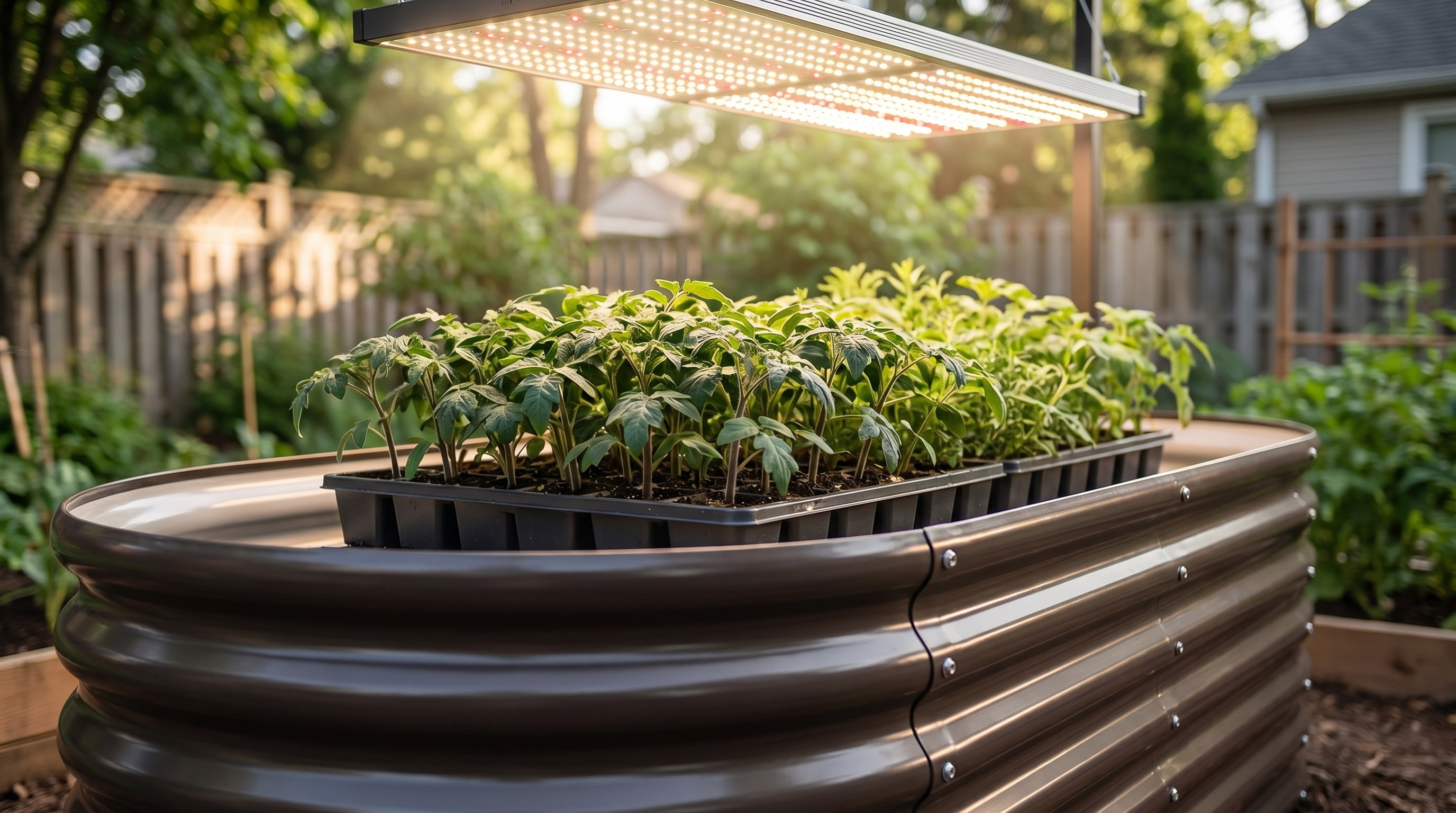
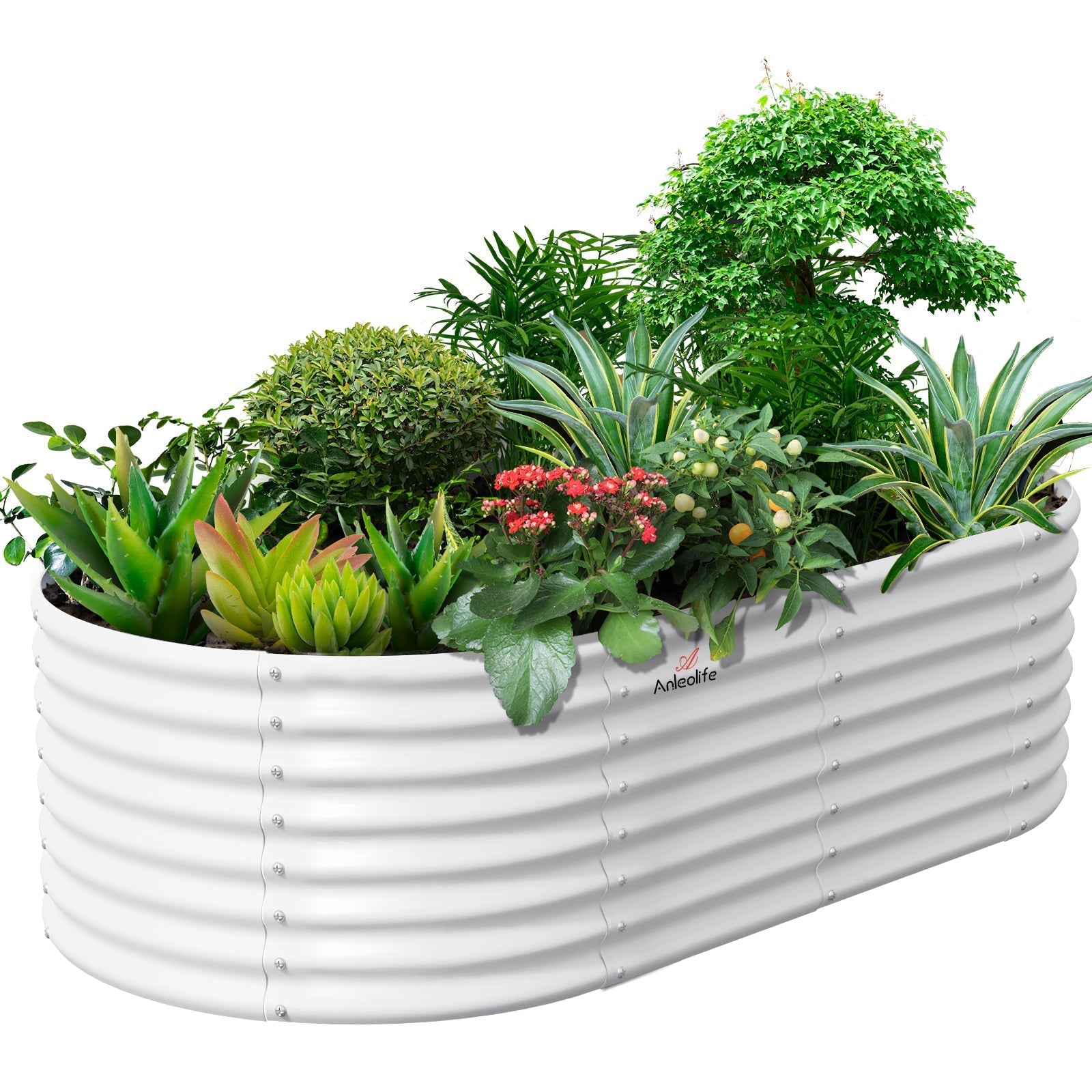
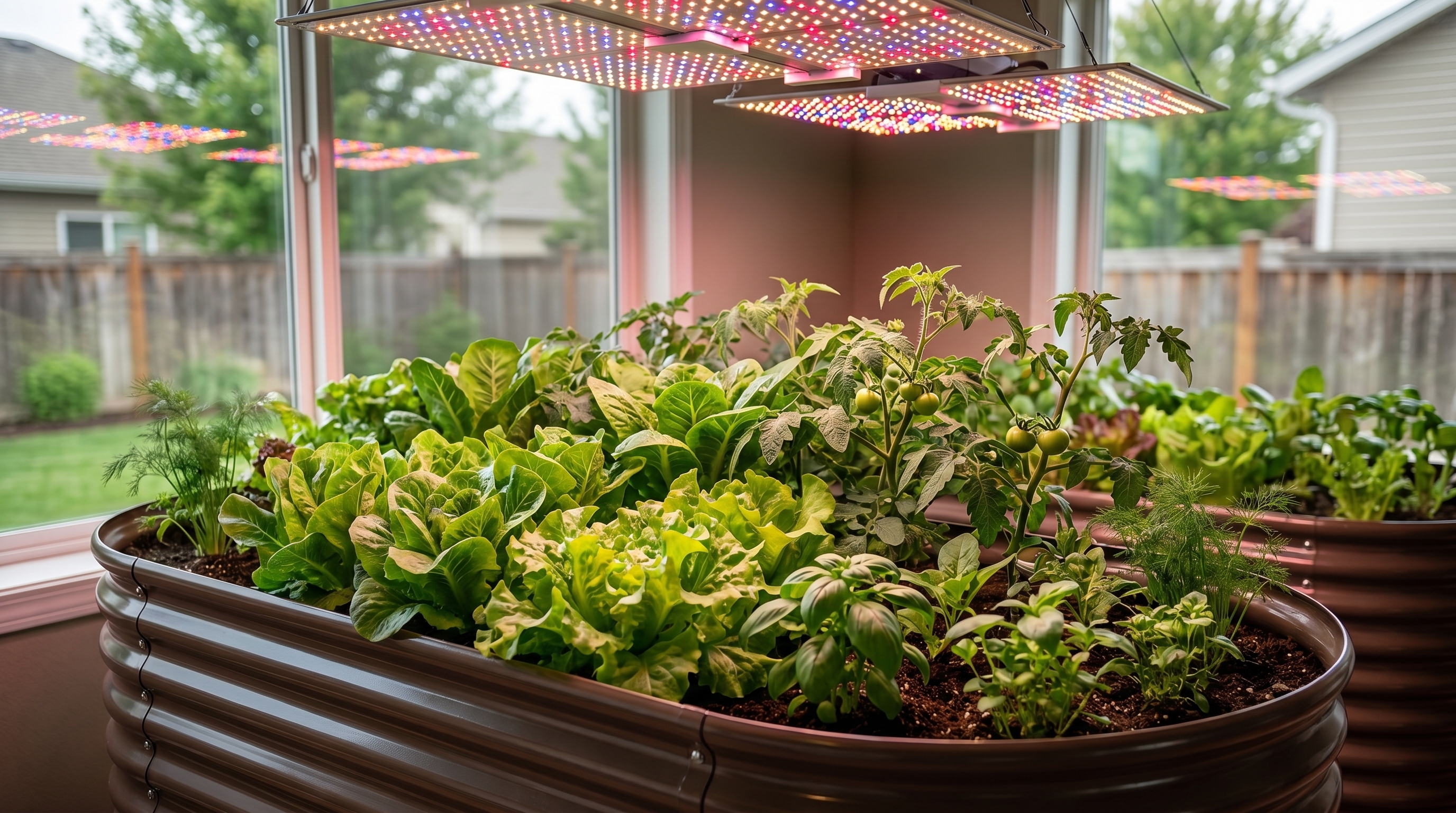
ALT: Full-spectrum LED grow light spectrum optimizing seedling growth for outdoor raised garden bed transplanting this season
Advanced Spectrum Strategies: Going Beyond the Basics
Photoperiod Manipulation for Accelerated Production
Once you've mastered basic spectrum selection, photoperiod manipulation becomes your next lever for yield improvement. For short-day plants like strawberries and certain herbs, artificially shortening the light period to 10–12 hours during specific growth phases can trigger faster flowering without changing your spectrum at all. For long-day plants like spinach and lettuce, maintaining 16–18 hours prevents premature bolting in warmer indoor environments.
The "Spectrum Shift" Technique
Some experienced growers use a two-phase approach: running blue-dominant light during early vegetative growth, then switching to a red-dominant or full-spectrum mode for the flowering and fruiting phase. Modern programmable LED fixtures make this easy with built-in scheduling and spectrum adjustment modes. This technique mimics seasonal light changes in nature — the high-blue, short-wave light of late spring transitions to the red-rich, longer-wavelength light of late summer.
Common Misconceptions About LED Grow Lights
Misconception 1: Higher wattage always means better results. Wattage is a measure of power consumption, not light output or spectral quality. A well-designed 200W full-spectrum LED will consistently outperform a poorly designed 400W fixture with an imbalanced spectrum.
Misconception 2: Plants need complete darkness during their off period. While strict darkness is critical for short-day flowering plants, most vegetables tolerate brief interruptions. However, consistent photoperiods always produce more predictable results than variable schedules.
Misconception 3: Blue light alone is sufficient for all crops. Blue-only growing (common with cheap "purple" blurple lights) produces acceptable leafy greens but severely limits fruiting potential. Balanced spectrum investment pays off dramatically over multiple growing seasons.
Misconception 4: Weather-resistant garden ornaments and lights require no maintenance. Even high-quality weather-resistant garden ornaments that last and durable LED fixtures benefit from periodic inspection, cleaning, and adjustment to maintain peak performance.
Frequently Asked Questions FAQ
Q1: How do I know which LED grow light spectrum is best for my specific vegetables?
The most reliable approach is to match spectrum to growth stage rather than plant species alone. During the seedling and vegetative phases, prioritize fixtures with strong blue output (5000–6500K range or dedicated blue LEDs). Once your plants begin to flower or fruit, shift toward red-dominant or full-spectrum modes. For leafy greens and herbs that you harvest before flowering, blue-dominant light throughout their lifecycle consistently produces the densest, most flavorful results. Most quality adjustable LED fixtures now include separate veg and bloom modes for exactly this purpose.
Q2: Is it worth spending more on a full-spectrum LED grow light versus a basic red-blue blurple model?
For most home growers who plan to grow across multiple seasons and crop types, yes — the investment in full-spectrum technology is well justified. Full-spectrum fixtures produce more natural-looking light that makes it easier to detect early signs of nutrient deficiency, pest damage, or disease in your plants. They also perform more consistently across both vegetative and flowering stages without requiring fixture changes. If your budget is limited, a quality full-spectrum fixture sized to your actual growing space will serve you far better than a larger, cheaper blurple model.
Q3: How long does it take to see results after switching to the correct LED grow light spectrum?
Plant response to improved spectrum conditions is generally visible within 7–14 days. Seedlings that were etiolated (leggy and pale) under incorrect lighting begin producing more compact, darker growth within one to two weeks of correction. Fruiting plants that have been struggling to set flowers often show visible bud development within 10–14 days of transitioning to a more red-heavy spectrum during the appropriate photoperiod. Patience is important — spectrum optimization works with your plant's natural growth cycles, not against them.
Summary
Choosing the right LED grow light spectrum is not a luxury consideration for serious home growers — it's a foundational decision that affects every aspect of plant health, development speed, and final yield quality. The three core takeaways from this guide are:
- Match spectrum to growth stage: Blue-dominant light builds strong vegetative structure; red and far-red wavelengths drive flowering, fruiting, and yield. Full-spectrum fixtures offer the best flexibility for mixed growing environments.
- Integrate indoor lighting with your outdoor growing system: The best yields come from treating your indoor seed-starting space and your outdoor raised beds as a unified ecosystem. Strong transplants produced under quality LED spectrum setups establish faster, produce sooner, and deliver better harvests throughout the season.
- Invest in durable infrastructure that grows with you: Whether it's a well-chosen LED fixture or a raised bed designed to last up to 20 years, quality garden investments pay dividends across many growing seasons.
Your next step is simple: assess your current growing setup, identify whether your crops are in a vegetative or flowering stage, and select a spectrum profile that matches their needs. If you're also planning your outdoor growing space for this season, take time to read 5 Common Raised Bed Layout Mistakes to Avoid When Planning Your Summer Garden before finalizing your bed placement and configuration.
Start Growing Smarter with Anleolife
Anleolife supports your complete garden ecosystem from the very first seed under a grow light to the fully mature plant thriving in a well-built outdoor raised bed.
Our nationwide U.S. warehouse network — strategically located in California, Texas, Florida, New York, Illinois, and Washington — ensures delivery within 3–8 business days, so your growing season never has to wait on shipping delays. Our products are available across all major platforms including Amazon, Walmart, Home Depot, Lowe's, Wayfair, and directly at Anleolife.com, with consistent quality assurance and responsive after-sales support wherever you shop.
Our three core scenarios — Planting (galvanized steel and rust-resistant raised garden beds, soil systems), Raising (chicken coops, rabbit hutches), and Beautification (decorative accessories, pathway systems) — mean that as your gardening ambitions grow, Anleolife grows with you. From your first modular raised bed to a fully integrated backyard growing and raising ecosystem, we're designed to scale alongside your vision.
We understand that a great garden isn't built in a single afternoon. It's built season by season, decision by decision. Let Anleolife be part of every good decision you make this growing year.
References
- U.S. Department of Agriculture — Agricultural Research Service. "Light Quality and Plant Growth Research."
https://www.ars.usda.gov/ - NASA Technical Reports. "Lighting Requirements for Plant Growth in Controlled Environments."
https://ntrs.nasa.gov/ - University of California Cooperative Extension. "Controlled Environment Agriculture and Light Management for Vegetable Production."
https://ucanr.edu/ - Cornell University College of Agriculture and Life Sciences. "Greenhouse Lighting: Supplemental Light for Crops."
https://cals.cornell.edu/ - Michigan State University Extension. "LED Lighting for Greenhouse Crops: Spectrum and Intensity Considerations."
https://www.canr.msu.edu/outreach/extension
Note: Research findings and LED technology standards continue to evolve rapidly. Always consult the latest official publications or qualified horticultural lighting professionals for the most current guidance.
About Anleolife
Anleolife is a leading outdoor garden solutions provider in North America, dedicated to offering a full-scenario product ecosystem for home gardening enthusiasts, covering planting, raising, and garden beautification. Since its founding, we have upheld our brand mission, "Made for Garden Life," continuously innovating products and optimizing services to help hundreds of thousands of users upgrade their gardens, reconnect with nature, and enjoy a better garden lifestyle.