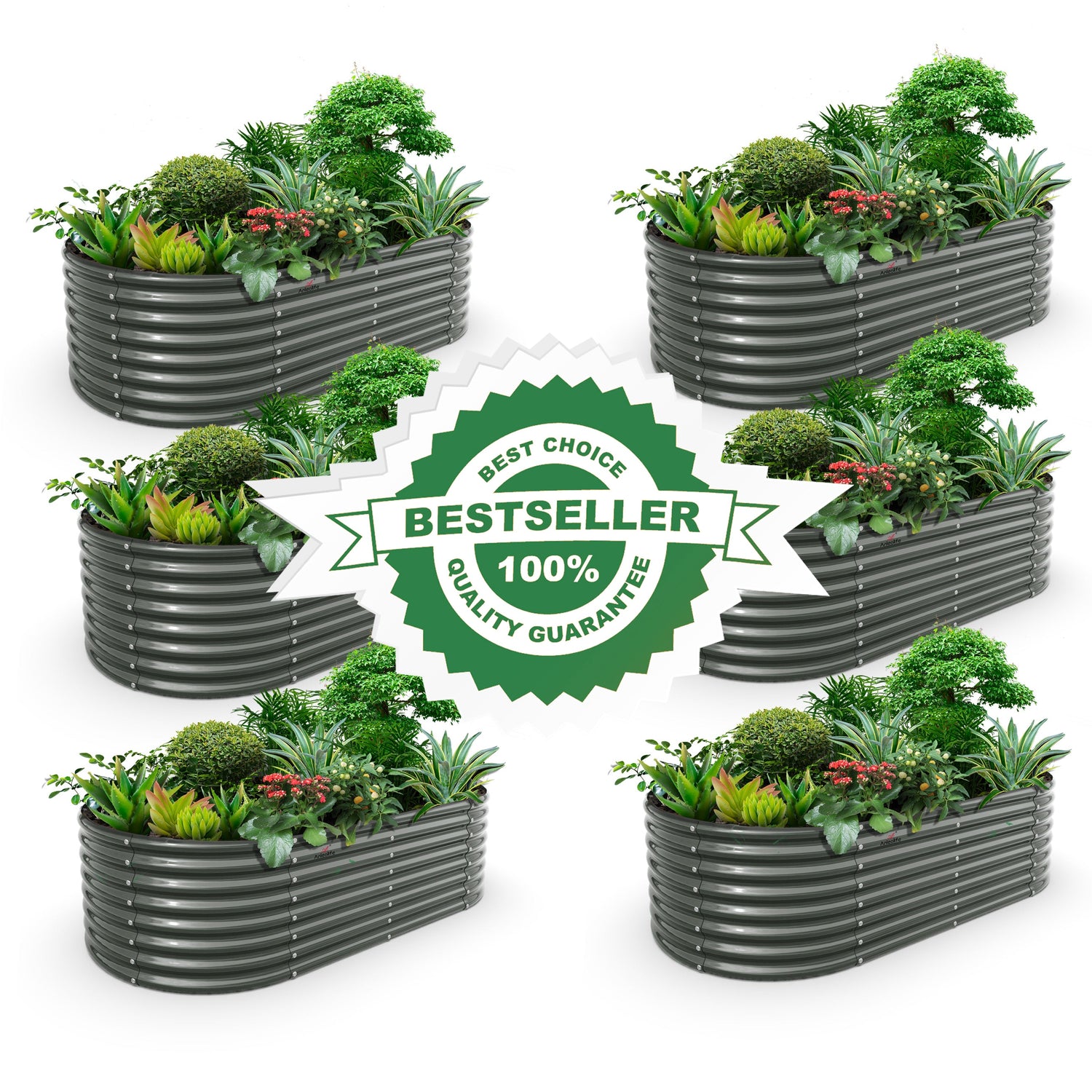




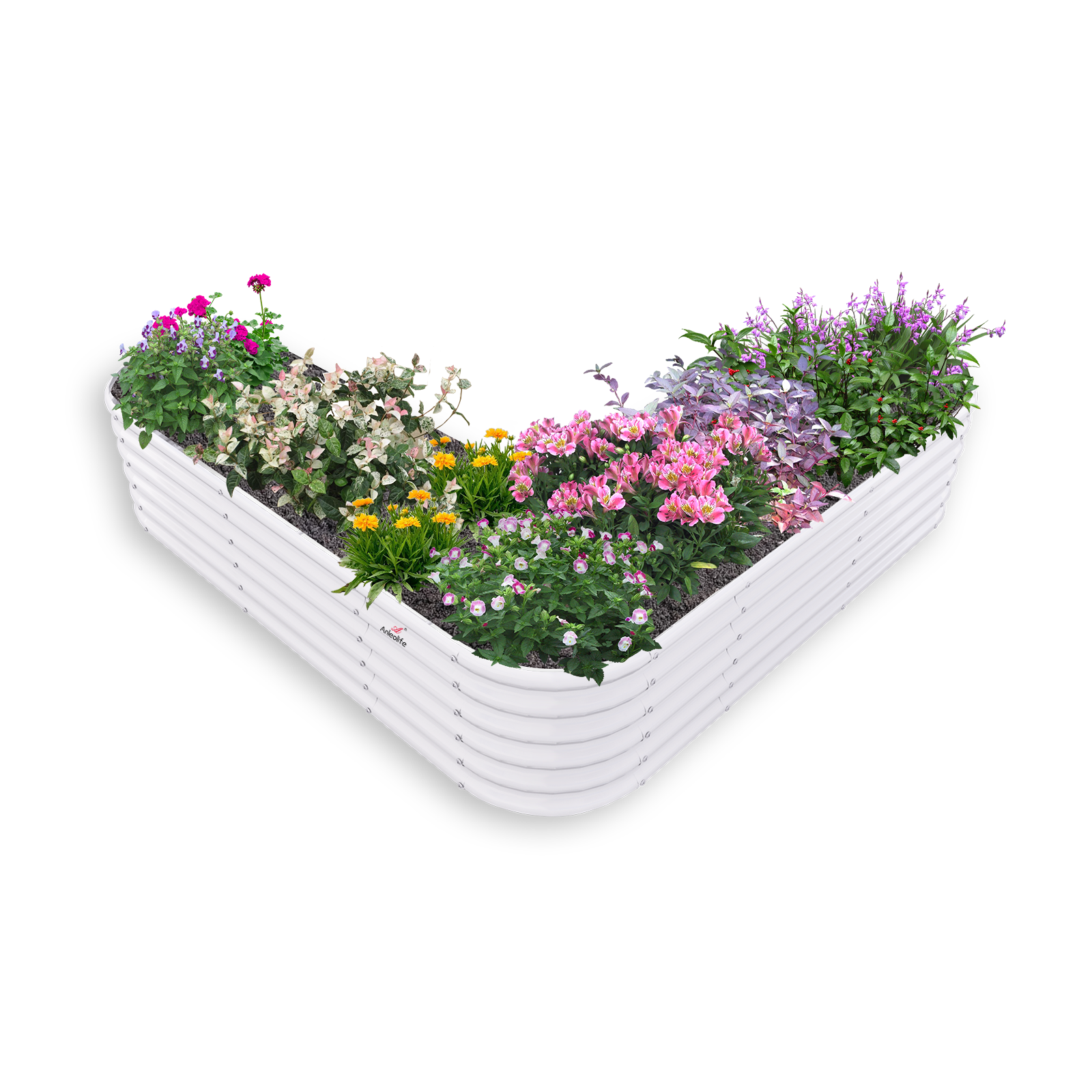
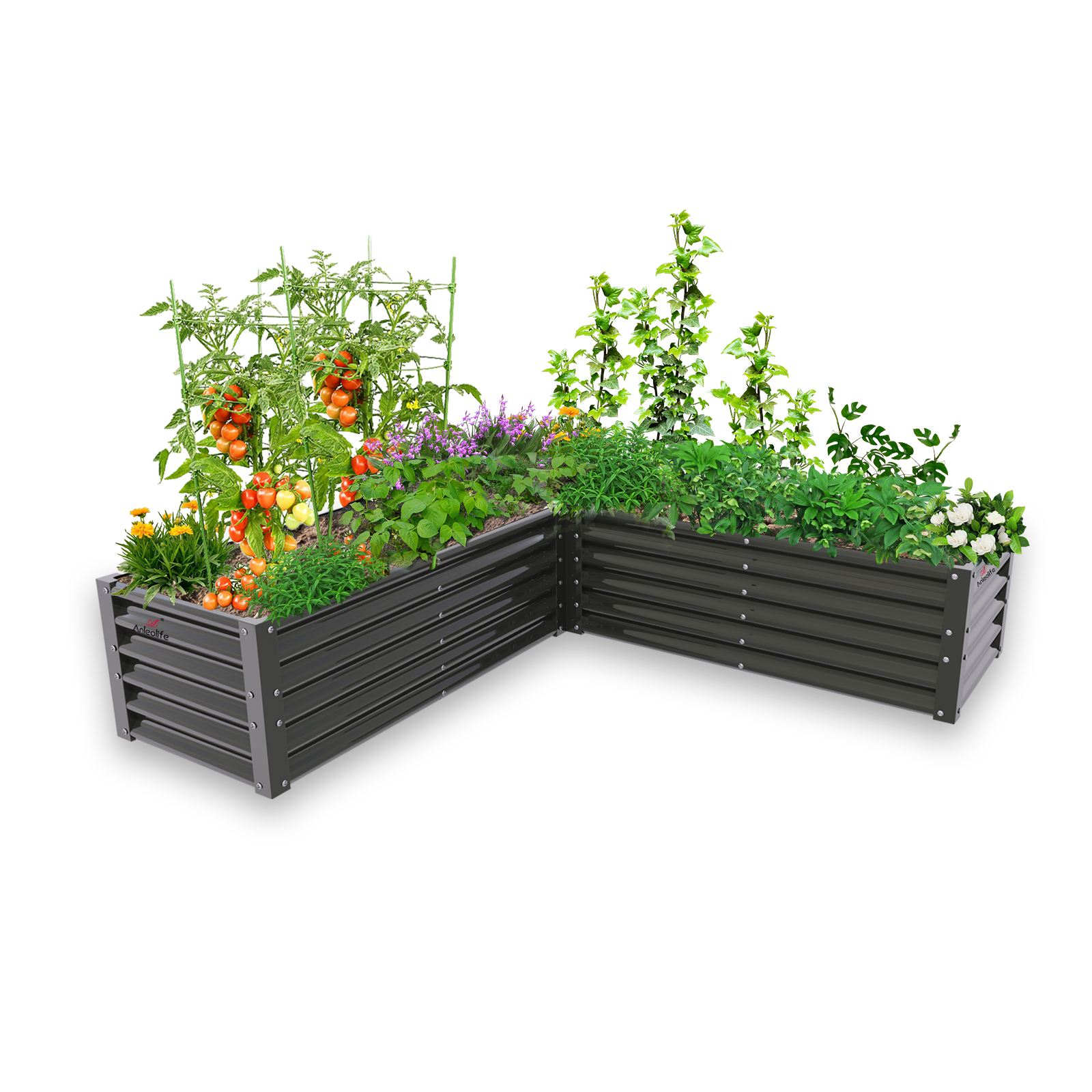
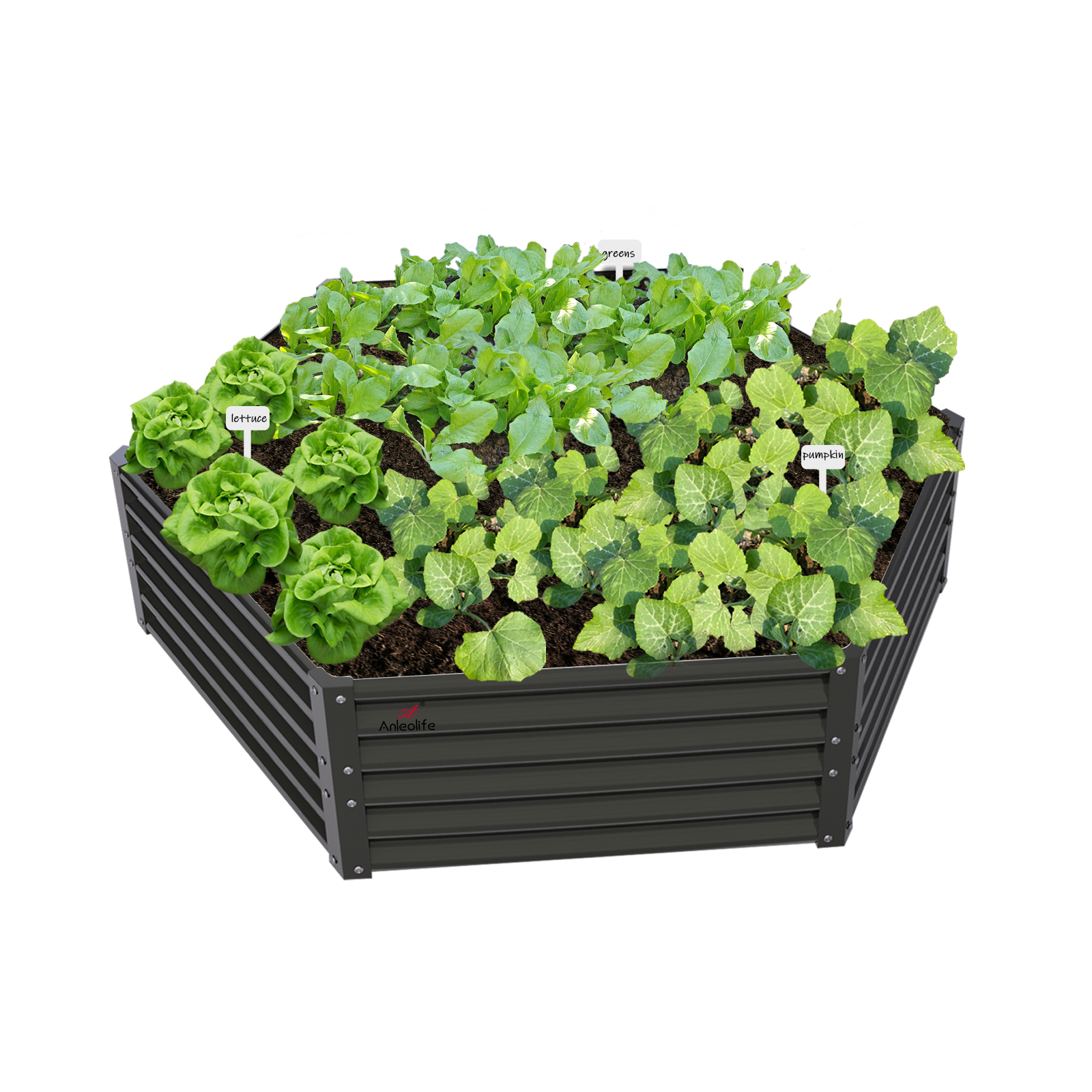
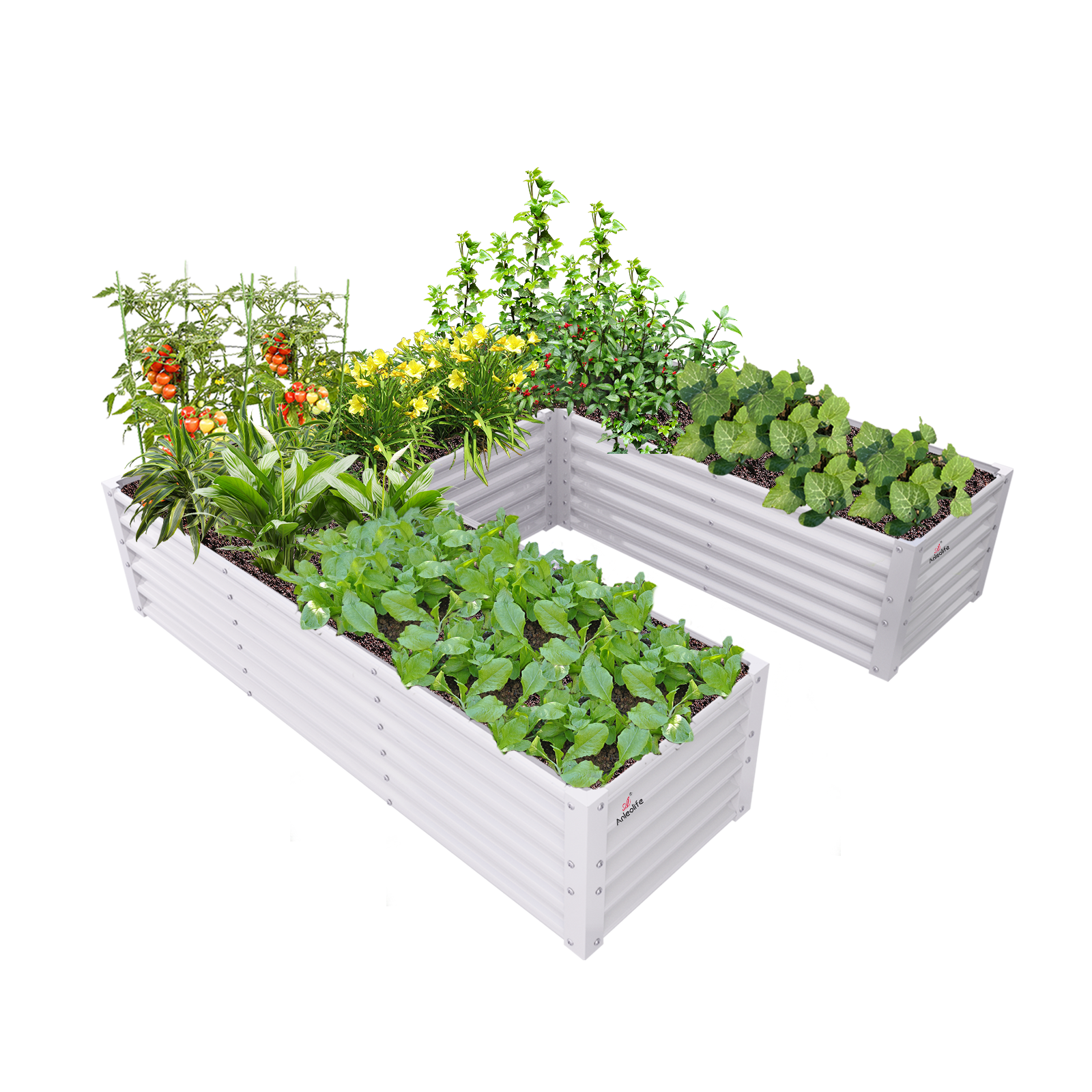



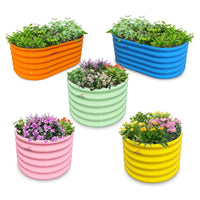
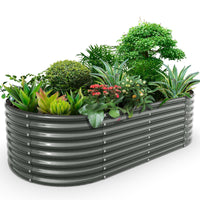



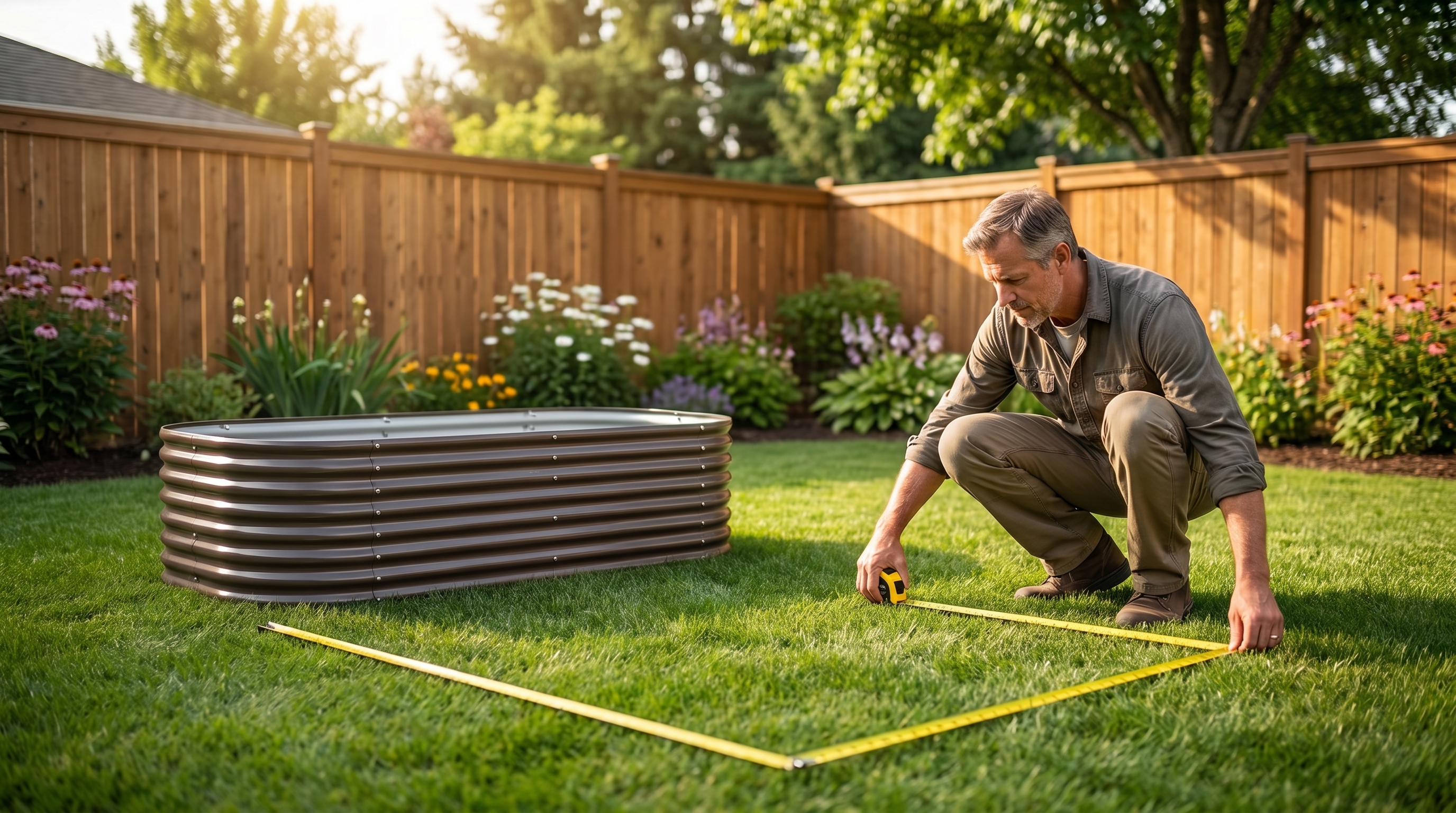
ALT: Homeowner measuring backyard space to choose the right size raised garden bed for vegetables
Why Raised Garden Bed Size Is the Most Important Decision You'll Make This Season
Key Conclusion: Choosing the right size raised garden bed is foundational to a successful raised bed garden layout. The wrong dimensions can lead to poor reach, inefficient use of space, and wasted soil. Whether you're planning irrigation systems for a large planting area or simply trimming edges with trimmer lines along a compact bed, matching size to your available space, physical comfort, and plant selection is the single most impactful decision for long-term garden productivity and enjoyment.
Getting a raised garden bed up and running feels exciting — but many first-time growers rush straight to buying soil and seeds without pausing to think about whether the bed itself is the right fit for their space.
Size affects everything: how many plants you can grow, how easily you can reach across the bed without stepping inside, how your irrigation systems will be arranged, and how the overall raised bed garden layout will look in your backyard. A bed that's too wide makes weeding uncomfortable. A bed that's too small limits your harvest potential. And a bed that's too shallow may not support root crops at all.
In this guide, we'll walk you through every factor you need to consider — from measuring your yard and matching dimensions to your plant list, to comparing materials and understanding how depth affects soil performance. By the end, you'll be confident choosing a raised bed that fits your backyard, your body, and your gardening goals.
Who This Guide Is For
✅ Applicable Scenarios:
- First-time gardeners setting up their first backyard planting space
- Experienced home growers looking to expand or reorganize their raised bed garden layout
- Urban micro-gardeners with limited square footage who need to maximize every inch
- Empty nesters and retirees seeking a low-maintenance, ergonomic gardening solution
- Health-conscious families wanting to grow their own vegetables, herbs, and fruits at home
❌ Not Applicable/Cautions:
- Large-scale commercial farming operations requiring industrial-grade infrastructure
- Renters without permission to install permanent or semi-permanent outdoor structures
- Gardeners in regions with extreme frost who haven't assessed freeze-thaw impact on bed materials
The Rise of Raised Bed Gardening — and Why Size Confusion Is So Common
Raised bed gardening has exploded in popularity across North America over the past decade. According to the National Gardening Association, home food gardening participation grew significantly in recent years, with millions of households adding some form of edible garden to their property. What draws people in is the promise of cleaner soil, better drainage, fewer weeds, and longer growing seasons.
But with that surge in interest comes an equally large surge in confusion — especially around sizing. Walk into any garden center or browse any online marketplace, and you'll find raised beds ranging from compact tabletop planters to sprawling 12-foot rows. Heights vary from just a few inches to waist-level options designed for gardeners with mobility concerns. Shapes include rectangles, squares, and even rounds.
The problem is that most product listings don't explain why one size is better than another for specific situations. They show dimensions, but they don't help you connect those dimensions to your actual backyard, your plant list, or your physical needs.
Understanding what the best raised garden bed looks like for your situation — not just in general — is what separates a thriving kitchen garden from one that gets abandoned by midsummer. The right bed isn't the most popular one. It's the one that fits your life.
And increasingly, gardeners are recognizing that material matters just as much as size. The question of which materials are best for raised beds in wet climates, for instance, directly affects how long your investment lasts. Raised garden bed corrugated iron designs — galvanized steel, in particular — have become the gold standard for durability, especially in regions with heavy rainfall or humidity.
How to Choose the Right Size: A Complete Step-by-Step Framework
Three-Step Quick Start
Step 1: Measure Your Available Space and Sun Exposure
Before looking at any product, go outside with a tape measure. Identify the area you want to place your raised bed, noting its length and width. Then observe sun patterns: most vegetables need at least 6–8 hours of direct sunlight daily. Note any shadows cast by fences, trees, or structures. This 15–30 minute exercise prevents the most common sizing mistake — buying a bed that doesn't fit or ends up in the wrong spot.
Step 2: Define Your Reach and Comfort Zone
A key rule in raised bed design is the "arm's reach" principle: you should be able to comfortably reach the center of the bed from either side without stepping in. For most adults, this means a maximum width of 4 feet when accessed from both sides, or 2 feet when accessed from one side only. If you have mobility limitations or prefer not to bend, consider extra-tall or waist-high beds. This step takes just a few minutes but dramatically affects daily comfort.
Step 3: Match Depth to Your Plant List
Different plants require different root depths. Shallow-rooted plants like lettuce, herbs, and radishes thrive in beds as low as 6–8 inches deep. Medium-rooted crops — tomatoes, peppers, beans — need at least 12 inches. Deep-rooted vegetables such as carrots, parsnips, and squash benefit from 18 inches or more. Write out your planned plant list before choosing a bed height, so you don't end up with a beautiful setup that can't actually support what you want to grow.
Raised Garden Bed Size Comparison: Which Dimensions Fit Which Scenarios
Choosing the right size isn't one-size-fits-all. Here's a comparison of common raised bed configurations and how they suit different garden scenarios.
| Comparison Dimension | Compact Beds (under 4x4 ft) | Standard Beds (8x4 ft) | Large/Tall Beds (10x3 ft or 12x3 ft) |
|---|---|---|---|
| Best For | Urban patios, beginners, herbs | Most home vegetable gardens | Serious growers, full-season harvests |
| Accessibility | Easy all-around reach | Accessible from both sides | Accessible from both sides with narrow width |
| Plant Variety | Herbs, greens, compact veggies | Tomatoes, peppers, mixed crops | Full row crops, root vegetables |
| Soil Volume | Lower investment | Moderate investment | Higher soil volume needed |
| Ideal Height | 18" for beginners | 18"–24" for standard use | 24"–35" for ergonomic comfort |
| Space Requirement | Small yards or balconies | Medium backyard | Larger dedicated garden areas |
| Mobility Friendly | Depends on height | Moderate | High (waist-high options available) |
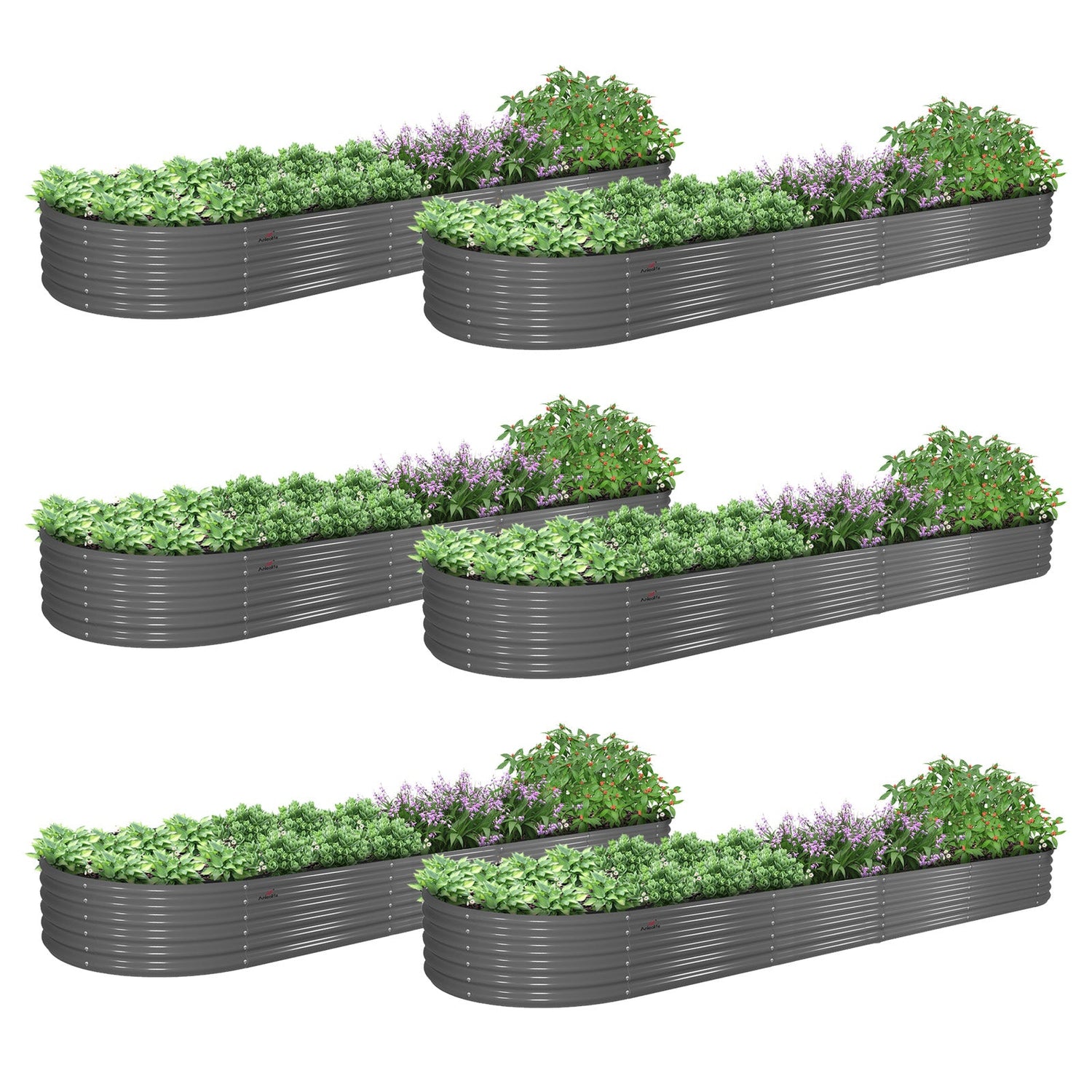
Anleolife's product lineup covers all of these scenarios. From the compact 18" tall 4x4 ft galvanized steel raised garden bed ideal for beginners, to the 35" waist-high 4x1.5 ft option for gardeners who prefer standing, to the expansive 30" extra tall 10x3 ft for serious growers — there's a configuration designed for nearly every backyard situation.
Deep Dive: Understanding Every Sizing Factor Before You Buy
Width: The Most Overlooked Dimension
When most people think about sizing a raised bed, they focus on length — how many rows of plants they can fit. But width is actually the most critical ergonomic dimension.
The standard recommendation from garden designers is to keep beds no wider than 4 feet if you can access them from both sides. If the bed is against a wall or fence and can only be reached from one side, 2 feet is the practical maximum. This isn't a hard rule — taller gardeners may reach a bit further — but violating it consistently leads to back strain, compacted soil from leaning in too far, and ultimately, a bed that becomes a chore rather than a pleasure.
Anleolife's lineup respects this principle. Most standard configurations are designed at 3–4 feet wide, keeping them within comfortable reach for a wide range of adults.
Length: Scale to Your Ambitions (and Your Space)
Length is more flexible than width, but it still needs to fit your physical space and your ambitions. A longer bed provides more growing room, but it also means more soil, more water, and more time spent tending.
If you're new to raised bed gardening, starting with a manageable length like 6 or 8 feet is wise. You can always add another bed later — and in fact, many serious home growers prefer two or three smaller beds over one enormous one, because it allows better crop rotation and more organized irrigation systems.
Anleolife offers lengths ranging from compact 3-foot options to extended 12-foot configurations, giving you the flexibility to start small and scale up as your confidence grows.
Height: Match to Plants and Mobility
Height is arguably the most important sizing factor for both plant health and gardener comfort.
For plant health, height determines how much soil your plants' roots have access to. Shallow beds work for greens and herbs. Medium heights support most common vegetables. Deeper beds — 24 inches and above — are the best veggie gardens for root crops and heat-sensitive plants that benefit from extra insulation.
For gardener comfort, taller beds reduce or eliminate the need to kneel or bend. For older gardeners, those with back issues, or anyone who wants a more enjoyable daily gardening experience, extra-tall and waist-high options transform what might otherwise be a strenuous activity into a genuinely pleasant one.
Anleolife's range includes options at 18" tall (great for most vegetables), 22"–24" extra tall (for deeper root crops and added comfort), 30" extra tall (popular with seniors and those with mobility needs), and the 35" waist-high option for fully standing-height access.
Shape: Rectangle, Square, or Round?
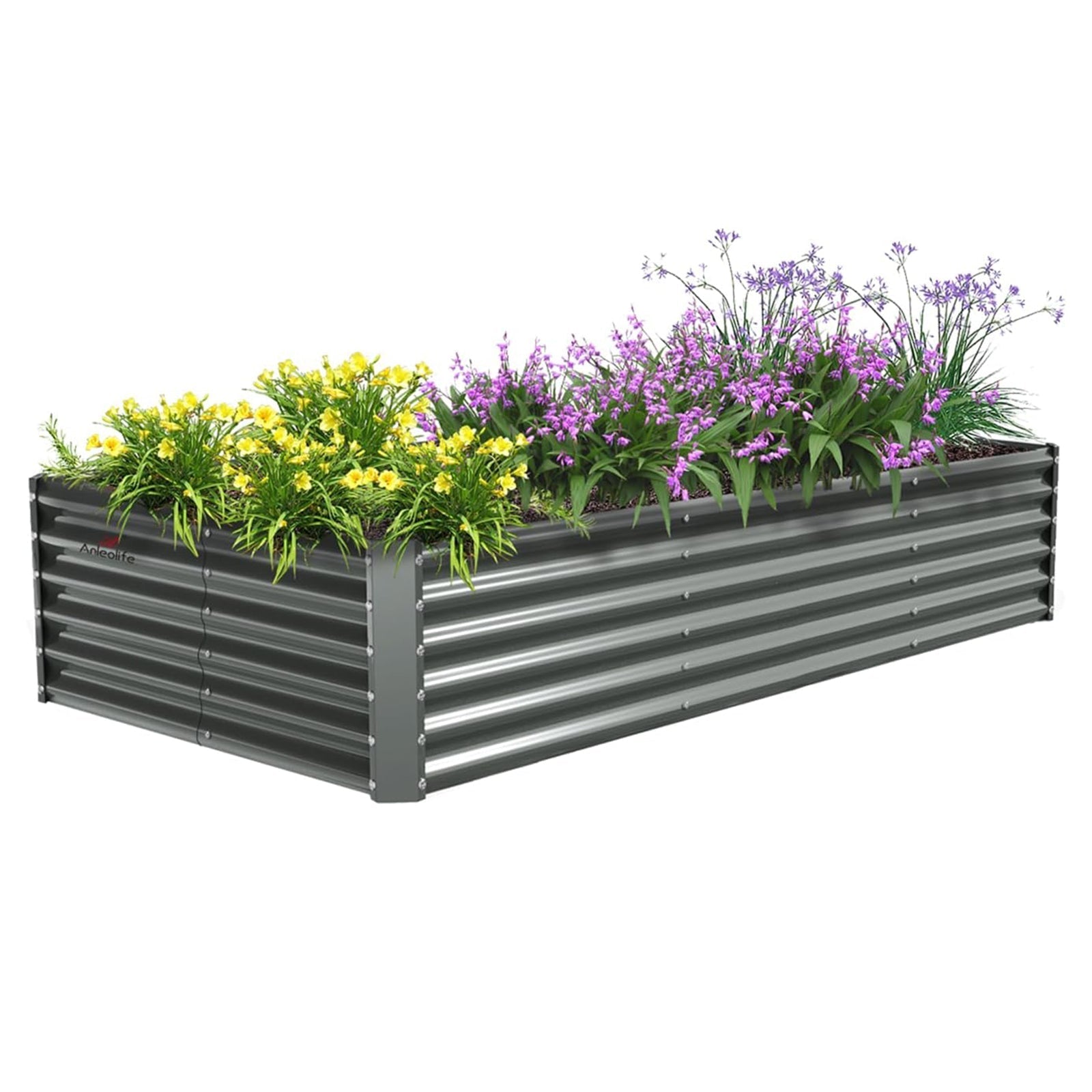
The vast majority of raised beds are rectangular, and for good reason — rectangles make efficient use of space, align naturally with property lines and pathways, and support row planting patterns that work well with irrigation systems.
Square beds (like 4x4 ft or 6x6 ft configurations) are popular for intensive planting methods such as square foot gardening, where the bed is divided into a grid and each square is planted with a different crop. This method maximizes yield in a small footprint and makes planning the best veggie gardens straightforward.
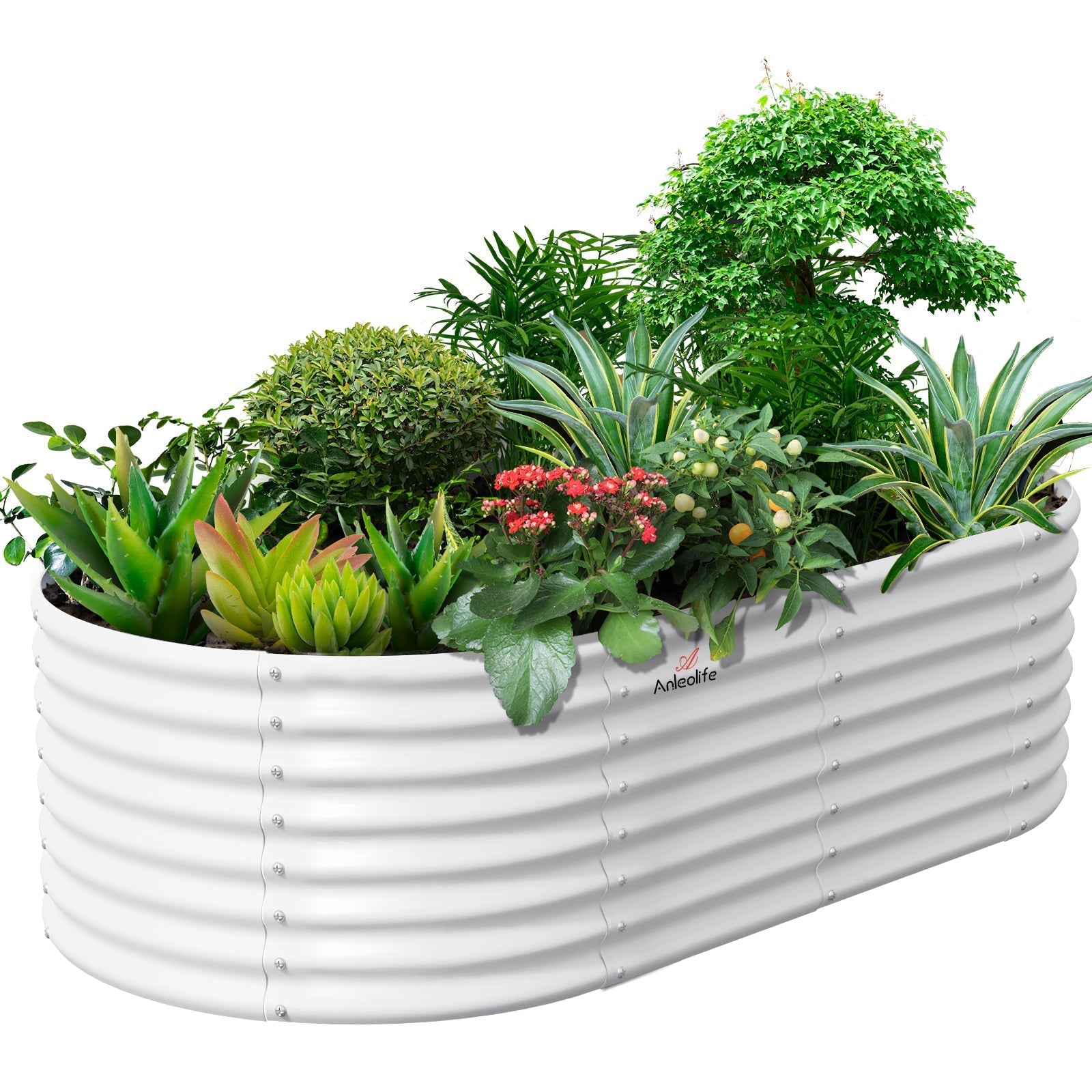
Round raised garden beds offer an aesthetically interesting alternative for garden corners or focal points. Anleolife's 18" tall, 48"-wide round bed is a great example — it adds visual variety to a garden layout while still providing meaningful growing space.
Material: Why Galvanized Steel Dominates Wet Climates
The question of which materials are best for raised beds in wet climates comes up constantly, and the answer has become increasingly clear: galvanized steel, particularly raised garden bed corrugated iron styles, outperforms wood, plastic, and untreated metal in high-moisture environments.
Wood is the traditional choice, but it rots — sometimes within just a few years, especially in regions with heavy rain or frequent irrigation. Untreated metal rusts. Plastic degrades under UV exposure.
Galvanized steel, by contrast, is coated with a zinc layer that creates a natural barrier against moisture and oxidation. Anleolife's rust-resistant and galvanized steel raised garden beds are engineered to last up to 20 years, making them a genuinely long-term investment rather than a seasonal purchase.
For gardeners in the Pacific Northwest, Gulf Coast, or any other wet region, this durability advantage is significant. You won't be replacing your beds every few years, and you won't be leaching chemicals from degrading wood treatments into your soil.
Soil: What Goes Inside Matters as Much as the Bed Itself
Even the best raised garden bed won't perform well with poor soil. The best soil mix for container gardening plants and raised beds typically includes a blend of topsoil, compost, and aeration material like perlite or coarse sand in roughly equal parts.
This mix ensures good drainage (critical for preventing root rot), nutrient density (compost feeds plants throughout the season), and structural support for roots. Avoid using straight garden soil from your yard — it compacts easily and often carries weed seeds.
For very deep beds (24"+ height), some gardeners use a "lasagna" or "hugelkultur" technique in the lower portion of the bed, filling it with logs, cardboard, and organic matter that breaks down slowly, reducing the amount of soil needed and adding long-term nutrients.
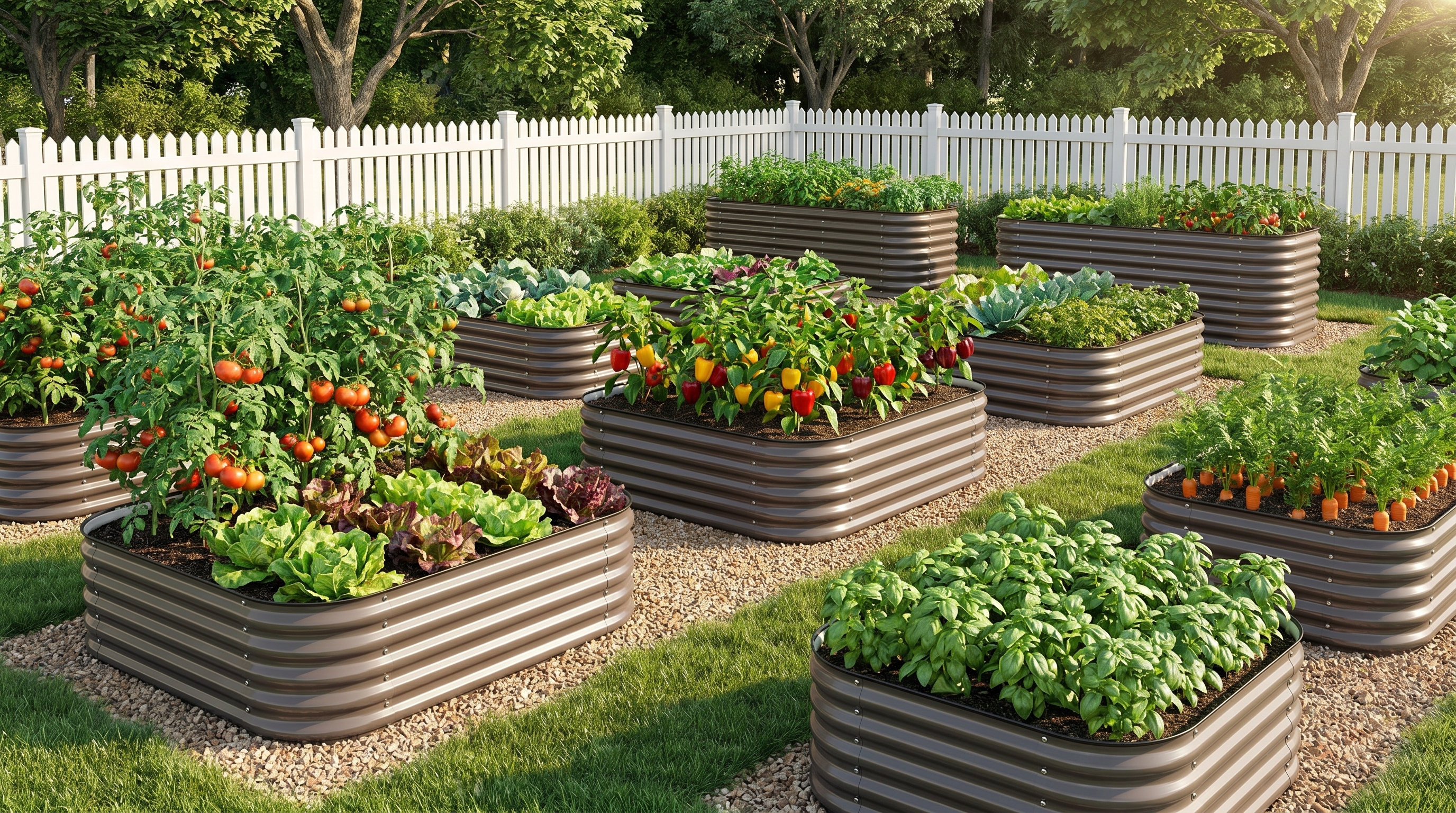
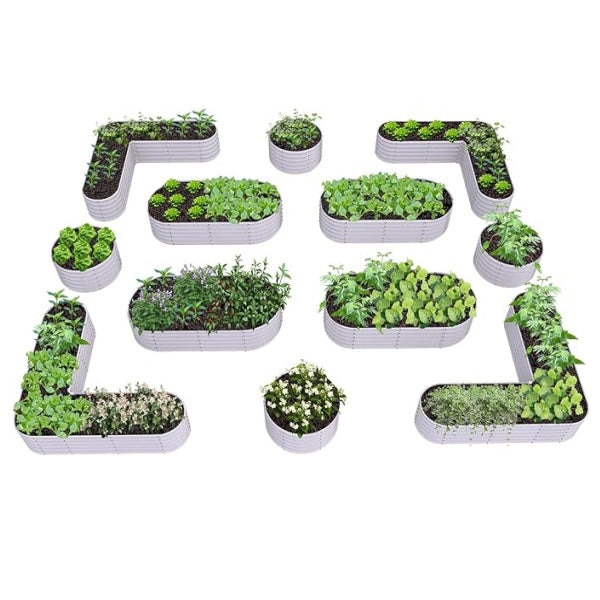
ALT: Multiple raised garden beds of different sizes showing a well-organized backyard raised bed garden layout with vegetables and herbs
Advanced Considerations: When Standard Sizing Advice Doesn't Apply
Sloped Yards Require Leveling or Tiered Beds
If your backyard has a slope, a standard flat-bottom raised bed will sit unevenly, leading to water pooling on one side and dry conditions on the other. In sloped situations, you either need to level the ground before installation or use tiered bed arrangements that step down the slope. Some gardeners also use taller beds on the lower side to compensate visually and functionally.
Small Yards Can Still Support Multiple Beds
A common misconception is that raised bed gardening requires a lot of space. In reality, even a 10x12 foot backyard area can support two or three well-arranged beds with walking paths between them. The key is planning the layout before buying — sketch your space on paper, mark pathways (typically 18–24 inches wide), and then calculate how many beds fit comfortably.
Don't Confuse "Bigger" with "Better"
Many new gardeners assume that a larger bed will automatically yield more food. But an oversized bed that's poorly managed — with weeds, inconsistent watering, or soil compaction — will produce less than a smaller, well-tended bed. Start with what you can realistically maintain. A single 8x4 ft bed that's properly fed, watered, and cared for will consistently outperform a neglected 12x4 ft bed.
Modular Designs Allow You to Start Small and Expand
One elegant solution to the "how big should I start?" dilemma is to choose a modular raised garden bed system. Anleolife's modular beds — available in configurations like 18" tall 8x4 ft and 30" extra tall 8x4 ft — are designed to expand over time, so your initial investment grows with you as your gardening ambitions develop.
Frequently Asked Questions FAQ
Q1: How do I know what width of raised garden bed is right for my backyard?
The primary rule is accessibility: you should be able to reach the center of the bed from the nearest edge without stepping inside. For beds accessible from both sides, 4 feet wide is the standard maximum. For beds against a wall or fence, keep it to 2 feet or less. If you're taller or have longer arms, you might go slightly wider, but ergonomic comfort should always be your guide — you'll thank yourself every time you weed or harvest.
Q2: Are galvanized steel raised garden beds safe for growing vegetables?
Yes. Modern galvanized steel raised garden beds use a zinc coating that forms a stable, inert barrier. Extensive research and widespread use in the gardening community support their safety for food production. Zinc is actually an essential micronutrient for plants. Anleolife's galvanized steel and rust-resistant beds are specifically designed for vegetable and food gardening, engineered for durability up to 20 years while maintaining a safe growing environment.
Q3: How long does it take to receive an Anleolife raised garden bed after ordering?
Anleolife operates a strategic warehouse network across six U.S. states — California, Texas, Florida, New York, Illinois, and Washington — to serve customers nationwide efficiently. After placing your order, delivery typically takes 3–8 business days depending on your location. Products are also available through major retail platforms including Amazon, Walmart, Home Depot, Lowe's, and Wayfair, in addition to the official Anleolife.com website.
Summary
Choosing the right size raised garden bed comes down to three core factors working together: your available space, your physical comfort and accessibility needs, and the plants you intend to grow.
Three key takeaways to guide your decision:
- Width determines daily usability. Keep beds at or under 4 feet wide for two-sided access, and don't sacrifice ergonomics for extra growing space — you'll regret a bed you can't comfortably reach.
- Height matches plants to performance. Shallow beds work for herbs and greens; deeper beds support root crops and improve comfort for aging gardeners. Anleolife's range from 18" standard to 35" waist-high gives you a genuine choice.
- Material determines longevity. In wet climates especially, galvanized steel raised garden bed corrugated iron construction outlasts wood and plastic by years. With a lifespan of up to 20 years, Anleolife's beds are a long-term garden investment.
Your next step: measure your backyard, sketch a simple layout, write out your plant wish list, and use that information to match a bed size from Anleolife's full lineup. Starting with one well-chosen bed is far better than overwhelming yourself with an oversized setup.
Upgrade Your Garden with Anleolife
Anleolife's nationwide U.S. warehouse network — strategically located in California, Texas, Florida, New York, Illinois, and Washington — ensures delivery in just 3–8 business days, so your garden upgrade plans never have to wait.
Our products are available across all the platforms you already trust: Amazon, Walmart, Home Depot, Lowe's, Wayfair, and directly at Anleolife.com, with consistent quality assurance and dedicated after-sales support no matter where you shop.
We build around three complete garden scenarios: Planting (metal raised garden beds, soil systems), Raising (chicken coops, rabbit hutches), and Beautification (decorative accessories, pathway systems) — meeting your needs from pure functionality all the way to garden aesthetics.
We understand that an ideal garden isn't built overnight — it's grown gradually, season by season. Anleolife's modular product design allows you to start with a single bed and expand into a fully integrated planting-and-raising ecosystem at your own pace. We grow with you, every step of the way.
References
- National Gardening Association. "Garden to Table: A Guide to Growing Food at Home".
https://garden.org/ - University of Missouri Extension. "Raised Bed Gardening".
https://extension.missouri.edu/publications/g6985 - UC Agriculture and Natural Resources (UC ANR). "Backyard Gardening: Raised Beds".
https://ucanr.edu/ - Penn State Extension. "Building a Raised Bed Garden".
https://extension.psu.edu/building-a-raised-bed-garden - Oregon State University Extension Service. "Raised Bed Gardening".
https://extension.oregonstate.edu/gardening/techniques/raised-bed-gardening
Note: Standards and recommendations may be updated over time. Please check the latest official documents or consult a professional gardening advisor for the most current guidance.
About Anleolife
Anleolife is a leading outdoor garden solutions provider in North America, dedicated to offering a full-scenario product ecosystem for home gardening enthusiasts, covering planting, raising, and garden beautification. Since its founding, we have upheld our brand mission, "Made for Garden Life," continuously innovating products and optimizing services to help hundreds of thousands of users upgrade their gardens, reconnect with nature, and enjoy a better garden lifestyle.