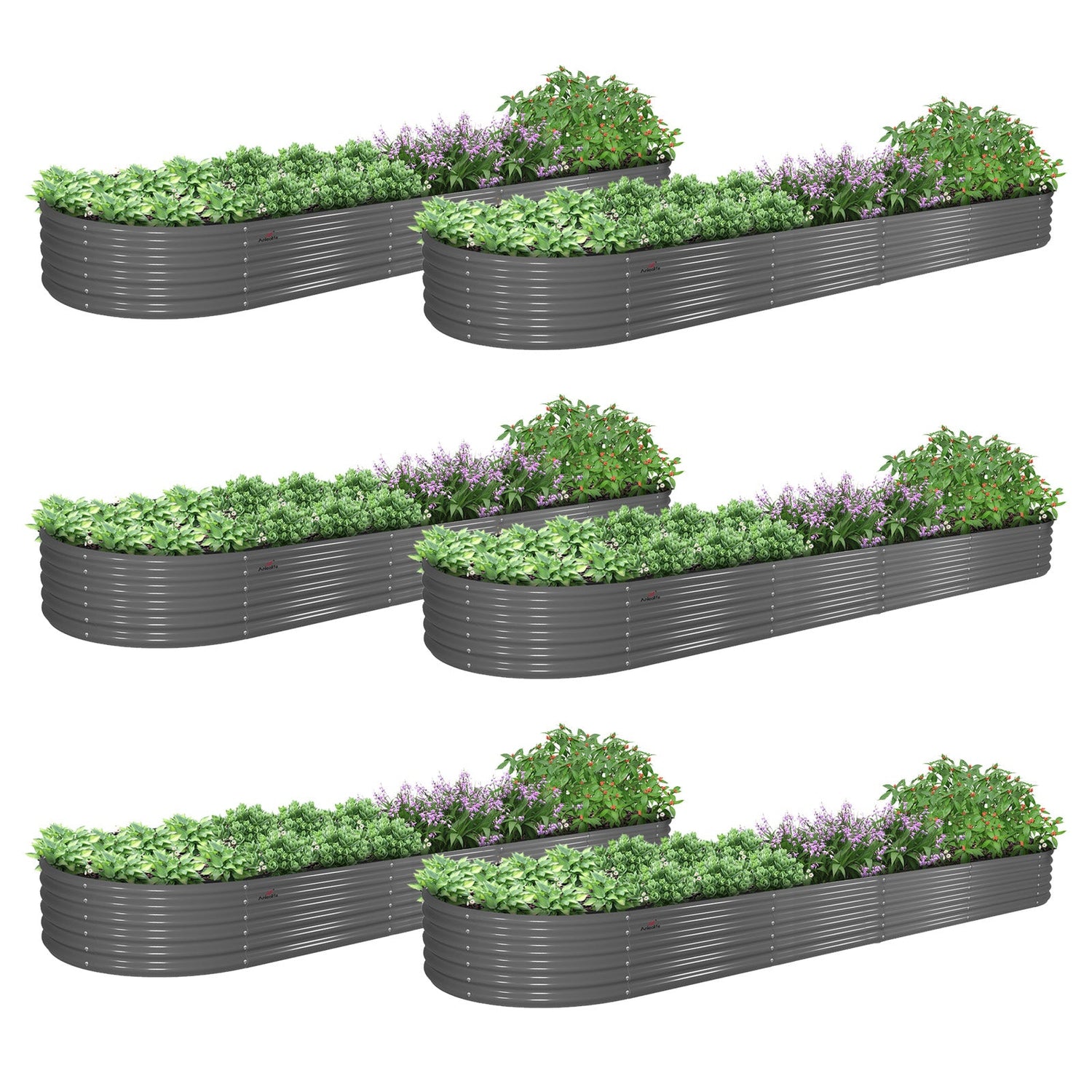



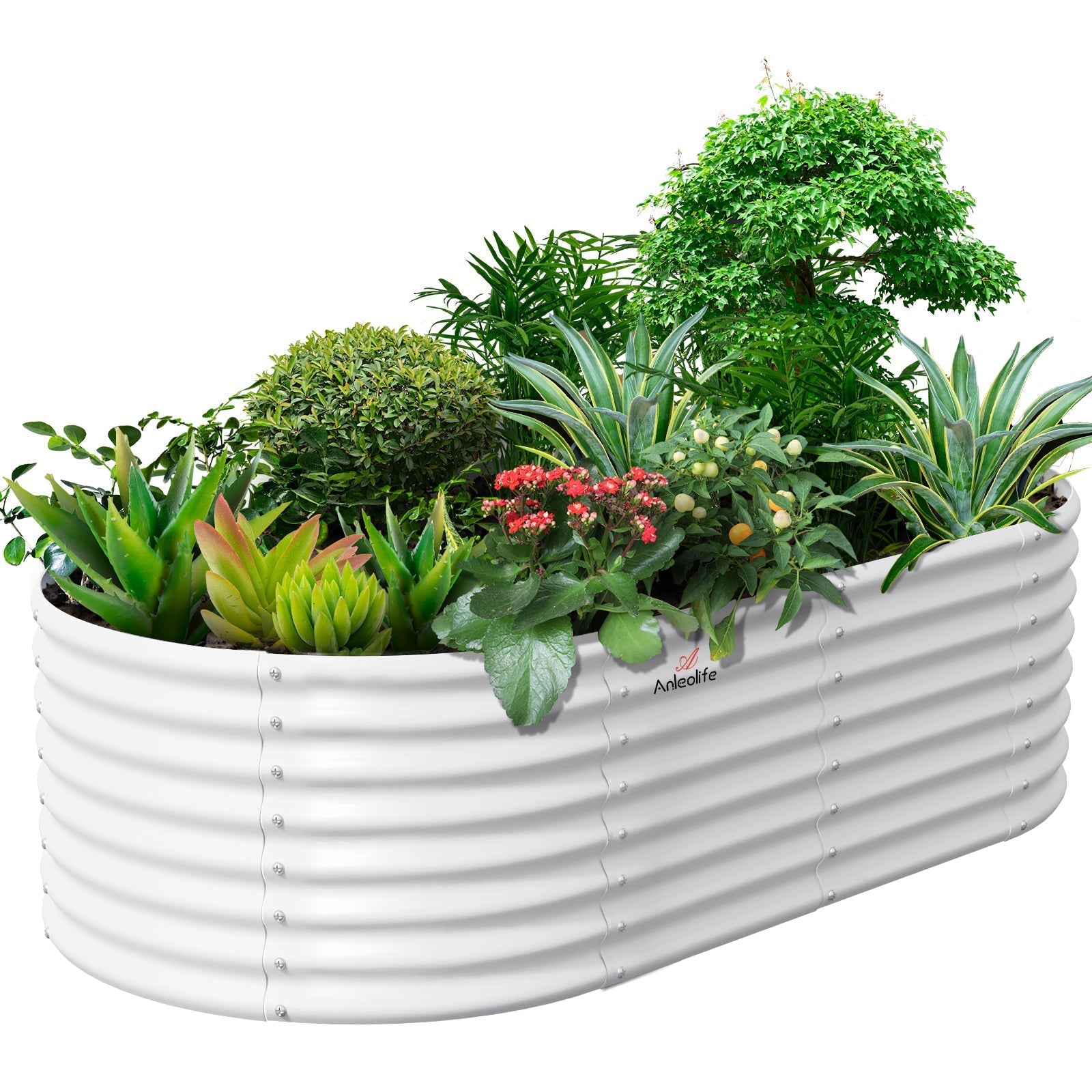
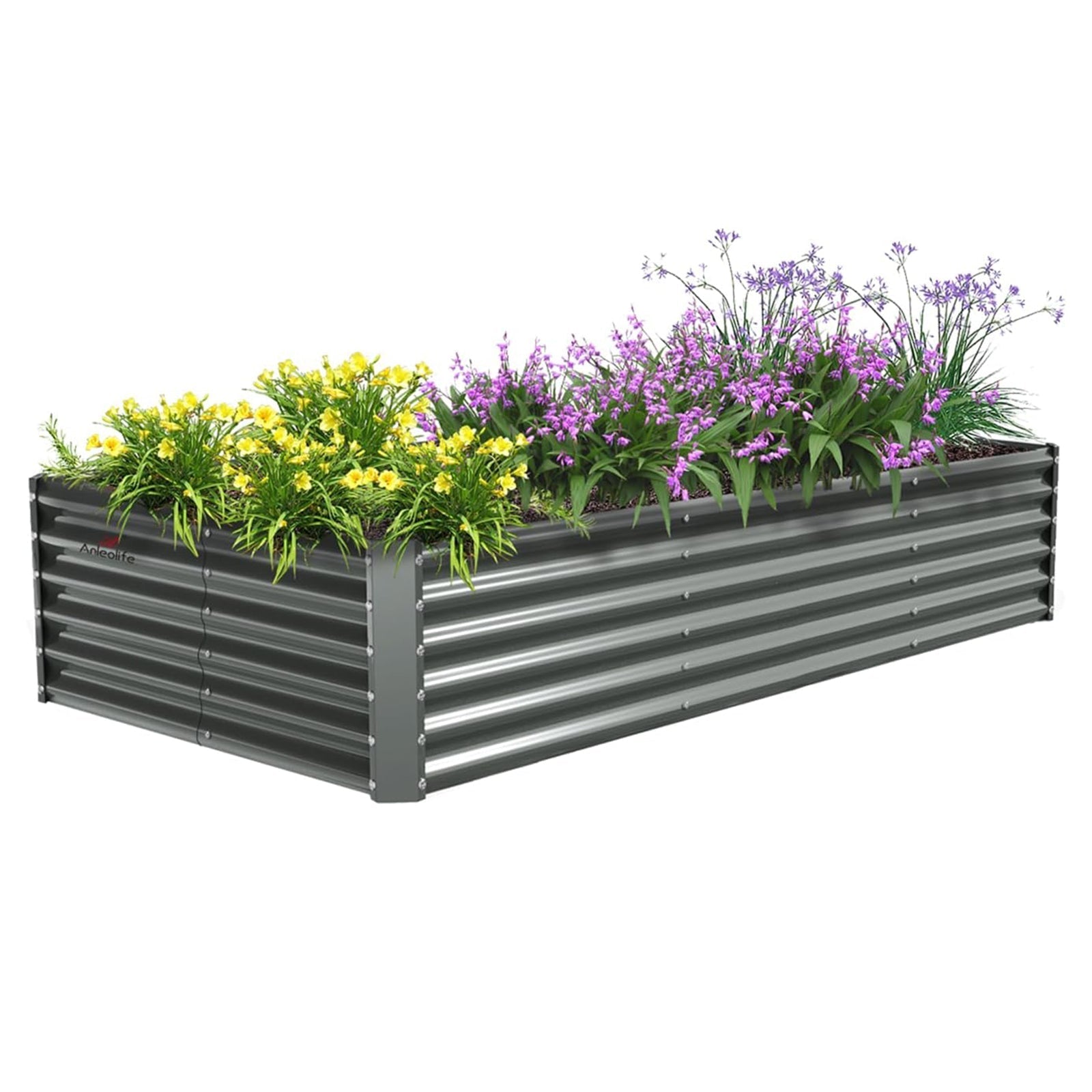
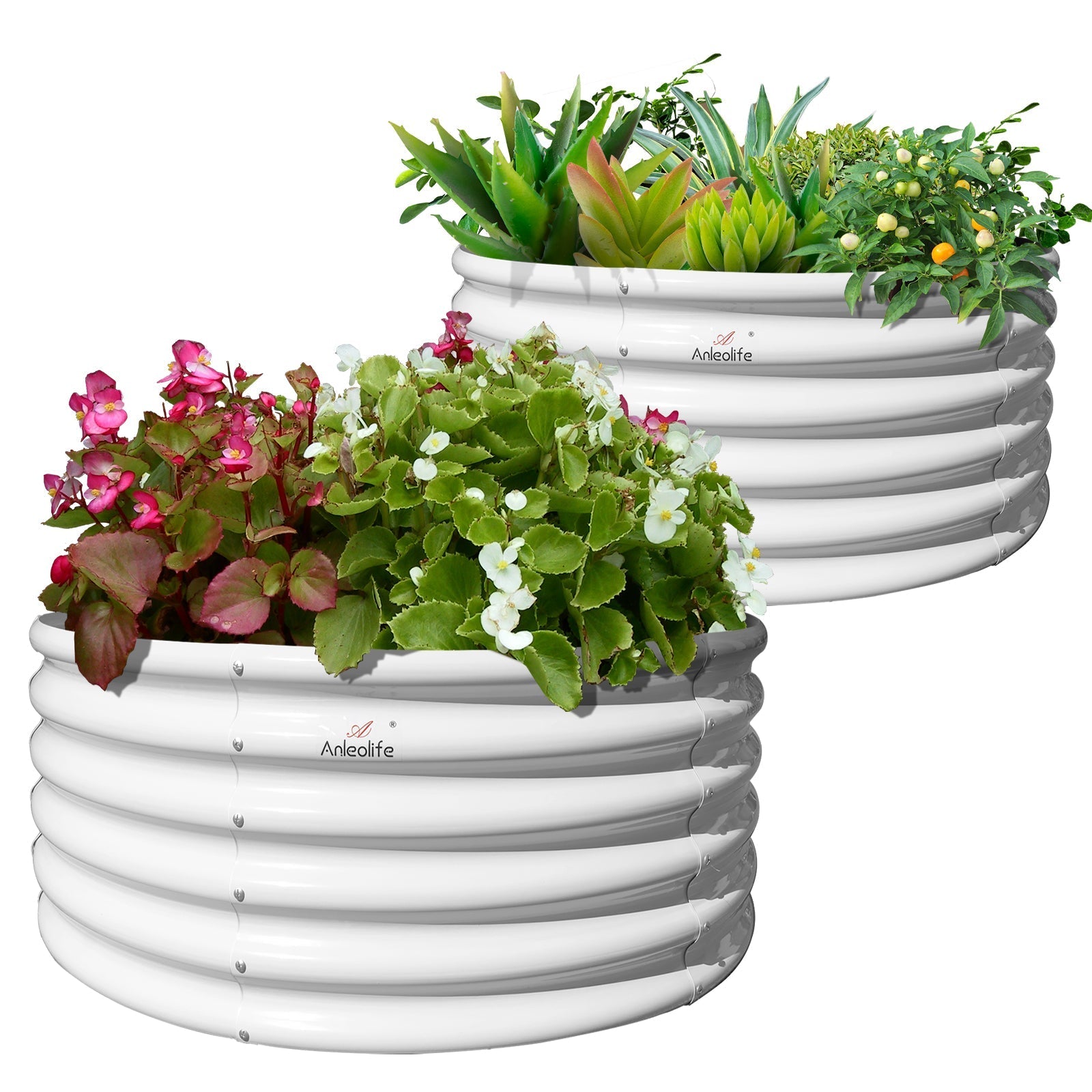
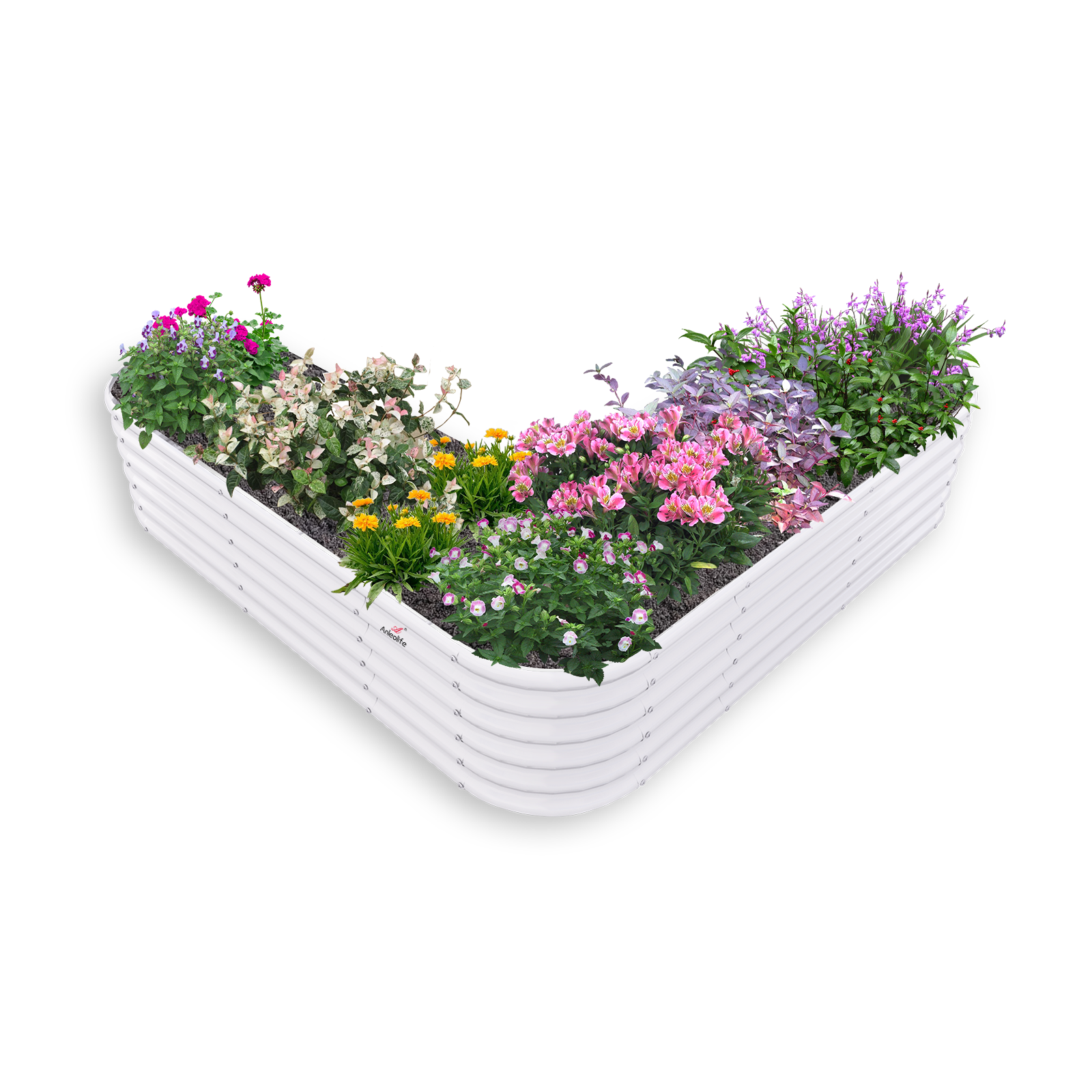
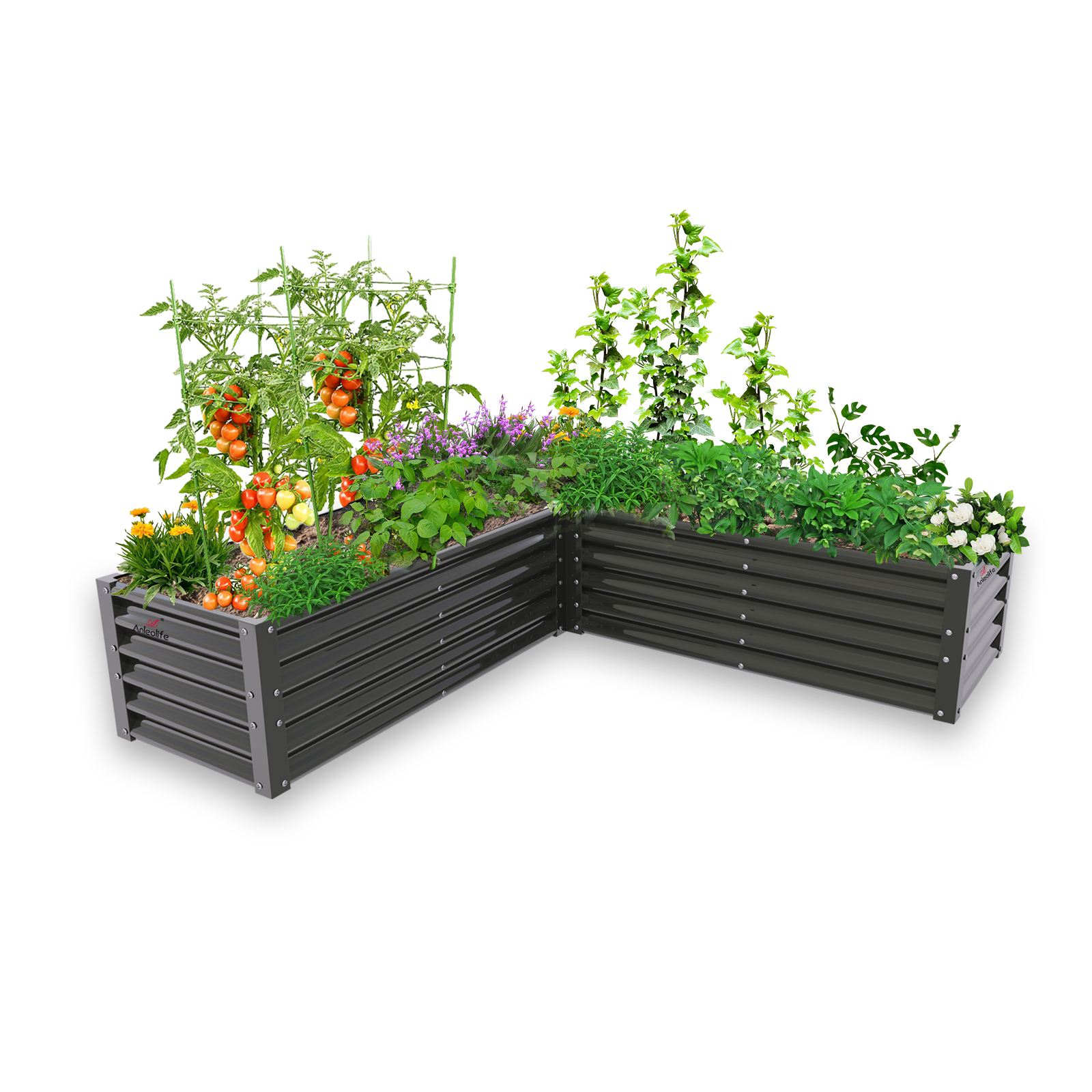
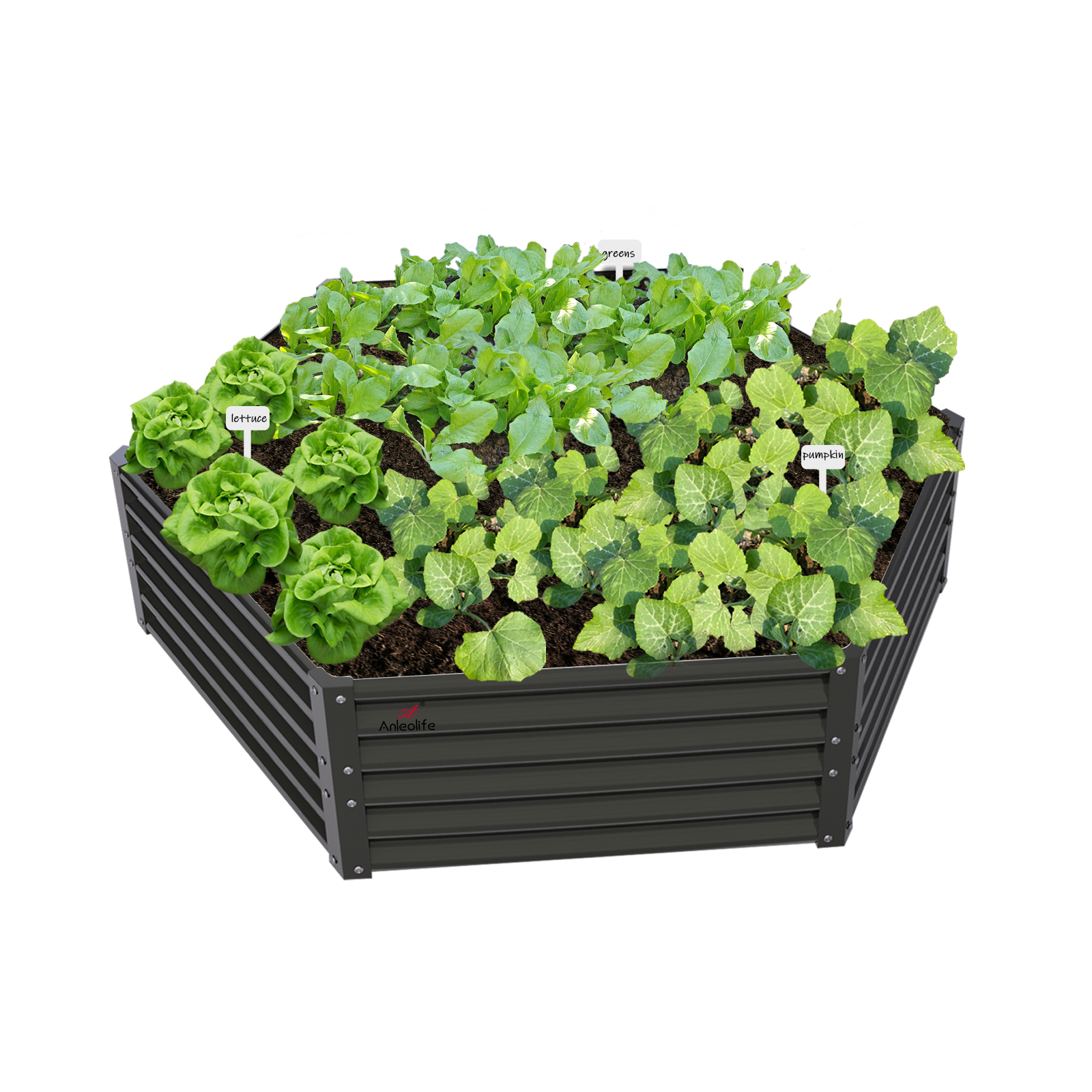
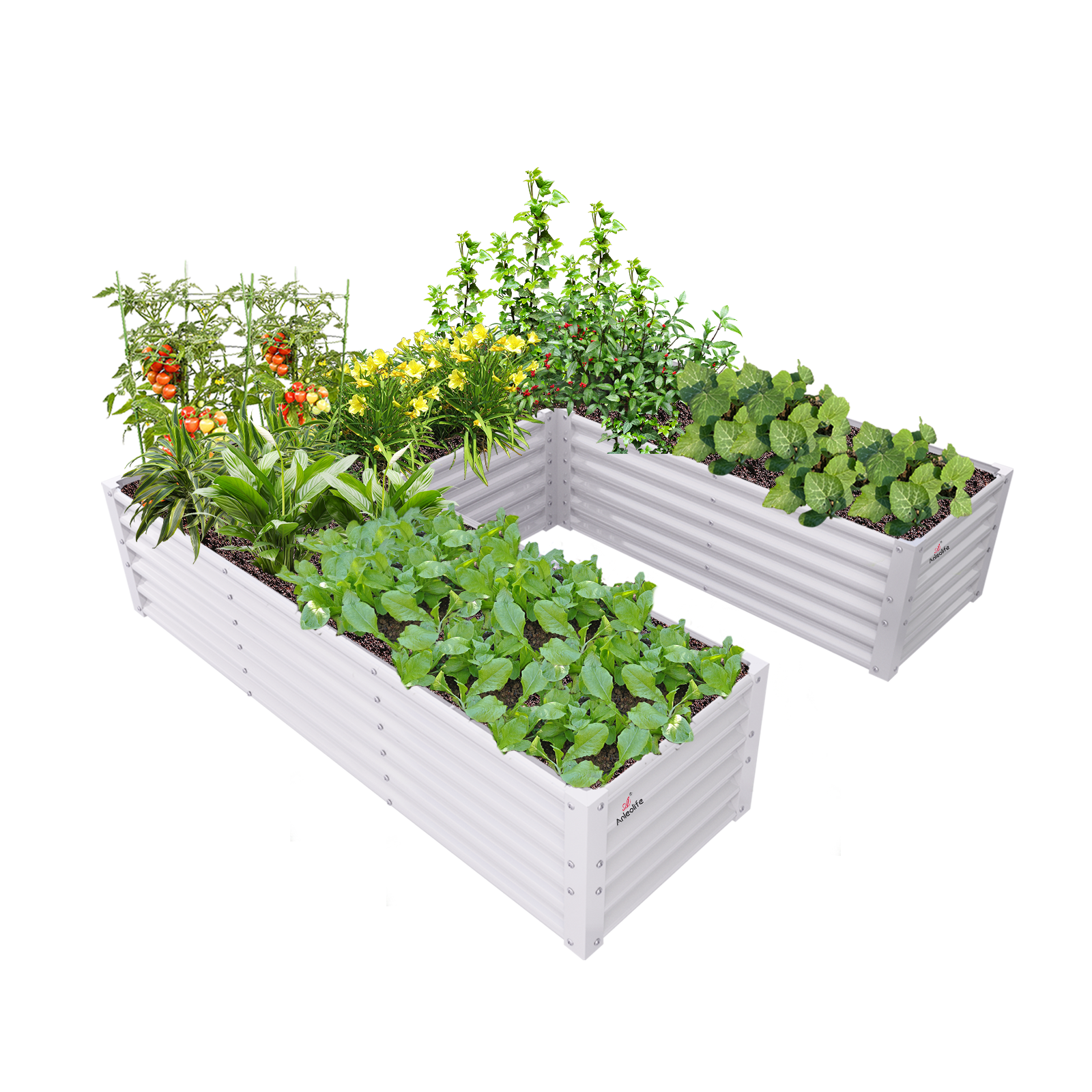


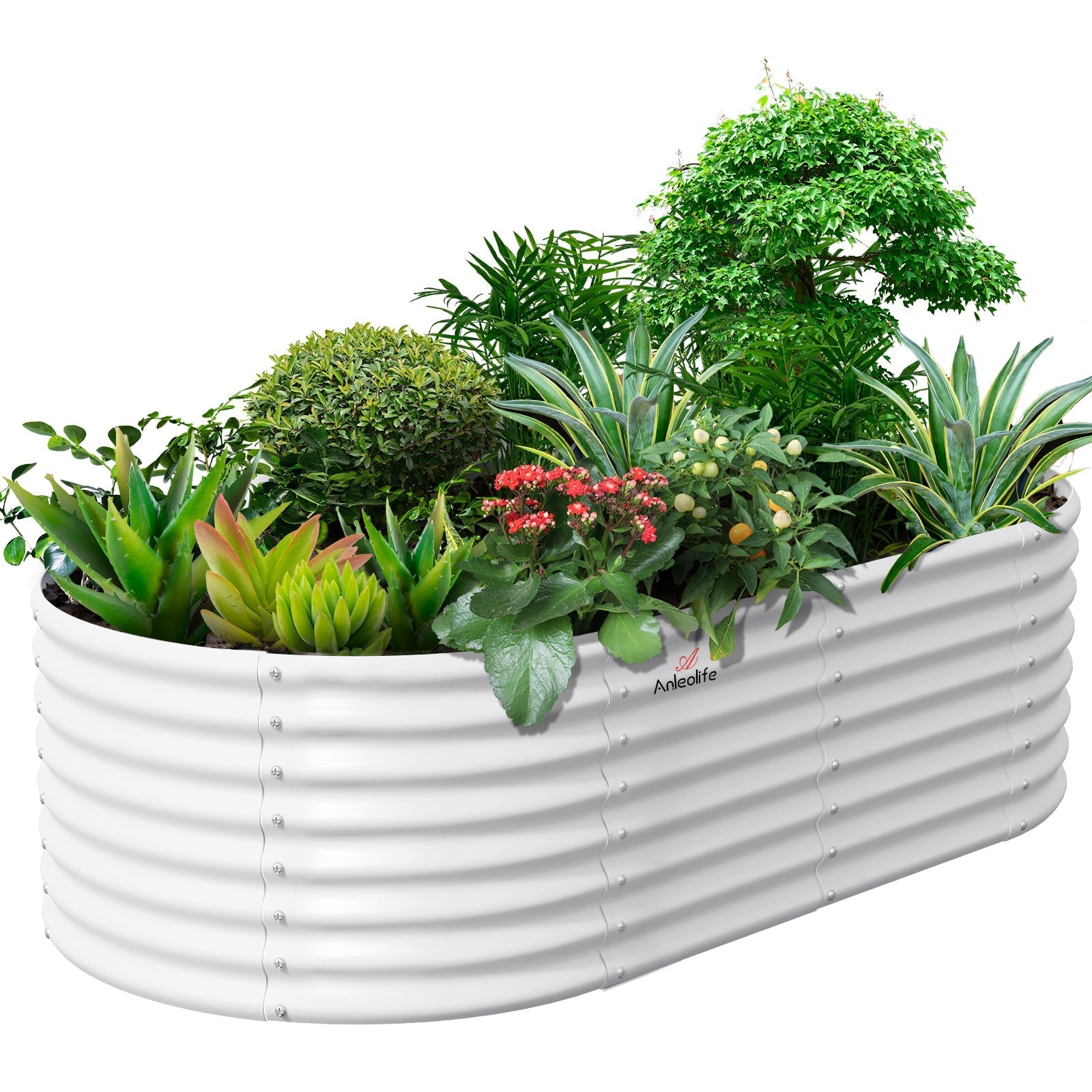

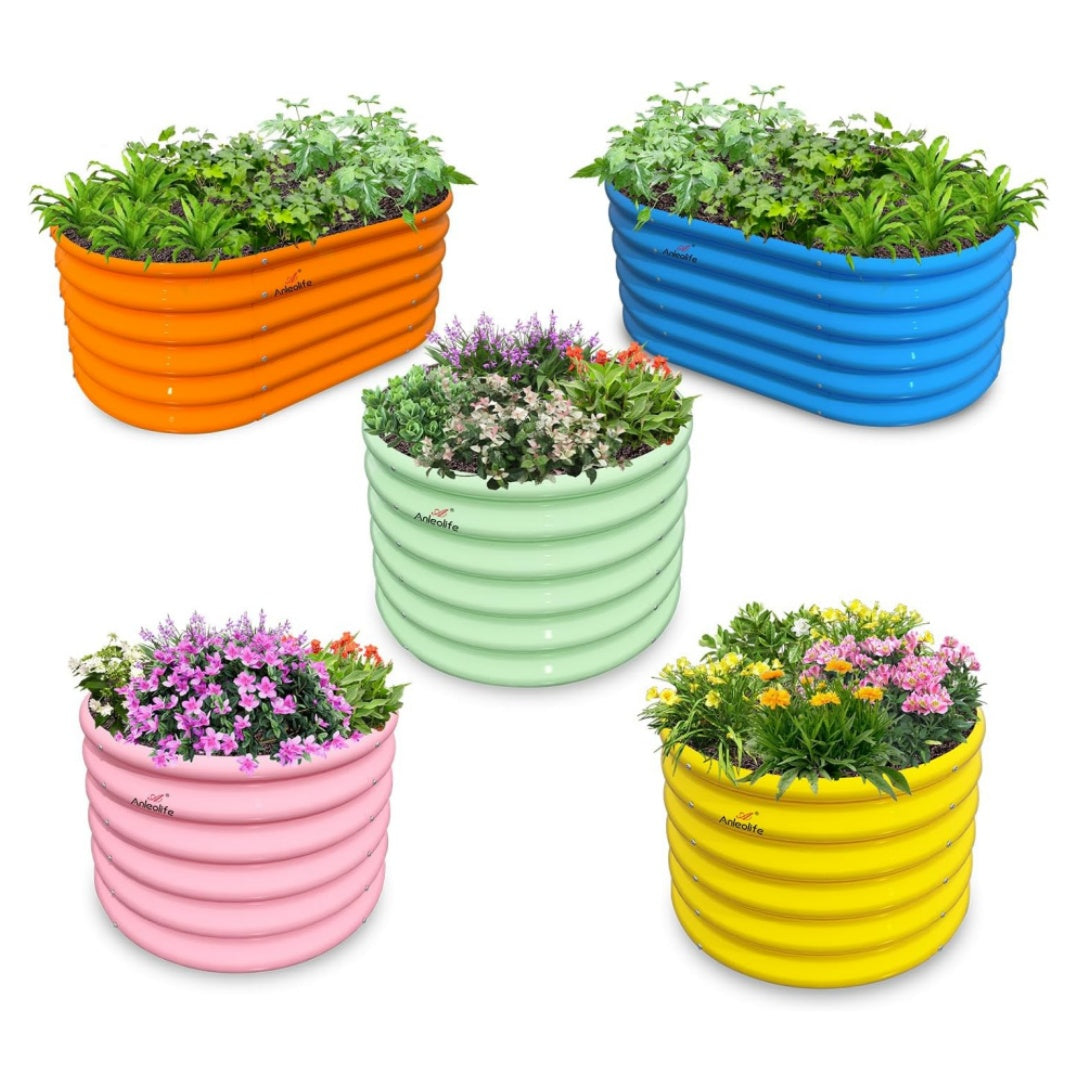
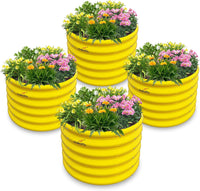
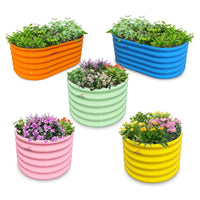
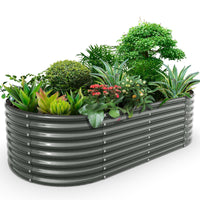



ALT: Organized multi-bed raised bed garden layout with metal beds arranged in a productive backyard space
Why a Multi-Bed Garden System Transforms Your Backyard Into a Productive Paradise
Key Conclusion: A well-planned raised bed garden layout is the single most impactful upgrade a home gardener can make. Whether you're mapping out a raised bed planting layout for vegetables, herbs, or flowers, a thoughtful raised bed layout system dramatically increases your harvest efficiency, reduces weeding time, and turns a chaotic backyard into a visually stunning, fully functional outdoor living space. The difference between a struggling garden and a thriving one often comes down to organization, access, and design intentionality.
Transforming your backyard into a productive multi-bed garden system isn't just about growing more food—it's about creating a space that works with you, not against you. When beds are properly spaced, oriented, and assigned specific planting roles, you spend less time guessing and more time harvesting.
There are three foundational ideas that make multi-bed systems so effective: zoned functionality (separating crops by growth habit and lifecycle), ergonomic access (ensuring every inch of soil is reachable without straining), and aesthetic cohesion (making your garden beautiful enough that you actually want to spend time there). All three principles will guide every recommendation in this article.
Who Should Use a Multi-Bed Garden System?
✅ Applicable Scenarios:
- Homeowners with a backyard of 200 sq ft or more who want to grow a meaningful quantity of food and herbs
- Eco-conscious families transitioning from traditional row gardens to more efficient, sustainable raised bed systems
- Empty nesters and retirees who want a manageable, low-maintenance garden that delivers consistent seasonal harvests
- Urban micro-gardeners working with compact but structured outdoor spaces such as patios, side yards, or small lawns
❌ Not Applicable/Cautions:
- Renters without long-term outdoor access who cannot commit to a permanent raised bed installation
- Gardeners dealing with heavily shaded yards receiving fewer than 6 hours of direct sunlight daily, where plant selection will be severely limited regardless of layout
The Growing Movement Toward Structured Backyard Gardens
Home food gardening in North America has seen a remarkable renaissance over the past decade. According to the National Gardening Association, the number of households growing food at home has increased by millions since 2008, with younger demographics and suburban families leading much of the growth. This isn't a passing trend—it reflects a genuine cultural shift toward self-sufficiency, health-consciousness, and reconnecting with the origins of food.
Yet despite the enthusiasm, many new gardeners make the same costly mistake: they start with a single raised bed, fall in love with the process, and then randomly add more beds without any strategic plan. The result is a patchwork of misaligned boxes, awkward pathways, inconsistent soil quality, and plants competing for light and water. The garden becomes frustrating rather than fulfilling.
A multi-bed garden system solves this problem at the root. Rather than treating each bed as an independent unit, a systems approach views your entire yard as an integrated landscape—where bed shapes, orientations, pathway widths, irrigation routes, and planting zones all communicate with each other.
The good news is that building such a system doesn't require a landscape architecture degree. What it requires is a clear planning framework, quality materials that will stand up for decades, and a commitment to starting with the end in mind. Whether you're installing your second bed or your tenth, the principles in this guide will help you design a raised bed layout that grows with you.
For gardeners just starting their raised bed journey, understanding foundational decisions like bed size, shape, and material is the first step. From there, a multi-bed layout becomes a natural and rewarding evolution.
Planning and Building Your Multi-Bed Garden System Step by Step
Three-Step Quick Start
Step 1: Survey Your Space and Sun Patterns
Before purchasing a single board or bed, spend one to two days observing how sunlight moves across your backyard. Note which areas receive full sun (6+ hours), partial shade, and deep shade. Sketch a rough overhead diagram of your yard, marking permanent features like fences, trees, and structures. This 1–2 hour investment saves you from costly placement mistakes and ensures your beds capture maximum light for food crops. Also consider prevailing wind direction and water access points.
Step 2: Decide on Bed Count, Shape, and Dimensions
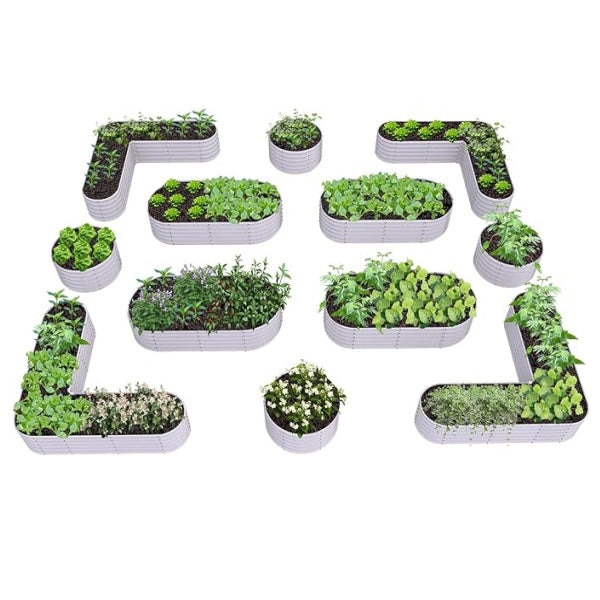
Using your sun map, determine how many beds your space can realistically support while maintaining comfortable 18–24 inch pathways between them. For most backyards, starting with 3–6 beds allows for crop rotation, companion planting diversity, and dedicated zones for perennials vs. annuals. Sketch your raised bed planting layout on paper or using a free garden planning app. Account for tool storage, a composting corner, and a central gathering or potting area if space allows.
Step 3: Select Materials and Install in the Right Order
Choose bed frames rated for long-term durability—galvanized steel beds offer exceptional resistance to rot, rust, and pests. Install beds starting from the back of your yard and working forward to avoid compacting soil in future bed areas. Fill with a high-quality soil blend (typically 60% topsoil, 30% compost, 10% perlite or coarse sand), and establish pathways before your first planting season. Finishing this foundational phase takes a weekend for most homeowners and sets the stage for years of productive gardening.
Comparing the Best Bed Shapes and Configurations for Multi-Bed Layouts
The question of what's the best shape for a raised garden bed comes up frequently among gardeners planning a multi-bed system, and the honest answer is: it depends on your space and goals. Here's a practical comparison of the most popular configurations:
| Comparison Dimension | Rectangular (4x8 or 4x12) | Square (4x4) | L-Shaped or Custom |
|---|---|---|---|
| Best For | Row vegetables, long-season crops | Compact spaces, single-crop focus | Corner spaces, aesthetic focal points |
| Access Ease | Excellent with 4 ft width | Excellent from all sides | Good with proper design |
| Pathway Efficiency | High—parallel rows allow systematic movement | Moderate—requires space on all sides | Variable |
| Scalability | Very high—easy to add parallel beds | High—flexible arrangement | Moderate |
| Aesthetic Impact | Clean, orderly, traditional | Modern, geometric | Highly decorative, cottage-style |
| Best Layout Style | Grid or row formation | Cluster or checkerboard | Feature garden or mixed border |
The 4x8 rectangular bed remains the gold standard for most home gardeners because it maximizes growing area while keeping every square foot accessible from the sides without stepping inside the bed. The rule of thumb for ergonomic access is that a raised garden bed should be no wider than 4 feet when accessible from both sides, or no wider than 2 feet when accessible from only one side (against a wall or fence). This ensures even the shortest gardener can reach the center without straining.
Square 4x4 beds are ideal for urban micro-gardeners or those who want to use the Square Foot Gardening method, which assigns specific plant counts to each square foot for maximum density. L-shaped beds, meanwhile, create beautiful focal points and work well along fence corners—they're a natural fit for cottage-style gardens where garden ornaments for cottage-style landscaping can be incorporated among the planting zones.
Designing Your Raised Bed Garden Layout for Maximum Productivity and Beauty
Orientation and Sun Alignment
The orientation of your beds is not a minor detail—it's fundamental to plant health. In the Northern Hemisphere, beds should ideally run north to south so all plants receive equal sun exposure throughout the day. If east-west orientation is unavoidable, place taller crops (tomatoes, trellised beans, sunflowers) on the north side of each bed to prevent them from shading shorter crops.
Within a multi-bed system, consider grouping beds by plant height and lifecycle. A three-zone approach works well for most backyards:
- Zone 1 (Closest to house): Herbs, salad greens, and frequently harvested crops like cherry tomatoes and peppers—easy daily access for kitchen gardeners
- Zone 2 (Middle ground): Main-season vegetables like zucchini, cucumbers, beans, and brassicas
- Zone 3 (Back of yard): Long-season or perennial crops like asparagus, artichokes, and berry bushes that can be established and left relatively undisturbed
Pathway Design and Ergonomic Access
Pathways are often an afterthought in garden planning, but they determine how enjoyable your daily gardening experience is. A minimum of 18 inches between beds allows foot traffic; 24–30 inches is recommended if you use a wheelbarrow or garden cart. For gardeners with mobility concerns, 36 inches ensures comfortable kneeling access from either side.
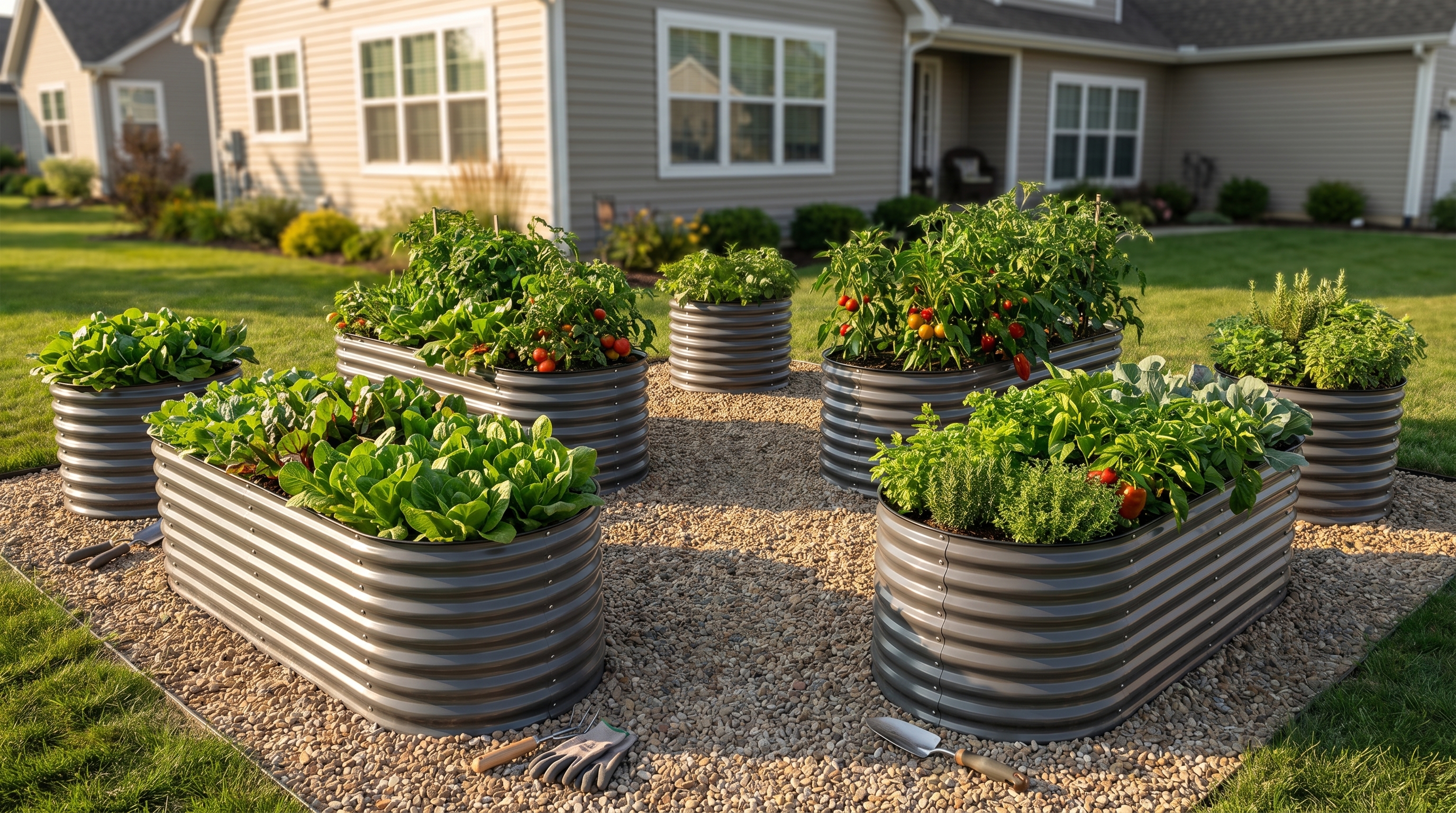
Pathway materials matter too. Compacted gravel, stepping stones, wood chips, or rubber mulch all prevent mud and suppress weeds. Avoid bare soil pathways—they compact under foot traffic and become muddy in wet weather. For a cohesive aesthetic, choose pathway materials that complement your bed frames.
Integrating Vertical Growing Elements
A multi-bed system isn't limited to horizontal growing space. Adding trellises, obelisks, or A-frame structures to select beds dramatically increases your productive square footage without expanding your footprint. Pole beans, cucumbers, indeterminate tomatoes, and climbing peas all thrive on vertical supports and free up ground-level space for low-growing companions like lettuce, basil, and marigolds.
Bird Netting and Garden Pest Protection
As your multi-bed garden becomes more productive, it will inevitably attract more visitors—not all of them welcome. Birds can devastate strawberries, brassicas, and young seedlings within hours. The best garden netting for keeping birds away from vegetables is a fine-mesh polyethylene or polypropylene net with openings no larger than ½ inch, stretched over a simple hoop frame built from PVC pipe or flexible conduit. This creates an inexpensive season-long barrier that lifts off easily for harvesting.
For slug, aphid, and caterpillar management, consider companion planting strategies: nasturtiums attract aphids away from vegetables, dill and fennel attract beneficial predatory wasps, and dense basil planting deters thrips and spider mites.
Hose and Irrigation Management in a Multi-Bed System
One of the most underestimated organizational challenges in a multi-bed garden is water management. As your bed count increases, dragging hoses across pathways becomes frustrating and disruptive. Planning your irrigation infrastructure early saves significant hassle.
For hose storage solutions and reel systems, wall-mounted retractable hose reels are particularly effective in multi-bed gardens. Installing one on a central fence post or exterior wall allows full-yard reach without tangled hoses crossing pathways. Alternatively, a quality hose reel cart positioned at the garden's edge can serve multiple bed zones without permanent installation. For serious gardeners, installing a simple drip irrigation manifold connected to your main water line—with individual soaker hose runs to each bed—eliminates daily watering labor and reduces water waste by up to 50% compared to overhead sprinklers.
Choosing Long-Lasting Materials: The Case for Metal Raised Beds
The material quality of your raised beds is a decision that compounds over decades. Wood beds, while initially affordable, typically degrade within 5–10 years depending on climate and species. Composite and plastic beds offer moderate longevity but can leach microplastics into soil over time.
Galvanized steel raised beds, like those offered by Anleolife, represent the premium long-term investment. Anleolife's metal raised garden beds are engineered for a 20-year lifespan, meaning a bed installed today will still be productive when your current seedlings have gone through two decades of growing cycles. The Aluzinc coating resists rust, withstands temperature extremes from -40°F to 140°F, and remains safe for food contact throughout its life.
For a multi-bed system, this durability matters enormously: you're building infrastructure, not just buying containers. Consistency in bed material also creates visual cohesion across your entire garden layout, reinforcing that sense of intentional design that separates a beautiful garden from a haphazard collection of boxes.
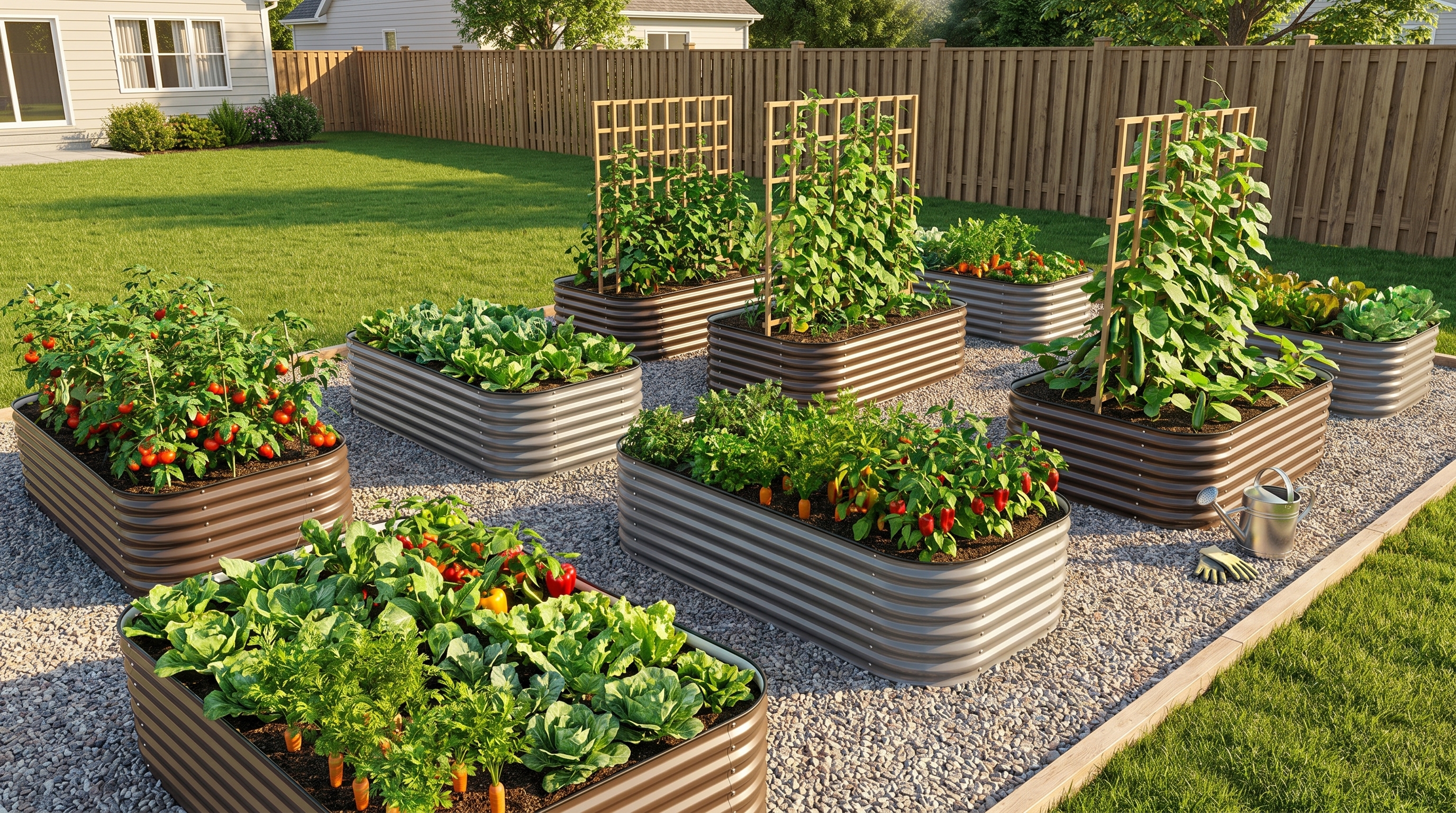
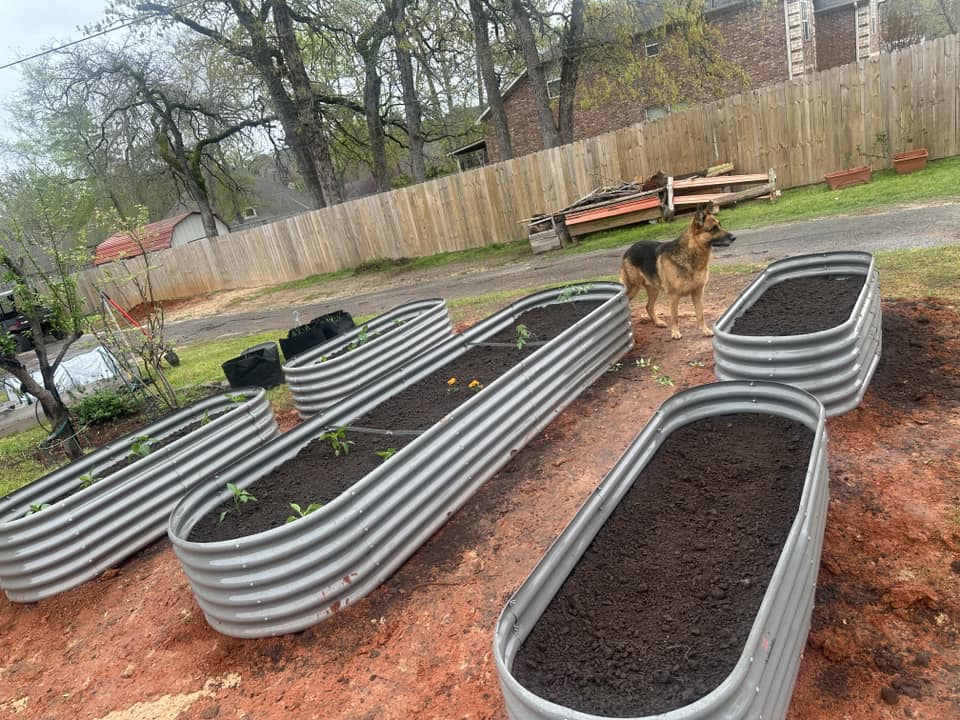
ALT: Anleolife galvanized steel raised garden beds in an organized multi-bed raised bed garden layout with pathways and trellises
Advanced Strategies for Multi-Bed Garden Systems
Crop Rotation Across Multiple Beds
One of the most significant advantages of a multi-bed system over a single large garden is the ease of implementing crop rotation. By assigning each bed to a crop family (nightshades, brassicas, legumes, root vegetables) and rotating their positions annually, you naturally interrupt pest and disease cycles, prevent soil nutrient depletion, and improve long-term productivity without chemical inputs.
A common misconception is that crop rotation requires a complex spreadsheet. In practice, a simple four-bed rotation cycle—with nightshades, brassicas, legumes, and roots each occupying one bed per season—is easy to manage and highly effective. Keep a simple garden journal to track what grew where each year.
Succession Planting in a Multi-Bed Layout
Succession planting—sowing new seeds every 2–3 weeks rather than all at once—ensures continuous harvest rather than a single overwhelming glut. A multi-bed system is ideally suited to succession planting because different beds can be at different stages simultaneously. While one bed is producing mature lettuce, another is hosting seedlings, and a third is resting with a cover crop improving soil structure.
Dedicated Beds for Perennials vs. Annuals
A frequently overlooked strategy: never mix perennial and annual crops in the same bed. Perennials like strawberries, asparagus, chives, and mint need permanent, undisturbed homes where they can establish deep root systems. Dedicating specific beds to perennials—and clearly marking them in your layout plan—prevents the frustration of accidentally digging up established plants during seasonal soil preparation.
Common Misconception: More Beds Always Means More Work
Many gardeners hesitate to expand their systems believing that more beds means exponentially more labor. In practice, a well-designed multi-bed system with proper soil preparation, mulching, drip irrigation, and crop selection often requires less weekly maintenance than a single large traditional garden. The key is front-loading the design investment and selecting appropriate crops for your available time.
Frequently Asked Questions FAQ
Q1: How wide should a raised garden bed be for easy access?
The standard recommendation is no wider than 4 feet when the bed is accessible from both sides, and no wider than 2 feet when accessible from one side only. This width allows even shorter gardeners to reach the center comfortably without stepping into the bed, which preserves soil structure. For gardeners with limited mobility or reach, reducing bed width to 3 feet significantly improves ergonomic comfort during extended planting and harvesting sessions.
Q2: Are metal raised garden beds safe for growing vegetables?
Yes—high-quality galvanized steel raised beds are safe for vegetable growing. Modern food-grade galvanized steel uses a zinc-aluminum alloy coating (Aluzinc) that does not leach harmful levels of zinc into soil under normal gardening conditions. Studies from university extension programs confirm that zinc concentrations in soil from galvanized beds remain well within safe thresholds. Anleolife's beds are specifically engineered for food contact safety and carry a 20-year lifespan backed by rigorous quality standards.
Q3: How much does it cost to set up a multi-bed garden system, and how long does installation take?
A starter multi-bed system with 3–4 quality metal raised beds typically runs between $300–$600 for the beds, plus $100–$200 for soil amendments and pathway materials. Installation can be completed in a single weekend by most homeowners with basic tools. The investment pays back quickly: research from the National Gardening Association suggests a well-managed home garden produces an average return of $530 worth of produce per $70 invested annually. Long-term durability (Anleolife beds last 20 years) dramatically improves the lifetime return on investment.
Summary
Building an organized multi-bed garden system is one of the most rewarding upgrades a homeowner can make to their outdoor space. When designed thoughtfully, it delivers three transformative outcomes:
1. Greater Productivity Per Square Foot: Zoned planting, crop rotation, and succession planting work together to maximize what your garden produces across every season without depleting your soil.
2. A More Enjoyable Gardening Experience: Ergonomic bed widths, well-designed pathways, efficient irrigation, and smart netting solutions reduce the friction that makes gardening feel like a chore rather than a pleasure.
3. A Beautiful, Lasting Outdoor Space: A cohesive layout using quality materials—particularly long-lasting galvanized steel beds rated for 20 years of service—creates a garden that grows more beautiful and productive every season, not less.
Your next step is simple: walk your backyard today with a notebook and sketch your sun patterns and permanent features. That drawing is the seed of your future multi-bed garden system. From there, the planning process unfolds naturally—bed by bed, season by season.
Ready to Build Your Dream Multi-Bed Garden?
Anleolife makes that vision achievable from day one.
Our nationwide U.S. warehouse network—strategically located in California, Texas, Florida, New York, Illinois, and Washington—ensures delivery within 3–8 business days, so your garden upgrade plans never have to wait through long shipping delays.
Our multi-channel sales network means you can shop wherever you're most comfortable: Amazon, Walmart, Home Depot, Lowe's, Wayfair, or directly at Anleolife.com—with consistent quality assurance and dedicated after-sales service across every platform.
And with our three core product scenarios—Planting (metal raised garden beds, soil systems), Raising (chicken coops, rabbit hutches), and Beautification (decorative accessories, pathway systems)—Anleolife covers your complete outdoor living needs, from functional infrastructure to beautiful finishing touches.
We understand that an ideal garden isn't built overnight—it's cultivated over seasons. Our modular product design allows flexible expansion based on your evolving needs, from your very first 8×4×2 raised bed to a fully integrated planting-and-raising ecosystem. We grow with you, every step of the way.
References
- National Gardening Association. "Garden to Table: A Guide to Urban and Suburban Gardening Statistics and Trends".
https://garden.org - University of California Agriculture and Natural Resources. "Raised Bed Gardening: Soil Preparation and Crop Management".
https://ucanr.edu/ - U.S. Department of Agriculture (USDA). "Backyard Composting and Home Garden Productivity Research".
https://www.usda.gov/ - Penn State Extension. "Vegetable Garden Planning: Layout, Spacing, and Crop Rotation Principles".
https://extension.psu.edu/ - Colorado State University Extension. "Raised Bed Gardening: Design, Materials, and Long-Term Soil Health".
https://extension.colostate.edu/
Note: Standards and research findings may be updated over time. Please check the latest official documents or consult professional gardening advisors for the most current guidance.
About Anleolife
Anleolife is a leading outdoor garden solutions provider in North America, dedicated to offering a full-scenario product ecosystem for home gardening enthusiasts, covering planting, raising, and garden beautification. Since its founding, we have upheld our brand mission, "Made for Garden Life," continuously innovating products and optimizing services to help hundreds of thousands of users upgrade their gardens, reconnect with nature, and enjoy a better garden lifestyle.