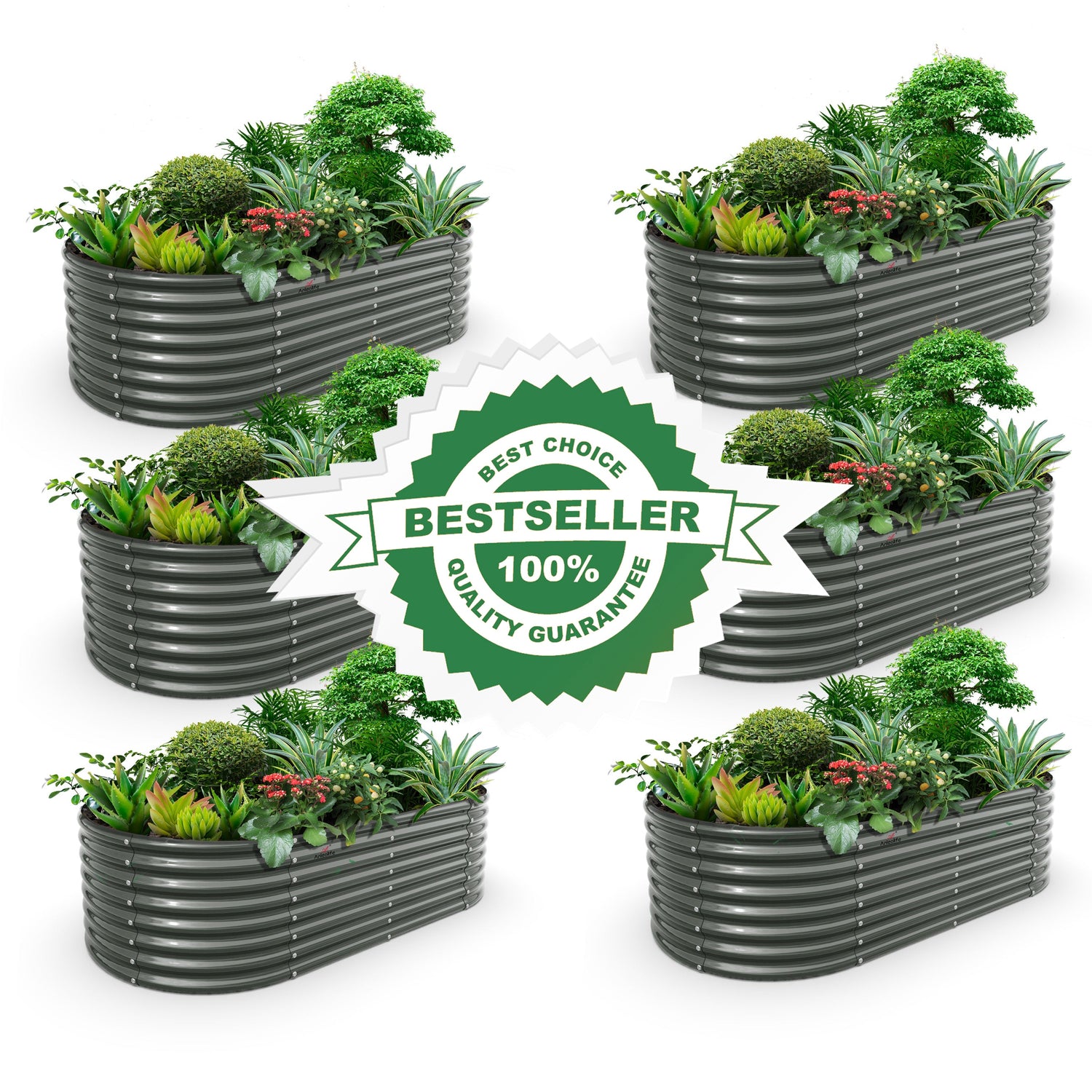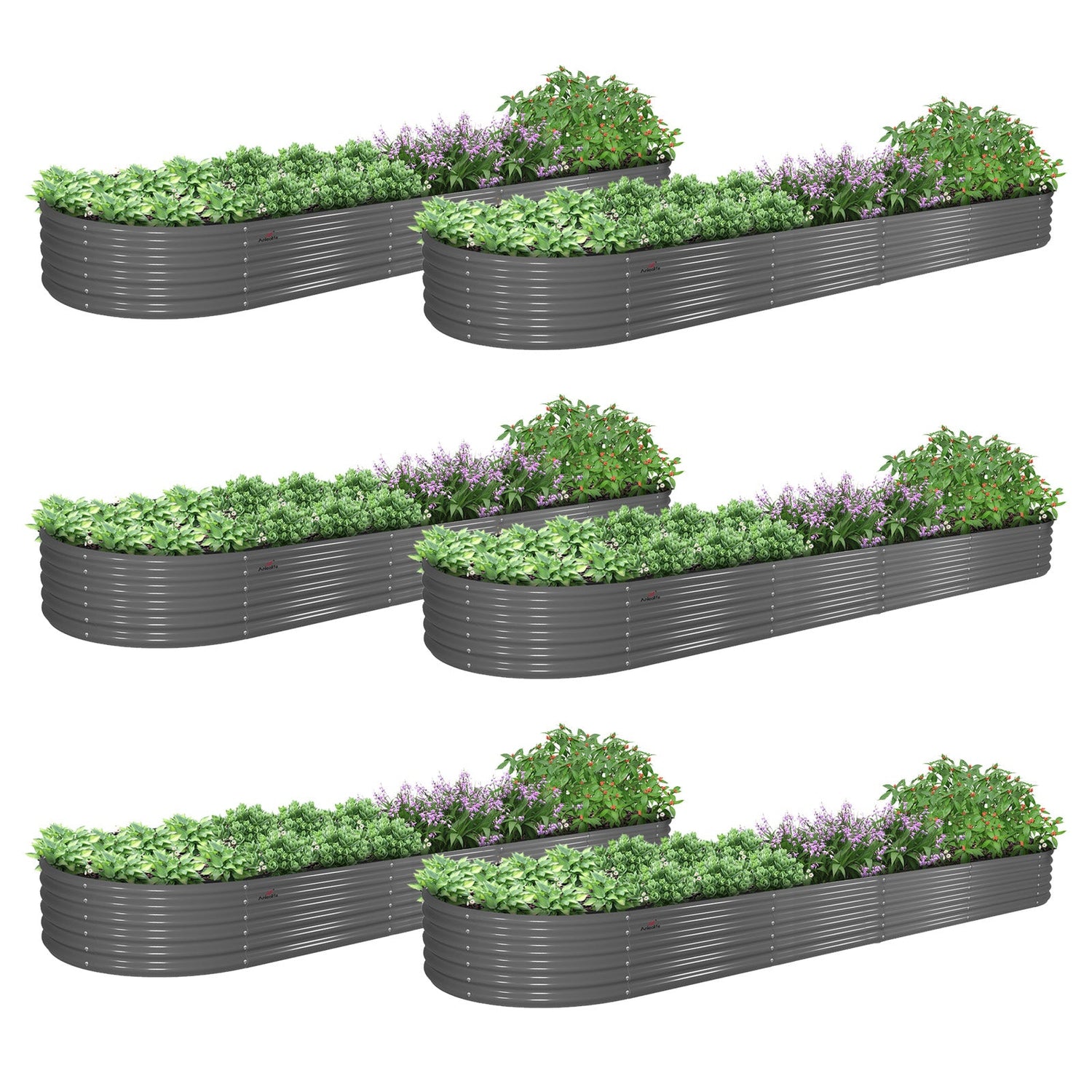



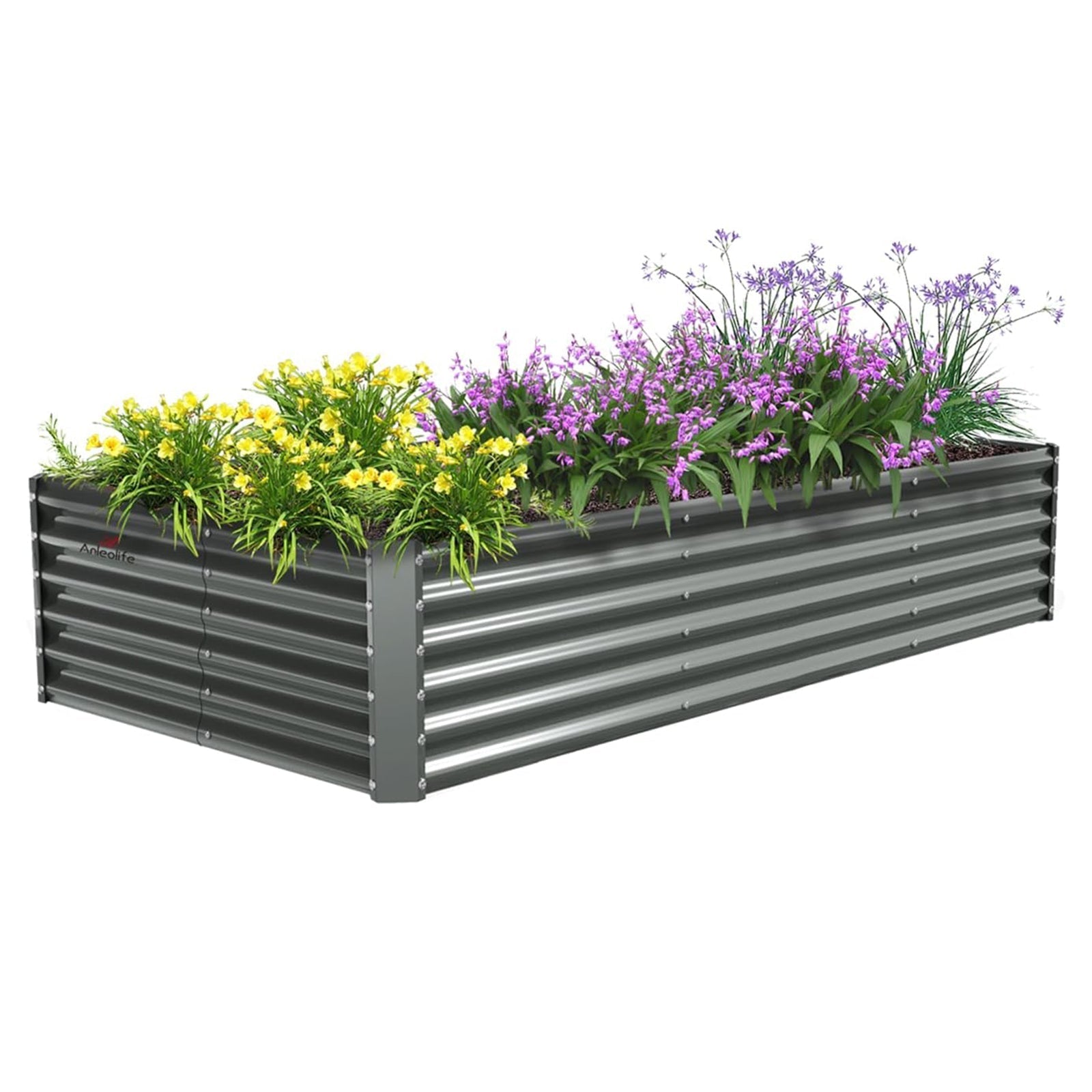
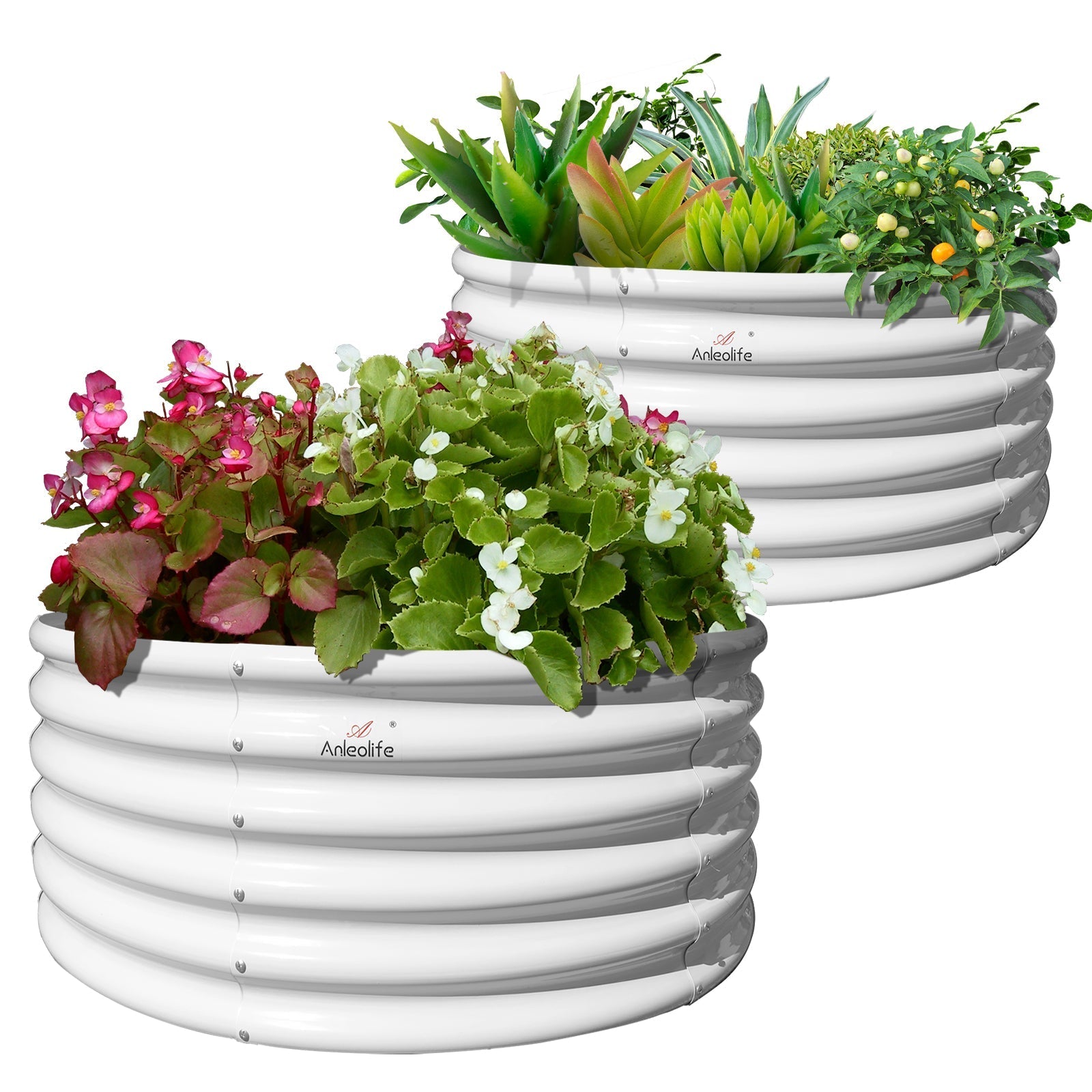
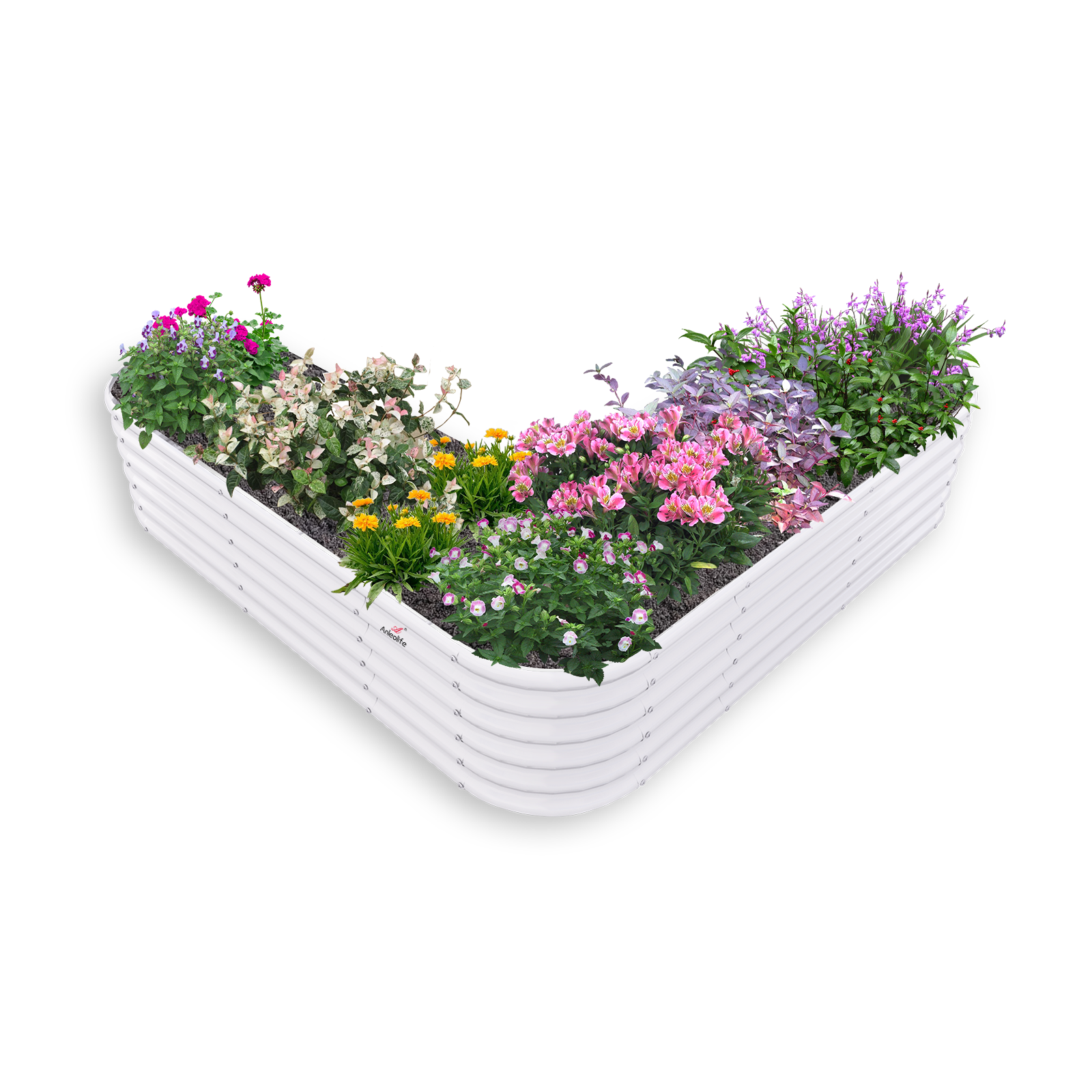
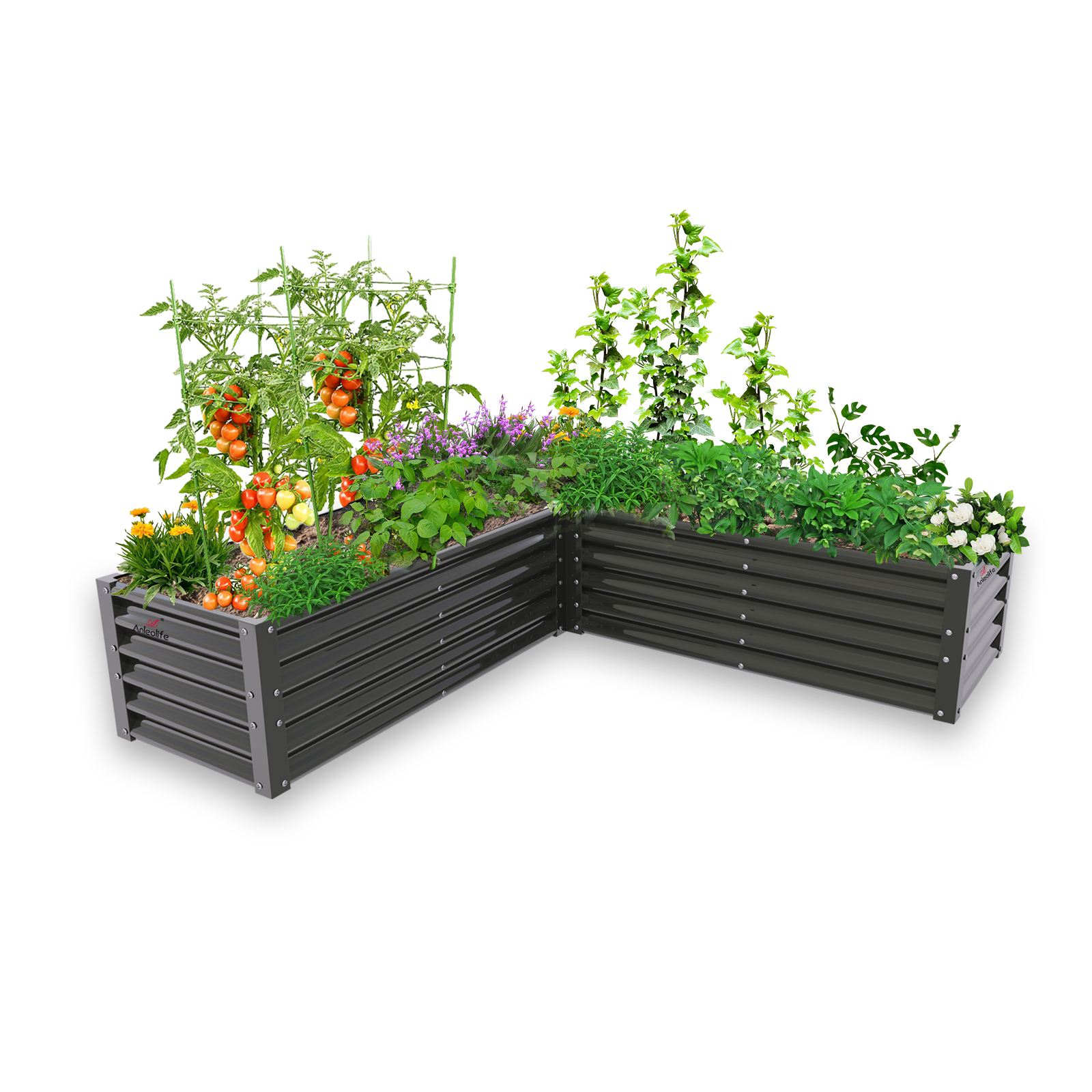
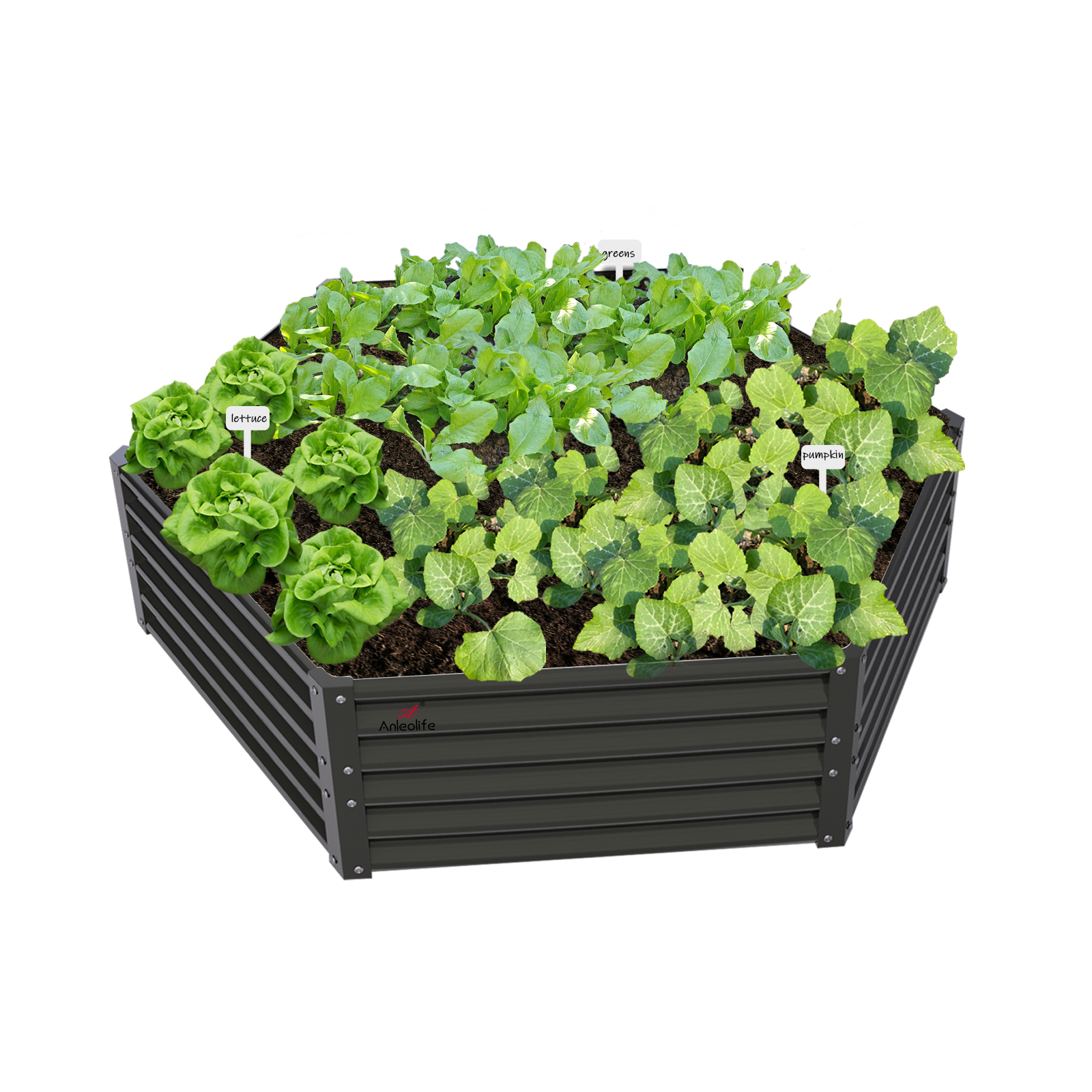




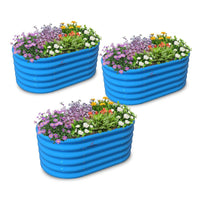
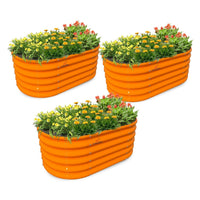
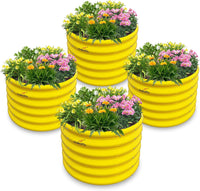
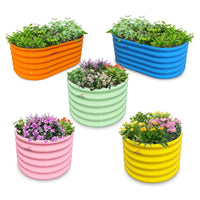
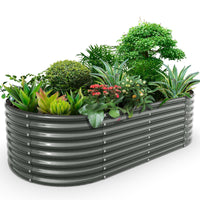




ALT: Modular raised garden bed system customized for unique backyard shapes, galvanized steel panels arranged in L-shape layout
Why Modular Garden Beds Are the Smartest Solution for Irregular Backyard Layouts
Key Conclusion: No two backyards are the same—and that's exactly why modular garden bed systems have become a game-changer for home growers across North America. Unlike fixed-size raised beds, modular designs let you configure, expand, and reconfigure your growing space to match odd corners, sloped terrain, narrow side yards, or wraparound patios. Whether you're working with galvanized steel garden panels or rust-resistant metal sections, the ability to lock pieces together into custom shapes means your unique backyard layout is never a limitation—it becomes a design opportunity.
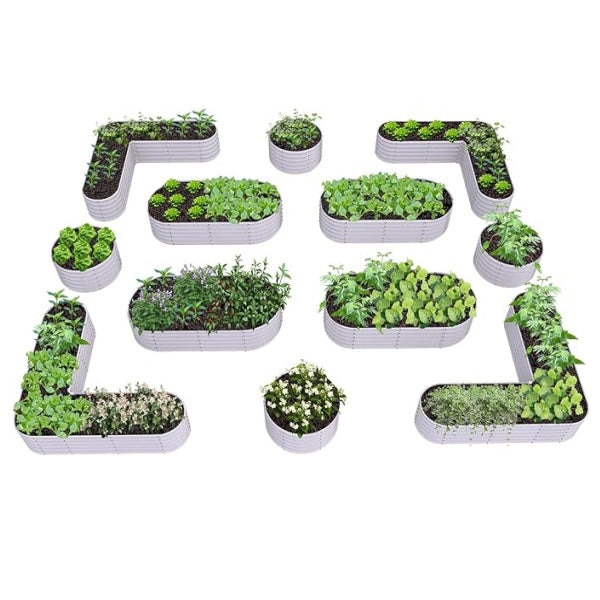
If you've ever stood in your backyard and thought, "I'd love to grow vegetables here, but the space is just too awkward," you're not alone. Millions of home gardeners deal with irregular lot shapes, utility boxes in inconvenient spots, tree roots, or fences that cut across would-be planting zones. Modular garden beds solve this by offering flexible configurations—L-shapes, U-shapes, zigzags, or straight runs—without requiring you to permanently alter your landscape.
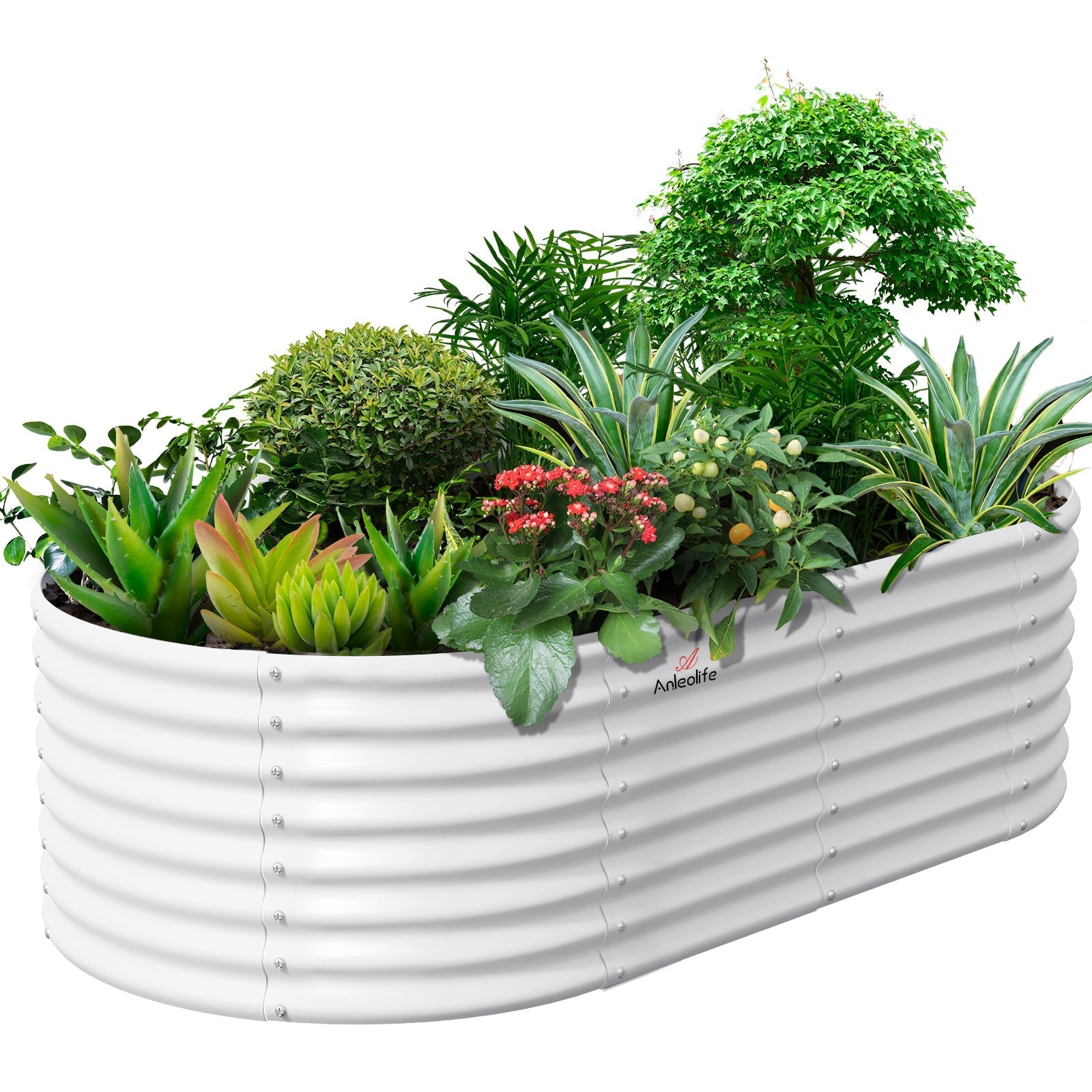
Three things make modular systems particularly compelling: first, they're expandable, so your investment grows with your ambitions; second, they're relocatable, which matters whether you're renting or simply want seasonal flexibility; and third, when built from high-quality galvanized or rust-resistant steel, they're built to last—Anleolife's metal raised garden beds carry a 20-year lifespan, making every dollar spent a long-term investment in your garden lifestyle.
Who Should Consider a Modular Garden Bed Configuration
✅ Applicable Scenarios:
- Irregular or non-rectangular backyards: Corner lots, L-shaped yards, or spaces with obstacles like AC units, trees, or utility lines
- Growing families or ambitious gardeners: Anyone who wants to start small and expand their growing system over seasons without replacing existing infrastructure
- Urban micro-gardeners and patio growers: Those working with limited square footage who need to maximize every inch of usable space
- Empty nesters and retirees: Gardeners who want a low-maintenance, ergonomic setup—particularly taller 24" or 30" extra-tall configurations that reduce bending and kneeling
❌ Not Applicable/Cautions:
- Renters without landlord approval: Even though modular beds are technically movable, larger configurations require planning before installation on rented properties
- Extremely sloped terrain without leveling prep: Modular beds work best on relatively level ground; steep grades require terracing or additional anchoring strategies before installation
The Problem with One-Size-Fits-All Garden Beds (and Why Modular Wins)
Walk into any big-box hardware store and you'll find raised garden beds in standard rectangular sizes—often 4x8 feet or 4x4 feet. For a flat, square backyard, these work fine. But American residential backyards are anything but uniform. According to the U.S. Census Bureau's American Housing Survey, suburban lot shapes vary widely, with irregular geometries common in newer developments, townhome communities, and retrofitted urban spaces.
The traditional approach to this problem was to buy multiple standard beds and try to arrange them in a grid. The result? Wasted space between units, awkward gaps near fences, and growing areas that feel imposed on the landscape rather than integrated into it. Worse, when you buy a fixed raised bed that doesn't fit your corner neatly, you end up either leaving productive soil space unused or trimming back planting zones unnecessarily.
Modular garden beds fundamentally shift this dynamic. Instead of fitting your yard to the product, you fit the product to your yard. Modular systems—like those in Anleolife's Modular Raised Garden Bed collection—use interlocking steel panels that can be assembled into virtually any configuration. You're not locked into a single footprint. A section that forms part of an 8x4 bed this year can be reconfigured into a 12x3 run next spring, or bent into a U-shape that wraps around your patio edge.
This flexibility also matters for soil management. Raised beds with deeper soil profiles—particularly the 24" extra-tall and 30" extra-tall options Anleolife offers—allow for layered soil systems (lasagna gardening, hugelkultur base layers, etc.) that dramatically improve water retention and reduce the need for frequent irrigation. In wet climates especially, galvanized steel panels provide critical drainage control that in-ground planting can't match, making them among the best materials for raised beds in wet climates.
The market trend supports this shift. The National Gardening Association reports consistent annual growth in the home vegetable gardening category, with raised bed gardening representing one of the fastest-growing subcategories. Homeowners increasingly want solutions that are both functional and visually appealing—and modular galvanized steel systems deliver on both counts.
How to Design and Build Your Custom Modular Garden Bed Layout
Three-Step Quick Start for Backyard Configuration
Step 1: Map Your Backyard and Identify Constraints
Before purchasing a single panel, spend 30–45 minutes creating a rough sketch of your backyard to scale. Mark permanent fixtures: fences, gates, utility boxes, outdoor spigots, mature trees, and any structures. Identify areas with full sun (6+ hours daily) versus partial shade—this will determine where your growing zones should go. Note any natural drainage patterns during rain, as low spots may require raised beds with extra depth to avoid waterlogged roots.
Step 2: Choose Your Configuration Strategy
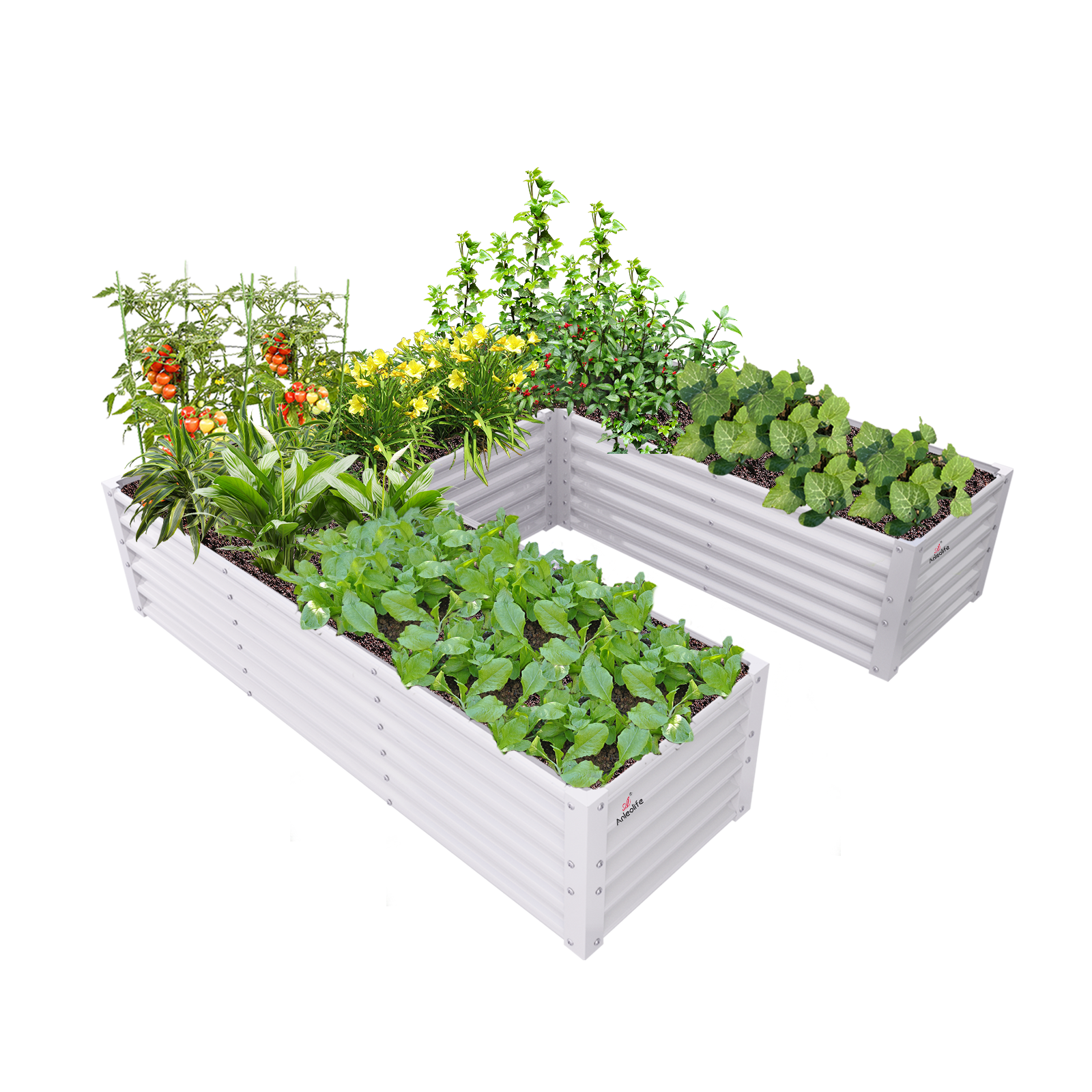
Once you know your constraints, map out your bed shapes. An L-shape configuration works beautifully in corner spaces, turning what's often dead landscaping space into a productive planting zone. A U-shape creates a three-sided growing enclosure that's ergonomically efficient—you can reach the center from any side without stepping into the bed. For narrow side yards, a linear run using multiple connected sections maximizes length without sacrificing width. Anleolife's modular system supports all these configurations, with panel sections designed to connect securely at adjustable angles.
Step 3: Select Bed Height Based on Use and Mobility
Bed height is more than an aesthetic choice—it determines soil volume, root depth, and physical accessibility. The 18" tall options are ideal for most vegetables and annual flowers. The 24" extra-tall beds are excellent for deep-rooting crops like tomatoes, carrots, and squash, and reduce the need to bend deeply. The 30" extra-tall and 35" waist-high models are transformative for gardeners with mobility limitations or back issues, functioning essentially as standing-height workstations. Match your height selection to your most common crops and your physical comfort level.
Comparing Modular Configuration Options: Which Layout Fits Your Space?
Choosing the right modular layout isn't just about aesthetics—it's about maximizing growing area, workflow efficiency, and long-term expandability. Here's how the most common configurations compare across key practical dimensions:
| Comparison Dimension | L-Shape Configuration | U-Shape Configuration | Linear Run Configuration |
|---|---|---|---|
| Best for | Corner lots, angular fence lines | Central patio areas, open backyard zones | Narrow side yards, fence lines |
| Accessibility | Good from two sides | Excellent from three sides | Good from both long sides |
| Growing area efficiency | High—fills corner dead zones | Very high—maximizes usable center space | Moderate—depends on total run length |
| Expandability | Easy to extend either arm | Can add depth or a fourth side | Straightforward—add more panels to the run |
| Ergonomic rating | Moderate | Excellent | Moderate |
| Recommended Anleolife size | Modular 12x3 or 8x4 panels | Modular 8x4 extra-tall | Modular 6x2 or 12x3 sections |
As the table shows, the U-shape configuration typically wins for gardeners prioritizing reachability and workflow—you never have to lean far to tend to plants. The L-shape is often the best choice aesthetically and functionally for corner-heavy yards. And if you're working along a privacy fence, a linear run using Anleolife's modular 12x3 panels creates a long, continuous planting strip that transforms a bare fence line into a productive green wall.
Deep Dive: Material Selection, Soil Strategy, and Practical Setup Tips
Why Galvanized Steel Is the Gold Standard for Modular Systems
When evaluating materials for a raised garden bed system that's meant to be reconfigured over the years, durability under repeated assembly and disassembly is paramount. Galvanized steel—zinc-coated to resist rust—is widely considered the best material for raised beds in wet climates and regions with variable weather, precisely because the zinc layer creates a sacrificial barrier against moisture penetration.
Anleolife's galvanized steel raised garden beds are engineered for a 20-year lifespan, which fundamentally changes the economics of garden investment. Over two decades, the per-year cost of a quality galvanized bed becomes remarkably low compared to wood alternatives that may rot within 5–7 years. For a modular system that you intend to expand and reconfigure multiple times, this longevity is especially valuable—your original panels remain fully functional even as your garden layout evolves.
For gardeners in the Pacific Northwest, the Gulf Coast, or other reliably wet regions, galvanized and rust-resistant raised garden beds are not just preferred—they're the practical choice. Standing water, frequent rain, and high humidity accelerate the degradation of untreated wood and lower-grade metals. Zinc-coated steel shrugs off these conditions.
Soil Strategy for Deep Modular Beds
One of the most overlooked aspects of setting up a new modular bed system is soil composition. Filling a 24" or 30" deep bed entirely with premium bagged soil would be prohibitively expensive and, frankly, unnecessary. Experienced gardeners use a layered approach:
Bottom layer (drainage and bulk): Coarse materials like wood chips, straw, or even untreated cardboard help fill volume and improve drainage. For very deep beds, some gardeners use upside-down sod or wood logs (a technique called hugelkultur) to create a moisture-retaining base that slowly composts over seasons.
Middle layer (transition zone): A mix of compost, partially decomposed wood chips, and topsoil creates a transition zone where beneficial microorganisms thrive.
Top layer (active growing medium): The top 10–12 inches should be your highest-quality mix—typically a blend of compost, topsoil, and perlite or vermiculite for drainage. This is where roots actively forage for nutrients.
For the top layer, many experienced raised bed gardeners recommend a ratio of roughly 60% quality compost, 30% topsoil, and 10% aeration amendment. Adding a layer of mulch to the soil surface—straw, wood chips, or shredded leaves—is widely considered one of the best mulch strategies for vegetable gardens, reducing moisture evaporation by up to 50% and suppressing weed pressure significantly.
Managing Irrigation in a Custom-Shaped Layout
Modular beds in irregular configurations create some unique irrigation challenges—namely, how do you run water efficiently to beds in an L-shape or scattered layout? A few practical approaches work well:
Drip irrigation kits: These low-pressure systems run along the soil surface and deliver water directly to root zones, reducing evaporation and disease pressure from overhead watering. They're highly adaptable to any bed shape.
Soaker hoses: For linear or L-shaped runs, a soaker hose looped through the bed is cost-effective and efficient.
Garden hose management: For gardeners using a standard hose, choosing the right hose length for your backyard matters more than most people realize. A hose that's too short creates frustrating reach limitations; one that's too long gets tangled and creates tripping hazards. Measure the actual path from your outdoor spigot to the farthest point of your modular bed layout—that's your minimum hose length. For most standard backyards, a 50-foot hose handles the majority of layouts; larger or more complex configurations may require 75–100 feet. A quick-connect hose repair kit is also worth keeping on hand—knowing how to fix a leaking garden hose quickly (usually by replacing the rubber washer at the connection point) saves a frustrating mid-watering interruption.
Tool Storage and Seasonal Organization
A growing modular bed system quickly generates a corresponding need for tool organization. Hand trowels, pruners, soil knives, and watering accessories multiply as your garden expands. Top-rated outdoor tool storage racks and cabinets can be wall-mounted on fences or shed walls near your garden beds, keeping tools accessible without cluttering the workspace. A simple pegboard-style rack near your garden zone keeps the most-used tools within arm's reach, while a weatherproof cabinet handles fertilizers, row covers, and seasonal accessories.

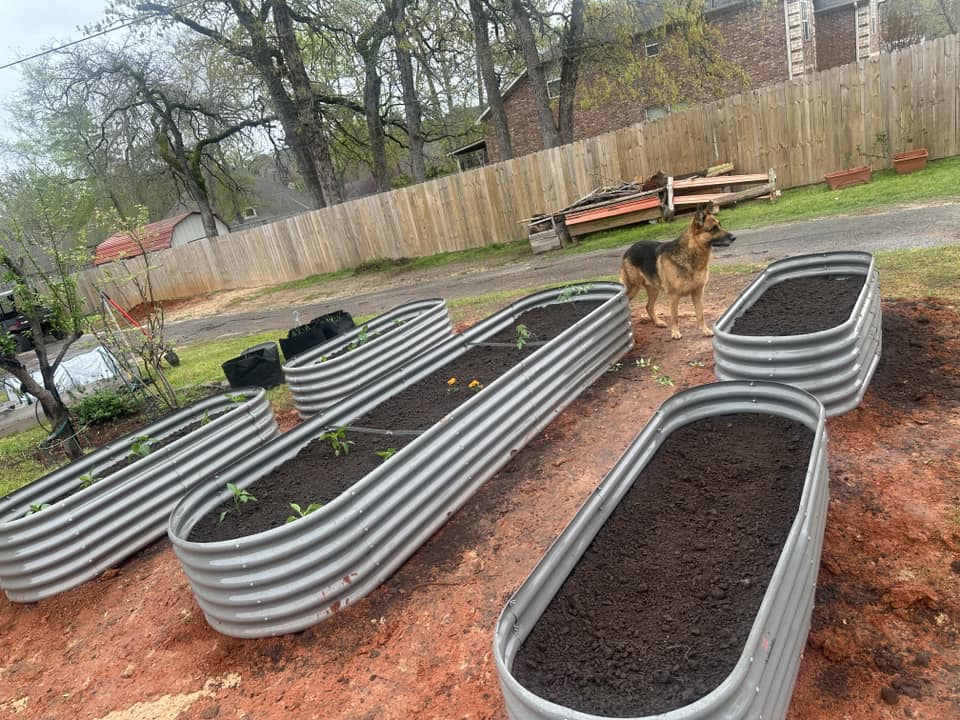
ALT: Anleolife modular raised garden bed system in U-shape layout with galvanized steel panels, deep soil layers, and thriving vegetable plants in a backyard setting
Advanced Customization: Handling Special Backyard Challenges
Working Around Slopes and Uneven Ground
Sloped yards are one of the most common challenges for backyard gardeners, and modular raised beds handle them surprisingly well—with some preparation. The key technique is stepped terracing: instead of fighting the slope, you work with it by installing beds at different elevations. Each bed sits on a leveled platform (created by removing soil from the uphill side and adding it to the downhill side), and the visual effect of stacked galvanized steel beds stepping down a gentle grade is actually quite attractive.
For significant slopes (more than 6 inches of grade across the bed length), it's worth spending the time to level properly. An unlevel bed will drain unevenly and create pockets of over- and under-watered soil.
The "Start Small, Expand Later" Misconception
Many first-time modular bed buyers make the mistake of thinking they'll add more panels "next season" but never quite get around to it. The reality is that modular systems are most cost-effective when you buy for your envisioned final layout rather than just your starting point. Shipping and logistics costs on additional panel orders add up; purchasing enough panels for your ultimate configuration from the start (even if you assemble in phases) is usually more economical. Anleolife's modular beds ship within 3–8 business days from strategically located U.S. warehouses, so you're not waiting long—but consolidating orders saves shipping overhead.
Combining Modular Beds With a Broader Garden Ecosystem
The most satisfying backyard gardens integrate planting, raising, and beautification into a cohesive system. Modular raised beds for vegetables pair naturally with chicken coops or rabbit hutches (whose occupants produce excellent natural compost), and decorative pathway systems between bed modules transform a functional growing space into a genuine garden destination. Planning these elements together from the outset—rather than adding them piecemeal—results in a more harmonious, functional space.
Frequently Asked Questions FAQ
Q1: How do I connect modular garden bed panels at non-standard angles for L-shapes or U-shapes?
Most modular garden bed systems, including Anleolife's panels, use corner connector hardware that accommodates standard 90-degree and 45-degree joints. For L-shapes, standard 90-degree corner connectors handle the turn cleanly. For U-shapes, two 90-degree corners complete the three-sided enclosure. If you need a non-standard angle to follow a fence line or curved patio edge, some modular systems allow loose-angle connections; check the specific connector hardware included with your panels or consult the product documentation for angle flexibility.
Q2: Are galvanized steel raised garden beds safe for growing vegetables and edible plants?
Yes—modern galvanized steel raised beds are widely considered safe for food production. The zinc coating used in hot-dip galvanization is the same material used in food-grade cookware and containers. The zinc layer is stable under normal soil conditions and does not leach into soil at levels harmful to plants or humans. Numerous university extension programs and gardening authorities have reviewed this question and confirmed galvanized steel as a safe, appropriate choice for vegetable and herb gardening.
Q3: How long does it take to set up a modular raised garden bed, and how long will it last?
A standard modular raised garden bed configuration can typically be assembled by two people in 1–3 hours, depending on the size and complexity of the layout. No specialized tools are usually required beyond a rubber mallet and basic hand tools. As for longevity, Anleolife's metal raised garden beds are built for a 20-year lifespan, which is significantly longer than untreated wood alternatives. When you factor in this lifespan, the cost per year of use becomes very competitive compared to materials that require replacement every few seasons.
Summary
Customizing a modular garden bed system for your unique backyard shape is one of the most impactful investments you can make in your home gardening journey. Three core takeaways frame the case clearly:
First, modularity eliminates the compromise of one-size-fits-all solutions. L-shapes, U-shapes, linear runs, and stepped terrace configurations let your garden fit your yard—not the other way around. Second, material quality determines long-term value. Galvanized or rust-resistant steel with a 20-year lifespan transforms a garden bed from a consumable purchase into a permanent landscape asset. Third, the best modular systems grow with you—starting with a single 8x4 or 6x2 configuration and expanding into a full planting-and-raising ecosystem as your confidence and ambition grow.
Your next step is straightforward: sketch your backyard, identify your constraints, and map your ideal configuration. Then explore Anleolife's modular bed options to find the panel sizes and heights that match your vision. The garden you've imagined—customized to your exact corner, slope, and sunlight pattern—is more achievable than you think.
Start Your Custom Garden Build With Anleolife
Nationwide U.S. warehouse network: Strategically located in California, Texas, Florida, New York, Illinois, and Washington, Anleolife ensures delivery within 3–8 business days—so your garden upgrade plans never have to wait.
Multi-channel availability: Find Anleolife products on Amazon, Walmart, Home Depot, Lowe's, Wayfair, and directly at Anleolife.com, with consistent quality assurance and after-sales support across every channel.
Three core scenarios under one brand: Planting (metal raised garden beds, soil systems), Raising (chicken coops, rabbit hutches), and Beautification (decorative accessories, pathway systems)—everything you need from functionality to aesthetics, in one place.
We understand that an ideal garden is not built overnight, but gradually improved over time. Our modular product design allows flexible expansion based on your needs—from your first 8x4 garden bed to a fully integrated planting-and-raising ecosystem. We grow with you every step of the way.
References
- National Gardening Association. "Gardening Trends & Statistics: Home Food Gardening Report."
https://garden.org/ - University of California Agriculture and Natural Resources. "Raised Bed Gardening."
https://ucanr.edu/ - U.S. Department of Agriculture National Agricultural Library. "Home Gardening Resources."
https://www.nal.usda.gov/ - Penn State Extension. "Building and Using Raised Bed Gardens."
https://extension.psu.edu/ - Oregon State University Extension Service. "Raised Bed Gardening in the Pacific Northwest."
https://extension.oregonstate.edu/
Note: Standards and recommendations may be updated; please check the latest official documents or consult professional advisors for current best practices.
About Anleolife
Anleolife is a leading outdoor garden solutions provider in North America, dedicated to offering a full-scenario product ecosystem for home gardening enthusiasts, covering planting, raising, and garden beautification. Since its founding, we have upheld our brand mission, "Made for Garden Life," continuously innovating products and optimizing services to help hundreds of thousands of users upgrade their gardens, reconnect with nature, and enjoy a better garden lifestyle.