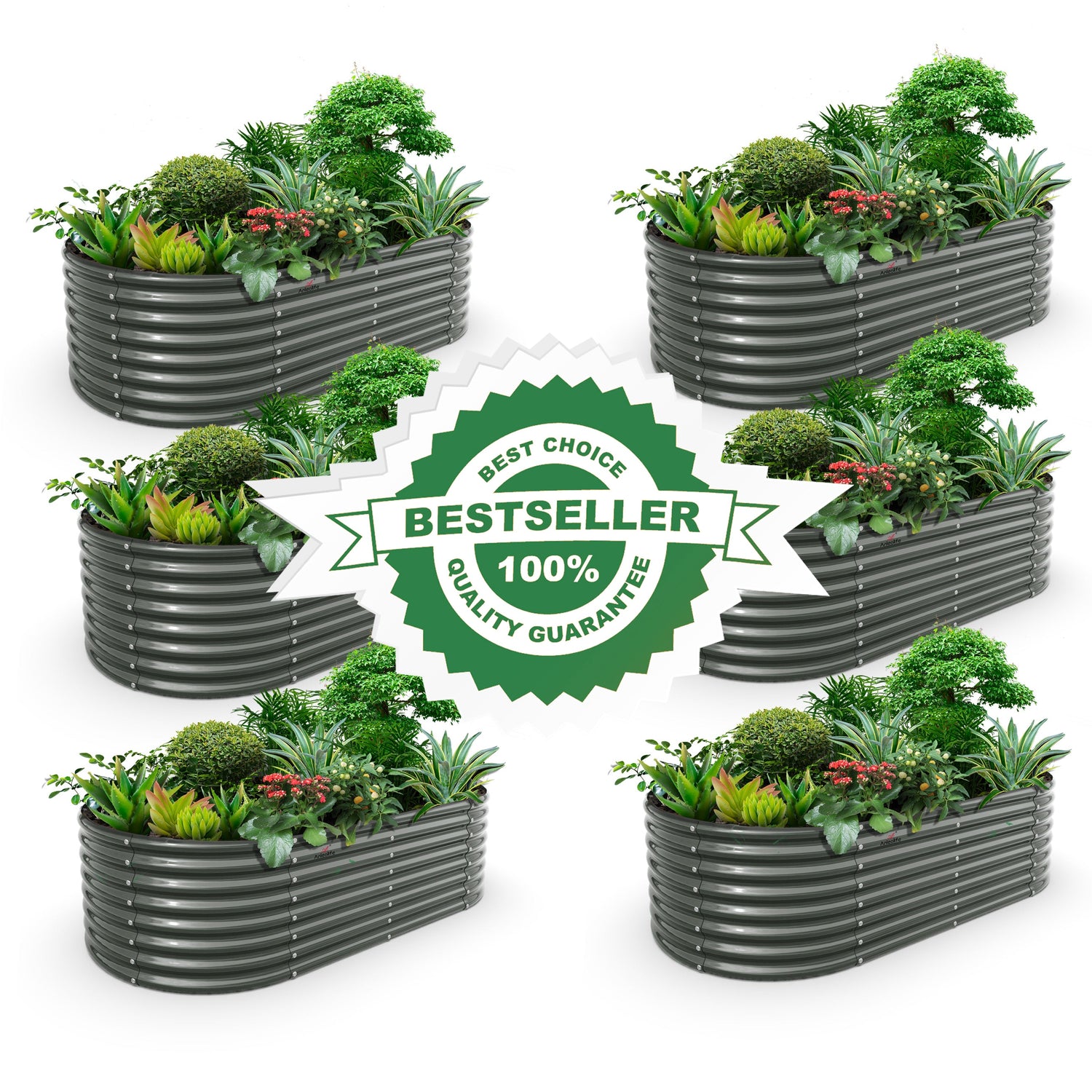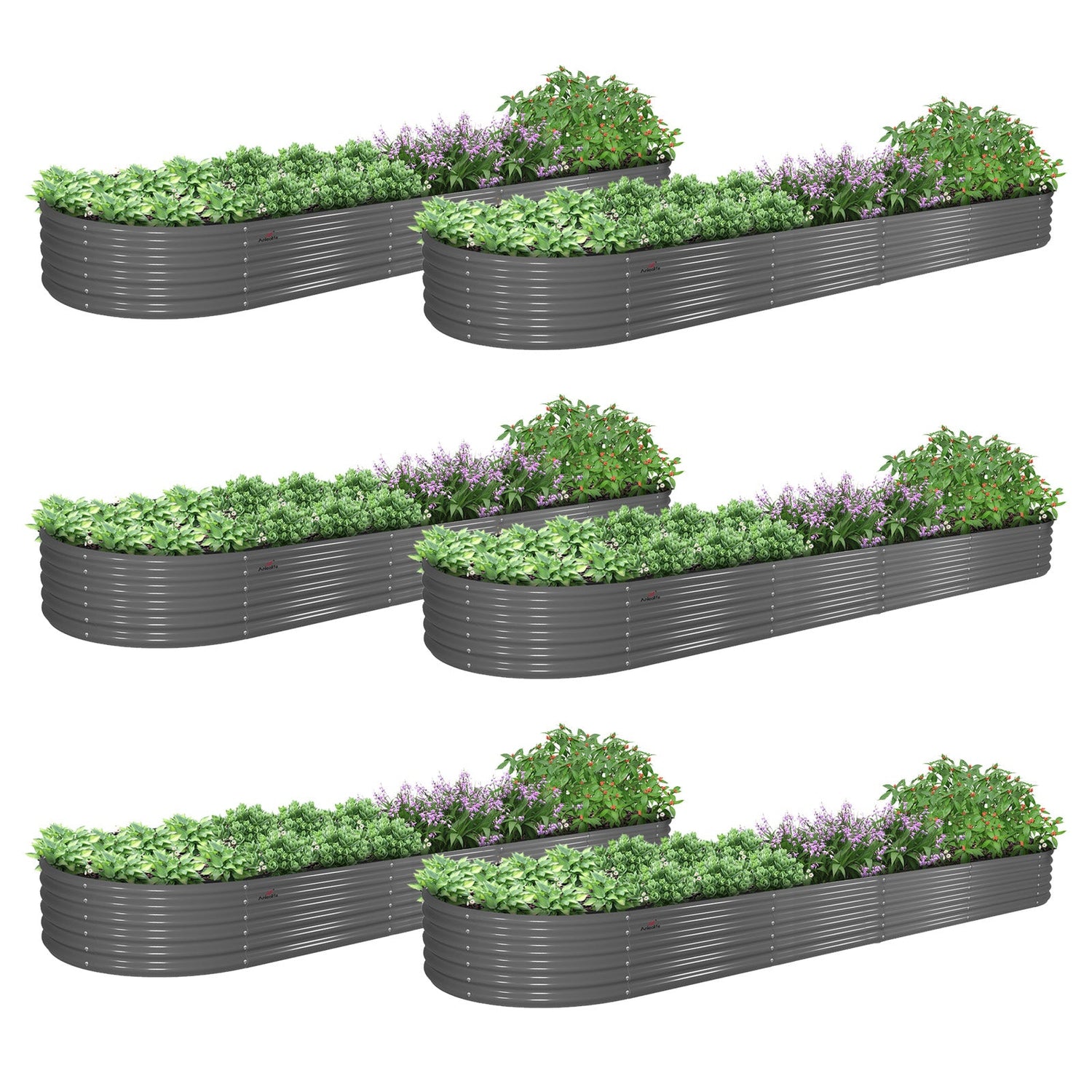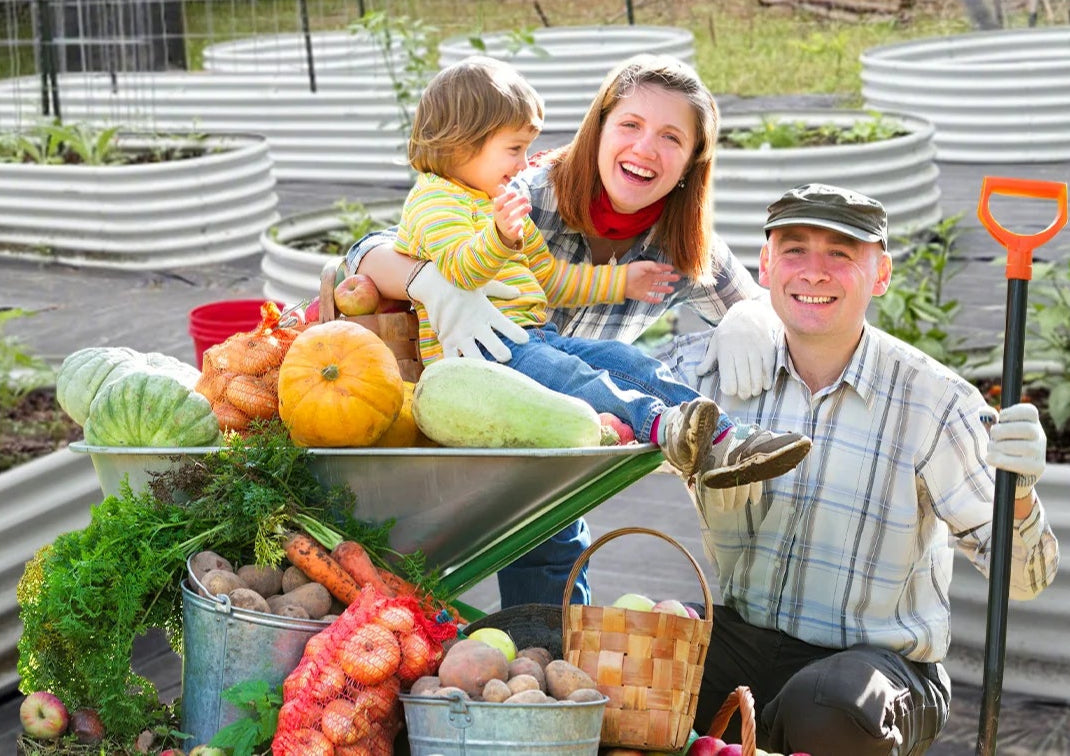



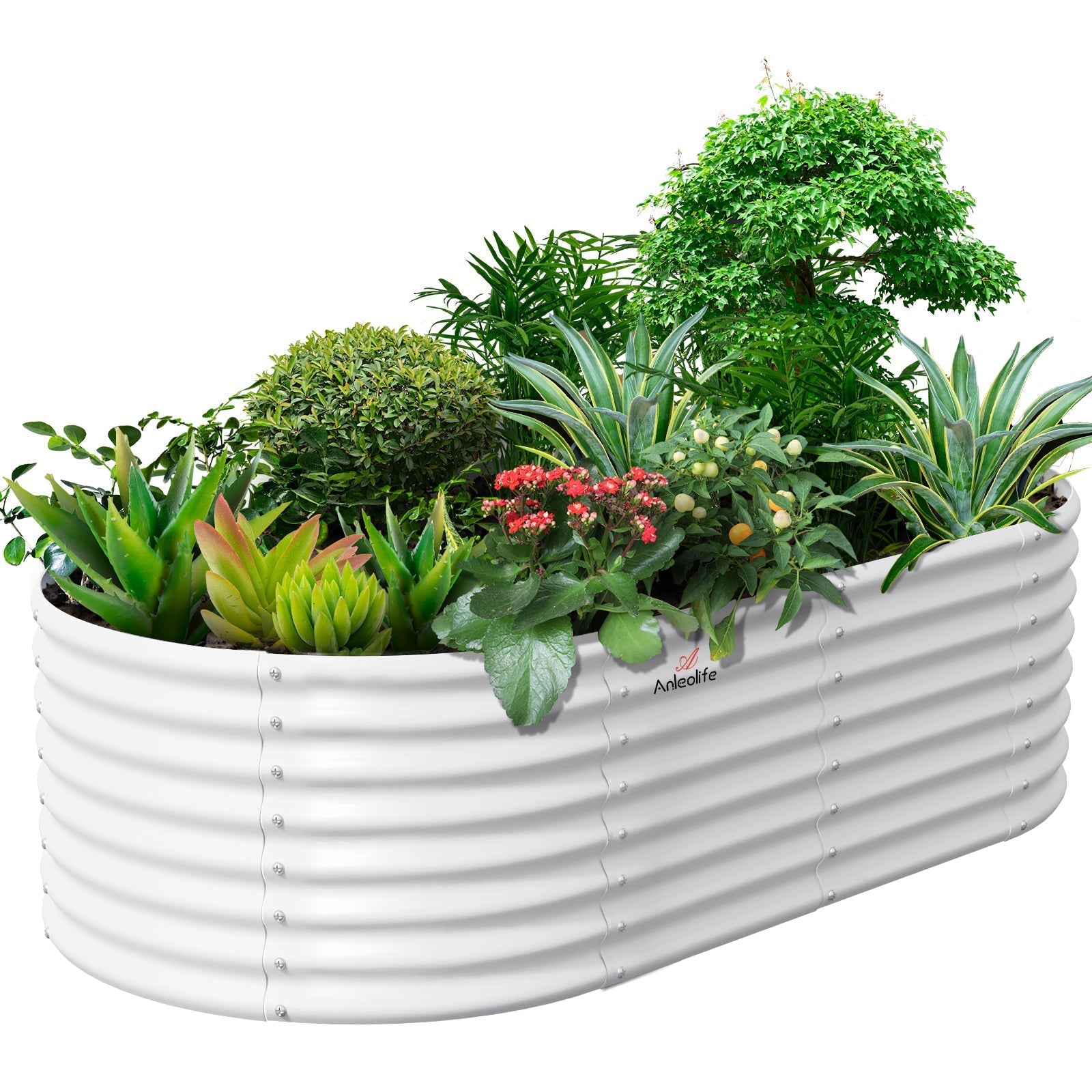
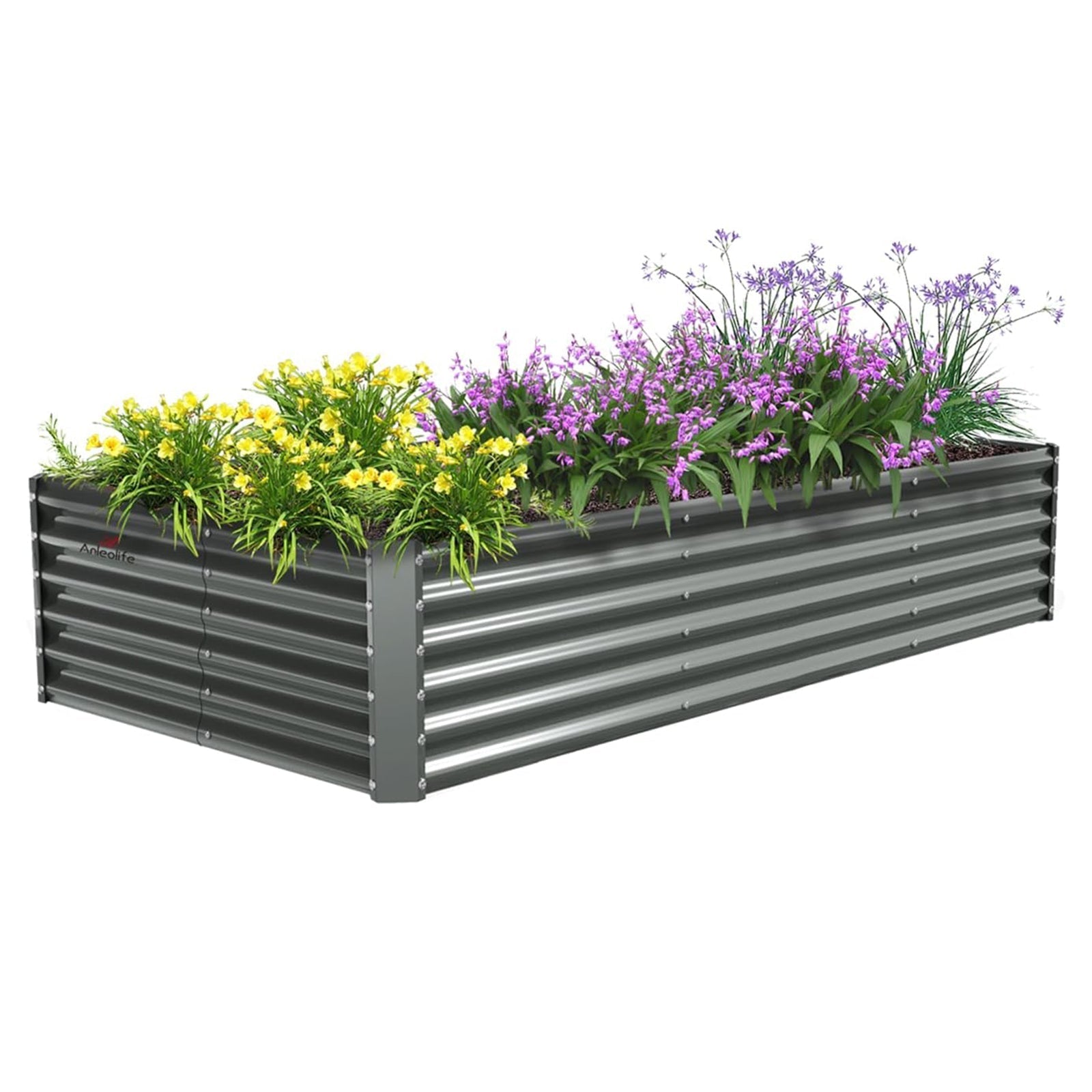

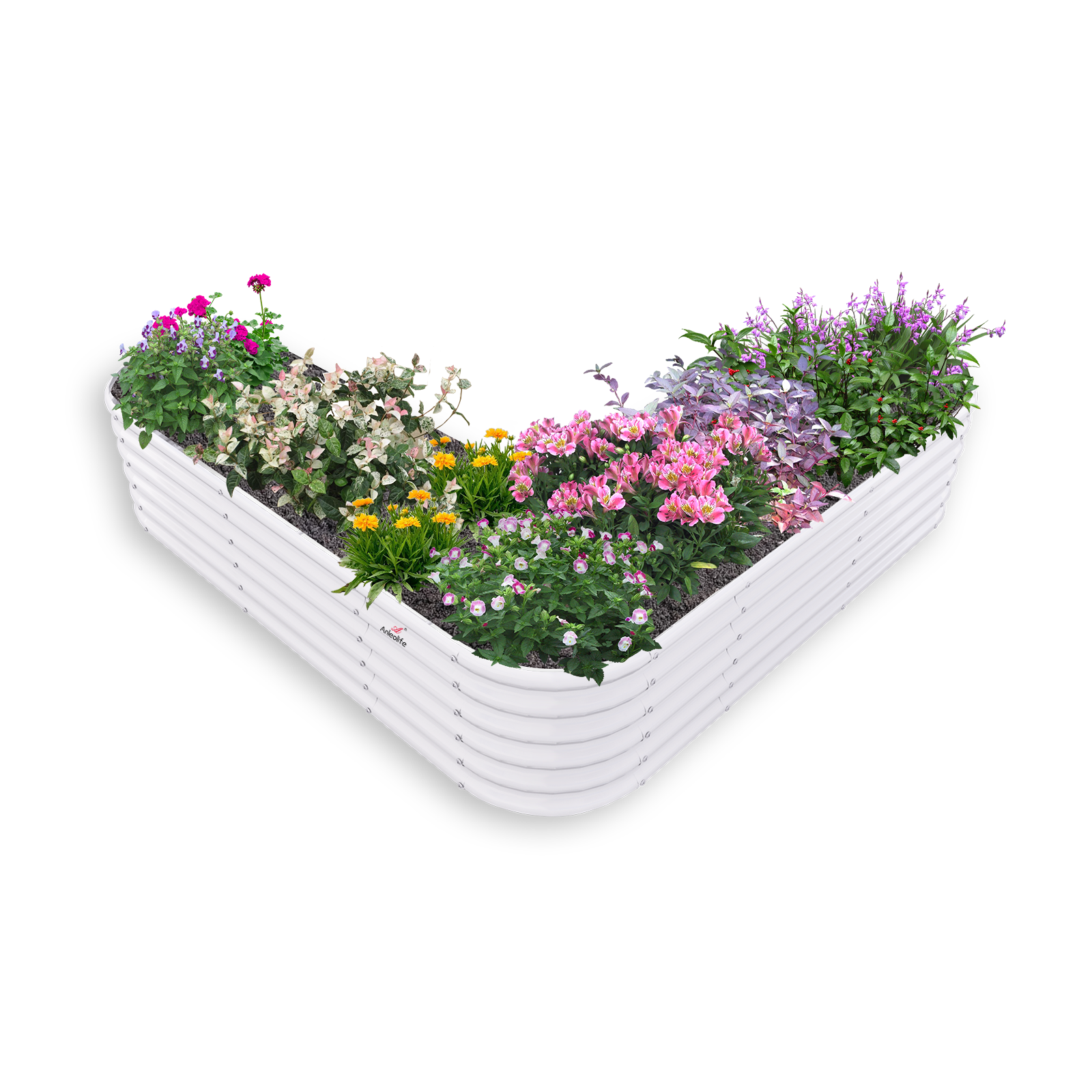
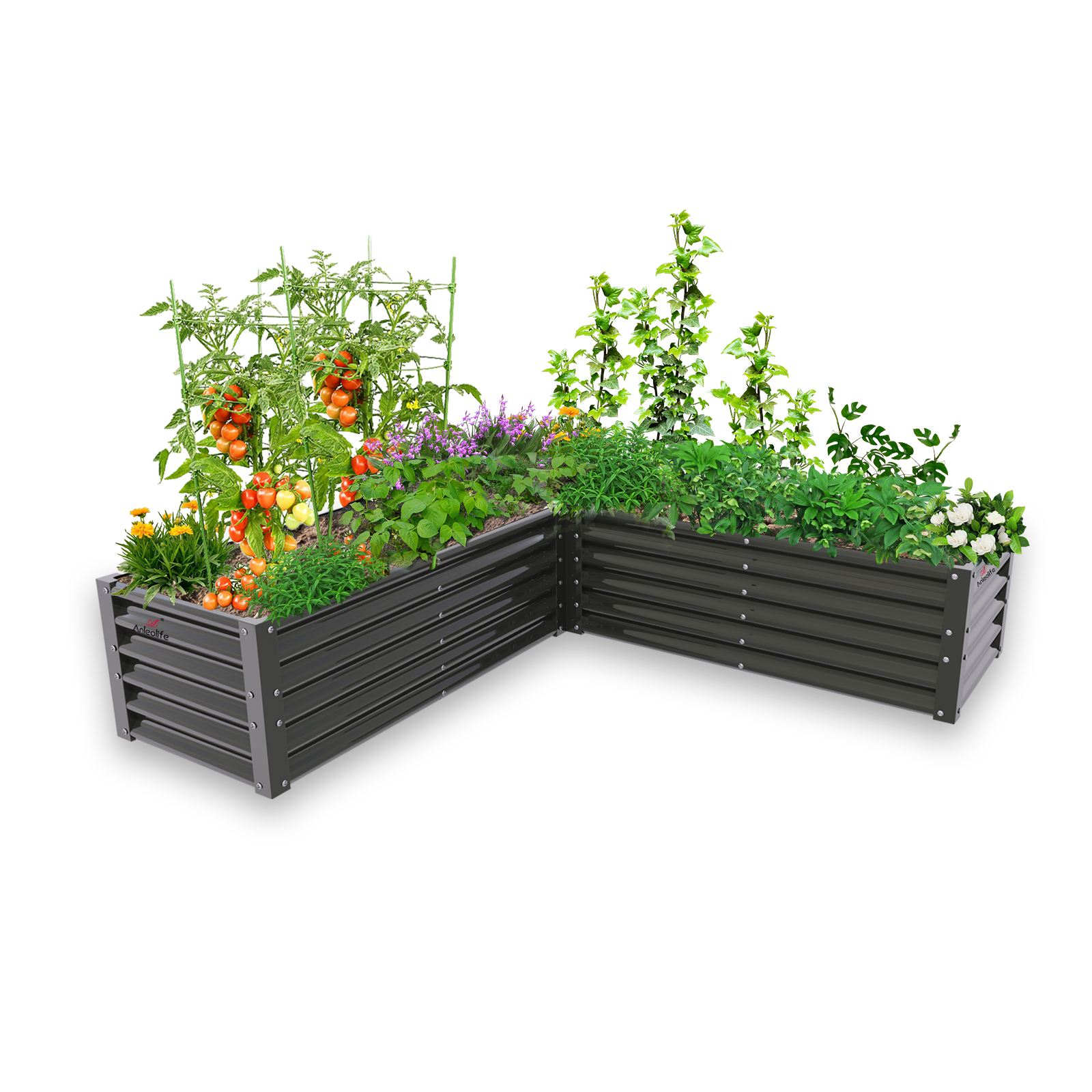
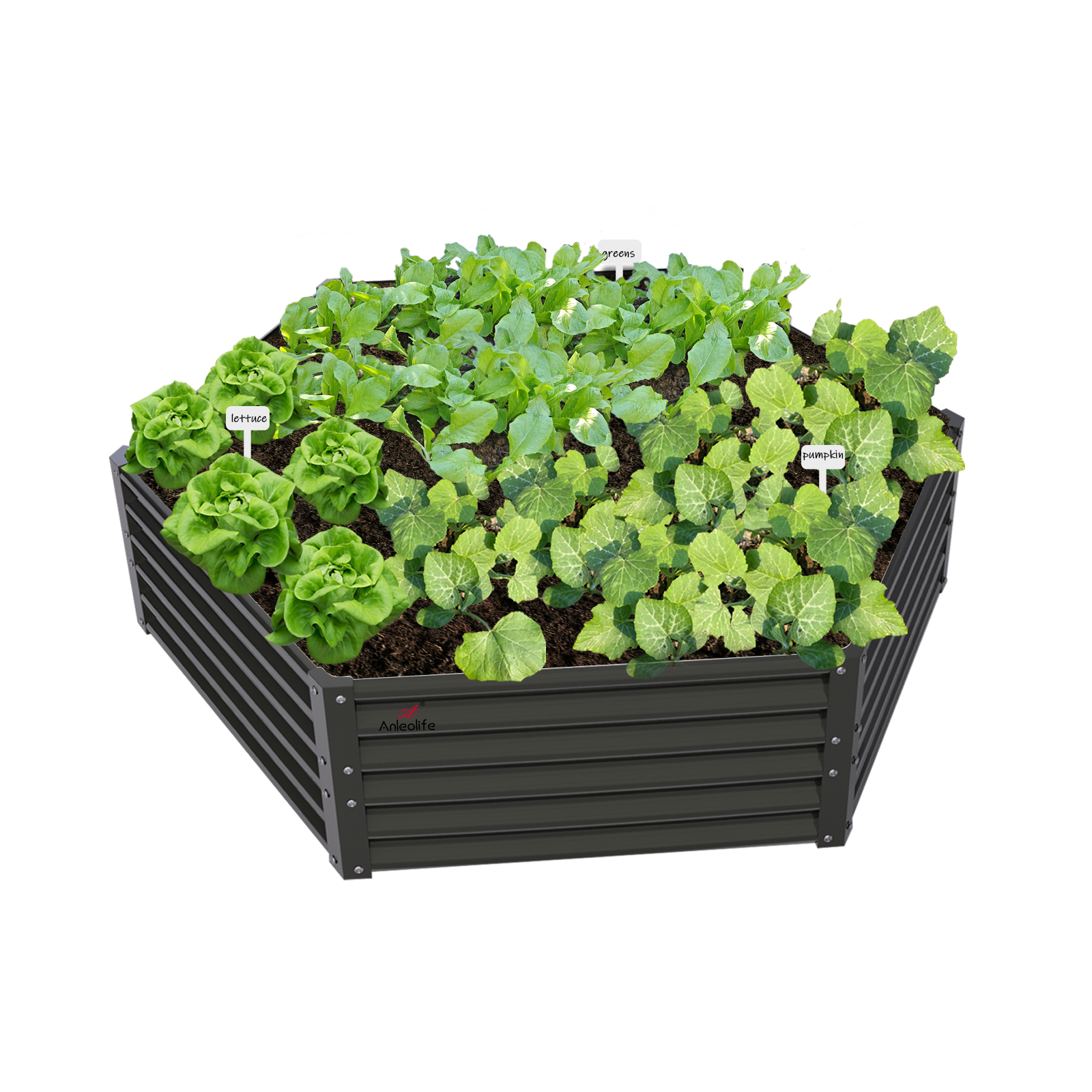
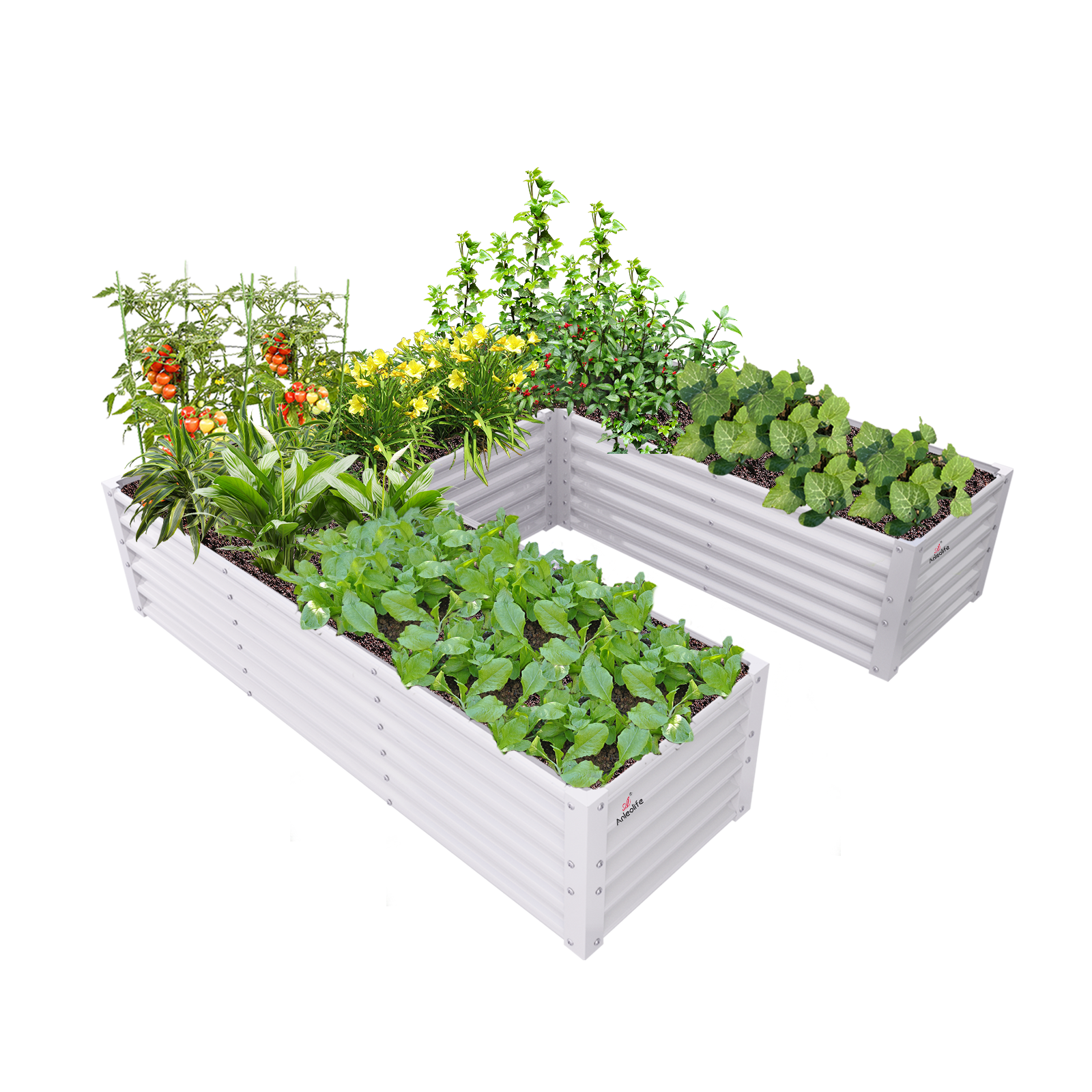

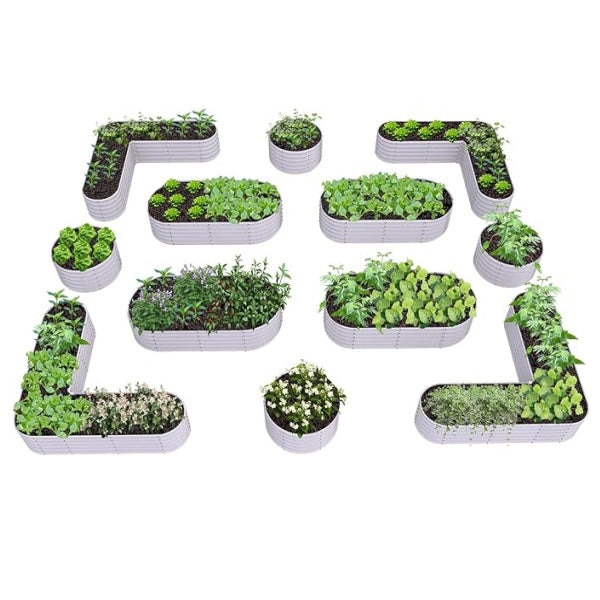


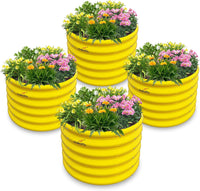
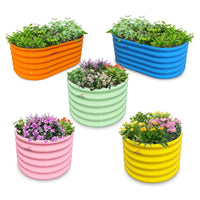
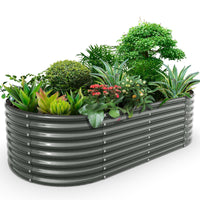



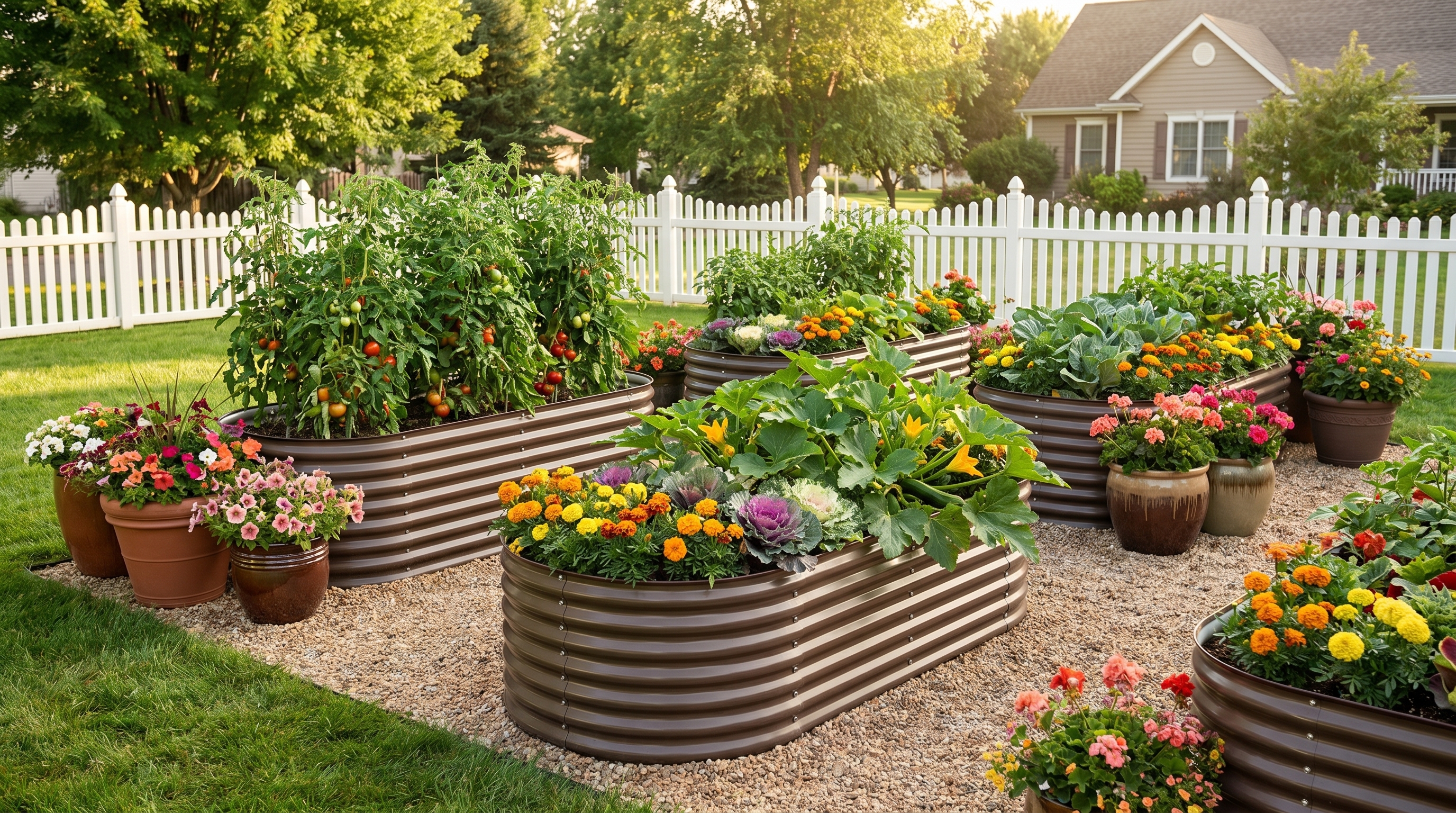
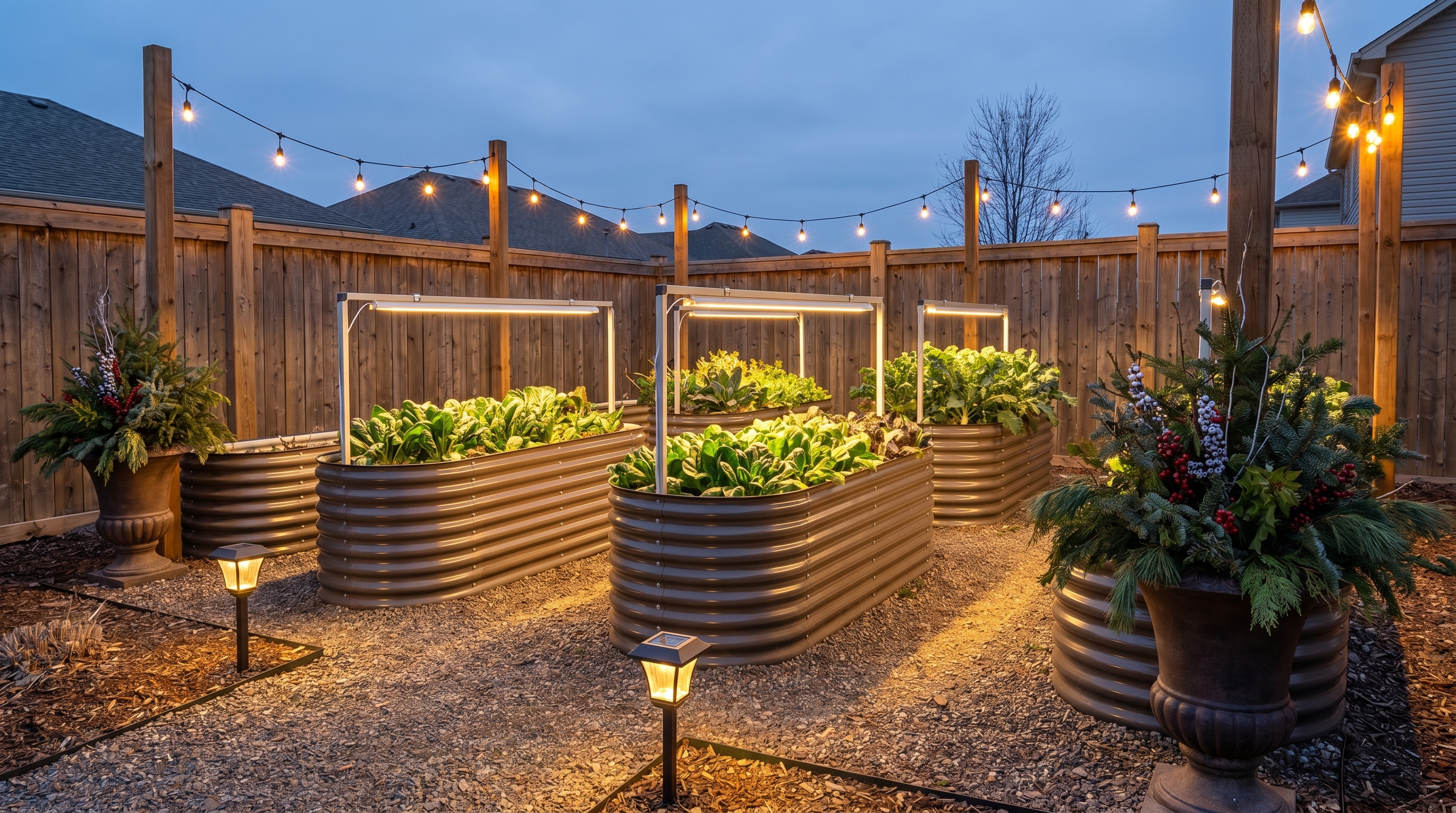
ALT: Beautiful backyard garden design with raised bed garden layout, container gardening, and seasonal plants for year-round appeal
Create a Backyard Garden That Stays Beautiful Every Single Season
Key Conclusion: A truly stunning backyard garden doesn't happen by accident — it requires a thoughtful raised bed garden layout, smart container gardening strategies, and well-placed grow lights to extend the growing season. When you design with all four seasons in mind, your outdoor space becomes a living landscape that never loses its charm, whether you're harvesting zucchini in July or admiring ornamental grasses dusted with frost in December.
Designing a backyard garden that looks great year-round is one of the most rewarding home improvement projects a family can take on. The secret lies in layering — combining permanent structural elements like raised beds and hardscaping with rotating seasonal plantings that keep things fresh and interesting throughout the calendar year.
Whether you're working with a sprawling suburban backyard or a compact urban patio, the core principles remain the same: plan for structure, plan for color, and plan for food. In this guide, we'll walk through every step of creating a backyard garden that your neighbors will admire in every season — and that you'll actually enjoy maintaining.
Who This Guide Is For: Backyard Garden Design Scenarios
✅ Applicable Scenarios:
- Homeowners with an existing backyard who want to elevate its aesthetic and functionality across all four seasons
- Urban micro-gardeners and apartment dwellers with small patios, balconies, or shared outdoor spaces who want to maximize every square foot
- Health-conscious families and retirees looking to combine ornamental beauty with productive vegetable and herb growing
- Empty nesters redesigning an underused yard into a meaningful, low-maintenance retreat
❌ Not Applicable/Cautions:
- Renters or temporary residents who cannot make permanent structural changes to the landscape (though many container-based strategies still apply)
- Gardeners in extreme climates with very short growing windows who may need to prioritize indoor growing setups over year-round outdoor design
- Those looking for a one-weekend project — a true four-season garden requires thoughtful upfront planning and incremental implementation
Why Most Backyard Gardens Look Dull Half the Year (And How to Fix It)
Walk through most suburban neighborhoods in late January or early October, and you'll notice the same problem: gardens that looked vibrant in midsummer suddenly appear bare, brown, and neglected. This is the result of planting for one season only — typically summer — without building in the structural bones and plant diversity needed to carry visual interest through the colder months.
According to the Royal Horticultural Society, four-season gardens rely on a principle called "layered planting," which combines evergreen structure, seasonal color, and textural contrast to maintain visual appeal throughout the year. This concept, long used by professional landscape designers, is now fully accessible to home gardeners thanks to better tools, smarter planting strategies, and more versatile garden infrastructure.
In North America, a growing number of homeowners are investing in their outdoor spaces not just for aesthetics but for food production. The demand for best raised garden beds for vegetables has surged significantly in recent years, as families look to control where their food comes from. Raised bed systems have emerged as the ideal solution because they combine structured visual appeal with practical growing functionality.
The challenge is that most gardening resources focus narrowly on either ornamental landscaping or vegetable growing — rarely both. And even fewer address how to make the entire system look polished and intentional twelve months of the year. That's exactly the gap this guide addresses.
Another commonly overlooked element is lighting. Outdoor garden lighting options for small spaces can transform an ordinary backyard into a magical evening retreat and even support plant health during darker months. From solar path lights to grow lights positioned over raised beds in late autumn, thoughtful lighting design is a critical — and often underrated — piece of the year-round garden puzzle.
How to Design Your Year-Round Backyard Garden: A Complete System
Three-Step Quick Start
Step 1: Map Your Space and Identify Your Season Gaps
Before buying a single plant or tool, spend one full week observing your backyard at different times of day. Note where sunlight falls, where drainage pools, and — most importantly — which areas look empty or unattractive in winter or early spring. Sketch a rough layout and mark your "dead zones." This 30-minute exercise will inform every decision that follows and prevent costly mistakes.
Step 2: Build Your Permanent Structure First
Establish the "bones" of your garden before adding any plants. This means installing raised beds, defining pathways, setting up vertical supports, and placing any hardscape elements like benches or decorative borders. Raised beds are the single most impactful structural investment you can make — they add height variation, visual definition, and productive growing space simultaneously. A well-placed 8x4 raised bed, for example, creates an immediate focal point while giving you room to grow everything from tomatoes to ornamental kale.
Step 3: Layer Your Plants for Seasonal Succession
Once your structure is in place, fill it strategically. Think in layers: permanent evergreen anchor plants, spring bulbs, summer annuals and vegetables, autumn-interest perennials, and winter structural plants like ornamental grasses or dwarf conifers. This layered approach ensures that as one plant fades, another steps into the spotlight — keeping your garden visually engaging without requiring a complete replanting every few months.
Comparing Garden Design Approaches for Year-Round Beauty
Not all garden design systems are created equal. Here's a look at how the most common approaches stack up when evaluated for year-round appeal, ease of maintenance, and food production potential:
| Comparison Dimension | Traditional In-Ground Beds | Container Gardening | Raised Bed Garden Layout |
|---|---|---|---|
| Year-Round Visual Structure | Moderate (bare in winter) | High (moveable, flexible) | Very High (permanent structure) |
| Vegetable Productivity | High (large volume) | Moderate (limited soil depth) | Very High (optimized soil, drainage) |
| Maintenance Demand | High (weeding, tilling) | Moderate (frequent watering) | Low to Moderate |
| Aesthetic Appeal | Variable | High (with proper styling) | Very High (clean, defined edges) |
| Accessibility for All Ages | Low (ground-level bending) | High (portable height) | High (customizable height options) |
| Suitability for Small Spaces | Low | Very High | High |
| Longevity / Durability | Variable | Moderate | Very High (up to 20 years with quality metal beds) |
The data speaks for itself: a raised bed garden layout paired with strategic container gardening delivers the best of all worlds — year-round structure, high food productivity, and excellent visual appeal with manageable maintenance.
Building the Four-Season Raised Bed Garden: A Detailed Guide
Choose the Right Raised Bed System
The foundation of any successful year-round garden is choosing raised beds that can withstand all four seasons without deteriorating. This is where material selection becomes critical.
Galvanized steel raised garden beds are widely considered the gold standard for home gardeners, and for good reason. Unlike wood, which rots and warps over time, or plastic, which cracks under UV exposure, galvanized steel maintains its structural integrity through freeze-thaw cycles, heavy rainfall, and intense summer heat. Anleolife's raised garden beds are engineered to last up to 20 years — meaning your investment pays dividends across literally hundreds of growing seasons.
When selecting your beds, think about height variation as a design tool. Mixing different heights creates visual depth and allows you to grow plants with different root depth requirements side by side. For example, a 30" extra-tall bed can anchor one end of your garden with deep-rooted tomatoes or root vegetables, while an 18"-tall bed nearby handles herbs and shallow-rooted annuals. This variation isn't just functional — it creates the kind of layered silhouette that professional garden designers charge thousands of dollars to achieve.
Plan Your Raised Bed Layout Like a Designer
Spacing and arrangement matter enormously for both aesthetics and plant health. When planning your raised bed garden layout, consider these principles:
Proportion and balance: Avoid placing all your beds in a single row. Instead, create clusters or staggered arrangements that give the garden a natural, organic feel while still maintaining clean edges.
Pathway integration: Leave adequate space between beds for comfortable movement and maintenance. Gravel, stepping stones, or mulched paths between beds add texture at ground level and define the garden space visually.
Focal points: Use your tallest or most visually striking bed as a focal point, then arrange supporting beds around it. A large 12x3 ft bed running along a fence line, for instance, creates a dramatic backdrop for a seating area.
Zucchini, Tomatoes, and Beyond: Planting for Summer Abundance
Summer is when your raised bed garden earns its keep. Zucchini spacing in a raised bed is a common question for good reason — these vigorous plants need room to spread. As a general rule, space zucchini plants at least 24 inches apart, ideally one plant per 4 square feet of bed space. In an 8x4 ft bed, you can comfortably grow two zucchini plants alongside trellised cucumbers, basil, and marigolds.
For maximum summer abundance, pair heavy feeders like zucchini and tomatoes with nitrogen-fixing companion plants. Marigolds, nasturtiums, and herbs not only support plant health but add color to the garden — blurring the line between vegetable garden and ornamental display.
Extend Your Growing Season with Grow Lights
One of the most powerful tools in the year-round gardener's toolkit is grow lights. Even in climates with cold winters, you can extend your productive season by weeks or even months by using grow lights over your raised beds in combination with cold frames or mini hoop houses.
During late autumn, position grow lights above beds planted with winter greens like spinach, kale, arugula, and mâche. These cool-season crops can tolerate frost but benefit significantly from supplemental lighting as daylight hours shorten. The result? Fresh salad greens well into November or December in most U.S. climate zones.
For indoor seed starting in late winter, grow lights are indispensable. Starting seeds under full-spectrum grow lights in February allows you to have robust transplants ready for your raised beds as soon as last frost dates pass — giving you a head start that translates into earlier harvests and a longer display season.
Container Gardening: The Secret Weapon for Year-Round Color
While raised beds handle your primary growing and structural needs, container gardening fills the gaps — literally. Containers allow you to introduce seasonal color exactly where you need it, when you need it, and move things around as your garden evolves.
In spring, cluster containers of tulips, daffodils, and pansies near your raised beds to bridge the gap while summer vegetables get established. In autumn, replace spent summer annuals with ornamental cabbages, mums, and decorative gourds. In winter, fill containers with evergreen boughs, berries, and dried seed heads for textural interest.
The key to successful container gardening for year-round appeal is choosing large, high-quality containers that complement your raised beds aesthetically. If your raised beds are galvanized steel, consider brushed metal or weathered zinc containers to create a cohesive material palette.
Lighting Design for Evening Appeal
Beautiful gardens shouldn't disappear at sunset. Thoughtful outdoor lighting transforms your backyard into an evening retreat and adds genuine year-round appeal during the long dark nights of winter.
For best outdoor garden lighting options for small spaces, consider these three approaches:
Solar pathway lights: Line your garden paths with solar-powered stake lights. They require no wiring, charge during the day, and cast a warm golden glow that flatters plants and people alike.
String lights: Draped overhead between fence posts or pergola beams, warm-white string lights create an atmosphere that rivals any restaurant terrace. They're equally magical above raised beds on a July evening or in a bare winter garden with snow on the ground.
Spotlights and uplights: Use these to highlight specimen plants, decorative containers, or an attractive section of fence. Uplighting a decorative grass or dwarf conifer in winter creates a dramatic sculptural effect even when nothing is in bloom.
ALT: Year-round backyard garden design with raised garden beds, container gardening displays, grow lights over winter greens, and warm pathway lighting at dusk
Advanced Strategies: Taking Your Year-Round Garden to the Next Level
Handle Challenging Spots with Specialty Planting
Every backyard has problem areas — deep shade, poorly drained corners, or narrow strips alongside fences. Rather than ignoring these spots, design them intentionally.
For shaded areas, use raised beds planted with shade-tolerant ornamentals like hostas, astilbes, and ferns alongside edible shade crops like lettuce and spinach. A raised bed elevates even a shaded corner, giving it visual presence and making it productive.
For narrow side yards, consider a series of tall, narrow raised beds oriented vertically. A 30" extra-tall 6x3 ft bed takes up minimal ground space while providing substantial growing depth and visual height — perfect for trellised vining crops or columnar ornamentals.
Correct These Common Four-Season Garden Mistakes
Mistake 1: Planting only for summer. This is the most common error. Counter it by allocating at least 30% of your planting plan to spring, autumn, and winter interest plants.
Mistake 2: Ignoring soil quality. The best-looking garden structure in the world won't perform well if the soil inside is compacted or nutrient-poor. Invest in quality compost and refresh it annually. The enclosed environment of raised beds makes this much easier and more efficient than amending large in-ground areas.
Mistake 3: Underestimating the power of structure. Many gardeners focus almost entirely on plants and neglect the structural elements — pathways, edging, lighting, and raised bed frames — that hold the garden together when plants die back. These structural elements are what distinguish a garden that looks great year-round from one that only shines for three months.
Frequently Asked Questions FAQ
Q1: How do I figure out the best raised garden beds for vegetables in my specific climate?
The best raised garden beds for vegetables in any climate share a few non-negotiable traits: durable material that handles temperature extremes, adequate depth for root development, and good drainage. Galvanized steel beds perform exceptionally well across U.S. climate zones because the metal handles both freezing winters and hot summers without warping or rotting. Look for beds rated for long-term outdoor use — Anleolife's beds are built to last up to 20 years — and select height profiles based on what you're growing. Deeper beds suit root vegetables; standard heights work well for most herbs and annuals.
Q2: Is container gardening a good alternative to raised beds for small urban spaces?
Container gardening is an excellent complement to raised beds in small spaces, but it works best as part of a layered system rather than a standalone solution. Containers offer unmatched flexibility — you can move them seasonally, adjust arrangements easily, and experiment with different plant combinations. However, they require more frequent watering and feeding than raised beds, and they offer less growing depth for larger vegetables. The ideal small-space setup combines one or two well-positioned raised beds for structural presence and productive growing with containers that rotate seasonally to keep the space looking fresh and colorful.
Q3: How long does it take and what does it cost to set up a year-round backyard garden?
Setup time and cost vary widely based on garden size and how ambitious your design is. A basic starter setup — two mid-sized raised beds, a set of pathway lights, and a container arrangement — can typically be assembled in a weekend once materials arrive. With Anleolife's strategic U.S. warehouse network across California, Texas, Florida, New York, Illinois, and Washington, raised beds typically arrive within 3–8 business days of ordering. Ongoing costs are modest: primarily soil amendments, seasonal plants, and occasional lighting replacements. The 20-year lifespan of quality galvanized steel beds means the per-year cost of your primary infrastructure is remarkably low.
Summary
Designing a backyard garden that looks beautiful year-round comes down to three core principles: build lasting structure, layer plants for seasonal succession, and use light strategically to extend both the growing season and the evening appeal of your space.
The most impactful single decision you can make is investing in a quality raised bed garden layout. It immediately elevates the visual organization of your space, improves growing conditions for vegetables and ornamentals alike, and creates a structural backbone that carries the garden through even the most bare winter months.
Pair your raised beds with thoughtful container gardening to inject seasonal color exactly where and when you need it. Add grow lights to extend your productive season and supplement light in darker months. Layer your plantings to ensure something is always happening — a bulb emerging, a fruit ripening, a grass catching the winter light.
Your next steps:
- Sketch your current backyard layout and identify seasonal "dead zones"
- Choose one or two raised bed positions that would create the most visual impact
- Build your four-season plant list — allocating plants to each season intentionally
- Add pathway lighting to ensure your garden is beautiful at all hours
Start Your Year-Round Garden with Anleolife
Anleolife makes it easy to bring this vision to life. With a nationwide U.S. warehouse network strategically located in California, Texas, Florida, New York, Illinois, and Washington, your raised beds can arrive within 3–8 business days — so your garden upgrade plans never have to wait through long shipping delays.
Anleolife products are available across all major platforms — Amazon, Walmart, Home Depot, Lowe's, Wayfair, and the official Anleolife.com website — providing consistent quality assurance and responsive after-sales support wherever you prefer to shop.
The Anleolife ecosystem covers three complete garden scenarios: Planting (metal raised garden beds, soil systems), Raising (chicken coops, rabbit hutches), and Beautification (decorative accessories, pathway systems) — meeting your needs from pure functionality all the way through to aesthetic refinement.
We understand that an ideal garden isn't built overnight — it's cultivated gradually, season by season. Anleolife's modular product design allows you to start simply and expand flexibly, from your first 8x4 raised bed to a fully integrated planting-and-raising ecosystem. We grow with you every step of the way.
References
- Royal Horticultural Society. "Year-Round Interest in the Garden".
https://www.rhs.org.uk/garden-inspiration/garden-types/year-round-interest - University of Minnesota Extension. "Raised Bed Gardening".
https://extension.umn.edu/yard-and-garden/raised-bed-gardening - National Gardening Association. "Vegetable Garden Planning and Layout".
https://garden.org/learn/articles/view/312/ - Penn State Extension. "Lighting for Indoor Plants and Starting Seeds".
https://extension.psu.edu/lighting-for-indoor-plants-and-starting-seeds - USDA Agricultural Research Service. "Companion Planting and Integrated Pest Management in Home Gardens".
https://www.ars.usda.gov/
Note: Standards and recommendations may be updated. Please check the latest official documents or consult professional gardening advisors for the most current guidance.
About Anleolife
Anleolife is a leading outdoor garden solutions provider in North America, dedicated to offering a full-scenario product ecosystem for home gardening enthusiasts, covering planting, raising, and garden beautification. Since its founding, Anleolife has upheld its brand mission — "Made for Garden Life" — continuously innovating products and optimizing services to help hundreds of thousands of users upgrade their gardens, reconnect with nature, and enjoy a better garden lifestyle.