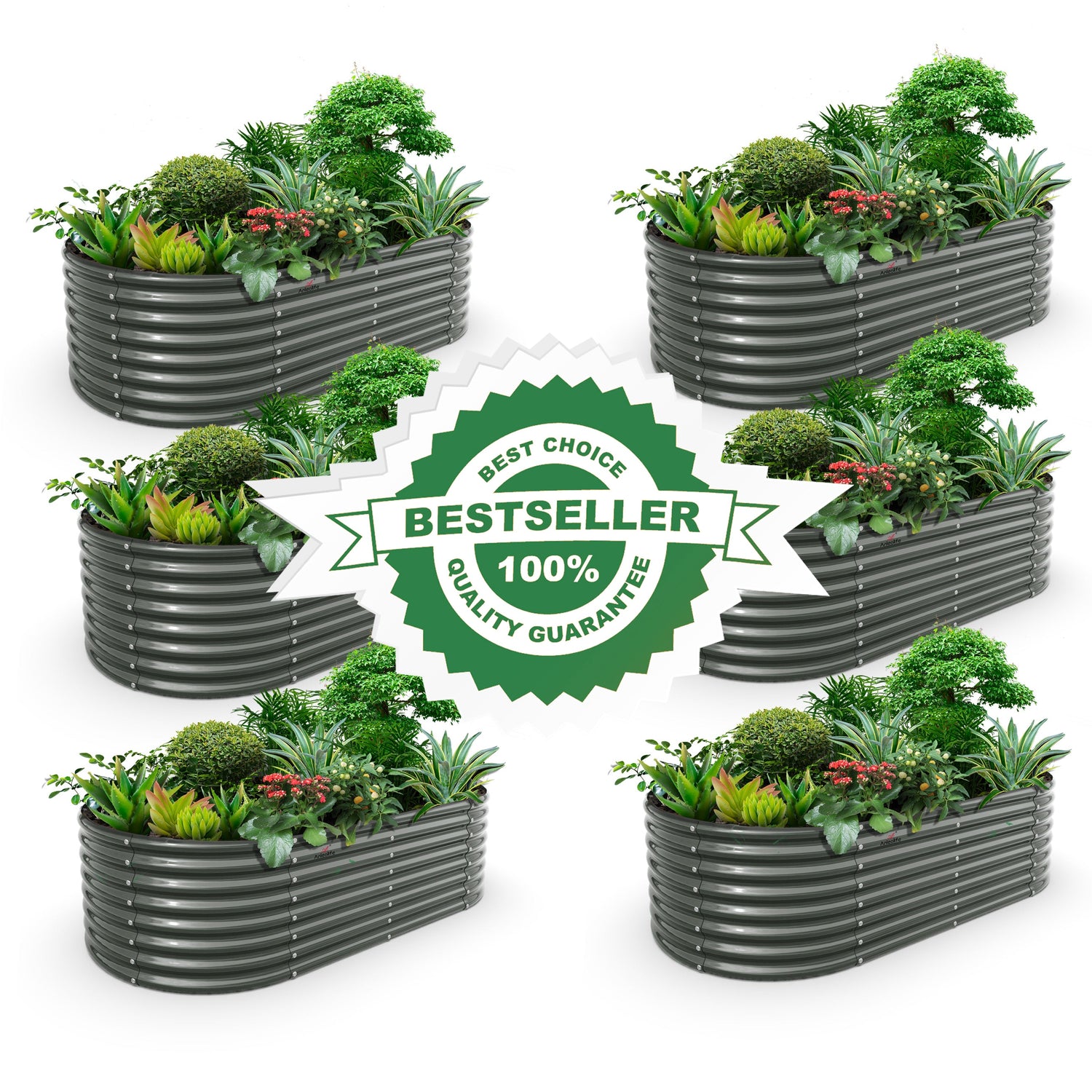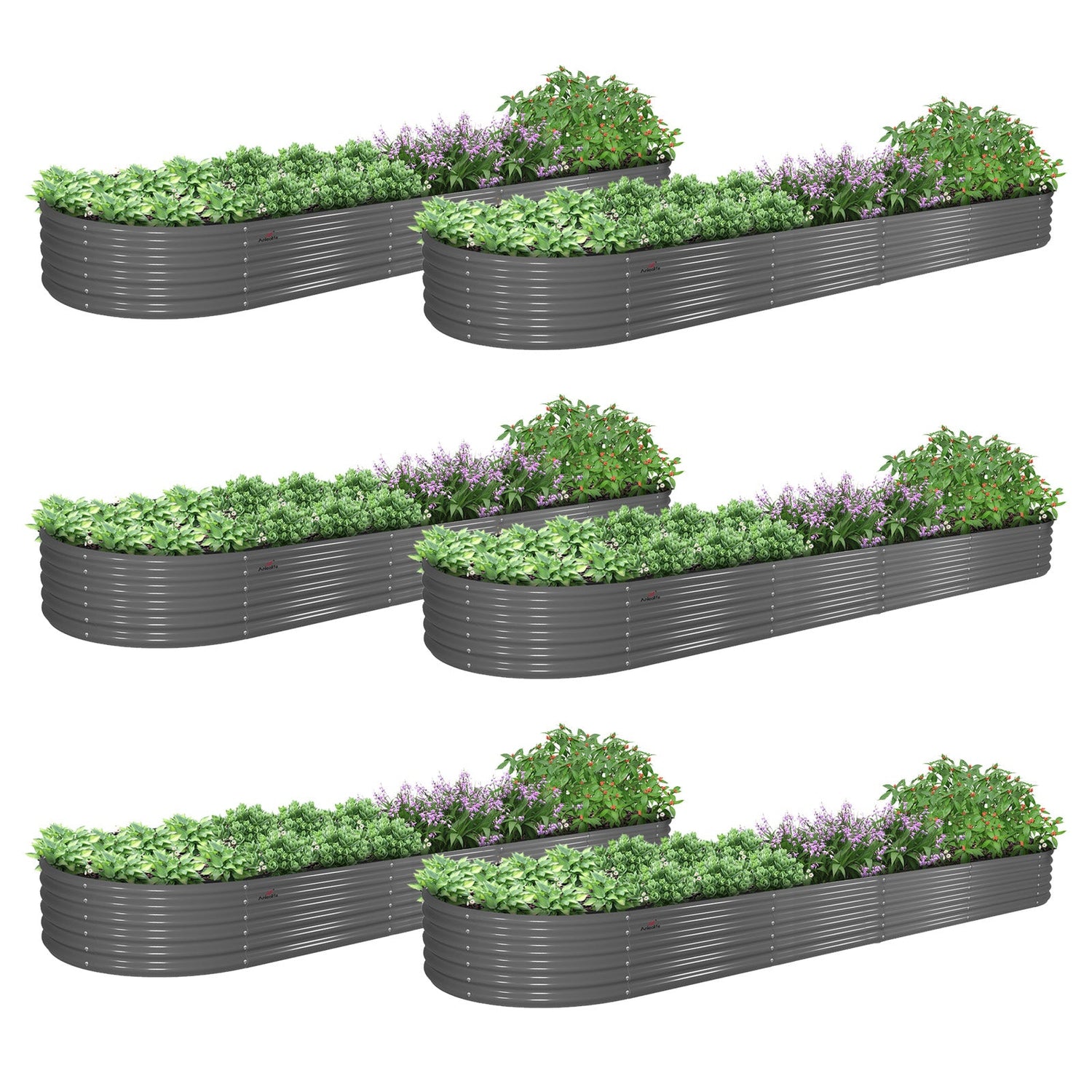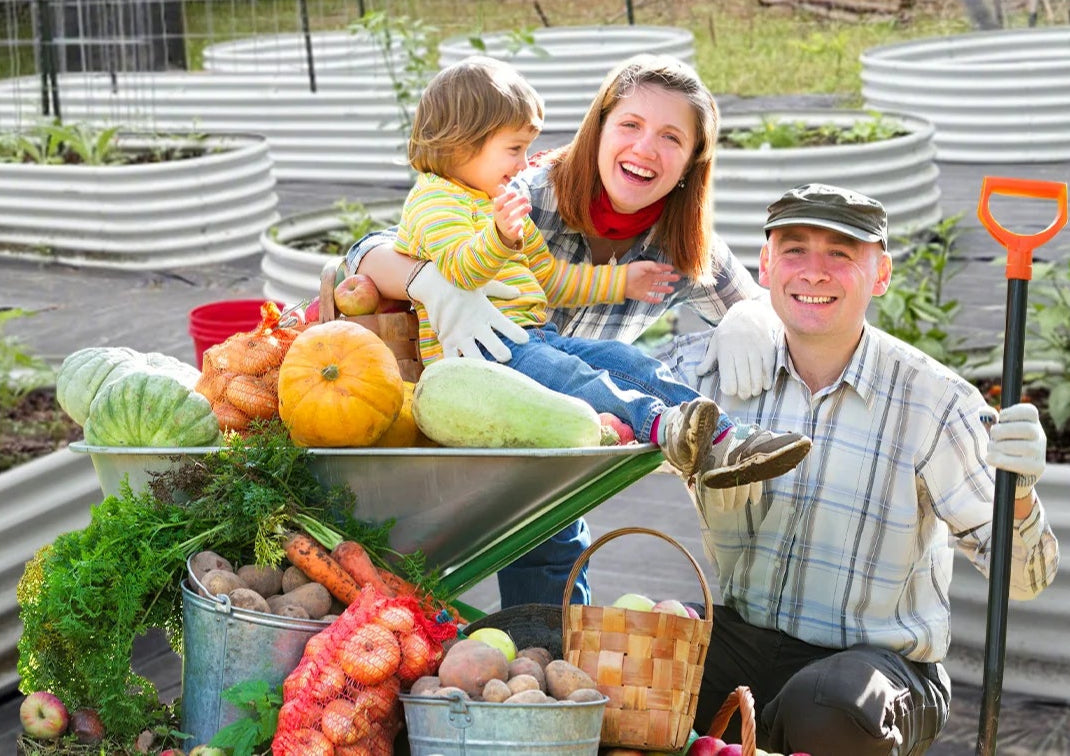



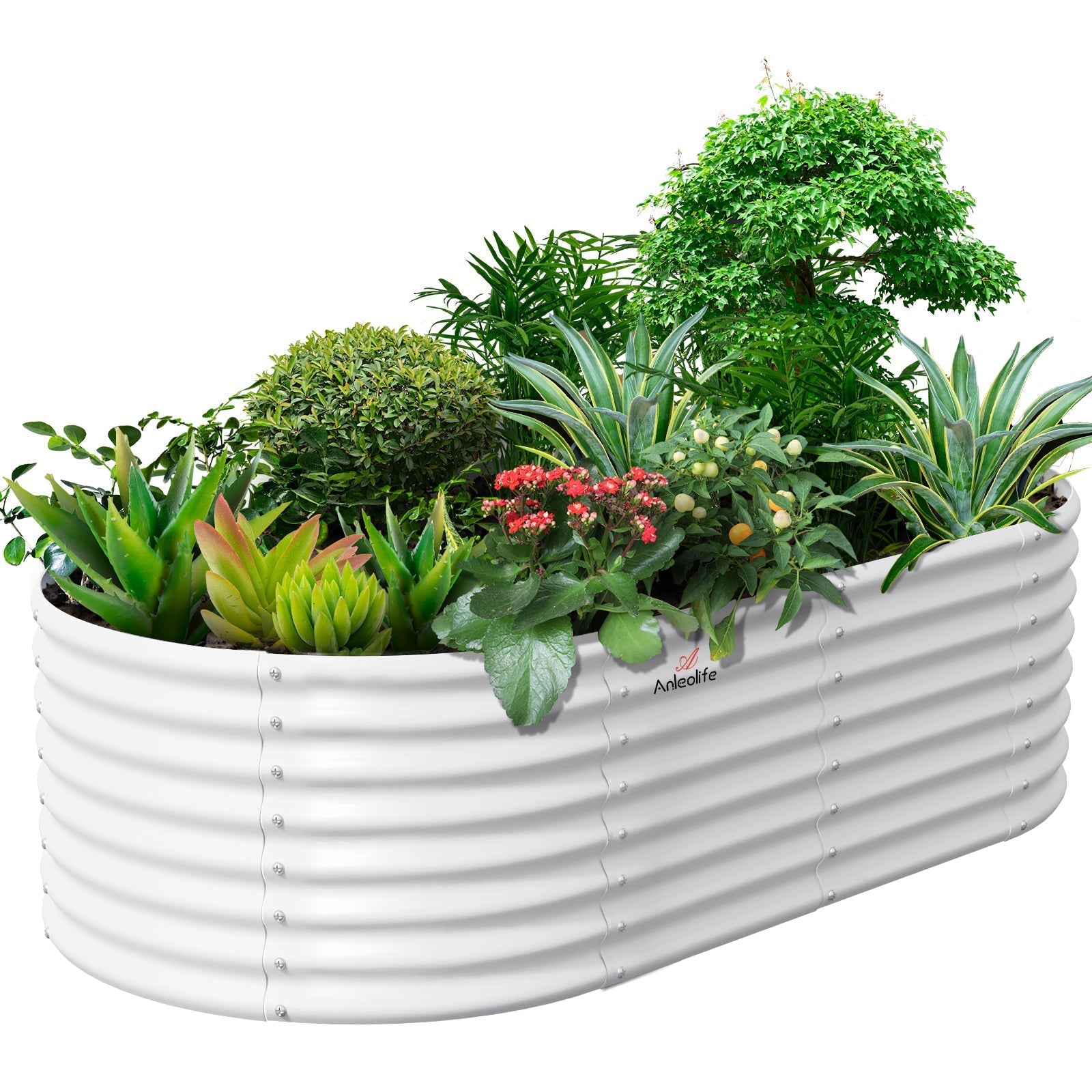
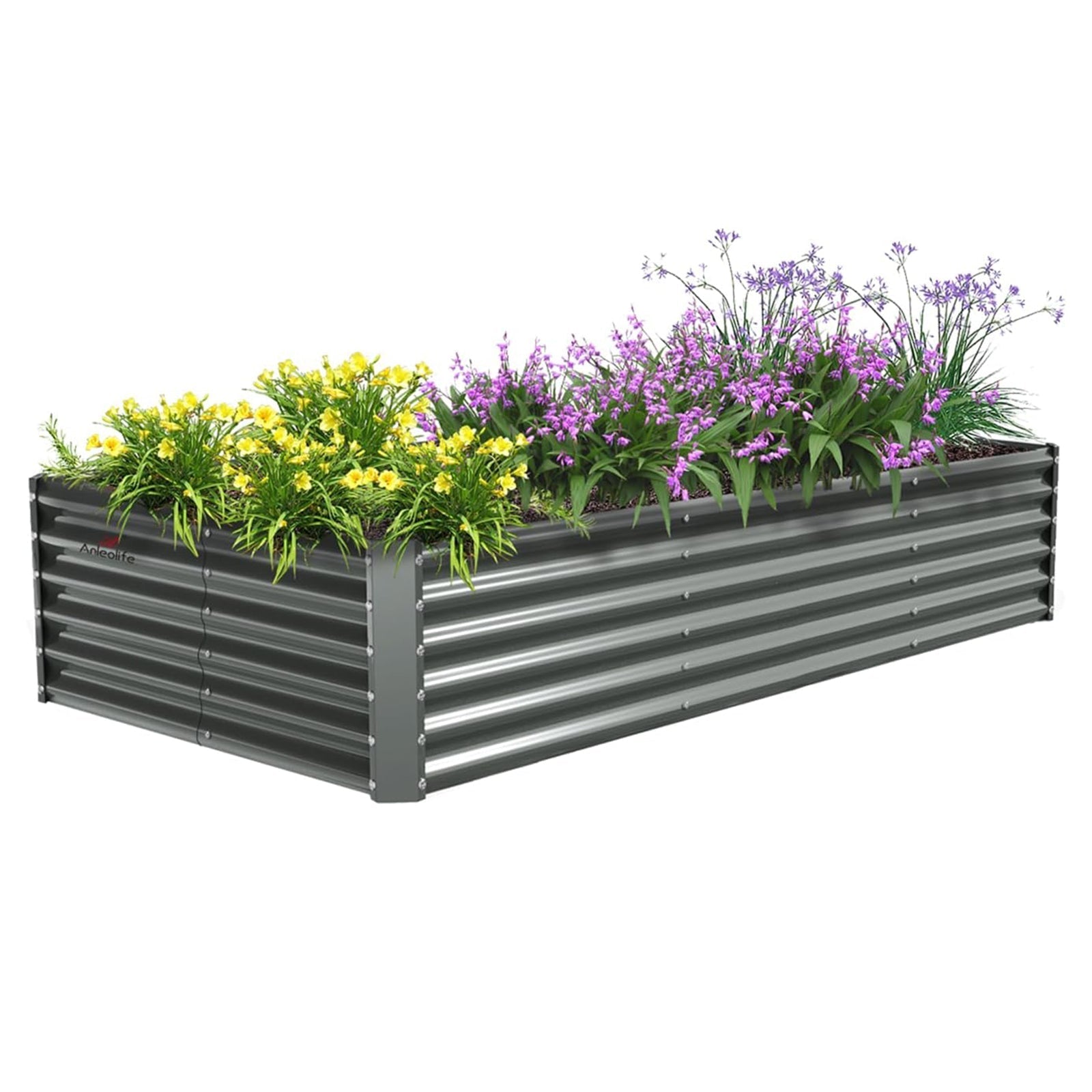

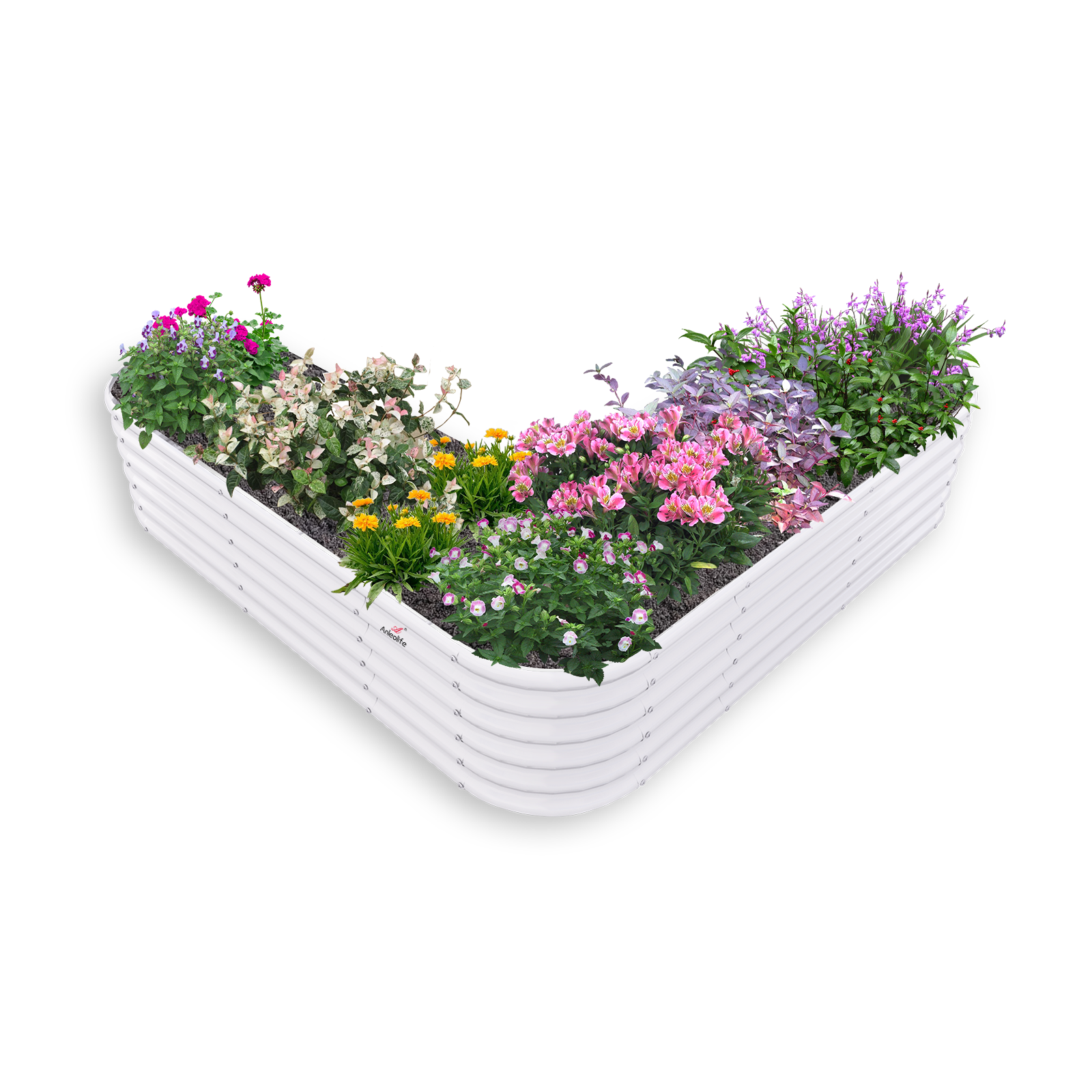
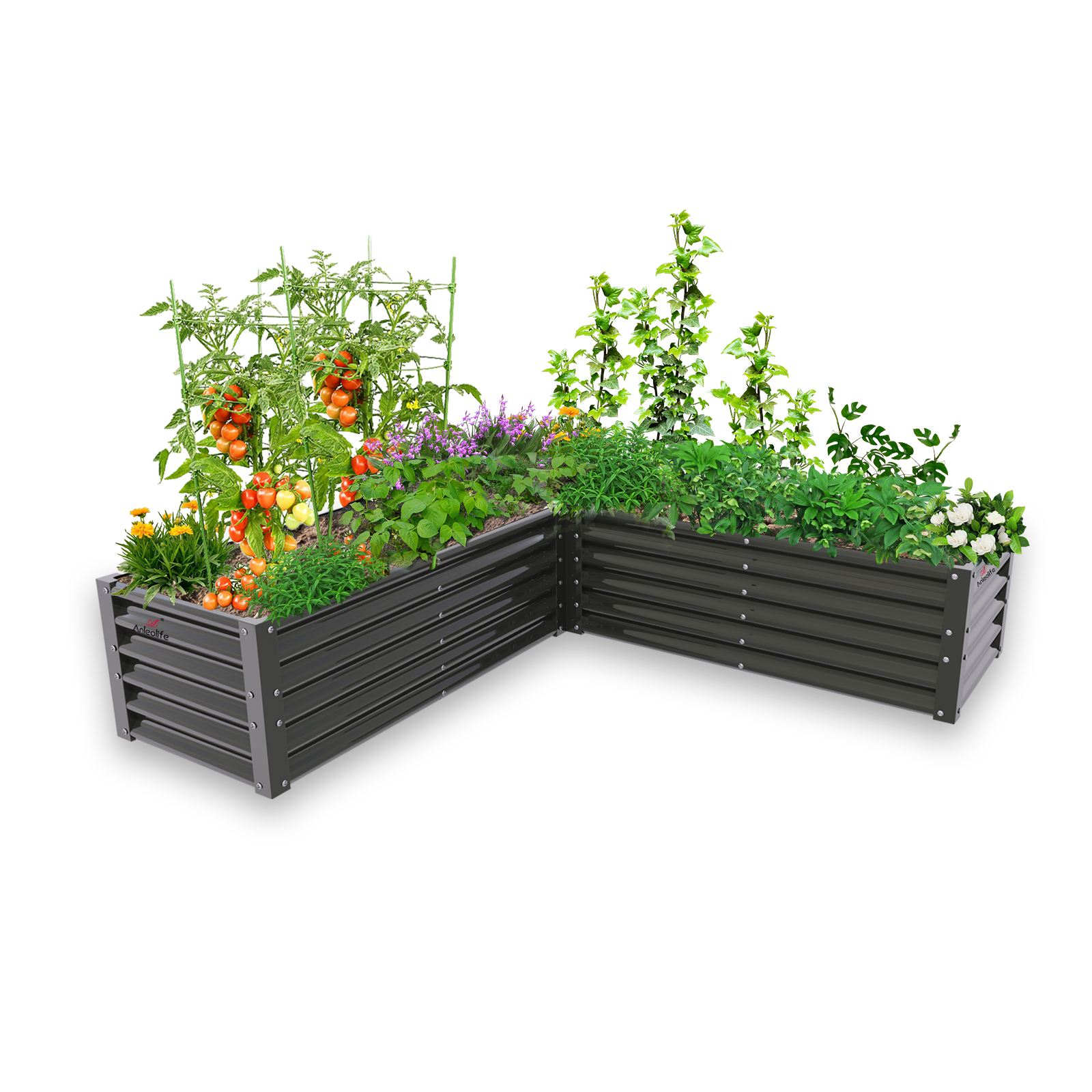
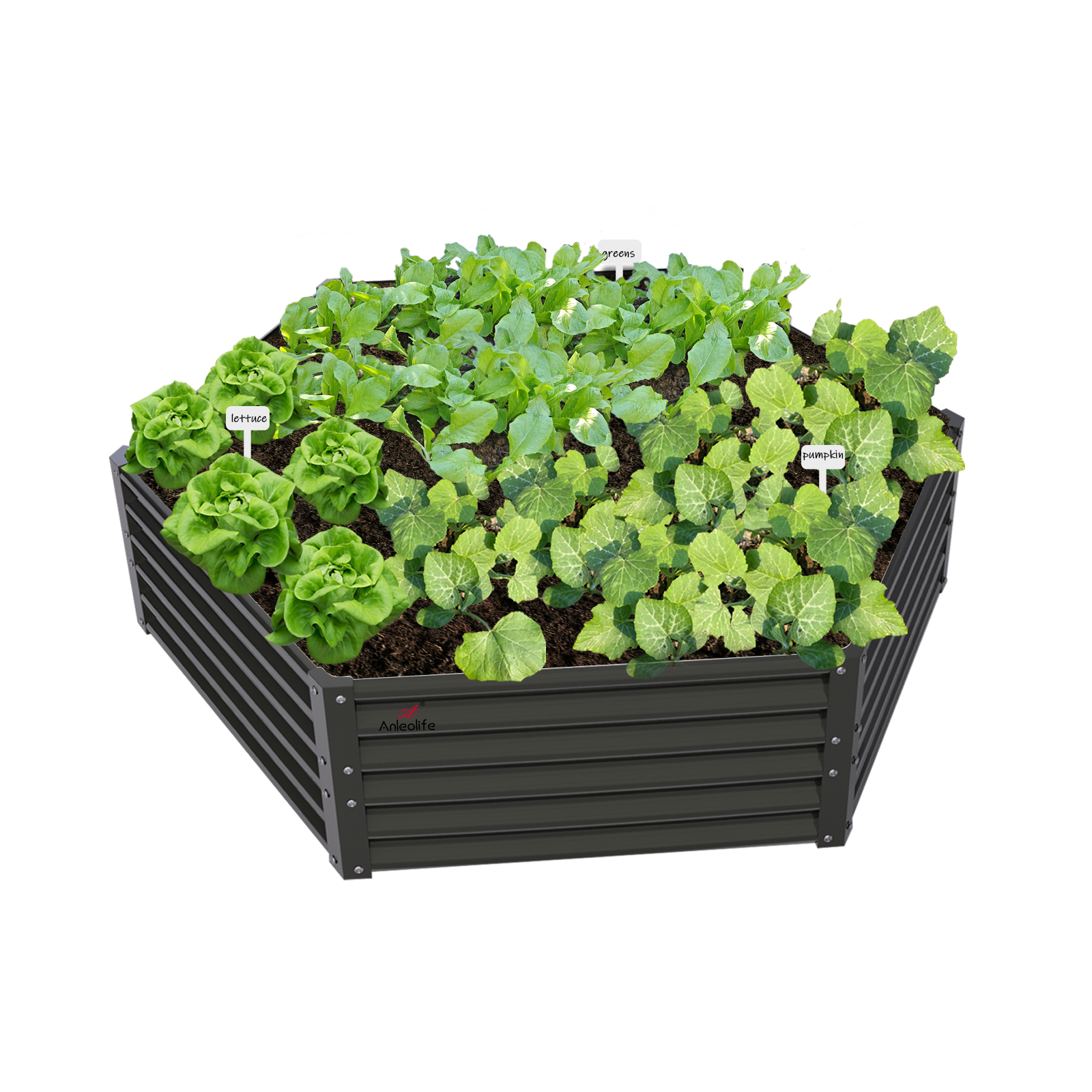
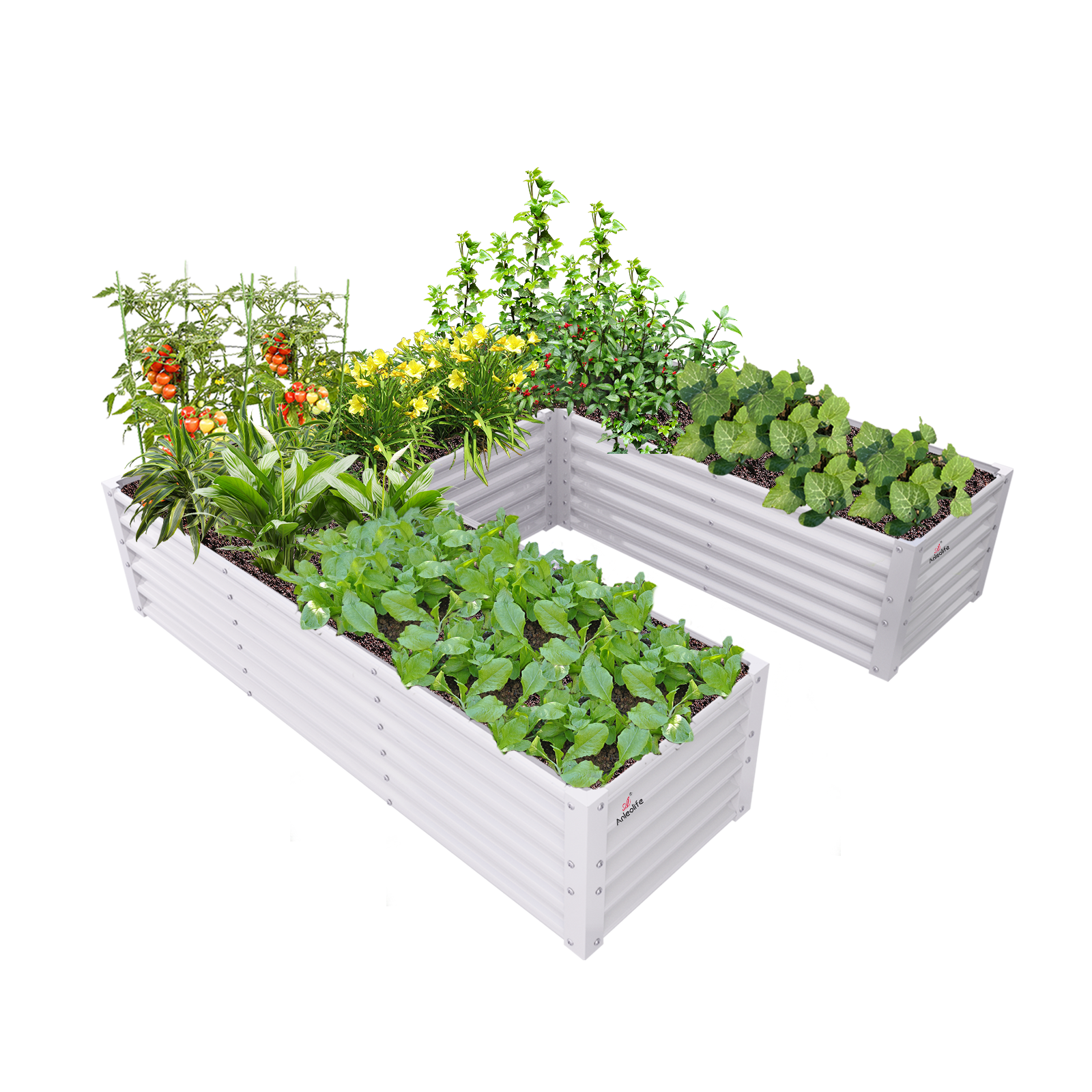

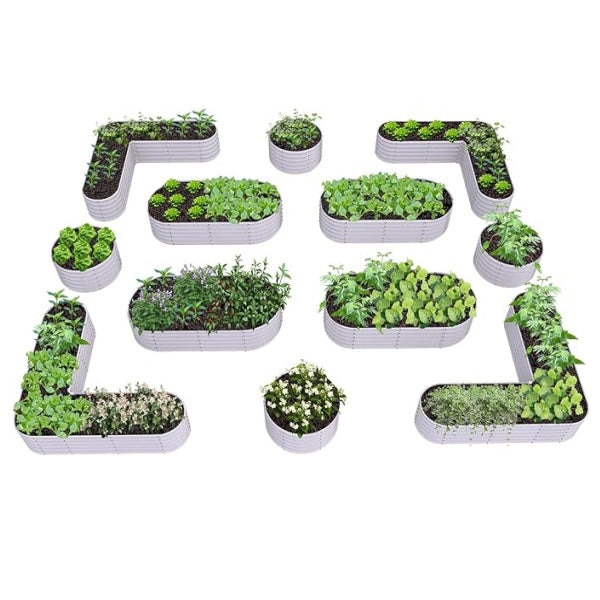


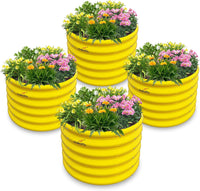
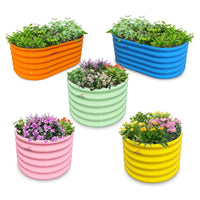
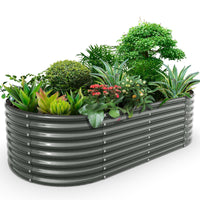



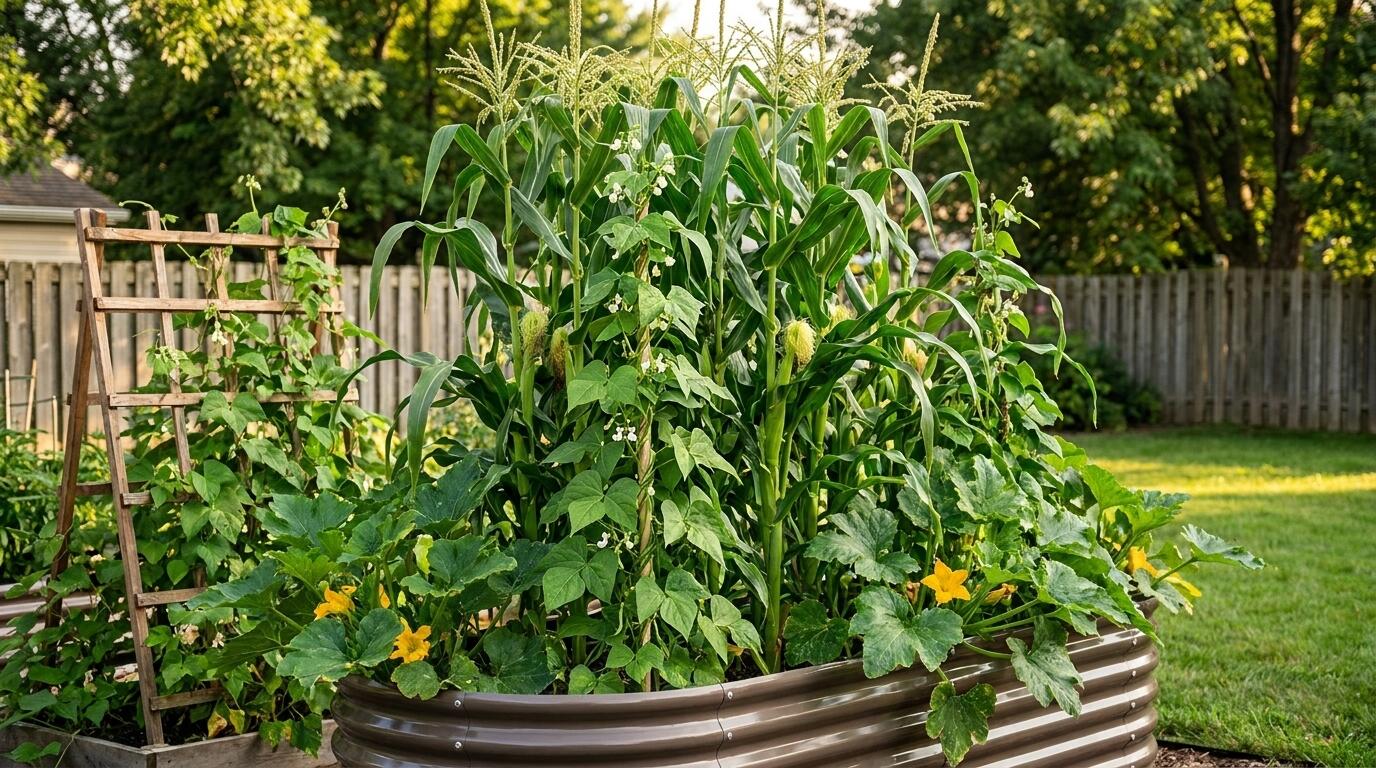
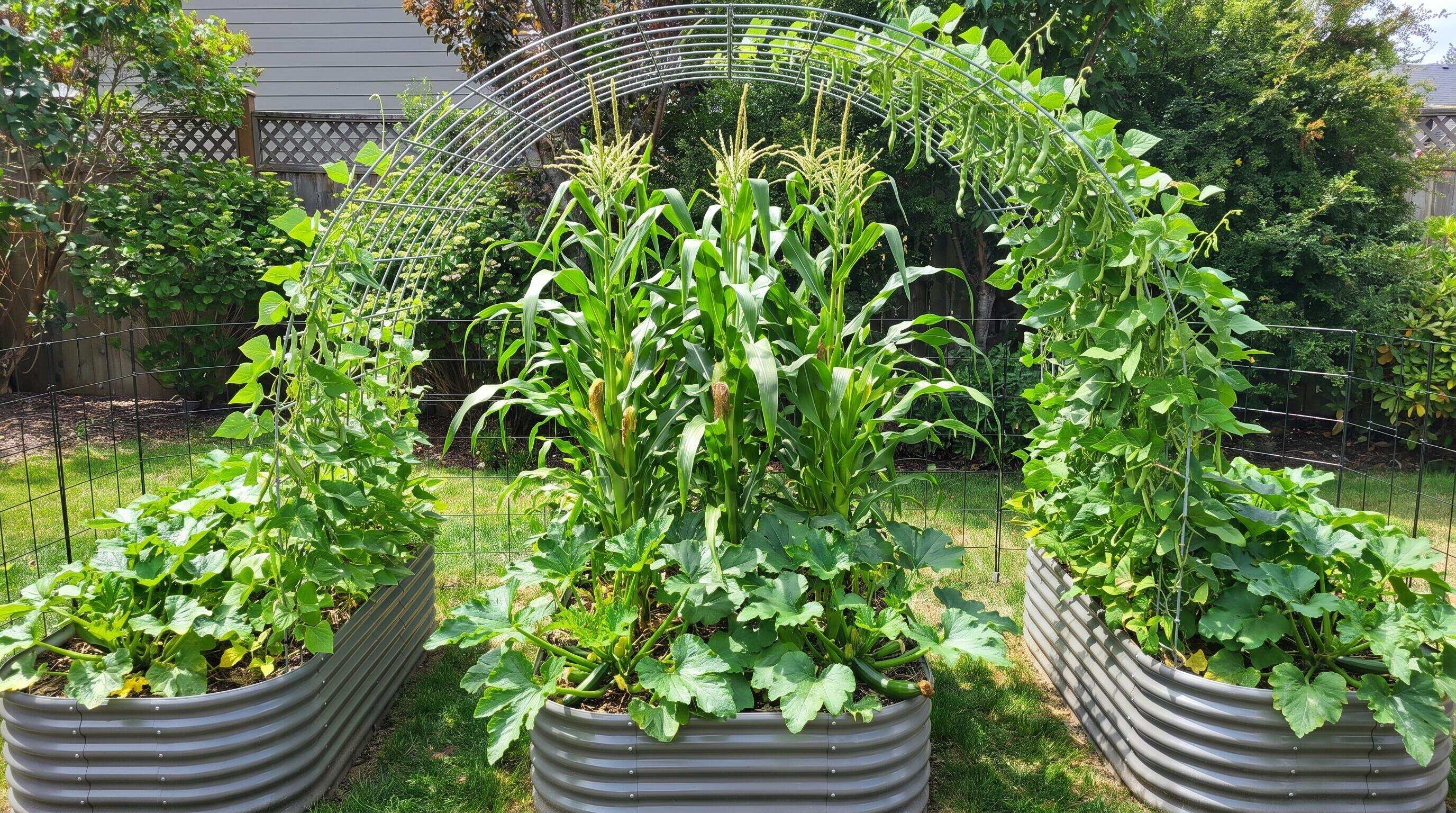
ALT: Three-sisters raised bed garden layout featuring corn, beans, and squash with garden trellis and outdoor living products
The Ancient Secret Behind the Most Productive Raised Bed Garden Layout
Key Conclusion: The Three-Sisters planting method—corn, beans, and squash grown together—is one of the most time-tested companion planting strategies in North American gardening history. When applied to a modern raised bed garden layout, this indigenous agricultural technique transforms your outdoor living products investment into a high-yield, low-maintenance growing system. By incorporating a sturdy garden trellis and thoughtful bed design, even small-space gardeners can grow a diverse, self-sustaining mini-ecosystem that feeds the soil, deters pests, and maximizes every square inch of growing space.
If you've ever dreamed of growing your own food but felt limited by yard size or budget, the Three-Sisters system might be the most elegant solution available. It combines soil science, companion planting, and smart garden trellis design into one cohesive plan. Whether you're a first-time grower or a seasoned backyard farmer, this guide walks you through every step—from choosing the right raised bed dimensions to spacing your plants for maximum synergy.
Who Should Use This Three-Sisters Raised Bed Design
✅ Applicable Scenarios:
- Home gardeners looking for raised bed garden ideas for small spaces who want to grow multiple crops simultaneously in a compact footprint
- Eco-conscious growers who prefer natural pest management and nitrogen-fixing companion planting over chemical fertilizers
- Families, retirees, and empty nesters who want a visually dynamic, productive outdoor garden that doubles as a beautification feature
- Urban micro-gardeners working with a single large raised bed and wanting to maximize harvest variety
- Anyone investing in long-lasting outdoor living products who wants to match their garden infrastructure with a proven planting system
❌ Not Applicable / Cautions:
- Gardeners with beds smaller than 4x4 feet—the Three-Sisters system needs sufficient space for corn stalks, vine spread, and root development
- Those planting in deep shade—corn especially requires at least 6–8 hours of direct sunlight daily to pollinate properly
- Growers in very short growing seasons (fewer than 90 frost-free days) may struggle to bring corn to full maturity alongside beans and squash
Why the Three-Sisters Method Still Works Brilliantly in Modern Raised Bed Gardening
Long before European settlers arrived in North America, Indigenous peoples of the Haudenosaunee (Iroquois) Confederacy and many other nations were already practicing one of the most sophisticated forms of polyculture farming ever developed. The Three Sisters—corn, beans, and squash—were not just dietary staples; they were grown together intentionally because each plant supports the others in a remarkable web of mutual benefit.
Corn grows tall and strong, providing a natural living pole for beans to climb. This eliminates the need for an external garden trellis in the bean row, though supplemental trellis support can still be helpful in windier climates or for heavier bean varieties.
Beans are legumes, which means they fix atmospheric nitrogen into the soil through a symbiotic relationship with root bacteria. This feeds the hungry corn plants naturally, reducing the need for supplemental fertilizer throughout the growing season.
Squash spreads its wide, prickly leaves across the ground, acting as a living mulch. This suppresses weeds, retains soil moisture, and—thanks to the rough texture of the leaves—deters many common garden pests like squash bugs and beetles.
Together, these three crops form a near-perfect closed-loop system that sustains itself with minimal external inputs. The concept maps beautifully onto modern raised bed gardening, where controlled soil quality, good drainage, and defined growing zones already give you a head start.
Today's home gardeners are rediscovering this system not just for its productivity, but because it aligns perfectly with a broader movement toward sustainable outdoor living. As interest in home food production surges across North America—accelerated by supply chain concerns and a growing desire for food sovereignty—the Three-Sisters raised bed has become one of the most searched-for garden layouts online.
For those curious about choosing the right materials for their raised bed infrastructure, which raised garden bed materials last longest in extreme heat and cold is a valuable read before committing to a bed design. Since the Three-Sisters system is a multi-season commitment, your bed needs to withstand both summer heat and winter cold without warping, rotting, or corroding.
Designing Your Three-Sisters Raised Bed: Step-by-Step
Three-Step Quick Start
Step 1: Choose the Right Raised Bed Size and Material
For a successful Three-Sisters planting, you'll want a minimum bed size of 8x4 feet, though a 12x3 or 8x4 footprint gives the most balanced spacing. Corn needs room to grow in clustered blocks for wind pollination, beans need vertical support, and squash needs lateral spread. Anleolife's galvanized steel raised garden beds—available in sizes like the 18" Tall 8x4 ft and the 24" Extra Tall 8x4 ft—offer the structural integrity and depth needed for deep-rooting corn and squash. Choose a bed depth of at least 18 inches to accommodate the extensive root systems all three sisters develop. Allow approximately 1–2 hours for assembly and site preparation.
Step 2: Build a Nutrient-Rich Soil System
Fill your raised bed with a blend of high-quality topsoil, compost, and aged manure. Because corn is a heavy nitrogen feeder, and beans will be supplying nitrogen throughout the season, starting with a rich, well-aerated soil foundation is critical. Aim for a blend that retains moisture without becoming waterlogged—squash is susceptible to root rot in overly dense soil. For deeper beds (30" or taller), consider layered filling techniques to keep costs manageable. A helpful resource on this topic is layering methods for filling raised garden beds without buying all topsoil. This step takes 1–3 hours depending on bed size.
Step 3: Plan Your Planting Zones and Trellis Setup
Divide your bed into three zones: a central corn block, a surrounding bean ring, and an outer squash border. If your bed is against a fence or wall, position corn at the back and use a supplemental garden trellis panel to guide climbing beans and protect taller corn stalks from wind. Mark your planting zones with stakes before planting to avoid spacing errors. This planning phase takes about 30 minutes and saves considerable confusion once seeds go in the ground.
Comparing Three-Sisters Bed Layout Options for Different Raised Bed Sizes
The Three-Sisters design can be adapted for several common raised bed dimensions. Here's how the layout principles shift based on bed size:
| Comparison Dimension | 4x4 ft Bed (Minimum) | 8x4 ft Bed (Recommended) | 12x3 ft Bed (Row-Style) |
|---|---|---|---|
| Corn block size | 2x2 cluster (4 stalks) | 3x3 cluster (9 stalks) | Two 2x2 clusters in sequence |
| Bean placement | 1 bean per corn stalk base | 1–2 beans per stalk, outer ring | Linear bean row beside corn |
| Squash coverage | 1–2 plants, edge only | 2–3 plants along outer border | 1 plant per end of bed |
| Trellis need | Optional, wind-dependent | Recommended for beans | Recommended along long edge |
| Suitability | Beginner, space-limited | Most versatile, best yields | Narrow yards, long beds |
| Anleolife bed match | 18" Tall 4x4 ft | 18" or 24" Tall 8x4 ft | 18" Tall 12x3 ft |
The 8x4 raised bed consistently emerges as the sweet spot for recommended planting layouts for a 4x8 raised garden bed—it gives corn enough room to form a proper pollination block while leaving adequate space for beans to spiral upward and squash to spread without overcrowding.
Detailed Planting Guide: Spacing, Timing, and Trellis Integration
Corn: The Centerpiece Structure
Corn should be planted first, ideally in a square block to facilitate wind pollination. In an 8x4 bed, plant a 3x3 grid of corn seeds in the central zone, spacing seeds approximately 12–15 inches apart. Corn requires full sun and should be oriented so it doesn't shade the rest of the bed—typically placing the corn block toward the north end of the bed works well in most U.S. growing zones.
Sow corn seeds directly into the soil about 1 inch deep after your last frost date. Germination takes 7–14 days. Wait until corn is 4–6 inches tall before introducing beans.
For taller corn varieties, a supplemental garden trellis or bamboo stakes woven together can provide wind resistance, especially in the Midwest and coastal regions where summer storms are common. This simple addition also creates a vertical garden structure that enhances the aesthetic appeal of your outdoor living products setup.
Beans: The Nitrogen Fixers
Once your corn reaches 4–6 inches in height, sow pole bean seeds in a ring around each corn stalk—about 3–4 inches from the base. Pole beans will naturally begin to spiral up the corn stalks as they grow, creating the classic Three-Sisters climbing effect. If you're using a garden trellis nearby, you can train outlying bean plants onto it for additional support and to increase bean yield.
Plant 1–2 bean seeds per corn stalk position. Bush beans can be substituted in smaller beds, but pole beans are traditional and more productive in this system. Beans germinate in 8–14 days and begin climbing within 2–3 weeks.
Beans are the system's natural fertilizer factory. Their root nodules fix atmospheric nitrogen into forms that corn can absorb directly, which is why corn yields in Three-Sisters plots consistently outperform monoculture corn grown without fertilizer supplementation.
Squash: The Living Mulch
After beans are established, transplant squash seedlings (or direct sow squash seeds) along the outer edges of the bed. In an 8x4 bed, 2–3 squash plants is typically sufficient—squash is aggressive and will fill available space quickly.
Summer squash varieties like zucchini are easier to manage in a raised bed; winter squash (butternut, acorn) produces larger vines that may overflow the bed edges, which is not a problem if you're allowing sprawl onto adjacent pathways or lawn areas.
The broad squash leaves serve a dual purpose: they dramatically reduce water evaporation from the soil surface and create a physical barrier that most crawling pests find difficult to navigate. As part of your backyard garden accessories strategy, this living mulch layer also eliminates the need for synthetic ground covers in the growing zone.
Trellis and Vertical Structure Design
Incorporating a garden trellis into your Three-Sisters design adds both function and visual beauty. A trellis positioned on the north or west side of the bed can support climbing beans that outgrow their corn stalks, extend your growing season by keeping foliage off the damp ground, and create a vertical privacy screen or decorative backdrop.
For gardeners asking about the best backyard garden accessories for small spaces, a simple A-frame trellis or wall-mounted panel trellis is one of the highest-return investments you can make. Pair it with your raised bed and you've essentially doubled your growing vertical volume without expanding your horizontal footprint.
Some gardeners also incorporate kinetic wind spinners or decorative stakes near the trellis to deter birds from targeting young corn seedlings—a practical and visually appealing element that blends function with garden beautification.
ALT: Pole beans climbing a garden trellis in a three-sisters raised bed garden layout featuring galvanized steel outdoor living products
Advanced Tips: Soil Management, Bed Height, and Long-Term Planning
What's the Best Height for a Raised Garden Bed If You Have Back Problems?
For gardeners managing back pain or mobility challenges, bed height matters enormously. A 24" Extra Tall or 30" Extra Tall raised bed from Anleolife allows you to garden in a near-standing position, dramatically reducing the need to bend or kneel. The Three-Sisters system works particularly well in taller beds because the deep soil volume benefits all three crops—corn can develop stronger root anchors, beans have more root zone for growth, and squash develops the expansive root system it needs to fuel vigorous leaf spread.
For retirees and empty nesters who want to maintain a productive food garden without physical strain, investing in a waist-high or extra-tall bed is one of the best decisions you can make early on. The Anleolife 35" Waist-High 4x1.5 ft bed is a compelling option for seniors with limited mobility, though for the full Three-Sisters layout, you'll need a wider and longer bed to accommodate all three crops.
Common Misconceptions About the Three-Sisters System
Misconception 1: "The three crops will compete and choke each other out."
In reality, when properly spaced and timed, each sister occupies a different ecological niche—vertical (corn), twining (beans), and horizontal (squash)—so competition is minimal. The key is staging: plant corn first, beans second, squash last.
Misconception 2: "You need a huge garden for this to work."
As this guide demonstrates, an 8x4 raised bed is sufficient for a productive Three-Sisters plot. That said, if you're planning a larger multi-bed setup, multi-bed garden layout ideas for yards between 600 and 1,000 sq. ft. offers excellent spatial planning guidance.
Misconception 3: "Raised beds aren't worth the investment for vegetables."
This underestimates two things: the productivity gains from controlled soil quality in a raised bed, and the long-term durability of quality materials. Anleolife's galvanized steel raised garden beds are engineered for a lifespan of up to 20 years, which means the cost per season drops dramatically over time. As noted in why galvanized steel is one of the most sustainable raised bed materials, the environmental and financial case for steel over wood is compelling for long-term growers.
Seasonal Rotation After the Three-Sisters Harvest
Once your Three-Sisters bed completes its season, rotate to nitrogen-demanding crops like leafy greens or brassicas the following year—they'll benefit from the residual nitrogen the beans deposited in the soil. Year three might return to corn or beans, and so on in a planned rotation that keeps soil health high without heavy fertilizer use. This multi-year planning is one of the most underrated aspects of raised bed gardening.
Frequently Asked Questions FAQ
Q1: How do I adapt the Three-Sisters layout for a smaller raised bed in a tight urban space?
For raised bed garden ideas in small spaces, focus on dwarf or compact varieties: choose short-season corn (under 5 feet tall), bush beans instead of pole beans, and patio squash varieties. A 4x4 raised bed can support a scaled-down Three-Sisters planting with 4 corn stalks, 4 bean plants, and 1–2 compact squash. You can also use a vertical garden trellis to compensate for reduced horizontal space, training both beans and squash upward rather than outward. Prioritize sun exposure above all else.
Q2: Are galvanized steel raised beds safe for growing food like corn, beans, and squash?
Yes—modern galvanized steel beds use a zinc coating process that is considered food-safe at typical garden soil exposure levels. The zinc layer actually provides long-term corrosion resistance without leaching harmful chemicals into soil under normal conditions. Research from agricultural extension programs generally supports the use of galvanized steel for edible gardening. Anleolife's galvanized steel raised garden beds are specifically designed for food production environments and are built to last up to 20 years, making them a reliable long-term investment for home growers.
Q3: How long does it take to grow a full Three-Sisters harvest from planting to table?
The timeline depends on your crop varieties and climate zone. Generally, pole beans are ready in 60–70 days from sowing, summer squash in 50–60 days, and corn in 75–100 days depending on variety. From the date you plant your first corn seeds, expect a full Three-Sisters harvest window spanning roughly 10–14 weeks. In most U.S. zones, this means a late-spring planting (after last frost) yields a mid-to-late summer harvest. Delivery of your Anleolife raised bed takes just 3–8 business days, so you can order and be planting within the same week.
Summary
The Three-Sisters raised bed system is one of the most rewarding planting strategies you can adopt as a home gardener. It delivers on three fronts that modern growers care deeply about:
Productivity: By stacking corn, beans, and squash in a single raised bed, you produce three complete food crops in the same footprint that would normally support just one. The companion planting synergy means each crop actively supports the others.
Sustainability: Nitrogen fixation from beans reduces or eliminates the need for synthetic fertilizers. Squash's living mulch conserves water and suppresses weeds naturally. With a long-lasting galvanized steel raised bed as your foundation, you're building a system designed to serve you for decades.
Beauty and Function: A well-designed Three-Sisters bed, supported by a garden trellis and surrounded by thoughtful outdoor living products, is genuinely attractive. Corn silk, bean flowers, and squash blossoms create a layered visual display from midsummer through fall that enhances any backyard or patio space.
Your next step is simple: choose a bed size (the 8x4 ft configuration is our strongest recommendation for beginners), source quality soil, select your seed varieties, and follow the staged planting timeline outlined in this guide. You'll be harvesting corn, beans, and squash within a single growing season.
Upgrade Your Garden with Anleolife
Anleolife's nationwide U.S. warehouse network—strategically located in California, Texas, Florida, New York, Illinois, and Washington—ensures delivery within 3–8 business days, so your garden upgrade plans never have to wait.
Our products are available across major e-commerce platforms including Amazon, Walmart, Home Depot, Lowe's, and Wayfair, as well as directly at Anleolife.com, with consistent quality assurance and reliable after-sales support on every order.
Anleolife's three core scenarios—Planting (metal raised garden beds, soil systems), Raising (chicken coops, rabbit hutches), and Beautification (decorative accessories, pathway systems)—meet your complete needs from pure functionality to full garden aesthetics.
We understand that an ideal garden isn't built overnight. Our modular product design allows you to expand flexibly based on your needs—from your first 8x4 raised garden bed to a fully integrated planting-and-raising ecosystem. We grow with you every step of the way.
References
- USDA National Agricultural Library. "Three Sisters Agriculture: Corn, Beans, and Squash Companion Planting."
https://www.nal.usda.gov/exhibits/speccoll/exhibits/show/early-american-imprints/native-american-agriculture - Cornell University Cooperative Extension. "Three Sisters Gardening: A Native American Tradition."
https://gardening.cals.cornell.edu/lessons/curricula/the-three-sisters-the-traditional-intercropping-of-corn-beans-and-squash/ - University of Minnesota Extension. "Raised Bed Gardening."
https://extension.umn.edu/yard-and-garden/raised-bed-gardening - Penn State Extension. "Companion Planting and Polyculture Systems for Home Gardeners."
https://extension.psu.edu/companion-planting - NC State Extension. "Soil Preparation and Fertilization for Raised Bed Vegetable Gardens."
https://content.ces.ncsu.edu/raised-bed-gardening
Note: Standards and recommendations may be updated; please check the latest official documents or consult professional advisors for current guidance.
About Anleolife
Anleolife is a leading outdoor garden solutions provider in North America, dedicated to offering a full-scenario product ecosystem for home gardening enthusiasts, covering planting, raising, and garden beautification. Since its founding, we have upheld our brand mission, "Made for Garden Life," continuously innovating products and optimizing services to help hundreds of thousands of users upgrade their gardens, reconnect with nature, and enjoy a better garden lifestyle.