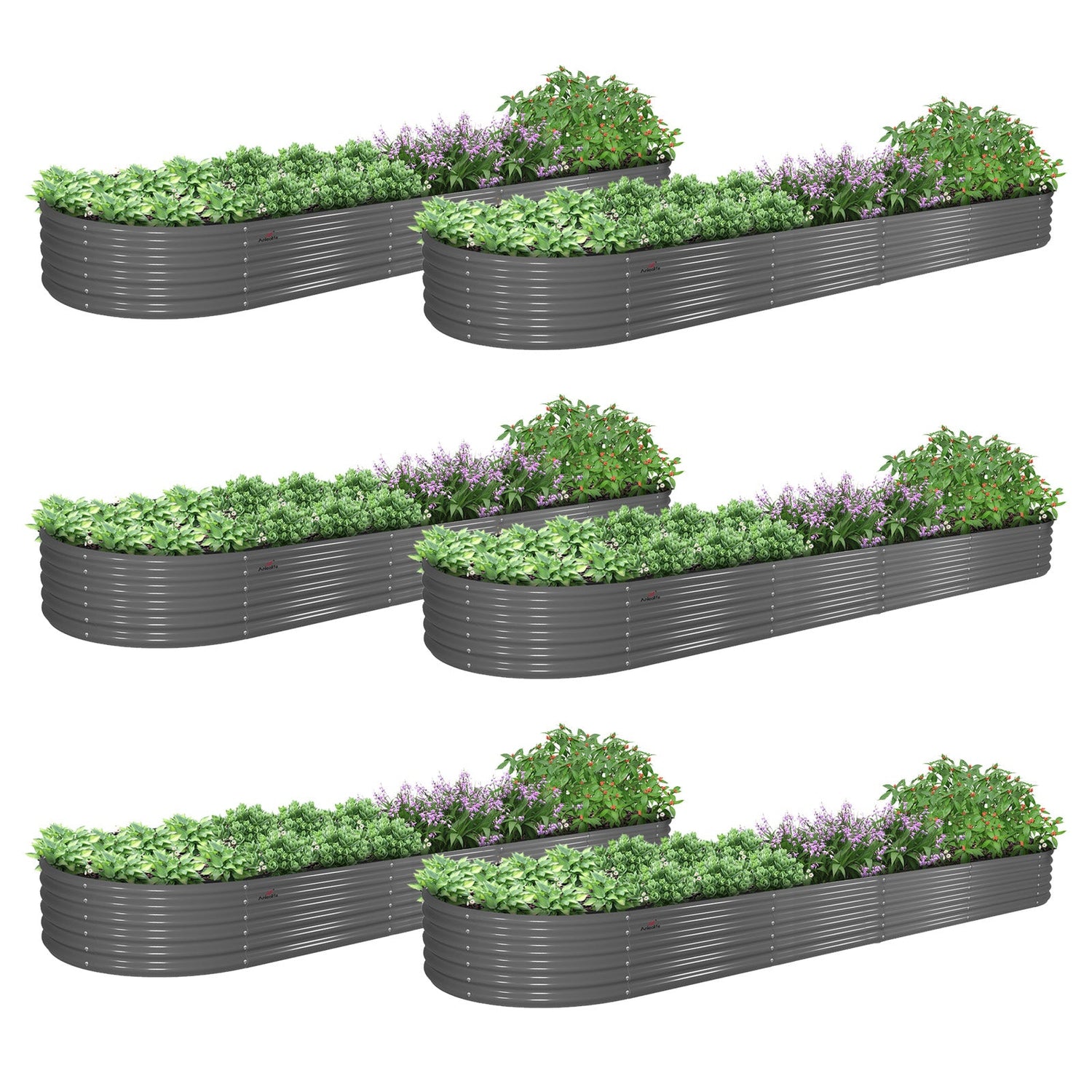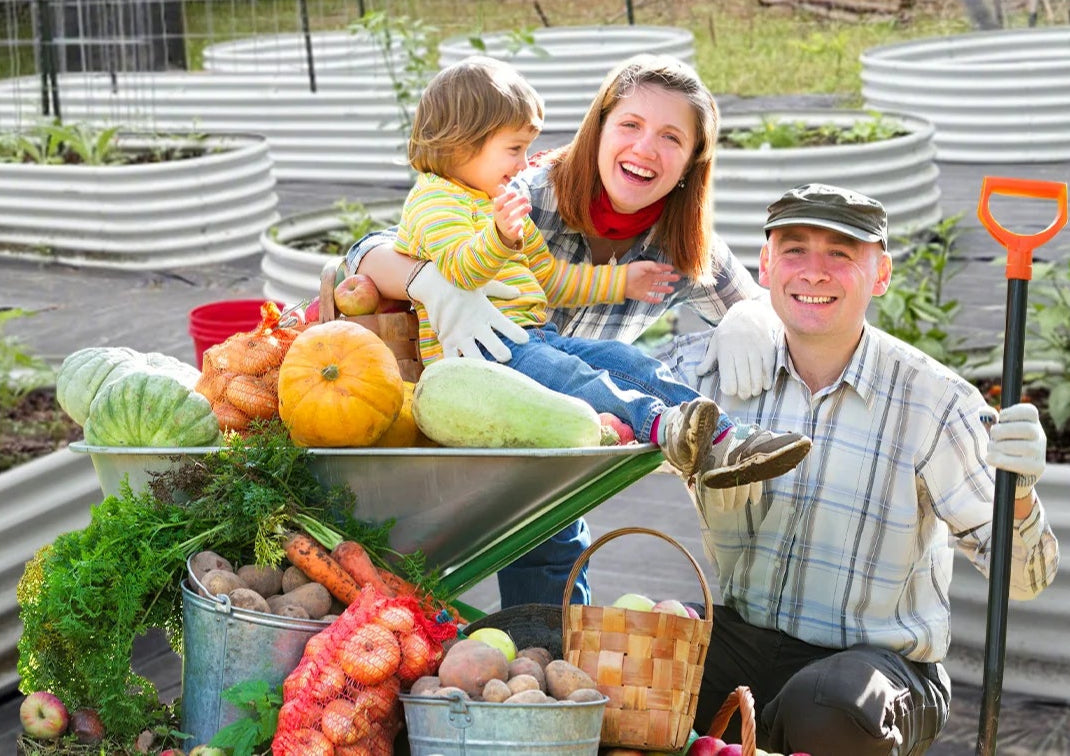



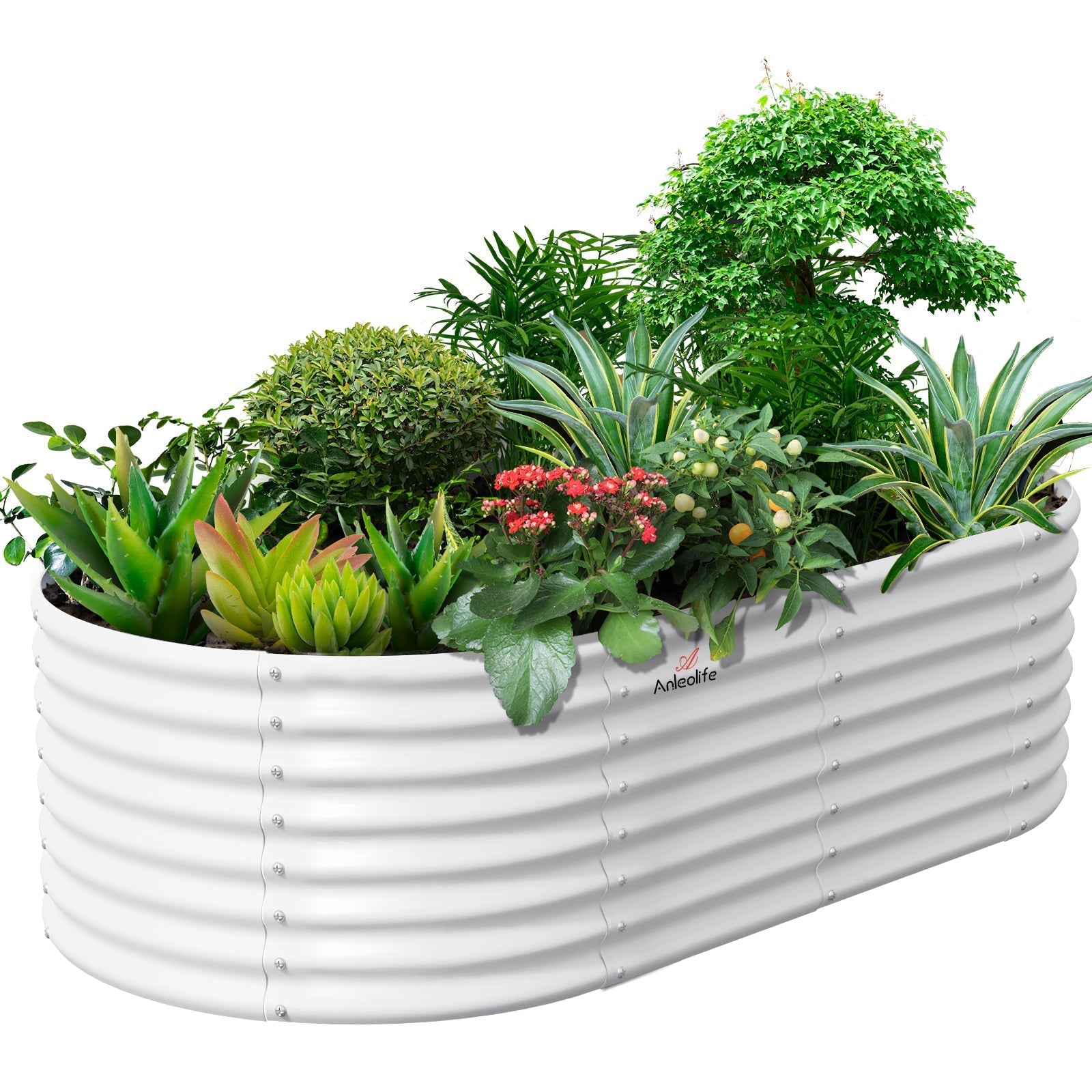
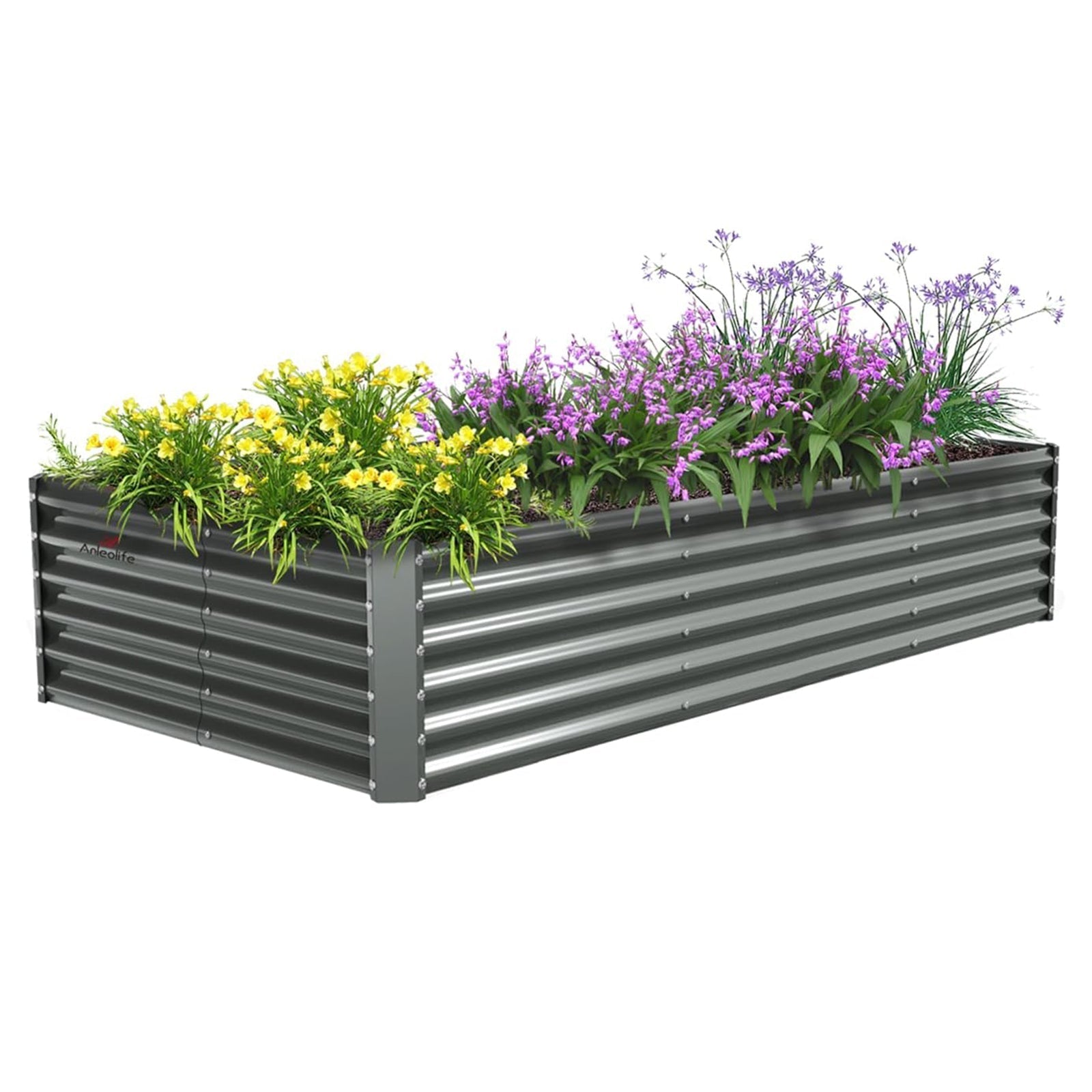

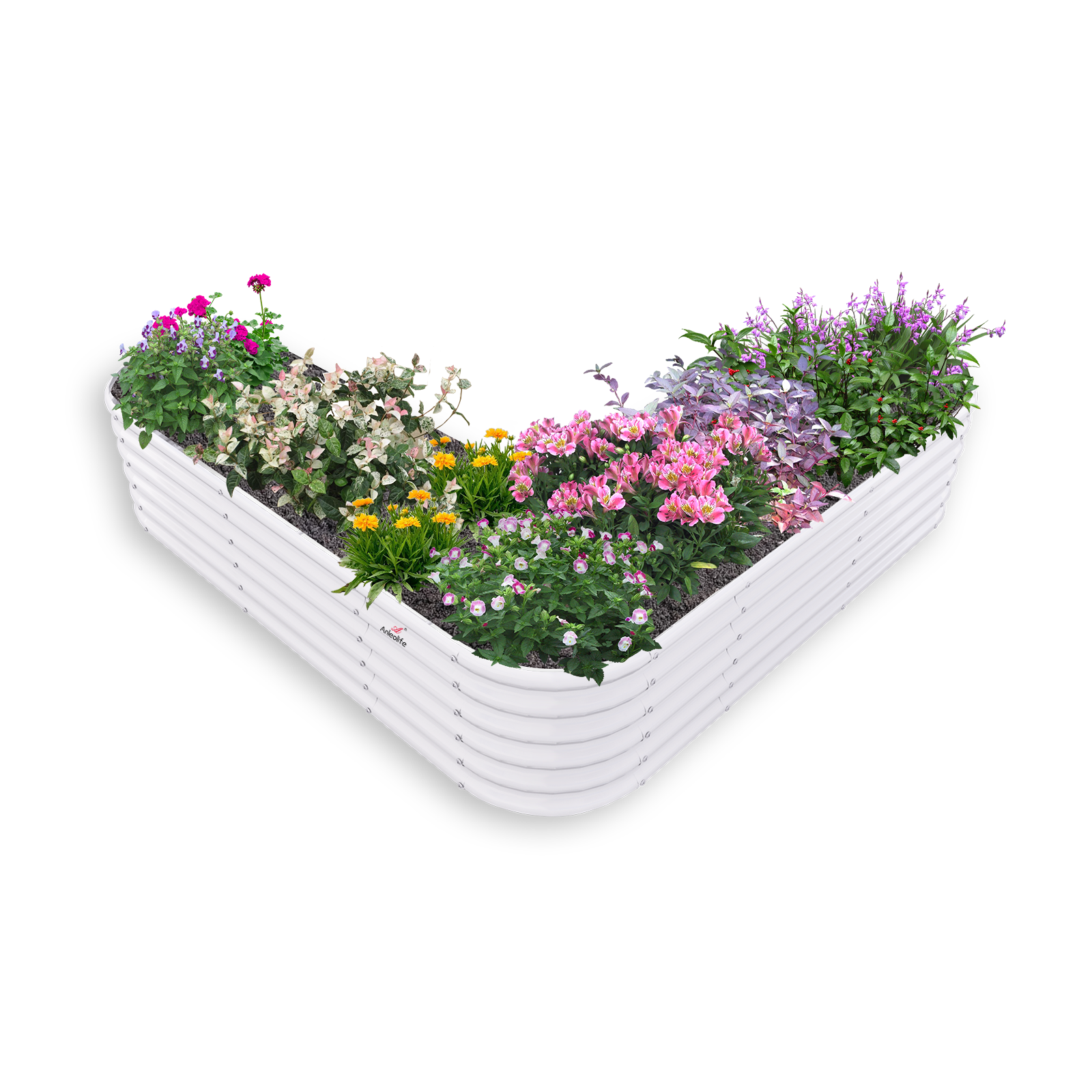
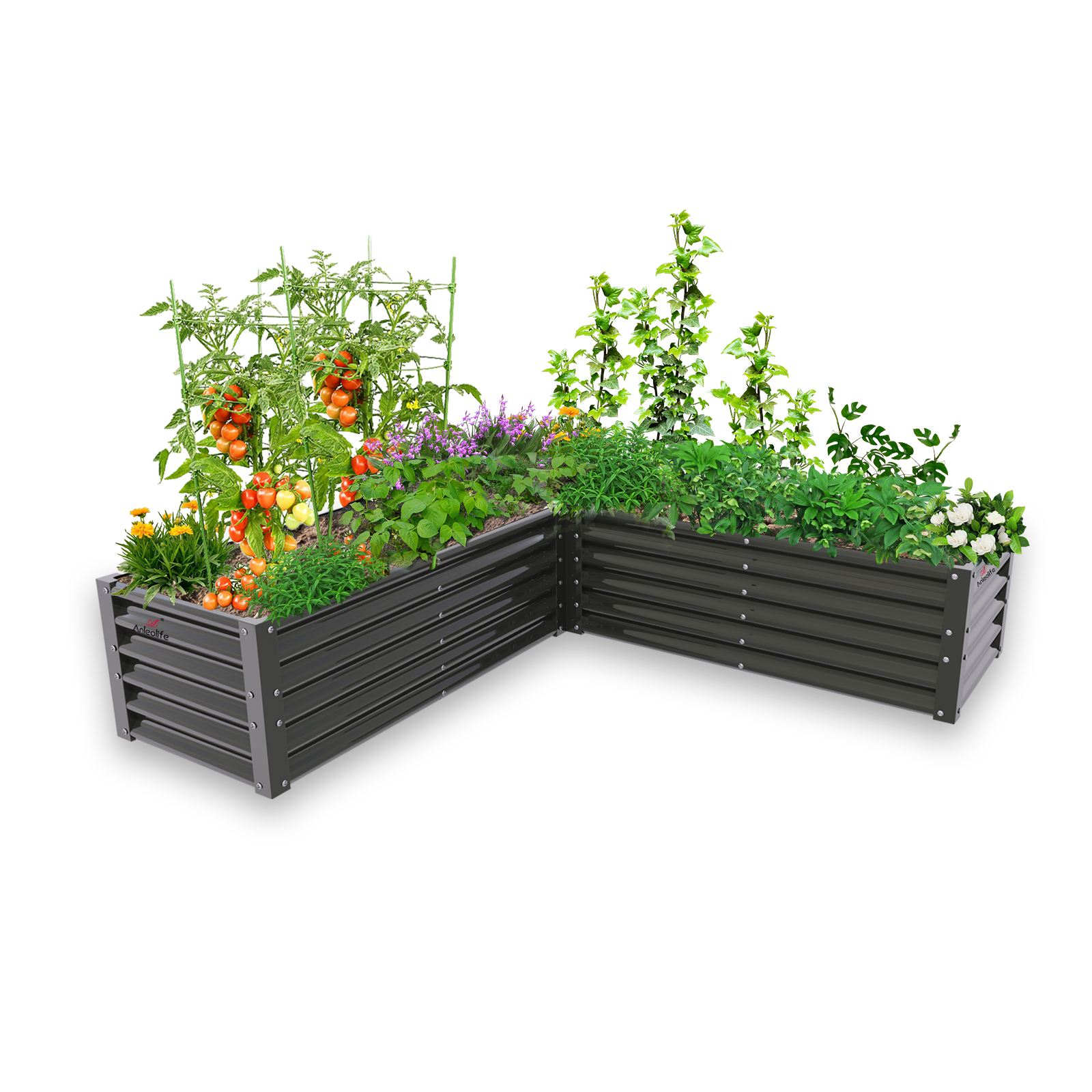
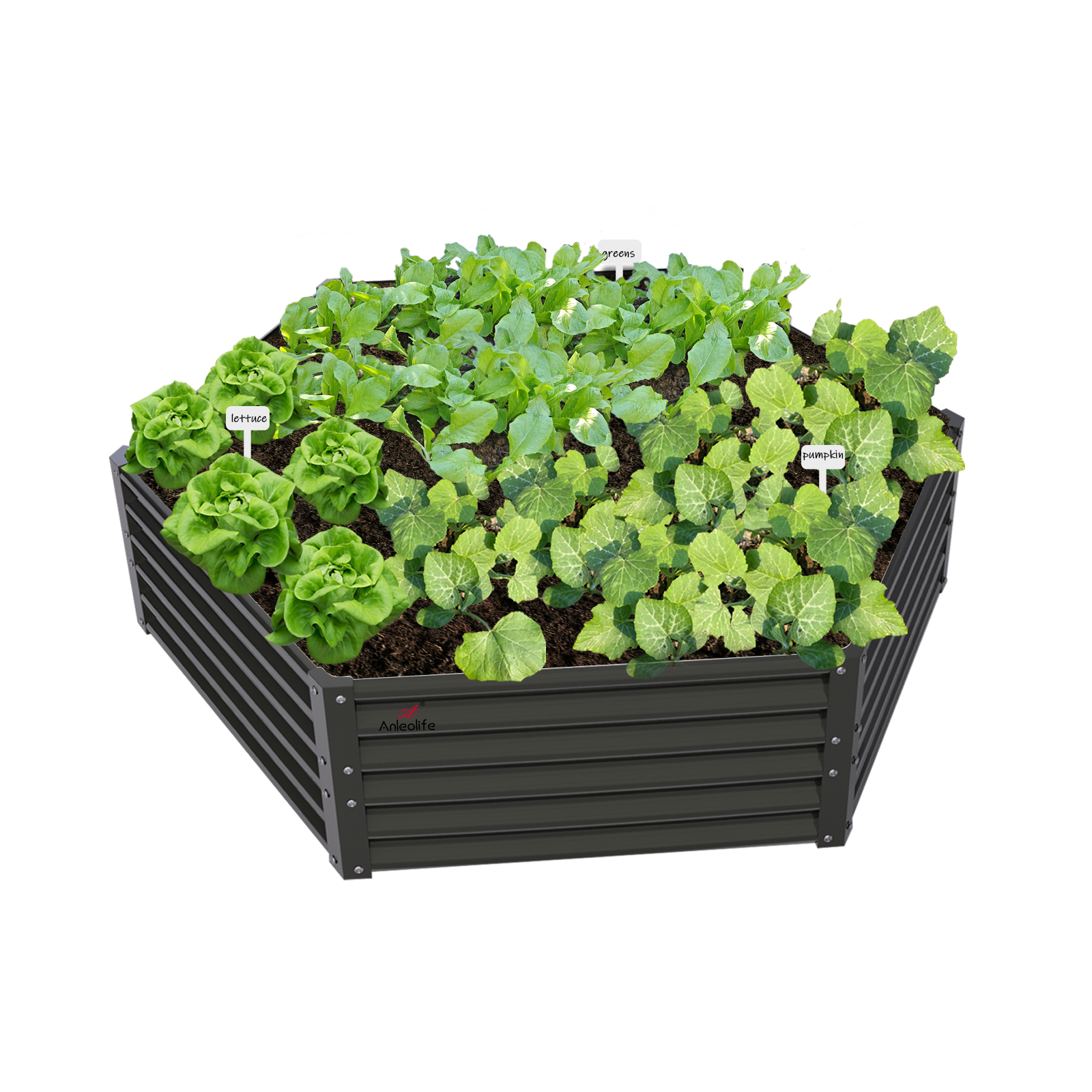
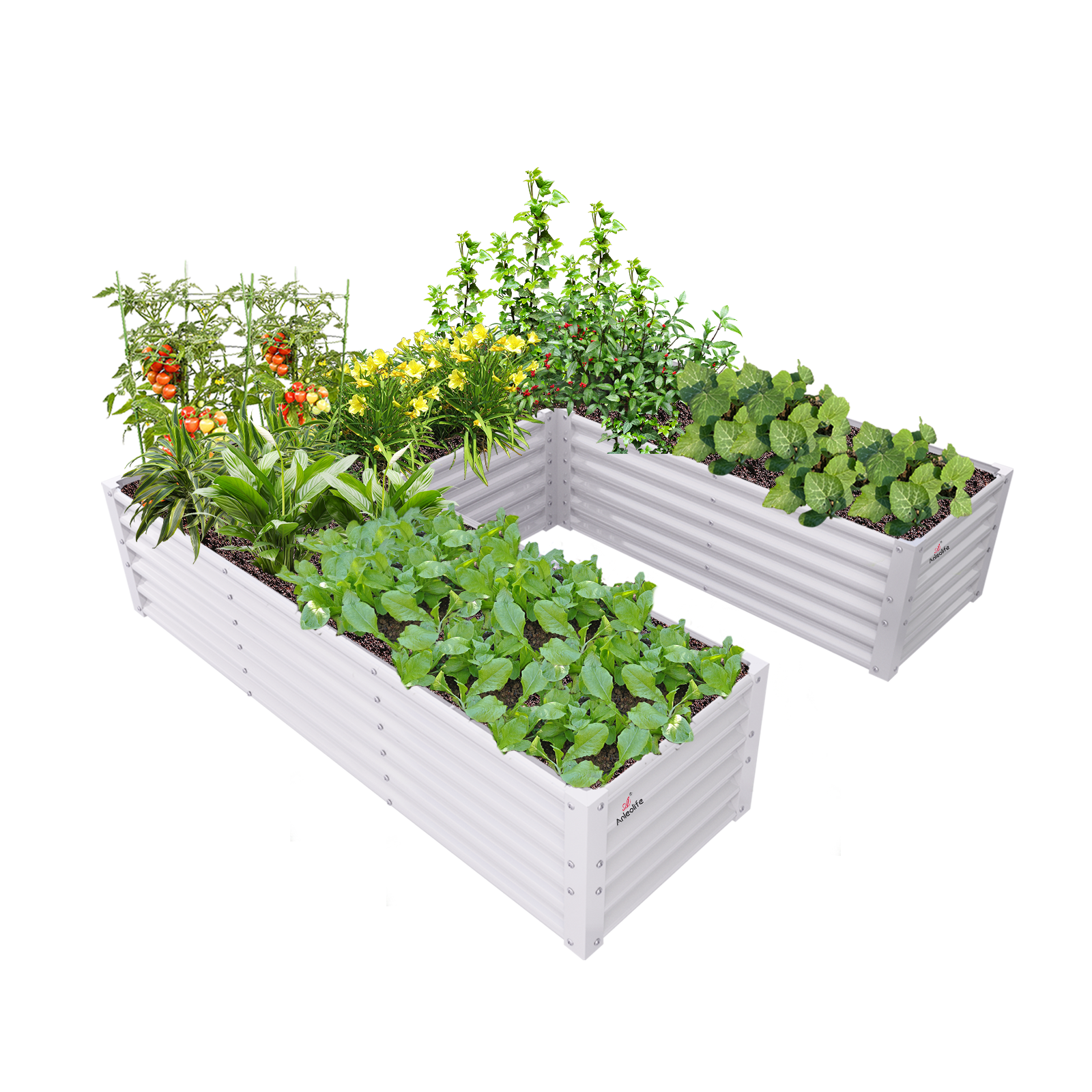

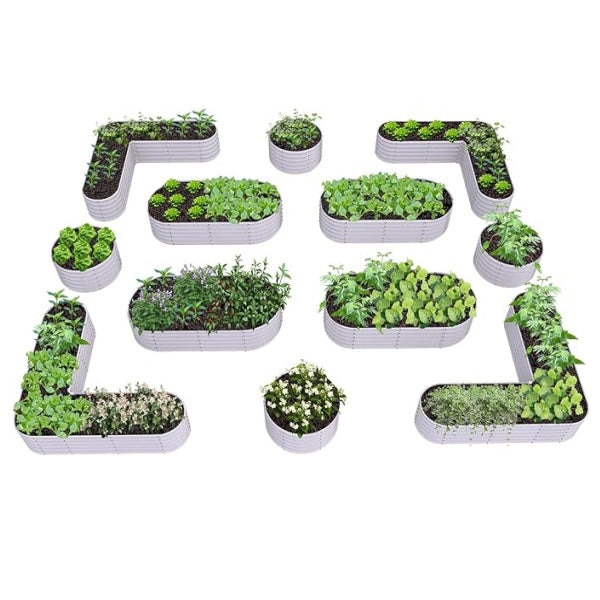






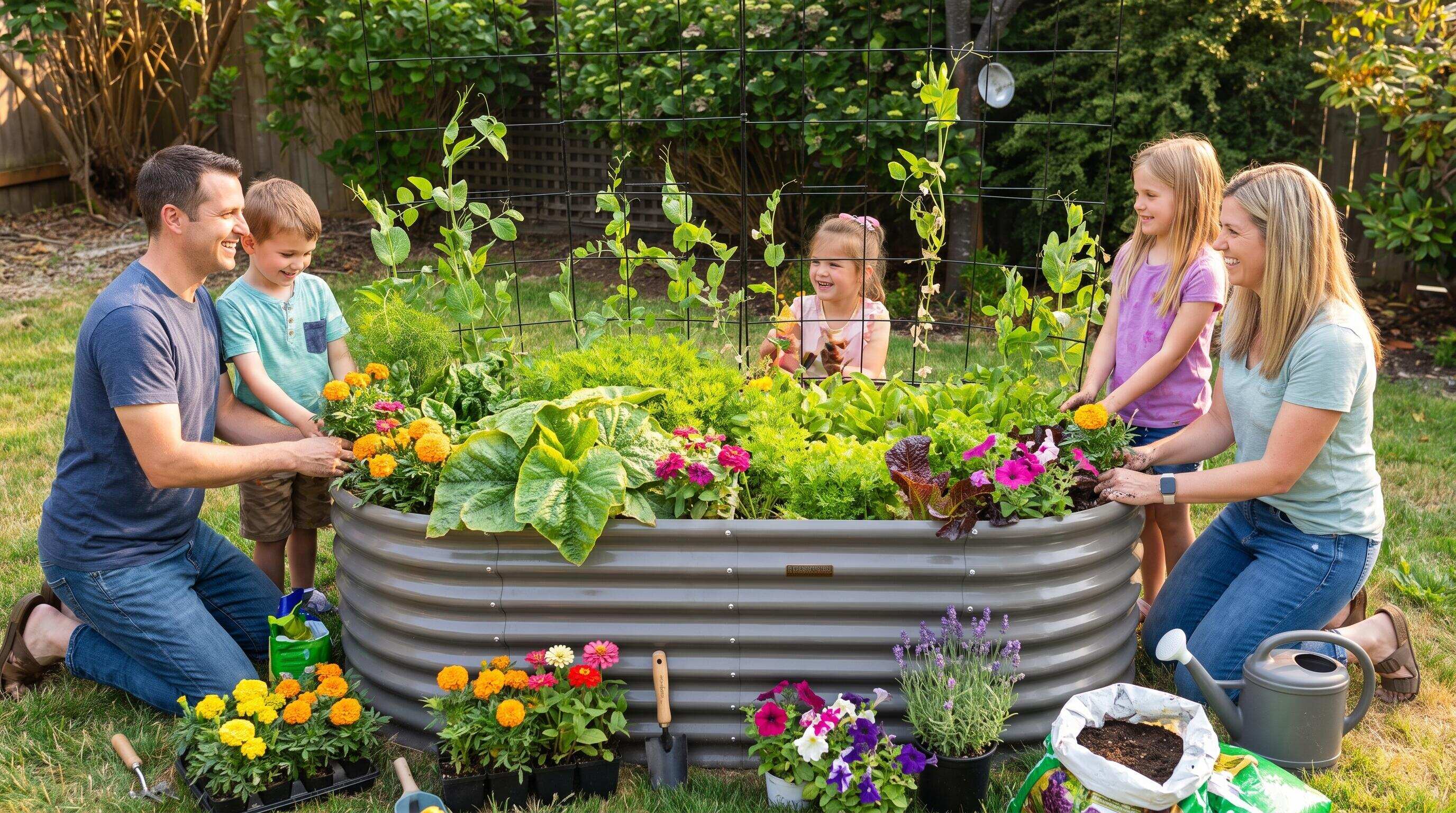
ALT: Family gardening together in backyard using galvanized steel garden beds as weekly outdoor living ritual
Why Backyard Gardening Becomes the Family Ritual That Actually Lasts
Key Conclusion: Turning backyard gardening into a weekly family ritual is one of the most meaningful investments in both your outdoor living products and your relationships. When structured around galvanized steel garden beds, a simple garden trellis system, and age-appropriate tasks, even busy households can build a consistent, joyful routine that connects generations to the soil — and to each other — week after week.
There's something quietly powerful about gathering your family around a raised bed garden on a Saturday morning. Unlike screen time or scheduled activities, gardening offers something rarer: shared purpose, visible progress, and food you actually grew yourself. The challenge most families face isn't enthusiasm — it's structure. Without a repeatable weekly rhythm, garden projects fizzle out by mid-summer.
This guide is designed to help you build that rhythm. Whether you're starting your first backyard plot or looking to reinvigorate a garden that's been neglected, the strategies here will help you create simple, sustainable weekly activities that every family member — from curious five-year-olds to grandparents with sore knees — can genuinely look forward to.
Who This Guide Is For (and When to Apply It)
✅ Applicable Scenarios:
- Families with children ages 4 and up who want to introduce nature-based learning at home
- Empty nesters or retirees looking for low-impact, high-reward weekly outdoor activities
- Eco-conscious home growers who want to integrate raised bed gardening into a sustainable household lifestyle
- Urban or suburban households with limited outdoor space who want to maximize a small backyard or patio
❌ Not Applicable/Cautions:
- Households without consistent weekend availability — this system requires at least one reliable 30–60 minute weekly window
- Renters without permission to modify outdoor spaces (though container-based adaptations may still work)
- Anyone expecting instant results — a family garden ritual builds over seasons, not days
The Case for Making Gardening a Weekly Ritual (Not Just a Weekend Project)
Most backyard garden projects start with high energy and end with overgrown weeds. The reason isn't laziness — it's the absence of ritual. Research from the American Horticultural Therapy Association and numerous child development studies consistently shows that regular engagement with nature — not occasional exposure — is what produces lasting benefits for mental health, focus, and even diet diversity in children.
A ritual differs from a routine in one key way: it carries meaning. When your family shows up to the garden every Saturday with defined roles, a small tradition (maybe a favorite playlist or a post-gardening smoothie), and visible progress to admire, the activity transforms from a chore into something everyone genuinely anticipates.
The good news? You don't need a sprawling property or horticultural expertise to make this work. What you need is the right setup — and the right mindset.
Why the Physical Setup Matters More Than You Think
One of the most common reasons family gardening falls apart is friction. If the garden requires extensive prep before each session — hauling soil, fighting with ill-fitting beds, dealing with rust and deterioration — families simply stop showing up. This is where investing in high-quality outdoor living products pays off year after year.
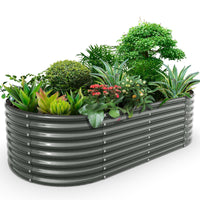
Galvanized steel raised garden beds are a particularly strong foundation for a family garden ritual. Unlike wood, which warps, splinters, and needs replacing every few years, well-constructed galvanized steel beds offer up to 20 years of reliable service. That's twenty years of weekly Saturday mornings — potentially from a child's earliest memory all the way through their teenage years.
For families curious about material longevity, Which Raised Garden Bed Materials Last Longest in Extreme Heat and Cold? provides an excellent breakdown of how different materials perform across climate zones — a critical consideration if you live in regions with harsh summers or freezing winters.
Adding a garden trellis system alongside your beds is another setup decision that pays dividends in family engagement. Trellises give climbing plants like cucumbers, beans, and peas a vertical structure that kids find visually dramatic and exciting — watching a vine travel upward week by week is a concrete, measurable form of progress that keeps children connected to the garden's story.
The Growing Trend of Home Food Production
According to the National Gardening Association, the number of American households engaged in food gardening has grown significantly over the past decade, with younger families and health-conscious individuals driving much of that increase. Raised bed gardening, in particular, has surged in popularity because it makes gardening more accessible — controlling soil quality, reducing weed pressure, and accommodating a wider range of physical abilities.
This isn't just a hobby trend. It's a cultural shift toward more intentional, grounded family life — and a weekly garden ritual sits right at the intersection of that shift.
Building Your Weekly Garden Ritual: A Practical Framework
Three-Step Quick Start
Step 1: Set Up Your Garden Infrastructure Once, Correctly
Before you can build a ritual, you need a space that welcomes you. Spend one focused weekend (roughly 4–6 hours total) setting up your raised bed garden layout. Choose beds appropriate to your space and the age range of your participants. For households with older adults or anyone with back concerns, extra-tall raised beds (24" to 35" heights) are worth serious consideration — they eliminate the need to kneel or bend deeply, making extended gardening sessions comfortable for everyone. Anleolife's range includes options from standard 18" heights all the way up to waist-high 35" designs precisely for this reason. Once assembled, fill your beds with a quality soil system. If you're working with deeper beds, Layering Methods for Filling Raised Garden Beds Without Buying All Topsoil offers smart, cost-effective strategies that won't blow your setup budget.
Step 2: Assign Age-Appropriate Weekly Roles
The ritual only sticks when every family member has a genuine job — not just supervised participation. Toddlers can water with small cans and collect fallen leaves. School-age kids can monitor plant labels, pull weeds, and harvest ripe produce. Teenagers can take ownership of a dedicated bed, plan planting schedules, and research companion planting. Adults and grandparents can handle bed maintenance, soil amendments, and the more nuanced tasks. Rotate roles seasonally to keep everyone learning and invested. This 30–45 minute weekly session becomes the heartbeat of your garden system.
Step 3: Create a Simple Weekly Check-In Tradition
Structure your weekly garden time with a brief opening ritual — even five minutes. This might be reviewing what changed since last week, noting new growth on the garden trellis, checking soil moisture together, or simply naming one thing each person is excited about. Close each session with a small shared moment: harvesting herbs for dinner, photographing progress, or watering together. These bookend rituals are what transform a task list into a genuine family memory. Over weeks and months, the continuity builds something no single gardening session ever could.
Comparing Weekly Activity Formats for Different Family Types
Different families thrive with different structures. Here's a practical comparison to help you identify what fits your household best:
| Comparison Dimension | Young Families (Kids Under 10) | Active Empty Nesters | Multi-Gen Households |
|---|---|---|---|
| Ideal Session Length | 20–40 minutes | 45–90 minutes | 30–60 minutes |
| Best Bed Height | 18" standard (kids engage at ground level) | 24"–35" extra-tall (back comfort) | Mixed heights accommodating all ages |
| Primary Weekly Focus | Watering, harvesting, simple observation | Planting rotations, trellis management, composting | Divided tasks by ability; storytelling and shared meals |
| Garden Trellis Use | Climbing bean "tunnels" for play | Vertical growing to maximize space | Multi-crop trellises for visual interest |
| Outdoor Living Products Priority | Durability, safety, easy assembly | Ergonomics, aesthetics, longevity | Versatility, modularity, expandability |
| Recommended Bed Type | Modular beds (can expand as kids grow) | Extra-tall galvanized beds | Mix of standard and tall galvanized steel beds |
Detailed Weekly Activities That Actually Stick
Monday–Friday: The Five-Minute Daily Check
Even on weekdays, a brief daily garden visit anchors the ritual between your weekend sessions. Assign whoever gets home first to do a quick five-minute check: look for pests, note which plants have grown, water anything that looks stressed. Children who participate in this daily habit develop stronger observational skills and a deeper sense of ownership over their plants. Keep a simple garden journal near the back door — a dedicated notebook where anyone can jot or sketch what they noticed. Over a full growing season, this journal becomes a treasured family record.
Saturday Morning: The Core Weekly Session
This is the backbone of your garden ritual. The ideal Saturday morning session has three parts.
Assessment (5–10 minutes): Walk the beds together. What changed? What needs attention? Who can spot the new flower on the tomato plant? For families using a garden trellis, check what's climbing and what needs gentle guidance. This shared observation time is deceptively valuable — it teaches children to notice the natural world and builds a habit of presence.
Active Work (20–40 minutes): This is where real gardening happens. Tasks rotate seasonally. In spring, it's planting and soil preparation. In summer, it's watering management, pest monitoring, harvesting, and trellis training. In fall, it's harvesting in earnest, putting beds to rest, and planning next season. In winter (in milder climates), it's cover crops and planning sessions indoors. Having clearly defined, season-appropriate tasks prevents the "I don't know what to do" paralysis that causes rituals to collapse.
Celebrate and Connect (5–10 minutes): End every session with something that makes the effort feel worthwhile. Harvest a handful of herbs and bring them inside. Take a family photo in front of the beds. Let the youngest child water the last plant. These closing rituals are the glue that makes people want to come back next week.
What Plants Work Best for a Family Garden Ritual?
Choosing the right plants dramatically affects family engagement. You want plants that are fast-growing (so kids see results quickly), productive (so harvests feel rewarding), and relatively forgiving (so beginner mistakes don't devastate the whole crop).
Top picks for family ritual gardens:
- Cherry tomatoes — fast, prolific, and irresistible to eat straight from the vine
- Bush beans — quick to germinate, easy to harvest, and a great job for younger kids
- Lettuce and salad greens — harvestable within weeks, great for teaching cut-and-come-again techniques
- Cucumbers — climb beautifully on a garden trellis and produce prolifically
- Herbs (basil, mint, chives) — sensory-rich, useful in cooking, and incredibly resilient
For outdoor planters dedicated to herbs, galvanized steel containers or compact raised beds work brilliantly on patios and balconies. The best planters for herbs outdoors are those with good drainage, adequate depth for root development, and materials that won't leach chemicals into your food — galvanized steel checks all these boxes.
Designing a Raised Bed Garden Layout for Family Flow
The physical arrangement of your beds matters more than most families realize. A thoughtful raised bed garden layout creates a space that naturally invites participation and makes weekly sessions efficient.
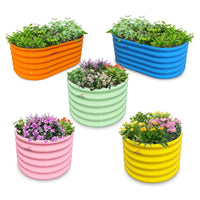
Consider placing your beds in a U-shape or parallel rows with a comfortable path between them — wide enough for a child and an adult to work side by side. If you're working with a yard between 600 and 1,000 square feet, multi-bed configurations can maximize productivity without overwhelming the space. Anleolife's modular raised garden bed options are particularly well-suited for this kind of iterative layout planning — you can start with one or two beds and expand as your family's enthusiasm (and harvest ambitions) grow.
Position taller structures — your garden trellis, sunflowers, or staked tomatoes — on the north side of the layout so they don't shade shorter crops. Place the most visually exciting plants (the ones with colorful fruits or climbing vines) where they're most visible from the house, so the garden remains a daily visual reminder of the ritual.
For families considering the durability and sustainability of their bed materials before investing, Why Galvanized Steel Is One of the Most Sustainable Raised Bed Materials makes a compelling case for why this material choice pays off over decades — both environmentally and financially.
Seasonal Rituals That Anchor the Year
The most powerful family garden rituals aren't just weekly — they're seasonal. These annual anchor points give the garden a narrative arc that spans the year and deepens the family's connection to natural cycles.
Spring Planting Day — Make the first major planting day of the season a small celebration. Let each family member choose one plant that's "theirs" for the season. Take a group photo. This day marks the beginning of a new chapter in the garden story.
Summer Harvest Dinners — Commit to at least one meal per week during peak season that features exclusively what you've grown. Even if it's just a salad with homegrown lettuce and herbs, the ritual of eating what you tended transforms dinner into something special.
Fall Bed Closing — End the season together. Clean beds, add compost, plan what you'd do differently next year. This ritual of closure and reflection is surprisingly meaningful, especially for children who benefit from understanding natural cycles of beginning and end.
Seed Selection Evening — On a cold winter night, gather around seed catalogs (or websites) and plan next year's garden together. Let everyone have a vote. This off-season ritual keeps the family connected to the garden even when it's dormant.
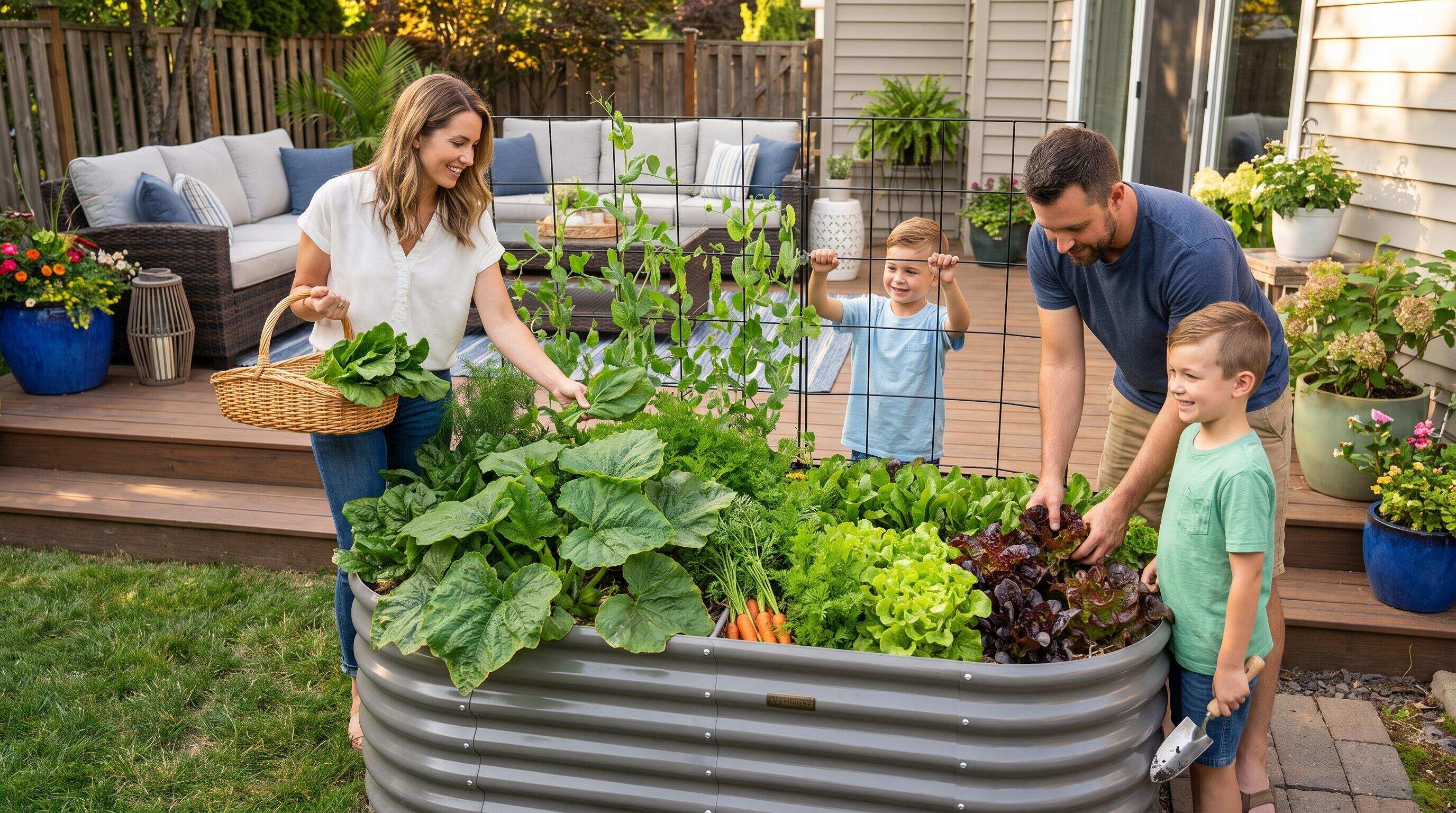
ALT: Family harvesting vegetables together from galvanized steel raised garden beds with climbing plants on a garden trellis in a backyard outdoor living space
Advanced Considerations: Making the Ritual Resilient
When Life Gets Busy (And It Will)
Even the most committed families hit stretches where the weekly ritual slips — vacations, school schedules, work crunches. The key to resilience is designing for minimum viable participation rather than all-or-nothing sessions. If a full Saturday session isn't possible, commit to just ten minutes: water, look, and appreciate. A reduced ritual is infinitely better than a skipped one, because it preserves the habit loop that makes rituals durable.
Addressing the "Back Problems" Question Honestly
One of the most common questions from older adults entering raised bed gardening is about bed height. This is a legitimate ergonomic concern, not a minor detail. For anyone with limited mobility, chronic back pain, or joint issues, a standard 18" bed requires significant bending. Anleolife's extra-tall options — reaching 24", 30", and even 35" waist-high designs — are specifically engineered to allow comfortable gardening from a standing or seated position. The 35" waist-high beds, in particular, are transformative for empty nesters and retirees who want to maintain an active garden life without physical strain.
Common Misconception: "We Need a Big Yard"
One of the most persistent myths about family gardening is that it requires significant space. In reality, two or three well-chosen galvanized steel raised garden beds can produce an extraordinary amount of food in a surprisingly compact footprint. A pair of 8x4 ft beds, well-planned with a vertical garden trellis, can supply a family of four with fresh salad greens, herbs, cherry tomatoes, and beans through most of the growing season. The soil system you choose matters as much as the space — quality soil in a well-constructed bed dramatically outperforms poor soil in a larger traditional plot.
Connecting the Garden to Broader Family Values
For eco-conscious families, the garden is a living classroom for environmental values. Composting kitchen scraps, harvesting rainwater, choosing organic pest management — these practices, introduced naturally through the weekly ritual, become embedded in your children's understanding of how households can reduce their footprint. The garden isn't just where food grows. It's where values take root.
Frequently Asked Questions FAQ
Q1: How do I choose the best galvanized steel raised garden bed for a family just getting started?
Start with a mid-size bed — something in the 8x4 ft range offers enough space to grow a meaningful variety of plants without feeling overwhelming for beginners. Consider bed height carefully: standard 18" beds are fine for families with children who enjoy kneeling and sitting in the garden, while 24" or taller options suit households with adults who prefer working at a more comfortable standing height. Anleolife's modular raised garden bed range allows you to start with one bed and expand the layout as your family's experience and appetite for gardening grows, making it an ideal entry point.
Q2: Are galvanized steel garden beds safe for growing vegetables and herbs?
Yes — modern galvanized steel raised garden beds use zinc-based coatings that are stable and safe for food growing in typical garden conditions. The zinc coating is what gives these beds their exceptional resistance to rust and corrosion, contributing to their remarkable 20-year lifespan. For families growing edibles, the key advantage of galvanized steel over some alternatives is that it doesn't introduce wood preservatives or other chemicals into the soil. When choosing beds, look for reputable brands with clear material specifications and quality construction, like Anleolife's rust-resistant raised garden bed line.
Q3: How much time does a weekly family garden ritual realistically require to maintain?
A sustainable weekly garden ritual can be built around as little as 30–45 minutes per week for most of the year, with one or two longer sessions (2–3 hours) at peak planting and harvest times in spring and fall. The daily five-minute check-ins are optional but highly recommended for building children's observational habits. The beauty of a well-designed raised bed garden with a quality soil system is that it's lower-maintenance than in-ground gardening — less weeding, better water retention, and easier pest monitoring mean your weekly time is spent on enjoyable tasks rather than exhausting remediation work.
Summary
Building a backyard gardening ritual that genuinely sticks comes down to three things: the right physical setup, age-appropriate weekly roles, and small traditions that make each session feel meaningful rather than obligatory.
Three core takeaways:
- Infrastructure is the foundation of ritual. High-quality outdoor living products — particularly galvanized steel garden beds with a 20-year lifespan — remove the friction that causes garden projects to fail. When your beds are solid, your garden trellis is in place, and your soil system is well-built, showing up each week feels rewarding rather than remedial.
- Everyone needs a real role. A family garden ritual that assigns genuine, age-appropriate tasks to every participant — from the youngest child to the oldest grandparent — creates ownership and investment that no amount of enthusiasm can manufacture. Design the ritual so it needs everyone.
- Seasons give the ritual its story. Weekly sessions are the rhythm; seasonal anchor points are the narrative. Spring planting days, summer harvest dinners, fall closings, and winter planning evenings give your family garden a story arc that spans years and decades, growing in meaning as children grow up alongside it.
The families who look back most fondly on their shared garden memories aren't the ones who had the biggest plots or the most impressive harvests. They're the ones who showed up, week after week, and made something together.
Start Your Family Garden Ritual with Anleolife
Anleolife's nationwide U.S. warehouse network — strategically located in California, Texas, Florida, New York, Illinois, and Washington — ensures delivery within 3–8 business days, so your garden upgrade plans never have to wait for the season to pass.
Products are available across major platforms including Amazon, Walmart, Home Depot, Lowe's, Wayfair, and the official Anleolife.com website, providing consistent quality assurance and after-sales service wherever you prefer to shop.
Anleolife's three core scenarios — Planting (metal raised garden beds, soil systems), Raising (chicken coops, rabbit hutches), and Beautification (decorative accessories, pathway systems) — meet complete needs from functionality to aesthetics, making it possible to build a genuinely integrated outdoor living environment.
We understand that an ideal garden is not built overnight, but gradually improved over time. Our modular product design allows flexible expansion based on your needs — from your first garden bed to a fully integrated planting-and-raising ecosystem. We grow with you every step of the way.
References
- National Gardening Association. "Garden to Table: A Guide to Growing Food at Home".
https://garden.org - American Horticultural Therapy Association. "Definitions and Positions: Horticultural Therapy".
https://www.ahta.org/definitions-and-positions - UC Agriculture and Natural Resources. "Vegetables: Raised Bed Gardening".
https://ucanr.edu/ - University of Illinois Extension. "Raised Bed Gardens".
https://extension.illinois.edu/global/raised-bed-gardens - Centers for Disease Control and Prevention (CDC). "Gardening for Health: Physical Activity and Mental Wellbeing".
https://www.cdc.gov/physicalactivity/walking/index.htm
Note: Standards and recommendations may be updated. Please check the latest official documents or consult professional advisors for the most current guidance.
About Anleolife
Anleolife is a leading outdoor garden solutions provider in North America, dedicated to offering a full-scenario product ecosystem for home gardening enthusiasts, covering planting, raising, and garden beautification. Since its founding, we have upheld our brand mission, "Made for Garden Life," continuously innovating products and optimizing services to help hundreds of thousands of users upgrade their gardens, reconnect with nature, and enjoy a better garden lifestyle.