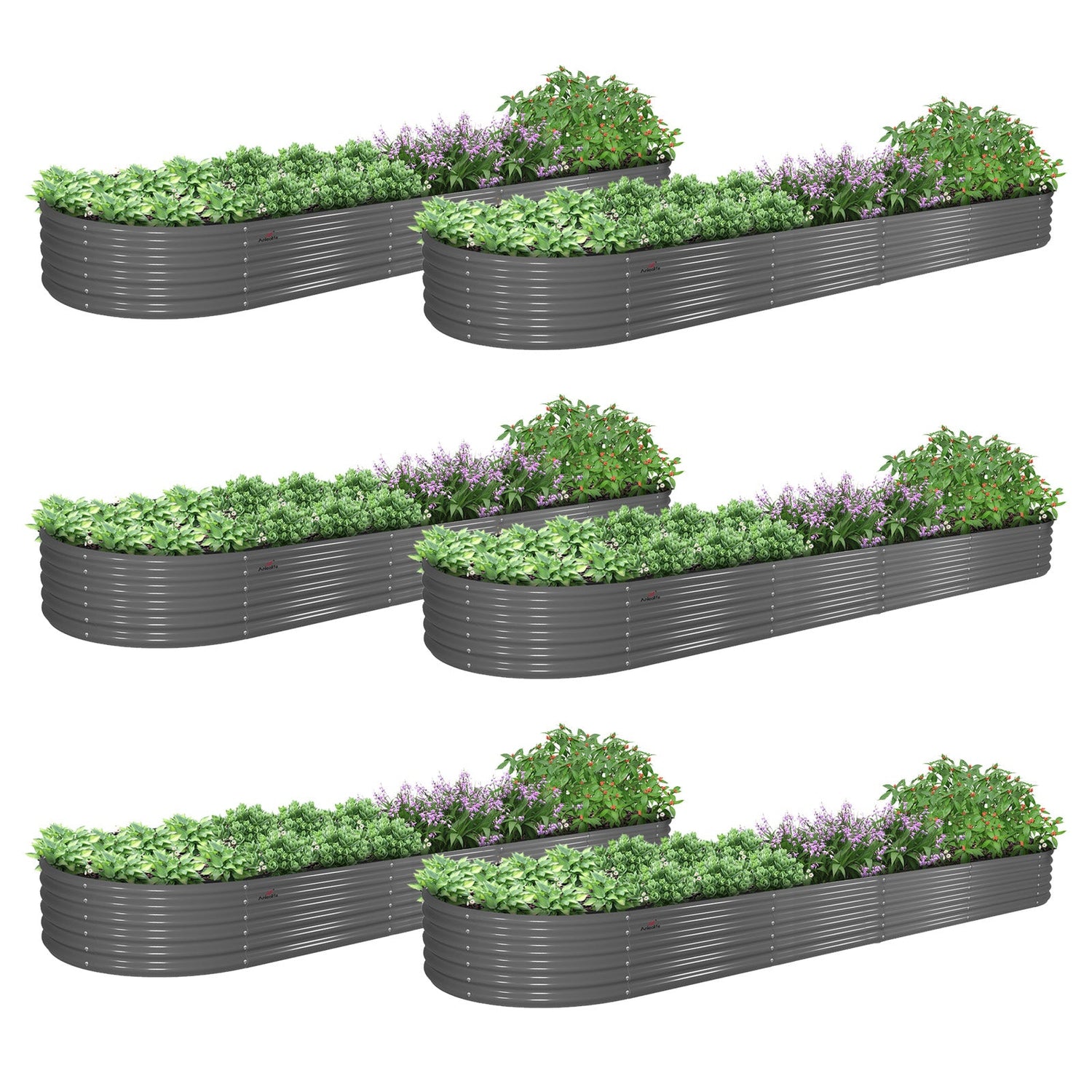



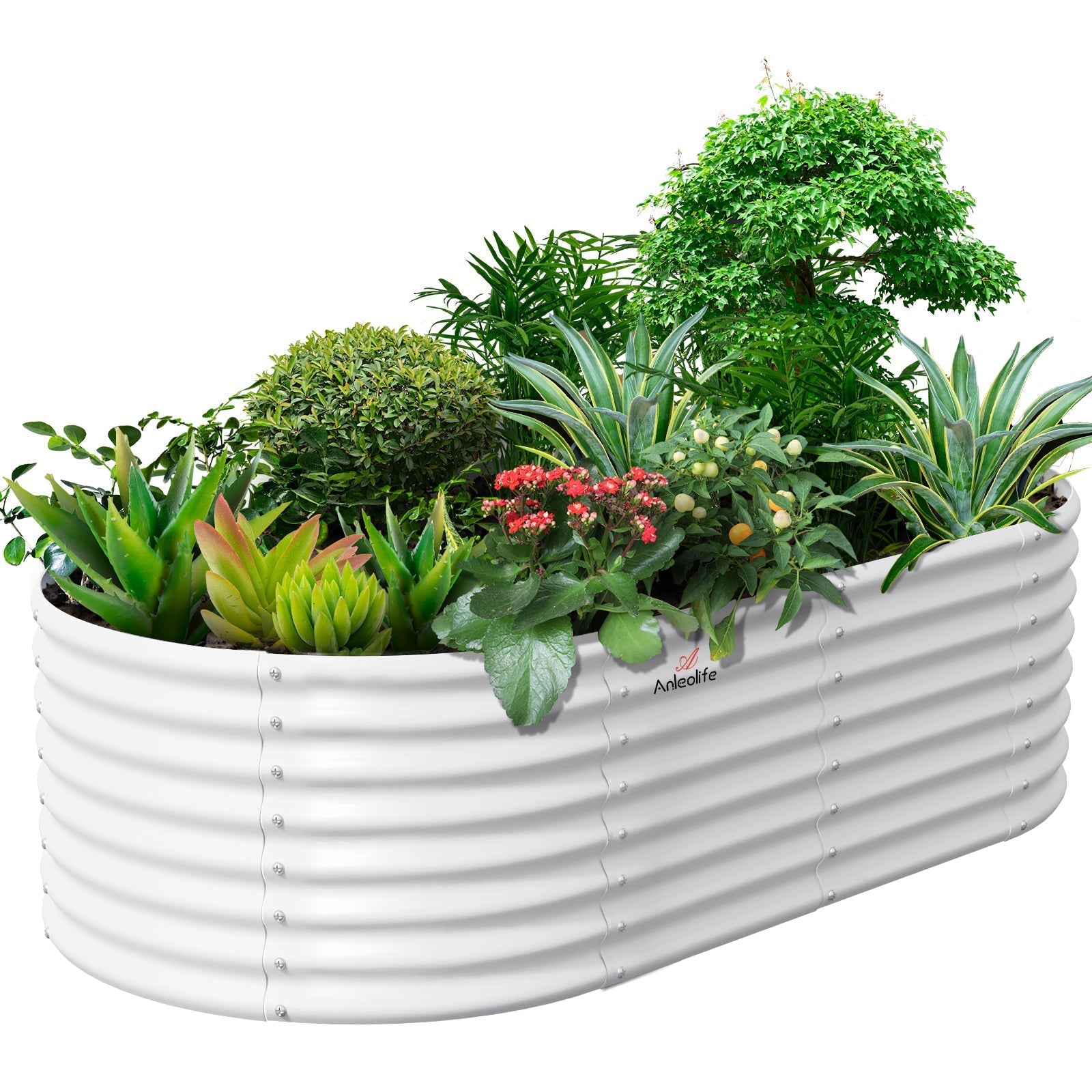
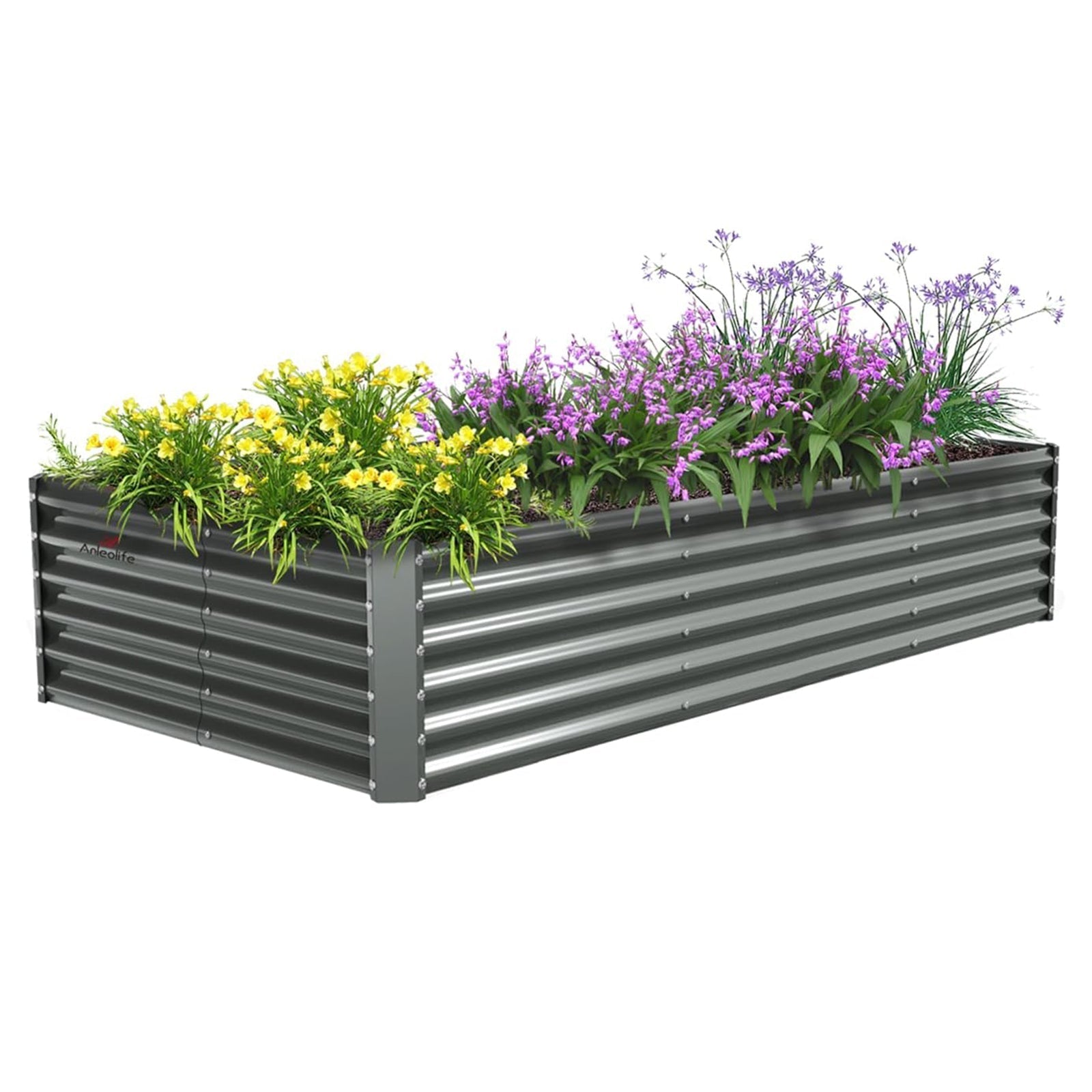

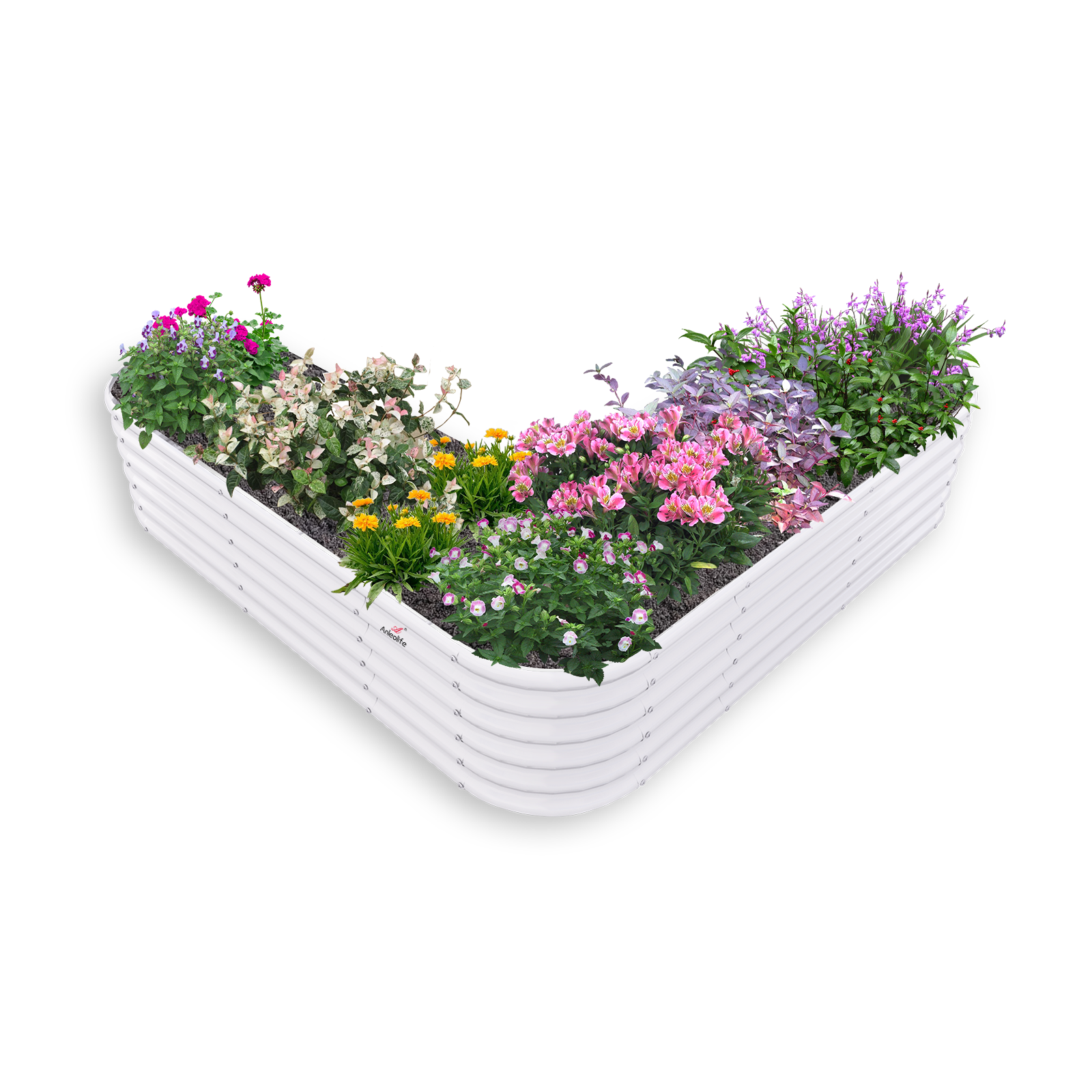
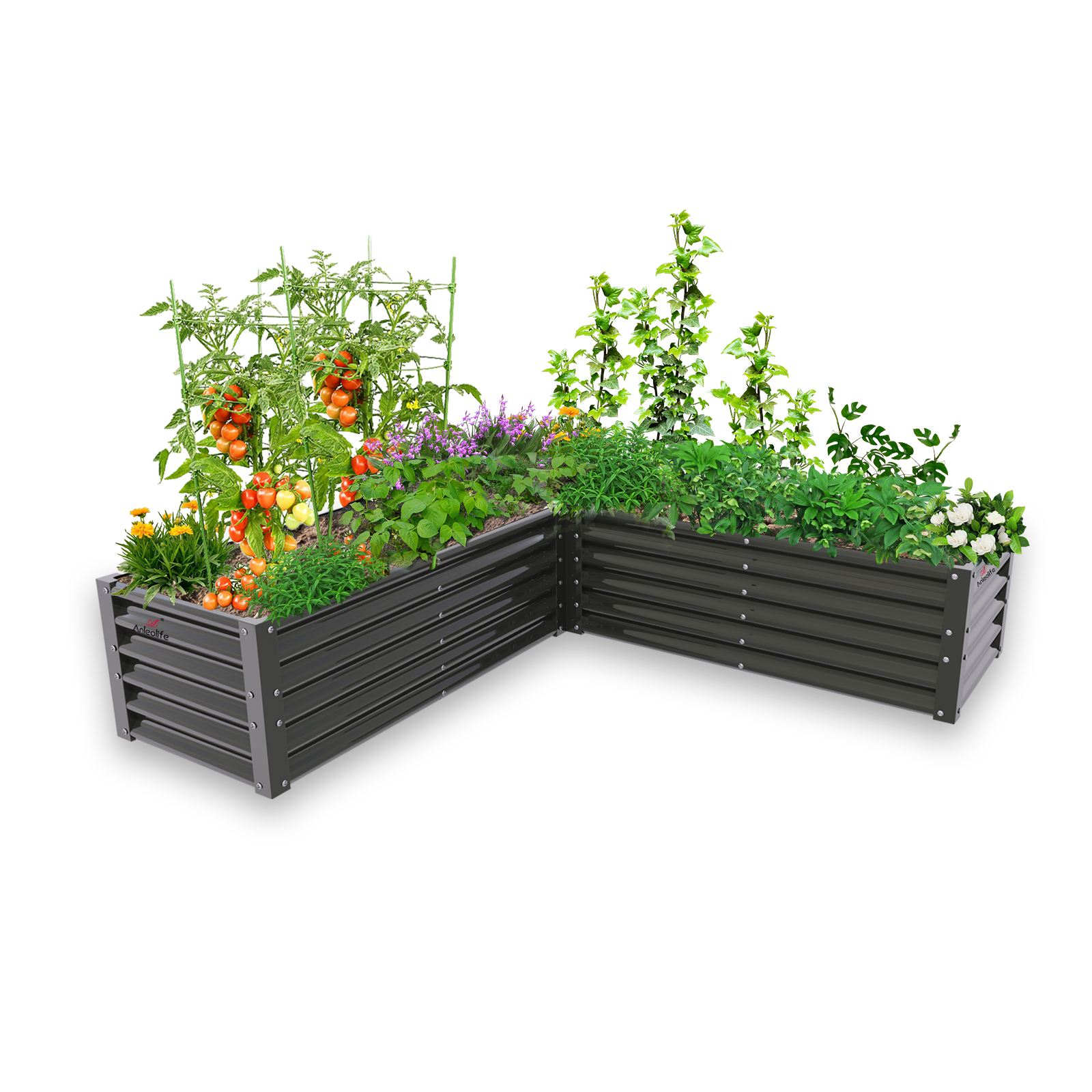
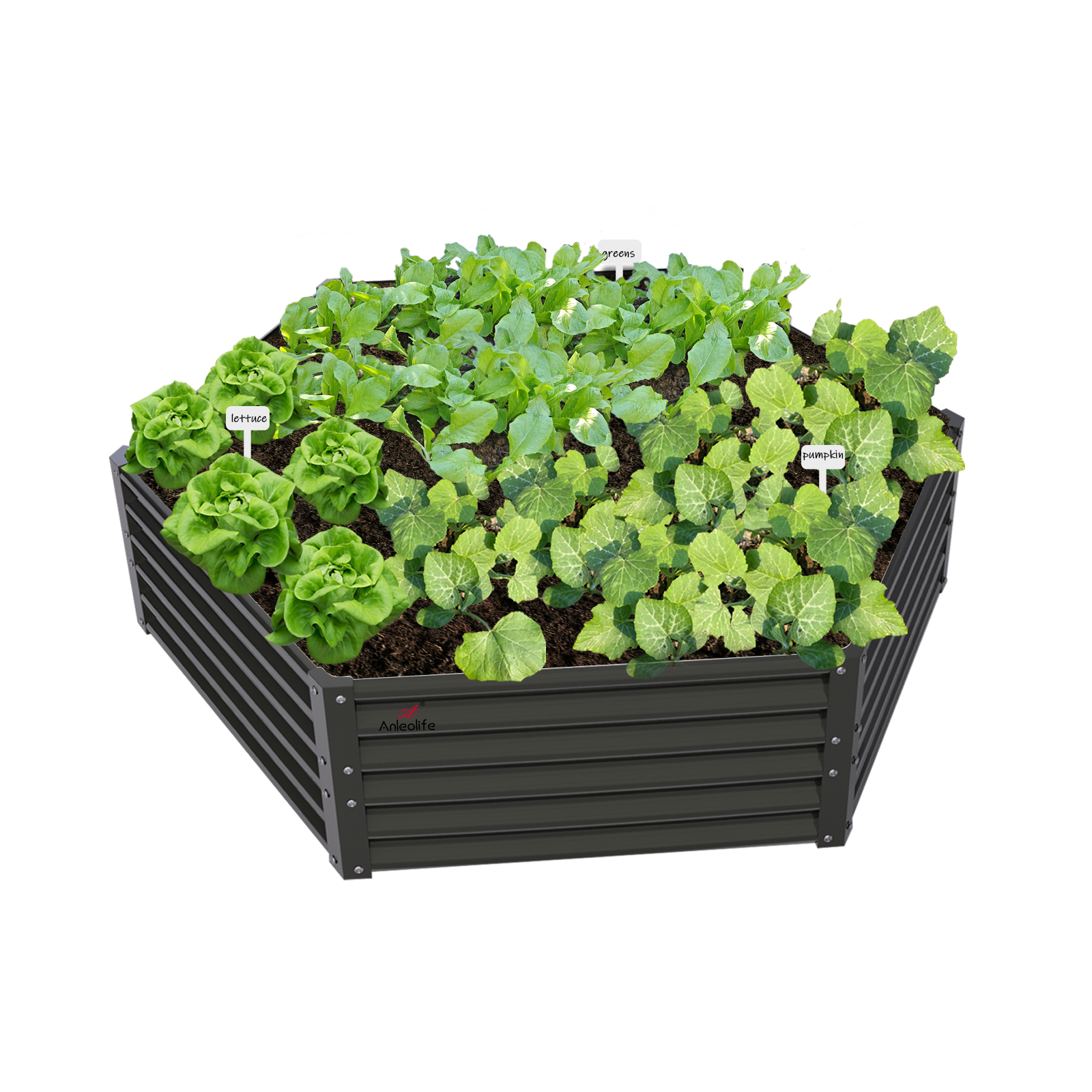
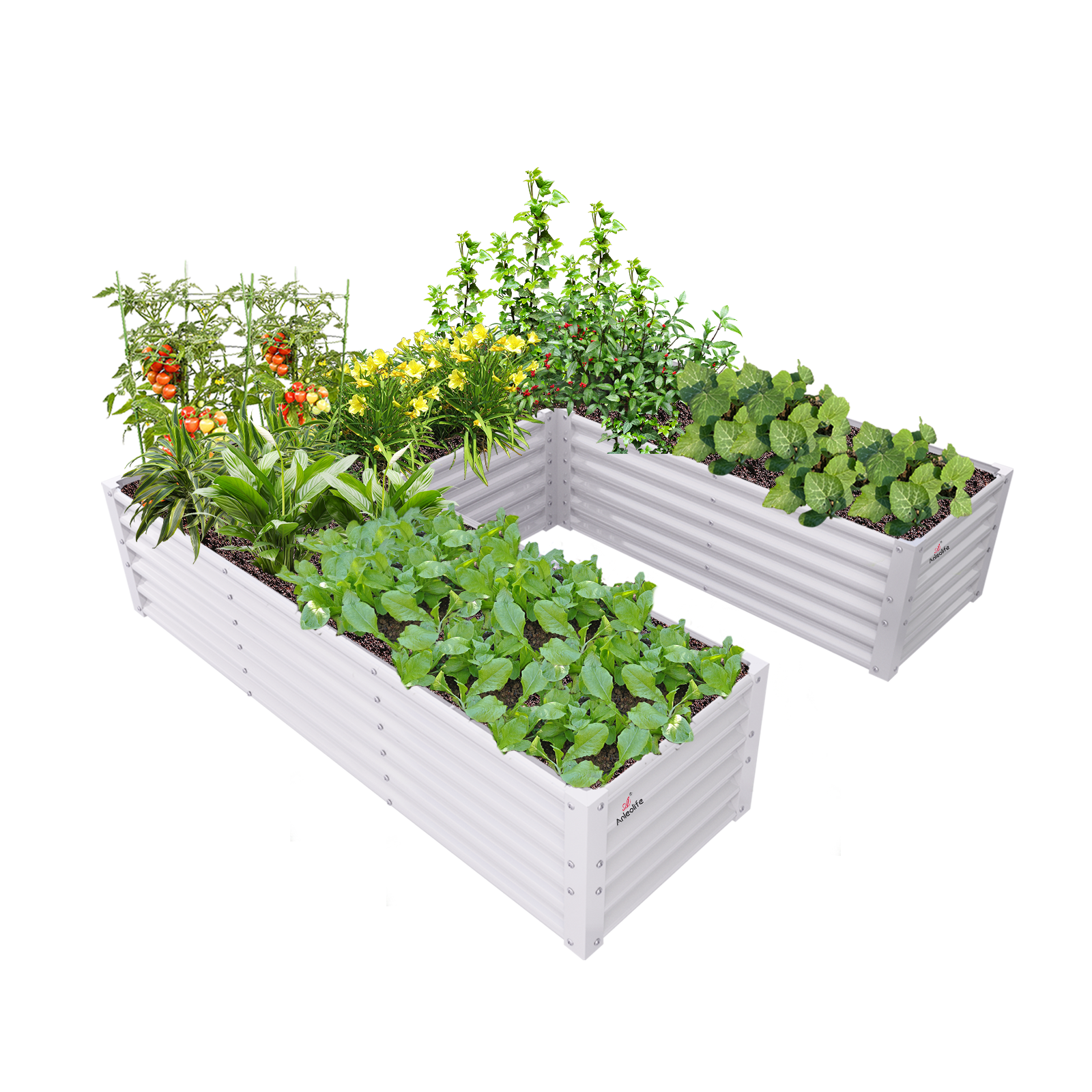



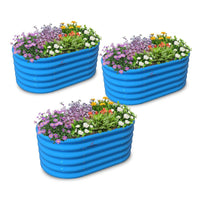
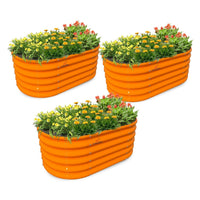
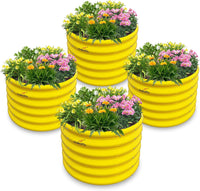
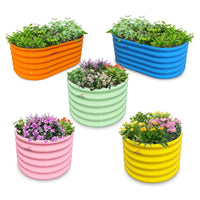
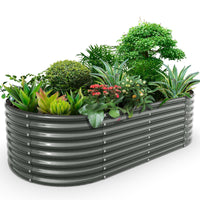



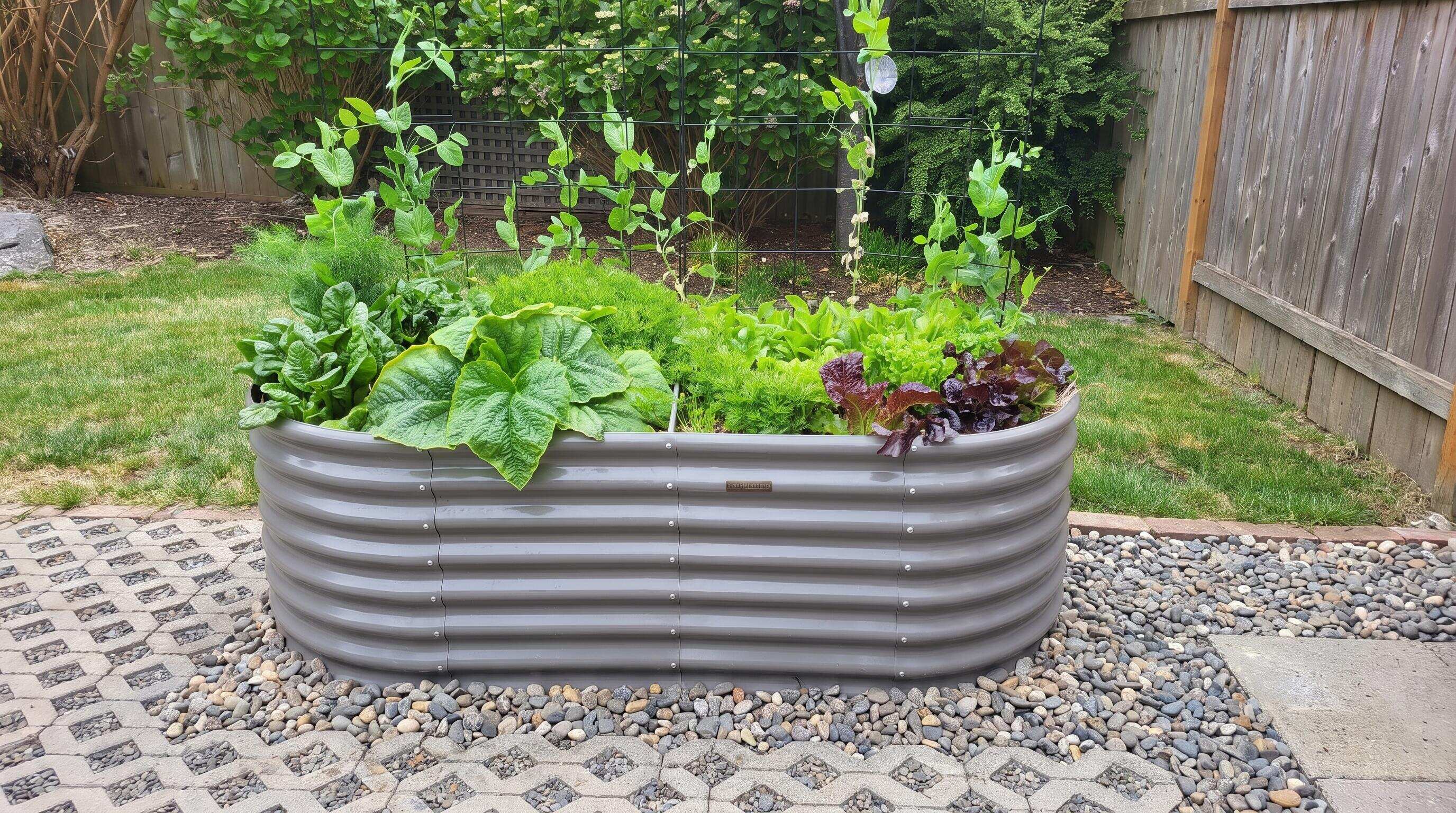
ALT: Metal raised garden bed on paved surface showing proper drainage setup for eco-friendly outdoor gardening
Why Drainage Matters When You Set a Metal Raised Garden Bed on a Paved Surface
Key Conclusion: Setting a metal raised garden bed directly on concrete, pavers, or asphalt creates a hidden drainage challenge that most gardeners overlook until their plants start struggling. Without proper drainage design, water pools at the base, roots suffocate, and soil systems collapse. By understanding the relationship between your bed's base, the paved surface beneath it, and the soil mix inside, you can build a thriving, eco-friendly outdoor growing space that performs reliably season after season—even on an urban patio or rooftop deck.
Raised bed gardening on paved surfaces is one of the fastest-growing trends in North American home gardening. Apartment balconies, backyard patios, driveway edges, and rooftop terraces are all fair game—and a well-chosen metal raised garden bed makes any of these spaces productive. But here is the catch: unlike garden beds placed on soil or grass, a bed sitting on pavement has nowhere for excess water to naturally escape. Gravity still works, but the destination has changed.
This creates three core challenges that every paved-surface gardener needs to address. First, water accumulation at the base can turn the bottom layer of your soil into an anaerobic swamp. Second, without a drainage gap, mineral salts and decomposed organic matter have no exit route. Third, the thermal mass of concrete or stone can superheat the bed's base in summer, compounding moisture stress on roots. Addressing all three is entirely achievable—and this guide walks you through every practical step.
Who This Guide Is For and When Drainage Becomes Critical
✅ Applicable Scenarios:
- Homeowners placing metal raised garden beds on concrete patios, brick pavers, flagstone, or asphalt surfaces
- Urban micro-gardeners working with rooftop terraces, balconies, or courtyard spaces where there is no access to natural ground soil
- Gardeners in high-rainfall climates (Pacific Northwest, Florida, Gulf Coast) who already struggle with waterlogged containers
- Empty nesters converting unused paved backyard areas into productive kitchen gardens
- Anyone using extra-tall raised beds (30" or 35" waist-high models) where the soil column is deep enough to create serious compaction risk at the base
❌ Not Applicable / Cautions:
- Raised beds placed directly on bare earth or lawn—natural soil already provides drainage pathways, and most of these techniques are unnecessary or counterproductive
- Beds on elevated wooden decks with existing gap drainage—deck boards already allow water to pass through, so extensive drainage layering can add unnecessary weight
- Situations where standing water on the pavement itself is a structural issue—fix the surface drainage problem first before adding raised beds
The Real Problem: Why Pavement Turns Your Garden Bed Into a Bathtub
Understanding the physics of water movement in a paved-surface raised garden bed is essential before selecting any drainage solution. When you water your plants or rain falls on a traditional in-ground garden, excess water moves downward through layers of soil and subsoil, eventually reaching the water table or being absorbed by surrounding earth. That path simply does not exist when your bed sits on sealed concrete or stone.
Waterlogging is the most immediate consequence. The lower 2–4 inches of your soil mix becomes perpetually saturated, oxygen is displaced from root zones, and beneficial aerobic bacteria—the microbes responsible for breaking down organic matter into plant-available nutrients—die off. Anaerobic bacteria take over, producing sulfur compounds and other metabolites that are toxic to roots. Most vegetable crops, herbs, and flowering plants cannot survive prolonged waterlogging, even for 48–72 hours during a heavy rain event.
The raised bed garden layout challenge compounds this further. When gardeners first learn about raised bed gardening, they are often told that raised beds naturally drain better than in-ground plots. This is true—when the bed is placed on permeable ground. On pavement, that advantage disappears entirely unless specific design choices are made at the setup stage.
There is also a materials question worth considering. The best materials for raised garden beds in humid climates need to resist not just external moisture but also the internal moisture environment created by poor drainage. Galvanized steel and aluzinc-coated metals handle this well, but even the most durable bed material will not protect your plants if water cannot escape the root zone. This is why drainage strategy and material selection go hand in hand—and why it matters which raised garden bed materials last longest in extreme heat and cold, especially in climates where both heavy rain and intense summer heat occur in the same growing season.
Market data from the National Gardening Association consistently shows that container and raised-bed gardening participation grows by 5–8% annually, with urban and suburban patio gardens representing the highest-growth segment. As more gardeners move their operations onto paved surfaces, drainage failure has become one of the top reported causes of first-year crop loss. Getting this right from the start saves both money and frustration.
How to Improve Drainage in a Metal Raised Garden Bed on a Paved Surface
Three-Step Quick Start
Step 1: Elevate the Bed to Create an Air and Water Gap
Before filling your metal raised garden bed with any growing media, place it on a leveling base that lifts the frame slightly off the paved surface. Adjustable furniture feet, rubber risers, or pressure-treated lumber spacers work well for this purpose. Even a 1–2 inch gap allows water that pools at the base to escape laterally rather than sitting trapped beneath the bed. This step takes approximately 20–30 minutes and requires no special tools—just a level to confirm the bed sits evenly, which also prevents soil from compressing unevenly on one side.
Step 2: Line the Base with a Drainage Layer Before Adding Soil
With the bed elevated, add a 3–4 inch drainage layer at the bottom before introducing any soil. Coarse gravel, washed river rock, or perlite are all effective options. This layer acts as a reservoir that temporarily holds excess water away from the root zone while giving it time to drain through the gap beneath the bed frame. Lay a sheet of landscaping fabric over the top of this drainage layer before adding your soil mix—this prevents fine soil particles from migrating downward and clogging the gravel over time. This step typically takes 30–45 minutes depending on bed size.
Step 3: Choose the Right Soil System for Elevated, Enclosed Beds
The soil mix you use in a paved-surface raised bed must be fundamentally different from standard garden soil. A well-draining, high-porosity blend—typically 60% high-quality compost, 30% coarse perlite or vermiculite, and 10% aged bark fines—provides the aeration and moisture-retention balance that enclosed beds need. Never use heavy clay-based soils or straight topsoil in a paved-surface raised bed. These compact under their own weight, eliminate drainage channels, and become nearly impermeable after a single wet season. Filling a large bed takes 1–3 hours depending on volume; for guidance on efficient filling strategies, see best affordable soil-filling strategies for extra-tall 30" and 35" raised beds.
Comparing the Main Drainage Solutions for Paved-Surface Beds
There are several approaches gardeners use to manage drainage in paved-surface raised beds, each with its own strengths and trade-offs. The table below compares the three most commonly recommended methods to help you choose the right combination for your specific setup.
| Comparison Dimension | Elevation + Air Gap | Gravel/Perlite Base Layer | Wicking Bed Conversion |
|---|---|---|---|
| Ease of Setup | Very easy, 20–30 min | Moderate, 30–45 min | Complex, 2–4 hours |
| Drainage Effectiveness | High (lateral escape route) | Moderate–High (reservoir buffer) | Variable (designed to retain some moisture) |
| Best For | All paved-surface beds | Heavy rainfall climates | Arid or drought-prone areas |
| Cost | Low (hardware store feet or lumber) | Low–Moderate (gravel or perlite) | Moderate–High (requires overflow valve) |
| Soil Weight Impact | None | Slightly reduces soil volume needed | Reduces total soil needed |
| Long-Term Maintenance | Minimal | Re-layer every 2–3 years | Annual overflow valve check |
| Compatible With Tall Beds | Yes | Yes | Yes, with modification |
For most North American paved-surface gardeners, the best results come from combining the elevation method with a gravel base layer. The two approaches address different aspects of the drainage problem—elevation handles lateral water escape while the gravel layer provides a buffer reservoir that prevents immediate root contact with pooling water.
Deep Dive: Building a Drainage System That Lasts for Decades
Choosing the Right Metal Raised Garden Bed for Paved Surfaces
Not all raised garden beds perform equally on sealed surfaces. Galvanized steel raised garden beds are widely regarded as the top choice for paved-surface applications because of their structural rigidity—they hold their shape under the lateral pressure of moist, dense soil without bowing outward—and their resistance to the humid microclimate that forms between a bed's base and a paved surface below.
Anleolife's galvanized steel beds, for example, are engineered for a lifespan of up to 20 years, which makes the investment in good drainage setup worthwhile. A bed that lasts two decades justifies spending an extra hour getting the drainage foundation right. The brand's galvanized steel raised bed materials also offer a sustainability advantage—the zinc coating process creates a self-protecting barrier that handles ongoing moisture exposure without requiring sealants or annual treatments that wood-based beds demand.
For paved surfaces specifically, taller bed profiles offer a meaningful drainage advantage. An 18" tall bed gives you more vertical distance between your plant's root zone and the pooled water at the base, effectively increasing your buffer. Extra-tall models at 24", 30", and even the 35" waist-high design offer even greater separation—and the deeper soil column also moderates temperature swings more effectively, since the soil mass at mid-depth stays cooler and more stable than a shallow bed sitting directly on sun-baked concrete.
The Landscaping Fabric Question
One of the most debated topics in raised bed gardening is whether to use landscaping fabric at the base, particularly on paved surfaces. The answer depends on your specific goals.
For paved-surface beds, a permeable landscaping fabric or weed barrier at the base of your soil column—placed above the gravel layer—is generally recommended. It prevents fine soil particles from sifting into the drainage gravel and gradually eliminating the void space that makes the gravel layer function. Without this barrier, even a well-designed gravel layer becomes compacted and impermeable within 1–2 growing seasons.
However, avoid non-permeable plastic sheeting. Some gardeners use it thinking it will protect the paved surface below, but impermeable plastic defeats the entire purpose—water cannot drain through it, so it pools directly on top, creating the waterlogging problem you set out to solve. Use woven or needle-punched landscape fabric, which allows water to pass while blocking soil particles.
Managing Thermal Heat from Pavement
Concrete and dark asphalt surfaces absorb solar radiation intensely, and in summer they radiate that heat upward into your bed's base. This creates a double stress: hot base temperatures accelerate moisture evaporation from the lower soil layers, drawing soil dry from below while rain or irrigation water sits pooled at the very bottom.
A simple mitigation strategy is to place light-colored rubber pavers, wooden deck tiles, or interlocking foam mats beneath your metal raised garden bed before elevating it. This creates an insulating layer that buffers the heat transfer from pavement to bed. As a bonus, the material itself helps protect the paved surface from scratches or staining.
For gardeners in warmer USDA hardiness zones, it is also worth considering a raised bed garden layout that positions beds where they receive afternoon shade from a wall, fence, or pergola—reducing the direct solar loading on both the bed and the pavement beneath it.
Long-Term Drainage Maintenance
Drainage systems in raised beds are not set-and-forget. Over time, even well-designed systems need attention:
- Refresh the gravel layer every 2–3 seasons by gently lifting or removing the top soil, pulling back the landscaping fabric, and rinsing or replacing the gravel. Mineral deposits and decomposed organic matter gradually fill the void spaces.
- Check the elevation feet or spacers seasonally. Rubber feet can compress over time, and lumber spacers may shift. Maintaining a consistent gap beneath the bed is essential for lateral drainage function.
- Monitor soil compaction annually. Paved-surface beds have no earthworm activity to naturally aerate the soil from below. Add a fresh 2–3 inch layer of compost each spring and gently fork the top 6 inches to restore porosity.
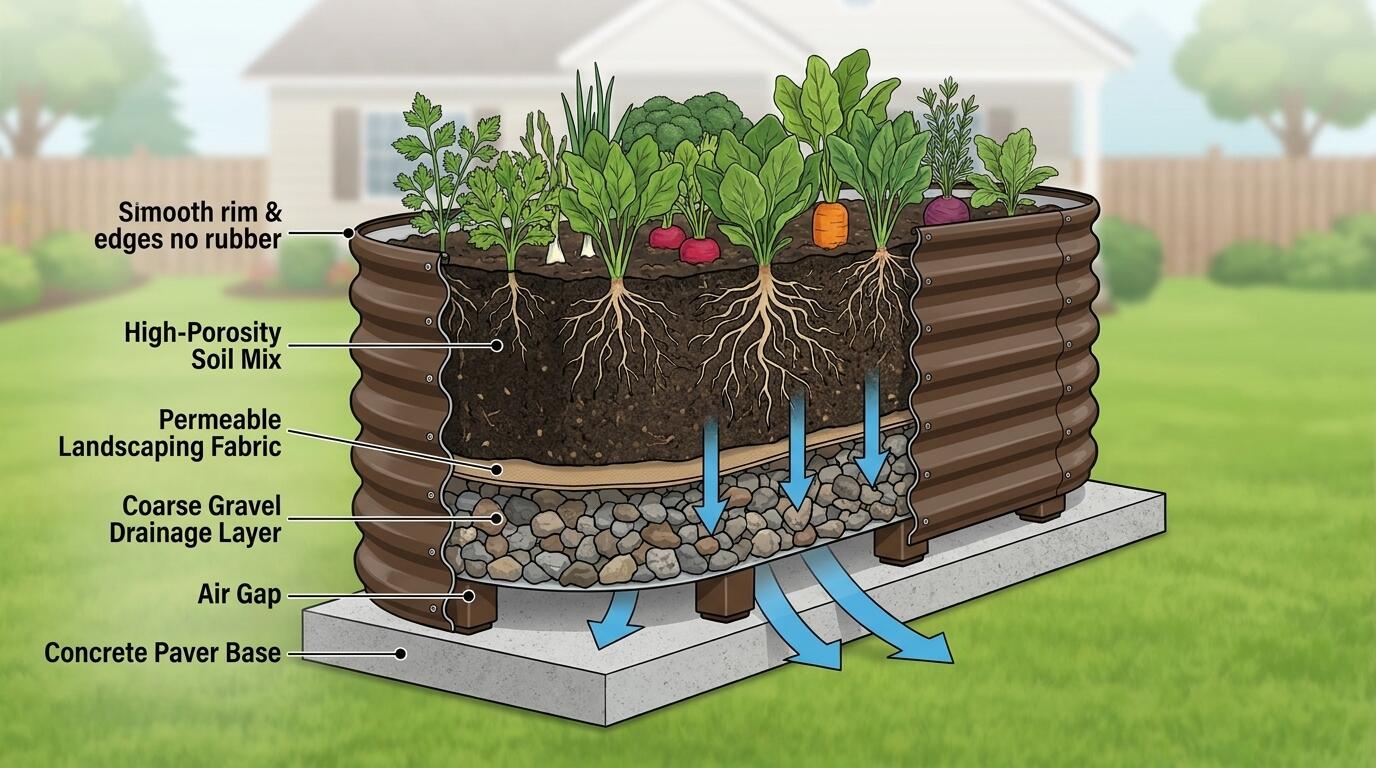
ALT: Cross-section of eco-friendly outdoor metal raised garden bed on paved surface showing gravel drainage layer and soil system for raised bed gardening
Advanced Considerations: Handling Edge Cases and Correcting Common Mistakes
When the Pavement Itself Has Poor Drainage
Sometimes the pavement beneath a raised bed already has a drainage problem—water pools on the surface rather than shedding away. In this case, no amount of drainage engineering inside the bed will help if water is backing up from below. Before placing any raised bed on a flood-prone paved area, address the surface drainage first. Options include adding channel drains along the perimeter, breaking up a section of pavement to create a gravel sink, or repositioning the bed to a higher section of the surface.
The Myth That Taller Beds Drain Automatically
A common misconception among new raised bed gardeners is that taller beds automatically drain better. Height alone does not create drainage—it creates a larger soil reservoir. Without a deliberate drainage gap, gravel base, and appropriate soil mix, a 30" tall bed on sealed pavement will waterlog just as reliably as an 18" bed. What taller beds do offer is more buffer distance between the wet base and the root zone where most vegetable activity happens, which buys you time before drainage failure damages crops. But buffer time is not a substitute for actual drainage design.
Matching Drainage Intensity to Your Climate
Gardeners in the Pacific Northwest or Southeast face fundamentally different drainage challenges than those in the arid Southwest. If you receive more than 40 inches of annual rainfall, prioritize aggressive drainage: use both elevation feet and a deep gravel layer, and consider adding an overflow notch at the base of one wall panel to allow fast escape of extreme water volume. In drier climates, you might scale back the gravel layer and focus instead on the soil mix—since underwatering becomes more of a risk than overwatering.
The goal is always the same: root-zone moisture stays within the optimal range (moist but not saturated), regardless of what the weather delivers.
Frequently Asked Questions FAQ
Q1: How deep should the drainage gravel layer be in a metal raised garden bed on concrete?
For most paved-surface applications, a 3–4 inch gravel layer provides an effective drainage buffer without excessively reducing the depth available for your soil system. In heavy-rainfall regions, you can extend this to 5–6 inches for extra capacity. Use washed coarse gravel or horticultural perlite, and always separate the gravel from the soil with a permeable landscaping fabric to prevent silt migration. For extra-tall beds (30" or more), the deeper soil column means a proportionally larger gravel layer is worthwhile.
Q2: Is galvanized steel safe for growing vegetables when it's in contact with moisture on a paved surface?
Yes. Modern galvanized steel raised garden beds use a zinc coating that is stable across a wide pH range and does not leach harmful compounds into the soil at concentrations that pose a risk to edible plants. The U.S. Environmental Protection Agency and numerous horticultural extension services have reviewed this question and found no evidence of harmful zinc accumulation in produce grown in properly constructed galvanized beds. Anleolife's galvanized steel beds are designed specifically for food gardening use, with a built-for-purpose coating that supports up to 20 years of service.
Q3: How long does a properly set-up metal raised garden bed drainage system last, and when should it be refreshed?
A well-constructed drainage base—using elevation feet plus a gravel layer covered by landscaping fabric—typically functions effectively for 2–3 growing seasons before the gravel layer benefits from a refresh. The soil system above it should receive a compost top-dressing annually and a light forking to prevent compaction. The metal bed frame itself, if made from quality galvanized or aluzinc steel, can last up to 20 years with no structural intervention. Budget approximately one afternoon every 2–3 years for a drainage layer inspection and refresh.
Summary
Improving drainage in a metal raised garden bed on a paved surface comes down to three non-negotiable principles: create a physical gap between the bed's base and the sealed surface below, install a gravel or perlite buffer layer at the bottom of the bed to temporarily hold and redirect excess water, and choose a high-porosity soil mix that stays aerated rather than compacting into an impermeable slab.
These steps work together as a system. Skipping any one of them reduces the effectiveness of the others. The good news is that none of these techniques requires specialized skills or expensive equipment—most setups can be completed in a single afternoon with materials available at any garden center or hardware store.
Beyond the drainage mechanics, choosing the right raised garden bed from the start makes a measurable difference. Beds built from galvanized or rust-resistant steel hold their structural shape under moist soil conditions, resist the humid microclimate that forms between bed and pavement, and deliver decades of reliable service that justifies every hour invested in proper setup. For anyone asking what is the best raised garden bed for a paved surface, the answer converges on durable metal construction combined with thoughtful drainage design.
Your next step: measure your available paved space, select a bed size that fits your raised bed garden layout goals, and gather your drainage materials before your first fill. Starting right means not restarting later.
Start Growing Smarter with Anleolife
Nationwide U.S. warehouse network: Strategically located in California, Texas, Florida, New York, Illinois, and Washington to ensure delivery within 3–8 business days—so your garden upgrade plans never have to wait.
Multi-channel sales network: Products are available on major e-commerce platforms including Amazon, Walmart, Home Depot, Lowe's, and Wayfair, as well as the official website Anleolife.com, providing consistent quality assurance and after-sales service.
Three core scenarios: Planting (metal raised garden beds, soil systems), Raising (chicken coops, rabbit hutches), and Beautification (decorative accessories, pathway systems), meeting complete needs from functionality to aesthetics.
Upgrade your garden with Anleolife. We understand that an ideal garden is not built overnight, but gradually improved over time. Our modular product design allows flexible expansion based on your needs—from your first raised garden bed to a fully integrated planting-and-raising ecosystem. We grow with you every step of the way.
References
- U.S. Environmental Protection Agency. "Zinc Compounds - Hazard Summary".
https://www.epa.gov/sites/default/files/2016-09/documents/zinc-compounds.pdf - University of California Agriculture and Natural Resources. "Soil Drainage for Gardens and Landscapes".
https://ucanr.edu/ - National Gardening Association. "Raised Bed Gardening Guide".
https://garden.org/learn/articles/view/3147/ - Penn State Extension. "Managing Soil Drainage in Raised Beds and Container Gardens".
https://extension.psu.edu/raised-bed-gardening - Oregon State University Extension Service. "Raised Bed Gardening".
https://extension.oregonstate.edu/gardening/techniques/raised-bed-gardening
Note: Standards and recommendations may be updated. Please check the latest official documents or consult a professional horticultural advisor for guidance specific to your region and growing conditions.
About Anleolife
Anleolife is a leading outdoor garden solutions provider in North America, dedicated to offering a full-scenario product ecosystem for home gardening enthusiasts, covering planting, raising, and garden beautification. Since its founding, we have upheld our brand mission, "Made for Garden Life," continuously innovating products and optimizing services to help hundreds of thousands of users upgrade their gardens, reconnect with nature, and enjoy a better garden lifestyle.