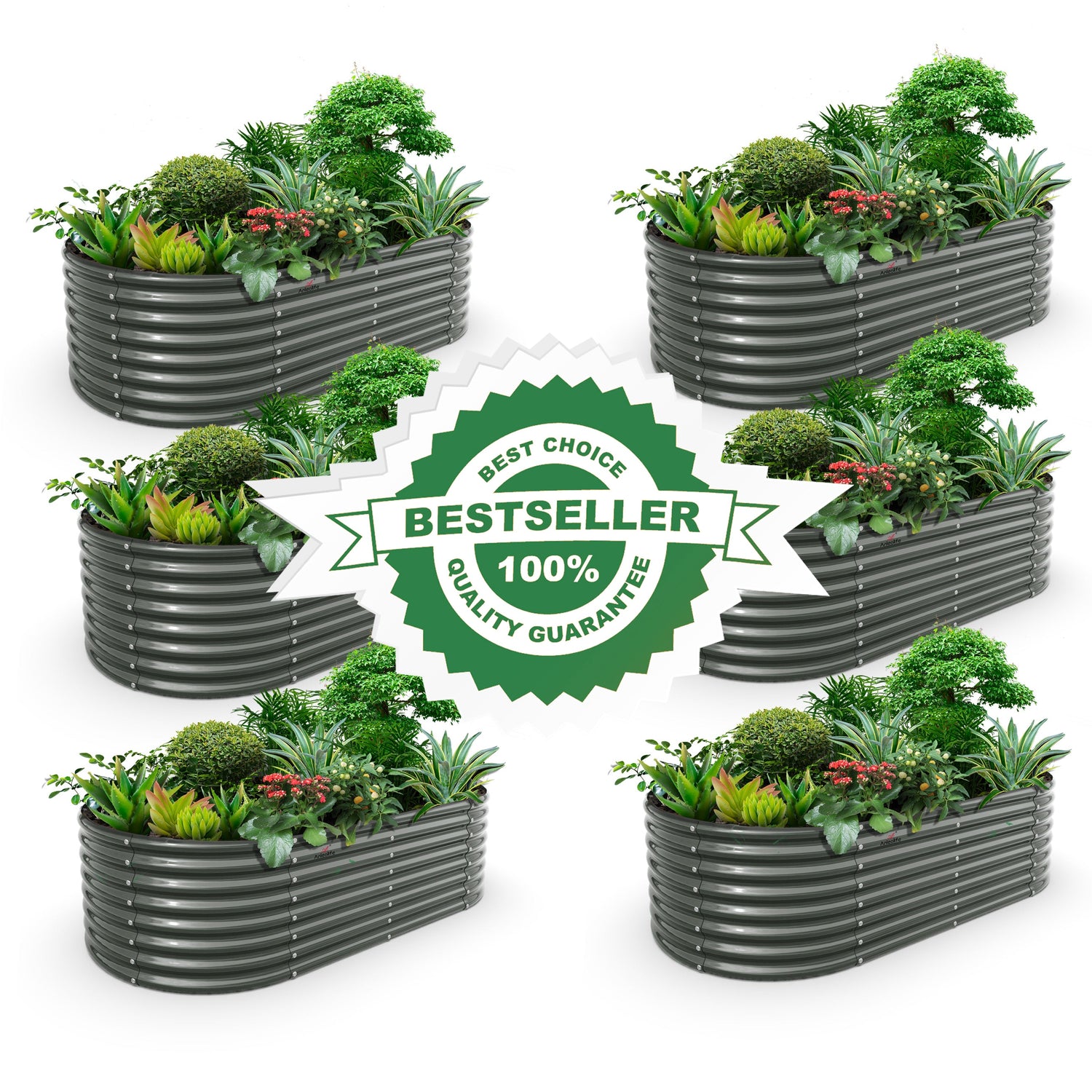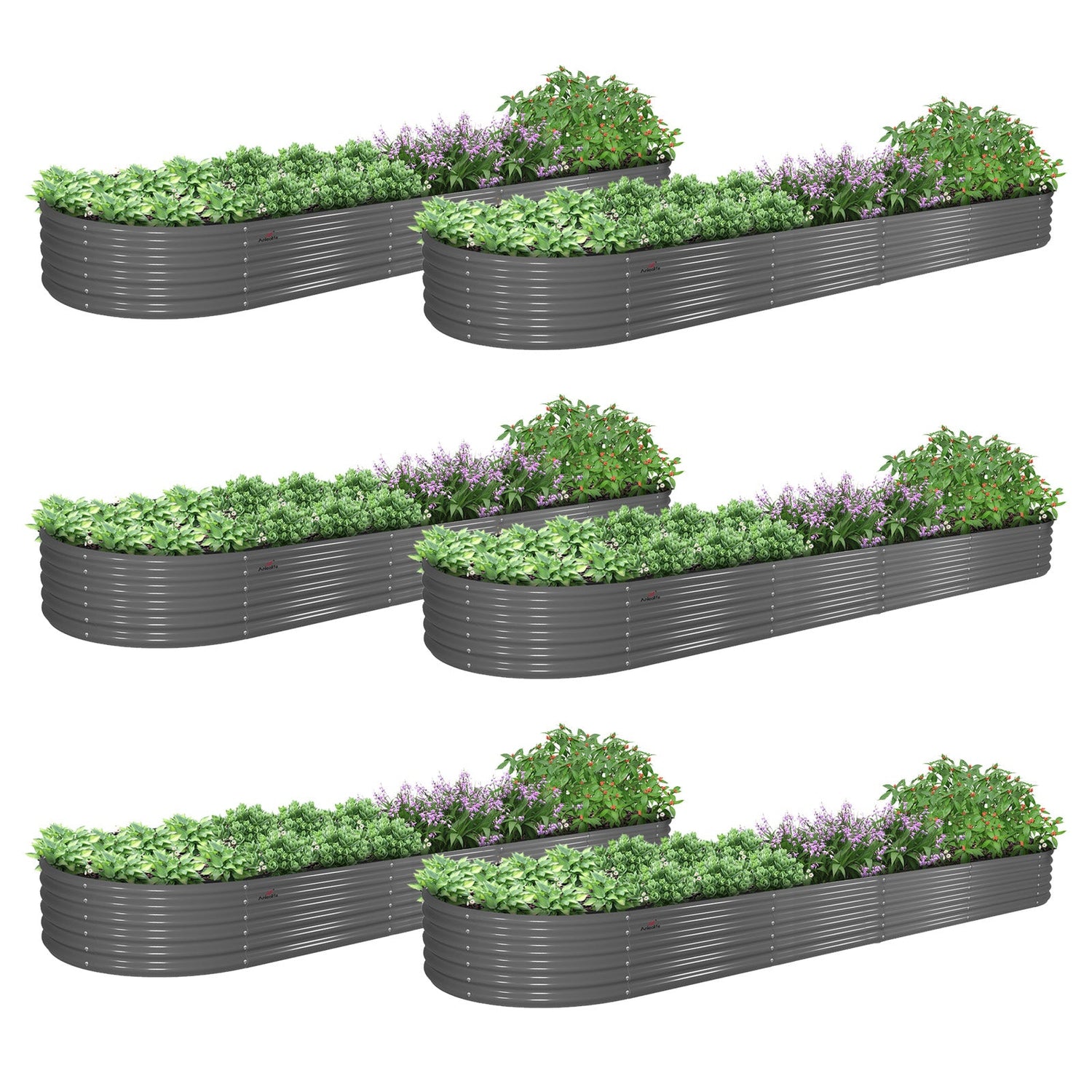



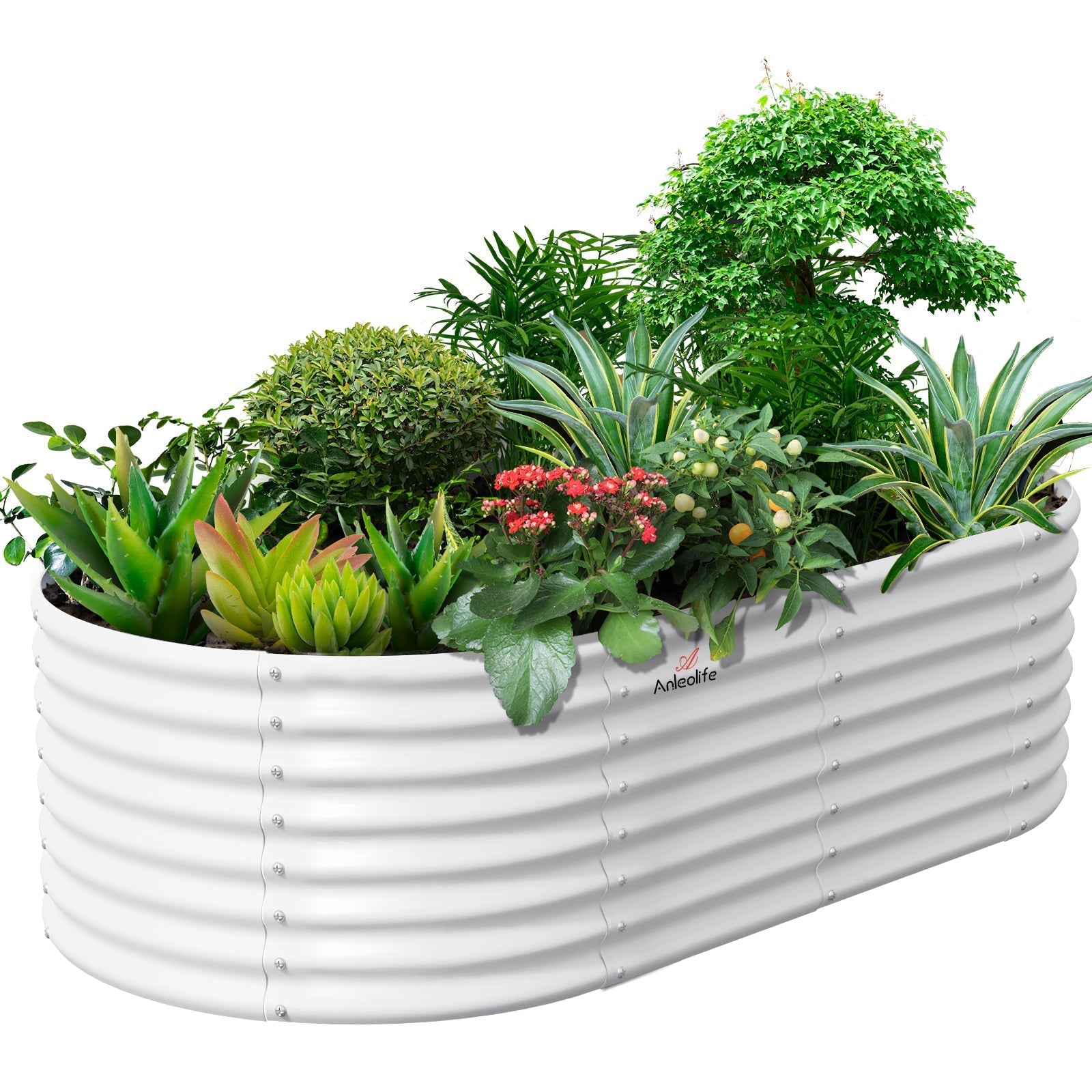
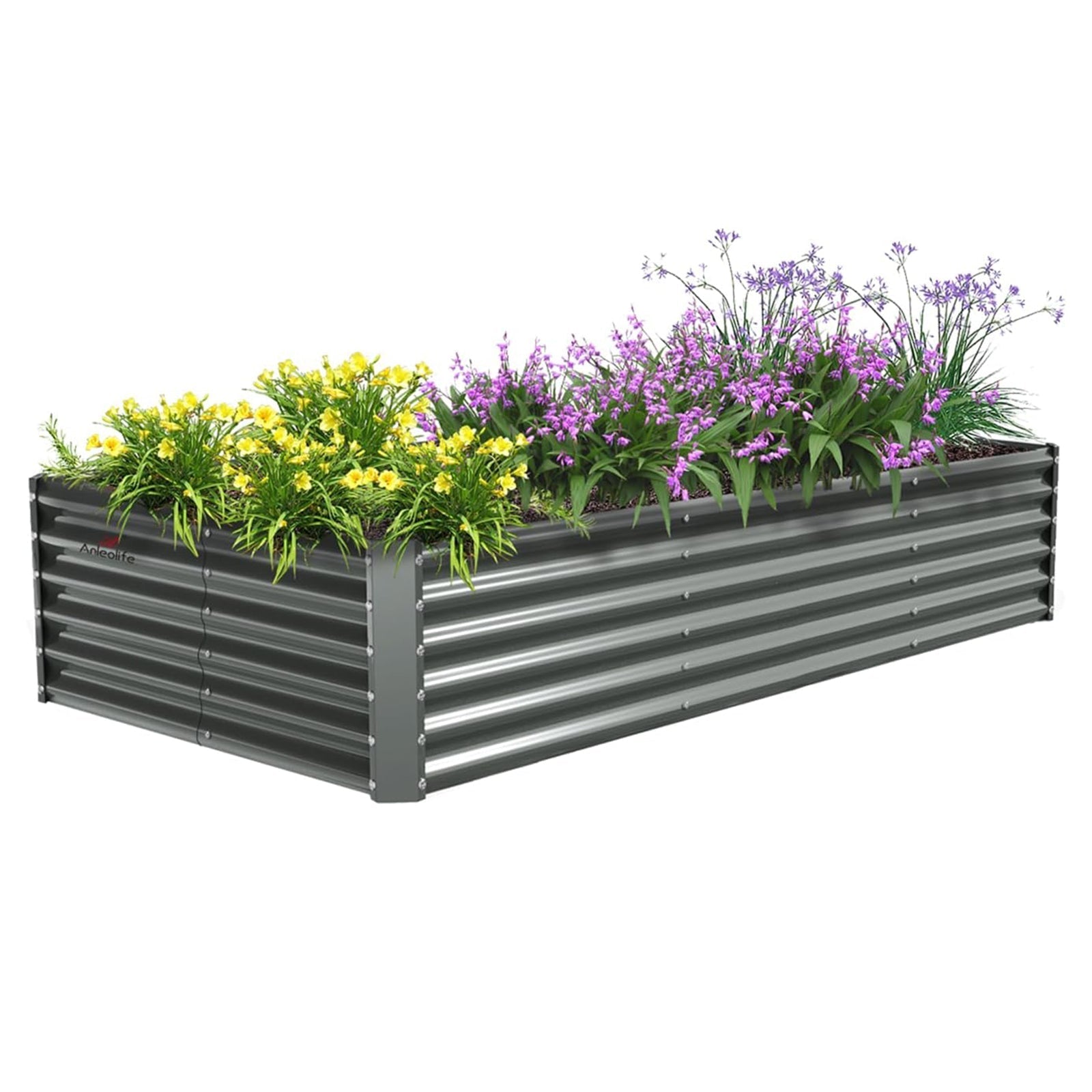

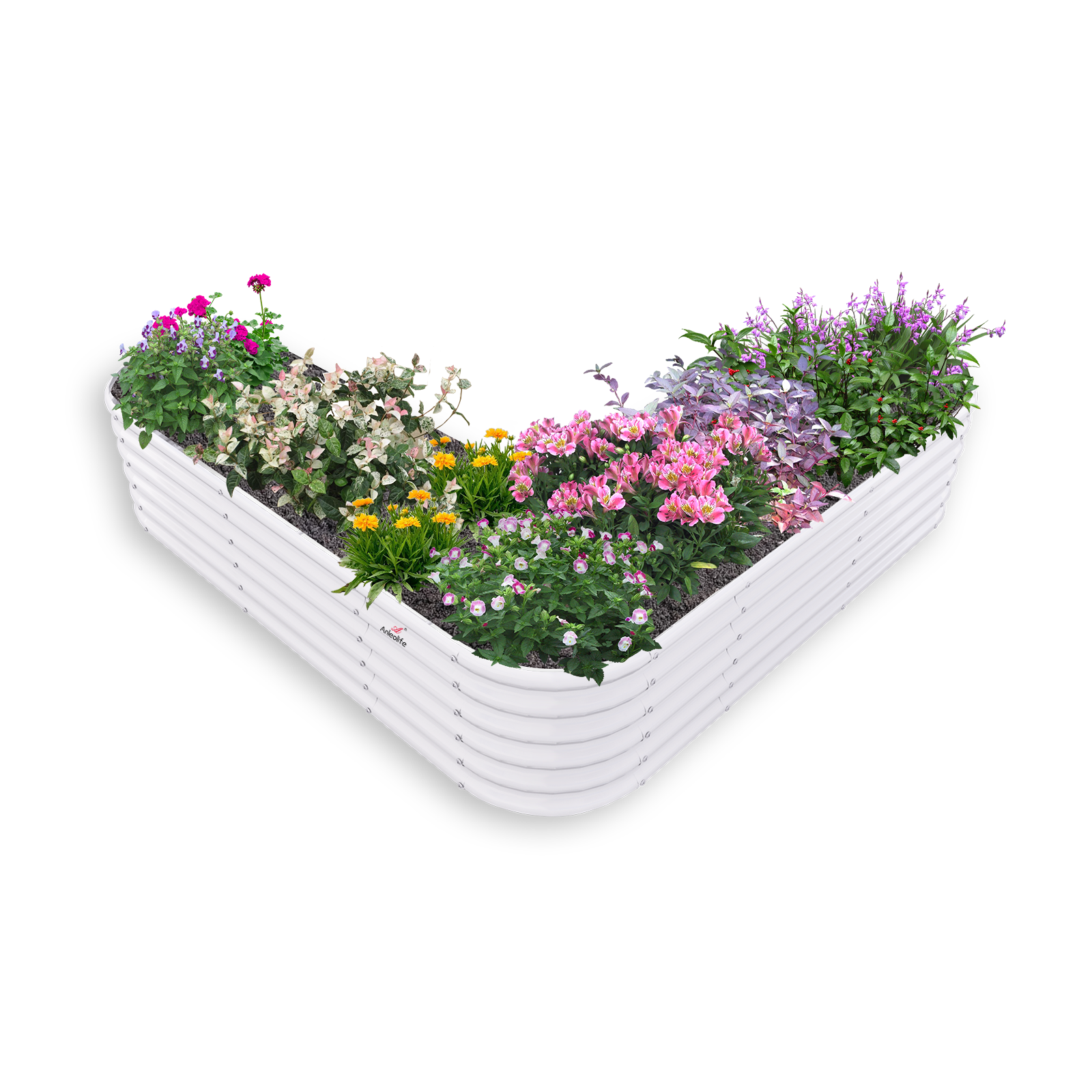
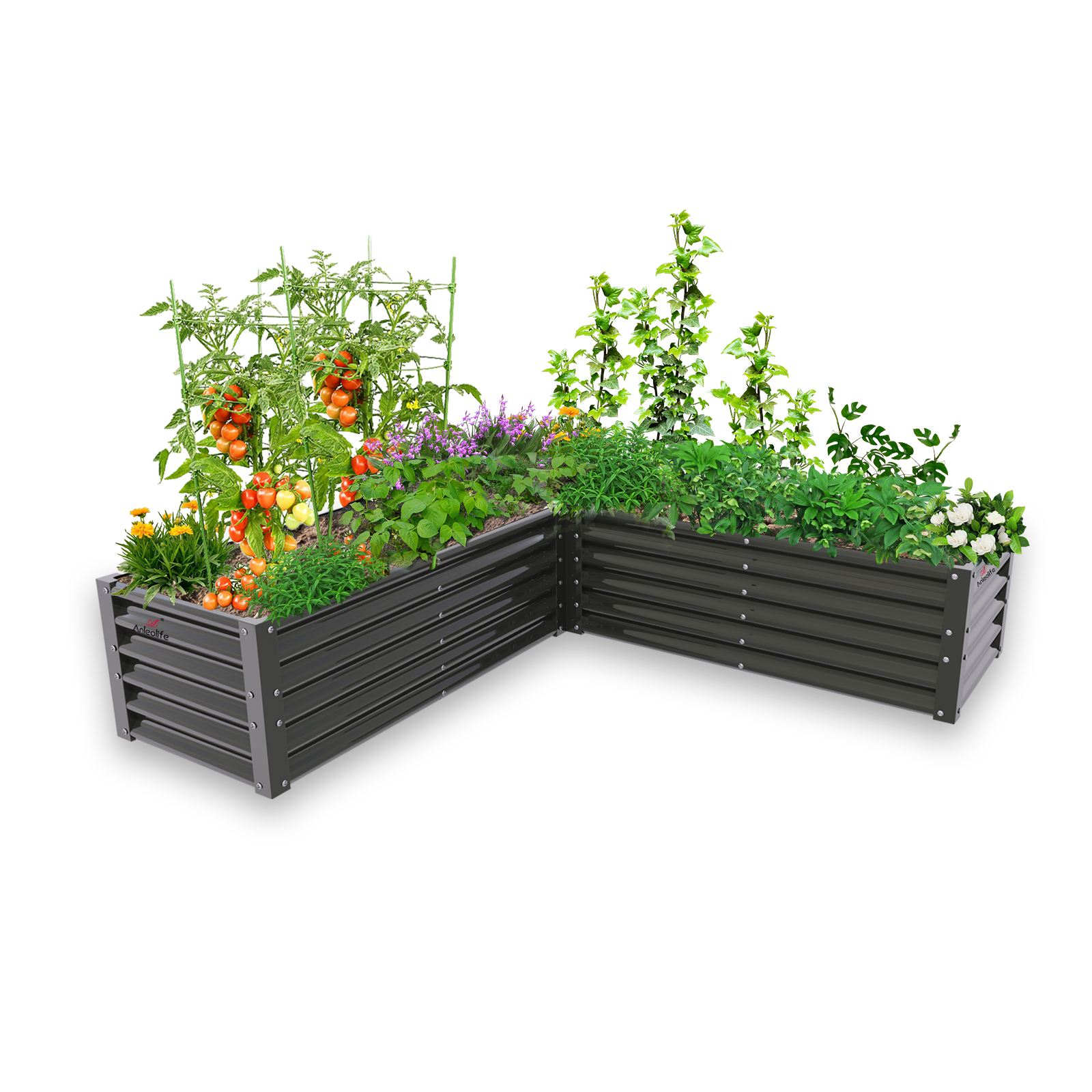
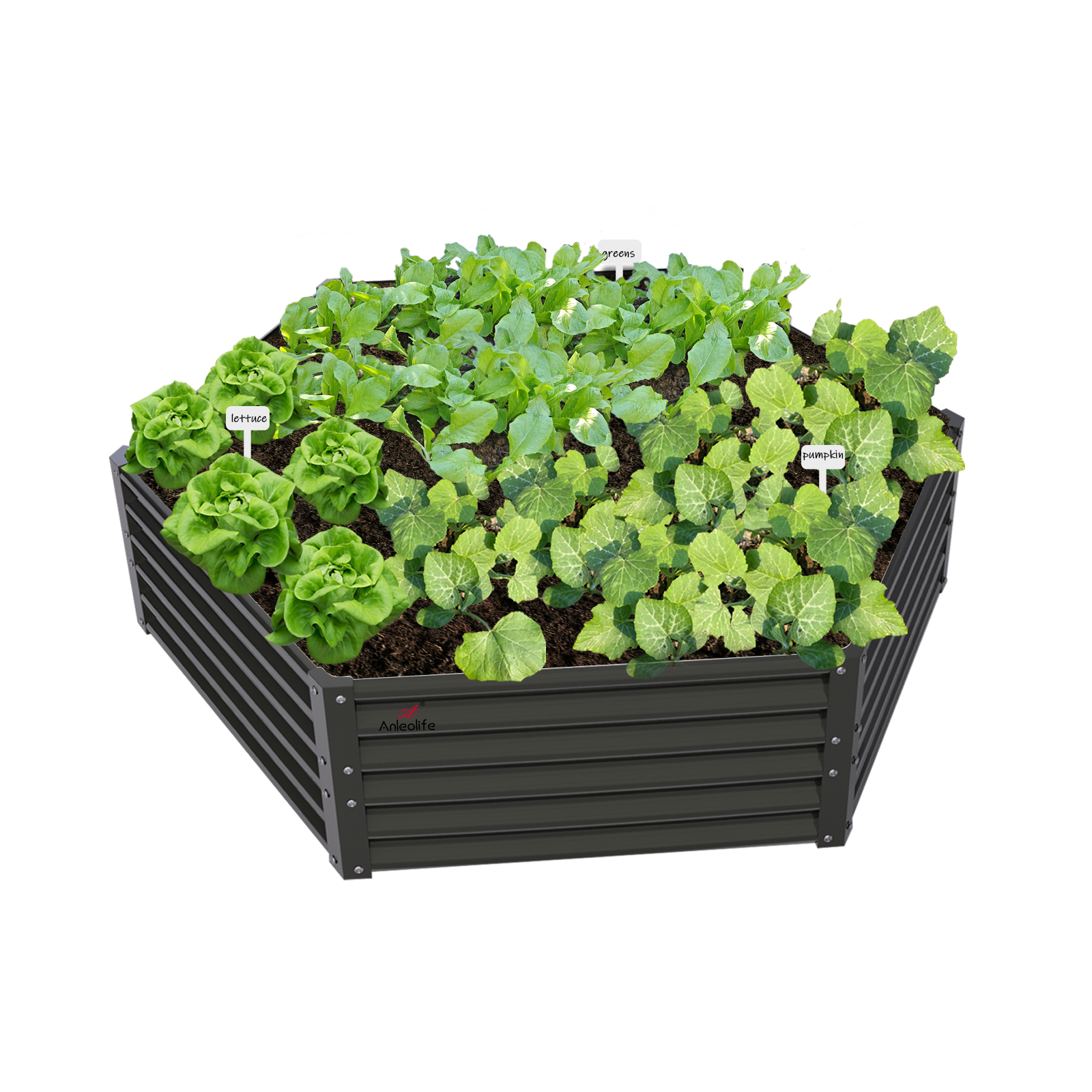
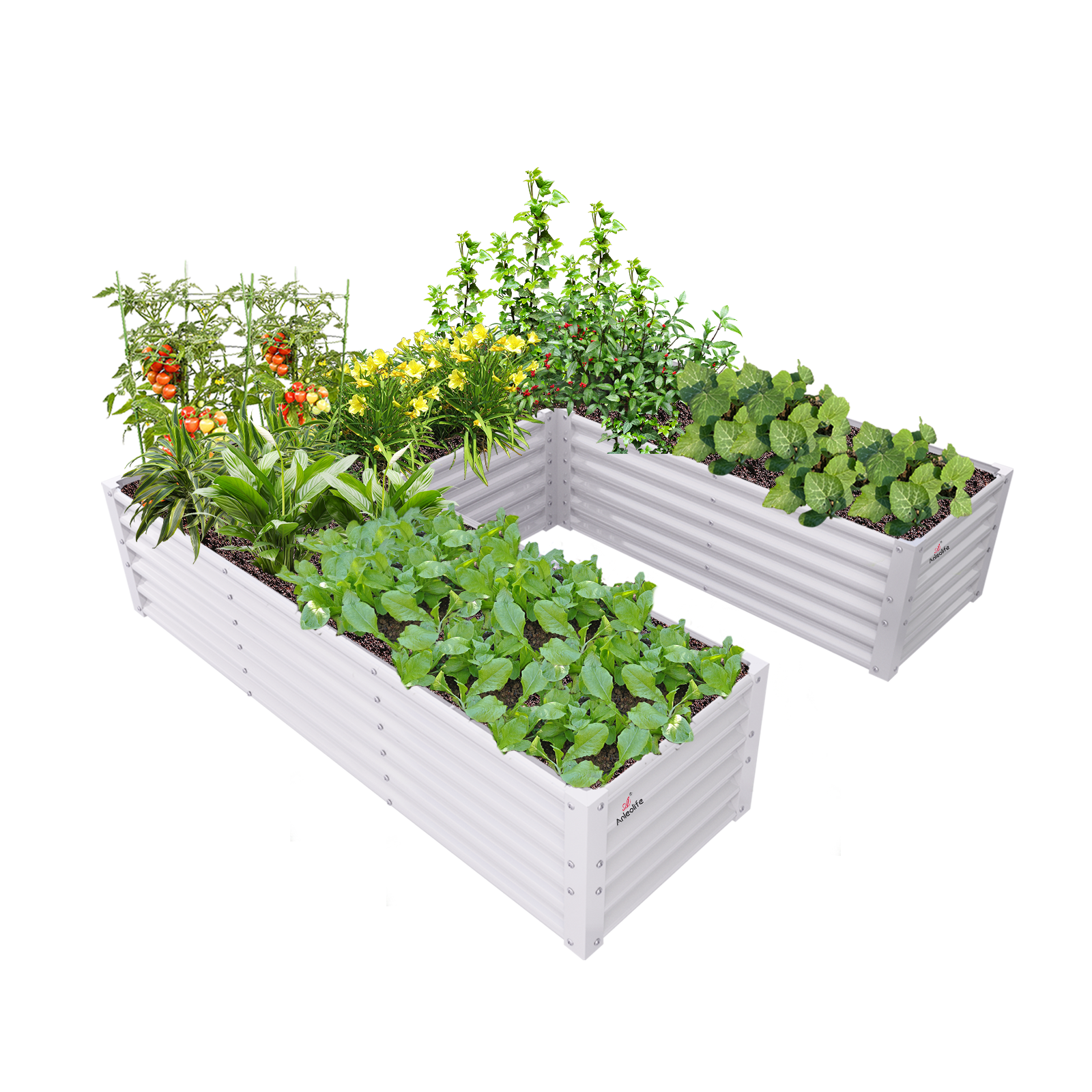

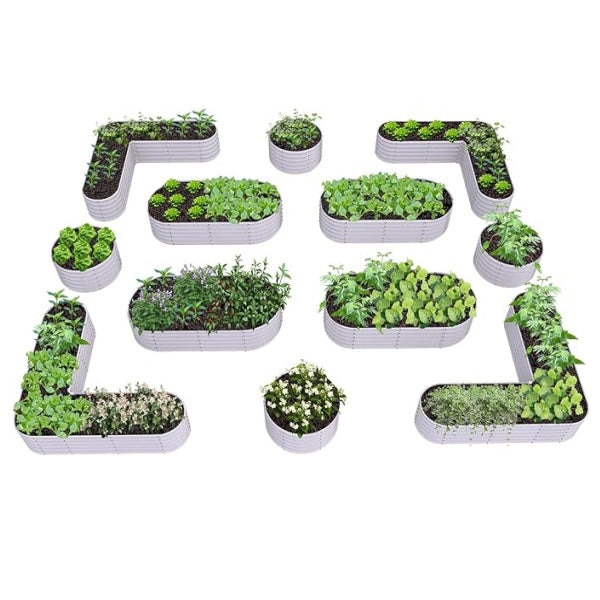


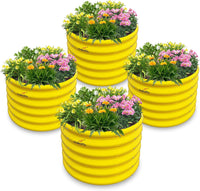
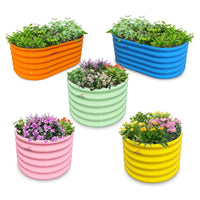
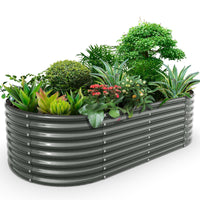



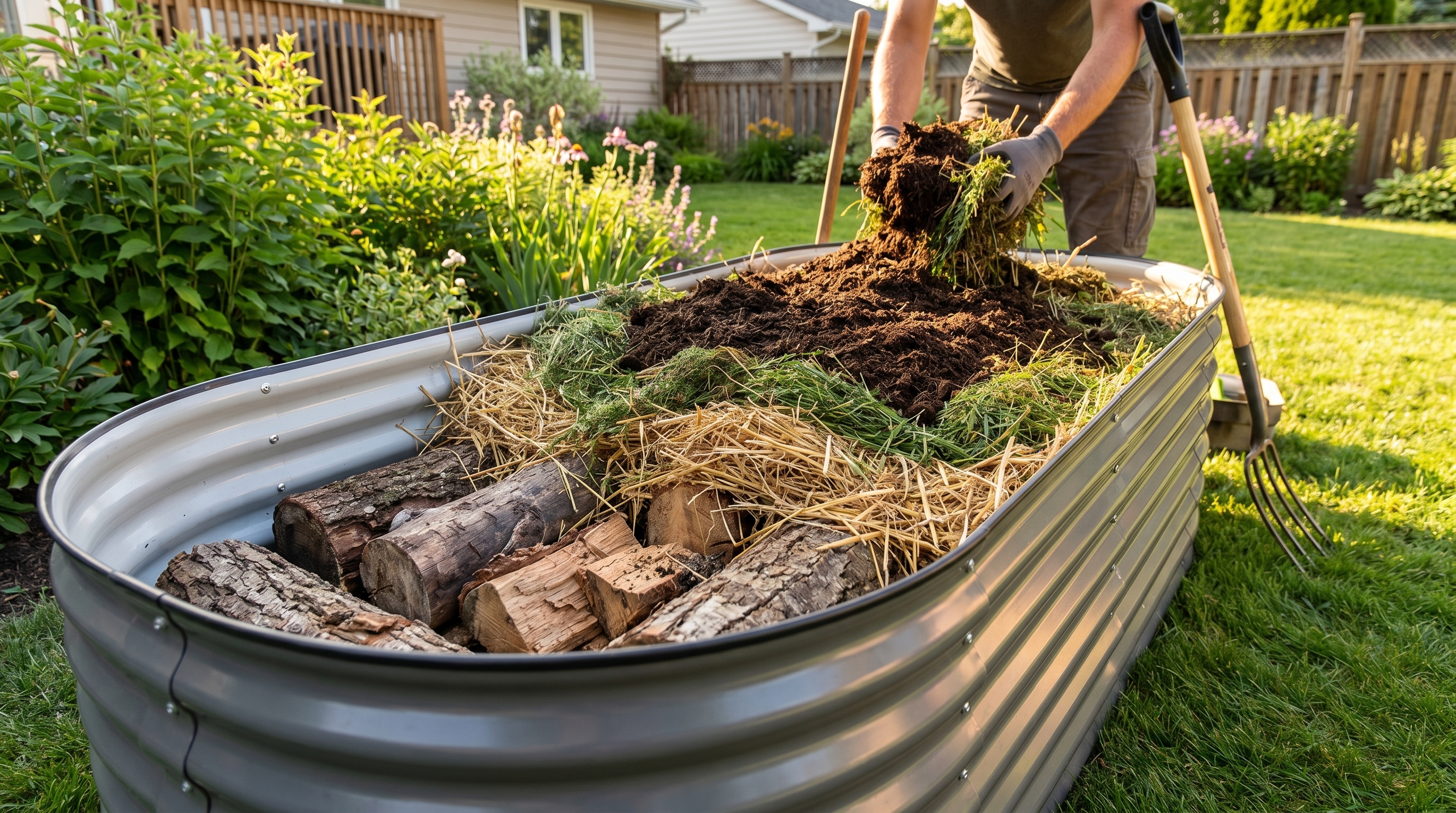
ALT: Filling a large raised garden bed using hugelkultur logs, compost layers, and budget-friendly organic materials
Why Filling Your Raised Bed Smartly Can Save You Hundreds of Dollars
Key Conclusion: Filling a large raised garden bed doesn't have to drain your wallet. By combining hugelkultur techniques with strategic layering methods, you can build a nutrient-rich, moisture-retaining bed for a fraction of the cost of buying bagged soil. These budget-friendly approaches align perfectly with smart raised bed garden layout planning, helping you design a raised bed planting layout that thrives from season one — and your raised bed layout will only improve with time.
Whether you're setting up your first 4×8 metal raised garden bed or expanding into a full backyard growing system, the cost of filling it with premium potting mix or garden soil can add up fast. A single cubic yard of quality soil blend can run $40–$80 or more — and a large bed (say, 8×4×2 feet) needs roughly 64 cubic feet of material to fill.
The good news? There are proven, time-tested methods — particularly hugelkultur and strategic layering — that let you fill the bulk of your raised bed with organic materials you may already have on hand or can source for free. These approaches don't just save money: they actively improve your soil ecosystem, reduce the need for irrigation, and produce healthier, more productive plants season after season.
Who This Guide Is For
✅ Applicable Scenarios:
- Homeowners filling a large or deep raised garden bed (12 inches or deeper) for the first time
- Eco-conscious gardeners who want to reduce waste and use natural, sustainable materials
- Budget-minded families who want to maximize garden yields without spending a fortune on bagged soil
- Retirees or empty nesters creating a low-maintenance, productive backyard garden
- Urban gardeners with access to wood scraps, cardboard, yard waste, or compost
❌ Not Applicable/Cautions:
- Shallow beds under 8 inches deep (hugelkultur requires adequate depth to be effective)
- Gardeners who need an immediately productive bed in the first few weeks (hugelkultur benefits peak in year 2 and beyond)
- Situations where fresh, untreated wood is not available and sourcing organic bulk materials is difficult
The Real Cost Problem with Large Raised Garden Beds
When people first invest in a quality raised garden bed — especially a large one — they're often caught off guard by the second expense: filling it. The structure itself might be a well-engineered metal raised garden bed designed to last 20 years, but the fill material is what actually grows your food.
The conventional approach — buying bags of potting mix or topsoil — is expensive, wasteful, and frankly unnecessary for most deep beds. According to the USDA, healthy soil is a living ecosystem built from organic matter, minerals, air, and water. You don't need to purchase that ecosystem pre-packaged. You can build it yourself.
In recent years, interest in sustainable home gardening has grown dramatically. The USDA reports that home food gardening participation increased by over 20% following 2020, with millions of new gardeners entering the hobby. Many of these gardeners are now in their second or third year and learning that smart soil management — not more spending — is what separates struggling gardens from thriving ones.
For anyone planning a raised bed garden layout across multiple beds, the savings multiply quickly. If you have three or four large beds, filling them efficiently with layered organic materials can save $300–$600 or more while producing richer, more biodiverse soil than anything you could buy in a bag.
The two most effective budget strategies are hugelkultur (a traditional European mound-based technique using buried wood) and lasagna layering (also called sheet mulching or the no-dig method). Both are simple, scalable, and work beautifully inside Anleolife's raised garden bed frames.
For a broader overview of raised bed planning and layout strategies, be sure to explore our comprehensive raised bed garden planning guides on anleolife.com.
Step-by-Step: How to Fill Your Large Raised Bed on a Budget
Three-Step Quick Start
Step 1: Assess Your Bed Depth and Available Materials
Before you begin filling, measure your bed's interior depth. For beds 12–24 inches deep, both hugelkultur and layering are ideal. Walk your property — or ask neighbors, local tree services, or municipal composting sites — for wood scraps, logs, branches, cardboard, straw, grass clippings, and kitchen scraps. This material scouting step takes 1–2 hours and sets the foundation for your fill strategy.
Step 2: Place Your Bottom Layers (Hugelkultur Base)
Begin by lining the bottom 8–12 inches of your bed with chunky organic material: logs, thick branches, wood chips, or woody prunings. These will decompose slowly over 2–5 years, feeding your soil and acting as a sponge that retains moisture during dry spells. Cover the wood with a layer of nitrogen-rich "green" material — grass clippings, vegetable scraps, or manure — to kickstart decomposition. This step takes 1–3 hours depending on bed size.
Step 3: Build Your Upper Layers and Top Soil
Layer "brown" carbon materials (straw, dried leaves, cardboard) and "green" nitrogen materials (compost, grass clippings, kitchen scraps) alternately until you're within 4–6 inches of the bed's top edge. Finish with 4–6 inches of quality compost or aged topsoil — this is the only layer you may need to purchase. Water thoroughly to settle all layers. Your bed is now ready to plant. This step takes 1–2 hours.
Comparing the Two Main Budget Fill Methods: Hugelkultur vs. Lasagna Layering
Both methods are effective and can be combined, but they have distinct strengths depending on your situation, available materials, and gardening goals.
| Comparison Dimension | Hugelkultur | Lasagna Layering | Hybrid Approach |
|---|---|---|---|
| Best For | Deep beds (16"+), long-term growers | Any depth, first-year results | Deep beds needing both moisture retention and quick planting |
| Core Materials | Logs, branches, wood chips | Cardboard, compost, straw, kitchen scraps | Both wood layers + compost/cardboard alternation |
| Moisture Retention | Excellent (wood acts as sponge) | Good (organic matter retains moisture) | Outstanding |
| First-Year Productivity | Moderate (decomposition in progress) | High (compost-rich upper layers) | High |
| Cost | Very low to free (salvaged wood) | Low (cardboard free; compost affordable) | Very low overall |
| Labor | Moderate (moving logs) | Low (sheet layering) | Moderate |
| Long-Term Soil Building | Excellent (5–10 year wood breakdown) | Very good (annual composting) | Best overall |
| Best Season to Start | Fall or early spring | Any season | Fall for best results |
Both methods share a core philosophy: work with nature's decomposition cycle rather than against it. Neither requires perfect ratios or specialized equipment — they're forgiving, adaptable, and improve with each passing season.
Deep Dive: Hugelkultur Inside a Raised Bed
What Is Hugelkultur, Really?
The word "hugelkultur" comes from German, meaning "mound culture." Traditionally practiced in Germany and Eastern Europe, this technique involves burying large pieces of rotting wood beneath planting soil. As the wood decomposes, it creates a slowly releasing reservoir of nutrients and moisture — essentially building a self-fertilizing, self-watering system underground.
Inside a raised bed garden layout, hugelkultur works slightly differently than in an open-ground mound. You're working within a fixed frame, which actually makes the process more manageable and contained. The bed frame holds everything in place while the biology works its magic below the surface.
Choosing the Right Wood
Not all wood is created equal for hugelkultur. The best choices include:
- Rotting hardwoods: oak, maple, alder, fruit trees. These decompose at a good rate and don't acidify soil excessively.
- Partially decayed branches: soft enough to break apart slightly, which accelerates microbial activity.
- Wood chips: excellent as a transitional layer between logs and compost.
Avoid: black walnut (contains juglone, toxic to many plants), treated or painted lumber, cedar or redwood in large quantities (natural oils slow decomposition).
For Anleolife metal raised garden beds — which are constructed from durable, rust-resistant steel designed for a 20-year lifespan — you don't need to worry about the wood touching the metal sides. The steel is powder-coated and weather-sealed, so organic material contact won't cause corrosion issues.
The Nitrogen Layer: Feeding the Wood's Decomposition
Raw wood consumes nitrogen as it breaks down. To prevent this from robbing your plants of nutrients in the short term, always add a generous nitrogen-rich layer directly on top of the wood. Options include:
- Fresh grass clippings (a thin 2-inch layer)
- Well-aged manure (chicken, rabbit, or horse)
- Coffee grounds mixed with kitchen scraps
- Blood meal or feather meal (small amounts)
This "activator" layer jumpstarts microbial decomposition and balances the carbon-to-nitrogen ratio across your bed.
Year-by-Year Benefits
In the first year, hugelkultur beds may feel slightly less fertile as wood begins its breakdown. By year 2–3, moisture retention improves noticeably — many gardeners report needing to water 30–50% less than conventional beds. By years 4–5, the decomposed wood creates extraordinarily rich, spongy, biodiverse soil that outperforms anything purchased in a bag.
Deep Dive: Lasagna Layering (Sheet Mulching) for Raised Beds
The No-Dig Philosophy
Lasagna layering gets its name from the alternating layers of organic materials — like a culinary lasagna — that build up over time into rich, loamy soil. There's no tilling, no turning, and no complicated chemistry. You simply layer materials in the right sequence and let earthworms, fungi, and bacteria do the rest.
This method is ideal for gardeners who want a productive raised bed planting layout from the very first season, especially when the top layers are finished with high-quality compost.
The Basic Layer Sequence (Bottom to Top)
- Cardboard layer (1–2 sheets thick): Lay directly on the ground or on top of wood if using a hybrid approach. Cardboard blocks weeds and invites earthworms.
- Green layer (2–4 inches): Grass clippings, kitchen vegetable scraps, fresh garden waste.
- Brown layer (3–4 inches): Straw, dried leaves, shredded newspaper, wood chips.
- Green layer (2–3 inches): Compost, aged manure, more kitchen scraps.
- Brown layer (2–3 inches): More straw or dried leaves.
- Top layer (4–6 inches): Quality finished compost or a purchased soil blend.
Repeat the green/brown alternation until the bed is filled, always finishing with compost on top. The layers will compress over the first season, so slightly overfilling (1–2 inches above the bed rim) is normal and desirable.
Where to Source Free Layering Materials
One of the greatest advantages of lasagna layering is how little you need to spend. Consider these free or near-free sources:
- Cardboard: grocery stores, appliance retailers, moving companies
- Straw: local farms, feed stores often sell spoiled bales inexpensively
- Grass clippings: your own yard or a neighbor's (untreated)
- Leaves: municipal leaf collection programs or neighborhood yards in fall
- Kitchen scraps: your own kitchen — vegetable peels, coffee grounds, eggshells
- Manure: local stables, farms, or rabbit/chicken keepers often give it away free
- Wood chips: ArborChip or local tree trimming services often deliver for free
Combining Both Methods: The Hybrid Fill
For deep Anleolife raised beds (18–24 inches), the most cost-effective and productive approach is the hybrid method: hugelkultur wood base (bottom 8–12 inches) + lasagna layering (middle 6–8 inches) + finished compost top layer (4–6 inches).
This combination gives you the moisture-retention benefits of buried wood, the rapid nutrient release of alternating organic layers, and a compost-rich top layer ready for immediate planting. It's the best of both worlds — and requires purchasing only the final compost layer (if you don't have your own).
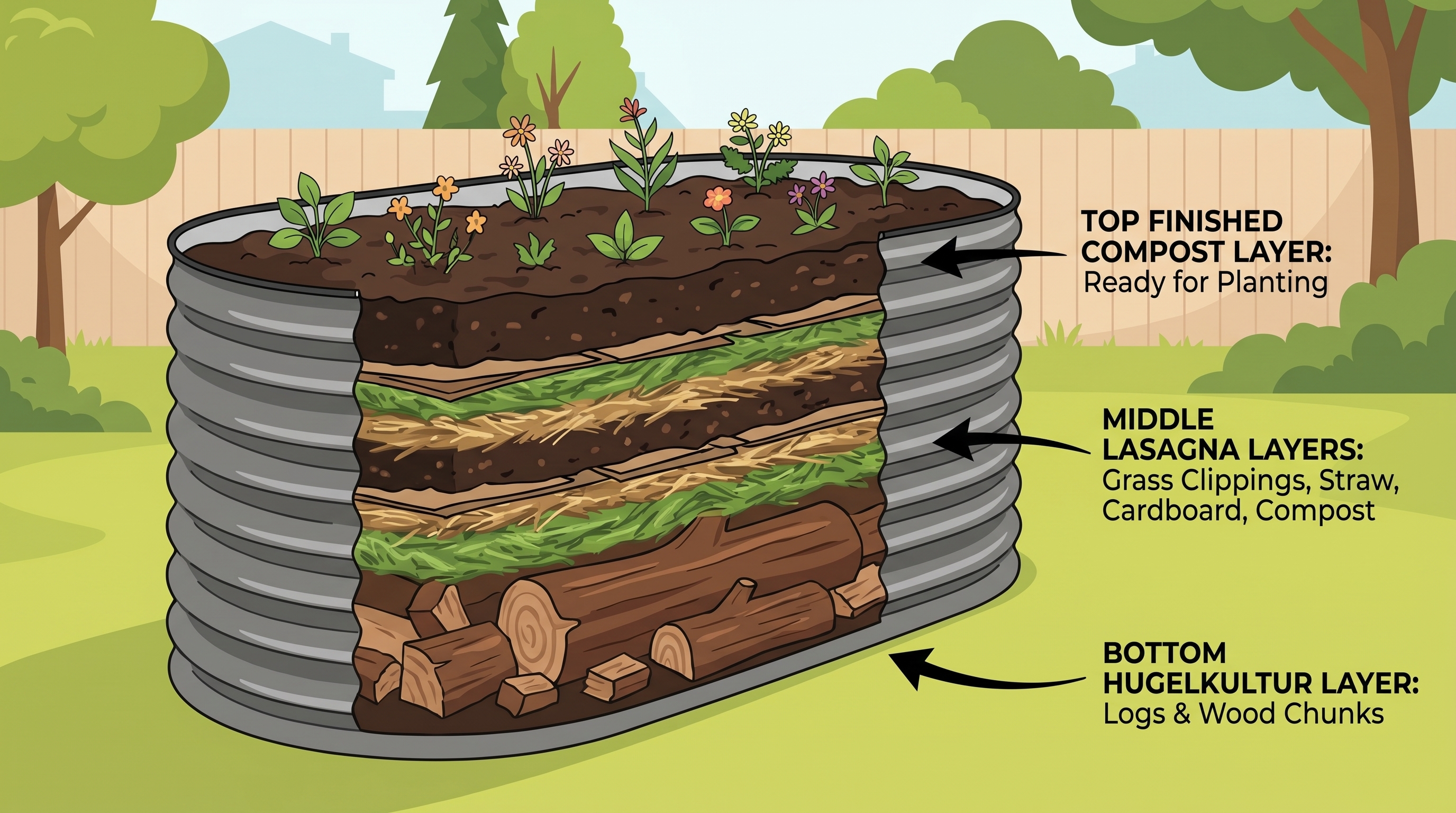
ALT: Cross-section of a metal raised garden bed filled with hugelkultur logs at the base, alternating green and brown lasagna layers in the middle, and finished compost on top for budget-friendly, nutrient-rich raised bed planting layout
Advanced Tips: Getting the Most from Your Budget Fill
Handling Special Situations
If Your Bed Is Brand New in Spring
You may not have access to fully decomposed materials in spring. In this case, use a thinner hugelkultur base (4–6 inches of smaller wood and chips rather than large logs), and compensate with extra compost in the upper layers. The wood won't decompose as fast, but moisture retention still improves significantly by midsummer.
If You're in a Hot, Dry Climate
In regions like California, Texas, or the Southwest, moisture retention is critical. Double down on hugelkultur wood volume (use logs rather than just chips) and add a layer of coconut coir between your wood base and first green layer. Coconut coir holds water 10x its weight and is relatively inexpensive at garden centers.
If You're Working with a Freshly Built Anleolife Raised Bed
Anleolife's galvanized steel raised garden beds are designed with longevity in mind — built to last 20 years through seasons of organic layering, compost additions, and natural soil biology. The non-reactive metal won't leach harmful compounds into your soil, making it safe for both hugelkultur and lasagna layering methods.
Common Misconceptions to Avoid
Misconception 1: "Fresh wood robs all the nitrogen from my plants."
This is partially true but overstated. As long as you include an adequate nitrogen-rich layer directly above the wood, your plants will have sufficient nutrients in the upper growing zone. The nitrogen draw-down effect is most significant in the decomposing layer, not the planting zone above.
Misconception 2: "Layering takes years to work."
Lasagna layers with finished compost on top are ready to plant within days of construction. You don't need to wait for everything to decompose — the top 4–6 inches of compost is your immediate planting medium, while the lower layers improve soil long-term.
Misconception 3: "I need perfect brown-to-green ratios."
A rough 3:1 ratio of carbon (brown) to nitrogen (green) by volume is a useful guideline, but nature is forgiving. If you're slightly off, decomposition simply proceeds a bit slower or faster. Don't let ratio anxiety stop you from starting.
Frequently Asked Questions FAQ
Q1: How deep should the hugelkultur wood layer be in a raised garden bed?
For most large raised beds (16–24 inches deep), a hugelkultur wood base of 8–12 inches is ideal. Use larger logs or thick branches at the very bottom, smaller branches and wood chips above. The remaining depth is filled with alternating organic layers and topped with 4–6 inches of quality compost. In shallower beds (under 12 inches), keep the wood layer to 3–4 inches and focus more on lasagna layering in the upper zones. Always leave adequate root space in the top compost layer.
Q2: Is hugelkultur safe for growing vegetables in a metal raised garden bed?
Yes — hugelkultur is completely safe for vegetable growing, especially inside a quality galvanized or powder-coated metal raised bed like those from Anleolife. The buried wood is a natural material that decomposes into humus over time, enriching the soil without introducing any harmful compounds. Anleolife's raised beds are made from food-safe, non-reactive steel, meaning there's no risk of metal leaching into your decomposing organic materials or your crops. Many experienced vegetable growers specifically choose this combination for long-term organic growing.
Q3: How much money can I realistically save by using hugelkultur and layering methods?
The savings can be substantial. A standard 8×4×2-foot raised bed requires approximately 64 cubic feet of fill. Purchasing premium bagged garden mix can cost $150–$300 for that volume. Using a hugelkultur-lasagna hybrid approach with free sourced wood, cardboard, yard waste, and manure — and purchasing only the top 4–6 inch compost layer — reduces material costs to $20–$60. For gardeners filling multiple beds, total savings of $300–$800 are realistic. The soil quality also compounds over time, reducing future soil amendment costs significantly.
Summary
Filling a large raised garden bed on a budget is entirely achievable — and the result is often better soil than anything you could buy. Here are the three key takeaways from this guide:
1. Hugelkultur builds long-term soil health. Burying wood at the base of your raised bed creates a self-fertilizing, moisture-retaining system that improves with every passing year. What seems like a shortcut is actually a long-term investment in soil biology.
2. Lasagna layering delivers first-season results. By alternating carbon and nitrogen layers topped with compost, you can have a productive planting bed ready within days — at a fraction of the cost of purchased soil mixes.
3. The hybrid approach offers the best of both worlds. For large, deep raised beds, combining a hugelkultur wood base with layered organic materials above — and a quality compost topping — maximizes both budget efficiency and growing performance season after season.
Your next step is simple: start collecting materials this week. Walk your neighborhood, call a local tree service, ask a nearby farm for manure, and raid your cardboard recycling bin. By the weekend, you could have everything you need to fill your first bed for under $50.
Once your fill strategy is in place, the most important remaining investment is in the bed itself — a durable structure that will hold your organic layers, withstand weather, and support your garden for decades.
Ready to Build the Garden You've Always Wanted?
When you're ready to invest in a raised bed that grows with your ambitions, Anleolife has you covered — from your first solo bed to a full multi-bed garden ecosystem.
Nationwide U.S. Warehouse Network: Strategically located in California, Texas, Florida, New York, Illinois, and Washington, our fulfillment network ensures delivery within 3–8 business days — so your garden plans move forward without delay.
Multi-Channel Availability: Anleolife products are available on Amazon, Walmart, Home Depot, Lowe's, Wayfair, and directly at anleolife.com, with consistent quality assurance and responsive after-sales support wherever you shop.
Three Complete Garden Scenarios: Whether you're focused on Planting (metal raised garden beds, soil systems), Raising (chicken coops, rabbit hutches), or Beautification (decorative accessories, pathway systems), Anleolife covers every dimension of your garden life — from function to aesthetics.
Our modular raised bed designs allow you to start with a single 8×4×2 garden bed and expand over time into a fully integrated growing and raising ecosystem. Built to last 20 years, our beds are the permanent backbone your evolving garden deserves. We grow with you, every season.
Explore Anleolife Raised Garden Beds →
References
This article is based on the following official materials (as of January 2026):
- [USDA]. "Soil Health and Organic Matter Management."
https://www.usda.gov/ - [EPA]. "Composting at Home: Reducing Food Waste and Building Healthy Soil."
https://www.epa.gov/ - [UC ANR]. "Soil Management and Cover Cropping in Home Gardens."
https://ucanr.edu/ - [OSU Extension]. "Raised Bed Gardening: Soil Preparation and Layering Techniques."
https://extension.oregonstate.edu/
Note: Soil science recommendations and composting guidelines may be updated periodically. Please refer to the latest official documents from your local agricultural extension service or consult a professional horticulturist for region-specific advice.
About Anleolife
Anleolife is a leading outdoor garden solutions provider in North America, dedicated to offering a full-scenario product ecosystem for home gardening enthusiasts, covering planting, raising, and garden beautification. Since its founding, we have upheld our brand mission, "Made for Garden Life," continuously innovating products and optimizing services to help hundreds of thousands of users upgrade their gardens, reconnect with nature, and enjoy a better garden lifestyle.