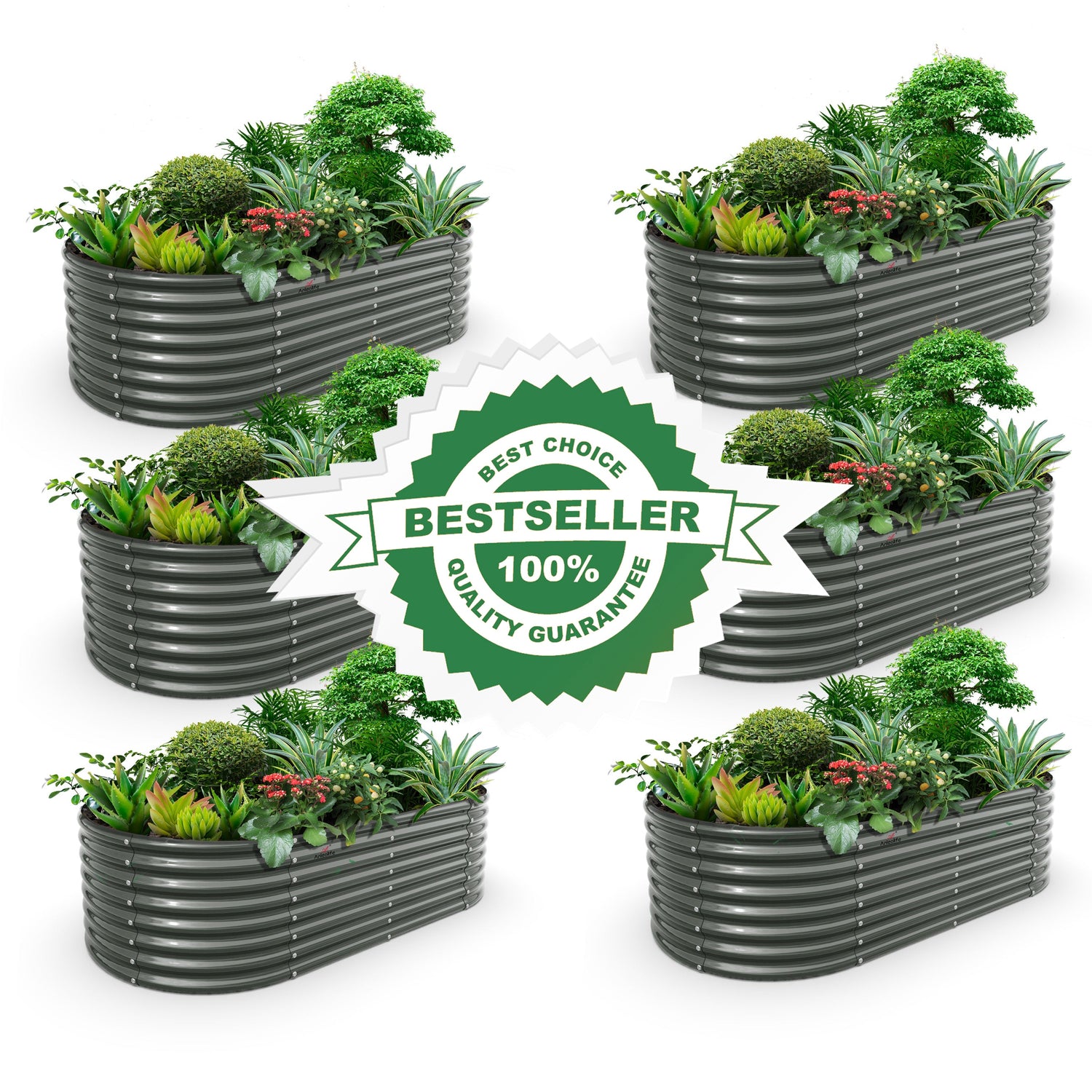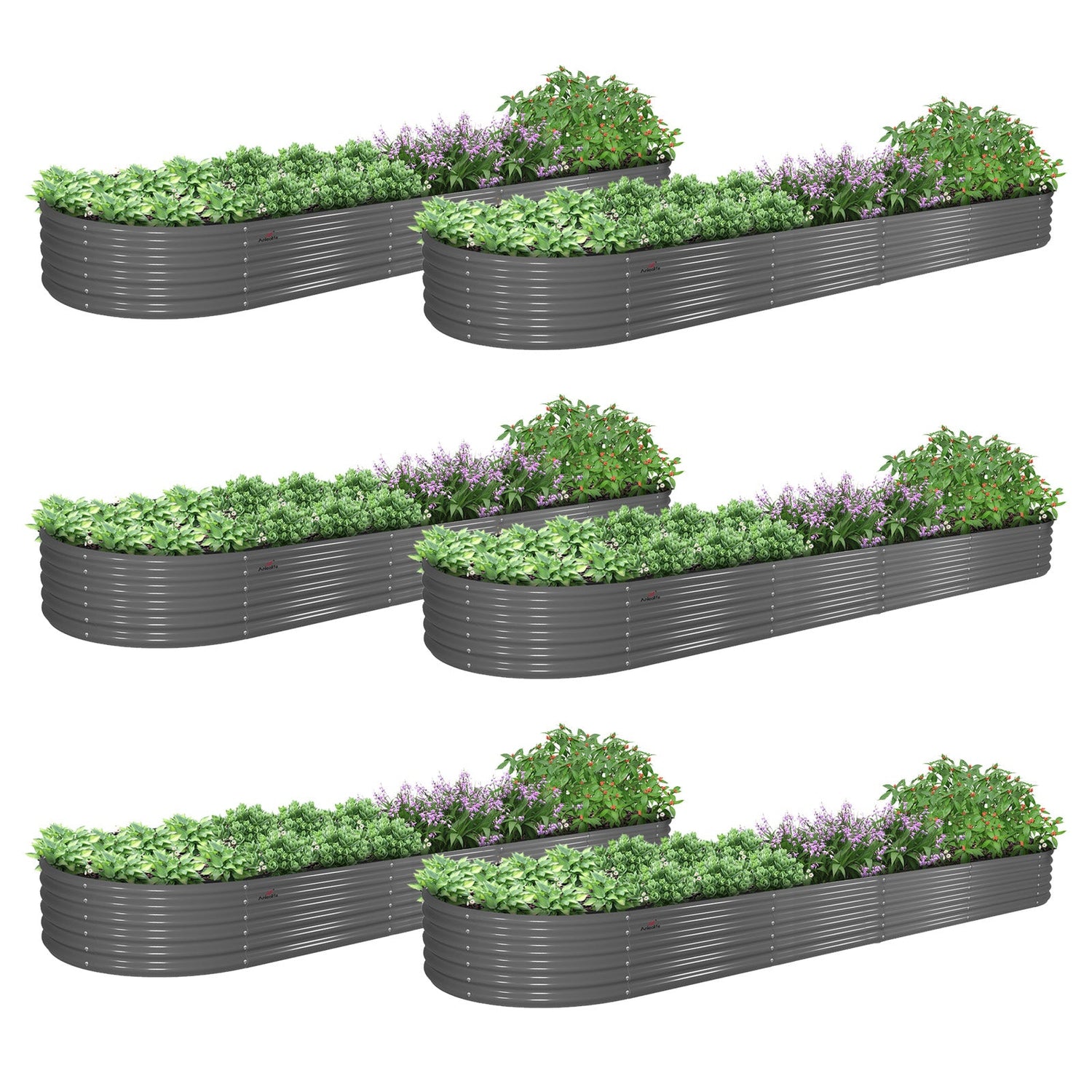



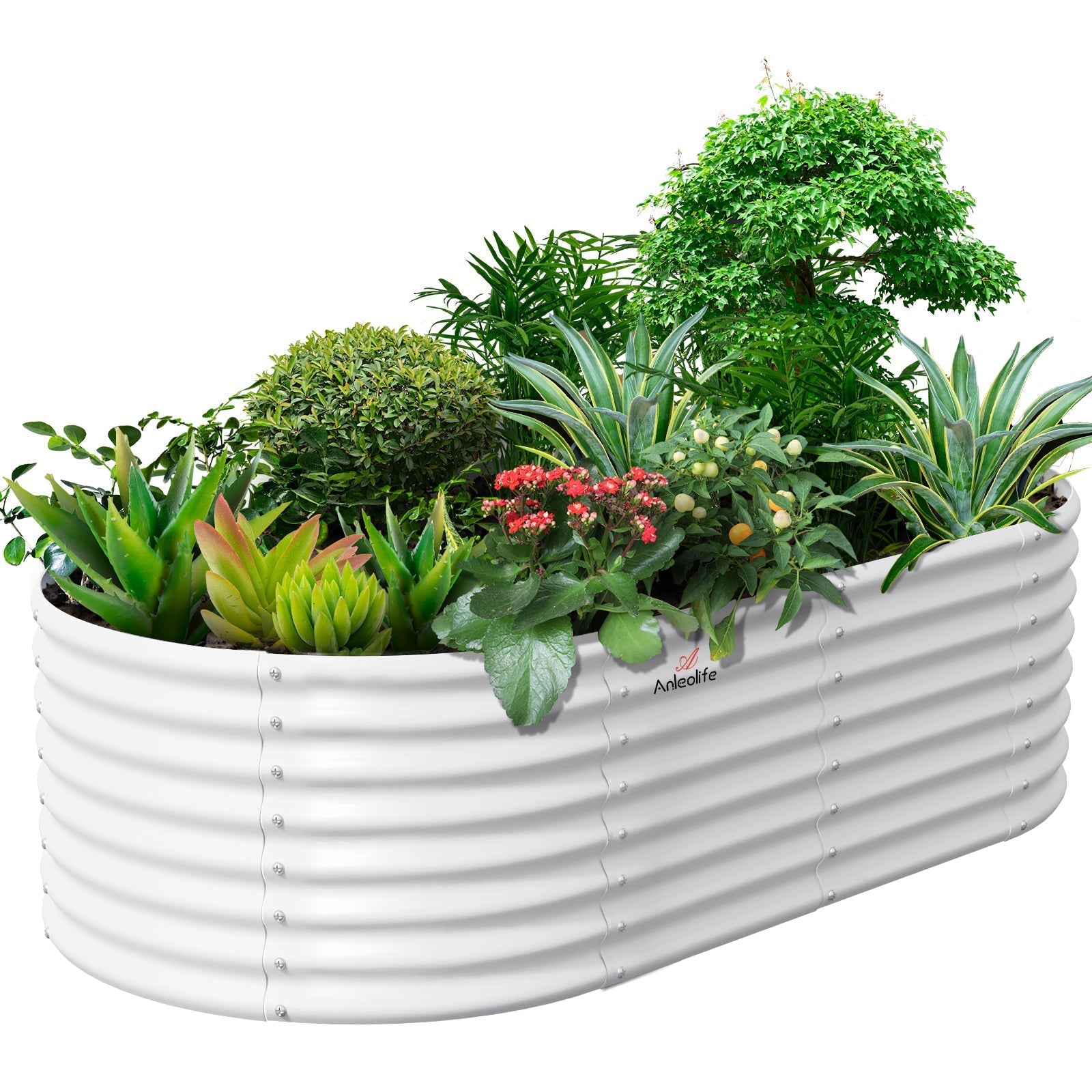
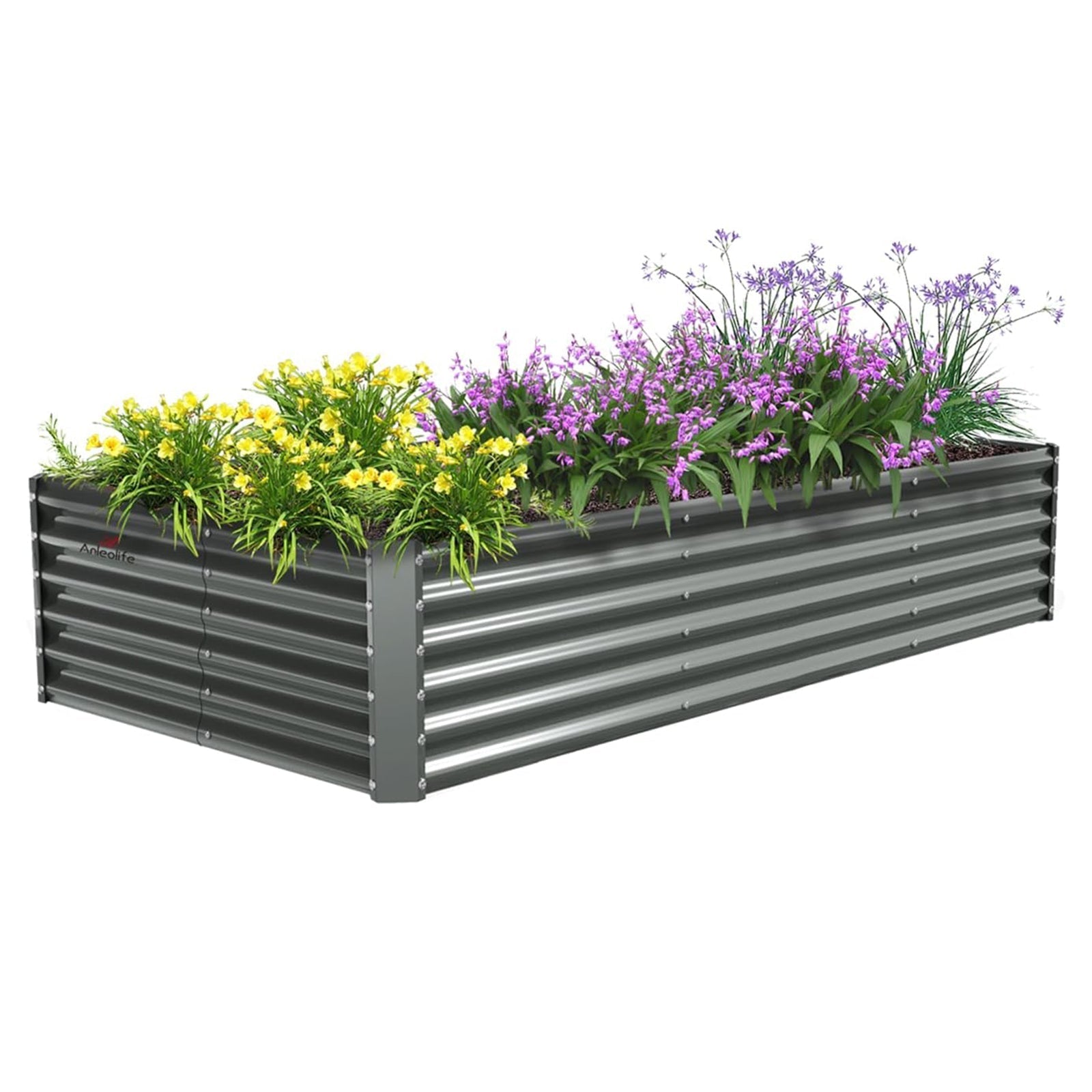

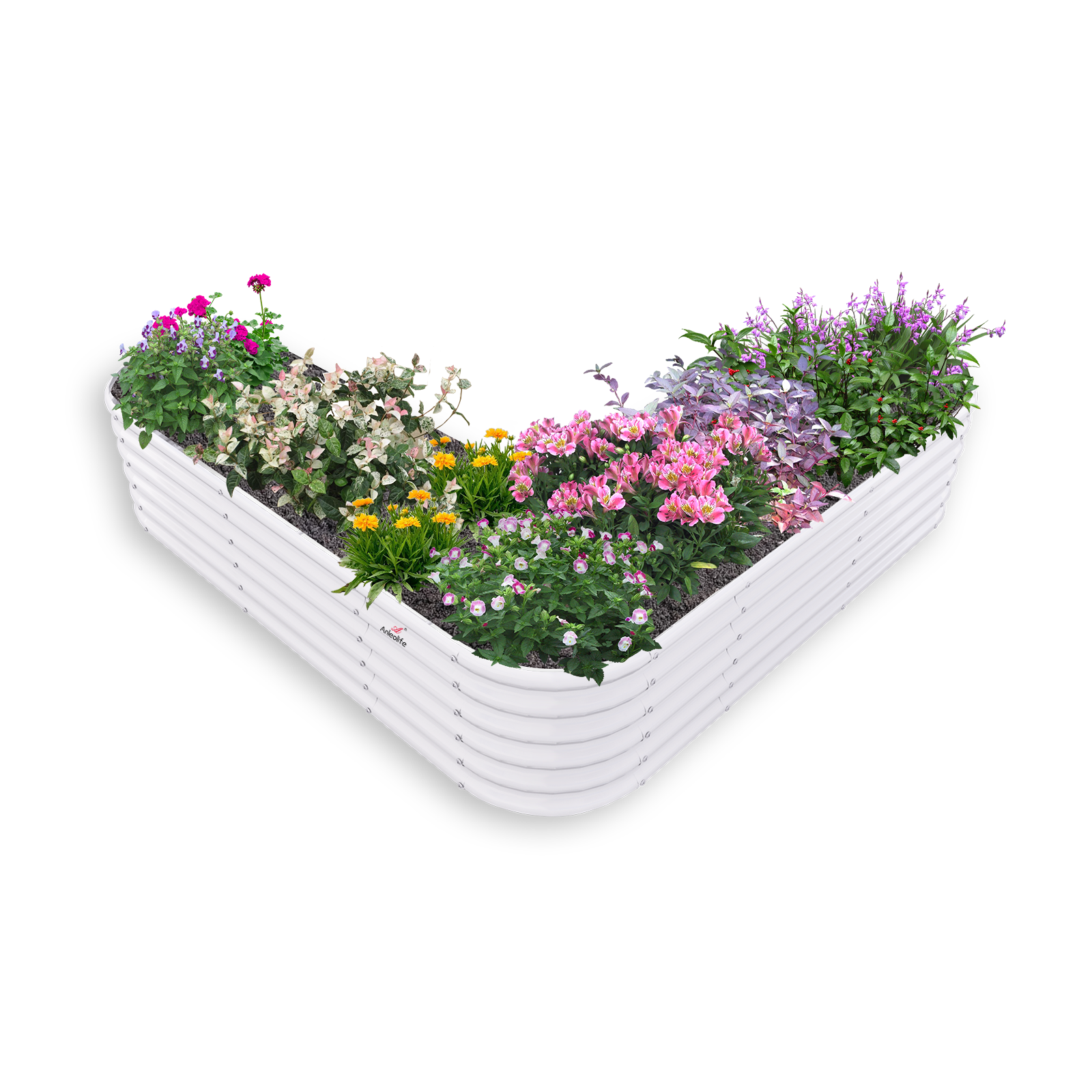
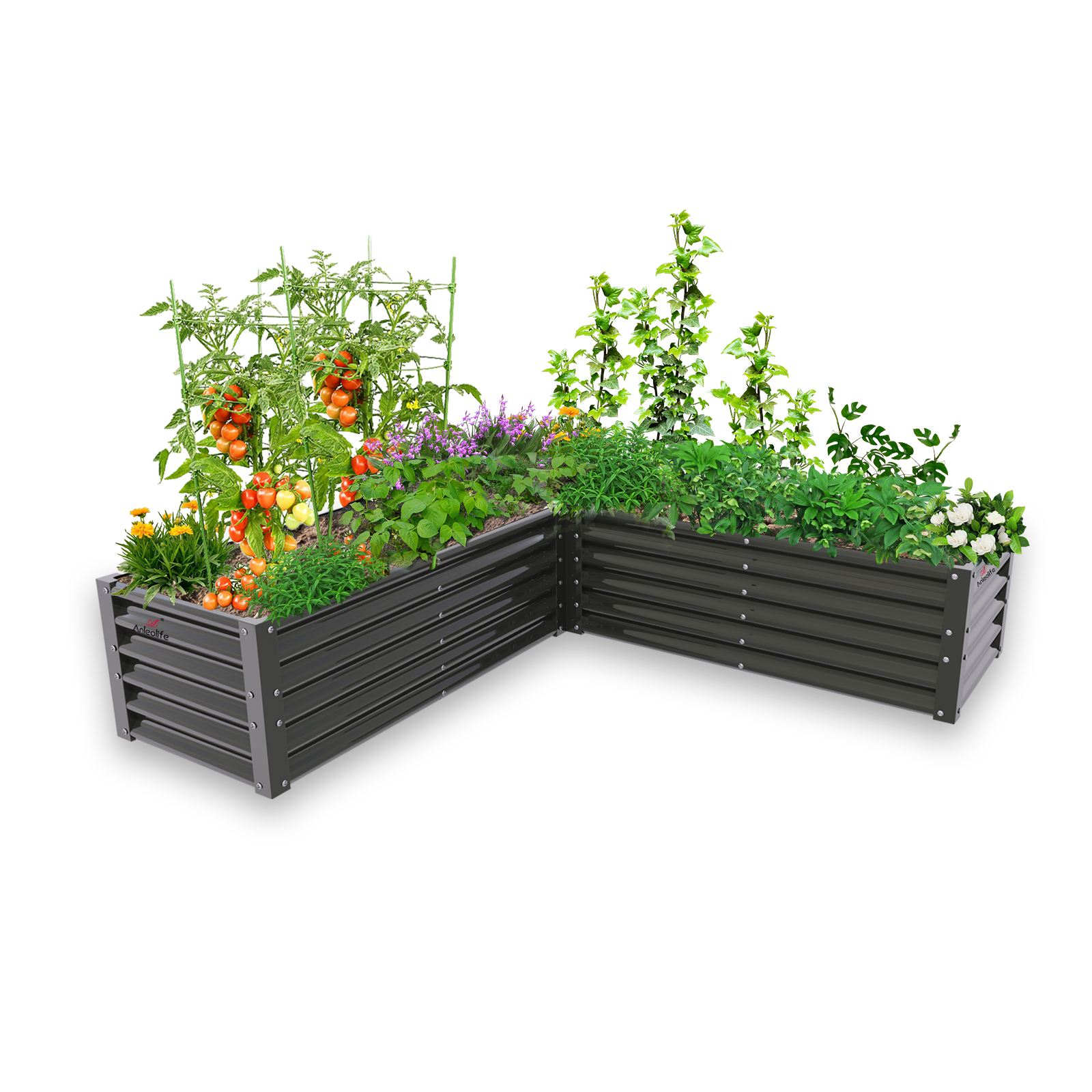
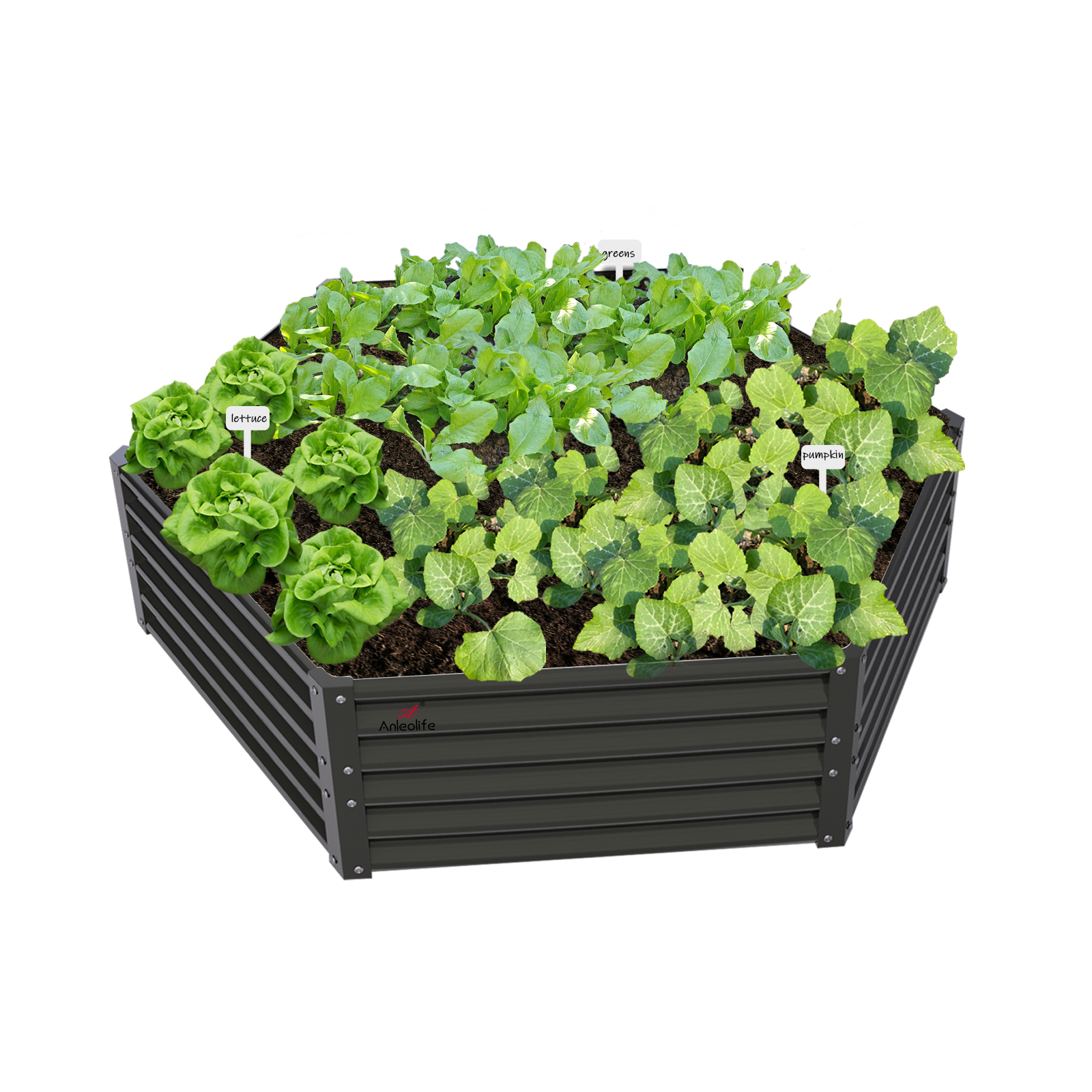
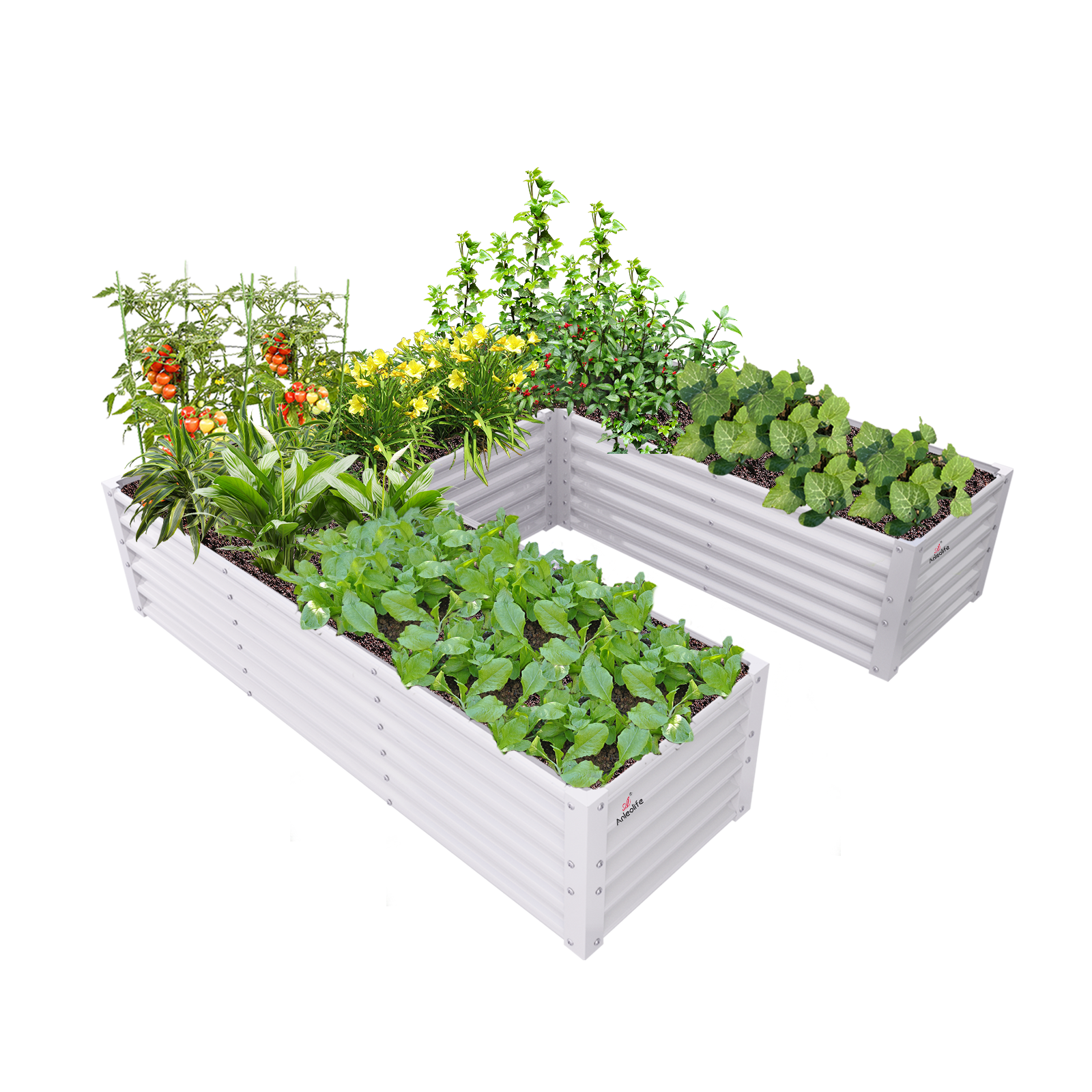

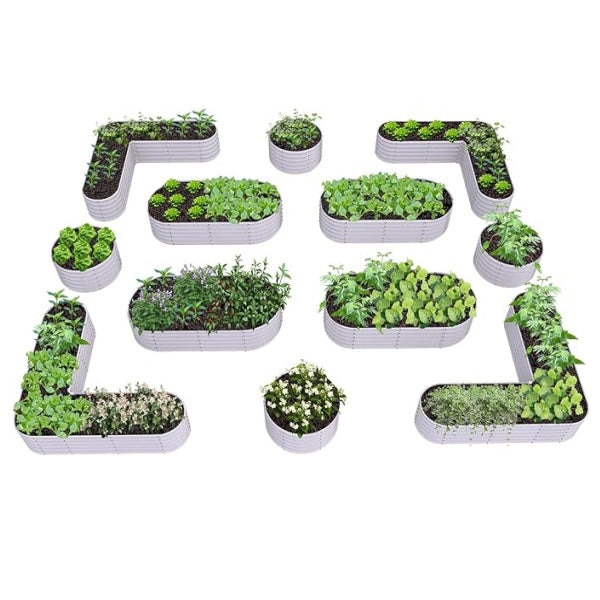


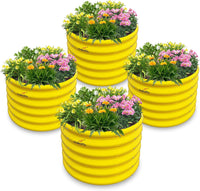
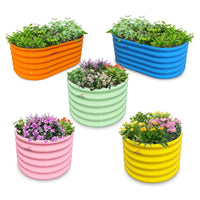
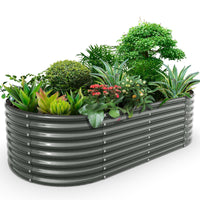



ALT: Filling a large raised garden bed on a budget using hugelkultur and layering methods with wood logs and compost
Why Filling a Large Raised Garden Bed Feels Expensive — And How to Change That
Key Conclusion: Filling a large raised garden bed doesn't have to drain your wallet. By combining the ancient hugelkultur technique with strategic layering methods, budget-conscious gardeners can build rich, moisture-retentive soil from freely available organic materials. Whether you've just invested in a durable galvanized steel raised garden bed or you're planning your first growing season, these approaches deliver long-term fertility without the premium price tag of bagged soil alone.
Let's face it — you've done the smart thing and invested in a quality raised garden bed. But then you realize the real challenge: filling it. A standard 8x4 ft bed that's 24 inches tall needs a substantial volume of growing medium, and purchasing premium bagged soil to fill it entirely can cost hundreds of dollars. The good news? Experienced gardeners have been solving this problem for centuries, and their techniques are more relevant than ever for today's eco-conscious home growers.
In this guide, we'll walk you through two powerful, complementary strategies — hugelkultur and layered bed filling — that dramatically cut costs while actually improving soil quality over time. These methods work beautifully inside raised garden beds of all sizes and are ideal whether you're growing vegetables, herbs, or flowers.
Who Should Use These Filling Methods
✅ Applicable Scenarios:
- Gardeners who have recently purchased a large raised garden bed (8x4 ft, 12x3 ft, or larger) and need a cost-effective way to fill it
- Eco-conscious home growers who want to recycle yard waste, fallen branches, and kitchen scraps rather than sending them to landfill
- Budget-minded families who want to maximize growing productivity without spending hundreds of dollars on bagged soil
- First-time gardeners in suburban or rural settings with access to wood debris, leaves, cardboard, or grass clippings
- Empty nesters or retirees looking to establish productive garden beds that improve fertility naturally over multiple seasons
❌ Not Applicable/Cautions:
- Container gardeners using very shallow beds (under 12 inches tall) where hugelkultur wood logs won't have room to decompose effectively — layering alone is still useful, but skip the large wood base
- Urban micro-gardeners with no access to wood debris, leaves, or yard waste who cannot source free organic materials — in this case, a blended soil purchase may be more practical
- Gardeners hoping to harvest full yields in the very first season from a hugelkultur base — the decomposing wood layer takes time to break down and may create a slight nitrogen dip initially
The Real Cost Problem With Large Raised Garden Beds (And Why These Methods Work)
There's a reason filling a large raised garden bed catches so many gardeners off guard. When you're shopping for the bed itself, the focus is naturally on the frame — the quality, the dimensions, the durability. But the volume of soil required to fill that frame can be a genuine shock.
Consider a raised bed that's 12 feet long, 3 feet wide, and 18 inches tall. That's a substantial volume of growing medium. Multiply that by the cost of premium potting mix or garden soil per bag, and you're looking at a significant investment just to get started. This is especially true for gardeners who choose deeper beds — and for good reason. Deeper beds allow vegetables like tomatoes, carrots, and squash to develop strong root systems and produce abundant harvests. If you're exploring which height works best for your crops, our Raised Garden Bed Height Guide: 18", 24", 30", or 35" — Which Is Right for You? breaks down the pros and cons of each depth.
The elegant solution is to think of your raised bed not as a container you fill with a single product, but as a layered ecosystem — one where the bottom two-thirds is built from free or low-cost organic materials that will slowly decompose into rich compost, while the top one-third is quality growing medium where your plants' roots will actively work.
This approach has deep historical roots. The hugelkultur method originates from traditional Central European permaculture practices and has been validated by modern soil science as an effective way to build long-term soil fertility, improve water retention, and reduce the need for irrigation. Research from institutions like the Rodale Institute has documented how organic matter layering improves soil structure and microbial life over time.
Meanwhile, today's home gardeners are rediscovering these techniques at exactly the right moment. According to the National Gardening Association, vegetable gardening participation in the U.S. has grown significantly in recent years, with more households than ever starting raised bed gardens. As interest grows, so does the demand for practical, affordable ways to set up and maintain productive growing spaces.
For a comprehensive look at what the best soil composition looks like once your base layers are established, What Is the Best Soil Mix for Raised Garden Beds? (The Mel's Mix Guide) is an excellent companion resource to this article.
How to Fill a Large Raised Garden Bed on a Budget: Step-by-Step Methods
Three-Step Quick Start
Step 1: Gather Your Free or Low-Cost Organic Materials
Before you fill a single inch of your bed, spend a week collecting organic materials. Walk your yard and neighborhood looking for fallen branches, logs, and wood debris. Contact local tree services — many will deliver wood chips for free. Collect cardboard boxes (remove tape and staples), fallen leaves, grass clippings, kitchen vegetable scraps, and straw. The goal is to build a stockpile of materials that represent different decomposition speeds: woody material (slow), dry leaves and cardboard (medium), and green kitchen scraps (fast). Allow yourself 3–7 days of collection before you begin layering.
Step 2: Build Your Bottom Layers Inside the Raised Bed
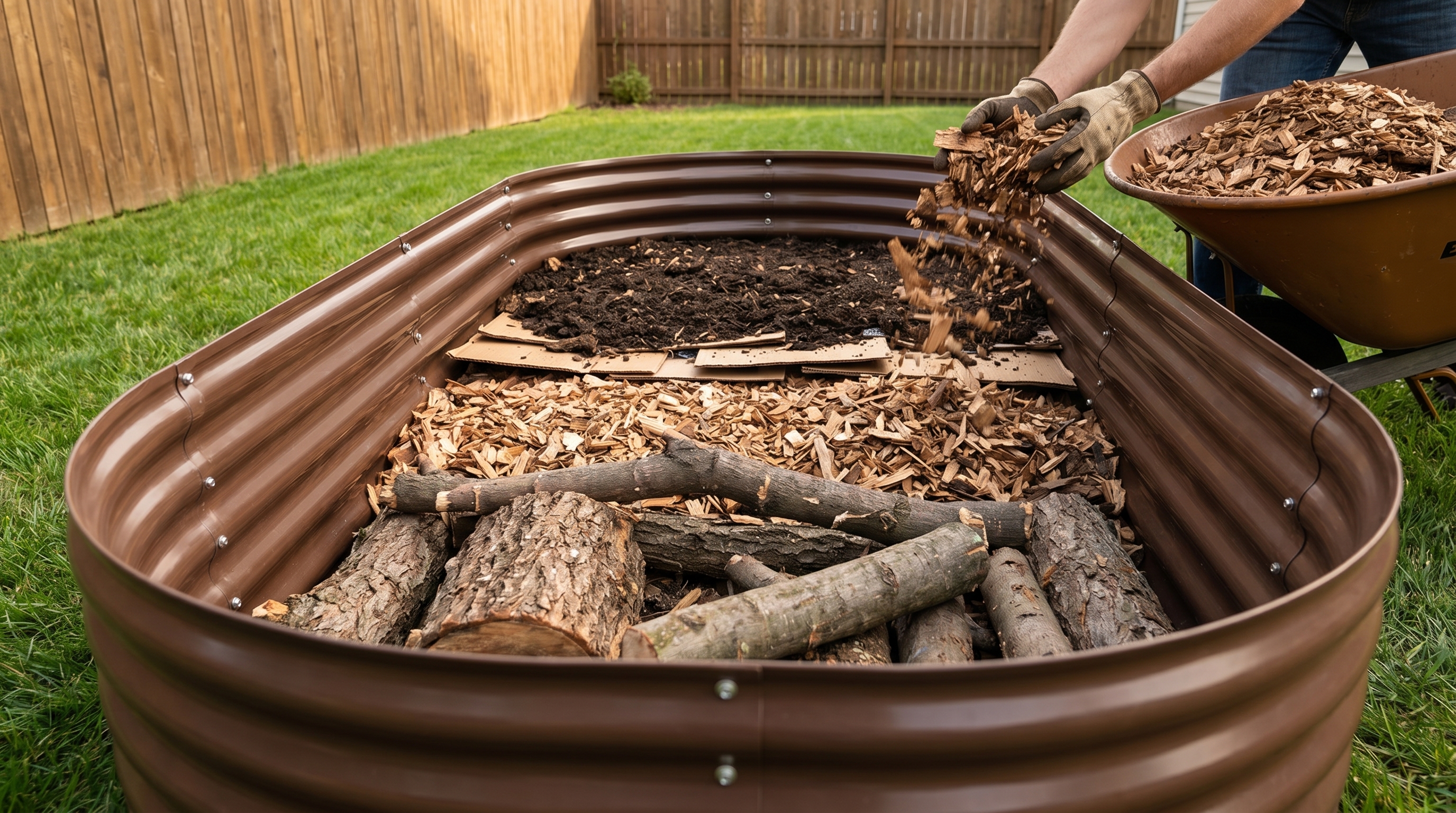
With your raised bed positioned and secured, begin filling from the bottom up. Start with your largest wood pieces — logs, thick branches, stumps — in the lowest section of the bed. These are the backbone of the hugelkultur technique. Next, pile on smaller sticks, twigs, and wood chips. Follow with a generous layer of cardboard, then alternating green and brown layers (kitchen scraps / grass clippings alternating with dry leaves or straw). This layering process typically takes an afternoon and will fill the bed to about two-thirds full.
Step 3: Top With Quality Growing Medium
The final layer — roughly the top 6 to 10 inches — is where your plants will actually root and feed, so this is where you invest in quality. Use a blend of good compost, topsoil, and potting mix. You can purchase this in bags or in bulk. Alternatively, apply a version of Mel's Mix — a blend of compost, vermiculite, and coarse sand — for excellent drainage and fertility. This top layer is what your transplants and seeds will encounter directly, so prioritize quality here even if you've saved money on everything below.
Hugelkultur vs. Simple Layering vs. Full Soil Purchase: A Comparison
Understanding which approach makes the most sense for your situation is key. Here's how the three main strategies compare across the dimensions that matter most to budget-conscious gardeners:
| Comparison Dimension | Hugelkultur Method | Simple Layering (No Wood) | Full Soil Purchase |
|---|---|---|---|
| Upfront Cost | Very low (mainly free materials) | Low to moderate | High |
| Long-Term Soil Fertility | Excellent — wood slowly releases nutrients for years | Good — compost layers improve over time | Depends on soil quality purchased |
| Water Retention | Outstanding — wood acts as a sponge | Moderate | Moderate |
| Best For | Deep beds (18"+), large volume fills | Beds of any depth, urban gardeners | Gardeners wanting instant results |
| First-Year Yield | Moderate (nitrogen dip possible) | Good | Excellent |
| Years 2–5 Yield | Excellent as wood decomposes | Good to excellent | Depends on amendments |
| Labor Required | Moderate — collecting and layering | Low to moderate | Minimal |
| Eco-Friendliness | Outstanding — recycles yard waste | Very good | Variable |
For gardeners with access to wood debris and a bed that's 18 inches or deeper, hugelkultur is the clear winner in long-term value. For urban gardeners or those with shallower beds, simple layering without the wood base is still dramatically cheaper than purchasing all-premium soil.
Deep Dive: The Hugelkultur Method for Raised Garden Beds
What Is Hugelkultur, Exactly?
The word "hugelkultur" comes from the German for "mound culture," and the technique involves burying wood at the base of a growing area so that it slowly decomposes and releases nutrients over multiple seasons. When applied inside a raised garden bed, you're essentially creating a buried compost system that improves moisture retention, feeds soil microbes, and gradually enriches the growing medium above — all from materials that would otherwise go to the landfill or compost pile.
Choosing the Right Wood
Not all wood is created equal for hugelkultur. The best choices are hardwoods like oak, maple, apple, cherry, or alder — these decompose at a moderate rate and release nutrients steadily. Avoid wood from black walnut (which contains juglone, a compound toxic to many plants), cedar or pine in large quantities (too resinous), and any treated or painted wood. Partially rotted wood is actually ideal — it's already beginning to break down and will host the fungal networks that make hugelkultur so effective.
The Nitrogen Consideration
One thing every hugelkultur gardener should know: fresh wood consumes nitrogen as it decomposes. This is why some gardeners experience slightly reduced yields in the first season, especially if fresh logs dominate the bottom layer. The fix is simple — compensate by adding extra nitrogen-rich materials (green grass clippings, kitchen scraps, aged manure, or a light application of organic fertilizer) to the layers above the wood. By season two, the wood will begin releasing nutrients rather than consuming them, and your bed will outperform any standard soil fill.
Layer Sequence Inside Your Raised Bed
Here's the exact sequence we recommend for a deep raised bed using the hugelkultur approach:
- Bottom layer: Large logs and thick branches (fills the lowest 6–10 inches of a deep bed)
- Second layer: Smaller sticks, wood chips, and bark
- Third layer: Cardboard (acts as a weed barrier and decomposes into carbon)
- Fourth layer: Green kitchen scraps, grass clippings, aged manure (nitrogen-rich)
- Fifth layer: Dry leaves, straw, or shredded newspaper (carbon-rich)
- Sixth layer: Compost — as much as you have
- Top layer: Your quality soil blend for planting
This structure mirrors the natural decomposition sequence found on a forest floor and creates an incredibly biologically active growing environment.
Deep Dive: The Simple Layering Method (For Any Bed Depth)
If you don't have access to wood debris or you're working with a shallower bed, the layering method — sometimes called "lasagna gardening" — is your best friend. The principle is the same as hugelkultur but without the wood base: you alternate carbon-rich "brown" layers with nitrogen-rich "green" layers, mimicking a compost pile built right inside your raised bed.
Brown (Carbon) Materials:
- Cardboard (uncoated, tape removed)
- Dry autumn leaves
- Straw or hay
- Shredded newspaper
- Wood chips (in moderation)
Green (Nitrogen) Materials:
- Grass clippings
- Fresh kitchen vegetable scraps
- Coffee grounds
- Fresh garden trimmings
- Aged manure
The ratio to aim for is roughly 3 parts brown to 1 part green, which encourages efficient decomposition without creating odor or pest problems. Each layer should be 2–4 inches thick. Water each layer lightly as you go — moisture is essential for the microbial activity that breaks these materials down into usable plant nutrition.
Finish with a generous top layer of quality compost and growing mix, and your bed is ready to plant. Over the course of the first growing season, the lower layers will compress and begin to break down, which is normal — you can top-dress with additional compost each spring to maintain the level.
A Practical Example
Sarah, a retired schoolteacher in the Pacific Northwest, filled her new Anleolife 12x3 ft raised garden bed using purely the layering method — no purchased soil at all except for the top 6 inches of compost from her local municipality (often available free to residents). Her first-year tomato and kale harvest exceeded expectations, and by year two the lower layers had broken down into rich, dark humus that dramatically improved her soil structure.
Choosing the Right Raised Bed for These Methods
These filling techniques work best in beds with sufficient depth. The deeper the bed, the more room you have for organic base layers and the more benefit you get from the hugelkultur approach in particular.
Anleolife's galvanized steel raised garden beds are exceptionally well-suited to these methods. The 24" Extra Tall and 30" Extra Tall options give you maximum depth for layering — enough room for a generous wood base, multiple alternating layers, and a full top section of quality growing medium. The 18"-tall beds are also very capable, giving you enough depth for effective simple layering even without large wood pieces at the base.
What makes Anleolife beds particularly appealing for this approach is their durability. These beds are built from high-quality galvanized steel with outstanding rust resistance — and they're rated for a 20-year lifespan. That matters a lot when you're investing in a multi-year hugelkultur system. The decomposing wood in your base will continue releasing nutrients for years, and you want a bed that can be your growing partner for that entire journey. If you're wondering how Anleolife's galvanized steel construction compares to wood raised beds in terms of long-term value, our in-depth article Galvanized Steel vs. Wood Raised Garden Beds: Which Is Better for Your Backyard? covers every angle of that comparison.
The rust-resistant coating on Anleolife beds also means there's no concern about chemical leaching or degradation interacting with your carefully built organic layers inside the bed. For gardeners who want deeper assurance on material safety, Are Metal Raised Garden Beds Safe for Vegetables? What You Need to Know is worth reading before you get started.
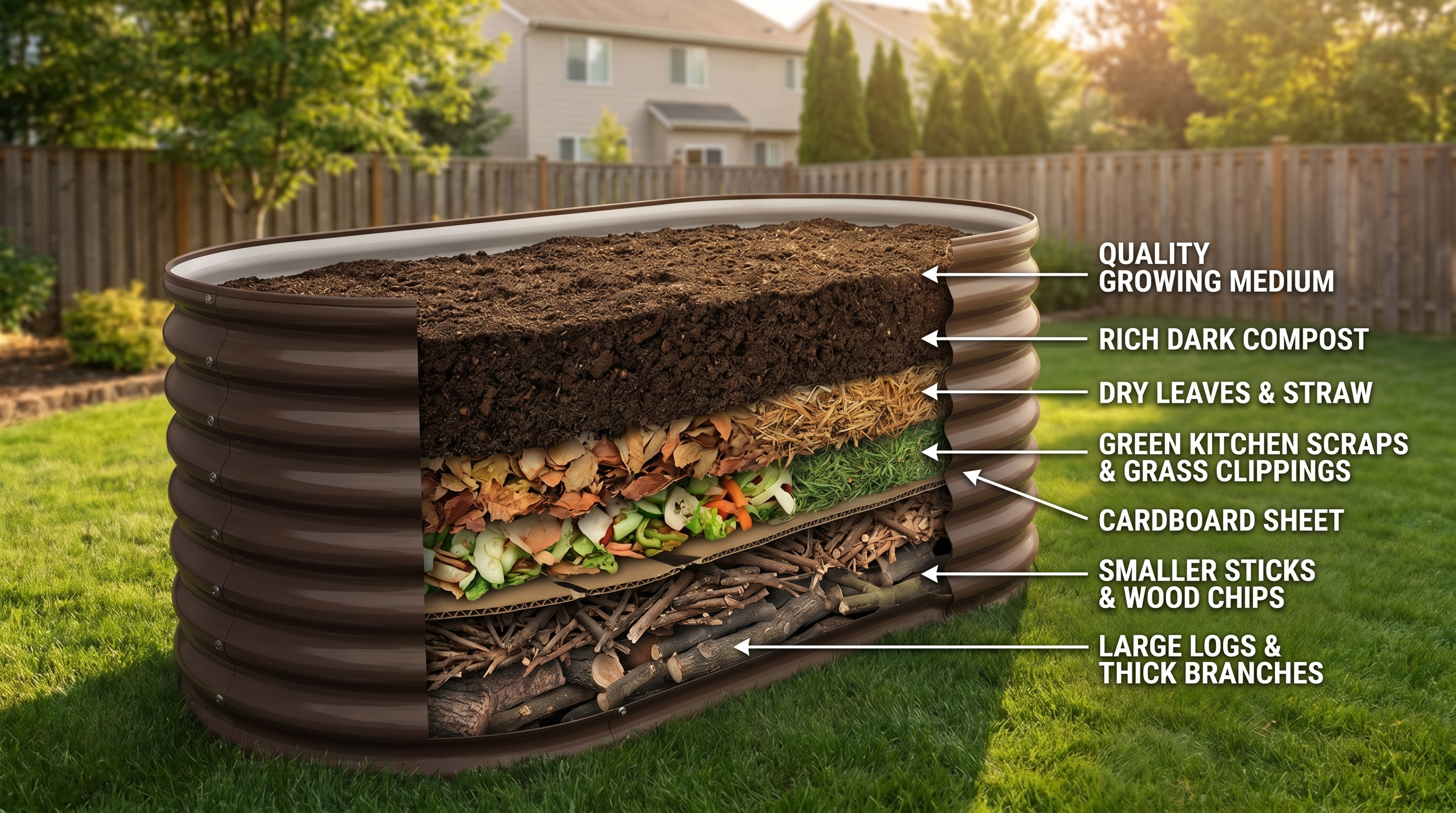
ALT: Cross-section view of a hugelkultur layered raised garden bed showing wood logs, cardboard, compost, and soil layers inside a galvanized steel bed
Advanced Tips: Handling Special Situations and Common Misconceptions
Special Situation 1: Your Bed Is Already Set Up and Half-Filled With Poor Soil
You don't have to start from scratch. If your bed already contains poor-quality soil, simply layer amendments on top. Add a 2-inch layer of compost, followed by a thin layer of aged manure or worm castings, and finish with fresh compost. Mixing this gently into the top few inches will improve the growing environment significantly over a single season without requiring you to empty and restart the bed.
Special Situation 2: You're in a Hot, Dry Climate
Hugelkultur is particularly valuable in hot climates because the wood base acts as a sponge, absorbing moisture during watering or rainfall and releasing it slowly during dry periods. Gardeners in Texas, California, Arizona, and similar climates often find their hugelkultur beds require 30–50% less irrigation compared to beds filled entirely with conventional soil — a significant long-term savings in both water costs and effort.
Special Situation 3: Dealing With Pests in Organic Layers
One concern some gardeners have with layering methods is attracting pests — particularly slugs, earwigs, or fungus gnats that thrive in moist organic matter. The best approach is to keep your cardboard and green material layers buried under brown material and covered by your growing medium, rather than exposed at the surface. For any pest issues that do arise in the growing medium itself, the best organic insecticide for garden pests includes options like neem oil, insecticidal soap, diatomaceous earth, and pyrethrin-based sprays — all of which are safe to use around edible crops and won't disrupt the beneficial microbial activity you've worked to build in your layers.
Misconception Clarification: "I Need to Wait a Full Year Before Planting"
This is one of the most persistent myths about hugelkultur and layered bed filling. While it's true that the lower layers will continue decomposing over time, the top layer of quality growing medium is ready to plant immediately. Many gardeners successfully grow productive crops in their first season while the lower layers work away beneath the surface. Starting with transplants rather than direct-seeded crops can help you get off to a stronger start in year one.
Frequently Asked Questions FAQ
Q1: How long does it take for the hugelkultur wood base to fully decompose inside a raised garden bed?
The decomposition timeline depends on the type and size of wood used, local climate, and moisture levels. Small branches and wood chips may break down significantly within 2–3 seasons. Larger logs can take 5–10 years to fully decompose — and that's actually a feature, not a bug. The slow breakdown means your bed continues receiving a steady nutrient supply over many years. During this time, the wood also becomes colonized by beneficial fungi that support plant root health throughout the life of your garden bed.
Q2: Are Anleolife galvanized steel raised garden beds rust-resistant enough for long-term use with moist organic materials?
Yes. Anleolife's galvanized steel and rust-resistant raised garden bed lines are specifically engineered to withstand the moist, acidic conditions created by organic decomposition inside the bed. The galvanized coating provides a robust barrier against corrosion, and Anleolife beds are rated for a 20-year lifespan — meaning your bed will outlast many full cycles of hugelkultur decomposition. Regular watering and the moisture retained by organic layers inside the bed will not compromise the structural integrity of the galvanized steel frame.
Q3: How much money can I realistically save by using hugelkultur and layering instead of buying all bagged soil?
Savings vary based on bed size and local material costs, but the difference is substantial. A large bed filled entirely with bagged premium soil can cost significantly more than one filled with a layered organic base topped with quality growing medium. By sourcing wood debris, leaves, cardboard, and grass clippings for free, and purchasing only the top layer of soil or compost, many gardeners reduce their filling costs by 60–80% compared to a full bagged-soil approach. Free wood chip delivery from local tree services (coordinated through services like ChipDrop) can eliminate the cost of the base layers entirely.
Summary
Filling a large raised garden bed on a budget is genuinely achievable — and not just a compromise. When done well with hugelkultur and layering techniques, budget-filling methods actually produce better growing conditions over time than many all-purchased-soil setups. Here are the three key takeaways to carry with you:
1. Think in layers, not in bags. The secret to affordable bed filling is reimagining your raised bed as a layered ecosystem. Wood at the bottom, alternating organic layers in the middle, and quality growing medium at the top — each layer has a purpose and contributes to a fertile, living soil environment.
2. Source free materials strategically. Cardboard, fallen branches, leaves, kitchen scraps, and grass clippings are the building blocks of this method. Most are available for free in your own yard or neighborhood. Local tree services, municipal composting programs, and community boards are excellent sources for wood chips and bulk compost.
3. Invest in a durable raised bed that will last. The beauty of hugelkultur and layering is that the benefits compound over time — but only if your raised bed frame holds up for the long haul. Choosing a bed rated for 20 years of use means your soil system and your hardware mature together season after season.
Ready to start your budget-friendly raised bed project? Explore your options from beginner-friendly vegetable selections to get inspired — The 15 Best Vegetables to Grow in a Raised Garden Bed for Beginners is a great place to start planning what you'll grow in your newly filled bed.
Nationwide U.S. warehouse network: Strategically located in California, Texas, Florida, New York, Illinois, and Washington to ensure delivery within 3–8 business days—so your garden upgrade plans never have to wait.
Multi-channel sales network: Products are available on major e-commerce platforms including Amazon, Walmart, Home Depot, Lowe's, Wayfair, as well as the official website Anleolife.com, providing consistent quality assurance and after-sales service.
Three core scenarios: Planting (metal raised garden beds, soil systems), Raising (chicken coops, rabbit hutches), and Beautification (decorative accessories, pathway systems), meeting complete needs from functionality to aesthetics.
Upgrade your garden with Anleolife. We understand that an ideal garden is not built overnight, but gradually improved over time. Our modular product design allows flexible expansion based on your needs — from your first raised bed to a fully integrated planting-and-raising ecosystem. We grow with you every step of the way.
References
- Rodale Institute. "Organic No-Till Farming and Soil Health Research".
https://rodaleinstitute.org/ - National Gardening Association. "Gardening Trends and Participation Statistics".
https://garden.org/ - University of California Agriculture and Natural Resources. "Composting Is Good for Your Garden and the Environment".
https://ucanr.edu/sites/composting/ - USDA Natural Resources Conservation Service. "Soil Health: Building Organic Matter".
https://www.nrcs.usda.gov/conservation-basics/natural-resource-concerns/soils/soil-health - Penn State Extension. "Raised Bed Gardening".
https://extension.psu.edu/raised-bed-gardening
Note: Standards and research findings may be updated; please check the latest official documents or consult professional advisors for the most current guidance.
About Anleolife
Anleolife is a leading outdoor garden solutions provider in North America, dedicated to offering a full-scenario product ecosystem for home gardening enthusiasts, covering planting, raising, and garden beautification. Since its founding, we have upheld our brand mission, "Made for Garden Life," continuously innovating products and optimizing services to help hundreds of thousands of users upgrade their gardens, reconnect with nature, and enjoy a better garden lifestyle.